

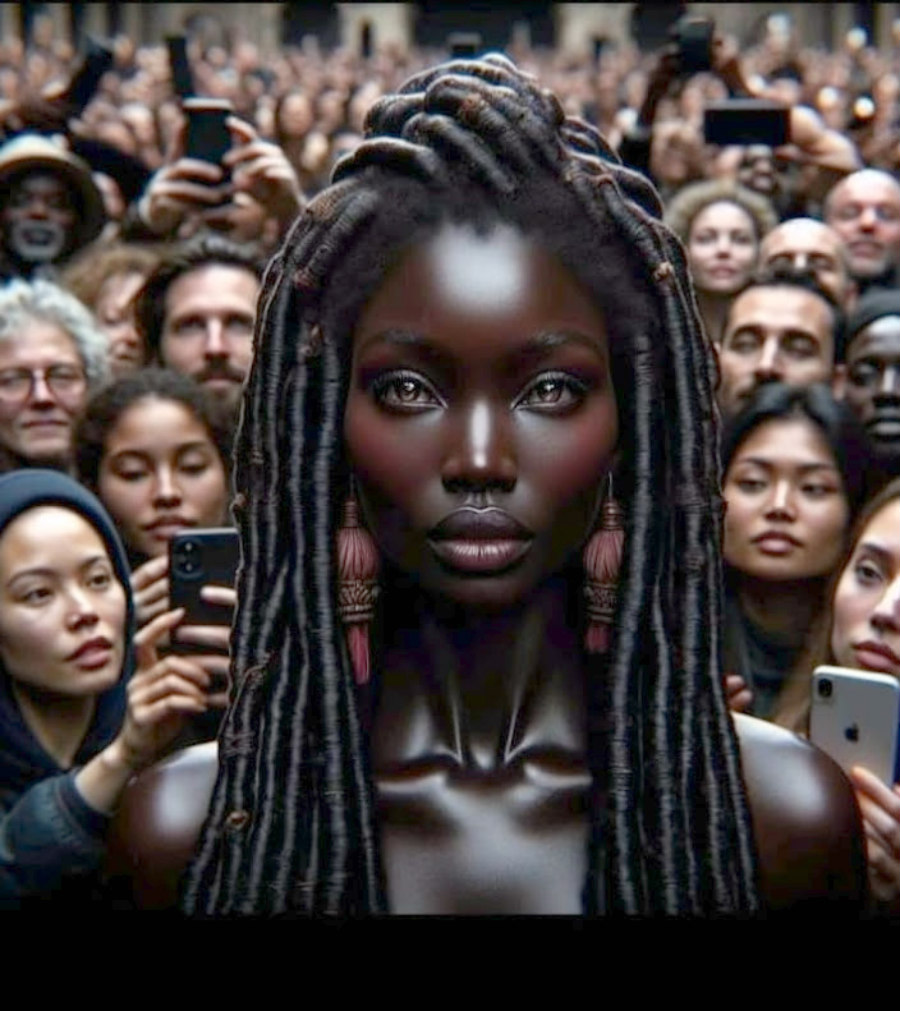
The beautiful burden of being Black is a paradox the world rarely understands. It is to carry a history lined with wounds and still walk with a grace that defies logic. It is to bear the weight of collective memory while radiating a joy that refuses to die. This burden is heavy, yet it glows—because Blackness, with all its complexity, is both a cross and a crown.
The burden is beautiful because it begins in brilliance. Before oppression, before colonization, before forced migration, there were nations of power: Kush, Axum, Kemet, Mali, Songhai, and countless others. These civilizations remind the descendants of Africa that their story started with royalty, scholarship, architecture, and spiritual depth. The weight of this legacy is not a hindrance; it is a gift.
Yet the burden became heavier as the transatlantic slave trade ripped families apart and scattered a people across continents. The trauma was immeasurable, the loss irreparable. Still, the burden did not break them. Even within the darkness of the Middle Passage, survival itself became a form of defiance. The beauty lies in the unimaginable strength it took for a people to endure what should have destroyed them.
The burden of being Black in America means carrying the memory of ancestors who labored without recognition, whose brilliance was masked by oppression, and whose identities were reduced to numbers on auction blocks. Yet the descendants of these same people walk with dignity, build communities, shape culture, and preserve faith. This resilience is sacred.
There is beauty in the burden because it forged a spiritual fortitude that becomes evident in every generation. Enslaved Africans found in the Bible a God who saw them, heard them, and walked with them through affliction. They clung to stories of Moses, David, Job, and Christ, discovering divine solidarity in suffering. Their theology, born in the shadows, would one day spark movements of liberation.
The burden is felt in every stereotype overcome, every barrier broken, every expectation exceeded. The world often expects Black people to shrink, yet they expand. They excel. They innovate. This persistent rising—whether in education, art, music, ministry, or activism—is a testimony that hardship cannot extinguish destiny. The beauty emerges in the excellence developed under pressure.
The burden also comes wrapped in the responsibility of representation. To be Black is often to be seen not as an individual but as a symbol—expected to stand strong, be flawless, succeed despite obstacles, and carry the weight of entire communities. This expectation is heavy. Yet the beauty is that Black people continue to rise to the moment, redefining greatness on their own terms.
The burden carries an inherited sorrow, a quiet ache passed down through generations. It lives in stories told around dinner tables, in photographs of relatives who lived through segregation, in the coded warnings parents give their children about how to move safely in the world. Yet even this sorrow is paired with joy—the laughter that fills family gatherings, the resilience that turns pain into poetry, and the hope that refuses to fade.
The beautiful burden is evident in art. From the spirituals of the enslaved to the blues of the Delta, from the jazz of Harlem to the soul of Motown, from hip-hop’s global influence to today’s cinematic masterpieces—Black creativity has always transformed pain into beauty. Art becomes a refuge, a witness, a rebellion, a healing balm.
The burden is felt in the fight for justice, where Black people have long stood at the front lines of movements for equality—not only for themselves but for the world. The Civil Rights Movement, the anti-lynching campaigns, the push for voting rights, and modern racial justice activism all reveal a people deeply committed to righteousness and human dignity. This burden is heavy, yet profoundly beautiful.
There is a burden in knowing that one’s history has been distorted or erased, that one’s ancestors are often misrepresented in textbooks or omitted altogether. Yet the beauty lies in the reclaiming. Black scholars, writers, theologians, and community leaders are restoring the narrative, gathering the fragments of history, and piecing together the truth with authority and pride.
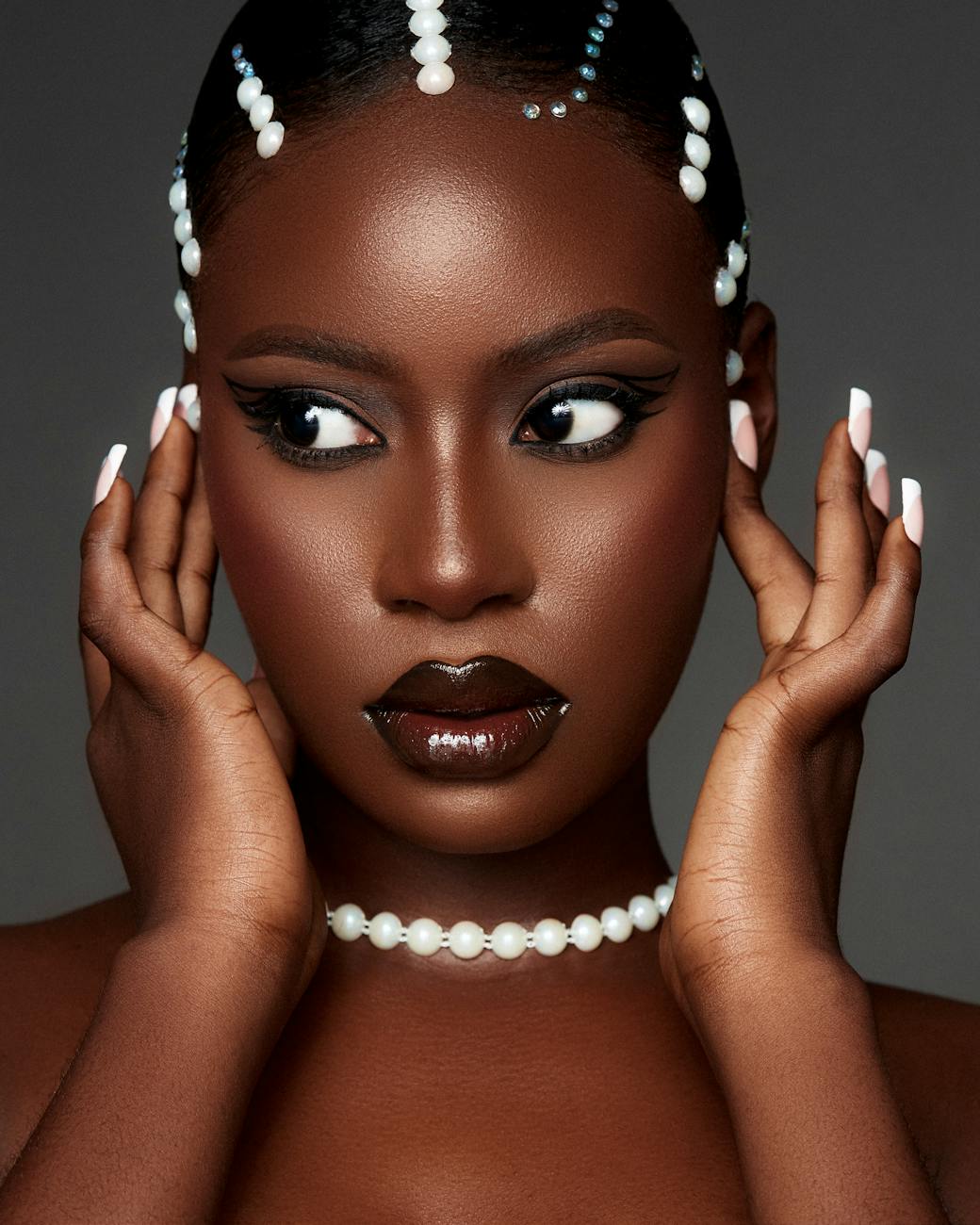
The beautiful burden is carried in the body—melanin rich, historically politicized, culturally celebrated, spiritually significant. Blackness is admired, imitated, criticized, and commodified, often at the same time. The burden is navigating a world that covets Black culture but not Black people. Yet the beauty is in wearing one’s identity with pride in the face of contradiction.
The burden shows up in the constant need to explain, educate, and advocate, even when exhausted. Yet the beauty manifests in the strength of community: generations pouring into each other, sharing wisdom, building networks, and creating safe spaces where identity is affirmed and celebrated.
There is a burden in the existential fear passed down since slavery—the awareness that safety is never guaranteed. Yet the beauty is in the collective determination to protect, nurture, and advocate for life. Black families, churches, and communities become sanctuaries of healing, strength, and love.
The beautiful burden also includes the call to dream. To dream in a world that once outlawed Black literacy, Black autonomy, and Black mobility is revolutionary. Every Black achievement becomes both a personal triumph and a generational victory. Dreams carry the weight of ancestors but also the wings of possibility.
Ultimately, the beautiful burden of being Black is a paradox of power and pain. It is a story soaked in suffering yet overflowing with strength. It is an inheritance shaped by injustice yet crowned with glory. It is a testimony of a people who refused to be broken, whose voices echo across centuries, whose presence transforms nations, and whose identity shines with divine purpose.
The burden is beautiful because it proves that Blackness is not merely a category—it is a calling. A calling to endure. To rise. To create. To liberate. To love fiercely. To shine unapologetically. And to walk in the legacy of ancestors whose sacrifices laid the foundation for every step forward.
The beautiful burden of being Black is, ultimately, a sacred responsibility: to remember, to honor, to rise, and to continue telling a story too powerful for the world to ignore.
References:
Genesis 15:13–14 (KJV); Psalm 68:31; Isaiah 61:1–4; Deuteronomy 32:10–12; Franklin, J. H. From Slavery to Freedom; Diop, C. A. The African Origin of Civilization; Anderson, C. White Rage; Raboteau, A. Slave Religion; Hooks, B. Ain’t I a Woman?; Gates, H. L. The African Americans: Many Rivers to Cross.


 THE BROWN GIRL DILEMMA