Tag Archives: black history

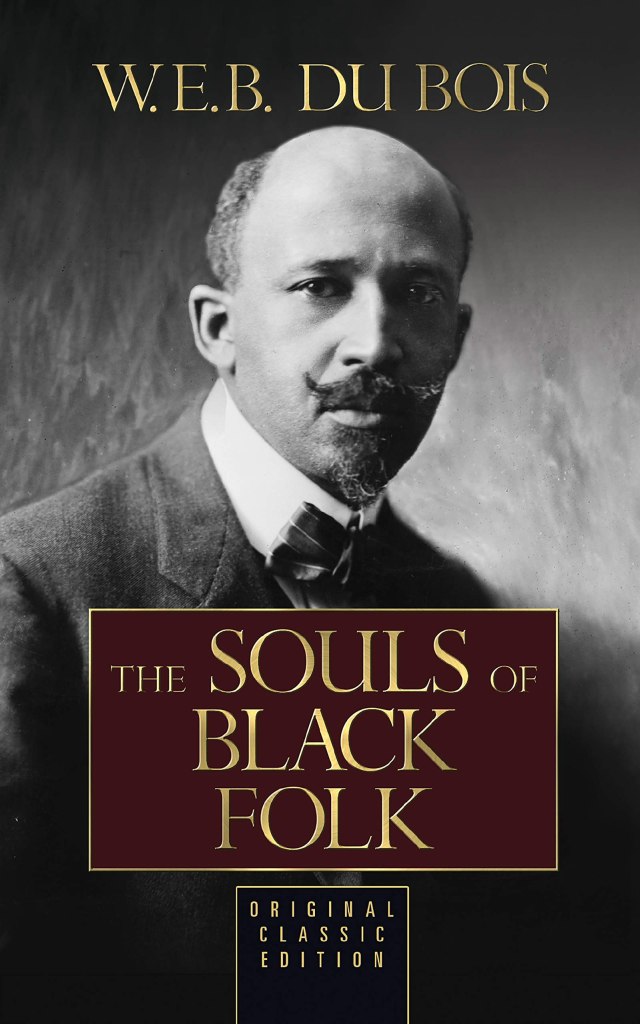
BOOK REVIEW: The Souls of Black Folk by W.E.B. Du Bois

W. E. B. Du Bois (1868–1963) was a pioneering African American scholar, sociologist, historian, author, and civil rights activist whose work transformed the intellectual and political landscape of the 20th century. Born in Great Barrington, Massachusetts, Du Bois was one of the first Black Americans to grow up in a predominantly white community with access to integrated schools. He went on to become the first Black person to earn a Ph.D. from Harvard University, later studying at the University of Berlin. A tireless advocate for racial equality, Du Bois challenged systemic racism through groundbreaking scholarship and bold public advocacy. His landmark 1903 work, The Souls of Black Folk, introduced the concept of double consciousness and called for the political, educational, and social uplift of African Americans. Du Bois co-founded the NAACP and used the power of the pen and protest to fight lynching, segregation, and disenfranchisement. His light skin, though sometimes noted by others, never distracted from his unwavering commitment to Black liberation; he used his voice, platform, and brilliance not for personal elevation but to awaken the conscience of a nation and demand justice for his people. Throughout his life, Du Bois remained a fierce critic of racism and an uncompromising advocate for the dignity, intellect, and future of Black humanity worldwide.
Version 1.0.0

📚 Book Review — The Souls of Black Folk by W. E. B. Du Bois

Rating: ⭐⭐⭐⭐⭐
Published: 1903

Premise & Overview

A foundational collection of essays introducing his theory of double consciousness—the enduring inner conflict experienced by Black Americans: “two souls, two thoughts… two warring ideals in one dark body” Owlcation+15Encyclopedia Britannica+15Biography+15. Du Bois rejects the philosophy of accommodation promoted by Booker T. Washington and calls for full civil rights, higher education, and leadership from the Black “Talented Tenth” Wikipedia+14Encyclopedia Britannica+14PBS+14.

Key Themes and Impact

  • Double Consciousness: The psychological toll of seeing oneself through white society’s contempt, leading to internal division Encyclopedia Britannica.
  • Critique of Washington’s Strategy: Du Bois charged that Washington “practicably accepts the alleged inferiority of the Negro races,” arguing that his approach would perpetuate submission The New Yorker+15Encyclopedia Britannica+15Wikipedia+15.
  • Higher Education & Political Rights: He championed classical education and equal voting rights to produce leaders who could uplift the race Biography+2Reddit+2Reddit+2.
  • Pan-African Vision: Du Bois writes about a global color line and anticipated colonial revolutions and Pan-African unity Wikipedia.

How It Changed Black Lives

  • Served as the intellectual bedrock of the NAACP and the civil rights movement, providing theoretical clarity and radical urgency Encyclopedia BritannicaPBS.
  • Spurred the rise of the Black middle class via legitimizing higher education and civic activism Wikipedia.
  • Became a founding text of Black protest literature, galvanizing generations of activists and scholar-intellectuals Reddit+2Reddit+2Reddit+2.

Celebration & Reception

Awards and Honors

  • The book itself did not win contemporary awards, but it has been honored as a cornerstone of Black literature and thought.
  • The two-volume biography of Du Bois by David Levering Lewis won Pulitzer Prizes in 1993 and 2000 AP News+1TIME+1.


🔑 What Did Du Bois Advocate?

  • Political agitation and protest—not silence or submission.
  • Development of the Talented Tenth—educated Black leaders to guide the masses and achieve justice WikipediaWikipedia+2PBS+2Reddit+2.
  • A refusal to “put further dependence on the help of the whites” and a call for self-reliant organization and nationalist thinking Wikipedia.

🌍 Historical Legacy

  • Du Bois changed American history by legitimizing Black intellectual power, clarifying racial injustice as a national crisis, and fueling the NAACP’s civil rights agenda.
  • His concept of double consciousness is foundational to race and identity studies today.
  • His insistence on education, political rights, and fuller participation transformed prospects for generations of Black Americans.

Conclusion

The Souls of Black Folk is a masterwork—part sociological insight, part moral manifesto, part spiritual meditation. It demanded dignity, equality, and intellectual excellence. W. E. B. Du Bois stood as the voice of Black reason and rebellion. His legacy continues to inspire those who believe in the power of truth, education, and uncompromising justice.


✊🏾 The Black is Beautiful Movement: Origins, Influence, and Legacy ✊🏾

Photo by AOG PIXELS on Pexels.com

The Black is Beautiful movement emerged in the United States during the mid-1960s as a cultural and political affirmation of Black identity, aesthetics, and heritage. While the phrase became widely popularized through the work of the Black Arts Movement and fashion photography, its roots can be traced to the activism of figures such as Kwame Brathwaite and the African Jazz-Art Society & Studios (AJASS) in Harlem. Brathwaite and AJASS launched the Naturally ’62 fashion show in 1962, which celebrated natural hair, darker skin tones, and African-inspired clothing, directly challenging Eurocentric beauty standards (Ford, 2015).

The slogan Black is Beautiful was also closely aligned with the broader Civil Rights and Pan-Africanist movements, reflecting the ideological influence of leaders like Marcus Garvey, whose earlier campaigns emphasized racial pride and self-love. The movement gained visibility in magazines such as Ebony, Jet, and Essence, which featured darker-skinned models and natural hairstyles. Advertising agencies and brands—particularly those serving the African American market—began to incorporate Black beauty ideals into their campaigns. Companies such as Johnson Products (with its Afro Sheen brand) and Soft Sheen made direct use of the slogan and imagery in print and television ads during the 1970s (Taylor, 2016).

The world’s reaction to the movement varied. In the Black community, it fostered a collective sense of dignity and cultural pride, encouraging African Americans to reject skin bleaching, hair straightening, and other practices that reflected internalized racism. Globally, the movement resonated with African liberation struggles, influencing artists and activists in the Caribbean, Africa, and the United Kingdom. Internationally, the concept intersected with anti-colonial sentiment, with publications and cultural festivals abroad adopting similar affirmations of Black beauty and identity (Cummings, 2018).

The Black is Beautiful movement had a profound psychological impact on African Americans. Research in social psychology has shown that positive in-group representation can improve self-esteem and counteract internalized oppression (Cross, 1991). By redefining beauty standards, the movement helped dismantle the harmful association between whiteness and attractiveness, replacing it with an appreciation for African features such as full lips, broad noses, tightly coiled hair, and deep skin tones.

Celebrities played a significant role in popularizing the movement. Figures like Cicely Tyson, Nina Simone, and Kathleen Cleaver wore natural hairstyles and spoke openly about embracing their African heritage. Tyson rejected roles that required her to straighten her hair, stating in interviews that her natural style was a statement of self-respect. Nina Simone famously declared, “You’ve got to learn to leave the table when love’s no longer being served”—a statement tied to the larger ethos of self-worth and pride. In the sports world, Muhammad Ali’s unapologetic proclamation, “I’m Black and I’m proud” echoed the movement’s core message. In music, James Brown’s 1968 hit Say It Loud – I’m Black and I’m Proud became an anthem that galvanized support across generations.

The movement’s era was primarily the 1960s through the 1970s, coinciding with the Civil Rights Movement, the Black Power Movement, and the rise of Black cultural nationalism. Its legacy continues in contemporary movements such as Black Girl Magic and Melanin Poppin’, which similarly celebrate African-descended beauty and identity in the face of ongoing colorism and Eurocentric media dominance.

In sum, the Black is Beautiful movement was not merely a fashion statement but a political and psychological revolution. It empowered generations of African Americans to embrace their identity, reject assimilationist beauty norms, and inspire a global dialogue on race, aesthetics, and cultural pride.


References

Cross, W. E. (1991). Shades of Black: Diversity in African-American identity. Temple University Press.

Cummings, M. J. (2018). We will shoot back: Armed resistance in the Mississippi freedom movement. NYU Press.

Ford, Tanisha C. (2015). Liberated threads: Black women, style, and the global politics of soul. University of North Carolina Press.

Taylor, Ula Y. (2016). The promise of patriarchy: Women and the nation of Islam. University of North Carolina Press.

Beyond the Textbooks: The Erased Histories of Black Excellence

“A people without the knowledge of their past history, origin, and culture is like a tree without roots.” — Marcus Garvey


Photo by Oladimeji Ajegbile on Pexels.com

The history of Black excellence is far older, richer, and more complex than the version most people encounter in school curricula. The conventional narratives presented in textbooks are often incomplete, diluted, or intentionally altered to support dominant cultural and political agendas. From ancient African civilizations that pioneered mathematics, medicine, and architecture, to intellectual, artistic, and scientific contributions during and after slavery, much of Black history has been systematically erased or reframed. The erasure is not accidental—it is part of an ongoing strategy by those in power to control the collective memory of oppressed peoples, thereby shaping identity, opportunity, and self-worth.


What Has Been Erased from History

Mainstream history often omits or minimizes Africa’s role as the cradle of civilization. The advanced societies of Kemet (ancient Egypt), Kush, Mali, and Songhai are rarely presented as African achievements in the West, despite evidence of their innovations in astronomy, irrigation, architecture, and governance. Figures like Imhotep, the world’s first recorded multi-genius and physician, are seldom highlighted alongside Greek and Roman thinkers, even though his work predated them by millennia. The erasure extends to the transatlantic slave trade narrative, which is often oversimplified into dates and numbers, glossing over the complex political, spiritual, and cultural identities enslaved Africans brought with them. In modern times, the contributions of Black inventors, such as Garrett Morgan (traffic signal, gas mask) or Granville T. Woods (electrical railway improvements), have been under-credited or misattributed.


How People in Power Erase and Dilute History

Erasure occurs through multiple mechanisms:

  1. Textbook Censorship – School boards and publishers often frame slavery as a “migration” or “labor system” rather than a brutal institution rooted in racial terror.
  2. Selective Storytelling – Historical figures are stripped of their radical politics; for example, Martin Luther King Jr. is remembered primarily for “I Have a Dream” while his critiques of capitalism and militarism are ignored.
  3. Eurocentric Framing – Achievements of African civilizations are either ignored or attributed to outside influences, denying African agency.
  4. Modern Digital Manipulation – Social media algorithms and biased search results bury scholarship that challenges dominant narratives.

This dilution serves the purpose of cultural control. If oppressed groups are denied their true history, they may more easily internalize inferiority and accept their place in a manufactured social order. This aligns with George Orwell’s warning in 1984: “Who controls the past controls the future: who controls the present controls the past.”


Credible Sources to Learn Our History

To reclaim erased histories, credible sources are essential. These include:

  • Primary Sources: Archival documents, oral histories, and African artifacts preserved in institutions like the Schomburg Center for Research in Black Culture.
  • Scholarly Works: Ivan Van Sertima’s They Came Before Columbus, Cheikh Anta Diop’s The African Origin of Civilization, and Chancellor Williams’ The Destruction of Black Civilization.
  • Community Historians: Black churches, grassroots historians, and African cultural organizations often safeguard truths omitted from academic spaces.
  • Credible Textbooks: From Slavery to Freedom by John Hope Franklin, Before the Mayflower by Lerone Bennett Jr., and The Mis-Education of the Negro by Carter G. Woodson.

These sources resist the revisionism found in standard education systems and offer counter-narratives rooted in fact.


Biblical Insight into Historical Erasure

The Bible acknowledges the importance of remembering history and warns against its distortion. Deuteronomy 32:7 (KJV) commands, “Remember the days of old, consider the years of many generations: ask thy father, and he will shew thee; thy elders, and they will tell thee.” This mirrors the African oral tradition of passing down wisdom and identity. Psalm 78:4 (KJV) declares, “We will not hide them from their children, shewing to the generation to come the praises of the Lord, and his strength, and his wonderful works that he hath done.” The suppression of history is therefore not only an academic injustice but also a spiritual violation, cutting people off from divine instruction embedded in their collective story.


How the Past Has Been Watered Down

From the 19th century onward, Western historical scholarship often diminished African agency. Textbooks in the early 20th century described slavery as a “civilizing” process for Africans, ignoring the violence, cultural erasure, and systemic exploitation involved. Even today, school curricula often reduce the Civil Rights Movement to a few key events, ignoring the global anti-colonial solidarity movements it inspired. The erasure of radical Black political thought—such as the Pan-Africanism of Marcus Garvey or the anti-imperialism of Malcolm X—waters down the revolutionary potential of these legacies.


Modern-Day Erasure

In the 21st century, the erasure of Black history continues through legislative bans on “critical race theory,” the removal of books from school libraries, and the underfunding of African American studies programs. The cultural sanitization of slavery—framing it as “shared history” rather than a system of racialized terror—is a political act intended to protect dominant narratives and prevent structural change. Additionally, media often elevates stories of Black struggle over Black achievement, perpetuating a one-dimensional view of the Black experience.


Keeping Our History Alive

To keep our history alive, we must be proactive and communal in preservation:

  1. Intergenerational Storytelling: Families should pass down ancestral narratives without dilution.
  2. Independent Institutions: Support Black-owned publishing houses, museums, and schools that tell the full story.
  3. Curriculum Reform: Advocate for comprehensive African and African American history in public education.
  4. Digital Archives: Create accessible online repositories of oral histories, photographs, and documents.
  5. Spiritual Restoration: Reaffirm the biblical call to remember and honor the legacy of our ancestors as part of our divine inheritance.

Conclusion

The erasure of Black excellence is not simply an omission—it is an intentional act of power designed to weaken identity and unity. But knowledge is a form of liberation. By seeking out credible sources, rejecting diluted narratives, and actively preserving our history, we ensure that future generations stand rooted in truth. Marcus Garvey’s words remind us that without historical consciousness, we are like trees without roots—unable to stand tall or bear fruit. History is not a passive memory; it is a living inheritance, and we must guard it with vigilance, truth, and pride.


References

  • Bennett, L., Jr. (1993). Before the Mayflower: A History of the Negro in America, 1619–1992. Penguin Books.
  • Diop, C. A. (1974). The African Origin of Civilization: Myth or Reality. Chicago Review Press.
  • Franklin, J. H., & Moss, A. A. (2000). From Slavery to Freedom: A History of African Americans (8th ed.). McGraw-Hill.
  • Garvey, M. (1920). Philosophy and Opinions of Marcus Garvey. Universal Negro Improvement Association.
  • Van Sertima, I. (1976). They Came Before Columbus: The African Presence in Ancient America. Random House.
  • Williams, C. (1987). The Destruction of Black Civilization. Third World Press.
  • Woodson, C. G. (1933). The Mis-Education of the Negro. Associated Publishers.
  • The Holy Bible, King James Version.

Bloodlines and Bondage: The Untold Biblical Genealogy of the Black Diaspora

Photo by nappy on Pexels.com

The genealogy of the Black diaspora is a tapestry woven from millennia of movement, resilience, and divine purpose. For centuries, African people have been misrepresented, with their histories erased or distorted, obscuring their identity as part of the biblical lineage of the “chosen people.” The Hebrew Scriptures, in conjunction with modern genetic research, provide compelling evidence that many Black communities are descendants of the ancient Israelites. This paper traces the genealogy of the Black diaspora, exploring bloodlines, the E1B1A haplogroup, the diaspora’s origins, and the biblical connections to Jerusalem, while contextualizing the historical impact of slavery and migration.


Biblical Genealogy of the Black Chosen People

The Bible records that the descendants of Ham, specifically through Cush (Genesis 10:6–8, KJV), were settled in Africa. These descendants include the ancient kingdoms of Kush, Egypt, and parts of Sub-Saharan Africa, establishing a biblical precedent for African peoples as integral to the lineage of Israel. Deuteronomy 28 details blessings and curses, many of which scholars argue correspond with the historical experiences of the African diaspora. The scriptures provide a genealogical framework that links Africans to the broader story of the Israelites, emphasizing their role in God’s covenantal plan.


The Black Diaspora and Historical Context

The Black diaspora refers to the global dispersion of African peoples through migration, trade, conquest, and slavery. Starting with the transatlantic slave trade, millions of Africans were forcibly removed from their homelands, scattering the descendants of biblical Cush and Ham across the Americas, Europe, and the Caribbean. This diaspora disrupted the natural genealogical continuity, creating a legacy of bondage but also resilience. Historical records, oral traditions, and archaeology show that African civilizations prior to slavery had complex social, political, and religious structures, underscoring the depth of lineage that preceded forced displacement.


Genetics and the E1B1A Haplogroup

Modern genetic studies provide an additional layer of evidence for tracing African genealogies. The E1B1A Y-chromosome haplogroup is prevalent among West and Central African populations and is strongly associated with descendants of the African diaspora. This haplogroup traces paternal lineage and corroborates historical accounts of migrations from Northeast Africa toward the Nile Valley and across the continent. By linking genetics to biblical and historical records, researchers can identify patterns of descent consistent with the movements of Cushite and Hamitic peoples, reinforcing the continuity of Black Israelite lineage.


Tracing the Lineage Back to Jerusalem

Several biblical passages suggest that African peoples had connections to the Holy Land long before slavery. Psalm 87:4 (KJV) notes, “I will make mention of Rahab and Babylon to them that know me,” which scholars interpret as recognizing the inclusion of Cush and other African nations in God’s covenantal history. Historical interactions, including trade, migration, and the establishment of Jewish communities in Africa, provide evidence that Africans had religious and genealogical ties to Jerusalem and the Israelite tradition long before forced dispersal. The Ethiopian eunuch in Acts 8:27–39 further illustrates the integration of Africans into the biblical story of faith and covenant.


Legacy, Continuity, and Resilience

Despite centuries of enslavement, colonization, and cultural erasure, the genealogical and spiritual identity of African peoples as descendants of the biblical Israelites endures. The diaspora’s bloodlines, preserved through genetics and oral tradition, testify to resilience and divine continuity. Recognizing these connections empowers African descendants to reclaim identity, history, and purpose. The Bible consistently underscores the importance of remembering and honoring one’s lineage: “Remember the days of old, consider the years of many generations: ask thy father, and he will shew thee; thy elders, and they will tell thee” (Deuteronomy 32:7, KJV).


Conclusion

The biblical genealogy of the Black diaspora reveals a profound and often overlooked truth: African peoples are deeply intertwined with the history of Israel. From the descendants of Cush and Ham to the modern African diaspora, bloodlines and genetics such as E1B1A corroborate biblical and historical narratives. By tracing these lineages, scholars and communities alike can reclaim their rightful place in history, affirm spiritual identity, and honor the enduring legacy of the chosen people. Understanding the genealogy of the Black diaspora is both an act of scholarship and a restoration of truth.


References

  • De Gruy, J. (2005). Post Traumatic Slave Syndrome: America’s Legacy of Enduring Injury and Healing. Uptone Press.
  • Diop, C. A. (1974). The African Origin of Civilization: Myth or Reality. Chicago Review Press.
  • Franklin, J. H., & Moss, A. A. (2000). From Slavery to Freedom: A History of African Americans (8th ed.). McGraw-Hill.
  • Hammer, M. F., et al. (2001). Hierarchical patterns of global human Y-chromosome diversity. Molecular Biology and Evolution, 18(7), 1189–1203. https://doi.org/10.1093/oxfordjournals.molbev.a003906
  • Van Sertima, I. (1976). They Came Before Columbus: The African Presence in Ancient America. Random House.
  • The Holy Bible, King James Version.

Dilemma: Deuteronomy 28

The Black Experience: Prophecy or History Repeating?

Photo by Thato Moiketsi on Pexels.com


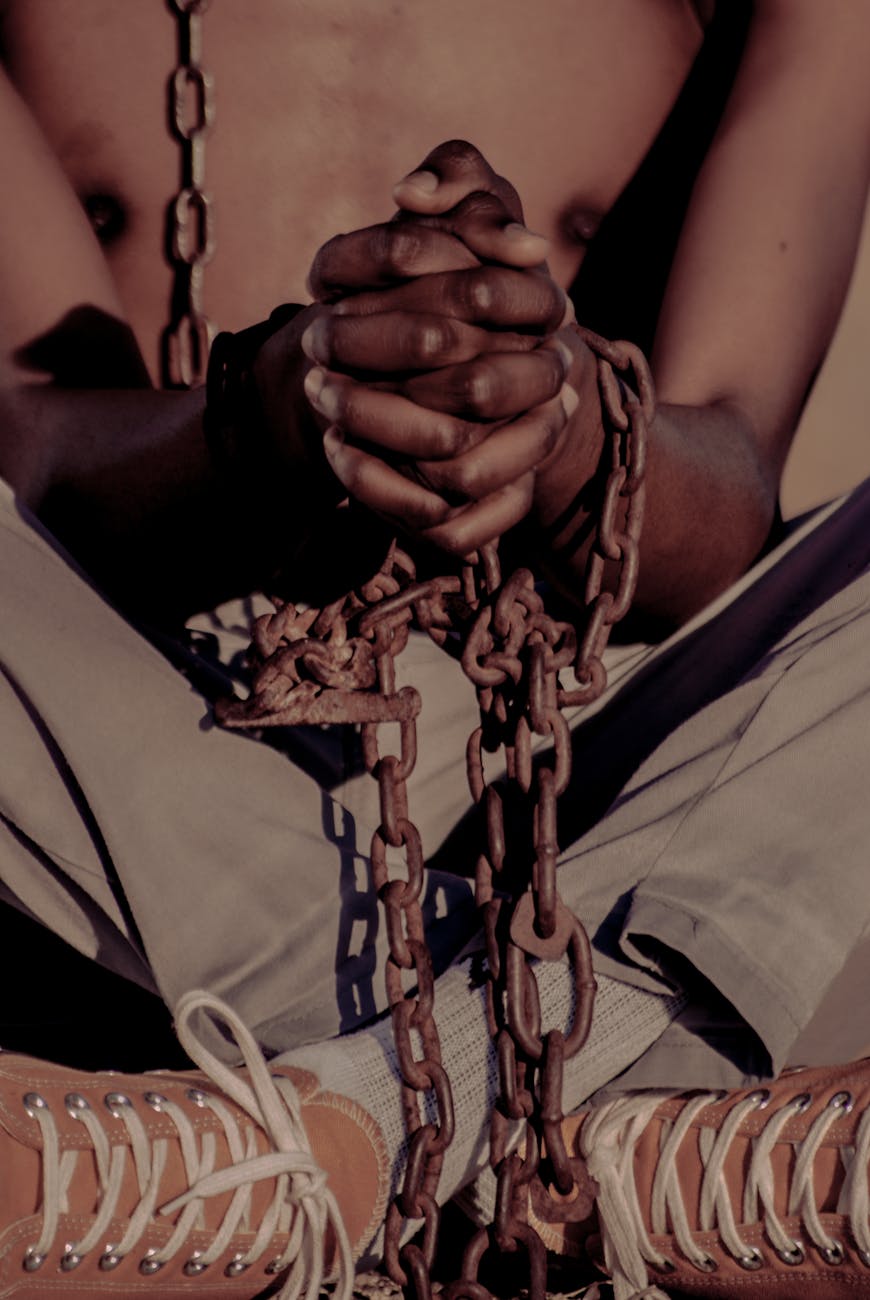
The twenty-eighth chapter of Deuteronomy in the King James Version (KJV) is one of the most striking passages in the Bible because of its detailed account of blessings for obedience and curses for disobedience. For centuries, many have read this chapter as a prophetic warning to ancient Israel. However, within the Black community—particularly among African Americans and the African diaspora—Deuteronomy 28 has been seen as more than distant history. Its descriptions of exile, suffering, and generational struggle resonate deeply with the legacy of slavery, systemic oppression, and the enduring trials faced by Black people today.


What Deuteronomy 28 Means (KJV Context)

Deuteronomy 28 outlines two distinct paths:

  • Verses 1–14 – Blessings for obedience to God’s commandments: prosperity, victory over enemies, fruitful land, and respect among nations.
  • Verses 15–68 – Curses for disobedience: poverty, disease, oppression, exile, enslavement, and a loss of identity.

For example:

“The LORD shall cause thee to be smitten before thine enemies… thou shalt be removed into all the kingdoms of the earth.” (Deut. 28:25, KJV)
“And the LORD shall bring thee into Egypt again with ships… and there ye shall be sold unto your enemies for bondmen and bondwomen, and no man shall buy you.” (Deut. 28:68, KJV)

In biblical times, “Egypt” symbolized bondage. The reference to ships in verse 68 has been interpreted by many in the African diaspora as a prophetic mirror to the transatlantic slave trade.


How It Affects Black People Today

For many descendants of the transatlantic slave trade, Deuteronomy 28 feels eerily personal:

  • Loss of Homeland & Identity – The scattering of Israelites into foreign nations parallels the forced removal of Africans from their native lands, stripping away language, culture, and heritage.
  • Generational Oppression – The curses describe cycles of poverty and violence that continue to plague Black communities worldwide.
  • Cultural Disconnection – Enslavement replaced ancestral traditions with foreign religions, names, and lifestyles, creating a fractured sense of self.

This sense of displacement—spiritual, cultural, and physical—has left an imprint that still affects Black people’s self-perception, unity, and empowerment.


Is History Repeating Itself?

While the transatlantic slave trade has ended, its legacy persists in new forms:

  • Mass Incarceration – A modern system echoing the chains of the past.
  • Police Brutality – Public killings and abuse as an extension of historical racial violence.
  • Economic Inequality – Wealth gaps between Black communities and white counterparts remain rooted in systemic barriers from slavery and Jim Crow.
  • Global Displacement – Migration crises and gentrification uproot Black families from established communities.

These parallels suggest that although the methods have changed, the core patterns of oppression remain. In this sense, history is not merely repeating—it is evolving in ways that still reflect the curses described in Deuteronomy 28.


Trials and Tribulations of the Black Experience

From enslavement to present-day systemic injustice, Black people have endured:

  • Enslavement & Forced Labor – Centuries of physical bondage and exploitation.
  • Lynchings & Racial Terrorism – The use of fear to maintain racial hierarchies.
  • Educational Barriers – Underfunded schools and restricted access to higher learning.
  • Cultural Appropriation – The theft and monetization of Black creativity without proper recognition or benefit.
  • Health Disparities – Higher rates of preventable diseases due to unequal access to care.

These struggles align with the “yoke of iron” (Deut. 28:48) that speaks not just to physical chains, but to social, economic, and psychological oppression.


Why Are We Going Through This?

From a biblical perspective, the trials faced by Black people can be seen through the lens of covenant relationship. In the Hebrew Scriptures, disobedience to God brought consequences upon Israel. Theologically, some interpret the suffering of the African diaspora as part of a divine chastisement that calls for repentance, unity, and a return to God’s commandments.

From a historical lens, the reason lies in systemic exploitation and white supremacy, which have sought to control, divide, and profit from Black labor and culture for centuries. Both spiritual and political explanations reveal that our suffering has roots deeper than mere coincidence.


Why Did This Separate Us?

Deuteronomy 28 speaks of being “scattered among all people” (v. 64). The scattering of African peoples through slavery physically separated families and tribes. Colonialism and forced assimilation further divided communities, creating:

  • Fragmented Identity – Different surnames, languages, and religions within the same bloodline.
  • Division by Colorism – A lingering byproduct of slavery’s “divide and rule” tactics.
  • Cultural Amnesia – Loss of collective memory about African kingdoms, traditions, and biblical heritage.

This separation weakens unity, making it harder for Black communities to mobilize for collective liberation.


Conclusion: Prophecy and Purpose

Whether one views Deuteronomy 28 as ancient prophecy directly describing the African diaspora or as an allegorical warning, the parallels are undeniable. The chapter reads like both a historical account and a prophetic mirror reflecting the Black experience—past and present.

Yet within the same chapter lies hope: the blessings that come with obedience, unity, and spiritual restoration. If the curses came to pass, so too can the promises of restoration, prosperity, and freedom. Our history may feel like it’s repeating, but prophecy also offers the possibility of breaking the cycle.

“And the LORD thy God will turn thy captivity, and have compassion upon thee, and will return and gather thee from all the nations…” (Deut. 30:3, KJV)

The call, then, is not only to recognize the pattern but to rise above it—spiritually, culturally, and collectively—so history’s repetition ends with us.

Dilemma: Mental Illness

The Silent Suffering and Mental Illness in the Black Community, Historical Roots, Case Studies, and Paths to Healing

Photo by Ketut Subiyanto on Pexels.com

Mental illness remains one of the most underdiagnosed and undertreated health crises in the Black community. Systemic racism, historical trauma from slavery, socioeconomic inequities, and cultural stigma have compounded the challenges of diagnosis and treatment. This paper examines the prevalence and types of mental illness affecting Black populations, case studies illustrating their manifestations, neuroscience research, biblical perspectives from the King James Version (KJV), and potential pathways to prevention and healing. The analysis further explores Post-Traumatic Slave Syndrome (PTSS), Stockholm Syndrome, and intergenerational trauma as they relate to mental health outcomes.


The mental health crisis within the Black community is often hidden behind layers of cultural stigma, systemic neglect, and historical trauma. According to the National Alliance on Mental Illness (NAMI), approximately 19% of Black adults live with a mental health condition, yet only one-third receive treatment[^1]. The mortality rate for those with untreated severe mental illness is significantly higher than the general population[^2]. This disparity is not merely the result of modern health care inequalities but is rooted in centuries of enslavement, oppression, and racialized violence that have reshaped generational mental health patterns.


Defining Mental Illness

The American Psychiatric Association (APA) defines mental illness as “health conditions involving changes in emotion, thinking, or behavior (or a combination thereof)” which cause distress and impair functioning[^3]. Common types include:

  • Bipolar Disorder
  • Autism Spectrum Disorder (ASD)
  • Borderline Personality Disorder (BPD)
  • Post-Traumatic Stress Disorder (PTSD)
  • Dissociative Identity Disorder (Multiple Personality Disorder)
  • Major Depressive Disorder
  • Schizophrenia
  • Obsessive-Compulsive Disorder (OCD)
  • Psychopathy and Sociopathy
  • Anxiety Disorders

Historical Roots: Why Black People Developed Certain Mental Illnesses

Slavery in America imposed continuous psychological harm: separation of families, sexual violence, physical brutality, and the stripping of cultural identity. This environment produced Post-Traumatic Slave Syndrome (PTSS), a concept by Dr. Joy DeGruy[^4], describing multigenerational trauma and adaptive survival behaviors that persist today. Furthermore, Stockholm Syndrome—a psychological phenomenon where victims develop empathy toward their oppressors—was observed in some enslaved populations who internalized slaveholder values to survive[^5].


Case Studies of Mental Illness in the Black Community

1. Bipolar Disorder

Case Study: An African American man in Detroit experienced alternating manic episodes of hyper-productivity and depressive episodes of immobilization. During an untreated manic state, he committed an armed robbery under delusional beliefs of “helping” his neighborhood. This resulted in imprisonment instead of psychiatric treatment[^6].

2. Autism Spectrum Disorder (ASD)

Case Study: A Black adolescent in Georgia went undiagnosed for years due to teachers misinterpreting his social withdrawal as defiance. His delayed diagnosis deprived him of early intervention that could have improved his academic and social functioning[^7].

3. Borderline Personality Disorder (BPD)

Case Study: A young Black woman with BPD in Chicago engaged in impulsive self-harm and unstable relationships. Her behavior escalated into violence during emotional dysregulation, leading to an assault charge. She later improved through dialectical behavior therapy (DBT)[^8].

4. Post-Traumatic Stress Disorder (PTSD)

Case Study: A Gulf War veteran from the Black community returned with severe PTSD and hypervigilance. The trauma of combat was compounded by racial discrimination in the military, making reintegration into civilian life difficult[^9].

5. Schizophrenia

Case Study: A Black man in Los Angeles suffered from paranoid schizophrenia. Misdiagnosed initially as bipolar disorder, he murdered a stranger he believed was “following orders” from a gang. Correct diagnosis and antipsychotic medication reduced symptoms[^10].

6. Dissociative Identity Disorder (DID)

Case Study: A Black woman who had endured severe childhood abuse developed multiple personalities to compartmentalize traumatic memories. One alter was aggressive and committed a theft offense during dissociation[^11].

7. Psychopathy and Sociopathy

Case Study: A sociopathic male gang leader in New York exhibited callousness and manipulative charm, orchestrating violent crimes without remorse. His behavior aligned with antisocial personality disorder criteria[^12].


Neuroscience and Mental Illness in Black Communities

Neuroscience research reveals that chronic trauma alters brain structure and function. The amygdala, hippocampus, and prefrontal cortex—regions governing fear response, memory, and decision-making—can shrink or become hyperactive in trauma survivors[^13]. Studies on intergenerational trauma show epigenetic changes in stress-response genes among descendants of enslaved Africans[^14].


Solutions: Psychology, Therapy, Medicine, and Faith

Psychological Interventions

Evidence-based approaches include Cognitive Behavioral Therapy (CBT), DBT, Eye Movement Desensitization and Reprocessing (EMDR) for PTSD, and Applied Behavior Analysis (ABA) for autism[^15].

Top Online Therapy Platforms:

  • BetterHelp
  • Talkspace
  • 7 Cups
  • Therapy for Black Girls
  • Open Path Collective

Medical Treatments

Medication such as SSRIs, mood stabilizers, and antipsychotics can reduce symptoms when combined with therapy.

Biblical Solutions (KJV Perspective)

  • Renewing the Mind: “Be not conformed to this world: but be ye transformed by the renewing of your mind” (Romans 12:2).
  • Peace in Anxiety: “Casting all your care upon him; for he careth for you” (1 Peter 5:7).
  • Healing the Brokenhearted: “He healeth the broken in heart, and bindeth up their wounds” (Psalm 147:3).

Faith-based counseling integrates spiritual disciplines, prayer, and scriptural meditation to complement medical and psychological care.


Conclusion

Mental illness in the Black community is a complex interplay of biology, history, culture, and systemic oppression. Addressing it requires not only medical and psychological interventions but also a historical reckoning with the trauma of slavery and racism. Neuroscience underscores the plasticity of the brain, meaning healing is possible, while the Bible offers enduring hope for transformation.

References

American Psychiatric Association. (2022). Diagnostic and statistical manual of mental disorders (5th ed., text rev.). American Psychiatric Publishing.

Boyd-Franklin, N. (2003). Black families in therapy: Understanding the African American experience (2nd ed.). Guilford Press.

Comas-Díaz, L., Hall, G. N., & Neville, H. A. (2019). Racial trauma: Theory, research, and healing: Introduction to the special issue. American Psychologist, 74(1), 1–5.

Cutchin, M. P., & McCray, E. (2021). Post-traumatic stress disorder in African Americans: Historical roots and contemporary implications. Journal of Black Psychology, 47(5), 415–432.

Franklin, A. J., Boyd-Franklin, N., & Kelly, S. (2006). Racism and invisibility: Race-related stress, emotional abuse and psychological trauma for people of color. Journal of Emotional Abuse, 6(2–3), 9–30.

Grier, W. H., & Cobbs, P. M. (1992). Black rage. Basic Books.

Herman, J. L. (2015). Trauma and recovery: The aftermath of violence—from domestic abuse to political terror (Rev. ed.). Basic Books.

National Alliance on Mental Illness. (2023). Mental health facts in African American communities. NAMI.

Neal-Barnett, A., Statom, D., & Stadulis, R. (2010). A pilot study of a culturally relevant intervention for African American women with anxiety disorders. Journal of Anxiety Disorders, 24(2), 246–252.

Pieterse, A. L., Todd, N. R., Neville, H. A., & Carter, R. T. (2012). Perceived racism and mental health among Black American adults: A meta-analytic review. Journal of Counseling Psychology, 59(1), 1–9.

Resmaa, M. (2017). My grandmother’s hands: Racialized trauma and the pathway to mending our hearts and bodies. Central Recovery Press.

Sue, D. W., Capodilupo, C. M., Torino, G. C., Bucceri, J. M., Holder, A., Nadal, K. L., & Esquilin, M. (2007). Racial microaggressions in everyday life: Implications for clinical practice. American Psychologist, 62(4), 271–286.

Tutu, D., & Tutu, M. (2014). The Book of Forgiving: The Fourfold Path for Healing Ourselves and Our World. HarperOne.

Van der Kolk, B. A. (2014). The body keeps the score: Brain, mind, and body in the healing of trauma. Viking.

Watkins, D. C., Allen, J. O., Goodwill, J. R., & Noel, B. (2017). Strengths and weaknesses of the mental health diagnostic system for African American men. International Journal of Men’s Health, 16(1), 1–14.

Williams, D. R., & Mohammed, S. A. (2009). Discrimination and racial disparities in health: Evidence and needed research. Journal of Behavioral Medicine, 32(1), 20–47.

The Devil’s Punchbowl: A Hidden Atrocity of Black Suffering in Post-Civil War America.


Photo by Marcio Skull on Pexels.com

Introduction

In the aftermath of the American Civil War, freedom for Black Americans was not met with liberty, but with continued suffering, racial violence, and systemic neglect. One of the most haunting examples of this is the Devil’s Punchbowl, a natural pit located in Natchez, Mississippi, that became a makeshift concentration camp for thousands of freed Black people. Though omitted from many historical narratives, the Devil’s Punchbowl serves as a dark symbol of post-emancipation cruelty and the ongoing oppression of African Americans in the Reconstruction era.


What and Where Is the Devil’s Punchbowl?

The Devil’s Punchbowl is a deep, forested ravine located near the Mississippi River in Natchez. During the Civil War, it was a strategic military site. However, in 1865, after the Confederate surrender, it became the site of one of the largest internment camps for freed slaves, organized under the oversight of the Union Army.

As tens of thousands of Black men, women, and children fled plantations and moved toward Union-occupied areas in search of safety and freedom, the Union Army confined over 20,000 freed African Americans into this secluded area (Taylor, 2019). High bluffs and ravines made escape nearly impossible, and the terrain lent the site its ominous name.


The Origin and Conditions of the Camp

Rather than being treated as citizens or refugees, the freedmen were corralled into this makeshift camp under military control. The rationale was partly based on fears that the sudden influx of Black people into Natchez would disrupt the local economy and social order. Under the Freedmen’s Bureau, the government established controlled settlements—but conditions were horrifying.

According to local records and oral testimonies:

  • Inmates were not allowed to leave
  • Diseases like smallpox and dysentery spread rapidly
  • Food and clean water were scarce
  • Women were reportedly raped and abused
  • Thousands of people died from starvation, exposure, or disease
  • The Union Army forced men to perform hard labor in nearby orchards and fields, in a system reminiscent of slavery

Estimates suggest over 10,000 freed slaves died in the Devil’s Punchbowl between 1865–1867. The bodies were often dumped in mass graves or left to decay in the ravine (Durham, 2020).


Who Was Responsible?

Ironically, the Union—heralded for “freeing the slaves”—was responsible for the establishment and maintenance of this camp. This points to the harsh truth that freedom from slavery did not mean freedom from white supremacy, even in the North.

Major General Thomas J. Wood, a Union officer, supervised the camp in Natchez. The Freedmen’s Bureau, while well-intentioned in parts of the South, often collaborated with military forces to contain Black populations. Local white residents, many of whom feared a loss of economic control and racial hierarchy, supported these efforts either actively or silently.


The Role of Racism and Dehumanization

The atrocities at the Devil’s Punchbowl highlight how anti-Black racism was deeply embedded even in institutions that were ostensibly committed to emancipation. African Americans were often viewed not as humans deserving of dignity, but as problems to be managed, even by Union officers. Racism persisted through language, policy, and military enforcement. A system of “containment camps” was designed to prevent formerly enslaved people from fully integrating into American society.

This wasn’t an isolated incident. Similar “contraband camps” existed across the South, but the Devil’s Punchbowl remains among the most horrific.


Voices and Testimonies

While few written first-hand slave narratives mention the Devil’s Punchbowl specifically, descendants and locals have preserved its memory. As one resident told historian Kelby Ouchley:

“My grandmother said they wouldn’t even let them out to bury the dead. Just left them where they dropped.”

The stories passed down suggest that the area remains haunted by the souls of those who suffered. Many locals claim the land is cursed and refuse to plant or harvest from the area where mass graves are believed to exist (Ouchley, 2011).


A Cover-Up of History

For decades, the Devil’s Punchbowl was excluded from textbooks, documentaries, and academic discourse. Even today, the site is unmarked, with no official memorial to honor those who died. This erasure reflects a broader pattern of silencing Black suffering in American history, especially when it complicates the “heroic” narrative of Union forces.


What Was the Solution?

Unfortunately, there was no immediate solution or justice for the victims. The camp was eventually abandoned by 1867, as death and disease made it unsustainable. The remaining survivors were either integrated into the broader labor economy or fled further north. The United States never officially investigated or held anyone accountable for the atrocities.

The long-term solution has been in the hands of activists and historians who continue to expose the truth. Black historians, in particular, have called for recognition, memorialization, and reparations for sites like the Devil’s Punchbowl.


Modern Implications and Historical Reckoning

The Devil’s Punchbowl stands as a sobering reminder that slavery’s horrors did not end with emancipation, and that post-war America substituted slavery with other forms of oppression and genocide. Today, as conversations about reparations, racial justice, and historical truth deepen, sites like this must be acknowledged, taught, and honored.


Conclusion

The Devil’s Punchbowl is a testament to the cruel aftermath of slavery, where promises of freedom gave way to systemic containment and death. A true reckoning with American history demands that this site, and others like it, be brought into the light—not as isolated incidents, but as part of the long and brutal continuum of anti-Black violence in the United States.


Quote and Book Reference

“The Devil’s Punchbowl is not merely a natural formation—it is a scar in the earth, and a scar in our collective memory.”
Kelby Ouchley, author of “Flora and Fauna of the Civil War: An Environmental Reference Guide”


References

  • Durham, L. (2020). Devil’s Punchbowl and the Forgotten Holocaust of Black Americans. Journal of Southern History, 86(2), 341–356.
  • Ouchley, K. (2011). Flora and Fauna of the Civil War: An Environmental Reference Guide. LSU Press.
  • Taylor, Q. (2019). In Search of the Racial Past: Slavery, Reconstruction, and the Devil’s Punchbowl. Black Past.org.
  • United States Freedmen’s Bureau. (1865–1872). Records of the Bureau of Refugees, Freedmen, and Abandoned Lands.

“The Tragic Beauty of Sarah Baartman: Colonial Spectacle, Black Female Bodies, and the Legacy of the Hottentot Venus”

All photographs are the property of their respective owners. No infringement intended.

Introduction

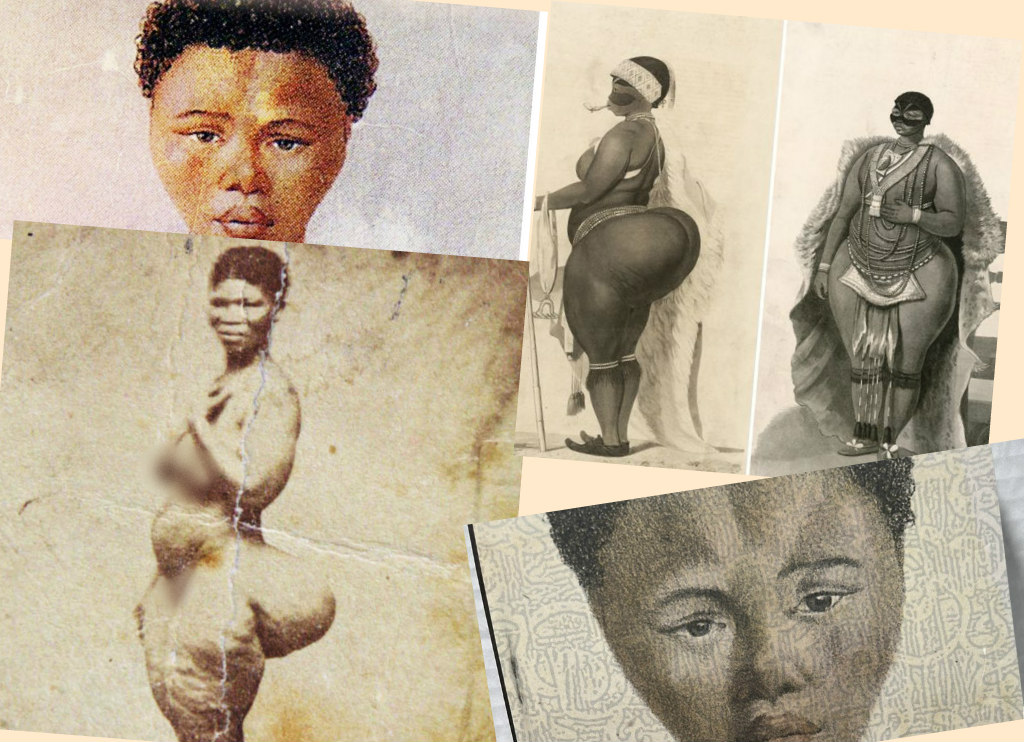
Sarah Baartman, widely known by the derogatory nickname “The Hottentot Venus,” was a South African Khoikhoi woman who became one of the most exploited and objectified figures in colonial history. Her life is emblematic of the intersection between racism, colonialism, misogyny, and pseudoscience. Displayed as a curiosity in 19th-century Europe, Baartman’s body was fetishized and dehumanized, even in death. Her story foreshadows the modern commodification of Black women’s bodies and raises critical questions about beauty standards, cultural appropriation, and racialized misogyny.


Early Life and Origins

Sarah Baartman was born around 1789 in the Gamtoos Valley of the Eastern Cape of South Africa. She belonged to the Khoikhoi people, an indigenous group known pejoratively as “Hottentots” by European colonists. Little is known about her early family life, but historical accounts suggest she was orphaned at a young age during colonial conflicts between the Dutch settlers and native Africans. She later became a domestic servant and was exposed to European culture and oppression early in life (Fausto-Sterling, 1995).


Her Exploitation and Display in Europe

In 1810, Sarah was taken to England by a British military surgeon, William Dunlop, under the pretense that she would gain wealth by exhibiting her body. She was soon placed on public display in London and later in Paris, exhibited nearly naked in circuses, saloons, and theaters. Advertised as the “Hottentot Venus,” her steatopygia—a natural genetic feature of prominent buttocks common among Khoisan women—became the central focus of her public spectacle.

European audiences viewed her body as both exotic and grotesque, sexualized and ridiculed. Scientists like Georges Cuvier subjected her to invasive examinations, believing she was proof of the “missing link” between animals and humans. Baartman became a living subject for racist pseudoscience that sought to validate white supremacy through physical anthropology (Gould, 1981).


Why Her Beauty Was Under Scrutiny

Baartman’s physical features—broad hips, dark skin, full lips, and pronounced buttocks—stood in stark contrast to Eurocentric ideals of beauty. Rather than being celebrated, her natural body became a site of scorn, desire, and “scientific” scrutiny. In essence, her Black femininity was hypersexualized and pathologized. Her beauty was never seen as worthy of admiration; instead, it was dissected to reinforce the colonial gaze and racist theories of human difference (Collins, 2000).


Her Death and Posthumous Humiliation

Sarah Baartman died on December 29, 1815, at just 26 years old, likely from pneumonia or syphilis, in Paris. Even in death, she was denied dignity. Her body was dissected by Cuvier, and her skeleton, genitals, and brain were preserved and displayed at the Musée de l’Homme in Paris for over 150 years.

Her remains were finally returned to South Africa in 2002, after a long legal and diplomatic battle. Then-President Nelson Mandela had requested their return as a matter of national and cultural healing. Sarah Baartman was buried on August 9, 2002, in the Eastern Cape, and her story became a symbol of the abuse of Black women under colonial regimes (Qureshi, 2004).


Personal Life: Family, Children, and Survival

Historical documentation does not confirm whether Sarah Baartman had a husband or children. Her personal agency during her time in Europe remains a matter of debate. Some accounts suggest she may have engaged in sex work out of economic desperation and lack of options. Her descent into prostitution, if it occurred, must be understood within the context of extreme exploitation, racism, and the absence of human rights for women of color in Europe.


Scientific Racism and Her Genetic Body Makeup

Baartman’s body became a site for scientific racism. European naturalists used her as a specimen to support racial hierarchies, claiming her physique was evidence of primitiveness. Her steatopygia, which is genetically normal among Khoisan women, was falsely framed as an aberration. The grotesque display of her genitalia by scientists such as Cuvier reinforced colonial myths about African sexuality and physiology (Gilman, 1985).


Modern Reflections: The BBL Craze and Baartman’s Legacy

Today, the Brazilian Butt Lift (BBL) craze—especially among women of all racial backgrounds—ironically mirrors the very body type for which Sarah Baartman was ridiculed. Her natural curves are now commodified, celebrated, and monetized in fashion, social media, and cosmetic surgery industries. Figures like Kim Kardashian, Nicki Minaj, and Cardi B have become modern icons of curvaceous beauty, appropriating features once vilified in Black women.

Yet, this popularity does not signal racial progress. Black women with natural bodies like Baartman’s still face colorism, fatphobia, and hypersexualization. The paradox remains: the Black body is envied, mimicked, and monetized, yet often despised and marginalized in its authentic form.


Why Some Women Use Their Bodies for Fame and Fortune

In a society that frequently commodifies women—especially Black women—many are compelled to capitalize on their physical appearance as a survival strategy. This is not new. Sarah Baartman’s coerced exhibitionism finds echoes in the lives of modern women who use their bodies in music, entertainment, and social media. The global beauty economy profits from features long stigmatized in Black women, reinforcing the painful legacy of objectification and exploitation.


Contemporary Symbolism and Social Commentary

Sarah Baartman represents both historical trauma and modern relevance. Her legacy forces a reckoning with how Black women’s bodies have been treated—as property, as curiosities, as sexual objects—and how they are still commercialized today.

While there are no precise contemporary equivalents, the symbolism of Sarah Baartman can be found in debates around beauty standards, the body positivity movement, and critiques of cultural appropriation. Figures like Serena Williams, Lizzo, and Megan Thee Stallion—who boldly embrace their bodies and identities—offer both resistance and reclamation in a world still shaped by the gaze that dehumanized Baartman.


Conclusion

Sarah Baartman’s life and death tell a harrowing story of racism, exploitation, and the violent colonial gaze. Yet, her story is not just one of suffering—it is also a story of endurance and symbolism. Her legacy compels us to confront uncomfortable truths about how Black femininity is perceived, appropriated, and controlled. From the grotesque science of the 19th century to the filtered perfection of social media today, Baartman’s body still haunts the Western imagination. We owe it to her and to all women like her to remember, reckon, and restore dignity to bodies once denied it.

  • In the 1990s, after the fall of apartheid and the establishment of a democratic government in South Africa, Nelson Mandela, as President (1994–1999), called for the return of Sarah Baartman’s remains as part of a broader effort to restore dignity to the victims of colonialism and racism.
  • Her remains, including her skeleton, brain, and genitalia, had been on display at the Muséum national d’Histoire naturelle in Paris for over 150 years following her death in 1815.
  • In 1994, shortly after Mandela became President, the South African government made an official request to the French government for the return of her remains.
  • The process faced legal and bureaucratic hurdles in France, where some institutions initially resisted the request, claiming her remains were part of the national scientific collection.
  • It was not until January 2002, after years of negotiation, that France passed special legislation allowing the return of Baartman’s remains to South Africa.
  • Her remains were repatriated on May 3, 2002, and she was finally laid to rest on August 9, 2002, in Hankey, Eastern Cape, near the area of her birth.
  • The burial date was symbolic—it coincided with South Africa’s National Women’s Day, commemorating the 1956 anti-pass laws march by women, making it a national tribute to Baartman as a historical symbol of the abuse and dignity of Black women.

While Nelson Mandela did not personally oversee the return (he had left the presidency by 1999), he was instrumental in beginning the political and moral campaign for her repatriation. His government’s efforts, supported by later administrations, ensured that Sarah Baartman could finally return home and be buried with the honor and humanity she had been denied in life.

Her story remains a profound symbol of the colonial exploitation of Black women and a call to honor those who suffered under imperial systems.

References

  • Collins, P. H. (2000). Black Feminist Thought: Knowledge, Consciousness, and the Politics of Empowerment. Routledge.
  • Fausto-Sterling, A. (1995). Myths of Gender: Biological Theories about Women and Men. Basic Books.
  • Gilman, S. L. (1985). Difference and Pathology: Stereotypes of Sexuality, Race, and Madness. Cornell University Press.
  • Gould, S. J. (1981). The Mismeasure of Man. W.W. Norton.
  • Qureshi, S. (2004). Displaying Sara Baartman, the ‘Hottentot Venus’. History of Science, 42(2), 233–257.
  • Scully, P. (2015). Sara Baartman and the Hottentot Venus: A Ghost Story and a Biography. Princeton University Press.

Dilemma: Lightism and Shadeism: The Intra-Racial Color Hierarchy and Its Impact on the Black Experience.

Photo by Adefemi Adedoyin on Pexels.com

Lightism and shadeism are two interrelated forms of intra-racial discrimination that privilege lighter skin tones over darker complexions within communities of color, particularly in the African diaspora. While racism is externally imposed by systemic white supremacy, lightism and shadeism are internalized hierarchies that reflect colonial legacies and Eurocentric beauty standards. These ideologies affect not only personal identity and self-worth but also professional advancement, media representation, and spiritual narratives. This essay explores the definitions and consequences of lightism and shadeism, their specific impact on the Black community, Hollywood, and the workforce, as well as the lived experiences of two Black actresses. It further examines the “Brown Girl Dilemma” and draws upon biblical insights, particularly from the King James Version of the Bible, to explain the historical mistreatment of Black people.


Defining Lightism and Shadeism

Lightism refers to the preferential treatment of individuals with lighter skin tones, especially within the same racial or ethnic group. It is a manifestation of colonial ideology, deeply rooted in the systemic privileging of whiteness (Hunter, 2007). Shadeism, a term often used interchangeably with colorism, specifically denotes discrimination based on the darkness or lightness of one’s skin within a racial group. While both terms are often synonymous, “lightism” implies an aspirational tilt toward whiteness, whereas “shadeism” emphasizes the gradient of privilege or marginalization based on skin tone.

These ideologies are not mere aesthetic preferences; they are tools of social stratification that reinforce European standards of beauty, intelligence, and civility, ultimately dividing Black communities internally (Russell, Wilson, & Hall, 1992).


The Impact on the Black Community, Hollywood, and the Workforce

In the Black community, shadeism contributes to a deeply entrenched psychological struggle—light-skinned individuals may experience privilege and acceptance, while dark-skinned individuals often face rejection, hypersexualization, and dehumanization. These dynamics sow seeds of division, low self-esteem, and generational trauma (Wilder, 2010).

In Hollywood, lightism and shadeism are visibly apparent. Lighter-skinned Black actors and actresses have historically received more prominent roles, romantic leads, and endorsement deals. Dark-skinned actors, especially women, are often relegated to stereotypical roles or excluded entirely. The casting of biracial or lighter-complexioned actresses to portray historically dark-skinned figures—such as Nina Simone—demonstrates how this bias distorts cultural memory and representation.

In the workforce, these biases translate to employment discrimination. Research has shown that lighter-skinned African Americans are more likely to be hired, earn higher salaries, and attain leadership positions than their darker-skinned counterparts—even when qualifications are equal (Goldsmith, Hamilton, & Darity, 2007). This disparity stems from the perception that lighter skin aligns more closely with white norms, which are often unconsciously upheld in hiring practices and workplace culture.


Actresses and the Reality of Shadeism

Two actresses who personify the lived reality of shadeism are Viola Davis and Zendaya.

Viola Davis, a dark-skinned, classically trained actress, has spoken openly about how her complexion limited her roles in Hollywood. Despite her immense talent, she was frequently cast in roles that emphasized suffering or servitude. In an interview with The New York Times, Davis remarked: “If I wanted to play the role of a romantic lead or a beautiful woman, I would need to be 10 to 15 shades lighter” (Dargis, 2016). Her Emmy-winning performance in How to Get Away with Murder was groundbreaking not only for its complexity but because it gave a dark-skinned woman a leading role traditionally denied to her.

Zendaya, who identifies as biracial, has acknowledged her privilege as a lighter-skinned Black woman. She once stated, “As a light-skinned Black woman, it’s important that I use my privilege and platform to show you how much beauty there is in the African-American community” (Essence, 2018). While her success is undeniable, Zendaya’s visibility also raises critical questions about how often Hollywood defaults to lighter-skinned actors to represent the full spectrum of Black identity.


The Brown Girl Dilemma

The Brown Girl Dilemma is the psychological and emotional conflict faced by darker-skinned Black women navigating societal and intra-racial rejection. This dilemma often includes feelings of invisibility, self-doubt, and the need to overcompensate for perceived deficits in beauty or femininity. It reflects not only internalized racism but also systemic barriers that silence and marginalize darker-skinned women in media, education, and relationships (Jones, 2000).


Spiritual Dimensions: The Biblical Explanation

From a Hebraic-Israelite perspective, many Black scholars and faith-based researchers argue that the mistreatment of Black people is not only social but spiritual. According to the King James Bible, the curses outlined in Deuteronomy 28—including captivity, degradation, and economic disenfranchisement—are often interpreted as prophetic indicators of the identity and suffering of the true children of Israel.

“The stranger that is within thee shall get up above thee very high; and thou shalt come down very low” (Deuteronomy 28:43, KJV).
“Thy sons and thy daughters shall be given unto another people, and thine eyes shall look, and fail with longing for them all the day long” (Deuteronomy 28:32, KJV).

This theological lens asserts that Black people are experiencing divine chastisement for their ancestors’ disobedience and idolatry. However, this same scripture also promises restoration and healing if obedience to divine law is restored.


Quotes and Testimonies

  • Malcolm X once said, “Who taught you to hate the color of your skin? Who taught you to hate the texture of your hair?”—an indictment of internalized racism and lightism.
  • Lupita Nyong’o, an Oscar-winning actress, stated: “I grew up thinking light skin was more beautiful… until I saw a dark-skinned model who looked like me. Representation matters.” (Black Women in Hollywood, 2014)

How Can the Black Community Overcome Lightism and Shadeism?

  1. Reeducation: Promote historical and cultural education that affirms African aesthetics and dismantles Eurocentric beauty ideals.
  2. Representation: Amplify diverse Black voices in media, literature, and film to normalize and celebrate all shades of Blackness.
  3. Theological Reconnection: Re-examine spiritual identity through a biblical lens that acknowledges both past transgressions and future redemption.
  4. Collective Healing: Foster intergenerational dialogue and healing spaces to address trauma related to colorism.
  5. Policy and Practice: Implement anti-colorism awareness in hiring practices, school curriculums, and workplace diversity training.

Conclusion

Lightism and shadeism remain pervasive and insidious forms of discrimination within the Black community, reinforced by colonialism, capitalism, and cultural amnesia. The experiences of actresses like Viola Davis and Zendaya highlight how these hierarchies operate even among the most visible. By confronting the “Brown Girl Dilemma,” revisiting the biblical roots of oppression, and reclaiming identity through faith, education, and solidarity, Black people can transcend these barriers. True liberation begins when all shades of Blackness are affirmed, valued, and celebrated—spiritually, socially, and systemically.


References

  • Dargis, M. (2016). Viola Davis on How Hollywood Shuts Out Women of Color. The New York Times.
  • Essence. (2018). Zendaya on Using Her Light-Skin Privilege to Speak Up for Her Community.
  • Goldsmith, A. H., Hamilton, D., & Darity Jr., W. (2007). From dark to light: Skin color and wages among African-Americans. Journal of Human Resources, 42(4), 701–738.
  • Hunter, M. (2007). The Persistent Problem of Colorism: Skin Tone, Status, and Inequality. Sociology Compass, 1(1), 237–254.
  • Jones, T. (2000). Shades of Brown: The Law of Skin Color. Duke Law Journal.
  • Russell, K., Wilson, M., & Hall, R. (1992). The Color Complex: The Politics of Skin Color Among African Americans. Anchor.
  • Wilder, J. (2010). Revisiting “Color Names and Color Notions”: A Contemporary Examination of the Language and Attitudes of Skin Color among Young Black Women. Journal of Black Studies, 41(1), 184–206.
  • The Holy Bible, King James Version (KJV), Deuteronomy 28.

“Black Wall Street: The Rise, Destruction, and Legacy of Tulsa’s Greenwood District”


Photo by Dawn Traylor on Pexels.com

Introduction

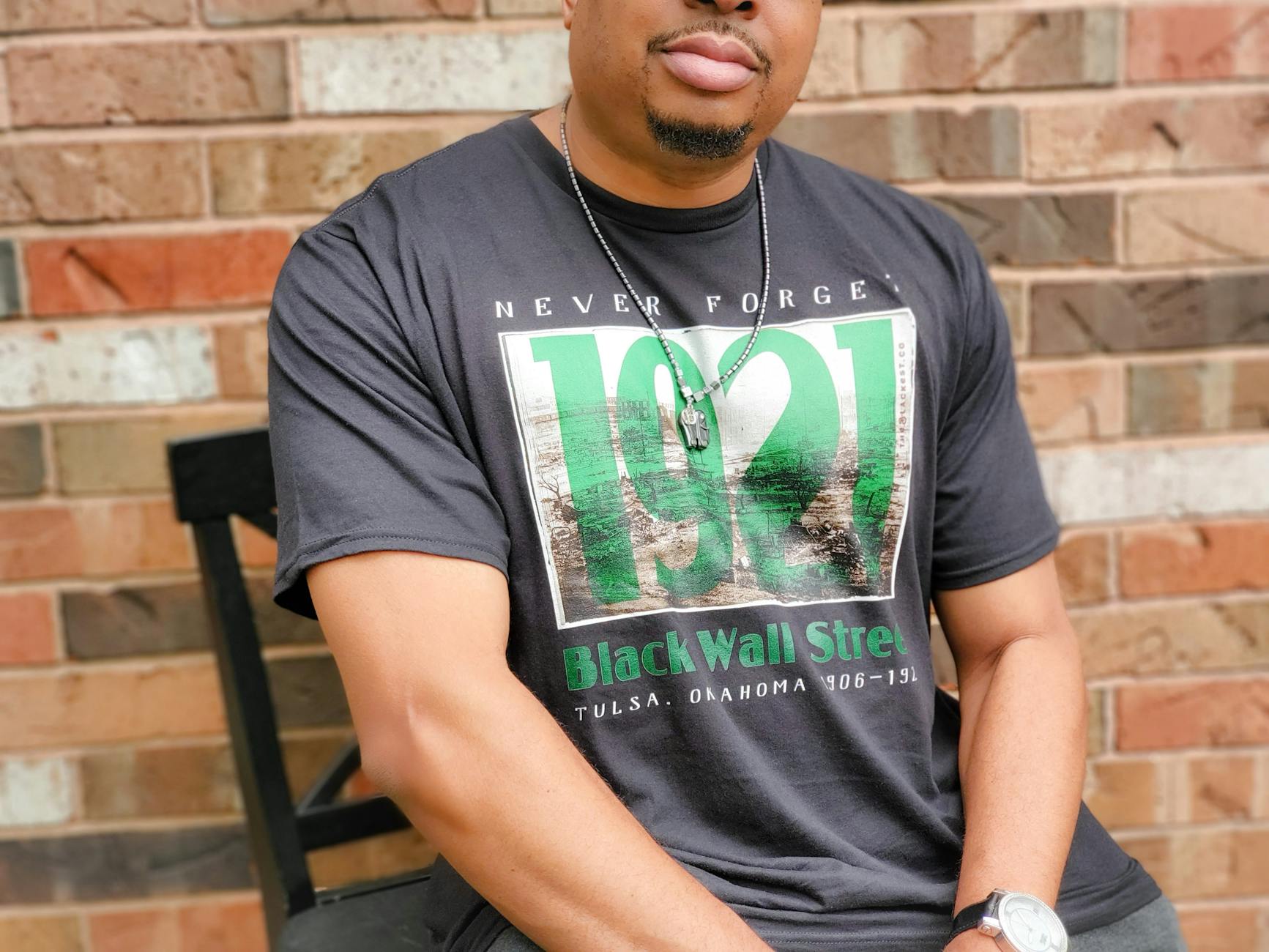
Known as “Black Wall Street,” the Greenwood District of Tulsa, Oklahoma, was one of the most affluent African American communities in the United States in the early 20th century. It symbolized Black excellence, entrepreneurship, and self-sufficiency during a time when Jim Crow laws sought to suppress African American progress. However, this thriving community was violently destroyed in one of the most horrific episodes of racial terrorism in U.S. history—the Tulsa Race Massacre of 1921.


The Birth of Black Wall Street

Greenwood, located in north Tulsa, was founded in 1906 on land initially settled by Black Freedmen and Native Americans, many of whom were formerly enslaved and had received land allotments through the Dawes Act (Johnson, 1998). Visionary entrepreneurs like O.W. Gurley, a wealthy Black landowner from Arkansas, bought 40 acres and helped build a self-sufficient Black community.

By the 1920s, Greenwood boasted:

  • Over 300 Black-owned businesses
  • Two newspapers
  • Schools, libraries, hospitals
  • Luxury hotels, grocery stores, law offices, barbershops, theaters, and nightclubs

Some of the most notable establishments included:

  • The Stradford Hotel, one of the finest Black-owned hotels in the U.S.
  • Williams Dreamland Theatre
  • Greenwood Avenue, the bustling economic artery of the district

This self-sustained economy became so prosperous that Booker T. Washington reportedly called it “Negro Wall Street.”


The Incident: Allegation and the Spark

The tragedy began on May 30, 1921, when a 19-year-old Black shoe shiner named Dick Rowland entered an elevator operated by a 17-year-old white woman named Sarah Page in the Drexel Building. Accounts vary, but some say he tripped and grabbed her arm to break his fall. Others claim nothing happened at all. Page screamed, and a clerk called the police. Though Sarah Page later refused to press charges, rumors of an alleged sexual assault spread rapidly through white Tulsa.

On May 31, 1921, a white mob gathered outside the courthouse where Rowland was being held. Armed Black men, including World War I veterans, came to protect him. Tensions escalated into gunfire, and by nightfall, white mobs launched a full-scale assault on Greenwood.


The Destruction of Black Wall Street

For over 18 hours, from the night of May 31 through June 1, 1921, white rioters—many of them deputized by law enforcement—looted, burned, and murdered indiscriminately. They set fire to over 1,200 homes, dozens of churches, businesses, and schools. Reports suggest private planes dropped incendiary bombs on the neighborhood—a rare instance of aerial terrorism on American soil.

Casualty estimates vary:

  • Official records say around 36 deaths
  • Modern scholars and eyewitnesses estimate 100–300 Black residents were killed (Ellsworth, 2001)

Over 10,000 Black residents were left homeless, and the community’s wealth was wiped out overnight.


Racism at the Core

The attack was fueled by racist resentment and economic jealousy. Many white Tulsans were angry that Black people in Greenwood had achieved so much success while white families in Tulsa struggled economically. The accusation against Rowland was merely a pretext. The real motive was to eradicate Black prosperity and enforce white supremacy.

White mobs faced no legal consequences, and insurance companies denied claims from Black property owners, citing “riot clauses.” The massacre was largely ignored in history books for decades.


Survivors and Testimonies

Some survivors lived into the 21st century and gave harrowing accounts. Notable among them:

  • Viola Fletcher, 107 years old, testified before Congress in 2021, saying, “I will never forget the violence… the smell of smoke, bodies in the street, the loss of my childhood.”
  • Her brother, Hughes Van Ellis, also a veteran, emphasized how America failed them after they served in its military.

Rebuilding and Present-Day Tulsa

Greenwood began modest rebuilding efforts in the 1920s and 30s, but never recovered its pre-1921 affluence. Systemic racism, redlining, and urban renewal programs (including a highway built through Greenwood) further dismantled its infrastructure.

Today, the area is home to the Greenwood Cultural Center and John Hope Franklin Reconciliation Park, preserving the memory of the massacre.

In 2021, the centennial drew national attention. Some local leaders and descendants called for reparations, but most survivors have not received any formal compensation.

Economically, Tulsa is now growing, but the Black community still experiences vast inequality in wealth, housing, and opportunity (Oklahoma Policy Institute, 2021).


Legacy and Importance

Black Wall Street represents more than tragedy—it symbolizes the potential of Black enterprise, resilience, and innovation in the face of white supremacy. It challenges the narrative that African Americans have not built wealth or institutions. Greenwood was that wealth, was that institution—and it was destroyed not by failure but by hatred.


Conclusion

The story of Black Wall Street and the Tulsa Race Massacre is not just a Black history story—it is an American story. It speaks to the power of Black excellence and the violence of white supremacy. As America reckons with its past, the memory of Greenwood remains a testament to what Black communities can achieve—and what they have suffered.


References

  • Ellsworth, S. (2001). Death in a Promised Land: The Tulsa Race Riot of 1921. LSU Press.
  • Johnson, H. B. (1998). Black Wall Street: From Riot to Renaissance in Tulsa’s Historic Greenwood District. Eakin Press.
  • Oklahoma Policy Institute. (2021). The State of Black Tulsa: Equity Indicators. Retrieved from https://okpolicy.org
  • U.S. Congress. (2021). Testimony of Tulsa Race Massacre Survivors. Congressional Record.