Tag Archives: black history

Pretty Privilege Series: The Dark History of Being Light-Skinned.

Photo by Jordy Toscano on Pexels.com

The concept of “pretty privilege” is often tied to Eurocentric beauty standards, where lighter skin is unconsciously, and sometimes consciously, elevated above darker complexions. In the Black community, this privilege traces back to the historical context of colonization and slavery. Being light-skinned often meant proximity to whiteness, and by extension, to power, resources, and favor. This historical backdrop created a social hierarchy that continues to influence Black experiences and perceptions of beauty today (Hunter, 2007).

During the transatlantic slave trade, many light-skinned children were the offspring of enslaved African women and their European masters. These children were frequently given preferential treatment—sometimes educated, occasionally freed, and often placed in domestic roles rather than forced into field labor (Williams, 1987). This division sowed discord between darker and lighter enslaved Africans, setting the stage for intraracial tension that persists to this day.

The privileges of lighter skin became institutionalized during slavery and Reconstruction. Light-skinned Black people often formed elite social clubs, fraternities, and sororities that were closed to darker-skinned individuals. These groups developed a “paper bag test,” which only allowed members whose skin was lighter than a brown paper bag (Russell, Wilson, & Hall, 2013). This practice not only excluded darker-skinned individuals but also perpetuated an internalized belief that lighter meant better.

In the early 20th century, colorism influenced career opportunities for Black entertainers. Many early Black actors and actresses in Hollywood were light-skinned because they were considered more “palatable” to white audiences. Actresses like Lena Horne openly discussed how Hollywood would cast her as an exotic beauty but deny roles to darker-skinned women who were equally talented (Horne, 1965). This further reinforced the idea that lighter skin was a ticket to visibility and success.

Music history reflects a similar pattern. Jazz clubs in the Harlem Renaissance often hired “high yellow” performers, favoring those who had more European features. Billie Holiday and other artists faced discrimination based on skin tone, shaping the narrative of who could be considered beautiful and worthy of fame. This stratification reinforced a hierarchy even within the cultural spaces designed to uplift African Americans (Neal, 2013).

Psychologically, light-skinned privilege has been a double-edged sword. While it offered access to education, jobs, and status in certain contexts, it also came with suspicion and accusations of betrayal from within the Black community. Lighter-skinned individuals were sometimes perceived as “not Black enough,” straddling the line between two worlds but never fully accepted in either (Hall, 1992).

Post-slavery, light-skinned individuals often became the leaders of the Black elite. This phenomenon can be seen in the development of HBCUs, where early presidents and administrators were disproportionately lighter-skinned. This was not simply coincidence—it reflected the biases of the time, as lighter-skinned leaders were seen as more acceptable to white donors and society at large (Brown, 2005).

The dark history of being light-skinned also intersects with colorism in romantic relationships. Studies show that lighter-skinned women are often perceived as more attractive, desirable, and “marriageable” (Wilder, 2010). This dynamic has led to social tensions, with darker-skinned women sometimes excluded from spaces of desirability and intimacy.

Black men have historically been pressured, subtly or overtly, to choose lighter-skinned partners as a way to “improve the race”—a concept rooted in both colonialism and eugenics. This phrase reflected a misguided belief that lighter offspring would face fewer barriers in a racist society, inadvertently perpetuating the cycle of color preference (Maddox & Gray, 2002).

The media plays a critical role in continuing the privilege of light skin. Magazine covers, music videos, and advertisements have overwhelmingly featured light-skinned Black women as the standard of beauty. Today, celebrities like Beyoncé, Zendaya, and Meghan Markle are frequently celebrated as representations of “Black excellence,” but their acceptance often comes in part because their lighter complexions are perceived as more universal or “marketable.” In contrast, actresses like Lupita Nyong’o and Viola Davis have had to fight for recognition, proving that darker-skinned women can embody beauty and sophistication.

Biblically, this issue can be framed as a distortion of God’s creation. Scripture reminds believers that all people are “fearfully and wonderfully made” (Psalm 139:14, KJV). Elevating one skin tone over another disrupts the divine equality intended by the Creator. Such preferences echo James 2:9, which warns that showing partiality is sin. Colorism thus becomes not only a social issue but also a moral and spiritual one.

Despite its privileges, being light-skinned has also meant being fetishized. Light-skinned women, in particular, have been hypersexualized, seen as exotic, and used as a bridge between Blackness and whiteness in the American imagination. This exoticism places a burden on light-skinned women to constantly validate their Black identity while resisting objectification (Bryant, 2017).

The “tragic mulatto” stereotype, popularized in literature and film, portrays light-skinned individuals as doomed to suffer because of their mixed heritage. This trope further complicates the psychology of being light-skinned, suggesting that privilege comes at the cost of belonging and peace (Bogle, 2016).

Economic data reveals that lighter-skinned Black individuals still earn more on average than darker-skinned peers, even when education and experience are held constant (Goldsmith, Hamilton, & Darity, 2006). This statistic highlights that light-skinned privilege remains an active force in contemporary society, not just a relic of the past.

Nevertheless, the “privilege” is not without its psychological price. Many light-skinned individuals express guilt over benefits they did not ask for but still receive. This creates an internal struggle, where identity becomes fraught with questions of authenticity and complicity (Monk, 2014).

Conversations about pretty privilege must also address skin bleaching, a dangerous practice that underscores the global preference for lighter skin. In Africa, celebrities like Dencia have been criticized for promoting skin-lightening creams, while artists like Burna Boy have openly condemned the practice, calling for pride in natural melanin. This shows the tension between profit and empowerment (Charles, 2003).

Today, the natural hair movement and campaigns like #MelaninPoppin and #BlackGirlMagic have sought to reclaim and celebrate darker skin tones, challenging centuries-old hierarchies. Lupita Nyong’o’s children’s book Sulwe is an example of using art to teach young girls that dark skin is beautiful and worthy of love (Tate, 2016).

Education is key to deconstructing these hierarchies. When Black history is taught in its fullness—including the painful legacies of colorism—communities can begin to heal. Documentaries like Dark Girls and Light Girls have opened dialogue around these issues, allowing space for honesty and empathy.

Ultimately, the dark history of being light-skinned calls for a return to valuing all Blackness equally. Healing will require repentance for internalized biases and an intentional effort to dismantle the false hierarchies that have divided the community for centuries. Only then can pretty privilege lose its power and allow for true equity and solidarity among all shades of Blackness.


References

  • Bogle, D. (2016). Toms, Coons, Mulattoes, Mammies, and Bucks: An Interpretive History of Blacks in American Films. Bloomsbury.
  • Brown, N. (2005). The Brown Paper Bag Test: The History of Colorism in America. Routledge.
  • Bryant, C. (2017). Fetishization and Identity: Mixed Race Women in Popular Culture. Journal of Black Studies, 48(3), 215–229.
  • Charles, C. (2003). Skin Bleaching, Self-Hate, and Black Identity in Jamaica. Journal of Black Studies, 33(6), 711–728.
  • Goldsmith, A., Hamilton, D., & Darity, W. (2006). Shades of Discrimination: Skin Tone and Wages. American Economic Review, 96(2), 242–245.
  • Hall, R. E. (1992). Bias Among African Americans Regarding Skin Color: Implications for Social Work Practice. Research on Social Work Practice, 2(4), 479–486.
  • Hill, M. (2002). Skin Color and the Perception of Attractiveness Among African Americans. Social Psychology Quarterly, 65(1), 77–91.
  • Horne, L. (1965). In Person: Lena Horne. Stein and Day.
  • Hunter, M. (2007). The Persistent Problem of Colorism: Skin Tone, Status, and Inequality. Sociology Compass, 1(1), 237–254.
  • Maddox, K., & Gray, S. (2002). Cognitive Representations of Black Americans: Reexploring the Role of Skin Tone. Personality and Social Psychology Bulletin, 28(2), 250–259.
  • Monk, E. P. (2014). Skin Tone Stratification among Black Americans, 2001–2003. Social Forces, 92(4), 1313–1337.
  • Neal, M. A. (2013). What the Music Said: Black Popular Music and Black Public Culture. Routledge.
  • Russell, K., Wilson, M., & Hall, R. (2013). The Color Complex: The Politics of Skin Color Among African Americans. Anchor Books.
  • Tate, S. (2016). Black Beauty: Aesthetics, Stylization, Politics. Routledge.
  • Wilder, J. (2010). Revisiting “Color Names and Color Notions”: A Contemporary Examination of the Language and Attitudes of Skin Color among Young Black Women. Journal of Black Studies, 41(1), 184–206.
  • Williams, E. (1987). Capitalism and Slavery. UNC Press.
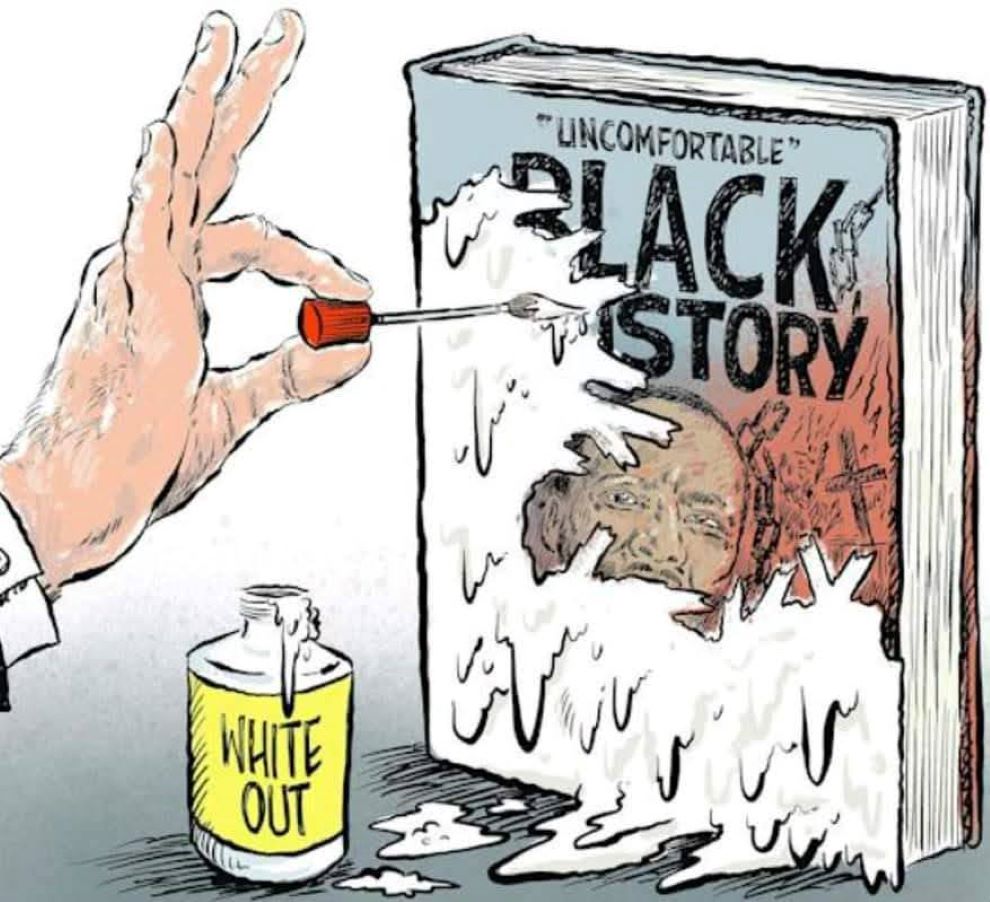
Black History, Has It Been Whitewashed?

This artwork is the property of its respective owner. No copyright infringement intended.

Black history is more than a subject taught in February; it is the story of humanity itself, tracing the contributions, struggles, and triumphs of people of African descent from antiquity to the present. Yet for centuries, much of this history has been systematically erased, misrepresented, or “whitewashed.” Whitewashing refers to the deliberate alteration of historical narratives to favor Eurocentric perspectives, minimizing or excluding Black presence, contributions, and identity. This erasure is not merely academic—it shapes the psychology of Black people and the collective consciousness of society.

Hollywood has played a major role in this process. Biblical movies, for instance, have often depicted Hebrews, Egyptians, and early Christians as European in appearance, despite the geographical and anthropological evidence pointing to their African and Semitic roots. Films like The Ten Commandments (1956) portrayed Pharaoh and Moses as white men, subtly reinforcing the idea that leadership, divinity, and chosenness are synonymous with whiteness. This not only distorts biblical truth but also conditions audiences to associate Blackness with servitude rather than divine purpose.

The Bible itself points to a different narrative. Many key figures—Moses, Joseph, and even Christ—spent time in Africa. Christ was hidden in Egypt as a child (Matthew 2:13-15, KJV), which would not have been a safe hiding place if He were a pale-skinned foreigner who stood out among the population. The Song of Solomon 1:5 (KJV) proclaims, “I am black, but comely,” affirming that dark skin was celebrated in ancient texts. The erasure of this truth diminishes the representation of Black identity in the biblical narrative.

Black history, in its truest sense, includes the kingdoms of Mali, Ghana, and Songhai; the libraries of Timbuktu; the inventions, music, and philosophies of African civilizations. It also includes the Middle Passage, slavery, and systemic oppression that followed. To study Black history is to study resilience, creativity, and faith. It is the acknowledgment of a people who survived one of the greatest crimes in human history and still found ways to bless the nations with culture, innovation, and spiritual depth.

The whitewashing of slavery is one of the most dangerous forms of historical erasure. Some school systems now refer to enslaved people as “workers” or claim that slavery was “beneficial” because it taught Africans “skills.” This revisionist narrative strips away the brutality of chattel slavery—the whippings, the family separations, the psychological warfare. Exodus 1:13-14 (KJV) describes how the Egyptians “made the children of Israel to serve with rigour,” which mirrors the forced labor and oppression endured by Africans in the Americas.

From a psychological standpoint, erasing or minimizing slavery has generational effects. Theories of intergenerational trauma suggest that the pain of slavery has been passed down genetically and emotionally (DeGruy, 2005). When history is hidden, Black communities are denied the opportunity to heal, grieve, and demand justice. It is psychologically disorienting to live in a world that denies the truth of your ancestors’ suffering while expecting you to “move on.”

The question arises: why would white society want to keep slavery hidden? The answer is multifaceted. To confront slavery honestly would require acknowledging that the wealth of nations like the United States, Britain, and France was built on Black suffering. It would also raise moral questions about reparations, justice, and restitution. Psychologically, some white individuals experience “white guilt” and prefer to avoid discomfort by sanitizing history (Spanierman & Cabrera, 2015).

The color of Black people has also been a point of erasure. In many educational and media portrayals, African Americans are depicted as a monolith, ignoring the diversity of skin tones, cultures, and histories. Colorism, which privileges lighter skin, has further complicated the narrative. Media representation often favors light-skinned actors to portray Black historical figures, which subtly communicates that lighter Blackness is more palatable to mainstream audiences.

Social media, while a tool for education, has also perpetuated whitewashing. Algorithms tend to amplify Eurocentric beauty standards and reward creators who fit into those ideals, often sidelining darker-skinned voices. Memes, viral trends, and TikTok dances created by Black users are frequently appropriated by non-Black influencers who gain more recognition and profit, leaving the originators invisible.

Whitewashing in education is particularly concerning. In some states, curriculum reforms have sought to limit or remove discussions of systemic racism and slavery from classrooms. This deprives young students—both Black and white—of a truthful understanding of history. Hosea 4:6 (KJV) warns, “My people are destroyed for lack of knowledge.” When history is withheld, it becomes easier to repeat cycles of oppression.

Psychologically, representation matters because it shapes identity. Social identity theory suggests that people derive part of their self-esteem from the groups to which they belong (Tajfel & Turner, 1986). When Black people see their history erased or distorted, it sends a message that they are insignificant or inferior. This can create internalized racism, self-hate, and low collective esteem.

The whitewashing of Black biblical history also has spiritual consequences. If Black people are taught that they have no place in sacred history, they may view Christianity as a “white man’s religion,” leading to spiritual disillusionment. Yet Acts 8:27-39 recounts the Ethiopian eunuch’s conversion and baptism, showing that Africans were among the first Christians. Reclaiming this narrative restores dignity and belonging.

The Bible takes place in Africa and the Middle East — regions where people historically had darker skin tones. The Hebrews, Egyptians, Ethiopians, and early Christians were not Northern Europeans. Yet, for centuries, European artists, church leaders, and later Hollywood filmmakers deliberately depicted them as white. This was not an accident — it was part of a larger project to make Christianity look “Western” and to align holiness, divinity, and authority with whiteness.

Here are a few key points you might find powerful:

  • Geography matters: The Bible’s events took place in regions like Egypt, Canaan, Babylon, and Jerusalem — all hot, sun-drenched places where people would have been brown-skinned or Black. Even Jesus’ family fled to Egypt (Matthew 2:13–15, KJV), a place where He would not have stood out if He were pale.
  • Biblical descriptions: Song of Solomon 1:5 (KJV) says, “I am black, but comely.” Lamentations 5:10 describes skin “black like an oven” from famine. Jeremiah 8:21 says, “I am black; astonishment hath taken hold on me.” These passages suggest that many biblical people were visibly dark-skinned.
  • Historical evidence: Ancient Israelite art, Egyptian tomb paintings, and archaeological records show people with brown to black skin tones, curly or woolly hair, and features common in African and Afro-Asiatic populations.
  • Whitewashing as control: When Europeans colonized Africa and enslaved Africans, they spread images of a white Jesus and white saints to justify slavery and teach that salvation came through European culture. This psychological tactic convinced many enslaved people that whiteness was divine and blackness was cursed — a lie that still shapes perceptions today.
  • Psychological effects: Seeing only white biblical figures can make Black and Brown believers feel disconnected from Scripture or think that God does not look like them. This is why representation matters — it shapes self-esteem, spiritual confidence, and cultural pride.

Slavery itself was justified using twisted theology, with slaveholders quoting Ephesians 6:5 (“Servants, be obedient to them that are your masters”) out of context, while ignoring the liberating themes of Scripture. This manipulation of the Word was an early form of whitewashing, reframing oppression as divine will rather than sin.

In popular culture, the whitewashing of Black music, dance, and language continues. Jazz, blues, and hip-hop—all birthed in Black communities—have been monetized by corporations while excluding the originators from full benefit. This economic exploitation mirrors historical patterns of taking from Black bodies and minds without acknowledgment.

The erasure of Black heroes is another tactic of whitewashing. Figures like Crispus Attucks, Ida B. Wells, and Garrett Morgan are rarely celebrated alongside Washington or Lincoln, despite their crucial roles in shaping American history. When they are mentioned, their Blackness is often downplayed, making them “race-neutral” heroes rather than distinctly Black ones.

This whitewashing creates a false sense of racial harmony by pretending racism never existed. It allows society to maintain systemic inequities while claiming progress. Proverbs 17:15 (KJV) warns against justifying the wicked, stating, “He that justifieth the wicked, and he that condemneth the just, even they both are abomination to the Lord.” To whitewash history is to justify wickedness and silence the righteous.

Psychologists argue that confronting historical injustice is essential for collective healing. Truth-telling initiatives, such as truth and reconciliation commissions, have been used in countries like South Africa to address systemic oppression. The United States has yet to fully reckon with its history of slavery, which is why racial tensions remain unresolved.

Social media activism has become one of the most powerful tools in combating whitewashing. Hashtags like #BlackLivesMatter and #BlackHistory365 have brought hidden stories to light, challenging mainstream narratives. This democratization of information gives Black people a voice that was long suppressed.

In conclusion, Black history has been whitewashed through media, education, religion, and social systems, but the truth continues to resurface. The erasure of slavery, Black biblical history, and cultural contributions has psychological and spiritual consequences that affect generations. Reclaiming Black history is not just an academic exercise but an act of resistance, healing, and restoration. To know Black history is to know the full story of humanity—and to resist the forces that seek to erase God’s image in Black bodies.


References

  • DeGruy, J. (2005). Post Traumatic Slave Syndrome: America’s Legacy of Enduring Injury and Healing. Joy DeGruy Publications.
  • Spanierman, L. B., & Cabrera, N. L. (2015). The emotions of White racism. Educational Psychologist, 50(3), 187–203.
  • Tajfel, H., & Turner, J. C. (1986). The social identity theory of intergroup behavior. In S. Worchel & W. Austin (Eds.), Psychology of intergroup relations (pp. 7–24). Nelson-Hall.

Key KJV Scriptures: Matthew 2:13-15; Song of Solomon 1:5; Exodus 1:13-14; Hosea 4:6; Acts 8:27-39; Proverbs 17:15; 1 Samuel 16:7; Proverbs 29:25.

Dilemma: Loss of Identity

This artwork is the property of its respective owner. No copyright infringement intended.

Chains rattled with the tide,
Names stolen, tongues tied.
On waters wide, hope sank deep,
Captivity carried—memories we keep.

The loss of identity is one of the most profound dilemmas endured by humanity, particularly among oppressed peoples. For African descendants in the Americas, this dilemma is not abstract but lived—a consequence of slavery, colonization, and systemic erasure. This struggle to know oneself is both a personal and collective burden, rooted in history yet carried into the present.

Slave Ships as Sites of Erasure

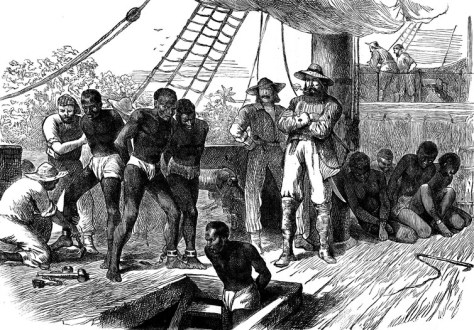
The transatlantic slave ships were more than vessels of transport; they were tools of identity annihilation. Families were torn apart, languages silenced, and cultural memories suppressed. Olaudah Equiano (1789/2001) described the Middle Passage as a space where people were treated as “commodities” rather than human beings. In this forced displacement, African men and women were stripped of their names, rituals, and belonging.

Captivity and Biblical Parallels

The Bible offers parallels to this historical tragedy. Deuteronomy 28:68 (KJV) prophesies, “And the LORD shall bring thee into Egypt again with ships… and there ye shall be sold unto your enemies for bondmen and bondwomen, and no man shall buy you.” This verse echoes the reality of Africans transported into captivity, linking the loss of identity to a spiritual dimension of exile and prophecy.

Identity as a Human Anchor

Psychologically, identity functions as an anchor. Erikson’s (1968) stages of psychosocial development emphasize identity formation as crucial to mental stability. When individuals are robbed of cultural markers, such as name, language, and ancestry, they experience fragmentation. Enslaved Africans and their descendants inherited this psychological wound across generations.

The Mask of Survival

In order to survive, many enslaved people were forced to adopt the identity of their oppressors. Names were replaced with European ones, religions were imposed, and cultural practices were punished. This masking of the true self aligns with W.E.B. Du Bois’s (1903/1994) concept of “double consciousness,” where African Americans lived with the tension of their authentic self and the imposed gaze of white society.

Spiritual Disconnection

Another dimension of identity loss was spiritual. Many Africans brought rich religious traditions, yet these were suppressed and replaced with distorted forms of Christianity that justified slavery. While the true liberating message of the Gospel offered hope, its manipulation by oppressors contributed to spiritual confusion, making faith itself a site of identity struggle (Raboteau, 2004).

The Generational Silence

The dilemma did not end with emancipation. Generations inherited silence rather than memory. Families often lacked knowledge of their origins beyond slavery, leading to fractured identities. This loss of ancestral connection created cultural amnesia, leaving African descendants vulnerable to assimilation and shame.

The Psychological Cost

Research shows that historical trauma can have intergenerational effects. Danieli (1998) observed how unresolved trauma in one generation transmits to the next, manifesting in depression, anxiety, or internalized oppression. For Black communities, the unresolved trauma of slavery contributed to identity confusion, cycles of poverty, and weakened family structures.

Identity and Racism

The external world reinforced this loss through systemic racism. Stereotypes, laws, and discriminatory practices labeled Black people as inferior, perpetuating the identity imposed during slavery. This external misrepresentation created internal conflict, where individuals wrestled with the lies of society versus the truth of their humanity.

The Role of Education

Carter G. Woodson (1933/2006) argued in The Mis-Education of the Negro that systemic erasure within education reinforced identity loss. Black history was omitted or distorted, causing generations to believe they had no legacy worth preserving. Education became a battleground for identity reclamation.

The Dilemma of Assimilation

In pursuit of acceptance, many African Americans adopted European standards of beauty, speech, and culture. While assimilation provided opportunities for survival, it deepened the dilemma of identity: to belong outwardly meant to deny inwardly. This paradox remains visible today in debates about hair, skin tone, and language.

The Bible as Restoration

Despite misuse by oppressors, Scripture also became a source of restoration. Psalms 137:1 (KJV) captures the lament of displaced people: “By the rivers of Babylon, there we sat down, yea, we wept, when we remembered Zion.” The cry of exiles resonates with African descendants longing for identity, showing that biblical narratives of captivity also carry promises of restoration.

Community as Healer

Identity is not rebuilt in isolation but in community. Black churches, cultural movements, and grassroots organizations became centers of identity reclamation. Through music, worship, and storytelling, fragments of identity were pieced back together, restoring dignity and hope.

The Role of Memory

Remembering is itself an act of resistance. By preserving oral histories, traditions, and genealogies, communities resist erasure. Isaiah 58:12 (KJV) promises, “And they that shall be of thee shall build the old waste places… thou shalt be called, The repairer of the breach.” Remembering builds bridges between past and future.

Cultural Reclamation Movements

The Harlem Renaissance, Black Power, and Pan-African movements sought to reclaim lost identity. By celebrating African heritage, art, and pride, these movements countered centuries of imposed inferiority. They demonstrated that cultural expression is not merely art but a tool of identity restoration.

Psychological Healing

Healing identity loss requires psychological and spiritual renewal. Romans 12:2 (KJV) urges believers to “be transformed by the renewing of your mind.” Therapy, cultural education, and spiritual grounding all contribute to rebuilding fragmented identities, offering freedom from internalized lies.

Modern Identity Struggles

Even today, Black communities wrestle with dilemmas of identity. From debates over African versus African American identity to struggles with colorism and beauty standards, the search for self continues. The legacy of slavery’s identity theft lingers in these ongoing struggles.

Toward Restoration

Restoration comes when individuals and communities reclaim their heritage, affirm their worth, and embrace their divine purpose. Identity is not only about ancestry but also about destiny. Recognizing oneself as created in the image of God (Genesis 1:27, KJV) provides the ultimate foundation for restored dignity.

Conclusion

The dilemma of loss of identity is both a wound and a call to healing. Though chains, ships, and systems sought to erase, the memory of a people endures. Through history, faith, and collective resilience, identity can be reclaimed. What was lost in captivity can be restored in truth, for identity rooted in God and heritage cannot be permanently destroyed.


References

  • Danieli, Y. (1998). International handbook of multigenerational legacies of trauma. Springer.
  • Du Bois, W. E. B. (1994). The souls of Black folk. Dover. (Original work published 1903)
  • Equiano, O. (2001). The interesting narrative of the life of Olaudah Equiano. Bedford/St. Martin’s. (Original work published 1789)
  • Erikson, E. H. (1968). Identity: Youth and crisis. Norton.
  • Raboteau, A. (2004). Slave religion: The “invisible institution” in the antebellum South. Oxford University Press.
  • Woodson, C. G. (2006). The mis-education of the Negro. Book Tree. (Original work published 1933)
  • The Holy Bible, King James Version.

Creoles of Louisiana: History, Identity, and Culture.

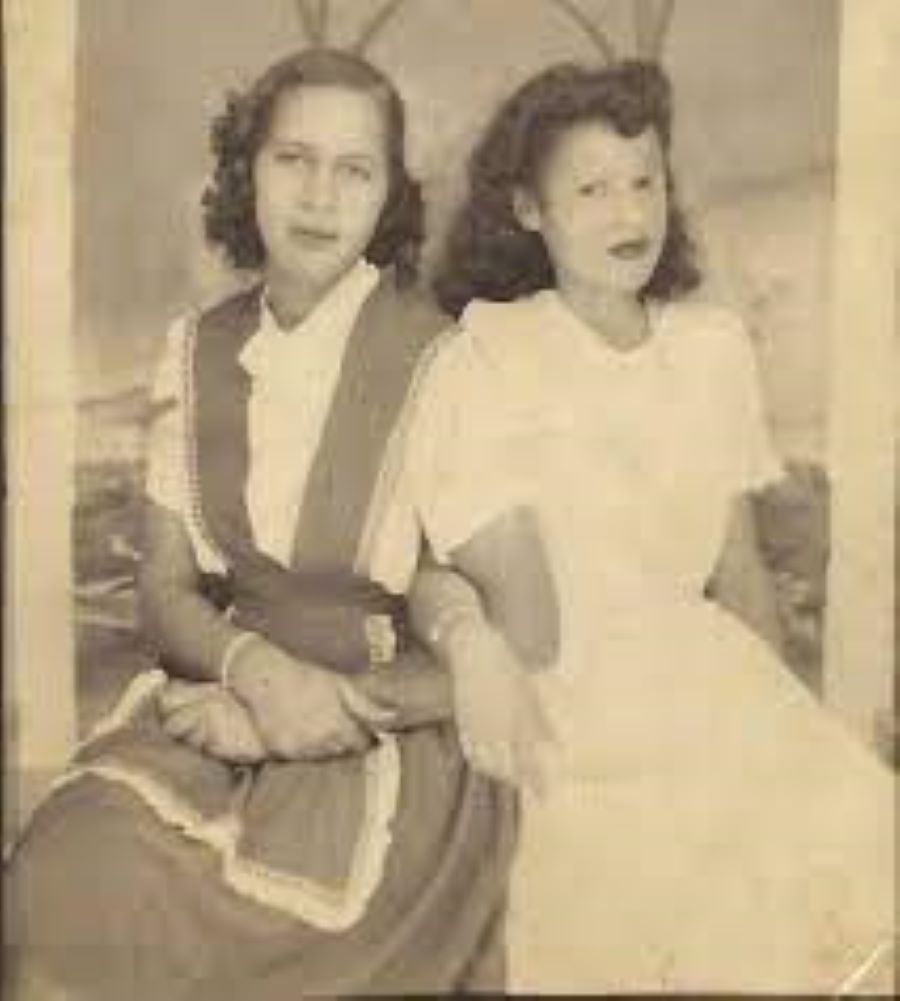
This photograph is the property of its respective owners. No infringement intended.

The Creoles of Louisiana are a unique cultural group whose roots go back to the French and Spanish colonial periods of the 18th century. The word “Creole” originally referred to people born in the colonies rather than in Europe, but over time, it came to describe a population of mixed European, African, and Native American ancestry that developed a distinct identity in Louisiana (Domínguez, 1994). The Creole community was shaped by colonial rule, the transatlantic slave trade, and the blending of cultures in the Gulf Coast region.

The racial and cultural mixture of Louisiana Creoles is complex. Many Creoles were of French and Spanish descent, intermarrying with Africans and Native Americans, which created a population with diverse skin tones, languages, and traditions (Hall, 1992). This blending produced a rich cultural heritage that included Catholicism, French or Creole French language, and a strong emphasis on music, cuisine, and family traditions. Creoles of color, in particular, played a unique role in Louisiana society, forming a class that was socially distinct from both enslaved Africans and white European settlers.

The origins of Louisiana Creoles can be traced to the early 1700s, when Louisiana was a French colony. By the mid-18th century, enslaved Africans from West Africa were brought into the colony, contributing not only labor but also culture, language, and traditions. Spanish rule, which lasted from 1763 to 1800, added another layer of influence. After the Louisiana Purchase in 1803, Creoles resisted assimilation into Anglo-American culture and worked to preserve their distinct identity (Hirsch & Logsdon, 1992).

An example of a well-known Creole is the famous writer and folklorist George Washington Cable, who documented Creole life in New Orleans, or more recently, singer Beyoncé Knowles, whose mother, Tina Knowles, is of Louisiana Creole heritage. Creoles can range widely in appearance, from very fair-skinned individuals with European features to darker-skinned individuals with African features, reflecting their mixed ancestry. This diversity in appearance often confounded simplistic racial categories in America’s history (Domínguez, 1994).

Historical Creoles of Louisiana

The historical Creoles of Louisiana were a culturally rich and socially complex community who emerged during the French and Spanish colonial periods in the 18th and 19th centuries. The word “Creole” originally meant “born in the colony” and applied to both Europeans and Africans born in Louisiana rather than in their ancestral homelands (Hall, 1992). Over time, it came to describe a distinctive class of people who were shaped by the blending of French, Spanish, African, and Native American influences.

One prominent group was the Creoles of color (gens de couleur libres), free people of mixed African and European ancestry who occupied a unique social position. They were neither enslaved nor fully accepted into white society, but they developed their own communities with strong traditions in music, art, education, and business (Hirsch & Logsdon, 1992). Many were educated in France, owned property, and even owned businesses or plantations.

Among the most famous historical Creoles was Marie Laveau (1801–1881), the legendary Voodoo priestess of New Orleans. She was a free woman of color who gained great influence in both the Black and white communities of the city. Her legacy blends religion, mysticism, and Creole culture, making her one of the most enduring symbols of Louisiana Creole identity (Long, 2006).

Another notable Creole figure was Homer Plessy (1862–1925), the plaintiff in the landmark Supreme Court case Plessy v. Ferguson (1896). Plessy, a Creole of color, challenged segregation laws by refusing to leave a whites-only train car, leading to the infamous “separate but equal” ruling. His activism reflects the long history of Creoles advocating for civil rights.

Creoles also made major contributions in the arts. Louis Moreau Gottschalk (1829–1869), a world-renowned pianist and composer, was of Creole descent. He brought Louisiana musical traditions to the international stage, blending European classical music with Afro-Caribbean and Creole rhythms (Saffle, 1995).

Visually, historical Creoles varied greatly in appearance. Some had light skin and European features, while others had darker complexions reflecting African ancestry. This diversity often blurred rigid racial categories in America’s history, making Creoles a community that challenged the black-and-white binary system of racial identity (Domínguez, 1994).

Socially, Creoles were also known for their traditions, such as Creole society balls, especially the “quadroon balls,” which introduced mixed-race women into elite circles. These gatherings reflected both the elegance and the racial complexities of Creole society in New Orleans.

By the late 19th and early 20th centuries, Creole identity began to shift due to segregation laws and Americanization after the Louisiana Purchase. Yet, historical Creoles left an enduring mark on Louisiana through music, food, religion, and resistance to cultural erasure. Their legacy is still celebrated today in New Orleans festivals, Creole cuisine, and the preservation of the Creole French language.

A key distinction exists between Creoles and Cajuns in Louisiana. Cajuns are descendants of French-speaking Acadians who were expelled from Canada (Nova Scotia) in the mid-1700s and settled in rural southern Louisiana. They developed their own culture, marked by Catholicism, French dialects, and rural traditions (Ancelet, 1991). In contrast, Creoles were often urban, tied to New Orleans and plantation life, and represented a broader racial and cultural mix. While both groups share French roots, their histories and identities are distinct.

Social life for Creoles in the 18th and 19th centuries included elaborate traditions such as Creole balls, which were formal gatherings that showcased music, fashion, and dance. These events often served as opportunities for members of the Creole community to preserve cultural identity and reinforce social ties. One particularly notable tradition was the “quadroon balls” in New Orleans, where women of mixed African and European ancestry were introduced into society, often leading to complex social arrangements within the racial caste system (Hirsch & Logsdon, 1992).

Creole culture is also deeply tied to music, food, and religion. Catholicism played a central role, influencing festivals such as Mardi Gras, which was celebrated with both sacred and secular dimensions. Creole cuisine, blending French, African, Spanish, and Caribbean flavors, produced iconic dishes like gumbo, jambalaya, and étouffée. Musically, Creoles contributed to jazz, zydeco, and other genres that are now central to Louisiana’s cultural identity.

Today, Louisiana Creoles continue to preserve their heritage while also navigating questions of racial and cultural identity in modern America. Their history of resilience, creativity, and adaptation has made them one of the most distinct cultural groups in the United States. Through language, food, music, and traditions, the Creoles of Louisiana embody the complexity of American history and the richness of cultural fusion.


References

  • Ancelet, B. J. (1991). Cajun Music and Zydeco. University Press of Mississippi.
  • Domínguez, V. R. (1994). White by Definition: Social Classification in Creole Louisiana. Rutgers University Press.
  • Hall, G. M. (1992). Africans in Colonial Louisiana: The Development of Afro-Creole Culture in the Eighteenth Century. LSU Press.
  • Hirsch, A. R., & Logsdon, J. (1992). Creole New Orleans: Race and Americanization. LSU Press.
  • Hirsch, A. R., & Logsdon, J. (1992). Creole New Orleans: Race and Americanization. LSU Press.
  • Long, C. (2006). A New Orleans Voudou Priestess: The Legend and Reality of Marie Laveau. University Press of Florida.
  • Saffle, M. (1995). Louis Moreau Gottschalk: Selected Studies in Nineteenth-Century American Music. Garland Publishing.

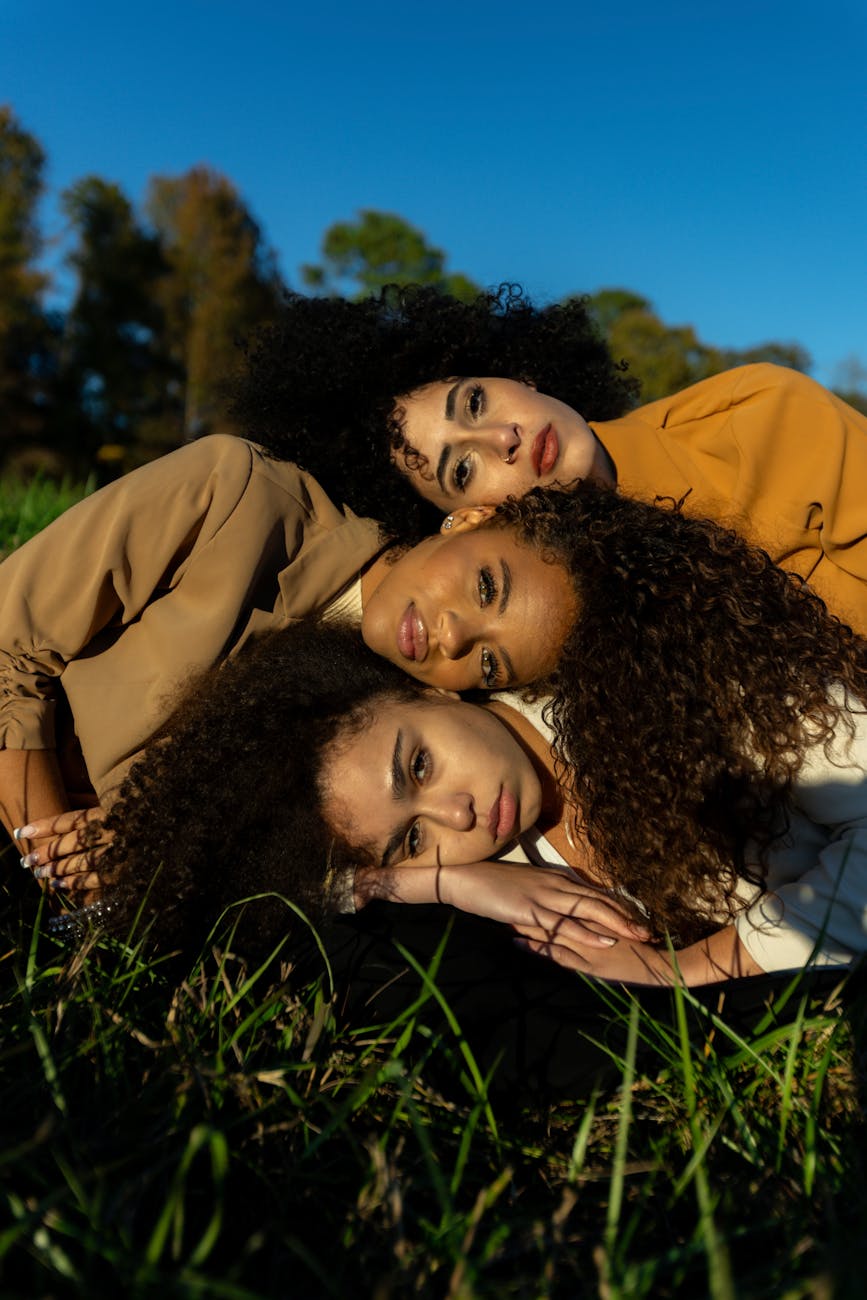
Legacy of Light: Colonialism and the Brown Girl Dilemma. #thebrowngirldilemma

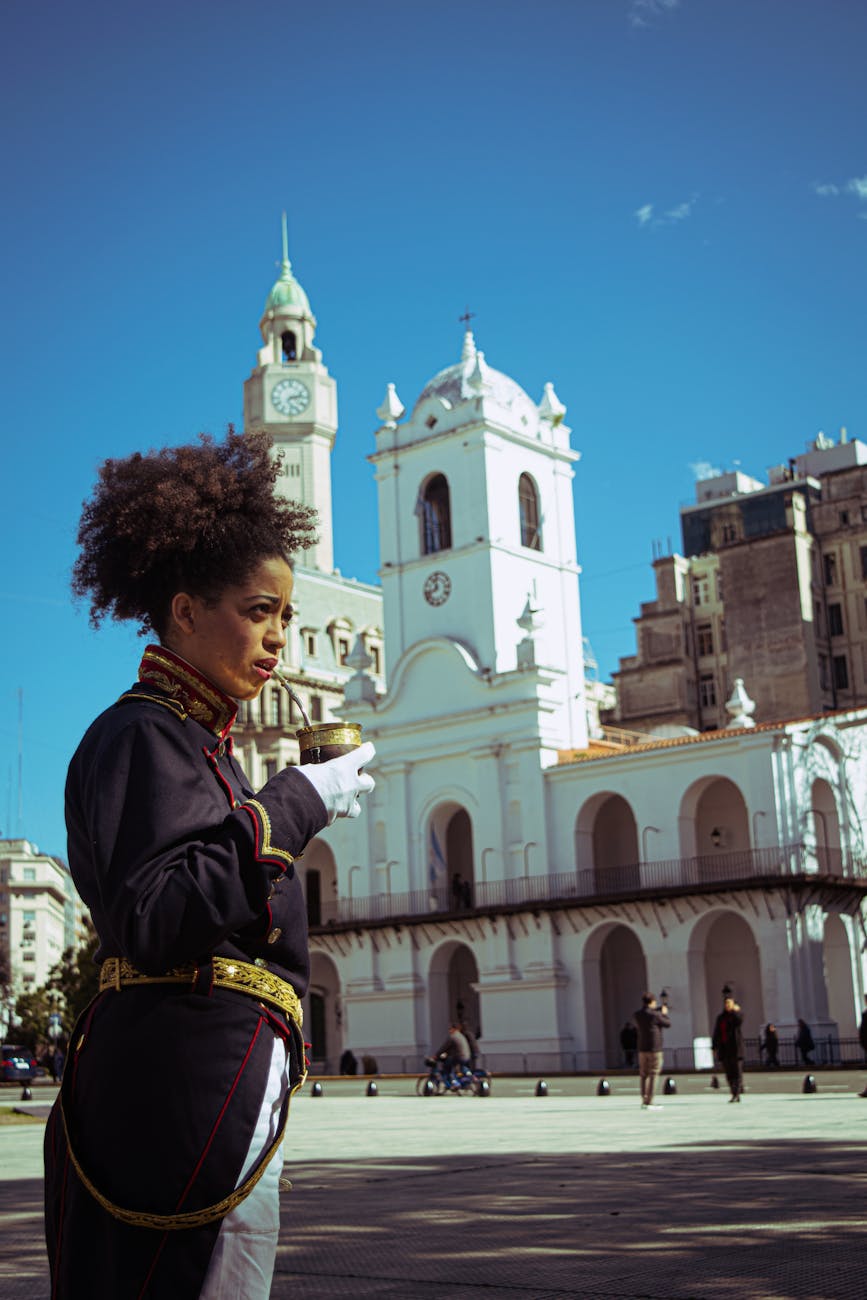
Photo by Kari Alfonso on Pexels.com

The Brown girl dilemma—the complex interplay of colorism, identity, and self-worth—cannot be understood without examining the historical legacy of colonialism. For centuries, European colonial powers imposed rigid hierarchies that privileged lighter skin, straight hair, and Eurocentric features, associating these traits with intelligence, civility, and social status. Darker-skinned individuals were often dehumanized, labor exploited, and culture denigrated. This systemic privileging of lightness laid the foundation for enduring colorist biases that continue to shape societal standards of beauty and opportunity for Brown girls today (Hunter, 2007).

Colonial narratives infiltrated cultural norms, education, and media, reinforcing the association between light skin and desirability. Literature, visual arts, and folklore frequently depicted lighter-skinned women as virtuous and aspirational, while darker-skinned women were cast as secondary or subservient. Within colonized societies, this created internalized hierarchies where lighter-skinned individuals received preferential treatment in employment, education, and social recognition. Brown girls inherited these dynamics, often navigating environments where their natural features and melanin-rich skin were undervalued (Byrd & Tharps, 2014).

Colorism, the preferential treatment of lighter skin within the same racial or ethnic group, is a direct product of these historical structures. In contemporary societies, Brown girls face pressures to conform to beauty standards rooted in colonial ideals. Skin-lightening products, straightening treatments for natural hair, and fashion trends designed to emulate Western norms exemplify the continued influence of colonial hierarchies. These pressures can produce psychological strain, erode self-esteem, and foster internalized bias among young girls struggling to reconcile their heritage with societal expectations (Hunter, 2007).

Media representation continues to amplify the dilemma. Hollywood, global advertising, and social media platforms historically elevate lighter-skinned actors, models, and influencers. Figures such as Yara Shahidi, Salli Richardson, and Mari Morrow exemplify this visibility. In contrast, dark-skinned women, despite possessing equally striking features and talent, are often marginalized, reinforcing the message that proximity to whiteness is synonymous with success, beauty, and power. The lack of authentic representation perpetuates the colonial hierarchy in contemporary cultural spaces (Fardouly et al., 2015).

However, resistance and reclamation are reshaping narratives. Dark-skinned icons such as Lupita Nyong’o, Kenya Moore, and Issa Rae challenge Eurocentric ideals by embracing their melanin-rich complexion, natural hair, and culturally rooted aesthetics. Their success demonstrates that beauty, talent, and influence are not confined to colonial constructs of desirability. By centering these figures, Brown girls receive affirming role models who validate their features, heritage, and potential, fostering resilience and pride in their identity (Banks, 2015).

Educational and community initiatives further counteract the colonial legacy. Mentorship programs, culturally responsive curricula, and leadership training equip Brown girls with the skills and confidence to navigate systemic bias. By teaching critical media literacy, celebrating heritage, and providing visibility to accomplished role models, these programs empower young women to challenge historical hierarchies while cultivating self-worth and agency (Hunter, 2007).

Spiritual and ethical grounding offers an enduring corrective lens. Proverbs 31:30 (KJV) teaches, “Favour is deceitful, and beauty is vain: but a woman that feareth the LORD, she shall be praised.” Faith affirms that worth transcends societal or media-driven hierarchies rooted in colonial constructs. By rooting identity in character and divine purpose, Brown girls can resist the pressure to conform to external standards while embracing their natural beauty and potential.

In conclusion, the Brown girl dilemma is a direct legacy of colonialism, manifesting as colorism, limited representation, and internalized bias. Yet through cultural affirmation, mentorship, education, media representation, and spiritual grounding, Brown girls can reclaim agency, redefine beauty, and navigate the world with pride and confidence. Recognizing the historical roots of these challenges is the first step in dismantling them and creating spaces where melanin-rich features, talent, and intellect are fully celebrated.


References

Banks, J. A. (2015). Cultural diversity and education: Foundations, curriculum, and teaching. Routledge.

Byrd, A. D., & Tharps, L. L. (2014). Hair Story: Untangling the Roots of Black Hair in America. St. Martin’s Press.

Fardouly, J., Diedrichs, P. C., Vartanian, L. R., & Halliwell, E. (2015). Social comparisons on social media: The impact of Facebook on young women’s body image concerns and mood. Body Image, 13, 38–45.

Hunter, M. (2007). The persistent problem of colorism: Skin tone, status, and inequality. Sociology Compass, 1(1), 237–254.

Celebrating Black Women in History: Activists and Trailblazers.

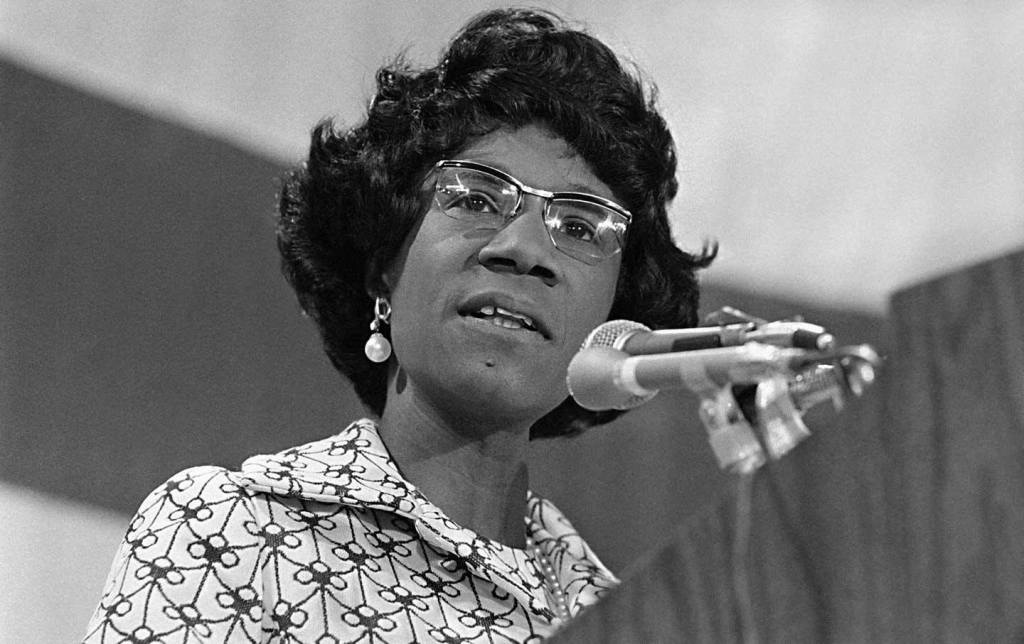
This photograph is the property of its respective owners. No copyright infringement intended.

Black women have been central to social, political, and cultural transformation throughout history, yet their contributions are often overlooked or minimized. From the era of slavery to modern times, Black women have demonstrated resilience, intellect, and leadership, challenging systemic oppression while paving the way for future generations. Recognizing and celebrating their accomplishments is essential for understanding history, inspiring social justice, and affirming the intrinsic value of Black womanhood.


Black Women in the Fight Against Slavery

Women such as Harriet Tubman and Sojourner Truth played pivotal roles in the abolitionist movement. Harriet Tubman’s courage in leading enslaved people to freedom via the Underground Railroad embodies fearless leadership. Sojourner Truth, through her speeches and activism, exposed the dual oppression of race and gender, most famously in her “Ain’t I a Woman?” address. Their legacy teaches that resistance and advocacy are intertwined with survival and faith

Pioneers in Civil Rights

In the 20th century, activists like Rosa Parks and Septima Clark reshaped the civil rights landscape. Rosa Parks’ refusal to give up her bus seat sparked the Montgomery Bus Boycott, a catalyst for nationwide action. Septima Clark, known as the “Mother of the Movement,” advanced citizenship education and literacy programs, empowering African Americans to exercise their voting rights. These women exemplify strategic courage, moral conviction, and community-focused leadership.


Trailblazers in Politics and Leadership

Black women have broken barriers in governance, challenging systemic exclusion. Figures like Shirley Chisholm, the first Black woman elected to Congress and a presidential candidate, redefined political possibility. Similarly, Barbara Jordan brought eloquence and moral authority to legislative processes, inspiring future generations of leaders. Their achievements highlight resilience, intellect, and the intersection of race and gender in public life.


Cultural and Artistic Revolutionaries

Beyond activism, Black women have transformed culture. Maya Angelou, Toni Morrison, and Nina Simone reshaped literature, music, and public consciousness, using their art as both personal expression and political commentary. Through storytelling, poetry, and song, they challenged racial stereotypes, inspired pride, and nurtured cultural identity.


Education and Empowerment Advocates

Black women like Mary McLeod Bethune dedicated their lives to education, founding institutions and programs that uplifted communities. Bethune’s emphasis on literacy, vocational training, and civic engagement demonstrates that education is both a tool for personal growth and societal change.


Modern Trailblazers

Contemporary leaders such as Alicia Garza, co-founder of the Black Lives Matter movement; Tarana Burke, founder of the MeToo movement; Misty Copeland, the first African American principal dancer at the American Ballet Theatre; Amanda Gorman, the youngest inaugural poet in U.S. history; Oprah Winfrey, media mogul and philanthropist; and Stacey Abrams, political leader and voting rights advocate, continue the legacy of activism, creativity, and cultural influence. Their visibility challenges stereotypes, advocates for equity, and inspires younger generations of Black women to embrace their talents, assert their voices, and claim their rightful place in society.


The Intersection of Faith and Activism

Many Black women activists grounded their work in faith. The KJV Bible repeatedly emphasizes justice and moral courage: “Learn to do well; seek judgment, relieve the oppressed” (Isaiah 1:17). Faith has often been a source of resilience, moral clarity, and community solidarity for Black women navigating oppression.


Overcoming Dual Oppression

Black women historically contend with both racial and gendered discrimination. Intersectionality—a term coined by Kimberlé Crenshaw—explains how overlapping systems of oppression shape lived experiences. Recognizing this helps illuminate why the achievements of Black women are particularly extraordinary and instructive.


Inspiring the Next Generation

Celebrating these trailblazers is not mere homage; it is a call to action. Mentorship programs, education, and media representation rooted in Black women’s histories foster self-worth, leadership, and civic engagement among youth.


Concluding Reflection

From Harriet Tubman to Kamala Harris, Black women’s contributions have been monumental, shaping history, culture, and society. Their resilience, intellect, and moral courage exemplify the power of faith, education, and activism. Honoring Black women in history affirms their intrinsic value, encourages social justice, and inspires generations to continue the work of liberation, leadership, and creativity.


References

  • Crenshaw, K. (1991). Mapping the margins: Intersectionality, identity politics, and violence against women of color. Stanford Law Review, 43(6), 1241–1299.
  • Collier-Thomas, B., & Franklin, V. P. (Eds.). (2001). Sisters in the struggle: African American women in the civil rights–black power movement. New York University Press.
  • Morris, A. D. (1999). Women’s work: The civil rights movement and the politics of gender. University of North Carolina Press.
  • Taylor, U. Y. (1998). The historical evolution of Black women in America. Black Women’s Studies Press.

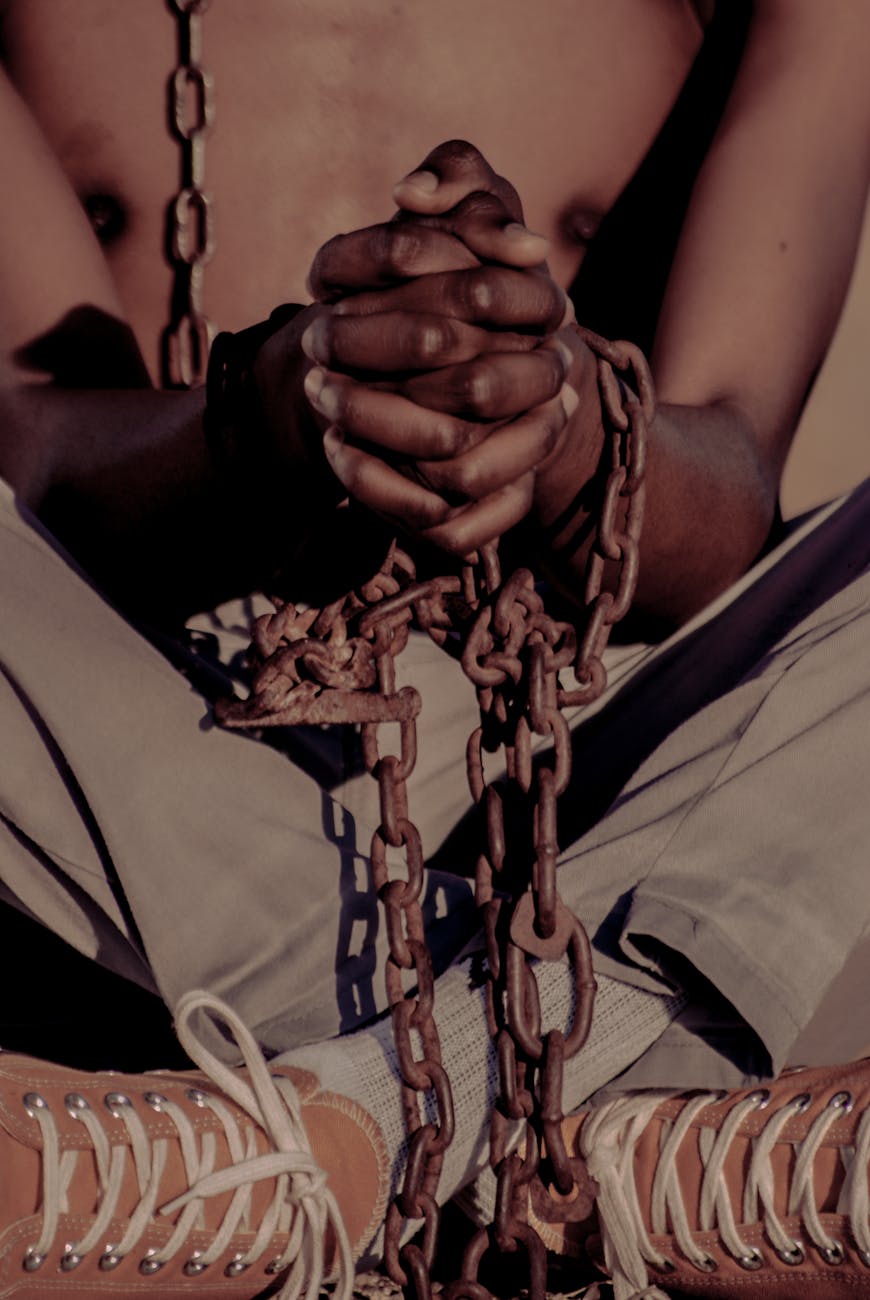
Dilemma: Slavery – Chains Across the Waters: The Transatlantic Slave Trade, Biblical Prophecy, and the Legacy of Black Enslavement

Photo by Thato Moiketsi on Pexels.com

“We Came in the Bottom of Ships”

(A Poem About Slavery)

We came in the bottom of ships, not dreams,
Chained like thunder beneath wooden beams,
Torn from kingdoms kissed by the sun,
From the drums of Dahomey, to the rivers of the Congo run.

We were Igbo, Ashanti, Hebrew, and Ewe,
Mothers of wisdom, warriors of sway,
Fathers of iron, scribes of the scroll,
Our names were gold—but they bartered our soul.

The wind was not freedom but fury and foam,
As they stacked our breath in a floating tomb.
“Amistad,” “Brookes,” and “Jesus” they sailed,
Yet Christ wept each time those hulls prevailed.

We sang in the dark where no sun reached,
We prayed in a tongue they could not breach.
Deuteronomy cried from the sacred page,
“You shall go into Egypt again”—the prophecy aged.

They whipped us at dawn, and raped through the night,
Took our children, and robbed us of sight.
Taught us to bow and forget who we were,
Yet our blood remembered—we came from the Word.

On blocks we stood like cattle and coin,
Sold by the pound, bruised in the groin.
Names lost—Tamar, Kofi, Yaira, Adebayo—
Now called Jack, or Belle, or Uncle Sam’s shadow.

We built this land—its wealth, its walls,
With cotton-picked hands and freedom’s calls.
We bled in silence, we ran, we fought,
We learned to read, though they said we could not.

They broke our backs, but not our will,
For Harriet moved by the Spirit still.
And Frederick wrote fire with a bleeding pen,
While Nat Turner rose like a lion again.

Now we dance in Juneteenth’s flame,
Remembering each forgotten name.
From chains to chants, from songs to speech,
Still reaching the freedom they dared not teach.


Closing Lines

So when you ask where our story begins,
It does not start in chains or sins—
But in a garden, in a scroll, in ancient breath—
Slavery was a shadow. But we are not death.
We are prophecy walking. We are Judah’s drum.
We are the voice that says: “Let my people come.”

.


The transatlantic slave trade remains one of the darkest stains in human history—marked by over four centuries of systemic oppression, brutality, and the forced migration of millions of African men, women, and children. Black people were enslaved in the Americas for approximately 246 years, from 1619 to 1865, and the aftershocks of this atrocity continue to reverberate in modern society. The origin, scale, and spiritual context of this historical trauma require a deep examination—of not only the ships and auction blocks but also the prophetic echoes found in Scripture, particularly Deuteronomy 28.


Origins of African Slavery: Historical and Spiritual Roots

The transatlantic slave trade began in the late 15th century, with European powers—especially Portugal, Britain, Spain, France, and the Netherlands—establishing trading posts along the western coasts of Africa. Africans were kidnapped or sold by rival tribes, many through warfare or debt bondage, and transported across the Atlantic Ocean in horrific conditions.

According to Deuteronomy 28:68 (KJV):

“And the Lord shall bring thee into Egypt again with ships, by the way whereof I spake unto thee, Thou shalt see it no more again: and there ye shall be sold unto your enemies for bondmen and bondwomen, and no man shall buy you.”

This verse is widely cited in Hebraic Israelite theology as a prophetic reference to the transatlantic slave trade, wherein descendants of the biblical Israelites—believed by many to be the so-called African Americans—would be carried in ships to a new “Egypt” (a house of bondage).


Slave Ports and African Origins

Most of the enslaved Africans came from West and Central Africa, regions that include modern-day:

  • Ghana
  • Nigeria
  • Benin
  • Senegal
  • Angola
  • Sierra Leone

The major slave embarkation points were on the Ivory Coast, Gold Coast, Slave Coast, and Bight of Biafra.

There is evidence that Shemites—descendants of Shem, one of Noah’s sons—lived in parts of Africa, particularly among Hebrew-speaking tribes such as the Igbo of Nigeria, the Akan of Ghana, and others who retained oral traditions, circumcision practices, and laws similar to ancient Israel (Hotep, 2016).


Slave Ships and Death at Sea

The names of infamous slave ships included:

  • The Brookes
  • The Henrietta Marie
  • The Jesus of Lübeck (ironically owned by Queen Elizabeth I)
  • La Amistad

Conditions aboard these ships were inhumane. Africans were shackled, stacked tightly in cargo holds with little air, and barely fed. It is estimated that at least 1.8 million of the 12.5 million enslaved Africans died during the Middle Passage (Eltis & Richardson, 2010).

The story of La Amistad (1839) stands out as one of resistance. Enslaved Mende Africans, led by Sengbe Pieh (Cinqué), rebelled against their Spanish captors. The case reached the U.S. Supreme Court, which ruled in favor of the Africans’ freedom—marking a rare legal victory for Black resistance.


Slavery in America and the World

Slavery existed globally, but the transatlantic slave trade was uniquely brutal and racialized. Other nations that held African slaves included:

  • Brazil
  • Cuba
  • The Caribbean colonies
  • Spain
  • Portugal
  • France
  • The Netherlands

In North America, enslaved people were forced into:

  • Plantation labor (cotton, sugar, tobacco)
  • Domestic service
  • Skilled crafts
  • Childbearing (as a source of wealth)

They were often sold at public slave auctions, stripped naked, examined like livestock, and renamed with European or Anglo-Christian names. Most were forced to abandon their original Hebrew names, cultural identities, and languages, such as Ewe, Igbo, Wolof, Yoruba, and Akan.


Sexual Violence and Psychological Warfare

Slavery in America was not only physical but psychological and sexual. “Buck breaking” was a barbaric method where enslaved Black men were raped or publicly humiliated to break their spirit and deter rebellion. It is hard to quantify, but tens of thousands of Black women were also raped by white slave masters, often forced to bear children who were legally still enslaved under the status of the mother (partus sequitur ventrem).


The Abolition of Slavery

Slavery in the United States was abolished in 1865 with the ratification of the 13th Amendment, pushed forward by the efforts of abolitionists like Frederick Douglass, Harriet Tubman, and William Lloyd Garrison, as well as President Abraham Lincoln‘s Emancipation Proclamation (1863).


Slave Narratives and Overcoming

One of the most famous narratives is that of Harriet Jacobs, author of Incidents in the Life of a Slave Girl, who detailed her harrowing experiences as a sexually abused enslaved woman.

Another is Frederick Douglass, who escaped slavery, taught himself to read, and became one of the greatest orators and writers in American history. His book Narrative of the Life of Frederick Douglass (1845) exposed the cruelty of slavery and helped ignite the abolitionist movement.


Modern Black Celebration and Resilience

Today, Black Americans honor their ancestors and freedom through:

  • Juneteenth (June 19th, the date when the last slaves in Texas were freed in 1865)
  • Black History Month
  • Kwanzaa
  • Passover Celebrations (among Hebrew Israelites)

Is the Condition of Black People Better Today?

While legal slavery is abolished, systemic racism, mass incarceration, police brutality, and economic disparities persist. Nevertheless, the resilience, innovation, and cultural power of Black people have reshaped nations—from political powerhouses like Barack Obama to cultural icons like Maya Angelou and Malcolm X.


Conclusion

Slavery was not merely a historical event; it was a fulfillment of biblical prophecy, a global enterprise fueled by greed and racial supremacy, and a foundational trauma in the American story. Understanding its full scope—both physically and spiritually—allows us to honor those who perished, those who resisted, and those who still rise today.


References

  • Berlin, I. (2003). Generations of Captivity: A History of African-American Slaves. Harvard University Press.
  • Deuteronomy 28:68. (n.d.). The Holy Bible, King James Version.
  • Eltis, D., & Richardson, D. (2010). Atlas of the Transatlantic Slave Trade. Yale University Press.
  • Douglass, F. (1845). Narrative of the Life of Frederick Douglass, an American Slave. Boston: Anti-Slavery Office.
  • Jacobs, H. (1861). Incidents in the Life of a Slave Girl. Boston: Thayer & Eldridge.
  • Hotep, D. (2016). The African Hebrews: Biblical Israelites in Africa. Afrikan Mind Publishing.
  • Lovejoy, P. E. (2000). Transformations in Slavery: A History of Slavery in Africa. Cambridge University Press.

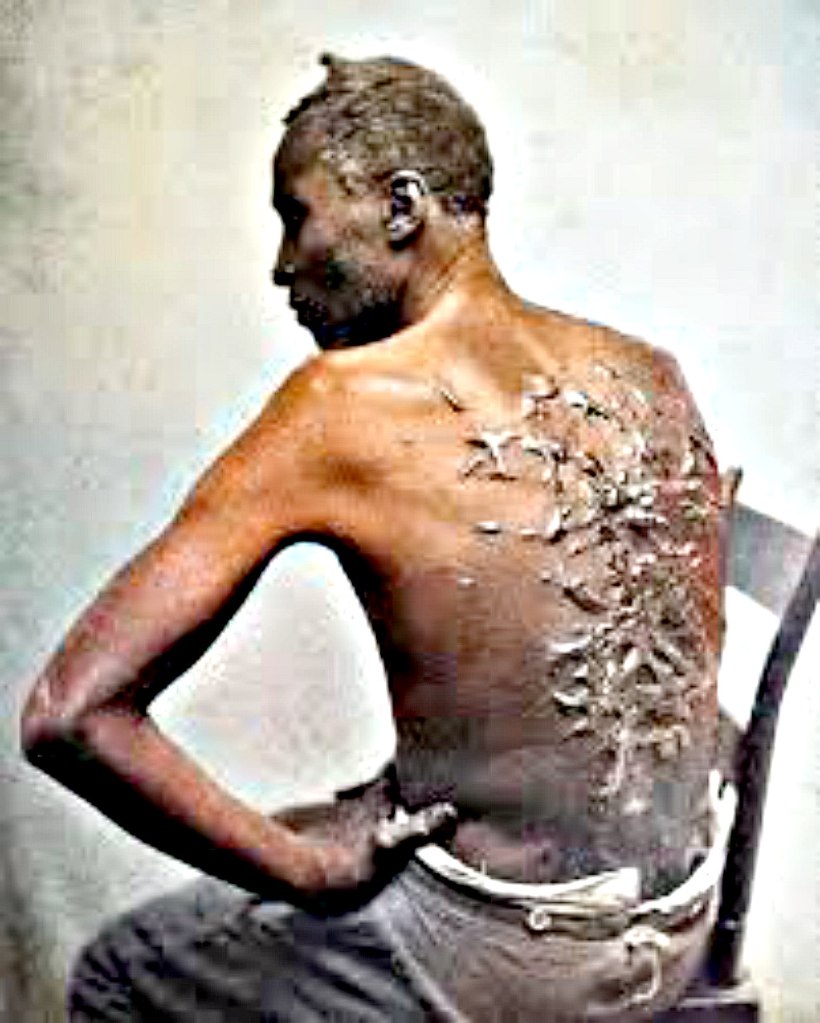
The Slave Files: Whipped Peter (Gordon)

The Scourged Back

Chains that bound, yet could not break
A spirit strong, though flesh did ache.
Scarred and beaten, marked by pain,
He rose to freedom, hope his gain.

Whipped by cruelty, yet never bent,
A testament to courage, resilient.
From fields of sorrow to Union’s call,
Peter’s courage outshines it all.

Photo Credit: McPherson & Oliver. This photograph is the property of its respective owner.

Peter, also known as “Whipped Peter” or “Gordon,” was an enslaved African American man born around 1820–1825; some accounts report his birth around 1850 in Georgia. He was sold to a 3,000-acre plantation in Louisiana owned by Captain John Lyons. In late October 1862, after an altercation with his overseer, Peter was subjected to a brutal whipping that left deep, permanent scars across his back. The overseer reportedly applied salt to the wounds, a common and excruciating practice known as “salting,” intended to inflict maximum pain and humiliation.

Despite this horrific treatment, Peter survived and, in March 1863, escaped the plantation. Using onions to mask his scent from bloodhounds, he reached Union lines near Baton Rouge, Louisiana. There, photographers McPherson & Oliver captured his scarred back, producing the image known as “The Scourged Back.” This photograph circulated widely in abolitionist publications and became a poignant testament to the brutality of slavery, galvanizing public opinion against the institution.

In March 1863, Peter escaped from the plantation, covering his scent with onions to evade bloodhounds. After a perilous journey, he reached Union lines near Baton Rouge, Louisiana, where he was photographed by McPherson & Oliver, revealing the extent of his injuries. The resulting image, known as “The Scourged Back,” was widely circulated and became a poignant testament to the brutality of slavery . Following his escape, Peter enlisted in the Union Army and served in the U.S. Colored Troops, where he continued to contribute to the fight for freedom and justice. While his exact service details remain unclear, his story galvanized anti-slavery sentiments and highlighted the resilience and humanity of enslaved individuals. His story endures as a symbol of resilience, courage, and the unbreakable human spirit, reminding future generations of both the horrors of slavery and the strength required to survive and claim one’s freedom.


References for Further Reading

Entrepreneurship as a Tool for Independence.

Photo by nappy on Pexels.com

Entrepreneurship is more than an economic endeavor; it is a philosophy of independence, self-determination, and empowerment. In societies where systemic oppression has historically limited access to resources and opportunities, entrepreneurship becomes a means of liberation. For the Black community in particular, entrepreneurship has served as both a survival strategy and a path to autonomy. This essay explores entrepreneurship as a tool for independence through historical, psychological, spiritual, and economic lenses.

Historical Foundations of Entrepreneurship and Independence

Historically, Black entrepreneurship has played a critical role in resisting oppression. During slavery, enslaved Africans often engaged in informal economies—trading goods, crafts, and services to supplement survival and assert a degree of autonomy (Walker, 2009). Following emancipation, many African Americans established independent businesses, ranging from barbershops and tailoring shops to banks and insurance companies. One of the most famous examples is Tulsa’s Greenwood District, commonly referred to as Black Wall Street. This thriving community symbolized financial independence and collective empowerment before its destruction during the 1921 Tulsa Race Massacre (Hill, 2021).

These examples demonstrate that entrepreneurship has historically been a means of circumventing racial barriers. In environments where mainstream systems excluded Black people from wealth accumulation, business ownership became a vital tool for independence and survival.

Psychological Empowerment through Entrepreneurship

Beyond economics, entrepreneurship fosters psychological independence. Psychologists argue that autonomy, competence, and purpose are core human needs (Deci & Ryan, 2000). By creating one’s own business, individuals are able to reclaim control over their work, exercise creativity, and establish a sense of agency. This is especially significant for those in marginalized communities, where systemic racism has historically stripped individuals of self-worth and opportunity (Franklin & Moss, 2018).

Entrepreneurship, therefore, functions as a psychological corrective—helping individuals move from a survival mindset to a growth mindset. The entrepreneur learns resilience, adaptability, and vision, qualities that counteract the generational trauma of oppression. Proverbs 22:29 (KJV) highlights the dignity of mastery and skill: “Seest thou a man diligent in his business? he shall stand before kings; he shall not stand before mean men.” Entrepreneurship thus not only provides sustenance but restores dignity and confidence.

Spiritual Dimensions of Independence

The biblical perspective frames entrepreneurship as stewardship and a means of honoring God. Scripture consistently emphasizes work, diligence, and the blessings of independence. Ecclesiastes 3:13 (KJV) declares, “Every man should eat and drink, and enjoy the good of all his labour, it is the gift of God.” Entrepreneurship allows individuals to embrace this divine gift by transforming labor into ownership rather than dependency.

Furthermore, Deuteronomy 28 outlines blessings tied to obedience, including economic prosperity and independence: “And the Lord shall make thee the head, and not the tail; and thou shalt be above only, and thou shalt not be beneath” (Deut. 28:13, KJV). Entrepreneurship, when practiced with integrity and stewardship, reflects these principles of leadership, headship, and generational blessing.

Entrepreneurship and Community Independence

While entrepreneurship fosters individual independence, its impact on communities is equally transformative. Businesses that circulate wealth within Black communities strengthen economic independence and resilience. According to research, every dollar spent in a Black-owned business circulates within the community far less than in other groups due to systemic economic exclusion (DuBois, 1903/2017; Anderson, 2017). Increasing entrepreneurship helps reverse this cycle, promoting collective empowerment and reducing dependence on external systems that often perpetuate inequality.

This community-centered entrepreneurship is in line with the biblical mandate to care for widows, orphans, and the marginalized (James 1:27, KJV). Independence through entrepreneurship is not about selfish gain but about establishing sustainable systems of empowerment that uplift entire families and neighborhoods.

Entrepreneurship in the Digital Age

In today’s economy, entrepreneurship increasingly involves technology, global networks, and digital innovation. Digital platforms lower barriers to entry, allowing entrepreneurs to bypass traditional gatekeepers such as banks and corporations. For example, Black entrepreneurs are increasingly leveraging e-commerce, social media, and digital services to reach global audiences and build scalable businesses (Gore & White, 2018).

This shift represents a new form of independence, where ownership extends beyond physical spaces into digital economies. By embracing digital entrepreneurship, individuals not only gain autonomy but also position themselves to create generational wealth.

Case Studies of Black Entrepreneurs and Independence

Oprah Winfrey: Media Ownership and Cultural Independence

Oprah Winfrey’s career demonstrates how entrepreneurship can transcend barriers of poverty, race, and gender to create unparalleled independence. Born into poverty in rural Mississippi and raised in difficult circumstances, Winfrey faced systemic racism, gender bias, and personal trauma. Yet, she leveraged her gifts in communication to build a media empire that extended far beyond her role as a talk show host. By founding Harpo Productions in 1986, Oprah took ownership of her intellectual property, gaining control over her brand, creative direction, and financial future.

Her entrepreneurial independence translated into cultural independence. Unlike many entertainers who remain dependent on networks and studios, Oprah’s ownership allowed her to tell stories that reflected authenticity, spirituality, and empowerment. This independence enabled her to create O, The Oprah Magazine, OWN: The Oprah Winfrey Network, and philanthropic initiatives such as the Oprah Winfrey Leadership Academy for Girls in South Africa. Her career exemplifies Proverbs 31:16 (KJV): “She considereth a field, and buyeth it: with the fruit of her hands she planteth a vineyard.” Oprah’s vineyard has been both financial and cultural, cultivating independence not just for herself but for others who draw strength from her example.

Daymond John: Fashion Entrepreneurship and Cultural Expression

Daymond John’s story reveals how entrepreneurship allows cultural independence and representation. In the early 1990s, growing up in Queens, New York, John observed the lack of representation in mainstream fashion for urban youth. Out of this gap, he founded FUBU (For Us, By Us), which became an international clothing brand symbolizing Black pride and cultural ownership. By sewing hats and shirts at home and selling them in his neighborhood, John turned a grassroots idea into a billion-dollar enterprise.

FUBU was not just a fashion label; it was a declaration of independence. It created a platform where Black identity and style were celebrated on global stages, shifting cultural power and financial gains toward the community that inspired it. Today, John extends this independence into mentorship, serving as an investor and advisor on Shark Tank. By investing in others, he demonstrates that entrepreneurship is cyclical—independence must be multiplied and passed forward. His career reflects Matthew 25:21 (KJV), where the faithful steward is rewarded: “Well done, thou good and faithful servant: thou hast been faithful over a few things, I will make thee ruler over many things.”

Madam C.J. Walker: Pioneering Economic Freedom for Black Women

Madam C.J. Walker, often cited as the first self-made Black woman millionaire in America, embodies how entrepreneurship historically functioned as liberation. Born Sarah Breedlove in 1867, the daughter of formerly enslaved parents, Walker faced the dual oppressions of racism and sexism. She began developing hair-care products for Black women after struggling with her own scalp disorders, eventually founding the Madam C.J. Walker Manufacturing Company.

Her company was revolutionary not just in its products but in its employment model. Walker trained thousands of Black women as sales agents, enabling them to achieve financial independence at a time when domestic service was the primary employment option available. Her wealth also translated into philanthropy, supporting educational institutions like Tuskegee Institute and movements for racial justice. Walker’s life illustrates Proverbs 14:1 (KJV): “Every wise woman buildeth her house: but the foolish plucketh it down with her hands.” By building her business, Walker built houses, schools, and legacies of independence for countless women.

Robert F. Smith: Redefining Independence through Finance and Philanthropy

Robert F. Smith, founder and CEO of Vista Equity Partners, represents entrepreneurship at the highest levels of finance and global investment. Born in Denver, Colorado, in 1962, Smith studied engineering before transitioning into finance, where he recognized the potential of investing in software companies. Today, Vista Equity Partners manages tens of billions in assets, making Smith one of the wealthiest African Americans in history.

Smith’s independence is both financial and philanthropic. In 2019, he made headlines by paying off the student loan debt of Morehouse College’s graduating class, a gesture that symbolized not only generosity but liberation from financial bondage. His actions underscore the idea that entrepreneurial independence is not meant to be hoarded but shared to empower others. In a biblical sense, his philanthropy echoes Galatians 5:13 (KJV): “For, brethren, ye have been called unto liberty; only use not liberty for an occasion to the flesh, but by love serve one another.” Smith’s example demonstrates that true independence is measured by how it uplifts the collective.

Challenges to Independence

Despite its potential, entrepreneurship is not free from challenges. Access to capital remains a significant barrier, with studies showing that Black entrepreneurs are denied loans at higher rates and face limited venture capital investment (Fairlie & Robb, 2008). Structural racism, market discrimination, and lack of mentorship further restrict opportunities. These challenges highlight that while entrepreneurship can be a tool for independence, systemic reforms are necessary to level the playing field.

Nevertheless, entrepreneurship teaches perseverance, and overcoming such obstacles strengthens resilience. As James 1:4 (KJV) reminds us, “But let patience have her perfect work, that ye may be perfect and entire, wanting nothing.”

Conclusion

Entrepreneurship serves as one of the most powerful tools for independence, both individually and collectively. Historically, it has allowed marginalized groups to carve out autonomy in hostile environments. Psychologically, it instills confidence, creativity, and resilience. Spiritually, it aligns with biblical principles of stewardship, diligence, and leadership. Economically, it circulates wealth and strengthens communities. While challenges remain, entrepreneurship continues to be a pathway toward liberation and a means of building generational prosperity. For those seeking independence, entrepreneurship is not merely a career choice but a strategy of survival, empowerment, and faith-driven advancement. The stories of Oprah Winfrey, Daymond John, Madam C.J. Walker, and Robert F. Smith illustrate how entrepreneurship functions as a tool for independence across eras and industries. Each demonstrates a unique dimension of independence—cultural, financial, communal, or philanthropic—while collectively affirming that entrepreneurship is a path of liberation. Historically, it enabled survival in hostile systems; today, it fuels innovation, generational wealth, and community empowerment. Rooted in creativity, resilience, and stewardship, entrepreneurship continues to reflect the biblical promise of being “the head and not the tail” (Deut. 28:13, KJV). As these entrepreneurs show, independence through entrepreneurship is not simply personal—it is a legacy, a testimony, and a strategy for collective freedom.


References

Anderson, C. (2017). PowerNomics: The national plan to empower Black America. PowerNomics Corporation of America.

Deci, E. L., & Ryan, R. M. (2000). The “what” and “why” of goal pursuits: Human needs and the self-determination of behavior. Psychological Inquiry, 11(4), 227–268.

DuBois, W. E. B. (2017). The souls of Black folk. Oxford University Press. (Original work published 1903)

Fairlie, R. W., & Robb, A. M. (2008). Race and entrepreneurial success: Black-, Asian-, and White-owned businesses in the United States. MIT Press.

Franklin, J. H., & Moss, A. A. (2018). From slavery to freedom: A history of African Americans (9th ed.). McGraw-Hill.

Hill, M. L. (2021). We still here: Pandemic, policing, protest, and possibility. Haymarket Books.

Walker, J. E. K. (2009). The history of Black business in America: Capitalism, race, entrepreneurship (Vol. 1 & 2). UNC Press.

Gore, D., & White, J. (2018). Black digital entrepreneurship and empowerment in the 21st century. Journal of Business and Economic Development, 3(2), 45–54.

Black Women and Representation in Literature. #BlackWomenAuthors

Photo by Thought Catalog on Pexels.com

Representation matters. The stories we tell and the voices we amplify shape culture, identity, and self-worth. For centuries, literature often marginalized or misrepresented Black women, reducing them to stereotypes or erasing their experiences entirely. Yet, Black women writers and literary characters have fought to reclaim narrative space, offering authentic portrayals that celebrate resilience, intellect, and cultural identity. Their contributions illuminate the power of literature and the profound importance of representation.

During slavery and the post-emancipation era, Black women were frequently depicted through harmful stereotypes, such as the “mammy,” the “jezebel,” or the “tragic mulatto,” which reinforced social hierarchies and dehumanized Black women. Despite systemic erasure, their stories persisted through oral histories, spirituals, and later written works, preserving cultural memory and lived experience. Early literary trailblazers such as Phillis Wheatley, the first published African American poet, and Harriet E. Wilson, the first African American woman to publish a novel, broke barriers in the 18th and 19th centuries. Their works challenged prevailing racial and gender norms, providing insight into the intellect, faith, and resilience of Black women under oppression.

The Harlem Renaissance further elevated Black women’s voices in literature. Zora Neale Hurston, through works like Their Eyes Were Watching God and Mules and Men, celebrated the journey of self-discovery and the richness of Black Southern culture. Nella Larsen, author of Passing and Quicksand, explored the complexities of racial identity, colorism, and societal expectations. These writers foregrounded Black women’s experiences, challenging the silence and stereotypes imposed by mainstream literature.

Contemporary Black women writers continue this tradition with extraordinary impact. Toni Morrison, through novels like The Bluest Eye, Beloved, and Song of Solomon, explored the legacy of slavery, trauma, and cultural memory, portraying Black womanhood with depth and nuance. Alice Walker, in The Color Purple, celebrates female solidarity, spirituality, and self-realization amidst oppression. Audre Lorde and bell hooks interrogated the intersections of race, gender, and class, with works such as Sister Outsider and Ain’t I a Woman? providing insight into feminism, activism, and liberation.

Authors like Chimamanda Ngozi Adichie, with Purple Hibiscus, Americanah, and Half of a Yellow Sun, explore immigration, identity, and cultural displacement, while Roxane Gay, in Bad Feminist and Hunger, addresses trauma, body image, and social critique. Jesmyn Ward’s Salvage the Bones and Sing, Unburied, Sing depict resilience and family in the American South, and Nikki Giovanni’s poetry emphasizes love, community, and empowerment. Science fiction and Afrofuturism have also been reshaped by Black women writers like Octavia E. Butler (Kindred, Parable of the Sower) and Nnedi Okorafor (Binti, Who Fears Death), who explore race, gender, and identity within imaginative worlds. Claudia Rankine’s Citizen: An American Lyric examines contemporary racism and microaggressions, bridging literature and social consciousness. Misty Copeland, while primarily a ballet trailblazer, also contributes to cultural narratives around representation and excellence in artistic literature.

🌟 Trailblazers in Literature: Black Women Who Shaped the Narrative

Phillis Wheatley (1753–1784)Poems on Various Subjects, Religious and Moral
Themes: Faith, intellect, early African American identity, resilience.

Harriet E. Wilson (1825–1900)Our Nig
Themes: Slavery, race, gender, survival in Northern society.

Zora Neale Hurston (1891–1960)Their Eyes Were Watching God, Mules and Men
Themes: Self-discovery, folklore, Southern Black culture, female empowerment.

Nella Larsen (1891–1964)Passing, Quicksand
Themes: Racial identity, colorism, gender, societal expectations.

Toni Morrison (1931–2019)The Bluest Eye, Beloved, Song of Solomon
Themes: Slavery, trauma, Black womanhood, cultural memory.

Alice Walker (b. 1944)The Color Purple
Themes: Oppression, female solidarity, self-realization, spirituality.

Audre Lorde (1934–1992)Sister Outsider, Zami: A New Spelling of My Name
Themes: Intersectionality, feminism, sexuality, activism.

bell hooks (1952–2021)Ain’t I a Woman?, Feminist Theory: From Margin to Center
Themes: Gender, race, love, liberation, cultural critique.

Chimamanda Ngozi Adichie (b. 1977)Purple Hibiscus, Americanah, Half of a Yellow Sun
Themes: Immigration, identity, feminism, cultural displacement.

Roxane Gay (b. 1974)Bad Feminist, Hunger
Themes: Body image, trauma, race, feminism, social critique.

Jesmyn Ward (b. 1977)Salvage the Bones, Sing, Unburied, Sing
Themes: Family, poverty, grief, Southern Black life, resilience.

Nikki Giovanni (b. 1943)Black Feeling, Black Talk, Black Judgment, Love Poems
Themes: Civil rights, love, community, empowerment.

Octavia E. Butler (1947–2006)Kindred, Parable of the Sower
Themes: Science fiction, social justice, race, human morality.

Claudia Rankine (b. 1963)Citizen: An American Lyric
Themes: Racism, microaggressions, identity, social consciousness.

Nnedi Okorafor (b. 1974)Binti, Who Fears Death
Themes: Afrofuturism, African culture, female empowerment, identity.

Literary representation has profound effects on identity and self-perception. Seeing multidimensional Black women as authors and characters empowers readers to value their intellect, creativity, and beauty. Psychological research demonstrates that positive representation strengthens self-efficacy, reduces internalized bias, and fosters a sense of belonging. Literature also provides a platform for exploring the intersection of faith, resilience, and cultural pride. Biblical principles affirm dignity and divine purpose, as Psalm 139:14 reminds us: “I am fearfully and wonderfully made” (KJV), emphasizing that worth is inherent and divinely assigned rather than dictated by societal bias.

Despite the remarkable achievements of Black women writers, challenges persist. Underrepresentation in mainstream publishing, limited critical recognition, and pressures to conform to marketable stereotypes continue to restrict opportunities. Advocacy for inclusive publishing, mentorship, and the celebration of authentic Black women’s voices remains crucial. Organizations such as the National Black Writers Conference and collectives like We Need Diverse Books provide mentorship, visibility, and resources, fostering a community that values authenticity and excellence.

Black women’s representation in literature is essential for cultural understanding, personal empowerment, and social justice. From Phillis Wheatley to Roxane Gay, Zora Neale Hurston to Chimamanda Ngozi Adichie, Black women writers have resisted erasure, reclaimed narratives, and inspired generations through their artistry and insight. Their stories affirm identity, challenge oppression, and celebrate the intellectual, spiritual, and cultural richness of Black womanhood.


References

  • West, C. (1995). Mammy, Jezebel, Sapphire, and Other Stereotypes: Black Women in Literature. Journal of African American Studies, 1(1), 45–60.
  • Tajfel, H., & Turner, J. C. (1986). The social identity theory of intergroup behavior. In S. Worchel & W. G. Austin (Eds.), Psychology of intergroup relations (pp. 7–24). Nelson-Hall.
  • Morrison, T. (1970). The Bluest Eye. Holt, Rinehart & Winston.
  • Hurston, Z. N. (1937). Their Eyes Were Watching God. J. B. Lippincott.
  • Walker, A. (1982). The Color Purple. Harcourt.
  • Adichie, C. N. (2013). Americanah. Knopf.