
Tag Archives: bible

Girl Talk Series: High Value Man

Photo by RDNE Stock project on Pexels.com

A high-value man is not defined by what he has, but by who he is when no one is watching.”

The concept of a high-value man has become increasingly relevant in modern discourse on masculinity, relationships, and leadership. A high-value man is not measured merely by his financial worth, but by the totality of his character, principles, discipline, and integrity. He is an individual who demonstrates maturity, emotional intelligence, and spiritual depth. In essence, he is the type of man whose presence uplifts not only his partner but also his community. To understand what constitutes a high-value man, one must consider biblical foundations, psychological insights, and social expectations that together form a holistic picture of manhood.

Spiritual & Moral Traits

  • God-fearing and prayerful (Proverbs 9:10)
  • Faithful and loyal in all commitments
  • Honest and transparent
  • Humble yet confident
  • Repentant and able to admit mistakes
  • Integrity-driven (does the right thing even when no one is watching)

Relational & Emotional Traits

  • Loves his wife/partner sacrificially (Ephesians 5:25)
  • Encouraging and uplifting
  • Emotionally intelligent (can express and manage emotions)
  • Gentle yet firm in leadership
  • Patient and forgiving
  • Secure attachment style (trustworthy, dependable, non-manipulative)
  • Protects and nurtures his family

Leadership & Provider Traits

  • Responsible and dependable (1 Timothy 5:8)
  • Visionary (knows his purpose and sets long-term goals)
  • Financially literate and disciplined
  • Servant-leadership mindset (leads by example, not control)
  • Protector of home, family, and community
  • Mentor to others, especially younger men

Personal Discipline & Lifestyle Traits

  • Exercises regularly and maintains good health (1 Corinthians 6:19–20)
  • Practices good hygiene and grooming
  • Self-controlled, practices delayed gratification
  • Avoids addictions and destructive habits
  • Organized and wise with his time
  • Lifelong learner, open-minded and teachable
  • Cultivates hobbies and skills for growth

Sexual & Relational Integrity

  • Practices chastity before marriage (Hebrews 13:4)
  • Values intimacy as sacred, not casual
  • Respects women and avoids exploitation
  • Loyal and faithful to his spouse
  • Disciplined in thought life (does not entertain lustful habits)

Generosity & Community Traits

  • Generous with resources (Proverbs 11:25)
  • Gives back to the community
  • Openhearted and empathetic
  • Defends the vulnerable and stands for justice
  • Inspires others through words and actions
  • Leaves a legacy of service and love

A high-value man is godly, disciplined, loving, loyal, purposeful, generous, and wise. He balances strength with humility, discipline with compassion, and leadership with service.

A defining feature of a high-value man is his role as a provider and leader. Biblically, men are instructed to care for their households: “But if any provide not for his own, and specially for those of his own house, he hath denied the faith, and is worse than an infidel” (1 Timothy 5:8, KJV). This means that provision extends beyond material wealth; it encompasses emotional security, vision, and moral guidance. Psychology supports this notion by emphasizing the importance of men developing responsibility and conscientiousness, two traits identified in the Five-Factor Model of personality as markers of maturity (Costa & McCrae, 1992). A high-value man, therefore, exemplifies responsibility, not as an oppressive burden, but as an honorable duty.

Beyond provision, a high-value man is disciplined in lifestyle, health, and purpose. He maintains his body through exercise and diet, demonstrating self-respect and foresight regarding longevity and vitality. Scientific studies confirm that physical health correlates strongly with mental health, self-esteem, and life satisfaction (Penedo & Dahn, 2005). He is not reckless with his body but sees it as a temple of the Holy Spirit (1 Corinthians 6:19–20). Such discipline is not confined to the physical realm but extends to finances, emotions, and time management. This man is purposeful, knowing why he was created, and striving toward goals aligned with divine calling and personal fulfillment.

In relationships, the high-value man embodies loyalty, faithfulness, and encouragement. He treats his partner with honor, reflecting the biblical mandate: “Husbands, love your wives, even as Christ also loved the church, and gave himself for it” (Ephesians 5:25, KJV). This sacrificial love is characterized by patience, kindness, and forgiveness. Psychology echoes this by underscoring the value of secure attachment styles in men, which foster trust, emotional safety, and stability in relationships (Mikulincer & Shaver, 2016). He is not manipulative or deceitful but cultivates transparency, knowing that truth sustains intimacy.

Equally significant, a high-value man is generous and openhearted. He shares his resources, time, and wisdom without arrogance. Proverbs 11:25 affirms, “The liberal soul shall be made fat: and he that watereth shall be watered also himself” (KJV). Generosity reflects an abundance mindset, which psychology associates with gratitude and higher well-being (Emmons & McCullough, 2003). His open-mindedness allows him to learn from others, while his openheartedness allows him to empathize, comfort, and encourage. Such qualities position him as a mentor, a pillar in his family, and a blessing to his community.

A key marker of high value is sexual discipline. Unlike the culture of instant gratification, a man of value understands the sanctity of sex and reserves it for the covenant of marriage. This aligns with Hebrews 13:4: “Marriage is honourable in all, and the bed undefiled: but whoremongers and adulterers God will judge” (KJV). From a psychological standpoint, men who delay gratification exhibit higher self-control, which predicts success in relationships, careers, and personal health (Mischel, 2014). Sexual discipline is not repression, but rather mastery over impulses, enabling him to direct his energy toward building and sustaining purpose.

Historically and culturally, examples of high-value men abound. One such example is Nelson Mandela, who exhibited resilience, forgiveness, leadership, and a strong moral compass during and after his imprisonment. Though not perfect, Mandela embodied discipline, generosity, courage, and an enduring vision that transformed his nation. His life illustrates that high value is not derived from material wealth alone but from perseverance, integrity, and the ability to serve others. Mandela’s character parallels biblical leadership, echoing Christlike humility and endurance. Throughout history and scripture, many men have exemplified high value. Joseph, son of Jacob, provides a biblical example. Despite betrayal and enslavement, Joseph demonstrated sexual discipline when he resisted Potiphar’s wife, integrity when he managed resources during famine, and forgiveness when he reconciled with his brothers (Genesis 39–45). King David, though flawed, embodied courage, leadership, and repentance, showing that high value is not perfection but humility before God. The Apostle Paul likewise exemplified discipline, resilience, and purpose as he spread the gospel despite persecution. In modern times, Nelson Mandela represents a high-value man through his resilience, forgiveness, and leadership in dismantling apartheid. He possesses many high-value traits such as intellectual discipline, leadership, and devotion to family, which demonstrates that high value transcends time, culture, and circumstance.

In conclusion, a high-value man is not defined by shallow markers such as wealth, status, or popularity, but by spiritual integrity, psychological maturity, and social responsibility. He is a provider, protector, leader, and encourager who exemplifies loyalty, generosity, discipline, and faith. Both scripture and psychology agree that such a man creates stability, inspires growth, and cultivates love in all his relationships. Ultimately, he is a man who seeks alignment with God’s purpose, honors his commitments, and leaves a lasting legacy of righteousness and influence. His value is not in what he possesses but in the lives he touches and the character he sustains.


References

  • Costa, P. T., & McCrae, R. R. (1992). Revised NEO Personality Inventory (NEO-PI-R) and NEO Five-Factor Inventory (NEO-FFI). Psychological Assessment Resources.
  • Emmons, R. A., & McCullough, M. E. (2003). Counting blessings versus burdens: An experimental investigation of gratitude and subjective well-being. Journal of Personality and Social Psychology, 84(2), 377–389.
  • Mikulincer, M., & Shaver, P. R. (2016). Attachment in adulthood: Structure, dynamics, and change. Guilford Press.
  • Mischel, W. (2014). The Marshmallow Test: Mastering self-control. Little, Brown and Company.
  • Penedo, F. J., & Dahn, J. R. (2005). Exercise and well-being: A review of mental and physical health benefits associated with physical activity. Current Opinion in Psychiatry, 18(2), 189–193.
  • The Holy Bible, King James Version.

Dilemma: Why can’t women find a good man?💍💍💍

Photo by Git Stephen Gitau on Pexels.com

The Search for a Good Man: Black Women, Marriage, and the Complexities of Modern Love

💍💍💍

“Whoso findeth a wife findeth a good thing, and obtaineth favour of the Lord.”
—Proverbs 18:22 (KJV)

Marriage remains a central social and spiritual institution in human society. For Black women, however, marriage patterns in the United States reveal complex dynamics. According to U.S. Census Bureau data, approximately 26% of Black women are married, compared to 46% of White women (U.S. Census Bureau, 2022). Inversely, about never-married Black women outnumber never-married Black men (47% vs. 36%) (Pew Research Center, 2019). These disparities have spurred scholarly inquiry into why marriage rates among Black women are significantly lower. Biblically, Proverbs 18:22 declares, “Whoso findeth a wife findeth a good thing, and obtaineth favour of the Lord” (KJV), framing marriage as a man’s pursuit of divine favor. Psychologically and socially, the challenge lies in distinguishing between men of character and those who embody destructive traits, and in navigating a dating culture that complicates authentic connections.

The Typologies of Men in Contemporary Relationships

Women searching for suitable partners must navigate a landscape of varied male typologies. The cheater or adulterer undermines covenantal trust, directly contradicting the biblical prohibition: “Thou shalt not commit adultery” (Exodus 20:14, KJV). The fornicator embodies sexual impulsivity without commitment, ignoring Paul’s admonition to “flee fornication” (1 Corinthians 6:18, KJV). The narcissist, often described in psychological literature as possessing inflated self-importance and lack of empathy (American Psychiatric Association, 2013), emotionally manipulates women who seek validation. By contrast, the provider offers material stability but may lack emotional or spiritual leadership. The rare godly man mirrors Ephesians 5:25: “Husbands, love your wives, even as Christ also loved the church, and gave himself for it” (KJV). This typology underscores the biblical model of selfless love and spiritual leadership.

Why Women Struggle to Find a Good Man

The difficulty of finding a good man is rooted in intersecting cultural, psychological, and spiritual factors. First, structural issues such as mass incarceration and economic disparities disproportionately limit the pool of available Black men (Alexander, 2010). Psychologically, many men wrestle with commitment avoidance, stemming from fear of responsibility or unresolved childhood trauma (Levine & Heller, 2010). Spiritually, the erosion of biblical morality normalizes fornication, adultery, and dishonor toward women. Women, in turn, may compromise standards out of loneliness, desperation, or low self-esteem, exposing themselves to unhealthy relationships. Proverbs 31:10 raises the question, “Who can find a virtuous woman? for her price is far above rubies” (KJV)—a reminder that the search for virtue applies to both genders.

The Dangers of Dating Apps and Digital Courtship

The rise of dating apps has introduced new challenges to relational stability. Psychologists describe these platforms as “paradox of choice environments,” where endless swiping fosters superficial attraction and decision fatigue (Finkel et al., 2012). Statistically, while 30% of U.S. adults report using dating apps, only 12% of app users enter long-term marriages or partnerships (Pew Research Center, 2020). For Black women, these platforms often exacerbate racial biases, as studies indicate they are rated less favorably in dating algorithms compared to other racial groups (Robnett & Feliciano, 2011). Biblically, this environment mirrors the warning in 2 Timothy 3:6–7 about being “led away with divers lusts.” Digital dating frequently emphasizes lust-driven choice over spiritual discernment, making it a “cesspool” of temporary encounters rather than covenantal unions.

What is a Good Man?

From a biblical perspective, a “good man” embodies righteousness, faith, and stability. Psalm 37:23 declares, “The steps of a good man are ordered by the Lord” (KJV), implying spiritual alignment and divine guidance. In psychological terms, a good man demonstrates emotional intelligence, empathy, responsibility, and consistent character (Goleman, 1995). He is capable of both providing for and nurturing his partner, balancing strength with gentleness. In marital context, a good husband aligns with Ephesians 5:28: “So ought men to love their wives as their own bodies. He that loveth his wife loveth himself” (KJV). Thus, the definition of a good man transcends financial provision—it requires integrity, emotional maturity, and godliness.

Why Some Black Women Remain Unmarried

Despite their achievements, many Black women struggle to marry due to structural and personal barriers. Sociologists note that Black women are the most educated group of women in the United States, yet higher educational attainment narrows their pool of potential Black male partners (U.S. Department of Education, 2021). Additionally, many women are caught in cycles of unhealthy attachment—dating married men or narcissists—leading to psychological harm. Research shows that women involved in affairs with married men often suffer depression, shame, and prolonged low self-esteem due to secrecy and lack of commitment (Glass & Wright, 1992). Spiritually, such entanglements are destructive: Hebrews 13:4 warns that “whoremongers and adulterers God will judge” (KJV).

Where and How Women Can Position Themselves to Be Found

Proverbs 18:22 underscores that marriage is not about women chasing men but about men, under God’s guidance, finding wives. This principle challenges modern culture where women often pursue men directly. Instead, women should position themselves by cultivating virtue, wisdom, and godliness, much like Ruth did in the fields where Boaz noticed her (Ruth 2). Psychology supports this: individuals with secure attachment styles are more likely to form healthy, lasting marriages (Mikulincer & Shaver, 2016). Thus, women must develop spiritual grounding, self-respect, and patience, trusting that the right man will pursue them in alignment with God’s order.

Hope and Solutions

Though modern dating culture presents obstacles, hope remains. A return to biblical principles of courtship, virtue, and male spiritual leadership provides a framework for healthy marriages. Women can protect themselves by setting boundaries, avoiding desperation, and seeking partners in godly environments—such as churches, community service, and faith-based networks—rather than solely through dating apps. The solution lies not in lowering standards but in elevating expectations to align with God’s design for marriage. In doing so, women increase the likelihood of encountering men who embody godliness, responsibility, and true love. Ultimately, the promise of Jeremiah 29:11 reassures, “For I know the thoughts that I think toward you, saith the Lord, thoughts of peace, and not of evil, to give you an expected end” (KJV).


References

  • Alexander, M. (2010). The new Jim Crow: Mass incarceration in the age of colorblindness. New Press.
  • American Psychiatric Association. (2013). Diagnostic and statistical manual of mental disorders (5th ed.). APA.
  • Finkel, E. J., Eastwick, P. W., Karney, B. R., Reis, H. T., & Sprecher, S. (2012). Online dating: A critical analysis from the perspective of psychological science. Psychological Science in the Public Interest, 13(1), 3–66.
  • Glass, S. P., & Wright, T. L. (1992). Justifications for extramarital relationships: The association between attitudes, behaviors, and gender. Journal of Sex Research, 29(3), 361–387.
  • Goleman, D. (1995). Emotional intelligence. Bantam Books.
  • Levine, A., & Heller, R. (2010). Attached: The new science of adult attachment and how it can help you find—and keep—love. TarcherPerigee.
  • Mikulincer, M., & Shaver, P. R. (2016). Attachment in adulthood: Structure, dynamics, and change. Guilford Press.
  • Pew Research Center. (2019). Marriage and cohabitation in the U.S.
  • Pew Research Center. (2020). The virtues and downsides of online dating.
  • Robnett, B., & Feliciano, C. (2011). Patterns of racial-ethnic exclusion by gender on online dating sites. Social Forces, 89(3), 807–828.
  • U.S. Census Bureau. (2022). Current Population Survey, Annual Social and Economic Supplement.
  • U.S. Department of Education. (2021). Condition of Education.

Dilemma: Soul Ties

The Spiritual, Psychological, and Relational Implications

Photo by Mikhail Nilov on Pexels.com

“Marriage is the sacred union of two souls ordained by God; anything outside His covenant bears consequences.”


A “soul tie” refers to a deep, often invisible connection formed between individuals, binding their emotions, thoughts, and spirits together. These connections can be healthy or unhealthy, depending on their origin and context. While biblical marriage establishes a God-ordained tie between husband and wife (“Therefore shall a man leave his father and his mother, and shall cleave unto his wife: and they shall be one flesh” – Genesis 2:24, KJV), soul ties formed outside of marriage, particularly through fornication, can lead to spiritual, emotional, and psychological bondage. Understanding the nature, formation, consequences, and deliverance of soul ties is critical for relational and spiritual health.


Psychological and Scientific Perspective

From a psychological standpoint, soul ties are associated with attachment, emotional bonding, and neurochemical influences. Human brains release oxytocin and dopamine during sexual intimacy, attachment, and emotional closeness (Carter, 1998). Repeated sexual encounters or emotionally charged relationships strengthen these biochemical bonds, which explain why individuals feel “tied” to past partners. Psychologically, unhealthy soul ties can manifest as obsessive thoughts, emotional dependence, or repeated patterns of destructive relationships.


Biblical Perspective on Soul Ties

The Bible warns against forming intimate connections outside God’s ordained order:

  • “Flee fornication. Every sin that a man doeth is without the body; but he that committeth fornication sinneth against his own body” (1 Corinthians 6:18, KJV).
  • “Abstain from all appearance of evil” (1 Thessalonians 5:22, KJV).

Soul ties formed through fornication violate God’s design, creating spiritual bondage and relational consequences. These ties contrast with the biblical tie in marriage, which is a covenantal, holy, and enduring connection blessed by God.


Fornication: Definition and Consequences

Fornication refers to sexual immorality outside of marriage, including premarital sex, adultery, and casual sexual encounters. In the KJV Bible, it is consistently identified as a grave sin with both spiritual and bodily consequences: “But fornication, and all uncleanness, or covetousness, let it not be once named among you, as becometh saints” (Ephesians 5:3, KJV). The level of this sin is severe because it not only defiles the body but also creates attachments and soul ties that may hinder spiritual growth and relational fulfillment.


Attraction, Lust, and the Formation of Soul Ties

While attraction and sexual desire are natural, they can contribute to unhealthy soul ties when expressed outside the bounds of marriage. Lust-driven connections often prioritize physical gratification over spiritual alignment, creating strong emotional and psychological bonds with little regard for God’s purpose. These connections can lead to relational entanglements, recurring unhealthy patterns, and difficulty in establishing covenantal marital bonds.

Soul Tie Formation vs. Biblical Marriage Tie

                   GOD-CENTERED
          (Spiritual alignment in marriage)
                        │
             ┌──────────┴──────────┐
             │                     │
      BIBLICAL MARRIAGE TIE      SOUL TIE (UNHEALTHY)
             │                     │
   - Formed through covenant     - Formed through lust,
     (Genesis 2:24, KJV)         fornication, or emotional
   - Holy, enduring, blessed       entanglement (1 Corinthians 6:18, KJV)
   - Mutual respect and love      - Emotional obsession or
   - Spiritual, emotional,          dependence
     physical unity               - Often temporary
   - Supports spiritual growth    - Hinders spiritual growth
   - Security, trust, intimacy    - Creates insecurity and fear
   - Promotes procreation         - Pleasure-driven or self-serving
   - Guided by God’s will         - Not aligned with God’s will

Explanation:

  • Biblical Marriage Tie is covenantal and God-centered, fostering lifelong unity, spiritual growth, and relational fulfillment.
  • Soul Tie (Unhealthy) is often temporary, pleasure-driven, and spiritually harmful, forming through lust, fornication, or emotional entanglement outside God’s design.
  • The diagram emphasizes the importance of alignment with God in forming enduring, healthy relational bonds.

Signs and Judgment of Unhealthy Soul Ties

Unhealthy soul ties manifest in several ways:

  • Emotional dependence or obsessive thoughts about a past partner
  • Repeatedly choosing similar relational patterns or destructive partners
  • Spiritual heaviness or difficulty in prayer and intimacy with God
  • Feelings of guilt, shame, or fear in relational contexts

Biblically, soul ties formed through fornication are condemned, as they bind the spirit and hinder spiritual obedience: “Be not deceived: neither fornicators, nor idolaters, nor adulterers… shall inherit the kingdom of God” (1 Corinthians 6:9–10, KJV).


Deliverance from Unhealthy Soul Ties

Deliverance involves spiritual, emotional, and psychological steps:

  1. Confession and Repentance – Acknowledge the sin and seek forgiveness (1 John 1:9, KJV).
  2. Renunciation – Break the emotional and spiritual connection intentionally through prayer.
  3. Forgiveness – Release bitterness or resentment toward the individual.
  4. Counseling and Support – Engage pastoral guidance, accountability partners, or therapy.
  5. Replacement with Godly Focus – Redirect emotional and spiritual energy toward God and covenantal relationships.
  6. Establish Boundaries – Avoid situations that could reform unhealthy attachments.

Soul Tie vs. Biblical Marriage Tie

AspectSoul Tie (Unhealthy)Biblical Marriage Tie
FormationThrough lust, fornication, or emotional manipulationCovenantal union ordained by God (Genesis 2:24, KJV)
Spiritual StatusPotential bondage; hinders spiritual growthBlessed, holy, covenantal; promotes spiritual unity
Emotional ImpactObsession, insecurity, fear of lossEmotional intimacy, security, mutual growth
LongevityOften temporary; destructive patternsLifelong, enduring, sacrificial love
PurposeSelf-gratification, pleasure-drivenService, love, procreation, covenantal support

Conclusion

Soul ties represent powerful connections that can either bless or hinder one’s spiritual, emotional, and relational life. When birthed through fornication or lust, they carry spiritual bondage, psychological entanglement, and relational consequences. The Bible, KJV, clearly condemns sexual immorality and warns against forming ties outside God’s design. Deliverance requires repentance, prayer, forgiveness, and the cultivation of godly relationships. True intimacy, security, and fulfillment are reserved for the covenantal bond of marriage, where the union is holy, mutually supportive, and aligned with God’s purpose.


References

  • Bible, King James Version (KJV).
  • Apocrypha, KJV.
  • Carter, C. S. (1998). Neuroendocrine perspectives on social attachment and love. Psychoneuroendocrinology, 23(8), 779–818.
  • Worthington, E. L., Jr. (2006). Forgiveness and reconciliation: Theory and application. Routledge.
  • Jones, S. L., & Butman, R. E. (2006). Modern psychotherapies and spirituality: Integrating biblical principles. Baker Academic.
  • Greeley, A. (1991). Religion and intimate relationships. Journal of Marriage and Family, 53(1), 13–24.
  1. Bible, King James Version (KJV).
    • Genesis 2:24 – “Therefore shall a man leave his father and his mother, and shall cleave unto his wife: and they shall be one flesh.”
    • 1 Corinthians 6:18 – “Flee fornication. Every sin that a man doeth is without the body; but he that committeth fornication sinneth against his own body.”
  2. Apocrypha, KJV – Various passages on sexual purity and covenantal relationships.
  3. Carter, C. S. (1998). Neuroendocrine perspectives on social attachment and love. Psychoneuroendocrinology, 23(8), 779–818.
  4. Worthington, E. L., Jr. (2006). Forgiveness and reconciliation: Theory and application. Routledge.
  5. Jones, S. L., & Butman, R. E. (2006). Modern psychotherapies and spirituality: Integrating biblical principles. Baker Academic.
  6. Greeley, A. (1991). Religion and intimate relationships. Journal of Marriage and Family, 53(1), 13–24.

Dilemma: Jealousy

Photo by cottonbro studio on Pexels.com

In Relationships: Understanding the Green-Eyed Monster

“Jealousy is the fear of comparison.” — Max Frisch

Jealousy, often referred to as the “green-eyed monster,” is a complex emotional response characterized by insecurity, fear, and resentment toward another’s perceived advantages or attention. While commonly confused with envy, jealousy typically involves fear of losing something one already possesses, such as love, attention, or status, whereas envy is the desire for something one does not have (Parrott & Smith, 1993). Understanding the origins, manifestations, and psychological underpinnings of jealousy is critical for maintaining healthy relationships.


Origins and Nature of Jealousy

Jealousy can arise from multiple sources: biological predispositions, personality traits, and learned behavior. Some psychological studies suggest a degree of innate vulnerability, particularly linked to attachment styles and self-esteem (Guerrero & Andersen, 1998). However, environmental factors—such as family dynamics, past relational traumas, or societal conditioning—also contribute. Biblically, jealousy is considered a work of the flesh, associated with sinful behavior when unchecked: “For the works of the flesh are manifest, which are these; Adultery, fornication, uncleanness, lasciviousness, Idolatry, witchcraft, hatred, variance, emulations, wrath, strife, seditions, heresies, Envyings, murders…” (Galatians 5:19–21, KJV).


Biblical Perspective and Attributes

The Bible consistently warns against jealousy, emphasizing its destructive potential in relationships. Attributes of jealousy often include bitterness, suspicion, insecurity, and covetousness. “A wrathful man stirreth up strife: but he that is slow to anger appeaseth strife” (Proverbs 15:18, KJV) highlights how jealousy can escalate into conflict. Conversely, cultivating love, patience, and contentment counters the green-eyed monster. Jealousy is often a symptom of a deeper lack of trust, self-worth, or spiritual alignment.


Recognizing Jealousy in Others

Jealous individuals may display both subtle and overt signs. Common indicators include:

  • Constant comparisons and criticism
  • Diminishing or dismissing another’s achievements
  • Excessive suspicion or possessiveness
  • Attempts to isolate or control partners or friends
  • Passive-aggressive or competitive behavior
  • Overreacting to minor slights

Men and women often manifest jealousy differently. Men may exhibit territorial or controlling behaviors, whereas women may show emotional manipulation or relational exclusion. These tendencies, however, are shaped by individual psychology, cultural context, and personal insecurities.

Jealousy Traits in Men vs. Women

AspectMenWomen
Emotional ResponseAnger, irritability, territorial feelingsAnxiety, sadness, fear of abandonment
Behavioral ManifestationControlling behavior, guarding possessions or partner, aggressionRelational manipulation, gossip, withdrawal, emotional appeals
Communication StyleDirect confrontation, challenges, assertivenessIndirect expression, subtle criticism, passive-aggressive comments
TriggersPerceived threats to status, physical infidelity, rivalryPerceived emotional neglect, emotional infidelity, attention to others
Psychological RootFear of losing control or dominanceFear of losing affection or connection
Coping MechanismsAnger, confrontation, attempts to regain controlEmotional expression, seeking reassurance, social comparison
Long-Term Impact on RelationshipConflict escalation, potential aggression, withdrawal of emotional supportResentment, emotional distance, undermining of trust
Biblical Insight“He that is slow to anger is of great understanding” (Proverbs 14:29, KJV) – urging self-control“Love is patient, love is kind” (1 Corinthians 13:4–5, KJV) – encouraging patience and understanding

Explanation:

  • Men often externalize jealousy through control and aggression, while women may internalize it or express it relationally.
  • Both patterns, if unaddressed, erode trust and intimacy.
  • Biblical principles encourage self-control, patience, and love as antidotes to the destructive effects of jealousy.

Psychology of Jealousy

From a psychological standpoint, jealousy is an interpersonal emotion tied to self-esteem, attachment style, and perceived threats to valued relationships. It involves cognitive appraisal (perceived threat), emotional arousal (anger, sadness, fear), and behavioral response (control, withdrawal, aggression). Insecurity is a primary driver; individuals who doubt their value or fear abandonment are more prone to jealousy (Harris, 2003). In friendships or romantic relationships, jealousy can lead to conflict, relational instability, or emotional withdrawal.


Scenarios Illustrating Jealousy

  1. Romantic Relationship: A woman notices her partner giving attention to a coworker. She becomes anxious, questions his commitment, and subtly criticizes the coworker. The partner may respond with defensiveness or withdrawal.
  2. Friendship: A man becomes resentful when his best friend achieves professional success. He avoids congratulating the friend and downplays their accomplishments.
  3. Mixed Dynamics: In a marriage, one spouse perceives that the other enjoys time with friends more than with them, sparking suspicion, anger, and passive-aggressive behavior.

These scenarios demonstrate how jealousy can manifest emotionally, cognitively, and behaviorally, often impacting relational trust and communication.

Responses to Jealousy: Healthy vs. Destructive

Response TypeBehavior/ExamplePsychological ImpactBiblical/Practical Intervention
HealthyAcknowledges feelings of jealousy without blamePromotes self-awareness and emotional regulation“Casting all your care upon him; for he careth for you.” (1 Peter 5:7, KJV) – pray and seek God’s guidance
HealthyCommunicates feelings openly with partner or friendEncourages mutual understanding and trustEphesians 4:15 (KJV) – “Speak the truth in love”
HealthyReflects on personal insecuritiesBuilds self-esteem and resilienceMeditation, counseling, or mentorship; focus on gratitude
HealthyRedirects energy into positive actionsReduces relational tensionEngage in hobbies, goals, or spiritual growth
DestructivePossessiveness and controlling behaviorLeads to conflict, fear, and relational tensionProverbs 14:29 (KJV) – “He that is slow to anger is of great understanding”
DestructiveGossip or relational sabotageErodes trust and social connectionsSeek reconciliation, honest communication, and accountability
DestructivePassive-aggressive or manipulative actionsCreates resentment and distanceApply self-control, prayer, and biblical counsel
DestructiveSuppression and internalization leading to anxiety or depressionEmotional strain, relational withdrawalEncourage emotional expression, therapy, and spiritual reflection

Explanation:

  • Healthy responses focus on self-awareness, communication, and constructive redirection.
  • Destructive responses often escalate conflict, undermine trust, and damage relationships.
  • The Bible emphasizes patience, love, and reliance on God as a guide for overcoming the green-eyed monster.

Managing Jealousy and Its Outcomes

Unchecked jealousy can escalate into bitterness, manipulation, and relational breakdown. Psychologically, it reinforces insecurity and inhibits emotional growth. Healthy strategies to address jealousy include:

  • Open communication about fears and insecurities
  • Cultivating self-awareness and self-esteem
  • Establishing trust and boundaries
  • Practicing gratitude and contentment
  • Seeking spiritual guidance and prayer (“Casting all your care upon him; for he careth for you.” 1 Peter 5:7, KJV)

Positive management can transform jealousy into insight, prompting personal growth and relational strengthening.


Conclusion

Jealousy, the green-eyed monster, is a natural emotion but becomes destructive when fueled by insecurity, fear, or sinful tendencies. The Bible warns against its corrosive power, highlighting its connection to the works of the flesh and relational strife. Recognizing jealousy, understanding its psychological roots, and cultivating spiritual, emotional, and relational maturity are critical for sustaining healthy relationships. As Proverbs 27:4 (KJV) reminds us, “Wrath is cruel, and anger is outrageous; but who is able to stand before envy?”—emphasizing the need for vigilance, self-control, and godly love.


References

  • Bible, King James Version (KJV).
  • Parrott, W. G., & Smith, R. H. (1993). Distinguishing the experiences of envy and jealousy. Journal of Personality and Social Psychology, 64(6), 906–920.
  • Guerrero, L. K., & Andersen, P. A. (1998). Jealousy: Conceptualization, assessment, and theoretical approaches. In P. A. Andersen & L. K. Guerrero (Eds.), Handbook of Communication and Emotion: Research, Theory, Applications, and Contexts (pp. 181–208). Academic Press.
  • Harris, C. R. (2003). Jealousy: The psychology of envy and resentment. Psychological Reports, 92(3), 995–1005.
  • Sternberg, R. J. (1986). A triangular theory of love. Psychological Review, 93(2), 119–135.

Biblical References (KJV)

  1. Bible, King James Version (KJV).
    • Galatians 5:19–21 – Works of the flesh including envy and jealousy.
    • Proverbs 14:29 – “He that is slow to anger is of great understanding.”
    • 1 Peter 5:7 – “Casting all your care upon him; for he careth for you.”
    • 1 Corinthians 13:4–5 – Love is patient and kind, countering jealousy.
    • Ephesians 4:15 – Speaking truth in love.

Psychology and Relational References

  1. Parrott, W. G., & Smith, R. H. (1993). Distinguishing the experiences of envy and jealousy. Journal of Personality and Social Psychology, 64(6), 906–920. https://doi.org/10.1037/0022-3514.64.6.906
  2. Guerrero, L. K., & Andersen, P. A. (1998). Jealousy: Conceptualization, assessment, and theoretical approaches. In P. A. Andersen & L. K. Guerrero (Eds.), Handbook of Communication and Emotion: Research, Theory, Applications, and Contexts (pp. 181–208). Academic Press.
  3. Harris, C. R. (2003). Jealousy: The psychology of envy and resentment. Psychological Reports, 92(3), 995–1005.
  4. Baumeister, R. F., & Vohs, K. D. (2004). Handbook of Self-Regulation: Research, Theory, and Applications. Academic Press. (Covers self-control in jealousy and relational contexts.)
  5. Drigotas, S. M., Safstrom, C. A., & Gentilia, T. (1999). An investment model prediction of dating jealousy. Personal Relationships, 6(2), 185–195. https://doi.org/10.1111/j.1475-6811.1999.tb00180.x

Timeless Virtues: Lessons from Women of the Bible and Their Relevance Today

Photo by RDNE Stock project on Pexels.com

Daughters of Zion

Daughters of Zion, clothed in grace,
Wisdom and courage shine on each face.
Faithful and gentle, yet strong in mind,
With hearts of gold and spirits kind.

Guardians of home, and seekers of truth,
Their beauty endures from age to youth.
In prayer and in purpose, they rise above,
A crown of virtue, a mantle of love.

Throughout biblical and Apocryphal texts, women have been portrayed as agents of faith, wisdom, courage, and beauty. From matriarchs to prophets, queens to devoted followers, their lives reflect a multidimensional character that blends spiritual devotion, strategic intelligence, and familial contribution. This paper examines selected women—Sarah, Judith, Rebecca, Mary Magdalene, the Virgin Mary, Susanna, Leah, Rachel, Abigail, and the Queen of Sheba—highlighting their individual attributes, beauty, missions, and legacies. It also draws a comparison to modern women navigating the workforce and home life.


Sarah: Faith and Patience

Sarah, the wife of Abraham, is a model of patience and faith. Though initially barren, she trusted in God’s promise and bore Isaac in her old age (Genesis 17:15–19; 21:1–3, KJV). Her beauty is noted both physically and spiritually; she was called “a woman of surpassing excellence” (Genesis 12:11, KJV). Sarah’s mission centered on nurturing the covenant lineage, demonstrating the enduring value of faith and resilience in marriage and motherhood.


Judith: Courage and Strategic Wisdom

Judith, from the Apocrypha (Book of Judith), embodies courage and strategic acumen. She risked her life to save Israel from enemy oppression, deceiving Holofernes and thereby delivering her people. Her beauty was a tool of divine purpose, highlighting that God can use attractiveness for righteous ends (Judith 8:7–9). Judith’s mission was protective and sacrificial, illustrating the power of courage and intellect in leadership roles.


Rebecca: Loyalty and Discernment

Rebecca, Isaac’s wife, displayed loyalty and spiritual discernment (Genesis 24:12–20, KJV). Her kindness and decisiveness in guiding Jacob’s future showed foresight and devotion to God’s plan. Rebecca’s contribution was ensuring the continuity of God’s covenant, balancing domestic responsibilities with influence in shaping Israel’s patriarchal lineage.


Mary Magdalene: Devotion and Witness

Mary Magdalene was a devoted follower of Yahawashi, witnessing His crucifixion and resurrection (Luke 8:2; John 20:1–18, KJV). Her spiritual beauty—faithful love and unwavering courage—made her a key messenger of salvation. She exemplifies the impact of women in spiritual leadership, even in societies where their voices were often marginalized.


The Virgin Mary: Obedience and Purity

Mary, mother of Yahawashi, is the epitome of humility, obedience, and purity (Luke 1:26–38, KJV). Her acceptance of God’s plan demonstrates profound faith and submission, making her a model for both religious and familial devotion. She contributed immeasurably to God’s mission through motherhood, demonstrating strength in silence and service.


Susanna: Righteousness and Integrity

In the Apocryphal Book of Daniel, Susanna exemplifies moral integrity, facing false accusations with steadfast trust in God (Daniel 13:1–64). Her courage to maintain virtue despite threats illustrates a commitment to righteousness above personal safety, serving as a moral exemplar for all generations.


Leah and Rachel: Sacrifice and Devotion

Leah and Rachel, wives of Jacob, reflect differing dimensions of love, sacrifice, and maternal influence (Genesis 29:16–30, KJV). Leah, often overlooked, demonstrated patience and loyalty, bearing several of Israel’s tribes. Rachel, admired for her beauty (Genesis 29:17, KJV), showed deep devotion to her husband. Both women’s contributions were foundational in shaping the nation of Israel.


Abigail: Wisdom and Peacemaking

Abigail’s intelligence and diplomacy prevented bloodshed in 1 Samuel 25:18–35 (KJV). She combined beauty, prudence, and assertiveness to protect her household and serve justice. Her story demonstrates the importance of discernment, negotiation, and active participation in family and societal matters.


Queen of Sheba: Leadership and Curiosity

The Queen of Sheba, though not in the canonical Hebrew Bible, appears in 1 Kings 10:1–13 (KJV) as a symbol of wisdom, leadership, and admiration for God’s wisdom. Her visit to Solomon reflects a proactive pursuit of knowledge, diplomacy, and strategic leadership. Her contribution lies in bridging nations and cultures, exemplifying influence beyond domestic boundaries.


Comparative Analysis: Biblical Women vs. Modern Women

Biblical women navigated complex societal roles, balancing obedience, wisdom, and personal influence. Modern women—whether in the workforce or as stay-at-home mothers—face similar challenges: balancing family, career, and spiritual or personal integrity. Biblical examples encourage women to exercise discernment, leadership, and virtue in contemporary life, demonstrating that spiritual character and practical wisdom are timeless.


Who Was the Most Beautiful Woman?

Beauty in the Bible is not merely physical but encompasses character, virtue, and influence. Among these women, Rachel is often celebrated for her physical beauty (Genesis 29:17, KJV), while Mary, the mother of Yahawashi, embodies spiritual beauty—purity, obedience, and grace. True beauty, the Scriptures suggest, combines virtue with purpose, impacting both family and society.


Conclusion

The women of the Bible, whether Sarah’s faith, Judith’s courage, or Mary’s devotion, demonstrate that beauty, intelligence, virtue, and leadership are deeply intertwined. Their lives offer timeless lessons for modern women: pursue wisdom, cultivate integrity, and fulfill God-given missions, whether at home or in the public sphere. As Psalm 112:1 (KJV) states: “Blessed is the man that feareth the LORD, that delighteth greatly in his commandments.” The same applies to women—blessing comes through reverence, obedience, and righteous living.


References (KJV and Apocrypha)

  • Genesis 12:11–20; 17:15–19; 21:1–3; 24:12–20; 29:16–30
  • 1 Samuel 25:18–35
  • 1 Kings 10:1–13
  • Luke 1:26–38; 8:2; John 20:1–18
  • Daniel 13:1–64 (Apocrypha)
  • Judith 8:7–9 (Apocrypha)
  • Psalm 112:1

🕊️God: The Eternal Guide and Creator🕊️

Photo by Guillaume Meurice on Pexels.com

🕊️ All praises to the Most High, for He is worthy to be praised! 🕊️

Be Ye Holy; For I Am Holy – 1 Peter 1:16 (KJV)

God, Yahawah, calls His people to holiness, not as a mere rule to follow, but as a reflection of His own perfect character. “Be ye holy; for I am holy” (1 Peter 1:16, KJV) reminds us that our lives are meant to mirror the purity, righteousness, and set-apart nature of the Creator.

Holiness is not only about avoiding sin; it is about aligning our thoughts, words, and actions with God’s will. It is the deliberate choice to live in obedience, guided by His Spirit, and to pursue righteousness even when the world glorifies compromise. Holiness draws us nearer to God, cultivates discernment, and establishes a life that bears witness to His glory.

Through Yahawashi, the Messiah, we are empowered to walk in holiness. His sacrifice cleanses us from sin, and His Spirit guides us to walk in truth. Holiness, therefore, is both a calling and a gift: a reflection of God’s presence dwelling within us.

To live holy is to honor God in every aspect of life—our relationships, our speech, our work, and our devotion. It is a life of purposeful separation from sin and a conscious pursuit of God’s righteousness. As we seek to be holy, we embody His goodness and bear witness to the reality of His Kingdom on earth.

Let this be our daily prayer: “Lord, help me to be holy as You are holy, to reflect Your character, and to live in a way that brings glory to Your name.”

The LORD, Yahawah, is the Creator of heaven and earth, the God of Abraham, Isaac, and Jacob. He is the Eternal One, self-existent and unchanging, the beginning and the end. His goodness endures forever, and His mercy is from generation to generation.

Through Yahawashi, the Messiah, He revealed His salvation and love, redeeming His people and reconciling them back to Himself. As it is written: “If ye love me, keep my commandments” (John 14:15, KJV).

Let everything that has breath praise Yahawah (Psalm 150:6). For He is holy, righteous, merciful, and just—worthy of all honor, glory, and dominion forever.

God is not only a concept but the living reality, the eternal Being who is both transcendent and personal. In the King James Bible, He is revealed through many names that reflect His character: Jehovah-Jireh (The Lord will provide, Genesis 22:14), Jehovah-Rapha (The Lord who heals, Exodus 15:26), El Shaddai (God Almighty, Genesis 17:1), and I AM THAT I AM (Exodus 3:14). Above all, He is identified as the God of Abraham, Isaac, and Jacob—the covenant-keeping God who binds Himself to His people with promises that endure through generations.

Names of God and the Messiah

Hebrew Israelite NameHebrew (Scriptures)KJV Bible FormCommon EnglishMeaning
Yahawah (יהוה – YHWH)Tetragrammaton (Exodus 3:14; Exodus 6:3)“LORD” (all caps)Jehovah / YahwehHe Is, He Exists, The Eternal One, Self-Existent Creator
Yahawashi (יהושע / יֵשׁוּעַ)Yehoshua / Yeshua (Joshua 1:1; Nehemiah 8:17)Jesus (Matthew 1:21)Jesus ChristHe Saves, Deliverer, Salvation of Yahawah

Quick Breakdown

  • Yahawah = YHWH (The Most High God)
    • Revealed to Moses: “I AM THAT I AM” → Eternal, Self-Existent One.
    • KJV uses LORD in all caps where יהוה appears.
    • English Bibles often say Jehovah or Yahweh, but Israelites render it Yahawah.
  • Yahawashi = Yehoshua / Yeshua (The Messiah)
    • The Hebrew name of the Savior.
    • Translated as Jesus in the KJV.
    • Meaning: “He shall save His people from their sins” (Matthew 1:21).

Hebrew Names of God (KJV References)

THE MOST HIGH

Meaning and Significance

  1. Supreme and Sovereign – God is above all powers, rulers, and authorities:
    • “The LORD is high above all nations, and his glory above the heavens” (Psalm 113:4, KJV).
  2. Exalted Above All – He is above every earthly and spiritual force:
    • “For the LORD most high is terrible; he is a great King over all the earth” (Psalm 47:2, KJV).
  3. The One True God – He is the Creator, the Eternal One, incomparable and unique:
    • “I will declare the decree: the LORD hath said unto me, Thou art my Son; this day have I begotten thee” (Psalm 2:7, KJV) – showing His supremacy through His authority.
  4. Protector and Deliverer – The Most High is also the refuge and stronghold for those who trust in Him:
    • “He shall call upon me, and I will answer him: I will be with him in trouble; I will deliver him, and honor him” (Psalm 91:15, KJV).

Summary:
“The Most High” underscores that God is above all, sovereign over all, and worthy of all honor and worship. He is Yahawah, the Creator, the God of Abraham, Isaac, and Jacob, who rules with justice, power, and mercy.

  1. Elohim (אֱלֹהִים)God, Creator, Mighty One
    • First name of God in Scripture.
    • “In the beginning God [Elohim] created the heaven and the earth.” (Genesis 1:1, KJV)
  2. YHWH / Yahweh (יהוה)The LORD, “I AM THAT I AM”
    • God’s personal covenant name, revealed to Moses.
    • “And God said unto Moses, I AM THAT I AM.” (Exodus 3:14, KJV)
  3. El Shaddai (אֵל שַׁדַּי)God Almighty, The All-Sufficient One
    • God of strength, provision, and nourishment.
    • “I am the Almighty God [El Shaddai]; walk before me, and be thou perfect.” (Genesis 17:1, KJV)
  4. Adonai (אֲדֹנָי)Lord, Master
    • Reflects God’s authority and ownership.
    • “O Lord [Adonai] our Lord, how excellent is thy name in all the earth!” (Psalm 8:1, KJV)
  5. Jehovah-Jireh (יְהוָה יִרְאֶה)The LORD Will Provide
    • Abraham called God this when He provided a ram in place of Isaac.
    • “And Abraham called the name of that place Jehovah-jireh.” (Genesis 22:14, KJV)
  6. Jehovah-Rapha (יְהוָה רָפָא)The LORD Who Heals
    • God as healer of body, mind, and soul.
    • “I am the LORD that healeth thee.” (Exodus 15:26, KJV)
  7. Jehovah-Nissi (יְהוָה נִסִּי)The LORD Is My Banner
    • God as our victory and standard in battle.
    • “And Moses built an altar, and called the name of it Jehovah-nissi.” (Exodus 17:15, KJV)
  8. Jehovah-Shalom (יְהוָה שָׁלוֹם)The LORD Is Peace
    • Spoken by Gideon after God assured him of peace.
    • “Then Gideon built an altar there unto the LORD, and called it Jehovah-shalom.” (Judges 6:24, KJV)
  9. Jehovah-Ra’ah (יְהוָה רֹעִי)The LORD Is My Shepherd
    • God as a personal, guiding shepherd.
    • “The LORD is my shepherd; I shall not want.” (Psalm 23:1, KJV)
  10. Jehovah-Tsidkenu (יְהוָה צִדְקֵנוּ)The LORD Our Righteousness
    • God who makes His people righteous.
    • “And this is his name whereby he shall be called, THE LORD OUR RIGHTEOUSNESS.” (Jeremiah 23:6, KJV)
  11. Jehovah-Shammah (יְהוָה שָׁמָּה)The LORD Is There
    • The name of Jerusalem in the future, where God dwells among His people.
    • “And the name of the city… shall be, The LORD is there.” (Ezekiel 48:35, KJV)

✨ Together, these names declare God as Creator, Provider, Healer, Protector, Righteous Judge, and Ever-Present Guide.

From the beginning, the Lord—the Creator of heaven and earth—has spoken to humanity. He walked with Adam in the cool of the day (Genesis 3:8), called Abraham out of Ur (Genesis 12:1), spoke to Moses from the burning bush (Exodus 3), and revealed His law at Sinai (Exodus 20). In the fullness of time, He spoke through His Son, Jesus Christ (Hebrews 1:1–2), and continues to speak by His Spirit today.

The Holy Spirit is the Comforter, the Spirit of Truth, proceeding from the Father and testifying of Christ (John 15:26). The Spirit of Christ is His indwelling presence in the believer (Romans 8:9–11), guiding, sanctifying, and sealing us unto redemption. Together, they reveal that God is not distant but intimately near.

The attributes of God are infinite: He is holy (Isaiah 6:3), just (Deuteronomy 32:4), merciful (Psalm 103:8), omnipotent (Revelation 19:6), omniscient (Psalm 147:5), and immutable (Malachi 3:6). Above all, He is love (1 John 4:8). Christ Himself declared: “If ye love me, keep my commandments” (John 14:15, KJV). Obedience, therefore, is not mere duty but the truest expression of love.

The goodness of God is His kindness, faithfulness, and provision for His people: “O taste and see that the LORD is good: blessed is the man that trusteth in him” (Psalm 34:8, KJV). He loves His people with an everlasting love (Jeremiah 31:3), demonstrated fully in Christ laying down His life for the world (John 3:16).

The LORD: God of Judgment and the One True Creator

God is not to be taken lightly. He is the Creator of heaven and earth, the God of Abraham, Isaac, and Jacob, and He has declared from the beginning that His people must worship Him alone. “Thou shalt have no other gods before me” (Exodus 20:3, KJV). He is not one among many—He is the One and Only, eternal and unmatched, the Lord of hosts who reigns in power.

The Scriptures reveal that the Most High is a God of judgment and war. “The LORD is a man of war: the LORD is his name” (Exodus 15:3, KJV). He defends righteousness, executes justice, and will not allow sin to go unpunished. As it is written: “God is jealous, and the LORD revengeth; the LORD revengeth, and is furious; the LORD will take vengeance on his adversaries, and he reserveth wrath for his enemies” (Nahum 1:2, KJV).

His holiness demands reverence. He is longsuffering and merciful, but He will not excuse iniquity forever: “Behold, all souls are mine… the soul that sinneth, it shall die” (Ezekiel 18:4, KJV). Thus, He commands His people to turn away from idols and false gods, for “I am the LORD: that is my name: and my glory will I not give to another” (Isaiah 42:8, KJV).

The wisdom of Scripture warns us that God is not mocked. He requires obedience, righteousness, and faithfulness. “For the LORD is our judge, the LORD is our lawgiver, the LORD is our king; he will save us” (Isaiah 33:22, KJV). His judgment is just, His power is unmatched, and His dominion is everlasting.

Therefore, let us walk in the fear of the LORD, for “the fear of the LORD is the beginning of wisdom: and the knowledge of the holy is understanding” (Proverbs 9:10, KJV). The same God who brings judgment is also the one who delivers, for He is both Judge and Redeemer.

God desires that our lifestyle be one of holiness and righteousness—“Be ye holy; for I am holy” (1 Peter 1:16, KJV). He calls us to worship Him in spirit and truth (John 4:24), to love one another (John 13:34), and to live soberly, righteously, and godly in this present world (Titus 2:12).

Regarding sin, God abhors it, for “the wages of sin is death” (Romans 6:23, KJV). Death is the consequence of separation from Him, and hell is the final judgment prepared for the devil and his angels (Matthew 25:41). Yet, through Christ, God extends grace, offering eternal life and reconciliation. His will is not destruction but salvation: “The Lord is… not willing that any should perish, but that all should come to repentance” (2 Peter 3:9, KJV).

Thus, the Lord, our Creator, remains both the righteous Judge and merciful Redeemer. He calls His people to walk in love, obedience, and faith, assured that His goodness endures forever.

God’s Exclusivity – No Other Gods

  1. Exodus 20:3“Thou shalt have no other gods before me.”
  2. Deuteronomy 6:4“Hear, O Israel: The LORD our God is one LORD.”
  3. Isaiah 45:5“I am the LORD, and there is none else, there is no God beside me.”
  4. Isaiah 42:8“I am the LORD: that is my name: and my glory will I not give to another, neither my praise to graven images.”

God of Judgment

  1. Nahum 1:2–3“God is jealous, and the LORD revengeth; the LORD revengeth, and is furious… The LORD will take vengeance on his adversaries… The LORD is slow to anger, and great in power, and will not at all acquit the wicked.”
  2. Ecclesiastes 12:14“For God shall bring every work into judgment, with every secret thing, whether it be good, or whether it be evil.”
  3. Romans 14:12“So then every one of us shall give account of himself to God.”

God of War and Power

  1. Exodus 15:3“The LORD is a man of war: the LORD is his name.”
  2. 2 Chronicles 20:6“O LORD God of our fathers, art not thou God in heaven? and rulest not thou over all the kingdoms of the heathen? and in thine hand is there not power and might, so that none is able to withstand thee?”
  3. Revelation 19:11“And I saw heaven opened, and behold a white horse; and he that sat upon him was called Faithful and True, and in righteousness he doth judge and make war.”

✨ Together, these verses proclaim Yahawah as the one true God, the Creator of heaven and earth, the Righteous Judge, and the Mighty Warrior who fights for His people and brings judgment upon the wicked.

Yahawah (יהוה – YHWH)

  • Meaning: He Is, He Exists, or He Causes to Be.
  • Yahawah is considered by many Hebrew Israelites to be the true, ancient pronunciation of the Tetragrammaton (YHWH), which in most English Bibles is rendered as “LORD” (all caps).
  • When God revealed Himself to Moses, He said: “I AM THAT I AM” (Exodus 3:14, KJV). In Hebrew this is Ehyeh Asher Ehyeh, closely linked to YHWH, meaning the self-existent One who has no beginning or end.
  • Thus, Yahawah emphasizes God as Creator and Eternal Being, the same God of Abraham, Isaac, and Jacob.

Yahawashi (יהושע – Yahawashi / Yahawashai)

  • Meaning: He is Salvation, Deliverer.
  • Yahawashi is understood as the true name of Jesus Christ in Hebrew Israelite tradition.
  • It comes from the Hebrew Yehoshua (Joshua), meaning YHWH is Salvation. Over time, it became shortened to Yeshua in Aramaic.
  • Matthew 1:21 (KJV) declares: “And she shall bring forth a son, and thou shalt call his name JESUS: for he shall save his people from their sins.” In Hebrew thought, “Jesus” corresponds to Yahawashi, the one who brings salvation to Israel.
  • Yahawashi is therefore seen as the Messiah, Redeemer, and Son of the Most High Yahawah, fulfilling prophecy and restoring Israel.

🕊️🕊️ All Praises to The Most High, for HE is Worthy to be Praised!! 🕊️🕊️

The Lord, Yahawah, is the Creator of heaven and earth, the God of Abraham, Isaac, and Jacob. He is the Eternal One, self-existent and unchanging, the beginning and the end. His goodness endures forever, and His mercy is from generation to generation.

Through Yahawashi, the Messiah, He revealed His salvation and love, redeeming His people and reconciling them back to Himself. As it is written: “If ye love me, keep my commandments” (John 14:15, KJV).

Let everything that has breath praise Yahawah (Psalm 150:6). For He is holy, righteous, merciful, and just—worthy of all honor, glory, and dominion forever.

🕊️ All praises to the Most High, for He is worthy to be praised! 🕊️

📖🤎Spirituality and Survival🤎📖

Photo by cottonbro studio on Pexels.com

📖🖤🤎 The Role of Faith in the Black Resistance.🤎🖤📖


Faith has long been the bedrock of survival and resilience within the Black community. Defined broadly, faith is the confident belief in the unseen, the trust in divine providence, and the commitment to spiritual principles that guide moral and practical decision-making (Hebrews 11:1, KJV: “Now faith is the substance of things hoped for, the evidence of things not seen.”). Within the Black diaspora, faith is not merely a personal experience but a collective force that sustains communities in the face of historical and contemporary oppression. Spirituality and religious adherence have provided emotional, social, and psychological scaffolding during slavery, Jim Crow, and modern systemic racism, functioning as both a coping mechanism and a source of empowerment.


Faith as a Tool for Survival

The role of faith in survival is evident throughout history. During slavery, enslaved Africans relied on spiritual practices, hymns, and biblical narratives to endure dehumanization and forced labor. Passages from the KJV Bible, including Psalm 34:19 (“Many are the afflictions of the righteous: but the LORD delivereth him out of them all.”), offered hope and reinforced resilience. The spiritual emphasis on justice, redemption, and liberation allowed enslaved communities to maintain a sense of identity, dignity, and purpose despite systemic oppression. Faith also structured community life, creating spaces for collective worship, education, and resistance.


Spirituality and Resistance

Faith functions as a cornerstone in the Black resistance against racism and marginalization. It shapes cultural values, ethical decision-making, and collective mobilization. Historically, Black churches were not merely religious spaces but hubs for social activism, political organization, and education. Faith-based movements, such as those led by Dr. Martin Luther King Jr., demonstrate the capacity of spirituality to inspire action against injustice. As King noted, “Faith is taking the first step even when you don’t see the whole staircase.” The integration of faith into resistance underscores its role in shaping both personal perseverance and systemic change.


Incorporating Faith in Daily Life

Faith in contemporary Black communities manifests in diverse practices, including Sabbath observance, Sunday church attendance, prayer, scripture study, and acts of service. According to Pew Research (2021), approximately 57% of Black Americans report attending religious services at least once a month, and many maintain daily devotional practices, illustrating that spirituality remains central to emotional and communal well-being. Faith shapes decision-making, ethical perspectives, and relational practices, offering a framework for coping with contemporary challenges, including economic inequities, police brutality, and social marginalization.


Faith as Psychological and Emotional Anchor

Psychologically, faith provides a sense of meaning, reduces anxiety, and fosters resilience in the face of adversity. Studies in social psychology suggest that religious coping mechanisms increase hope, decrease depressive symptoms, and reinforce community support systems (Mattis, 2002). Spirituality offers a lens through which individuals interpret suffering, contextualizing personal and collective pain within narratives of redemption and endurance. Without spirituality, the Black community risks losing a vital mechanism for emotional regulation, cultural continuity, and intergenerational resilience.


Can We Survive Without Spirituality?

Survival without spirituality is theoretically possible, yet historical and contemporary evidence indicates that faith significantly enhances endurance and identity formation. Spiritual frameworks have historically sustained Black people through slavery, segregation, systemic racism, and cultural erasure. Faith provides both a moral compass and a source of hope, allowing individuals and communities to persevere where material or social resources are insufficient. Spirituality fosters solidarity, ethical accountability, and an understanding of purpose that extends beyond immediate survival into generational continuity.


The Role of Faith in Identity and Community

Faith informs cultural identity, self-perception, and community cohesion. Black spirituality often blends biblical teachings with African cultural heritage, creating a unique framework for resilience. Churches, mosques, and spiritual collectives serve as centers for education, mentorship, and leadership cultivation. Faith sustains intergenerational bonds and teaches values of justice, service, and endurance. Proverbs 3:5–6 (KJV) emphasizes reliance on God: “Trust in the LORD with all thine heart; and lean not unto thine own understanding. In all thy ways acknowledge him, and he shall direct thy paths.”


Faith and Modern Challenges

In the present day, Black Americans continue to confront structural inequalities that threaten physical, emotional, and social well-being. Faith remains integral to navigating these challenges, providing both coping mechanisms and inspiration for activism. Leaders, scholars, and ordinary individuals rely on spiritual practices to maintain hope, resist despair, and cultivate moral and ethical fortitude. Faith reinforces resilience in family structures, education, and community advocacy, demonstrating its enduring significance as both personal and collective sustenance.


Conclusion

Faith is inseparable from the Black struggle for survival, identity, and dignity. It has historically enabled communities to endure slavery, segregation, and systemic racism while offering hope, resilience, and moral guidance. Spirituality functions as both an internal compass and a collective anchor, sustaining relationships, reinforcing community cohesion, and fostering resistance to oppression. The Black experience underscores that survival is not merely physical but spiritual, and the cultivation of faith remains critical to personal, familial, and communal flourishing. By understanding, practicing, and passing down spiritual traditions, the Black community ensures both survival and the reclamation of agency in a historically broken world.


References

  • Mattis, J. S. (2002). African American women’s definitions of spirituality and religiosity. Journal of Black Psychology, 28(2), 101–125.
  • Pew Research Center. (2021). Religion and public life: Religious landscape study. Retrieved from https://www.pewresearch.org/religion/
  • King, M. L. Jr. (1963). Strength to Love. Harper & Row.
  • The Holy Bible, King James Version.

  • Lincoln, C. E., & Mamiya, L. H. (1990). The Black Church in the African American Experience. Duke University Press.
  • Cone, J. H. (1997). God of the Oppressed. Orbis Books.

The Virtuous Woman and the Faithful Man: Biblical and Psychological Foundations of Lasting Commitment.

Photo by August de Richelieu on Pexels.com


“A faithful man shall abound with blessings: but he that maketh haste to be rich shall not be innocent.”Proverbs 28:20, KJV


The quest for faithfulness in romantic relationships has been a timeless pursuit across cultures, religions, and psychological studies. While both men and women desire loyalty, there is a particular question that resonates deeply: What kind of woman attracts and sustains the affection of a faithful man? A faithful man is one whose loyalty is not circumstantial but grounded in moral conviction, spiritual discipline, and personal integrity. The “cream of the crop” woman—who inspires and maintains this devotion—embodies a rare combination of biblical virtue and psychological intelligence. To understand this dynamic, one must analyze both the attributes of such a woman and the inner workings of a truly faithful man.

The Biblical Portrait of a Desirable Woman

The KJV Bible presents the quintessential model of feminine excellence in Proverbs 31:10: “Who can find a virtuous woman? for her price is far above rubies.” This virtuous woman is industrious, wise, nurturing, and God-fearing. Her attractiveness is not primarily physical—though physical beauty can be a factor—but is deeply rooted in her character. She honors God, respects her husband, and uses her wisdom to build her household rather than tear it down (Proverbs 14:1). From a psychological perspective, such women tend to display high emotional intelligence (Goleman, 1995), empathy, and resilience, which strengthen relational bonds and foster trust.

Attributes of the “Cream of the Crop” Woman

A woman who attracts and keeps a faithful man is not merely appealing in appearance, but she embodies qualities that align with both biblical and psychological ideals. She is self-respecting, confident without arrogance, nurturing yet strong in conviction, and committed to personal growth. Such women set healthy boundaries, communicate effectively, and practice self-control—qualities shown in psychological studies to correlate with relationship satisfaction (Gottman & Silver, 1999). Her character invites respect, and her presence inspires a man to become the best version of himself.

Defining a Faithful Man

A faithful man is one who remains loyal to his commitments in word, thought, and deed. In the biblical sense, his fidelity flows from his devotion to God. Psalm 101:2-3 declares, “I will walk within my house with a perfect heart. I will set no wicked thing before mine eyes.” A man must first be faithful to God before he can be faithfully devoted to his wife. Without a vertical alignment of his spiritual priorities, his horizontal relationships are vulnerable to compromise. This is consistent with psychological findings that personal values and moral convictions are strong predictors of long-term faithfulness (Mark et al., 2011).

Why Many Men Fail to Remain Faithful

Despite the ideal, many men fall short of fidelity. Biblically, this failure often stems from sin and a lack of spiritual discipline (James 1:14-15). Psychologically, men may cheat due to unmet emotional needs, lack of impulse control, low relationship satisfaction, or a thrill-seeking personality (Allen et al., 2005). Cultural factors, including media normalization of infidelity, further erode moral boundaries. Without intentional resistance to temptation, even men with seemingly strong commitments can falter.

Mastering the Flesh: Sexual Self-Control

Scripture repeatedly calls men to master their sexual appetites. 1 Thessalonians 4:3-4 teaches, “For this is the will of God, even your sanctification, that ye should abstain from fornication: That every one of you should know how to possess his vessel in sanctification and honour.” A faithful man learns to discipline his body and mind, guarding his eyes, thoughts, and actions. Psychologically, sexual self-control is linked to delayed gratification and impulse regulation—skills that can be developed through mindfulness, accountability, and spiritual devotion (Baumeister & Tierney, 2011).

The Intersection of Faithfulness and Relationship Stability

When a man’s faithfulness is reinforced by his commitment to God, and a woman’s character is shaped by virtue and emotional intelligence, the foundation for a lasting relationship is established. This mutual alignment creates an environment of trust, security, and mutual respect. Such relationships resist external temptations because both partners prioritize covenant over convenience.

Conclusion

The faithful man is a rarity, but not an impossibility. The woman who attracts such a man does so not by manipulation or mere outward allure, but by embodying godly virtue and psychological wisdom. A faithful man’s devotion to his wife begins with his devotion to God, while a woman’s ability to inspire such loyalty rests in her capacity for wisdom, self-respect, and godliness. In a culture plagued by broken promises, the union of a virtuous woman and a faithful man stands as a beacon of what love can—and should—be.


References

Allen, E. S., Atkins, D. C., Baucom, D. H., Snyder, D. K., Gordon, K. C., & Glass, S. P. (2005). Intrapersonal, interpersonal, and contextual factors in engaging in and responding to extramarital involvement. Clinical Psychology: Science and Practice, 12(2), 101–130.

Baumeister, R. F., & Tierney, J. (2011). Willpower: Rediscovering the greatest human strength. New York: Penguin Press.

Goleman, D. (1995). Emotional intelligence. New York: Bantam Books.

Gottman, J. M., & Silver, N. (1999). The seven principles for making marriage work. New York: Crown.

Mark, K. P., Janssen, E., & Milhausen, R. R. (2011). Infidelity in heterosexual couples: Demographic, interpersonal, and personality-related predictors of extradyadic sex. Archives of Sexual Behavior, 40(5), 971–982.

The Holy Bible, King James Version.
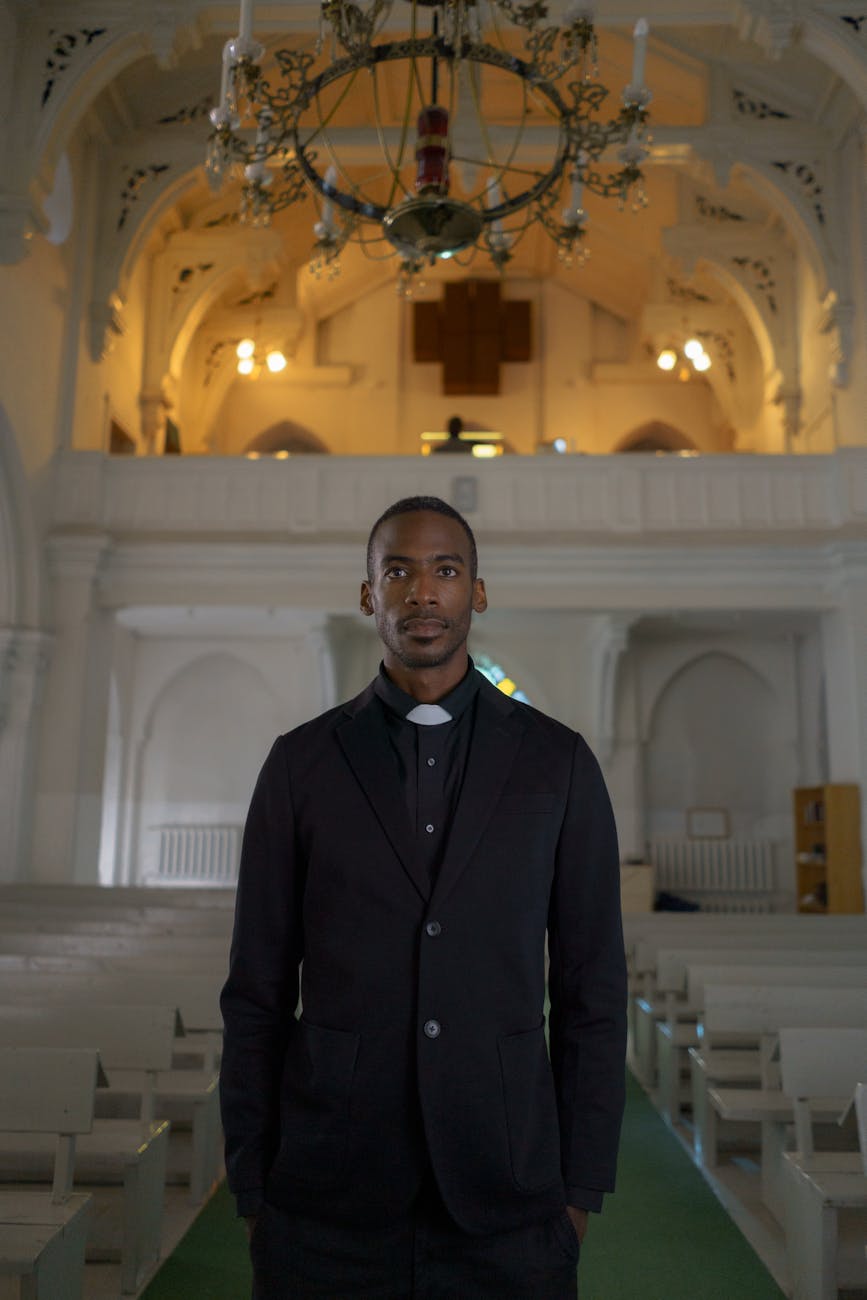
Bloodlines and Bondage: The Untold Biblical Genealogy of the Black Diaspora

Photo by nappy on Pexels.com

The genealogy of the Black diaspora is a tapestry woven from millennia of movement, resilience, and divine purpose. For centuries, African people have been misrepresented, with their histories erased or distorted, obscuring their identity as part of the biblical lineage of the “chosen people.” The Hebrew Scriptures, in conjunction with modern genetic research, provide compelling evidence that many Black communities are descendants of the ancient Israelites. This paper traces the genealogy of the Black diaspora, exploring bloodlines, the E1B1A haplogroup, the diaspora’s origins, and the biblical connections to Jerusalem, while contextualizing the historical impact of slavery and migration.


Biblical Genealogy of the Black Chosen People

The Bible records that the descendants of Ham, specifically through Cush (Genesis 10:6–8, KJV), were settled in Africa. These descendants include the ancient kingdoms of Kush, Egypt, and parts of Sub-Saharan Africa, establishing a biblical precedent for African peoples as integral to the lineage of Israel. Deuteronomy 28 details blessings and curses, many of which scholars argue correspond with the historical experiences of the African diaspora. The scriptures provide a genealogical framework that links Africans to the broader story of the Israelites, emphasizing their role in God’s covenantal plan.


The Black Diaspora and Historical Context

The Black diaspora refers to the global dispersion of African peoples through migration, trade, conquest, and slavery. Starting with the transatlantic slave trade, millions of Africans were forcibly removed from their homelands, scattering the descendants of biblical Cush and Ham across the Americas, Europe, and the Caribbean. This diaspora disrupted the natural genealogical continuity, creating a legacy of bondage but also resilience. Historical records, oral traditions, and archaeology show that African civilizations prior to slavery had complex social, political, and religious structures, underscoring the depth of lineage that preceded forced displacement.


Genetics and the E1B1A Haplogroup

Modern genetic studies provide an additional layer of evidence for tracing African genealogies. The E1B1A Y-chromosome haplogroup is prevalent among West and Central African populations and is strongly associated with descendants of the African diaspora. This haplogroup traces paternal lineage and corroborates historical accounts of migrations from Northeast Africa toward the Nile Valley and across the continent. By linking genetics to biblical and historical records, researchers can identify patterns of descent consistent with the movements of Cushite and Hamitic peoples, reinforcing the continuity of Black Israelite lineage.


Tracing the Lineage Back to Jerusalem

Several biblical passages suggest that African peoples had connections to the Holy Land long before slavery. Psalm 87:4 (KJV) notes, “I will make mention of Rahab and Babylon to them that know me,” which scholars interpret as recognizing the inclusion of Cush and other African nations in God’s covenantal history. Historical interactions, including trade, migration, and the establishment of Jewish communities in Africa, provide evidence that Africans had religious and genealogical ties to Jerusalem and the Israelite tradition long before forced dispersal. The Ethiopian eunuch in Acts 8:27–39 further illustrates the integration of Africans into the biblical story of faith and covenant.


Legacy, Continuity, and Resilience

Despite centuries of enslavement, colonization, and cultural erasure, the genealogical and spiritual identity of African peoples as descendants of the biblical Israelites endures. The diaspora’s bloodlines, preserved through genetics and oral tradition, testify to resilience and divine continuity. Recognizing these connections empowers African descendants to reclaim identity, history, and purpose. The Bible consistently underscores the importance of remembering and honoring one’s lineage: “Remember the days of old, consider the years of many generations: ask thy father, and he will shew thee; thy elders, and they will tell thee” (Deuteronomy 32:7, KJV).


Conclusion

The biblical genealogy of the Black diaspora reveals a profound and often overlooked truth: African peoples are deeply intertwined with the history of Israel. From the descendants of Cush and Ham to the modern African diaspora, bloodlines and genetics such as E1B1A corroborate biblical and historical narratives. By tracing these lineages, scholars and communities alike can reclaim their rightful place in history, affirm spiritual identity, and honor the enduring legacy of the chosen people. Understanding the genealogy of the Black diaspora is both an act of scholarship and a restoration of truth.


References

  • De Gruy, J. (2005). Post Traumatic Slave Syndrome: America’s Legacy of Enduring Injury and Healing. Uptone Press.
  • Diop, C. A. (1974). The African Origin of Civilization: Myth or Reality. Chicago Review Press.
  • Franklin, J. H., & Moss, A. A. (2000). From Slavery to Freedom: A History of African Americans (8th ed.). McGraw-Hill.
  • Hammer, M. F., et al. (2001). Hierarchical patterns of global human Y-chromosome diversity. Molecular Biology and Evolution, 18(7), 1189–1203. https://doi.org/10.1093/oxfordjournals.molbev.a003906
  • Van Sertima, I. (1976). They Came Before Columbus: The African Presence in Ancient America. Random House.
  • The Holy Bible, King James Version.

Dilemma: Deuteronomy 28

The Black Experience: Prophecy or History Repeating?

Photo by Thato Moiketsi on Pexels.com


The twenty-eighth chapter of Deuteronomy in the King James Version (KJV) is one of the most striking passages in the Bible because of its detailed account of blessings for obedience and curses for disobedience. For centuries, many have read this chapter as a prophetic warning to ancient Israel. However, within the Black community—particularly among African Americans and the African diaspora—Deuteronomy 28 has been seen as more than distant history. Its descriptions of exile, suffering, and generational struggle resonate deeply with the legacy of slavery, systemic oppression, and the enduring trials faced by Black people today.


What Deuteronomy 28 Means (KJV Context)

Deuteronomy 28 outlines two distinct paths:

  • Verses 1–14 – Blessings for obedience to God’s commandments: prosperity, victory over enemies, fruitful land, and respect among nations.
  • Verses 15–68 – Curses for disobedience: poverty, disease, oppression, exile, enslavement, and a loss of identity.

For example:

“The LORD shall cause thee to be smitten before thine enemies… thou shalt be removed into all the kingdoms of the earth.” (Deut. 28:25, KJV)
“And the LORD shall bring thee into Egypt again with ships… and there ye shall be sold unto your enemies for bondmen and bondwomen, and no man shall buy you.” (Deut. 28:68, KJV)

In biblical times, “Egypt” symbolized bondage. The reference to ships in verse 68 has been interpreted by many in the African diaspora as a prophetic mirror to the transatlantic slave trade.


How It Affects Black People Today

For many descendants of the transatlantic slave trade, Deuteronomy 28 feels eerily personal:

  • Loss of Homeland & Identity – The scattering of Israelites into foreign nations parallels the forced removal of Africans from their native lands, stripping away language, culture, and heritage.
  • Generational Oppression – The curses describe cycles of poverty and violence that continue to plague Black communities worldwide.
  • Cultural Disconnection – Enslavement replaced ancestral traditions with foreign religions, names, and lifestyles, creating a fractured sense of self.

This sense of displacement—spiritual, cultural, and physical—has left an imprint that still affects Black people’s self-perception, unity, and empowerment.


Is History Repeating Itself?

While the transatlantic slave trade has ended, its legacy persists in new forms:

  • Mass Incarceration – A modern system echoing the chains of the past.
  • Police Brutality – Public killings and abuse as an extension of historical racial violence.
  • Economic Inequality – Wealth gaps between Black communities and white counterparts remain rooted in systemic barriers from slavery and Jim Crow.
  • Global Displacement – Migration crises and gentrification uproot Black families from established communities.

These parallels suggest that although the methods have changed, the core patterns of oppression remain. In this sense, history is not merely repeating—it is evolving in ways that still reflect the curses described in Deuteronomy 28.


Trials and Tribulations of the Black Experience

From enslavement to present-day systemic injustice, Black people have endured:

  • Enslavement & Forced Labor – Centuries of physical bondage and exploitation.
  • Lynchings & Racial Terrorism – The use of fear to maintain racial hierarchies.
  • Educational Barriers – Underfunded schools and restricted access to higher learning.
  • Cultural Appropriation – The theft and monetization of Black creativity without proper recognition or benefit.
  • Health Disparities – Higher rates of preventable diseases due to unequal access to care.

These struggles align with the “yoke of iron” (Deut. 28:48) that speaks not just to physical chains, but to social, economic, and psychological oppression.


Why Are We Going Through This?

From a biblical perspective, the trials faced by Black people can be seen through the lens of covenant relationship. In the Hebrew Scriptures, disobedience to God brought consequences upon Israel. Theologically, some interpret the suffering of the African diaspora as part of a divine chastisement that calls for repentance, unity, and a return to God’s commandments.

From a historical lens, the reason lies in systemic exploitation and white supremacy, which have sought to control, divide, and profit from Black labor and culture for centuries. Both spiritual and political explanations reveal that our suffering has roots deeper than mere coincidence.


Why Did This Separate Us?

Deuteronomy 28 speaks of being “scattered among all people” (v. 64). The scattering of African peoples through slavery physically separated families and tribes. Colonialism and forced assimilation further divided communities, creating:

  • Fragmented Identity – Different surnames, languages, and religions within the same bloodline.
  • Division by Colorism – A lingering byproduct of slavery’s “divide and rule” tactics.
  • Cultural Amnesia – Loss of collective memory about African kingdoms, traditions, and biblical heritage.

This separation weakens unity, making it harder for Black communities to mobilize for collective liberation.


Conclusion: Prophecy and Purpose

Whether one views Deuteronomy 28 as ancient prophecy directly describing the African diaspora or as an allegorical warning, the parallels are undeniable. The chapter reads like both a historical account and a prophetic mirror reflecting the Black experience—past and present.

Yet within the same chapter lies hope: the blessings that come with obedience, unity, and spiritual restoration. If the curses came to pass, so too can the promises of restoration, prosperity, and freedom. Our history may feel like it’s repeating, but prophecy also offers the possibility of breaking the cycle.

“And the LORD thy God will turn thy captivity, and have compassion upon thee, and will return and gather thee from all the nations…” (Deut. 30:3, KJV)

The call, then, is not only to recognize the pattern but to rise above it—spiritually, culturally, and collectively—so history’s repetition ends with us.