This photograph is the property of its respective owners. No copyright infringement intended
In the radiant world of African cinema, few figures embody ethereal beauty and grace like Nadia Buari, the Ghanaian actress often celebrated for her doll-like features, glowing light complexion, and soft, expressive eyes that speak volumes on screen. Her radiant skin tone exudes both elegance and mystery, earning her admiration as one of the most stunning women in African entertainment. With her exquisite beauty, poised demeanor, and remarkable acting talent, Nadia Buari represents a rare blend of femininity, intellect, and star power.
Born on November 21, 1982, in Sekondi-Takoradi, Ghana, Nadia Buari comes from a richly diverse heritage. Her mother is a Ghanaian woman of African descent, while her father, Alhaji Sidiku Buari, is a Ghanaian of Lebanese descent, a renowned musician, producer, and former president of the Musicians Union of Ghana. This mixed heritage contributes to her uniquely captivating look—her almond-shaped eyes, smooth complexion, and deep expressive eyes have made her one of the most photographed faces in West African cinema. Raised in a creative and disciplined household, Nadia’s multicultural background shaped her artistic identity and global appeal.
She attended Mfantsiman Girls’ Secondary School and later graduated from the University of Ghana, Legon, with a Bachelor of Fine Arts degree. Her academic training, coupled with her father’s musical influence, gave her a solid artistic foundation and an appreciation for performance from a young age.
This photograph is the property of its respective owners. No copyright infringement intended
Nadia’s acting career began in the early 2000s when she appeared in the Ghanaian television series Games People Play (2005). Her natural charm and emotional expressiveness immediately drew attention. Her breakout role came with Mummy’s Daughter (2006), but it was her appearance in the Nollywood hit Beyoncé: The President’s Daughter (2006), co-starring Van Vicker and Jackie Appiah, that catapulted her into pan-African fame. The film’s success made her a household name across Ghana and Nigeria, with fans praising her ability to embody both vulnerability and strength with authenticity.
Known for her soft-spoken grace and timeless style, Nadia Buari quickly became one of the most sought-after actresses in Nollywood and Ghallywood. She went on to star in several acclaimed films such as The Return of Beyoncé, Beauty and the Beast, Rough Rider, Secret Lie, and Single and Married. Her screen presence—a fusion of quiet sensuality and emotional depth—set her apart in a competitive industry often dominated by louder personalities.
Her beauty and charisma also made her an ideal ambassador for top brands. Buari has represented numerous African and international companies, endorsing beauty and lifestyle products that align with her image of sophistication. Beyond acting, she is also an entrepreneur, having launched her own clothing line and perfume brand—further proof of her creativity and influence.
In her personal life, Nadia Buari is known for her elegance, privacy, and devotion to family. She is the proud mother of four daughters, often expressing in interviews that motherhood has brought her profound joy and balance. Despite the demands of fame, she remains grounded, valuing her children and family life above all.
This photograph is the property of its respective owners. No copyright infringement intended
Throughout her career, Buari has earned several awards and nominations, including recognition from the Africa Movie Academy Awards (AMAA), Ghana Movie Awards, and Africa Magic Viewers’ Choice Awards (AMVCA). In 2013, she received a Special Recognition Award at the Pan African Film Festival for her contribution to the growth of African cinema.
Today, Nadia Buari is recognized as one of the highest-paid actresses in Nollywood and Ghana, a testament to her enduring appeal and professional excellence. Her success has helped bridge Ghanaian and Nigerian cinema, inspiring a new generation of West African actresses.
Ultimately, Nadia Buari’s legacy lies not just in her films but in the image of refined Black beauty and cultural pride she represents. With her mixed heritage, rich melanin glow, and gentle confidence, she continues to enchant audiences around the world—proving that true beauty is both divine and diverse.
References
Africa Magic. (2022). Nadia Buari Biography and Career Highlights. MultiChoice Africa.
Ghana Web. (2021). Nadia Buari: From Mummy’s Daughter to Nollywood Royalty.
Pulse Ghana. (2023). Top 10 Highest-Paid Actresses in Ghana and Nollywood.
The Guardian Nigeria. (2022). Nadia Buari: A Decade of Excellence in African Cinema.
IMDb. (2024). Nadia Buari Filmography and Awards.
Modern Ghana. (2023). Nadia Buari: Lebanese-Ghanaian Beauty Who Redefined Nollywood Stardom.
BBL stands for Brazilian Butt Lift, a cosmetic surgical procedure that involves the transfer of fat from one area of the body—typically the abdomen, flanks, or thighs—to the buttocks to enhance volume and contour. The full name of the procedure is gluteal fat grafting or autologous fat transfer to the buttocks.
The modern technique became widely recognized in the early 2000s, although fat grafting itself has existed since the late 19th century. The popularized version, known as the Brazilian Butt Lift, was refined and promoted by Dr. Ivo Pitanguy, a Brazilian plastic surgeon who made significant advancements in aesthetic surgery.
II. Origins and Surge in Popularity
BBLs gained global attention in the 2010s, primarily due to celebrity culture and social media. Curvier body types with pronounced hips and buttocks became glamorized in Western beauty standards, a significant shift from the waif-like ideal of the 1990s. This trend coincided with the rise of Instagram, which visually favored hourglass figures that emphasized curves.
Celebrity influence has played a major role. While many have speculated that Kim Kardashian helped spark the BBL craze, her sister Khloé Kardashian, rapper Nicki Minaj, and influencers like Blac Chyna and Amber Rose further popularized the aesthetic. Their visibility on reality television and social media normalized the exaggerated figure and, in some cases, indirectly encouraged surgical enhancement.
III. Medical Dangers and Public Warnings
Despite its popularity, the Brazilian Butt Lift is considered one of the most dangerous cosmetic surgeries available. According to a 2017 report from the American Society for Aesthetic Plastic Surgery, the procedure has a higher mortality rate than any other aesthetic surgery due to the risk of fat embolism, where fat accidentally enters the bloodstream and blocks a vital artery, often in the lungs or heart.
Risks and Complications Include:
Fat embolism syndrome (potentially fatal)
Infection
Necrosis (tissue death)
Blood clots
Asymmetry
Long recovery times and complications from anesthesia
Notable Deaths:
Numerous cases of death have occurred in the United States, particularly in Miami, Florida, which became known for high-volume, low-cost cosmetic clinics. Between 2011 and 2021, over 25 women died from BBL-related complications in Florida alone.
In 2023, Jacky Oh, the partner of comedian DC Young Fly, died from complications reportedly linked to a cosmetic procedure that many speculate was a BBL. Her death sparked renewed criticism and calls for regulation and public education around elective surgery risks.
IV. Psychological and Societal Pressures
The pursuit of a BBL is often driven by psychological, cultural, and social pressures, particularly around the need for external validation.
According to body image psychology, many women seek plastic surgery due to low self-esteem, social comparison, or perceived inadequacy reinforced by media and patriarchal beauty standards. The objectification theory in psychology suggests that when women internalize society’s sexualized gaze, they begin to see their own bodies through that same lens, leading to dissatisfaction and modification efforts.
Women may undergo drastic changes to fit an idealized version of beauty primarily for male attention or social acceptance, which fosters a damaging message: that one must change to be worthy of love or success.
V. The Bible on Self-Love and Contentment
The King James Version (KJV) of the Bible provides profound encouragement on the subject of self-worth, divine creation, and resisting conformity to worldly standards.
Psalm 139:14 – “I will praise thee; for I am fearfully and wonderfully made: marvellous are thy works; and that my soul knoweth right well.” This verse highlights the uniqueness and divine craftsmanship of every individual, reminding us that our bodies are sacred creations.
Romans 12:2 – “And be not conformed to this world: but be ye transformed by the renewing of your mind…” This encourages believers to resist the pressures of worldly norms and instead seek inner renewal through spiritual values.
1 Peter 3:3-4 – “Whose adorning let it not be that outward adorning… but let it be the hidden man of the heart…” This passage warns against excessive focus on external beauty and promotes inner virtue and self-respect.
1 Corinthians 6:19-20 – “What? know ye not that your body is the temple of the Holy Ghost…” The body is a vessel for spiritual purpose and should not be mutilated for the sake of trends.
Biblically, true beauty comes from character, modesty, and reverence toward God, not cosmetic alteration. Women are encouraged to love themselves as God created them, not as society demands them to be.
VI. Other Popular Cosmetic Procedures
In addition to the BBL, several other procedures have grown in popularity, often for similar reasons:
Liposuction (fat removal)
Rhinoplasty (nose reshaping)
Breast augmentation or reduction
Botox and dermal fillers (to reduce aging)
Veneers and cosmetic dentistry
Facial contouring (jaw, cheek, and chin reshaping)
These are often marketed as “enhancements” but carry physical and psychological risks, especially when pursued repeatedly.
VII. Final Reflection: Toward Wholeness and Inner Beauty
The rising normalization of invasive cosmetic surgery like the BBL is a symptom of deeper societal discontent—especially among women—fueled by media standards, celebrity influence, and cultural hypersexualization. While aesthetic desires are not inherently wrong, the compulsive need to surgically alter one’s body to gain validation reflects a spiritual and emotional void.
Instead of conforming to an ever-shifting beauty ideal, individuals—especially women—are called to embrace self-love, seek healing from within, and honor their bodies as sacred vessels.
Selected References
American Society for Aesthetic Plastic Surgery (2017). Gluteal Fat Grafting Mortality Study.
BBC News (2023). Jacky Oh death and cosmetic surgery dangers.
Tiggemann, M. (2015). The objectification of women’s bodies and the internalization of the observer’s perspective. Psychology of Women Quarterly.
Latin beauty (Spanish) in Hollywood has often been filtered through stereotype, exoticism, or erasure. Yet a small lineage of Spanish-speaking actresses has emerged whose careers, faces, voices, and family lives embody not caricature—but culture, femininity, and dimensional storytelling. When we speak of “Latin Dolls,” we refer not to manufactured plastic representations, but to living women whose features resemble artistry: sculpted faces, expressive eyes, natural warmth, beauty that feels both aspirational and familiar. Salma Hayek is a genetic marvel who has earned her a reputation as a “perfect 10.” Penelope Cruz’s hypnotic eyes carry emotional gravity, and Roselyn Sánchez radiates an approachable glow—effortless skin, super cute face, and the relatable charm of the girl-next-door. Together, these women reflect the spectrum of Hispanic/Latin/Spanish womanhood, and this range is exactly why they stand as powerful representations of the idea of the Latin/Spanish dolls: intricate, timeless, diverse, and real.
Salma Hayek — The Face of Beauty, Luxury, and Hollywood Power
This photograph is the property of its respective owner. No copyright infringement intended.
Where she is from
Salma Hayek was born in Coatzacoalcos, Veracruz, Mexico. She was raised in a prominent and financially stable household—something rare among Latina actresses breaking into mainstream Hollywood during the 1990s.
Race & background
Her heritage is Mexican and Middle Eastern:
Her father, Sami Hayek, is Lebanese-Mexican and of Arab descent.
Her mother, Diana Jiménez Medina, is Mexican of Spanish ancestry. Salma identifies strongly with her Mexican roots while also honoring her Lebanese lineage.
Family, Marriage, & Children
Salma married François-Henri Pinault, a French billionaire businessman and CEO of the luxury group Kering (owner of Gucci, Balenciaga, and others). They have one daughter, Valentina Paloma Pinault (born 2007).
Career: how it started
She began acting in Mexican telenovelas, specifically Teresa (1989), where she gained national fame.
She moved to Los Angeles, struggled with English early on, and studied acting under Stella Adler.
Director Robert Rodriguez cast her in Desperado (1995), her Hollywood breakout role beside Antonio Banderas.
Notable roles & career expansion
She became a producer and starred in passion-driven projects, most famously:
Frida (2002), where she played Mexican artist Frida Kahlo and also produced the film despite industry resistance.
Awards & Accomplishments
Academy Award nomination for Best Actress (Frida)
Golden Globe, SAG, and BAFTA nominations
Daytime Emmy Award win for The Maldonado Miracle (Producer, 2004)
Time 100 honoree, activist in Latin representation and women’s rights
Beauty marker referenced
Salma is a perfect ten in terms of overall beauty, often referred to as a genetic marvel.
Penelope Cruz — The Eyes that Changed the Narrative for Spanish Talent
This photograph is the property of its respective owner. No copyright infringement intended.
Where she is from
Penelope was born in Alcobendas, Madrid, Spain.
Race & ethnicity
She is Spanish/Castilian, of European Iberian descent. Her career introduced Spain as a serious force in Hollywood’s cinematic landscape.
Family, Marriage, & Children
Married to Spanish actor Javier Bardem (2010–present)
Two children:
Leonardo Encinas Bardem (born 2011)
Luna Encinas Bardem (born 2013)
Career beginnings
Studied Classical Ballet for 9 years at Spain’s National Conservatory
Acting start through Spanish TV and music videos
Starred in Jamón Jamón (1992), launching her film career in Spain
How she entered Hollywood
Director Pedro Almodóvar helped shape her career in Spanish cinema
Hollywood breakthrough roles:
Vanilla Sky (2001) alongside Tom Cruise
Blow (2001) with Johnny Depp
Awards & career peak
Academy Award win for Best Supporting Actress (Vicky Cristina Barcelona, 2008)
First Spanish actress to win an Oscar
Multiple awards including:
2 Goya Awards
Berlin Film Festival Award
César Honorary Award
Walk of Fame Star (2011)
Venice Film Festival Best Actress Award (2021, Parallel Mothers)
Beauty marker referenced
Penelope is known for her stunning, expressive, almond-shaped eyes, often highlighted in global beauty studies as emotionally and aesthetically striking.
Roselyn Sánchez — The Warm, Natural Beauty of Puerto Rico Gifted the Screen
This photograph is the property of its respective owner. No copyright infringement intended.
Where she is from
Born in San Juan, Puerto Rico.
Race & ethnicity
Afro-Caribbean and Spanish-Caribbean ancestry, identifying as Puerto Rican Latina. She represents the more approachable side of Latina beauty in media—not distant glamour, but familiar warmth.
Family, Marriage, & Children
Married to actor Eric Winter (2008–present). They have two children:
Sebella Rose Winter (born 2012)
Dylan Gabriel Winter (born 2017)
Career beginnings
Started as a dancer and model
Won:
Miss Puerto Rico Petite (1993)
Miss American Petite (1994)
TV debut in Puerto Rico before transitioning to U.S. programming
Hollywood career
Notable roles:
Rush Hour 2 (2001) — film debut to wide audiences
Without a Trace (2005–2009) — CBS drama series
Devious Maids, Fantasy Island reboot, Act of Valor
Awards
ALMA Award
Imagen Awards
Recognized for music as well—released Latin pop albums and scored Billboard chart appearances
Beauty representation referenced
Roselyn is celebrated for naturally glowing skin, girl-next-door charm, and a versatility that blends class, relatability, and polished glamour.
Why They Are a Good Representation of “Spanish Dolls”
These women represent different pillars of Hispanic identity:
Actress
Doll Archetype Represented
What She Brings to Representation
Salma Hayek
Couture, regal, sculpted, luxurious beauty
Mixed heritage Latina success + producer power
Penelope Cruz
Dramatic, evocative, emotional eye-driven beauty
First Spanish Oscar winner + range of depth
Roselyn Sánchez
Natural, warm, approachable everyday beauty
Afro-Latina visibility + multi-career talent
Cultural and social representation value
They honor Hispanic family life (marriage, motherhood, long-term partnerships)
They broke into Hollywood without abandoning their origins
They represent beauty types not limited to one “Latina mold.”
They brought Spanish language, Spanish cinema prestige, and Latina production influence to global media
Their faces, careers, and identities reflect what makes dolls compelling in the cultural imagination: beauty, narrative possibility, symbolism, and variations of identity. But unlike plastic dolls, they make a human, historical, and inspirational.
References
Hayek, S. (2020). Frida: The production battle and cultural impact. Journal of Latin American Cinema.
Pitt, R. (2018). Race and representation among Latina actresses in Hollywood. Media Psychology Review.
Berg, M. (2017). Beauty, celebrity culture and racial symbolism. Cultural Aesthetics Press.
IMDB Academy Records. (2011). Penelope Cruz career and award documentation.
Torres, L. (2022). Afro-Latina visibility in American television. Hispanic Cultural Studies Quarterly.
These photographs are the property of their respective owners.
Hair is more than an aesthetic expression; it is an emblem of identity, culture, power, and resistance. In racialized societies, however, the natural hair textures of African-descended peoples have long been devalued and stigmatized. One of the most insidious manifestations of this stigma is texturism—a form of discrimination based on hair texture that prioritizes looser, straighter, or more “manageable” hair over tightly coiled, kinkier hair. Closely linked to hairism, which broadly encompasses prejudice based on hair type and style, texturism reflects internalized racism and the lingering colonial legacies that shape beauty standards globally. This essay explores the roots, meanings, and consequences of texturism and hairism, tracing their origins through enslavement, Eurocentric aesthetics, and media representation, while also examining pathways toward hair acceptance and reclamation.
Defining Texturism and Hairism
Texturism is the preferential treatment of individuals with loosely curled or straight hair textures over those with tightly coiled or kinky hair. The term was coined by natural hair advocate Chassity Jones in the early 2010s, though the concept existed long before. Hairism, a broader term, refers to discrimination based on hair—whether through texture, length, or perceived neatness. Both terms expose a hierarchy that privileges proximity to Eurocentric beauty ideals, reflecting deeply entrenched social and racial structures.
Historically, hairism and texturism are legacies of colonialism and slavery. Enslaved Africans in the Americas were mocked and punished for their hair, which was seen as wild, untamed, or inferior to the smooth, straight hair of Europeans. Over time, this bias became internalized within Black communities, creating harmful classifications like “good hair” (straight or loosely curled) and “bad hair” (kinky or tightly coiled). These distinctions perpetuated social divisions, reinforcing white supremacist ideologies under the guise of grooming and professionalism.
Hair Texture Types and Their Racial Associations
Hair texture is commonly categorized using the Andre Walker Hair Typing System, developed by Oprah Winfrey’s stylist in the 1990s. It breaks down hair types into four major categories:
Type 1: Straight hair (most commonly found among East Asians and Europeans).
Type 2: Wavy hair
2A-2C: Light waves to coarse, frizzy waves (found in some Latinx, Middle Eastern, and European populations).
Type 3: Curly hair
3A-3C: Loose, springy curls to tight corkscrews (common among mixed-race individuals and some Black and Latinx people).
Type 4: Coily or kinky hair
4A-4C: Soft, tight coils to densely packed Z-shaped kinks (predominantly found in people of African descent).
Type 4 hair, particularly 4B and 4C, is often mislabeled as “nappy,” “unkempt,” or “unprofessional,” despite its remarkable versatility and strength. This classification system, while useful in describing curl patterns, has also unintentionally contributed to a hierarchy in which looser curls are perceived as more attractive and acceptable than tighter coils.
“Good Hair” vs. “Bad Hair”: Origins and Impact
The phrase “good hair” emerged during the antebellum era in the United States, when lighter-skinned enslaved people with straighter hair—often the children of white slave owners—were granted preferential treatment. “Good hair” was hair that mimicked the European aesthetic: straight, smooth, and easily tamed. Conversely, “bad hair” referred to the coarser, kinkier textures of African people, which were labeled undesirable.
The legacy of these terms endures today. Black children still experience discrimination in schools for wearing their natural hair. Black professionals are pressured to straighten their hair or wear wigs and weaves to conform to Eurocentric corporate standards. The CROWN Act (Creating a Respectful and Open World for Natural Hair), first passed in California in 2019, had to be introduced precisely because hair-based discrimination remains legal in many parts of the U.S.
“I had to learn that my hair is not the problem—the world’s refusal to see my beauty is.” —Lupita Nyong’o
“Our hair is political, spiritual, historical, and beautiful. It tells the story of who we are.” —Dr. Yaba Blay
These quotes reflect a growing cultural movement toward reclaiming natural hair and affirming Black identity on its own terms, rather than through the gaze of whiteness.
The Origins of the Term “Nappy”
The term “nappy” is believed to have originated during slavery, used derogatorily to describe the tightly coiled hair of Africans, likening it to the coarse texture of cotton or the naps in sheep’s wool. Its use was designed to dehumanize and shame enslaved Africans, stripping their hair—and by extension, their identity—of any value or beauty. While some have sought to reclaim “nappy” as a term of empowerment, its historical weight continues to stir deep emotions and debate within Black communities.
Kinky Hair / Tightly Coiled Hair
Kinky or coily hair refers to hair textures that form tight curls or zig-zag patterns, often classified as Type 4. This hair type is rich in cultural and genetic heritage, yet is frequently misunderstood. Contrary to myths of unmanageability, kinky hair is incredibly versatile and can be styled in braids, locs, afros, twists, and bantu knots. However, due to its tendency to shrink and its fragility, it requires specific care and moisture retention.
Why is this hair type stigmatized? The answer lies in colonial aesthetics: beauty standards were built around whiteness. Kinky hair was demonized as evidence of racial inferiority and disorder—ideas perpetuated by pseudo-scientific racism. As a result, even within Black communities, looser curls or silkier textures have been idealized, creating a painful hierarchy of desirability.
Why Do Some Black People Struggle to Love Their Hair?
Centuries of anti-Blackness have conditioned many Black individuals to see their natural hair as burdensome or ugly. The media, education, and even family dynamics have reinforced these messages. Hair relaxers, hot combs, and weaves became tools of survival—ways to assimilate and escape ridicule. These practices, while empowering for some, also reflect a historical pressure to conform.
This struggle is not due to self-hate in isolation but to systemic programming. As author Chimamanda Ngozi Adichie once said:
“The problem with stereotypes is not that they are untrue, but that they are incomplete. They make one story become the only story.”
The dominant story about Black hair has been one of shame. It is time to replace that narrative with one of pride, knowledge, and celebration.
Toward Hair Liberation: Learning to Appreciate All Hair
Appreciating all hair types begins with education, representation, and liberation from Eurocentric norms. Schools and workplaces must eliminate discriminatory policies and embrace cultural diversity. Media outlets should highlight a broader spectrum of beauty. Families must unlearn generational biases and uplift natural beauty from early childhood.
Hair appreciation means understanding that no one texture is inherently better than another. Each type has unique needs, characteristics, and histories. Straight hair is not superior—just different. Looser curls are not more professional—just more familiar to a colonized eye.
When we affirm all hair textures, we affirm the humanity, dignity, and worth of all people.
Conclusion
Texturism and hairism are not simply issues of personal preference—they are extensions of colonial legacies, white supremacy, and internalized racism. They operate through language, beauty standards, school policies, and job opportunities, creating tiers of acceptance based on proximity to whiteness. But within this struggle lies opportunity: to reclaim, redefine, and rejoice in the beauty of all textures. Black hair is not “bad hair”; it is cultural memory made visible, it is resistance in every coil, it is ancestral glory written in strands. The journey to dismantle texturism begins not with hair products, but with truth—and with a collective commitment to healing.
References
Blay, Y. (2021). One Drop: Shifting the Lens on Race. Beacon Press.
Byrd, A. D., & Tharps, L. L. (2014). Hair Story: Untangling the Roots of Black Hair in America (Revised Edition). St. Martin’s Press.
Craig, M. L. (2002). Ain’t I a Beauty Queen? Black Women, Beauty, and the Politics of Race. Oxford University Press.
Hunter, M. (2011). Buying racial capital: Skin-bleaching and cosmetic surgery in a globalized world. The Journal of Pan African Studies, 4(4), 142–164.
Opie, T. (2019). The CROWN Act and the fight against hair discrimination. Harvard Business Review. Retrieved from https://hbr.org
Photo courtesy of Steve Landis, the photographer used with his permission.
“When you’re empty on the inside, it doesn’t matter how beautiful you are on the outside.” – Denise Matthews (Vanity)
Introduction: Beauty, Fame, and the Battle Within
Denise Katrina Matthews—widely known by her stage name Vanity—was a striking beauty, a singer, actress, and model who captivated the world in the 1980s. With an exotic allure and a voice that blended sensuality and soul, Vanity became a pop culture icon during the height of Prince’s musical empire. Yet, beneath the surface of stardom and seduction, Denise battled addiction, identity confusion, and spiritual emptiness. Her journey from sex symbol to servant of Christ is one of profound transformation and testimony.
All photographs are the property of their respective owners. No infringement intended.
Early Life and Mixed Heritage
Denise Matthews was born on January 4, 1959, in Niagara Falls, Ontario, Canada. Of African-American, German-Jewish, and Polynesian descent, her mixed-race heritage contributed to her “exotic” beauty that would later become her ticket to the entertainment industry—and, paradoxically, her curse. Standing at about 5’6”, she was admired for her radiant skin, bone structure, and seductive onstage presence. Her early experiences, however, were not glamorous; Denise came from a turbulent household marked by abuse and instability. These early wounds left deep scars that influenced many of her later choices.
Rise to Fame: Vanity 6 and Prince
In the early 1980s, Denise moved to the United States to pursue a career in modeling and acting. She participated in beauty pageants and was even crowned Miss Niagara Hospitality. Her path shifted dramatically when she met Prince, the enigmatic musical genius. He renamed her “Vanity,” claiming she was the female version of himself—a reflection of his own vanity.
Together, they created the girl group Vanity 6, which became famous for their hit “Nasty Girl” in 1982. Clad in lingerie, the group embodied Prince’s provocative style, and Vanity became the face of erotic empowerment in pop culture. Though their chemistry was palpable, Vanity and Prince’s relationship was tumultuous, complicated by control issues and emotional turmoil. Vanity once said:
“Prince and I lived together. We were in love. But I had to walk away to find myself.”
Their relationship ended before the release of Purple Rain, a role Prince had initially written for her but gave to Apollonia Kotero after Vanity’s departure. Many fans speculated rivalry between Vanity and Apollonia, but Vanity later denied ill will, stating that she had outgrown that world.
Hollywood Fame and Drug Addiction
Vanity transitioned to acting, starring in films such as The Last Dragon (1985), Action Jackson (1988), and 52 Pick-Up (1986). Her sultry image became her brand, and she was often featured on “Most Beautiful Women” lists in magazines. She dated Rick James, a fellow icon of funk and excess, whose wild lifestyle mirrored her own. Their relationship was destructive, filled with drugs, sex, and volatility. Rick James later admitted that their bond was fueled by cocaine and chaos.
Fame, however, could not fill the void Denise felt. By the late 1980s, her drug use escalated, and her health began to decline. She overdosed in 1994, suffering near-fatal kidney failure. Doctors gave her three days to live.
A Radical Transformation: From Vanity to Denise Matthews
Facing death, Denise cried out to God. That moment of desperation became her spiritual awakening. She renounced her stage name and identity as Vanity and gave her life to Jesus Christ. Her conversion was not superficial; she walked away from Hollywood, cut ties with former friends and lovers, and devoted herself fully to evangelism. She once declared:
“Vanity is dead. Denise lives for Christ now.”
Denise became a preacher, Christian speaker, and evangelist, traveling across the U.S. and Canada to share her testimony of deliverance from drugs, sexual sin, and vanity. She described her fame as a form of idolatry and warned others about the traps of fame and seduction.
Her Book: Blame It On Vanity
In 2010, Denise published her memoir “Blame It On Vanity”, a raw, honest, and spiritual account of her life. The book detailed her early trauma, rise to stardom, abuse, overdose, and spiritual rebirth. She was vulnerable about her failures, yet triumphant in describing how God saved her. She emphasized the emptiness of fame, saying:
“Fame is like a drug—it makes you feel high, important, untouchable. But it’s all a lie.”
Personal Life: Marriage and Ministry
In 1995, Denise married former NFL player Anthony Smith, though the marriage ended in divorce. She had no children but often referred to the youth and young women she mentored as her spiritual children. She battled with kidney issues for the rest of her life and was on dialysis.
Despite her physical decline, Denise remained bold in her faith, never compromising her beliefs. She lived modestly and refused to return to the entertainment industry, despite offers.
Death and Tributes
Denise Matthews passed away on February 15, 2016, at age 57, from kidney failure caused by years of drug abuse. Just two months later, Prince also died. Upon hearing of her death, Prince paid tribute to her during a concert in Australia, dedicating “Little Red Corvette” to her and reportedly mourning deeply. He stated:
“She loved the Lord, and now she’s home.”
Other celebrities also expressed admiration and sadness. Apollonia Kotero wrote on social media:
“You were my sister. Your light will never dim.”
Conclusion: Beauty Redeemed by Grace
Denise Matthews’ life is a modern parable—a stunning woman who had it all in the world’s eyes but found true life in surrendering to Christ. Her journey from Vanity to virtuous womanhood serves as a powerful reminder that external beauty, fame, and riches are fleeting. The only glory that lasts is the one rooted in the eternal.
References
Matthews, D. (2010). Blame It On Vanity. CreateSpace Independent Publishing.
James, R. (2007). Memoirs of a Super Freak. Amber Books.
Holy Bible. (1611). King James Version.
George, N. (2004). The Life and Times of Prince. Da Capo Press.
Kotero, A. (2016). [Social Media Tribute]. Twitter.
The Complexion Divide: A Critical Examination of Colorism, Beauty, and Identity.
Colorism, a term coined by Pulitzer Prize–winning author Alice Walker in 1982, refers to the “prejudicial or preferential treatment of same-race people based solely on their color” (Walker, 1983). Unlike racism, which is structured around differences between racial groups, colorism operates within racial and ethnic communities, privileging lighter skin tones while marginalizing those with darker complexions. It is a form of internalized oppression born from the intersection of white supremacy and colonial ideology.
This photograph is the property of its respective owner.
While racism categorizes people by race, colorism creates a hierarchy within that categorization, wherein lighter skin becomes a form of social capital. The effects are deeply psychological, affecting self-worth, community relationships, beauty standards, and life opportunities. It is most deeply felt in communities historically subjected to colonial rule, enslavement, and media misrepresentation—including the Black diaspora.
Colorism privileges individuals with lighter skin, Eurocentric features, and straighter hair textures, often at the expense of darker-skinned individuals, particularly women. It is a global phenomenon—seen in the popularity of skin-lightening creams in Africa and Asia, the media underrepresentation of dark-skinned women, and internalized inferiority within Black and brown communities.
The Beauty Hierarchy and Eurocentric Standards
The universal standard of beauty, reinforced by colonialism, mass media, and white supremacy, promotes a Eurocentric ideal—fair skin, narrow noses, thin lips, and a slim yet curvaceous figure. These characteristics are often seen as aspirational, while Afrocentric features—broad noses, full lips, tightly coiled hair—are marginalized. Scientific racism and eugenics in the 19th and 20th centuries played critical roles in establishing this false standard of human aesthetics (Painter, 2010).
This beauty hierarchy persists today in the form of Hollywood casting, magazine covers, beauty pageants, and advertising, where lighter-skinned Black women (e.g., Beyoncé, Zendaya, Halle Berry, and Yara Shahidi) are more prominently featured than their darker-skinned peers, such as Lupita Nyong’o or Viola Davis—though the latter have also achieved visibility through activism and counter-cultural movements.
Psychological and Biblical Implications
Psychologically, colorism fosters internalized oppression, body dysmorphia, low self-esteem, and even disordered eating. Women and girls not deemed “beautiful” by Eurocentric standards often feel invisible or undesirable. Society trains them, through media propaganda, to seek validation through external approval—what psychologists call externalized locus of control.
Biblically, this phenomenon contradicts the teachings of Scripture, which affirms that “man looks at the outward appearance, but the Lord looks at the heart” (1 Samuel 16:7, NKJV). The Bible consistently emphasizes inner character over physical beauty (Proverbs 31:30). Moreover, the elevation of one group over another due to appearance or social class mirrors the sin of partiality, which Scripture condemns (James 2:1-9).
Beauty and the Racial Caste: From Nazi Aryanism to American Colorism
The Nazi Aryan ideal, rooted in pseudoscientific racial theories, promoted the concept of the Nordic master race. This racial doctrine, advanced by figures like Alfred Rosenberg, claimed that Aryans (Northern Europeans) were biologically and morally superior. Such ideologies influenced not only Germany but also global race and beauty perceptions, legitimizing discrimination against people of color and reinforcing whiteness as the pinnacle of humanity.
These ideologies helped shape a global racial beauty hierarchy, where the following order often dominates:
White (European, Aryan)
East Asian (with fair skin)
South Asian (light-skinned)
Latinx (light mestizo)
Middle Eastern (light Arab)
Black (light-skinned)
Black (dark-skinned)
This hierarchy is evident in fashion industries, marriage markets, and social media algorithms that favor Eurocentric features and lighter complexions.
The Science of Dark Skin and Its Strength
Biologically, melanin—the pigment that gives skin its dark color—offers natural protection against UV radiation and decreases the risk of skin cancer (Jablonski & Chaplin, 2000). Far from being a disadvantage, dark skin is an adaptive advantage in equatorial climates. Despite this, it has been wrongly associated with inferiority, laziness, or criminality—myths perpetuated by colonial narratives and media biases.
In the Black community, colorism fosters division, resentment, and competition. It informs dating preferences, hiring decisions, and self-worth. Lighter-skinned individuals may receive more opportunities, while darker-skinned individuals report higher instances of discrimination—even within their own racial group (Keith & Herring, 1991).
This reality is a byproduct of slavery, where enslaved Africans were divided and assigned labor based on color. Today, this manifests in preferences for lighter-skinned partners, the rejection of natural hair, and increased rates of skin bleaching.
Solutions: Psychological and Spiritual Healing
To overcome colorism and its caste-based roots, several interventions are necessary:
Psychological: Encourage media literacy, affirm diverse representations of beauty, promote healing spaces for racial identity development, and reject comparison culture.
Spiritual: Reconnect with Scripture, which affirms that all are “fearfully and wonderfully made” (Psalm 139:14). Reject the idolatry of beauty and uphold justice and equality.
The Church, educators, and media gatekeepers must challenge false narratives and elevate voices and images that reflect the full spectrum of human dignity.
Colorism and the racial caste system are global cancers rooted in historical oppression and perpetuated through beauty myths and social structures. They distort how people see themselves and others, particularly within communities of color. To rise above the “isms”, we must engage in intentional truth-telling, healing, and cultural reformation that affirms all people—regardless of hue—as made in the image of God.
Historical Origins of Colorism and the Colonial Legacy
Colorism has deep roots in the transatlantic slave trade and European colonization. During American slavery, enslaved Africans were divided by complexion: lighter-skinned individuals—often the result of forced sexual relations between slave owners and enslaved women—were frequently assigned domestic duties in the “Big House,” while darker-skinned individuals labored in the fields under harsher conditions. This division reinforced the idea that proximity to whiteness equated to privilege and desirability.
These divisions sowed seeds of internal conflict, jealousy, and disunity within the Black community—a legacy that remains today. Light skin became associated with intelligence, civility, and beauty, while dark skin was linked to ignorance, brutishness, and unattractiveness. These narratives were not just social—they were weaponized tools of control under the umbrella of white supremacy.
Colorism vs. Racism: A Distinct Yet Interrelated Dynamic
While racism is discrimination based on perceived racial identity—often institutional and systemic—colorism is intra-racial and operates at a more intimate, psychological level. It reflects an acceptance of racial hierarchies within one’s own group, often unknowingly perpetuated by those subjected to racial subjugation themselves.
he concept of a racial caste system reflects a deeply entrenched global hierarchy that privileges certain racial and phenotypic features—especially those associated with whiteness—while marginalizing others. This system, particularly within the realms of beauty and social value, historically elevates the white woman as the apex of aesthetic ideals. Her image—fair skin, narrow features, and light hair—has become the global prototype of beauty, reinforced relentlessly through media, colonial legacies, and socio-political structures.
Defining the Caste System and Its Color-Based Foundations
The caste system, originally associated with South Asia, particularly India, is a rigid social stratification structure that historically defined individuals by their birth status, often linked to ritual purity and occupation. During the collapse of the Mughal Empire and under British colonial rule, caste identities were hardened and institutionalized. The British Raj, from 1860–1920, codified caste divisions through their administration, privileging upper-caste elites with education and jobs while relegating the lower castes to subjugated roles. This stratification aligned with skin tone hierarchies, where lighter skin tones were associated with higher caste status and moral superiority (Deshpande, 2010).
This Indian model of caste-based discrimination found parallels across the globe. During American slavery, enslaved Africans were divided by shade: light-skinned Blacks, often children of slave masters, were assigned more favorable tasks (such as domestic work), while dark-skinned Africans were confined to harsh field labor. This intra-racial division sowed seeds of colorism that persist today (Hunter, 2007).
Colorism privileges individuals with lighter skin, Eurocentric features, and straighter hair textures, often at the expense of darker-skinned individuals, particularly women. It is a global phenomenon—seen in the popularity of skin-lightening creams in Africa and Asia, the media underrepresentation of dark-skinned women, and internalized inferiority within Black and brown communities.
The Beauty Hierarchy and Eurocentric Standards
The universal standard of beauty, reinforced by colonialism, mass media, and white supremacy, promotes a Eurocentric ideal—fair skin, narrow noses, thin lips, and a slim yet curvaceous figure. These characteristics are often seen as aspirational, while Afrocentric features—broad noses, full lips, tightly coiled hair—are marginalized. Scientific racism and eugenics in the 19th and 20th centuries played critical roles in establishing this false standard of human aesthetics (Painter, 2010).
This beauty hierarchy persists today in the form of Hollywood casting, magazine covers, beauty pageants, and advertising, where lighter-skinned Black women (e.g., Beyoncé, Zendaya, Halle Bailey, Yara Shahidi) are more prominently featured than their darker-skinned peers, such as Lupita Nyong’o or Viola Davis—though the latter have also achieved visibility through activism and counter-cultural movements.
Beauty and the Racial Caste: From Nazi Aryanism to American Colorism
The Nazi Aryan ideal, rooted in pseudoscientific racial theories, promoted the concept of the Nordic master race. This racial doctrine, advanced by figures like Alfred Rosenberg, claimed that Aryans (Northern Europeans) were biologically and morally superior. Such ideologies influenced not only Germany but also global race and beauty perceptions, legitimizing discrimination against people of color and reinforcing whiteness as the pinnacle of humanity.
These ideologies helped shape a global racial beauty hierarchy, where the following order often dominates:
White (European, Aryan)
East Asian (with fair skin)
South Asian (light-skinned)
Latinx (light mestizo)
Middle Eastern (light Arab)
Black (light-skinned)
Black (dark-skinned)
This hierarchy is evident in fashion industries, marriage markets, and social media algorithms that favor Eurocentric features and lighter complexions.
The Science of Dark Skin and Its Strength
Biologically, melanin—the pigment that gives skin its dark color—offers natural protection against UV radiation and decreases the risk of skin cancer (Jablonski & Chaplin, 2000). Far from being a disadvantage, dark skin is an adaptive advantage in equatorial climates. Despite this, it has been wrongly associated with inferiority, laziness, or criminality—myths perpetuated by colonial narratives and media biases.
Impact on the Black Community
In the Black community, colorism fosters division, resentment, and competition. It informs dating preferences, hiring decisions, and self-worth. Lighter-skinned individuals may receive more opportunities, while darker-skinned individuals report higher instances of discrimination—even within their own racial group (Keith & Herring, 1991).
This reality is a byproduct of slavery, where enslaved Africans were divided and assigned labor based on color. Today, this manifests in preferences for lighter-skinned partners, the rejection of natural hair, and increased rates of skin bleaching.
Solutions: Psychological and Spiritual Healing
To overcome colorism and its caste-based roots, several interventions are necessary:
Psychological: Encourage media literacy, affirm diverse representations of beauty, promote healing spaces for racial identity development, and reject comparison culture.
Spiritual: Reconnect with Scripture, which affirms that all are “fearfully and wonderfully made” (Psalm 139:14). Reject the idolatry of beauty and uphold justice and equality.
The Church, educators, and media gatekeepers must challenge false narratives and elevate voices and images that reflect the full spectrum of human dignity.
Colorism and the racial caste system are global cancers rooted in historical oppression and perpetuated through beauty myths and social structures. They distort how people see themselves and others, particularly within communities of color. To rise above the “isms”, we must engage in intentional truth-telling, healing, and cultural reformation that affirms all people—regardless of hue—as made in the image of God.
Why Is Light Skin Viewed as More Attractive? The Colonial Beauty Ideal
The elevation of light skin is a product of a Eurocentric beauty paradigm established through colonial education, media, and social norms. Historically, European features—fair skin, straight hair, slender noses, and light eyes—have been projected as the universal standard of beauty. This construct is reinforced in fashion, television, film, and social media, creating a globalized aesthetic ideal.
Black women and girls across the world are pressured to conform to this standard—often resulting in skin lightening, hair straightening, cosmetic surgery, and disordered eating. These are not merely beauty preferences; they are survival strategies in a world where desirability often equates to social and economic access.
The Psychological and Spiritual Toll of Colorism
The psychological damage caused by colorism includes:
Low self-esteem and body image issues
Internalized self-hatred
Disrupted identity formation in youth
Color-based bullying, often beginning in childhood
Discrimination in dating, employment, and education
From a biblical perspective, colorism contradicts the foundational truth that all people are made in the image of God (Genesis 1:27). The Bible affirms diversity in creation, and nowhere does it prescribe skin tone as a standard of righteousness, beauty, or worth. Proverbs 31:30 reminds us:
“Charm is deceitful and beauty is vain, but a woman who fears the Lord is to be praised.”
Media and the “Invisible” Woman: The Silencing of Darker Beauty
The media has long perpetuated the myth that beauty is white, slim, and symmetrical. Women who do not meet this standard—especially dark-skinned Black women—often face erasure. Who sees “the woman that nobody sees”? The one ignored in public, overlooked in dating, absent from billboards? This invisibility is one of the most painful consequences of colorism.
Black Beauty and Global Icons
Despite centuries of marginalization, many Black figures have shattered conventional beauty standards and redefined what it means to be beautiful:
Lupita Nyong’o – Oscar-winning actress and vocal advocate against colorism
Viola Davis – Emmy and Oscar winner, known for her powerful presence and authenticity
Gabrielle Union – Actress and author who has challenged Hollywood’s narrow beauty ideals
Naomi Campbell – One of the first Black supermodels to dominate high fashion
Kelly Rowland – Often overshadowed in her early career, she has embraced and celebrated her dark complexion
Jodie Turner-Smith, Michaela Coel, Danai Gurira, and Teyonah Parris – All represent a bold, proud, and deeply Black beauty that confronts Eurocentric norms
These women are not only physically stunning—they reflect strength, intelligence, and spiritual depth.
The Science Behind Dark Skin: A Gift Misunderstood
Scientifically, melanin—the pigment responsible for darker skin—provides protection against ultraviolet radiation. It reduces the risk of sunburn, skin cancer, and slows the aging process. Far from being a deficiency, dark skin is a biological adaptation of excellence, rooted in the geography and climate of ancestral homelands.
✨ Mark Twain on Dark Skin and Zulu Beauty
In Following the Equator (1897), Mark Twain offers a striking meditation on the appearance of South African Zulu tribesmen:
Twain continues with a vivid contrast of white and dark complexions:
“Nearly all black and brown skins are beautiful, but a beautiful white skin is rare.… The advantage is with the Zulu… he starts with a beautiful complexion, and it will last him through.”Full Text Archive+7TheOriginalBlackWoman+7Learning India+7
These passages reveal Twain’s admiration for deeply melanin-rich skin tones and his critique of pale complexions, which, he argues, require constant artificial maintenance.
📖 Contextual Significance
Twain’s reflections emerge from his global travels, where he observed beauty in cultures often marginalized by Western standards. He contrasted the effortless radiance of dark-skinned individuals with the fragile, impermanent beauty of many white complexions, noting how the latter often appear unhealthy or artificial in contrast to naturally rich melanin hues. Mark Twain Classic LiteratureFull Text ArchiveTheOriginalBlackWoman
🧪 Insights and Implications
Theme
Explanation
Beauty & Hierarchy
Twain challenges Eurocentric beauty ideals by elevating darker skin as naturally durable and aesthetically superior.
Cultural Critique
He implicitly critiques a global beauty infrastructure reliant on cosmetics, bleaching, and artificial enhancements.
Psychological Affirmation
His language affirms the inherent dignity, grace, and resilience of dark-skinned individuals—a rare stance in his era.
Recognize each human as fearfully and wonderfully made (Psalm 139:14)
Dismantle idols of beauty and embrace godly character as the true mark of worth
Celebrate diversity as God’s creative intention, not as a flaw to be corrected
Psychological and Community Solutions:
Media representation: Promote diverse portrayals of Blackness in media and advertising
Education: Teach children the beauty of melanin, natural hair, and African features early
Therapy and support groups: Address color-based trauma in safe, healing environments
Parenting practices: Encourage affirmation in families, especially for dark-skinned children
Conclusion: From Shame to Sovereignty
Colorism is a byproduct of colonial violence and white supremacy that has taken root in the hearts and minds of oppressed peoples. But it is not unbreakable. Through truth, education, and faith, the lies about Blackness—especially dark-skinned Black womanhood—can be uprooted.
The question remains: Is light skin better than dark skin? No. It is a false dichotomy—a deception. Beauty is not found in hue, but in the harmony of soul, spirit, and strength. When we rise above the shade-based lies that divide us, we rediscover the inherent power of being beautifully, unapologetically Black.
REFERENCES:
Deshpande, A. (2010). The Grammar of Caste: Economic Discrimination in Contemporary India. Oxford University Press.
Hunter, M. (2007). The Persistent Problem of Colorism: Skin Tone, Status, and Inequality. Sociology Compass, 1(1), 237–254.
Jablonski, N. G., & Chaplin, G. (2000). The evolution of human skin coloration. Journal of Human Evolution, 39(1), 57–106.
Keith, V. M., & Herring, C. (1991). Skin Tone and Stratification in the Black Community. American Journal of Sociology, 97(3), 760–778.
Walker, A. (1982). In Search of Our Mothers’ Gardens: Womanist Prose.
Hunter, M. (2005). Race, Gender, and the Politics of Skin Tone. Routledge.
Russell, K., Wilson, M., & Hall, R. (1992). The Color Complex: The Politics of Skin Color Among African Americans. Anchor Books.
Thompson, C. (2009). Black Women, Beauty, and Hair as a Matter of Being. Women’s Studies.
The Holy Bible, KJV. Genesis 1:27; Psalm 139:14; Proverbs 31:30.
Twain, M. (1894). Following the Equator: A Journey Around the World.
Pretty privilege refers to the societal advantage given to people who are considered conventionally attractive. Those who benefit from this unspoken bias are often treated more favorably in areas such as employment, dating, customer service, and social interaction, simply because of their appearance.
This form of privilege stems from what psychologists call the “halo effect”—a cognitive bias where we assume that attractive people possess other positive traits like intelligence, kindness, or competence (Dion, Berscheid & Walster, 1972). In essence, beauty becomes a currency that opens doors.
Where Does Pretty Privilege Come From?
The roots of pretty privilege are deeply embedded in Western beauty standards, often tied to Eurocentric features: light skin, thinness, symmetry, straight hair, and youth. These standards have been exported globally through colonialism, media, advertising, and Hollywood.
In many cultures—including communities of color—these ideals have been internalized. As a result, light skin, certain facial features, and body types are often associated with higher status, desirability, and even intelligence, reinforcing colorism and body shaming (Russell et al., 1992; Craig, 2002).
Pretty Privilege in Culture and Work
Workplace: Attractive people tend to earn more money and are perceived as more capable. A study by Hamermesh & Biddle (1994) found that better-looking people earn 5% to 10% more than their average-looking peers. Attractive candidates are more likely to be hired, promoted, and trusted in leadership roles—even when qualifications are equal.
Culture: In media, “pretty” people dominate film, television, and social platforms. The more attractive you are by mainstream standards, the more likely you are to gain followers, brand deals, and admiration. This is especially prominent on platforms like Instagram and TikTok.
Dating: In online dating, attractiveness determines initial contact, and women deemed attractive receive up to 4x more messages than average (Finkel et al., 2012). Men, too, benefit, but to a lesser degree.
Social Treatment: Studies show that attractive people are judged less harshly, receive better customer service, and are more likely to be believed or forgiven (Langlois et al., 2000).
Does Pretty Privilege Apply Equally Across Cultures?
Not exactly. While attractiveness is valued globally, what is considered beautiful differs across cultures. However, colonialism and globalization have caused a dominant Western beauty standard to permeate much of the world, leading to widespread issues like skin bleaching (Africa, Asia, the Caribbean), cosmetic surgery, and eating disorders.
In Black and brown communities, pretty privilege is deeply tied to colorism, texturism (hair bias), and facial feature hierarchies. Lighter-skinned women with Eurocentric features often receive more attention, professional opportunities, and romantic interest—even within their own racial groups.
Is It Better to Be Beautiful or Smart?
This depends on the context:
In the long run, intelligence and competence often lead to more sustainable success.
In the short term, beauty may offer faster access to opportunities—but they may be more superficial.
📊 Statistics: Beauty vs. Intelligence
IQ vs. Income: According to the American Psychological Association, IQ correlates with income (~0.23 correlation), meaning intelligence has a consistent but moderate impact on earnings (Strenze, 2007).
Beauty vs. Income: Hamermesh (2011) found that people rated as attractive earn $230,000 more over a lifetime than unattractive peers.
Job Performance: Intelligence is one of the strongest predictors of job performance across professions (Schmidt & Hunter, 1998), while beauty is more relevant in jobs requiring visibility (e.g., sales, entertainment).
Marriage: Men with higher education are more likely to marry, but for women, appearance still heavily influences marital outcomes (Qian, 2017).
Criticisms and Limitations of Pretty Privilege
It’s unstable: Beauty fades or changes with age, weight, or health.
It reinforces harmful standards: Societies that idolize beauty often marginalize those who are disabled, older, or outside the norm.
It can mask incompetence: Attractive people may be overestimated in roles requiring skill or leadership, leading to flawed decisions.
It often ignores intersectionality: Beauty is racialized, gendered, and classed. A light-skinned woman may benefit from beauty privilege, while a dark-skinned woman may be penalized—even if equally attractive by objective measures.
Can We Change It?
We can’t eliminate pretty privilege overnight, but we can:
Broaden definitions of beauty to be more inclusive across races, body types, ages, and genders.
Value merit and integrity over superficial qualities in hiring and leadership.
Teach media literacy to help young people understand how beauty standards are constructed and weaponized.
Challenge ourselves: Ask whether our preferences in dating, hiring, or friendships are shaped by bias or real connection.
Conclusion
Pretty privilege is real, and it influences everything from careers to courtships. While being beautiful may open doors, intelligence, character, and resilience determine how long you stay in the room. We must recognize the power of both beauty and brains—but work to ensure that value isn’t limited to the surface.
References
Dion, K. K., Berscheid, E., & Walster, E. (1972). “What is beautiful is good.” Journal of Personality and Social Psychology, 24(3), 285–290.
Hamermesh, D. S., & Biddle, J. E. (1994). “Beauty and the Labor Market.” The American Economic Review, 84(5), 1174–1194.
Hamermesh, D. S. (2011). Beauty Pays: Why Attractive People Are More Successful. Princeton University Press.
Langlois, J. H., et al. (2000). “Maxims or Myths of Beauty? A Meta-Analytic and Theoretical Review.” Psychological Bulletin, 126(3), 390–423.
Finkel, E. J., et al. (2012). “Online Dating: A Critical Analysis from the Perspective of Psychological Science.” Psychological Science in the Public Interest, 13(1), 3–66.
Strenze, T. (2007). “Intelligence and socioeconomic success: A meta-analytic review of longitudinal research.” Intelligence, 35(5), 401–426.
Russell, K., Wilson, M., & Hall, R. (1992). The Color Complex. Anchor Books.
Craig, M. L. (2002). Ain’t I a Beauty Queen? Oxford University Press.
Schmidt, F. L., & Hunter, J. E. (1998). “The Validity and Utility of Selection Methods in Personnel Psychology.” Psychological Bulletin, 124(2), 262–274.
Qian, Y. (2017). “Gender Asymmetry in Educational and Income Assortative Marriage.” Journal of Marriage and Family, 79(2), 318–336
With luminous eyes and fearless range, Meagan Good is the It Girl who grew up before our eyes — and never stopped evolving.
This photograph is the property of its respective owner.
Meagan Good has been a visible presence in Hollywood for more than three decades — a rare feat for a woman who began as a child actor and matured into a leading lady without losing cultural relevance. From precocious talent to romantic lead, from cult-classic ingénue to executive producer, Good’s career reflects longevity, reinvention, and enduring fascination within the Black community.
Early Life & Hollywood Beginnings
Born August 8, 1981, in Panorama City, California, Meagan Monique Good began acting at the age of four, appearing in commercials before transitioning into television. Raised in a supportive household with a mother who served as a manager, Good navigated child stardom with unusual stability.
Her early television credits included appearances on Doogie Howser, M.D., Amen, and Moesha. However, her breakthrough came with the critically acclaimed Southern Gothic drama Eve’s Bayou, directed by Kasi Lemmons. As Cisely Batiste, Good delivered a haunting, emotionally layered performance that showcased maturity beyond her teenage years. The film has since become a staple in Black cinema studies, frequently cited for its exploration of memory, colorism, and generational trauma.
Transition to Leading Lady
The early 2000s positioned Good as one of Hollywood’s emerging Black ingénues. She appeared in films such as Deliver Us from Eva (2003) and later in Stomp the Yard, where she played April Palmer, the poised love interest opposite Columbus Short. The film was commercially successful and cemented her place in mainstream Black romantic drama.
She also appeared in genre films like The Unborn (2009) and action projects such as Think Like a Man (2012), expanding her audience beyond primarily Black cinema. This crossover ability — balancing culturally rooted films with broader commercial projects — contributed to her sustained popularity.
This photograph is the property of its respective owner.
Exotic Beauty & Public Perception
Within the Black community, Meagan Good is often described as possessing “exotic beauty” — a term historically layered with complexity. Of African American and Puerto Rican descent, her light brown complexion, almond-shaped eyes, and soft yet striking features have frequently positioned her within conversations about Hollywood colorism and desirability politics.
Yet Good has spoken openly about embracing her natural identity without conforming to industry pressures. Her beauty is often paired with vulnerability and spiritual openness — qualities that resonate strongly with Black female audiences who have watched her mature publicly.
Critics and fans alike often describe her as:
Magnetic
Sultry yet soft-spoken
Spiritually grounded
Emotionally transparent
Her image balances sensual confidence with girl-next-door relatability — a rare duality that has sustained her “It Girl” appeal.
Marriage, Faith & Public Evolution
In 2012, Good married producer and pastor DeVon Franklin. Their marriage was highly visible within Christian and Black entertainment circles, symbolizing a union of faith and Hollywood ambition. They co-authored, held public discussions about their relationship, and were often regarded as a modern faith-based power couple.
However, in 2021, the couple announced their divorce. Good addressed the separation with grace, emphasizing personal growth rather than scandal. The public response within the Black community was mixed — some mourned the symbolic loss, while others applauded her transparency and resilience.
In 2023, she married actor Jonathan Majors in a private ceremony. Their relationship drew media attention due to the Majors’ legal controversies, again placing Good under intense public scrutiny. Through it all, she has maintained composure, choosing loyalty and privacy over public commentary.
As of 2026, Good does not have biological children but has expressed openness to motherhood and family expansion.
Awards & Recognition
While not an Academy Award recipient, Good has received several nominations and wins, including:
NAACP Image Award nominations
Teen Choice Award recognition
YoungStar Award (early career)
Her influence, however, extends beyond trophies. She represents a generation of Black actresses who sustained careers through transitional industry eras — from the 1990s Black cinema resurgence to modern streaming dominance.
Recent & Latest Projects
Good has remained active in both film and television. She starred in the Amazon Prime series Harlem (2021–2025), portraying Camille Parks, an ambitious anthropology professor navigating love and career in New York City. The show became culturally resonant for its portrayal of modern Black female friendship and professional life.
She also appeared in Shazam! Fury of the Gods, expanding her presence within blockbuster franchises.
Additionally, she has ventured into producing, signaling a strategic shift toward creative control — a hallmark of actresses who intend to build a legacy, not just visibility.
This photograph is the property of its respective owner.
Why She Is an “It Girl”
Meagan Good is an It Girl because audiences have grown up with her. She is not a fleeting trend — she is a familiar presence woven into multiple eras of Black popular culture.
She represents:
Early Black millennial stardom
Romantic drama nostalgia
Spiritual transparency
Beauty conversations within the Black community
Longevity without disappearance
Her popularity persists because she feels accessible. Fans see her as talented but human — glamorous but spiritually searching.
In a Hollywood ecosystem that often discards young actresses once novelty fades, Meagan Good reinvented herself repeatedly. She matured publicly, navigated marriage and divorce under scrutiny, and maintained consistent employment in an industry notorious for instability.
Her It Girl status is not based solely on fashion or virality. It rests on endurance.
She is the girl from Eve’s Bayou. The love interest from Stomp the Yard. The professor in Harlem. The woman who kept evolving.
And in the gallery of It Girls, Meagan Good stands as proof that beauty may open doors — but resilience keeps them open.
References
Franklin, D., & Good, M. (2016). The wait: A powerful practice for finding the love of your life and the life you love. Howard Books.
This photograph is the property of its respective owner.
Dorothy Jean Dandridge remains one of the most luminous figures in the history of American cinema—a woman of breathtaking beauty, extraordinary talent, and profound courage who broke barriers for generations of Black actresses. Born on November 9, 1922, in Cleveland, Ohio, she emerged from humble beginnings to become the first African American woman nominated for an Academy Award for Best Actress. Her life was both a triumph and a tragedy, defined by grace, resilience, and the painful realities of racism and colorism in Hollywood’s golden age. With her flawless caramel complexion, delicate features, full lips, and almond-shaped eyes, she became the archetype of cinematic beauty—the original “Black Marilyn Monroe,” yet far deeper and more soulful.
Dorothy’s early life was marked by struggle and instability. Her parents separated before her birth, and she and her sister Vivian were raised by their mother, Ruby Dandridge, a stage performer who recognized her daughters’ natural talent. Ruby was determined that her children would escape poverty through performance. She created an act called “The Wonder Children,” in which Dorothy and Vivian sang and danced in churches throughout the South during the Great Depression. It was a tough childhood filled with long hours and racial discrimination, but it gave Dorothy a foundation in showmanship that would shape her later stardom.
As she grew older, Dorothy’s passion for performance evolved into a desire to act. Her beauty caught the attention of filmmakers, but Hollywood was not ready to embrace a Black actress in leading roles. Her earliest film appearances were minor, often uncredited, and she was typecast as a maid, chorus girl, or “exotic” background beauty. Despite the limited opportunities, her undeniable screen presence shone through. She soon realized that she would need to fight harder than most to be seen not just as a singer or a dancer, but as a serious actress.
This photograph is the property of its respective owner.
In the 1940s, Dorothy performed with the musical trio “The Dandridge Sisters,” alongside her sister Vivian and their friend Etta Jones. The group performed at the Cotton Club and other prestigious venues, dazzling audiences with their harmonies and elegance. These performances brought Dorothy into the orbit of Hollywood elites and introduced her to industry power players. Yet even as her popularity grew, she was often subjected to the cruelty of racism—barred from staying in the very hotels she performed in and forced to use side entrances to glamorous clubs that showcased her talent.
Her breakthrough came in 1954 when she starred as the seductive and complex Carmen Jones in Otto Preminger’s adaptation of Bizet’s opera Carmen. Her portrayal of Carmen was electrifying—sensual, intelligent, and layered with vulnerability. It was a defining performance that earned her an Academy Award nomination for Best Actress, making her the first Black woman in history to receive such an honor. Her role in Carmen Jones shattered Hollywood’s color barrier and proved that Black women could carry major motion pictures with the same magnetism and skill as their white counterparts.
Dorothy’s beauty was both her blessing and her curse. She was often described as “too beautiful for a Black actress” by studio executives who struggled to fit her into the narrow roles Hollywood reserved for women of color. Colorism played a cruel role in her career—she was considered light enough to be “acceptable” to white audiences but still Black enough to face discrimination from the industry. Directors and producers often fetishized her appearance, exoticizing her rather than recognizing her as a woman of depth and intellect.
This photograph is the property of its respective owner.
Her personal life reflected the same turbulence she faced professionally. Dorothy married dancer Harold Nicholas of the famed Nicholas Brothers in 1942. The marriage produced one child, Harolyn Suzanne Nicholas, who was born with brain damage and required lifelong care. The emotional and financial strain of caring for her daughter deeply affected Dorothy, contributing to the collapse of her marriage. She later had a relationship with director Otto Preminger, who cast her in Carmen Jones and later Porgy and Bess (1959), but their affair was marred by the racial politics of the time and his refusal to publicly acknowledge their relationship.
Her portrayal in Porgy and Bess alongside Sidney Poitier and Sammy Davis Jr. was another milestone in her career, though it was overshadowed by behind-the-scenes tension and the studio’s handling of the film. Despite the challenges, her performance once again displayed her remarkable ability to infuse complex emotion into her roles. She was not merely acting—she was expressing the frustrations, desires, and dreams of an entire generation of Black women who longed to be seen and respected.
Dorothy’s journey in Hollywood was marked by systemic racism and sexism. She was denied the roles her talent deserved, often replaced by white actresses in films she had been promised. She was invited to glamorous parties but forbidden to swim in hotel pools. Hollywood, while dazzled by her beauty, refused to offer her the humanity it extended to her white peers. She became a tragic symbol of a racist system that could idolize a Black woman’s image while destroying her spirit.
Behind the glamour, Dorothy struggled with loneliness and depression. Her finances suffered due to poor management, and her once-promising career began to fade in the 1960s. Yet even as her circumstances worsened, she continued to fight for her dignity and her art. She performed in nightclubs and continued to act in smaller roles, holding onto her dream that Hollywood would one day recognize her true worth.
Dorothy Dandridge’s untimely death in 1965 at the age of 42 shocked the world. Officially ruled an accidental overdose of antidepressants, many believed her death was a result of exhaustion and despair. She was buried in Los Angeles’ Forest Lawn Cemetery, leaving behind a legacy that was only fully appreciated decades later.
This photograph is the property of its respective owner.
Her influence, however, endured. In 1999, Halle Berry portrayed Dorothy Dandridge in the HBO film Introducing Dorothy Dandridge, a performance that earned Berry both an Emmy and a Golden Globe Award. Halle Berry credited Dorothy as a personal inspiration, saying that her own success as the first Black woman to win an Oscar for Best Actress in 2002 was possible because Dorothy had walked that difficult path first. In many ways, Halle’s triumph was the completion of Dorothy’s interrupted dream.
Dorothy Dandridge contributed to the world not just through her artistry but through her courage. She challenged Hollywood’s racist boundaries, bringing dignity, sensuality, and sophistication to roles previously denied to Black women. She paved the way for actresses like Diahann Carroll, Cicely Tyson, Halle Berry, and countless others who followed in her footsteps.
She also redefined Black beauty on the global stage, making her one of the epitomes of the Ebony Dolls series. Her elegance, grace, and poise influenced fashion, music, and film aesthetics, introducing a new archetype of the Black leading lady—refined, sensual, and complex. Her beauty was not just physical; it was spiritual and artistic, a reflection of her intelligence and emotional depth.
In her lifetime, Dorothy received numerous accolades, including a historic Academy Award nomination, a Golden Globe nomination, and multiple posthumous honors recognizing her contributions to cinema. In 1962, she was awarded a Hollywood Walk of Fame star, ensuring her name would remain immortalized among the legends of film.
Today, Dorothy Dandridge is remembered as more than an actress—she is a symbol of perseverance, artistry, and grace under oppression. Her story is one of triumph over systemic injustice, of beauty and brilliance in a world that often sought to dim her light.
This photograph is the property of its respective owner.
Through her voice, her movement, and her gaze, Dorothy gave dignity to desire, humanity to glamour, and truth to the illusion of Hollywood. She opened doors that others would one day walk through freely. Her beauty was never merely skin deep—it was the radiance of a soul that refused to be silenced.
Dorothy Dandridge’s legacy remains a beacon for artists and dreamers worldwide. She proved that even in a world built to deny her light, she could still shine—and in doing so, she illuminated the path for every Black woman who dared to dream after her.
References
Donald Bogle. (2006). Dorothy Dandridge: A Biography. Amistad Press.
Berry, H. (Producer). (1999). Introducing Dorothy Dandridge [Film]. HBO Films.
South Asian women have long occupied a complicated space in global beauty culture—simultaneously admired, stereotyped, and under-represented. The idea of the “Indian doll” does not symbolize artificial imitation, but rather a woman whose aesthetics appear richly crafted, emotionally expressive, culturally rooted, and globally captivating. Priyanka Chopra Jonas embodies radiant, healthy skin and facial sculpting that reads as cinematic perfection. Deepika Padukone brings a commanding, statuesque elegance—runway poise blended with emotional vulnerability and strength. Aishwarya Rai Bachchan’s green-blue colored eyes make her instantly recognizable in the Indian community. Together, these women represent cultural range, ancestral depth, family stability, global success, and physical beauty that still feels human and warm, a spectrum that modern South Asian girls can both aspire to and see themselves in.
They are a powerful representation of Indian “doll” imagery because:
Their beauty is distinct, not uniform
They reflect mixed influences from colonization, migration, and heritage without losing their Indianness
They succeeded in global media without abandoning marriage, motherhood, or cultural identity
They entered Hollywood and international cinema as fully formed stars, not novelties
They shifted the lens from “exotic stereotype” to “global admiration.”
Priyanka Chopra Jonas — The Exotic Global Doll with Glowing Skin
Early Life & Family
Born July 18, 1982, in Jamshedpur, Jharkhand, India
Parents: Dr. Ashok Chopra and Dr. Madhu Chopra, both physicians in the Indian Army
Frequent relocation during childhood due to military assignments gave her exposure to multilingual and multicultural environments
Attended school in India and the United States
At age 13, she lived in the U.S. for studies before returning to India to complete her education
Ethnicity / Race
She is Indian (South Asian), primarily of Punjabi descent
Identifies culturally as Desi and maintains a strong affiliation with Indian identity despite a global career trajectory
Marriage & Children
Married American singer/actor Nick Jonas in December 2018
Child: Malti Marie Chopra Jonas (born January 2022 via surrogate)
Priyanka and Nick have displayed a public narrative of cross-cultural admiration, blended tradition, and committed partnership, including a Hindu and Christian wedding celebration
Career Beginnings & Hollywood Entry
Crowned Miss World 2000, which launched her national visibility
Bollywood film debut: The Hero: Love Story of a Spy (2003)
Rose rapidly through Hindi cinema with a commercial and dramatic range
U.S. breakthrough: TV series Quantico (2015–2018), making her the first South Asian woman to lead an American network drama
Hollywood films include Baywatch (2017) and The Matrix Resurrections (2021)
Awards & Honors
National Film Award for Best Actress (India, 2008)
5 Filmfare Awards
Padma Shri (Government of India, 2016)
Serves as UNICEF Goodwill Ambassador
Featured in Time 100 Most Influential People
Beauty Representation
Priyanka represents the modern Indian doll archetype—her golden-bronze complexion, healthy, glowing skin, and beauty rooted in self-care rituals offer representation for Indian girls who seldom saw their natural skin tone elevated in global media before her.
Deepika Padukone — The piercing-eyed Statuesque beauty, the Runway-Doll
Early Life & Family
Born January 5, 1986 in Copenhagen, Denmark
Raised in Bangalore, India
Father: Prakash Padukone, one of India’s greatest badminton champions
Mother: Ujjala Padukone, travel agent
Younger sister: Anisha Padukone, professional golfer
Originally trained in sports before transitioning into modeling
Ethnicity / Race
Indian (South Asian), of Konkani ancestry
Her upbringing merges Nordic birth geography with a deeply Indian childhood cultural imprint
Marriage & Children
Married Bollywood actor Ranveer Singh in November 2018
Child: Dua Padukone Singh, born 2024
Career Beginnings & Hollywood Entry
Started career in professional modeling and fashion campaigns
Bollywood debut: Om Shanti Om (2007), which transformed her into a national sensation
Hollywood debut: xXx: Return of Xander Cage (2017)
Regular presence at the Cannes Film Festival
Built a parallel career as a mental health advocate, founding the Live Love Laugh Foundation
Major Awards & Honors
3 Filmfare Best Actress Awards
Cannes 2022 Jury Member
Time 100 Impact Award
Multiple global honors for fashion and influence
Beauty Representation
Her towering height, flawless beauty, sculpted bone structure, and bronzed, warm skin give her the presence of a living couture doll. She reflects beauty that is bold, visible, and undeniable, inspiring Indian girls to see power in presence, not just prettiness.
Aishwarya Rai Bachchan — The Iconic Bollywood Doll
Born November 1, 1973 in Mangalore, Karnataka, India
Raised in Mumbai
Father: Krishnaraj Rai, marine biologist
Mother: Brindya Rai, writer/author
Fluent in Tulu, Hindi, English, Tamil, and Bengali
Academically gifted; originally studied architecture before pivoting to modeling and film
Ethnicity / Race
Indian (South Asian), from a Tulu-speaking community
Represents intelligence and cultural rootedness underneath global beauty admiration
Marriage & Children
Married Bollywood actor Abhishek Bachchan in April 2007
Daughter: Aaradhya Bachchan (born 2011)
Career Beginnings & Hollywood Entry
Won Miss World 1994
Bollywood debut: Aur Pyaar Ho Gaya (1997)
International film visibility early, making her India’s first major crossover global film star
Major English-language roles:
Bride & Prejudice (2004)
The Last Legion (2007)
The Pink Panther 2 (2009)
Longstanding Cannes red carpet presence since 2002
Major Awards & Honors
2 Filmfare Awards
Padma Shri
Ordre des Arts et des Lettres (France, 2012)
Numerous global beauty and cinema honors
Beauty Representation
Her eyes are her signature—not common in India. She became the blueprint for success in Bollywood – unforgettable and delicate-fierce.
Why They Represent the “Indian Doll” Legacy Well
They are not a monolith. They represent a trinity of Hispanic-style inspiration in South Asian form:
Woman
Doll Essence
Representation Value
Priyanka
glowing skin, sculpted face, golden tone
Modern global Desi woman + cross-cultural beauty
Deepika
statuesque runway statue brought to life
Tall South Asian beauty + mental health voice
Aishwarya
green-blue eyes
India’s first global beauty
Their representation matters because:
They reflect the true multiracial and multi-textural harmony of South Asian populations
They preserve long-term marriage and motherhood narratives, resisting Hollywood instability tropes
They carried their languages, traditions, and ancestry onto global screens
They embody beauty that is ornamental, aspirational, emotional, political, cultural, and personal
They are a good representation of the idea of Indian dolls because they show the world that South Asian beauty is not factory-made—it is lineage-made, climate-born, grace-carried, and culturally embodied.
References
Chopra Jonas, P. (2019). Unfinished: A Memoir. Ballantine Books.
Live Love Laugh Foundation. (2021). Mental health advocacy research and campaigns.
Cannes Film Festival Archives. (2003, 2022). Jury member and red carpet documentation.
Nayar, P. K. (2014). The Indian Cinematic Imagination. Routledge.
Dudrah, R. (2006). Bollywood and Globalization: The Global Power of Popular Hindi Cinema. Manchester University Press.
ChatGPT can make mistakes. Check important info.
Where faith, history, and truth illuminate the Black experience.

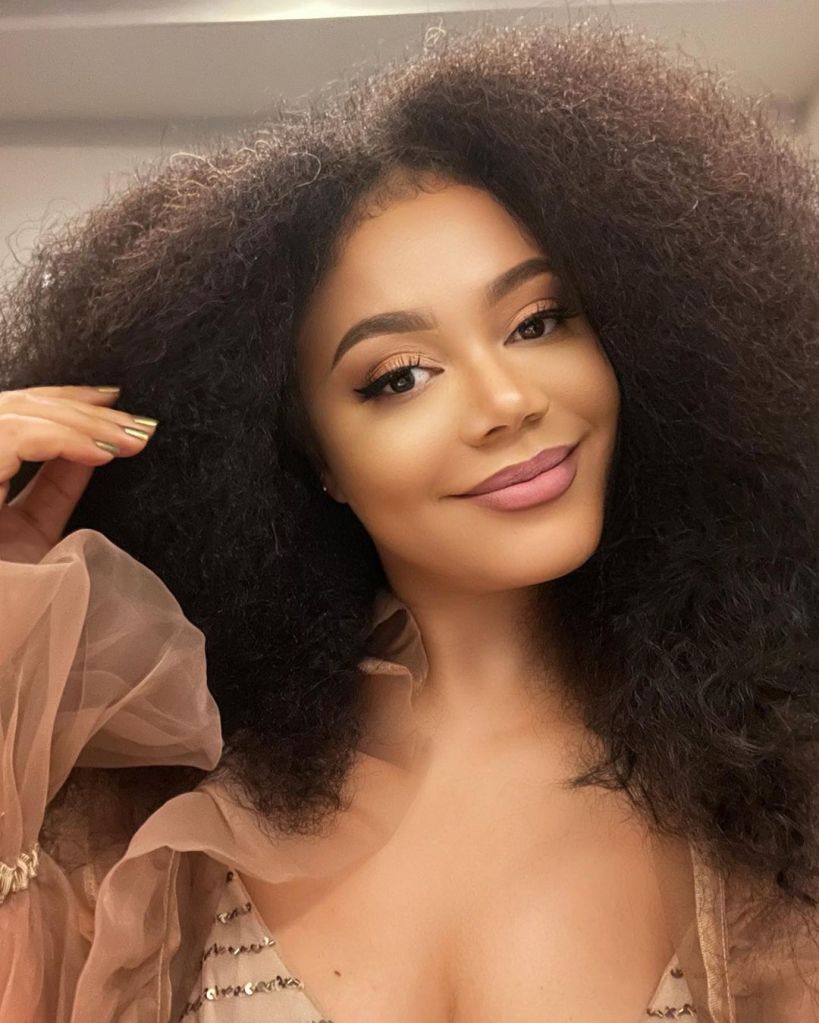
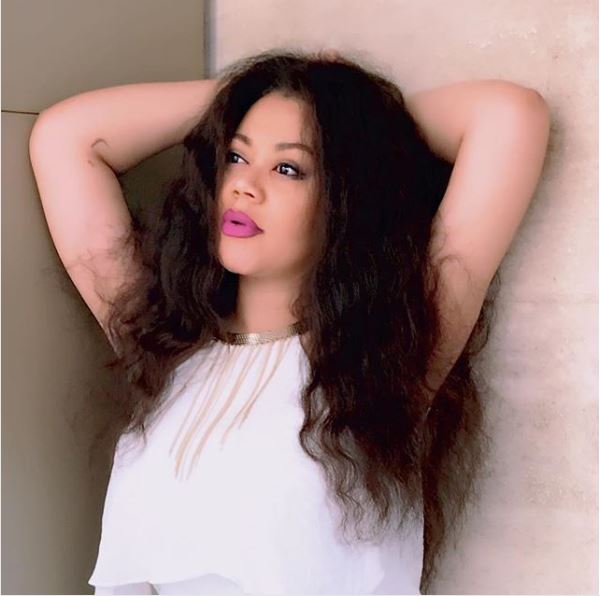
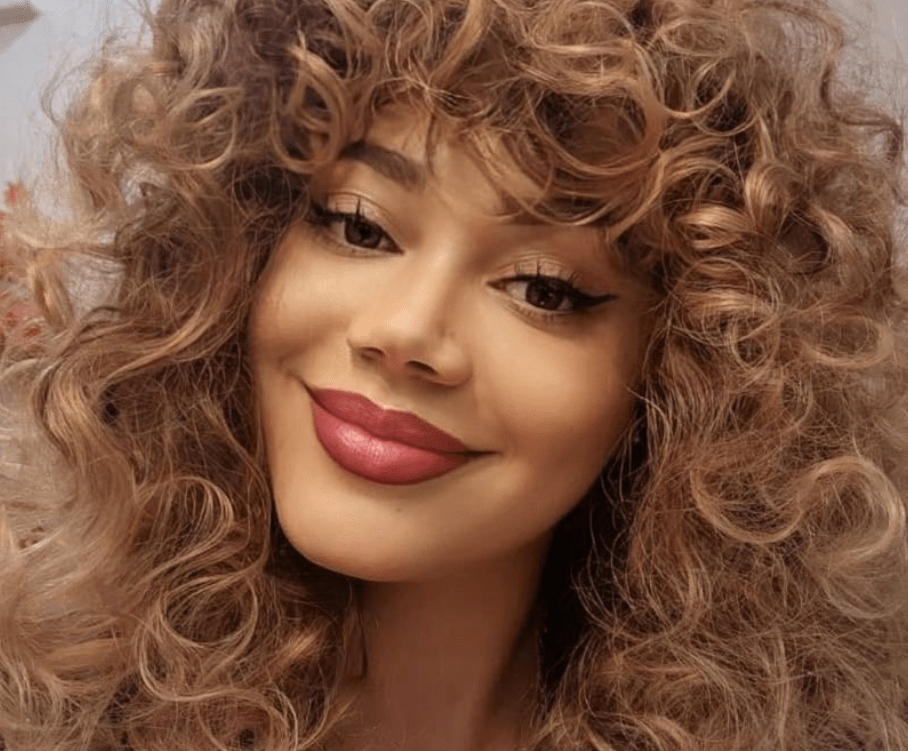

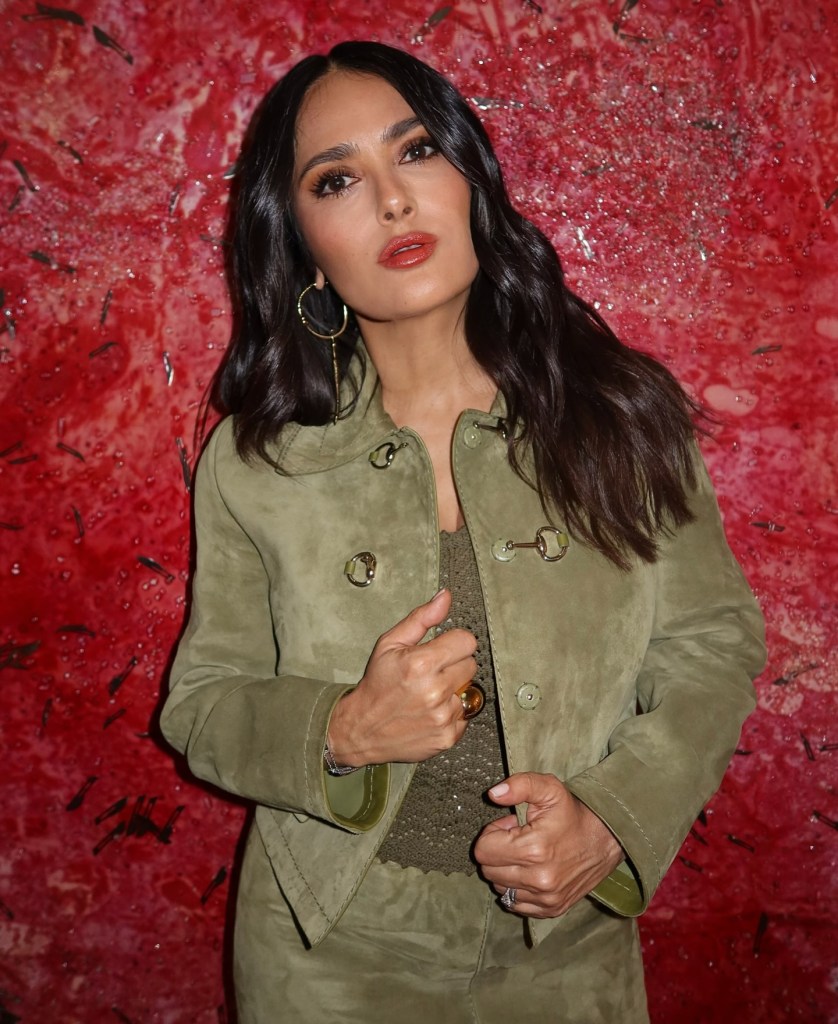
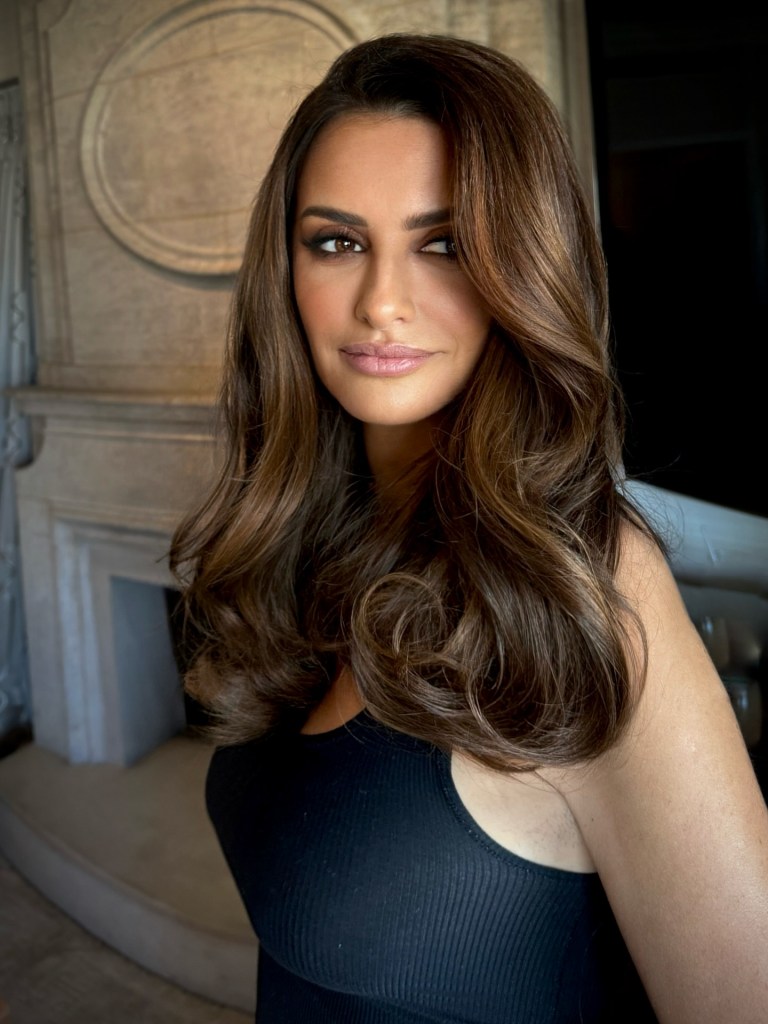

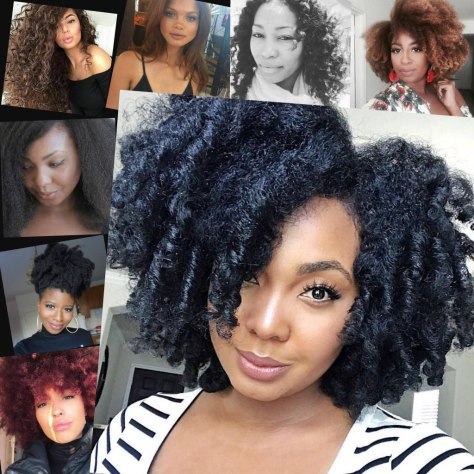
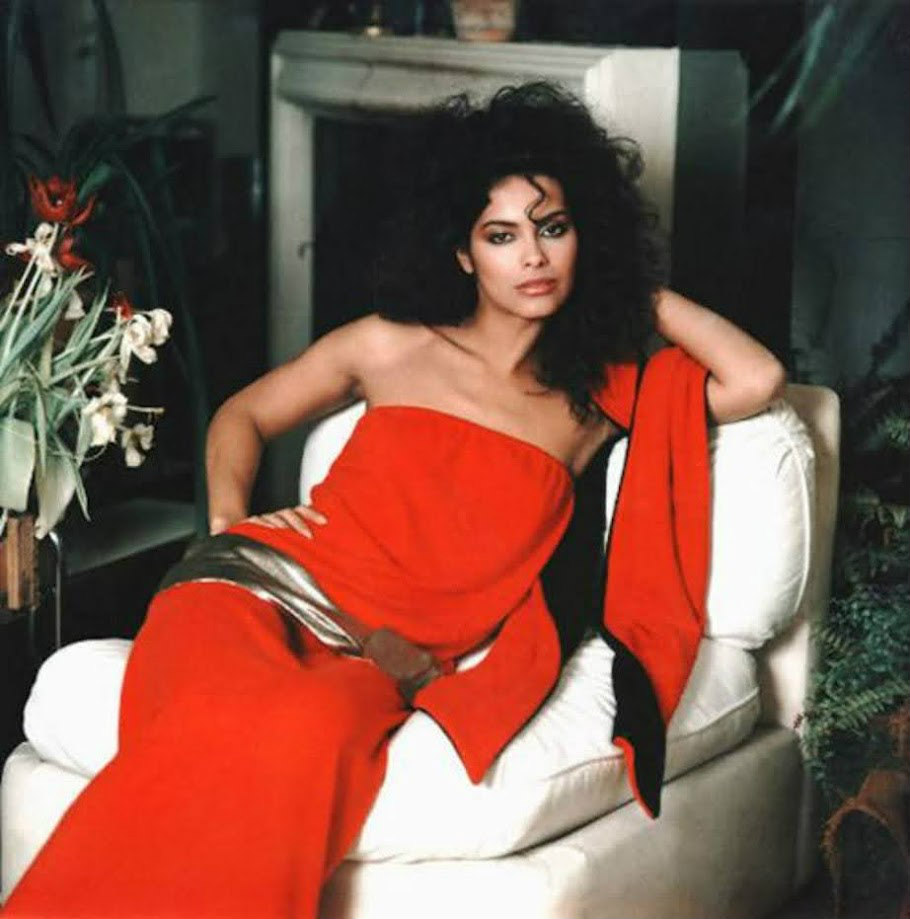
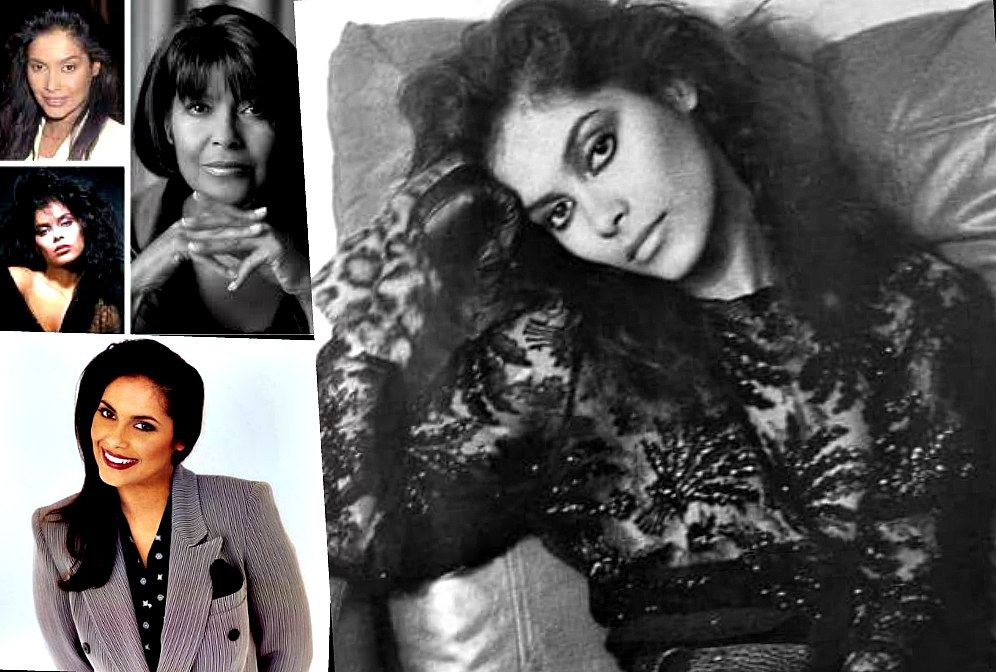
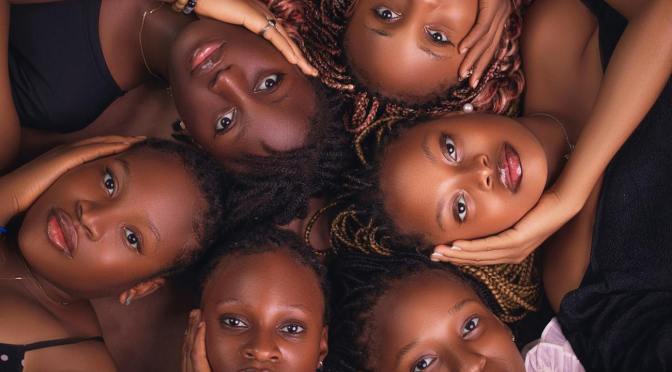
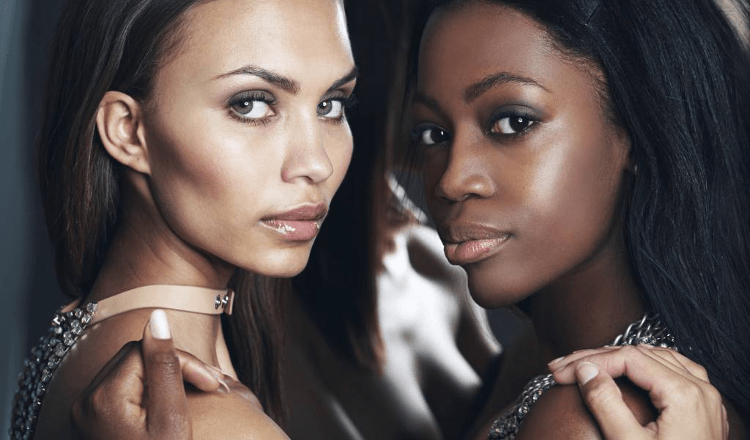
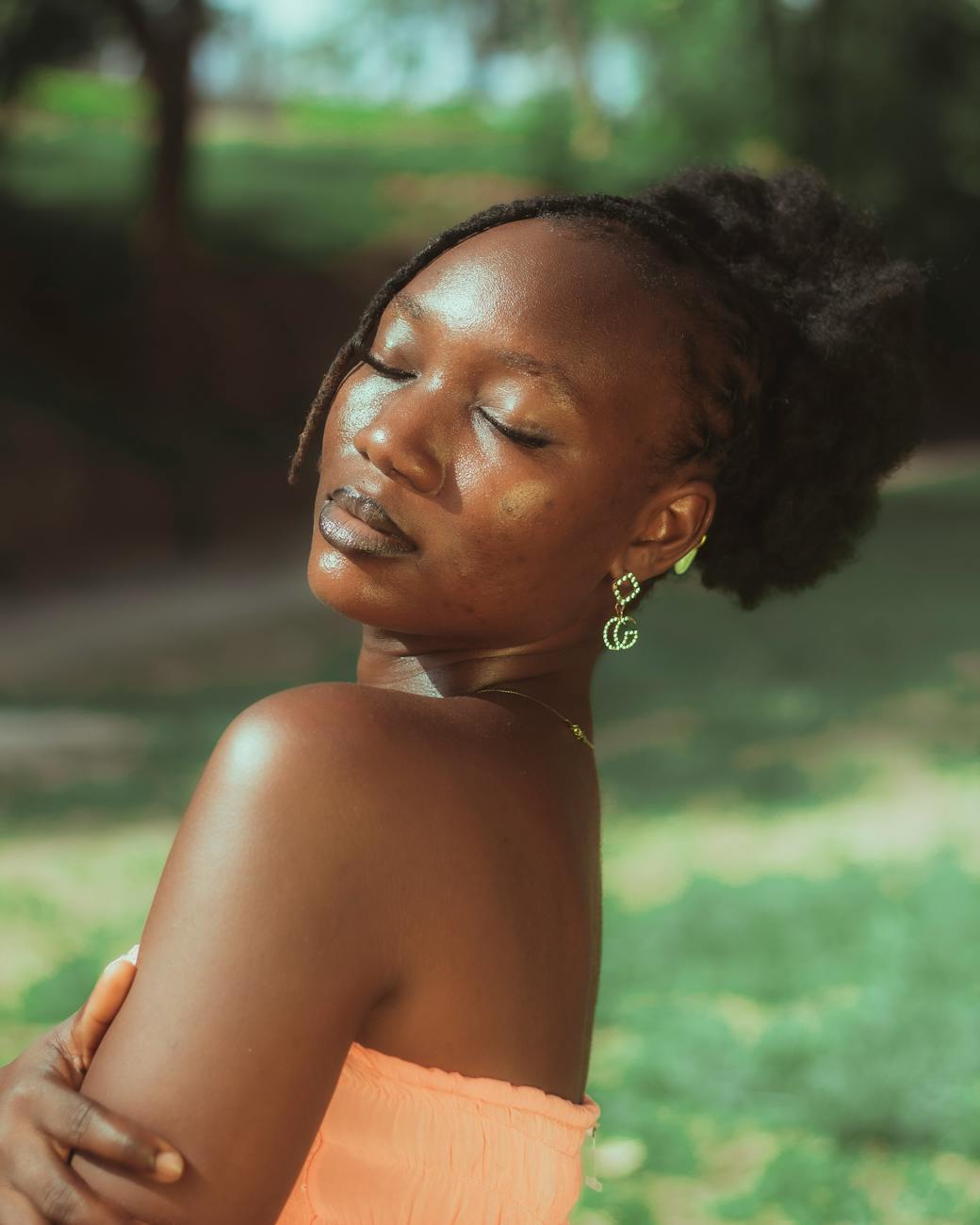
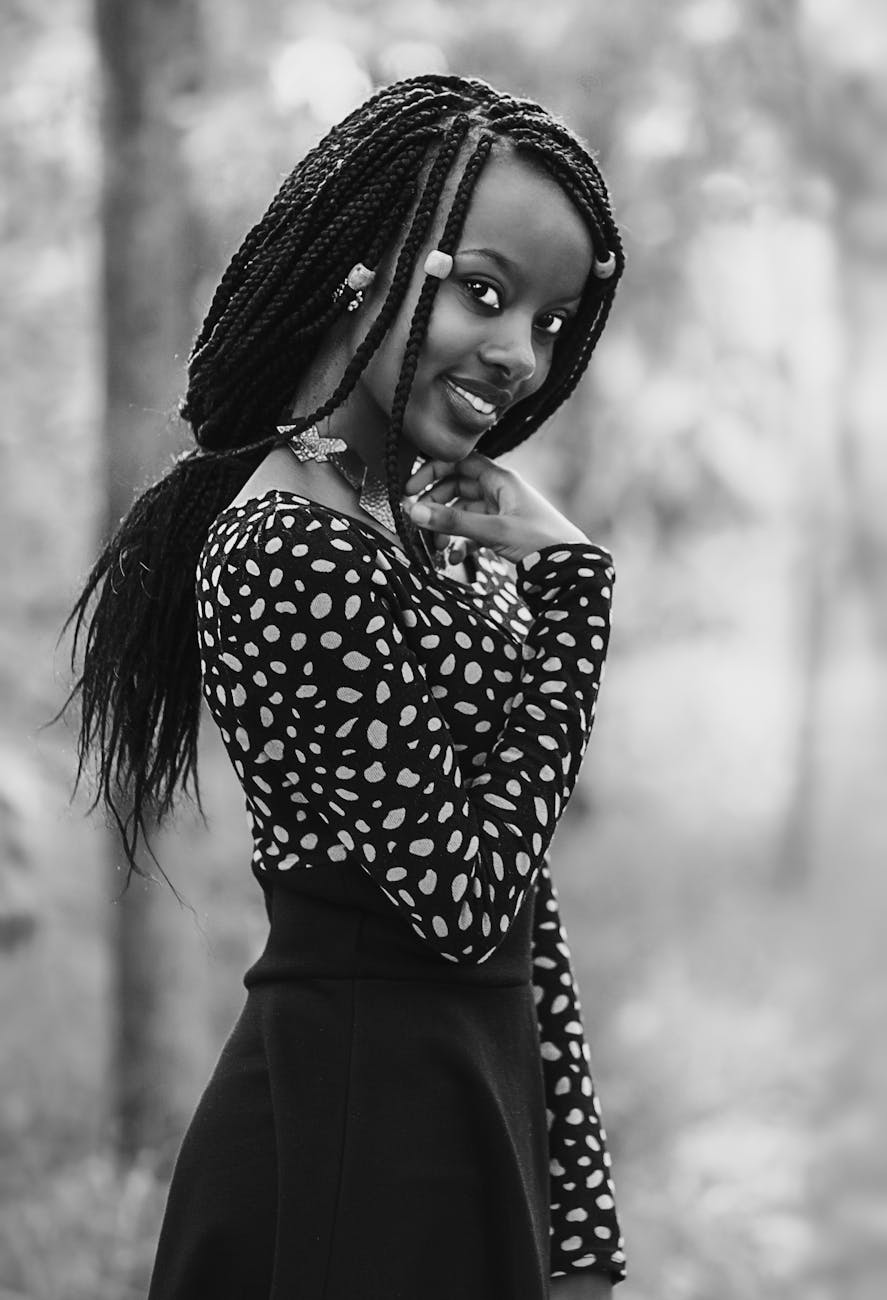
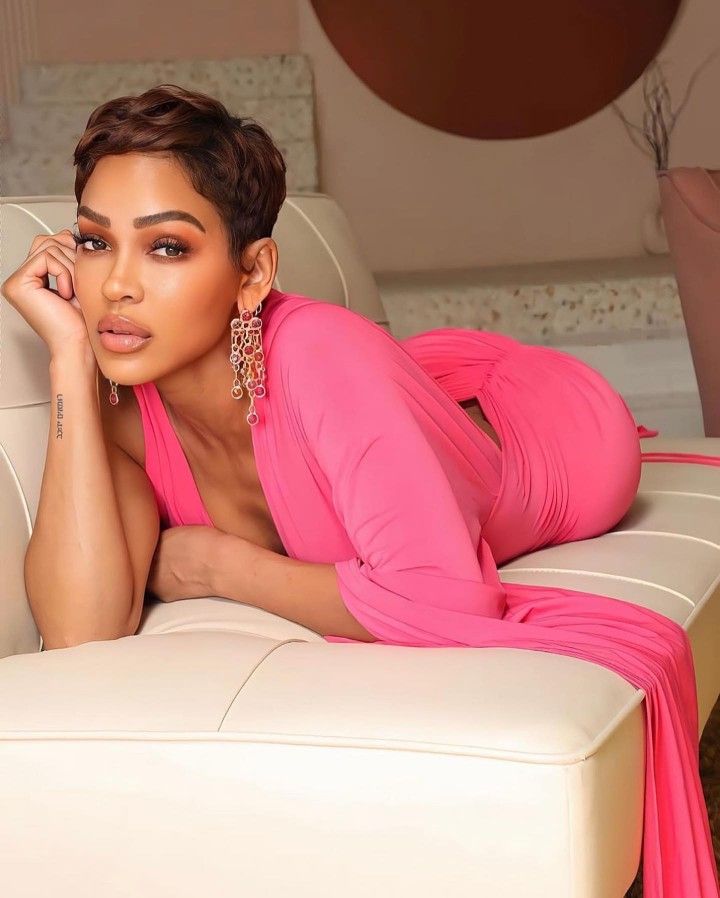

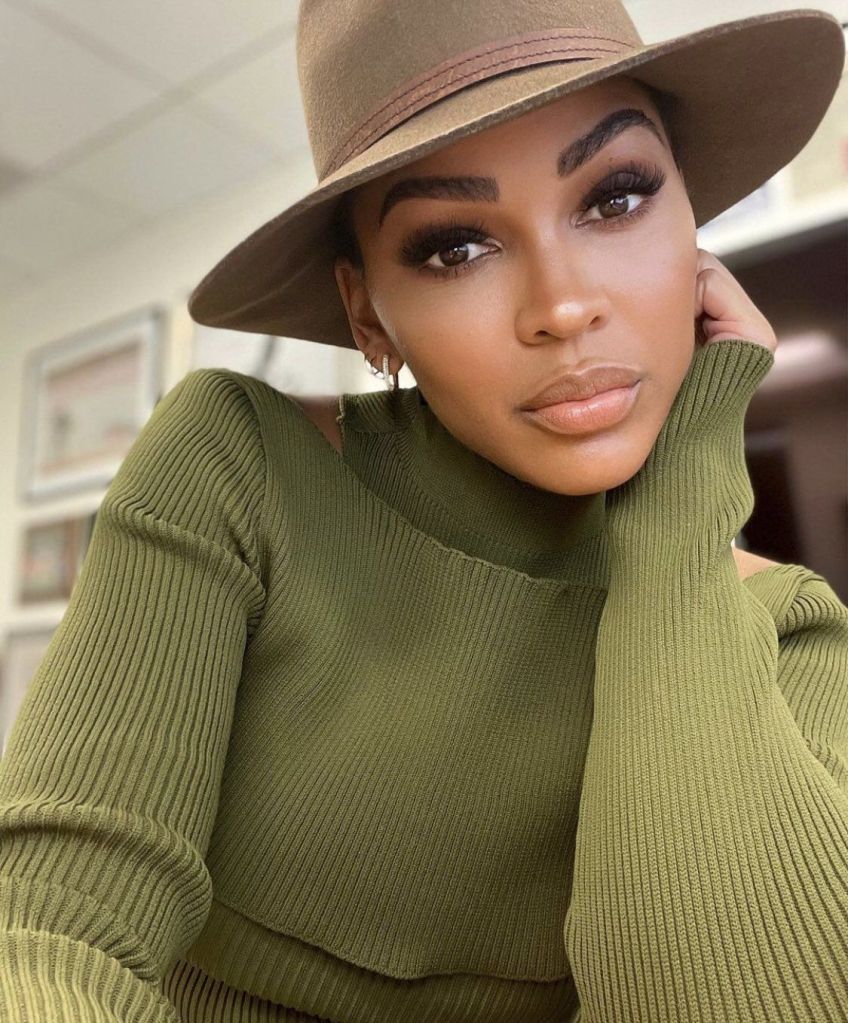
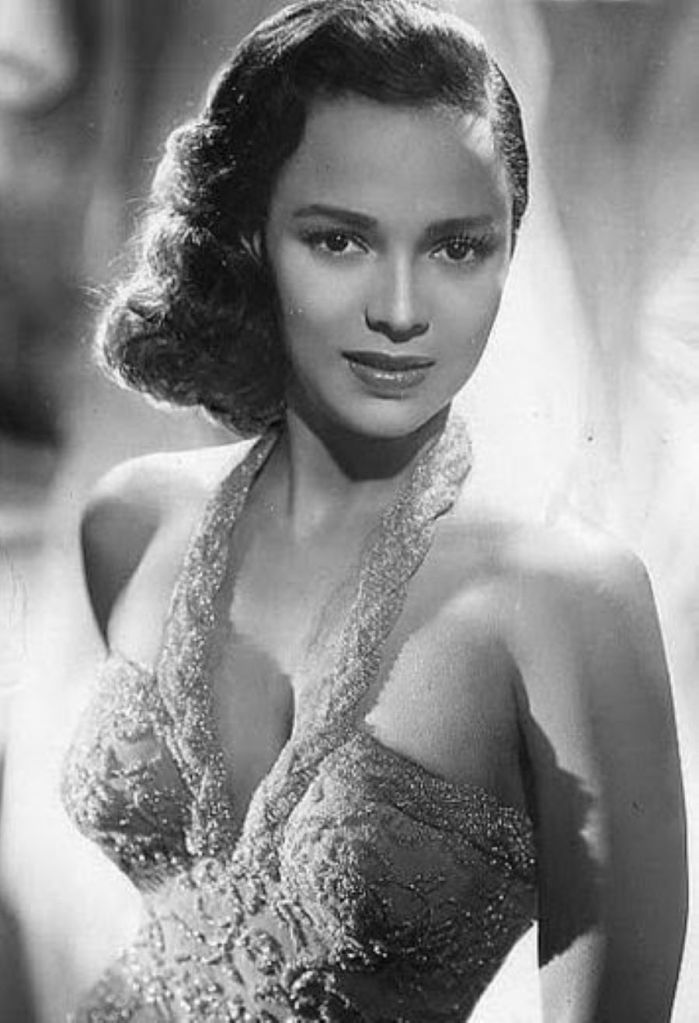
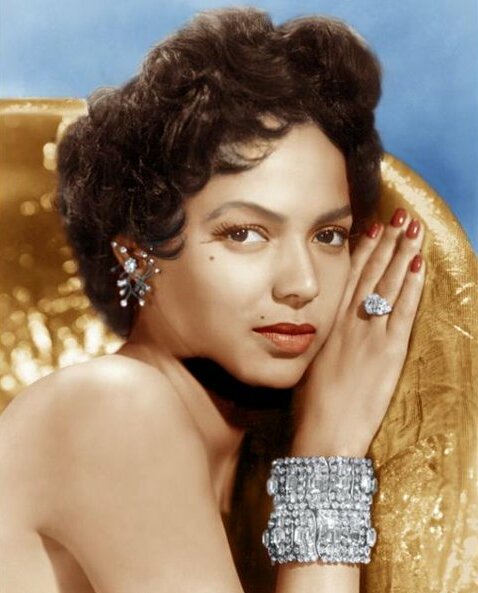
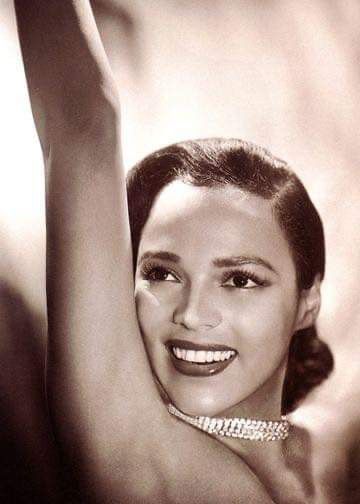
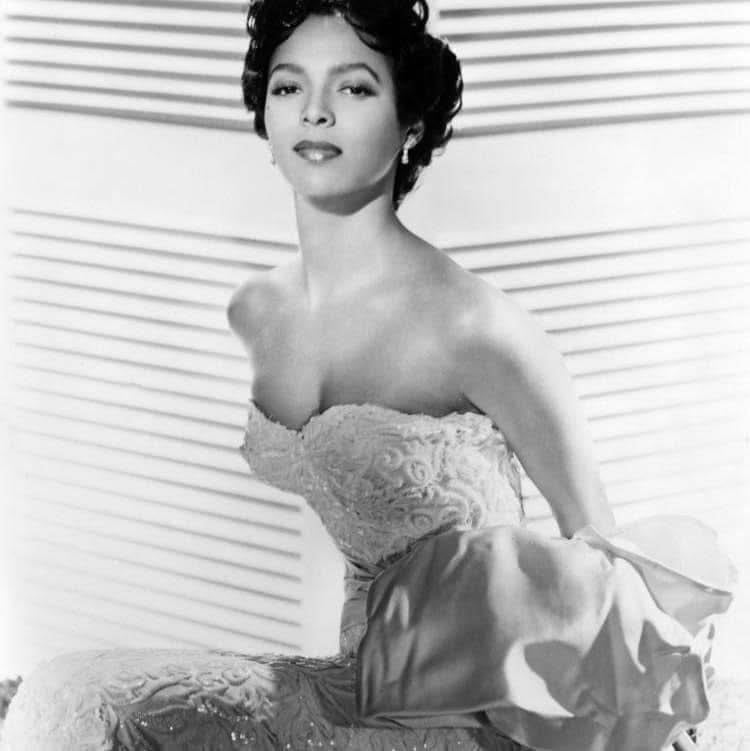
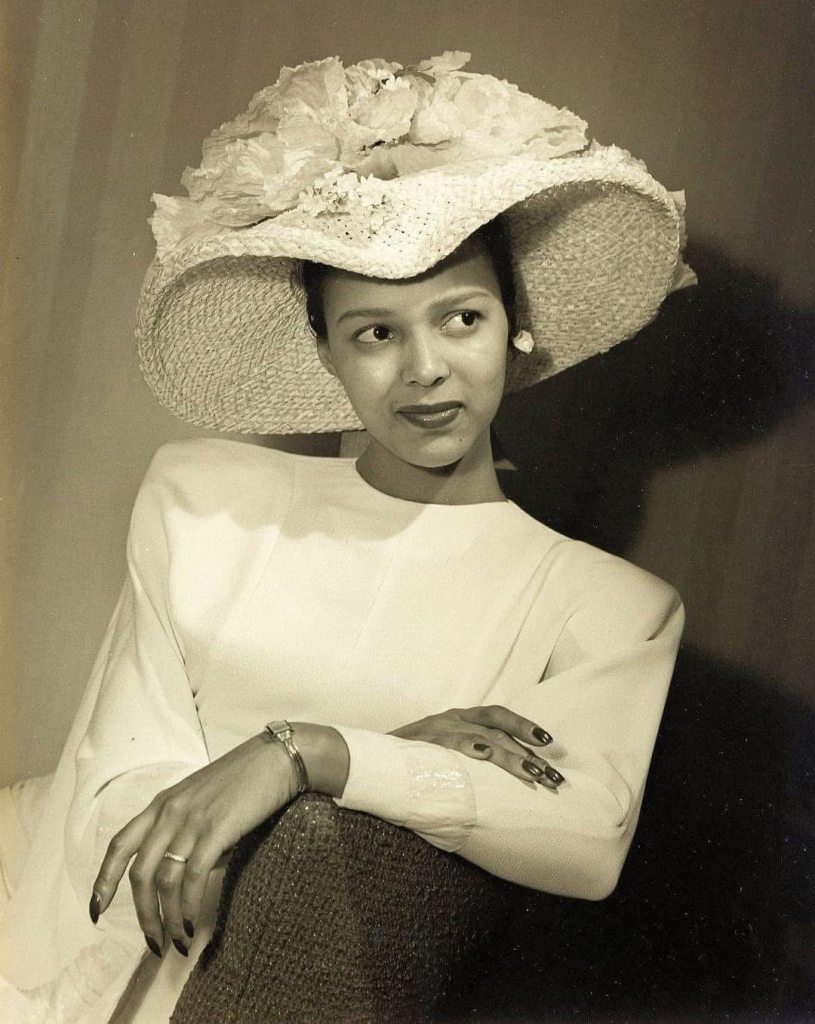
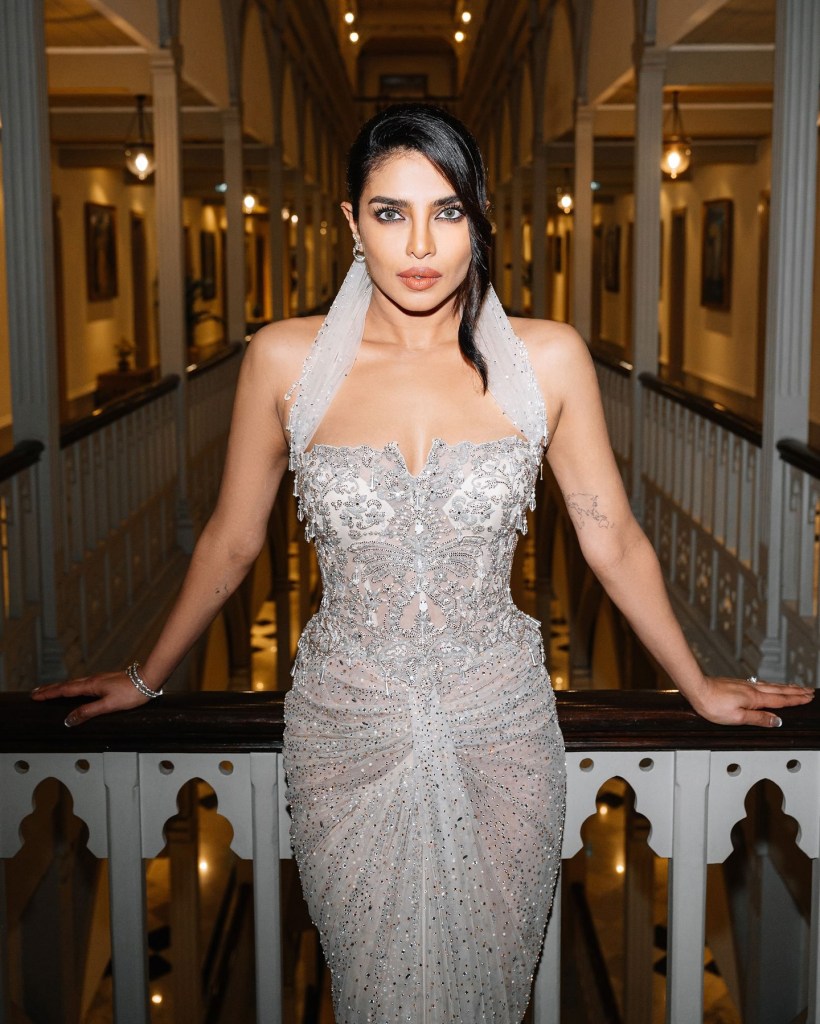
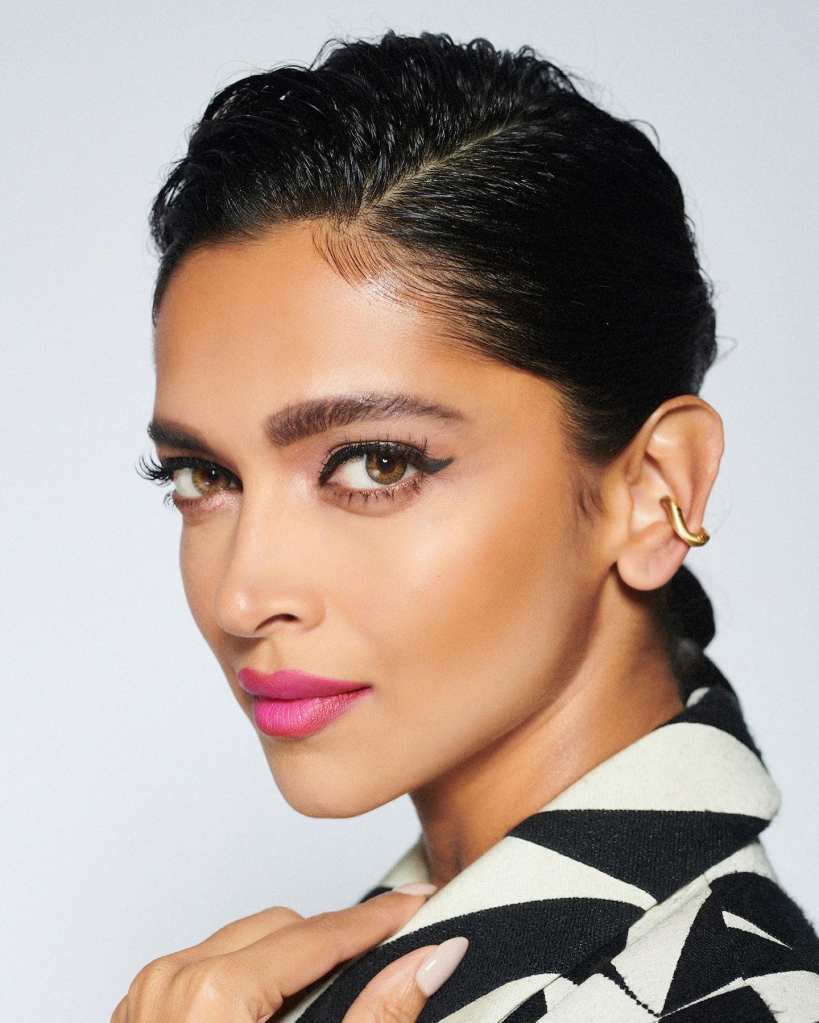
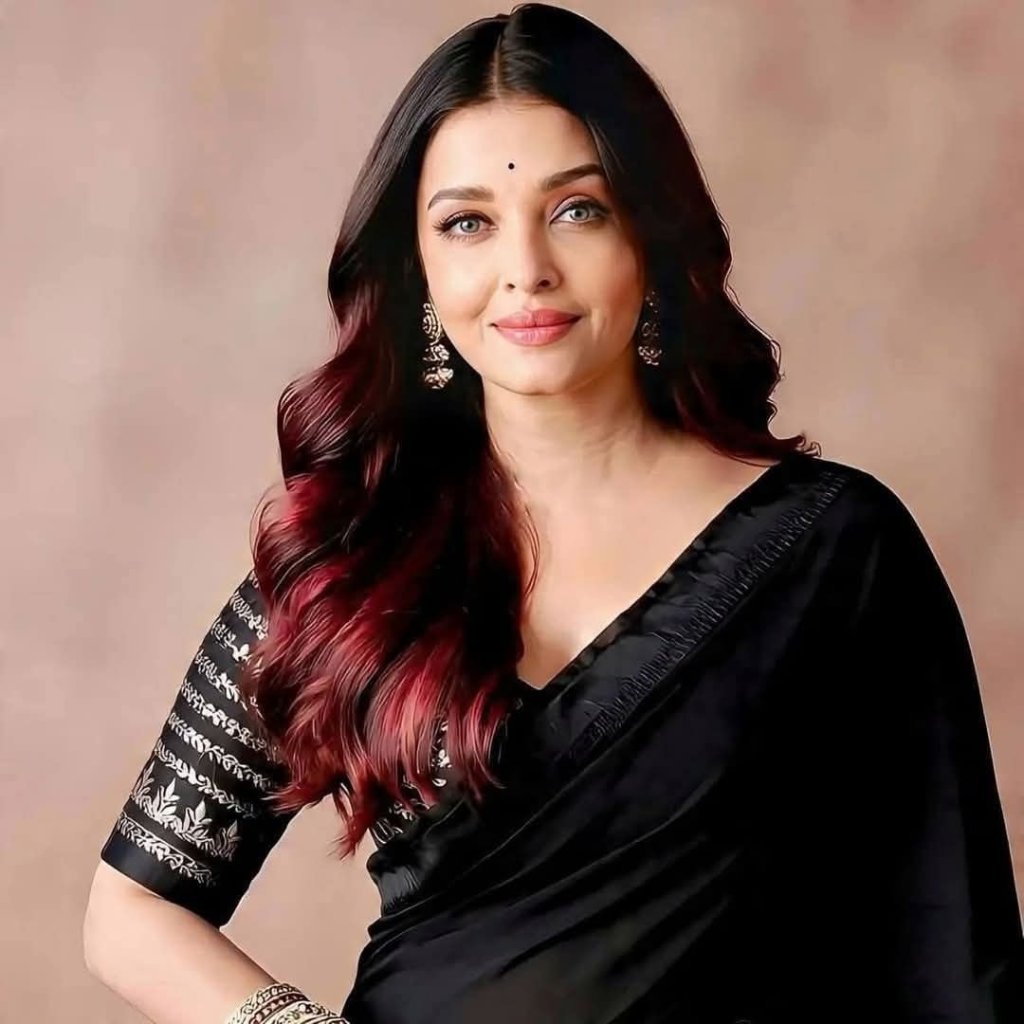
 THE BROWN GIRL DILEMMA