In a world saturated with curated images, filters, and imposed ideals, beauty is both celebrated and commodified. Yet, within this global obsession, Brown beauty often remains invisible. The “standard” of attractiveness that dominates mainstream media and cultural imagination has historically excluded the features, skin tones, and textures most associated with Brown and Black women. This invisibility is not simply accidental—it is the product of long-standing racial hierarchies and Eurocentric norms that dictate who is worthy of being seen, celebrated, and desired (Craig, 2002).
The invisibility of Brown beauty is rooted in colonial histories where lighter skin, straighter hair, and narrower facial features were elevated as superior. Generations of this conditioning continue to shape the implicit biases that determine who graces magazine covers, stars in leading film roles, or becomes the face of luxury brands. Even when Brown women are included, they are often tokenized, exoticized, or positioned in contrast to the so-called universal “standard,” rather than recognized as central to beauty itself (Russell, Wilson, & Hall, 1992).
Psychologically, invisibility produces profound effects. Young Brown girls who rarely see women with their skin tone or natural features represented in aspirational roles internalize a message of inadequacy. Social identity theory suggests that when one’s group is devalued, it negatively impacts self-esteem and belonging (Tajfel & Turner, 1986). The absence of representation silently whispers that Brown beauty is not enough, or worse, not beautiful at all.
Yet, the invisibility is not absolute. Icons like Lupita Nyong’o, Viola Davis, Issa Rae, and Kenya Moore have illuminated the richness of Brown beauty in ways that resist erasure. Their visibility challenges the monolithic standard by celebrating melanin, natural hair, and distinctly African features. Lupita Nyong’o, for example, has spoken openly about her childhood struggles with colorism, later reclaiming her image as a global symbol of elegance and strength. Her rise demonstrates the transformative power of visibility, not only for herself but for countless Brown girls who now see themselves reflected in spaces once closed to them (Nyong’o, 2014).
Media and marketing industries bear responsibility for either perpetuating invisibility or dismantling it. Campaigns that showcase the full spectrum of Brown beauty—from deep mahogany to warm café au lait complexions—have the power to disrupt the invisible standard. Brands like Fenty Beauty, with its inclusive foundation lines, prove that visibility is not just a cultural demand but also a profitable one. By centering Brown beauty rather than marginalizing it, industries can affirm that attractiveness exists in many shades, shapes, and styles.
Spiritually, invisibility becomes an even deeper conversation. Scripture affirms that worth and beauty are not measured by human standards but by divine creation. Genesis 1:27 (KJV) declares, “So God created man in his own image, in the image of God created he him; male and female created he them.” If all humanity reflects the Creator, then Brown beauty is not only visible—it is sacred. The invisibility imposed by society is, therefore, a distortion of truth, not a reflection of divine design.
Ultimately, the invisible standard thrives on silence. To counteract it, Brown women and their allies must continue to tell their stories, share their images, and challenge the hierarchies that erase them. When Brown beauty is seen, celebrated, and affirmed, the standard shifts from invisibility to inclusivity. It is not about replacing one beauty ideal with another but expanding the definition until it fully reflects the diversity of human expression.
References
Craig, M. L. (2002). Ain’t I a Beauty Queen?: Black Women, Beauty, and the Politics of Race. Oxford University Press.
Nyong’o, L. (2014, March). Lupita Nyong’o’s speech at the Essence Black Women in Hollywood Awards. Essence Magazine.
Russell, K., Wilson, M., & Hall, R. (1992). The Color Complex: The Politics of Skin Color among African Americans. Anchor Books.
Tajfel, H., & Turner, J. C. (1986). The social identity theory of intergroup behavior. In S. Worchel & W. G. Austin (Eds.), Psychology of Intergroup Relations (pp. 7–24). Nelson-Hall.
The Bible teaches that humanity is made in the image of God: “So God created man in his own image, in the image of God created he him; male and female created he them” (Genesis 1:27, KJV). This divine imprint reflects not only moral and spiritual qualities but also the inherent dignity and beauty of a man. True beauty in a man transcends physical appearance; it manifests in character, wisdom, integrity, and alignment with God’s will.
Physical beauty is a reflection of divine creativity. Just as God crafted nature with intricacy and balance, He has designed the human body with proportions, symmetry, and features that convey strength, harmony, and vitality. Yet, Scripture warns against idolizing outward appearance at the expense of inner character: “For the Lord seeth not as man seeth; for man looketh on the outward appearance, but the Lord looketh on the heart” (1 Samuel 16:7, KJV).
A man’s beauty is also expressed through strength tempered with humility. True masculinity honors God, protects the vulnerable, and nurtures relationships. Strength without virtue can become destructive, but strength rooted in divine guidance radiates beauty that captivates without superficiality. “A wise man is strong; yea, a man of knowledge increaseth strength” (Proverbs 24:5, KJV).
Wisdom is a cornerstone of divine beauty. The manner in which a man speaks, reasons, and governs his actions reflects God’s image. Eloquence, discernment, and prudence enhance his presence, making him admirable beyond mere physicality. “Let the wise hear, and increase in learning, and the man of understanding obtain guidance” (Proverbs 1:5, KJV).
Faithfulness and integrity also shape the reflection of God in a man. Honesty, loyalty, and moral steadfastness demonstrate an alignment with divine principles, creating a beauty that endures through trials and challenges. “He that walketh uprightly walketh surely: but he that perverteth his ways shall be known” (Proverbs 10:9, KJV).
A man’s beauty is seen in how he treats others. Gentleness, compassion, and respect for life mirror God’s character. Scripture elevates the heart’s posture over superficial appearance: “A soft answer turneth away wrath: but grievous words stir up anger” (Proverbs 15:1, KJV). True beauty lies in kindness and ethical conduct.
Discipline and self-control further reflect divine order. Physical fitness, grooming, and personal presentation demonstrate respect for the body, God’s temple: “Know ye not that your body is the temple of the Holy Ghost which is in you, which ye have of God, and ye are not your own?” (1 Corinthians 6:19, KJV). Attention to health and appearance is not vanity; it is stewardship.
Emotional intelligence enhances divine beauty. A man capable of empathy, understanding, and patience embodies a Christlike presence. Emotional stability and the ability to manage conflict are aspects of a beauty rooted in spiritual maturity. “He that is slow to anger is better than the mighty; and he that ruleth his spirit than he that taketh a city” (Proverbs 16:32, KJV).
Leadership and responsibility are part of God’s design. Men who serve as protectors, providers, and guides in families, communities, and workplaces reflect the image of God through purposeful action. Authority exercised with justice and mercy amplifies their attractiveness. “Where no counsel is, the people fall: but in the multitude of counsellors there is safety” (Proverbs 11:14, KJV).
A man’s beauty is enhanced by spiritual devotion. Prayer, worship, and obedience cultivate an inner radiance that transcends physical aesthetics. Holiness, humility, and reverence for God create a presence that commands respect and admiration. “But the path of the just is as the shining light, that shineth more and more unto the perfect day” (Proverbs 4:18, KJV).
Courage and perseverance reflect divine imprint. A man who faces adversity with faith and resilience mirrors God’s steadfastness. Enduring trials without compromising principles radiates a beauty that is both rare and compelling. “Be strong and of a good courage, fear not, nor be afraid of them: for the Lord thy God, he it is that doth go with thee” (Deuteronomy 31:6, KJV).
Humility grounds beauty in authenticity. Pride distorts perception, but humility aligns a man with divine intent. Recognizing dependence on God and valuing others’ worth enhances moral and social appeal. “Humble yourselves in the sight of the Lord, and he shall lift you up” (James 4:10, KJV).
A man’s beauty is reflected in faithful stewardship of talents. Creativity, skills, and gifts honed in service to God and community demonstrate purpose, discipline, and excellence. Such stewardship amplifies influence and inspires others. “As every man hath received the gift, even so minister the same one to another, as good stewards of the manifold grace of God” (1 Peter 4:10, KJV).
Integrity in relationships manifests divine beauty. Treating partners, family, and colleagues with respect, honesty, and honor reveals the man’s alignment with God’s image. “He that walketh uprightly walketh surely: but he that perverteth his ways shall be known” (Proverbs 10:9, KJV).
Gratitude and contentment further radiate beauty. A man who recognizes blessings and expresses thankfulness conveys joy, peace, and humility—qualities that reflect God’s goodness. “In every thing give thanks: for this is the will of God in Christ Jesus concerning you” (1 Thessalonians 5:18, KJV).
A man’s beauty is holistic, integrating body, mind, spirit, and character. Physical attractiveness may draw attention, but virtue, intelligence, and faith sustain admiration over a lifetime. “Let your light so shine before men, that they may see your good works, and glorify your Father which is in heaven” (Matthew 5:16, KJV).
Mentorship and guidance express beauty through legacy. Men who uplift others, model integrity, and teach godly principles reflect God’s image in society, passing on a standard of excellence and righteousness.
Patience and self-discipline in desires reflect divine reflection. By controlling impulses, avoiding lust, and living honorably, a man demonstrates obedience to God and moral beauty. “Flee fornication. Every sin that a man doeth is without the body; but he that committeth fornication sinneth against his own body” (1 Corinthians 6:18, KJV).
Ultimately, beauty is inseparable from purpose. Men created in God’s image are called to reflect His character, exercise wisdom, and honor Him in every facet of life. The combination of physical presence, moral excellence, spiritual devotion, and relational integrity forms a divine reflection that captivates both God and man.
A man who embraces his identity in Christ, cultivates virtue, and expresses love, humility, and strength, embodies true beauty, fulfilling the intent of being made in God’s image. This holistic expression reminds the world that man’s beauty is not superficial—it is sacred, purposeful, and eternal.
The journey of a brown girl is one of discovery, resilience, and transformation. Beauty, Brilliance & Becoming reflects the multidimensional essence of her identity—honoring her physical presence, cultivating her intellect, and stepping into her God-given purpose. This blueprint is not merely a guide for success; it is a roadmap to self-realization, confidence, and divine alignment.
Beauty for the brown girl transcends skin tone or societal standards. It encompasses authenticity, self-love, and the embrace of natural features that reflect her heritage. In a world that often equates beauty with Eurocentric ideals, embracing melanin-rich skin, natural hair textures, and unique features becomes an act of reclamation and empowerment. Psalm 139:14 (KJV) reminds her: “I will praise thee; for I am fearfully and wonderfully made.” True beauty begins with recognition of divine design.
Brilliance is the cultivation of the mind, talents, and wisdom. Intellectual growth, creativity, and problem-solving are forms of empowerment that equip the brown girl to navigate life’s challenges. Proverbs 4:7 (KJV) exhorts: “Wisdom is the principal thing; therefore get wisdom: and with all thy getting get understanding.” Brilliance is nurtured through education, mentorship, and deliberate pursuit of excellence.
Becoming is the ongoing process of fulfilling potential. It is the journey of self-discovery, character development, and spiritual alignment. Becoming requires courage—the courage to defy limiting narratives, overcome systemic barriers, and step into spaces where her voice and vision are recognized. Jeremiah 29:11 (KJV) promises: “For I know the thoughts that I think toward you, saith the LORD, thoughts of peace, and not of evil, to give you an expected end.”
The brown girl blueprint encourages intentionality in all aspects of life. It emphasizes self-care, emotional intelligence, and spiritual grounding. By prioritizing mental and physical wellness, she strengthens her ability to contribute meaningfully to her family, community, and world.
Identity is a foundational pillar. Recognizing the value of her ancestry, culture, and heritage empowers the brown girl to stand with confidence in spaces that may not always affirm her worth. Historical context, from African civilizations to modern Black excellence, forms a legacy of resilience and brilliance to be honored and advanced.
Self-expression is also central to this blueprint. Fashion, hair, art, and communication serve as tools for authenticity, creativity, and empowerment. Celebrating individuality fosters confidence and challenges societal stereotypes, allowing the brown girl to claim her narrative.
Relationships shape growth and influence. Surrounding oneself with mentors, peers, and spiritual guides who affirm values, vision, and purpose cultivates an environment where brilliance can flourish. Proverbs 27:17 (KJV) reminds us: “Iron sharpeneth iron; so a man sharpeneth the countenance of his friend.” The right community catalyzes development and accountability.
Education and skill-building are pathways to empowerment. From formal schooling to personal development, knowledge equips the brown girl to navigate systemic challenges and seize opportunities. Intellectual empowerment is inseparable from confidence and spiritual alignment.
Financial literacy and independence are essential components of becoming. Mastery over resources ensures autonomy, reduces vulnerability, and enables her to support herself and her community responsibly. Proverbs 21:20 (KJV) emphasizes prudence: “There is treasure to be desired and oil in the dwelling of the wise; but a foolish man spendeth it up.”
Faith is the anchor of the brown girl blueprint. Spiritual grounding provides clarity, perseverance, and discernment. Prayer, meditation, and alignment with God’s purpose shape decision-making and fortify resilience. Isaiah 40:31 (KJV) promises: “But they that wait upon the LORD shall renew their strength; they shall mount up with wings as eagles; they shall run, and not be weary; and they shall walk, and not faint.”
Resilience is cultivated through embracing challenges as opportunities for growth. Life’s trials refine character, deepen faith, and enhance wisdom. Every setback becomes a stepping stone toward fulfillment and impact.
Self-confidence grows from acknowledging accomplishments, strengths, and potential. The brown girl is encouraged to celebrate victories, however small, as evidence of her brilliance and progression toward purpose.
Leadership is an extension of becoming. Empowered brown girls are equipped to lead with integrity, compassion, and vision. Influence is exercised responsibly, shaping communities and mentoring future generations.
Creativity fuels innovation and personal expression. Art, music, writing, and entrepreneurship allow the brown girl to channel brilliance into tangible contributions that leave lasting impact.
Service and community engagement solidify purpose. Using talents, resources, and knowledge to uplift others reinforces the values of compassion, justice, and stewardship. Strength is measured not only in personal success but in the ability to positively influence the world.
Reflection and self-assessment ensure continuous growth. Regular evaluation of personal goals, values, and spiritual alignment keeps the brown girl on track toward fulfilling her blueprint with intentionality.
Courage underpins every step of the journey. Fear of failure, judgment, or limitation is overcome through faith, resilience, and self-belief. Courage transforms potential into achievement and vision into reality.
Gratitude and humility balance ambition. Recognizing God’s hand, mentors’ support, and ancestral legacy fosters perspective, grounding the brown girl in values that honor both self and community.
Ultimately, Brown Girl Blueprint: Beauty, Brilliance & Becoming is a call to action and a framework for intentional living. It empowers young women to embrace their identity, cultivate their gifts, and step boldly into destiny. Beauty is acknowledged, brilliance is developed, and becoming is actualized—a holistic journey toward purpose, empowerment, and divine fulfillment.
References
Holy Bible, King James Version. (1611). Thomas Nelson.
Guthrie, D. (1994). The NIV application commentary: Proverbs. Grand Rapids, MI: Zondervan.
Wright, C. J. H. (2002). Old Testament ethics for the people of God. Downers Grove, IL: InterVarsity Press.
Rooks, N. (2021). Hair politics: Beauty, culture, and Black identity. New York, NY: Beacon Press.
Harris, T. (2019). Black girls rising: A roadmap to excellence and empowerment. Chicago, IL: University of Chicago Press.
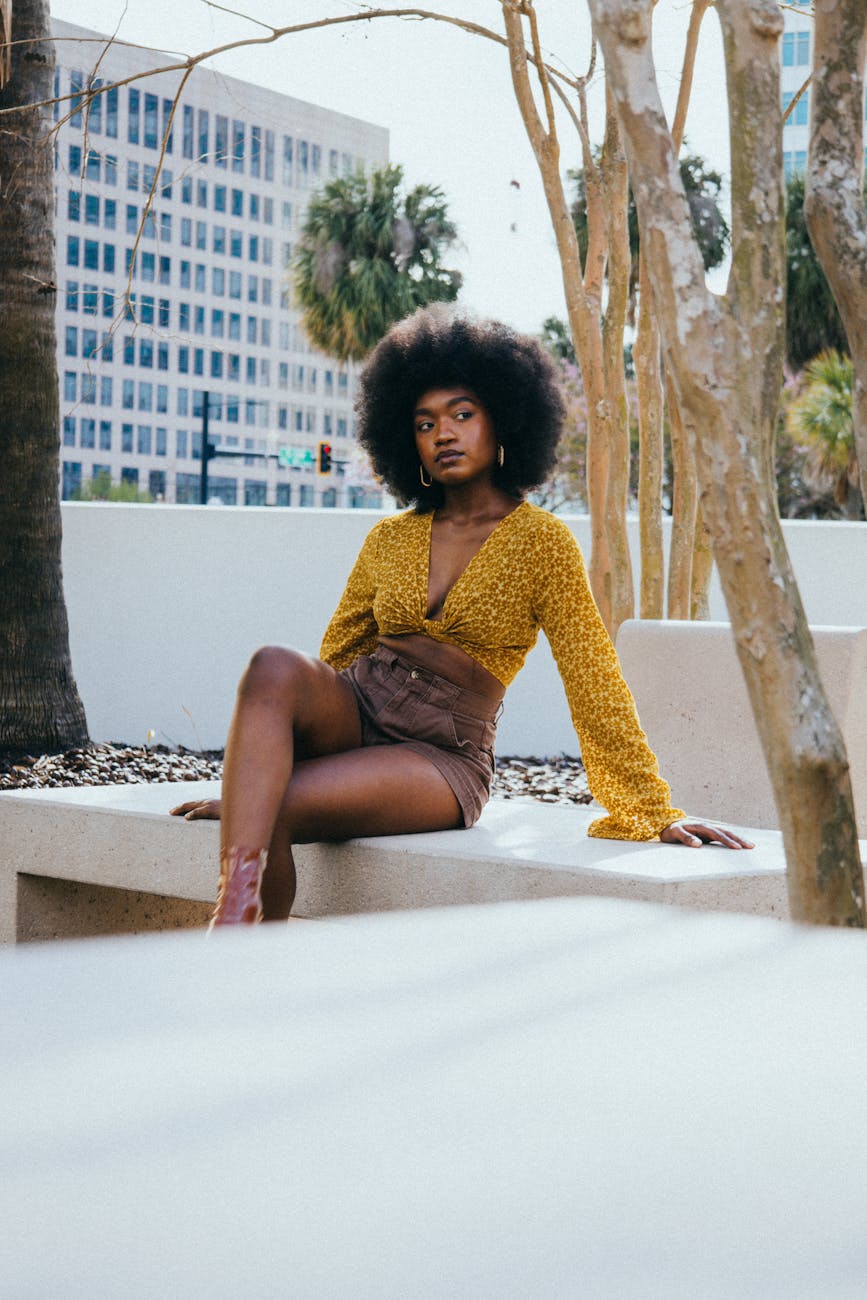
This photograph is the property of its respective owners. No copyright infringement intended.
The portrayal of Black men in media has evolved significantly over the past century, moving from marginalization and tokenism to a recognition of multifaceted beauty and sovereignty. Historically, Black male bodies and faces were often framed through stereotypes—hypermasculine, criminal, or subservient—reflecting societal prejudices rather than authentic representation. These depictions perpetuated colorism, limited opportunities, and constrained cultural narratives.
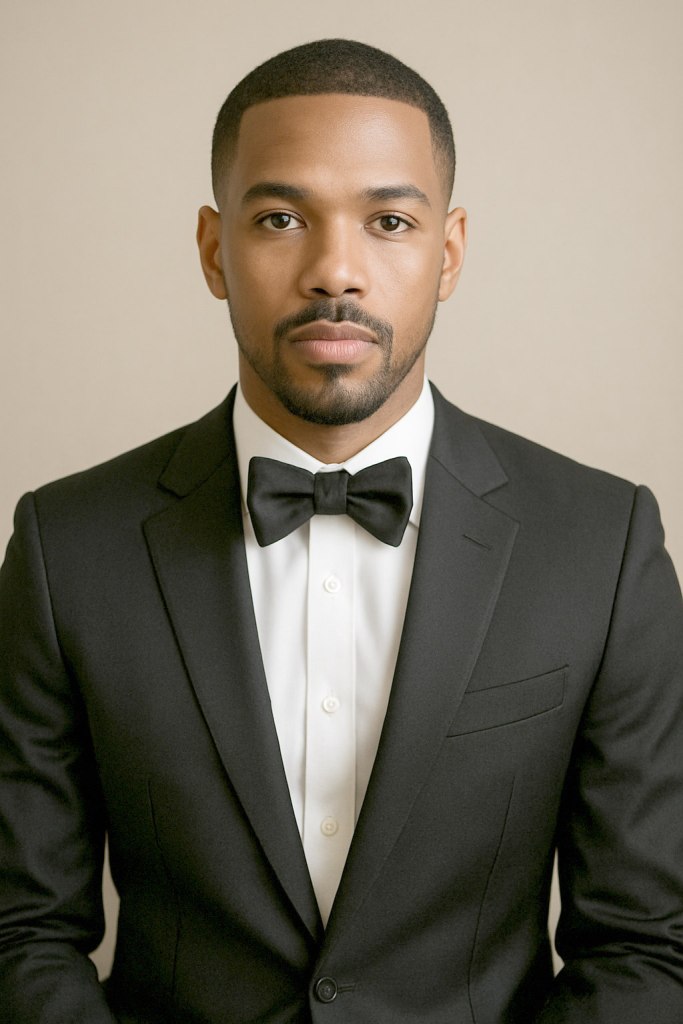
This photograph is the property of its respective owner. No copyright infringement intended.
Actor Omari Hardwick (above) represents the affirmation of Black male sovereignty and diversity in beauty, showing that talent, style, and charisma can redefine mainstream perceptions of attractiveness. He exemplifies the visibility of lighter skin tones in an industry historically favoring lighter-complexioned men. His inclusion emphasizes that Black male beauty is multidimensional, encompassing physical attractiveness, style, charisma, and cultural presence, not just Eurocentric ideals.By highlighting Hardwick alongside other figures like Idris Elba and Shemar Moore, the essay underscores that modern Black men in media are recognized for elegance, desirability, and complex masculinity, rather than being confined to stereotypes.
In early Hollywood, Black men were largely confined to supporting roles or caricatures. Figures such as Stepin Fetchit embodied the submissive, comical trope, reinforcing racial hierarchies. Meanwhile, the broader public rarely saw Black male actors as romantic leads or symbols of aesthetic excellence. This tokenistic inclusion maintained visibility but denied depth and agency.
The civil rights era catalyzed change, with the media beginning to experiment with more complex portrayals. Actors like Sidney Poitier disrupted stereotypes by embodying dignity, intelligence, and emotional nuance. Poitier’s presence on screen challenged audiences to reimagine Black masculinity beyond previously imposed constraints.
Television also played a transformative role. Shows like The Cosby Show introduced Black men as family-oriented, professional, and attractive, highlighting intelligence and charisma alongside physical appeal. These portrayals marked a gradual shift from tokenism toward broader representation.
Yet, media’s obsession with Eurocentric beauty standards continued to influence perceptions of Black male attractiveness. Lighter skin tones and facial features resembling Western ideals were often celebrated, leaving darker-skinned men and features such as broad noses or full lips marginalized in mainstream beauty discourse. Colorism intersected with media representation to restrict the spectrum of Black male beauty.
The 1980s and 1990s introduced a new era of Black male icons who combined talent with compelling aesthetics. Figures like Denzel Washington, Will Smith, and Laurence Fishburne embodied power, charisma, and physical appeal, demonstrating that Black male beauty could coexist with authority and cultural respectability. Their images began to counteract negative tropes while expanding aspirational representations.
Fashion and music further amplified the visibility of Black male beauty. Hip-hop culture, R&B, and modeling brought Black men into global spotlight, emphasizing style, grooming, and physique. Media coverage increasingly showcased not only professional success but also aesthetic excellence as part of a holistic public persona.
Digital media has accelerated this transformation. Social platforms allow Black men to curate their image, exercise creative autonomy, and reach global audiences without gatekeeping by traditional Hollywood institutions. The rise of influencers, athletes, and entertainers has democratized visibility and diversified representations of beauty.
Contemporary Black male actors such as Michael B. Jordan, John Boyega, Regé-Jean Page, and Yahya Abdul-Mateen II exemplify sovereign representation. They are celebrated not only for talent but for embodying multidimensional attractiveness—combining physicality, style, intellect, and emotional depth. Their visibility reflects a shift from objectified or tokenized roles toward empowered self-definition.
Media representation also intersects with social consciousness. Campaigns featuring Black men in advertising, luxury fashion, and cultural storytelling challenge lingering stereotypes and celebrate a spectrum of masculinity. This shift fosters both industry accountability and audience awareness, redefining what Black male beauty signifies in contemporary culture.
Film and television narratives increasingly explore vulnerability, romance, and intellectual depth, further humanizing Black men and challenging historical hypermasculine caricatures. Audiences are exposed to characters whose attractiveness is as much about personality, integrity, and emotional intelligence as it is about physical features.
Colorism within the Black community also continues to influence perception. Media now faces the responsibility to showcase diverse skin tones and facial features, ensuring that representation does not perpetuate internalized biases. Actors like Idris Elba, Shemar Moore, and Omari Hardwick highlight the beauty of dark-skinned men in mainstream media.
Global cinema has contributed to redefining Black male beauty. Nollywood and Afrocentric storytelling celebrate Black men in roles that blend cultural authenticity with universal appeal, expanding the narrative beyond Western-centric standards. Representation now includes historical figures, romantic leads, and heroes, all framed through indigenous aesthetics and values.
The fashion industry has embraced Black male models as symbols of elegance and refinement. Campaigns by brands such as Gucci, Louis Vuitton, and Tom Ford feature Black men prominently, not merely as diversifying elements but as central figures embodying luxury, style, and desirability.
Music videos, particularly in hip-hop and R&B, have cultivated visibility for Black male style, physique, and grooming. Artists craft images that emphasize individuality and sovereignty, challenging prior notions that Black male beauty must adhere to Eurocentric ideals.
Social commentary and academic discourse have also emerged, analyzing Black male beauty in media and its cultural impact. Scholars emphasize the importance of self-representation, challenging historical narratives of objectification, and highlighting how visibility influences societal perceptions of masculinity and worth.
The evolution from tokenism to sovereignty reflects not only industry changes but broader societal shifts. As audiences demand authenticity, diversity, and multidimensionality, the media have responded by celebrating Black men as complex, desirable, and culturally significant figures.
Current trends suggest that Black male beauty in media will continue to expand, integrating fashion, performance, activism, and digital presence. Sovereign representation allows Black men to define their own aesthetic narrative, blending traditional ideals with innovative expressions of identity.
In conclusion, the evolution of Black male beauty is a journey from marginalization to empowerment. From tokenized early roles to contemporary portrayals that celebrate diversity, intellect, style, and emotional depth, Black men in media have claimed agency over their image. Sovereign representation affirms their value, reshapes cultural standards, and inspires future generations.
References
Coleman, R. (2013). Say it loud: African Americans, media, and the politics of representation. Routledge.
hooks, b. (2004). We real cool: Black men and masculinity. Routledge.
Smith-Shomade, B. E. (2002). Shaded lives: African-American women and television. Rutgers University Press.
Nama, A. (2015). Race on the QT: Blackness and the films of Quentin Tarantino. University of Texas Press.
Warner, K. J. (2015). The cultural politics of colorblind TV casting. Routledge.
Melanin has long been reduced to a pigment, flattened and misunderstood through colonial science and racial hierarchy. Yet, modern biology, evolutionary anthropology, neurology, and biophysics all reveal a far deeper truth: melanin is not merely color — it is a biochemical masterpiece, a neuroprotective agent, an evolutionary inheritance, and a molecular signature of adaptation, intelligence, and survival. When theologians, geneticists, and cultural historians encounter melanin, they see evidence of both divine intentionality and ancestral brilliance encoded in Black flesh.
Melanin: A Biochemical Crown
Melanin refers to a group of biopolymers — primarily eumelanin and pheomelanin — that protect cellular structures from ultraviolet radiation, oxidative stress, and DNA damage (Solano, 2020). Eumelanin, the dominant form in darker-skinned populations, acts as a natural biochemical shield and antioxidant, absorbing harmful radiation and neutralizing free radicals (Hoogduijn, 2021).
A biological signaler affecting neural development
Its multifunctionality is singular in nature — no synthetic polymer matches its breadth of protective power.
Evolutionary Brilliance
Human origins trace to melanated ancestors in Africa. High eumelanin concentration evolved as a survival adaptation against intense UV radiation (Jablonski & Chaplin, 2013). This evolutionary presence signifies not primitiveness, but optimal biological design — engineered for heat regulation, UV protection, and vitamin balance.
Melanin was civilization’s original armor — not a mark of inferiority, but proof of humanity’s first and finest engineering.
Melanin and Neurology
Melanin extends beyond skin. Neuromelanin, concentrated in the brain’s substantia nigra and locus coeruleus, plays essential neurological roles (Zecca et al., 2017). These regions impact:
Movement and motor control
Emotion and stress regulation
Executive decision-making
Reward and motivation pathways
Dysfunction or loss of neuromelanin is associated with conditions such as Parkinson’s disease (Sulzer et al., 2018). Thus, melanin is not merely surface — it is deeply neural, cognitive, and emotional.
Melanated Skin: The Divine Architecture
Melanin’s complexity leads some scholars to describe it in spiritual language — as a “living molecule” capable of absorbing, transforming, and redistributing energy. Biophysically, melanin absorbs far-infrared, ultraviolet, and visible light, converting it into metabolic energy, a process similar to photosynthesis (García-Celma et al., 2019). This energetic conductivity evokes ancient understandings of the body as a temple of divine light.
Scripture echoes this sacred embodiment:
“I am black, but comely…” (Song of Solomon 1:5, KJV)
Here, Blackness is not deficiency — it is beauty, dignity, and divine inheritance.
Melanin, Culture, and Survival
Beyond biology, melanin carries psychosocial weight. Blackness, once weaponized as a mark of subjugation, has emerged as a symbol of resilience, resistance, and renaissance. The study of melanin intersects with psychology — particularly internalized inferiority and Eurocentric beauty norms — yet modern neurodiversity and identity studies champion melanated embodiment as power.
Black skin has been:
Criminalized
Exoticized
Feared
Desired
Resisted
Worshipped
Revived
To be melanated is to carry history in the flesh — pain and majesty intertwined.
Cultural Radiance
Black skin is a visual poem — absorbing light and reflecting depth. It is the aesthetic foundation of civilizations from Kush to Mali, the artistic muse for architecture, textiles, sculpture, and rhythm. Melanin holds memory — ancestral memory — whispering the brilliance of peoples who mapped the stars, engineered pyramids, advanced mathematics, and birthed language long before Europe woke from its tribal infancy.
To study melanin is to study civilizational origin and excellence.
Conclusion
Melanin is not merely pigment. It is:
Biological intelligence
Neurochemical sophistication
Evolutionary mastery
Spiritual inheritance
Cultural radiance
Historical testimony
It is gold in the flesh, crafted by Creator and nature, weaponized by oppressors, and reborn through scholarship, identity, and pride. Melanated brilliance is not myth — it is science, history, and faith converging.
Black skin does not just reflect greatness — it remembers it.
References
García-Celma, J. J., et al. (2019). Biophysical properties of melanin and energy transduction. Journal of Photochemistry and Photobiology, 199, 123–130.
Hoogduijn, M. J. (2021). Melanin and its role in skin physiology. International Journal of Molecular Sciences, 22(9), 4352.
Jablonski, N. G., & Chaplin, G. (2013). Human skin pigmentation as an adaptation to UV radiation. Proceedings of the National Academy of Sciences, 110(Supplement 2), 17662–17669.
Solano, F. (2020). Melanin and melanogenesis: Recent advances in melanocyte biology and function. International Journal of Molecular Sciences, 21(20), 7584.
Sulzer, D., et al. (2018). Neuromelanin: Functions and mechanisms. Journal of Neurochemistry, 146(3), 165–181.
Zecca, L., et al. (2017). The role of neuromelanin in neurodegenerative diseases. Frontiers in Aging Neuroscience, 9, 1–12.
Beauty is often mistaken for the surface—the contours of the face, the symmetry of features, the glow of skin, the grace of movement. Yet true beauty is not born in the flesh; it is breathed by God into the interior chambers of the soul. Flesh fades, features wither, youth passes like morning dew, but the soul endures. In Scripture, beauty is not cosmetic but covenantal—rooted in righteousness, humility, and spiritual light. “Man looketh on the outward appearance, but the Lord looketh on the heart” (1 Samuel 16:7, KJV).
The world trains eyes to worship form, but Heaven honors heart. Beauty becomes divine when aligned with purpose, sanctified by purity, and illuminated by character. A soul submitted to God radiates beyond physical skin; it carries a fragrance of eternity. This is why the righteous can be radiant without ornament, and the proud can be adorned yet hollow. Flesh may glitter, but glory shines. Physical charm attracts attention; spiritual beauty transforms environments.
In biblical thought, beauty is evidence of God’s craftsmanship—visible in both body and spirit. Yet Scripture consistently prioritizes inward radiance. A gentle and obedient spirit, a courageous heart, a compassionate disposition—these are divine ornaments, priceless in the courts of Heaven. “The ornament of a meek and quiet spirit… is in the sight of God of great price” (1 Peter 3:4, KJV). Holiness beautifies more than cosmetics; humility crowns more than jewels.
When a soul is aligned with the Most High, beauty manifests as peace resting on the face, joy dancing in the eyes, purpose strengthening the posture, and love softening speech. Even silence becomes eloquent, and presence becomes healing. This is beauty that cannot be envied or stolen; it is bestowed and cultivated. For God Himself clothes the faithful with favor and dignity. “He will beautify the meek with salvation” (Psalm 149:4, KJV).
True beauty is moral, not material. It is revealed through choices, not cosmetics—through patience in suffering, integrity under pressure, kindness without applause. It is seen in a man who protects without pride, in a woman who nurtures without seeking praise, in elders who walk in wisdom and prayer. Such souls mirror the divine light. Their beauty is not seen only in youth; it matures into majesty. They carry the calm of eternity in earthly form.
When love is pure, beauty deepens; when pride rules, beauty decays. Spiritual decay eventually reaches the face just as spiritual radiance beautifies even the weary. The Scriptures warn that outward beauty without righteousness is dangerous, seductive, and empty (Proverbs 31:30, KJV). A beautiful face with an unsubmitted soul becomes like a temple without God—impressive in structure yet void of glory.
Christ Himself—fairest above all creation—did not draw followers by facial symmetry or earthly glamour. “He hath no form nor comeliness… no beauty that we should desire him” (Isaiah 53:2, KJV). His beauty was transcendent—rooted in love, truth, sacrifice, authority, compassion, and holiness. His presence healed the broken, lifted the weary, and awakened the dead. The true Messiah radiates salvation, not superficial charm.
Beauty in its highest form is worship. A life surrendered, a will purified, a heart softened by mercy—these reflect Heaven more than sculpted bodies or polished faces. To behold one who walks with God is to see beauty unfold in patience, prayer, discipline, gentleness, righteous conviction, and unwavering faith. A soul anchored in God shines with eternal brilliance.
In a world intoxicated with surface-level aesthetics, the righteous are invited to ascend—to cultivate beauty that cannot wrinkle or expire. The eternal soul outlives the temporal body. Divine beauty is never trapped in bone structure; it breathes through virtue. Flesh is the garment; spirit is the glory. When we pursue the beauty Heaven values, we become living reflections of the One who created beauty itself.
For true beauty is not seen. It is felt. It is not touched. It is experienced. It is not possessed. It is lived. And when the soul shines, the face follows—because the deepest beauty begins where the world cannot see, yet where God always looks.
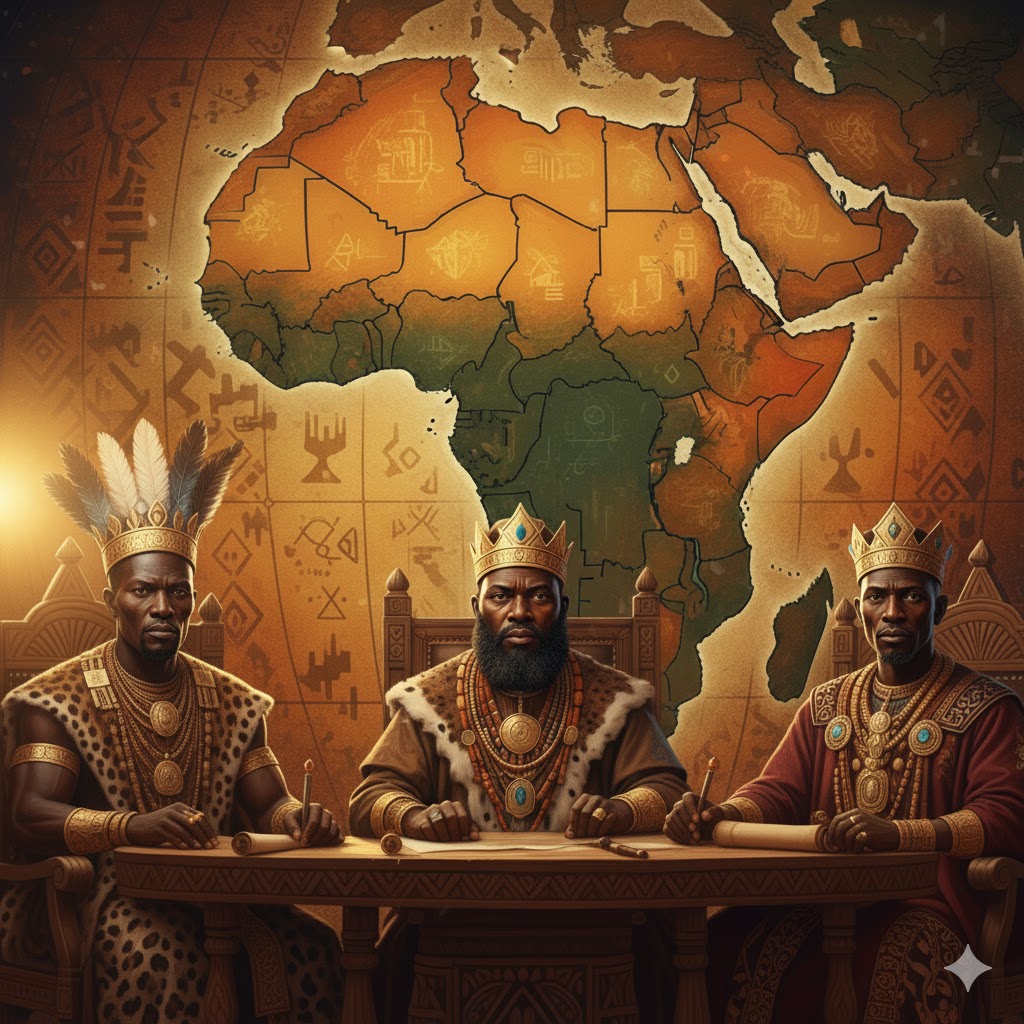
Across the tapestry of African history, the aesthetic and regal expressions of its kings reveal a profound cultural sophistication. Far more than adornment, African royal aesthetics embodied spiritual authority, political power, divine lineage, and communal identity. This legacy—rooted in ancestral dignity, biblical heritage, and sociopolitical strategy—remains etched in the memory of the African diaspora, shaping contemporary visions of beauty, pride, and leadership.
Shaka Zulu, the legendary king of the Zulu Kingdom, is often remembered for military revolution, but his visual presence was equally symbolic. His regalia—leopard skins, feathered headpieces, and the formidable iklwa spear—embodied authority and spiritual connection to ancestral power. In Zulu culture, leopard skin signified rulership and sacred status, marking Shaka as chosen by both lineage and divine purpose.
Shaka’s aesthetic choices were not mere performance. Royal attire served as psychological warfare, instilling fear in enemies and reverence among followers. His bare-chested stature, adorned in animal skins and traditional ornaments, portrayed strength, discipline, and a warrior-king archetype. This image continues to inspire modern African aesthetics rooted in courage, masculinity, and ethnic honor.
While Shaka’s visual legacy radiates martial might, Mansa Musa’s majesty reflects wealth, scholarship, and spiritual devotion. Known as the wealthiest ruler in recorded history, the emperor of Mali broadcast divine prosperity through gold-embroidered robes, luxurious fabrics, and grand caravans laden with gold during his pilgrimage to Mecca. His aesthetic was sanctified opulence—material abundance presented as a testament to divine favor.
Mansa Musa’s attire and gifts symbolized more than personal wealth; they expressed Mali’s intellectual and religious elevation. His support for Islamic scholarship and architectural development, including the famed Sankore University, reveals a king whose regal splendor mirrored cultural enlightenment. To look upon Musa was to witness the glory of a spiritually anchored kingdom infused with educational prestige.
A great king is often measured not only by wealth or war but by their ability to uplift their nation’s beauty and identity. In both Shaka and Mansa Musa’s reigns, attire communicated a message: African sovereignty was majestic, cultured, and God-ordained. Their legacy resists colonial narratives that sought to reduce African kingdoms to primitiveness.
The Menelik lineage—tracing origins to King Solomon and the Queen of Sheba—offers another dimension to African royal aesthetics: biblical legitimacy. Ethiopian emperors, believed to descend from Menelik I, carried themselves with divine authority. Crowns adorned with crosses, ceremonial robes, lion symbolism, and sacred scepters proclaimed their connection to the Lion of Judah.
This lineage grounded royal aesthetics in scripture, blending Hebraic tradition with African identity. Ethiopian kings and queens, from Menelik to Haile Selassie, wore garments that mirrored priesthood and ancient Israelite tradition—silk robes, jeweled crowns, and embroidered crosses. Their appearance declared covenant heritage and sacred kingship.
The Solomonic tradition did not merely borrow from biblical imagery; it asserted Africa’s centrality in salvation history. Through attire, ritual, and royal posture, Ethiopia preserved a visual theology: that God’s chosen lineage flowed through African bloodlines. Such aesthetics challenged Western religious narratives by rooting biblical heritage in the Black experience.
Across African kingdoms, beauty was political. Regalia conveyed legitimacy, commanded unity, and inspired resistance. It affirmed African dignity against centuries of distortion and erasure. The royal aesthetic stood as evidence that African civilization produced rulers equal to, and often surpassing, those of Europe and Asia.
Moreover, African royal aesthetics fused spirituality and statehood. Kings were more than rulers—they were shepherds, protectors, and spiritual intercessors. Whether through animal symbolism, gold ornamentation, or embroidered sacred garments, regalia reminded subjects that rulership was divine stewardship. Visual splendor communicated sacred responsibility.
Today, the aesthetic legacy of African kings influences modern fashion, leadership imagery, and cultural pride. From contemporary artists drawing inspiration from royal attire to global celebrations of African textiles, jewelry, and hairstyles, the regal memory still reigns. It informs movements reclaiming African identity from colonial distortion.
In the diaspora, this legacy also sustains psychological empowerment. Images of African kings counterbalance narratives of enslavement and inferiority. They offer icons of nobility, strength, and divine selection—foundations for renewed cultural confidence. Aesthetic tradition becomes a tool for spiritual and social restoration.
Biblically, kingship and beauty intertwine with divine covenant. The scriptures declare: “I have said, Ye are gods; and all of you are children of the most High” (Psalm 82:6, KJV). African kings embodied this truth, wearing majesty not for vanity but for sacred duty. Their appearance testified to the divine imprint upon Black identity.
Thus, the aesthetic legacies of Shaka Zulu, Mansa Musa, and the Menelik line are not relics—they are living testimonies. They call today’s generation to reclaim dignity, honor, and spiritual royalty. Through wardrobe, posture, and cultural pride, the descendants of these kingdoms continue to rise, embodying a beauty forged in history and blessed by God.
Below the surface of gold, feathers, hides, and crowns lies a fundamental truth: African kings dressed as heirs of divine promise. Their aesthetic legacy remains a spiritual inheritance—an invitation to walk in royal identity, remembering that Black majesty is not a myth but a recorded, sacred reality.
References Boahen, A. A. (2011). African perspectives on colonialism. Diasporic Press. Davidson, B. (1998). A history of West Africa. Longman. Isaac, S. (2020). Ethiopia and the lineage of Solomon: An African biblical heritage. Hebraic Studies Journal, 12(3), 45–62. Knight, I. (2015). Zulu rising: The epic story of iSandlwana and Rorke’s Drift. Macmillan. Levtzion, N., & Hopkins, J. F. P. (Eds.). (2000). Corpus of early Arabic sources for West African history. Markus Wiener. Trimingham, J. S. (2018). Islam in West Africa. Oxford African Texts.
Beauty captivates the human eye and fascinates the imagination. The allure of physical attractiveness, when unchecked, can lead even the most disciplined person into temptation, distraction, and moral compromise. “But I say unto you, That whosoever looketh on a woman to lust after her hath committed adultery with her already in his heart” (Matthew 5:28, KJV). The Scripture warns that lust is not merely an external act but an internal corruption that begins in the mind and heart.
In contemporary society, media and social platforms glorify beauty and glamour, often inflating the power of physical appearance over virtue, wisdom, or character. Men and women alike are influenced by curated images, seductive advertising, and celebrity culture, creating a fertile ground for desire that can lead to spiritual and personal downfall.
A cautionary example from recent news is the scandal involving a prominent businessman who lost his career, family, and public respect due to an affair with a woman widely celebrated for her beauty. The media coverage highlighted how initial admiration turned into obsession, blinding him to consequences and morality. His story echoes the biblical principle that beauty alone can be dangerous when lust overtakes reason.
King Solomon, renowned for his wisdom, also warned of the dangers of unchecked desire. “Go not after her beauty in thine heart, neither let her take thee with her eyelids” (Proverbs 6:25, KJV). Even the wisest are susceptible to temptation when captivated by outward charm. The heart can be ensnared before the mind discerns danger, illustrating the subtlety of the beauty and lust trap.
Physical attraction is not inherently sinful. God created beauty for delight and admiration. “And God saw every thing that he had made, and, behold, it was very good” (Genesis 1:31, KJV). The problem arises when beauty is elevated above righteousness, drawing individuals into covetousness, disobedience, or moral compromise.
Lust often masquerades as love or infatuation. Many confuse desire for meaningful connection, leading to choices that harm themselves and others. “Be not deceived: evil communications corrupt good manners” (1 Corinthians 15:33, KJV). Obsession with beauty can blind one to character, integrity, and spiritual consequences.
The allure of beauty also exploits vanity and pride. A man enthralled by a woman’s appearance may seek affirmation, status, or conquest, prioritizing self-gratification over godly wisdom. “Pride goeth before destruction, and an haughty spirit before a fall” (Proverbs 16:18, KJV). Many personal and public failures stem from this misalignment of desire and discernment.
In relationships, beauty can become a tool for manipulation, whether intentional or not. Seductive charm can sway hearts, particularly when combined with secrecy or isolation. “Flee fornication. Every sin that a man doeth is without the body; but he that committeth fornication sinneth against his own body” (1 Corinthians 6:18, KJV). Discipline and vigilance are necessary to protect the mind, body, and soul.
Society often normalizes indulgence in lustful thought through entertainment, advertising, and peer reinforcement. Music videos, films, and social media portrayals glamorize infidelity, superficiality, and desire, subtly conditioning viewers to equate beauty with entitlement or obsession. Scripture instructs the believer to resist this temptation. “Set your affection on things above, not on things on the earth” (Colossians 3:2, KJV).
Historical examples in Scripture further illustrate this danger. King David’s lust for Bathsheba led to adultery, murder, and familial strife. “And it came to pass in an eveningtide, that David arose from his bed, and walked upon the roof of the king’s house: and from the roof he saw a woman washing herself; and the woman was very beautiful to look upon” (2 Samuel 11:2, KJV). David’s desire, unchecked by self-discipline, caused devastating consequences.
Even Solomon, despite his wisdom, recognized the peril of yielding to lust. “Go not after her beauty in thine heart, neither let her take thee with her eyelids” (Proverbs 6:25, KJV). This warning underscores the enduring nature of the trap: physical beauty, when idealized or lusted after, can dominate judgment.
The psychology of attraction reveals why beauty has such a strong pull. Visual stimuli can trigger hormones, excitement, and emotional fixation, overriding rational thought. The Bible addresses this human tendency, urging discipline and self-control. “He that is slow to anger is better than the mighty; and he that ruleth his spirit than he that taketh a city” (Proverbs 16:32, KJV). Controlling impulses safeguards the soul and relationships.
Lust also erodes spiritual intimacy with God. When attention is focused on human beauty, devotion may be diverted from prayer, Scripture, and righteous action. “Ye adulterers and adulteresses, know ye not that the friendship of the world is enmity with God?” (James 4:4, KJV). Desire for temporal pleasure competes with eternal priorities.
Physical beauty can create dependency or obsession. The news example illustrates how an initial attraction can spiral into irrational decisions, financial loss, and social disgrace. “Keep thy heart with all diligence; for out of it are the issues of life” (Proverbs 4:23, KJV). Guarding one’s heart protects against the destructive consequences of lust.
Faithfulness to God and spouse provides a safeguard against temptation. “Marriage is honourable in all, and the bed undefiled” (Hebrews 13:4, KJV). Committing to purity, both mentally and physically, strengthens moral resolve and spiritual alignment.
Accountability, prayer, and godly counsel are critical in resisting the beauty and lust trap. Confiding in mentors or spiritual leaders provides perspective and reinforcement of values. “Iron sharpeneth iron; so a man sharpeneth the countenance of his friend” (Proverbs 27:17, KJV). Community supports discipline and vigilance.
Fleeing situations that may incite lust is practical and scriptural. “Flee fornication” (1 Corinthians 6:18, KJV) is not merely a command but a protective principle. Avoiding provocative environments, excessive media exposure, and private temptation reduces the risk of moral failure.
Spiritual discernment enhances protection. Recognizing the difference between appreciation of beauty and lustful obsession allows one to honor God while navigating human relationships. “Be ye not unequally yoked together with unbelievers” (2 Corinthians 6:14, KJV) reminds believers to align with righteousness in all engagements.
Scripture emphasizes that beauty without virtue is fleeting. “Favor is deceitful, and beauty is vain: but a woman that feareth the Lord, she shall be praised” (Proverbs 31:30, KJV). Lasting value resides in godliness, character, and faithfulness rather than mere appearance.
Downfalls of Beauty and Lust
Spiritual Corruption
Lust diverts focus from God and righteousness.
“Ye adulterers and adulteresses, know ye not that the friendship of the world is enmity with God?” (James 4:4, KJV).
Loss of Self-Control
Obsessing over beauty can override reason and discipline.
“He that is slow to anger is better than the mighty; and he that ruleth his spirit than he that taketh a city” (Proverbs 16:32, KJV).
Adultery and Infidelity
Lust in the heart often leads to physical sin.
“But I say unto you, That whosoever looketh on a woman to lust after her hath committed adultery with her already in his heart” (Matthew 5:28, KJV).
Destruction of Relationships
Marriage, friendships, and family bonds can be damaged.
“Marriage is honourable in all, and the bed undefiled: but whoremongers and adulterers God will judge” (Hebrews 13:4, KJV).
Obsession and Infatuation
Beauty can create unhealthy fixation, clouding judgment and leading to irrational decisions.
Jealousy and Envy
Comparing oneself or others fuels resentment and discontent.
“Envy thou not the oppressor, and choose none of his ways” (Proverbs 3:31, KJV).
Pride and Vanity
Admiring beauty may inflate ego or lead to narcissism.
“Pride goeth before destruction, and an haughty spirit before a fall” (Proverbs 16:18, KJV).
Scandals and Public Shame
Infatuation with beauty can cause public disgrace or legal issues.
Modern examples: public figures losing careers or reputation due to affairs.
Emotional Turmoil
Lust generates guilt, anxiety, and inner conflict.
“Keep thy heart with all diligence; for out of it are the issues of life” (Proverbs 4:23, KJV).
Material and Financial Loss
Pursuit of beauty-driven desire can result in reckless spending, bribery, or exploitation.
Addiction to Sensory Pleasure
Obsessing over appearance, sexual desire, or validation can become habitual and controlling.
Divine Displeasure
Lust and obsession with beauty offend God and risk judgment.
“Go not after her beauty in thine heart, neither let her take thee with her eyelids” (Proverbs 6:25, KJV).
Short-lived Gratification
Physical beauty fades; lust offers temporary pleasure with long-term consequences.
Manipulation and Exploitation
Beauty can be used to seduce, deceive, or manipulate, leading to moral compromise.
Loss of Purpose
Excessive focus on desire can distract from career, ministry, family, or spiritual growth.
In conclusion, beauty can be both a blessing and a snare. Lust, when unchecked, can derail careers, marriages, and spiritual integrity. The example of the businessman demonstrates the destructive consequences of yielding to physical attraction. By guarding the heart, fleeing temptation, seeking counsel, and prioritizing God, one can navigate admiration for beauty without succumbing to lust. “Keep thy heart with all diligence; for out of it are the issues of life” (Proverbs 4:23, KJV) remains the ultimate counsel for avoiding the trap.
Colorism has long shaped social, economic, and psychological realities within the global Black and Brown diaspora. But today, the battlefield has shifted into a new arena: technology. Algorithmic colorism refers to the ways digital systems — from social media filters to AI beauty ranking tools to facial recognition — reinforce, re-normalize, and amplify historic hierarchies based on skin tone. This phenomenon merges old prejudice with modern power, cloaking racial bias in the seeming objectivity of data and mathematics.
Historically, colorism was expressed through colonial power structures, slavery, caste systems, and Western beauty standards that privileged fair-skinned individuals. Digital technology, instead of dismantling these hierarchies, frequently embeds them deeper. The algorithm becomes the new overseer — sorting, elevating, suppressing, and shaping perceptions of beauty and humanity. What was once plantation logic now exists as platform logic.
Social media platforms reward certain facial types and color tones. Lighter skin often receives more visibility, engagement, and algorithmic boosting, while darker skin tones are frequently filtered out, shadow-suppressed, or made to appear lighter via “beauty” filters. These filters normalize Eurocentric features — slender noses, lighter skin, narrower jawlines — subtly training young users to internalize standards that privilege whiteness and proximity to whiteness.
Facial recognition systems also demonstrate measurable racial bias, particularly against dark-skinned women. MIT researcher Joy Buolamwini famously revealed that some systems misclassified darker-skinned women up to 35% more frequently than lighter-skinned men. In essence, the darker the skin, the less “visible” the person in digital systems. Invisibility becomes digital erasure — an electronic version of saying “you do not exist” or “you do not belong.”
This bias affects how people experience everyday life. From phone cameras that fail to recognize darker faces to auto-tagging tools misidentifying Black individuals as threats, algorithmic colorism has real-world consequences. It shapes hiring software, law enforcement databases, beauty industry AI, and academic proctoring tools that cannot detect the faces of darker-skinned test-takers. Prejudice becomes code.
Beauty, historically shaped by white supremacy and colonial order, is now shaped by machine learning. AI “beauty scoring” systems — often trained on databases of overwhelmingly white faces — routinely rank lighter-skinned individuals higher. In turn, these systems feed back into social media feedback loops, determining who is labeled “beautiful,” who gets platform attention, and who is pushed to the margins.
Colorism intersects with desirability politics. Young users internalize digital reinforcement, believing that lightness equals attractiveness and darker tones equal less value. As a result, algorithmic systems become silent teachers — instructing generations to view beauty through a skewed, Eurocentric lens. Thus, algorithmic colorism does not just reflect bias; it manufactures it.
Even within communities of color, digital platforms multiply existing color hierarchies. “Brown-skinned” and “yellow-bone” filters flood platforms, enabling the synthetic lightening of melanin and the idealization of mixed-race aesthetics. While dark skin remains celebrated in certain empowering artistic and cultural circles, algorithms often work counter to this empowerment, drowning out dark-skinned beauty under the weight of digital preference.
For the entertainment industry, algorithmic bias determines who is cast, whose music goes viral, and whose aesthetic the machine recognizes as marketable. Lighter-skinned artists often benefit from platform amplification. Meanwhile, darker-skinned artists — especially women — battle invisibility, tokenism, and algorithmic suppression. Technology becomes a gatekeeper and taste-maker.
This digital inequity extends to product design. Filters created primarily for lighter skin produce distortions on darker tones. Lighting and photography technologies in devices often privilege lighter subjects. Developers’ unconscious biases surface in pixels and code, shaping cultural preferences without public debate or consent. Invisibility becomes system design.
Algorithmic colorism also reinforces patriarchal beauty hierarchies. Women bear disproportionate burden as beauty-focused systems magnify color bias in dating algorithms, social media ranking, and digital marketplaces for modeling and branding. Dark-skinned women once again endure dual oppression — racism layered with colorism, now automated.
But resistance rises. Scholars, technologists, and activists call for algorithmic transparency, diverse coding teams, and ethical AI design. Movements centering melanin — from #MelaninMagic to #Unbothered — challenge the narrative. Yet resistance alone cannot match corporate scale; regulation, equity engineering, and truthful representation must follow.
The biblical warning in Psalm 82:2–4 resonates: “How long will ye judge unjustly, and accept the persons of the wicked? Defend the poor and fatherless: do justice to the afflicted and needy.” Injustice coded into digital systems becomes modern oppression requiring moral response, not just technological fixes.
True equity demands confronting the myth of algorithmic neutrality. Algorithms inherit human prejudice unless intentionally purified. Diversity in technology leadership is not cosmetic — it is mandatory for fairness. Ethical coding becomes civil rights work. Data justice becomes a spiritual and social mandate.
The next era of discrimination will not always wear white robes or badges. It will live in lines of code, camera lenses, and AI systems deciding who is visible, desirable, and worthy. The battleground is digital; the stakes are human. Society must choose whether technology reflects our worst biases or our highest ideals.
At stake is more than beauty — it is belonging, self-worth, and humanity’s reflection back to itself. Algorithmic colorism reveals a truth: systems are not neutral. They either liberate or oppress. The fight for melanin dignity continues — not only in streets and classrooms, but in servers, datasets, and screens shaping the modern soul.
Artificial intelligence must evolve beyond artificial bias. The future must honor melanin, not erase it. Beauty must expand beyond filters and code. And the digital world must reflect the full spectrum of humanity — in truth, not distortion.
The Digital Plantation
Colorism—the preferential treatment of lighter-skinned individuals within the same racial or ethnic group—has been a pervasive feature of Black history, tracing back to slavery, colonial hierarchies, and social stratification (Hunter, 2007). In contemporary society, this prejudice has evolved into digital forms, embedded within artificial intelligence, social media algorithms, and beauty standards. These manifestations continue to reinforce oppressive narratives that devalue darker-skinned Black individuals while elevating Eurocentric features.
Theologically, colorism mirrors the human tendency toward superficial judgment condemned in Scripture. The King James Version warns against favoritism: “My brethren, have not the faith of our Lord Jesus Christ, the Lord of glory, with respect of persons” (James 2:1, KJV). Similarly, the Apocrypha highlights the spiritual danger of human vanity and superficial valuation: “For the wickedness of man is great upon the earth” (Wisdom of Solomon 14:12, Apocrypha). Understanding the historical roots of colorism allows for meaningful reflection on both spiritual and societal dimensions of human prejudice.
Historical Roots of Colorism
1. Pre-Colonial African Societies
In many pre-colonial African societies, beauty and social status were complexly coded through hair, skin tone, and body adornment rather than strict hierarchies privileging lighter skin. However, as European colonial powers advanced, notions of skin tone became intertwined with proximity to power, wealth, and survival, laying the foundation for systemic colorism (Harris, 2015).
2. Slavery and the Plantation Hierarchy
During the transatlantic slave trade, slaveholders leveraged colorism as a tool of division. Mixed-race children of European slave owners and enslaved African women were often granted preferential treatment, lighter work duties, and social advantages (Hunter, 2007). This stratification fostered internalized oppression and a hierarchy privileging lighter skin that persisted long after emancipation.
3. Post-Emancipation and Media Representation
Colorism intensified in the 20th century through media, film, and advertising, which predominantly celebrated lighter-skinned Black individuals (Russell, Wilson, & Hall, 2016). The rise of Hollywood, beauty pageants, and commercialized ideals codified skin-tone biases that informed social mobility and cultural capital.
The Digital Plantation: AI and Modern Colorism
The metaphor of “The Digital Plantation” captures how contemporary technology—AI algorithms, facial recognition, and social media filters—perpetuates historical biases. AI systems trained on Eurocentric datasets tend to misclassify, underrepresent, or render invisible darker-skinned individuals (Buolamwini & Gebru, 2018). This represents a digital reincarnation of the same hierarchical systems that defined plantations, enforcing standards of beauty, intelligence, and value based on skin tone.
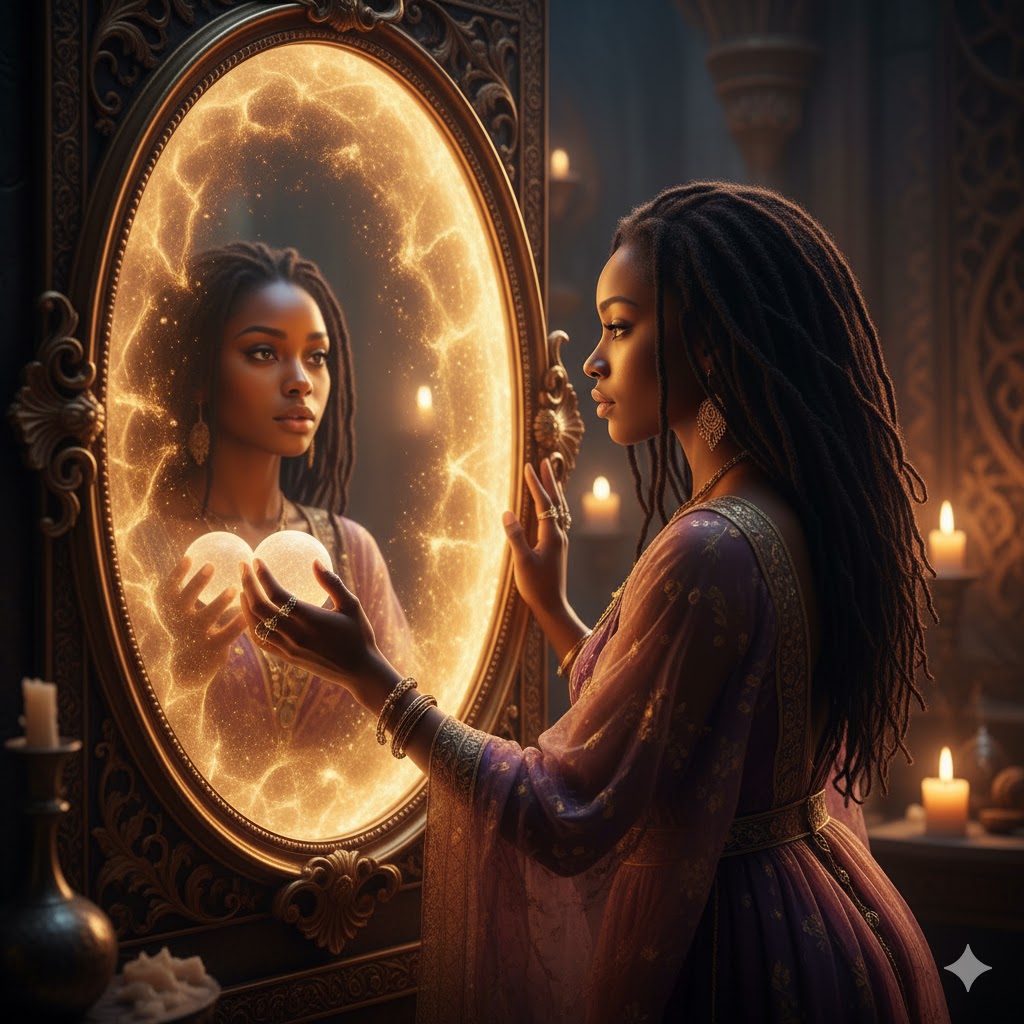
Visual Concept: The Digital Plantation
Foreground: Diverse Black individuals of varying skin tones interacting with smartphones and screens, some celebrated, some obscured by digital shadows.
Background: A plantation-like grid subtly overlaid with algorithmic code, symbolizing surveillance, ranking, and control.
Lighting: Warm golden light highlights lighter-skinned figures while darker-skinned figures sit in subtle shadow, representing algorithmic bias.
Symbolism: Broken chains and floating pixels suggest the potential for liberation from both historical and digital oppression.
Scriptural Reflection
Colorism and AI bias can be seen as modern manifestations of humanity’s spiritual blindness to equality and divine worth. The Scriptures provide moral guidance:
James 2:1 (KJV): Condemns favoritism based on appearance.
Wisdom of Solomon 14:12 (Apocrypha): Warns against the corruption of judgment by superficial values.
Genesis 1:27 (KJV): Affirms that all humans are made in God’s image, irrespective of skin tone.
From a theological perspective, resisting algorithmic colorism is not only a social imperative but a spiritual one, emphasizing justice, discernment, and honoring God’s creation.
Historical Timeline of Colorism → AI
Era
Manifestation
Evidence & Scripture Integration
Pre-1500s
Cultural beauty diversity in Africa
Highlighted by ethnographic studies (Harris, 2015)
“Owe no man any thing, but to love one another” (Rom 13:8, KJV)
1900s
Hollywood, advertisements, colorism in media
Social stratification codified, mirrors James 2:1 warnings
2000s
Social media, digital beauty filters
Algorithmic reinforcement of bias, e.g., Buolamwini & Gebru (2018)
2020s
AI and facial recognition
Modern “Digital Plantation” reflecting historical hierarchies
Conclusion
Colorism, historically rooted in slavery and colonialism, persists today in digital landscapes through biased algorithms and representation systems. Addressing these inequities requires historical understanding, technical interventions in AI, and a theological commitment to justice and equality. Scripture, both canonical and apocryphal, provides a moral framework condemning favoritism and promoting the inherent dignity of every human being. The concept of the Digital Plantation visualizes these ongoing struggles, connecting past and present while advocating for liberation in both spiritual and technological realms.
References
Buolamwini, J., & Gebru, T. (2018). Gender shades: Intersectional accuracy disparities in commercial gender classification. Proceedings of Machine Learning Research, 81, 1–15.
Harris, A. P. (2015). Skin tone stratification and social inequality: Historical and contemporary perspectives. Oxford University Press.
Hunter, M. (2007). The persistent problem of colorism: Skin tone, status, and inequality. Sociology Compass, 1(1), 237–254.
Russell, K., Wilson, M., & Hall, R. (2016). The color complex: The politics of skin color in a new millennium. Anchor Books.
This photograph is the property of its respective owner. No copyright infringement intended.
The true beauty of a man is not found in the symmetry of his face, the cut of his jawline, the strength of his biceps, or the smoothness of his skin. While society may magnify physical attraction, Scripture and wisdom teach us that a man’s deepest beauty rests in his character, integrity, and the condition of his heart. What shines the most is not what can be seen in the mirror, but what is revealed through how he lives, speaks, leads, and loves.
Sisters, we live in a culture where masculinity is often reduced to appearance and bravado—or the ability to attract attention, wealth, or admiration. Yet outward beauty is fleeting and shallow when not supported by righteousness. True beauty is internal; it is spiritual; it is rooted in godly discipline and a submitted heart (1 Samuel 16:7, KJV).
A beautiful man is one who walks in humility, not arrogance. He does not need to boast of his accomplishments nor flex his strength to feel valued. Instead, he leans on the Most High, understanding that real power comes from wisdom, not ego (Proverbs 22:4, KJV). His humility allows him to serve, not demand; to uplift, not dominate.
Beauty in a man is found in his faithfulness—both to the Most High and to the people entrusted to him. His loyalty is not situational, nor does he waver when convenience calls. Faithfulness is a fruit of the Spirit and a mark of genuine righteousness (Galatians 5:22-23, KJV).
The beauty of a man is revealed in his self-control. A man who can rule his spirit is more powerful than one who conquers a city (Proverbs 16:32, KJV). His temper is governed, his mouth is disciplined, and his impulses are mastered. He knows how to pause before reacting; peace is his pursuit.
A beautiful man protects, not from a place of pride, but from a posture of love. He defends without aggression and shelters without suffocating. He understands that leadership is not tyranny, but stewardship; not privilege, but accountability (Ephesians 5:25, KJV).
A truly beautiful man carries wisdom. His decisions are not reckless or emotionally driven; they are thoughtful, prayerful, and guided by discernment. His counsel brings clarity, peace, and direction. Wisdom is his adornment, and it causes him to stand apart (Proverbs 4:5-8, KJV).
A beautiful man builds, not destroys. His words edify; his actions strengthen. He encourages growth in those around him and seeks to uplift others, knowing that insecurity tears down while confidence builds up (1 Thessalonians 5:11, KJV).
A man’s beauty is seen in his work ethic. He does not pursue laziness or shortcuts; he pursues excellence. Whether in his career, ministry, or family responsibilities, he commits himself wholeheartedly, honoring the Most High through his diligence (Colossians 3:23, KJV).
A beautiful man takes accountability. He does not shift blame or justify wrongdoing. Instead, he owns his mistakes, repents, and grows. Accountability is maturity, and maturity is attractive to the spirit and soul (Proverbs 28:13, KJV).
Compassion is a mark of a truly beautiful man. His heart is tender toward the suffering, the weak, and the overlooked. He does not harden himself to protect his ego; he remains gentle in strength, showing mercy and grace (Colossians 3:12, KJV).
A beautiful man is emotionally stable. He is not tossed by mood swings or consumed by prideful silence. Instead, he understands his emotions, processes them with wisdom, and communicates with patience and clarity (James 1:19, KJV).
Honesty clothes a beautiful man like fine linen. His words are true, and his intentions are pure. He does not deceive to gain advantage nor manipulate to preserve image. Truth is his foundation (Proverbs 12:22, KJV).
A beautiful man honors women—not for their beauty alone but for their spirit, purpose, and divine worth. He respects boundaries, protects purity, and recognizes that a woman is a precious daughter of the Most High (1 Peter 3:7, KJV).
His beauty is evident in his leadership. He leads with vision and purpose, not domination. He guides with love and example, not intimidation or fear (Joshua 1:9, KJV). Leadership to him means sacrifice, courage, and service.
A beautiful man knows how to love. His love is patient, gentle, and sacrificial. He mirrors Christ’s love—long-suffering, pure, and enduring (1 Corinthians 13:4-7, KJV). His love is not lust-driven or emotionally conditional; it is anchored in truth.
Prayer and relationship with God beautify a man beyond physical measure. A man who seeks the face of the Most High, who bows his head in humility and lifts his heart in worship, radiates a glory that surpasses physical attraction (Psalm 1:1-3, KJV).
The beauty of a man is shown in his purpose. He lives intentionally, understands his calling, and walks in divine direction. He is not swayed by trends or applause; his assignment is sacred, and he honors it (Proverbs 19:21, KJV).
A beautiful man is consistent. His loyalty does not shift with emotion or convenience. He remains steady—spiritually, emotionally, and morally. This steadiness provides safety and peace.
Finally, a beautiful man fears God. This holy reverence guides his decisions, shapes his values, and forms his identity (Proverbs 9:10, KJV). His fear of God is not bondage—it is wisdom, protection, and purity.
Dear sisters, the world may praise handsome faces, sculpted bodies, and charm, but heaven values purity, humility, discipline, and righteousness. When seeking connection, partnership, or admiration, do not settle for the superficial. Seek the beauty that lasts, that blesses, that leads to peace and purpose—a man whose heart is shaped by the Most High.
References
Holy Bible, King James Version. Colossians 3:12; Colossians 3:23; Ephesians 5:25; Galatians 5:22-23; James 1:19; Joshua 1:9; 1 Peter 3:7; 1 Samuel 16:7; 1 Thessalonians 5:11; Proverbs 4:5-8; Proverbs 9:10; Proverbs 12:22; Proverbs 16:32; Proverbs 19:21; Proverbs 22:4; Proverbs 28:13; Psalm 1:1-3; 1 Corinthians 13:4-7.
Where faith, history, and truth illuminate the Black experience.







 THE BROWN GIRL DILEMMA