Tag Archives: beauty hierarchies

Beauty Capital and Social Stratification

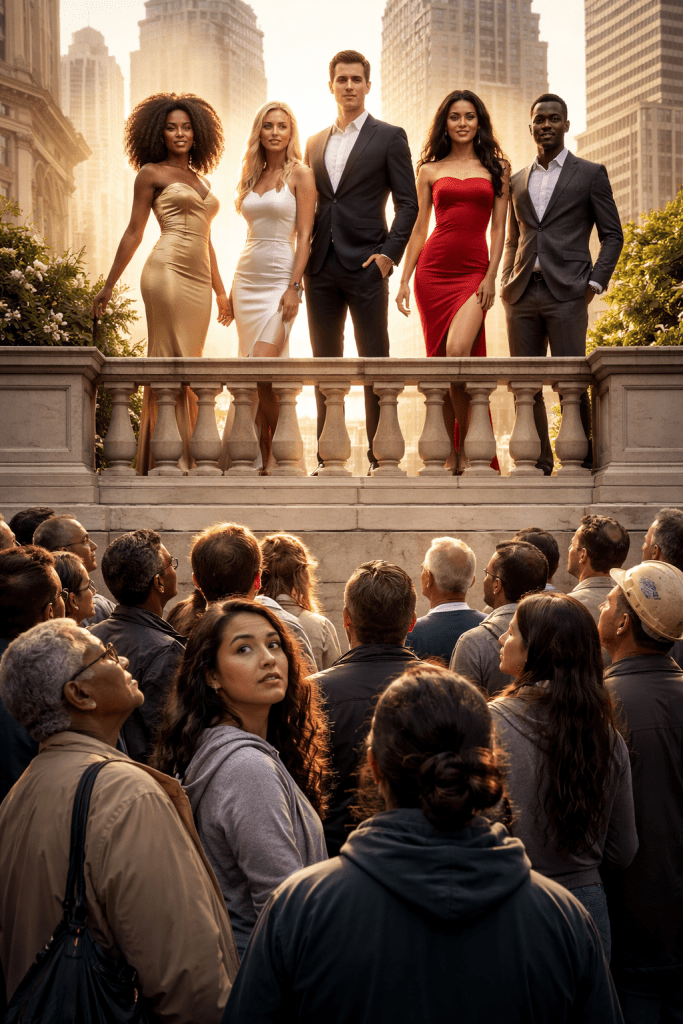
Beauty capital refers to the social, economic, and cultural advantages accrued through physical attractiveness and aesthetic presentation. In contemporary societies, appearance operates as a form of symbolic currency, shaping access to opportunities, resources, and social mobility. Much like economic capital or educational capital, beauty capital can be accumulated, invested in, and exchanged for tangible rewards such as employment, romantic partnerships, and social recognition.

The concept of beauty capital is rooted in Pierre Bourdieu’s broader theory of capital, particularly cultural and symbolic capital. Bourdieu argued that individuals possess varying forms of capital that structure social hierarchies and reproduce inequality. Beauty capital functions similarly by conferring legitimacy, desirability, and perceived competence upon those who embody dominant aesthetic norms.

Social stratification emerges when beauty becomes unevenly distributed and socially rewarded. Individuals deemed attractive by prevailing standards are more likely to receive positive evaluations, higher wages, and greater social trust. Conversely, those who fall outside these standards often face discrimination, marginalization, and reduced life chances, reinforcing existing class, racial, and gender hierarchies.

Empirical research consistently demonstrates the “beauty premium” in labor markets. Attractive individuals are more likely to be hired, promoted, and earn higher salaries than their less attractive counterparts, even when controlling for education and experience. This phenomenon highlights how beauty operates as an invisible credential that shapes professional success.

Gender plays a critical role in the accumulation and valuation of beauty capital. Women, in particular, experience intense social pressure to conform to aesthetic ideals, often investing significant time and financial resources into appearance. This labor is frequently unpaid and normalized, yet it directly influences women’s access to social power and economic security.

Race further complicates the distribution of beauty capital. Eurocentric beauty standards—such as light skin, straight hair, and narrow facial features—privilege whiteness and marginalize non-white bodies. Black, Indigenous, and other racialized groups are systematically excluded from dominant aesthetic hierarchies, resulting in racialized forms of beauty stratification.

Colorism functions as a specific mechanism within racial stratification, privileging lighter skin tones over darker ones within the same racial group. Studies show that lighter-skinned individuals often experience higher incomes, better educational outcomes, and greater media representation. Beauty capital thus becomes a vehicle through which internalized racial hierarchies are reproduced.

Media institutions play a central role in constructing and maintaining beauty norms. Advertising, film, fashion, and social media continuously circulate narrow representations of attractiveness, shaping collective perceptions of value and desirability. These images do not merely reflect reality; they actively produce social expectations and exclusions.

The rise of digital culture has intensified the commodification of beauty. Social media platforms reward aesthetic performance through likes, followers, and sponsorships, transforming beauty into measurable economic capital. Influencer culture exemplifies how attractiveness can be directly monetized, blurring the boundaries between personal identity and market value.

Cosmetic industries thrive within this system, profiting from social insecurity and aspirational aesthetics. Beauty products, cosmetic surgery, and wellness regimes promise social mobility through bodily transformation. However, access to these resources is class-based, reinforcing the idea that beauty itself is stratified by wealth.

Beauty capital also intersects with sexuality and romantic markets. Attractive individuals are often perceived as more desirable partners and experience greater choice in intimate relationships. This dynamic influences marriage patterns, dating economies, and even psychological well-being, as attractiveness becomes tied to self-worth and relational power.

Psychological research demonstrates that attractive individuals benefit from the “halo effect,” wherein physical beauty is unconsciously associated with intelligence, kindness, and moral virtue. This cognitive bias results in systematic advantages across social interactions, from classroom settings to courtroom decisions.

In educational contexts, beauty capital shapes teacher expectations and peer relationships. Attractive students are more likely to receive positive attention, higher evaluations, and leadership opportunities. These micro-level interactions accumulate over time, producing long-term differences in confidence, achievement, and social integration.

The body thus becomes a site of social investment, discipline, and control. Michel Foucault’s notion of biopower helps explain how bodies are regulated through cultural norms, surveillance, and self-policing. Beauty standards function as disciplinary mechanisms that encourage individuals to internalize external expectations.

From a feminist perspective, beauty capital represents both constraint and resource. While women can leverage beauty for social mobility, they remain trapped within systems that objectify and commodify their bodies. Beauty becomes a double-edged sword: empowering in certain contexts, yet structurally exploitative.

Intersectional theory reveals that beauty capital cannot be analyzed in isolation from race, class, gender, and disability. For example, disabled bodies are often excluded from aesthetic economies altogether, rendering them socially invisible. Beauty norms thus reinforce ableism alongside other forms of inequality.

In religious and philosophical traditions, beauty has often been associated with moral virtue or divine order. However, modern consumer culture reframes beauty as marketable property rather than spiritual essence. This shift transforms aesthetics into a tool of capitalism rather than transcendence.

Historically, beauty ideals have shifted alongside political and economic systems. What is considered attractive in one era often reflects the dominant class structure of that time. Thinness, for instance, once symbolized poverty but now signifies discipline and elite self-control.

Resistance movements challenge dominant beauty norms by celebrating marginalized bodies and redefining aesthetic value. The natural hair movement, body positivity campaigns, and Afrocentric fashion all represent efforts to reclaim beauty as a site of cultural affirmation rather than oppression.

Ultimately, beauty capital operates as a powerful yet under-theorized mechanism of social stratification. By rewarding certain bodies and devaluing others, societies reproduce inequality through aesthetic hierarchies. Understanding beauty as capital reveals how deeply embedded appearance is within systems of power, identity, and social mobility.


References

Anderson, T. L., Grunert, C., Katz, A., & Lovascio, S. (2010). Aesthetic capital: A research review on beauty perks and penalties. Sociology Compass, 4(8), 564–575. https://doi.org/10.1111/j.1751-9020.2010.00312.x

Bourdieu, P. (1984). Distinction: A social critique of the judgement of taste. Harvard University Press.

Crenshaw, K. (1989). Demarginalizing the intersection of race and sex. University of Chicago Legal Forum, 1989(1), 139–167.

Eagly, A. H., Ashmore, R. D., Makhijani, M. G., & Longo, L. C. (1991). What is beautiful is good, but… A meta-analytic review of research on the physical attractiveness stereotype. Psychological Bulletin, 110(1), 109–128. https://doi.org/10.1037/0033-2909.110.1.109

Foucault, M. (1977). Discipline and punish: The birth of the prison. Pantheon Books.

Hamermesh, D. S. (2011). Beauty pays: Why attractive people are more successful. Princeton University Press.

Hunter, M. (2007). The persistent problem of colorism. Sociology Compass, 1(1), 237–254. https://doi.org/10.1111/j.1751-9020.2007.00006.x

Mulvey, L. (1975). Visual pleasure and narrative cinema. Screen, 16(3), 6–18. https://doi.org/10.1093/screen/16.3.6

Negrón-Muntaner, F. (2014). The beauty of the real: What Hollywood can learn from contemporary Latin American cinema. Rutgers University Press.

Wolf, N. (1991). The beauty myth: How images of beauty are used against women. HarperCollins.
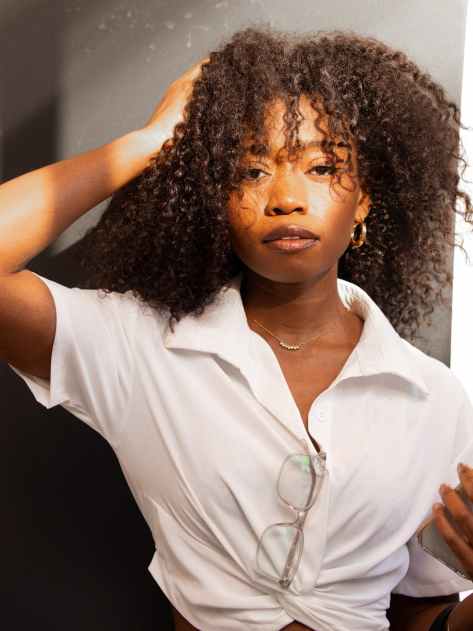
The Politics of Pretty: Brown Girls and Beauty Hierarchies. #thebrowngirldilemma

Photo by Sherman Trotz on Pexels.com

Beauty has never existed in a vacuum; it is deeply political, intertwined with power, culture, and societal hierarchy. For Brown girls, the politics of pretty are particularly complex, as beauty standards are often constructed to privilege lighter skin, Eurocentric features, and Western ideals. These hierarchies shape not only social perception but also opportunities, self-esteem, and cultural identity, producing both overt and subtle forms of discrimination (Hunter, 2007).

Historical legacies of colonialism and slavery play a central role in these hierarchies. Lighter-skinned individuals were historically afforded social, economic, and educational advantages, while darker-skinned people were marginalized. These structures created lasting beauty hierarchies in which skin tone, facial features, and hair texture became markers of status and desirability. Brown girls inherit these dynamics, navigating social spaces that often value proximity to whiteness over authentic cultural identity (Byrd & Tharps, 2014).

The media reinforces these hierarchies by promoting narrow definitions of beauty. Television, film, fashion, and social media often highlight lighter-skinned women as aspirational figures while darker-skinned women remain underrepresented or stereotyped. Celebrities like Yara Shahidi, Salli Richardson, and Mari Morrow illustrate the visibility and privilege associated with lighter skin, whereas Lupita Nyong’o, Kenya Moore, and Issa Rae challenge conventional beauty hierarchies by embracing melanin-rich skin, natural hair, and culturally distinct features (Fardouly et al., 2015).

Psychologically, these hierarchies impact self-perception and identity. Social comparison theory demonstrates that individuals evaluate themselves against societal standards, often internalizing bias. For Brown girls, repeated exposure to hierarchical standards of beauty can produce low self-esteem, body dissatisfaction, and feelings of exclusion. However, mentorship, representation, and culturally affirming environments can counteract these pressures, fostering resilience, confidence, and pride in one’s natural features (Festinger, 1954).

Economic implications of beauty hierarchies are equally significant. Lighter-skinned women often experience advantages in employment, income, and social mobility, demonstrating that beauty standards are not purely aesthetic but are tied to systemic privilege and opportunity. This inequity underscores how societal valuation based on appearance intersects with broader structures of power and access, perpetuating disadvantage for darker-skinned individuals (Hunter, 2007).

Cultural affirmation and advocacy provide pathways for resistance. Celebrating African and diasporic heritage, highlighting achievements of dark-skinned women, and promoting inclusive representation in media and education empower Brown girls to challenge hierarchical standards. Initiatives like #BlackGirlMagic, #MelaninPoppin, and #UnapologeticallyBrown amplify voices historically marginalized, affirming that beauty is multidimensional and not dictated by proximity to Eurocentric ideals (Banks, 2015).

Spiritual grounding complements cultural and social strategies. Proverbs 31:30 (KJV) declares, “Favour is deceitful, and beauty is vain: but a woman that feareth the LORD, she shall be praised.” Faith provides an enduring lens through which Brown girls can measure worth by character, integrity, and divine purpose rather than societal approval. Spiritual perspective reinforces resilience and affirms that authentic beauty emerges from self-awareness, virtue, and confidence.

In conclusion, the politics of pretty create hierarchical structures that privilege lighter skin and Eurocentric features, influencing perception, opportunity, and self-worth for Brown girls. Yet through cultural affirmation, representation, mentorship, and spiritual grounding, these hierarchies can be challenged. By redefining beauty on their own terms, Brown girls assert agency, embrace authentic features, and inspire a new paradigm in which melanin-rich beauty is celebrated, affirmed, and empowered.


References

Banks, J. A. (2015). Cultural diversity and education: Foundations, curriculum, and teaching. Routledge.

Byrd, A. D., & Tharps, L. L. (2014). Hair Story: Untangling the Roots of Black Hair in America. St. Martin’s Press.

Fardouly, J., Diedrichs, P. C., Vartanian, L. R., & Halliwell, E. (2015). Social comparisons on social media: The impact of Facebook on young women’s body image concerns and mood. Body Image, 13, 38–45.

Festinger, L. (1954). A theory of social comparison processes. Human Relations, 7(2), 117–140.

Hunter, M. (2007). The persistent problem of colorism: Skin tone, status, and inequality. Sociology Compass, 1(1), 237–254.

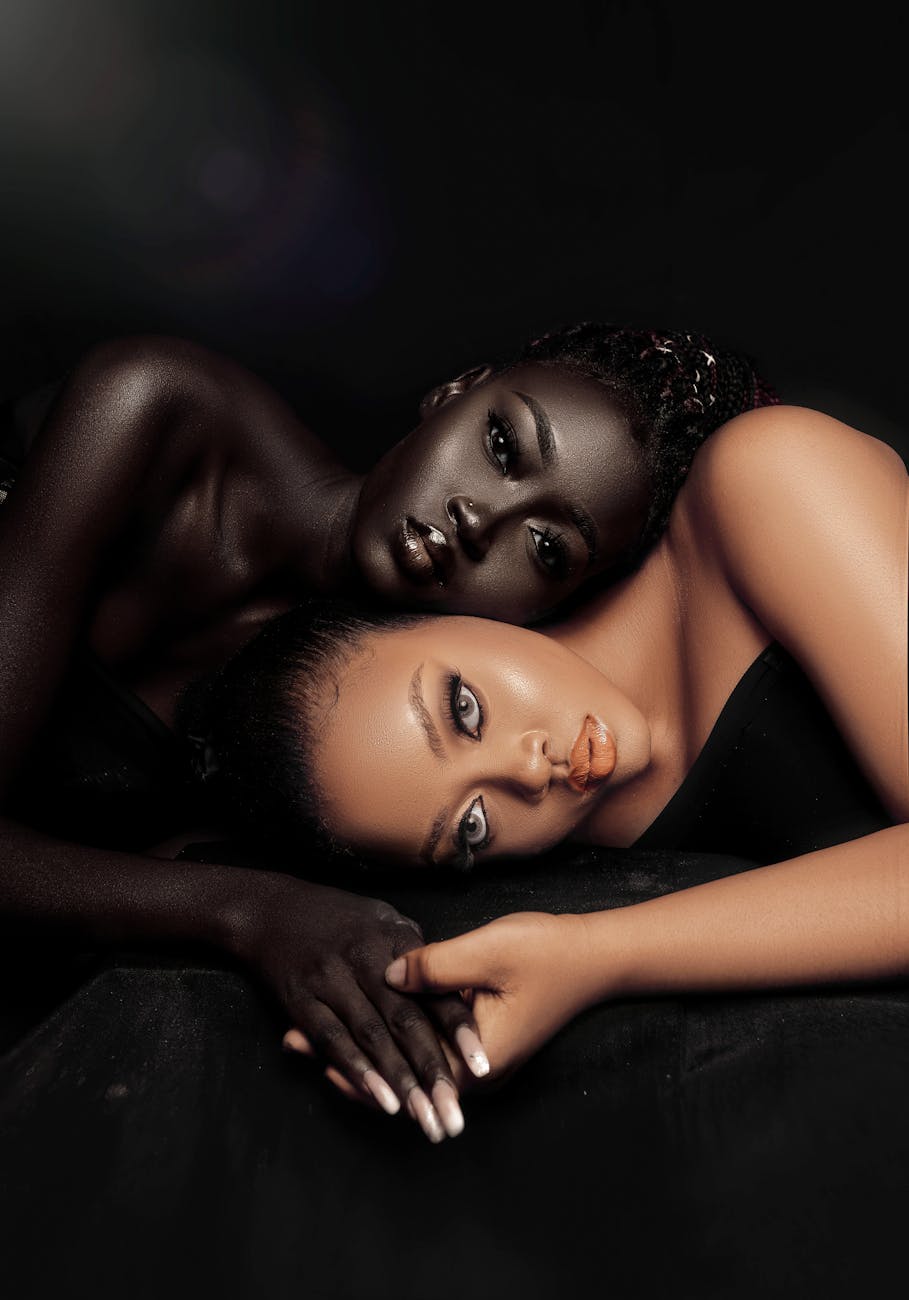
✨ The Dark Side of Pretty: Colorism, Eurocentrism, and Beauty Hierarchies ✨

Photo by kings ent shot on Pexels.com

Beauty, often seen as a source of admiration and power, has a dark side when filtered through systems of racial hierarchy. For Black women in particular, beauty is not just about personal appearance but about social acceptance, economic opportunity, and psychological well-being. Within this context, colorism—preferential treatment based on skin tone—and Eurocentrism—the elevation of European features as the standard of attractiveness—create a rigid beauty hierarchy that disadvantages those with darker complexions. This dynamic reflects centuries of colonialism and slavery, where proximity to whiteness became a marker of value (Hunter, 2007).

Colorism emerged as a direct byproduct of slavery and colonial rule. During enslavement, lighter-skinned Black people, often the mixed-race children of enslaved women and white masters, were sometimes given preferential treatment, lighter work, or even opportunities for education. This fostered a social divide that persists today, manifesting in stereotypes that depict lighter skin as more refined or desirable while darker skin is associated with inferiority (Glenn, 2008). This artificial hierarchy continues to influence perceptions of beauty, love, and even employment opportunities in contemporary society.

Eurocentrism deepens the wound by setting white or European features—straight hair, thin noses, light eyes, and pale skin—as the “universal” ideal. Media, advertising, and Hollywood have historically reinforced these ideals, casting white women as leading symbols of femininity and beauty while relegating Black women to marginal or exotic roles. The outcome is a systematic erasure of African aesthetics and a psychological pressure for Black women to conform through skin-lightening, hair-straightening, or even surgical alteration (Russell, Wilson, & Hall, 2013).

The consequences of this hierarchy are profound. Studies show that darker-skinned Black women are more likely to face hiring discrimination, receive harsher prison sentences, and are less likely to be married than lighter-skinned Black women (Maddox & Gray, 2002). These outcomes demonstrate that beauty bias is not superficial but deeply intertwined with structural racism and sexism. In this sense, beauty becomes political—a mechanism through which inequality is reproduced.

Psychologically, colorism and Eurocentrism damage self-esteem, body image, and mental health. Internalized racism leads many Black women to devalue their natural features, creating a cycle of insecurity and shame. The “hierarchy of pretty” conditions individuals to associate lighter skin with worthiness and darker skin with deficiency, echoing the “doll tests” of the 1940s, in which Black children often chose white dolls as “pretty” and “good” while rejecting dolls that looked like themselves (Clark & Clark, 1947). This internalized bias demonstrates how deeply beauty hierarchies infiltrate self-perception.

Resistance, however, is emerging through movements like #BlackGirlMagic, the natural hair movement, and broader global calls for inclusivity in fashion and media. By celebrating diverse representations of Blackness—dark skin, natural hair, African facial features—these movements seek to dismantle Eurocentric beauty norms. Social media has amplified these efforts, giving Black women a platform to assert their own narratives and aesthetics, counteracting centuries of erasure.

Biblically, worth is not found in skin tone or physical beauty but in the character and spirit of an individual. Scripture reminds us that “man looketh on the outward appearance, but the Lord looketh on the heart” (1 Samuel 16:7, KJV). This teaching directly challenges the superficial hierarchies of society, encouraging a return to valuing substance over appearance. When understood in this light, overcoming colorism requires both spiritual reorientation and social change—rejecting man-made hierarchies for divine truth.

Ultimately, the dark side of “pretty” exposes how beauty standards are neither innocent nor universal but constructed tools of power. Colorism and Eurocentrism have entrenched damaging hierarchies that oppress Black women, especially those with darker skin. The way forward lies in cultural resistance, psychological healing, and a biblical reclaiming of worth beyond appearances. True beauty, when stripped of colonial and racial distortions, is diverse, multifaceted, and rooted in the dignity of every human being created in the image of God.


📚 References

  • Clark, K. B., & Clark, M. P. (1947). Racial identification and preference in Negro children. Readings in Social Psychology.
  • Glenn, E. N. (2008). Yearning for lightness: Transnational circuits in the marketing and consumption of skin lighteners. Gender & Society, 22(3), 281–302.
  • Hunter, M. (2007). The persistent problem of colorism: Skin tone, status, and inequality. Sociology Compass, 1(1), 237–254.
  • Maddox, K. B., & Gray, S. A. (2002). Cognitive representations of Black Americans: Reexploring the role of skin tone. Personality and Social Psychology Bulletin, 28(2), 250–259.
  • Russell, K., Wilson, M., & Hall, R. (2013). The color complex: The politics of skin color among African Americans. Anchor Books.

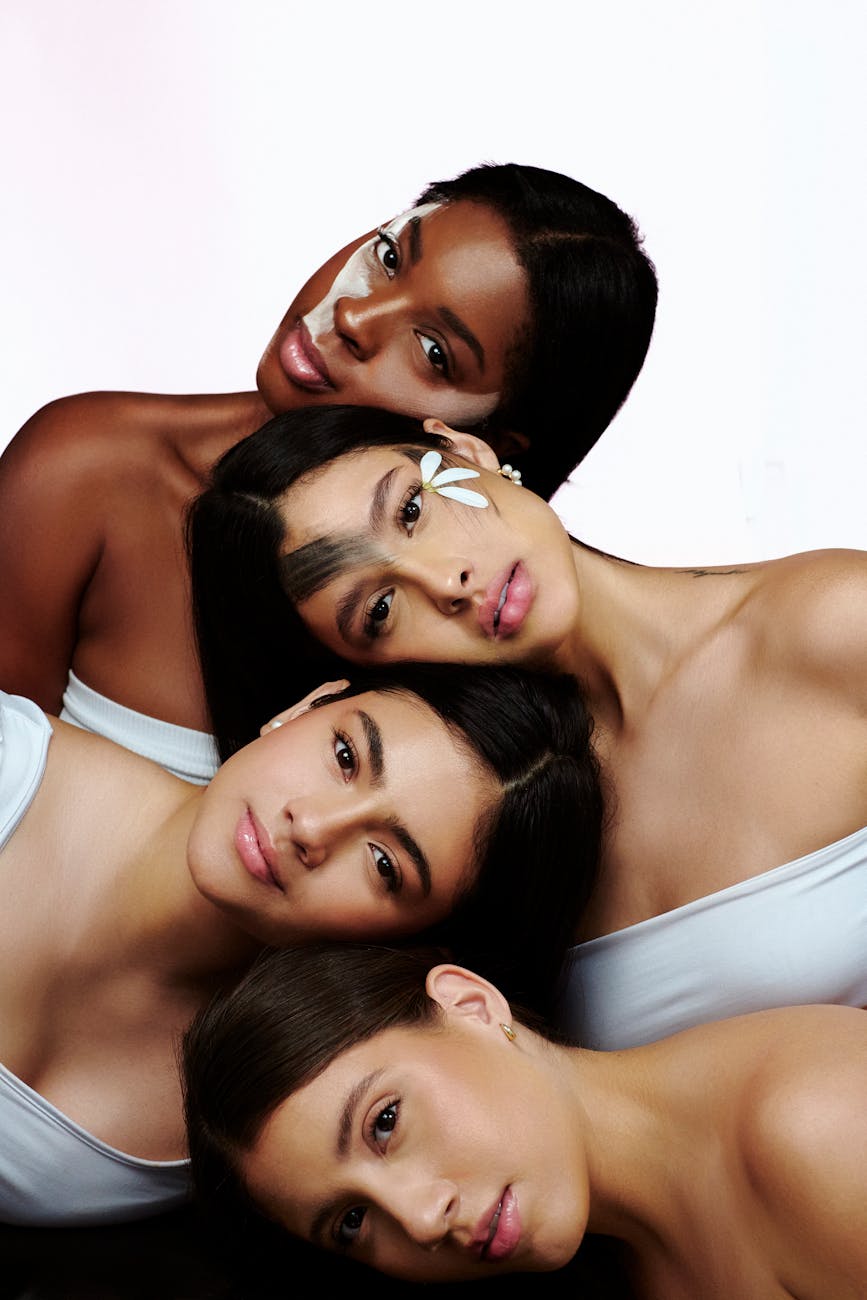
Colorism and Beauty Hierarchies: Skin Tone as a Social Currency.

Photo by Jonatan Galvis on Pexels.com

Colorism—the preferential treatment of lighter-skinned individuals over those with darker complexions—represents one of the most enduring legacies of colonialism, slavery, and global white supremacy. Unlike racism, which is discrimination across races, colorism functions within racial and ethnic groups, ranking people based on proximity to whiteness. Beauty becomes the battleground where skin tone acts as a form of social currency, shaping opportunities, desirability, and identity. The title Colorism and Beauty Hierarchies: Skin Tone as a Social Currency underscores how complexion functions not merely as aesthetic variation but as a deeply entrenched system of value that structures societies worldwide.

Understanding “Beauty Hierarchies”

A hierarchy implies an order—some features are placed above others, with privilege and prestige awarded to those who align most closely with the dominant ideal. Within communities of African, Latin American, Asian, and South Asian descent, this hierarchy is evident in the differential treatment of light- and dark-skinned individuals. These beauty hierarchies operate silently yet powerfully, dictating access to media representation, romantic desirability, economic mobility, and even political leadership.

The Social Currency of Skin Tone

The concept of “social currency” refers to intangible assets—respect, desirability, access, and visibility—that an individual gains through certain traits. In societies shaped by colonialism, light skin is often equated with refinement, education, and beauty, while darker skin is stigmatized as less desirable, less intelligent, or even “dangerous” (Hunter, 2007). Thus, complexion is not neutral—it functions as a form of symbolic capital that either opens or restricts doors.

Hierarchies of Skin Tone

Light Skin Privilege

  • Media Representation: Light-skinned women are often cast as the romantic lead or beauty ideal, while dark-skinned women are portrayed as side characters or villains.
  • Perceived Femininity: Light skin is associated with “delicacy” and “purity,” especially in patriarchal cultures.
  • Marriage Prospects: Studies show lighter-skinned women are often considered more “marriageable” due to cultural perceptions linking them to higher social status.
  • Economic Advantage: Lighter-skinned individuals within the same racial group statistically earn more than their darker counterparts (Keith & Herring, 1991).
  • Global Beauty Market: Billions are spent on skin-lightening creams in Africa, Asia, and the Caribbean, reflecting how light skin is commodified as a marker of beauty and advancement.

Medium/Brown Skin

  • Conditional Acceptance: Medium-toned individuals may experience partial privilege depending on cultural context. In some communities, they are “acceptable” if their features lean toward Eurocentric ideals (narrow noses, straighter hair).
  • In-Between Status: They may face pressure to either “pass” as lighter through cosmetic means or defend their proximity to darker identities.
  • Representation: Often celebrated as “exotic” or “ambiguous” in media, commodified for their perceived versatility.

Dark Skin Marginalization

  • Stereotyping: Dark-skinned women are often cast as aggressive, hypersexual, or undesirable in media and social narratives (Wilder, 2015).
  • Romantic Disadvantage: Dark-skinned women report lower rates of being approached for serious relationships, often fetishized rather than appreciated for their full humanity.
  • Economic Exclusion: Darker-skinned individuals face higher unemployment rates and lower wages, even when qualifications are equal.
  • Policing and Violence: Dark-skinned individuals are disproportionately criminalized, reflecting the dangerous intersection of colorism and systemic racism.
  • Psychological Toll: Internalized colorism leads to lower self-esteem, increased anxiety, and generational trauma.

Explaining the Title: “Skin Tone as a Social Currency”

The phrase skin tone as a social currency captures how complexion functions much like wealth—it can be traded, leveraged, and inherited, but it also reflects unequal distribution. Light skin operates as a form of privilege that generates unearned benefits, while dark skin becomes a social “debt” that individuals must constantly negotiate. Unlike financial capital, however, this currency is inscribed onto the body—it cannot be easily discarded or changed. Thus, navigating society means contending with how much “value” one’s skin tone holds within a given cultural and historical context.

Global Contexts of Colorism

  • Africa & the Caribbean: Legacies of colonialism foster the association of lighter skin with elite status. Skin-lightening remains a booming industry.
  • South Asia: Bollywood and matrimonial ads explicitly valorize “fair brides,” perpetuating caste and complexion bias.
  • East Asia: In countries like China and Korea, pale skin is linked with class (indoor labor vs. outdoor labor).
  • United States: Within Black communities, the “paper bag test” historically excluded darker-skinned individuals from certain schools, jobs, and organizations.

Resistance and Reclamation

Movements such as #MelaninMagic, #BlackGirlMagic, and campaigns like “Dark Is Beautiful” in India have sought to dismantle these hierarchies by affirming the beauty of darker skin tones. Increasing representation of dark-skinned women in media—from Lupita Nyong’o to Viola Davis—signals a cultural shift, though systemic hierarchies remain.

Conclusion

Colorism and Beauty Hierarchies: Skin Tone as a Social Currency speaks to the way complexion is not just surface-level—it is a passport or barrier, a burden or advantage, depending on where one falls in the hierarchy. To dismantle these structures, societies must not only broaden beauty standards but also confront the historical systems that created skin tone hierarchies in the first place. Until then, beauty will continue to function as social currency, unequally distributed along the color line.


References

  • Hunter, M. (2007). The persistent problem of colorism: Skin tone, status, and inequality. Sociology Compass, 1(1), 237–254.
  • Keith, V. M., & Herring, C. (1991). Skin tone and stratification in the Black community. American Journal of Sociology, 97(3), 760–778.
  • Wilder, J. (2015). Color stories: Black women and colorism in the 21st century. Praeger.