
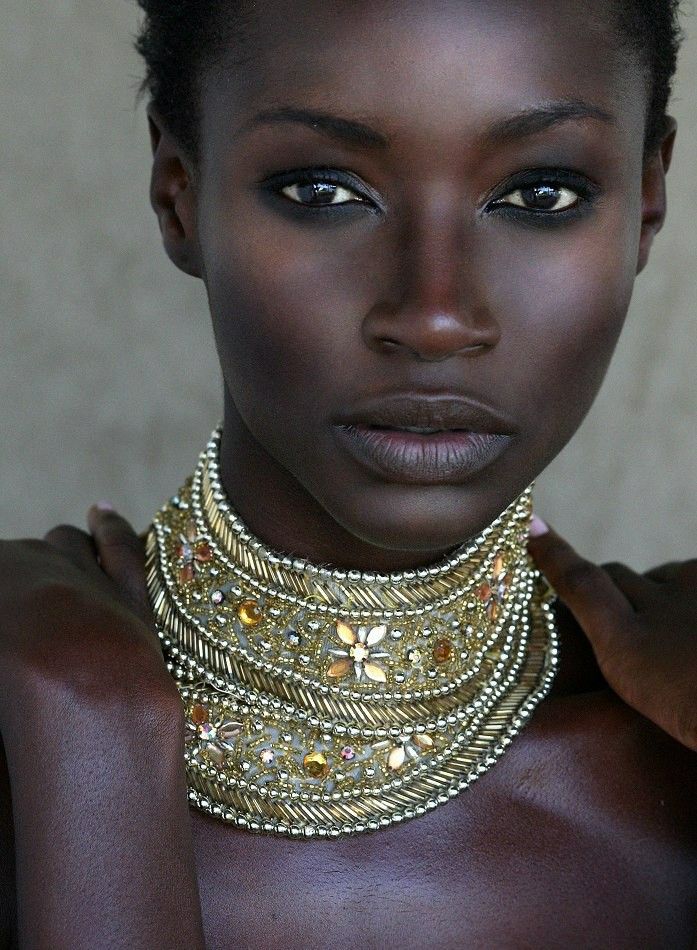
The concept of “brownness” as beauty transcends mere pigmentation; it reflects a complex interplay of history, biology, culture, and aesthetic perception. Brown skin, whether light caramel, golden bronze, deep chestnut, or rich ebony, embodies a spectrum of human variation that has been historically undervalued yet remains one of the most genetically adaptive and visually striking expressions of humanity. In contemporary discourse, browness is increasingly recognized not as a deviation from a Eurocentric standard but as a distinct and ethereal form of beauty rooted in both science and lived experience.

Outer beauty, though often dismissed as superficial, plays a powerful role in social identity and self-concept. Physical appearance shapes how individuals are perceived and how they navigate social spaces, including employment, romance, and media representation. For brown women and men, beauty has historically been filtered through systems of colorism and racial hierarchy, yet despite these barriers, brownness continues to produce some of the most globally celebrated faces, bodies, and aesthetic ideals.
From a genetic standpoint, brown skin is the result of higher concentrations of melanin, a natural pigment produced by melanocytes. Melanin is not only visually significant but biologically protective, shielding the skin from ultraviolet radiation and reducing the risk of skin cancers and premature aging (Jablonski & Chaplin, 2010). Thus, what society often labels as “darkness” is, in scientific terms, a sophisticated evolutionary advantage.
Melanin also contributes to what many describe as the “glow” of brown skin. This glow is not mystical but physiological—melanin reflects light differently, creating depth, warmth, and luminosity across the skin’s surface. Photographers and visual artists have long noted that brown skin captures light with a richness and dimensionality that lighter skin often cannot, making it especially striking in portraiture and cinema (Banks, 2015).
For women, brown beauty has historically been framed through contradiction—simultaneously exoticized and marginalized. Yet brown women possess a unique aesthetic versatility: their skin complements a wide range of colors, fabrics, and textures, from bold jewel tones to soft pastels. This chromatic harmony enhances the visual impact of brown femininity, making it both adaptable and visually powerful in the fashion and beauty industries.
Brown male beauty similarly reflects a blend of strength and softness. High melanin levels often correlate with strong bone density, facial symmetry, and robust physical features shaped by evolutionary adaptation (Jablonski, 2012). These traits contribute to widespread perceptions of brown men as physically striking, athletic, and visually commanding across global cultures.
Facial structure also plays a role in the aesthetics of browness. Many populations with brown skin display prominent cheekbones, fuller lips, broader nasal bridges, and almond-shaped eyes—features increasingly celebrated in contemporary beauty standards. Ironically, these traits were once stigmatized but are now widely emulated through cosmetic surgery and digital filters, revealing how brown features have been culturally appropriated while brown bodies themselves were marginalized (Hunter, 2007).
Hair texture further amplifies the ethereal quality of brown beauty. Coily, curly, wavy, and kinky hair patterns represent a vast genetic spectrum that allows for artistic expression, volume, and sculptural aesthetics. Afro-textured hair, in particular, is biologically engineered for heat regulation and protection, yet culturally functions as a powerful symbol of identity, creativity, and visual presence (Byrd & Tharps, 2014).
The eyes of brown individuals also carry unique aesthetic significance. Higher melanin often produces deep brown or near-black irises that convey intensity, emotional depth, and warmth. The most beautiful eyes are the large, dark, mirrored eyes. Psychologically, darker eyes are associated with perceptions of trustworthiness, strength, and emotional richness, beauty, adding another layer to the perceived beauty of brown populations (Swami & Furnham, 2008).
From an evolutionary psychology perspective, humans are naturally drawn to traits that signal health, fertility, and resilience. Brown skin, protected by melanin, resists environmental stressors more effectively, often maintaining elasticity and smoothness well into older age. This contributes to the common observation that brown individuals “age more slowly,” a phenomenon supported by dermatological research (Taylor, 2002).
Historically, civilizations across Africa, Asia, the Middle East, and the Americas celebrated brown bodies as divine, royal, and sacred. Ancient Egyptian art, for instance, consistently depicted deities and royalty with brown or bronze skin, associating these tones with power, fertility, and cosmic balance (Assmann, 2001). Thus, browness was once the default aesthetic of divinity itself.
Colonialism disrupted these perceptions by imposing Eurocentric standards that privileged paleness as a marker of status and beauty. Colorism emerged within non-white communities, creating internal hierarchies based on skin shade rather than shared humanity. Yet modern scholarship increasingly frames brownness not as a deficiency but as a site of resistance, resilience, and aesthetic sovereignty (Hill, 2009).
In media and popular culture, brown beauty is now reclaiming space. Models, actors, and influencers of brown complexion dominate global fashion campaigns, redefining desirability through representation. Figures such as Lupita Nyong’o, Idris Elba, Naomi Campbell, and Zendaya exemplify how brown skin commands visual attention without needing to conform to Eurocentric norms.
The term “ethereal” is often reserved for lightness and delicacy, yet brown beauty embodies an alternative ethereality—one rooted in warmth, depth, and radiance rather than fragility. This form of beauty feels grounded yet transcendent, earthly yet luminous, reflecting what many describe as a soulful presence rather than a sterile aesthetic.
Genetically, all humans originated from melanated populations in Africa, meaning browness is not an anomaly but the ancestral template of humanity itself (Stringer, 2016). In this sense, brown beauty is not a minority aesthetic but the original human aesthetic, from which all other variations emerged.
Psychologically, embracing brown beauty fosters healthier self-concept among brown individuals, countering internalized racism and color-based shame. Studies show that positive racial and physical identity correlate with higher self-esteem, emotional resilience, and mental well-being (Neblett et al., 2012).
Outer beauty also shapes romantic and social desirability. Despite systemic bias, research indicates growing cross-cultural attraction toward brown features, especially in globalized societies where beauty standards are becoming more diverse and less racially rigid (Rhodes, 2006). This shift reflects a broader cultural awakening to the richness of human variation.
Brown beauty is also dynamic rather than static. Skin tones shift with seasons, lighting, health, and emotional states, creating a living canvas that responds to life itself. This fluidity gives brown skin an organic, almost poetic quality—beauty that moves, adapts, and evolves.
For both women and men, brown beauty challenges the notion that attractiveness must align with narrow ideals. Instead, it affirms that beauty is plural, genetic, and culturally constructed, shaped by biology but interpreted through social meaning. Brownness stands as evidence that diversity itself is aesthetically superior to uniformity.
Ultimately, the ethereal beauty of browness lies not only in its visual qualities but in its symbolic power. Black people with brown skin carry ancestral memory, evolutionary brilliance, and cultural depth. It reflects humanity in its most original form—resilient, radiant, and irreducibly beautiful.
References
Assmann, J. (2001). The search for God in ancient Egypt. Cornell University Press.
Banks, T. L. (2015). Colorism: A darker shade of pale. UCLA Law Review, 47(6), 1705–1745.
Byrd, A. D., & Tharps, L. L. (2014). Hair story: Untangling the roots of Black hair in America. St. Martin’s Press.
Hill, M. E. (2009). Skin color and the perception of attractiveness among African Americans. Journal of Black Psychology, 35(3), 358–374.
Hunter, M. (2007). The persistent problem of colorism: Skin tone, status, and inequality. Sociology Compass, 1(1), 237–254.
Jablonski, N. G. (2012). Living color: The biological and social meaning of skin color. University of California Press.
Jablonski, N. G., & Chaplin, G. (2010). Human skin pigmentation as an adaptation to UV radiation. Proceedings of the National Academy of Sciences, 107(Supplement 2), 8962–8968.
Neblett, E. W., Rivas-Drake, D., & Umaña-Taylor, A. J. (2012). The promise of racial and ethnic protective factors in promoting ethnic minority youth development. Child Development Perspectives, 6(3), 295–303.
Rhodes, G. (2006). The evolutionary psychology of facial beauty. Annual Review of Psychology, 57, 199–226.
Stringer, C. (2016). The origin of our species. Penguin Books.
Swami, V., & Furnham, A. (2008). The psychology of physical attraction. In V. Swami & A. Furnham (Eds.), The body beautiful: Evolutionary and sociocultural perspectives (pp. 3–18). Palgrave Macmillan.
Taylor, S. C. (2002). Skin of color: Biology, structure, function, and implications for dermatologic disease. Journal of the American Academy of Dermatology, 46(2), S41–S62.
 THE BROWN GIRL DILEMMA