
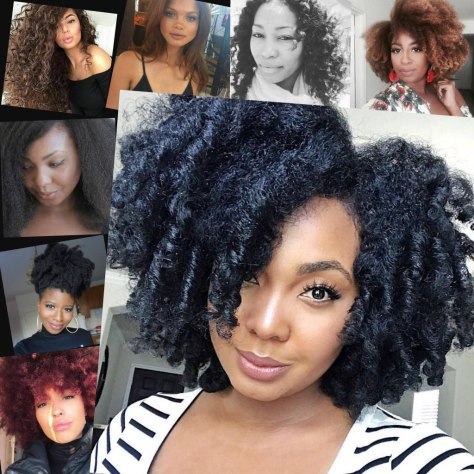
Hair has never been “just hair” for Black people. In societies shaped by colonialism and racism, Black hair—especially its natural textures—has been politicized, stigmatized, and controlled. The title Hair, Politics, and Respectability: The Crown We Never Asked For captures this tension: while hair is a natural inheritance, it has become a symbol of identity, resistance, and discrimination. From biblical reflections to modern psychology, the struggle over Black hair reveals both the resilience of a people and the weight of systemic oppression.
Hair and Politics: Why Texture Became a Battleground
During slavery, Black hair was ridiculed as “woolly,” “unkempt,” or “inferior” compared to European textures. Enslaved women were often forced to cover their hair with scarves, stripping them of cultural expression. In the twentieth century, straightening became associated with “respectability,” as Eurocentric beauty standards were used to determine professionalism, employability, and social acceptance (Byrd & Tharps, 2014). Hair became political because it signified whether one conformed to dominant norms or resisted them.
Even today, workplace and school policies ban natural styles such as locs, afros, and braids, framing them as “unprofessional.” This reveals how deeply Eurocentric aesthetics are embedded in institutional power structures. Black hair is not bad—it is the perception of it, shaped by systemic racism, that weaponizes it against Black people.
Media Examples of Hair Discrimination
- Gabrielle Union (2019): The actress revealed that she was criticized on America’s Got Talent for her hairstyles being “too Black” for mainstream audiences.
- Zendaya (2015): At the Oscars, a TV host insulted her locs, suggesting they made her smell like “weed or patchouli oil,” perpetuating stereotypes about natural Black hair.
- Ayanna Pressley (2020): The U.S. Congresswoman openly discussed the politics of her hair after revealing her alopecia, highlighting the burden Black women face regarding appearance.
- Students Nationwide: Numerous cases have emerged of Black children suspended or excluded from schools for wearing natural hairstyles—demonstrating how hair policing begins in childhood.
These examples show that hair is treated not as personal expression but as a battleground of social acceptance.
Why Is Black Hair Considered “Bad”?
- Colonial Legacies: European colonizers ranked African features as inferior to justify slavery and subjugation. Hair texture became part of this false hierarchy.
- Respectability Politics: Within Black communities, straightened hair was sometimes encouraged as a survival strategy, signaling assimilation to reduce discrimination.
- Media Reinforcement: Advertisements and entertainment long centered straight hair as the default “beautiful,” erasing the diversity of Black textures.
- Psychological Control: By stigmatizing natural hair, systems of power sought to strip Black people of cultural pride and self-love.
Psychological Dimensions of Hair Politics
Hair discrimination carries profound psychological effects. Research shows that Black women who feel pressure to conform to Eurocentric hairstyles report higher stress levels, body image struggles, and identity conflict (Robinson, 2011). Natural hair movements—such as the resurgence of afros in the 1970s and the current embrace of locs, twists, and braids—function as acts of resistance and self-acceptance. For Black children, representation is vital: being punished for natural hair fosters shame and internalized racism, while affirmation builds resilience and pride.
Biblical Reflections on Hair and Identity
The Bible addresses hair as both symbolic and spiritual.
- Glory and Crown: “But if a woman have long hair, it is a glory to her: for her hair is given her for a covering” (1 Corinthians 11:15, KJV). Here, Paul acknowledges hair as a natural crown of dignity.
- Consecration: In Numbers 6:5, Nazirites such as Samson were commanded not to cut their hair as a sign of holiness and covenant with God. This shows that hair was more than appearance—it was identity and consecration.
- Diversity in Creation: Scripture affirms that humanity is “fearfully and wonderfully made” (Psalm 139:14). Black hair textures, in all their variety, are part of God’s intentional design, not a flaw.
These biblical insights reject the notion that natural hair is “bad.” Instead, hair is a crown—sometimes even a sacred symbol of identity and strength.
Toward Liberation: Reclaiming the Crown
To break free from the burden of hair politics, society must dismantle Eurocentric beauty hierarchies and embrace inclusivity. Policies such as the CROWN Act (Creating a Respectful and Open World for Natural Hair) in the U.S. represent legal recognition of this struggle. On a personal and cultural level, embracing natural hair affirms resilience: a refusal to bow to imposed norms. For Black women and men, reclaiming their hair is reclaiming their God-given identity, their psychological well-being, and their cultural pride.
Conclusion
Hair, Politics, and Respectability: The Crown We Never Asked For underscores that Black hair has been politicized against its wearers, weaponized as a marker of inferiority. Yet, both psychology and scripture affirm that Black hair is beautiful, intentional, and sacred. It is not a flaw to be corrected but a crown to be celebrated. In embracing their natural hair, Black people reject imposed shame and walk boldly in resilience, dignity, and divine purpose.
References
- Byrd, A., & Tharps, L. L. (2014). Hair story: Untangling the roots of Black hair in America. St. Martin’s Press.
- Robinson, C. (2011). Hair as race: Why “good hair” may be bad for Black females. Howard Journal of Communications, 22(4), 358–376.
- The Holy Bible, King James Version.
 THE BROWN GIRL DILEMMA