Tag Archives: aishwarya rai bachchan

The History of Colorism in India

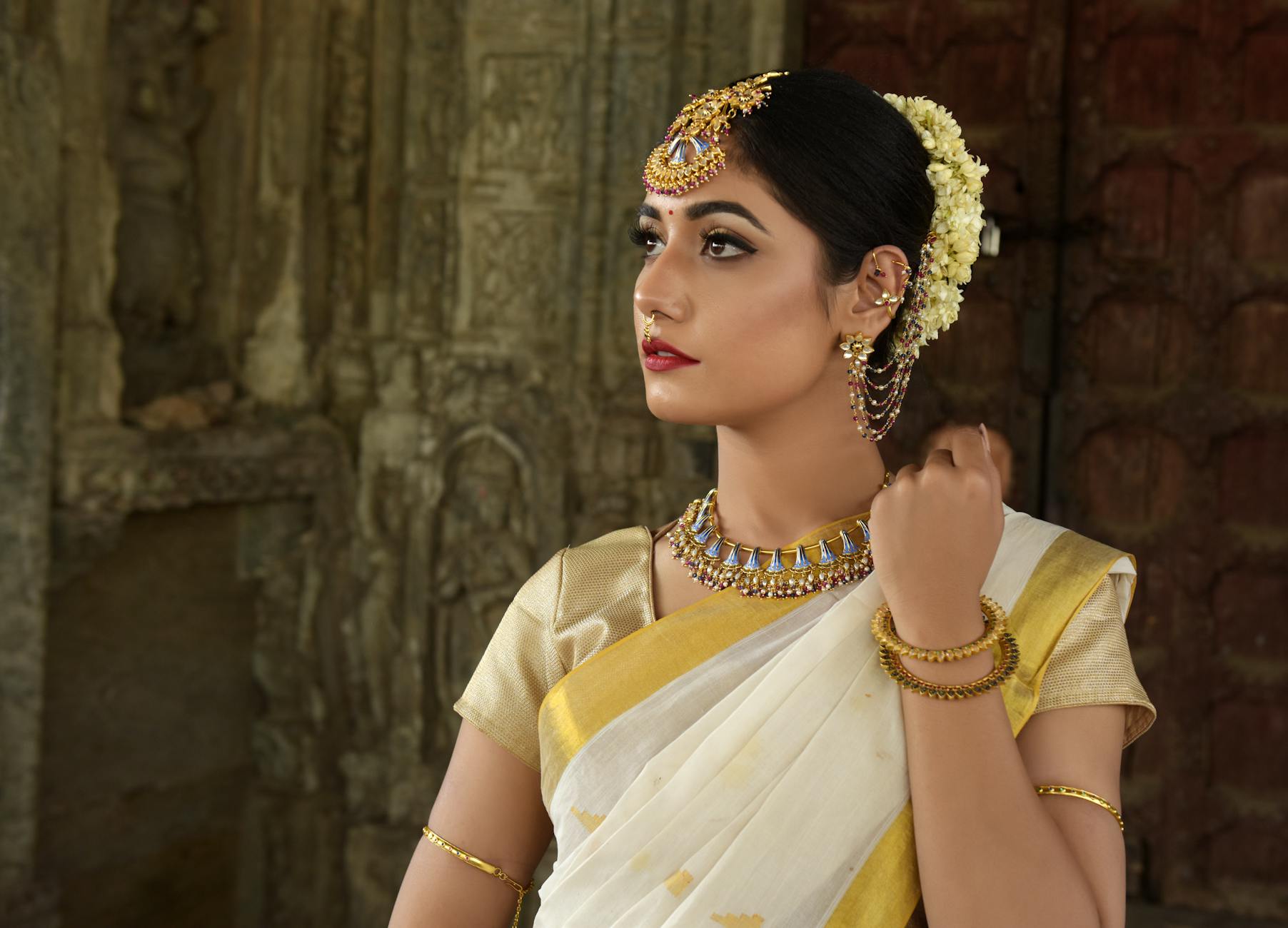
Photo by Manjeet Singh Yadav on Pexels.com

Colorism, or the preferential treatment of lighter skin over darker skin within the same racial or ethnic group, is deeply entrenched in India’s historical, cultural, and social fabric. While the phenomenon is often discussed in relation to Western racial hierarchies, in India, it has evolved through a unique interplay of caste, colonialism, religion, and media representation. The roots of colorism stretch back thousands of years, but its persistence today reflects a continued legacy of inequality and internalized prejudice.

Historically, colorism in India predates European colonial rule. Ancient Sanskrit texts and Vedic scriptures often associated fairness with purity, beauty, and divinity, while darkness was symbolically linked to impurity or lower social standing. The “varna” system, which literally translates to “color,” was initially used to classify social groups in early Hindu society. The higher castes, particularly the Brahmins, were described as fair-skinned, while the lower castes, including the Shudras and Dalits, were often portrayed as darker, creating an early sociocultural hierarchy based on complexion (Jha, 2020).

The intertwining of skin color and caste identity became a foundational aspect of Indian society. This early form of discrimination did not function identically to modern racism but set the groundwork for valuing lighter skin as a marker of social status and spiritual purity. The ancient texts like the Rigveda describe the Aryans, who were fair-skinned, as defeating the darker-skinned indigenous Dasas or Dasyus, symbolically reinforcing the supremacy of light over dark (Thapar, 2002).

The arrival of foreign rulers further intensified these divisions. During the medieval period, the invasions by Persian, Turkic, and Mughal empires brought with them aesthetic ideals that favored fairer skin. The Mughals, who often had Central Asian ancestry, were depicted in art and literature as possessing lighter complexions, which became associated with nobility, beauty, and power. This aesthetic preference filtered down through society, where fairness became increasingly idealized among both men and women (Natrajan & Greenough, 2012).

However, it was under British colonial rule that colorism took on its modern, racialized form. The British, steeped in their own racist ideologies of white superiority, reinforced the association between fairness and intelligence, civility, and modernity. British administrators and missionaries often portrayed darker-skinned Indians as primitive, lazy, or morally inferior. The colonial administration’s favoring of lighter-skinned Indians for clerical and bureaucratic jobs helped institutionalize color bias (Chatterjee, 2019).

The rise of Western education and the influence of British culture led to widespread internalization of these ideas. Indians began to perceive fairness not just as a physical trait but as a social asset. Being fair-skinned came to signify upward mobility and access to privilege, while darker skin was stigmatized as a sign of backwardness or lower caste origins. Thus, colorism became both a social aspiration and a psychological burden, cutting across caste, region, and religion.

In post-independence India, the ideology of fairness did not fade. Instead, it was reinforced by the burgeoning film industry and consumer capitalism. Bollywood, India’s largest cultural export, played a major role in perpetuating color bias. Leading actors and actresses were overwhelmingly fair-skinned, often from North Indian or lighter-complexioned backgrounds, while darker-skinned actors were relegated to villainous, comic, or servile roles (Parameswaran & Cardoza, 2009).

Advertising and media amplified these stereotypes. Beginning in the 1970s, fairness creams such as Fair & Lovely (now rebranded as Glow & Lovely) became household names. The marketing campaigns explicitly portrayed fair skin as the key to success, marriage, and social acceptance. This commercialization of colorism normalized the pursuit of lighter skin as a sign of beauty and desirability, particularly among women (Hunter, 2011).

Sociologically, colorism in India also intersects with gender. Women face disproportionate pressure to conform to fairness ideals, as marriage markets and beauty standards emphasize lighter skin. Matrimonial advertisements routinely specify “fair bride wanted,” a practice that underscores the deeply ingrained nature of complexion-based discrimination. The notion that a woman’s value is tied to her skin tone reflects a patriarchal and colonial hangover that continues to shape modern Indian identity (Puri, 2016).

The globalized beauty industry further exacerbates this issue. The influence of Western beauty ideals and the rise of social media have intensified the demand for skin-lightening products. In recent years, even men have become targets of this marketing, as fairness is rebranded as a symbol of confidence and masculinity. Despite increased awareness, India remains one of the largest markets for skin-lightening cosmetics (Glenn, 2008).

Colorism also intersects with regional and linguistic identities. Northern Indians, who tend to have lighter complexions, often perceive themselves as more “Aryan,” while southern Indians, who are generally darker, are stigmatized in popular culture and interregional interactions. This has created deep cultural divides, perpetuated through jokes, cinema, and everyday discrimination (Jha, 2020).

In recent years, however, a growing movement challenging colorism has emerged. Activists, scholars, and artists have begun to call out the unfair beauty standards perpetuated by media and advertising. Campaigns such as “Dark Is Beautiful” and “Unfair & Lovely” have gained traction, sparking national conversations about beauty, identity, and colonial legacy (Kumar, 2021).

Social media has become a critical tool in dismantling colorist narratives. Influencers and celebrities are increasingly embracing their natural skin tones, rejecting filters and editing tools that lighten their appearance. These digital movements signify a generational shift in how Indians perceive beauty and self-worth, challenging the psychological scars of colonialism.

Yet, despite this progress, the remnants of colorism remain pervasive in Indian society. Skin tone continues to influence marriage prospects, job opportunities, and even perceptions of intelligence and trustworthiness. The psychological damage of colorism, including low self-esteem and body image issues, particularly among darker-skinned individuals, underscores its continuing impact (Parameswaran & Cardoza, 2009).

Religious imagery also continues to play a subtle role. While Hindu deities like Krishna and Kali are often described as dark-skinned, modern depictions frequently lighten their features. This reinterpretation reflects an unconscious bias that equates divinity with fairness, reinforcing the same colonial-era assumptions that lighter is superior.

Education and representation remain powerful tools for change. The inclusion of darker-skinned actors, models, and public figures in mainstream Indian culture marks a slow but significant shift toward inclusivity. Schools and media platforms that teach the history of colorism can help future generations recognize and reject internalized bias (Natrajan & Greenough, 2012).

Ultimately, the history of colorism in India is a story of how ancient caste ideologies merged with colonial racial hierarchies to produce a deep-seated form of social prejudice. Its persistence reflects the challenges of decolonizing not only institutions but also minds. True liberation requires confronting the psychological remnants of these systems and reimagining beauty, worth, and identity beyond complexion.

The fight against colorism in India is not just about aesthetics—it is about justice, dignity, and equality. As India continues to evolve in a globalized world, confronting its color bias is essential to creating a society that values character over complexion, and humanity over hue.


References (APA Style)

Chatterjee, S. (2019). Colonial Shadows: Skin Color and Class in British India. Oxford University Press.

Glenn, E. N. (2008). Yearning for lightness: Transnational circuits in the marketing and consumption of skin lighteners. Gender & Society, 22(3), 281–302.

Hunter, M. L. (2011). Buying racial capital: Skin-bleaching and cosmetic surgery in a globalized world. The Journal of Pan African Studies, 4(4), 142–164.

Jha, M. (2020). The Colour of Inequality: Understanding Skin Colour Discrimination in India. Penguin Random House.

Kumar, S. (2021). Fairness rebranded: The politics of colorism and beauty in India’s digital age. Asian Journal of Communication, 31(5), 420–437.

Natrajan, B., & Greenough, P. (2012). Against Stigma: Studies in Caste, Race, and Color Discrimination in India. Orient Blackswan.

Parameswaran, R., & Cardoza, K. (2009). Melanin on the margins: Advertising and the cultural politics of fair/light/white beauty in India. Journalism & Communication Monographs, 11(3), 213–274.

Puri, J. (2016). Woman, Body, Desire in Post-Colonial India: Narratives of Gender and Sexuality. Routledge.

Thapar, R. (2002). Early India: From the Origins to AD 1300. University of California Press.
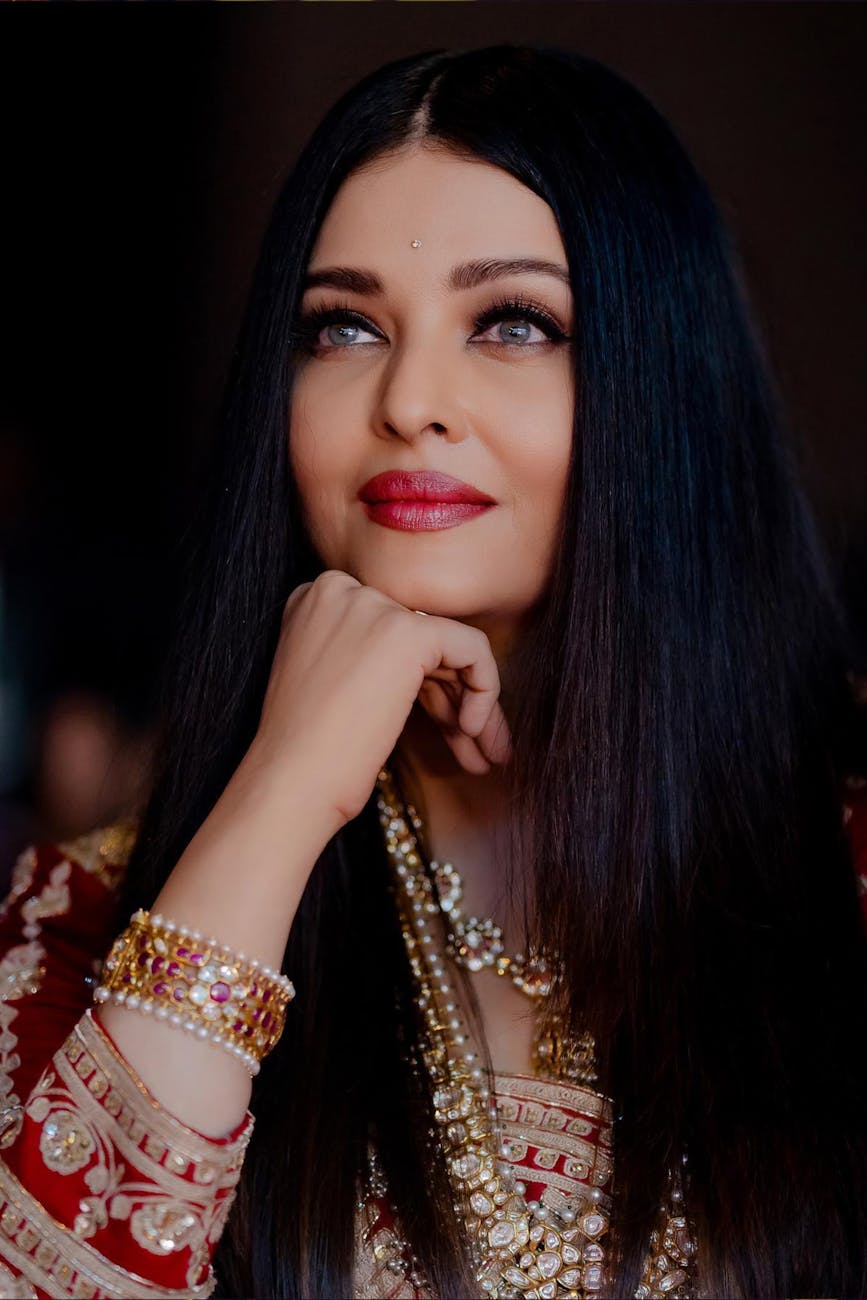
The Caste System in India: Social Hierarchy, Skin Color, and Cultural Impact. #Bollywood

Photo by Praveen kumar on Pexels.com

The caste system in India is a rigid social hierarchy that has existed for over 2,000 years. Traditionally, it divides people into four primary varnas—Brahmins (priests), Kshatriyas (warriors), Vaishyas (merchants), and Shudras (laborers)—with a fifth group, Dalits, often marginalized as “untouchables.” Although modern India legally abolished caste discrimination in 1950, social and cultural practices still maintain significant influence, affecting employment, education, marriage, and social interactions (Bayly, 1999).

Impact on Relationships and Marriage

Caste strongly influences marriage in India. Most families prefer arranged marriages within the same caste to preserve social status and family honor. Matchmaking considers lineage, family background, education, and skin color. Darker-skinned women often face bias, as lighter skin is culturally associated with beauty, wealth, and status (Sen, 2017). This colorism affects marital prospects, sometimes limiting opportunities for women from lower castes or darker skin tones.

Bollywood and Skin Color Prejudice

India’s film industry, Bollywood, reflects and reinforces color-based prejudices. Lighter-skinned actors and actresses are often cast in lead roles, while darker-skinned performers are more likely to play supporting roles or stereotyped characters. According to film historians, the ideal Bollywood star often embodies fair skin, light eyes, and a “Westernized” appearance (Gokulsing & Dissanayake, 2013). Actresses like Deepika Padukone and Priyanka Chopra rose to stardom in part due to their lighter skin tones, which align with societal beauty ideals.

Origins and Cultural Prejudice

The caste system is deeply rooted in ancient Hindu texts like the Manusmriti, which codified social roles based on birth. Its enforcement over centuries reinforced discrimination against lower castes and darker-skinned populations. The prejudice is twofold: caste-based discrimination and colorism, which favors fairer skin and marginalizes darker-skinned individuals. This has profound effects on self-esteem, professional opportunity, and social mobility.

Consequences of Dark Skin in India

Dark-skinned individuals often experience social exclusion, lower marriage prospects, and workplace bias. Studies indicate that skin-lightening products are a multi-billion-dollar industry in India, reflecting widespread desire to conform to fair-skinned beauty standards (Sen, 2017). This obsession with light skin perpetuates cycles of discrimination, influencing education, career opportunities, and media representation.

Priyanka Chopra: Beauty, Career, and Commentary

Priyanka Chopra, Miss World 2000, emerged from this complex cultural context. Born in 1982 in Jamshedpur, India, Chopra became a global icon through her beauty, talent, and versatility. She has often spoken about the pressure of beauty standards and colorism in India, advocating for diversity and challenging traditional prejudices. Her light skin, height, and striking features contributed to her rise in Bollywood and Hollywood, illustrating how societal bias toward fair skin affects professional opportunities.

Bollywood and Skin Color Hierarchy

In Bollywood, skin color has long influenced casting, popularity, and career opportunities. Fair or “light” skin is often idealized, while darker skin is associated—wrongly—with lower social status, less beauty, and supporting roles. This hierarchy is rooted in historical caste and colonial influences, where lighter skin was equated with higher social standing, wealth, and attractiveness.

Bollywood Skin Color Hierarchy

TierSkin ToneTypical RolesExamplesBrand Endorsements & Visibility
Tier 1: Top LeadsFair / LightRomantic lead, hero/heroine, glamorous rolesDeepika Padukone, Priyanka Chopra, Aishwarya Rai Bachchan,Hrithik Roshan, Ranveer SinghHigh-profile endorsements (luxury brands, beauty products), magazine covers, global recognition
Tier 2: Semi-Fair / MediumMedium tanSupporting lead, secondary romance, “girl-next-door” rolesAlia Bhatt, Varun DhawanModerate endorsements, some brand visibility, prominent film roles
Tier 3: Dusky / DarkMedium-dark / DuskySupporting roles, “rustic” characters, comedic or villainous partsVidya Balan (early roles), Rani Mukerji (early roles)Limited endorsements, rarely cast as glamorous leads, faces typecasting
Tier 4: Very Dark / Deeply MelanatedDeep brown / very darkMinor roles, stereotypical portrayalsVery few lead examples historicallyMinimal endorsements, often invisible in top films, underrepresented in media

Key Observations

  1. Gender Bias: Women face stricter color-based scrutiny than men, though lighter-skinned men are also preferred for lead romantic roles.
  2. Endorsement Bias: Brands favor lighter-skinned actors to promote beauty products, luxury items, and aspirational lifestyles.
  3. Career Mobility: Darker-skinned actors often must prove exceptional talent or charisma to break into lead roles, highlighting systemic colorism.
  4. Cultural Reinforcement: Bollywood films reinforce societal beauty standards, connecting fairness with desirability, wealth, and power.
  5. Emerging Change: Social media and global exposure are slowly allowing talent to be recognized regardless of skin tone, and stars like Priyanka Chopra are using their platform to challenge colorism.

Historical Context

  • During British colonial rule, lighter skin became associated with proximity to power and privilege.
  • Indian society internalized these ideals, linking beauty and desirability with fairness.
  • Early Bollywood films reflected these societal biases, favoring actors and actresses with lighter complexions for lead roles.

Actor and Actress Examples

  • Fair-skinned leading actresses: Deepika Padukone, Kareena Kapoor, Alia Bhatt, Aishwarya Rai Bachchan. These actresses often get top billing, major brand endorsements, and high-paying roles.
  • Darker-skinned actresses: Despite talent, they are frequently typecast into supporting roles or roles emphasizing “rustic” or “villainous” characters. Examples include Vidya Balan (who has spoken about facing discrimination) and Rani Mukerji early in her career.
  • Male actors: Light skin is also favored, though the bias is more pronounced for women. Actors like Shah Rukh Khan, Hrithik Roshan, and Ranveer Singh are often celebrated for their fairer appearance alongside their acting skills.

Media and Branding

  • Fairness cream advertisements and endorsements perpetuate the bias, promoting light skin as desirable and powerful.
  • Bollywood films frequently pair fair-skinned leads, reinforcing the perception that light skin equals romance, wealth, and success.
  • Actors with darker skin often have to overcome additional barriers, even when talented, due to entrenched societal and industry biases.

Psychological Impact

  • This hierarchy creates colorism, leading to internalized self-esteem issues, obsession with skin-lightening products, and societal pressure for actors and the general population.
  • Frances Cress Welsing’s theories on melanin power and the psychological envy of darker skin can be applied cross-culturally to understand why lighter skin has been commodified and preferred in media industries like Bollywood.

Shifts and Modern Changes

  • Some recent films and campaigns are challenging colorism, promoting diverse skin tones, and redefining beauty standards.
  • Actors like Priyanka Chopra have used their platform to discuss colorism and advocate for broader acceptance of melanated beauty.
  • Social media allows fans to challenge biases and celebrate talent and charisma over complexion.

Conclusion

The caste system in India, combined with entrenched colorism, continues to shape social structures, marriage practices, and media representation. Darker-skinned individuals face prejudice that limits opportunities and reinforces societal hierarchies. Bollywood, while globally influential, often perpetuates these biases by privileging light-skinned actors. Figures like Priyanka Chopra challenge these norms but also reflect how beauty standards tied to skin color and caste still influence success and perception in India. Awareness, legal reforms, and cultural shifts are necessary to dismantle these deeply rooted prejudices.


References

Bayly, S. (1999). Caste, Society and Politics in India from the Eighteenth Century to the Modern Age. Cambridge University Press.

Gokulsing, K. M., & Dissanayake, W. (2013). Routledge Handbook of Indian Cinemas. Routledge.

Sen, C. (2017). Skin Deep: The Persistent Problem of Colorism in India. Journal of South Asian Studies, 40(3), 567-585.

Priyanka Chopra. (n.d.). Biography. Biography.com. https://www.biography.com/actor/priyanka-chopra

The Indian Dolls: Priyanka Chopra Jonas, Deepika Padukone, and Aishwarya Rai Bachchan.

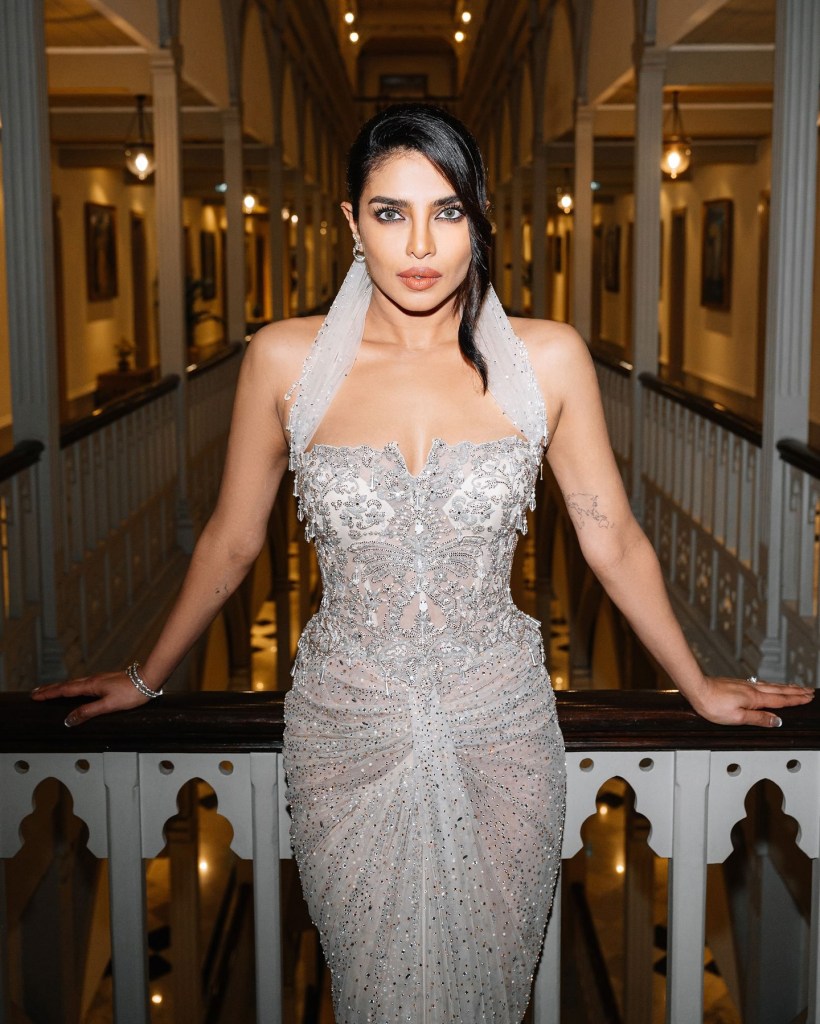
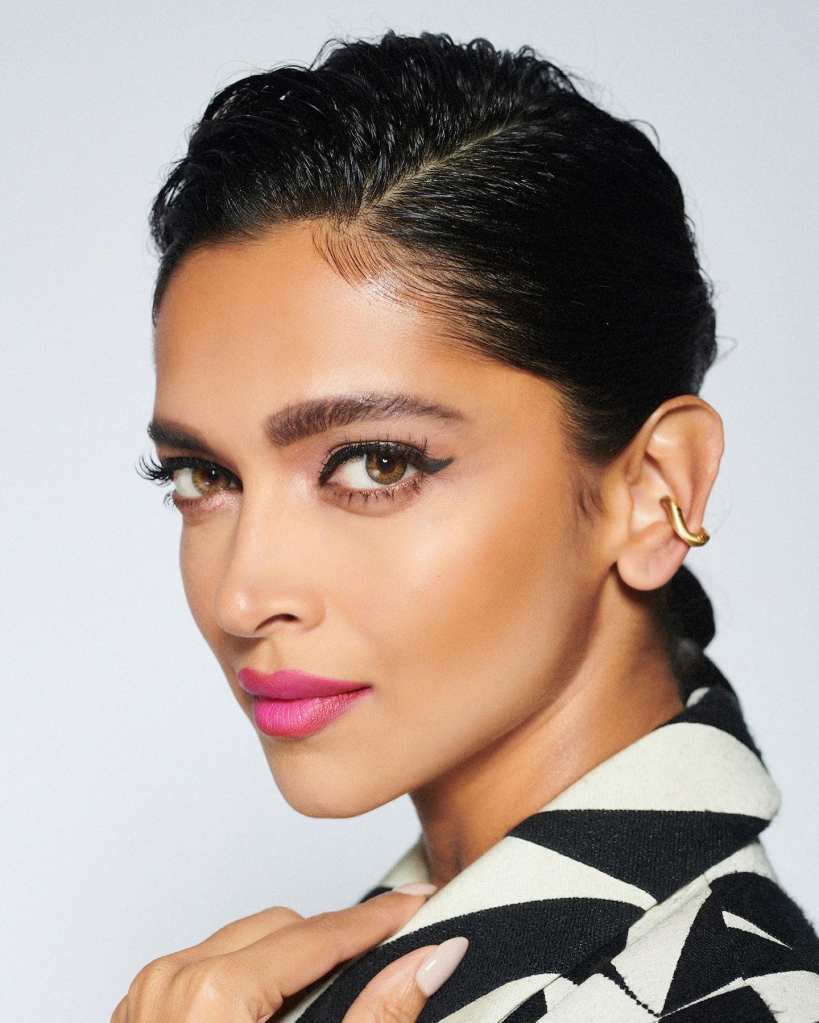
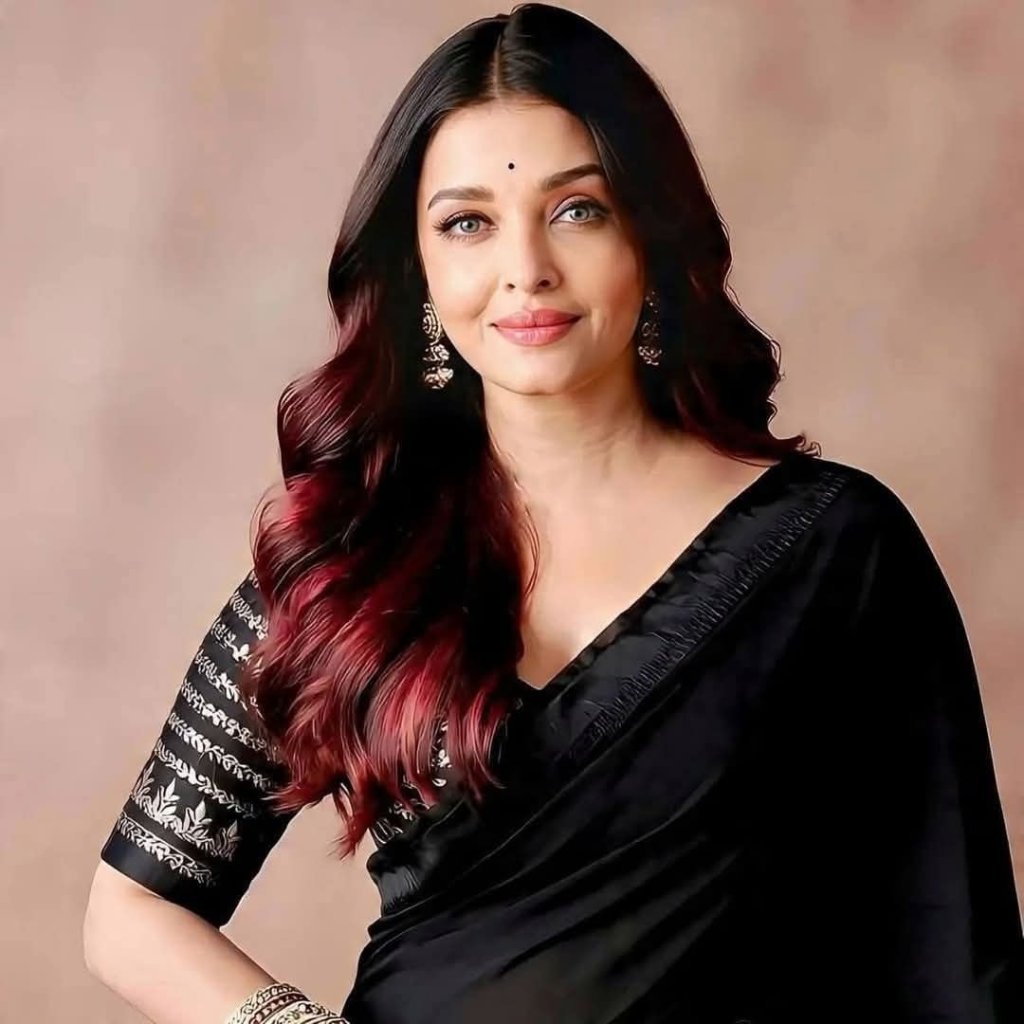
South Asian women have long occupied a complicated space in global beauty culture—simultaneously admired, stereotyped, and under-represented. The idea of the “Indian doll” does not symbolize artificial imitation, but rather a woman whose aesthetics appear richly crafted, emotionally expressive, culturally rooted, and globally captivating. Priyanka Chopra Jonas embodies radiant, healthy skin and facial sculpting that reads as cinematic perfection. Deepika Padukone brings a commanding, statuesque elegance—runway poise blended with emotional vulnerability and strength. Aishwarya Rai Bachchan’s green-blue colored eyes make her instantly recognizable in the Indian community. Together, these women represent cultural range, ancestral depth, family stability, global success, and physical beauty that still feels human and warm, a spectrum that modern South Asian girls can both aspire to and see themselves in.

They are a powerful representation of Indian “doll” imagery because:

  • Their beauty is distinct, not uniform
  • They reflect mixed influences from colonization, migration, and heritage without losing their Indianness
  • They succeeded in global media without abandoning marriage, motherhood, or cultural identity
  • They entered Hollywood and international cinema as fully formed stars, not novelties
  • They shifted the lens from “exotic stereotype” to “global admiration.”


Priyanka Chopra Jonas — The Exotic Global Doll with Glowing Skin

Early Life & Family

  • Born July 18, 1982, in Jamshedpur, Jharkhand, India
  • Parents: Dr. Ashok Chopra and Dr. Madhu Chopra, both physicians in the Indian Army
  • Frequent relocation during childhood due to military assignments gave her exposure to multilingual and multicultural environments
  • Attended school in India and the United States
  • At age 13, she lived in the U.S. for studies before returning to India to complete her education

Ethnicity / Race

  • She is Indian (South Asian), primarily of Punjabi descent
  • Identifies culturally as Desi and maintains a strong affiliation with Indian identity despite a global career trajectory

Marriage & Children

  • Married American singer/actor Nick Jonas in December 2018
  • Child: Malti Marie Chopra Jonas (born January 2022 via surrogate)
  • Priyanka and Nick have displayed a public narrative of cross-cultural admiration, blended tradition, and committed partnership, including a Hindu and Christian wedding celebration

Career Beginnings & Hollywood Entry

  • Crowned Miss World 2000, which launched her national visibility
  • Bollywood film debut: The Hero: Love Story of a Spy (2003)
  • Rose rapidly through Hindi cinema with a commercial and dramatic range
  • U.S. breakthrough: TV series Quantico (2015–2018), making her the first South Asian woman to lead an American network drama
  • Hollywood films include Baywatch (2017) and The Matrix Resurrections (2021)

Awards & Honors

  • National Film Award for Best Actress (India, 2008)
  • 5 Filmfare Awards
  • Padma Shri (Government of India, 2016)
  • Serves as UNICEF Goodwill Ambassador
  • Featured in Time 100 Most Influential People

Beauty Representation

Priyanka represents the modern Indian doll archetype—her golden-bronze complexion, healthy, glowing skin, and beauty rooted in self-care rituals offer representation for Indian girls who seldom saw their natural skin tone elevated in global media before her.


Deepika Padukone — The piercing-eyed Statuesque beauty, the Runway-Doll

Early Life & Family

  • Born January 5, 1986 in Copenhagen, Denmark
  • Raised in Bangalore, India
  • Father: Prakash Padukone, one of India’s greatest badminton champions
  • Mother: Ujjala Padukone, travel agent
  • Younger sister: Anisha Padukone, professional golfer
  • Originally trained in sports before transitioning into modeling

Ethnicity / Race

  • Indian (South Asian), of Konkani ancestry
  • Her upbringing merges Nordic birth geography with a deeply Indian childhood cultural imprint

Marriage & Children

  • Married Bollywood actor Ranveer Singh in November 2018
  • Child: Dua Padukone Singh, born 2024

Career Beginnings & Hollywood Entry

  • Started career in professional modeling and fashion campaigns
  • Bollywood debut: Om Shanti Om (2007), which transformed her into a national sensation
  • Hollywood debut: xXx: Return of Xander Cage (2017)
  • Regular presence at the Cannes Film Festival
  • Built a parallel career as a mental health advocate, founding the Live Love Laugh Foundation

Major Awards & Honors

  • 3 Filmfare Best Actress Awards
  • Cannes 2022 Jury Member
  • Time 100 Impact Award
  • Multiple global honors for fashion and influence

Beauty Representation

Her towering height, flawless beauty, sculpted bone structure, and bronzed, warm skin give her the presence of a living couture doll. She reflects beauty that is bold, visible, and undeniable, inspiring Indian girls to see power in presence, not just prettiness.


Aishwarya Rai Bachchan — The Iconic Bollywood Doll

  • Born November 1, 1973 in Mangalore, Karnataka, India
  • Raised in Mumbai
  • Father: Krishnaraj Rai, marine biologist
  • Mother: Brindya Rai, writer/author
  • Fluent in Tulu, Hindi, English, Tamil, and Bengali
  • Academically gifted; originally studied architecture before pivoting to modeling and film

Ethnicity / Race

  • Indian (South Asian), from a Tulu-speaking community
  • Represents intelligence and cultural rootedness underneath global beauty admiration

Marriage & Children

  • Married Bollywood actor Abhishek Bachchan in April 2007
  • Daughter: Aaradhya Bachchan (born 2011)

Career Beginnings & Hollywood Entry

  • Won Miss World 1994
  • Bollywood debut: Aur Pyaar Ho Gaya (1997)
  • International film visibility early, making her India’s first major crossover global film star
  • Major English-language roles:
    • Bride & Prejudice (2004)
    • The Last Legion (2007)
    • The Pink Panther 2 (2009)
  • Longstanding Cannes red carpet presence since 2002

Major Awards & Honors

  • 2 Filmfare Awards
  • Padma Shri
  • Ordre des Arts et des Lettres (France, 2012)
  • Numerous global beauty and cinema honors

Beauty Representation

Her eyes are her signature—not common in India. She became the blueprint for success in Bollywood – unforgettable and delicate-fierce.


Why They Represent the “Indian Doll” Legacy Well

They are not a monolith. They represent a trinity of Hispanic-style inspiration in South Asian form:

WomanDoll EssenceRepresentation Value
Priyankaglowing skin, sculpted face, golden toneModern global Desi woman + cross-cultural beauty
Deepikastatuesque runway statue brought to lifeTall South Asian beauty + mental health voice
Aishwaryagreen-blue eyesIndia’s first global beauty

Their representation matters because:

  • They reflect the true multiracial and multi-textural harmony of South Asian populations
  • They preserve long-term marriage and motherhood narratives, resisting Hollywood instability tropes
  • They carried their languages, traditions, and ancestry onto global screens
  • They embody beauty that is ornamental, aspirational, emotional, political, cultural, and personal

They are a good representation of the idea of Indian dolls because they show the world that South Asian beauty is not factory-made—it is lineage-made, climate-born, grace-carried, and culturally embodied.


References

Chopra Jonas, P. (2019). Unfinished: A Memoir. Ballantine Books.

Live Love Laugh Foundation. (2021). Mental health advocacy research and campaigns.

Cannes Film Festival Archives. (2003, 2022). Jury member and red carpet documentation.

Nayar, P. K. (2014). The Indian Cinematic Imagination. Routledge.

Dudrah, R. (2006). Bollywood and Globalization: The Global Power of Popular Hindi Cinema. Manchester University Press.

ChatGPT can make mistakes. Check important info.