Tag Archives: African Kings

African Kings’ Aesthetic Legacy — Shaka Zulu, Mansa Musa, and the Menelik Lineage.

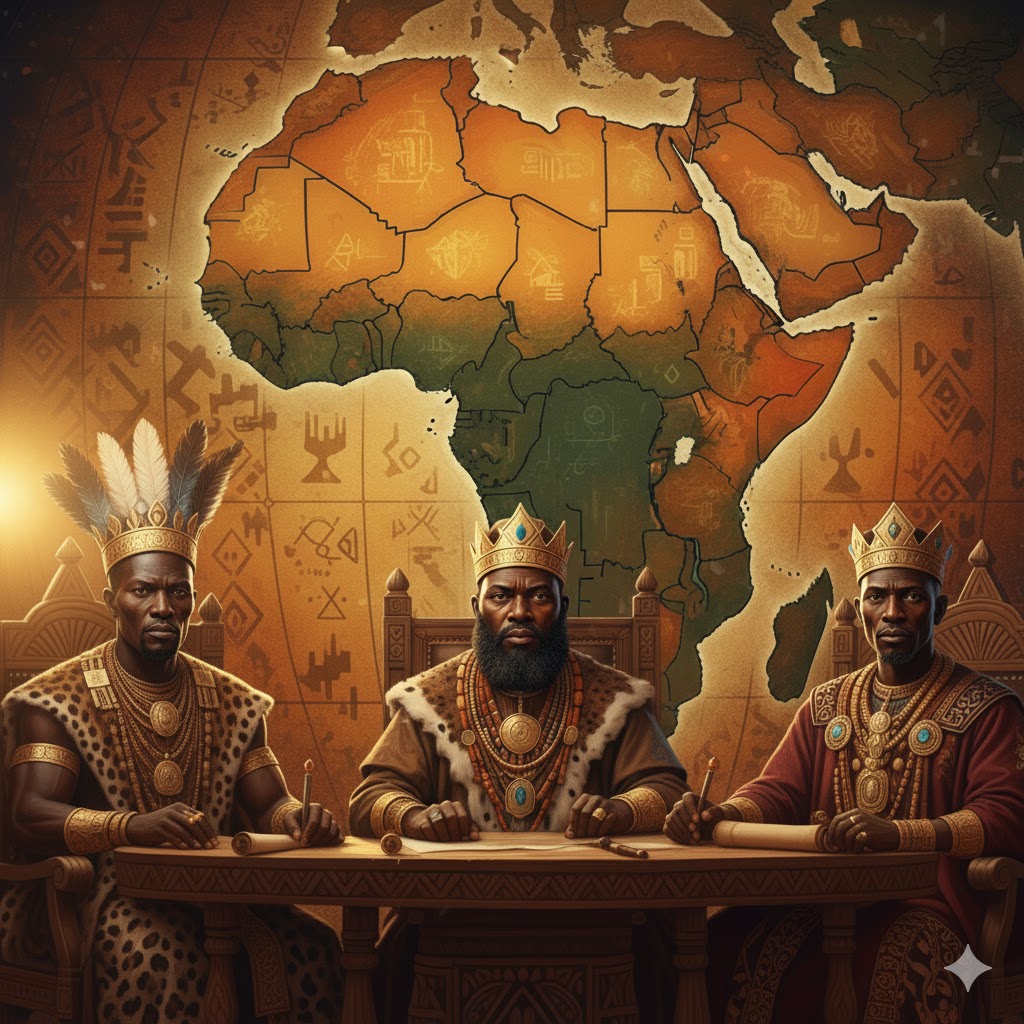
Across the tapestry of African history, the aesthetic and regal expressions of its kings reveal a profound cultural sophistication. Far more than adornment, African royal aesthetics embodied spiritual authority, political power, divine lineage, and communal identity. This legacy—rooted in ancestral dignity, biblical heritage, and sociopolitical strategy—remains etched in the memory of the African diaspora, shaping contemporary visions of beauty, pride, and leadership.

Shaka Zulu, the legendary king of the Zulu Kingdom, is often remembered for military revolution, but his visual presence was equally symbolic. His regalia—leopard skins, feathered headpieces, and the formidable iklwa spear—embodied authority and spiritual connection to ancestral power. In Zulu culture, leopard skin signified rulership and sacred status, marking Shaka as chosen by both lineage and divine purpose.

Shaka’s aesthetic choices were not mere performance. Royal attire served as psychological warfare, instilling fear in enemies and reverence among followers. His bare-chested stature, adorned in animal skins and traditional ornaments, portrayed strength, discipline, and a warrior-king archetype. This image continues to inspire modern African aesthetics rooted in courage, masculinity, and ethnic honor.

While Shaka’s visual legacy radiates martial might, Mansa Musa’s majesty reflects wealth, scholarship, and spiritual devotion. Known as the wealthiest ruler in recorded history, the emperor of Mali broadcast divine prosperity through gold-embroidered robes, luxurious fabrics, and grand caravans laden with gold during his pilgrimage to Mecca. His aesthetic was sanctified opulence—material abundance presented as a testament to divine favor.

Mansa Musa’s attire and gifts symbolized more than personal wealth; they expressed Mali’s intellectual and religious elevation. His support for Islamic scholarship and architectural development, including the famed Sankore University, reveals a king whose regal splendor mirrored cultural enlightenment. To look upon Musa was to witness the glory of a spiritually anchored kingdom infused with educational prestige.

A great king is often measured not only by wealth or war but by their ability to uplift their nation’s beauty and identity. In both Shaka and Mansa Musa’s reigns, attire communicated a message: African sovereignty was majestic, cultured, and God-ordained. Their legacy resists colonial narratives that sought to reduce African kingdoms to primitiveness.

The Menelik lineage—tracing origins to King Solomon and the Queen of Sheba—offers another dimension to African royal aesthetics: biblical legitimacy. Ethiopian emperors, believed to descend from Menelik I, carried themselves with divine authority. Crowns adorned with crosses, ceremonial robes, lion symbolism, and sacred scepters proclaimed their connection to the Lion of Judah.

This lineage grounded royal aesthetics in scripture, blending Hebraic tradition with African identity. Ethiopian kings and queens, from Menelik to Haile Selassie, wore garments that mirrored priesthood and ancient Israelite tradition—silk robes, jeweled crowns, and embroidered crosses. Their appearance declared covenant heritage and sacred kingship.

The Solomonic tradition did not merely borrow from biblical imagery; it asserted Africa’s centrality in salvation history. Through attire, ritual, and royal posture, Ethiopia preserved a visual theology: that God’s chosen lineage flowed through African bloodlines. Such aesthetics challenged Western religious narratives by rooting biblical heritage in the Black experience.

Across African kingdoms, beauty was political. Regalia conveyed legitimacy, commanded unity, and inspired resistance. It affirmed African dignity against centuries of distortion and erasure. The royal aesthetic stood as evidence that African civilization produced rulers equal to, and often surpassing, those of Europe and Asia.

Moreover, African royal aesthetics fused spirituality and statehood. Kings were more than rulers—they were shepherds, protectors, and spiritual intercessors. Whether through animal symbolism, gold ornamentation, or embroidered sacred garments, regalia reminded subjects that rulership was divine stewardship. Visual splendor communicated sacred responsibility.

Today, the aesthetic legacy of African kings influences modern fashion, leadership imagery, and cultural pride. From contemporary artists drawing inspiration from royal attire to global celebrations of African textiles, jewelry, and hairstyles, the regal memory still reigns. It informs movements reclaiming African identity from colonial distortion.

In the diaspora, this legacy also sustains psychological empowerment. Images of African kings counterbalance narratives of enslavement and inferiority. They offer icons of nobility, strength, and divine selection—foundations for renewed cultural confidence. Aesthetic tradition becomes a tool for spiritual and social restoration.

Biblically, kingship and beauty intertwine with divine covenant. The scriptures declare: “I have said, Ye are gods; and all of you are children of the most High” (Psalm 82:6, KJV). African kings embodied this truth, wearing majesty not for vanity but for sacred duty. Their appearance testified to the divine imprint upon Black identity.

Thus, the aesthetic legacies of Shaka Zulu, Mansa Musa, and the Menelik line are not relics—they are living testimonies. They call today’s generation to reclaim dignity, honor, and spiritual royalty. Through wardrobe, posture, and cultural pride, the descendants of these kingdoms continue to rise, embodying a beauty forged in history and blessed by God.

Below the surface of gold, feathers, hides, and crowns lies a fundamental truth: African kings dressed as heirs of divine promise. Their aesthetic legacy remains a spiritual inheritance—an invitation to walk in royal identity, remembering that Black majesty is not a myth but a recorded, sacred reality.


References
Boahen, A. A. (2011). African perspectives on colonialism. Diasporic Press.
Davidson, B. (1998). A history of West Africa. Longman.
Isaac, S. (2020). Ethiopia and the lineage of Solomon: An African biblical heritage. Hebraic Studies Journal, 12(3), 45–62.
Knight, I. (2015). Zulu rising: The epic story of iSandlwana and Rorke’s Drift. Macmillan.
Levtzion, N., & Hopkins, J. F. P. (Eds.). (2000). Corpus of early Arabic sources for West African history. Markus Wiener.
Trimingham, J. S. (2018). Islam in West Africa. Oxford African Texts.
The Lost Kings and Queens: Reclaiming African Royal Lineage in the Diaspora.

“A people without the knowledge of their past history, origin, and culture is like a tree without roots.” — Marcus Garvey


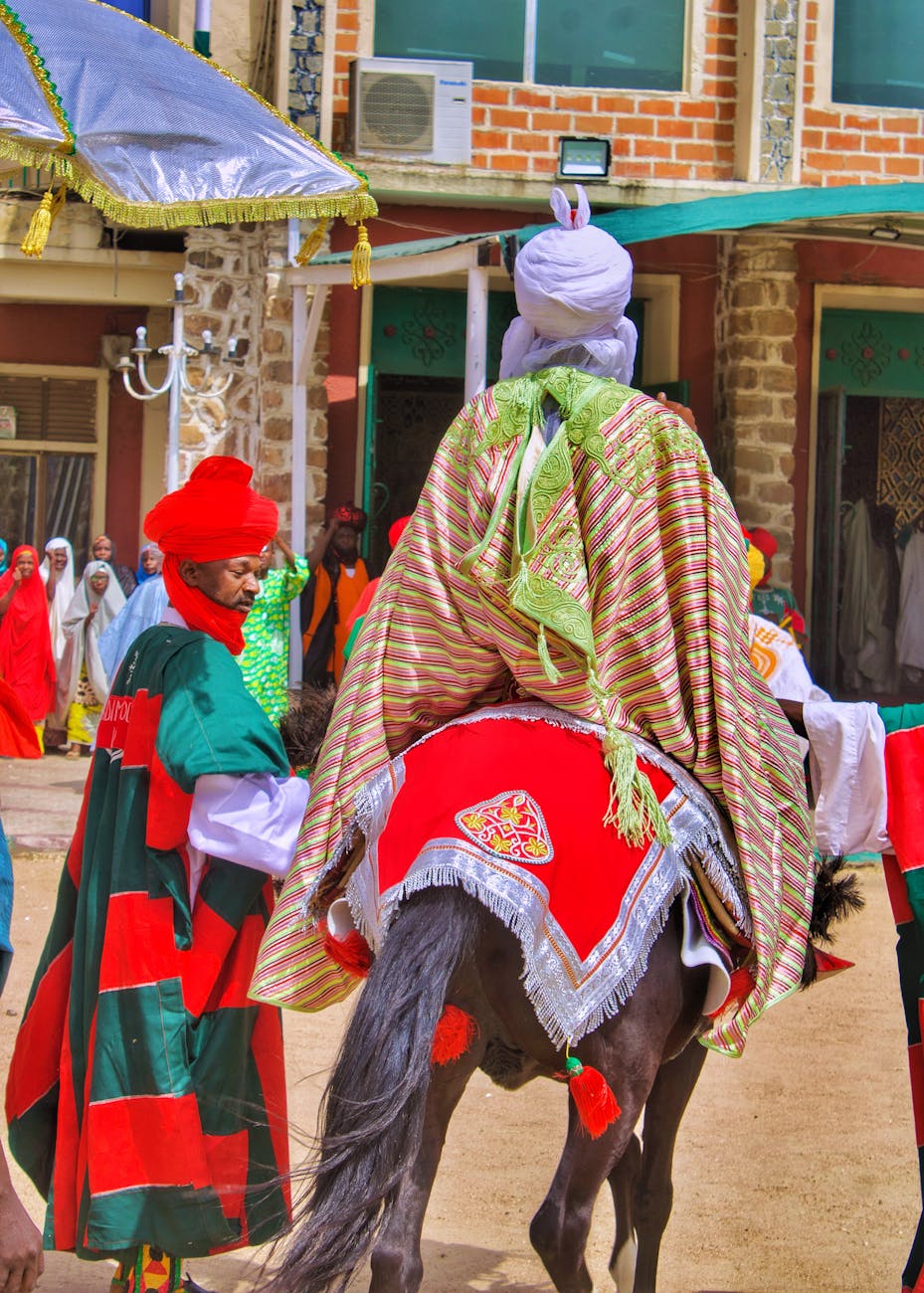
Photo by Daggash Farhan on Pexels.com

African history is rich with kingdoms, dynasties, and monarchies that predate many Western empires. Yet much of this history has been obscured, diminished, or erased due to the transatlantic slave trade, colonization, and the cultural manipulation of dominant powers. The “lost kings and queens” of Africa represent not only individuals but entire lineages of leadership, wisdom, and cultural stewardship. These rulers were custodians of knowledge, justice, and spiritual guidance, linking African peoples to God’s covenant and the biblical narrative of the twelve tribes of Israel. Reclaiming this royal lineage is a task of historical restoration, genealogical tracing, and spiritual awakening for the African diaspora.


Historical Context and Lost Lineages

The height of African civilization between 1000 BCE and 1600 CE produced kingdoms renowned for governance, culture, and wealth. Among these were the Kingdoms of Kush, Axum, Mali, Songhai, Benin, and Great Zimbabwe. Monarchs like Mansa Musa of Mali (14th century) and Queen Amanirenas of Kush exemplify the sophistication and authority of African royalty. The loss of these royal lineages was accelerated by European colonial conquest, internal warfare, and the forced displacement of Africans during the slave trade. These events fractured communities and obscured connections to ancestral leadership, creating a cultural amnesia that continues to affect African descendants globally.


Biblical Connections: The Kingdom of God and the 12 Tribes

The Bible provides a spiritual framework for understanding African royalty. The twelve tribes of Israel, as described in Genesis and the historical books of the KJV Bible, were originally led by patriarchs who exemplified godly leadership, wisdom, and covenantal responsibility. Scholars argue that Africans, particularly through the lineage of Cush and Ham (Genesis 10:6–8, KJV), share a spiritual and genealogical connection to these tribes. The “fall from grace” described in scripture—through disobedience, idolatry, and exile—mirrors the historical subjugation of African kingdoms, where colonial and imperial forces usurped authority and disrupted the governance and culture of African peoples.


The Original Black Royalty

Original African royalty was both political and spiritual. Kings and queens were custodians of law, morality, and religious practice. Pharaohs of Kemet, the monarchs of Kush, and the emperors of Axum exercised centralized authority while upholding societal and spiritual order. These leaders were often scholars, priests, and strategists, ensuring the prosperity and continuity of their people. Their legacy is reflected in architecture, oral traditions, and historical texts, but centuries of suppression have obscured their stories. Today, the remnants of these lineages are visible in royal families in Ethiopia, Morocco, and Nigeria, as well as through the cultural traditions that survived the diaspora.


The African Royal Diaspora

The African royal diaspora refers to descendants of African nobility and leadership displaced through slavery and colonialism. These “lost kings and queens” include both documented heirs and those whose genealogical ties were erased by systemic oppression. The diaspora’s disconnection from ancestral authority contributed to the cultural, social, and psychological challenges faced by African descendants. Reclaiming this royal identity involves education, genealogical research, and cultural restoration. Understanding one’s heritage is crucial for restoring dignity and spiritual continuity.


Reclaiming Royal Lineage

Reclamation of African royal lineage involves multiple strategies:

  1. Genealogical Research: Tracing family histories through oral tradition, DNA analysis (including Y-chromosome haplogroups like E1B1A), and archival records.
  2. Cultural Revival: Reviving languages, rituals, and governance practices that honor ancestral traditions.
  3. Education and Scholarship: Promoting African-centered curricula and research that document the accomplishments of African royalty and leadership.
  4. Spiritual Reconnection: Integrating biblical principles and ancestral teachings to restore the moral and spiritual authority once exercised by African monarchs.

Modern-Day Examples of African Royalty

Several modern African monarchs and traditional leaders continue to embody the legacy of African kingship:

  • King Mohammed VI of Morocco maintains the Alaouite dynasty, a lineage dating back to the 17th century.
  • Emperor of Ethiopia, Haile Selassie I (recently deceased) symbolized the Solomonic dynasty, tracing descent from King Solomon and the Queen of Sheba.
  • Oba of Benin, Ewuare II preserves the heritage of the Benin Kingdom and cultural traditions of governance and spirituality.
    These figures exemplify continuity, resilience, and the living presence of African royalty.

Evidence and Sources

Historical, archaeological, and genealogical evidence supports the existence and continuity of African royalty. Primary sources include inscriptions, royal decrees, architecture, oral histories, and lineage records maintained by traditional authorities. Scholarly works such as Ivan Van Sertima’s They Came Before Columbus and Cheikh Anta Diop’s The African Origin of Civilization provide detailed analysis of African monarchies and their contributions to global civilization. Combined with biblical texts (KJV) referencing Cush, Ham, and the covenantal tribes, these sources form a robust foundation for understanding African royal lineage.


Conclusion

The lost kings and queens of Africa represent a lineage of governance, spirituality, and cultural mastery that has been obscured by slavery, colonization, and systemic oppression. Reclaiming this heritage requires historical scholarship, genealogical research, cultural restoration, and spiritual reconnection. For the African diaspora, rediscovering royal ancestry is not merely an academic exercise—it is an act of identity reclamation, empowerment, and continuity with God’s covenantal people as described in the scriptures. As Marcus Garvey reminds us, knowledge of one’s roots is essential for strength, purpose, and collective destiny. By restoring awareness of African kings and queens, we reclaim a narrative of dignity, wisdom, and divine legacy that has endured despite centuries of erasure.


References

  • Diop, C. A. (1974). The African Origin of Civilization: Myth or Reality. Chicago Review Press.
  • Franklin, J. H., & Moss, A. A. (2000). From Slavery to Freedom: A History of African Americans (8th ed.). McGraw-Hill.
  • Van Sertima, I. (1976). They Came Before Columbus: The African Presence in Ancient America. Random House.
  • Garvey, M. (1920). Philosophy and Opinions of Marcus Garvey. Universal Negro Improvement Association.
  • The Holy Bible, King James Version.
  • Egharevba, J. U. (1968). A Short History of Benin. Ibadan University Press.
  • Shillington, K. (2005). History of Africa (2nd ed.). Palgrave Macmillan.

The Golden Legacy of MANSA MUSA: Africa’s Emperor of Wealth and Wisdom

Throughout world history, few figures have embodied the fusion of wealth, wisdom, and spiritual devotion like Mansa Musa, the 14th-century emperor of the Mali Empire. Revered as the richest man to have ever lived, Mansa Musa’s legacy goes far beyond gold and grandeur—it encompasses a transformative reign that elevated West Africa to global prominence through trade, scholarship, and religious devotion. His life is not only a celebration of African excellence but a benchmark for leadership that still inspires Africa’s billionaires today.

The Life and Rise of a Golden Monarch

Musa Keita I, known as Mansa Musa, ascended to the throne of Mali in 1312 AD. He inherited power from his predecessor, Abu Bakr II, who is believed to have set sail on an ambitious voyage across the Atlantic Ocean in search of new lands. Musa, a devout Muslim, ruled over an empire that stretched over 2,000 miles, encompassing parts of present-day Mali, Senegal, Gambia, Niger, Nigeria, Guinea, and Mauritania. He was the 10th Mansa, or “King of Kings,” of the Mali Empire and quickly set out to establish a reign that would be remembered for centuries.

Mansa Musa was married to Queen Inari Kunate, and though historical records do not provide exact details of his family, it is known that he had children, including a son named Magha who succeeded him briefly. As a ruler, Musa exemplified not only administrative excellence but a commitment to faith, justice, and community prosperity.

His wealth is legendary. Scholars estimate that, adjusted for inflation, Musa’s personal fortune could have reached as much as $400–500 billion. This would make him richer than today’s tech moguls like Elon Musk or Jeff Bezos. Unlike modern billionaires whose assets are often tied to stock markets, Mansa Musa’s wealth was tangible—gold, land, and control over critical trade routes that moved salt, ivory, slaves, and knowledge across the Sahara.

Mali Under Mansa Musa: The Empire of Learning and Wealth

The Mali Empire thrived under Musa’s leadership, becoming one of the most sophisticated and wealthy civilizations in world history. Its strength was rooted in control of the trans-Saharan trade network, particularly the gold and salt trades. Mali was so rich in gold that the commodity became central to its international image.

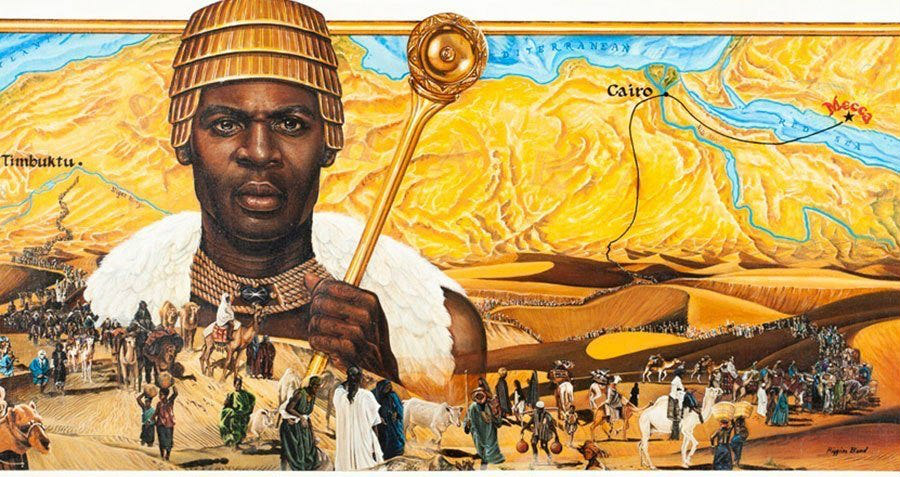
One of Mansa Musa’s most remarkable accomplishments was his 1324 pilgrimage to Mecca, known as the Hajj. This journey was not only a religious obligation but a political statement. He traveled with a caravan reportedly consisting of 60,000 men, including 12,000 slaves and 100 camels each carrying hundreds of pounds of gold. His generosity was so overwhelming in places like Cairo and Medina that he caused significant inflation, devaluing gold for a decade in some regions. This pilgrimage placed Mali on the map for European and Arab chroniclers, and Mansa Musa’s name began appearing in global records, including the Catalan Atlas of 1375.

Upon returning to Mali, Musa commissioned the construction of mosques, madrasas (Islamic schools), and libraries. Timbuktu, under his guidance, blossomed into a world-renowned center of Islamic scholarship and trade. The University of Sankoré in Timbuktu attracted scholars from across Africa and the Middle East. Mansa Musa also hired Andalusian architects, such as Abu Ishaq Es Saheli, who introduced new architectural designs, including the Djinguereber Mosque, still standing today.

The Legacy of Wealth and Spirituality

Mansa Musa’s legacy is not simply one of wealth but one of moral and cultural responsibility. He utilized his riches to invest in education, infrastructure, and religious institutions. His reign exemplified the African tradition of communal wealth—what benefits the king must benefit the people. He modeled the ideal that leadership is stewardship.

Although no direct quotes from Mansa Musa survive, the 14th-century historian Al-Umari described him as “a young man of black complexion with a pleasant face and good figure…he spoke rarely, and always with mildness.” This suggests a man of humility and discipline, despite his immense riches. His image—an African king holding a nugget of gold—became an icon in European maps, redefining Western ideas of African civilization and prosperity.

Ancient African Kingdoms of Wealth and Power

Mali was not alone in its splendor. Ancient Africa was home to several other prosperous kingdoms, such as:

  • Ghana Empire – Preceding Mali, rich in gold and trade.
  • Songhai Empire – Successor to Mali, known for military might and scholarship.
  • Benin Kingdom – Famous for bronze artwork and diplomatic relations with Europeans.
  • Great Zimbabwe – A southern African kingdom renowned for its stone cities and cattle wealth.
  • Axum (Ethiopia) – A powerful Christian empire with vast trade routes.
  • Kongo Kingdom – Central African monarchy known for its diplomacy and Catholic conversion.
  • Kanem-Bornu – Islamic empire with military power and trade.
  • Nubia/Kush – Ancient civilization that rivaled Egypt.

These kingdoms were centers of commerce, technology, military strategy, and cultural identity—dispelling the colonial myth of a dark and stagnant precolonial Africa.

Modern Billionaires: Today’s African Kings

In today’s world, African billionaires carry the legacy of wealth and leadership, though in modern industries:

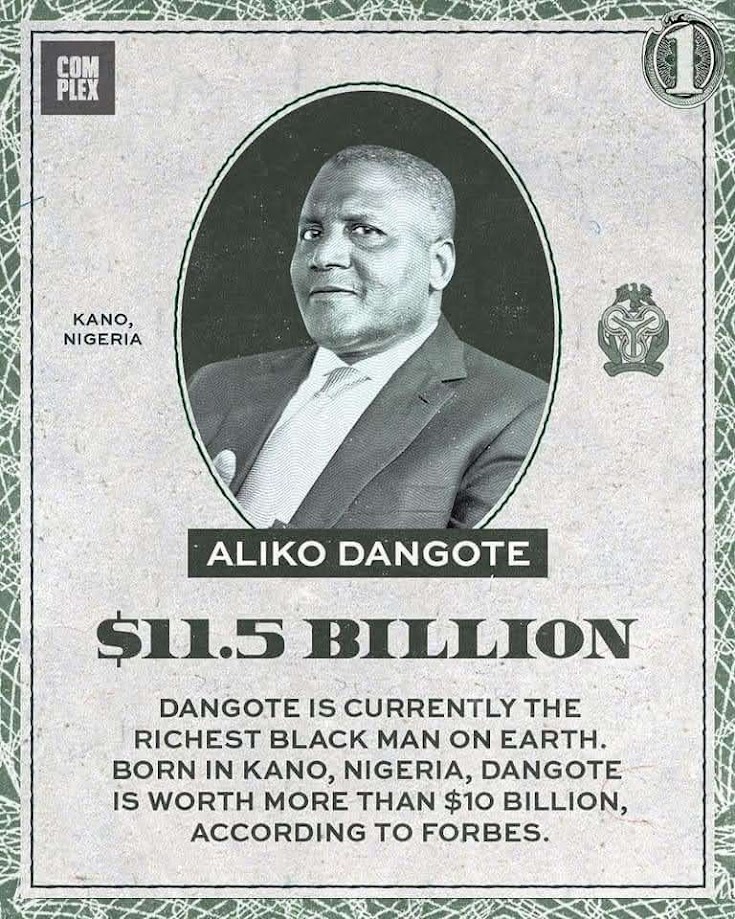
  • Aliko Dangote of Nigeria is Africa’s richest man (net worth ~$13.5 billion). His conglomerate dominates the cement, sugar, and oil industries. His foundation supports education, health, and disaster relief across the continent.
  • Nassef Sawiris of Egypt (net worth ~$9.5 billion) has interests in construction and sports. He represents North African industrial influence.
  • Patrice Motsepe of South Africa, a mining tycoon, was the first Black African on Forbes’ billionaire list. He has pledged much of his wealth to philanthropy through the Motsepe Foundation.

These modern magnates embody a mission to uplift their communities through investment, innovation, and infrastructure—principles that echo the communal values of kings like Mansa Musa.

Comparing Mansa Musa and Elon Musk

Elon Musk, the 21st-century industrialist, has a net worth fluctuating between $230–$250 billion, depending on stock market conditions. His wealth is rooted in futuristic technologies: electric cars, space exploration, and AI. Mansa Musa’s wealth, by contrast, was more immediate and liquid—gold, territory, and people. Economists suggest Musa’s adjusted fortune may have doubled or even tripled Musk’s, making him arguably the wealthiest individual in human history.

However, the true contrast lies in how their wealth was used. Mansa Musa’s riches fueled religious, intellectual, and social development, whereas modern billionaires often focus on innovation and privatized enterprise.

Conclusion: The Sovereign of Sovereigns

Mansa Musa’s name resounds through history not merely as a wealthy king, but as a beacon of divine kingship, cultural enlightenment, and Pan-African pride. He ruled with a blend of Islamic piety and African rootedness, proving that African civilizations were not only rich in gold but in governance, faith, and vision. His story reminds us that Africa’s greatness is not a myth—it is a memory, and a mandate to reclaim.

In honoring Mansa Musa today, we celebrate not only a king of gold, but a king of purpose. His reign challenges contemporary Africans and the diaspora to return to a model of leadership that centers wealth around wisdom and prosperity around people.


References

Gates Jr., H. L. (2011). The African Americans: Many Rivers to Cross. SmileyBooks.
Hunwick, J. O. (1999). Timbuktu and the Songhay Empire: Al-Sa’dī’s Taʾrīkh al-Sūdān down to 1613 and other contemporary documents. Brill.
Levtzion, N., & Hopkins, J. F. P. (2000). Corpus of early Arabic sources for West African history. Markus Wiener Publishers.
Forbes. (2025). World’s Billionaires List. Retrieved from https://www.forbes.com
World History Encyclopedia. (2023). Mansa Musa. Retrieved from https://www.worldhistory.org/Mansa_Musa_I/