Tag Archives: Africa

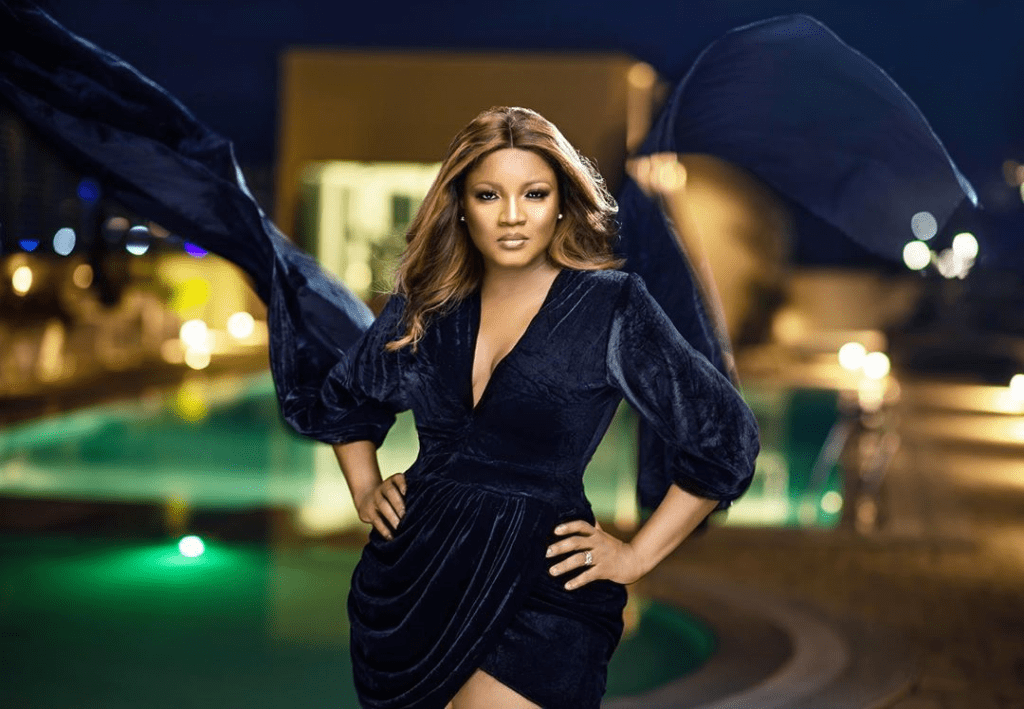
Celebrity Spotlight: Omotola Jalade Ekeinde #Nollywood

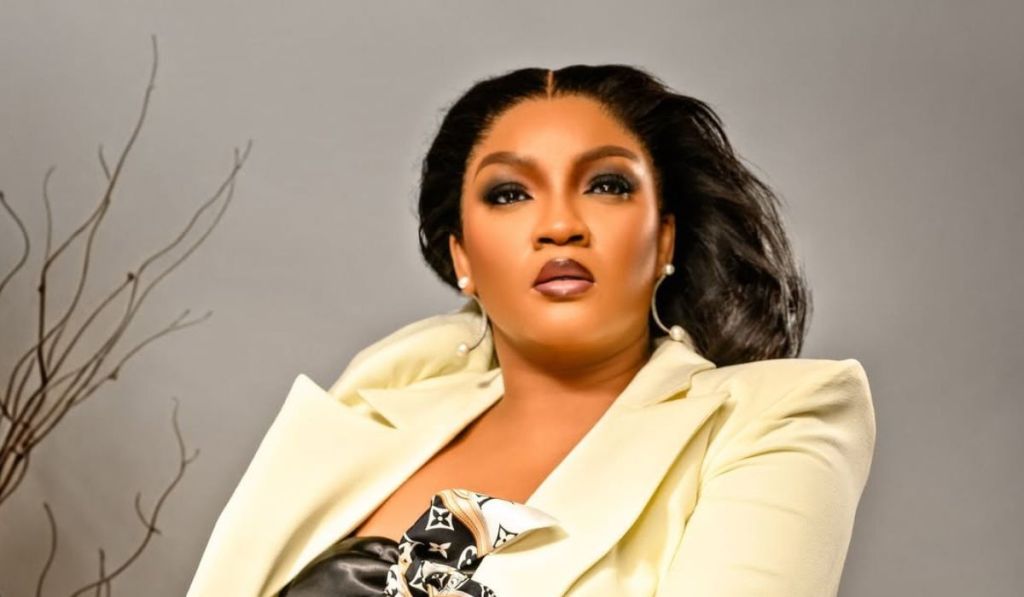
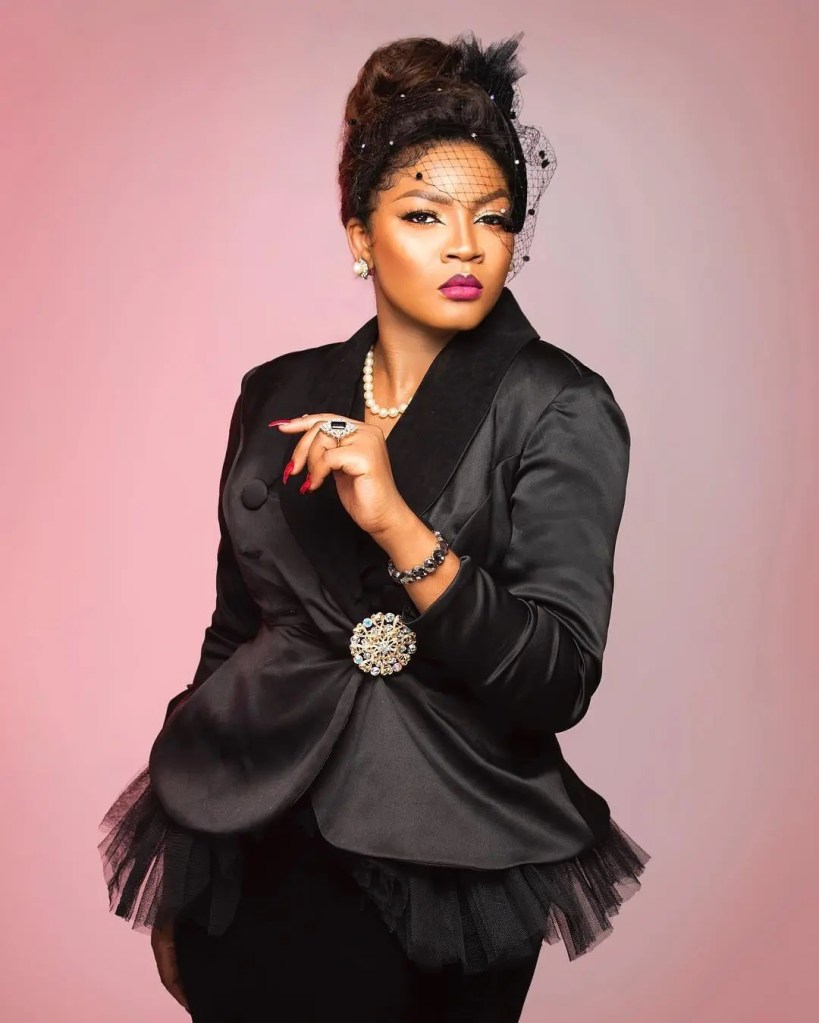
There are women whose presence commands admiration before they even speak — and Omotola Jalade Ekeinde, fondly called “Omosexy,” is one of them. With her radiant light caramel complexion, captivating almond eyes, and statuesque physique, she embodies a perfect fusion of African grace, sensuality, and sophistication. Her beauty is not only physical but regal — the kind that glows from confidence, faith, and purpose. She is not merely a Nollywood actress; she is a global phenomenon, humanitarian, wife, and mother whose impact extends far beyond the screen.


Early Life and Family Background

Omotola Jalade Ekeinde was born on February 7, 1978, in Lagos, Nigeria, to Oluwashola Jalade, a manager with the Lagos Country Club, and Oluwatoyin Jalade, a businesswoman. Raised in a disciplined Christian household, Omotola grew up with strong moral values, a sense of independence, and an early appreciation for education and service. She attended Chrisland School, Opebi, Oxford Children School, and Command Secondary School, Kaduna, before studying Estate Management at Yaba College of Technology.

At the age of 18, Omotola married her long-time partner, Captain Matthew Ekeinde, a respected Nigerian airline pilot, in a union that has become one of the most admired and enduring celebrity marriages in Africa. Together, they have four beautiful children, and their family stands as a symbol of stability, love, and faith within the entertainment industry.

Journey into Nollywood and Rise to Stardom

Omotola’s path to stardom began unexpectedly. Initially aspiring to a career in business management, she accompanied a friend to a movie audition and was encouraged to try out for a role herself. This spontaneous decision became destiny. Her acting debut came in 1995 with the film Venom of Justice, but it was her performance in Mortal Inheritance (1995) that catapulted her to fame. The film, which explored interracial marriage and sickle-cell anemia, showcased her emotional depth and established her as one of Nollywood’s most gifted talents.

Since then, Omotola has appeared in over 300 films, portraying complex characters that explore themes of love, justice, and womanhood. Her commanding performances have made her a household name, not only in Nigeria but across Africa and the diaspora.


Awards, Honors, and Global Recognition

Omotola’s contributions to film and society have earned her an impressive array of awards and distinctions. She received the Africa Movie Academy Award (AMAA) for Best Actress in a Leading Role and has won numerous Africa Magic Viewers’ Choice Awards (AMVCA) honors for her outstanding acting.

In 2013, Time Magazine named her one of the “100 Most Influential People in the World”, alongside Michelle Obama, Beyoncé, and Kate Middleton — an honor that solidified her status as a global icon. She was also recognized by the Nigerian government with the Member of the Order of the Federal Republic (MFR) for her contributions to Nigerian cinema.

Her film Alter Ego (2017) earned widespread critical acclaim for tackling issues of trauma and justice, further demonstrating her evolution as an actress of depth and conviction.


Endorsements and Humanitarian Work
Beyond the screen, Omotola is a dedicated humanitarian. She is a long-time UN World Food Programme Ambassador, advocating for the rights of women and children across Africa. She also works with the Amnesty International campaign on human rights awareness. Her commitment to social justice has earned her the nickname “The Real Life African Superwoman.”

Her beauty, intelligence, and authenticity have also made her one of the most sought-after brand ambassadors in Africa. She has partnered with major brands including Knorr, Ghandour Cosmetics, and BO16 Hair Care, using her platform to promote empowerment and self-confidence among African women.


Personal Life and Legacy

Despite her global fame, Omotola’s humility and devotion to her family remain at the heart of her identity. She often speaks openly about the importance of faith, balance, and maintaining one’s integrity in the entertainment industry. Her marriage to Captain Ekeinde remains one of the longest and most respected in Nollywood, defying the stereotype of fleeting celebrity unions.

Affectionately called “Omosexy” by fans, she redefines sensuality with grace — not as a tool of vanity, but as an expression of confidence and self-love. Her legacy is not only in film but also in her example of womanhood: strong, intelligent, nurturing, and unapologetically powerful.


Is Omotola the Highest-Paid Nollywood Actress?

For years, Omotola has ranked among the highest-paid actresses in Nollywood, often commanding premium fees per film. Alongside Genevieve Nnaji, she helped elevate the professional standards of pay and production quality in the Nigerian film industry. Her business acumen and professionalism have set new precedents for African actors, helping Nollywood evolve into a billion-dollar global industry.


Impact and Cultural Influence

Omotola Jalade Ekeinde’s influence reaches far beyond cinema. She represents the evolution of African womanhood — bold yet humble, beautiful yet principled, powerful yet nurturing. Her presence has inspired countless women to pursue their dreams without compromise. She is not only admired for her radiant ebony beauty but for her substance, discipline, and heart.

Her life is a living parable of excellence — proof that true beauty radiates from purpose and character. Omotola’s journey from a young Lagos girl to a world-renowned icon embodies the strength, resilience, and divine elegance of the modern African woman.


Conclusion

Omotola Jalade Ekeinde remains an enduring symbol of Black femininity and excellence. With her gleaming brown skin, sculpted face, and regal aura, she is a masterpiece of nature and nurture — a woman who moves with both grace and authority. As an actress, wife, and humanitarian, she continues to inspire a generation to dream boldly and love deeply. In every sense, she is carved by destiny, refined by faith, and crowned by legacy.


References

Amnesty International. (2015). Omotola Jalade Ekeinde joins campaign for human rights in Africa. Amnesty International. https://www.amnesty.org

BBC News. (2013, April 18). Time 100: Omotola Jalade Ekeinde among world’s most influential people. BBC. https://www.bbc.com/news

IMDb. (n.d.). Omotola Jalade Ekeinde biography. IMDb. https://www.imdb.com/name/nm1069989/

Nigerian Government Gazette. (2011). National honors list: Member of the Order of the Federal Republic (MFR). Federal Republic of Nigeria.

Pulse Nigeria. (2022, September 6). Omotola Jalade Ekeinde: Biography, family, and career success. Pulse Nigeria. https://www.pulse.ng

Time Magazine. (2013, April). The 100 Most Influential People in the World: Omotola Jalade Ekeinde. TIME Magazine. https://time.com

Vanguard Nigeria. (2021, August 12). Omotola Jalade Ekeinde: The timeless beauty of Nollywood. Vanguard Nigeria. https://www.vanguardngr.com
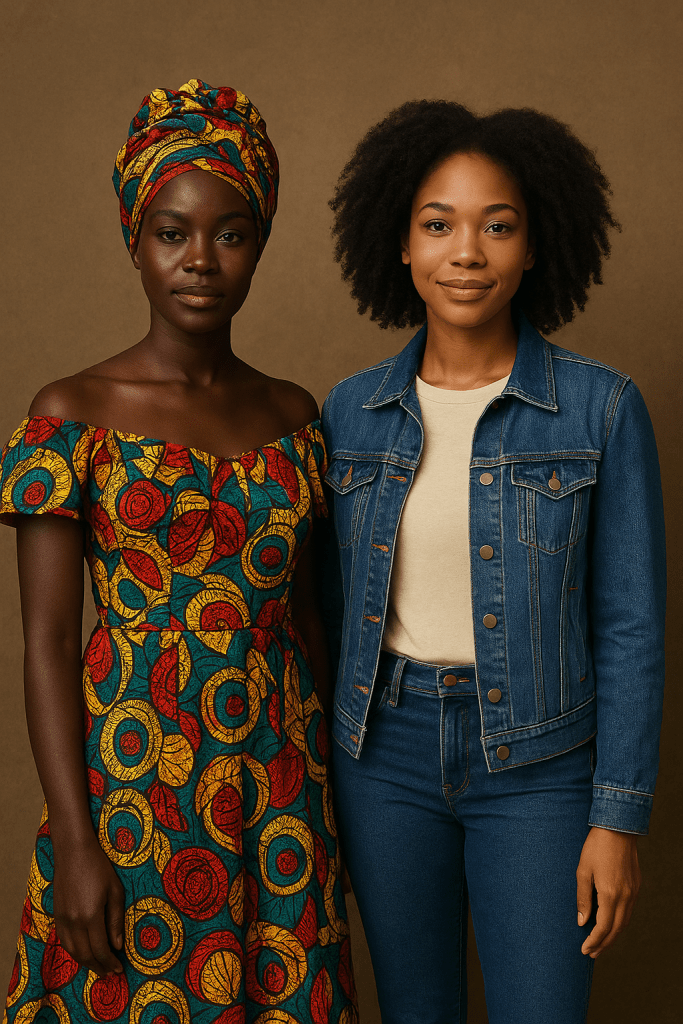
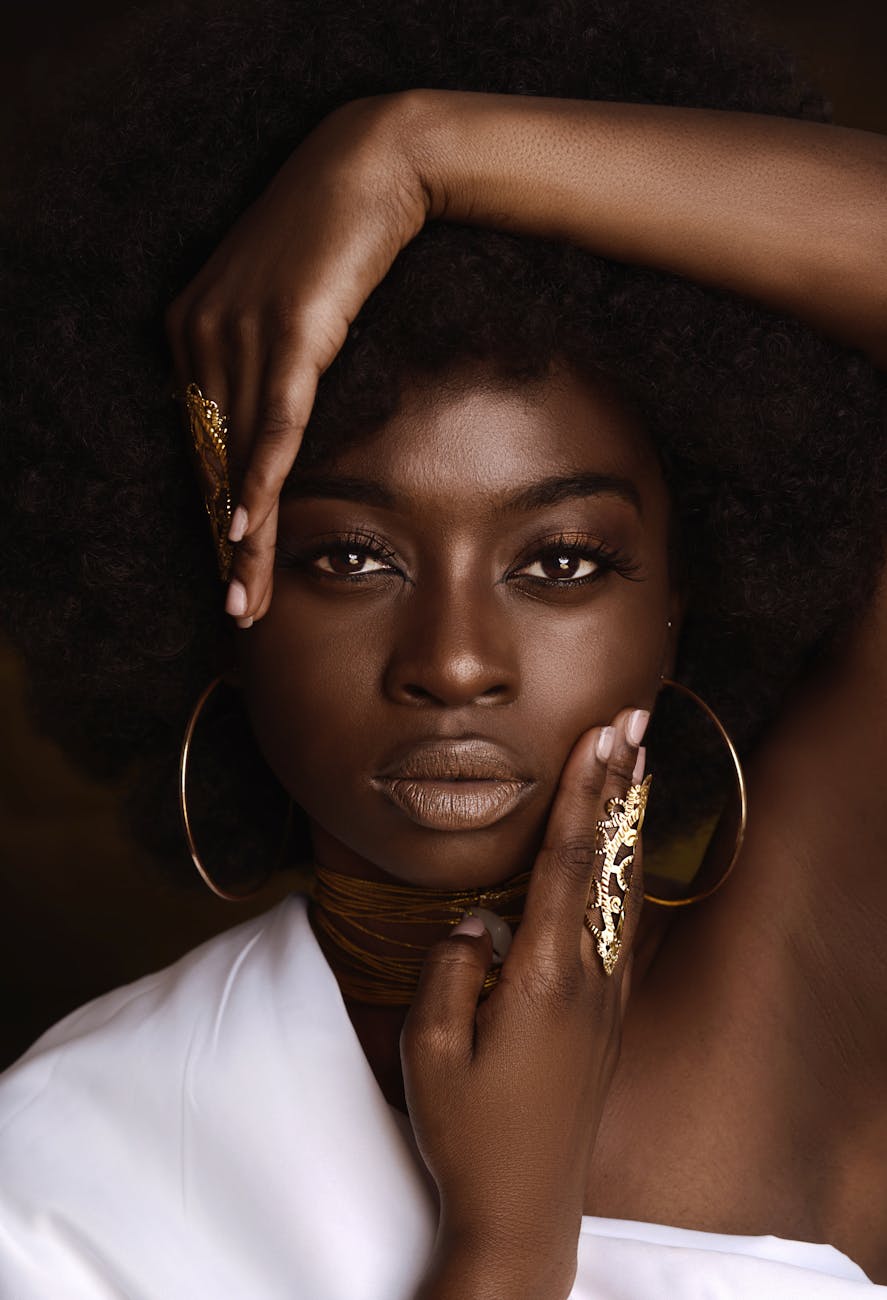
African vs. African American Women: A Comparative Analysis of Cultural Identity, Traditions, and Social Realities.

The relationship between African and African American women is complex, layered with shared ancestry yet shaped by divergent histories and sociocultural experiences. Both groups embody resilience and strength, yet their lived realities reflect different responses to history, colonization, and displacement. Understanding the distinctions between African and African American women requires an exploration of culture, traditions, gender roles, spirituality, and identity formation within historical and modern contexts.

African women are deeply rooted in ancestral traditions that emphasize community, kinship, and continuity. Their roles are often defined through lineage, extended family systems, and tribal customs. In many African societies, womanhood is tied to motherhood, hospitality, and participation in rituals that sustain the social order (Amadiume, 1997). Their identities are shaped by ethnic belonging—such as Yoruba, Zulu, Akan, or Igbo—and by collective rather than individualistic frameworks of living.

African American women, in contrast, are descendants of enslaved Africans who were forcibly removed from their native lands and stripped of their languages, spiritual systems, and kinship ties. Their womanhood evolved within the context of systemic racism, patriarchy, and survival in a hostile society. African American women have had to reconstruct their cultural identity, blending remnants of African heritage with new social realities in America (Collins, 2000).

One of the most striking differences lies in the preservation of tradition. African women often maintain cultural practices such as traditional attire, native languages, ancestral naming systems, and rites of passage. In contrast, African American women have had to rediscover or reinvent these elements through Afrocentric movements, Black nationalism, and Pan-Africanism. This reconstruction has created a hybrid culture—neither fully African nor Western, but uniquely diasporic (Asante, 2003).

In terms of social structure, African societies historically emphasize collectivism. Women play vital roles in market economies, agriculture, and family leadership. The extended family and community elders serve as support systems in raising children and resolving conflicts. African American women, on the other hand, have historically faced fragmentation of the family structure due to slavery, systemic poverty, and incarceration. This has necessitated a strong tradition of matriarchal resilience—women taking on leadership roles in families, churches, and movements for justice (Higginbotham, 1993).

Marriage and gender roles also reveal cultural contrasts. In traditional African contexts, marriage is often a communal affair, involving families, elders, and sometimes arranged unions that ensure social stability. Bride price or dowry systems still exist as cultural customs, symbolizing respect and family alliance. African American women, influenced by Western notions of romantic love and individual freedom, often view marriage as a personal choice rather than a family contract (Sudarkasa, 1986).

Motherhood holds sacred value in both contexts but manifests differently. African women view motherhood as an honored calling tied to continuity and lineage, often supported by extended family. African American women, however, have navigated motherhood as a site of resistance and survival. During slavery, their reproductive autonomy was denied, and yet motherhood became a means of transmitting hope, strength, and cultural memory (White, 1999).

Religious traditions further mark significant distinctions. African women continue to practice indigenous spiritual systems—such as Yoruba Ifá, Akan ancestral veneration, or Zulu cosmology—alongside Christianity and Islam. Their spirituality often integrates rituals, dance, and ancestral communication. African American women, shaped by the Black Church and later by Afrocentric revivalism, combine Christianity with African spiritual elements like ancestor remembrance and liberation theology (Cone, 1970).

Beauty standards and cultural aesthetics also differ across the diaspora. African women often embrace natural hairstyles, traditional clothing such as kente, Ankara, and gele, and view beauty through communal and spiritual lenses. In contrast, African American women have historically faced Eurocentric beauty ideals, leading to internal conflicts regarding hair texture, skin tone, and body image. However, movements like “Black is Beautiful” and the natural hair revolution have reconnected African American women to their African roots (Mercer, 1994).

Economic participation reveals both parallels and disparities. African women constitute a significant portion of the labor force in agriculture, trade, and small-scale entrepreneurship. Many African societies recognize women as economic backbones of their households. African American women, similarly industrious, have long been active in the American workforce, from domestic labor during slavery to leadership in education, healthcare, and activism. Yet, they face intersectional barriers of race and gender in capitalist structures (King, 1988).

Education serves as a bridge between the two worlds. African women, in many regions, continue to struggle against patriarchal and economic barriers to education. In contrast, African American women have achieved high levels of academic advancement, becoming one of the most educated demographic groups in the United States (National Center for Education Statistics, 2021). This achievement reflects both a legacy of struggle and the valuing of education as liberation.

Feminism also manifests differently. African feminism often focuses on complementarity, emphasizing harmony between men and women within cultural contexts rather than Western individualism. African American feminism, however, emerged from experiences of racial and gender oppression, advocating for intersectional justice and liberation (Ogundipe-Leslie, 1994; Collins, 2000). Both movements share the goal of empowerment but differ in philosophical grounding and expression.

Language remains a powerful marker of identity. African women maintain indigenous languages that connect them to their heritage and ancestors. African American women, descendants of those whose tongues were forcibly silenced, developed African American Vernacular English (AAVE)—a linguistic legacy of survival, creativity, and cultural memory (Smitherman, 2000). Through language, both groups assert cultural pride and identity.

Cultural rites of passage further distinguish the two. African women often undergo coming-of-age rituals marking puberty, fertility, or marriage, rooted in centuries-old tribal customs. African American women, separated from such rites through slavery, have developed alternative initiations through church ceremonies, debutante events, and sorority culture, reflecting adaptation and resilience (Nwando, 2011).

In terms of dress and adornment, African women’s attire is both symbolic and ceremonial, often reflecting tribal identity, marital status, and community pride. African American women, influenced by Western fashion and hip-hop culture, express identity through style as a form of resistance, creativity, and affirmation of Blackness. Both use adornment as cultural language (Blay, 2011).

Despite differences, a spiritual and cultural bond persists. African and African American women share an unspoken recognition of shared ancestry and pain—the scars of colonization, slavery, and patriarchal oppression. Yet, reconnecting across continents often reveals misunderstandings born of colonial narratives and Western stereotypes. African women may view African American women as overly liberal or disconnected from traditional values, while African American women may perceive Africans as patriarchal or uncritical of oppressive customs (Makalani, 2010).

The transatlantic slave trade remains the historical rupture that defines their separation. Yet it also serves as the bridge calling for reconnection. In recent decades, cultural exchange between African and African American women has grown through Pan-African organizations, social media, and travel. The “Back to Africa” movement, Afrobeat music, and global diasporic conferences have reignited dialogue and cultural healing.

This reconnection is not without challenges. Colorism, class differences, and cultural misunderstandings sometimes hinder unity. However, shared spirituality, music, and activism—seen in collaborations across art, academia, and politics—offer hope for transcontinental sisterhood. The success of African and African American women in global leadership, from Ngozi Okonjo-Iweala to Michelle Obama, symbolizes this convergence of strength and heritage.

Both groups have also led resistance movements in their respective contexts. African women have championed anti-colonial struggles and modern reforms, while African American women led civil rights, Black Lives Matter, and feminist movements. Their activism demonstrates that, though separated by geography, their spirits are united in a global pursuit of justice (Giddings, 1984).

Modern globalization continues to blur distinctions. Migration, intermarriage, and digital communication have fostered greater cross-cultural understanding. Younger generations of African and African American women increasingly identify with Pan-Africanism, embracing a collective identity rooted in pride, heritage, and empowerment.

Ultimately, African women embody the preservation of ancestral memory, while African American women represent cultural rebirth from historical disruption. One carries the flame of tradition; the other reignites it through rediscovery. Both together form a continuum of Black womanhood that transcends borders and time.

Understanding the differences between African and African American women is not to divide but to illuminate the diverse expressions of shared origin. Through dialogue, empathy, and education, these women can continue to heal historical wounds and strengthen global Black unity. Their stories, though written on different continents, form one collective narrative of endurance, dignity, and divine resilience.


References (APA Style)

Amadiume, I. (1997). Re-inventing Africa: Matriarchy, Religion and Culture. Zed Books.

Asante, M. K. (2003). Afrocentricity: The Theory of Social Change. African World Press.

Blay, Y. (2011). (1)ne Drop: Shifting the Lens on Race. Black Classic Press.

Collins, P. H. (2000). Black Feminist Thought: Knowledge, Consciousness, and the Politics of Empowerment. Routledge.

Cone, J. H. (1970). A Black Theology of Liberation. Orbis Books.

Giddings, P. (1984). When and Where I Enter: The Impact of Black Women on Race and Sex in America. William Morrow.

Higginbotham, E. (1993). Righteous Discontent: The Women’s Movement in the Black Baptist Church, 1880–1920. Harvard University Press.

King, D. K. (1988). Multiple jeopardy, multiple consciousness: The context of a Black feminist ideology. Signs, 14(1), 42–72.

Makalani, M. (2010). In the Cause of Freedom: Radical Black Internationalism from Harlem to London, 1917–1939. University of North Carolina Press.

Mercer, K. (1994). Welcome to the Jungle: New Positions in Black Cultural Studies. Routledge.

National Center for Education Statistics. (2021). Condition of Education 2021. U.S. Department of Education.

Nwando, A. (2011). African Women: A Historical Overview. Cambridge University Press.

Ogundipe-Leslie, M. (1994). Re-creating Ourselves: African Women and Critical Transformations. Africa World Press.

Puri, J. (2016). Woman, Body, Desire in Post-Colonial Contexts. Routledge.

Smitherman, G. (2000). Talkin and Testifyin: The Language of Black America. Wayne State University Press.

Sudarkasa, N. (1986). The status of women in indigenous African societies. Feminist Studies, 12(1), 91–103.

White, D. G. (1999). Ar’n’t I a Woman? Female Slaves in the Plantation South. W.W. Norton.

Resilience and Radiance: The Science of Black Beauty. #thescienceofblackbeauty

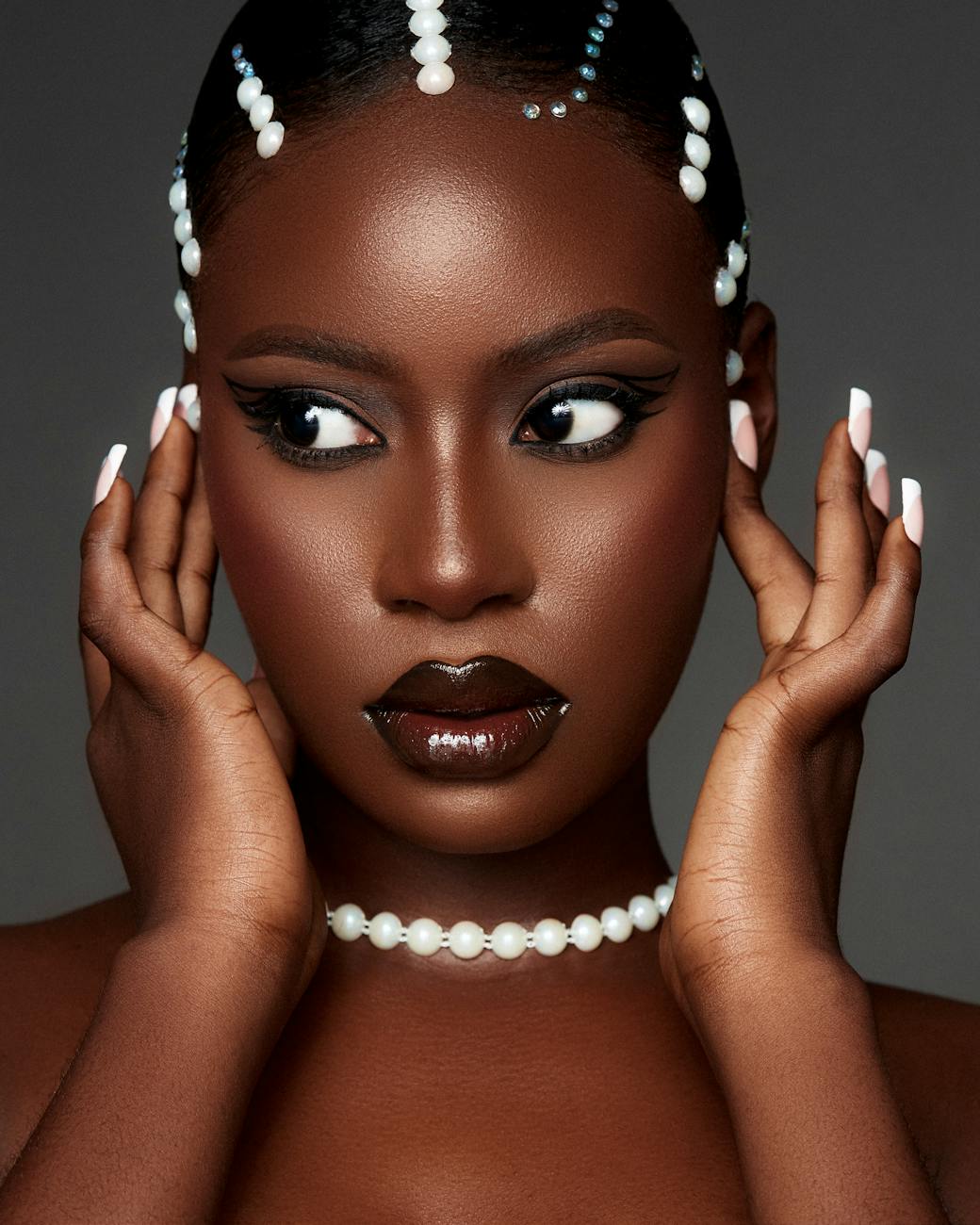
Photo by jim nyamao on Pexels.com

The beauty of people of African descent has long been both celebrated and contested, occupying a complex intersection of biology, culture, and politics. Black beauty is not simply a matter of outward appearance, but a profound embodiment of resilience, history, and spiritual depth. It reflects evolutionary intelligence, psychological endurance, and cultural resistance. Understanding the “science of Black beauty” requires examining its genetic foundations, the psychology of beauty perception, the historical weight of colonialism and slavery, and the spiritual dimension that has sustained Black people across centuries. In this sense, Black beauty radiates not only from the body, but also from the survival of a people who have redefined beauty against all odds.


Evolutionary and Biological Foundations of Black Beauty

Human variation is shaped by adaptation, and the physical features commonly associated with African ancestry bear witness to millennia of survival in diverse ecological environments. Skin pigmentation is one of the most visible markers. Deeply pigmented skin, rich in eumelanin, developed as an evolutionary shield against ultraviolet (UV) radiation. This adaptation protected folate—essential for reproduction and fetal development—while still permitting sufficient vitamin D synthesis near the equator (Jablonski & Chaplin, 2010). Thus, the very darkness of African skin is not only an aesthetic trait but also a marker of evolutionary fitness and resilience.

Hair texture provides another example of adaptation. Afro-textured hair, with its tightly coiled structure, plays a thermoregulatory role, shielding the scalp from intense sunlight while allowing airflow to cool the head (Robins, 2009). This unique adaptation highlights the functionality and beauty embedded within African biology. Similarly, fuller lips, broader noses, and other phenotypic features often stigmatized under Eurocentric ideals were evolutionary responses to environment and climate, rather than biological deficiencies.

Genetics further demonstrates the diversity within African-descended populations. Africa possesses the greatest genetic variation of any continent, meaning that Black beauty cannot be reduced to a monolith but must be understood as a spectrum of phenotypes, from ebony to bronze skin tones, from tightly coiled to loosely curled hair textures (Tishkoff et al., 2009). This genetic diversity underscores that Black beauty is vast, multifaceted, and scientifically foundational to humanity itself.


The Psychology of Black Beauty and Self-Perception

While biology provides the framework, psychology reveals how beauty is experienced and valued. For centuries, Eurocentric beauty standards have dominated the global imagination, leading to colorism and internalized oppression within Black communities (Hunter, 2007). Skin tone hierarchies, hair texture bias, and the devaluation of African features created psychological scars that persist today.

Psychological studies show that exposure to Eurocentric ideals negatively impacts self-esteem among Black girls and women, often leading to increased anxiety, depression, and identity struggles (Thompson & Keith, 2001). The infamous “doll test” conducted by Kenneth and Mamie Clark in the 1940s revealed that Black children preferred white dolls over Black dolls, associating whiteness with goodness and beauty while internalizing negative views of their own Blackness.

Yet psychology also highlights resilience. The “Black is Beautiful” movement of the 1960s was a revolutionary act of cognitive reframing, challenging dominant standards and affirming Black self-worth (Byrd & Tharps, 2014). Today, the natural hair movement, the rise of melanin pride campaigns, and the increasing visibility of dark-skinned models and actresses reflect an ongoing psychological resistance to internalized colonial narratives. These cultural shifts affirm that Black beauty is not fragile—it is resilient, continuously redefining itself in ways that nurture self-love and communal pride.


Cultural Representation and the Politics of Beauty

Beauty is never neutral; it is political. For centuries, the exclusion of Black women and men from mainstream beauty standards reinforced structures of racial hierarchy. Dark skin was demonized, kinky hair was stigmatized, and African facial features were caricatured or erased from media representation. When Black bodies did appear in art, literature, or film, they were often exoticized, fetishized, or portrayed as subhuman.

This exclusion was not accidental but deeply rooted in colonial projects that sought to dehumanize African people while upholding whiteness as the pinnacle of beauty and civilization (Craig, 2006). In this context, to affirm Black beauty was to resist systemic erasure. Icons such as Nina Simone, Angela Davis, and Cicely Tyson redefined beauty through their unapologetic embrace of natural hair and African aesthetics, disrupting dominant cultural narratives.

In contemporary culture, representation has expanded. Lupita Nyong’o’s global influence as a dark-skinned actress and advocate for young Black girls challenges colorism. Rihanna’s Fenty Beauty brand revolutionized the cosmetics industry by offering foundation shades across the spectrum of skin tones, addressing the long-standing exclusion of darker complexions (Tate, 2009). These shifts reveal that beauty is not just personal—it is structural, reshaping industries and social perceptions.


Spiritual and Historical Dimensions of Black Beauty

Beyond biology and psychology, Black beauty possesses a spiritual and historical dimension. The transatlantic slave trade, colonialism, and systemic racism sought to strip African people of dignity, yet inner beauty and resilience endured. Enslaved women, denied adornments or agency, still braided hair in intricate styles that carried cultural meaning and even mapped escape routes (Byrd & Tharps, 2014). Beauty became an act of survival, a hidden language of strength.

The Bible, too, speaks of beauty in terms deeper than physical appearance. “Whose adorning let it not be that outward adorning of plaiting the hair, and of wearing of gold… but let it be the hidden man of the heart” (1 Peter 3:3–4, KJV). This verse affirms that true beauty is rooted in spirit, dignity, and virtue rather than external adornment. For Black communities, beauty has always transcended surface features—it is found in resilience, faith, and the radiance of survival through centuries of oppression.


Resilience and Radiance in the Modern Era

Today, Black beauty radiates globally, shaping fashion, music, film, and art. Afrocentric hairstyles influence global trends, African skin tones are celebrated on runways, and hip-hop culture redefines aesthetics worldwide. Yet challenges remain: colorism, Eurocentric bias in corporate beauty industries, and the commodification of Black aesthetics without proper respect for Black creators (Patton, 2006).

Nevertheless, Black beauty continues to redefine itself as a site of resistance and radiance. It is a reminder that beauty is not static but evolving, deeply intertwined with survival and identity. In both science and spirit, Black beauty testifies to the resilience of a people who refused to be erased, radiating strength that shines across generations.


Conclusion

The science of Black beauty demonstrates that it is both biological and transcendent. Evolutionary biology reveals its brilliance in adaptation. Psychology uncovers both the wounds of imposed Eurocentric standards and the resilience of self-love movements. Culture illustrates the politics of representation and the revolutionary act of embracing melanin and natural aesthetics. Spiritually, Black beauty is inseparable from dignity, survival, and divine worth.

In this light, Black beauty is not fragile—it is radiant because it endured. It is resilience written into skin, hair, and spirit. It is science fused with history, and history fused with faith. Black beauty is not merely seen; it is survived, celebrated, and sacred.


References

  • Byrd, A., & Tharps, L. (2014). Hair story: Untangling the roots of Black hair in America. St. Martin’s Press.
  • Craig, M. L. (2006). Race, beauty, and the tangled knot of a guilty pleasure. Feminist Theory, 7(2), 159–177.
  • Hunter, M. (2007). The persistent problem of colorism: Skin tone, status, and inequality. Sociology Compass, 1(1), 237–254.
  • Jablonski, N. G., & Chaplin, G. (2010). Human skin pigmentation as an adaptation to UV radiation. Proceedings of the National Academy of Sciences, 107(Suppl 2), 8962–8968.
  • Patton, T. O. (2006). Hey girl, am I more than my hair? African American women and their struggles with beauty, body image, and hair. NWSA Journal, 18(2), 24–51.
  • Robins, A. H. (2009). Biological perspectives on human pigmentation. Cambridge University Press.
  • Tate, S. A. (2009). Black beauty: Aesthetics, stylization, politics. Ashgate.
  • Thompson, M. S., & Keith, V. M. (2001). The Blacker the berry: Gender, skin tone, self-esteem, and self-efficacy. Gender & Society, 15(3), 336–357.
  • Tishkoff, S. A., et al. (2009). The genetic structure and history of Africans and African Americans. Science, 324(5930), 1035–1044.

BOOK REVIEW: Of Africa by Wole Soyinka

🌍✨

Wole Soyinka: Africa’s Lion of Letters, Conscience of a Continent
Featuring a 5-Star Review of Of Africa.


Who Is Wole Soyinka? A Biographical Portrait

“One’s own self-worth, in any racial equation, comes from within. Black people have been conditioned to see themselves through the lens of others, but we must break that mirror.”
—Wole Soyinka

Wole Soyinka (full name: Akinwande Oluwole Babatunde Soyinka) was born on July 13, 1934, in Abeokuta, Nigeria, during British colonial rule. He is one of Africa’s most revered playwrights, poets, novelists, essayists, and political activists, celebrated globally for his commitment to human rights, intellectual freedom, and the restoration of African dignity.

Soyinka made history in 1986 when he became the first African to win the Nobel Prize in Literature, honored for his poetic, theatrical, and political brilliance. The Nobel committee described him as someone who “in a wide cultural perspective and with poetic overtones fashions the drama of existence.”

Family Life

Wole Soyinka has been married three times. His current wife is Folake Doherty-Soyinka, a Nigerian academic. He is the father of several children, including Dr. Olaokun Soyinka, a physician and former health commissioner in Ogun State, Nigeria.


What Part of Africa Is He From?

Soyinka hails from Nigeria, specifically from the Yoruba ethnic group in the southwestern region. His upbringing was deeply influenced by Yoruba culture and Christian missionary education, which shaped the duality of indigenous spirituality and Western thought that marks his writing.


🧠 What Kind of Writer Is He?

Soyinka is a philosophical writer, dramatist, essayist, poet, and social critic, known for weaving together African mythology, colonial history, Western classics, and moral critique. His tone ranges from satirical and dramatic to elegiac and prophetic. He speaks not only for Nigeria but for the global African experience, standing as a literary giant akin to James Baldwin, Chinua Achebe, and Ngũgĩ wa Thiong’o.

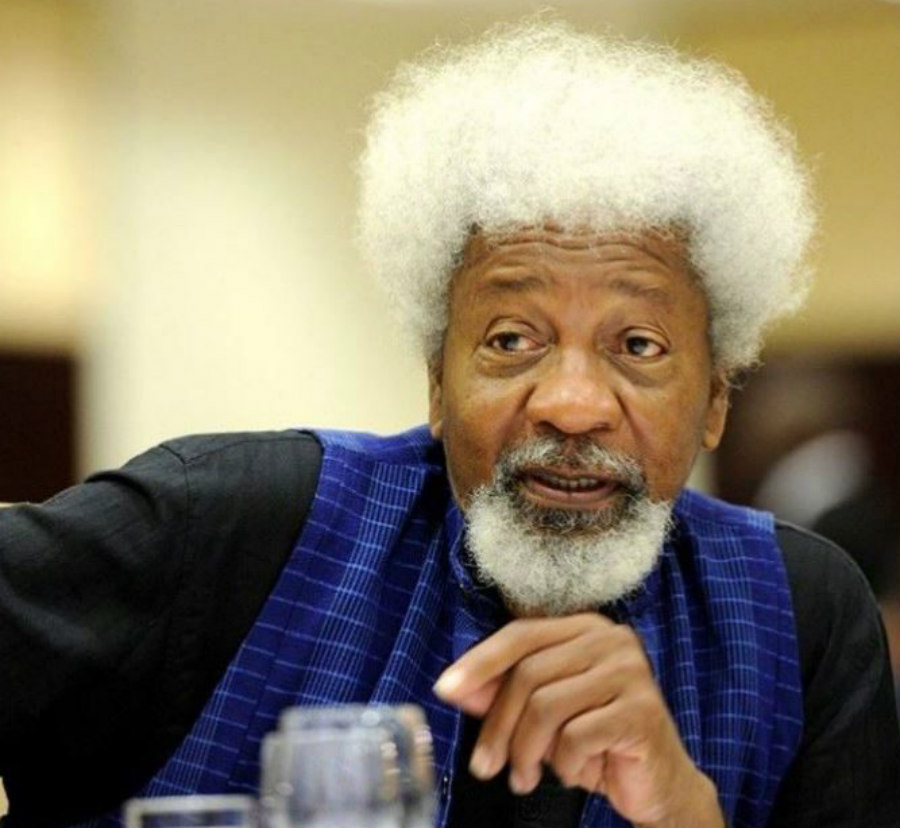
“His gray-white halo speaks volumes, even when he says nothing.”
—A fitting tribute to the dignified, sage-like presence of Wole Soyinka.


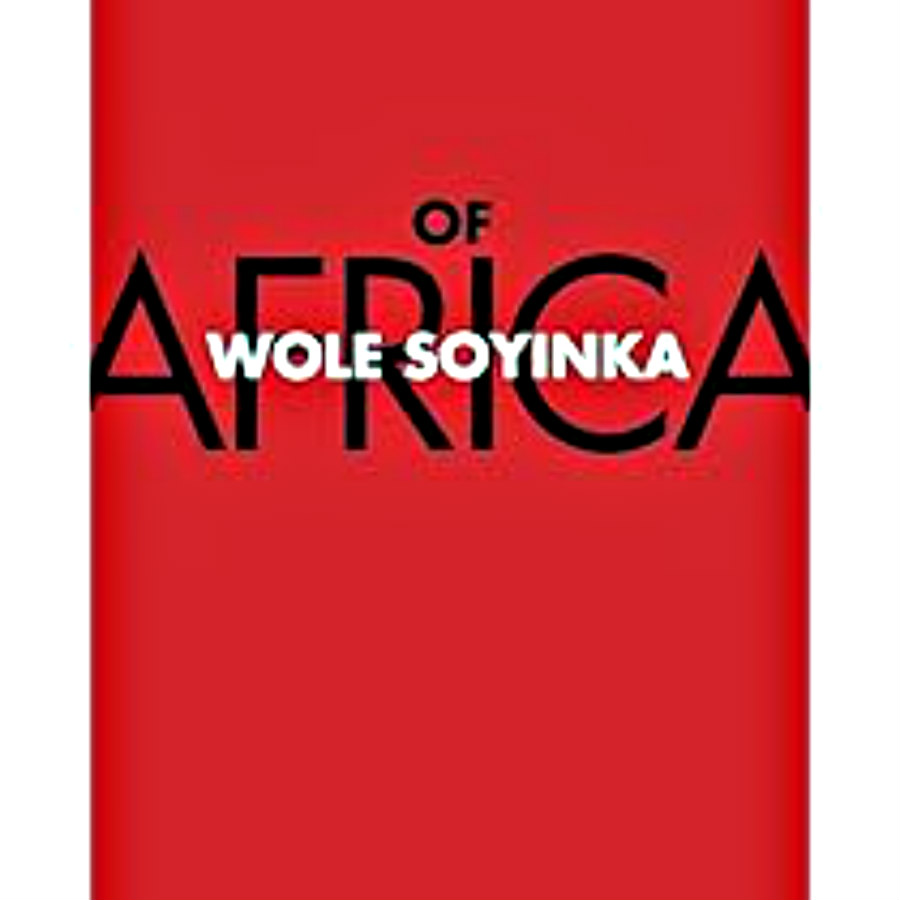
📚 Five-Star Book Review: Of Africa

By Wole Soyinka
Rating: ⭐⭐⭐⭐⭐ (Masterpiece of Culture, Memory, and Identity)

Premise and Purpose

Published in 2012, Of Africa is a deeply personal, philosophical, and historical exploration of the continent’s struggles and triumphs. Soyinka aims to reclaim the spiritual and cultural identity of Africa from the misrepresentations of colonialism, slavery, and religious extremism. The book is part memoir, part manifesto, and part historical critique.

What Is Of Africa About?

Soyinka addresses the historical scars of Africa—from the transatlantic slave trade and colonialism to genocides, dictatorships, and religious intolerance. He reflects on the failures of post-independence leadership in many African states, while also uplifting the resilience, creativity, and spiritual wealth of African people.

Key Themes and Discoveries

  1. Spiritual Pluralism vs. Religious Fanaticism
    Soyinka condemns religious extremism, both Islamic and Christian, for fueling violence and suppressing indigenous African wisdom. He calls for religious tolerance and cultural syncretism, rooted in African traditions of peace and coexistence.
  2. Memory as Resistance
    He insists that remembering Africa’s true history—its empires, philosophies, and cosmologies—is essential for reclaiming Black identity and sovereignty.
  3. Pan-Africanism and Black Unity
    Soyinka invokes the diasporic connection between Africans on the continent and those in the Americas, the Caribbean, and Europe, urging solidarity and mutual uplift.
  4. Art as Weapon
    He advocates for the power of literature, drama, and poetry as tools for liberation and truth-telling.

“The black race is the most visible and symbolic victim of an enduring system of global injustice.”
—Wole Soyinka, Of Africa


Soyinka has used his pen, voice, and body in the fight for African liberation:

  • Imprisoned for nearly two years (1967–1969) by the Nigerian government for calling for peace during the Biafran War.
  • Spoke out against military dictatorships in Nigeria, particularly under Sani Abacha, risking exile and even his life.
  • Founded educational and cultural institutions that promoted African literature and history.
  • Mentored African writers, scholars, and activists, creating space for Black thought to flourish globally.

His intellectual work has inspired liberation movements, African-American scholars, and truth-seekers across the diaspora.


Wole Soyinka is a fierce human rights activist and political dissident. Throughout his life, he has challenged:

  • Colonialism
  • Military tyranny
  • Religious extremism
  • Western imperial narratives
  • Internal African corruption

He was forced into exile multiple times for his activism, but never silenced. His speeches, essays, and plays often act as calls to action.


His Role in Nigeria’s History

  • Participated in Nigeria’s civil rights movement during and after independence in 1960.
  • Fought for Biafran peace, which led to his arrest.
  • Opposed authoritarian regimes that suppressed civil liberties and looted the nation’s wealth.
  • Continues to speak out on matters of African governance, education, and Pan-African cooperation.

Wole Soyinka’s life and work are a testament to intellectual liberation for Black people worldwide. He:

  • Challenged white supremacy’s narrative of Africa as primitive.
  • Celebrated Yoruba cosmology, Black resilience, and artistic excellence.
  • Spoke unapologetically to the power, dignity, and capacity of Black people.
  • Helped restore Africa’s intellectual and cultural pride on the global stage.


Conclusion: The Elder Sage of African Letters

Wole Soyinka is not just a writer—he is a keeper of memory, a warrior of truth, and a griot for the global Black soul. His white-gray afro and piercing gaze symbolize a life lived in pursuit of justice and ancestral honor. He is a living bridge between the ancient African past and the liberated Black future.

If you’ve ever been fascinated by Africans, as you said, then Soyinka is one of Africa’s finest mirrors—reflecting truth, pain, beauty, resistance, and eternal pride.


Suggested Reading List by Wole Soyinka

  1. Of Africa (2012)
  2. Death and the King’s Horseman (1975) – A powerful play on colonial conflict and Yoruba ritual.
  3. Ake: The Years of Childhood (1981) – A beautiful autobiographical memoir.
  4. The Man Died: Prison Notes of Wole Soyinka (1972) – His reflections from solitary confinement.
  5. Myth, Literature and the African World (1976) – A profound study of African cosmology and art.

✊🏾 The Black is Beautiful Movement: Origins, Influence, and Legacy ✊🏾

Photo by AOG PIXELS on Pexels.com

The Black is Beautiful movement emerged in the United States during the mid-1960s as a cultural and political affirmation of Black identity, aesthetics, and heritage. While the phrase became widely popularized through the work of the Black Arts Movement and fashion photography, its roots can be traced to the activism of figures such as Kwame Brathwaite and the African Jazz-Art Society & Studios (AJASS) in Harlem. Brathwaite and AJASS launched the Naturally ’62 fashion show in 1962, which celebrated natural hair, darker skin tones, and African-inspired clothing, directly challenging Eurocentric beauty standards (Ford, 2015).

The slogan Black is Beautiful was also closely aligned with the broader Civil Rights and Pan-Africanist movements, reflecting the ideological influence of leaders like Marcus Garvey, whose earlier campaigns emphasized racial pride and self-love. The movement gained visibility in magazines such as Ebony, Jet, and Essence, which featured darker-skinned models and natural hairstyles. Advertising agencies and brands—particularly those serving the African American market—began to incorporate Black beauty ideals into their campaigns. Companies such as Johnson Products (with its Afro Sheen brand) and Soft Sheen made direct use of the slogan and imagery in print and television ads during the 1970s (Taylor, 2016).

The world’s reaction to the movement varied. In the Black community, it fostered a collective sense of dignity and cultural pride, encouraging African Americans to reject skin bleaching, hair straightening, and other practices that reflected internalized racism. Globally, the movement resonated with African liberation struggles, influencing artists and activists in the Caribbean, Africa, and the United Kingdom. Internationally, the concept intersected with anti-colonial sentiment, with publications and cultural festivals abroad adopting similar affirmations of Black beauty and identity (Cummings, 2018).

The Black is Beautiful movement had a profound psychological impact on African Americans. Research in social psychology has shown that positive in-group representation can improve self-esteem and counteract internalized oppression (Cross, 1991). By redefining beauty standards, the movement helped dismantle the harmful association between whiteness and attractiveness, replacing it with an appreciation for African features such as full lips, broad noses, tightly coiled hair, and deep skin tones.

Celebrities played a significant role in popularizing the movement. Figures like Cicely Tyson, Nina Simone, and Kathleen Cleaver wore natural hairstyles and spoke openly about embracing their African heritage. Tyson rejected roles that required her to straighten her hair, stating in interviews that her natural style was a statement of self-respect. Nina Simone famously declared, “You’ve got to learn to leave the table when love’s no longer being served”—a statement tied to the larger ethos of self-worth and pride. In the sports world, Muhammad Ali’s unapologetic proclamation, “I’m Black and I’m proud” echoed the movement’s core message. In music, James Brown’s 1968 hit Say It Loud – I’m Black and I’m Proud became an anthem that galvanized support across generations.

The movement’s era was primarily the 1960s through the 1970s, coinciding with the Civil Rights Movement, the Black Power Movement, and the rise of Black cultural nationalism. Its legacy continues in contemporary movements such as Black Girl Magic and Melanin Poppin’, which similarly celebrate African-descended beauty and identity in the face of ongoing colorism and Eurocentric media dominance.

In sum, the Black is Beautiful movement was not merely a fashion statement but a political and psychological revolution. It empowered generations of African Americans to embrace their identity, reject assimilationist beauty norms, and inspire a global dialogue on race, aesthetics, and cultural pride.


References

Cross, W. E. (1991). Shades of Black: Diversity in African-American identity. Temple University Press.

Cummings, M. J. (2018). We will shoot back: Armed resistance in the Mississippi freedom movement. NYU Press.

Ford, Tanisha C. (2015). Liberated threads: Black women, style, and the global politics of soul. University of North Carolina Press.

Taylor, Ula Y. (2016). The promise of patriarchy: Women and the nation of Islam. University of North Carolina Press.

BOOK Review: The Developmental Psychology of the Black Child by Dr. Amos N. Wilson

Dr. Amos N. Wilson, one of the most profound and revolutionary minds in Black psychology and education. His work remains foundational for those seeking liberation from white supremacy and insight into the mental development of African-descended people.


🌟🌟🌟🌟🌟 5/5

Dr. Amos N. Wilson: Revolutionary Psychologist and Defender of the Black Mind
Featuring a 5-Star Review of The Developmental Psychology of the Black Child


Who Was Dr. Amos Wilson? Biography and Legacy

Dr. Amos N. Wilson (1941–1995) was a brilliant psychologist, educator, author, and Pan-African scholar whose life work was dedicated to the mental liberation of Black people—especially Black children. Born in Hattiesburg, Mississippi, during the Jim Crow era, Wilson experienced firsthand the devastating effects of racism, segregation, and educational neglect in America.

He earned his undergraduate degree at Morehouse College, one of the most prestigious Historically Black Colleges and Universities (HBCUs), and later received his Ph.D. in clinical psychology. He worked professionally as a psychologist, not a psychiatrist (a psychiatrist is a medical doctor who prescribes medication, whereas psychologists focus more on therapy, behavior, and educational assessments).

Wilson taught at City College of New York, worked in social services, and was a youth advocate in the community. Though he kept much of his personal life private, he was married and had children, whom he referenced as part of his lived experience raising and analyzing Black youth in America.


His Revolutionary Impact on Psychology

Dr. Wilson was one of the leading figures in African-centered psychology, challenging the Eurocentric models that labeled Black children as “deficient,” “disruptive,” or “inferior.” He argued that psychological development cannot be separated from the socioeconomic and political environment in which a child lives.

Wilson criticized the mainstream education system and mental health industry for misdiagnosing and mislabeling Black children, particularly Black boys, with learning disabilities and behavior disorders. His goal was to replace white-dominated models of psychology with Africentric, culturally-grounded frameworks rooted in history, identity, and liberation.


🧠 Five-Star Book Review

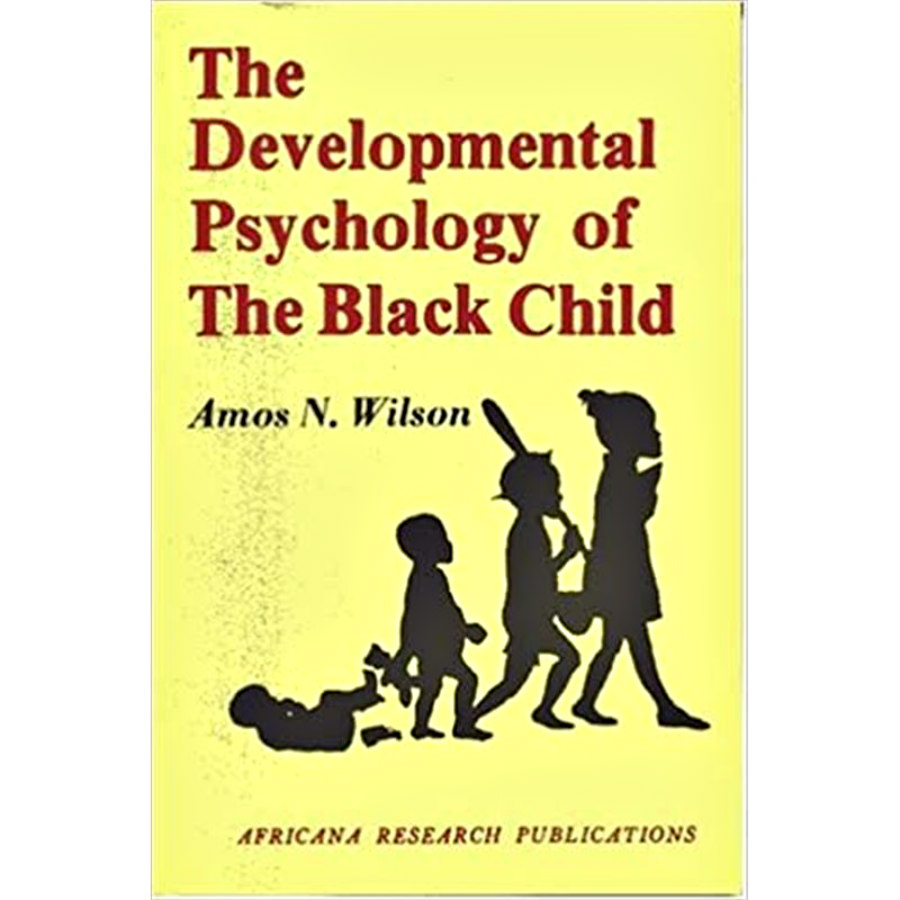
Title: The Developmental Psychology of the Black Child
By Dr. Amos N. Wilson
Rating: ⭐⭐⭐⭐⭐ (Essential, Groundbreaking, Liberatory)

This book is an intellectual masterpiece and a foundational text in the field of Black child psychology. Dr. Wilson wrote it to expose the harmful assumptions of traditional child development theories, which were based almost entirely on white children from middle-class environments. He argued that applying these same metrics to Black children—who face systemic racism, cultural marginalization, and poverty—creates a false narrative of inferiority.


Purpose and Discoveries of the Book

Dr. Wilson’s goal was to help educators, psychologists, and parents understand that Black children are different not in deficiency, but in experience and cultural expression. He carefully analyzed:

  • Cognitive development
  • Speech and language acquisition
  • Behavioral traits
  • Academic performance
  • Cultural identity formation

His central discovery was that Black children learn and grow differently, not because of biological inferiority, but due to environmental racism, cultural mismatch in classrooms, and lack of Afrocentric nurturing. The book includes data, case studies, and critiques of standardized testing, intelligence tests, and biased teacher expectations.

“The major problem facing Black children is not low IQ but low expectations and miseducation.”
—Dr. Amos N. Wilson


His Solutions: What Would Make a Difference?

Wilson was not just critical—he was constructive. He outlined practical, Afrocentric solutions to enhance the development of Black children:

  • Culturally relevant curriculum rooted in African history and identity
  • Black-controlled educational institutions
  • Parental involvement with strong cultural pride
  • Black psychologists and teachers trained in Africentric developmental theory
  • Community unity and collective responsibility

He argued that true education should not merely prepare Black children to fit into white society, but to transform and liberate it.


Dr. Wilson’s Views on Racism in America

Wilson taught that racism is not about feelings but systems. He saw white supremacy as a global power structure designed to protect white genetic survival, wealth, and dominance. He often said that Black people’s problems are political and economic in nature and must be solved through organized Black power, not begging for white validation or inclusion.

“Racism is a power relationship… White people are not superior, but they control the institutions of life and death.”
—Dr. Amos Wilson

His explosive voice, piercing intellect, and relentless truth-telling made him feared by white academia and loved by conscious Black communities. He was labeled “radical,” “controversial,” and “divisive,” because he exposed the core of systemic racism and called for Black self-determination.


His Activism and Public Influence

Though not a marcher or politician, Dr. Wilson was a radical intellectual activist. His activism was in the classroom, the lecture hall, and the page. He spoke passionately at Black conferences, on college campuses, and through media outlets like The Black Dot, Gil Noble’s Like It Is, and other grassroots platforms.

His voice—booming, baritone, authoritative, and deeply Black—could shake a room and awaken minds. He challenged both white systems and Black complacency.

“If you don’t understand white supremacy—what it is and how it works—everything else you think you know will only confuse you.”
—A quote often attributed to both Wilson and Neely Fuller Jr., reflecting their shared ideology.


Are Black Children Different from White Children?

Yes—not in intrinsic capability, but in cultural experience, linguistic patterns, and the societal context they are born into. Wilson emphasized:

  • Black children often demonstrate early creativity, rhythm, advanced speech patterns, and kinesthetic learning styles.
  • They are often punished for their brilliance—seen as “hyper,” “loud,” or “defiant”—when in fact they are expressive, inquisitive, and socially advanced.
  • Standardized testing, Eurocentric curricula, and white teacher bias suppress their natural intelligence and creativity.

He argued that white children are socialized into supremacy, while Black children are often miseducated into submission. The solution, Wilson insisted, was not integration but institution-building, cultural restoration, and psychological freedom.


Final Thoughts: A Genius We Must Not Forget

Dr. Amos N. Wilson was a towering intellect, an educator of the soul, and a protector of Black youth. He didn’t just critique the system—he built a blueprint for liberation. His work remains more relevant than ever in an age of continued police violence, educational neglect, and cultural confusion.

He was respected because he was fearless—a man who told the truth when it wasn’t popular. He gave his life to the mind and left behind mental ammunition for Black survival and progress.


References

  • Wilson, A. N. (1978). The Developmental Psychology of the Black Child. Afrikan World Infosystems.
  • Wilson, A. N. (1998). Blueprint for Black Power: A Moral, Political, and Economic Imperative for the Twenty-First Century.
  • Akbar, N. (1991). Visions for Black Men.
  • Kambon, K. (2003). Cultural Misorientation: The Greatest Threat to the Survival of the Black Race in the 21st Century.
  • Asa G. Hilliard III and Wade W. Nobles, colleagues and fellow pioneers in Afrocentric psychology.

The Golden Legacy of MANSA MUSA: Africa’s Emperor of Wealth and Wisdom

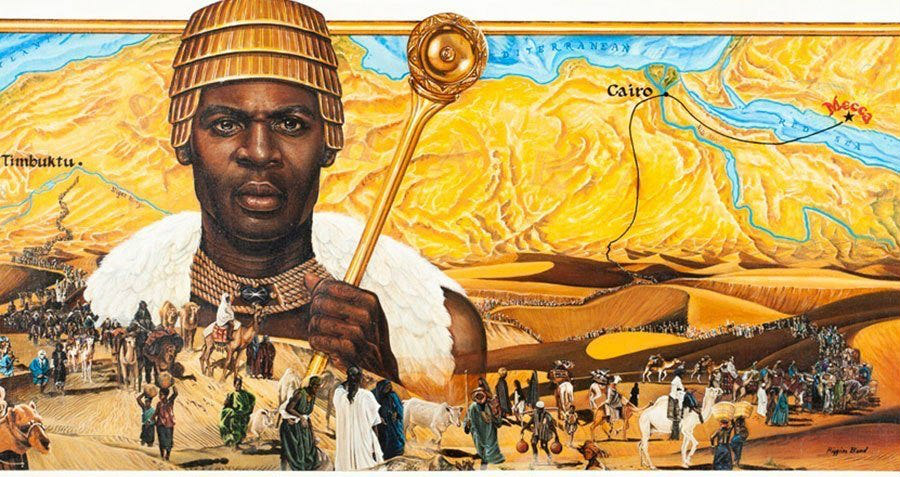
Throughout world history, few figures have embodied the fusion of wealth, wisdom, and spiritual devotion like Mansa Musa, the 14th-century emperor of the Mali Empire. Revered as the richest man to have ever lived, Mansa Musa’s legacy goes far beyond gold and grandeur—it encompasses a transformative reign that elevated West Africa to global prominence through trade, scholarship, and religious devotion. His life is not only a celebration of African excellence but a benchmark for leadership that still inspires Africa’s billionaires today.

The Life and Rise of a Golden Monarch

Musa Keita I, known as Mansa Musa, ascended to the throne of Mali in 1312 AD. He inherited power from his predecessor, Abu Bakr II, who is believed to have set sail on an ambitious voyage across the Atlantic Ocean in search of new lands. Musa, a devout Muslim, ruled over an empire that stretched over 2,000 miles, encompassing parts of present-day Mali, Senegal, Gambia, Niger, Nigeria, Guinea, and Mauritania. He was the 10th Mansa, or “King of Kings,” of the Mali Empire and quickly set out to establish a reign that would be remembered for centuries.

Mansa Musa was married to Queen Inari Kunate, and though historical records do not provide exact details of his family, it is known that he had children, including a son named Magha who succeeded him briefly. As a ruler, Musa exemplified not only administrative excellence but a commitment to faith, justice, and community prosperity.

His wealth is legendary. Scholars estimate that, adjusted for inflation, Musa’s personal fortune could have reached as much as $400–500 billion. This would make him richer than today’s tech moguls like Elon Musk or Jeff Bezos. Unlike modern billionaires whose assets are often tied to stock markets, Mansa Musa’s wealth was tangible—gold, land, and control over critical trade routes that moved salt, ivory, slaves, and knowledge across the Sahara.

Mali Under Mansa Musa: The Empire of Learning and Wealth

The Mali Empire thrived under Musa’s leadership, becoming one of the most sophisticated and wealthy civilizations in world history. Its strength was rooted in control of the trans-Saharan trade network, particularly the gold and salt trades. Mali was so rich in gold that the commodity became central to its international image.

One of Mansa Musa’s most remarkable accomplishments was his 1324 pilgrimage to Mecca, known as the Hajj. This journey was not only a religious obligation but a political statement. He traveled with a caravan reportedly consisting of 60,000 men, including 12,000 slaves and 100 camels each carrying hundreds of pounds of gold. His generosity was so overwhelming in places like Cairo and Medina that he caused significant inflation, devaluing gold for a decade in some regions. This pilgrimage placed Mali on the map for European and Arab chroniclers, and Mansa Musa’s name began appearing in global records, including the Catalan Atlas of 1375.

Upon returning to Mali, Musa commissioned the construction of mosques, madrasas (Islamic schools), and libraries. Timbuktu, under his guidance, blossomed into a world-renowned center of Islamic scholarship and trade. The University of Sankoré in Timbuktu attracted scholars from across Africa and the Middle East. Mansa Musa also hired Andalusian architects, such as Abu Ishaq Es Saheli, who introduced new architectural designs, including the Djinguereber Mosque, still standing today.

The Legacy of Wealth and Spirituality

Mansa Musa’s legacy is not simply one of wealth but one of moral and cultural responsibility. He utilized his riches to invest in education, infrastructure, and religious institutions. His reign exemplified the African tradition of communal wealth—what benefits the king must benefit the people. He modeled the ideal that leadership is stewardship.

Although no direct quotes from Mansa Musa survive, the 14th-century historian Al-Umari described him as “a young man of black complexion with a pleasant face and good figure…he spoke rarely, and always with mildness.” This suggests a man of humility and discipline, despite his immense riches. His image—an African king holding a nugget of gold—became an icon in European maps, redefining Western ideas of African civilization and prosperity.

Ancient African Kingdoms of Wealth and Power

Mali was not alone in its splendor. Ancient Africa was home to several other prosperous kingdoms, such as:

  • Ghana Empire – Preceding Mali, rich in gold and trade.
  • Songhai Empire – Successor to Mali, known for military might and scholarship.
  • Benin Kingdom – Famous for bronze artwork and diplomatic relations with Europeans.
  • Great Zimbabwe – A southern African kingdom renowned for its stone cities and cattle wealth.
  • Axum (Ethiopia) – A powerful Christian empire with vast trade routes.
  • Kongo Kingdom – Central African monarchy known for its diplomacy and Catholic conversion.
  • Kanem-Bornu – Islamic empire with military power and trade.
  • Nubia/Kush – Ancient civilization that rivaled Egypt.

These kingdoms were centers of commerce, technology, military strategy, and cultural identity—dispelling the colonial myth of a dark and stagnant precolonial Africa.

Modern Billionaires: Today’s African Kings

In today’s world, African billionaires carry the legacy of wealth and leadership, though in modern industries:

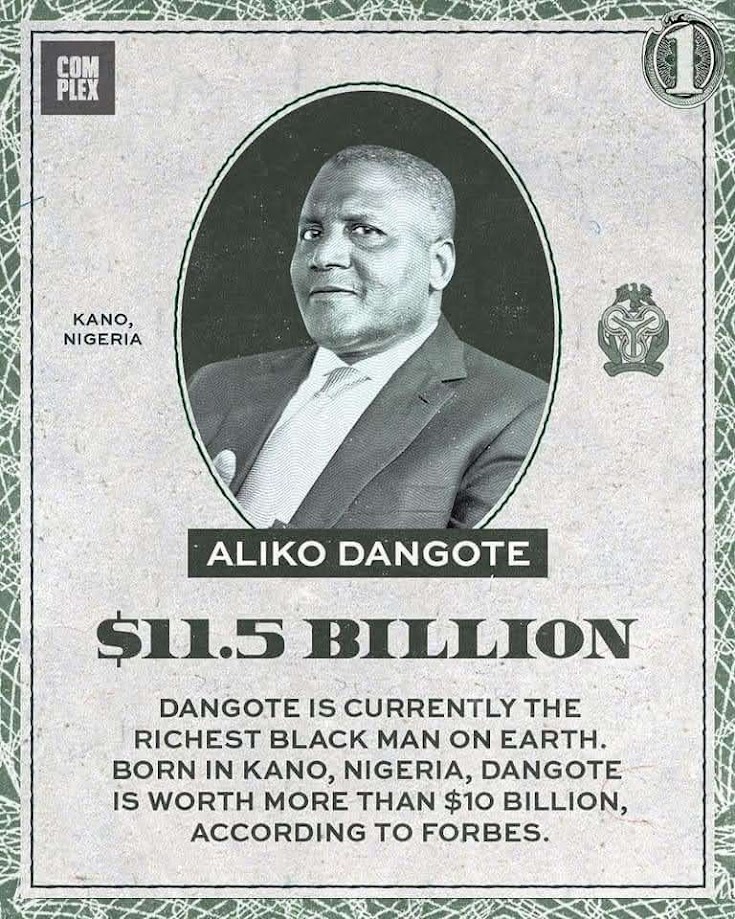
  • Aliko Dangote of Nigeria is Africa’s richest man (net worth ~$13.5 billion). His conglomerate dominates the cement, sugar, and oil industries. His foundation supports education, health, and disaster relief across the continent.
  • Nassef Sawiris of Egypt (net worth ~$9.5 billion) has interests in construction and sports. He represents North African industrial influence.
  • Patrice Motsepe of South Africa, a mining tycoon, was the first Black African on Forbes’ billionaire list. He has pledged much of his wealth to philanthropy through the Motsepe Foundation.

These modern magnates embody a mission to uplift their communities through investment, innovation, and infrastructure—principles that echo the communal values of kings like Mansa Musa.

Comparing Mansa Musa and Elon Musk

Elon Musk, the 21st-century industrialist, has a net worth fluctuating between $230–$250 billion, depending on stock market conditions. His wealth is rooted in futuristic technologies: electric cars, space exploration, and AI. Mansa Musa’s wealth, by contrast, was more immediate and liquid—gold, territory, and people. Economists suggest Musa’s adjusted fortune may have doubled or even tripled Musk’s, making him arguably the wealthiest individual in human history.

However, the true contrast lies in how their wealth was used. Mansa Musa’s riches fueled religious, intellectual, and social development, whereas modern billionaires often focus on innovation and privatized enterprise.

Conclusion: The Sovereign of Sovereigns

Mansa Musa’s name resounds through history not merely as a wealthy king, but as a beacon of divine kingship, cultural enlightenment, and Pan-African pride. He ruled with a blend of Islamic piety and African rootedness, proving that African civilizations were not only rich in gold but in governance, faith, and vision. His story reminds us that Africa’s greatness is not a myth—it is a memory, and a mandate to reclaim.

In honoring Mansa Musa today, we celebrate not only a king of gold, but a king of purpose. His reign challenges contemporary Africans and the diaspora to return to a model of leadership that centers wealth around wisdom and prosperity around people.


References

Gates Jr., H. L. (2011). The African Americans: Many Rivers to Cross. SmileyBooks.
Hunwick, J. O. (1999). Timbuktu and the Songhay Empire: Al-Sa’dī’s Taʾrīkh al-Sūdān down to 1613 and other contemporary documents. Brill.
Levtzion, N., & Hopkins, J. F. P. (2000). Corpus of early Arabic sources for West African history. Markus Wiener Publishers.
Forbes. (2025). World’s Billionaires List. Retrieved from https://www.forbes.com
World History Encyclopedia. (2023). Mansa Musa. Retrieved from https://www.worldhistory.org/Mansa_Musa_I/

Dilemma: The Global Obession with Light Skin: A Legacy of Colonialism, Media, and the Market Forces

Photo by Angela Roma on Pexels.com

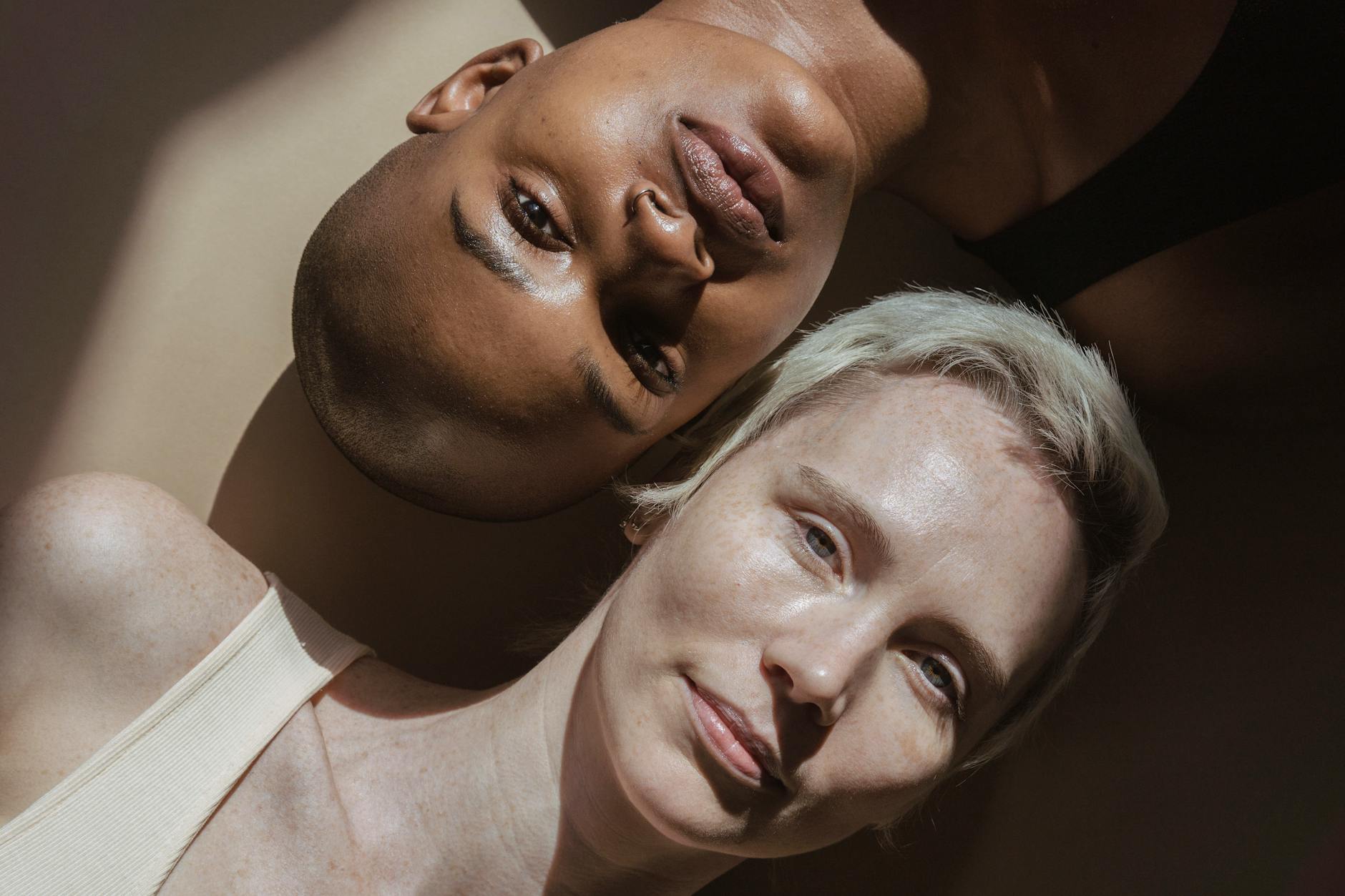
Despite widespread awareness of the toxic ingredients—especially mercury and hydroquinone—in many skin whitening creams, millions continue to use these products globally. This practice raises the question: What is the real obsession with light skin? To answer this, one must revisit history, colonial influence, media representation, and socioeconomic power structures that have long equated whiteness with beauty, status, and success.


A Historical and Colonial Inheritance

The global preference for lighter skin is not innate, but rather deeply rooted in colonialism and Eurocentric ideals. During the European colonization of Africa, Asia, and the Americas, white Europeans imposed their language, culture, and beauty standards on the colonized populations. Skin color became a social marker of class and power: the lighter one’s skin, the closer they were perceived to be to the colonizer—and thus, to power.

During the Renaissance period in Europe, white skin was also considered a marker of nobility and purity. Aristocratic women often powdered their skin to appear pale, using lead-based cosmetics that were toxic but symbolized high status and delicacy. These ideals were immortalized through art, literature, and sculpture, and later exported globally through colonization.

📖 Fanon, Frantz (1952). Black Skin, White Masks – Discusses the psychological effects of colonialism on Black identity, especially the internalized desire to emulate the colonizer’s physical traits.


Media and Modern-Day Messaging

In the 20th and 21st centuries, this historical legacy was amplified by global media, advertising, and entertainment. From magazine covers and beauty campaigns to social media influencers and K-pop stars, light-skinned models and celebrities dominate the beauty landscape. This repetitive imagery reinforces the idea that “fair is beautiful,” leaving darker-skinned individuals feeling invisible or unattractive.

📖 Hunter, M. (2007). “The Persistent Problem of Colorism: Skin Tone, Status, and Inequality.” Sociology Compass – Explains how lighter skin is often associated with higher economic and social mobility in non-white communities.


Skin Lightening: Practices and Products

Skin whitening, lightening, or bleaching refers to the use of chemical substances—such as mercury, hydroquinone, corticosteroids, and glutathione—to reduce melanin production and achieve a lighter skin tone. These products are often sold as creams, pills, injections, and even IV drips in some countries.

⚠️ Health Effects:

  • Kidney damage and neurological disorders from mercury exposure
  • Skin thinning, acne, and permanent discoloration from corticosteroids
  • Ochronosis (bluish-black skin patches) from long-term hydroquinone use
  • Increased risk of skin cancer due to the removal of natural melanin protection

📖 World Health Organization (WHO, 2011): “Mercury in Skin Lightening Products” – Describes the toxic effects and global regulations related to mercury use in cosmetics.


Global Prevalence and Economic Scale

Skin lightening is most prevalent in parts of:

  • Africa – Countries like Nigeria, Ghana, South Africa, and Kenya report high usage.
  • Asia – India, Pakistan, the Philippines, Thailand, South Korea, and China have massive markets for skin whitening.
  • The Caribbean and Latin America – Where lighter skin is often tied to colonial legacies and social mobility.
  • Middle East – Light skin is frequently idealized in beauty culture.

According to a report by Global Industry Analysts Inc., the global skin lightening market was valued at USD $8.6 billion in 2020, and is projected to reach over $12.3 billion by 2027.

📖 Statista (2022): “Skin Whitening Products Market Value Worldwide”
📖 WHO, 2019: Up to 77% of Nigerian women use skin lightening products, one of the highest rates globally.


The Psychology Behind Skin Lightening: Internalized Colorism

Skin bleaching is not merely a cosmetic choice; it reflects a deep-seated psychological and social dilemma. The practice is fueled by internalized racism and colorism, where individuals believe lighter skin increases their chances of being perceived as beautiful, professional, or worthy.

📖 Apiah, K. A. (1992). In My Father’s House: Africa in the Philosophy of Culture – Discusses identity struggles among Africans and the influence of European ideals.

📖 Jones, T. (2000). “Shades of Brown: The Law of Skin Color.” Duke Law Journal – Explores how colorism affects legal and social outcomes.


Conclusion: A Call for Change

The global obsession with light skin is a socially constructed preference that traces back to colonial domination, cultural imperialism, and modern capitalism. It is sustained by global beauty industries and media that glorify whiteness while marginalizing darker tones.

Combating this phenomenon requires:

  • Media reform that embraces diversity in all shades
  • Education about the dangers of skin bleaching
  • Cultural movements that redefine beauty standards from within communities
  • Policy enforcement to ban harmful chemicals in cosmetics

It is time to unlearn inherited biases and recognize the beauty, dignity, and health risks tied to this often-destructive pursuit of light skin.


References

  • Fanon, F. (1952). Black Skin, White Masks. Grove Press.
  • Hunter, M. (2007). “The Persistent Problem of Colorism.” Sociology Compass, 1(1), 237-254.
  • World Health Organization (2011). “Mercury in Skin Lightening Products.” WHO.int
  • Statista (2022). “Market value of skin whitening products worldwide.”
  • Global Industry Analysts Inc. (2021). “Global Skin Lighteners Market Report.”
  • Jones, T. (2000). “Shades of Brown.” Duke Law Journal.
  • Apiah, K. A. (1992). In My Father’s House: Africa in the Philosophy of Culture.

The Global Obsession with Light Skin: A The Global Obsession with Light Skin: A Legacy of Colonialism, Media, and Market Forces

Despite widespread awareness of the toxic ingredients—especially mercury and hydroquinone—in many skin whitening creams, millions continue to use these products globally. This practice raises the question: What is the real obsession with light skin? To answer this, one must revisit history, colonial influence, media representation, and socioeconomic power structures that have long equated whiteness with beauty, status, and success.


A Historical and Colonial Inheritance

The global preference for lighter skin is not innate, but rather deeply rooted in colonialism and Eurocentric ideals. During the European colonization of Africa, Asia, and the Americas, white Europeans imposed their language, culture, and beauty standards on the colonized populations. Skin color became a social marker of class and power: the lighter one’s skin, the closer they were perceived to be to the colonizer—and thus, to power.

During the Renaissance period in Europe, white skin was also considered a marker of nobility and purity. Aristocratic women often powdered their skin to appear pale, using lead-based cosmetics that were toxic but symbolized high status and delicacy. These ideals were immortalized through art, literature, and sculpture, and later exported globally through colonization.

📖 Fanon, Frantz (1952). Black Skin, White Masks – Discusses the psychological effects of colonialism on Black identity, especially the internalized desire to emulate the colonizer’s physical traits.


Media and Modern-Day Messaging

In the 20th and 21st centuries, this historical legacy was amplified by global media, advertising, and entertainment. From magazine covers and beauty campaigns to social media influencers and K-pop stars, light-skinned models and celebrities dominate the beauty landscape. This repetitive imagery reinforces the idea that “fair is beautiful,” leaving darker-skinned individuals feeling invisible or unattractive.

📖 Hunter, M. (2007). “The Persistent Problem of Colorism: Skin Tone, Status, and Inequality.” Sociology Compass – Explains how lighter skin is often associated with higher economic and social mobility in non-white communities.


Skin Lightening: Practices and Products

Skin whitening, lightening, or bleaching refers to the use of chemical substances—such as mercury, hydroquinone, corticosteroids, and glutathione—to reduce melanin production and achieve a lighter skin tone. These products are often sold as creams, pills, injections, and even IV drips in some countries.

⚠️ Health Effects:

  • Kidney damage and neurological disorders from mercury exposure
  • Skin thinning, acne, and permanent discoloration from corticosteroids
  • Ochronosis (bluish-black skin patches) from long-term hydroquinone use
  • Increased risk of skin cancer due to the removal of natural melanin protection

📖 World Health Organization (WHO, 2011): “Mercury in Skin Lightening Products” – Describes the toxic effects and global regulations related to mercury use in cosmetics.


Global Prevalence and Economic Scale

Skin lightening is most prevalent in parts of:

  • Africa – Countries like Nigeria, Ghana, South Africa, and Kenya report high usage.
  • Asia – India, Pakistan, the Philippines, Thailand, South Korea, and China have massive markets for skin whitening.
  • The Caribbean and Latin America – Where lighter skin is often tied to colonial legacies and social mobility.
  • Middle East – Light skin is frequently idealized in beauty culture.

According to a report by Global Industry Analysts Inc., the global skin lightening market was valued at USD $8.6 billion in 2020, and is projected to reach over $12.3 billion by 2027.

📖 Statista (2022): “Skin Whitening Products Market Value Worldwide”
📖 WHO, 2019: Up to 77% of Nigerian women use skin lightening products, one of the highest rates globally.


The Psychology Behind Skin Lightening: Internalized Colorism

Skin bleaching is not merely a cosmetic choice; it reflects a deep-seated psychological and social dilemma. The practice is fueled by internalized racism and colorism, where individuals believe lighter skin increases their chances of being perceived as beautiful, professional, or worthy.

📖 Apiah, K. A. (1992). In My Father’s House: Africa in the Philosophy of Culture – Discusses identity struggles among Africans and the influence of European ideals.

📖 Jones, T. (2000). “Shades of Brown: The Law of Skin Color.” Duke Law Journal – Explores how colorism affects legal and social outcomes.


Conclusion: A Call for Change

The global obsession with light skin is a socially constructed preference that traces back to colonial domination, cultural imperialism, and modern capitalism. It is sustained by global beauty industries and media that glorify whiteness while marginalizing darker tones.

Combating this phenomenon requires:

  • Media reform that embraces diversity in all shades
  • Education about the dangers of skin bleaching
  • Cultural movements that redefine beauty standards from within communities
  • Policy enforcement to ban harmful chemicals in cosmetics

It is time to unlearn inherited biases and recognize the beauty, dignity, and health risks tied to this often-destructive pursuit of light skin.


References

Apiah, K. A. (1992). In My Father’s House: Africa in the Philosophy of Culture.

Fanon, F. (1952). Black Skin, White Masks. Grove Press.

Hunter, M. (2007). “The Persistent Problem of Colorism.” Sociology Compass, 1(1), 237-254.

World Health Organization (2011). “Mercury in Skin Lightening Products.” WHO.int

Statista (2022). “Market value of skin whitening products worldwide.”

Global Industry Analysts Inc. (2021). “Global Skin Lighteners Market Report.”

Jones, T. (2000). “Shades of Brown.” Duke Law Journal.

Despite widespread awareness of the toxic ingredients—especially mercury and hydroquinone—in many skin whitening creams, millions continue to use these products globally. This practice raises the question: What is the real obsession with light skin? To answer this, one must revisit history, colonial influence, media representation, and socioeconomic power structures that have long equated whiteness with beauty, status, and success.


A Historical and Colonial Inheritance

The global preference for lighter skin is not innate, but rather deeply rooted in colonialism and Eurocentric ideals. During the European colonization of Africa, Asia, and the Americas, white Europeans imposed their language, culture, and beauty standards on the colonized populations. Skin color became a social marker of class and power: the lighter one’s skin, the closer they were perceived to be to the colonizer—and thus, to power.

During the Renaissance period in Europe, white skin was also considered a marker of nobility and purity. Aristocratic women often powdered their skin to appear pale, using lead-based cosmetics that were toxic but symbolized high status and delicacy. These ideals were immortalized through art, literature, and sculpture, and later exported globally through colonization.

📖 Fanon, Frantz (1952). Black Skin, White Masks – Discusses the psychological effects of colonialism on Black identity, especially the internalized desire to emulate the colonizer’s physical traits.


Media and Modern-Day Messaging

In the 20th and 21st centuries, this historical legacy was amplified by global media, advertising, and entertainment. From magazine covers and beauty campaigns to social media influencers and K-pop stars, light-skinned models and celebrities dominate the beauty landscape. This repetitive imagery reinforces the idea that “fair is beautiful,” leaving darker-skinned individuals feeling invisible or unattractive.

📖 Hunter, M. (2007). “The Persistent Problem of Colorism: Skin Tone, Status, and Inequality.” Sociology Compass – Explains how lighter skin is often associated with higher economic and social mobility in non-white communities.


Skin Lightening: Practices and Products

Skin whitening, lightening, or bleaching refers to the use of chemical substances—such as mercury, hydroquinone, corticosteroids, and glutathione—to reduce melanin production and achieve a lighter skin tone. These products are often sold as creams, pills, injections, and even IV drips in some countries.

⚠️ Health Effects:

  • Kidney damage and neurological disorders from mercury exposure
  • Skin thinning, acne, and permanent discoloration from corticosteroids
  • Ochronosis (bluish-black skin patches) from long-term hydroquinone use
  • Increased risk of skin cancer due to the removal of natural melanin protection

📖 World Health Organization (WHO, 2011): “Mercury in Skin Lightening Products” – Describes the toxic effects and global regulations related to mercury use in cosmetics.


Global Prevalence and Economic Scale

Skin lightening is most prevalent in parts of:

  • Africa – Countries like Nigeria, Ghana, South Africa, and Kenya report high usage.
  • Asia – India, Pakistan, the Philippines, Thailand, South Korea, and China have massive markets for skin whitening.
  • The Caribbean and Latin America – Where lighter skin is often tied to colonial legacies and social mobility.
  • Middle East – Light skin is frequently idealized in beauty culture.

According to a report by Global Industry Analysts Inc., the global skin lightening market was valued at USD $8.6 billion in 2020, and is projected to reach over $12.3 billion by 2027.

📖 Statista (2022): “Skin Whitening Products Market Value Worldwide”
📖 WHO, 2019: Up to 77% of Nigerian women use skin lightening products, one of the highest rates globally.


The Psychology Behind Skin Lightening: Internalized Colorism

Skin bleaching is not merely a cosmetic choice; it reflects a deep-seated psychological and social dilemma. The practice is fueled by internalized racism and colorism, where individuals believe lighter skin increases their chances of being perceived as beautiful, professional, or worthy.

📖 Apiah, K. A. (1992). In My Father’s House: Africa in the Philosophy of Culture – Discusses identity struggles among Africans and the influence of European ideals.

📖 Jones, T. (2000). “Shades of Brown: The Law of Skin Color.” Duke Law Journal – Explores how colorism affects legal and social outcomes.


Conclusion: A Call for Change

The global obsession with light skin is a socially constructed preference that traces back to colonial domination, cultural imperialism, and modern capitalism. It is sustained by global beauty industries and media that glorify whiteness while marginalizing darker tones.

Combating this phenomenon requires:

  • Media reform that embraces diversity in all shades
  • Education about the dangers of skin bleaching
  • Cultural movements that redefine beauty standards from within communities
  • Policy enforcement to ban harmful chemicals in cosmetics

It is time to unlearn inherited biases and recognize the beauty, dignity, and health risks tied to this often-destructive pursuit of light skin.


References

  • Fanon, F. (1952). Black Skin, White Masks. Grove Press.
  • Hunter, M. (2007). “The Persistent Problem of Colorism.” Sociology Compass, 1(1), 237-254.
  • World Health Organization (2011). “Mercury in Skin Lightening Products.” WHO.int
  • Statista (2022). “Market value of skin whitening products worldwide.”
  • Global Industry Analysts Inc. (2021). “Global Skin Lighteners Market Report.”
  • Jones, T. (2000). “Shades of Brown.” Duke Law Journal.
  • Apiah, K. A. (1992). In My Father’s House: Africa in the Philosophy of Culture.

Black History: Leopold II of Belgium

Leopold II of Belgium AKA The Devil Leopold


He skinned my people
Castrated my brothers
Raped my sisters
And brutally murdered my people
All in the name of the Devil
He is the Devil incarnate


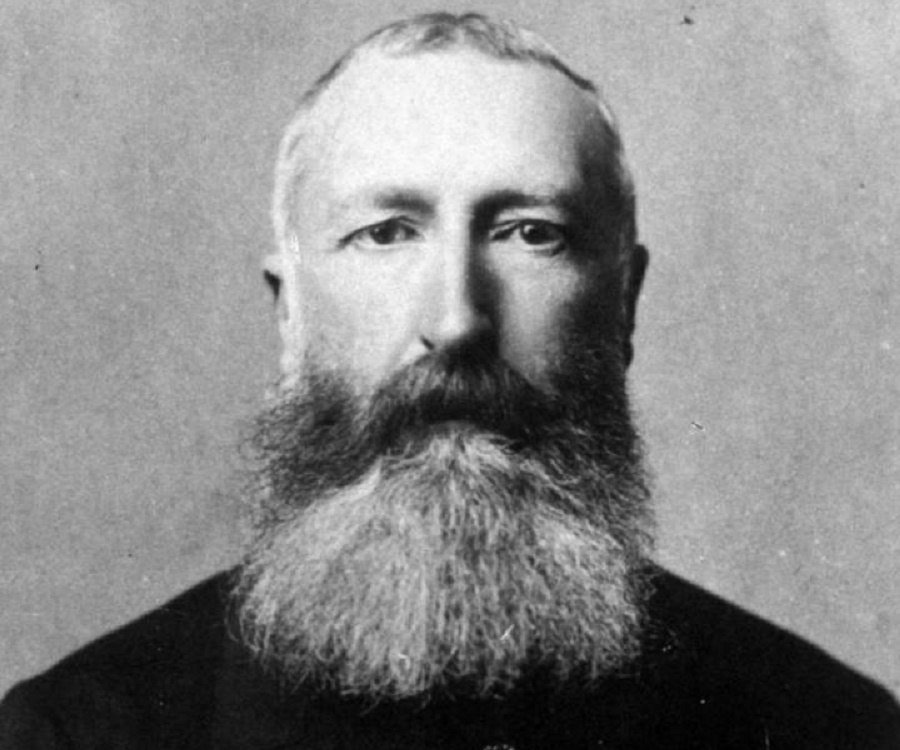
King Leopold II of Belgium: Lineage, Tyranny, and the Congo Atrocities

King Leopold II (born Leopold Louis Philip Marie Victor; 1835–1909) reigned as King of the Belgians from 1865 until his death, succeeding Leopold I (Britannica, 2025). He belonged to the House of Saxe-Coburg and Gotha and was a first cousin to Queen Victoria of Britain. In 1853, he married Marie-Henriette of Austria, and together they had several children, though none of his sons survived to adulthood (Wikipedia, 2025). His rule over Belgium was constitutional, but he became infamous for personally owning and exploiting the vast territory known as the Congo Free State (Wikipedia, 2025; Britannica, 2025).

The Congo Free State: Private Empire and Devastation

In 1885, at the Berlin Conference, European powers granted Leopold jurisdiction over the Congo Basin, under the guise of humanitarian mission and civilization. However, he administered the territory as his private enterprise, exploiting its natural wealth—particularly ivory and rubber—through coercive labor, forced quotas, and extreme violence enforced by the Force Publique, his mercenary army (Wikipedia, 2025; Britannica, 2025).

The consequences were catastrophic. Adam Hochschild described Leopold’s project as a “genocidal plundering” that caused the deaths of approximately 10 million Congolese people, through brutal violence, starvation, and disease (Wikipedia, 2025; New Yorker, 2015). Population-loss estimates range from 5 million to 13 million, with the most widely accepted figure around 10 million (Wikipedia, 2025).

Leopold’s Ideology and Racial Violence

Leopold’s colonial ideology was deeply grounded in scientific racism and Eurocentric paternalism. He justified his rule in the Congo as a civilizing mission, though in reality it facilitated systematic terror, mutilation, rape, and forced labor (Casement Report, 1904). A 1904 investigation by Roger Casement, commissioned by the British government, exposed widespread atrocities committed under Leopold’s authority—including cutting off hands for missed rubber quotas, castration, and mass violence (Casement Report, 1904; Wikipedia, 2025).

Why Did Leopold Target Black People So Harshly?

Leopold’s racial hostility was institutional rather than personal. Africans were treated as subhuman labor to be exploited for personal wealth. Violence was a tool to suppress resistance, ensure compliance, and perpetuate a racial hierarchy that dehumanized native populations (Hochschild, 1999). The global popularity of eugenics and social-Darwinian thought in Europe and America validated these acts, enabling them under the cloak of colonial legitimacy.

Legacy and Comparison to Other Tyrants

Historians often place Leopold alongside Hitler and Stalin in terms of absolute cruelty, yet his actions remain less recognized internationally. Leopold’s reign precipitated one of history’s most extensive humanitarian disasters—yet his atrocities were shrouded under euphemistic justifications until international activists, missionaries, and journalists exposed the truth (Hochschild, 1999; New Yorker, 2015).

Conclusion

King Leopold II’s personal ambition created a private colonial state defined by terror. Between 1885 and 1908, his rule in the Congo wrought famine, mutilation, and mass death on an unimaginable scale. This genocide—the greatest in African colonial history—reflects how unchecked power, racial supremacism, and capitalist greed can combine to produce catastrophic violence.


📚 References

  • Adam Hochschild. (1999). King Leopold’s Ghost: A Story of Greed, Terror, and Heroism in Colonial Africa.
  • Britannica. (2025). King Leopold II. Encyclopedia Britannica.
  • Casement, R. (1904). Report on the Congo Atrocities. British Parliamentary Papers.
  • Wikipedia. (2025). King Leopold II of Belgium; Atrocities in the Congo Free State.
  • New Yorker. (2015). The Elephant in the Courtroom.