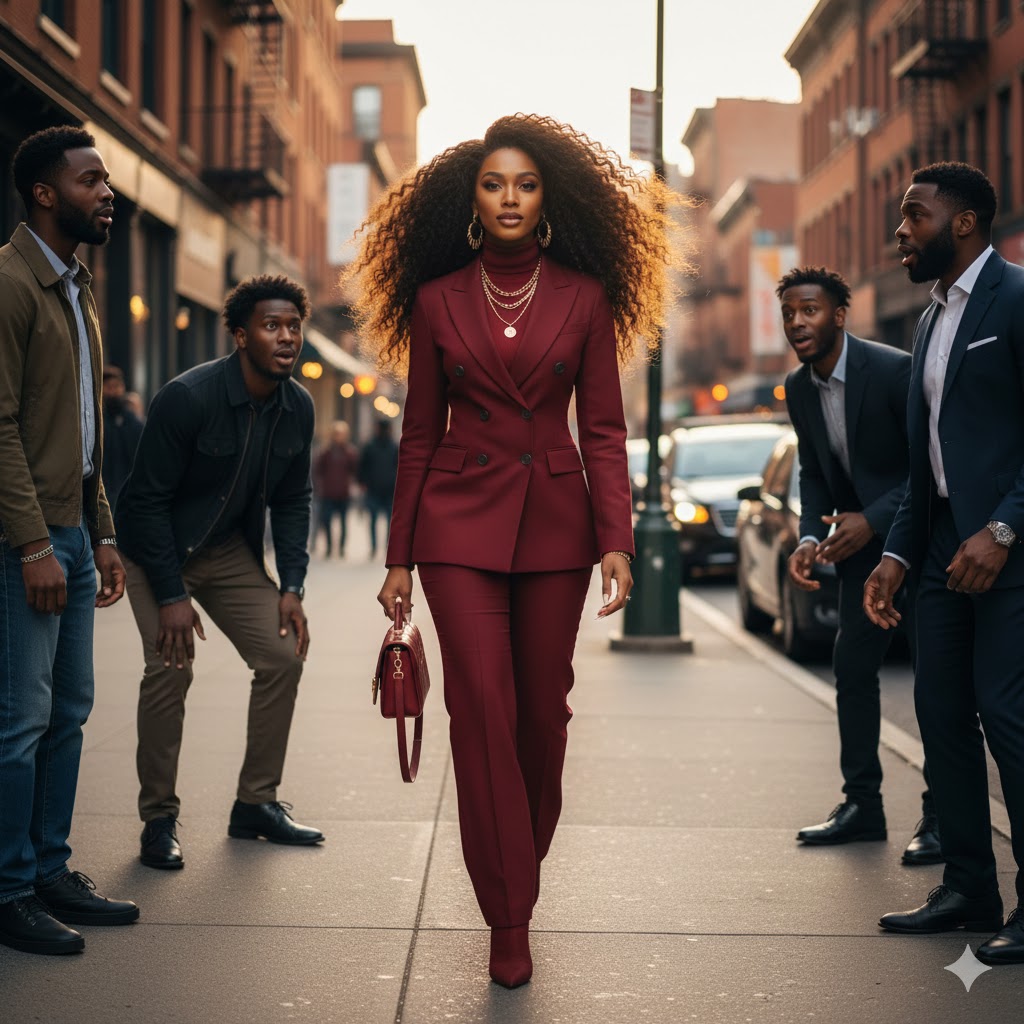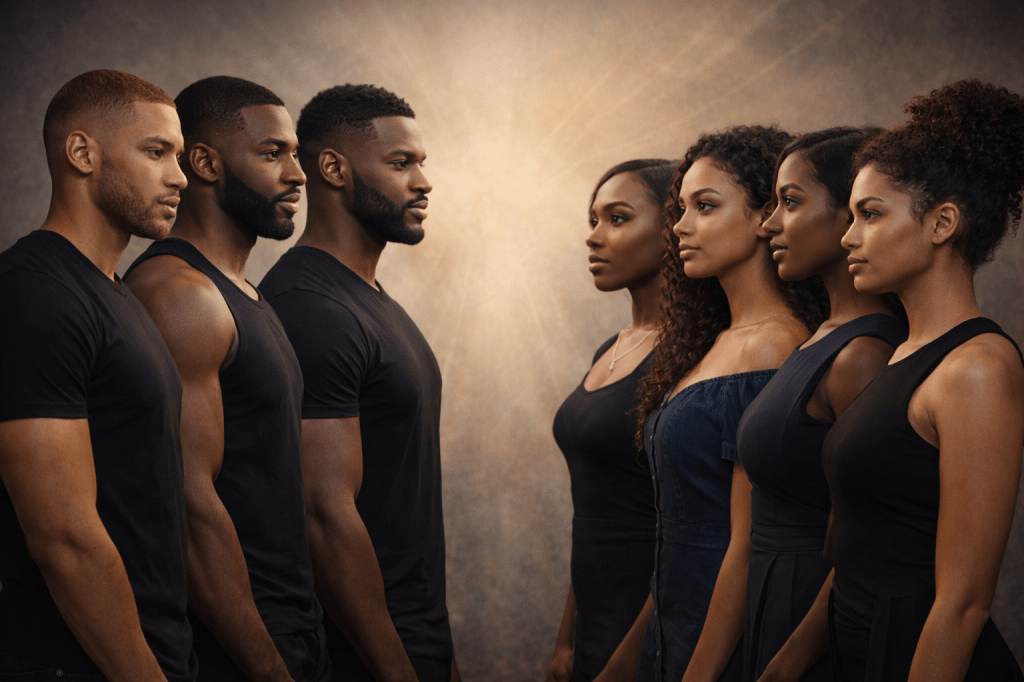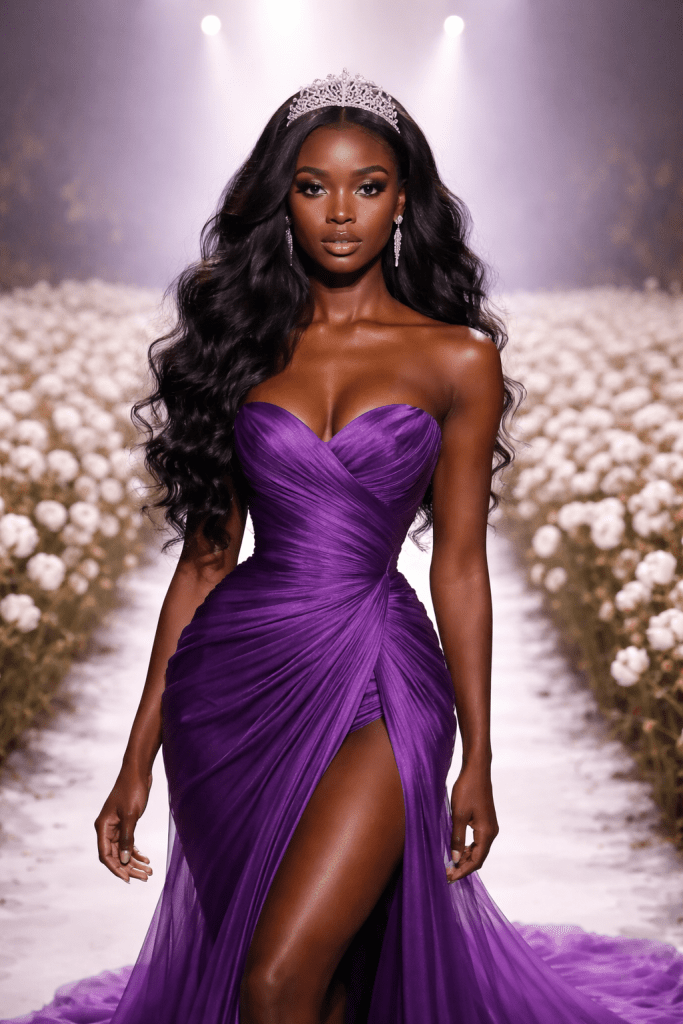
Light Enough to Love, Dark Enough to Hate.

Colorism, the preferential treatment of lighter skin tones within communities of color, is a deeply rooted social phenomenon that emerged from colonialism and slavery. It reflects a hierarchy imposed by systems of white supremacy, where proximity to whiteness determined social status, safety, and opportunity. Within the Black community, this stratification produced complex psychological and social consequences that continue to shape relationships, identity, and perceptions of beauty. The phrase “light enough to love, dark enough to hate” captures the painful duality experienced by many Black women navigating these inherited hierarchies.

From the perspective of a light-skinned girl, the privileges of colorism are often subtle but unmistakable. Growing up, she may have noticed that teachers describe her as “pretty,” “approachable,” or “exotic,” labels that quietly elevate her within beauty standards shaped by Eurocentric ideals. Her lighter complexion becomes a form of social currency, though one she did not consciously seek. She may sense admiration from some and suspicion from others, realizing that her skin tone carries historical meaning beyond her own identity.

At the same time, the light-skinned girl may encounter the uneasy knowledge that her perceived advantages come at the expense of others who share her racial heritage. Compliments about her complexion may be framed in contrast to darker skin, reinforcing a hierarchy she did not create but is nonetheless implicated in. Statements such as “You’re pretty for a Black girl” or “Your skin is the perfect shade” subtly reinforce a narrative that beauty and worth are measured against proximity to whiteness.

The dark-skinned girl experiences a markedly different reality. Her childhood memories may include comments that diminish her beauty or question her desirability. She hears comparisons between her complexion and lighter peers, sometimes from strangers, sometimes from within her own community. These comments accumulate over time, shaping her self-perception and reminding her that her natural features exist within a social hierarchy she never consented to.

For the dark-skinned girl, colorism often manifests as exclusion in subtle and overt ways. In school, she may notice that lighter-skinned girls are more frequently chosen for performances, pageants, or leadership roles. In media representations, women who resemble her may appear less frequently or be cast in stereotypical roles. The cumulative effect is a quiet but persistent message: darker skin is less desirable.

Friendships between light-skinned and dark-skinned girls are often shaped by these unspoken dynamics. While genuine affection may exist, societal biases sometimes create tension or misunderstanding. The light-skinned girl may struggle to recognize the privileges associated with her complexion, while the dark-skinned girl may carry the emotional burden of comparison.

In some cases, colorism creates divisions that undermine solidarity. Dark-skinned girls may feel overshadowed by the social attention given to their lighter counterparts, while light-skinned girls may feel unfairly blamed for advantages they did not intentionally pursue. These tensions reflect the lingering effects of historical systems that deliberately fractured Black communities.

To understand the origins of colorism, one must return to the institution of slavery in the Americas. Enslaved Africans were subjected to brutal systems designed to maximize labor and control. Within this system, European enslavers frequently granted preferential treatment to enslaved individuals with lighter skin, many of whom were the mixed-race children of sexual exploitation by slaveholders.

These lighter-skinned enslaved individuals were sometimes assigned domestic roles within the slaveholder’s household, while darker-skinned individuals were forced into field labor under harsher conditions. Although both groups remained enslaved and oppressed, the distinction created a visible hierarchy based on complexion.

This division served a strategic purpose. By granting marginal privileges to lighter-skinned individuals, slaveholders reinforced internal divisions among enslaved people. The hierarchy discouraged unity and resistance by fostering competition and resentment within the enslaved population.

The trauma of these divisions did not disappear after emancipation. Instead, they evolved into social practices that continued to privilege lighter skin within Black communities. One of the most infamous manifestations of this legacy was the “brown paper bag test,” an informal practice used by certain social clubs, churches, and organizations in the late nineteenth and early twentieth centuries.

The brown paper bag test involved comparing a person’s skin tone to the color of a brown paper bag. Individuals whose complexions were darker than the bag were often excluded from certain social spaces. While not universally practiced, the test symbolized the internalization of color hierarchies rooted in slavery.

For the light-skinned girl, learning about this history can evoke feelings of discomfort and guilt. She may realize that her acceptance in certain spaces historically depended on a hierarchy that excluded others who looked like her own family members. This awareness complicates her understanding of privilege and belonging.

For the dark-skinned girl, the history of colorism confirms experiences she has long felt but struggled to articulate. The social patterns she encounters are not isolated incidents but part of a centuries-old structure of inequality. Recognizing this history can be both validating and painful.

White supremacy played a central role in constructing these hierarchies. European colonizers established racial classifications that placed whiteness at the top and Blackness at the bottom. Within this system, lighter skin among Black populations was perceived as evidence of proximity to whiteness and therefore treated as more valuable.

These beliefs were reinforced through media, education, and cultural narratives that celebrated Eurocentric features such as lighter skin, straight hair, and narrow facial structures. Over time, these standards influenced perceptions of beauty and desirability across societies shaped by colonial history.

In the United States, colorism also intersected with economic opportunity. Historically, lighter-skinned Black individuals were sometimes granted greater access to education and professional employment due to discriminatory hiring practices that favored those perceived as more “acceptable” to white institutions.

The light-skinned girl may grow up hearing relatives describe her complexion as an advantage in navigating the world. These comments may be intended as encouragement but carry implicit recognition of systemic bias. She learns that her skin tone may influence how others perceive her intelligence, professionalism, or beauty.

Meanwhile, the dark-skinned girl may receive messages encouraging her to compensate for perceived disadvantages. She may be told to work harder, dress more carefully, or present herself in ways that challenge stereotypes associated with darker skin. These expectations place additional burdens on her self-presentation.

Within friendships, these dynamics can create complicated emotional landscapes. The dark-skinned girl may feel invisible when attention consistently gravitates toward her lighter friend. The light-skinned girl may struggle with feelings of defensiveness or confusion when confronted with discussions about privilege.

Despite these tensions, many friendships endure through honest conversations and mutual empathy. When both individuals acknowledge the historical forces shaping their experiences, they can develop a deeper understanding and solidarity. These dialogues challenge the divisions that colorism was designed to create.

Media representation plays a significant role in perpetuating or dismantling colorism. Historically, film, television, and advertising have disproportionately featured lighter-skinned actresses as symbols of beauty and desirability. Darker-skinned women have often been marginalized or cast in limited roles.

However, recent decades have seen increasing recognition of the need for diverse representation. Celebrated figures such as Lupita Nyong’o have openly discussed the impact of colorism and advocated for broader definitions of beauty. Their visibility challenges longstanding biases.

The psychological effects of colorism can be profound. Studies in social psychology demonstrate that repeated exposure to negative messages about skin tone can influence self-esteem, identity formation, and interpersonal relationships. These effects can persist across generations.

For the light-skinned girl, confronting colorism may involve examining how society rewards her appearance while simultaneously objectifying it. She may struggle to separate genuine appreciation from biases rooted in historical inequality.

For the dark-skinned girl, resistance often involves reclaiming narratives about beauty and worth. Movements celebrating dark skin, natural hair, and African features have emerged as powerful cultural responses to centuries of marginalization.

Healing from colorism requires both individual reflection and structural change. Communities must confront the ways in which inherited biases influence social interactions, beauty standards, and opportunities. Education about history plays a crucial role in this process.

Friendships between women of different skin tones can become spaces of healing when grounded in honesty and compassion. By acknowledging the historical roots of colorism, individuals can dismantle the assumptions that once divided them.

Ultimately, the legacy of colorism reminds us that systems of oppression often extend beyond the boundaries of race into internal hierarchies within marginalized communities. These divisions were deliberately constructed to weaken collective resistance.

The phrase “light enough to love, dark enough to hate” encapsulates a painful contradiction within societies shaped by colonial history. Yet understanding this legacy also opens the possibility of transformation.

By rejecting color hierarchies and affirming the beauty of every shade, communities can challenge the narratives imposed by centuries of oppression. In doing so, they move toward a future where identity is no longer measured against the distorted standards of the past.


References

Hunter, M. (2007). The persistent problem of colorism: Skin tone, status, and inequality. Sociology Compass, 1(1), 237–254. https://doi.org/10.1111/j.1751-9020.2007.00006.x

Keith, V. M., & Herring, C. (1991). Skin tone and stratification in the Black community. American Journal of Sociology, 97(3), 760–778. https://doi.org/10.1086/229819

Russell, K., Wilson, M., & Hall, R. (1992). The color complex: The politics of skin color among African Americans. New York, NY: Harcourt Brace Jovanovich.

Walker, A. (1983). If the present looks like the past, what does the future look like? In search of our mothers’ gardens: Womanist prose. San Diego, CA: Harcourt Brace Jovanovich.

Wilder, J. (2015). Color stories: Black women and colorism in the 21st century. New York, NY: Routledge.


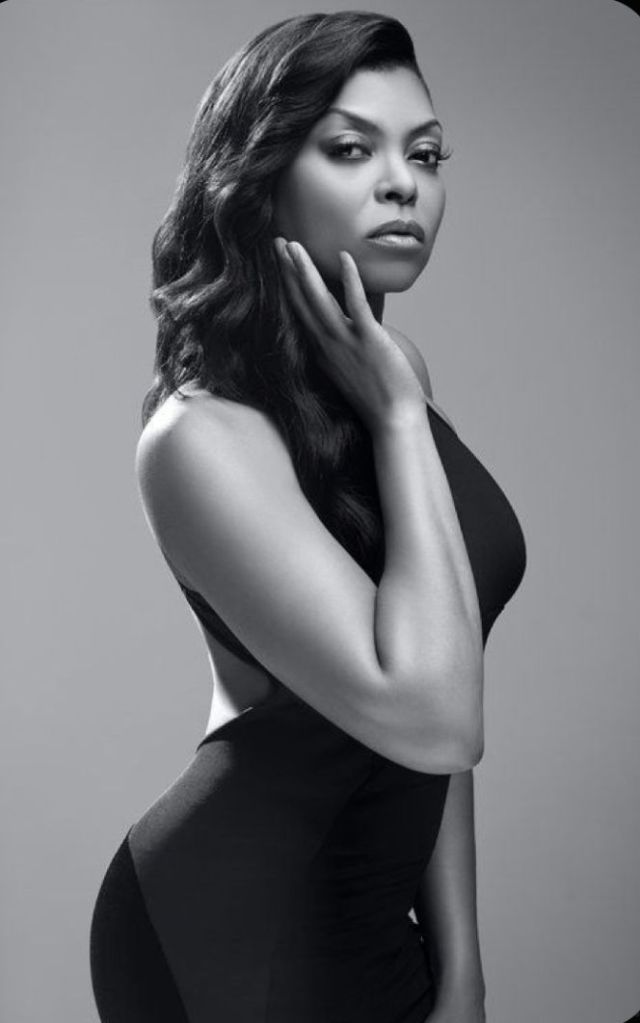
The “It Girl” Series: Taraji P. Henson

A magnetic presence with expressive eyes and a face that tells stories—Taraji P. Henson embodies charisma, beauty, and the undeniable allure of the screen.

This photograph is the property of its respective owners

Taraji P. Henson was born on September 11, 1970, in Washington, D.C., and raised in a close-knit family that encouraged her artistic ambitions. She developed a passion for acting early on, which led her to Howard University, where she earned a Bachelor of Fine Arts degree. Henson began her career with small television roles, including appearances on Smart Guy and Ally McBeal, but her breakout came with the film Baby Boy (2001), in which she portrayed Yvette, a character both complex and compelling. This role showcased her range as an actress and her ability to convey depth, emotion, and resilience.

Over the years, Henson has become a fixture in Hollywood, celebrated for her versatility and fearless approach to acting. She gained widespread acclaim for her portrayal of Cookie Lyon in the hit series Empire (2015–2020), earning a Golden Globe Award for Best Actress. This role highlighted not only her talent but also her ability to dominate the screen with presence, emotion, and authenticity. Henson has also been an outspoken advocate for gender equity and fair pay in the entertainment industry, reinforcing her reputation as a strong, independent voice in Hollywood.

Her filmography spans a wide range of genres, showcasing her remarkable versatility. She appeared in The Curious Case of Benjamin Button (2008), Hustle & Flow (2005), Proud Mary (2018), and Good Deeds (2012) alongside Idris Elba, as well as Hidden Figures (2016) and Hustle (2022). From historical dramas to action thrillers, Henson consistently delivers nuanced, compelling performances. In addition to live-action roles, she has lent her voice to animated projects and participated in brand endorsements, solidifying her influence beyond the screen. Henson’s expressive face, radiant skin, and commanding presence allow her to communicate power, vulnerability, and charisma without uttering a single word—a hallmark of an “It Girl.”

This photograph is the property of its respective owners

In her personal life, Henson has been married once and is the mother of a son, Marcel. She has shared her experiences navigating motherhood, fame, and career with honesty and grace, offering inspiration to many. On set, she has cultivated deep professional relationships and often speaks highly of her co-stars, reflecting her collaborative spirit. Her beauty is distinctive, transcending traditional Hollywood standards, with features that are celebrated for their expressiveness, symmetry, and strength.

This photograph is the property of its respective owners

What makes Taraji P. Henson an undeniable “It Girl” is the way she commands attention both on and off screen. Her expressive eyes and emotive facial expressions allow her to convey complex emotions effortlessly, captivating audiences with every glance. She combines raw talent with a fearless authenticity, embracing roles that challenge norms and showcase her versatility. Beyond acting, her confident presence, bold fashion choices, and outspoken advocacy for women’s rights and fair pay amplify her cultural influence, making her a role model as well as a star. Taraji’s allure is not just in her beauty—it is in her charisma, intelligence, and unapologetic individuality, qualities that make her both relatable and aspirational, securing her place as one of Hollywood’s most magnetic figures.

References:

  1. Taraji P. Henson Biography. (2023). Biography.com. https://www.biography.com/actor/taraji-p-henson
  2. Golden Globe Awards 2016 Winners. (2016). GoldenGlobes.com. https://www.goldenglobes.com/winners-nominees/2016
  3. Hipes, P. (2021). Taraji P. Henson Talks Empire, Advocacy & Hollywood. Deadline. https://deadline.com/2021/01/taraji-p-henson-interview-empire-1234667890/
  4. Taraji P. Henson Filmography. (2023). IMDb. https://www.imdb.com/name/nm0375296/

The “It Girl” Series: Kimberly Elise

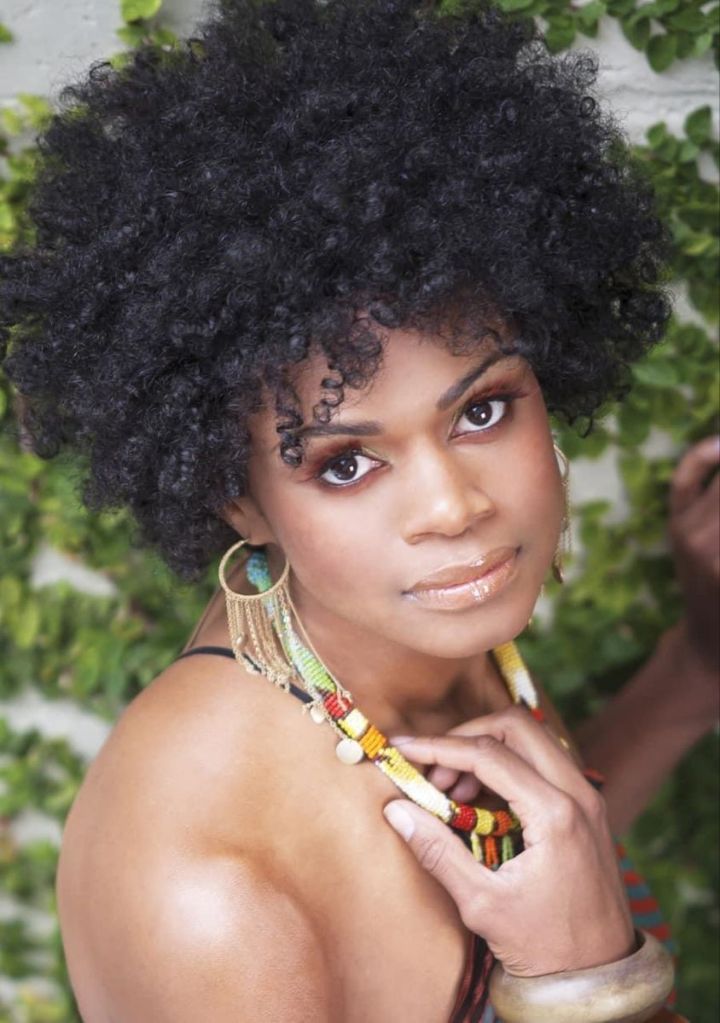
Piercing, expressive eyes and a commanding screen presence—Kimberly Elise blends beauty with depth, talent, and the rare quiet power of a young Cicely Tyson.

This photograph is the property of its respective owner.

Kimberly Elise Trammel was born on April 17, 1967, in Minneapolis, Minnesota, and raised with a deep love for performance and storytelling. She earned a B.A. in Communications from the University of Minnesota before pursuing her acting career in Los Angeles. Elise’s natural talent, intense presence, and distinctively expressive eyes quickly set her apart in dramatic roles. She made her feature‑film debut in the crime action classic Set It Off (1996), portraying Tisean “T.T.” Williams with emotional intensity and strength.

Elise’s career is marked by nuanced, layered performances in films that explore struggle, resilience, and redemption. She appeared in Beloved (1998), John Q (2002), The Manchurian Candidate (2004), Diary of a Mad Black Woman (2005), Woman Thou Art Loosed (2004), Pride (2007), The Great Debaters (2007), For Colored Girls (2010), Dope (2015), Almost Christmas (2016), Death Wish (2018), and Ad Astra (2019).

Her collaborations with Denzel Washington—John Q, The Manchurian Candidate, and The Great Debaters—are particularly notable. Elise has described working with Washington as a professional joy, emphasizing that he is intensely focused, generous in his preparation, and deeply committed to family and craft—qualities she shares as a performer. Elise’s repeated casting opposite him and the respect evident in industry discussions reflect a mutual professional regard and creative rapport.

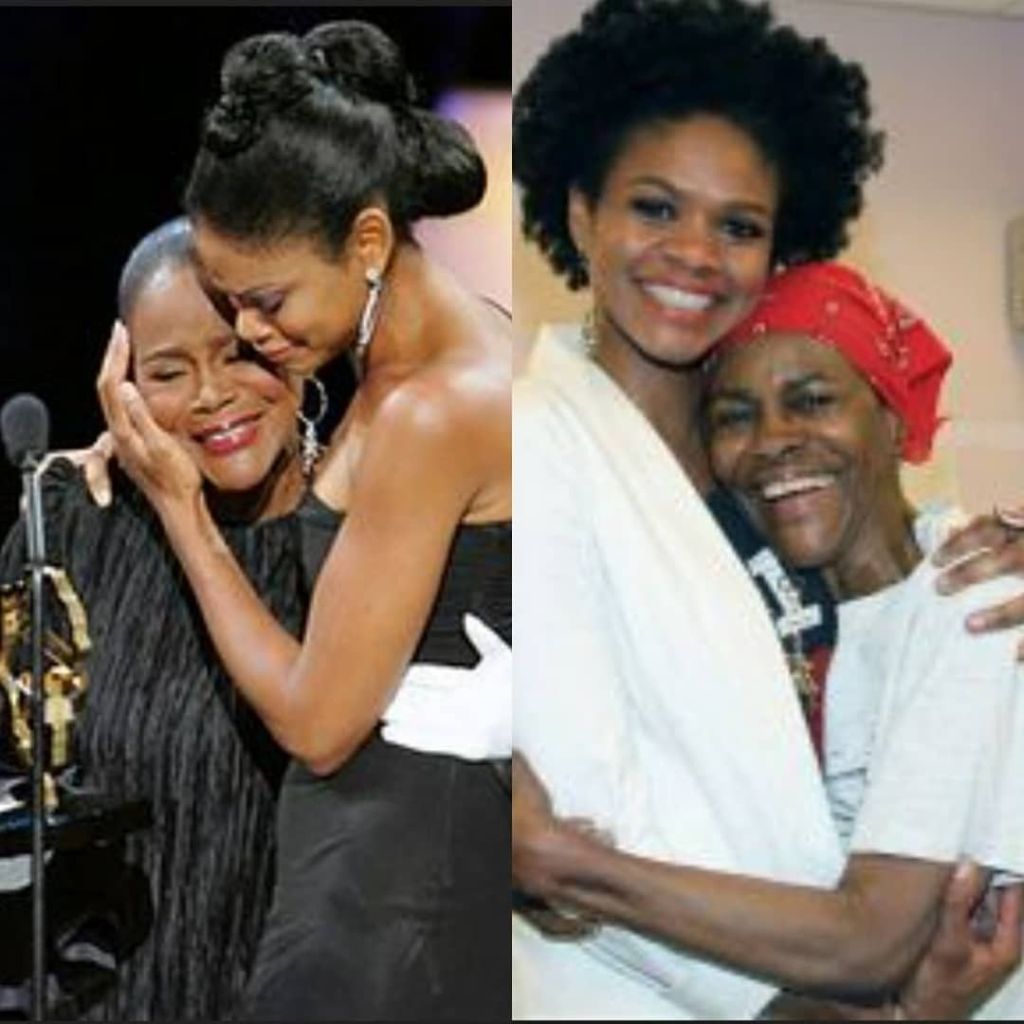
These photographs are the property of their respective owners.

Elise’s expressive, piercing eyes are a hallmark of her acting style: they convey internal life, pain, strength, and transformation without a single line of dialogue. Her presence has drawn comparisons to a young Cicely Tyson, not only for her physical resemblance but for the depth and dignity she brings to every role.

In her personal life, Kimberly Elise was first married to Maurice Oldham (April 21, 1989 – September 29, 2005), with whom she has two daughters, AjaBleu Oldham and Butterfly Rose Oldham. She later married George E. McCrary on August 23, 2023.

Elise’s work has earned critical recognition and industry honors. Early in her career, she won Best Supporting Actress at the 19th Annual CableACE Awards for The Ditchdigger’s Daughters (1997). She also received Independent Spirit Award and NAACP Image Award nominations for Woman Thou Art Loosed (2004), won NAACP Image Awards for Diary of a Mad Black Woman and other projects, and has been celebrated for her powerful contributions to film and television that center Black women’s stories.

Kimberly Elise embodies the qualities of an “It Girl” through a blend of confidence, emotional intelligence, and acting prowess. Her beauty is not superficial but expressive and commanding, rooted in her ability to convey truth through subtle gestures and deep emotional resonance. Whether portraying everyday struggles or extraordinary resilience, Elise’s work resonates with authenticity, intelligence, and grace—making her one of Hollywood’s most compelling and enduring talents.

References:

  1. Kimberly Elise. (2024). IMDb. https://www.imdb.com/name/nm0253708/biography/
  2. Kimberly Elise Filmography. (2024). Fandango. https://www.fandango.com/people/kimberly-elise-197874/film-credits
  3. Kimberly Elise Movies & TV Shows. (2024). Rotten Tomatoes. https://www.rottentomatoes.com/celebrity/kimberly_elise
  4. Kimberly Elise: The Perfect Pairing. (2020). Essence. https://www.essence.com/news/kimberly-elise-the-perfect-pairing/
  5. Actress Kimberly Elise on Working with Denzel Washington. (2013). TheGrio. https://thegrio.com/2013/05/31/actress-kimberly-elise-talks-being-denzel-washingtons-work-wife
  6. Kimberly Elise: Giving Voice to Voiceless. (2018). Chicago Sun‑Times. https://chicago.suntimes.com/2018/4/13/18398979/kimberly-elise-giving-voice-to-voiceless-on-road-to-black-hollywood-royalty
  7. NAACP Image Awards: Past Winners. (2023). NAACP.org. https://naacpimageawards.net/past-winners/

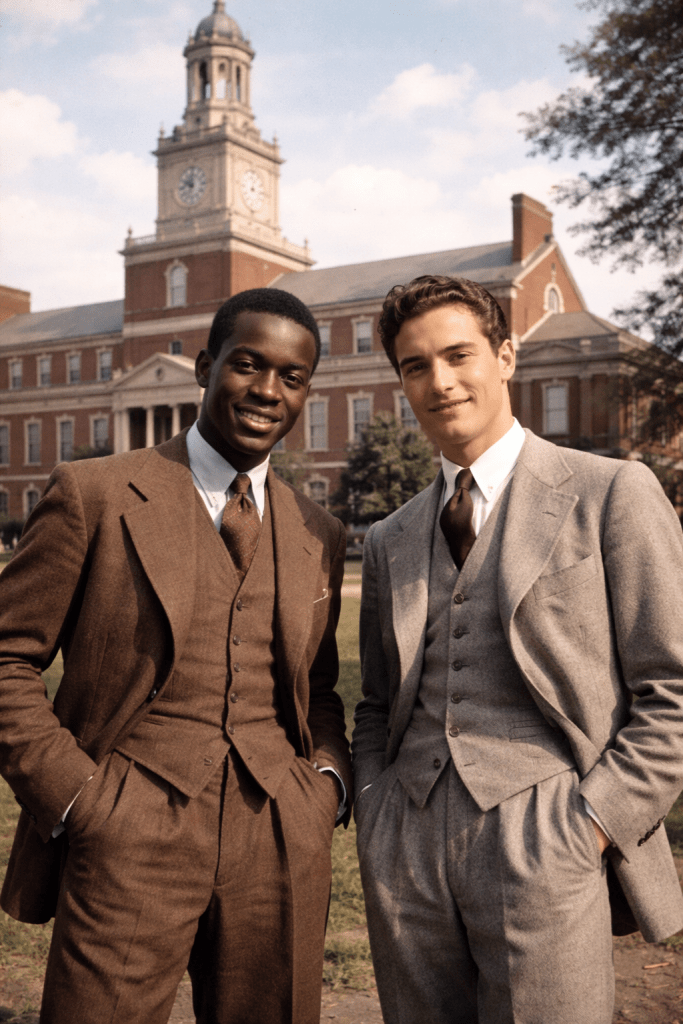
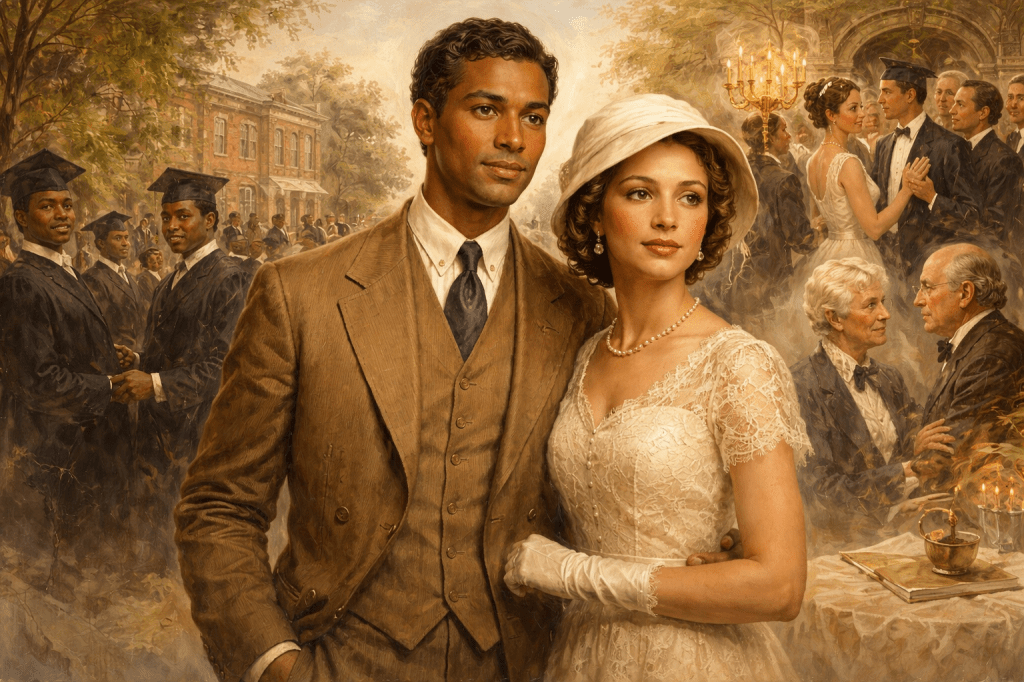
Passing Series: The Secret History of Howard University.

Founded in 1867 in Washington, D.C., Howard University emerged in the immediate aftermath of the American Civil War as one of the most important institutions dedicated to educating formerly enslaved African Americans. Established with the support of the Freedmen’s Bureau and named after Union General Oliver Otis Howard, the university was created to provide intellectual opportunity for newly emancipated Black citizens who had long been denied access to formal education under slavery.

The early mission of Howard University was expansive and ambitious. It was not simply a school but a symbol of racial uplift and reconstruction. The institution admitted students regardless of race or gender—an unusually progressive policy for the nineteenth century. In its earliest years, Howard enrolled formerly enslaved individuals, free Black people, and a small number of white students who believed in the cause of Reconstruction and education for all.

Within this diverse student body, a visible presence emerged that reflected one of the most complicated legacies of American slavery: mixed-race students. Many students at Howard in the late nineteenth century were individuals historically described by society as “mulatto,” meaning people of mixed African and European ancestry. Their existence was tied directly to the violent social realities of slavery, during which enslaved Black women were frequently subjected to sexual exploitation by slaveholders and other white men.

The legacy of these unions produced generations of mixed-race individuals whose appearance sometimes reflected European ancestry in ways that complicated America’s rigid racial categories. At Howard University, this reality was visible among students whose skin tones, hair textures, and facial features ranged across the full spectrum of the African diaspora. Some students appeared unmistakably African, while others possessed features that could allow them to move within white society unnoticed.

During the late nineteenth and early twentieth centuries, racial classification in the United States was governed by the ideology that later became known as the “one-drop rule.” Under this social doctrine, any individual with even a trace of African ancestry was legally considered Black. This legal and cultural definition meant that individuals who looked white could still be classified as Black if their ancestry was known.

The phrase “legally Black” thus emerged as a defining element of American racial identity. It referred to individuals who, under law or social recognition, were categorized as Black regardless of their physical appearance. This concept was reinforced through segregation laws, marriage restrictions, and social customs designed to maintain a rigid racial hierarchy that privileged whiteness.

For some light-skinned African Americans during the late nineteenth and early twentieth centuries, the ability to visually pass as white created a complicated social dilemma. Passing—meaning living as a white person despite Black ancestry—offered access to opportunities otherwise denied under segregation. Employment, housing, safety, and social mobility were often significantly easier to obtain for those perceived as white.

Howard University became a unique intellectual space where these realities were openly discussed among students and faculty. While the institution celebrated Black identity and advancement, it also housed students who could, if they chose, disappear into white society. This tension between racial pride and social survival reflected the broader contradictions of American racial life.

One story frequently discussed in early twentieth-century accounts involves a Howard student reportedly named Johnson, who attended the university during the early 1900s. Johnson’s appearance was so light that he could easily move within white spaces without suspicion. His classmates were aware of this ability, and his presence highlighted the paradox of racial identity during the Jim Crow era.

Johnson’s situation was not unique. Many students at Howard and other historically Black colleges possessed complex family histories shaped by generations of interracial ancestry. Some came from communities where mixed heritage was common, particularly in regions where slavery had produced significant populations of people of blended African and European descent.

In the early twentieth century, the ability to look white carried tangible advantages. Doors in employment, education, and housing frequently opened more readily to individuals whose appearance aligned with white norms. In a segregated society, whiteness functioned as a form of social capital, determining access to resources and protection from discrimination.

However, the decision to pass for white often came with profound psychological and emotional consequences. Individuals who crossed the color line frequently had to sever ties with family members and communities who were legally and socially classified as Black. The act of passing, therefore, required a form of identity erasure to maintain the illusion of whiteness.

Within Howard University, debates about identity, race, and loyalty sometimes surfaced among students. For many, the institution represented a sanctuary where Black intellect, culture, and leadership could flourish. To leave that community and enter white society as an impostor could be viewed as a betrayal of collective struggle.

At the same time, the pressures of racism were immense. The early twentieth century was a period marked by strict segregation laws, racial violence, and limited economic opportunity for African Americans. For some individuals who could visually blend into white society, passing appeared to offer a path toward security and upward mobility.

The broader history of mixed-race people in America cannot be separated from the institution of slavery. Throughout the eighteenth and nineteenth centuries, large populations of people of mixed African and European ancestry emerged across the South and in urban centers. Their existence challenged rigid racial categories while simultaneously reinforcing the hierarchy that privileged whiteness.

Institutions like Howard University became intellectual centers where these histories were examined and debated. Scholars and students explored the complex genealogies that connected African Americans to multiple continents, multiple cultures, and multiple historical experiences.

In this environment, Howard cultivated a new generation of Black thinkers who would later challenge racial inequality across the United States. The university produced influential scholars, lawyers, doctors, and activists who shaped the twentieth-century struggle for civil rights and social justice.

The presence of mixed-race students within Howard also contributed to broader discussions about colorism—the preferential treatment often given to lighter-skinned individuals within both white and Black communities. These conversations forced students to confront how slavery had embedded racial hierarchy not only in law but also in social perception.

Looking white during the Jim Crow era, therefore, carried both privilege and peril. While lighter skin sometimes opened doors, it could also create suspicion, isolation, and internal conflict about belonging. Identity became a negotiation between appearance, ancestry, and community loyalty.

Ultimately, the story of passing and mixed heritage at Howard University reflects the larger contradictions of American racial history. The institution stood as a beacon of Black advancement while simultaneously revealing how fluid and socially constructed racial categories could be.

Today, Howard University remains one of the most prestigious historically Black universities in the United States. Its early history—shaped by Reconstruction, slavery’s legacy, and complex racial identities—offers a powerful lens through which to understand the enduring impact of race, color, and identity in American society.


References

Andrews, W. L. (2019). The Oxford handbook of African American citizenship, 1865–present. Oxford University Press.

Foner, E. (1988). Reconstruction: America’s unfinished revolution, 1863–1877. Harper & Row.

Graham, H. D. (1990). The civil rights era: Origins and development of national policy, 1960–1972. Oxford University Press.

Hobbs, A. (2014). A chosen exile: A history of racial passing in American life. Harvard University Press.

Logan, R. W. (1980). Howard University: The first hundred years, 1867–1967. New York University Press.

Nash, G. B. (1999). Forbidden love: The hidden history of mixed-race America. Henry Holt.

Painter, N. I. (2010). The history of white people. W. W. Norton.

Williams, H. A. (2005). Self-taught: African American education in slavery and freedom. University of North Carolina Press.

The Male Files: A Black Man’s Kryptonite – A Black Woman’s Beauty

Beauty has long been recognized as a potent force in human interaction. For many men, especially in the Black community, a woman’s beauty can act almost like kryptonite, eliciting admiration, attention, and sometimes compromised judgment. Understanding this dynamic is crucial for both men and women in navigating relationships with clarity and purpose.

When a woman is exceptionally beautiful, men often go out of their way to please her. Gifts, attention, and favors can flow more readily, as men feel compelled to demonstrate worthiness in the presence of physical attraction. In some cases, a man may prioritize her desires, sometimes even bending his principles to earn approval or affection.

It is common for beauty to create disproportionate influence. The “whole paycheck” metaphor illustrates that men may invest significant resources—time, energy, money—into a woman whose appeal commands their attention. While generosity is virtuous, disproportionate devotion driven by superficial attraction can misalign priorities and expose vulnerabilities.

Men respond differently depending on their values and spiritual grounding. A man guided by God seeks to honor the woman while maintaining integrity, balance, and personal accountability. He recognizes beauty, yet does not allow physical appearance to overshadow spiritual, emotional, or intellectual compatibility.

Attraction is indeed important. Physical appeal often initiates interest, fosters desire, and creates intimacy. However, attraction alone is insufficient for long-term relational stability. Godly men look beyond mere beauty, seeking qualities like character, wisdom, faith, and compatibility. Proverbs 31 describes the virtuous woman as more valuable than rubies, emphasizing substance over superficiality.

Beautiful women often receive heightened attention, yet a godly man is careful to navigate admiration without succumbing to lustful intent. 1 Corinthians 6:18–20 reminds men to flee fornication and honor God with their bodies, highlighting that desire must be tempered by discipline and reverence.

The influence of beauty can sometimes obscure true intentions. Men may act charitably, make promises, or overextend themselves to impress a woman, revealing that unchecked attraction can be both a motivator and a vulnerability. Awareness of this dynamic is essential for both sexes.

While beauty can captivate, godly men prioritize alignment with God’s will. A woman’s faith, humility, wisdom, and moral character weigh more than her looks. Spiritual and emotional depth sustains relationships in ways that physical attraction alone cannot.

Men often measure potential long-term compatibility by observing how a woman treats others, her approach to life, and her capacity for self-discipline. Beauty may open the door, but character sustains the connection. A woman who exercises grace, patience, and integrity appeals more profoundly than appearance alone.

A beautiful woman can influence decisions subtly or overtly. Men may defer to her preferences, indulge her desires, or even compromise their principles to maintain favor. This dynamic illustrates the power of beauty but also serves as a cautionary tale: influence must be mutual and grounded in respect.

Attraction motivates men to provide and protect. Financial support, acts of service, and demonstrations of care are often heightened in the presence of beauty. While provision is virtuous, the underlying intent must align with integrity, not obsession or coercion.

Godly men seek partnership, not possession. True desire is to cultivate mutual growth, foster respect, and build a life aligned with spiritual principles. They understand that beauty is fleeting, yet faithfulness, wisdom, and godly character endure.

Beauty can amplify a woman’s voice, making her opinions more persuasive or influential. Men often respond to this heightened presence by listening attentively, adjusting behaviors, or seeking approval. This dynamic requires both awareness and accountability, ensuring that attraction does not compromise discernment.

In intimate contexts, godly men exercise self-control. They recognize the temptation that beauty presents but act with restraint, valuing purity, commitment, and spiritual alignment. Waiting for marriage to consummate a relationship exemplifies this principle, safeguarding emotional and spiritual integrity.

Men also observe whether beauty is accompanied by humility. Confidence is attractive, but arrogance can be a deterrent. A godly man values a woman who is aware of her beauty but remains grounded, kind, and considerate toward others.

Physical attractiveness can open doors to opportunities and attention, yet a discerning man seeks to understand the heart. Proverbs 31:30 emphasizes that charm is fleeting, but a woman who fears the Lord is to be praised. True admiration involves respect for both outer and inner qualities.

Men sometimes overestimate the power of beauty, believing it can solve relational or emotional challenges. A godly man recognizes that beauty is a blessing, but relational health is sustained through communication, shared values, and spiritual alignment.

The influence of beauty extends to social perception. Men may elevate a beautiful woman in their minds, attributing qualities or assuming compatibility based on appearance. Godly discernment, prayer, and reflection help ensure that attraction does not cloud judgment.

Ultimately, a black man’s kryptonite—beauty—must be navigated with wisdom. Godly men admire, respect, and honor beauty without surrendering integrity. They provide, encourage, and protect, but never at the expense of principle or spiritual alignment.

Beauty is powerful, yet it is not the ultimate measure of a woman’s worth. A godly man seeks alignment with God’s will, values virtue above physical appearance, and understands that lasting partnership is built on faith, trust, and shared purpose. True love embraces both admiration for the external and reverence for the soul.

References

The Holy Bible, King James Version.

Proverbs 31:10–31
1 Corinthians 6:18–20
1 Timothy 5:8
Proverbs 3:5–6
Ephesians 5:25–33
Galatians 5:22–23

Psychology Today. (2016). Why physical attractiveness influences behavior.

Twenge, J. M., & Campbell, W. K. (2009). The Narcissism Epidemic: Living in the Age of Entitlement. Free Press.

Anderson, E. (2012). The Social Dynamics of Black Male Attraction. Oxford University Press.

The Biblical Battle of the Sexes

The relationship between men and women has always been a subject of divine attention, from the creation narrative to modern marriage. Scripture lays out the roles, responsibilities, and relational dynamics meant to honor God and preserve order in society. Yet human misinterpretation, pride, and selfishness often create conflict between the sexes. Understanding the biblical framework is essential for harmony and spiritual alignment.

From the very beginning, God established the distinction of man and woman. Genesis 2:18 (KJV) declares, “It is not good that the man should be alone; I will make him an help meet for him.” Women were created not as inferior but as companions, complementing men’s strengths and weaknesses. This original design was meant to foster unity, not conflict.

Despite this, the fall introduced discord into male-female relationships. Genesis 3:16 (KJV) prophesies, “Unto the woman he said…thy desire shall be to thy husband, and he shall rule over thee.” The dynamic of desire and authority became a source of tension, not because of God’s design, but due to sin and the distortion of divine order. This tension is still evident today in relational struggles.

Throughout the Old Testament, women demonstrated influence, courage, and wisdom. Figures like Deborah, Esther, and Ruth exemplify godly leadership. Yet men, at times, misused their authority or failed to recognize women’s spiritual capacity, leading to imbalance. This highlights that the battle of the sexes is not about supremacy but proper alignment to God’s purpose.

Ephesians 5:22–33 (KJV) provides clarity on marital roles. Wives are called to submit in love, while husbands are commanded to love sacrificially. The interplay of love and submission creates a harmonious relational structure. Misunderstanding or neglect of these principles often fuels conflict and resentment.

The battle is not limited to marriage. Workplace, community, and spiritual contexts also reflect gender tension. Men sometimes assert dominance, women sometimes resist authority, and both can act from pride rather than humility. Proverbs 16:18 (KJV) warns that pride precedes destruction, emphasizing the need for godly posture in all relationships.

Communication failure is a major contributor to the biblical battle of the sexes. James 1:19 (KJV) instructs, “Let every man be swift to hear, slow to speak, slow to wrath.” Many conflicts arise from misunderstanding, assumptions, and reactive behavior. Listening with patience and empathy mitigates unnecessary tension.

Emotional intelligence is also rooted in Scripture. Men are encouraged to exercise gentleness and self-control, while women are exhorted to nurture and teach with wisdom. Galatians 5:22–23 (KJV) identifies the fruit of the Spirit as essential for relational health, including love, patience, and kindness, which counteract the destructive impulses of the flesh.

Sexual desire and temptation are central to the battle of the sexes. 1 Corinthians 7:3–5 (KJV) emphasizes mutual fulfillment and consent within marriage, warning against neglect or selfishness. Misaligned sexual expectations create relational strife, highlighting the need for communication, restraint, and mutual respect. Flee Fornication.

Power dynamics must be rooted in servanthood rather than domination. Matthew 20:26–28 (KJV) teaches that greatness is found in serving others. The battle of the sexes is often fueled by the misuse of power, yet true biblical leadership models humility and care, promoting peace rather than conflict.

Cultural influences exacerbate these struggles. Societal pressures, media narratives, and secular ideologies often distort gender roles, encouraging competition rather than cooperation. Romans 12:2 (KJV) calls believers to resist conformity to the world, instead embracing God’s wisdom in relational conduct.

Forgiveness is key in resolving conflict. Colossians 3:13 (KJV) reminds us to “forgive one another, even as Christ forgave you.” Men and women alike must release grudges and pride to restore harmony. The failure to forgive amplifies resentment, perpetuating the biblical battle of the sexes across generations.

Godly mentorship and counsel are essential. Proverbs 11:14 (KJV) states, “Where no counsel is, the people fall: but in the multitude of counsellors there is safety.” Seeking guidance from spiritually mature leaders can prevent misunderstandings and promote alignment with God’s design.

The role of prayer cannot be overstated. 1 Thessalonians 5:17 (KJV) instructs believers to pray without ceasing. Men and women must seek God’s guidance in their interactions, asking for wisdom, patience, and clarity to navigate relational complexities.

Self-examination is equally important. Psalm 139:23–24 (KJV) encourages introspection, asking God to reveal our faults and motives. Recognizing one’s contributions to conflict fosters accountability and opens the door for reconciliation and spiritual growth.

Financial stewardship also impacts relational health. Mismanagement of resources often leads to stress and disagreement between men and women. Proverbs 21:20 (KJV) underscores the value of prudent saving and wise spending, creating stability that mitigates relational tension.

The battle is sometimes spiritual. Ephesians 6:12 (KJV) reminds believers that the struggle is not against flesh and blood but against spiritual forces. Satan exploits pride, lust, and insecurity to pit men and women against each other. Recognizing the spiritual dimension shifts the focus from blame to collaboration and prayerful resistance.

Education and knowledge empower both sexes. Women and men equipped with a biblical understanding of their roles can navigate challenges with wisdom. Titus 2:3–5 (KJV) exhorts women to teach and encourage, while men are called to lead with discernment and integrity, balancing responsibility and compassion.

Embracing diversity within gender strengths fosters cooperation. Romans 12:4–5 (KJV) reminds us that the body has many members, each valuable. Recognizing and honoring complementary gifts reduces tension and encourages unity in purpose and function.

The ultimate solution to the battle of the sexes is submission to God’s Word. Matthew 6:33 (KJV) instructs believers to seek first the kingdom of God and His righteousness. When both men and women prioritize God above ego, cultural expectation, or pride, relational battles diminish, and divine alignment increases.

Finally, hope remains central. Jeremiah 29:11 (KJV) promises a future and hope. Men and women who commit to God’s guidance, apply biblical wisdom, and cultivate humility can overcome relational conflict, fostering partnerships that glorify God and demonstrate His love to the world.


References

Collins, P. H. (2000). Black feminist thought: Knowledge, consciousness, and the politics of empowerment (2nd ed.). Routledge.

Grudem, W. (2004). Systematic theology: An introduction to biblical doctrine. Inter-Varsity Press.

hooks, b. (2004). We real cool: Black men and masculinity. Routledge.

The Holy Bible, King James Version. (1769/2017). Cambridge University Press.

Majors, R., & Billson, J. M. (1992). Cool pose: The dilemmas of Black manhood in America. Lexington Books.

Franklin, A. J. (2004). From brotherhood to manhood: How Black men rescue their relationships and dreams from the invisibility syndrome. Wiley.

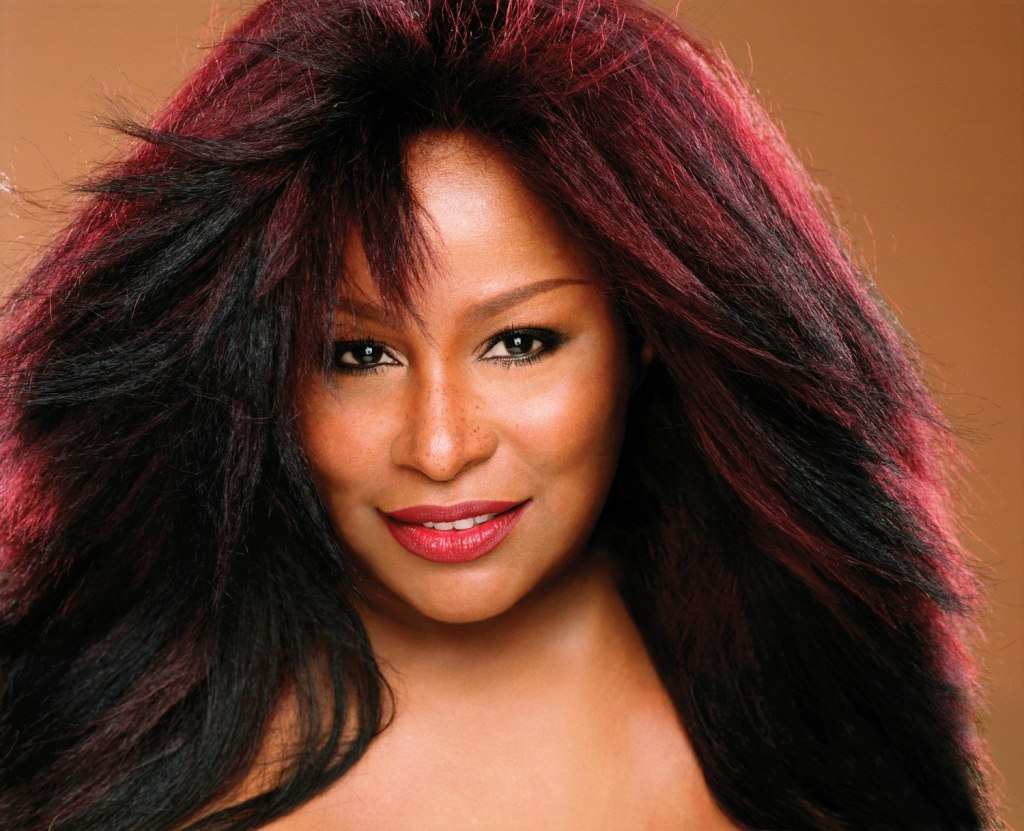
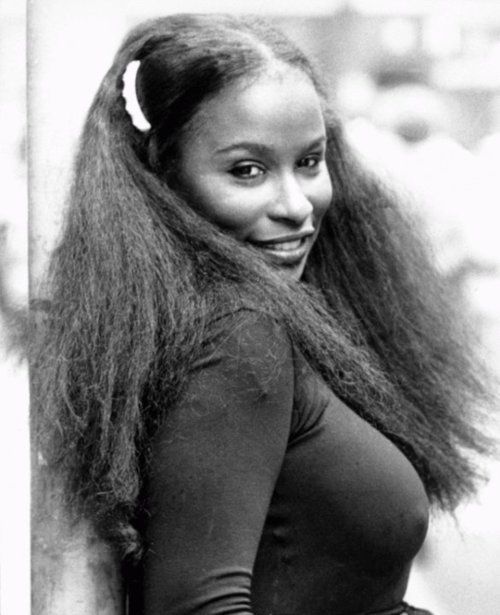
Celebrity Spotlight: Chaka Khan

The Queen of Funk-Soul with the iconic hair and powerful voice.

The photograph is the property of its respective owner. No copyright infringement intended.

Chaka Khan, born Yvette Marie Stevens on March 23, 1953, in Chicago, Illinois, is a musical icon whose career has spanned more than five decades. She rose to prominence as the lead vocalist of the funk band Rufus in the 1970s and later established a successful solo career. Her unique fusion of funk, R&B, jazz, and soul has earned her the nickname “The Queen of Funk.”

Chaka Khan’s early life was shaped by her upbringing in a musically inclined family. She developed a passion for singing at a young age, performing in local talent shows and school productions. Her powerful voice, remarkable range, and emotive delivery quickly set her apart from her peers, laying the foundation for her extraordinary career.

In the mid-1970s, Khan joined the band Rufus, where her electrifying stage presence and vocal prowess brought the group national recognition. Hits like “Tell Me Something Good” and “Sweet Thing” showcased her ability to blend funk rhythms with soulful melodies, propelling Rufus to the top of the charts and cementing her status as a rising star.

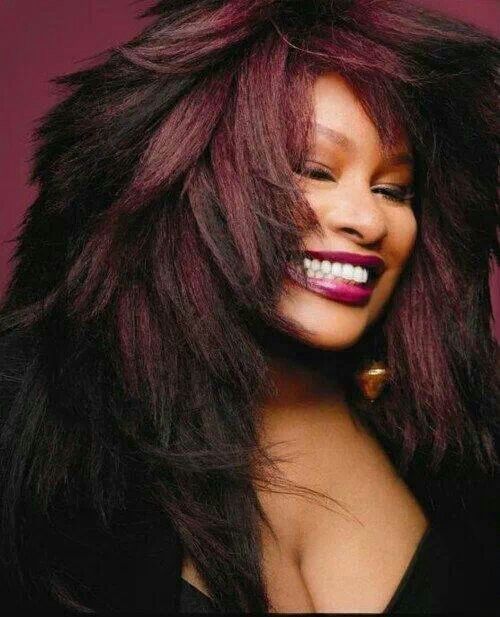
The photograph is the property of its respective owner. No copyright infringement intended.

Her solo career, launched in 1978, further solidified her musical legacy. Khan’s ability to seamlessly navigate genres—R&B, funk, jazz, and pop—allowed her to create timeless hits such as “I’m Every Woman,” “Ain’t Nobody,” and “Through the Fire.” These songs became anthems of empowerment and remain staples in popular culture.

Chaka Khan’s contributions to music have earned her numerous accolades, including ten Grammy Awards and multiple nominations across decades. She is celebrated not only for her vocal talent but also for her influence on future generations of artists, inspiring singers like Beyoncé, Mary J. Blige, and Alicia Keys.

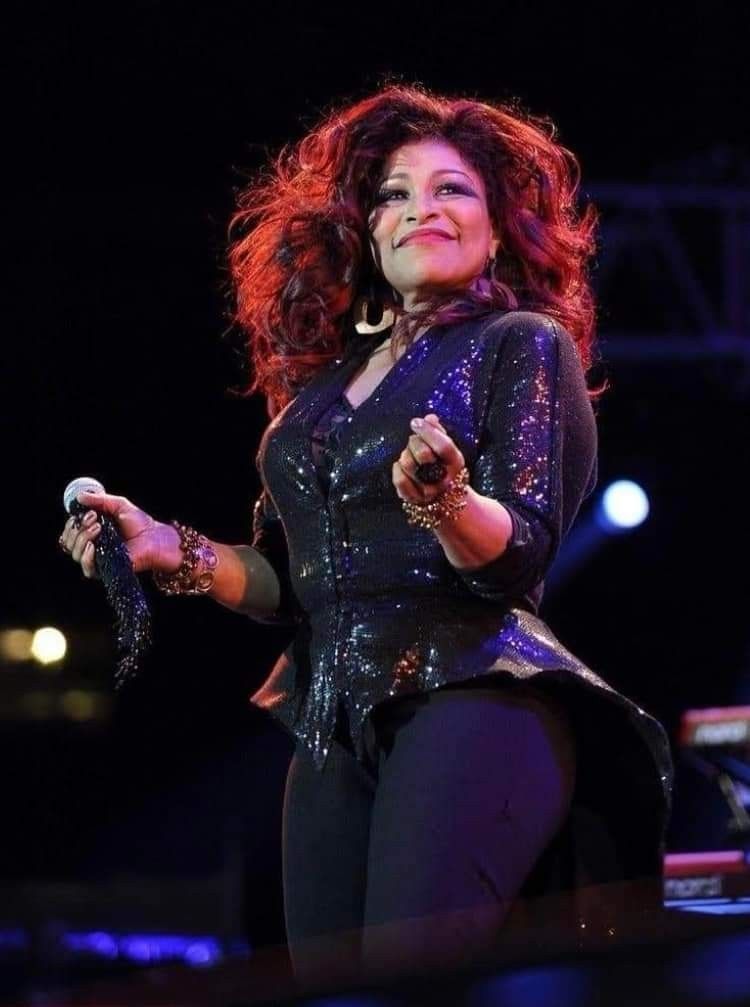
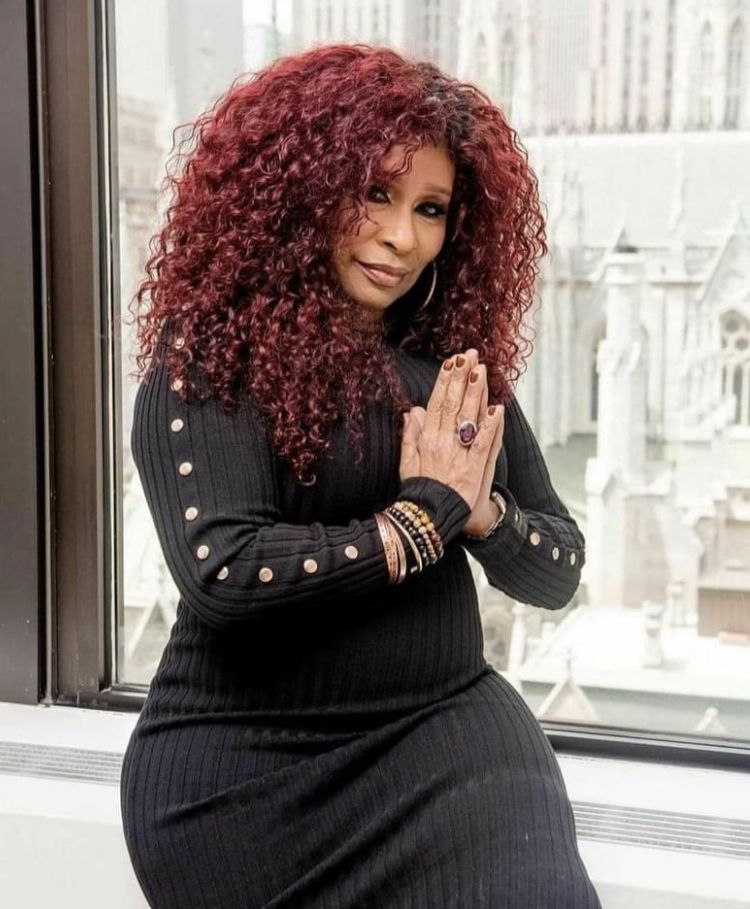
Beyond music, Khan’s personal style and beauty have drawn attention. She is renowned for her thick, luxurious mane, which became a signature feature and was reportedly insured due to its iconic status. Her bold fashion choices and radiant presence on stage and off have contributed to her enduring image as a style icon.

The photograph is the property of its respective owner. No copyright infringement intended.

In addition to her artistic achievements, Chaka Khan has navigated personal challenges and relationships in the public eye. She has been married and has one daughter, but much of her private life has remained guarded, reflecting her focus on artistry over celebrity gossip. Her friendships within the music industry, including close bonds with artists like Rufus bandmates and peers in the funk and R&B community, have been crucial for support and collaboration.

Khan’s voice has often been described as a force of nature, capable of delivering both tender emotion and explosive power. Critics frequently note that her vocals can “shatter glass,” reflecting her commanding stage presence and technical mastery. Her voice remains one of the most distinctive and influential in contemporary music history.

Her impact on live performance is legendary. Khan’s concerts are known for their high energy, audience engagement, and moments of improvisation that highlight her vocal agility. Fans worldwide continue to celebrate her dynamic performances, which remain relevant across generations.

The photograph is the property of its respective owner. No copyright infringement intended.

Khan’s influence extends beyond entertainment. She has become a symbol of Black excellence, demonstrating resilience, creativity, and empowerment. Her success as a woman of color in a predominantly male and Eurocentric industry has inspired countless artists to pursue careers in music while embracing their cultural identity.

Throughout her career, Chaka Khan has collaborated with many notable musicians, including Prince, Quincy Jones, and Stevie Wonder. These partnerships have not only enriched her musical catalog but also solidified her reputation as a versatile and respected artist within the industry.

Her awards and honors extend beyond Grammys. Khan has been recognized for her contributions to music and culture, receiving lifetime achievement awards and acknowledgments from various organizations dedicated to celebrating Black artists and women in the entertainment industry.

The photograph is the property of its respective owner. No copyright infringement intended.

Chaka Khan’s most celebrated songs continue to resonate with audiences worldwide. Tracks like “I’m Every Woman” have been reimagined and covered by contemporary artists, ensuring her legacy endures. The themes of empowerment, love, and resilience in her music have transcended generations, making her work timeless.

Even in her later years, Khan maintains a vibrant public persona, striking a balance between her health, performance, and philanthropy. She remains committed to music, touring, and mentoring younger artists, while also embracing her iconic image and personal style, including her signature hair, radiant appearance, and confident presence.

In conclusion, Chaka Khan embodies the intersection of musical genius, personal style, and cultural influence. Her thick, luxurious hair, commanding voice, celebrated hits, and decades of awards solidify her place as one of the most iconic performers in modern music history. Khan’s life and career continue to inspire, reflecting a legacy built on talent, resilience, and unapologetic self-expression.


References

  • George, Nelson. (2004). The Death of Rhythm and Blues. Penguin Books.
  • Khan, Chaka. (2003). Chaka Khan: Through the Fire. HarperCollins.
  • Taraborrelli, J. Randy. (2015). The Superstars: From Tina Turner to Beyoncé. Hachette Book Group.
  • Whitburn, Joel. (2013). Top R&B/Hip-Hop Singles: 1942-2012. Record Research, Inc.
  • PBS. (2005). Chaka Khan: Queen of Funk. Documentary.

The Color Line Escape: The Black Students and Elites Who Passed Into White America.

The HBCU Students and Black Elites Who Passed as White.

In the nineteenth and early twentieth centuries, the United States operated under a rigid racial system that determined nearly every aspect of a person’s life. Laws, customs, and social practices divided society into categories of “white” and “Black,” with whiteness granting access to education, wealth, safety, and political power. Within this oppressive system, some light-skinned African Americans made the difficult decision to “pass for white,” meaning they presented themselves as white to escape racial discrimination and gain opportunities otherwise denied to them.

Passing was not merely a social choice; it was a survival strategy shaped by systemic racism. During the era of slavery and the decades that followed Reconstruction, Black Americans faced constant threats to their livelihoods and safety. Segregation laws, violence, employment discrimination, and educational barriers created a society where whiteness often meant security and opportunity. For individuals whose physical appearance allowed them to cross the color line, passing became a pathway into a different social world.

Many of the individuals who passed came from educated Black families and elite communities. Some were graduates of historically Black colleges and universities, institutions that produced a generation of highly educated African Americans despite limited resources. Schools such as Howard University, Fisk University, and Atlanta University trained teachers, doctors, lawyers, and intellectuals who sought to uplift Black communities during the late nineteenth and early twentieth centuries.

Yet even with advanced education, racial barriers remained severe. Black professionals were often barred from practicing in white hospitals, law firms, and universities. Segregation limited their clientele and opportunities, making it difficult to fully utilize their education. In this environment, some light-skinned graduates chose to cross the racial boundary in order to practice their professions freely in white society.

One of the most famous examples of passing in American history is Anatole Broyard. Broyard was born into a Creole family of mixed ancestry in New Orleans but later lived as a white man in New York. As a literary critic for The New York Times, he built a successful career while concealing his Black heritage from most colleagues and friends.

Another example is Walter Francis White, whose appearance was so light that he could pass for white. Unlike many who crossed the color line permanently, White used his appearance strategically while working for the National Association for the Advancement of Colored People (NAACP). He traveled through the South investigating lynchings by posing as a white man to gather information.

The phenomenon of passing was deeply connected to America’s complex history of racial mixing. During slavery, many enslaved women were forced into relationships with white slave owners, resulting in generations of mixed-race descendants. By the late nineteenth century, some individuals of mixed ancestry had physical features that allowed them to be perceived as white.

For many who passed, the decision involved enormous personal sacrifice. Passing required cutting ties with family members, friends, and the Black community. Maintaining the illusion of whiteness meant living with constant fear that one’s racial background might be discovered. Exposure could result in job loss, social rejection, or even violence.

Some individuals passed temporarily to obtain employment or housing, while others permanently reinvented their identities. Those who crossed the color line often relocated to new cities where their past was unknown. Large urban centers such as New York City, Chicago, and Los Angeles provided anonymity that made it easier to construct new identities.

The pressures that encouraged passing intensified during the era of Jim Crow laws. Throughout the late nineteenth and early twentieth centuries, segregation laws enforced strict racial boundaries in schools, transportation, housing, and public life. These laws institutionalized racial inequality and reinforced the social advantages associated with whiteness.

Light-skinned members of the Black elite sometimes faced complicated choices within this racial hierarchy. On one hand, many felt a strong commitment to racial solidarity and community leadership. On the other hand, the opportunities available to whites could be dramatically different from those available to even the most educated Black citizens.

Passing was therefore not always motivated by rejection of Black identity. In many cases, it reflected the brutal realities of a society structured around racial discrimination. Economic advancement, personal safety, and professional success were powerful incentives for individuals seeking stability in an uncertain environment.

Literature and film have explored the psychological complexities of passing. Novels such as Passing depict the emotional tension experienced by individuals who cross the racial boundary. These stories reveal the internal conflict between personal ambition and loyalty to one’s heritage.

Historians estimate that thousands of African Americans passed for white during the late nineteenth and early twentieth centuries. However, the exact number is impossible to determine because many individuals successfully concealed their origins and left few records documenting their decisions.

Within Black communities, reactions to passing were mixed. Some viewed it as a betrayal or abandonment of the struggle for racial equality. Others understood it as a tragic consequence of systemic racism that forced people into impossible choices.

The existence of passing also exposed the arbitrary nature of racial categories. American society often defined race according to the “one-drop rule,” meaning that even a small amount of African ancestry classified a person as Black. Yet the fact that some individuals could move between racial identities demonstrated how socially constructed these categories truly were.

Passing gradually became less common after the civil rights movement of the 1950s and 1960s. As legal segregation was dismantled and new opportunities emerged for African Americans, the incentives to permanently abandon one’s racial identity diminished.

Nevertheless, the history of passing remains an important chapter in understanding race in the United States. It reveals the extreme pressures created by a society that rewarded whiteness while marginalizing Blackness.

For the students, professionals, and elites who crossed the color line, passing represented both opportunity and loss. While it sometimes brought economic stability and professional success, it often required the painful sacrifice of family ties, cultural heritage, and community belonging.

Ultimately, the phenomenon of passing highlights the human cost of racial inequality. It illustrates how deeply racism shaped personal identity, forcing individuals to navigate a world where the boundaries of race could determine the course of an entire life.


References

Ginsberg, E. K. (1996). Passing and the Fictions of Identity. Duke University Press.

Hobbs, A. (2014). A Chosen Exile: A History of Racial Passing in American Life. Harvard University Press.

Kennedy, R. (2001). Interracial Intimacies: Sex, Marriage, Identity, and Adoption. Pantheon Books.

Larsen, N. (1929). Passing. Alfred A. Knopf.

Smithsonian National Museum of African American History and Culture. History of racial passing in America.

Hine, D. C., Hine, W. C., & Harrold, S. (2014). The African American Odyssey. Pearson Education.

Library of Congress. Historical records on race and identity in the United States.

From Cotton Fields to Catwalks: The Brown Woman’s Journey to Self-Love.

The story of the Brown woman is one of resilience, rebirth, and reclamation. Her journey from servitude to sovereignty—both internal and external—has been marked by centuries of struggle and transcendence. From the brutal realities of plantation life to the glittering lights of fashion runways, the evolution of her image mirrors a greater spiritual awakening: the rediscovery of her worth, beauty, and divine identity. Her path is not just a chronicle of survival but a testament to the enduring radiance that oppression could never extinguish.

In the cotton fields of America’s South, the Brown woman was both the backbone and the burden of a system designed to exploit her body and silence her voice. Her skin, kissed by the sun, became a symbol of labor and loss. Yet, even as she toiled under inhumane conditions, her strength radiated an unspoken grace. Enslaved women bore the brunt of physical, sexual, and emotional exploitation, yet within them lay the seeds of future generations who would redefine Black and Brown womanhood (Collins, 2000).

Her labor was not only agricultural but existential. Every day, she cultivated survival strategies—songs, prayers, and quiet defiance—that preserved her humanity. Spirituals sung in the fields were coded messages of freedom and hope, expressing an inner beauty that no master could steal. The Brown woman’s endurance was divine resistance, an echo of the Hebrew women in Exodus who “feared God, and did not as the king of Egypt commanded them” (Exodus 1:17, KJV).

As centuries turned, the Brown woman carried her ancestral pain into new forms of identity. The Reconstruction era offered minimal reprieve, yet the cultural memory of servitude continued to shape her self-image. Society imposed new shackles—colorism, Eurocentric beauty standards, and class-based discrimination. Lightness became currency, while darker tones were dismissed as undesirable. The trauma of the cotton fields mutated into the social hierarchies of complexion (Hunter, 2007).

In the early 20th century, Black and Brown women began to redefine beauty on their own terms. The Harlem Renaissance gave birth to a cultural revolution where art, literature, and music celebrated melanin and femininity. Icons like Josephine Baker and Zora Neale Hurston embodied a new consciousness of self-love. They challenged the world’s gaze, asserting that beauty was not confined to whiteness but could emerge proudly from the soil of struggle.

Still, the world continued to commodify the Brown woman’s image. In the age of advertising and media, she was alternately hypersexualized or erased altogether. The Brown woman became both muse and martyr, desired yet devalued. Her body was used to sell products, her curves celebrated only when worn by non-Black bodies. The struggle for representation became an extension of the plantation’s legacy—her labor admired but her personhood denied.

Yet, from this erasure rose a fierce reclamation. The Brown woman began to take control of her narrative, reshaping the lens through which she was seen. The natural hair movement, melanin-positive campaigns, and digital activism became modern-day revolutions. Social media platforms became her new battleground, where she could proclaim unapologetically, “I am my ancestors’ wildest dream.”

Fashion, once an industry of exclusion, began to shift under the pressure of her presence. The catwalk, a space that once rejected her, now bore witness to her glory. Models like Naomi Campbell, Alek Wek, and Duckie Thot redefined what global beauty could look like. Each stride on the runway became an act of defiance—a declaration that the daughter of the field worker had ascended to the stage of the world.

The symbolism of this transformation is profound. The same hands that once picked cotton now shape couture. The same skin once mocked for its depth of hue now commands admiration under golden lights. It is not simply a story of economic mobility or fashion inclusion, but of spiritual elevation. The Brown woman’s body, once a site of oppression, has become a canvas of divine artistry.

Still, her journey to self-love remains layered and complex. Generational trauma and systemic inequities continue to haunt her psyche. Colorism persists within her own community, and media still struggles to portray her diversity. Yet, the Brown woman’s resilience endures. Her love for herself is not a trend but a spiritual revolution—a return to the truth that she was always enough.

This self-love is radical because it challenges centuries of indoctrination. To love oneself in a world that profits from one’s insecurity is a political act. When the Brown woman looks into the mirror and sees beauty, she dismantles the psychological residue of colonialism. Her reflection becomes a form of resistance—a reminder that her worth was never for sale.

Spiritually, her journey mirrors the biblical narrative of restoration. Like Ruth gleaning in the fields before being elevated to royalty, the Brown woman’s life is marked by divine orchestration. Her pain prepared her for purpose. Her ancestors’ prayers planted the seeds of the empowerment she now harvests. “He hath made every thing beautiful in his time” (Ecclesiastes 3:11, KJV) captures the essence of her evolution.

In embracing her melanin, her curls, her history, and her imperfections, she reclaims her crown. This reclamation is not only external but deeply internal. She no longer measures herself by European standards, but by divine ones. Her beauty, like her spirit, is infinite—rooted in the soil of her ancestors and watered by the tears of generations who refused to disappear.

Education, art, and faith have become her tools of restoration. Through poetry, scholarship, and entrepreneurship, she is rewriting her narrative. From Maya Angelou’s “Phenomenal Woman” to Beyoncé’s Brown Skin Girl, every creative expression becomes a hymn of affirmation. These cultural works reaffirm that self-love is not vanity but healing—an act of remembrance and liberation.

The Brown woman’s presence on catwalks across Paris, New York, and Lagos is more than fashion; it is prophecy fulfilled. The world now watches what God already ordained: that the first shall be last and the last shall be first (Matthew 19:30, KJV). The once-overlooked is now celebrated, yet her power lies not in external validation but in self-realization.

Her journey continues, for the fight for equitable representation, safety, and dignity is ongoing. But each generation rises taller, walking with greater confidence and consciousness. She carries the voices of her foremothers in every graceful step. From the cotton fields to catwalks, her story is a sacred dance between pain and glory, oppression and freedom, despair and divine deliverance.

To love herself fully is to love the God who made her. Her journey is not merely about beauty but about identity—about returning to the sacred truth that she is fearfully and wonderfully made (Psalm 139:14, KJV). The Brown woman’s journey to self-love is, therefore, not an ending but a resurrection—a radiant testimony that from suffering can come splendor, and from bondage can bloom brilliance.

Her crown, once tarnished by history, now gleams with wisdom, faith, and grace. She stands on the shoulders of queens who came before her, not just as a model or icon, but as a miracle. The Brown woman is the living embodiment of triumph, the divine muse of history’s redemption song. Her journey is every woman’s reminder that no matter where the story begins, it can end in glory.


References

Collins, P. H. (2000). Black feminist thought: Knowledge, consciousness, and the politics of empowerment (2nd ed.). Routledge.

Hunter, M. (2007). The persistent problem of colorism: Skin tone, status, and inequality. Sociology Compass, 1(1), 237–254.

Holy Bible, King James Version. (2017). Cambridge University Press.

Hooks, B. (1992). Black looks: Race and representation. South End Press.

Walker, A. (1983). In search of our mothers’ gardens: Womanist prose. Harcourt Brace Jovanovich.

West, C. (1993). Race matters. Beacon Press.

Where faith, history, and truth illuminate the Black experience.