Masculine Perfection Series: LL Cool J, Lamman Rucker, and Michael Jai White.

LL Cool J — The Rappin Adonis with Peanut-Butter Skin & Iconic Lips
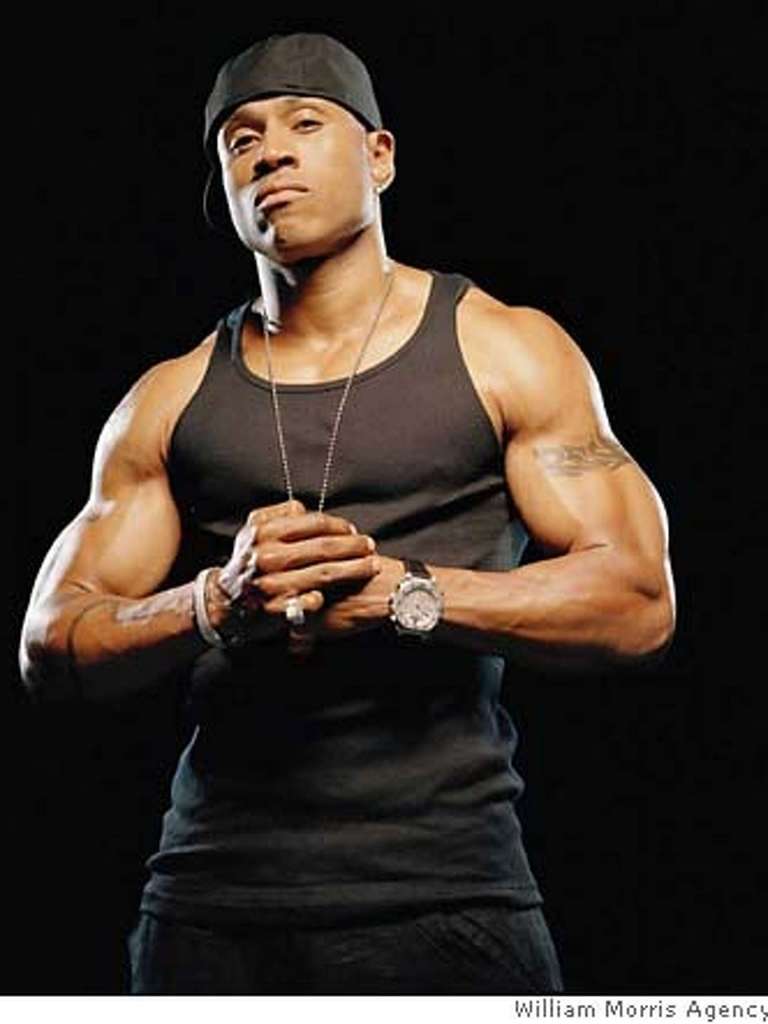
LL Cool J, born James Todd Smith in 1968 in Bay Shore, New York, stands as one of the most influential figures in hip-hop and a multi-talented force in entertainment. With smooth peanut-butter skin, full sensual lips, and an athletic, sculpted physique, he has long been admired for his charm and striking appearance. His career began as a young teenager when he became one of Def Jam’s earliest and most successful artists. He quickly rose to fame with hits such as “I Can’t Live Without My Radio,” “Rock the Bells,” and the legendary “Mama Said Knock You Out,” earning multiple awards, including two Grammys.

LL Cool J extended his talent into acting, becoming a dynamic force in both film and television. His performances in Deep Blue Sea, In Too Deep, Any Given Sunday, and S.W.A.T. showcased his charisma, and his long-running role as Special Agent Sam Hanna on NCIS: Los Angeles solidified his status as a respected TV star.

In his personal life, LL has been married to Simone I. Smith since 1995, and together they share four children: Najee, Italia, Samaria, and Nina. His family life is known for its stability, closeness, and strong values, and LL has also embraced being a proud grandfather. Through discipline, loyalty, and an unwavering work ethic, he remains a powerful representation of Black masculine excellence.


Lamman Rucker — The Adorable Boy-Next-Door
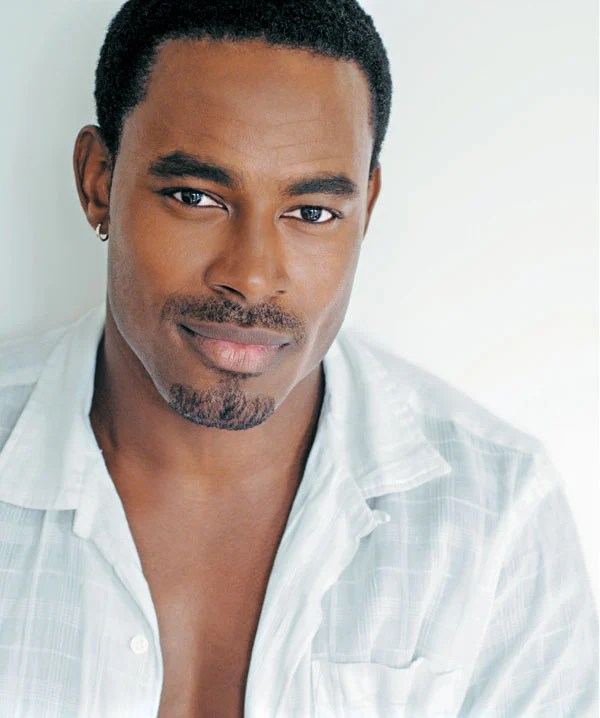
Lamman Rucker, born in 1971 in Pittsburgh, exudes warmth, gentleness, and a naturally disarming charm. With rich brown skin, soft expressive eyes, and a down-to-earth demeanor, he embodies the ideal “boy-next-door” look — approachable, comforting, and undeniably handsome. Before embracing acting full-time, Rucker studied business, education, and information technology, which equipped him with discipline and intellect that complement his artistic gifts.

His early roles in soap operas introduced him to audiences, but he became widely recognized for his roles in Tyler Perry’s Why Did I Get Married? and Why Did I Get Married Too? He later captivated viewers as Jacob Greenleaf in the acclaimed series Greenleaf, where he portrayed complexity, depth, and emotional authenticity. More recently, he joined the cast of The Black Hamptons, continuing to expand his presence in television drama.

Lamman is married to Kelly Davis Rucker and maintains a private and grounded family life. Beyond acting, he is known for his advocacy work within the community. In his youth and early adulthood, he participated in abstinence education, sexual-health advocacy, HIV awareness programs, and youth empowerment initiatives. His values, compassion, and moral grounding enhance his public image as a man of integrity.


Michael Jai White — Dangerously Handsome with Skills & Physique Out of This World

Michael Jai White, born in 1967 in Brooklyn, New York, carries a commanding, warrior-like presence. His chiseled features, intense gaze, powerful build, and disciplined aura contribute to a form of masculine beauty that is sharp, striking, and unforgettable. He is one of the most skilled and accomplished real martial artists in Hollywood, holding multiple black belts across several disciplines, including Shotokan, Kyokushin, Taekwondo, Tang Soo Do, Wushu, and Kobudō.

Beginning martial-arts training at the age of seven, Michael developed a mastery that set him apart from actors who merely perform choreographed fighting. His athleticism and precision translated naturally into an action-film career. He starred in productions such as Spawn, Blood and Bone, Undisputed II, Black Dynamite, and the Never Back Down franchise, where he brought both physical brilliance and emotional depth to the screen.

Away from his demanding screen roles, Michael is a dedicated family man. He is married to Gillian White, who also practices martial arts, creating a partnership grounded in discipline and shared purpose. His life reflects strength, structure, and authenticity, making him one of the most respected and admired Black action stars of his era.


References

  • “LL Cool J.” Wikipedia.
  • Parade Magazine. LL Cool J family and children features.
  • People Magazine. LL Cool J biography and family coverage.
  • “Lamman Rucker.” Wikipedia.
  • Interviews and press features on Lamman Rucker’s work in The Black Hamptons.
  • “Michael Jai White.” Wikipedia.
  • Martial Arts Entertainment: Michael Jai White martial-arts biography.
  • USAdojo: Michael Jai White training and black belt documentation.
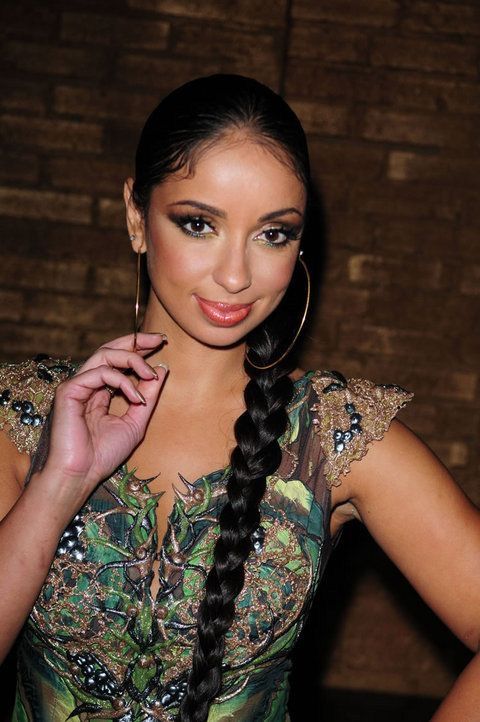
The “It Girl” Series: Mýa Harrison

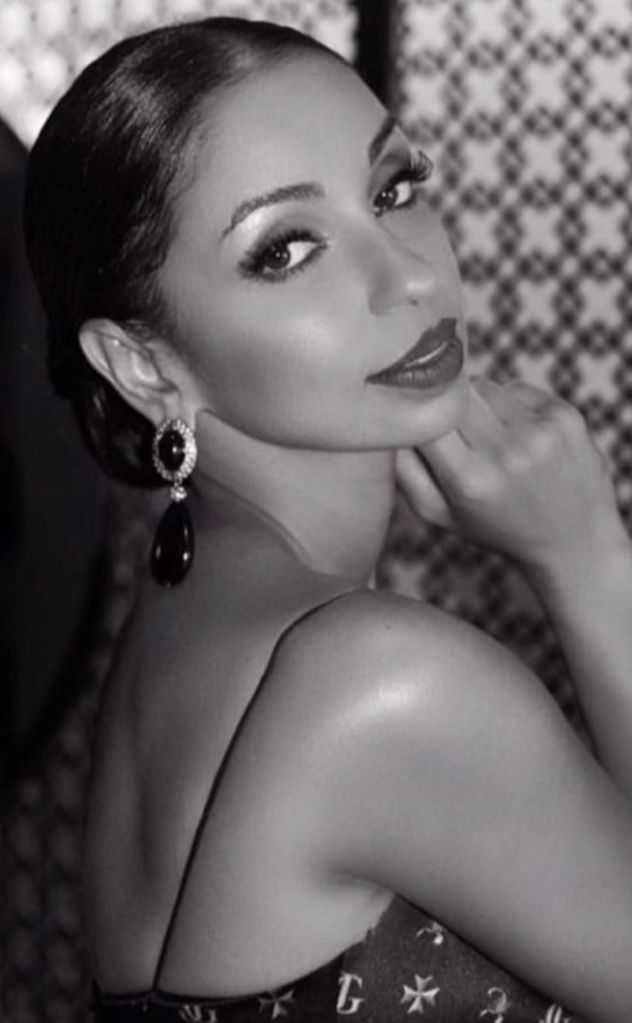
With big doe eyes and a whisper-soft voice that shaped a generation, Mýa is the It Girl of R&B grace, a dancing phenomenon, discipline, and quiet longevity.

This photograph is the property of its respective owner.

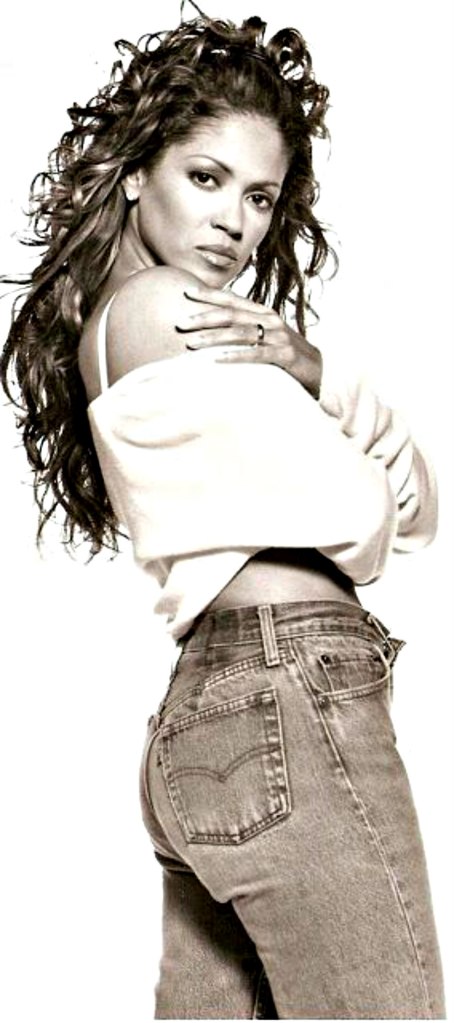
Mýa — born Mýa Marie Harrison on October 10, 1979, in Washington, D.C. — emerged in the late 1990s as one of R&B’s most poised and technically refined young stars. Known for her ballet-trained posture, honey-toned vocals, and signature big doe eyes, Mýa carved out a lane that blended elegance with urban rhythm.

She was never the loudest voice in the room — but she was often the most polished.


Early Life & Musical Foundations

Raised in a musically inclined household (her father was a professional musician), Mýa studied ballet, jazz, and tap from a young age. Her formal dance training shaped her stage discipline and visual precision. By her mid-teens, she had secured a recording contract with Interscope Records.

Her self-titled debut album, Mýa, introduced her as a soft-spoken yet rhythmically assertive vocalist. The album featured the hit single “It’s All About Me” and established her as part of the late-90s R&B wave that included Brandy, Aaliyah, and Monica.

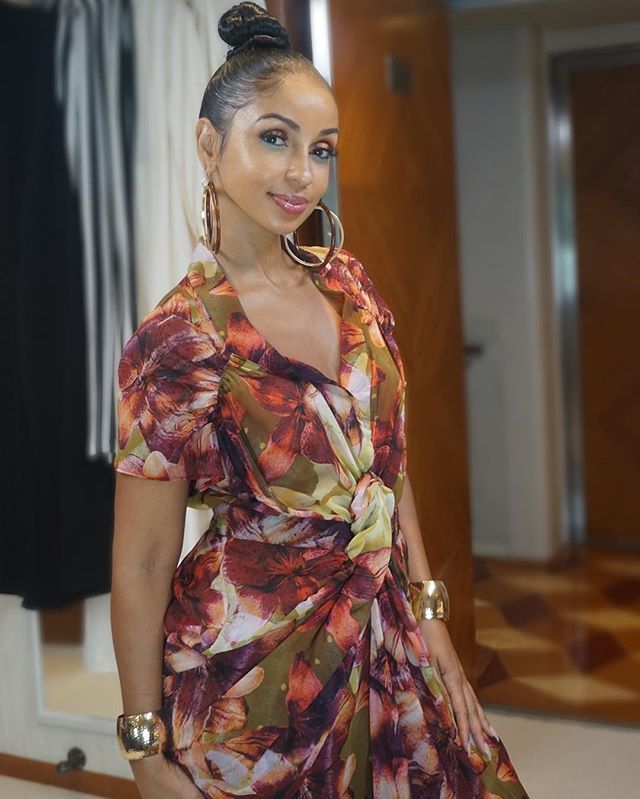
Her wide, expressive doe eyes became part of her public signature — conveying vulnerability, flirtation, and innocence simultaneously. In an era of highly stylized pop femininity, Mýa’s look felt both delicate and disciplined.


This photograph is the property of its respective owner.

Breakthrough & Cultural Impact

Mýa’s global breakout came with her collaboration on Lady Marmalade alongside Christina Aguilera, Lil’ Kim, and Pink for the film Moulin Rouge!. The song became a No. 1 Billboard hit and won a Grammy Award for Best Pop Collaboration with Vocals.

This moment cemented Mýa as internationally recognized — not merely an R&B singer, but a crossover performer capable of holding her own among powerhouse vocalists.

Her second album, Fear of Flying, featured the bold and playful single “Case of the Ex,” showcasing a more confident and rhythm-driven persona. The album went platinum, solidifying her commercial viability.


Film & Television Career

Like many It Girls of her era, Mýa expanded into film. She starred in Love & Basketball, a now-classic Black romantic drama, playing Kyra Kersey — the confident, competitive ex-girlfriend. The film has become canon in Black cinema discourse, and her performance added to her “cool girl” mystique.

She later appeared in Chicago as Mona, a role that showcased her dance training and theatrical poise. The film won the Academy Award for Best Picture, adding prestige to her résumé.

In 2009, she competed on Dancing with the Stars, finishing as runner-up and reintroducing herself to a new generation as a technically superior dancer.


Independent Artist & Businesswoman

After navigating major-label challenges, Mýa made a pivotal decision: independence.

In 2008, she launched her own label, Planet 9, becoming one of the first R&B artists of her era to move fully independent. She released multiple projects independently, maintaining creative control and ownership of her masters — a move that earned her quiet respect within the music industry.

Her 2016 album Smoove Jones received a Grammy nomination for Best R&B Album — proof that her artistry remained relevant nearly two decades after her debut.

This independence reframed her It Girl status. She was no longer just a face of a generation — she was a business model for artistic autonomy.


This photograph is the property of its respective owner.

Beauty, Persona & Public Perception

Within the Black community, Mýa is often remembered as:

  • Soft-spoken but self-assured
  • Elegant and unproblematic
  • Classically beautiful with “big doe eyes”
  • Disciplined and scandal-free

Her beauty is often described as ethereal — large almond-shaped eyes, symmetrical features, warm caramel complexion, and dancer’s posture. Unlike some contemporaries whose branding leaned heavily into overt sexuality, Mýa balanced sensual choreography with controlled mystique.

She is perceived as one of the “good girls” of 90s R&B — talented, poised, and largely free of public controversy. That consistency contributes to her enduring respect.


Marriage, Family & Privacy

In 2020, reports surfaced that Mýa had married in a private ceremony abroad, though she has maintained significant privacy about her personal life. She does not have publicly confirmed children.

Her discretion stands in contrast to the hyper-visibility of modern celebrity culture. She rarely engages in scandal cycles and maintains a carefully curated public image.


Awards & Recognition

  • Grammy Award (2002) – Best Pop Collaboration with Vocals (“Lady Marmalade”)
  • Billboard Music Awards recognition
  • MTV Video Music Award nominations
  • Soul Train Music Award nominations
  • Grammy nomination (2017) – Best R&B Album (Smoove Jones)

While she may not dominate headlines daily, her accolades reflect sustained industry respect.


This photograph is the property of its respective owner.

Why She Is an “It Girl”

Mýa is an It Girl because she defined a moment — and then preserved her dignity beyond it.

She represents:

  • The late-90s R&B golden era
  • Technical dance excellence
  • Big doe-eyed softness paired with discipline
  • Independent female ownership in music
  • Longevity without chaos

She was never tabloid-driven. She was craft-driven.

In a generation of louder personas, Mýa’s power has always been subtle — the tilt of her head, the control of her choreography, the emotional nuance in her voice.

Her It Girl status rests not on spectacle, but on polish.

And decades later, those big doe eyes still carry the same quiet confidence that first captivated audiences.


References

Billboard. (2001–2024). Chart history: Mýa.

Grammy Awards. (2002; 2017). Grammy winners and nominees database.

IMDb. (n.d.). Mýa Harrison filmography. Retrieved from https://www.imdb.com

Interscope Records. (1998). Mýa [Album].

Interscope Records. (2000). Fear of Flying [Album].

Luhrmann, B. (Director). (2001). Moulin Rouge! [Film].

Marshall, R. (Director). (2002). Chicago [Film].

Prince-Bythewood, G. (Director). (2000). Love & Basketball [Film].

ABC. (2009). Dancing with the Stars [Television series].

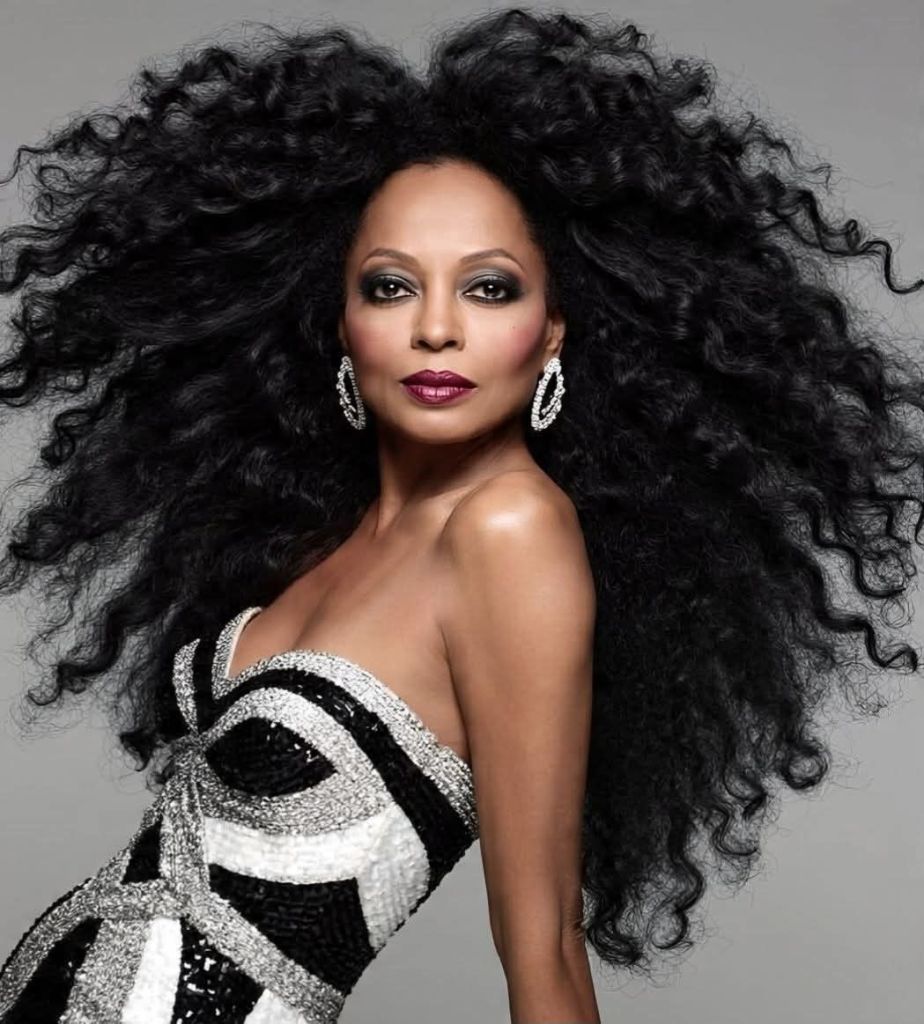
Celebrity Spotlight: Diana Ross

There’s only one word that describes rich and dark, beautiful and rare. I’m going to call you: Mahogany. — Anthony Perkins (Mahogany, 1975)

This photograph is the property of its respective owner. No copyright infringement intended.

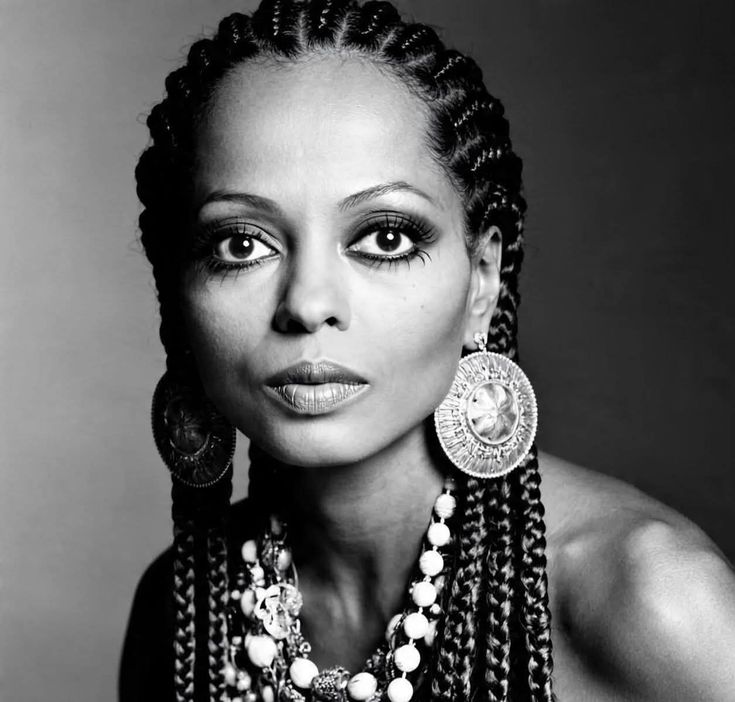
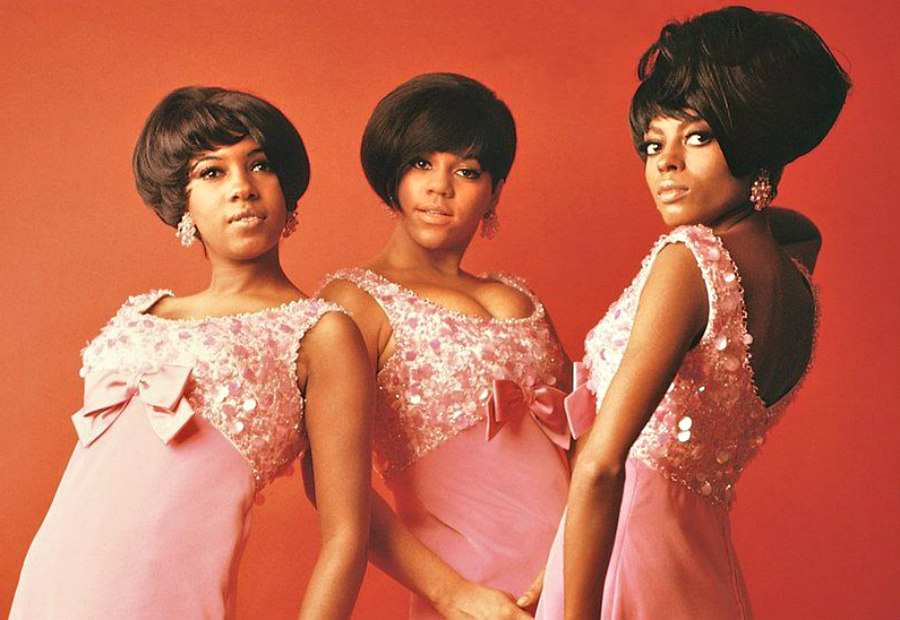
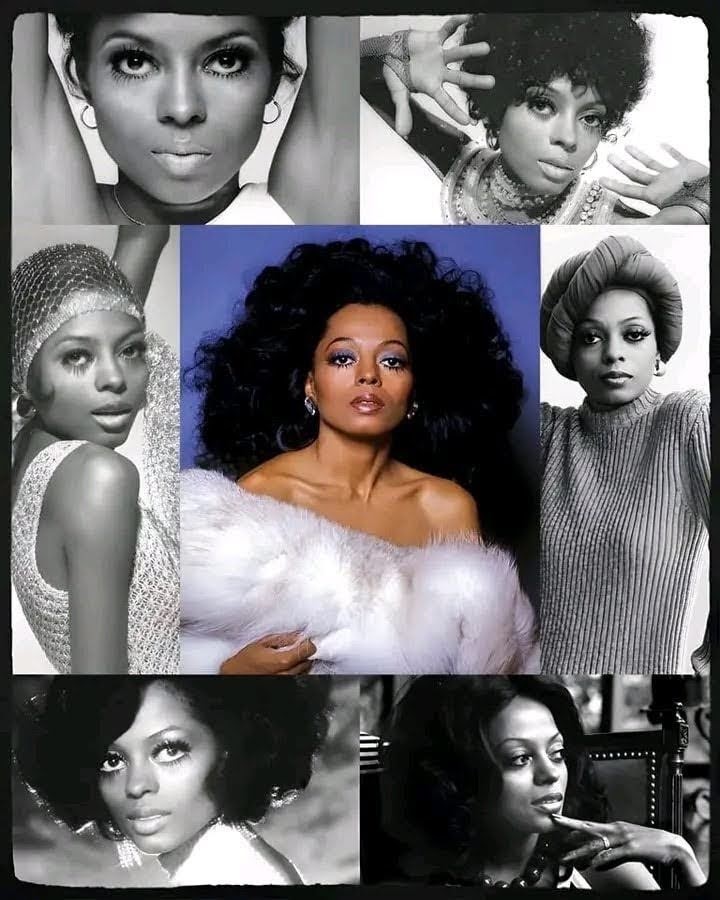
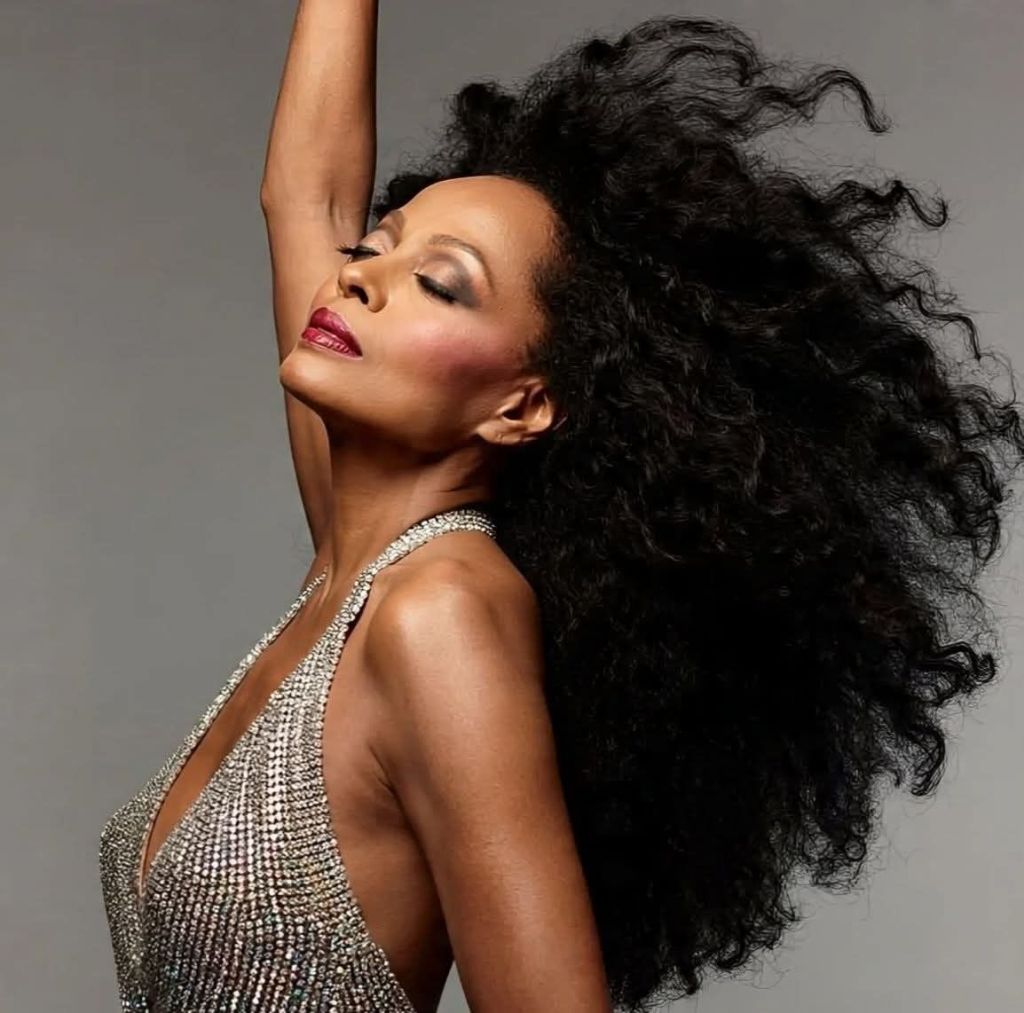
The Doe-Eyed Dollish image of Diana Ross, often referred to as “The Boss,” is a cultural icon whose influence transcends music, film, and fashion. Renowned for her distinctive soprano voice, commanding stage presence, and unmatched elegance, Ross redefined what it meant to be a Black female superstar. From her groundbreaking years as the lead singer of The Supremes to her illustrious solo career, she has captivated audiences worldwide with her charisma, style, and versatility. Beyond her musical achievements, Ross’s big hypnotic eyes, poise, glamour, and enduring influence have made her a symbol of empowerment, sophistication, and timeless artistry.

This photograph is the property of its respective owner. No copyright infringement intended.

🎤 THE QUEEN OF MOTOWN 🎤

Diana Ross, born Diana Ernestine Ross on March 26, 1944, in Detroit, Michigan, is one of the most iconic singers and entertainers in music history. She rose to fame as the lead singer of The Supremes, Motown’s premier female group, before establishing an extraordinary solo career. Ross’s beauty, charisma, and vocal talent earned her the title “The Queen of Motown,” a distinction she continues to hold decades later.

Ross grew up in a working-class neighborhood in Detroit, the youngest of six children. From an early age, she displayed a love for singing and performing. Her mother, Ernestine, encouraged her talents, helping Diana develop poise and confidence that would later define her stage presence. Ross attended Cass Technical High School, where she honed her musical skills alongside academics.

Diana Ross’s career began in the late 1950s when she joined a girl group originally called The Primettes. The group eventually signed with Berry Gordy’s Motown Records in 1961 and changed their name to The Supremes. Ross’s distinct soprano voice, combined with her elegance and stage presence, quickly distinguished her from other groups of the era.

This photograph is the property of its respective owner. No copyright infringement intended.

With Ross as lead singer, The Supremes became Motown’s most successful act in the 1960s. Hits such as “Where Did Our Love Go,” “Baby Love,” and “Stop! In the Name of Love” dominated the Billboard charts. Her style — graceful, glamorous, and commanding — helped define the image of a modern Black female superstar, paving the way for countless artists.

In 1970, Diana Ross left The Supremes to pursue a solo career. Her debut album, “Diana Ross”, produced hits like “Ain’t No Mountain High Enough”, showcasing her ability to deliver powerful and emotionally resonant performances as a solo artist. Her voice and presence evolved, demonstrating versatility across pop, R&B, and soul genres.

Ross’s film career is equally remarkable. She starred in “Lady Sings the Blues” (1972), portraying jazz legend Billie Holiday. Her performance earned an Academy Award nomination for Best Actress, solidifying her status as a multi-talented entertainer. Ross followed with “Mahogany” (1975) and “The Wiz” (1978), demonstrating her range in dramatic and musical roles.

Ross has received numerous awards and accolades throughout her career. She won a Grammy Lifetime Achievement Award in 2012, an Emmy Award, and a Golden Globe for her role in “Lady Sings the Blues.” Billboard and Rolling Stone have recognized her influence, ranking her among the greatest singers of all time.

Her influence extended beyond music and film. Ross became a fashion icon, celebrated for her glamorous gowns, striking hairstyles, and elegant stage presence. She set trends for Black women and female performers worldwide, proving that beauty, poise, and talent could coexist at the highest level of entertainment.

Diana Ross welcomed her first child, Rhonda Ross Kendrick, in 1971 with her then-partner Berry Gordy.

The following year, she welcomed Tracee Ellis Ross with her husband, Robert Ellis Silberstein. Three years later, their third daughter, Chudney Ross, was born.

After marrying Arne Naess Jr. in 1986, Ross welcomed two sons, Ross Arne Naess and Evan Ross. Ross also has a son, Rohan Marley, with reggae legend Bob Marley.

Throughout her life, Ross maintained strong relationships with Motown founder Berry Gordy, who was both mentor and former partner. Gordy’s guidance was instrumental in shaping her career, and their professional relationship produced some of Motown’s most memorable hits. Ross’s interactions with fellow stars, including Billy Dee Williams, highlighted her collaborative spirit in the entertainment industry.

This photograph is the property of its respective owner. No copyright infringement intended.

Diana Ross’s hit songs in the 1970s and 1980s include “Touch Me in the Morning,” “Theme from Mahogany,” “Upside Down,” and “I’m Coming Out.” These songs remain cultural staples, reflecting her ability to evolve musically while maintaining her signature sound. Ross also performed at landmark events, including the 1983 Motown 25 special, which celebrated her contributions to music history.

Ross cited numerous influences on her musical development. She admired Billie Holiday, Ella Fitzgerald, and Sarah Vaughan, drawing inspiration from their emotive vocal styles and stagecraft. This foundation allowed Ross to blend jazz, soul, and pop seamlessly in her own performances.

Her relationship with Berry Gordy was pivotal in her early career, providing both creative direction and exposure. Despite the personal complexities, their collaboration produced timeless hits that shaped Motown and set the standard for future musical acts. Ross’s professionalism and artistry ensured that these collaborations remained productive and legendary.

Ross’s impact extended internationally. She performed for presidents, royalty, and global audiences, including her historic performance at the 1983 US Presidential Inauguration. Her music and presence transcended cultural barriers, inspiring fans worldwide and affirming her role as a global icon.

This photograph is the property of its respective owner. No copyright infringement intended.

Throughout her career, Ross faced challenges, including scrutiny over her personal life, financial negotiations, and the pressures of fame. Nevertheless, she consistently demonstrated resilience, adapting to changing musical landscapes and remaining relevant across decades.

Ross’s filmography includes notable projects beyond “Lady Sings the Blues” and “Mahogany.” She starred in “The Wiz,” “Out of Darkness,” and several made-for-TV specials. These roles showcased her versatility, merging her musical talents with acting and stagecraft.

Her style and performances influenced countless artists, including Beyoncé, Jennifer Hudson, and Alicia Keys. Ross’s legacy is evident in the way contemporary performers blend music, fashion, and social influence, reflecting her holistic approach to artistry.

Diana Ross’s personal life also reflects her commitment to family and philanthropy. She has supported causes including education, children’s welfare, and health awareness, particularly advocating for Black communities. Her activism complements her artistic legacy, demonstrating a life of purpose beyond entertainment.

Ross has been recognized with lifetime achievement honors, including inductions into the Rock and Roll Hall of Fame, Grammy Hall of Fame, and numerous music industry awards. These accolades affirm her enduring contributions to music, film, and culture.

In conclusion, Diana Ross remains a defining figure in 20th and 21st-century entertainment. Her journey from The Supremes to global superstardom illustrates exceptional talent, strategic vision, and personal resilience. She is not only a musical icon but a cultural symbol of beauty, elegance, and empowerment. Ross’s life and career continue to inspire generations of artists and fans around the world.


References

  • Taraborrelli, J. R. (2007). Diana Ross: A Biography. Crown Publishing Group.
  • Ritz, D. (2003). Divided Soul: The Life of Marvin Gaye. Da Capo Press.
  • Larkin, C. (2011). The Encyclopedia of Popular Music. Omnibus Press.
  • The Holy Bible, King James Version.
  • Billboard. (2020). Diana Ross Chart History. Retrieved from https://www.billboard.com/music/diana-ross
  • Rolling Stone. (2015). Diana Ross: 100 Greatest Singers of All Time.

A Brown Girl’s Beauty

A brown girl’s beauty is not confined to her skin—it radiates from her soul. She carries the warmth of the sun in her complexion, the strength of her ancestors in her bones, and the wisdom of the Most High in her heart. Her presence speaks of resilience, her walk reflects dignity, and her spirit glows with divine purpose. She is not defined by the world’s standards but by the light of the One who created her. Her worth is eternal, her beauty spiritual, and her essence sacred.

As Proverbs 31:30 (KJV) reminds us, “Favour is deceitful, and beauty is vain: but a woman that feareth the Lord, she shall be praised.” The grace of a brown girl is more than a reflection—it’s a revelation of godly character, inner peace, and radiant faith.

A brown girl’s extraordinary beauty inside-out is poetry written by the hands of the Most High. Her skin glows like the earth after rain, rich with history, strength, and divine artistry. Her beauty is not just seen—it is felt. It’s in her confidence, her compassion, her quiet power, and her unwavering faith. She walks with grace, clothed not in vanity but in virtue, her worth rooted in who she is and Whose she is.

The world may try to measure her by its shallow standards, but the Most High measures her by her heart. Her smile carries peace, her eyes hold wisdom, and her voice echoes resilience. Like the daughters of Zion, she stands firm, radiant in spirit and steadfast in faith. Her beauty cannot be manufactured or imitated—it’s spiritual, ancestral, and eternal.

As 1 Peter 3:3–4 (KJV) reminds us, “Whose adorning let it not be that outward adorning of plaiting the hair, and of wearing of gold, or of putting on of apparel; but let it be the hidden man of the heart, in that which is not corruptible, even the ornament of a meek and quiet spirit, which is in the sight of God of great price.”

A brown girl’s beauty shines brightest when her heart is clean, her spirit humble, and her love for the Most High unshakable. She is not moved by comparison or competition—for she knows her reflection mirrors the glory of her Creator. Her beauty is sacred, timeless, and true—a living testimony of grace, faith, and divine favor.

The “It Girl” Series: Queen Latifah

From Newark’s Hip-Hop Queen to Hollywood Royalty

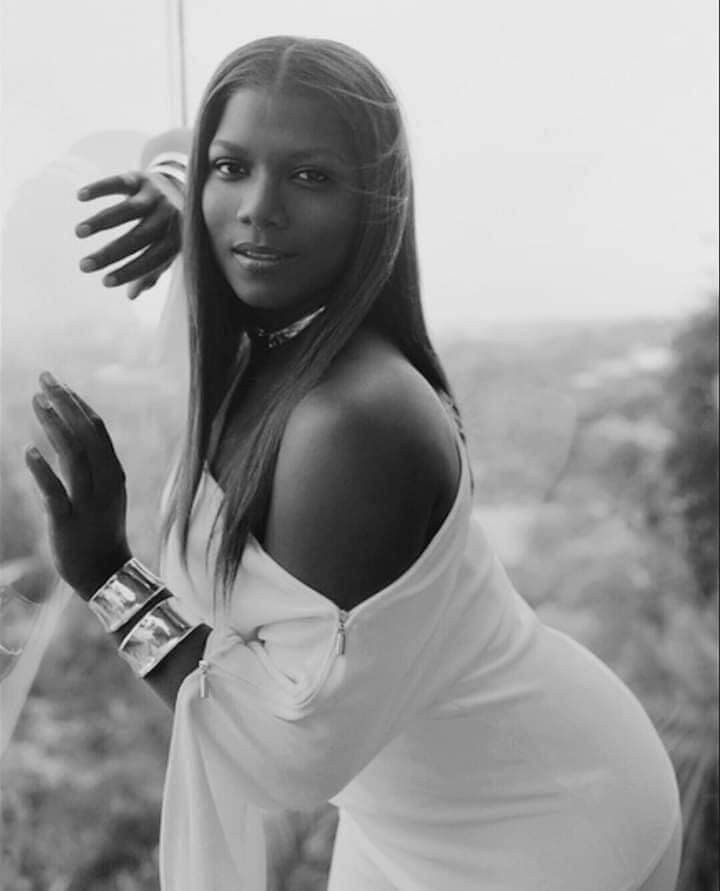
This photograph is the property of its respective owner.

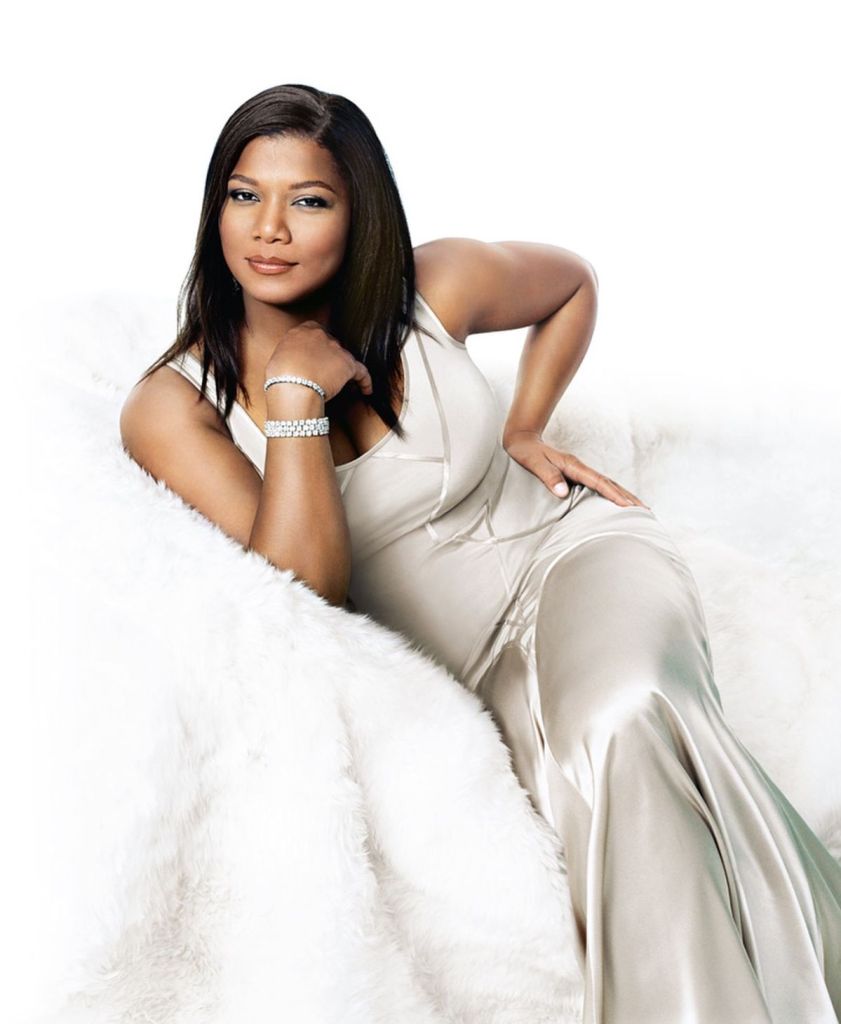
In the world of entertainment, certain women transcend generations and cultural boundaries to become enduring symbols of beauty, talent, and influence. Queen Latifah is one of those rare figures. Known for her statuesque elegance, radiant skin, commanding voice, and intellectual presence, she represents a powerful image of confidence and grace. Over the course of more than three decades, she has excelled as a rapper, actress, producer, businesswoman, and fashion figure, earning respect across multiple industries. Her multifaceted career and timeless presence make her a quintessential “It Girl,” a woman whose style, talent, and influence define cultural moments.

Born Dana Elaine Owens on March 18, 1970, in Newark, New Jersey, Queen Latifah was raised in a working-class family that emphasized discipline and education. Her mother, Rita Owens, was a schoolteacher who instilled strong values and intellectual curiosity, while her father, Lancelot Owens, worked as a police officer. Growing up in Newark during a transformative era in American culture exposed Latifah to the vibrant rhythms of urban life, gospel music, and the emerging sounds of hip-hop. These early influences would shape the foundation of her creative voice.

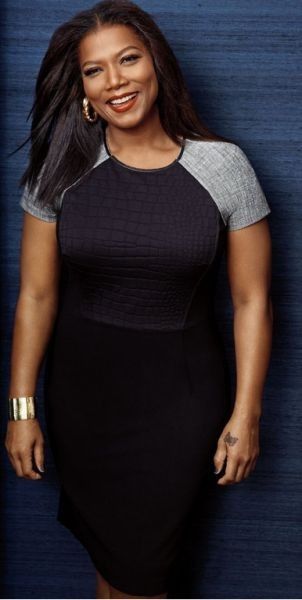
Queen Latifah has long been admired for her striking physical presence. Standing nearly six feet tall, she carries herself with a regal posture that commands attention in any room. Her smooth, luminous complexion and confident smile helped redefine beauty standards in an entertainment industry that historically marginalized fuller-figured Black women. Rather than conforming to narrow expectations, Latifah embraced her natural beauty, projecting confidence and dignity that resonated with audiences around the world.

As a teenager, Latifah discovered her passion for music and performance. She began beatboxing and rapping in local groups while attending high school in East Orange, New Jersey. Her early musical experiences included performing with an all-female rap collective called Ladies Fresh. At a time when female voices were rare in hip-hop, she developed a style that blended lyrical strength with social awareness and rhythmic innovation.

Her stage name carries both cultural meaning and personal symbolism. The name “Latifah,” which translates loosely from Arabic as “delicate” or “kind,” was given to her by a cousin when she was a child. When she entered the music industry, she added the title “Queen” to express dignity, respect, and empowerment for women. The name became a declaration of identity, reflecting both self-respect and a broader message about the worth and strength of women.

This photograph is the property of its respective owner.

Queen Latifah’s breakthrough came in 1989 when she released her debut album All Hail the Queen. The album was groundbreaking not only for its musical style but also for its themes of empowerment and cultural pride. It blended hip-hop beats with jazz and reggae influences while delivering messages that encouraged respect for women and community awareness. The record quickly established Latifah as one of the most important female voices in hip-hop history.

Her music often addressed social issues affecting women. One of her most famous songs, “U.N.I.T.Y.,” became an anthem against harassment and violence toward women. The song’s bold lyrics challenged misogyny in hip-hop culture and broader society, earning her a Grammy Award for Best Rap Solo Performance. Through her music, Latifah demonstrated that hip-hop could be both entertaining and socially conscious.

While her rap career flourished, Queen Latifah also expanded into entrepreneurship. She co-founded Flavor Unit Entertainment, a production and management company that helped guide the careers of multiple artists and entertainment projects. Through this venture, she demonstrated remarkable business acumen and creative leadership, building opportunities not only for herself but for other performers as well.

Her transition into acting began during the 1990s, when she appeared in television and film roles that showcased her natural charisma. One of her most beloved early performances was in the sitcom Living Single, where she portrayed Khadijah James, a confident magazine editor navigating friendship and career in New York City. The series became a cultural touchstone, portraying successful Black women in professional settings with humor and authenticity.

Queen Latifah’s acting career soon expanded into major motion pictures. She delivered memorable performances in films such as Set It Off, The Bone Collector, Brown Sugar, and Bringing Down the House. Her versatility allowed her to move seamlessly between drama and comedy, establishing her as one of Hollywood’s most respected actresses.

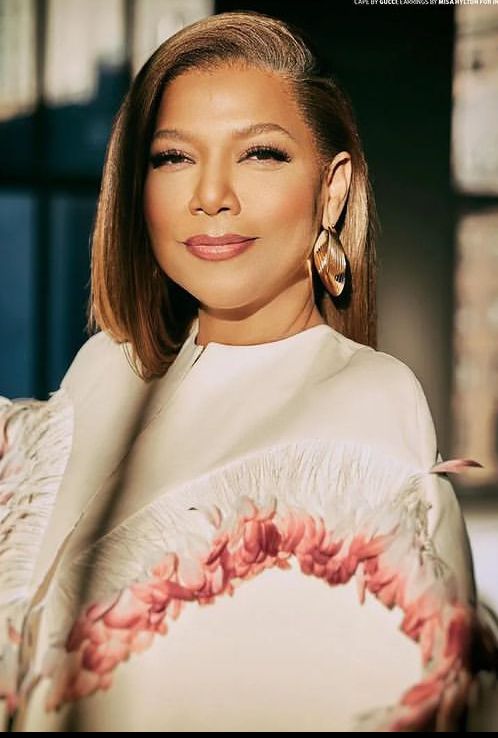
A defining moment in her acting career came with her role as Mama Morton in the musical film Chicago. Her commanding performance earned her an Academy Award nomination for Best Supporting Actress. The role demonstrated her powerful singing ability and theatrical presence, further proving that she could excel in virtually any artistic medium.

This photograph is the property of its respective owner.

Latifah continued to star in a wide range of films, including Hairspray, Last Holiday, and The Secret Life of Bees. Each performance reflected her ability to embody strong and complex female characters. Audiences connected with her authenticity, warmth, and humor, qualities that made her a beloved figure in entertainment.

Beyond acting and music, Queen Latifah has also influenced the beauty and fashion industries. She became a spokesperson for the cosmetics brand CoverGirl and launched the “Queen Collection,” a makeup line designed specifically for women of color. The collection celebrated diverse skin tones and helped expand representation in mainstream beauty marketing.

Her contributions to entertainment have been recognized with numerous awards and honors. Queen Latifah has received a Grammy Award, a Golden Globe, Screen Actors Guild Awards, and multiple nominations for prestigious honors, including the Academy Awards and Emmy Awards. She also received a star on the Hollywood Walk of Fame, marking her lasting impact on American popular culture.

Throughout her career, Latifah has also been a voice for empowerment and social responsibility. She has spoken openly about issues affecting women, body positivity, and representation in media. Her ability to balance artistic success with cultural advocacy has strengthened her legacy as more than just an entertainer.

In recent years, Queen Latifah has continued to evolve creatively. She currently stars in the television series The Equalizer, portraying a resourceful woman who uses her intelligence and skills to protect vulnerable people. The role highlights her strength, wisdom, and maturity as a performer.

Outside of acting, she remains active as a producer and entrepreneur through her production company. Her leadership behind the camera has helped create opportunities for diverse stories and voices in film and television.

This photograph is the property of its respective owner.

What makes Queen Latifah an “It Girl” is not simply her fame but her presence. She embodies elegance, intelligence, talent, and resilience. Her beauty radiates confidence rather than conformity, and her success spans multiple creative disciplines.

Her career also represents longevity in an industry known for fleeting trends. While many artists rise and fade quickly, Latifah has remained relevant for more than three decades by constantly evolving and expanding her talents.

She represents a powerful model of Black womanhood—one that celebrates intelligence, strength, compassion, and dignity. For many admirers, she symbolizes a modern form of royalty rooted in character rather than status.

Ultimately, Queen Latifah’s journey from a young girl in Newark to an international icon reflects perseverance and vision. She used her voice and intellect to break barriers in music, film, and business.

In every sense of the phrase, Queen Latifah remains an “It Girl”—a timeless symbol of elegance, influence, and cultural power.


References

Britannica. (2026). Queen Latifah. Encyclopaedia Britannica.

Owens, D. E. (1999). Ladies First: Revelations of a Strong Woman. HarperCollins.

Biography.com Editors. (2020). Queen Latifah Biography. Biography.com.

IMDb. (2026). Queen Latifah Filmography. IMDb Database.

Smith, S. (2018). Hip-Hop Divas: Women Who Changed the Game. New York University Press.

The Ebony Dolls: Vanessa Williams

And there she is, Miss America…..

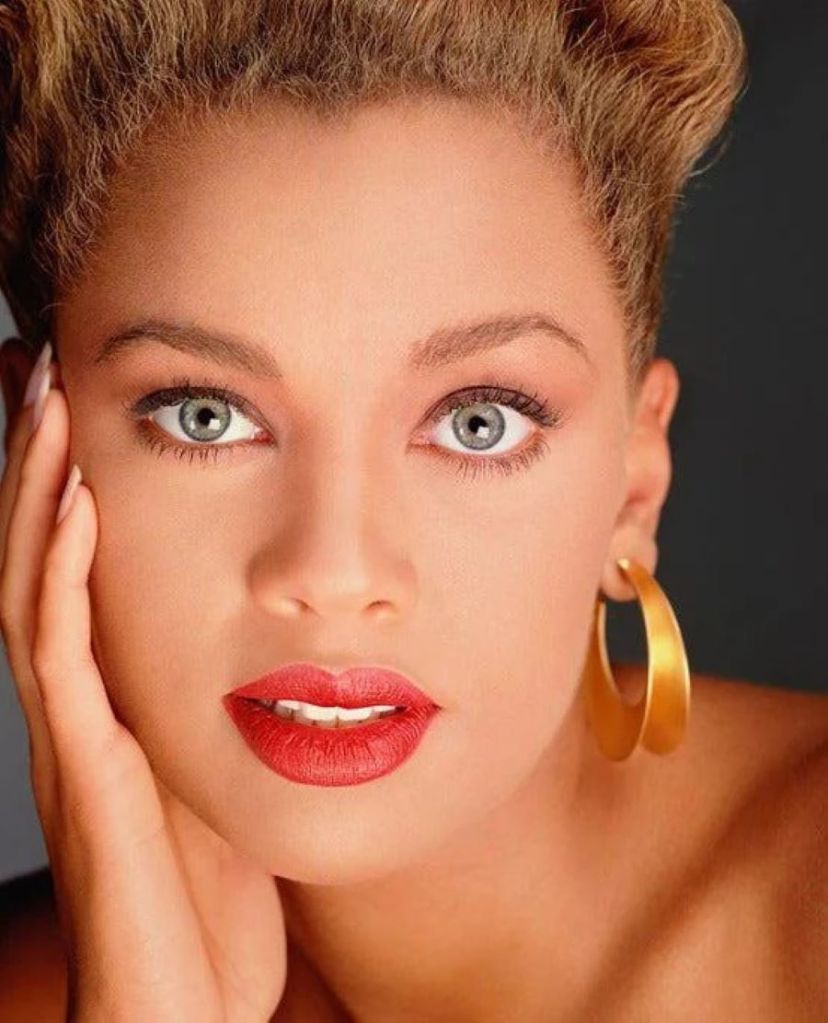
This photograph is the property of its respective owner. No copyright infringement intended.

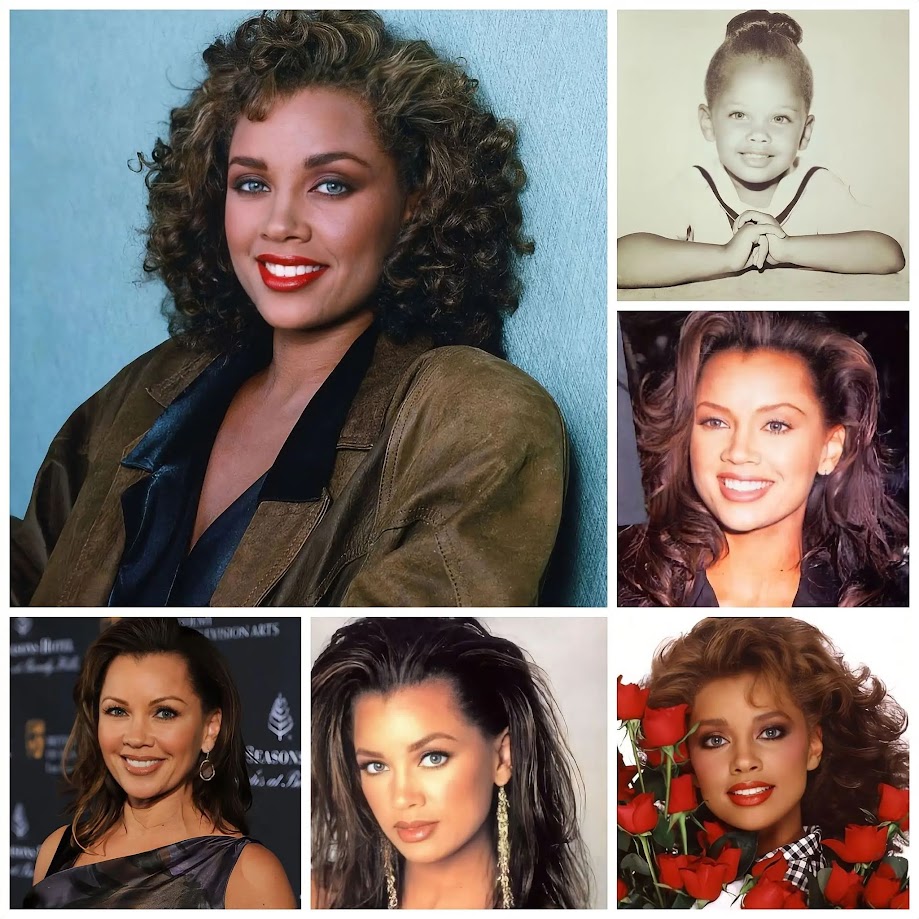
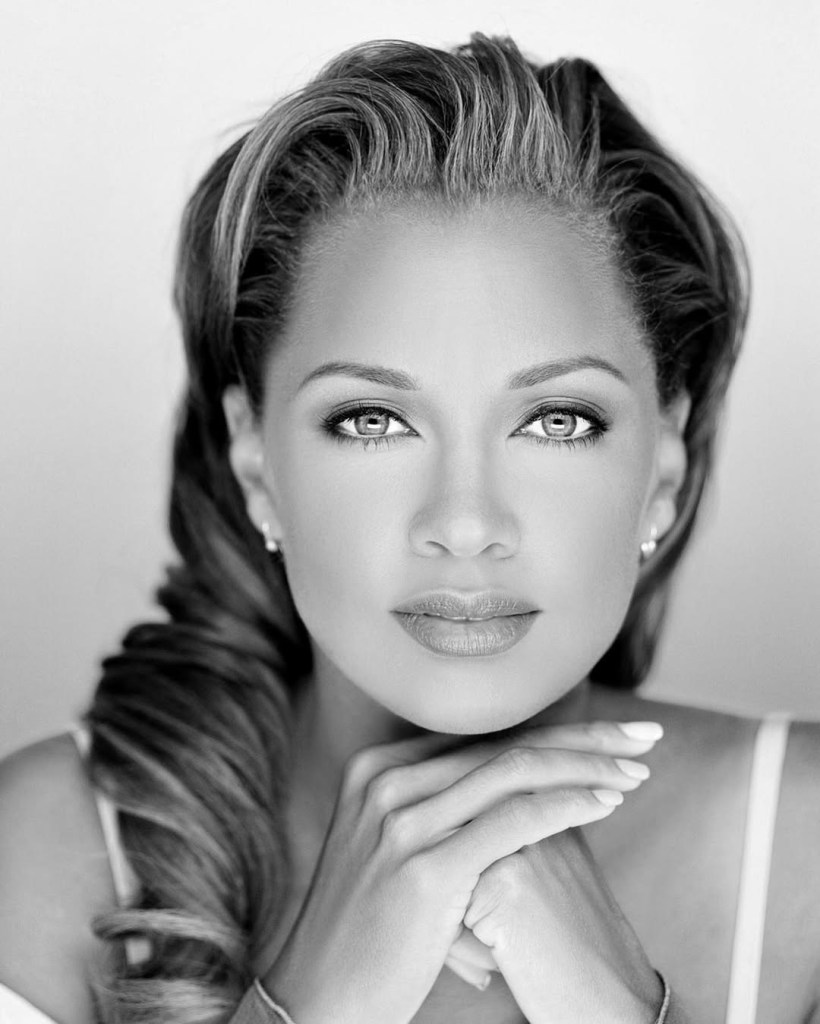
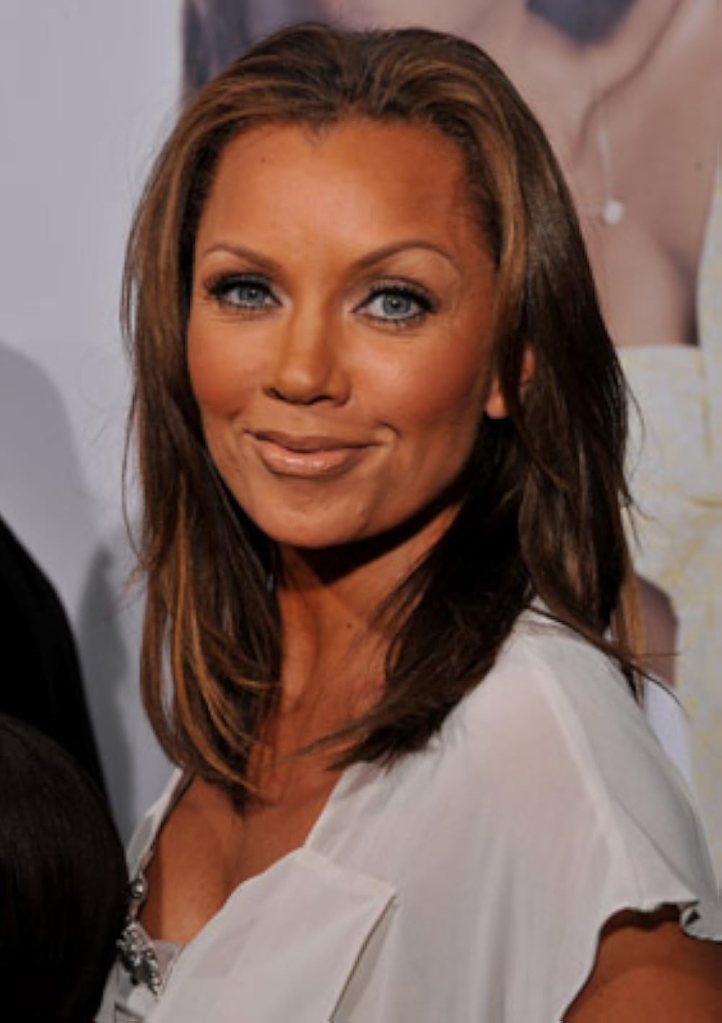
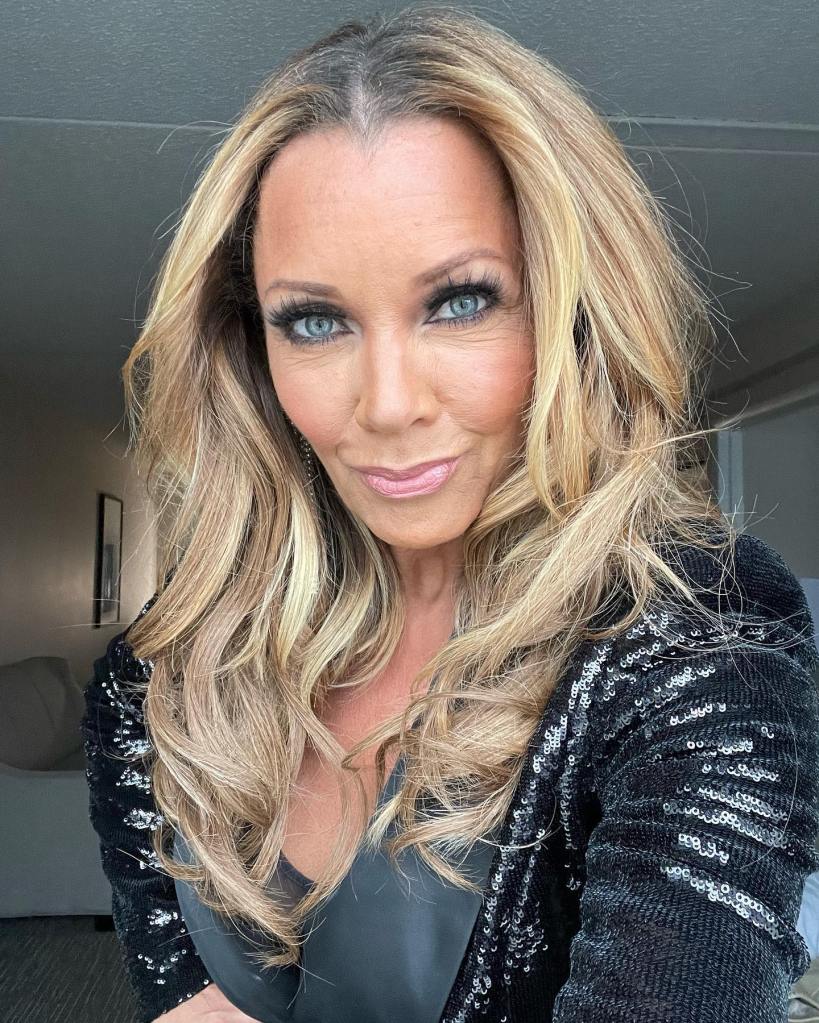
Vanessa Lynn Williams is a timeless symbol of beauty, talent, and perseverance—a woman whose radiant presence has defined multiple generations of entertainment. Born on March 18, 1963, in Tarrytown, New York, her arrival into the world was met with prophetic pride. Her parents, Helen and Milton Williams, both devoted music teachers, joyfully announced her birth in the local paper with the words, “Here she is: Miss America.” That simple line, written long before the world knew her name, became a divine foreshadowing of destiny fulfilled. With her French vanilla skin tone with luminous golden undertones, and striking big blue eyes. Her mixed African American and European heritage gave her a distinctive look that both challenged and expanded Hollywood’s perception of Black womanhood.

Raised in a home filled with music and discipline, Vanessa’s artistic journey began early. Her parents ensured that her childhood was rich with musical training and cultural exposure. She studied piano, violin, and French horn before she could drive, and later developed a powerful singing voice that would become one of her trademarks. Education was equally important—she attended Syracuse University as a musical theater major, where she developed into a true triple threat: a gifted singer, actress, and dancer capable of captivating audiences across any medium.

This photograph is the property of its respective owner. No copyright infringement intended

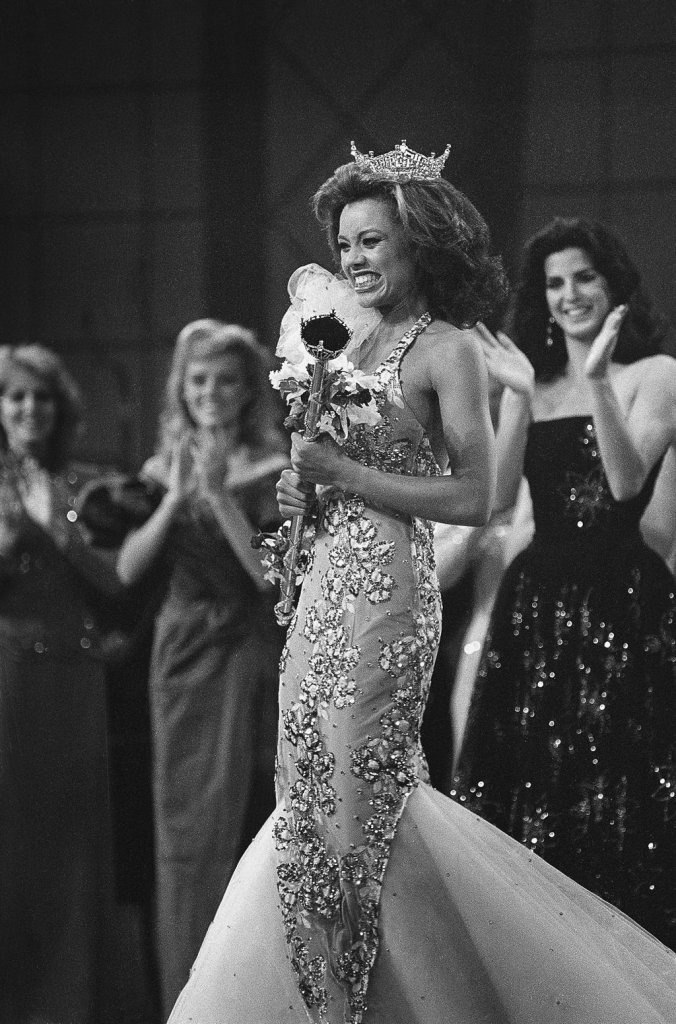
In 1983, Vanessa Williams made history as the first Black woman crowned Miss America. Her victory was not merely a pageant win—it was a moment that redefined American beauty and challenged the racial boundaries of a longstanding institution. Her reign, however, was cut short after unauthorized nude photographs were published without her consent, forcing her resignation. This controversy, though painful and racially charged, could not extinguish her spirit. Vanessa’s poise, dignity, and strength throughout that ordeal transformed her into a symbol of resilience and grace under pressure. Decades later, the Miss America Organization formally apologized to her in 2015, acknowledging the injustice she endured and the class with which she carried herself.

The foundation of that strength came from her parents, Helen and Milton, whose unwavering love kept her grounded in faith and artistry. They reminded her that her value transcended public opinion. Vanessa took their words to heart and began the work of rebuilding—not as a fallen pageant queen, but as an emerging artist ready to command the world stage. That decision would lead to one of the most remarkable comebacks in entertainment history.

This photograph is the property of its respective owner. No copyright infringement intended.

Her debut album, “The Right Stuff” (1988), proved that her talent was undeniable. The project earned three Grammy nominations and produced several hit singles, including “Dreamin’.” Her follow-up album, “The Comfort Zone” (1991), became a defining moment in her career, producing the timeless ballad “Save the Best for Last.” The song topped charts worldwide and earned her additional Grammy nominations, solidifying her status as a major recording artist. With her sultry vocals and sophistication, Vanessa redefined what it meant to be a Black pop star—bridging the worlds of R&B, soul, and adult contemporary music with elegance and ease.

This photograph is the property of its respective owner. No copyright infringement intended

Hollywood soon called, and Vanessa answered. She transitioned seamlessly into acting, displaying remarkable range across genres. She starred in films like Eraser (1996) alongside Arnold Schwarzenegger, Soul Food (1997), and Dance with Me (1998), where her dancing ability shone brightly. Her performance in Soul Food earned her an NAACP Image Award, and her presence onscreen was magnetic—powerful yet soft, modern yet timeless. On television, she rose to prominence as the glamorous and cunning Wilhelmina Slater in the hit series Ugly Betty (2006–2010). Her performance earned three Primetime Emmy Award nominations, a Golden Globe nomination, and widespread critical acclaim. She later joined Desperate Housewives, further showcasing her comedic timing and sophistication.

Vanessa’s Broadway career proved that her artistry was boundless. She starred in Kiss of the Spider Woman, Into the Woods, After Midnight, and City of Angels, earning Tony Award nominations for her work. Her return to the stage in The Devil Wears Prada: The Musical once again demonstrated her enduring ability to captivate audiences through song, movement, and storytelling. She had become the epitome of a triple threat, mastering every artistic form with effortless grace.

As a light-skinned Black woman, Vanessa’s journey in Hollywood was complex. Her beauty—often described as “exotic” by industry standards—was both celebrated and scrutinized. She spoke candidly about navigating colorism, understanding that her fair skin and blue eyes opened certain doors while others remained closed to her darker-skinned peers. Rather than shy away from this truth, Vanessa used her platform to advocate for diversity in representation, pushing for more authentic portrayals of Black women in all shades of beauty. Her career stands as a testament to breaking barriers while remaining authentic to one’s identity.

This photograph is the property of its respective owner. No copyright infringement intended.

Vanessa’s personal life reflects both joy and heartbreak, strength and evolution. She has been married three times. Her first marriage to publicist Ramon Hervey II produced three children—Melanie, Jillian, and Devin Hervey—all of whom have pursued creative careers of their own. Her second marriage to NBA player Rick Fox brought her fourth child, Sasha Gabriella Fox. Her third marriage to businessman Jim Skrip, whom she met while on vacation in Egypt, began in 2015. Their union was a symbol of love found later in life and celebrated across the media. However, after years together, Vanessa and Jim quietly divorced, parting ways respectfully while maintaining mutual admiration.

Despite her public ups and downs, Vanessa’s devotion to her family remains unwavering. Her children often speak about her resilience, humor, and guidance. She is a proud mother and a woman who has always balanced fame with faith and motherhood with artistry.

Throughout her career, Vanessa Williams has earned numerous accolades, including multiple Grammy, Emmy, Tony, and NAACP Image Award nominations. She received a Star on the Hollywood Walk of Fame in 2007 and continues to perform internationally, enchanting audiences with her voice and grace. Her autobiography, You Have No Idea (2012), co-written with her mother Helen, offers an intimate glimpse into her personal and professional journey—filled with lessons on forgiveness, courage, and identity.

Her mixed heritage—African American, English, Welsh, Irish, Finnish, and possibly Native American—represents the complex tapestry of American lineage. Yet through all her success, Vanessa has always identified proudly as a Black woman. Her poise, intelligence, and authenticity have allowed her to redefine what it means to be beautiful, talented, and powerful in an industry that too often limits Black women’s narratives.

This photograph is the property of its respective owner. No copyright infringement intended

Fashion, too, has always been a part of Vanessa’s story. From the stage to the red carpet, her timeless glamour, impeccable taste, and radiant confidence have made her a muse for designers and photographers alike. Her “French vanilla” glow and magnetic aura became synonymous with elegance itself.

Today, Vanessa Williams stands as one of the most accomplished entertainers of her time—a woman whose life embodies the power of reinvention and the strength of faith. From Miss America to singer, from actress to Broadway star, she has turned every obstacle into an opportunity. Her story is not just one of beauty and fame but of integrity, perseverance, and artistry at the highest level.

Vanessa remains a guiding light for generations of women navigating faith, fame, and femininity. Her legacy continues to remind the world that true beauty shines brightest when it reflects strength, authenticity, and divine grace.

References

  • Williams, V., & Williams, H. (2012). You Have No Idea: A Famous Daughter, Her No-Nonsense Mother, and How They Survived Pageants, Hollywood, Love, Loss (and Each Other). Gotham Books.
  • Miss America Organization. (2015). Vanessa Williams receives official apology. Retrieved from https://missamerica.org
  • IMDb. (2024). Vanessa Williams biography. Retrieved from https://www.imdb.com
  • Rolling Stone. (1992). Vanessa Williams: The Comfort Zone Review.
  • Essence Magazine. (2021). Vanessa Williams: Grace, Glamour, and the Power of Reinvention.
  • People Magazine. (2024). Vanessa Williams and Jim Skrip quietly divorce after nearly a decade of marriage.

The Ebony Dolls: Karyn White

The soulful powerhouse whose beauty, grace, and unforgettable voice turned songs like “Superwoman” into lasting anthems.

This photograph is the property of its respective owner.

The late 1980s and early 1990s produced a generation of R&B singers whose voices and striking beauty became cultural touchstones, and among them stands the unforgettable Karyn White. Known for her rich vocals, stunning brown beauty, elegant presence, and timeless hits, White became one of the defining female voices of contemporary R&B. With her stunning brown complexion, sculpted facial features, and confident stage presence, she represents the essence of what many admirers celebrate as an “Ebony Doll”—a woman whose beauty, poise, and talent radiate sophistication and strength.

Karyn Layvonne White was born on October 14, 1965, in Los Angeles. She grew up in a musically inclined family where artistic expression was encouraged from an early age. Her father was a trumpet player, while her mother directed a church choir. As a child, White frequently sang in church, an experience that helped develop both her vocal control and emotional expression. Like many legendary R&B singers, the church became her earliest training ground and laid the foundation for her professional career.

Before achieving fame as a solo artist, White worked diligently behind the scenes within the music industry. She began her professional career as a background vocalist and songwriter, gaining valuable experience that helped her understand the mechanics of the recording business. One of her earliest notable appearances was performing vocals on the 1986 single “Facts of Love” by jazz keyboardist Jeff Lorber. The song became a modest hit and introduced her distinctive voice to a broader audience.

This photograph is the property of its respective owner.

Her big break came when she signed with Warner Bros. Records and released her debut album Karyn White in 1988. The album was produced by renowned music producers Babyface and L.A. Reid. Their production helped craft a polished R&B sound that blended soulful melodies with the emerging energy of contemporary pop and dance music.

The album became a major success and included several hit singles that defined White’s early career. Songs like The Way You Love Me and Secret Rendezvous climbed the charts and established her as a rising star in the industry. However, it was her emotional anthem Superwoman that truly cemented her legacy. The song resonated with women across the country and became an empowering statement about emotional strength and vulnerability in relationships.

White continued her success with the 1991 album Ritual of Love. The album showcased her evolving artistry and vocal maturity. Its lead single, Romantic, became a massive hit and reached No. 1 on the Billboard Hot 100, marking the peak of her commercial success. The song’s upbeat groove and infectious energy demonstrated White’s versatility as both a soulful balladeer and a dance-floor favorite.

This photograph is the property of its respective owner.

Part of what made Karyn White stand out was her distinctive voice. Her vocal tone carried both sweetness and strength, allowing her to deliver romantic ballads and assertive anthems with equal authenticity. The clarity of her voice, combined with her emotional phrasing, created a sound that listeners could immediately recognize.

White’s inspirations were rooted in the great vocalists who preceded her. Artists such as Whitney Houston and Chaka Khan influenced the style and vocal confidence that shaped her artistry. These powerful women demonstrated that an R&B singer could command both emotional depth and mainstream success.

In her personal life, White married legendary music producer Terry Lewis in 1992. Lewis was one half of the iconic production duo Jimmy Jam and Terry Lewis, whose work helped define the sound of modern R&B. During their marriage, White and Lewis welcomed a daughter named Ashley Nicole. Although the couple eventually divorced in 1999, their partnership represented an important chapter in White’s life and career.

This photograph is the property of its respective owner.

Following the height of her fame, White stepped away from the music industry for a period to focus on family and personal growth. During this time, she pursued business ventures and eventually developed a career in interior design and real estate. Her return to music years later demonstrated both resilience and a deep love for the art form that first brought her recognition.

Karyn White’s impact on R&B remains significant. Her music helped shape the transition from classic soul to the polished contemporary R&B sound of the late twentieth century. Songs like “Superwoman” continue to resonate with listeners decades after their release, and her influence can be heard in many of the female vocalists who followed.

Beyond music, White embodies a timeless representation of beauty and elegance. Her luminous brown skin, symmetrical features, and graceful style helped define the visual aesthetic of late-1980s R&B culture. Yet what truly elevates her legacy is the combination of beauty and substance—her voice carried stories of love, vulnerability, and empowerment that still connect with audiences today.

For these reasons, Karyn White stands proudly within the celebration of Ebony Dolls—women whose presence in music, film, and culture reflects both artistic excellence and the enduring beauty of Black womanhood.


References

Facts of Love. (n.d.). Wikipedia. https://en.wikipedia.org/wiki/Facts_of_Love

Karyn White. (n.d.). Wikipedia. https://en.wikipedia.org/wiki/Karyn_White

Musician Guide. (n.d.). Karyn White biography. https://www.musicianguide.com/biographies/1608000857/Karyn-White.html

Romantic (song). (n.d.). Wikipedia. https://en.wikipedia.org/wiki/Romantic_(song)

Superwoman (Karyn White song). (n.d.). Wikipedia. https://en.wikipedia.org/wiki/Superwoman_(Karyn_White_song)

Melanin Magic: Brown Skin is Beautiful

Brown skin tells a story. It speaks of ancestry, resilience, and the divine artistry of creation. Yet for far too long, the beauty of melanin has been questioned, minimized, or ignored. Society often imposes narrow standards of beauty, privileging lighter skin and European features. But the truth remains: brown skin is radiant, powerful, and inherently beautiful. It is a gift, a legacy, and a symbol of identity that should never be hidden or diminished.

The journey toward embracing brown skin begins with recognition. Colorism, lookism, and societal bias have long forced Black and Brown communities to contend with internalized judgments about skin tone. Darker shades were often portrayed as less desirable, while lighter tones were celebrated. These messages are neither natural nor divine—they are the remnants of systemic oppression, colonial influence, and Eurocentric ideals of beauty (Hunter, 2007).

Yet brown skin is a living testament to strength and survival. Across generations, those with melanin-rich skin have endured slavery, colonization, and social marginalization, and yet they have thrived. The very pigment that has been criticized is also a shield, a protective gift, and a marker of identity. Melanin is scientifically proven to protect the skin from UV damage and contributes to overall skin health, but its significance is far more than biological—it is spiritual, cultural, and symbolic (Tharps, 2019).

Beauty cannot be confined to a single shade. The spectrum of brown is wide, ranging from the warmest cocoa to deep mahogany, each unique, each sacred. Every shade carries history, culture, and divine artistry. When brown-skinned women and men claim pride in their natural complexion, they are not simply celebrating appearance—they are affirming identity, lineage, and the image of God in which they were made (Genesis 1:27, KJV).

Embracing melanin is an act of courage. It challenges societal norms that have historically devalued Black and Brown bodies. It refuses to conform to light-skinned ideals of acceptability or desirability. It asserts that beauty is not limited by pigment, but is expansive, multifaceted, and inherently worthy of admiration. The movement toward melanin pride is therefore both personal and revolutionary, redefining standards and reclaiming dignity.

Brown skin is more than aesthetic—it carries cultural and historical significance. It reflects ancestral strength, intelligence, and creativity. From African kingdoms to Indigenous civilizations, from scholars to artists, brown skin has been a marker of excellence and resilience. Each individual with brown skin embodies a continuation of that legacy, a living bridge between past triumphs and future possibilities.

The psychological benefits of embracing melanin cannot be overstated. Self-love begins with self-recognition. Women and men who affirm their brownness often experience greater confidence, higher self-esteem, and a deeper sense of identity. In contrast, rejecting one’s natural skin tone can perpetuate cycles of self-doubt, shame, and internalized oppression (Hunter, 2007).

Celebrating brown skin also intersects with spirituality. Scripture acknowledges the beauty of God’s creation. Psalm 139:14 (KJV) declares, “I will praise thee; for I am fearfully and wonderfully made: marvellous are thy works.” Every shade of brown reflects divine intentionality. To love one’s skin is to honor the Creator, to see oneself as a masterpiece, and to walk boldly in the image of God.

Representation matters. For decades, media, film, and advertising have favored lighter-skinned actors, models, and public figures. This erasure perpetuates the myth that brown skin is less valuable. Yet the rise of influential Brown and Black artists, scholars, and leaders is reshaping perceptions, proving that beauty, talent, and excellence exist across the spectrum of melanin. Visibility validates identity and empowers future generations to embrace their own skin with pride.

Education plays a crucial role in melanin empowerment. Teaching children about the science of melanin, the beauty of their heritage, and the history of their people fosters pride from an early age. Understanding that brown skin is both beautiful and powerful cultivates resilience against societal pressures and internalized bias. Knowledge, after all, is liberation (Tharps, 2019).

Colorism and shadeism are challenges that persist within communities. Yet acknowledging these issues does not diminish the inherent beauty of brown skin—it amplifies the necessity of self-love and cultural pride. When communities celebrate every tone, from light cocoa to deep espresso, they honor the richness and diversity of human experience.

Brown skin is intersectional in its beauty. It is more than skin deep. It embodies culture, intellect, spirituality, and creativity. When a brown-skinned woman or man walks confidently into a room, she or he carries centuries of resilience, wisdom, and divine artistry. That presence alone challenges outdated narratives and sets a standard of authenticity.

Affirmation can be transformative. Phrases like “brown is beautiful,” “melanin magic,” and “love your skin” are not clichés—they are declarations of truth. They remind the world and the individual that beauty is inherent, and that identity should be celebrated, not hidden. Every mirror should reflect pride, not self-doubt.

Fashion, hair, and self-expression are powerful tools for embracing melanin. Natural hairstyles, vibrant clothing, and bold adornments showcase identity and heritage. The creative expression of brown-skinned individuals is both cultural reclamation and personal empowerment, turning visibility into art and confidence into activism.

Community support strengthens the embrace of melanin. When family, friends, and mentors affirm brownness, they reinforce self-worth and pride. Celebration within the community combats societal messages that may seek to devalue or erase. Affirmation, encouragement, and cultural education work hand in hand to nurture self-love.

Brown skin is a source of beauty, not a barrier. It is luminous, expressive, and powerful. In a world that often seeks to measure worth by lightness, claiming pride in melanin is revolutionary. It refuses to apologize for existence, refuses to conform, and insists on recognition, respect, and reverence.

Every shade of brown tells a story—of struggle, triumph, love, and legacy. To embrace that story is to claim one’s identity fully and unapologetically. Melanin is magic because it carries both history and potential, the beauty of ancestry, and the promise of the future.

Ultimately, embracing brown skin is an act of liberation. It is a refusal to internalize societal bias and an affirmation of self-worth. It is pride, beauty, and empowerment woven into the very essence of identity. Brown skin is radiant, sacred, and endlessly beautiful.

Let every mirror reflect this truth: Melanin magic is real, and brown skin is beautiful.


References

  • Hunter, M. (2007). The Persistent Problem of Colorism: Skin Tone, Status, and Inequality. Sociology Compass, 1(1), 237–254.
  • Tharps, L. L. (2019). Same Family, Different Colors: Confronting Colorism in the African American Community. Amistad.
  • hooks, b. (1992). Black Looks: Race and Representation. South End Press.

  • The Holy Bible, King James Version (KJV).

The Ebony Dolls: Pebbles

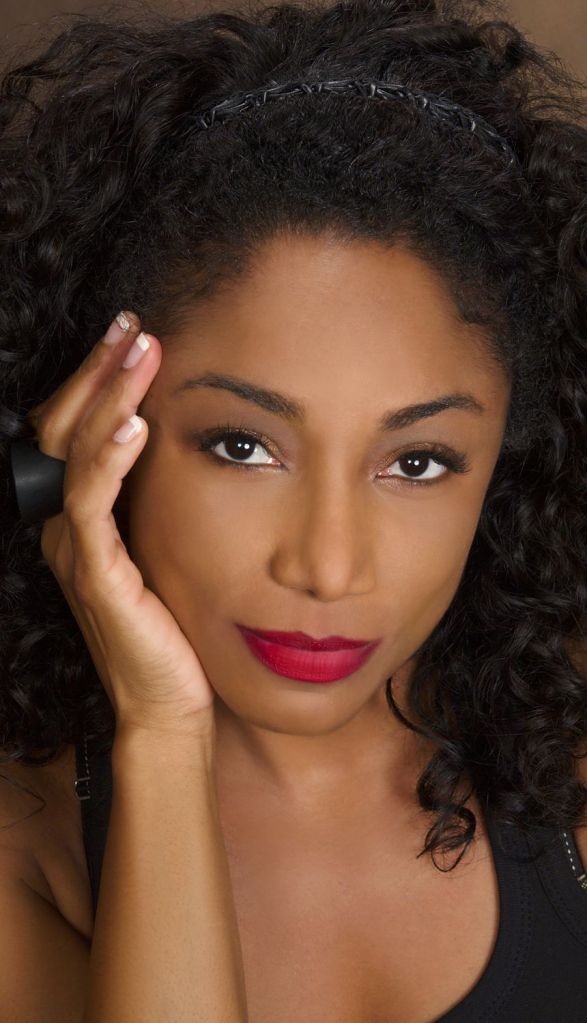
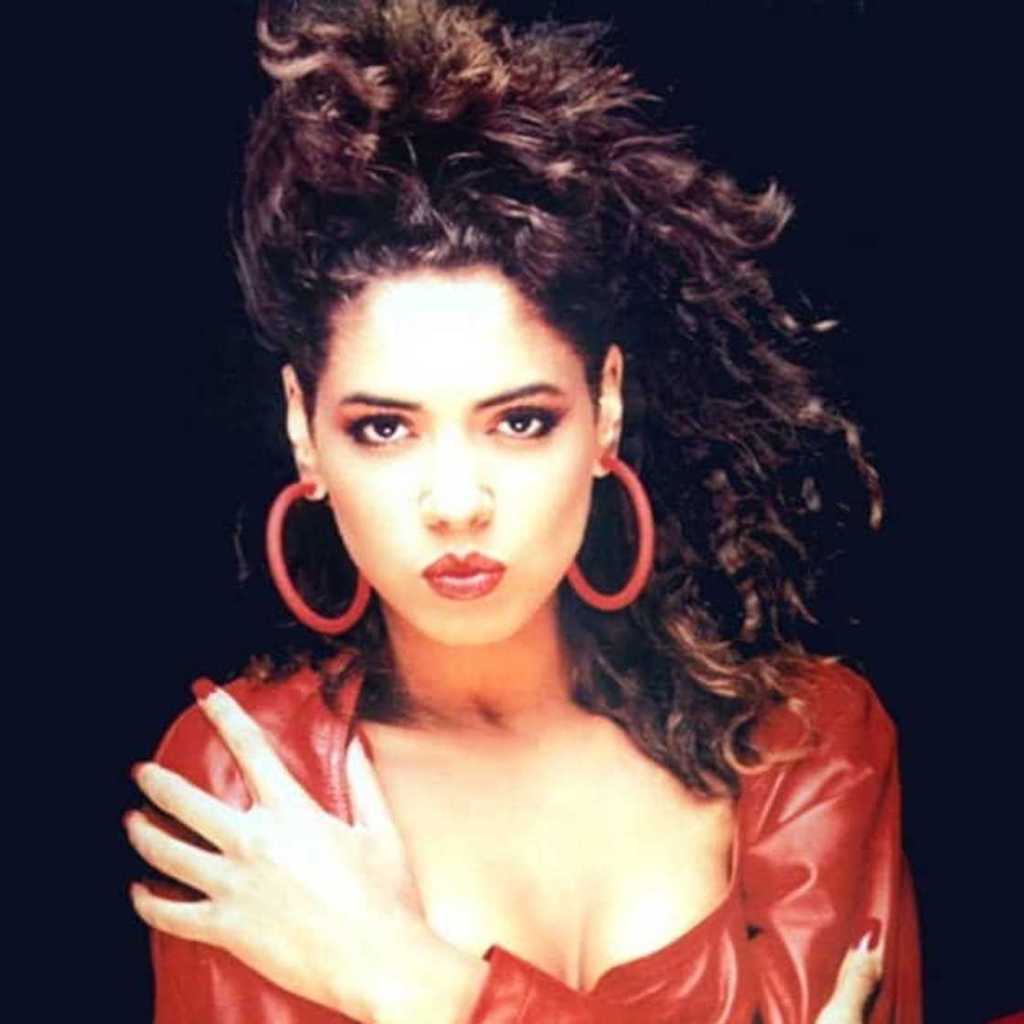
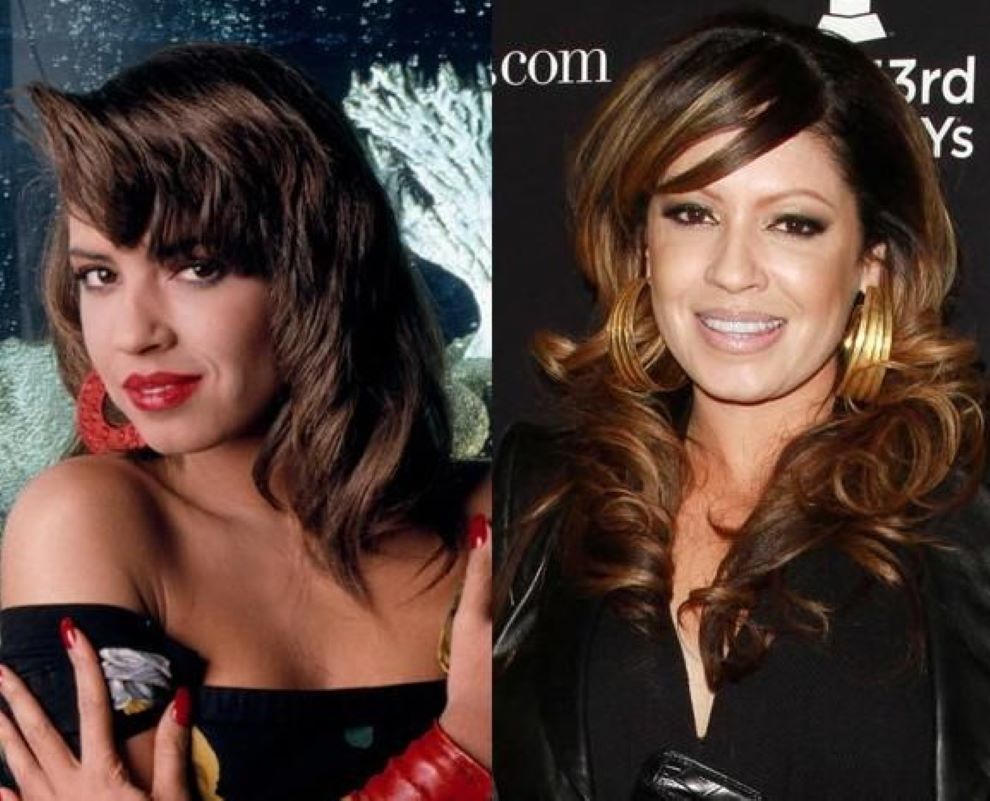
In the golden era of late 1980s R&B, Perri “Pebbles” emerged as one of the most captivating figures in music—an Ebony Doll with exotic French vanilla skin, mesmerizing eyes, and a presence that fused sophistication and strength. Her beauty was unmistakable: smooth, glowing light skin, sharp features, and a radiant smile that could light up a stage. But behind her striking exterior was a visionary woman who redefined the sound and image of female artistry in contemporary R&B.

This photograph is the property of its respective owner.

Perri Arlette McKissack, widely known as Pebbles, is a singer, songwriter, record executive, and minister who rose to prominence in the late 1980s with her signature blend of R&B, pop, and new jack swing. Born August 29, 1964, in Oakland, California, she became known not only for her hit songs and striking beauty but also for her impact on shaping the careers of influential artists in the 1990s.

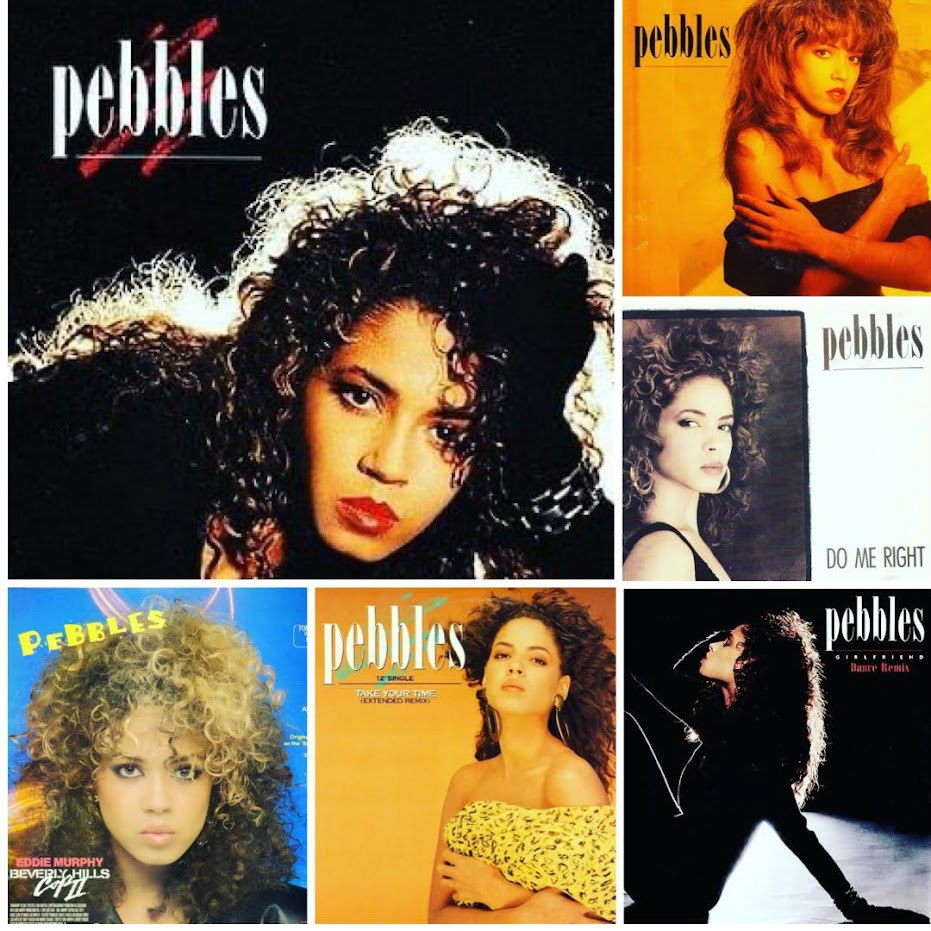
These photographs are the property of their respective owners.

Raised in a musical household, Pebbles discovered her passion for entertainment at an early age, which eventually led to a recording contract with MCA Records. Her iconic stage name, “Pebbles,” was given by her godfather around the age of ten, inspired by the cartoon character from The Flintstones due to her signature hairstyle. What began as a playful nickname soon evolved into a symbol of her brand, as she grew into a powerhouse vocalist and shrewd businesswoman in the music industry.

This photograph is the property of its respective owner.

Pebbles achieved commercial success with her debut self-titled album, Pebbles (1987), which included major hits like “Girlfriend,” “Mercedes Boy,” and “Take Your Time.” Her smooth yet energetic sound made her a standout voice in late 80s R&B and pop, earning her airplay across major radio formats and solidifying her as one of the era’s most recognizable female artists.

Her second album, Always (1990), continued her success with popular singles like “Giving You the Benefit” and “Backyard.” Known for glamorous style, bold fashion, and a presence that commanded attention, Pebbles was a defining female figure in contemporary R&B before transitioning behind the scenes.

In the early 1990s, Pebbles founded Pebbitone, her music management company, and played a pivotal role in discovering and developing the iconic girl group TLC. She was instrumental in shaping their early image, marketing, and industry introduction, which contributed to their rise as one of the greatest girl groups in music history. Although their business relationship eventually became controversial and ended publicly, Pebbles’ influence on TLC’s launch remains an undeniable part of music industry history.

This photograph is the property of its respective owner.

Pebbles also later embraced a spiritual calling, becoming an ordained minister and founder of Women of God Changing Lives Ministries. Known as Sister Perri, and through ministry work, she has emphasized empowerment, spiritual growth, and healing, marking a transformation from R&B star to faith-based leader.

Her personal life has been notably private at times, but also publicly discussed due to her marriages. Pebbles has been married multiple times, including to George L. Smith, L.A. Reid (renowned music executive and producer), baseball player Otis Jackson Jr., and has been married to Excel Sharieff since 2012. She is the mother of Ashley Reid, a media personality, and Aaron Reid, a music industry talent, continuing her family’s strong entertainment lineage.

Throughout her career, Pebbles received multiple award nominations and industry recognition for her music and contributions to R&B, particularly during the peak of her performing career. Songs like “Mercedes Boy” continue to be celebrated, sampled, and referenced in contemporary culture, underscoring her lasting musical influence.

Regarding her race and ethnicity, which many outsiders have been curious about, Pebbles is African-American, with reported Cherokee and Irish ancestry through her family heritage. Her multicultural background and striking looks contributed to her distinctive presence in entertainment.

Pebbles is remembered as a dynamic force: a chart-topping singer, beauty and style icon, businesswoman who helped launch major stars, and a woman who found renewed purpose in ministry. Her story is one of reinvention, resilience, and enduring impact in music and faith communities alike.

These photographs are the property of their respective owners.

Despite the ups and downs, Pebbles’ legacy remains powerful. She was nominated for several awards, and her music continues to be celebrated for its sultry vocals, empowering lyrics, and stylish sound that helped shape the late 1980s R&B landscape. Her influence paved the way for artists like Toni Braxton, Aaliyah, and TLC—women who embodied beauty and self-possession.

Today, Pebbles stands as a symbol of resilience, artistry, and transformation. From hitmaker to mogul to minister, she has lived many lives—but through it all, her elegance and spiritual strength remain untouched. With her French vanilla glow, captivating eyes, and unwavering confidence, she remains one of R&B’s original Ebony Dolls—a timeless figure of Black beauty and feminine power.


References

  • AllMusic. Pebbles Biography & Discography
  • Billboard Archives. Pebbles Chart History
  • Jet Magazine Archives
  • Los Angeles Times Interviews & Features
  • VH1 Documentary: CrazySexyCool: The TLC Story
  • Women of God Changing Lives Ministries – Official Information
  • Pebbles is leaving no stone unturned latimes.com

Masculine Perfection Series: Introduction

The Masculine Perfection series is a curated celebration of Black male excellence — a tribute to the men whose presence, talent, and character embody strength, beauty, purpose, and divine craftsmanship. This collection goes beyond surface-level admiration. It explores the full essence of manhood: physical allure, emotional depth, artistic mastery, spiritual grounding, intellectual achievement, and the cultural impact each man leaves on the world.

At its core, the series highlights Black men who have become icons in film, music, athletics, literature, leadership, and entertainment. These men possess magnetic features, powerful physiques, regal bearing, and the kind of inner discipline that shapes greatness. Each profile honors not only their looks, but the stories, struggles, victories, and virtues that forged them.

Through richly written biographies, career retrospectives, personal-life insights, and social commentary, the Masculine Perfection series elevates these men as examples of Black masculine brilliance — men who inspire, protect, create, lead, and shine. Each installment is crafted to showcase the unique beauty of the Black man: his heritage, his endurance, his artistry, his fatherhood, his relationships, his impact, and his legacy.

Masculine Perfection is more than admiration.
It is a declaration:
Black men are powerful.
Black men are exceptional.
Black men are worthy of honor.
Black men are divine masterpieces.

Examples of some of the (Celebrities) from the series:

1. Billy Dee Williams (Actor & Cultural Icon)

  • Traits & Career: Charisma, elegance, confidence, grace, relational charm.
  • Looks & Appeal: Known as one of the most handsome men of his era, with smooth features, a commanding presence, and a style that exudes sophistication. His facial symmetry, warm smile, and refined demeanor made him instantly recognizable and admired.
  • Why masculine perfection: Blends style, poise, and gravitas with charm and professionalism.
  • Reference: IMDb, Williams, B. D. biography

2. Shemar Moore (Actor & Model)

  • Traits & Career: Charismatic, disciplined, hardworking, compassionate, philanthropic. Famous for Criminal Minds and S.W.A.T.
  • Looks & Appeal: Tall, athletic, and exceptionally handsome, with chiseled features, deep expressive eyes, and a warm, magnetic smile. His presence exudes confidence, strength, and charm, making him a modern heartthrob.
  • Why masculine perfection: Combines talent, discipline, charm, and physical appeal with a relatable, grounded personality.
  • Reference: IMDb, Biography.com

3. L.L. Cool J (Actor & Musician)

  • Traits & Career: Discipline, resilience, versatility, family devotion, mentorship.
  • Looks & Appeal: Athletic build, strong jawline, and magnetic presence. His combination of rugged masculinity and refined style—often in tailored suits or casual street-smart fashion—makes him visually striking and iconic.
  • Family: Has 4 children.
  • Why masculine perfection: Strength, charisma, and physical appeal complement his integrity and career success.
  • Reference: IMDb, Biography.com

4. Omari Hardwick (Actor & Philanthropist)

  • Traits & Career: Spiritual grounding, emotional intelligence, responsibility, leadership, mentorship.
  • Looks & Appeal: Tall, muscular, and statuesque with chiseled features and expressive eyes that convey depth and intensity. His presence is both commanding and approachable, combining strength with refinement.
  • Why masculine perfection: Physical prowess and striking appearance enhance his inner integrity and leadership qualities.
  • Reference: IMDb, Essence magazine interviews

5. Phillip Michael Thomas (Actor & Musician)

  • Traits & Career: Charisma, professionalism, cultural influence, vision.
  • Looks & Appeal: Handsome, smooth, and stylish with a classic 1980s charm. His expressive eyes, warm smile, and elegant posture made him a standout on screen and in public appearances.
  • Why masculine perfection: Blends charm, elegance, and talent with visual appeal that commands attention.
  • Reference: IMDb, Biography.com

6. Kenneth Okolie (Actor & Model)

  • Traits & Career: Discipline, elegance, resilience, cultural representation.
  • Looks & Appeal: Tall, well-built, and photogenic with strong facial symmetry and an elegant style. His modeling background amplifies his visual appeal, blending physical beauty with professionalism.
  • Why masculine perfection: Exemplifies modern African masculinity through talent, charm, and striking appearance.
  • Reference: IMDb, Nollywood archives

Where faith, history, and truth illuminate the Black experience.