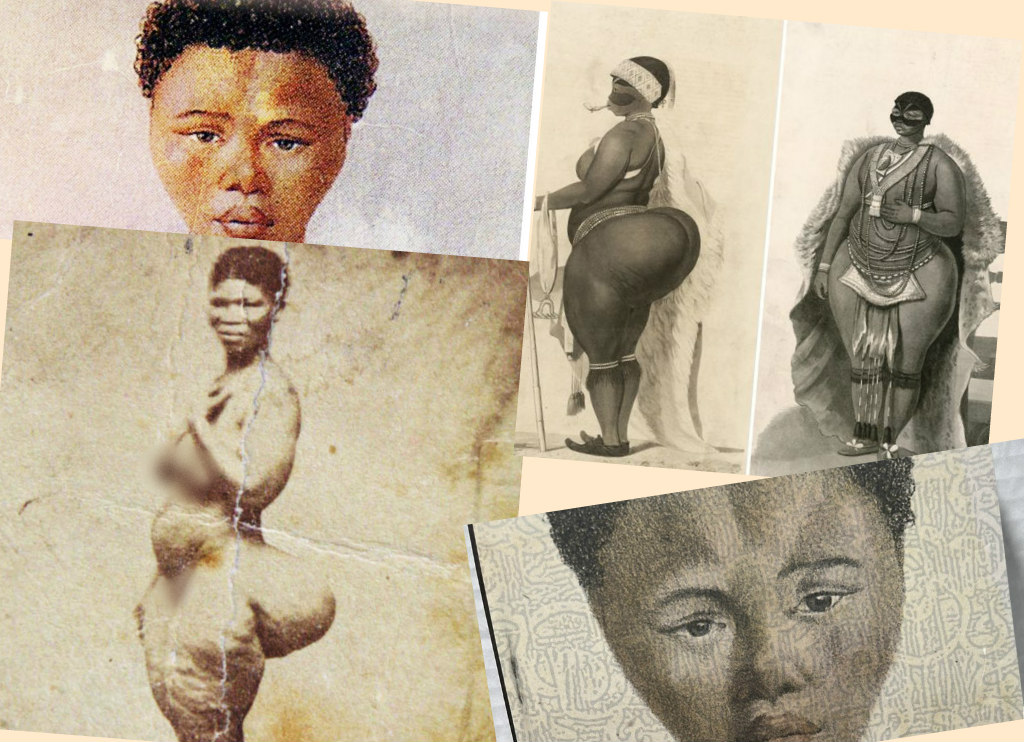
“The Tragic Beauty of Sarah Baartman: Colonial Spectacle, Black Female Bodies, and the Legacy of the Hottentot Venus”

All photographs are the property of their respective owners. No infringement intended.

Introduction

Sarah Baartman, widely known by the derogatory nickname “The Hottentot Venus,” was a South African Khoikhoi woman who became one of the most exploited and objectified figures in colonial history. Her life is emblematic of the intersection between racism, colonialism, misogyny, and pseudoscience. Displayed as a curiosity in 19th-century Europe, Baartman’s body was fetishized and dehumanized, even in death. Her story foreshadows the modern commodification of Black women’s bodies and raises critical questions about beauty standards, cultural appropriation, and racialized misogyny.


Early Life and Origins

Sarah Baartman was born around 1789 in the Gamtoos Valley of the Eastern Cape of South Africa. She belonged to the Khoikhoi people, an indigenous group known pejoratively as “Hottentots” by European colonists. Little is known about her early family life, but historical accounts suggest she was orphaned at a young age during colonial conflicts between the Dutch settlers and native Africans. She later became a domestic servant and was exposed to European culture and oppression early in life (Fausto-Sterling, 1995).


Her Exploitation and Display in Europe

In 1810, Sarah was taken to England by a British military surgeon, William Dunlop, under the pretense that she would gain wealth by exhibiting her body. She was soon placed on public display in London and later in Paris, exhibited nearly naked in circuses, saloons, and theaters. Advertised as the “Hottentot Venus,” her steatopygia—a natural genetic feature of prominent buttocks common among Khoisan women—became the central focus of her public spectacle.

European audiences viewed her body as both exotic and grotesque, sexualized and ridiculed. Scientists like Georges Cuvier subjected her to invasive examinations, believing she was proof of the “missing link” between animals and humans. Baartman became a living subject for racist pseudoscience that sought to validate white supremacy through physical anthropology (Gould, 1981).


Why Her Beauty Was Under Scrutiny

Baartman’s physical features—broad hips, dark skin, full lips, and pronounced buttocks—stood in stark contrast to Eurocentric ideals of beauty. Rather than being celebrated, her natural body became a site of scorn, desire, and “scientific” scrutiny. In essence, her Black femininity was hypersexualized and pathologized. Her beauty was never seen as worthy of admiration; instead, it was dissected to reinforce the colonial gaze and racist theories of human difference (Collins, 2000).


Her Death and Posthumous Humiliation

Sarah Baartman died on December 29, 1815, at just 26 years old, likely from pneumonia or syphilis, in Paris. Even in death, she was denied dignity. Her body was dissected by Cuvier, and her skeleton, genitals, and brain were preserved and displayed at the Musée de l’Homme in Paris for over 150 years.

Her remains were finally returned to South Africa in 2002, after a long legal and diplomatic battle. Then-President Nelson Mandela had requested their return as a matter of national and cultural healing. Sarah Baartman was buried on August 9, 2002, in the Eastern Cape, and her story became a symbol of the abuse of Black women under colonial regimes (Qureshi, 2004).


Personal Life: Family, Children, and Survival

Historical documentation does not confirm whether Sarah Baartman had a husband or children. Her personal agency during her time in Europe remains a matter of debate. Some accounts suggest she may have engaged in sex work out of economic desperation and lack of options. Her descent into prostitution, if it occurred, must be understood within the context of extreme exploitation, racism, and the absence of human rights for women of color in Europe.


Scientific Racism and Her Genetic Body Makeup

Baartman’s body became a site for scientific racism. European naturalists used her as a specimen to support racial hierarchies, claiming her physique was evidence of primitiveness. Her steatopygia, which is genetically normal among Khoisan women, was falsely framed as an aberration. The grotesque display of her genitalia by scientists such as Cuvier reinforced colonial myths about African sexuality and physiology (Gilman, 1985).


Modern Reflections: The BBL Craze and Baartman’s Legacy

Today, the Brazilian Butt Lift (BBL) craze—especially among women of all racial backgrounds—ironically mirrors the very body type for which Sarah Baartman was ridiculed. Her natural curves are now commodified, celebrated, and monetized in fashion, social media, and cosmetic surgery industries. Figures like Kim Kardashian, Nicki Minaj, and Cardi B have become modern icons of curvaceous beauty, appropriating features once vilified in Black women.

Yet, this popularity does not signal racial progress. Black women with natural bodies like Baartman’s still face colorism, fatphobia, and hypersexualization. The paradox remains: the Black body is envied, mimicked, and monetized, yet often despised and marginalized in its authentic form.


Why Some Women Use Their Bodies for Fame and Fortune

In a society that frequently commodifies women—especially Black women—many are compelled to capitalize on their physical appearance as a survival strategy. This is not new. Sarah Baartman’s coerced exhibitionism finds echoes in the lives of modern women who use their bodies in music, entertainment, and social media. The global beauty economy profits from features long stigmatized in Black women, reinforcing the painful legacy of objectification and exploitation.


Contemporary Symbolism and Social Commentary

Sarah Baartman represents both historical trauma and modern relevance. Her legacy forces a reckoning with how Black women’s bodies have been treated—as property, as curiosities, as sexual objects—and how they are still commercialized today.

While there are no precise contemporary equivalents, the symbolism of Sarah Baartman can be found in debates around beauty standards, the body positivity movement, and critiques of cultural appropriation. Figures like Serena Williams, Lizzo, and Megan Thee Stallion—who boldly embrace their bodies and identities—offer both resistance and reclamation in a world still shaped by the gaze that dehumanized Baartman.


Conclusion

Sarah Baartman’s life and death tell a harrowing story of racism, exploitation, and the violent colonial gaze. Yet, her story is not just one of suffering—it is also a story of endurance and symbolism. Her legacy compels us to confront uncomfortable truths about how Black femininity is perceived, appropriated, and controlled. From the grotesque science of the 19th century to the filtered perfection of social media today, Baartman’s body still haunts the Western imagination. We owe it to her and to all women like her to remember, reckon, and restore dignity to bodies once denied it.

  • In the 1990s, after the fall of apartheid and the establishment of a democratic government in South Africa, Nelson Mandela, as President (1994–1999), called for the return of Sarah Baartman’s remains as part of a broader effort to restore dignity to the victims of colonialism and racism.
  • Her remains, including her skeleton, brain, and genitalia, had been on display at the Muséum national d’Histoire naturelle in Paris for over 150 years following her death in 1815.
  • In 1994, shortly after Mandela became President, the South African government made an official request to the French government for the return of her remains.
  • The process faced legal and bureaucratic hurdles in France, where some institutions initially resisted the request, claiming her remains were part of the national scientific collection.
  • It was not until January 2002, after years of negotiation, that France passed special legislation allowing the return of Baartman’s remains to South Africa.
  • Her remains were repatriated on May 3, 2002, and she was finally laid to rest on August 9, 2002, in Hankey, Eastern Cape, near the area of her birth.
  • The burial date was symbolic—it coincided with South Africa’s National Women’s Day, commemorating the 1956 anti-pass laws march by women, making it a national tribute to Baartman as a historical symbol of the abuse and dignity of Black women.

While Nelson Mandela did not personally oversee the return (he had left the presidency by 1999), he was instrumental in beginning the political and moral campaign for her repatriation. His government’s efforts, supported by later administrations, ensured that Sarah Baartman could finally return home and be buried with the honor and humanity she had been denied in life.

Her story remains a profound symbol of the colonial exploitation of Black women and a call to honor those who suffered under imperial systems.

References

  • Collins, P. H. (2000). Black Feminist Thought: Knowledge, Consciousness, and the Politics of Empowerment. Routledge.
  • Fausto-Sterling, A. (1995). Myths of Gender: Biological Theories about Women and Men. Basic Books.
  • Gilman, S. L. (1985). Difference and Pathology: Stereotypes of Sexuality, Race, and Madness. Cornell University Press.
  • Gould, S. J. (1981). The Mismeasure of Man. W.W. Norton.
  • Qureshi, S. (2004). Displaying Sara Baartman, the ‘Hottentot Venus’. History of Science, 42(2), 233–257.
  • Scully, P. (2015). Sara Baartman and the Hottentot Venus: A Ghost Story and a Biography. Princeton University Press.
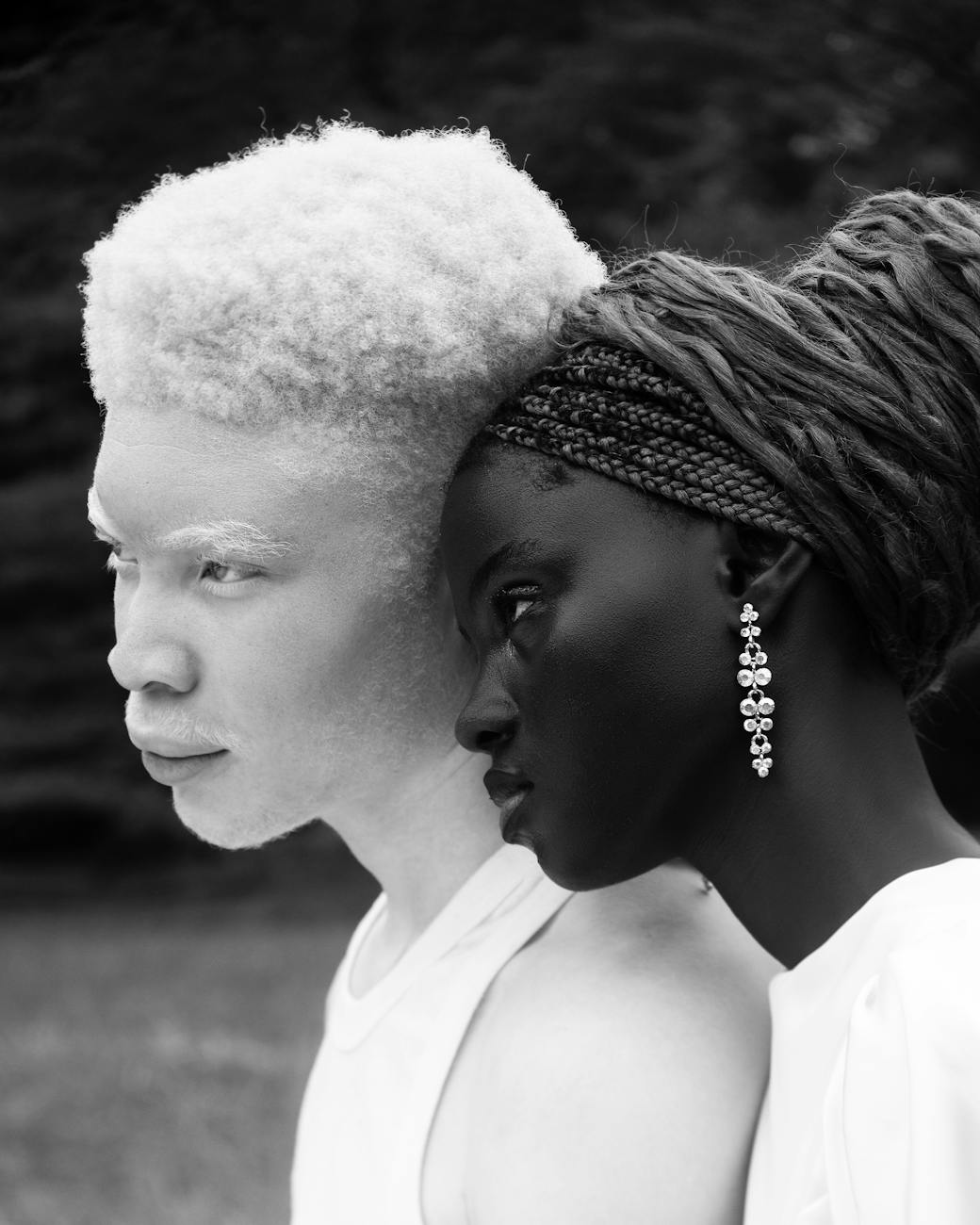

Dilemma: Lightism and Shadeism: The Intra-Racial Color Hierarchy and Its Impact on the Black Experience.

Photo by Adefemi Adedoyin on Pexels.com

Lightism and shadeism are two interrelated forms of intra-racial discrimination that privilege lighter skin tones over darker complexions within communities of color, particularly in the African diaspora. While racism is externally imposed by systemic white supremacy, lightism and shadeism are internalized hierarchies that reflect colonial legacies and Eurocentric beauty standards. These ideologies affect not only personal identity and self-worth but also professional advancement, media representation, and spiritual narratives. This essay explores the definitions and consequences of lightism and shadeism, their specific impact on the Black community, Hollywood, and the workforce, as well as the lived experiences of two Black actresses. It further examines the “Brown Girl Dilemma” and draws upon biblical insights, particularly from the King James Version of the Bible, to explain the historical mistreatment of Black people.


Defining Lightism and Shadeism

Lightism refers to the preferential treatment of individuals with lighter skin tones, especially within the same racial or ethnic group. It is a manifestation of colonial ideology, deeply rooted in the systemic privileging of whiteness (Hunter, 2007). Shadeism, a term often used interchangeably with colorism, specifically denotes discrimination based on the darkness or lightness of one’s skin within a racial group. While both terms are often synonymous, “lightism” implies an aspirational tilt toward whiteness, whereas “shadeism” emphasizes the gradient of privilege or marginalization based on skin tone.

These ideologies are not mere aesthetic preferences; they are tools of social stratification that reinforce European standards of beauty, intelligence, and civility, ultimately dividing Black communities internally (Russell, Wilson, & Hall, 1992).


The Impact on the Black Community, Hollywood, and the Workforce

In the Black community, shadeism contributes to a deeply entrenched psychological struggle—light-skinned individuals may experience privilege and acceptance, while dark-skinned individuals often face rejection, hypersexualization, and dehumanization. These dynamics sow seeds of division, low self-esteem, and generational trauma (Wilder, 2010).

In Hollywood, lightism and shadeism are visibly apparent. Lighter-skinned Black actors and actresses have historically received more prominent roles, romantic leads, and endorsement deals. Dark-skinned actors, especially women, are often relegated to stereotypical roles or excluded entirely. The casting of biracial or lighter-complexioned actresses to portray historically dark-skinned figures—such as Nina Simone—demonstrates how this bias distorts cultural memory and representation.

In the workforce, these biases translate to employment discrimination. Research has shown that lighter-skinned African Americans are more likely to be hired, earn higher salaries, and attain leadership positions than their darker-skinned counterparts—even when qualifications are equal (Goldsmith, Hamilton, & Darity, 2007). This disparity stems from the perception that lighter skin aligns more closely with white norms, which are often unconsciously upheld in hiring practices and workplace culture.


Actresses and the Reality of Shadeism

Two actresses who personify the lived reality of shadeism are Viola Davis and Zendaya.

Viola Davis, a dark-skinned, classically trained actress, has spoken openly about how her complexion limited her roles in Hollywood. Despite her immense talent, she was frequently cast in roles that emphasized suffering or servitude. In an interview with The New York Times, Davis remarked: “If I wanted to play the role of a romantic lead or a beautiful woman, I would need to be 10 to 15 shades lighter” (Dargis, 2016). Her Emmy-winning performance in How to Get Away with Murder was groundbreaking not only for its complexity but because it gave a dark-skinned woman a leading role traditionally denied to her.

Zendaya, who identifies as biracial, has acknowledged her privilege as a lighter-skinned Black woman. She once stated, “As a light-skinned Black woman, it’s important that I use my privilege and platform to show you how much beauty there is in the African-American community” (Essence, 2018). While her success is undeniable, Zendaya’s visibility also raises critical questions about how often Hollywood defaults to lighter-skinned actors to represent the full spectrum of Black identity.


The Brown Girl Dilemma

The Brown Girl Dilemma is the psychological and emotional conflict faced by darker-skinned Black women navigating societal and intra-racial rejection. This dilemma often includes feelings of invisibility, self-doubt, and the need to overcompensate for perceived deficits in beauty or femininity. It reflects not only internalized racism but also systemic barriers that silence and marginalize darker-skinned women in media, education, and relationships (Jones, 2000).


Spiritual Dimensions: The Biblical Explanation

From a Hebraic-Israelite perspective, many Black scholars and faith-based researchers argue that the mistreatment of Black people is not only social but spiritual. According to the King James Bible, the curses outlined in Deuteronomy 28—including captivity, degradation, and economic disenfranchisement—are often interpreted as prophetic indicators of the identity and suffering of the true children of Israel.

“The stranger that is within thee shall get up above thee very high; and thou shalt come down very low” (Deuteronomy 28:43, KJV).
“Thy sons and thy daughters shall be given unto another people, and thine eyes shall look, and fail with longing for them all the day long” (Deuteronomy 28:32, KJV).

This theological lens asserts that Black people are experiencing divine chastisement for their ancestors’ disobedience and idolatry. However, this same scripture also promises restoration and healing if obedience to divine law is restored.


Quotes and Testimonies

  • Malcolm X once said, “Who taught you to hate the color of your skin? Who taught you to hate the texture of your hair?”—an indictment of internalized racism and lightism.
  • Lupita Nyong’o, an Oscar-winning actress, stated: “I grew up thinking light skin was more beautiful… until I saw a dark-skinned model who looked like me. Representation matters.” (Black Women in Hollywood, 2014)

How Can the Black Community Overcome Lightism and Shadeism?

  1. Reeducation: Promote historical and cultural education that affirms African aesthetics and dismantles Eurocentric beauty ideals.
  2. Representation: Amplify diverse Black voices in media, literature, and film to normalize and celebrate all shades of Blackness.
  3. Theological Reconnection: Re-examine spiritual identity through a biblical lens that acknowledges both past transgressions and future redemption.
  4. Collective Healing: Foster intergenerational dialogue and healing spaces to address trauma related to colorism.
  5. Policy and Practice: Implement anti-colorism awareness in hiring practices, school curriculums, and workplace diversity training.

Conclusion

Lightism and shadeism remain pervasive and insidious forms of discrimination within the Black community, reinforced by colonialism, capitalism, and cultural amnesia. The experiences of actresses like Viola Davis and Zendaya highlight how these hierarchies operate even among the most visible. By confronting the “Brown Girl Dilemma,” revisiting the biblical roots of oppression, and reclaiming identity through faith, education, and solidarity, Black people can transcend these barriers. True liberation begins when all shades of Blackness are affirmed, valued, and celebrated—spiritually, socially, and systemically.


References

  • Dargis, M. (2016). Viola Davis on How Hollywood Shuts Out Women of Color. The New York Times.
  • Essence. (2018). Zendaya on Using Her Light-Skin Privilege to Speak Up for Her Community.
  • Goldsmith, A. H., Hamilton, D., & Darity Jr., W. (2007). From dark to light: Skin color and wages among African-Americans. Journal of Human Resources, 42(4), 701–738.
  • Hunter, M. (2007). The Persistent Problem of Colorism: Skin Tone, Status, and Inequality. Sociology Compass, 1(1), 237–254.
  • Jones, T. (2000). Shades of Brown: The Law of Skin Color. Duke Law Journal.
  • Russell, K., Wilson, M., & Hall, R. (1992). The Color Complex: The Politics of Skin Color Among African Americans. Anchor.
  • Wilder, J. (2010). Revisiting “Color Names and Color Notions”: A Contemporary Examination of the Language and Attitudes of Skin Color among Young Black Women. Journal of Black Studies, 41(1), 184–206.
  • The Holy Bible, King James Version (KJV), Deuteronomy 28.

“Black Wall Street: The Rise, Destruction, and Legacy of Tulsa’s Greenwood District”


Photo by Dawn Traylor on Pexels.com

Introduction

Known as “Black Wall Street,” the Greenwood District of Tulsa, Oklahoma, was one of the most affluent African American communities in the United States in the early 20th century. It symbolized Black excellence, entrepreneurship, and self-sufficiency during a time when Jim Crow laws sought to suppress African American progress. However, this thriving community was violently destroyed in one of the most horrific episodes of racial terrorism in U.S. history—the Tulsa Race Massacre of 1921.


The Birth of Black Wall Street

Greenwood, located in north Tulsa, was founded in 1906 on land initially settled by Black Freedmen and Native Americans, many of whom were formerly enslaved and had received land allotments through the Dawes Act (Johnson, 1998). Visionary entrepreneurs like O.W. Gurley, a wealthy Black landowner from Arkansas, bought 40 acres and helped build a self-sufficient Black community.

By the 1920s, Greenwood boasted:

  • Over 300 Black-owned businesses
  • Two newspapers
  • Schools, libraries, hospitals
  • Luxury hotels, grocery stores, law offices, barbershops, theaters, and nightclubs

Some of the most notable establishments included:

  • The Stradford Hotel, one of the finest Black-owned hotels in the U.S.
  • Williams Dreamland Theatre
  • Greenwood Avenue, the bustling economic artery of the district

This self-sustained economy became so prosperous that Booker T. Washington reportedly called it “Negro Wall Street.”


The Incident: Allegation and the Spark

The tragedy began on May 30, 1921, when a 19-year-old Black shoe shiner named Dick Rowland entered an elevator operated by a 17-year-old white woman named Sarah Page in the Drexel Building. Accounts vary, but some say he tripped and grabbed her arm to break his fall. Others claim nothing happened at all. Page screamed, and a clerk called the police. Though Sarah Page later refused to press charges, rumors of an alleged sexual assault spread rapidly through white Tulsa.

On May 31, 1921, a white mob gathered outside the courthouse where Rowland was being held. Armed Black men, including World War I veterans, came to protect him. Tensions escalated into gunfire, and by nightfall, white mobs launched a full-scale assault on Greenwood.


The Destruction of Black Wall Street

For over 18 hours, from the night of May 31 through June 1, 1921, white rioters—many of them deputized by law enforcement—looted, burned, and murdered indiscriminately. They set fire to over 1,200 homes, dozens of churches, businesses, and schools. Reports suggest private planes dropped incendiary bombs on the neighborhood—a rare instance of aerial terrorism on American soil.

Casualty estimates vary:

  • Official records say around 36 deaths
  • Modern scholars and eyewitnesses estimate 100–300 Black residents were killed (Ellsworth, 2001)

Over 10,000 Black residents were left homeless, and the community’s wealth was wiped out overnight.


Racism at the Core

The attack was fueled by racist resentment and economic jealousy. Many white Tulsans were angry that Black people in Greenwood had achieved so much success while white families in Tulsa struggled economically. The accusation against Rowland was merely a pretext. The real motive was to eradicate Black prosperity and enforce white supremacy.

White mobs faced no legal consequences, and insurance companies denied claims from Black property owners, citing “riot clauses.” The massacre was largely ignored in history books for decades.


Survivors and Testimonies

Some survivors lived into the 21st century and gave harrowing accounts. Notable among them:

  • Viola Fletcher, 107 years old, testified before Congress in 2021, saying, “I will never forget the violence… the smell of smoke, bodies in the street, the loss of my childhood.”
  • Her brother, Hughes Van Ellis, also a veteran, emphasized how America failed them after they served in its military.

Rebuilding and Present-Day Tulsa

Greenwood began modest rebuilding efforts in the 1920s and 30s, but never recovered its pre-1921 affluence. Systemic racism, redlining, and urban renewal programs (including a highway built through Greenwood) further dismantled its infrastructure.

Today, the area is home to the Greenwood Cultural Center and John Hope Franklin Reconciliation Park, preserving the memory of the massacre.

In 2021, the centennial drew national attention. Some local leaders and descendants called for reparations, but most survivors have not received any formal compensation.

Economically, Tulsa is now growing, but the Black community still experiences vast inequality in wealth, housing, and opportunity (Oklahoma Policy Institute, 2021).


Legacy and Importance

Black Wall Street represents more than tragedy—it symbolizes the potential of Black enterprise, resilience, and innovation in the face of white supremacy. It challenges the narrative that African Americans have not built wealth or institutions. Greenwood was that wealth, was that institution—and it was destroyed not by failure but by hatred.


Conclusion

The story of Black Wall Street and the Tulsa Race Massacre is not just a Black history story—it is an American story. It speaks to the power of Black excellence and the violence of white supremacy. As America reckons with its past, the memory of Greenwood remains a testament to what Black communities can achieve—and what they have suffered.


References

  • Ellsworth, S. (2001). Death in a Promised Land: The Tulsa Race Riot of 1921. LSU Press.
  • Johnson, H. B. (1998). Black Wall Street: From Riot to Renaissance in Tulsa’s Historic Greenwood District. Eakin Press.
  • Oklahoma Policy Institute. (2021). The State of Black Tulsa: Equity Indicators. Retrieved from https://okpolicy.org
  • U.S. Congress. (2021). Testimony of Tulsa Race Massacre Survivors. Congressional Record.

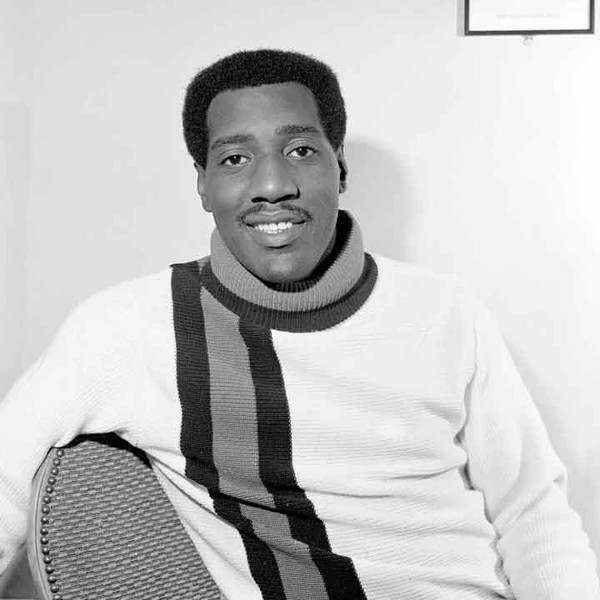
Celebrity Spotlight: Otis Redding

Soul on the Rise: The Short Life and Eternal Legacy of Otis Redding


This photograph is the property of its respective owner. No copyright infringement intended.

“If I die tomorrow, I’ve had a beautiful life because I’ve touched souls.”
Otis Redding

Otis Redding, often hailed as the “King of Soul,” was a tall, dark, and handsome force whose voice could simultaneously stir the depths of sorrow and ignite the heights of joy. Though his life was tragically brief, ending at just 26 years old, his impact on the music industry is profound, enduring, and soul-shaking. With a voice that exuded wisdom far beyond his years, Redding became a symbol of raw emotion, authenticity, and artistic excellence. He was an old soul in a young man’s body—seasoned with gospel, rooted in rhythm and blues, and shaped by the Southern experience.

Early Life and Musical Genesis

Otis Ray Redding Jr. was born on September 9, 1941, in Dawson, Georgia, and raised in Macon. He was the son of Otis Sr., a sharecropper and later a military base worker, and Fannie Mae Redding, a devout woman who raised him in the church. Otis began singing in the Vineville Baptist Church choir, where his vocal power was first recognized. Deeply influenced by Little Richard (another Macon native), Sam Cooke, and Ray Charles, Redding took to the stage in his teens and began competing in local talent shows—often winning multiple times. He dropped out of school at age 15 to support his family, working odd jobs while pursuing his passion for music.

Rise to Fame: The Bar-Kays and Stax Records

Redding’s big break came when he was working as a driver and occasional singer for guitarist Johnny Jenkins. A fateful trip to Stax Records in Memphis in 1962 allowed Redding to cut a few tracks during downtime, including the now-iconic “These Arms of Mine.” The single exploded regionally, showcasing the aching soulfulness of his voice and launching his relationship with Stax.

The Bar-Kays, a talented group of Memphis musicians, soon became Redding’s backup band. Their chemistry electrified live audiences and studio recordings alike, giving birth to classics such as “Try a Little Tenderness,” “Respect,” and his posthumous mega-hit “(Sittin’ On) The Dock of the Bay.”

A Voice Like No Other

Otis Redding’s voice was often described as gravel mixed with honey—gritty yet deeply melodic. Critics and fans alike marveled at his dynamic vocal phrasing, emotional urgency, and soul-baring delivery. He had an extraordinary ability to infuse each lyric with heart-wrenching sincerity, whether he was pleading in love or lamenting loss. Music historian Peter Guralnick once wrote, “Otis could take the ordinary and make it sacred.”

Legacy and Sudden Tragedy

On December 10, 1967, Otis Redding’s life was tragically cut short when his Beechcraft plane crashed into Lake Monona near Madison, Wisconsin. He and six members of the Bar-Kays were killed. Redding had just recorded his defining song, “(Sittin’ On) The Dock of the Bay,” days before the crash. It was released posthumously and became the first posthumous number-one single on the Billboard Hot 100.

At the time of his death, Redding had accumulated significant wealth and owned his own publishing and production company—a rarity for Black artists of his era. He left behind his wife, Zelma Redding, and four children. One of his sons, Otis Redding III, carried the musical torch with the group The Reddings, echoing his father’s legacy with pride and reverence. Zelma once said in an interview, “Otis always believed his children would carry on his mission of spreading love through music. That was his heartbeat.”

Rumors and Controversy

While Redding’s death was officially deemed an accident due to engine failure, it has not escaped whispers of controversy. Some speculated sabotage or questioned the rushed investigation. However, no substantial evidence ever surfaced, and the tragedy has remained an unresolved wound in soul music history.

Cultural Reverberation

Redding’s influence has spanned genres and generations. Aretha Franklin, who turned his song “Respect” into an anthem of empowerment, praised him as a genius. Mick Jagger and the Rolling Stones were early admirers, and Jay-Z, Kanye West, and Beyoncé have all sampled or cited him as a foundational influence. His songs have been covered by hundreds of artists, and he was inducted into the Rock and Roll Hall of Fame in 1989.

A Lasting Impact

Otis Redding’s music remains timeless because it speaks to the human experience—love, longing, heartbreak, and hope. He defied racial and musical boundaries, uniting listeners through the sheer power of soul. In an age of digital perfection, his analog authenticity is more cherished than ever.

As music critic Dave Marsh once said, “Otis Redding didn’t just sing soul. He was soul.”


Select References:

  • Guralnick, P. (1986). Sweet Soul Music: Rhythm and Blues and the Southern Dream of Freedom. Back Bay Books.
  • Wald, E. (2004). How the Beatles Destroyed Rock ’n’ Roll. Oxford University Press.
  • Otis Redding Foundation. (n.d.). https://otisreddingfoundation.org
  • Rock & Roll Hall of Fame Biography – Otis Redding.
  • Zelma Redding interview, NPR’s Fresh Air, 1998.

“DEF by TEMPTATION: The War Within the Soul”


Photo by Meli Meraki on Pexels.com

Introduction: What Is Temptation?

Temptation is the internal or external enticement to do something contrary to one’s moral, spiritual, or rational values. It often presents itself in seductive, desirable forms—yet beneath the surface lies destruction, regret, and loss. The 1990 cult horror film Def by Temptation, directed by James Bond III, uses supernatural storytelling to explore the consequences of yielding to carnal desires and spiritual weakness. But the deeper meaning of the title resonates with an ancient truth: that temptation is not just a personal struggle—it is a battlefield of the soul.

In the King James Bible, temptation is understood as both a test of faith and a lure toward sin. James 1:14-15 warns:

“But every man is tempted, when he is drawn away of his own lust, and enticed. Then when lust hath conceived, it bringeth forth sin: and sin, when it is finished, bringeth forth death.”

This passage outlines the progression of temptation—from desire to enticement, to sin, and ultimately to spiritual and sometimes literal death. It is not temptation itself that is the sin, but the yielding to it.


The Psychology of Temptation

From a psychological perspective, temptation is the cognitive-emotional conflict between impulse and self-control. It activates the brain’s reward system, particularly the dopamine pathways, which are responsible for pleasure and anticipation. Temptation becomes powerful when the reward is immediate, while the consequences are delayed. This is why people give in to behaviors like overeating, cheating, compulsive spending, or substance abuse—even when they know the risks.

Psychologist Walter Mischel’s famous “marshmallow test” illustrated how children with delayed gratification skills (resisting the temptation of one marshmallow for the promise of two later) had better life outcomes in adulthood. The study underscored that resisting temptation requires maturity, foresight, and emotional regulation.


Types of Temptation: The Allure of the Flesh and the World

The most common temptations fall into several categories:

  1. Sexual Temptation: One of the most destructive and common temptations. It involves the desire for illicit or immoral sexual pleasure outside of covenant or purity. Proverbs 6:25-26 (KJV) says, “Lust not after her beauty in thine heart; neither let her take thee with her eyelids. For by means of a whorish woman a man is brought to a piece of bread.”
  2. Gluttony and Food: The craving for food beyond physical need, often used to satisfy emotional emptiness. Eve’s first sin involved eating forbidden fruit, highlighting that even food can be used as a weapon of spiritual downfall.
  3. Materialism and Shopping: The compulsion to buy, possess, or indulge in consumerism is a modern form of idolatry, where happiness is equated with having more.
  4. Power and Pride: The temptation to elevate oneself above others, to manipulate or dominate, as seen in Lucifer’s fall (Isaiah 14:12-15).
  5. Addiction and Substance Abuse: A temptation that hijacks both mind and body, leading individuals to dependency and destruction.

Example: A Man Who Fell to Temptation

One of the most publicized downfalls in recent memory is that of Tiger Woods, the world-famous golf legend. In 2009, Woods admitted to multiple infidelities, which led to the collapse of his marriage, loss of endorsements, damaged reputation, and a long career setback.

According to The New York Times and Forbes, the aftermath of his sexual indiscretions cost him upwards of $100 million in lost sponsorships and legal settlements. More importantly, it exposed how even the most disciplined and successful individuals can be brought low by unbridled desire. He later sought rehabilitation and publicly apologized, but the price of yielding to temptation was enormous.


Lust, Addiction, and the Trap of Temptation

Lust, as described in Scripture, is a disordered and excessive desire. It often disguises itself as love or attraction but is rooted in selfish gratification. Lust clouds judgment, weakens character, and leads to enslavement. Proverbs 7 offers a chilling narrative of a young man seduced by a wayward woman, ending in this solemn line (v. 27):

“Her house is the way to hell, going down to the chambers of death.”

Addiction is the clinical extension of temptation—when one repeatedly yields to a desire until it becomes a psychological or physical dependency. Temptation becomes a cycle: desire, indulgence, guilt, and repetition. Overcoming it requires not just willpower but renewed thinking, support, and sometimes divine intervention.


The Origin of Temptation

Temptation has spiritual origins. According to Christian theology, the first temptation occurred in Genesis 3, when Satan in the form of a serpent lured Eve to eat the forbidden fruit. He appealed to her desire for knowledge and power, saying, “Ye shall be as gods” (Genesis 3:5). This act of disobedience introduced sin and death into the world. In the New Testament, Satan also tempted Jesus in the wilderness (Matthew 4), offering Him food, glory, and power. But unlike Adam and Eve, Jesus resisted by using Scripture, showing believers how to overcome temptation through truth and spiritual strength.


Overcoming Temptation: Practical and Spiritual Solutions

  1. Renewing the Mind: Romans 12:2 says, “Be transformed by the renewing of your mind.” Spiritual transformation begins in thought.
  2. Accountability: Surrounding oneself with wise, honest, and supportive people helps break the secrecy of temptation.
  3. Fasting and Prayer: These spiritual disciplines weaken the flesh and strengthen the spirit.
  4. Avoiding Triggers: Removing oneself from tempting environments is essential (Matthew 5:29-30 teaches metaphorically to “cut off” what causes you to sin).
  5. Scripture and Faith: Jesus resisted temptation by declaring the Word of God (Matthew 4:4).
  6. Repentance and Grace: Even after failure, forgiveness is available. 1 Corinthians 10:13 assures us, “There hath no temptation taken you but such as is common to man… but God is faithful, who will not suffer you to be tempted above that ye are able.”

Conclusion: The Price of Temptation and the Path to Victory

Temptation is universal, but the cost of surrender can be devastating—broken homes, lost careers, spiritual emptiness, and even physical death. Yet, resisting temptation is not merely about avoidance; it is about fortification of the soul, development of character, and alignment with truth. Lust and addiction are symptoms of deeper spiritual hunger—only divine purpose and self-discipline can truly satisfy.

In a world where temptations are everywhere—from screens to stores to seduction—the battle must be fought with intention, wisdom, and the Word of God. Temptation may knock, but we are not required to answer.


References

Holy Bible. (1611). King James Version. Thomas Nelson.

Mischel, W. (2014). The Marshmallow Test: Mastering Self-Control. Little, Brown.

Goldman, T. (2009, December). Tiger Woods and the fall from grace. The New York Times.

Blum, D. (2021). Addiction and the Brain: Understanding the Science of Dependency. Harvard Health Publications.

Tripp, P. D. (2008). Whiter Than Snow: Meditations on Sin and Mercy. Crossway Books.

Dilemma: BBL (Brazilian Butt Lift)

The Rise and Risks of the BBL: Beauty, Body Image, and the Search for Acceptance

Photo by Ron Lach on Pexels.com

I. What Is a BBL?

BBL stands for Brazilian Butt Lift, a cosmetic surgical procedure that involves the transfer of fat from one area of the body—typically the abdomen, flanks, or thighs—to the buttocks to enhance volume and contour. The full name of the procedure is gluteal fat grafting or autologous fat transfer to the buttocks.

The modern technique became widely recognized in the early 2000s, although fat grafting itself has existed since the late 19th century. The popularized version, known as the Brazilian Butt Lift, was refined and promoted by Dr. Ivo Pitanguy, a Brazilian plastic surgeon who made significant advancements in aesthetic surgery.


II. Origins and Surge in Popularity

BBLs gained global attention in the 2010s, primarily due to celebrity culture and social media. Curvier body types with pronounced hips and buttocks became glamorized in Western beauty standards, a significant shift from the waif-like ideal of the 1990s. This trend coincided with the rise of Instagram, which visually favored hourglass figures that emphasized curves.

Celebrity influence has played a major role. While many have speculated that Kim Kardashian helped spark the BBL craze, her sister Khloé Kardashian, rapper Nicki Minaj, and influencers like Blac Chyna and Amber Rose further popularized the aesthetic. Their visibility on reality television and social media normalized the exaggerated figure and, in some cases, indirectly encouraged surgical enhancement.


III. Medical Dangers and Public Warnings

Despite its popularity, the Brazilian Butt Lift is considered one of the most dangerous cosmetic surgeries available. According to a 2017 report from the American Society for Aesthetic Plastic Surgery, the procedure has a higher mortality rate than any other aesthetic surgery due to the risk of fat embolism, where fat accidentally enters the bloodstream and blocks a vital artery, often in the lungs or heart.

Risks and Complications Include:

  • Fat embolism syndrome (potentially fatal)
  • Infection
  • Necrosis (tissue death)
  • Blood clots
  • Asymmetry
  • Long recovery times and complications from anesthesia

Notable Deaths:

Numerous cases of death have occurred in the United States, particularly in Miami, Florida, which became known for high-volume, low-cost cosmetic clinics. Between 2011 and 2021, over 25 women died from BBL-related complications in Florida alone.

In 2023, Jacky Oh, the partner of comedian DC Young Fly, died from complications reportedly linked to a cosmetic procedure that many speculate was a BBL. Her death sparked renewed criticism and calls for regulation and public education around elective surgery risks.


IV. Psychological and Societal Pressures

The pursuit of a BBL is often driven by psychological, cultural, and social pressures, particularly around the need for external validation.

According to body image psychology, many women seek plastic surgery due to low self-esteem, social comparison, or perceived inadequacy reinforced by media and patriarchal beauty standards. The objectification theory in psychology suggests that when women internalize society’s sexualized gaze, they begin to see their own bodies through that same lens, leading to dissatisfaction and modification efforts.

Women may undergo drastic changes to fit an idealized version of beauty primarily for male attention or social acceptance, which fosters a damaging message: that one must change to be worthy of love or success.


V. The Bible on Self-Love and Contentment

The King James Version (KJV) of the Bible provides profound encouragement on the subject of self-worth, divine creation, and resisting conformity to worldly standards.

  • Psalm 139:14“I will praise thee; for I am fearfully and wonderfully made: marvellous are thy works; and that my soul knoweth right well.”
    This verse highlights the uniqueness and divine craftsmanship of every individual, reminding us that our bodies are sacred creations.
  • Romans 12:2“And be not conformed to this world: but be ye transformed by the renewing of your mind…”
    This encourages believers to resist the pressures of worldly norms and instead seek inner renewal through spiritual values.
  • 1 Peter 3:3-4“Whose adorning let it not be that outward adorning… but let it be the hidden man of the heart…”
    This passage warns against excessive focus on external beauty and promotes inner virtue and self-respect.
  • 1 Corinthians 6:19-20“What? know ye not that your body is the temple of the Holy Ghost…”
    The body is a vessel for spiritual purpose and should not be mutilated for the sake of trends.

Biblically, true beauty comes from character, modesty, and reverence toward God, not cosmetic alteration. Women are encouraged to love themselves as God created them, not as society demands them to be.


VI. Other Popular Cosmetic Procedures

In addition to the BBL, several other procedures have grown in popularity, often for similar reasons:

  • Liposuction (fat removal)
  • Rhinoplasty (nose reshaping)
  • Breast augmentation or reduction
  • Botox and dermal fillers (to reduce aging)
  • Veneers and cosmetic dentistry
  • Facial contouring (jaw, cheek, and chin reshaping)

These are often marketed as “enhancements” but carry physical and psychological risks, especially when pursued repeatedly.


VII. Final Reflection: Toward Wholeness and Inner Beauty

The rising normalization of invasive cosmetic surgery like the BBL is a symptom of deeper societal discontent—especially among women—fueled by media standards, celebrity influence, and cultural hypersexualization. While aesthetic desires are not inherently wrong, the compulsive need to surgically alter one’s body to gain validation reflects a spiritual and emotional void.

Instead of conforming to an ever-shifting beauty ideal, individuals—especially women—are called to embrace self-love, seek healing from within, and honor their bodies as sacred vessels.


Selected References

  • American Society for Aesthetic Plastic Surgery (2017). Gluteal Fat Grafting Mortality Study.
  • BBC News (2023). Jacky Oh death and cosmetic surgery dangers.
  • Tiggemann, M. (2015). The objectification of women’s bodies and the internalization of the observer’s perspective. Psychology of Women Quarterly.
  • The Holy Bible, King James Version.

Dilemma: The Lust of the Flesh, the Lust of the Eyes, and the Pride of Life—The War Between Spirit and Worldliness


Photo by cottonbro studio on Pexels.com

“For all that is in the world, the lust of the flesh, and the lust of the eyes, and the pride of life, is not of the Father, but is of the world.” – 1 John 2:16 (KJV)


In a world consumed by materialism, sexual permissiveness, and status worship, the biblical warning found in 1 John 2:16 remains prophetically relevant. The “lust of the flesh, the lust of the eyes, and the pride of life” are not mere poetic expressions but real and destructive temptations that derail moral character, spiritual growth, and social integrity. These three forces are the foundational pillars of worldliness—leading not only to individual downfall but to societal decay. Understanding their significance and how to overcome them is essential for those who strive to live a life of righteousness and purpose.


The Lust of the Flesh

The lust of the flesh refers to the unrestrained craving for bodily pleasures—especially sexual indulgence, gluttony, and sensual gratification. It prioritizes feelings over faith, passion over principle. This lust is condemned throughout scripture. Galatians 5:16-17 teaches:

“This I say then, Walk in the Spirit, and ye shall not fulfil the lust of the flesh. For the flesh lusteth against the Spirit…”

Sexual temptation is a core aspect of this lust. From Samson, who lost his strength and calling over Delilah (Judges 16), to David, who committed adultery with Bathsheba (2 Samuel 11), the Bible warns how powerful and perilous fleshly desire can be. Today, it manifests in hypersexualized media, pornography, adultery, and transactional relationships—including the infamous “casting couch” culture of Hollywood, where sexual favors have historically been exchanged for roles, wealth, or recognition.


The Lust of the Eyes

The lust of the eyes is the desire triggered by visual stimuli—coveting what we see and do not possess. It is the seed of materialism, envy, and greed. Eve’s temptation began here:

“And when the woman saw that the tree was good for food…and a tree to be desired to make one wise, she took of the fruit thereof” (Genesis 3:6, KJV).

Modern society is plagued by this obsession with appearance and acquisition. People go into debt to impress, financing cars, homes, and luxury items to compete with others. This phenomenon is encapsulated in the phrase “keeping up with the Joneses,” a dangerous pursuit that leads to financial bondage, low self-esteem, and mental burnout.

Envy drives people to despise their own blessings. Proverbs 14:30 warns,

“A sound heart is the life of the flesh: but envy the rottenness of the bones.”

Whether envying someone’s wealth, beauty, relationship, or social standing, the eyes become the gateway to discontentment. Instead of rejoicing in what they have, people obsess over what they lack, never attaining true peace.


The Pride of Life

The pride of life involves arrogance, self-importance, and the insatiable need for recognition and status. It is the temptation to exalt oneself above others. Lucifer himself fell due to pride (Isaiah 14:12-15), seeking to ascend above the Most High.

In Luke 18:18-23, Jesus confronts the rich young ruler who claimed to keep the commandments but could not part with his wealth to follow Christ. His pride in his possessions and position outweighed his desire for eternal life. Similarly, the parable of the rich man and Lazarus (Luke 16:19-31) illustrates how earthly riches can blind people to spiritual poverty. The rich man enjoyed luxury while ignoring the suffering of Lazarus at his gate, only to find himself tormented in the afterlife.


The Trap of Idolatry and Chasing the World

These three lusts are intricately tied to idolatry—placing anything before God. Idolatry today looks like celebrity worship, career obsession, sexual conquest, and worship of wealth. The Bible warns against chasing worldly things. Matthew 6:19-21 declares:

“Lay not up for yourselves treasures upon earth, where moth and rust doth corrupt… For where your treasure is, there will your heart be also.”

Paul further emphasizes in 1 Timothy 6:10:

“For the love of money is the root of all evil: which while some coveted after, they have erred from the faith…”

Many celebrities have allegedly “sold their souls to the devil” in exchange for fame and fortune, often hinted at in music, interviews, and symbolism. Some, like Bob Dylan, have openly referred to making a “deal” with the “chief commander of this world” (as he alluded in a 60 Minutes interview). Artists have confessed to compromising values or engaging in dark rituals to achieve success. The cost is often mental health struggles, spiritual emptiness, or early death—a modern echo of Esau selling his birthright for a bowl of stew (Genesis 25:29-34).


The World’s Esteem for the Rich and the Dismissal of the Poor

Scripture warns that God does not value people by wealth. James 2:1-6 condemns favoritism toward the rich, reminding believers that it is often the wealthy who oppress the poor. And yet, society still idolizes billionaires, celebrities, and influencers while ignoring the homeless, the widow, and the orphan. This contradicts God’s command in Sirach (Ecclesiasticus) 4:1 (Apocrypha):

“My son, defraud not the poor of his living, and make not the needy eyes to wait long.”

The Apocrypha and biblical text often instruct the redistribution of wealth. In Tobit 4:7-9, we are told:

“Give alms of thy substance… and turn not thy face from any poor, and the face of God shall not be turned away from thee.”


Overcoming the Worldly Dilemma

To overcome the lust of the flesh, eyes, and pride of life:

  1. Cultivate contentment – Hebrews 13:5: “Let your conversation be without covetousness; and be content with such things as ye have…”
  2. Seek God first – Matthew 6:33: “But seek ye first the kingdom of God… and all these things shall be added unto you.”
  3. Renew the mind – Romans 12:2: “Be not conformed to this world… but be ye transformed by the renewing of your mind…”
  4. Live generously – Proverbs 19:17: “He that hath pity upon the poor lendeth unto the Lord…”
  5. Stay vigilant – Luke 21:34 warns against being overcome by the cares of this life.

Conclusion: Eternal Value vs Temporary Temptation

The lust of the flesh, the lust of the eyes, and the pride of life are not just personal struggles—they are systemic weapons of spiritual warfare, used to deceive, detain, and ultimately destroy. They pit eternal value against temporary pleasure. This dilemma is not merely about resisting bad behavior—it’s about rejecting the illusion of fulfillment outside of God. True wealth is measured in love, integrity, wisdom, and righteousness. As Matthew 16:26 reminds us:

“For what is a man profited, if he shall gain the whole world, and lose his own soul?”


References

Holy Bible. (1611). King James Version. Thomas Nelson.

DeSilva, D. A. (2002). Introducing the Apocrypha: Message, Context, and Significance. Baker Academic.

Miller, L. (2009). The Casting Couch and the Culture of Misogyny in Hollywood. Palgrave Macmillan.

Forbes Staff. (2020). The Financial Price of Celebrity Image and Fame. Forbes Magazine.

Dylan, B. (2004). Interview with Ed Bradley. 60 Minutes, CBS News.

Trailblazers of the Operatic Stage: LEONTYNE PRICE and SIMON ESTES.

Leontyne Price and Simon Estes stand as twin pillars in the edifice of opera—voices of transcendent beauty and unwavering courage, whose legacies continue to reshape an art form once resistant to full inclusion.


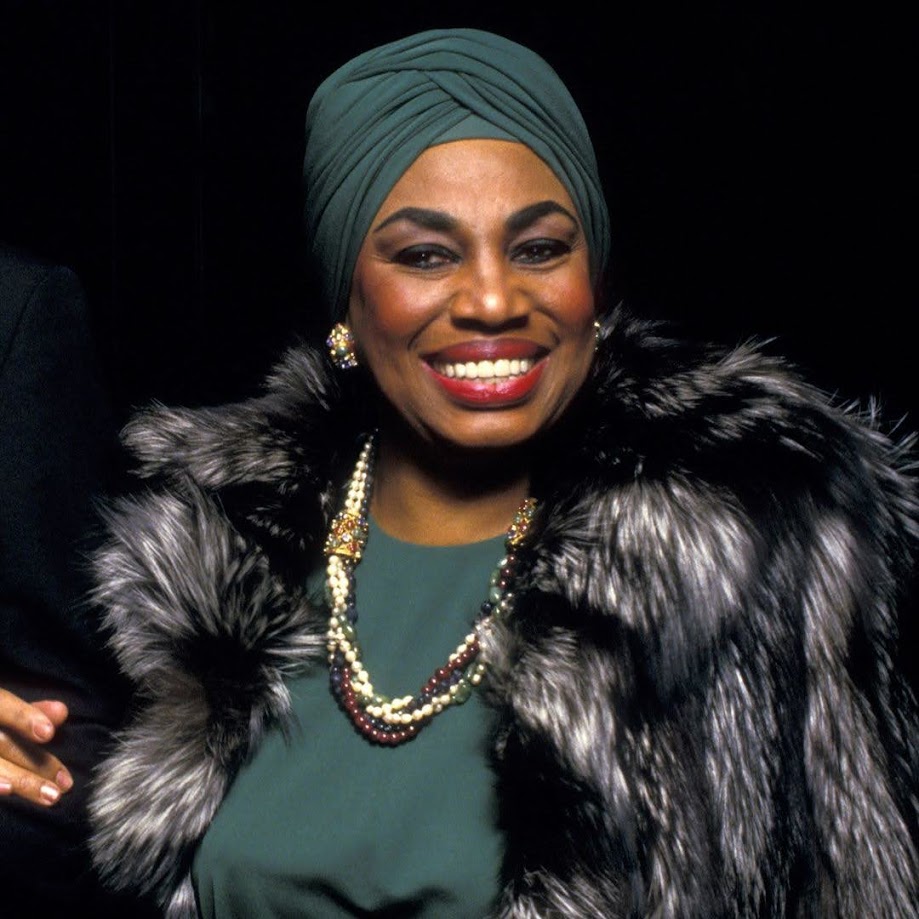
Leontyne Price: The Golden Voice of the Metropolitan

This photograph is the property of its respective owner.

“She sustains a lyric soprano of rich—even honeyed—timbre across an astonishing three-octave span, with a legato that seems to suspend time.”
—Luciano Pavarotti on Leontyne Price (Weber, 2021)

Early Life and Musical Awakening

Born Mary Violet Leontyne Price on February 10, 1927, in Laurel, Mississippi, Price was the youngest of three children in a middle‑class African American family. Her parents, Leontyne and James Price, valued education and the arts; her mother taught her to sing spirituals and hymns at church, while her father encouraged scholarly pursuits. Though often misremembered alongside cousins like Dionne Warwick and Whitney Houston, Price was not directly related to them; instead, her earliest musical inspirations were the great African American contralto Marian Anderson and Italian sopranos Maria Callas and Renata Tebaldi.

Vocal Brilliance and Breakthroughs

Price’s voice combined a warm, radiant timbre, seamless legato, and effortless high register extending well into the stratospheric top F (F₆)—a true three‑octave compass. After studying at Central State College (now University) in Wilberforce, Ohio, and the Juilliard School in New York, she made her operatic debut in 1952 as Mimi in Puccini’s La bohème with the Cleveland Civic Opera (Rasponi, 2000). But it was her sensational Lyric Opera of Chicago debut in 1954 as Leonora in Verdi’s Il trovatore that propelled her to international stardom.

In 1955, Price became the first African American to secure a leading role at the Metropolitan Opera when she sang Mimi in La bohème, a milestone that shattered racial barriers in American opera (Metropolitan Opera Archives, 1955). Over the next two decades, she reigned as the Met’s preeminent soprano—her performances in Aida, Tosca, Madama Butterfly, and Il trovatore drawing sold‑out houses and critical acclaim worldwide.

Accolades and Firsts

  • First African American to sing a leading role at the Met (1955)
  • Grammy Awards for Best Classical Vocal Soloist (1962, 1964)
  • Presidential Medal of Freedom (1964) under President Lyndon B. Johnson
  • Kennedy Center Honors (1981) for lifetime contributions to the performing arts
  • Honorary Doctorates from Juilliard, Yale, and Howard University

Confronting Racism in Opera

Price’s ascent was not without struggle. In interviews, she recounted both overt and covert racism—segregated hotels, hostile audiences, and colleagues who questioned her presence on “white” stages. Luciano Pavarotti later praised her courage, remarking that opera “built its imperial cathedral walls” against her, yet she sang them down with her purity of tone (Weber, 2021).

Life Beyond the Stage

Married twice—first to conductor and composer William W. Walker (divorced 1968), then briefly to physician Norman Cushner—Price had no children. In retirement, she devoted herself to teaching master classes, philanthropy in arts education, and preserving the legacies of African American composers. Colleagues like soprano Mirella Freni and mezzo Marilyn Horne lauded her mentorship and grace.


Simon Estes: The King’s Baritone with a Mission.

This photograph is the property of its respective owner.

“He possesses a baritone as burnished as aged copper, with a power that can fill a cathedral yet a tenderness that makes a single word bloom.”
—Sir Georg Solti on Simon Estes (Estes biography, 2007)

Roots and Rise

Simon Estes was born on January 7, 1938, in Centerville, Iowa, the youngest of eleven children in a farming family. Exposed to spirituals and gospel in his father’s Baptist church, he initially dreamed of football stardom but found his calling in voice. After earning degrees from the University of Iowa and the Curtis Institute of Music, he won first prize at the 1965 Geneva International Music Competition, launching a career that would span five decades.

Vocal Distinction and Landmark Engagements

Estes’ rich baritone, known for its velvet warmth and commanding presence, made him ideal for Verdi’s “noble villains” and Wagner’s heroic roles. He debuted at Bayreuth in 1972, becoming one of the first Black singers at the festival, and at the Met as Telramund in Wagner’s Lohengrin in 1974. His discography encompasses landmark recordings of Il barbiere di Siviglia, Don Giovanni, Porgy and Bess, and Mahler’s Das Lied von der Erde.

Recognition and Advocacy

  • Grammy Award Nomination for Best Opera Recording (1976)
  • National Medal of Arts (1988) for contributions to American culture
  • Honorary Doctorates from Howard University and the Royal College of Music
  • Founded the Simon Estes Foundation to support disadvantaged youth in music education

Confronting Bias and Championing Diversity

Estes faced racial prejudice—cast aside for lighter‑skinned colleagues, denied promotional opportunities, and subject to segregation in European hotels. Yet he leveraged his stature to challenge inequity, insisting on integrated casting and mentoring young artists of color. Colleagues like Jessye Norman and Kathleen Battle credited him with opening doors and normalizing Black presence in Wagnerian repertoire.

Personal Life and Legacy

Married to pianist Faye Robinson (1966–1998), Estes had two daughters. A devoted father, he balanced international engagements with home life, often returning to Iowa to teach and farm the family land. Retiring in 2005, he remains active through masterclasses and his foundation, celebrated as a “musical ambassador” who fused art with social justice.


The Pantheon of Black Opera Stars

Below is a non‑exhaustive list of 15+ Black opera luminaries, past and present, and one signature role each:

  1. Marian Anderson (Ulrich) – Un ballo in maschera
  2. Paul Robeson (Porgy) – Porgy and Bess
  3. Grace Bumbry (Amneris) – Aida
  4. Jessye Norman (Isolde) – Tristan und Isolde
  5. Kathleen Battle (Oscar) – Un ballo in maschera
  6. Rogelio Martínez (Don Carlo) – Don Carlo
  7. George Shirley (Alfredo) – La traviata
  8. Claron McFadden (Amina) – La sonnambula
  9. Plácido Domingo (honorary mention for diversity advocacy)
  10. Eric Owens (Othello) – Otello
  11. Angel Blue (Bess) – Porgy and Bess
  12. Latonia Moore (Tosca) – Tosca
  13. Pretty Yende (Adina) – L’elisir d’amore
  14. Marcus Miller (Don Giovanni) – Don Giovanni
  15. Ryan Speedo Green (Alidoro) – La Cenerentola
  16. Sami L. Simmons (Carmen) – Carmen
  17. Lawrence Brownlee (Tonio) – La fille du régiment
  18. Golda Schultz (Marguerite) – Faust

Each artist has expanded repertoire, inspired young performers, and shifted public perception of who can embody operatic archetypes.


IV. Evolution of the Opera World

Since Price and Estes debuted, opera has:

  • Diversified casting, challenging “color-blind” versus “color-conscious” approaches.
  • Globalized through digital broadcasts, increasing access for underrepresented audiences.
  • Commissioned new works by Black composers (e.g., Terence Blanchard’s Fire Shut Up in My Bones).
  • Reformed training programs to actively recruit singers of color.

Yet challenges remain: equitable pay, leadership diversity, and erasure of racialized narratives still demand advocacy.


References

  • Metropolitan Opera Archives. (1955). Metropolitan Opera debut records: Leontyne Price.
  • Rasponi, L. (2000). The Last Prima Donnas. Alfred A. Knopf.
  • Weber, B. (2021). Luciano Pavarotti: The Voice of Music’s Greatest Soprano. Opera Quarterly, 37(2), 45–67.
  • Estes, S. (2007). A Voice for All Seasons: The Memoirs of Simon Estes. University Press of Mississippi.
  • National Endowment for the Arts. (1988). National Medal of Arts Recipients.

“Queen Nefertiti: Black Beauty, Power, and the Politics of Aesthetic Legacy”


Introduction

In the annals of ancient history, few names conjure images of beauty and regality like Queen Nefertiti. Revered as the wife of Pharaoh Akhenaten and a powerful co-regent of Egypt’s 18th Dynasty, Nefertiti’s legacy endures not only through her political and religious influence but through the iconic limestone bust that has become a global symbol of feminine perfection. From Hitler’s obsession with her image to the racial politics surrounding her physical depiction, Nefertiti’s story is deeply intertwined with power, race, and Western fascination with Black beauty. This essay explores her biography, the cultural impact of her visage, and the lasting influence she had on her kingdom—and beyond.


Etymology and Identity: “The Beautiful One Has Come”

The name Nefertiti means “the beautiful one has come”, derived from the Egyptian Nefer (beauty) and iti (has come). Her name alone attests to the reverence she commanded in her time, not just for her appearance but for the spiritual and political harmony she represented in the court of Akhenaten (Tyldesley, 1998).


Biography: Life, Royalty, and Rule

Nefertiti lived during the 14th century BCE, flourishing in the period of the New Kingdom, specifically Egypt’s 18th Dynasty. While her origins are debated, many scholars believe she may have been of noble Egyptian or possibly Mitanni (Syrian) descent. She married Pharaoh Akhenaten, a revolutionary ruler who broke from traditional polytheism to promote the monotheistic worship of Aten, the sun disk.

Together, Nefertiti and Akhenaten ruled from Amarna, the new capital city built to honor Aten. Nefertiti was not a mere consort—reliefs depict her wearing the blue crown of pharaohs, smiting enemies and engaging in diplomacy, suggesting her co-regency and immense influence. The couple had six daughters and likely no sons, though some speculate she may have ruled under another name—possibly Neferneferuaten—after Akhenaten’s death (Reeves, 2004).


Nefertiti’s Kingdom and Influence

Nefertiti’s reign coincided with one of Egypt’s most radical transformations: the shift to monotheism under the Atenist revolution. As queen, she supported her husband in eliminating the powerful priesthood of Amun and redirecting worship to Aten. This act undermined centuries of religious tradition and centralized power in the royal family, particularly the queen. Nefertiti was not only a religious figure but likely also a diplomatic and military leader, overseeing a time of relative peace and artistic flourishing (Robins, 1993).


The Bust of Nefertiti: Beauty and Eurocentric Alterations

Discovered in 1912 by German archaeologist Ludwig Borchardt at Tell el-Amarna, the limestone and stucco bust of Nefertiti became one of the most iconic symbols of ancient beauty. It currently resides at the Neues Museum in Berlin.

The bust features high cheekbones, almond-shaped eyes, a straight nose, and full lips. Many scholars and Afrocentrists argue that the original features may have been altered to reflect Eurocentric ideals of beauty, especially during its restoration. The bust was never meant for public display—it was likely a sculptor’s model—and Borchardt’s notes suggest a desire to emphasize symmetry and refinement (Fisher, 2010). A CT scan conducted in the 2000s revealed an inner limestone layer with a wider nose and more defined cheekbones, indicating that the outer stucco layer softened African features, potentially aligning with white supremacist aesthetic ideals.


Beauty and Symbolism: “A Perfect 10”

Nefertiti has often been described as “a perfect 10” in terms of beauty. Her symmetrical face became the gold standard in facial harmony studies. German Egyptologist Ludwig Borchardt reportedly wrote upon seeing the bust:

“Description is useless; must be seen.”

Others have likened her to goddesses and mythic beauties. Art historian Bettany Hughes once said:

“Nefertiti is the Mona Lisa of the ancient world—enigmatic, powerful, and timeless.”

Her beauty is not merely physical; it carries with it symbolic power—Black, feminine, and royal.


Comparison to Cleopatra and Helen of Troy

While Cleopatra VII was known for her intellect and political savvy, her beauty was often exaggerated or politicized by Roman propaganda. Nefertiti, in contrast, is immortalized in stone as the embodiment of grace. Cleopatra’s coinage shows her with a hooked nose and sharp features—far from the Elizabeth Taylor depiction. Meanwhile, Helen of Troy, possibly mythical, is credited as the “face that launched a thousand ships.” Yet unlike Nefertiti, Helen’s image is tied more to war and male desire than sovereignty and artistry.

Nefertiti’s beauty represents command, serenity, and sacred divinity—not merely lust or scandal.


Hitler and the Politics of Possession

Adolf Hitler had a fascination with art, antiquity, and Aryan superiority. When Egypt demanded the return of the Nefertiti bust, Hitler refused, calling it “a treasure of German culture” and expressing a desire to place it at the center of his grand museum in Linz. Hitler reportedly called the bust:

“The most precious possession of the German people.”

Despite his racist ideology, Hitler paradoxically admired the beauty of a woman likely of African descent—highlighting the hypocrisy of white supremacy, which often appropriates and deifies Black beauty while simultaneously denigrating Black people.

As for his views on Black people, Hitler’s regime classified them as racially inferior, and Afro-Germans were sterilized, persecuted, and excluded from society. His praise of Nefertiti’s image was rooted in aesthetic objectification, not respect for African heritage.


Fascination with Black Beauty and Modern Parallels

The enduring appeal of Nefertiti reflects a global fascination with Black women’s beauty, often filtered through white-controlled lenses. Today, figures like Naomi Campbell, Beyoncé, and Lupita Nyong’o inherit the symbolic space that Nefertiti occupied—Black women celebrated yet scrutinized, desired yet dehumanized.

Modern beauty trends—like the BBL (Brazilian Butt Lift)—further commodify features that were once mocked in Black women: full lips, wide hips, and curvaceous figures. Nefertiti’s bust can be viewed as a historical anchor in this legacy, where Black beauty is imitated but rarely honored.


Conclusion

Queen Nefertiti was more than a face; she was a visionary queen, religious reformer, and symbol of African dignity. Her beauty, while immortalized in art, also became a battleground for colonial appropriation, racial politics, and gender dynamics. From ancient Amarna to 20th-century Nazi Germany to modern pop culture, her image has been used, misused, and revered—but always powerful.

Her legacy calls us to reclaim Black beauty, authority, and history from the margins and return them to the center of global consciousness—where Nefertiti, truly, belongs.


References

  • Fisher, M. (2010). What Lies Beneath Nefertiti’s Beauty: The Politics of Restoration. Journal of Egyptian Antiquity, 47(2), 91–109.
  • Robins, G. (1993). Women in Ancient Egypt. Harvard University Press.
  • Reeves, N. (2004). Akhenaten: Egypt’s False Prophet. Thames & Hudson.
  • Tyldesley, J. (1998). Nefertiti: Egypt’s Sun Queen. Viking Press.
  • Hughes, B. (2009). The Hem of His Garment: Gender and Power in Ancient Egypt. BBC History.
  • Berman, P. (1992). The Rise of the Modern Fascist Art Movement. Historical Journal of Fascism, 34(1), 23–47.

The Latin Dolls: Salma Hayek, Penelope Cruz, and Roselyn Sánchez.

Latin beauty (Spanish) in Hollywood has often been filtered through stereotype, exoticism, or erasure. Yet a small lineage of Spanish-speaking actresses has emerged whose careers, faces, voices, and family lives embody not caricature—but culture, femininity, and dimensional storytelling. When we speak of “Latin Dolls,” we refer not to manufactured plastic representations, but to living women whose features resemble artistry: sculpted faces, expressive eyes, natural warmth, beauty that feels both aspirational and familiar. Salma Hayek is a genetic marvel who has earned her a reputation as a “perfect 10.” Penelope Cruz’s hypnotic eyes carry emotional gravity, and Roselyn Sánchez radiates an approachable glow—effortless skin, super cute face, and the relatable charm of the girl-next-door. Together, these women reflect the spectrum of Hispanic/Latin/Spanish womanhood, and this range is exactly why they stand as powerful representations of the idea of the Latin/Spanish dolls: intricate, timeless, diverse, and real.

Salma Hayek — The Face of Beauty, Luxury, and Hollywood Power

This photograph is the property of its respective owner. No copyright infringement intended.

Where she is from

Salma Hayek was born in Coatzacoalcos, Veracruz, Mexico. She was raised in a prominent and financially stable household—something rare among Latina actresses breaking into mainstream Hollywood during the 1990s.

Race & background

Her heritage is Mexican and Middle Eastern:

  • Her father, Sami Hayek, is Lebanese-Mexican and of Arab descent.
  • Her mother, Diana Jiménez Medina, is Mexican of Spanish ancestry.
    Salma identifies strongly with her Mexican roots while also honoring her Lebanese lineage.

Family, Marriage, & Children

Salma married François-Henri Pinault, a French billionaire businessman and CEO of the luxury group Kering (owner of Gucci, Balenciaga, and others).
They have one daughter, Valentina Paloma Pinault (born 2007).

Career: how it started

  • She began acting in Mexican telenovelas, specifically Teresa (1989), where she gained national fame.
  • She moved to Los Angeles, struggled with English early on, and studied acting under Stella Adler.
  • Director Robert Rodriguez cast her in Desperado (1995), her Hollywood breakout role beside Antonio Banderas.

Notable roles & career expansion

She became a producer and starred in passion-driven projects, most famously:

  • Frida (2002), where she played Mexican artist Frida Kahlo and also produced the film despite industry resistance.

Awards & Accomplishments

  • Academy Award nomination for Best Actress (Frida)
  • Golden Globe, SAG, and BAFTA nominations
  • Daytime Emmy Award win for The Maldonado Miracle (Producer, 2004)
  • Time 100 honoree, activist in Latin representation and women’s rights

Beauty marker referenced

Salma is a perfect ten in terms of overall beauty, often referred to as a genetic marvel.


Penelope Cruz — The Eyes that Changed the Narrative for Spanish Talent

This photograph is the property of its respective owner. No copyright infringement intended.

Where she is from

Penelope was born in Alcobendas, Madrid, Spain.

Race & ethnicity

She is Spanish/Castilian, of European Iberian descent. Her career introduced Spain as a serious force in Hollywood’s cinematic landscape.

Family, Marriage, & Children

  • Married to Spanish actor Javier Bardem (2010–present)
  • Two children:
    • Leonardo Encinas Bardem (born 2011)
    • Luna Encinas Bardem (born 2013)

Career beginnings

  • Studied Classical Ballet for 9 years at Spain’s National Conservatory
  • Acting start through Spanish TV and music videos
  • Starred in Jamón Jamón (1992), launching her film career in Spain

How she entered Hollywood

  • Director Pedro Almodóvar helped shape her career in Spanish cinema
  • Hollywood breakthrough roles:
    • Vanilla Sky (2001) alongside Tom Cruise
    • Blow (2001) with Johnny Depp

Awards & career peak

  • Academy Award win for Best Supporting Actress (Vicky Cristina Barcelona, 2008)
    • First Spanish actress to win an Oscar
  • Multiple awards including:
    • 2 Goya Awards
    • Berlin Film Festival Award
    • César Honorary Award
    • Walk of Fame Star (2011)
    • Venice Film Festival Best Actress Award (2021, Parallel Mothers)

Beauty marker referenced

Penelope is known for her stunning, expressive, almond-shaped eyes, often highlighted in global beauty studies as emotionally and aesthetically striking.


Roselyn Sánchez — The Warm, Natural Beauty of Puerto Rico Gifted the Screen

This photograph is the property of its respective owner. No copyright infringement intended.

Where she is from

Born in San Juan, Puerto Rico.

Race & ethnicity

Afro-Caribbean and Spanish-Caribbean ancestry, identifying as Puerto Rican Latina. She represents the more approachable side of Latina beauty in media—not distant glamour, but familiar warmth.

Family, Marriage, & Children

Married to actor Eric Winter (2008–present).
They have two children:

  • Sebella Rose Winter (born 2012)
  • Dylan Gabriel Winter (born 2017)

Career beginnings

  • Started as a dancer and model
  • Won:
    • Miss Puerto Rico Petite (1993)
    • Miss American Petite (1994)
  • TV debut in Puerto Rico before transitioning to U.S. programming

Hollywood career

Notable roles:

  • Rush Hour 2 (2001) — film debut to wide audiences
  • Without a Trace (2005–2009) — CBS drama series
  • Devious Maids, Fantasy Island reboot, Act of Valor

Awards

  • ALMA Award
  • Imagen Awards
  • Recognized for music as well—released Latin pop albums and scored Billboard chart appearances

Beauty representation referenced

Roselyn is celebrated for naturally glowing skin, girl-next-door charm, and a versatility that blends class, relatability, and polished glamour.


Why They Are a Good Representation of “Spanish Dolls”

These women represent different pillars of Hispanic identity:

ActressDoll Archetype RepresentedWhat She Brings to Representation
Salma HayekCouture, regal, sculpted, luxurious beautyMixed heritage Latina success + producer power
Penelope CruzDramatic, evocative, emotional eye-driven beautyFirst Spanish Oscar winner + range of depth
Roselyn SánchezNatural, warm, approachable everyday beautyAfro-Latina visibility + multi-career talent

Cultural and social representation value

  • They honor Hispanic family life (marriage, motherhood, long-term partnerships)
  • They broke into Hollywood without abandoning their origins
  • They represent beauty types not limited to one “Latina mold.”
  • They brought Spanish language, Spanish cinema prestige, and Latina production influence to global media

Their faces, careers, and identities reflect what makes dolls compelling in the cultural imagination: beauty, narrative possibility, symbolism, and variations of identity. But unlike plastic dolls, they make a human, historical, and inspirational.


References

Hayek, S. (2020). Frida: The production battle and cultural impact. Journal of Latin American Cinema.

Pitt, R. (2018). Race and representation among Latina actresses in Hollywood. Media Psychology Review.

Berg, M. (2017). Beauty, celebrity culture and racial symbolism. Cultural Aesthetics Press.

IMDB Academy Records. (2011). Penelope Cruz career and award documentation.

Torres, L. (2022). Afro-Latina visibility in American television. Hispanic Cultural Studies Quarterly.

Where faith, history, and truth illuminate the Black experience.