Rewiring the Brain After Trauma: A Neuroscientific, Psychological, and Biblical Analysis of Healing in the Context of Black Historical and Racial Trauma

Photo by David Garrison on Pexels.com

Trauma is a complex psychological and physiological response to overwhelming events, with effects that can be acute, chronic, and intergenerational. For Black individuals in America, trauma often includes the compounded effects of historical slavery, systemic racism, and racial microaggressions. This paper synthesizes neuroscience, clinical psychology, and the King James Version (KJV) of the Bible to outline both the nature of trauma and evidence-based strategies for “rewiring” the brain toward healing. Emphasis is placed on neuroplasticity, trauma-focused psychotherapy, somatic regulation, and culturally grounded community restoration. Scripture provides a moral and spiritual framework for renewal, while neuroscience explains the mechanisms that make transformation possible. The intersection of faith and science suggests that trauma recovery is both an individual and collective endeavor, particularly in the context of racial and historical wounds.

Keywords: trauma, neuroplasticity, racial trauma, historical trauma, rewiring the brain, KJV Bible, healing


Introduction

Trauma is broadly defined as exposure to actual or threatened death, serious injury, or sexual violence, either directly, as a witness, or indirectly through repeated exposure to distressing details (American Psychiatric Association, 2022). Beyond individual experiences, trauma can manifest at a collective level, shaping the identities, health outcomes, and cultural narratives of entire communities. Black Americans, for instance, have endured not only personal traumas but also historical and racial traumas stemming from slavery, segregation, and ongoing systemic inequities (Comas-Díaz et al., 2024).

The concept of “rewiring” the brain after trauma draws on neuroplasticity — the brain’s capacity to reorganize neural pathways in response to experience (Merzenich et al., 2014). Neuroscience demonstrates that trauma alters neural networks, particularly in the amygdala, hippocampus, and prefrontal cortex, but also confirms that targeted interventions can restore balance and foster resilience (van der Kolk, 2014). The KJV Bible echoes this scientific perspective in spiritual terms, urging believers to be “transformed by the renewing of your mind” (Romans 12:2, KJV), suggesting a process of intentional cognitive and moral transformation.


Defining Trauma

Clinical Perspectives

The Diagnostic and Statistical Manual of Mental Disorders (5th ed.; DSM-5-TR) categorizes trauma-related disorders as those involving intrusive memories, avoidance, negative alterations in cognition and mood, and heightened arousal (APA, 2022). Trauma may be:

  1. Single-incident trauma – e.g., accidents, assaults.
  2. Complex/chronic trauma – prolonged abuse or captivity.
  3. Developmental trauma – early-life neglect or attachment disruptions.
  4. Collective/historical trauma – systemic oppression, colonization, genocide.
  5. Racial trauma – experiences of racism, discrimination, and microaggressions.

For Black Americans, racial and historical traumas are particularly salient, compounding stress and shaping neurobiological responses over generations (Sotero, 2006).


Trauma Bonding

Trauma bonding, also called betrayal bonding, occurs when an abused person forms deep emotional attachments to an abuser due to cycles of abuse interspersed with moments of kindness or dependency (Carnes, 1997; Dutton & Painter, 1993). From a neurobiological standpoint, these bonds are reinforced by stress hormones (cortisol, adrenaline) and bonding neurochemicals (oxytocin) released during intense emotional experiences. This can create paradoxical loyalty, making it difficult for victims to disengage without intentional intervention.


The Neuroscience of Rewiring

Neuroplasticity is the scientific foundation for rewiring the brain. Trauma can hyperactivate the amygdala, impair the hippocampus, and weaken prefrontal regulation (Shin & Liberzon, 2010). However, research shows that psychotherapy, mindfulness, and somatic regulation can normalize these neural patterns (Frewen & Lanius, 2015). Brain imaging studies demonstrate that targeted therapeutic interventions can strengthen prefrontal control over the amygdala, improve memory integration in the hippocampus, and reduce hypervigilance (Felmingham et al., 2007).

Intergenerational trauma research further reveals that the biological effects of trauma can be transmitted epigenetically, influencing stress hormone regulation in descendants (Yehuda & Lehrner, 2018). This is particularly relevant for Black communities, where the neurobiological imprint of slavery and systemic racism may persist unless interrupted by healing interventions.


Biblical Perspectives on Mind Renewal

The KJV Bible speaks repeatedly to the renewal of the mind:

  • Romans 12:2 — “Be ye transformed by the renewing of your mind…”
  • Ephesians 4:23 — “Be renewed in the spirit of your mind.”
  • Philippians 4:8 — Encourages focus on truth, justice, purity, and virtue.

These verses parallel the cognitive-behavioral model of restructuring thought patterns. Just as therapy seeks to replace maladaptive beliefs with adaptive ones, Scripture urges a conscious shift in focus and behavior to align with spiritual truth and moral integrity.


Culturally Grounded Healing for Black Communities

For Black Americans, rewiring the brain after trauma often involves addressing both personal and collective wounds. Cultural healing practices may include:

  • Community-based storytelling and historical reclamation.
  • Faith-based rituals and corporate worship.
  • Intergenerational dialogue to break cycles of silence and shame.
  • Art, music, and performance as vehicles of emotional regulation and identity restoration.

These practices align with research showing that social safety, collective identity, and cultural affirmation can reduce trauma symptoms and promote resilience (Gone, 2013).


Evidence-Based Steps for Rewiring After Trauma

  1. Safety and Stabilization — Create predictable routines, secure safe environments, and establish grounding practices (Herman, 1992).
  2. Trauma-Focused Psychotherapy — Engage in TF-CBT, EMDR, or Prolonged Exposure therapy to process traumatic memories (Watts et al., 2013).
  3. Somatic Regulation — Incorporate breathwork, yoga, or sensorimotor psychotherapy to down-regulate the nervous system (van der Kolk, 2014).
  4. Mindfulness and Cognitive Reframing — Use meditation and structured thought-challenging exercises to reshape neural pathways (Tang et al., 2015).
  5. Cultural and Community Restoration — Reconnect with collective narratives and affirm cultural strengths.
  6. Breaking Trauma Bonds — Psychoeducation, boundaries, and gradual disengagement from harmful relationships (Carnes, 1997).
  7. Sustained Practice — Reinforce changes through repetition, ritual, and community accountability.

Conclusion

Healing from trauma requires both scientific precision and moral vision. Neuroplasticity provides the biological mechanism; therapy and somatic regulation offer the tools; and Scripture supplies the moral-spiritual framework for sustained transformation. For Black Americans, whose trauma is often compounded by historical oppression, healing must be both personal and collective, reclaiming identity while rewiring the brain toward resilience and freedom. As the Apostle Paul counsels, the renewing of the mind is both a divine command and a neurobiological possibility.


References

American Psychiatric Association. (2022). Diagnostic and statistical manual of mental disorders (5th ed., text rev.). https://doi.org/10.1176/appi.books.9780890425787

Carnes, P. (1997). The betrayal bond: Breaking free of exploitive relationships. Health Communications.

Comas-Díaz, L., Hall, G. N., Neville, H. A., Rivera, D. P., & Carter, R. T. (2024). Complex racial trauma: Evidence, theory, assessment, and clinical practice. American Psychologist. https://doi.org/10.1037/amp0001225

Dutton, D. G., & Painter, S. L. (1993). Emotional attachments in abusive relationships: A test of traumatic bonding theory. Violence and Victims, 8(2), 105–120. https://doi.org/10.1891/0886-6708.8.2.105

Felmingham, K., Kemp, A., Williams, L., Das, P., Hughes, G., Peduto, A., & Bryant, R. (2007). Changes in anterior cingulate and amygdala after cognitive behavior therapy of posttraumatic stress disorder. Psychological Science, 18(2), 127–129. https://doi.org/10.1111/j.1467-9280.2007.01860.x

Frewen, P. A., & Lanius, R. A. (2015). Healing the traumatized self: Consciousness, neuroscience, treatment. W. W. Norton & Company.

Gone, J. P. (2013). Redressing First Nations historical trauma: Theorizing mechanisms for indigenous culture as mental health treatment. Transcultural Psychiatry, 50(5), 683–706. https://doi.org/10.1177/1363461513487669

Herman, J. L. (1992). Trauma and recovery: The aftermath of violence—from domestic abuse to political terror. Basic Books.

Merzenich, M. M., Van Vleet, T. M., & Nahum, M. (2014). Brain plasticity-based therapeutics. Frontiers in Human Neuroscience, 8, 385. https://doi.org/10.3389/fnhum.2014.00385

Shin, L. M., & Liberzon, I. (2010). The neurocircuitry of fear, stress, and anxiety disorders. Neuropsychopharmacology, 35(1), 169–191. https://doi.org/10.1038/npp.2009.83

Sotero, M. M. (2006). A conceptual model of historical trauma: Implications for public health practice and research. Journal of Health Disparities Research and Practice, 1(1), 93–108.

Tang, Y.-Y., Hölzel, B. K., & Posner, M. I. (2015). The neuroscience of mindfulness meditation. Nature Reviews Neuroscience, 16(4), 213–225. https://doi.org/10.1038/nrn3916

van der Kolk, B. A. (2014). The body keeps the score: Brain, mind, and body in the healing of trauma. Viking.

Watts, B. V., Schnurr, P. P., Mayo, L., Young-Xu, Y., Weeks, W. B., & Friedman, M. J. (2013). Meta-analysis of the efficacy of treatments for posttraumatic stress disorder. Journal of Clinical Psychiatry, 74(6), e541–e550. https://doi.org/10.4088/JCP.12r08225

Yehuda, R., & Lehrner, A. (2018). Intergenerational transmission of trauma effects: Putative role of epigenetic mechanisms. World Psychiatry, 17(3), 243–257. https://doi.org/10.1002/wps.20568

The Devil’s Punchbowl: A Hidden Atrocity of Black Suffering in Post-Civil War America.


Photo by Marcio Skull on Pexels.com

Introduction

In the aftermath of the American Civil War, freedom for Black Americans was not met with liberty, but with continued suffering, racial violence, and systemic neglect. One of the most haunting examples of this is the Devil’s Punchbowl, a natural pit located in Natchez, Mississippi, that became a makeshift concentration camp for thousands of freed Black people. Though omitted from many historical narratives, the Devil’s Punchbowl serves as a dark symbol of post-emancipation cruelty and the ongoing oppression of African Americans in the Reconstruction era.


What and Where Is the Devil’s Punchbowl?

The Devil’s Punchbowl is a deep, forested ravine located near the Mississippi River in Natchez. During the Civil War, it was a strategic military site. However, in 1865, after the Confederate surrender, it became the site of one of the largest internment camps for freed slaves, organized under the oversight of the Union Army.

As tens of thousands of Black men, women, and children fled plantations and moved toward Union-occupied areas in search of safety and freedom, the Union Army confined over 20,000 freed African Americans into this secluded area (Taylor, 2019). High bluffs and ravines made escape nearly impossible, and the terrain lent the site its ominous name.


The Origin and Conditions of the Camp

Rather than being treated as citizens or refugees, the freedmen were corralled into this makeshift camp under military control. The rationale was partly based on fears that the sudden influx of Black people into Natchez would disrupt the local economy and social order. Under the Freedmen’s Bureau, the government established controlled settlements—but conditions were horrifying.

According to local records and oral testimonies:

  • Inmates were not allowed to leave
  • Diseases like smallpox and dysentery spread rapidly
  • Food and clean water were scarce
  • Women were reportedly raped and abused
  • Thousands of people died from starvation, exposure, or disease
  • The Union Army forced men to perform hard labor in nearby orchards and fields, in a system reminiscent of slavery

Estimates suggest over 10,000 freed slaves died in the Devil’s Punchbowl between 1865–1867. The bodies were often dumped in mass graves or left to decay in the ravine (Durham, 2020).


Who Was Responsible?

Ironically, the Union—heralded for “freeing the slaves”—was responsible for the establishment and maintenance of this camp. This points to the harsh truth that freedom from slavery did not mean freedom from white supremacy, even in the North.

Major General Thomas J. Wood, a Union officer, supervised the camp in Natchez. The Freedmen’s Bureau, while well-intentioned in parts of the South, often collaborated with military forces to contain Black populations. Local white residents, many of whom feared a loss of economic control and racial hierarchy, supported these efforts either actively or silently.


The Role of Racism and Dehumanization

The atrocities at the Devil’s Punchbowl highlight how anti-Black racism was deeply embedded even in institutions that were ostensibly committed to emancipation. African Americans were often viewed not as humans deserving of dignity, but as problems to be managed, even by Union officers. Racism persisted through language, policy, and military enforcement. A system of “containment camps” was designed to prevent formerly enslaved people from fully integrating into American society.

This wasn’t an isolated incident. Similar “contraband camps” existed across the South, but the Devil’s Punchbowl remains among the most horrific.


Voices and Testimonies

While few written first-hand slave narratives mention the Devil’s Punchbowl specifically, descendants and locals have preserved its memory. As one resident told historian Kelby Ouchley:

“My grandmother said they wouldn’t even let them out to bury the dead. Just left them where they dropped.”

The stories passed down suggest that the area remains haunted by the souls of those who suffered. Many locals claim the land is cursed and refuse to plant or harvest from the area where mass graves are believed to exist (Ouchley, 2011).


A Cover-Up of History

For decades, the Devil’s Punchbowl was excluded from textbooks, documentaries, and academic discourse. Even today, the site is unmarked, with no official memorial to honor those who died. This erasure reflects a broader pattern of silencing Black suffering in American history, especially when it complicates the “heroic” narrative of Union forces.


What Was the Solution?

Unfortunately, there was no immediate solution or justice for the victims. The camp was eventually abandoned by 1867, as death and disease made it unsustainable. The remaining survivors were either integrated into the broader labor economy or fled further north. The United States never officially investigated or held anyone accountable for the atrocities.

The long-term solution has been in the hands of activists and historians who continue to expose the truth. Black historians, in particular, have called for recognition, memorialization, and reparations for sites like the Devil’s Punchbowl.


Modern Implications and Historical Reckoning

The Devil’s Punchbowl stands as a sobering reminder that slavery’s horrors did not end with emancipation, and that post-war America substituted slavery with other forms of oppression and genocide. Today, as conversations about reparations, racial justice, and historical truth deepen, sites like this must be acknowledged, taught, and honored.


Conclusion

The Devil’s Punchbowl is a testament to the cruel aftermath of slavery, where promises of freedom gave way to systemic containment and death. A true reckoning with American history demands that this site, and others like it, be brought into the light—not as isolated incidents, but as part of the long and brutal continuum of anti-Black violence in the United States.


Quote and Book Reference

“The Devil’s Punchbowl is not merely a natural formation—it is a scar in the earth, and a scar in our collective memory.”
Kelby Ouchley, author of “Flora and Fauna of the Civil War: An Environmental Reference Guide”


References

  • Durham, L. (2020). Devil’s Punchbowl and the Forgotten Holocaust of Black Americans. Journal of Southern History, 86(2), 341–356.
  • Ouchley, K. (2011). Flora and Fauna of the Civil War: An Environmental Reference Guide. LSU Press.
  • Taylor, Q. (2019). In Search of the Racial Past: Slavery, Reconstruction, and the Devil’s Punchbowl. Black Past.org.
  • United States Freedmen’s Bureau. (1865–1872). Records of the Bureau of Refugees, Freedmen, and Abandoned Lands.

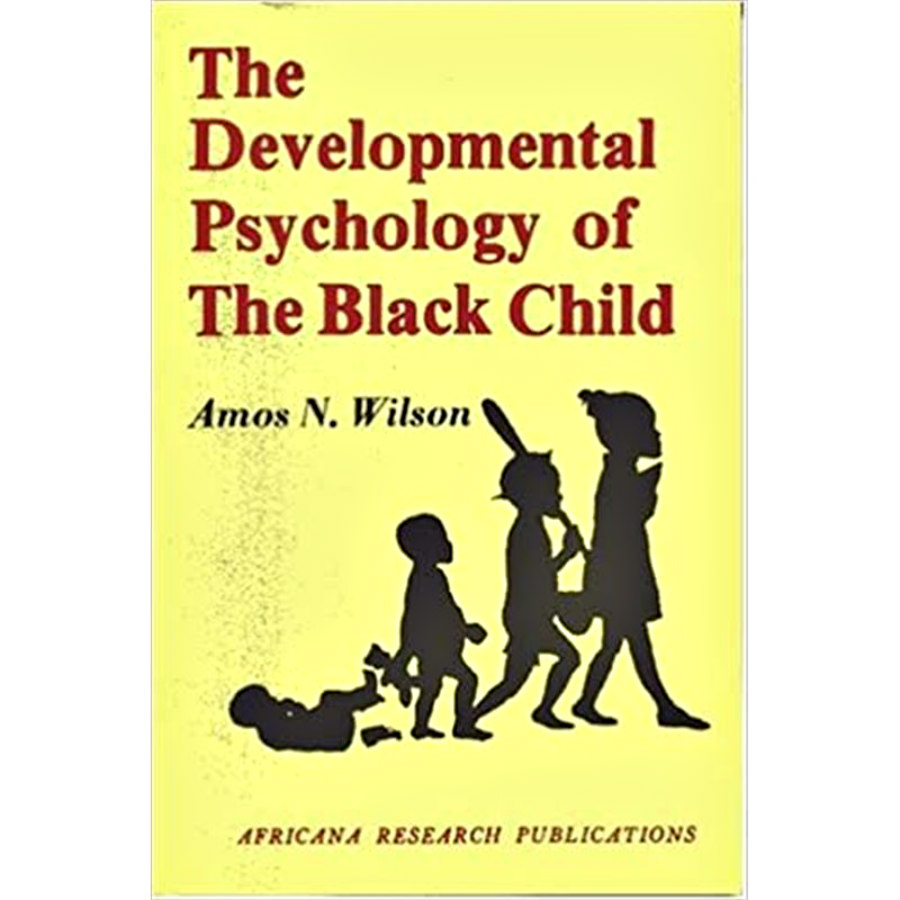
BOOK Review: The Developmental Psychology of the Black Child by Dr. Amos N. Wilson

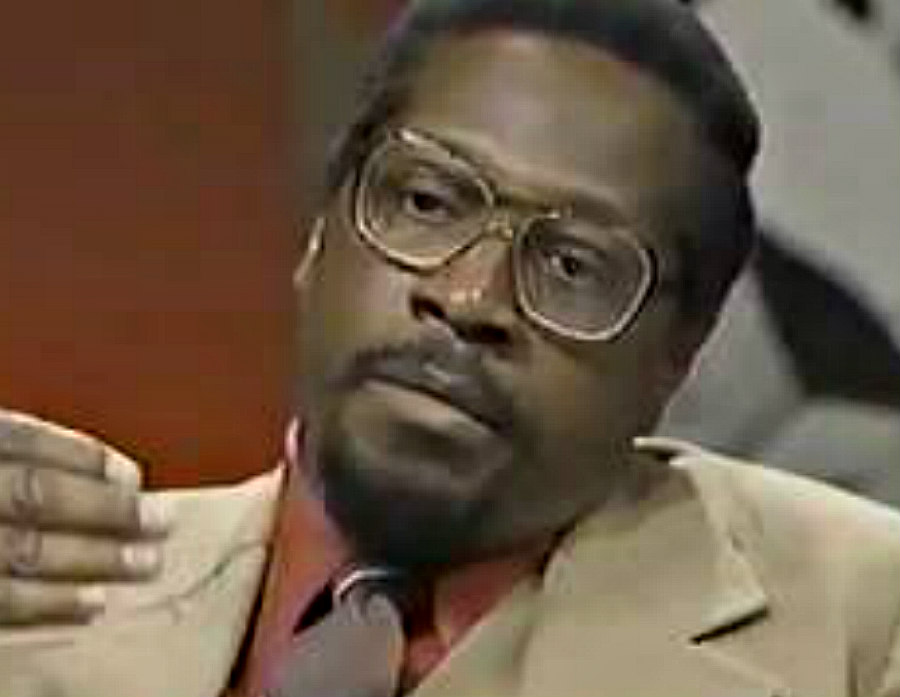
Dr. Amos N. Wilson, one of the most profound and revolutionary minds in Black psychology and education. His work remains foundational for those seeking liberation from white supremacy and insight into the mental development of African-descended people.


🌟🌟🌟🌟🌟 5/5

Dr. Amos N. Wilson: Revolutionary Psychologist and Defender of the Black Mind
Featuring a 5-Star Review of The Developmental Psychology of the Black Child


Who Was Dr. Amos Wilson? Biography and Legacy

Dr. Amos N. Wilson (1941–1995) was a brilliant psychologist, educator, author, and Pan-African scholar whose life work was dedicated to the mental liberation of Black people—especially Black children. Born in Hattiesburg, Mississippi, during the Jim Crow era, Wilson experienced firsthand the devastating effects of racism, segregation, and educational neglect in America.

He earned his undergraduate degree at Morehouse College, one of the most prestigious Historically Black Colleges and Universities (HBCUs), and later received his Ph.D. in clinical psychology. He worked professionally as a psychologist, not a psychiatrist (a psychiatrist is a medical doctor who prescribes medication, whereas psychologists focus more on therapy, behavior, and educational assessments).

Wilson taught at City College of New York, worked in social services, and was a youth advocate in the community. Though he kept much of his personal life private, he was married and had children, whom he referenced as part of his lived experience raising and analyzing Black youth in America.


His Revolutionary Impact on Psychology

Dr. Wilson was one of the leading figures in African-centered psychology, challenging the Eurocentric models that labeled Black children as “deficient,” “disruptive,” or “inferior.” He argued that psychological development cannot be separated from the socioeconomic and political environment in which a child lives.

Wilson criticized the mainstream education system and mental health industry for misdiagnosing and mislabeling Black children, particularly Black boys, with learning disabilities and behavior disorders. His goal was to replace white-dominated models of psychology with Africentric, culturally-grounded frameworks rooted in history, identity, and liberation.


🧠 Five-Star Book Review

Title: The Developmental Psychology of the Black Child
By Dr. Amos N. Wilson
Rating: ⭐⭐⭐⭐⭐ (Essential, Groundbreaking, Liberatory)

This book is an intellectual masterpiece and a foundational text in the field of Black child psychology. Dr. Wilson wrote it to expose the harmful assumptions of traditional child development theories, which were based almost entirely on white children from middle-class environments. He argued that applying these same metrics to Black children—who face systemic racism, cultural marginalization, and poverty—creates a false narrative of inferiority.


Purpose and Discoveries of the Book

Dr. Wilson’s goal was to help educators, psychologists, and parents understand that Black children are different not in deficiency, but in experience and cultural expression. He carefully analyzed:

  • Cognitive development
  • Speech and language acquisition
  • Behavioral traits
  • Academic performance
  • Cultural identity formation

His central discovery was that Black children learn and grow differently, not because of biological inferiority, but due to environmental racism, cultural mismatch in classrooms, and lack of Afrocentric nurturing. The book includes data, case studies, and critiques of standardized testing, intelligence tests, and biased teacher expectations.

“The major problem facing Black children is not low IQ but low expectations and miseducation.”
—Dr. Amos N. Wilson


His Solutions: What Would Make a Difference?

Wilson was not just critical—he was constructive. He outlined practical, Afrocentric solutions to enhance the development of Black children:

  • Culturally relevant curriculum rooted in African history and identity
  • Black-controlled educational institutions
  • Parental involvement with strong cultural pride
  • Black psychologists and teachers trained in Africentric developmental theory
  • Community unity and collective responsibility

He argued that true education should not merely prepare Black children to fit into white society, but to transform and liberate it.


Dr. Wilson’s Views on Racism in America

Wilson taught that racism is not about feelings but systems. He saw white supremacy as a global power structure designed to protect white genetic survival, wealth, and dominance. He often said that Black people’s problems are political and economic in nature and must be solved through organized Black power, not begging for white validation or inclusion.

“Racism is a power relationship… White people are not superior, but they control the institutions of life and death.”
—Dr. Amos Wilson

His explosive voice, piercing intellect, and relentless truth-telling made him feared by white academia and loved by conscious Black communities. He was labeled “radical,” “controversial,” and “divisive,” because he exposed the core of systemic racism and called for Black self-determination.


His Activism and Public Influence

Though not a marcher or politician, Dr. Wilson was a radical intellectual activist. His activism was in the classroom, the lecture hall, and the page. He spoke passionately at Black conferences, on college campuses, and through media outlets like The Black Dot, Gil Noble’s Like It Is, and other grassroots platforms.

His voice—booming, baritone, authoritative, and deeply Black—could shake a room and awaken minds. He challenged both white systems and Black complacency.

“If you don’t understand white supremacy—what it is and how it works—everything else you think you know will only confuse you.”
—A quote often attributed to both Wilson and Neely Fuller Jr., reflecting their shared ideology.


Are Black Children Different from White Children?

Yes—not in intrinsic capability, but in cultural experience, linguistic patterns, and the societal context they are born into. Wilson emphasized:

  • Black children often demonstrate early creativity, rhythm, advanced speech patterns, and kinesthetic learning styles.
  • They are often punished for their brilliance—seen as “hyper,” “loud,” or “defiant”—when in fact they are expressive, inquisitive, and socially advanced.
  • Standardized testing, Eurocentric curricula, and white teacher bias suppress their natural intelligence and creativity.

He argued that white children are socialized into supremacy, while Black children are often miseducated into submission. The solution, Wilson insisted, was not integration but institution-building, cultural restoration, and psychological freedom.


Final Thoughts: A Genius We Must Not Forget

Dr. Amos N. Wilson was a towering intellect, an educator of the soul, and a protector of Black youth. He didn’t just critique the system—he built a blueprint for liberation. His work remains more relevant than ever in an age of continued police violence, educational neglect, and cultural confusion.

He was respected because he was fearless—a man who told the truth when it wasn’t popular. He gave his life to the mind and left behind mental ammunition for Black survival and progress.


References

  • Wilson, A. N. (1978). The Developmental Psychology of the Black Child. Afrikan World Infosystems.
  • Wilson, A. N. (1998). Blueprint for Black Power: A Moral, Political, and Economic Imperative for the Twenty-First Century.
  • Akbar, N. (1991). Visions for Black Men.
  • Kambon, K. (2003). Cultural Misorientation: The Greatest Threat to the Survival of the Black Race in the 21st Century.
  • Asa G. Hilliard III and Wade W. Nobles, colleagues and fellow pioneers in Afrocentric psychology.

Dilemma: Addiction

Understanding Addiction: A Psychological and Biblical Perspective

Photo by Pixabay on Pexels.com

Addiction is a pervasive psychological and spiritual ailment that transcends socioeconomic status, age, and cultural background. It is characterized by compulsive engagement in behaviors or consumption of substances despite negative consequences. According to the American Psychological Association (APA), addiction is “a chronic disorder with biological, psychological, social, and environmental factors influencing its development and maintenance” (APA, 2023). Whether rooted in trauma, genetics, or environmental influence, addiction disrupts individual lives and reverberates throughout families and communities. This essay explores the origins and nature of addiction, popular types of addictions such as substance abuse, sex, gambling, and shopping, and the psychological and biblical perspectives on overcoming such destructive patterns. A poignant case study of model Gia Carangi illustrates the devastating effects of heroin addiction. Finally, practical tools and resources are offered to aid recovery and restoration.


What Is Addiction? Origins and Definitions

The term addiction originates from the Latin word addicere, meaning “to devote or surrender oneself to something habitually or obsessively.” Modern psychology classifies addiction as a brain disorder that affects reward, motivation, memory, and related circuitry (Koob & Volkow, 2016). While traditionally associated with substance use—such as alcohol or narcotics—behavioral addictions (e.g., gambling, sex, internet use) are increasingly recognized for their similar impact on the brain’s reward system.

Addiction manifests when dopamine, the neurotransmitter associated with pleasure and reward, is repeatedly overstimulated. Over time, the brain requires greater stimuli to achieve the same euphoric effect, leading to compulsive behavior despite harmful consequences.


Popular Types of Addiction

  1. Drug Addiction – Includes both legal substances (e.g., prescription opioids) and illegal narcotics (e.g., heroin, cocaine). It leads to physical dependence, withdrawal symptoms, and cognitive decline.
  2. Alcoholism – Chronic alcohol abuse impairs judgment, memory, and liver function, and contributes to domestic violence and emotional instability.
  3. Sex Addiction – Compulsive sexual behavior, often linked to pornography or risky encounters, may mask deeper emotional wounds or trauma (Carnes, 2001).
  4. Gambling Addiction – A behavioral addiction that triggers the same neurological reward pathways as substance use. It often results in financial ruin and family conflict.
  5. Shopping Addiction (Oniomania) – Compulsive buying behavior used to relieve anxiety or depression, leading to debt, guilt, and shame.
  6. Food Addiction – Binge-eating or compulsive eating is often tied to emotional dysregulation and body image issues.
  7. Internet and Social Media Addiction – Escapism through digital platforms can result in decreased productivity, social withdrawal, and mental health decline.

Psychological Perspectives on Addiction

Psychology explains addiction through various models:

  • The Disease Model views addiction as a chronic illness, not a moral failing, requiring medical and therapeutic intervention.
  • The Behavioral Model focuses on learned behaviors and reinforcement. Addiction is sustained because it is associated with short-term relief or pleasure.
  • The Cognitive Model examines how distorted thinking and beliefs (e.g., “I can’t cope without this”) fuel addictive behavior.
  • Trauma-Informed Psychology recognizes how early life abuse, neglect, or abandonment may predispose individuals to self-medicate emotional pain (Van der Kolk, 2014).

Research indicates that genetic predisposition, peer influence, stress, mental health disorders, and a lack of healthy coping mechanisms all play significant roles in the onset and persistence of addiction.


Biblical Perspective on Addiction (KJV)

The Bible does not use the term addiction in the modern clinical sense, but it warns against being brought under the power of any habit. 1 Corinthians 6:12 (KJV) says, “All things are lawful unto me, but I will not be brought under the power of any.” Similarly, Proverbs 23:29-35 offers a detailed description of alcohol abuse and its consequences. Romans 6:16 warns, “Know ye not, that to whom ye yield yourselves servants to obey, his servants ye are to whom ye obey…”

The Bible also emphasizes self-control (temperance) as a fruit of the Spirit (Galatians 5:22-23) and offers deliverance through the renewing of the mind (Romans 12:2). Addiction is seen as a form of spiritual bondage, and freedom is possible through Christ (John 8:36).


Effects of Addiction on the Family

Addiction rarely exists in isolation. Family members often suffer from codependency, emotional abuse, financial instability, and neglect. Children in such environments may develop trust issues, anxiety, or repeat the cycle of addiction. Marital strife, broken communication, and enabling behaviors further complicate the family dynamic. Supportive, faith-based, and therapeutic family interventions are crucial for healing.


Why People Become Addicted

  • Genetics: A family history of addiction increases risk.
  • Mental Health: Depression, anxiety, PTSD, and bipolar disorder often co-occur with addiction.
  • Trauma and Abuse: Many use substances to numb pain from past trauma.
  • Peer Pressure and Culture: Social environments that normalize substance use or hypersexuality increase vulnerability.
  • Loneliness and Boredom: Addiction often fills emotional voids or a lack of purpose.

Case Study: Gia Carangi – The Cost of Heroin Addiction

Gia Carangi, often credited as the first supermodel of the late 1970s and early 1980s, had a meteoric rise and a tragic fall. Heralded for her raw beauty and androgynous appeal, she graced the covers of Vogue and Cosmopolitan. However, behind the glamour was a young woman plagued by loneliness, childhood trauma, and heroin addiction. Gia’s descent into substance abuse led to erratic behavior, lost contracts, and eventually her death at age 26 from AIDS-related complications (Stern, 1993).

Her story underscores the dangers of unhealed emotional wounds and the illusion of success as a substitute for internal peace. Gia’s life is a cautionary tale about the destructive nature of addiction and the importance of intervention, support, and compassion.


Overcoming Addiction: Pathways to Recovery

  1. Psychological Treatment: Cognitive Behavioral Therapy (CBT), Motivational Interviewing (MI), trauma-informed therapy, and 12-step programs have shown efficacy in treating addiction.
  2. Faith-Based Recovery: Programs like Celebrate Recovery integrate spiritual healing and scripture to support sobriety and transformation.
  3. Medical Intervention: In some cases, detoxification, medication-assisted treatment (e.g., methadone, naltrexone), and inpatient care are necessary.
  4. Support Systems: Family, friends, and church communities play a critical role in recovery. Their encouragement, boundaries, and love can motivate change.
  5. Lifestyle Changes: Exercise, nutrition, prayer, journaling, accountability partnerships, and replacing addictive behavior with purposeful action are essential steps.

How Families Can Help

  • Education: Learn about addiction as a disease, not a character flaw.
  • Set Boundaries: Avoid enabling behavior while offering unconditional love.
  • Encourage Treatment: Support professional help and faith-based recovery paths.
  • Attend Support Groups: Al-Anon or similar programs for families of addicts.
  • Pray and Practice Patience: Healing is a process, not an event.

Conclusion

Addiction is a multifaceted battle that ravages individuals and their families alike. Through psychological insight and biblical wisdom, we understand that while addiction is powerful, it is not beyond redemption. With professional support, prayer, and community, healing is possible. The story of Gia Carangi stands as a tragic example of what happens when addiction is left unchecked, but also as a call to compassion for those still suffering. As Galatians 6:1 (KJV) reminds us, “Brethren, if a man be overtaken in a fault, ye which are spiritual, restore such an one in the spirit of meekness.”


Resources for Help


References

American Psychological Association. (2023). Addiction. Retrieved from https://dictionary.apa.org/addiction

Carnes, P. (2001). Out of the Shadows: Understanding Sexual Addiction. Hazelden Publishing.

Koob, G. F., & Volkow, N. D. (2016). Neurobiology of addiction: a neurocircuitry analysis. The Lancet Psychiatry, 3(8), 760-773.

Stern, S. (1993). Thing of Beauty: The Tragedy of Supermodel Gia. Warner Books.

Van der Kolk, B. A. (2014). The Body Keeps the Score: Brain, Mind, and Body in the Healing of Trauma. Viking.

King James Bible. (1769). Authorized King James Version. Public Domain.

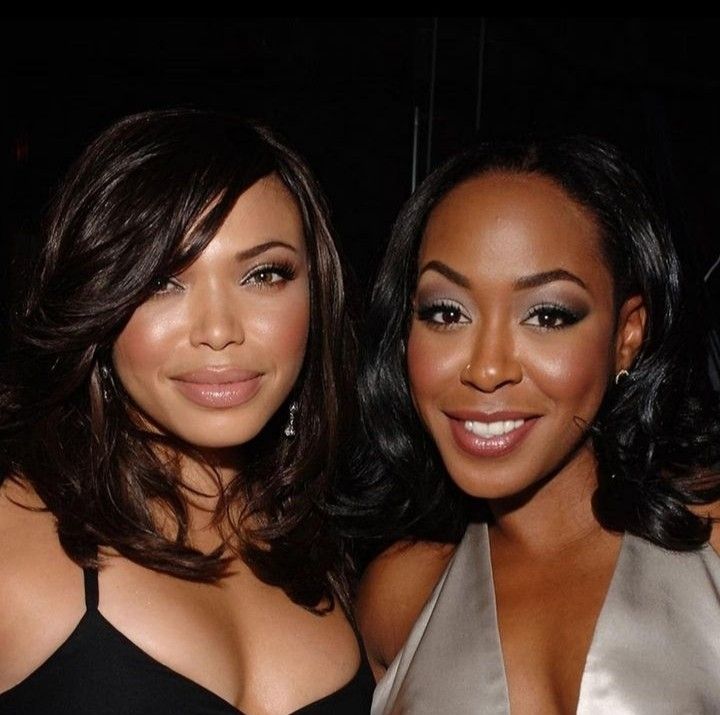
The “It Girl” Series: Tisha Campbell & Tichina Arnold.

Two Stars, One Sisterhood: The Friendship That Defined a Generation of Television

This photograph is the property of its respective owner.

In the history of Black television, few friendships have been as beloved and enduring as that of Tisha Campbell and Tichina Arnold. Both women emerged as dynamic actresses whose beauty, talent, and comedic brilliance helped shape some of the most iconic sitcoms in American television. Individually, they built impressive careers, but together, they created a cultural legacy rooted in authentic friendship, humor, and sisterhood. Their chemistry on screen and their bond off screen represent a rare example of loyalty in an industry often defined by competition.

Tisha Campbell: From House Party to Hollywood It Girl

This photograph is the property of its respective owner.

Tisha Michelle Campbell was born on October 13, 1968, in Oklahoma City, Oklahoma, and raised in Newark, New Jersey. Growing up in a family deeply involved in music and entertainment, Campbell developed her artistic talents at a young age. Her mother worked as a vocal coach and talent manager, exposing Campbell to the performing arts early in life.

Campbell’s beauty has long been admired for its vibrant energy and elegance. With expressive brown eyes, radiant skin, and a charismatic smile, she carries a presence that blends confidence with warmth. Her lively personality and natural comedic timing made her stand out even as a young performer.

Her early career began with appearances on children’s television and musical programs. Campbell gained early attention when she appeared on the television show Kids Incorporated, where her singing and acting abilities captured audiences. The show introduced her to a generation of viewers and revealed her versatility as both a vocalist and performer.

Her breakout film role came in the 1990 cult classic House Party, where she portrayed Sidney, a confident young woman navigating romance and friendship. The film became a cultural milestone in Black cinema and established Campbell as a rising star in Hollywood.

Campbell’s greatest television success came with the groundbreaking sitcom Martin. Playing Gina Waters, the intelligent and stylish girlfriend of Martin Payne, Campbell became one of the most recognizable faces on television during the 1990s. Her chemistry with the cast and her sophisticated comedic style made Gina a beloved character.

Beyond acting, Campbell has also maintained a music career, releasing R&B recordings that highlight her powerful voice and emotional range. Her artistic abilities extend across multiple disciplines, reinforcing her reputation as a multi-talented performer.

Over the years, she has continued acting in television series, films, and stage productions. Her performances demonstrate a balance of humor, vulnerability, and strength that resonates with audiences across generations.

Tichina Arnold: The Comedic Queen with Timeless Style and Talent

This photograph is the property of its respective owner.

Tichina Rolanda Arnold was born on June 28, 1969, in Queens, New York. Raised in a creative environment that encouraged artistic expression, Arnold discovered her passion for performing while still in elementary school. She attended the prestigious Fiorello H. LaGuardia High School of Music & Art and Performing Arts, where she honed her acting and musical talents.

Arnold has distinctive beauty, with radiant skin, striking features, and expressive eyes that enhance her comedic performances. Her bold personality and unmistakable voice have made her one of television’s most memorable comedic actresses.

Her early career included stage and film roles, including Little Shop of Horrors. However, her defining role came when she was cast in the hit sitcom Martin.

On the show, Arnold portrayed Pamela “Pam” James, the sharp-tongued and hilarious best friend of Gina. Pam’s fearless wit and confident attitude made her one of the show’s standout characters. Arnold’s comedic timing turned Pam into a fan favorite whose catchphrases and reactions became part of pop culture.

Arnold later achieved another major television success on the long-running sitcom Everybody Hates Chris, where she played Rochelle, the strict yet loving mother of the show’s protagonist. Her energetic performance earned widespread praise and introduced her talents to a new generation of viewers.

More recently, Arnold has continued her television success in the sitcom The Neighborhood, where she portrays Tina Butler. The show highlights Arnold’s ability to blend humor with heartfelt moments, proving that her comedic brilliance remains as strong as ever.

A Friendship That Transcends Hollywood

This photograph is the property of its respective owner.

What truly distinguishes Campbell and Arnold in entertainment history is their genuine friendship. The two actresses met as young performers and developed a bond that has lasted for decades. Their natural chemistry was evident when they appeared together on Martin, where their characters Gina and Pam portrayed best friends navigating relationships, careers, and life in Detroit.

Their on-screen dynamic felt authentic because it reflected their real-life relationship. Off camera, Campbell and Arnold supported one another through personal challenges, career changes, and the pressures of fame. Their loyalty to each other stands as a powerful example of sisterhood within the entertainment industry.

Years later, the duo reunited on the television sitcom The Neighborhood, once again sharing the screen and reminding audiences why their partnership remains so beloved. The reunion felt less like nostalgia and more like a continuation of a story that fans had followed for decades.

Together, Campbell and Arnold represent an important chapter in Black television history. They helped create characters who were intelligent, humorous, stylish, and relatable. Their performances contributed to a cultural shift in how Black women were portrayed on mainstream television.

Both women embody the qualities of an “It Girl”: confidence, talent, resilience, and timeless beauty. Yet what makes them even more special is that their success was never built on rivalry. Instead, it was strengthened by friendship.

In an industry often defined by competition and fleeting fame, the enduring bond between Tisha Campbell and Tichina Arnold is remarkable. Their careers demonstrate that collaboration, loyalty, and mutual respect can create something far more powerful than individual stardom.

Together they represent more than two talented actresses—they symbolize sisterhood, laughter, and a legacy of excellence that continues to inspire audiences around the world.


References

Arnold, T. (Interviews & media appearances).

Campbell, T. (Interviews & media appearances).

IMDb. (2026). Tisha Campbell Filmography. IMDb Database.

IMDb. (2026). Tichina Arnold Filmography. IMDb Database.

Hunt, D., & Ramón, A. (2020). Hollywood Diversity Report: A Tale of Two Hollywoods. UCLA College of Social Sciences.

Smith, S. (2018). Black Women in Television: A Cultural History. New York University Press.

Dilemma: Race

The Origins, Science, and Social Construction of Race.

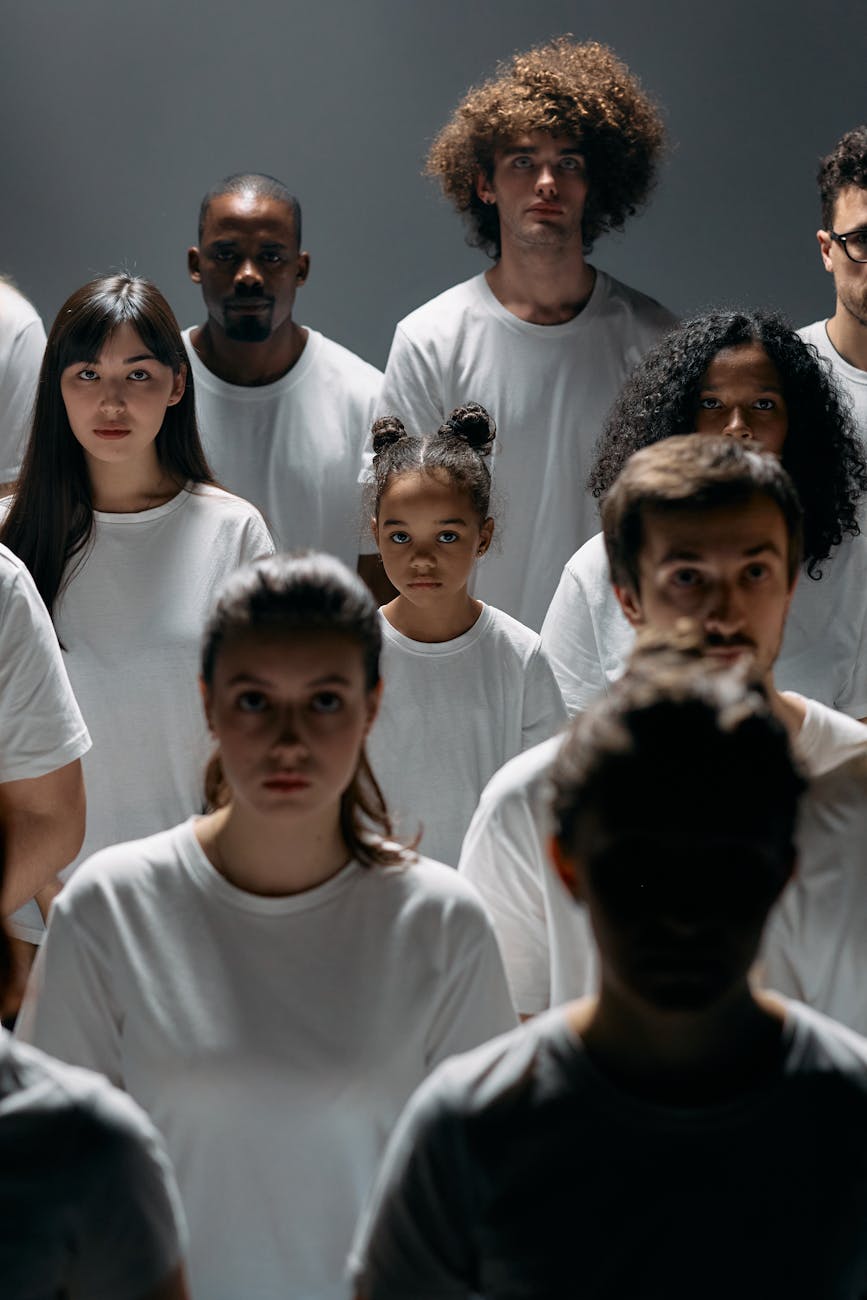
Photo by cottonbro studio on Pexels.com

The concept of race is one of the most controversial and misunderstood ideas in human history—deeply embedded in science, politics, identity, and power. It continues to shape global societies and institutions, influencing policies, healthcare, education, and justice. But what is race? Why was it created, and by whom? Does it hold scientific validity, or is it a sociopolitical invention? Understanding race requires an interdisciplinary approach—tracing its roots through history, examining its use in science, exploring its role in white supremacy, and interrogating its lingering psychological and cultural consequences.

Race became especially “important” in science during the Age of Enlightenment, when European intellectuals sought to classify all forms of life—including human beings—into distinct, hierarchical categories. During this era, European colonial powers were expanding globally and enslaving entire populations, particularly Africans. Scientists and philosophers developed race-based taxonomies to justify imperial domination, slavery, and the notion of white superiority. The classification of human populations into “races” allowed colonial empires to legitimize power structures and establish social hierarchies based on physical appearance, especially skin color.

The term “race” as applied to human beings emerged in the 17th and 18th centuries. While the word existed earlier to describe lineage or group, its scientific application began with French physician and traveler François Bernier, who published an essay in 1684 attempting to divide humans into groups based on physical differences. This laid the foundation for future European racial classification. During the same period, Carl Linnaeus, a Swedish naturalist, introduced a system that categorized human beings into four racial groups (Europeans, Africans, Asians, and Native Americans), each associated with distinct behavioral and moral traits—often reflecting racist biases that elevated white Europeans above all others.

The German anatomist Johann Friedrich Blumenbach further developed this racial typology in 1795. He proposed five racial groups: Caucasian, Mongolian, Ethiopian, American, and Malayan. Although Blumenbach emphasized that all humans belonged to a single species and noted environmental influences on variation, his classification was later misused by proponents of racial hierarchy and white supremacy. German thinkers like Christoph Meiners and Georges Cuvier further distorted these ideas, asserting that Africans were fundamentally inferior to whites in intellect, morality, and civilization.

As race theory evolved, it became a crucial tool in the construction and maintenance of white supremacy. European and American thinkers in the 18th and 19th centuries increasingly portrayed whiteness as the apex of civilization. Pseudoscientific theories such as polygenism—claiming that races were created separately—were used to justify slavery, colonial rule, and apartheid. In this racial hierarchy, whites occupied the highest status, followed by Asians and other non-white groups, with Black people placed at the bottom. These classifications were embedded into law, religion, education, and science, legitimizing centuries of exploitation and systemic violence against African-descended peoples.

Race was not only used to classify—it was weaponized. In the transatlantic slave trade, Africans were reduced to property through racial dehumanization. In the United States, pseudo-medical diagnoses like “drapetomania” claimed that the desire to escape enslavement was a mental illness in Black people. Jim Crow laws, scientific racism, and eugenics movements further reinforced the myth of racial inferiority and shaped institutions that still impact people of African descent today.

However, contemporary science has exposed race as a social fiction rather than a biological fact. Modern genetics—including the Human Genome Project—has shown that all humans share 99.9% of their DNA. The slight genetic variations that exist do not align with historical racial categories. In fact, genetic variation within so-called “racial” groups is often greater than between them. Scientific consensus today recognizes that race is a social construct with no basis in biology. It is more accurate to speak of clinal variation—gradual changes in traits across geography—rather than discrete races.

Psychological research further affirms that racial categories are learned and reinforced through socialization, not biology. Implicit bias, stereotyping, and systemic racism arise from cultural programming and historical institutions. Studies have shown that individuals are often unconsciously biased in favor of lighter-skinned individuals, especially in employment, education, and criminal justice. These biases are measurable and persistent, affecting life outcomes across entire populations.

Historically, racial theorists assigned behavioral traits to racial groups, perpetuating harmful stereotypes. These classifications—such as “Africans are lazy,” “Asians are submissive,” or “Europeans are rational”—are not only inaccurate but damaging. They reflect a legacy of colonial ideology rather than empirical science. The following table summarizes how early racial typologies framed various groups:

Historical “Race” ClassificationAssociated Stereotypes (Outdated and Racist)
Caucasian (white)Intelligent, civilized, dominant
Mongolian (yellow)Calm, methodical, passive
Malayan (brown)Sensual, primitive, less rational
Ethiopian (black)Lazy, inferior, subhuman
American (red)Noble savage, childlike, emotional

These categories were rooted in 18th and 19th-century pseudoscience and have been thoroughly discredited. Yet their influence persists in contemporary stereotypes, beauty standards, immigration policy, and policing.

It’s important to distinguish between race and nationhood. Nations are political and cultural entities defined by shared history, language, institutions, and governance. Race, on the other hand, is a sociopolitical invention based on perceived physical difference. For example, “African American” is a racial category, while “Nigerian” is a national identity that encompasses many ethnic groups. Biblically and anthropologically, all humans descend from a common ancestry—whether traced through Adam and Eve or through mitochondrial DNA studies confirming a common maternal ancestor in East Africa.

The Bible does not promote racial categories as understood today. The “Table of Nations” in Genesis 10 outlines the division of humanity by lineage and geography, not color or race. In Acts 17:26, it declares: “God has made from one blood all nations of men for to dwell on all the face of the earth.” Racism and racial hierarchy are human inventions, not divine mandates.

Scientifically, there is only one human race: Homo sapiens. All existing racial divisions are culturally constructed rather than biologically fixed. No race ranks higher than another in intellect, capacity, or moral value. The persistence of racial categories is rooted in history, not in nature.

Philosophically, the study of race intersects with ethics, epistemology, and political theory. Social constructionism argues that race exists only because societies have chosen to organize themselves around superficial differences. Critical Race Theory (CRT) analyzes how racial inequality is embedded in legal and institutional frameworks. The philosophy of biology challenges the legitimacy of race as a scientific category and asks why, despite overwhelming evidence, race continues to influence public policy and identity formation.

In conclusion, race was created as a tool of division and domination, not as an objective reflection of human variation. It has been used to justify enslavement, colonization, and systemic injustice—particularly against Black people. Although modern science debunks its biological validity, the social reality of race remains potent and deeply entrenched. Understanding the origins, misuses, and philosophical implications of race is essential for dismantling racism and promoting justice in a world that still struggles with the legacy of these artificial boundaries.


Selected References

  • American Association of Physical Anthropologists. (2019). Statement on Race and Racism.
  • Gould, S. J. (1996). The Mismeasure of Man. W. W. Norton.
  • Smedley, A., & Smedley, B. D. (2005). Race as biology is fiction, racism as a social problem is real. American Psychologist, 60(1), 16–26.
  • Lewontin, R. C. (1972). The apportionment of human diversity. Evolutionary Biology, 6, 381–398.
  • Templeton, A. R. (2013). Biological races in humans. Studies in History and Philosophy of Science Part C: Biological and Biomedical Sciences, 44(3), 262–271.
  • Painter, N. I. (2010). The History of White People. W. W. Norton & Company.
  • Fields, K., & Fields, B. J. (2014). Racecraft: The Soul of Inequality in American Life. Verso Books.
  • National Human Genome Research Institute. (2020). Is Race a Valid Biological Concept? Retrieved from genome.gov

The Science and Psychology of Physical Beauty: An In-Depth Exploration of Attraction, Perception, and Cultural Bias

BEAUTY


I. The Mirror
A face so fair, it steals the light,
Symmetry carved from stars at night.
Lips like dawn, eyes deep as flame,
The world bends softly to her name.


II. The Gaze
He saw her once, and time stood still,
Desire danced against his will.
Yet beauty fades, as roses do—
Does love survive what once was new?


III. The Soul
But kindness lingers where gloss may go,
A light the skin can never show.
For beauty starts and ends in grace—
A gentle heart, a sacred face.

Photo by 3Motional Studio on Pexels.com

Introduction: The Allure of Physical Beauty

Physical beauty is one of the most deeply studied, universally recognized, and yet culturally complicated phenomena in human psychology. It influences attraction, social standing, professional opportunities, and even mental health. But what is beauty, really? Is it merely symmetry and smooth skin, or is it tied to power, status, race, and bias? Why are men said to be visual, and does beauty actually predict happiness—or only illusion?


1. The Science of Physical Beauty

From a biological standpoint, physical beauty often correlates with indicators of health, youth, and fertility:

  • Facial symmetry, clear skin, bright eyes, and proportional features are universally considered attractive (Rhodes, 2006).
  • These features signal genetic fitness and reproductive viability—an evolutionary principle supported by Darwinian sexual selection theory.
  • Studies using fMRI scans show our brains experience a “pleasure response” when viewing symmetrical or “beautiful” faces (Aharon et al., 2001).

Are We Born to Recognize Beauty?

Yes. Research shows that infants as young as 3 months prefer to look at faces considered attractive by adults (Langlois et al., 1991). Babies gazed longer at more symmetrical and aesthetically pleasing faces, suggesting a biological wiring for visual appeal.


2. Are Men More Visual? Beauty, Sex, and Gendered Perception

According to evolutionary psychology:

  • Men are typically more visually stimulated and often rate physical appearance higher in mate selection than women do.
  • Women may prioritize status, stability, and personality traits like empathy, confidence, and humor.

“Men fall in love with their eyes, women fall in love with their ears.” — Anonymous proverb

This doesn’t mean women don’t care about looks—but evolutionarily, men’s visual preferences tie to fertility cues, whereas women look for protection and provision.


3. Beauty’s Real-Life Consequences: Jobs, Marriage, and Privilege

Beauty can serve as a social currency:

  • Attractive people often earn more, are perceived as more competent, and are more likely to be hired (Hamermesh & Biddle, 1994).
  • Studies suggest that beautiful women are more likely to marry wealthier or higher-status men, a phenomenon dubbed the “beauty-status exchange.”

However, this isn’t without drawbacks—objectification, jealousy, and narcissistic abuse often follow.


4. Beauty and Narcissism: The Myth of Narcissus

In Greek mythology, Narcissus was a man so enamored with his own beauty that he stared at his reflection until he died.

“Narcissism is the love of self taken to an extreme—dangerous when unchecked, tragic when unreciprocated.” — Dr. Craig Malkin, Harvard psychologist

Today, social media reinforces narcissistic tendencies, especially in those praised primarily for their looks.


5. Quotes on Physical Beauty

  • Cindy Crawford: “Even I don’t wake up looking like Cindy Crawford.” (A commentary on how beauty is often curated and artificial.)
  • Halle Berry: “Beauty is not just physical—it’s the light in your heart and how you make people feel.”
  • Aishwarya Rai Bachchan: “Elegance and grace go hand in hand with beauty. It’s not just about looking good but feeling good and being kind.”

These quotes highlight the multidimensional nature of beauty.


6. What Makes a Person Physically Attractive?

Common physical attributes rated as attractive include:

  • For women: clear skin, symmetrical face, full lips, hourglass shape, long hair
  • For men: broad shoulders, strong jawline, symmetrical face, height, confidence

But what truly attracts people goes beyond looks:

  • Kindness, confidence, sense of humor, intelligence, and emotional safety rank high in long-term relationships.

7. Racial Bias in Beauty Standards

Beauty standards have been heavily influenced by Eurocentric ideals, privileging:

  • Fair skin
  • Straight hair
  • Narrow noses
  • Slim figures

This has led to colorism and fetishization of certain races.

The Psychology Today Controversy

In a 2011 Psychology Today article, evolutionary psychologist Satoshi Kanazawa claimed that Black women were “objectively less attractive”—an assertion met with global outrage. The article was removed, and Kanazawa was widely condemned. Notably, many Black men were criticized for not defending Black women, exposing internalized racism and fractured solidarity in Black communities.


8. Hierarchy of Beauty and the Blonde Ideal

In Euro-American cultures, blonde-haired, blue-eyed women often sit at the top of the beauty hierarchy—thanks to media, Hollywood, and colonial ideals.

  • Women like Grace Kelly, Marilyn Monroe, and Scarlett Johansson are often listed among the “most beautiful” globally.
  • Rankings of “The Most Beautiful Women” almost always feature celebrities, showcasing how media visibility—rather than true global consensus—drives beauty recognition.

9. Does Race Influence Attractiveness?

Research suggests racial biases do exist in dating preferences and beauty perceptions (Fisman et al., 2008). However:

  • Attraction is heavily influenced by environment, exposure, and culture, not just biology.
  • In Africa, Asia, and Latin America, local beauty standards vary greatly, favoring darker skin, fuller bodies, or other features not typically idealized in the West.

10. What Is Most Attractive Beyond Beauty?

When beauty fades (and it inevitably will), people are drawn to:

  • Character
  • Integrity
  • Spiritual connection
  • Emotional intelligence
  • Purpose and passion

As Maya Angelou once said:

“People will forget what you said, people will forget what you did, but people will never forget how you made them feel.”


Conclusion

Beauty is both biological and constructed—wired into our brains but also shaped by media, race, and societal norms. While it can open doors, true connection, emotional safety, and character keep them open. In a world obsessed with appearance, the most radical act might be to see—and love—beyond the surface.


References

  • Aharon, I., Etcoff, N., Ariely, D., Chabris, C., O’Connor, E., & Breiter, H. (2001). Beautiful faces have variable reward value: fMRI and behavioral evidence. Neuron, 32(3), 537-551.
  • Fisman, R., Iyengar, S., Kamenica, E., & Simonson, I. (2008). Racial Preferences in Dating. Review of Economic Studies, 75(1), 117–132.
  • Hamermesh, D., & Biddle, J. (1994). Beauty and the Labor Market. American Economic Review, 84(5), 1174–1194.
  • Langlois, J. H., Roggman, L. A., Casey, R. J., et al. (1991). Infant preferences for attractive faces: Rudiments of a stereotype? Developmental Psychology, 27(4), 640–649.
  • Rhodes, G. (2006). The Evolutionary Psychology of Facial Beauty. Annual Review of Psychology, 57, 199–226.
  • Malkin, C. (2015). Rethinking Narcissism: The Bad—and Surprising Good—About Feeling Special. HarperWave.

Celebrity Spotlight: Nadia Buari

This photograph is the property of its respective owners. No copyright infringement intended

In the radiant world of African cinema, few figures embody ethereal beauty and grace like Nadia Buari, the Ghanaian actress often celebrated for her doll-like features, glowing light complexion, and soft, expressive eyes that speak volumes on screen. Her radiant skin tone exudes both elegance and mystery, earning her admiration as one of the most stunning women in African entertainment. With her exquisite beauty, poised demeanor, and remarkable acting talent, Nadia Buari represents a rare blend of femininity, intellect, and star power.

Born on November 21, 1982, in Sekondi-Takoradi, Ghana, Nadia Buari comes from a richly diverse heritage. Her mother is a Ghanaian woman of African descent, while her father, Alhaji Sidiku Buari, is a Ghanaian of Lebanese descent, a renowned musician, producer, and former president of the Musicians Union of Ghana. This mixed heritage contributes to her uniquely captivating look—her almond-shaped eyes, smooth complexion, and deep expressive eyes have made her one of the most photographed faces in West African cinema. Raised in a creative and disciplined household, Nadia’s multicultural background shaped her artistic identity and global appeal.

She attended Mfantsiman Girls’ Secondary School and later graduated from the University of Ghana, Legon, with a Bachelor of Fine Arts degree. Her academic training, coupled with her father’s musical influence, gave her a solid artistic foundation and an appreciation for performance from a young age.

This photograph is the property of its respective owners. No copyright infringement intended

Nadia’s acting career began in the early 2000s when she appeared in the Ghanaian television series Games People Play (2005). Her natural charm and emotional expressiveness immediately drew attention. Her breakout role came with Mummy’s Daughter (2006), but it was her appearance in the Nollywood hit Beyoncé: The President’s Daughter (2006), co-starring Van Vicker and Jackie Appiah, that catapulted her into pan-African fame. The film’s success made her a household name across Ghana and Nigeria, with fans praising her ability to embody both vulnerability and strength with authenticity.

Known for her soft-spoken grace and timeless style, Nadia Buari quickly became one of the most sought-after actresses in Nollywood and Ghallywood. She went on to star in several acclaimed films such as The Return of Beyoncé, Beauty and the Beast, Rough Rider, Secret Lie, and Single and Married. Her screen presence—a fusion of quiet sensuality and emotional depth—set her apart in a competitive industry often dominated by louder personalities.

Her beauty and charisma also made her an ideal ambassador for top brands. Buari has represented numerous African and international companies, endorsing beauty and lifestyle products that align with her image of sophistication. Beyond acting, she is also an entrepreneur, having launched her own clothing line and perfume brand—further proof of her creativity and influence.

In her personal life, Nadia Buari is known for her elegance, privacy, and devotion to family. She is the proud mother of four daughters, often expressing in interviews that motherhood has brought her profound joy and balance. Despite the demands of fame, she remains grounded, valuing her children and family life above all.

This photograph is the property of its respective owners. No copyright infringement intended

Throughout her career, Buari has earned several awards and nominations, including recognition from the Africa Movie Academy Awards (AMAA), Ghana Movie Awards, and Africa Magic Viewers’ Choice Awards (AMVCA). In 2013, she received a Special Recognition Award at the Pan African Film Festival for her contribution to the growth of African cinema.

Today, Nadia Buari is recognized as one of the highest-paid actresses in Nollywood and Ghana, a testament to her enduring appeal and professional excellence. Her success has helped bridge Ghanaian and Nigerian cinema, inspiring a new generation of West African actresses.

Ultimately, Nadia Buari’s legacy lies not just in her films but in the image of refined Black beauty and cultural pride she represents. With her mixed heritage, rich melanin glow, and gentle confidence, she continues to enchant audiences around the world—proving that true beauty is both divine and diverse.


References

  • Africa Magic. (2022). Nadia Buari Biography and Career Highlights. MultiChoice Africa.
  • Ghana Web. (2021). Nadia Buari: From Mummy’s Daughter to Nollywood Royalty.
  • Pulse Ghana. (2023). Top 10 Highest-Paid Actresses in Ghana and Nollywood.
  • The Guardian Nigeria. (2022). Nadia Buari: A Decade of Excellence in African Cinema.
  • IMDb. (2024). Nadia Buari Filmography and Awards.
  • Modern Ghana. (2023). Nadia Buari: Lebanese-Ghanaian Beauty Who Redefined Nollywood Stardom.

Dilemma: ENVY and COVETOUSNESS

Photo by KoolShooters on Pexels.com

Beauty, Envy, and the Lessons Behind the Mirror

This began in my youth—when I was in high school, unknowingly placed upon a pedestal I neither sought nor welcomed. I was not a model by aspiration, but because people constantly insisted I should be one. Compliments came in like a flood: “You look like a doll,” “You’re the most beautiful girl in the world,” and “You should be in magazines.” The name “Paperdoll” followed me through hallways and whispers, marking me with admiration—but also with hostility. At one point, a group of sixteen girls at my school threatened to assault me, simply because one of their boyfriends told them I was gorgeous. This was not a one-time incident. Throughout my life, I have frequently encountered unprovoked hatred from women—some of whom knew nothing about me beyond how I looked. It became clear that the beauty others claimed to see in me was not always a blessing, but often a burden wrapped in the ugliness of envy.

Understanding Envy: Biblical and Psychological Insights

Envy is not merely a feeling of desire—it is a corrupting force. It differs from jealousy in that jealousy desires to protect or possess what one already has, while envy is the painful and resentful awareness of another’s advantage, coupled with the desire to deprive them of it. The Bible treats envy with profound seriousness. Proverbs 14:30 warns, “A heart at peace gives life to the body, but envy rots the bones.” Envy is not passive; it corrodes from within, often driving people to malice, gossip, sabotage, or even violence. One of the earliest biblical examples of envy is Cain’s murder of Abel (Genesis 4), born out of resentment toward God’s favor upon his brother. Similarly, Joseph’s brothers envied his dreams and their father’s affection, ultimately selling him into slavery (Genesis 37).

Psychologically, envy stems from perceived inadequacy, comparison, and a low sense of self-worth. Social comparison theory explains that individuals evaluate their worth by comparing themselves to others, and when those comparisons involve idealized versions of people (as seen on social media), it often leads to feelings of envy, shame, and depression. In today’s digital age, platforms like Instagram and TikTok are visual showcases of curated lifestyles, filtered beauty, and material excess. They rarely portray reality, yet they incite envy by making others feel they lack something—be it a physique, a spouse, a lifestyle, or wealth. A man may envy another man’s wife, not because he desires a meaningful relationship, but because she is attractive and admired. This is covetousness—a sin condemned in the Tenth Commandment: “You shall not covet your neighbor’s house, wife, servant, ox, or anything that belongs to your neighbor” (Exodus 20:17).

Types and Consequences of Envy

There are different types of envy. Benign envy can sometimes motivate self-improvement (e.g., seeing someone succeed and being inspired), but malicious envy leads to harm. It festers when we want others to fail or lose what they have. In literature and history, envy has often been the motive behind betrayal and bloodshed. Consider Saul’s envy of David’s military success and popularity with the people (1 Samuel 18). Saul’s unchecked envy led to obsession, attempted murder, and his own downfall. Envy wounds not just its victims but its perpetrators. The envious person becomes imprisoned by comparison, unable to appreciate their own blessings. Women may envy beauty; men may envy power or possessions. Both can be consumed by illusions of insufficiency when, in truth, they possess more than enough.

Today, envy is a cultural epidemic. Social media algorithms are engineered to showcase what will provoke an emotional reaction—envy being among the strongest. Seeing influencers flaunt luxury, relationships, or beauty can lead viewers into discontentment with their own lives. Covetousness is encouraged through advertising, comparison, and validation-seeking. This has spiritual consequences. James 3:16 teaches, “For where envying and strife is, there is confusion and every evil work.” The spirit of envy creates chaos, both internally and relationally. It can lead to depression, anxiety, insecurity, and strained relationships. One may even begin to resent God for what He has not given, forgetting that every gift is given according to His perfect will.

Overcoming Envy: A Biblical Prescription

To overcome envy, one must first acknowledge it as sin and surrender it to God. Galatians 5:19–21 lists envy as one of the “works of the flesh” that can keep one from inheriting the kingdom of God. The antidote is found in the fruit of the Spirit: love, joy, peace, and self-control (Galatians 5:22–23). Gratitude is another powerful weapon. When we give thanks for what we have, we become less consumed by what we lack. Contentment, as taught by Paul, is a learned virtue: “I have learned in whatsoever state I am, therewith to be content” (Philippians 4:11). Furthermore, Romans 12:15 instructs us to “Rejoice with those who rejoice.” Celebrating others’ success rather than resenting it cultivates humility and maturity.

Covetousness: Its Meaning, Causes, and Biblical Response

Covetousness is the sinful desire to possess something that belongs to another—whether it be wealth, status, relationships, or material goods. Unlike healthy ambition or admiration, covetousness crosses a spiritual boundary, reflecting a heart that is discontented with God’s provision and longing to acquire what God has not given. In Scripture, this condition of the heart is condemned in the Tenth Commandment: “You shall not covet your neighbor’s house…or anything that is your neighbor’s” (Exodus 20:17). The Hebrew word for “covet” (chamad) conveys a strong craving or lust, often accompanied by action that violates another’s rights. In the New Testament, covetousness is equated with idolatry (Colossians 3:5), because it places created things above the Creator and seeks fulfillment in worldly gain rather than in God.

The causes of covetousness are rooted in comparison, pride, materialism, and a lack of faith. When individuals constantly compare their lives to others—especially in an age of social media—feelings of inadequacy and envy begin to fester. Platforms like Instagram and TikTok showcase curated lives filled with luxury, beauty, and success, prompting viewers to feel as though their own lives are insufficient. This breeds covetousness, as people begin to long for the relationships, possessions, or appearances they see in others. Covetousness is fueled by discontentment, pride (wanting to appear superior), and consumer culture, which constantly tells us that happiness comes through having more. The Apostle Paul warned believers not to fall into the trap of insatiable desire: “But those who desire to be rich fall into temptation and a snare… For the love of money is the root of all evil” (1 Timothy 6:9–10). The love of money—not money itself—is a spiritual snare that leads to covetousness, greed, and moral compromise.

The spiritual consequences of covetousness are severe. It can lead to theft, deception, adultery, exploitation, and even murder, as seen in the story of King David and Bathsheba (2 Samuel 11) or Ahab coveting Naboth’s vineyard (1 Kings 21). Ultimately, covetousness separates a person from God because it displaces trust in Him with trust in wealth or worldly possessions. “You cannot serve both God and money,” Jesus said (Matthew 6:24). A covetous person is never at peace, for their soul is driven by longing, not by faith. “He who loves money will not be satisfied with money” (Ecclesiastes 5:10). Such restlessness leads to spiritual blindness, ingratitude, and a hardened heart. Paul made it clear in Ephesians 5:5 that the covetous have “no inheritance in the kingdom of Christ and of God,” underscoring its seriousness as a form of idolatry that endangers one’s soul.

To overcome covetousness and envy, the Bible calls us to practice contentment, gratitude, humility, and faith. Paul said, “I have learned in whatsoever state I am, therewith to be content” (Philippians 4:11). Contentment is not passive resignation, but an active trust in God’s sufficiency. Gratitude helps shift the focus from what we lack to what we already have. When we learn to be thankful for daily bread, we stop longing for another’s feast. Meditating on God’s promises also anchors our hearts in eternal riches, reminding us that “the Lord is my shepherd, I shall not want” (Psalm 23:1). Furthermore, the Holy Spirit enables us to crucify the desires of the flesh, including covetousness, and bear fruits such as peace and self-control (Galatians 5:22–24). Ultimately, overcoming covetousness requires a heart transformed by grace—a heart that finds its deepest satisfaction in Christ, not in the temporal treasures of this world.

God does not desire that we live in the bondage of comparison. He created each soul uniquely, with distinct gifts, paths, and purposes. The psalmist wrote, “I will praise thee; for I am fearfully and wonderfully made” (Psalm 139:14). This truth liberates us from the need to compete. Instead of envying others, we are called to build up one another in love (Ephesians 4:29). For those struggling with envy and covetousness, overcoming through confession, repentance, and renewing the mind through the Word are essential steps. Our identity is not shaped by followers, likes, or looks, but by our Creator, who values a pure heart over external beauty or worldly possessions. Envy may have once shadowed my story, but the light of truth has written a better ending. My worth is not based on how others perceive me—but on how the Most High sees me.


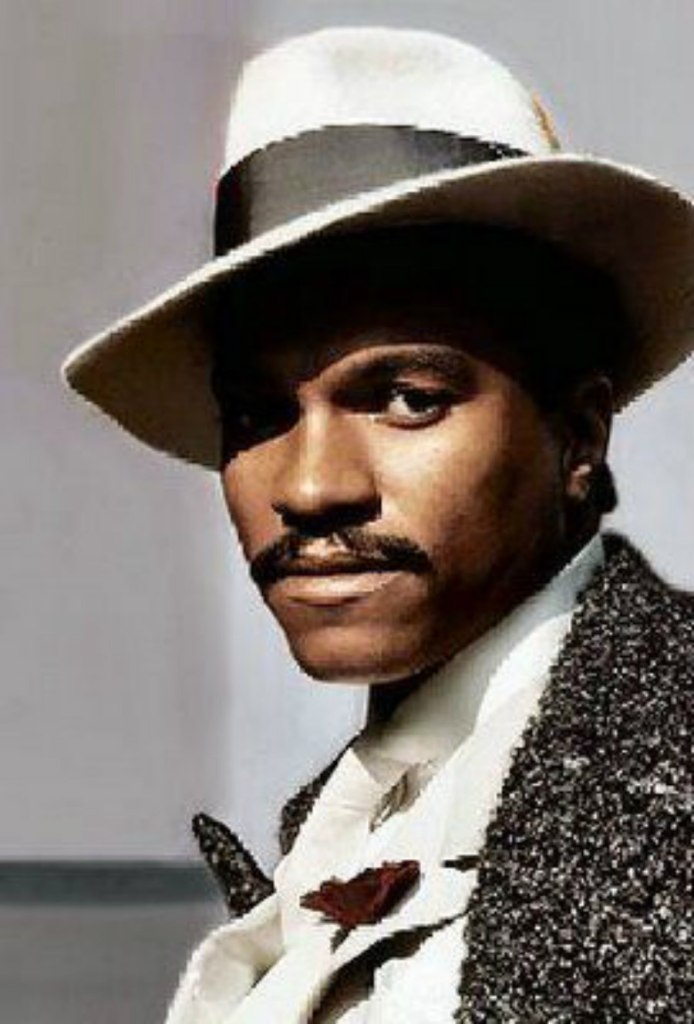
Masculine Perfection Series: Billy Dee Williams

The Most Handsome, Suave, Cool, and Charismatic Black Actor to ever grace the Silver Screen.

This photograph is the property of its respective owner.

“Suave was redefined the moment he walked into a room. That voice, that smile, that presence—Billy Dee wasn’t just a heartthrob, he was a whole genre of cool.”


Introduction: The Gentleman of Desire

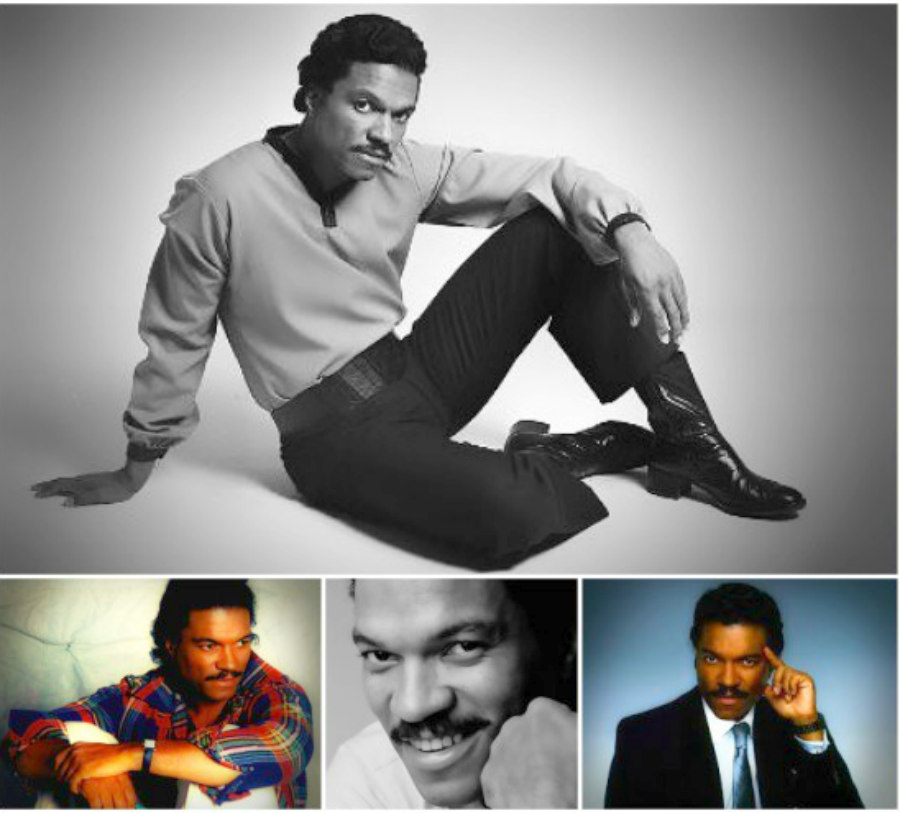
Before the era of social media heartthrobs, abs-driven selfies, and designer drip, there was Billy Dee Williams—an actor whose very presence on screen sent pulses racing and redefined Black masculinity for generations. With his caramel-hued velvety skin, deep-set almond eyes, and that now-legendary “come hither” smile, Billy Dee was more than handsome—he was hypnotic. His voice? A smooth, seductive baritone dipped in brown liquor and jazz smoke, as unforgettable as his on-screen swagger.

With his caramel-toned skin, bedroom eyes, and a voice as smooth as jazz, Billy Dee Williams was more than just a handsome face—he was an icon of sophistication. Possessing a magnetic screen presence, his roles blended elegance and edge, charm and command. Whether donning a finely tailored suit or delivering lines with velvety poise, Williams captivated audiences with a rare combination of classic Hollywood glamour and unapologetic Black excellence. From romantic dramas to intergalactic adventures, he brought style, strength, and seduction to every frame he graced. A trailblazer for generations of Black leading men, Billy Dee made being suave look effortless—and unforgettable.

He was the epitome of elegance—a handsome devil, as fans and critics often called him, whose sensual restraint made desire simmer rather than explode. His style, grace, and natural charm gave the leading men of the 1970s and ’80s a run for their money—and would still outshine many of today’s stars.

These photographs are the property of their respective owners.

Quotes from Admirers

  • “There was Denzel, there was Sidney… but there was only one Billy Dee.” – Quincy Jones
  • “His voice alone could seduce a nation.” – Angela Bassett
  • “He made us believe in love on screen. Real, grown, complicated love.” – Diana Ross

Early Life and Beginnings

William December “Billy Dee” Williams Jr. was born (has a twin sister) on April 6, 1937, in Harlem, New York, to Loretta Anne, an elevator operator at the Schubert Theatre, and William Sr., a caretaker and aspiring musician. With roots in African-American, West Indian, and Native American ancestry, Billy Dee’s rich cultural heritage imbued him with both classic beauty and a regal air.

He graduated from LaGuardia High School of Music & Art and studied at the prestigious National Academy of Fine Arts and Design, originally pursuing a career in visual arts before making a pivot to the stage and screen.


Rise to Stardom and Breakout Roles

Billy Dee’s breakthrough came with the 1971 television movie “Brian’s Song,” in which he portrayed NFL star Gale Sayers alongside James Caan. The role earned him a Primetime Emmy nomination and established him as a serious actor with emotional depth and romantic appeal.

But it was in “Lady Sings the Blues” (1972), opposite Diana Ross, that Billy Dee became a certified sex symbol. Playing the smooth-talking Louis McKay, he delivered the now-iconic line to Ross, “Do you want my arm to fall off?”—a moment that oozed suave seduction. That line—and the way he said it—became cinematic shorthand for Black male romantic allure.


The Aesthetic of Desire: His Iconic Look

Billy Dee’s beauty wasn’t just physical—it was dimensional.

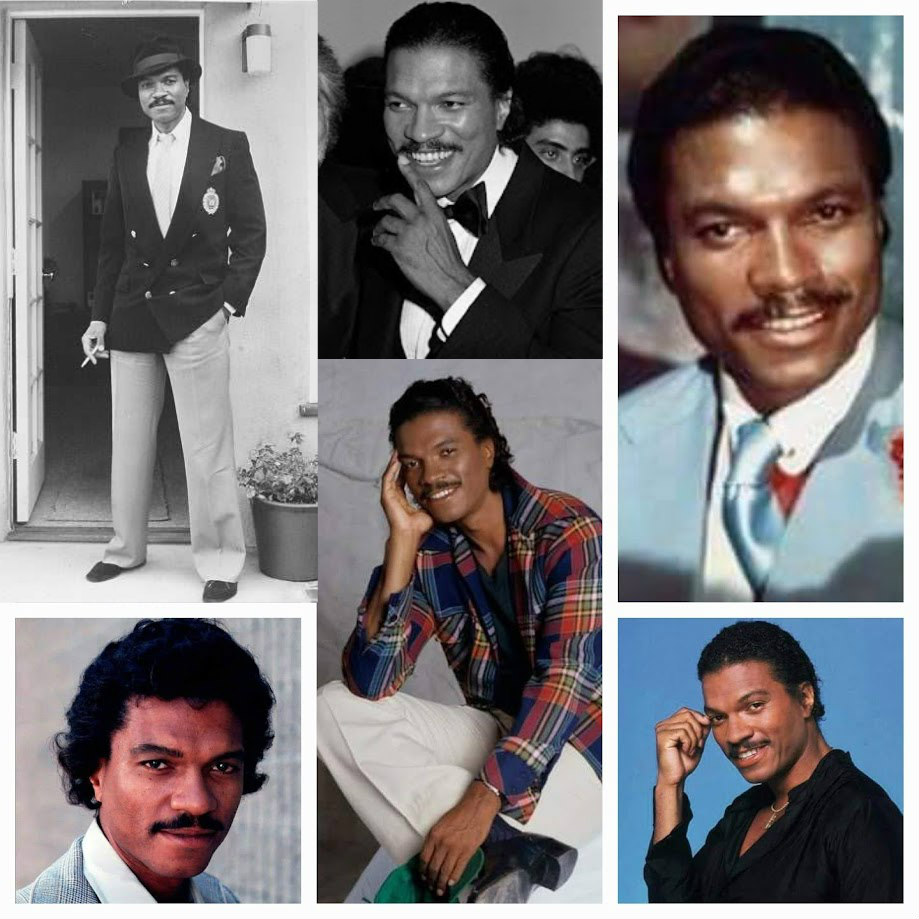
These photographs are the property of their respective owners.
  • Skin: A warm, glowing brown, reminiscent of sunlit caramel, always perfectly lit by the camera.
  • Smile: Disarming, confident, and suggestive—a “come hither” look that made audiences lean in.
  • Voice: Silky, deep, and debonair. That “d’o-demere” voice (as one fan affectionately mispronounced “debonair”) added to his mystique.
  • Style: Whether in a tuxedo, a cape (as Lando Calrissian), or a simple three-piece suit, his fashion sense exuded classic Hollywood elegance with unapologetic Black pride.

Women swooned, men imitated, and Hollywood finally had a Black male romantic lead who didn’t have to be aggressive, comedic, or stereotyped to hold the screen.


Celebrated Roles and Legacy


Billy Dee Williams has appeared in over 90 film and television projects across his career, including iconic roles in “Lady Sings the Blues” (1972) and as Lando Calrissian in the Star Wars franchise.

Some of Billy Dee’s most iconic roles include:

  • Louis McKay in Lady Sings the Blues (1972)
  • Brian’s Song (1971) – A tender, groundbreaking portrayal of interracial friendship
  • Gale Sayers in the TV movie Brian’s Song
  • Lando Calrissian in Star Wars: The Empire Strikes Back (1980) and Return of the Jedi (1983)
  • Berry Gordy’s Mahogany (1975) – Again paired with Diana Ross
  • Nighthawks (1981) with Sylvester Stallone

He is particularly remembered for Lando Calrissian, the cape-wearing, galaxy-hopping smooth-talker who brought charm and charisma to the Star Wars universe—a role he reprised in The Rise of Skywalker (2019), proving his ageless appeal.

His favorite performance? Billy Dee has often said that Brian’s Song and Lady Sings the Blues held deep personal meaning—stories about love, loss, and dignity.


Awards and Recognition

  • NAACP Image Award (multiple wins)
  • Hollywood Walk of Fame Star (1985)
  • Primetime Emmy Nomination for Brian’s Song
  • Honored by Ebony, Jet, and Essence throughout the 1970s and ’80s as one of the “Most Beautiful Black Men in America.”

Ebony Magazine once called him “The Face of Black Sophistication.” Diana Ross described him as “so smooth, he made the screen melt.”


Racism, Respect, and Representation

Billy Dee was a leading Black man in an era that rarely allowed for them. He once shared, “There weren’t many roles where a Black man could be dignified, romantic, and powerful without being stereotyped. I fought for that image.”

He challenged Hollywood’s limited narrative—presenting the Black man as a lover, a hero, and a gentleman.


Love Life, Family, and Legacy

Billy Dee has been married three times, most famously to Teruko Nakagami, a Japanese-American actress and model. They have one daughter, Hanako, and he has a son, Corey Dee Williams, from a previous relationship.

While not publicly known for romantic scandals, he’s long been admired for his respectful relationships, discretion, and dignified image.

Who did he have a crush on? Rumors swirled about his admiration for Lena Horne, whom he called “the epitome of grace and allure.”


Commercials and Endorsements

In the 1980s, Billy Dee became the face of Colt 45 Malt Liquor, delivering the famously smooth tagline:
“It works every time.”

While the ad campaign was commercially successful, it also drew criticism for its alignment with alcohol marketing. Nevertheless, it further cemented his image as the “coolest man alive.”

He also endorsed products for Mennen, Schick razors, and fashion brands who wanted to capture his stylish persona.


Where Is He Now?

Now in his late 80s, Billy Dee Williams remains active in voice acting, public appearances, and conventions. He reprised his Lando role in Star Wars: The Rise of Skywalker (2019) and voiced characters in animated series.

In 2019, he caused a stir by referring to himself as using “he/him and she/her pronouns” to describe his emotional duality—sparking conversations about identity, masculinity, and expression. He later clarified he was referring to his balance of energies, not gender fluidity, but praised the younger generation’s openness.


Conclusion: A Living Monument of Black Elegance

Billy Dee Williams wasn’t just beautiful—he was cinematic alchemy. The type of man who made time pause, who made women blush and men reassess their approach. He showed us that Black men could be more than what the world limited them to. He was a lover, a thinker, a prince of style and sensuality.

As Ebony once put it:
“Billy Dee didn’t just change the screen—he changed the way Black men were seen.”

References

Bassett, A. (2016). Interview with Angela Bassett on Black icons in Hollywood. Essence Magazine.
https://www.essence.com

Ebony Magazine. (1972, October). Hollywood’s smoothest Black leading man: Billy Dee Williams lights up the screen. Ebony, 27(12), 72–76.

IMDb. (n.d.). Billy Dee Williams – Biography. IMDb. Retrieved August 4, 2025, from https://www.imdb.com/name/nm0001850/

Jet Magazine. (1980, April 7). Billy Dee Williams: The man, the myth, the mustache. Jet, 59(15), 20–23.

Jones, Q. (1994). Q: The Autobiography of Quincy Jones. New York: Doubleday.

Ross, D. (1993). Secrets of a diva: Diana Ross on life, love, and legends. Interview by Ebony, reprinted in Classic Soul Interviews. Johnson Publishing.

Smith, J. (2020). The elegance of Black masculinity: Billy Dee Williams and the politics of suave. Journal of Black Cinema and Culture, 12(1), 35–48.

Star Wars Archives. (n.d.). Lando Calrissian: Character Profile and Actor History. Lucasfilm. https://www.starwars.com/databank/lando-calrissian

Vanity Fair. (2019, November 27). Billy Dee Williams discusses gender fluidity, love, and his return to Star Wars. Retrieved from https://www.vanityfair.com

Williams, B. D. (2016). Lights, Camera, Legacy: A Conversation with Billy Dee Williams. NPR Interviews. Retrieved from https://www.npr.org

Where faith, history, and truth illuminate the Black experience.