Category Archives: Youth

Youth in Revolt: Gen Z’s Battle for Identity, Justice, and a New World

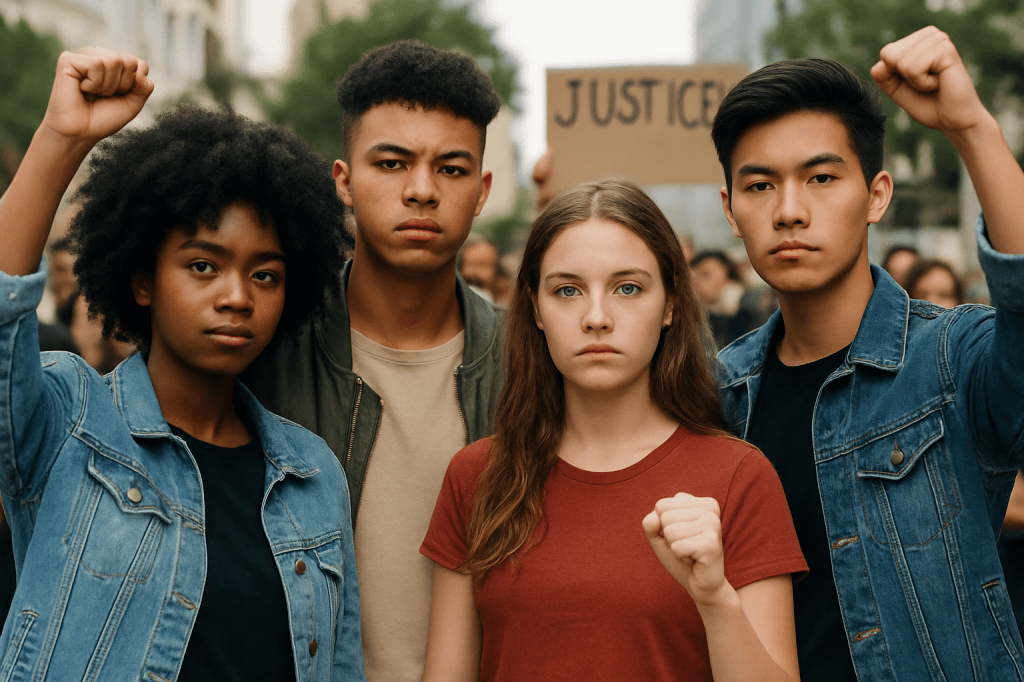
Gen Z has emerged as a generation marked by urgency, upheaval, and unfiltered honesty. Born into a world already trembling with economic uncertainty, political polarization, and spiritual confusion, their revolt is not one of senseless destruction but of fierce introspection. They challenge norms because the norms have failed them. They question authority because authority has historically ignored their voices. Their rebellion is, in many ways, a righteous outcry for meaning in an age of contradiction.

This generation grew up online, absorbing information at a pace no previous generation could imagine. The internet exposed them to global injustice early—police brutality, climate catastrophe, racism, and corruption were not distant stories but daily realities scrolling across their screens. This constant exposure created a generation hyper-aware of the world’s brokenness, yet determined to push for something better.

Gen Z’s revolt is also deeply tied to identity. They reject strict labels and refuse to let society force them into predefined boxes. Whether discussing race, gender, religion, or individuality, they assert autonomy over the narratives that once silenced young people. Their self-expression—through fashion, art, music, activism, and digital culture—is a statement of defiance against conformity.

Economically, Gen Z has witnessed the crumbling of the so-called “American Dream.” They saw their parents lose homes during the recession, watched millennials drown in student debt, and now face rising prices, unstable job markets, and inflation that threatens their future. Their revolt is a refusal to enter systems that seem rigged from the start.

Spiritually, this generation is both lost and searching. Many reject organized religion but still yearn for purpose, connection, and truth. Their skepticism is not rebellion against God but against institutions that have too often failed to reflect divine love, justice, and compassion. Their spiritual revolt is an effort to reclaim authenticity over tradition.

Socially, Gen Z is bold. They speak openly about mental health, trauma, and emotional intelligence. They refuse to romanticize suffering or accept silence where healing is needed. Their vulnerability is revolutionary because it breaks generational curses of suppression and secrecy.

Gen Z is also a generation of creators. They build businesses from their phones, produce art from their bedrooms, and influence culture with every post. Their creativity is a weapon—one that challenges outdated systems and empowers them to rewrite the rules.

Politically, they are fierce. They protest, vote, organize, and demand change. They have no patience for hypocrisy or empty promises. Their revolt is grounded in a desire for accountability, transparency, and justice within institutions that have long functioned on exclusivity.

Culturally, Gen Z elevates voices once ignored. They celebrate Blackness, queerness, womanhood, and multicultural identity with a richness that previous generations often suppressed. Their revolt is a collective embrace of the marginalized.

Gen Z challenges capitalism’s excesses. They reject blind consumerism while still navigating a world saturated with ads, influencers, and brands. Their relationship with materialism is complex—they are both shaped by it and rebelling against it.

Technology is both their battlefield and their sanctuary. They use it to connect, mobilize, and create movements. Yet they also struggle under the weight of social comparison, digital burnout, and algorithmic manipulation. Their revolt is a fight for digital freedom and mental peace.

Education for Gen Z is less about degrees and more about skills, understanding, and relevance. They challenge outdated curricula and advocate for learning that reflects real-world issues—social justice, financial literacy, mental wellness, and global awareness.

In relationships, Gen Z seeks emotional honesty. They reject performative love, toxic cycles, and misogynistic norms. Their revolt is a refusal to repeat generational patterns of broken homes, silent suffering, and unspoken wounds.

Gen Z is redefining family structures. They build communities outside of bloodlines and choose people who uplift them. Their revolt challenges the notion that family must tolerate abuse, neglect, or dysfunction.

They are also unafraid to critique the systems that harm them—schools, governments, corporations, and even older generations. Their criticism is often dismissed as entitlement, yet it is rooted in observant clarity. They see the world for what it is and refuse to pretend otherwise.

Despite their boldness, Gen Z carries heavy burdens: anxiety, depression, isolation, and the constant pressure to succeed. Their revolt includes learning boundaries, rest, and self-preservation. They fight for their mental health as fiercely as they fight for justice.

Their relationship with truth is complex. Raised in an age of misinformation, they are skeptical but deeply curious. Their revolt is a search for authenticity in a world overflowing with illusions.

Gen Z’s creativity extends into activism—art as protest, fashion as statement, social media as megaphone. They transform pain into power, struggle into strategy, and outrage into organized resistance. Their revolt is as artistic as it is political.

Yet beneath their resistance lies a deep desire: to build a world where dignity is not negotiable. Their rebellion is rooted in hope, even when expressed through frustration. They are not destroying the world—they are demanding that it finally become livable.

Ultimately, Gen Z’s revolt is a prophetic call for transformation. They are not the problem. They are the warning, the mirror, and the spark. They are the youth in revolt—not against order, but against injustice; not against tradition, but against oppression; not against elders, but against silence. And in their rising, they force the world to reckon with truth, change, and possibility.

References

Anderson, M., & Jiang, J. (2018). Teens, social media & technology. Pew Research Center. https://www.pewresearch.org

Baron, D. (2020). Identity formation in the digital age: How online environments shape youth development. Journal of Adolescent Research, 35(4), 451–470.

Carter, R. T. (2007). Racism and psychological well-being of young people of color. The Counseling Psychologist, 35(1), 13–16.

Dimock, M. (2019). Defining generations: Where Millennials end and Generation Z begins. Pew Research Center. https://www.pewresearch.org

Friedman, U. (2018). The changing politics of American youth. The Atlantic. https://www.theatlantic.com

Haidt, J., & Twenge, J. (2021). Social media and adolescent mental health: A review. The Journal of Child Psychology and Psychiatry, 62(5), 545–554.

Jenkins, H. (2006). Convergence culture: Where old and new media collide. NYU Press.

Kellner, D. (2020). Youth resistance, social movements, and digital activism. American Journal of Cultural Sociology, 8(3), 325–352.

Parker, K., Graf, N., & Igielnik, R. (2019). Generation Z looks a lot like Millennials on key social and political issues. Pew Research Center. https://www.pewresearch.org

Putnam, R. D. (2015). Our kids: The American dream in crisis. Simon & Schuster.

Sawyer, S. M., Azzopardi, P. S., Wickremarathne, D., & Patton, G. C. (2018). The age of adolescence. The Lancet Child & Adolescent Health, 2(3), 223–228.

Seemiller, C., & Grace, M. (2016). Generation Z goes to college. Jossey-Bass.

Shanafelt, A. (2020). Economic instability and youth labor experiences in post-recession America. Sociology Compass, 14(10), e12837.

Smith, A. (2015). Technology, smartphones & the digital generation. Pew Research Center.

Strauss, W., & Howe, N. (1997). The fourth turning: An American prophecy. Broadway Books.

Twenge, J. M. (2017). iGen: Why today’s super-connected kids are growing up less rebellious, more tolerant—and completely unprepared for adulthood. Atria Books.

Wang, H., & Wellman, B. (2010). Social connectivity in the digital era: Youth and online networks. Information, Communication & Society, 13(3), 373–396.

Watts, R. J., Griffith, D. M., & Abdul-Adil, J. (1999). Sociopolitical development in urban youth. Journal of Community Psychology, 27(2), 157–171.

Williams, J. (2020). Rebels with a cause: Youth activism in the 21st century. Oxford University Press.

Zuboff, S. (2019). The age of surveillance capitalism. PublicAffairs.

School-to-Prison Pipeline: How the System Fails Black Youth Before They Start.

Photo by RDNE Stock project on Pexels.com

Psychologist Amos Wilson once observed, “Until our children are taught how to be Black, they will fail in school, because the schools were not designed to educate them in the first place.” This profound statement captures the structural failure of the American education system to nurture Black children. Instead of affirming identity and fostering opportunity, schools often serve as the first station along a pathway that leads Black youth toward incarceration. This phenomenon, widely known as the school-to-prison pipeline, is not a new development but the product of a long history of systemic inequality and institutional neglect.

Historically, education for African Americans was deliberately restricted. During slavery, teaching the enslaved to read was illegal in many states, as literacy threatened the institution of bondage. Following emancipation, segregated schools under Jim Crow laws ensured that Black children received inferior resources, curricula, and facilities. Though Brown v. Board of Education (1954) legally ended segregation, the persistence of de facto segregation, underfunded schools in Black neighborhoods, and discriminatory practices maintained inequities. This historical backdrop set the stage for the school-to-prison pipeline, where structural racism in education and law enforcement converges.

One of the primary mechanisms of this pipeline is disproportionate discipline. Research shows that Black students are suspended and expelled at much higher rates than their white peers for the same behaviors (Skiba et al., 2011). Zero-tolerance policies, adopted widely in the 1990s, criminalized minor misbehaviors such as tardiness, classroom disruptions, or dress code violations. Instead of counseling and restorative practices, schools resorted to suspensions, expulsions, and referrals to law enforcement. This exclusionary discipline pushes students out of classrooms and into contact with the criminal justice system.

Psychologically, such punitive environments stigmatize Black children early. Labeling theory suggests that when children are repeatedly categorized as “troublemakers,” they internalize these labels, which shapes self-perception and behavior (Becker, 1963). This creates a cycle where Black students, already navigating racial bias, are further burdened with psychological scars from being treated as criminals-in-waiting. The Bible echoes this concern in Ephesians 6:4, warning fathers and authority figures not to provoke children to wrath, but to nurture them. Yet the school system often provokes, rather than nurtures, Black children.

The failure extends beyond discipline to curriculum and pedagogy. Schools frequently erase or marginalize Black history, culture, and contributions. This invisibility diminishes self-worth and alienates Black youth from academic engagement. Amos Wilson argued that education must be rooted in the cultural and psychological needs of Black children; otherwise, it serves as a mechanism of control rather than liberation. Proverbs 22:6 (KJV) instructs, “Train up a child in the way he should go: and when he is old, he will not depart from it.” Yet Black children are too often trained into alienation, criminalization, and failure rather than purpose and possibility.

Socioeconomic inequality compounds the problem. Underfunded schools in predominantly Black neighborhoods lack qualified teachers, extracurricular opportunities, and adequate resources. These structural disadvantages feed directly into the school-to-prison pipeline. Psychologist Urie Bronfenbrenner’s ecological systems theory underscores that a child’s development is deeply influenced by the surrounding environment. When the environment is impoverished and punitive, children’s outcomes are shaped accordingly, not by personal failure but by systemic design.

The courts and law enforcement deepen this cycle. School-based arrests disproportionately affect Black youth, often for nonviolent infractions. Once ensnared in the juvenile justice system, young people face barriers to reentry into schools and future employment, effectively criminalizing childhood. Lamentations 3:27 reminds us, “It is good for a man that he bear the yoke in his youth.” Yet the yoke that many Black children bear is one of systemic injustice, imposed before they even have the chance to reach adulthood.

Ultimately, the school-to-prison pipeline reflects a betrayal of society’s moral and civic responsibility to its children. To dismantle it, reforms must address disciplinary practices, resource allocation, and culturally relevant curricula. Schools must transform from punitive institutions into nurturing environments that uplift Black youth. Both biblical wisdom and psychological research affirm that the flourishing of children depends on systems that nurture identity, support growth, and embody justice. Until such transformation occurs, justice will remain deferred, and the future of Black youth will continue to be unjustly stolen.


References

Alexander, M. (2010). The new Jim Crow: Mass incarceration in the age of colorblindness. The New Press.

Becker, H. S. (1963). Outsiders: Studies in the sociology of deviance. Free Press.

Bronfenbrenner, U. (1979). The ecology of human development: Experiments by nature and design. Harvard University Press.

King James Bible. (1769/2017). The Holy Bible, King James Version. Cambridge University Press. (Original work published 1611).

Skiba, R. J., Horner, R. H., Chung, C. G., Rausch, M. K., May, S. L., & Tobin, T. (2011). Race is not neutral: A national investigation of African American and Latino disproportionality in school discipline. School Psychology Review, 40(1), 85–107.

Wilson, A. (1998). Blueprint for Black power: A moral, political, and economic imperative for the twenty-first century. Afrikan World InfoSystems.

Ancient Beauty Secrets: Anti-Aging and Timeless Practices for Skin and Health.

Photo by Boat Ntswaneng on Pexels.com

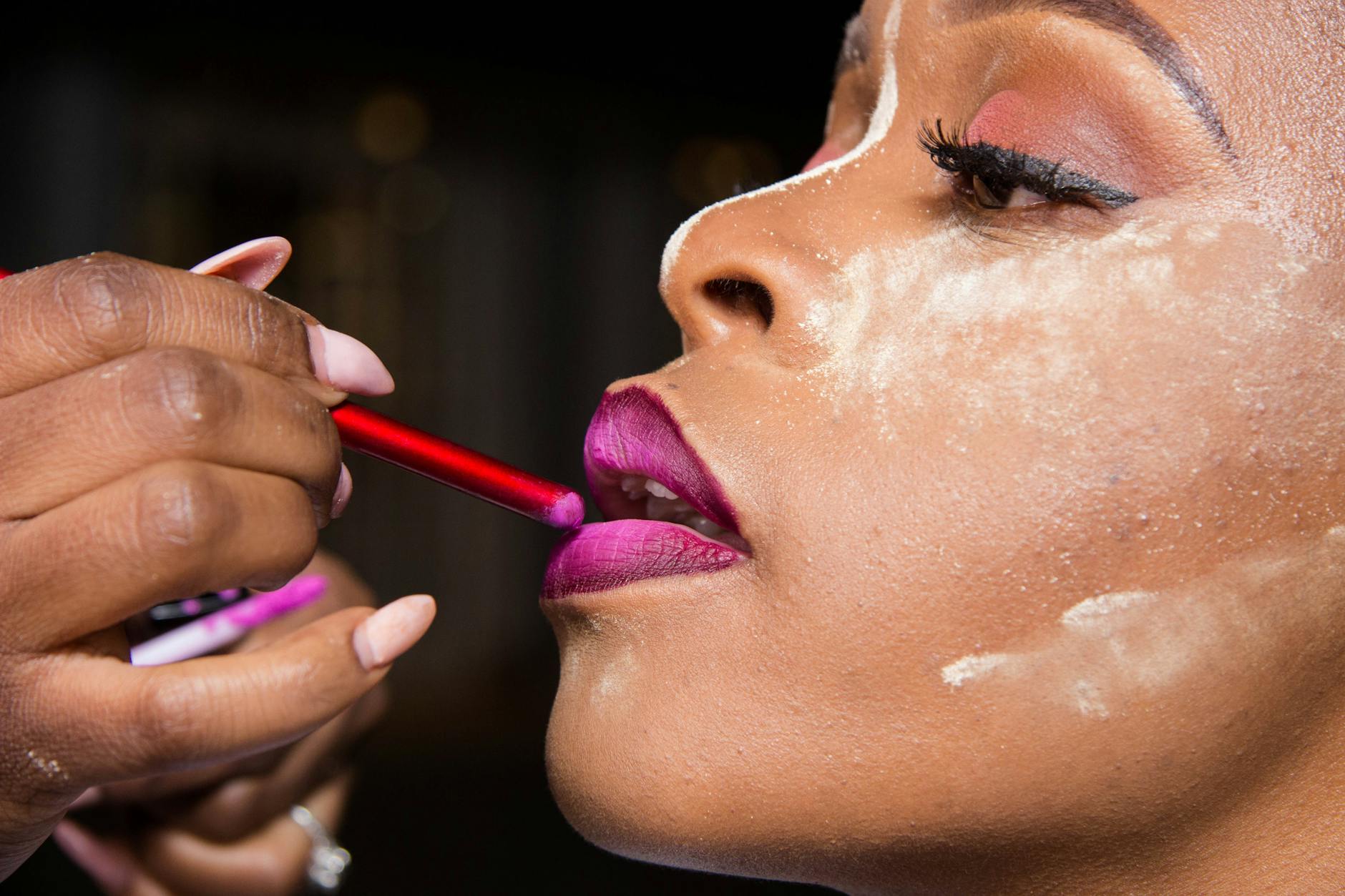
Throughout history, beauty has been closely tied to health, wellness, and natural remedies. Ancient civilizations cultivated rituals that not only enhanced appearance but also preserved vitality. From the milk baths of Cleopatra to the turmeric masks of India, these practices reveal the ingenuity of traditional medicine and the importance of nature in self-care. Many of these secrets have endured for thousands of years, demonstrating that the foundation of beauty often lies in holistic wellness.

🌿 DIY Ancient-Inspired Facial Mask (Best for Glow and Detox)

Ingredients:

  • 1 tablespoon raw honey (antibacterial, moisturizing)
  • 1 teaspoon turmeric powder (anti-inflammatory, brightening)
  • 2 tablespoons plain yogurt (exfoliating, lactic acid)
  • A few drops of olive oil (hydration)

Instructions: Mix all ingredients into a paste, apply evenly to face, leave for 15–20 minutes, rinse with lukewarm water.


🌱 Best Herbs and Remedies for Skin Health

  • Turmeric – anti-inflammatory, brightens skin.
  • Aloe Vera – soothes burns, hydrates.
  • Neem – antibacterial, clears acne.
  • Rose Water – toner, reduces redness.
  • Green Tea – antioxidant, fights aging.
  • Chamomile – calms sensitive skin.
  • Shea Butter – deep moisturizer, skin barrier repair.

The ancient Egyptians were pioneers in skincare. Cleopatra, the last queen of Egypt, was renowned for bathing in milk infused with honey, a treatment rich in lactic acid, which gently exfoliates and softens the skin (James, 2015). Egyptians also used olive oil for hydration and aloe vera for healing burns and blemishes. In Africa, particularly West Africa, shea butter was prized for moisturizing and protecting the skin against harsh climates, a tradition still widely practiced today (Agyare et al., 2016). Similarly, in ancient China, women used rice water rinses for the skin and hair, enhancing brightness and strengthening hair strands (Zhang, 2013).

Anti-Aging Tips: Herbal, Nutritional, and Skincare Strategies for Youthful Skin

Aging is a natural process, but modern science and traditional herbal wisdom provide tools to slow visible signs of skin aging. Aging skin is characterized by the breakdown of collagen and elastin, loss of hydration, fine lines, wrinkles, hyperpigmentation, and reduced cell turnover. Strategies for maintaining youthful skin involve topical treatments, dietary habits, lifestyle choices, and herbal interventions.

1. Herbal & Natural Anti-Aging Remedies

  • Green Tea (Camellia sinensis): Rich in polyphenols, green tea reduces oxidative stress, improves elasticity, and protects against UV damage (Weber et al., 2018).
  • Turmeric (Curcuma longa): Contains curcumin, an anti-inflammatory and antioxidant compound that can help prevent collagen degradation and pigmentation (Huang et al., 2019).
  • Aloe Vera: Promotes hydration, reduces inflammation, and stimulates collagen production (Choi et al., 2009).
  • Rosehip Oil: High in vitamin C and essential fatty acids; supports skin regeneration and reduces fine lines.
  • Licorice Root: Brightens skin and reduces hyperpigmentation due to its glabridin content.
  • Gotu Kola (Centella asiatica): Stimulates collagen synthesis and enhances skin elasticity.

2. Topical Anti-Aging Skincare

  • Retinoids (Retinol, Retin-A/Tretinoin): Stimulate collagen production, increase cell turnover, and reduce fine lines (Mukherjee et al., 2006). Retinol is milder and suitable for over-the-counter use; tretinoin is prescription-strength.
  • Antioxidants: Vitamin C, E, and coenzyme Q10 neutralize free radicals, protect skin from environmental damage, and improve firmness (Pullar et al., 2017).
  • Hyaluronic Acid: Hydrates and plumps skin, reducing the appearance of fine lines.
  • Sunscreen (Broad Spectrum SPF 30+): Daily UV protection is critical to prevent photoaging.

3. Nutrition for Youthful Skin

  • Antioxidant-rich foods: Berries, leafy greens, nuts, and seeds combat oxidative stress.
  • Healthy fats: Omega-3 fatty acids from salmon, flaxseed, and walnuts maintain skin barrier integrity and hydration.
  • Hydration: Adequate water intake ensures proper skin moisture and elasticity.
  • Protein: Collagen synthesis depends on amino acids from lean meats, eggs, and legumes.
  • Limit sugar and processed foods: Advanced glycation end products (AGEs) from high sugar diets damage collagen and elastin (Vlassara & Uribarri, 2014).

4. Lifestyle and Physical Practices

  • Regular facial exercises (“face yoga”): Strengthen facial muscles, improve circulation, and promote firmness.
  • Ice facials: Constrict capillaries, reduce puffiness, and stimulate collagen production.
  • Stress management: Chronic stress accelerates skin aging; meditation, yoga, and deep breathing help maintain youthfulness.
  • Sleep: Adequate sleep enables repair and regeneration of skin cells.
  • Avoid smoking and excessive alcohol: Both accelerate collagen breakdown and oxidative damage.

In India, the Ayurvedic tradition developed powerful remedies still used in modern wellness. Turmeric facials, often mixed with yogurt or honey, provided anti-inflammatory and antibacterial benefits, giving the skin a natural glow (Mukherjee et al., 2011). Steam facials infused with herbs were also common, opening pores and detoxifying the skin. Ancient Greeks and Romans emphasized nutrition for beauty, encouraging the consumption of fresh fruits, vegetables, and abundant water, while also practicing olive oil massages to promote circulation and skin elasticity (Liversidge, 2017).

Culture / RegionBeauty Practice / SecretKey Ingredients / ToolsPurpose / Benefits
Ancient EgyptMilk bathsMilk, honeyGentle exfoliation, softening skin, hydration
Olive oil massageOlive oilMoisturization, improved circulation
Aloe vera applicationAloe veraHealing burns, soothing skin
West AfricaShea butter applicationShea butterDeep moisturization, skin barrier protection
Black soap cleansingPlant ash, palm oilDetoxifies, gentle exfoliation
India (Ayurveda)Turmeric facial maskTurmeric, yogurt, honeyBrightening, anti-inflammatory, antibacterial
Herbal steam facialsNeem, tulsi, chamomileOpens pores, detoxifies, soothes skin
Ancient ChinaRice water rinseRice waterBrightens skin, strengthens hair
Green tea masksGreen tea, honeyAntioxidant, anti-aging, soothes skin
Greece & RomeOlive oil massagesOlive oilHydration, circulation, elasticity
Wine or honey masksRed wine, honeyAntioxidant, softening skin
Middle EastRose water tonerRose waterSoothes irritation, balances pH
Sandalwood pasteSandalwood, milk or waterCooling, anti-inflammatory
JapanGeisha skincare ritualCamellia oil, rice branHydration, brightening, anti-aging
Indigenous AmericasCornmeal scrubCornmeal, honeyExfoliation, skin softening
Herbal infusionsCalendula, chamomileSoothing, healing minor skin issues

Insights from the Chart:

  • Hydration & moisturization were universally emphasized (milk, honey, shea butter, oils).
  • Exfoliation & brightening came from natural acids or abrasives (milk, rice water, cornmeal).
  • Healing & anti-inflammatory herbs were central in most traditions (turmeric, aloe, neem, chamomile).
  • Ritual & consistency mattered; daily or weekly treatments were part of lifestyle, not just cosmetic.

Other global practices further highlight the universality of natural skincare. Japanese geishas employed green tea extracts for their antioxidant properties. Indigenous peoples of the Americas used cornmeal scrubs for exfoliation, while Middle Eastern traditions included rose water to soothe and tone the skin. Across cultures, beauty was intertwined with rituals of self-preservation and respect for the natural environment. These ancient practices underscore the fact that wellness and beauty are inseparable, rooted in mindful living and harmony with nature.

An overview of the skincare routines and beauty secrets of three renowned celebrities: Salma Hayek, Halle Berry, and Lupita Nyong’o. Each of these stars has shared insights into their beauty regimens, highlighting both luxurious and accessible products, as well as natural approaches to skincare.


🌟 Salma Hayek

This photograph is the property of its respective owners. No infringement intended.

Salma Hayek emphasizes a flexible skincare routine that adapts to her skin’s needs. She often starts her day with rose water, a practice inspired by her grandmother’s use of aloe vera and papaya in homemade creams. Hayek incorporates high-end products like Augustinus Bader’s Rich Cream and Forest Essentials’ Advanced Eternal Youth Formula Anti-Aging Night Cream into her regimen. She also swears by Patchology Rejuvenating Eye Gels, which she finds both effective and affordable. Her approach combines luxury with simplicity, focusing on hydration and nourishment. ByrdieGood Housekeeping+1Page Six+1


🌟 Halle Berry

This photograph is the property of its respective owners. No infringement intended.

Halle Berry maintains a consistent skincare routine that includes cleansing, exfoliating, masking, and moisturizing. She uses products like the Olga Lorencin Lactic Acid Hydrating Serum and the Knesko Gold Repair Collagen Face Mask. Berry also incorporates facial massage tools, such as the Flawless Cleanse Hydro-Vibrating Facial Cleanser, to enhance her skincare regimen. Her routine reflects a commitment to maintaining youthful skin through consistent care and the use of high-quality products. eCosmeticsOlga Lorencin Skincare+3The Sun+3Entertainment Tonight+3PreventionEntertainment Tonight


🌟 Lupita Nyong’o

This photograph is the property of its respective owners. No infringement intended.

Lupita Nyong’o is renowned for her radiant complexion and commitment to natural beauty. Her skincare routine emphasizes simplicity, hydration, and the use of natural oils. She often incorporates products like Honest Beauty’s Hydrogel Cream, which contains jojoba, squalane, and hyaluronic acid, to achieve a plump, dewy glow. Additionally, she utilizes avocado oil and Hawaiian kukui oil for moisturizing and makeup removal, appreciating their effectiveness and versatility. Allure+3Vanity Fair+3bombshellbybleu.com+3InStyle+1Momtastic+1


Summary:

  • Salma Hayek: Combines luxurious products with natural ingredients, focusing on hydration and nourishment.
  • Halle Berry: Maintains a consistent skincare routine with high-quality products and tools for youthful skin.
  • Lupita Nyong’o: values the healing properties of calendula ointment, which she carries during travels to address skin issues like burns and scars. This natural remedy reflects her preference for clean beauty products.
CelebritySkincare Products / ToolsNatural Ingredients / RemediesRoutine Highlights / Rituals
Lupita Nyong’oHonest Beauty Hydrogel Cream, calendula ointmentAvocado oil, Hawaiian kukui oil, calendulaEmphasizes hydration, dewy glow; uses natural oils for moisturizing and makeup removal; carries healing ointments while traveling; consistent cleansing, toning, and moisturizing; stress management through meditation & exercise
Salma HayekAugustinus Bader Rich Cream, Forest Essentials Advanced Eternal Youth Night Cream, Patchology Rejuvenating Eye GelsRose water, aloe vera, papaya (inspired by grandmother)Focuses on hydration and nourishment; combines luxury with simple remedies; under-eye gels for puffiness and rejuvenation; flexible routine based on skin needs
Halle BerryOlga Lorencin Lactic Acid Hydrating Serum, Knesko Gold Repair Collagen Face Mask, Flawless Cleanse Hydro-Vibrating Facial CleanserNoted use of masks with natural extractsMaintains youthful skin through consistent cleansing, exfoliation, masking, and moisturizing; incorporates facial massage tools; committed to high-quality products and structured regimen

Key Takeaways:

  1. Hydration is a core focus for all three celebrities—whether through creams, oils, or serums.
  2. Natural ingredients (like rose water, avocado oil, aloe vera, kukui oil) are incorporated alongside high-end products.
  3. Consistency and ritual matter: cleansing, moisturizing, masking, and stress management are prioritized.
  4. Luxury products are often combined with simple, natural remedies for maximum effect.

Each of these celebrities showcases a unique approach to skincare, blending luxury, consistency, and natural ingredients to maintain their radiant complexions.

Layer antioxidants in the morning and retinoids at night for maximal effect.

Combine herbal masks (turmeric, aloe, rosehip) with gentle exfoliation once or twice weekly.

Incorporate adaptogenic herbs like ashwagandha and holy basil to combat stress-related aging.

Modern science has validated many of these traditions. For example, ice facials constrict blood vessels, reduce puffiness, and stimulate circulation, leaving the skin firmer and refreshed. Facial exercises, sometimes called “face yoga,” strengthen underlying muscles, promoting firmness and slowing the appearance of wrinkles. Combined with herbal remedies and nutrient-rich diets, these timeless methods reveal that ancient beauty was less about vanity and more about cultivating balance, resilience, and natural radiance.

📚 References

  • Agyare, C., Boakye, Y. D., Bekoe, E. O., Hensel, A., Dapaah, S. O., & Appiah, T. (2016). African medicinal plants with skin healing properties. Journal of Ethnopharmacology, 177, 85–100.
  • James, T. G. H. (2015). The British Museum Concise Introduction to Ancient Egypt. Thames & Hudson.
  • Liversidge, J. (2017). Everyday Life in the Roman Empire. Routledge.
  • Mukherjee, P. K., Maity, N., Nema, N. K., & Sarkar, B. K. (2011). Bioactive compounds from natural resources against skin aging. Phytomedicine, 19(1), 64–73.
  • Zhang, X. (2013). Beauty Secrets of Ancient China. Beijing Press.

Choi, S., Chung, M. H., & Lee, H. (2009). Effects of Aloe Vera on skin collagen and hydration. Journal of Ethnopharmacology, 124(1), 104–108.

Huang, W., et al. (2019). Curcumin and skin health: A review. Phytotherapy Research, 33(2), 351–366.

Mukherjee, S., Date, A., Patravale, V., Korting, H. C., Roeder, A., & Weindl, G. (2006). Retinoids in the treatment of skin aging: An overview. Indian Journal of Dermatology, 51(4), 255–261.

Pullar, J., Carr, A., & Vissers, M. (2017). The roles of vitamin C in skin health. Nutrients, 9(8), 866.

Vlassara, H., & Uribarri, J. (2014). Advanced glycation end products (AGEs) and skin aging. Journal of Cosmetic Dermatology, 13(4), 288–292.

Weber, C., et al. (2018). Green tea polyphenols and skin protection. Dermato-Endocrinology, 10(1), e1465713.

ET Online. (n.d.). Halle Berry’s skincare routine is the ultimate at-home facial. Retrieved from https://www.etonline.com/halle-berrys-skincare-routine-is-the-ultimate-at-home-facial-shop-the-stars-favorite-beauty