Category Archives: www.thebrowngirldilemma.com

Dilemma: SUGAR DADDIES

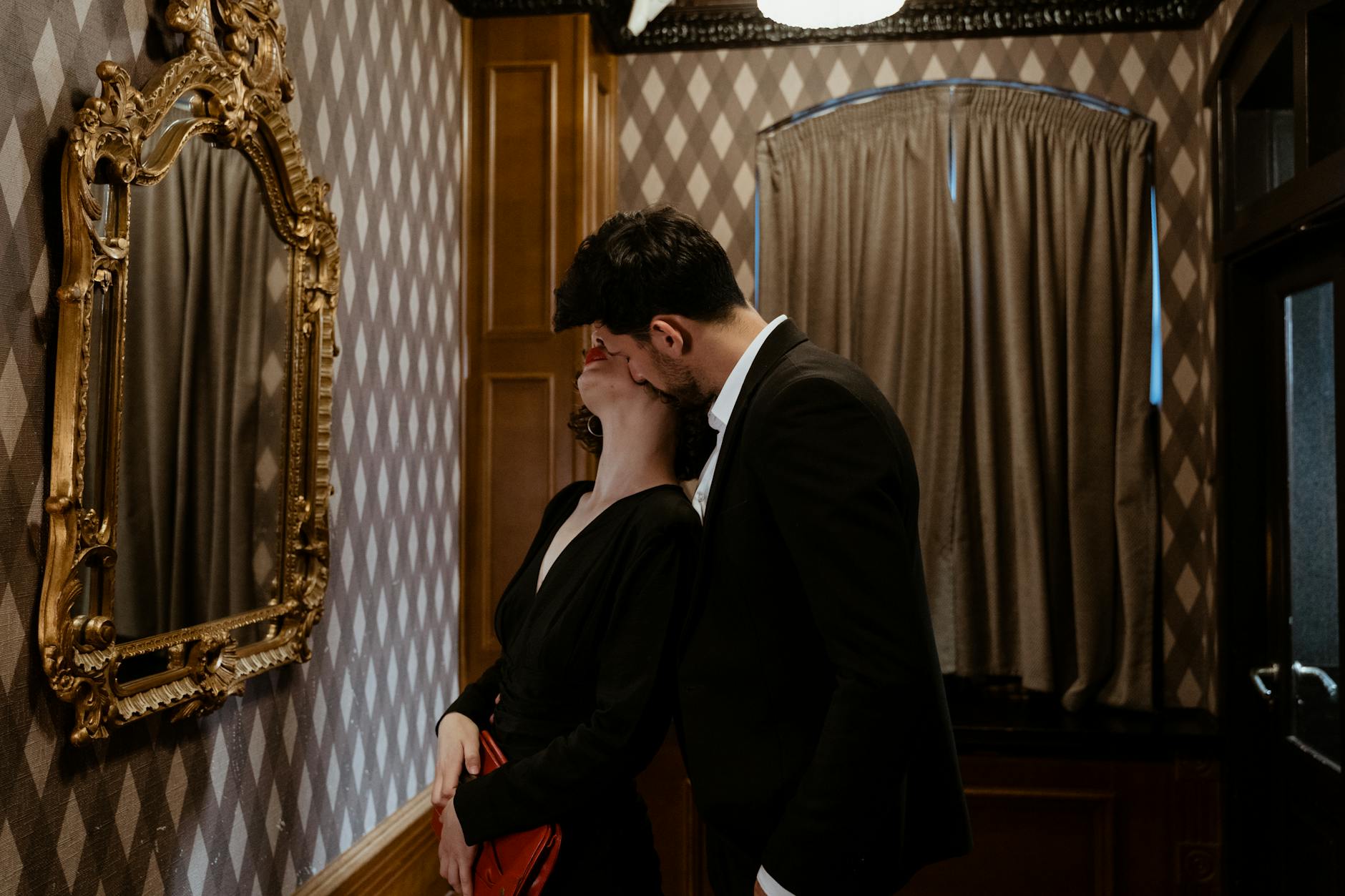
Photo by MART PRODUCTION on Pexels.com

Sugar Daddies and Sugar Babies: The Allure, the Risks, and the Reality

In today’s digital age, the concept of “sugar dating” has become a popular—and often controversial—phenomenon. Sugar dating refers to a relationship dynamic where typically an older, wealthier individual (the “sugar daddy” or “sugar mommy”) provides financial or material support to a younger partner (the “sugar baby”) in exchange for companionship, intimacy, or a romantic relationship.

What Is a Sugar Daddy?

A sugar daddy is usually a financially well-off man, often in his 40s or older, who seeks a relationship with a younger woman or man. His goals may vary—from mentorship and companionship to intimacy and emotional connection. Unlike traditional dating, sugar daddies tend to be upfront about the transactional nature of the relationship.

Common Characteristics:

  • Typically aged 40 to 65+
  • Financially stable or wealthy
  • May be divorced, widowed, or single
  • Often busy professionals (executives, business owners)
  • Seeking companionship without the emotional demands of traditional relationships

What Is a Sugar Baby?

A sugar baby is usually a younger woman or man, often in their late teens to mid-20s, although some are older. They seek relationships that offer financial support, mentorship, or a lavish lifestyle in exchange for time, attention, and sometimes affection.

Common Characteristics:

  • Aged 18–26 on average, though can be older
  • Students or early-career professionals
  • Looking for financial help with tuition, bills, or lifestyle upgrades
  • Attracted to older, more experienced partners
  • Varying motivations: some seek stability, others luxury or emotional security

Popular Sugar Daddy/Sugar Baby Websites

Sugar dating platforms connect sugar daddies with sugar babies. Some of the most well-known include:

  • Seeking.com (formerly SeekingArrangement) – One of the largest and most recognized
  • SugarDaddyMeet.com – Focuses on older men and younger women
  • What’s Your Price – Offers upfront negotiation for dates
  • MissTravel.com – Combines travel with sugar dating
  • RichMeetBeautiful – Popular in Europe for elite sugar dating

These platforms require users to create detailed profiles, and many offer verification services to prevent scams and improve safety.

The Appeal in a Struggling Economy

I know a lot of women who have found themselves a sugar daddy in today’s economy due to a lack of money, stable income, or access to resources. For some, the idea of being supported by a wealthy man seems far more manageable than juggling multiple jobs or struggling through financial hardship. Some have said that sugaring is a pleasure—a way to live comfortably, enjoy luxury experiences, and maintain independence while being pampered.

However, others speak of the pitfalls and dangers. Not every sugar arrangement is glamorous. Some women have faced emotional manipulation, exploitation, or had their safety compromised when boundaries were not respected. It’s a world that demands thick skin, emotional intelligence, and constant awareness of red flags.

Pros of Sugar Dating

For Sugar Daddies:

  • Companionship without traditional commitments
  • Opportunity to mentor and provide support
  • Flexibility in relationship dynamics

For Sugar Babies:

  • Financial assistance (tuition, rent, luxury items)
  • Exposure to elite social circles
  • Mentorship and life guidance
  • Freedom to set boundaries and terms

Cons and Dangers

Emotional Risks:

  • Unequal power dynamics can lead to exploitation
  • Sugar babies may develop feelings that aren’t reciprocated
  • Sugar daddies may feel used if affection isn’t genuine

Legal & Ethical Concerns:

  • Blurry line between sugar dating and prostitution in some cases
  • Age-gap relationships may invite social judgment or familial conflict
  • Some arrangements may violate laws depending on local jurisdiction

Safety Risks:

  • Scams are common—especially financial fraud and identity theft
  • Emotional abuse or coercion if boundaries aren’t respected
  • Physical safety risks if proper vetting and precautions aren’t taken

Many sites urge users to meet in public, avoid sending money upfront, and keep personal information private until trust is established.

What Do Sugar Daddies Look For?

  • Discretion and confidentiality
  • Physical attraction and youth
  • Emotional maturity and communication
  • Flexibility and companionship
  • Clear expectations – honesty about desires and limits

What Do Sugar Babies Look For?

  • Financial support
  • Stability and mentorship
  • Safety and respect
  • Generosity and consistency
  • Mutual understanding of relationship terms

Final Thoughts

Sugar dating is not inherently wrong or illegal, but it walks a fine ethical line that depends on consent, honesty, and mutual benefit. While it can offer rewards—financial, emotional, or experiential—it also carries significant risks. Whether someone is considering becoming a sugar daddy or sugar baby, it’s important to approach these relationships with transparency, caution, and realistic expectations.

In today’s economy, it’s easy to understand why some women (and men) turn to sugar dating. For a few, it’s empowering and even enjoyable. For others, it’s a dangerous path that can come with emotional or physical cost. Like any relationship, it’s essential to be informed, stay safe, and never compromise your values or well-being.


References:

  1. Wade, L. (2019). American Hookup: The New Culture of Sex on Campus. W. W. Norton & Company.
  2. Motyl, M. (2022). “The Psychology Behind Sugar Dating.” Psychology Today.
  3. Seeking.com. (2024). “About Us.” https://www.seeking.com
  4. Weitzer, R. (2015). “The Social Construction of Sex Trafficking.” Annual Review of Sociology, 41, 223-239.
  5. Smith, C. (2023). “Inside the World of Sugar Dating.” Vice News

Dilemma: Online Dating

“He Who Finds a Wife”: Navigating Online Dating Through a Biblical and Real-World Lens

Photo by Antoni Shkraba Studio on Pexels.com

Introduction

In the age of swipes and algorithms, many people are seeking love through apps like Tinder, Plenty of Fish (POF), Bumble, and Hinge. But for Christian women—those striving for godly relationships—this question arises:

“If ‘he who finds a wife findeth a good thing,’ are we supposed to be on dating sites actively searching?”

This article explores the biblical principles, benefits and drawbacks of online dating, the dangers of hookup culture, and the psychological and spiritual consequences of seeking love in the digital age.


📖 Biblical Perspective: Should Women Be Looking or Waiting?

Proverbs 18:22 (KJV)
“Whoso findeth a wife findeth a good thing, and obtaineth favour of the Lord.”

This verse has long been interpreted to mean that a man is to pursue and a woman is to be found—not hidden, but positioned wisely and modestly, aligning her life with purpose so that a godly man recognizes her worth.

The Bible does not forbid technology or meeting people outside of traditional settings, but it emphasizes wisdom, purity, discernment, and the roles of pursuit and preparation in relationships.


💬 Should Christian Women Be on Dating Apps?

There is no one-size-fits-all answer. Some have met godly spouses through online platforms. Others have encountered manipulation, heartbreak, or spiritual compromise.

Online dating can be a tool, but like all tools, it must be used with prayer, discernment, and boundaries. The key question isn’t just “Am I looking?” but “Why am I here, and who am I becoming while I wait?”


🌐 The Good and the Bad of Online Dating

Potential Benefits

  • Wider pool of people—especially for those in small towns or with limited social circles
  • Faith-based platforms like Christian Mingle or Upward cater to spiritual alignment
  • Can lead to real, lasting relationships if approached with caution and intention

⚠️ Setbacks and Dangers

  1. False representation – Many users lie about their age, intentions, or relationship status.
  2. Delayed red flags – It’s easier to hide manipulation or abuse online.
  3. Hookup culture pressure – Even on serious apps, many users expect sex early on.
  4. Disconnection from reality – Chemistry in text rarely reflects real-life compatibility.
  5. Emotional burnout – Constant rejection or ghosting can lower self-worth.

🔥 What Is Hookup Culture?

Hookup culture refers to a social norm where casual sex and minimal emotional connection are encouraged, often without commitment. It is driven by:

  • Apps like Tinder promoting “matches” based on physical appeal
  • Cultural media celebrating no-strings-attached relationships
  • Fear of vulnerability or deep emotional connection

Hookup culture contradicts biblical views on intimacy, which are rooted in covenant (Hebrews 13:4) and purpose—not temporary pleasure.


👥 Desperation and Digital Dating

Desperation online often shows through:

  • Over-sharing personal trauma early
  • Ignoring red flags for fear of being alone
  • Accepting disrespect or manipulation
  • Chasing validation instead of seeking alignment

Proverbs warns us about haste:

Proverbs 19:2 (KJV):
“He that hasteth with his feet sinneth.”

Moving too quickly in romance, especially under pressure, can lead to pain that takes years to heal.


🍭 What Is a Sugar Daddy/Sugar Baby Relationship?

A sugar daddy is typically an older man who provides money, gifts, or financial support in exchange for companionship—often sexual—with a younger “sugar baby.”

Dangers Include:

  • Emotional and financial dependency
  • Exploitation or coercion
  • Legal and moral consequences
  • Disconnection from biblical values of love, mutual respect, and covenant

These arrangements mimic prostitution under the guise of “mutual benefit.” Scripture clearly warns against using the body for profit or manipulation (1 Corinthians 6:18-20).


👀 What Should We Look for Biblically in a Relationship?

Character Over Charm

“Favour is deceitful, and beauty is vain: but a woman that feareth the Lord, she shall be praised.” — Proverbs 31:30

Fruit of the Spirit (Galatians 5:22-23)

Does the person show love, joy, peace, patience, kindness, faithfulness?

Mutual purpose and spiritual leadership

2 Corinthians 6:14 reminds us:

“Be ye not unequally yoked together with unbelievers.”

A godly relationship is not just romantic—it is spiritually aligned and mission-focused.


🛡️ Red Flags and Safety Tips for Online Dating

  • Profiles with no pictures or vague descriptions
  • Pressuring for quick intimacy or financial help
  • Avoids meeting in person or always has excuses
  • Doesn’t respect boundaries or spiritual beliefs
  • Love-bombing early on (excessive flattery + fast attachment)

Protect Yourself:

  • Meet in public places
  • Tell someone your location
  • Do not share financial or personal information early
  • Pray and trust your discernment
  • Final Thought
    Online dating isn’t inherently wrong—but it’s dangerous when pursued without discernment. Ask yourself:
    “Does this relationship align with God’s will for my life, or is it feeding my fear of being alone?”
    A godly relationship is built—not on convenience or charm—but on character, covenant, and Christ.

📚 References & Further Reading

  1. Proverbs 18:22, 31:30, 19:2; 2 Corinthians 6:14; Hebrews 13:4; 1 Corinthians 6:18-20 — King James Bible
  2. Wilkins, A. (2022). Hookup Culture: The Unspoken Rules of Sex and Dating. Oxford University Press.
  3. Rhoades, G. K., Stanley, S. M., & Markman, H. J. (2011). “The impact of the transition into cohabitation on relationship functioning: Cross-sectional and longitudinal findings.” Journal of Family Psychology.
  4. Finkel, E. J., et al. (2012). “Online Dating: A Critical Analysis from the Perspective of Psychological Science.” Psychological Science in the Public Interest, 13(1), 3–66.
  5. The National Center on Sexual Exploitation (NCOSE): https://endsexualexploitation.org – Covers the risks and exploitative nature of “sugar dating.”

Dilemma: Colorism

Title: The Roots and Reality of Colorism: Beauty Standards and the Black Community

Photo by RDNE Stock project on Pexels.com

Introduction

Colorism — the prejudicial or preferential treatment of individuals based on the lightness or darkness of their skin — is a deeply rooted issue within the Black community and American society at large. Unlike racism, which operates between races, colorism functions within them, favoring lighter-skinned individuals while marginalizing those with darker complexions. This systemic bias has been perpetuated through media, beauty standards, and cultural practices dating back to slavery and colonialism. The lingering impact affects identity, self-worth, relationships, and social mobility.


A Historical Foundation: Slavery and Post-Emancipation Color Hierarchies

The origins of colorism within the Black community can be traced to slavery in the Americas. Enslaved Africans were categorized based on skin tone. Lighter-skinned Black people—often the offspring of white slave owners and Black women—were sometimes given preferential treatment. Many were allowed to work indoors as house slaves, while darker-skinned individuals were relegated to harsher labor in the fields (Hunter, 2007).

After emancipation, colorism continued to shape social stratification. The “paper bag test” and “blue vein societies” were social clubs that only accepted Black individuals with lighter complexions, illustrating internalized standards of proximity to whiteness (Russell, Wilson, & Hall, 1992).


“Good Hair”: Textures, Tensions, and Eurocentric Norms

“Good hair” is a term that emerged in the Black community to describe hair that is straight, wavy, or loosely curled—textured more like European hair. It implied that natural Black hair, especially tightly coiled or “kinky” textures, was inferior or unkempt (Byrd & Tharps, 2001).

This notion has led to generations of Black women chemically straightening their hair or wearing weaves and wigs to conform to mainstream beauty ideals. While these choices can be empowering when made freely, they have historically been rooted in survival, assimilation, or professional advancement.


Beauty Stereotypes and the Black Male Gaze

Black men have not been immune to the influence of Eurocentric beauty standards. Due to internalized racism and media influence, many have historically preferred women who align with mainstream ideals—lighter skin, softer features, and straighter hair.

This preference is evident in music videos, movies, and celebrity culture, where the women often cast as “ideal” are those who fit this mold. Sociologist Patricia Hill Collins (2000) calls this the “controlling image” that reinforces narrow definitions of beauty.


Icons of Acceptability: Halle Berry, Jayne Kennedy, and the Politics of Representation

Halle Berry and Jayne Kennedy are often celebrated as trailblazing Black beauties in mainstream entertainment. However, their widespread acceptance is tied to their lighter skin tones, Eurocentric features, and “good hair.” Their success raises questions: Were they embraced for their talent, or because their looks were less threatening to white beauty norms?

Their rise parallels a pattern in which Black women who more closely resemble white women are more likely to be praised, while darker-skinned actresses with Afrocentric features struggle for visibility or are typecast (Craig, 2002).


Modern Manifestations: Social Media, Dating Apps, and Internalized Bias

Colorism remains prevalent in the digital age. Studies show that lighter-skinned individuals are more likely to be perceived as attractive on dating apps (Monk, 2014). In rap lyrics, phrases like “redbone” or “yellow bone” celebrate light skin, reinforcing outdated hierarchies.

Young Black girls often internalize these messages, leading to lower self-esteem and body image issues. The documentary “Dark Girls” (2011) highlights the pain and psychological trauma many Black women experience due to colorism.


Breaking the Cycle: What Is the Answer?

Addressing colorism requires both personal and systemic efforts:

  1. Education & Awareness: Teaching the history of colorism and its effects through schools, media, and community organizations can help change perceptions.
  2. Representation: Amplifying the beauty of darker-skinned Black individuals with natural hair and diverse features in media, fashion, and advertising helps normalize all expressions of Black beauty.
  3. Challenging Preferences: Black men and women must reflect on how their dating and beauty preferences may be shaped by internalized racism.
  4. Legislation & Policy: Laws like the CROWN Act, which bans discrimination against natural hairstyles, are a step toward dismantling systemic bias in schools and workplaces.
  5. Cultural Healing: Embracing African ancestry, traditions, and aesthetics can help foster a more inclusive understanding of beauty and identity.

Conclusion

Colorism is not just about skin tone—it’s about power, privilege, and proximity to whiteness. Its influence pervades the way Black people view themselves and each other. From the plantation fields to Instagram feeds, the legacy of colorism continues to shape the Black experience. But through conscious effort, self-love, and collective activism, the community can redefine beauty on its own terms.


References

  • Byrd, A., & Tharps, L. (2001). Hair Story: Untangling the Roots of Black Hair in America. St. Martin’s Press.
  • Collins, P. H. (2000). Black Feminist Thought: Knowledge, Consciousness, and the Politics of Empowerment. Routledge.
  • Craig, M. L. (2002). Ain’t I a Beauty Queen? Black Women, Beauty, and the Politics of Race. Oxford University Press.
  • Hunter, M. (2007). “The Persistent Problem of Colorism: Skin Tone, Status, and Inequality.” Sociology Compass, 1(1), 237-254.
  • Monk, E. P. Jr. (2014). “Skin Tone Stratification among Black Americans, 2001–2003.” Social Forces, 92(4), 1313–1337.
  • Russell, K., Wilson, M., & Hall, R. (1992). The Color Complex: The Politics of Skin Color Among African Americans. Anchor Books.
  • Dark Girls (2011). Directed by D. Thomas and B. Duke. OWN Network.
  • The CROWN Act: https://www.thecrownact.com

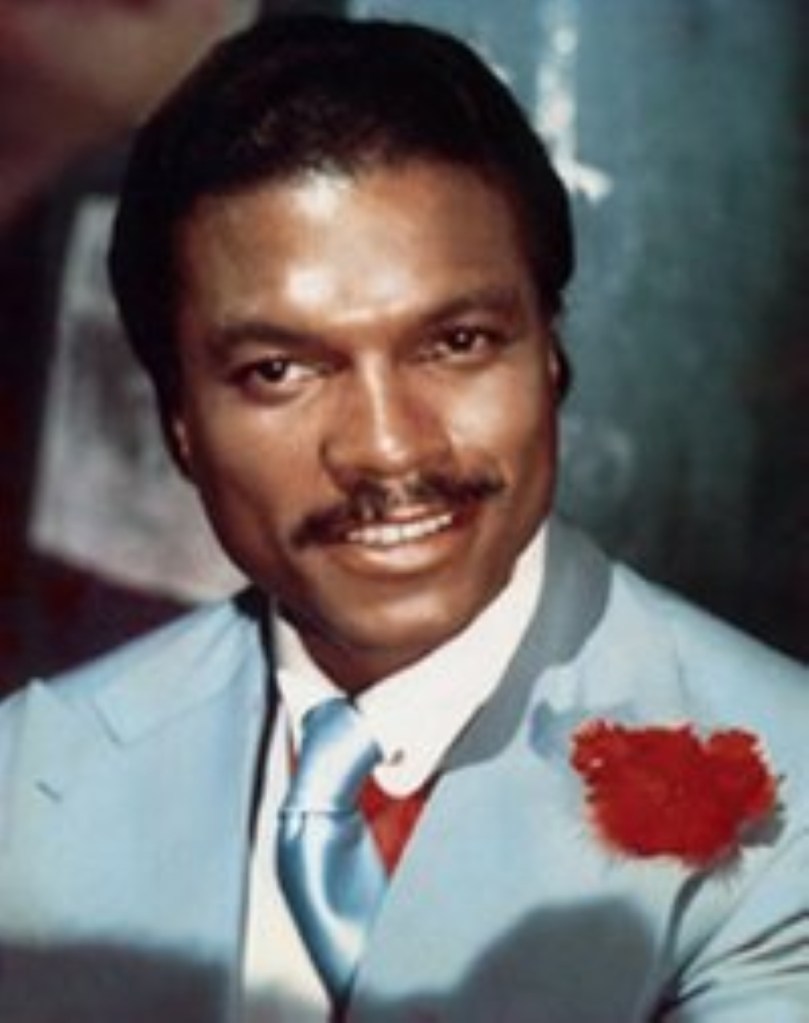
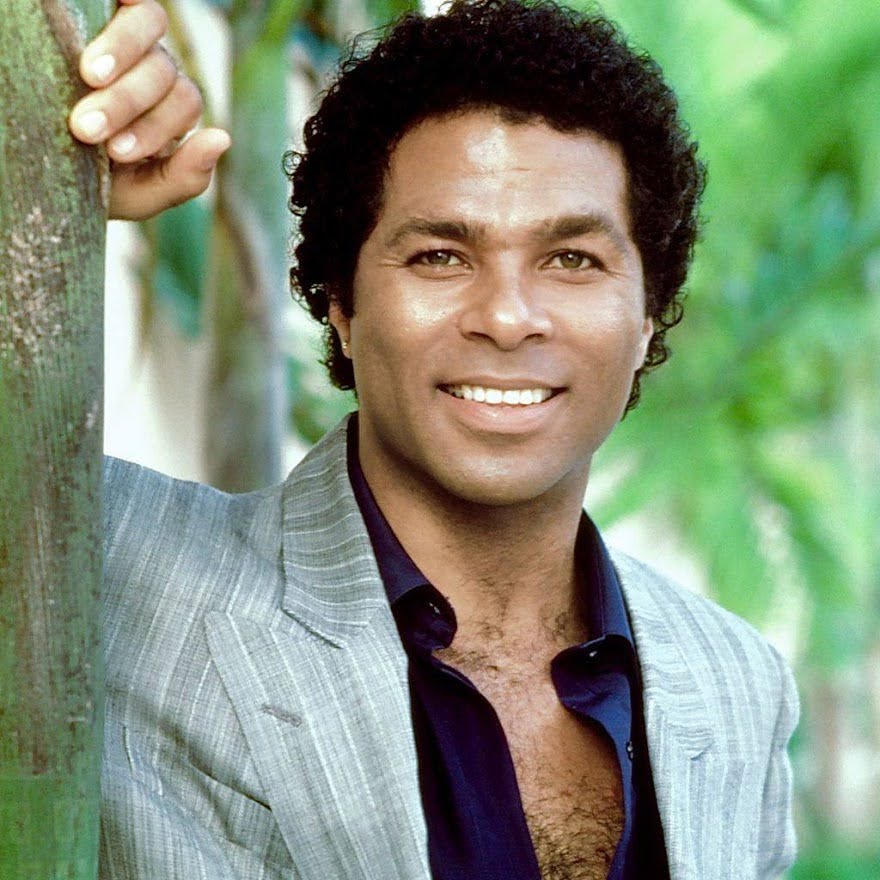
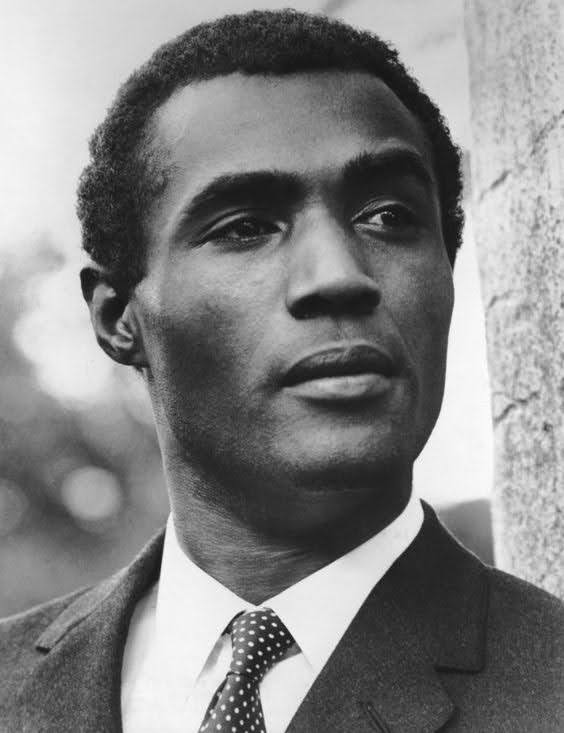
Masculine Perfection Series: Billy Dee Williams, Phillip Michael Thomas, and Calvin Lockhart.

In the pantheon of cinematic elegance, few men have defined the standard of suave sophistication and masculine beauty like Billy Dee Williams, Phillip Michael Thomas, and Calvin Lockhart. These three gentlemen embody a timeless allure — a fusion of confidence, grace, and refinement that transcends generations. Each of them became more than actors; they became cultural symbols of style, poise, and the Black man’s regal presence in Hollywood. With perfectly tailored charm, smoldering good looks, and commanding screen presence, Williams, Thomas, and Lockhart remain eternal icons of masculine perfection.


Billy Dee Williams: The Cinematic Visual Phenomenon

This photograph is the property of its respective owners. No copyright infringement intended

William December “Billy Dee” Williams Jr., born April 6, 1937, in New York City, is the blueprint of cinematic sophistication. With his honey-brown skin, velvety deep voice, and elegant demeanor, Williams became the embodiment of the suave Black leading man during the 1970s and 1980s. His refined style and irresistible charm made him Hollywood’s original “smooth operator.”

Billy Dee Williams was not just handsome — one of the most suave handsome men in the world. His screen presence was like no other; when he walked into a room, everyone would take notice as he flashed that grand piano we call a smile. Whether on-screen or off, Williams carried an aura that commanded admiration. His every movement, smile, and word reflected an effortless blend of confidence and class that few could ever replicate.

Williams began his career on Broadway before transitioning to film, earning early acclaim in Brian’s Song (1971), where he portrayed football legend Gale Sayers. His performance earned him an Emmy nomination and opened the doors to a series of major film roles. He rose to superstardom through Lady Sings the Blues (1972) and Mahogany (1975), opposite Diana Ross — films that cemented his image as the romantic heartthrob of Black cinema.

However, it was his portrayal of Lando Calrissian in Star Wars: The Empire Strikes Back (1980) and Return of the Jedi (1983) that made him a global icon. Williams became one of the first Black actors to enter a major science fiction franchise, blending charm, intelligence, and heroism with effortless flair.

Beyond acting, Williams is a talented painter and author. His art has been exhibited in major galleries, reflecting the same elegance that defines his screen persona. Married to Teruko Nakagami since 1972, he continues to represent grace and longevity both personally and professionally. To this day, Billy Dee Williams remains the very definition of cool — a man whose name evokes timeless class and cinematic royalty.


Phillip Michael Thomas: The Exotic Vision of Television’s Golden Era

This photograph is the property of its respective owners. No copyright infringement intended

Phillip Michael Thomas, born May 26, 1949, in Columbus, Ohio, is one of the most uniquely handsome men to grace the television screen. His tan complexion, luscious curly hair, and mesmerizing green eyes gave him an exotic, almost ethereal beauty that captivated audiences worldwide. Beyond his looks, Thomas possessed a deep artistic vision, blending charisma, intelligence, and soul into every performance.

He began his career on stage before moving into film roles such as Sparkle (1976) and Coonskin (1975). His star truly rose when he became Detective Ricardo Tubbs in the 1980s television phenomenon Miami Vice (1984–1990). Alongside Don Johnson, Thomas brought passion, depth, and style to the small screen, helping redefine television fashion and music culture. His portrayal of Tubbs — suave, soulful, and effortlessly cool — earned him international fame and solidified his place as a pop culture icon.

Thomas was also a musician and producer. He released the album Living the Book of My Life (1985), showcasing his expressive voice and poetic sensibilities. Known for his visionary spirit, he coined the term “EGOT” (Emmy, Grammy, Oscar, Tony) as his personal aspiration — a phrase that has since become part of Hollywood’s vocabulary.

Though he largely stepped back from acting in later years, Phillip Michael Thomas remains an enduring figure of 1980s excellence — a man whose exotic beauty, creative ambition, and soulful artistry made him unforgettable.


Calvin Lockhart: The Bahamian Adonis of Screen and Stage

This photograph is the property of its respective owners. No copyright infringement intended

Calvin Lockhart, born Bert McClossy Cooper on March 18, 1934, in Nassau, Bahamas, was one of the most strikingly handsome men of his era. With perfectly symmetrical features, rich mahogany skin, and a regal presence, Lockhart had the kind of face sculpted for the silver screen. He exuded elegance and strength, moving with the precision of a model and the authority of a king.

Lockhart’s acting career began in New York, where he performed in theater before transitioning to film. His breakout role came with Joanna (1968), followed by memorable appearances in Cotton Comes to Harlem (1970), Uptown Saturday Night (1974), and The Big Score (1983). His performances were magnetic — blending intellect, charm, and sensuality.

Unlike many actors of his time, Lockhart carried himself with European sophistication, speaking with eloquence and dressing with flair. He worked internationally, starring in films and theater productions in England and Italy, earning the admiration of both audiences and critics.

Later, he appeared in Coming to America (1988) as the father of Imani Izzi, showcasing his ageless poise and rich baritone voice. His life reflected artistic passion and dignity, and his image — smooth skin, sharp features, and kind eyes — remains etched in the memory of classic cinema.

Calvin Lockhart passed away in 2007, leaving behind a legacy of refinement and excellence. He represented the elite class of Black men who broke barriers in Hollywood with their grace, intelligence, and incomparable good looks.


Conclusion

Billy Dee Williams, Phillip Michael Thomas, and Calvin Lockhart each defined masculine beauty for their generation — and together, they created a legacy of cinematic excellence that continues to inspire. Williams embodied timeless charm, Thomas represented exotic brilliance, and Lockhart personified aristocratic perfection. Their artistry transcended color lines and continents, proving that the Black man’s beauty is both eternal and divine. These three kings of charisma didn’t just act — they glowed, shaping how the world saw elegance, confidence, and manhood.


References (APA Style)

Variety. (2023). The enduring influence of Billy Dee Williams on Black masculinity in film.

IMDb. (2024). Billy Dee Williams biography. https://www.imdb.com/name/nm0001850/

IMDb. (2024). Phillip Michael Thomas biography. https://www.imdb.com/name/nm0859374/

IMDb. (2024). Calvin Lockhart biography. https://www.imdb.com/name/nm0516660/

Lucasfilm. (1980). Star Wars: The Empire Strikes Back [Film]. 20th Century Fox.

NBC. (1984–1990). Miami Vice [Television series]. Universal Television.

United Artists. (1970). Cotton Comes to Harlem [Film]. United Artists.

NAACP Image Awards. (1972). Billy Dee Williams: Outstanding Actor Nominee. NAACP.

Dilemma: Vanity

She enters rooms like storms of flame,
Hoping all will gasp her name.
With eyes that hunt and lips that lure,
She craves the gaze, intense and pure.

She stalks the hearts of wandering men,
Their weakness feeds her strength again.
She bares her flesh to mask her soul,
A fractured crown, a queen unwhole.

In mirrors, lies become her truth—
A hollow shrine adorned in youth.
She longs for love she’s never earned,
From hollow praise her heart has burned.

To be adored, to be revered,
To silence every inner fear.
She wears ambition like perfume,
And scatters pride through every room.

Her confidence, a shallow stream,
A desperate echo of a dream.
For every compliment she stores,
A thousand doubts still flood her shores.

She buys devotion, buys disguise,
In name-brand lies and jeweled eyes.
But all her wealth cannot conceal
The ache no man or cloth can heal.

Her gaze is laced with lustful fire,
A serpent’s charm, a carnal choir.
Men fall like stars into her snare,
Not knowing demons dwell in there.

She drinks the worship, sweet and bold,
As if her breath could turn to gold.
The ground she walks becomes her stage,
A goddess trapped within a cage.

And in the hush of darkened rooms,
Where silence drowns perfume and plumes,
One truth remains, as shadows creep—
Vanity never lets one sleep.

She is the idol, clothed in skin,
A monument to secret sin.
She smiles—but hides a curse within…
And her name… is Vanity.

🔍 What is Vanity?

Vanity is an excessive concern with one’s appearance, abilities, or social status—often rooted in pride, insecurity, or narcissism.

“Vanity of vanities, saith the Preacher, vanity of vanities; all is vanity.”
Ecclesiastes 1:2, KJV

Vanity is not just external beauty obsession; it’s a spiritual emptiness, a pursuit of admiration or validation that distracts from one’s divine identity and purpose.


🪞 Narcissism & Vanity in Today’s Culture

In psychology, narcissism is characterized by grandiosity, a need for admiration, and a lack of empathy. In today’s society, this manifests through:

  • Self-obsession on social media

  • Posting revealing photos for attention and likes

  • Seeking external validation over inner peace

  • Hypersexualization for profit and approval

  • Low self-esteem disguised as confidence

“In the last days, people will be lovers of themselves, lovers of money, boastful, proud…”
2 Timothy 3:1-5


📱 Social Media & the Rise of Vanity

Social media platforms (like Instagram or TikTok) have created a performance-based culture, where women—and men—seek approval through:

  • Physique-focused selfies 📸

  • Revealing clothing for likes 👍

  • Sexualized dances for followers 👯‍♀️

  • Paid validation via OnlyFans or similar sites 💵

This breeds dopamine addiction, where attention becomes an emotional drug.

“Let your beauty not be external… but the hidden person of the heart, with the incorruptible beauty of a gentle and quiet spirit…”
1 Peter 3:3-4 (ESV)


💔 The Psychological Toll of Vanity

Vanity often masks deep-rooted trauma or insecurity, leading to:

  • Low self-worth

  • Eating disorders (anorexia, bulimia, binge eating)

  • Depression and body dysmorphia

  • Sexual objectification

  • Shame after validation fades

Psychologist Dr. Jean Twenge (2013) links the “selfie generation” to growing mental health issues and narcissistic traits.


💃 How Did Women in the Past Dress?

Historically, women dressed modestly, valuing dignity over seduction. Biblical and ancient cultures saw clothing as an extension of morality and identity, not a tool of temptation.

“In like manner also, that women adorn themselves in modest apparel, with shamefacedness and sobriety…”
1 Timothy 2:9 (KJV)

Biblical women like Ruth, Esther, and Mary were praised for character, not cleavage. They influenced nations through virtue, wisdom, and obedience, not sensual display.


👗 What Does It Mean to Dress Like a Lady?

To be ladylike is to:

  • Dress elegantly and modestly

  • Represent God’s image with honor

  • Avoid clothing that provokes lust or dishonor

  • Reflect inner beauty outwardly

“Charm is deceitful and beauty is vain, but a woman who fears the Lord is to be praised.”
Proverbs 31:30


🚫 Why Abstain from Sex Until Marriage?

Sex outside of marriage leads to:

  • Soul ties

  • Shame or guilt

  • Emotional instability

  • Unwanted pregnancies

  • Disease and spiritual disconnect

“Flee from sexual immorality. Every other sin a person commits is outside the body…”
1 Corinthians 6:18-20

“Marriage is honorable in all, and the bed undefiled: but whoremongers and adulterers God will judge.”
Hebrews 13:4 (KJV)


🛐 Deliverance from Vanity & Eating Disorders

1. Repent and Realign with God

  • Acknowledge that worth comes from being made in God’s image (Genesis 1:27).

  • Confess insecurities and ask for healing (Psalm 34:18).

2. Renew Your Mind

  • Avoid comparisons (2 Corinthians 10:12)

  • Meditate on the Word daily (Romans 12:2)

3. Fast from Social Media

  • Break from toxic platforms

  • Curate content that uplifts spiritually and mentally

4. Surround Yourself with Godly Women

  • Build a circle that encourages holiness, not hype

5. Seek Professional Help if Needed

  • Eating disorders often require therapy, nutritionists, and spiritual counseling


🛑 Advice to Women on Showing Their Bodies Online

Dear sister,

Your body is a temple, not a display shelf. You are more than your curves, your lashes, your followers.

  • When you reveal your body for likes, you are leasing your soul for approval.

  • God sees your worth even in sweatpants and silence.

  • Real love sees you clothed in dignity, not desperation.


📚 References

  • Twenge, J. M. (2013). The narcissism epidemic: Living in the age of entitlement. Atria Books.

  • American Psychological Association. (2022). Eating disorders. https://www.apa.org/topics/eating-disorders

  • Tishkoff, S. A., et al. (2009). The genetic structure and history of Africans and African Americans. Science, 324(5930), 1035–1044. https://doi.org/10.1126/science.1172257

  • Holy Bible, King James Version (KJV)

  • Holy Bible, English Standard Version (ESV)


The Biblical Composition of Man: The Spirit, The Soul, and The Body.

Photo by Elu012bna Aru0101ja on Pexels.com

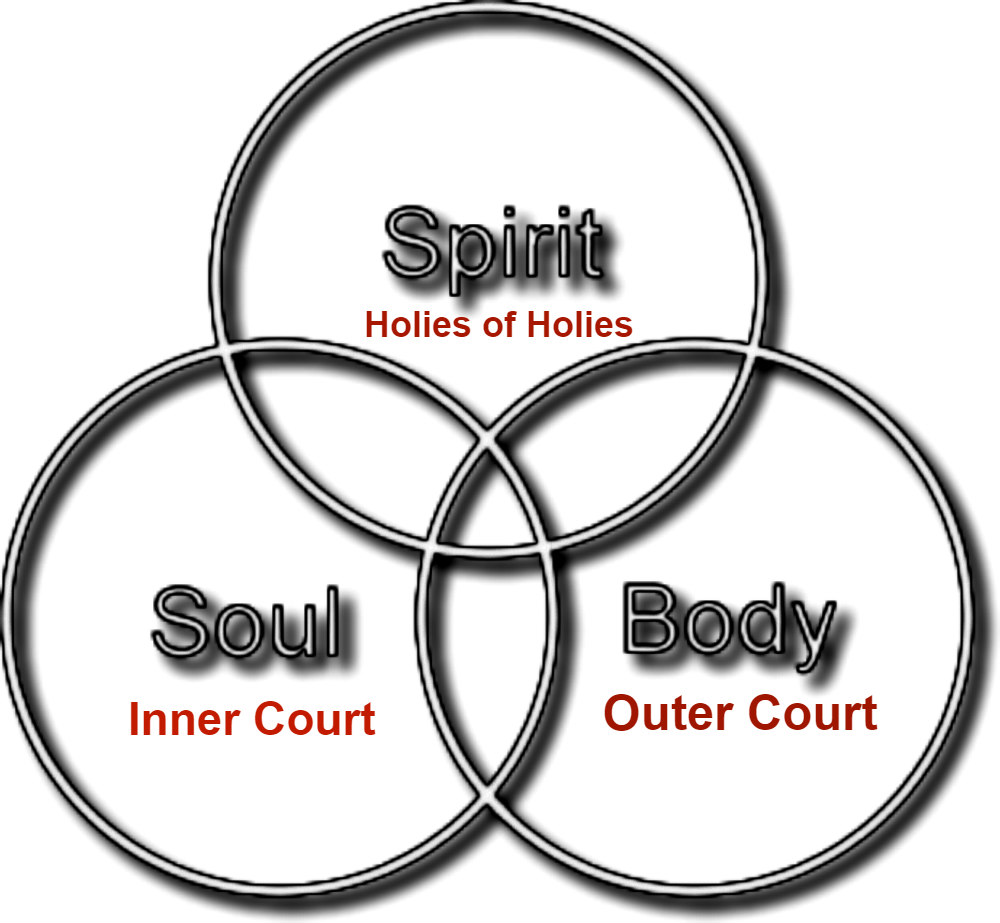
The human constitution, as divinely designed, consists of three distinct yet interwoven components: the spirit, the soul, and the body. The body is the earthly vessel, formed from dust, which enables our engagement with the physical world. The soul is the seat of our intellect, will, and emotions—our personal essence and moral identity. The spirit, breathed into man by God Himself (Genesis 2:7), is the eternal faculty by which we commune with the Divine. Together, these elements form the totality of our being, intricately woven to reflect the image of God (1 Thessalonians 5:23; Hebrews 4:12). To understand this triune nature is to begin grasping the sacred mystery of human life and destiny.”


The Biblical Composition of Man: Spirit, Soul, and Body

The Bible presents man as a triune being made in the image of God (Genesis 1:26). According to 1 Thessalonians 5:23 (KJV), the Apostle Paul wrote:

“And the very God of peace sanctify you wholly; and I pray God your whole spirit and soul and body be preserved blameless unto the coming of our Lord Jesus Christ.”

This verse affirms that the human person consists of three distinct elements:

  1. The Body – the physical, visible aspect.

  2. The Soul – the seat of emotions, will, and personality.

  3. The Spirit – the eternal, God-conscious part that allows communication with God.

Hebrews 4:12 also distinguishes between soul and spirit:

“For the word of God is quick, and powerful… piercing even to the dividing asunder of soul and spirit, and of the joints and marrow, and is a discerner of the thoughts and intents of the heart.”
(Hebrews 4:12, KJV)

This clearly shows that soul and spirit are not the same. While often used interchangeably in modern speech, biblically they refer to different aspects of the human essence.


II. What Is the Spirit According to the KJV Bible?

The spirit (Hebrew: ruach; Greek: pneuma) is the life-giving breath from God.

“The spirit of man is the candle of the Lord, searching all the inward parts of the belly.”
(Proverbs 20:27, KJV)

“Then shall the dust return to the earth as it was: and the spirit shall return unto God who gave it.”
(Ecclesiastes 12:7, KJV)

Here, Scripture teaches that the spirit is what gives life and returns to God upon death. It is not the soul—it is the divine spark, the animating force from God.


III. What Is the Soul According to the KJV Bible?

The soul (Hebrew: nephesh; Greek: psuchē) is the seat of emotions, reasoning, and identity. It represents the “personhood” of a human.

“And the LORD God formed man of the dust of the ground, and breathed into his nostrils the breath of life; and man became a living soul.”
(Genesis 2:7, KJV)

The soul is conscious, moral, and eternal. It experiences joy, sorrow, fear, and decision-making. After death, the soul continues to exist.

“Fear not them which kill the body, but are not able to kill the soul: but rather fear him which is able to destroy both soul and body in hell.”
(Matthew 10:28, KJV)

This verse clearly distinguishes between body and soul, with the soul being capable of eternal destination—either heaven or hell.


IV. What Happens at Death?

The Bible teaches that death is the separation of the spirit from the body.

“For as the body without the spirit is dead, so faith without works is dead also.”
(James 2:26, KJV)

At death:

  • The body returns to dust (Genesis 3:19).

  • The spirit returns to God (Ecclesiastes 12:7).

  • The soul enters a place of waiting, either comfort or torment.


V. Afterlife in the Apocrypha

The Apocryphal books, while not part of the canon for all denominations, offer deep insights into Jewish beliefs about the soul after death.

2 Esdras 7:78-88 (Apocrypha) outlines what happens to the soul:

“Now, concerning death, the teaching is: When the decisive decree has gone out from the Most High that a person shall die, as the spirit leaves the body… it returns to him who gave it, first adoring the glory of the Most High… the souls of the righteous are in the hand of God, and no torment shall touch them…”

In contrast:

“But the way of sinners is hard… they shall wander in torments and be in anguish seven ways…”

This aligns with Luke 16:19–31, the parable of the rich man and Lazarus, where Jesus describes two destinations after death: Abraham’s bosom (comfort) or Hades (torment).


VI. The Purpose of the Soul and Spirit

The soul is judged for moral and spiritual decisions, while the spirit connects with God.

“The soul that sinneth, it shall die.”
(Ezekiel 18:20, KJV)

The spirit returns to God, but if the soul is unredeemed by Christ, it is condemned (John 3:18).


VII. Summary: Key Differences

Element Nature Function Destination After Death
Body Physical World interaction Returns to dust (Genesis 3:19)
Soul Emotional / Personal Identity, Emotion, Will Judgment: Heaven or Hell (Matthew 10:28)
Spirit Spiritual Life-giving force; connection with God Returns to God (Ecclesiastes 12:7)

VIII. Conclusion

The KJV Bible and Apocryphal writings clearly present a tripartite view of humanity. The body decays, the spirit returns to God, and the soul awaits judgment. The spirit is not the same as the soul, although deeply connected. Understanding this distinction helps us grasp the eternal nature of our being and the urgency of repentance and spiritual transformation in this life. Ultimately, the destiny of the soul is determined not by status or knowledge, but by one’s relationship with God through Christ.


Key Scriptures to Meditate On (KJV)

  • Genesis 2:7

  • 1 Thessalonians 5:23

  • Ecclesiastes 12:7

  • Matthew 10:28

  • Luke 16:19–31

  • 2 Esdras 7:78–88 (Apocrypha)


Akshun Man: A Prophetic Voice in the Global Hip-Hop Renaissance.

Since its revolutionary birth in the 1970s, hip-hop has grown from the street corners of the Bronx to become a global cultural force. Originally conceived as an expressive outlet for the marginalized—giving lyrical voice to the struggles, injustices, and triumphs of inner-city life—early pioneers like The Sugarhill Gang helped define a genre rooted in truth-telling, rhythm, and resilience.

Over time, however, the message of hip-hop has been largely commercialized and co-opted, often reduced to a vehicle for glorifying materialism, promiscuity, drugs, and egotism. The original prophetic energy has, in many quarters, been muted or misdirected.

Yet in the midst of this cultural noise, a new kind of artist is emerging—one who restores hip-hop’s power to uplift, awaken, and declare truth.

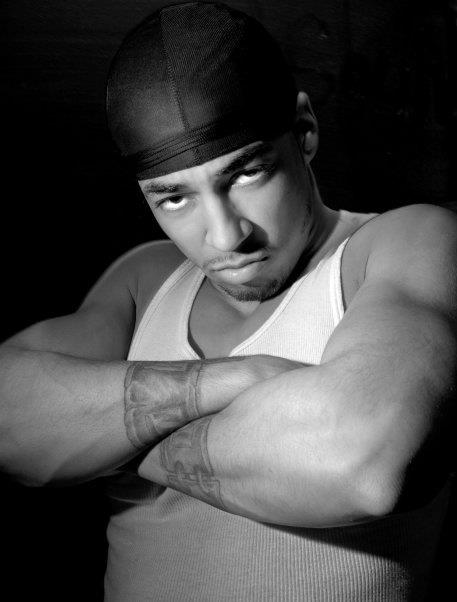
Enter Akshun Man, a dynamic 38-year-old Canadian rap artist and entrepreneur from Montreal. Handsome, lyrically gifted, and spiritually grounded, Akshun Man breaks the mold by fusing conscious, scripturally inspired messages with the commanding cadence of true hip-hop artistry. With every verse, he honors the Most High God of Israel, positioning himself not just as an entertainer—but as a messenger in motion, using music as a tool for spiritual awakening and cultural restoration.

What is your ancestry?

My family is of Cape Verdean / Angolan ancestry. I am an Israelite.

When did you come into the knowledge of who you are (as an Israelite) in the Most High? and how did that affect your life?

I came into the knowledge of self through a very long process of just studying self (and others, which is all one anyway), the Wor,d and through art, poetry in hip-hop form to be more precise. It affected my life in every way. It basically revealed who I indeed was, created in the image and likeness of the True and Living Most High God, which just makes life clearer, more peaceful, purposeful, and fulfilling. Operating from that state just makes life way smoother, going with the universal law as opposed to going against it through ignorance.

What advice would you give to young aspiring rap artists? or tips on starting their label?

I would say to love God with all your being. Trust and have Faith in Him and nothing else. Never give up on their dreams, believe in yourself and work harder than everybody else. Selah!

Does Colorism or Racism exist in Montreal? If so, what has been your experience?

Yes Racism exists pretty much everywhere in the world I think or almost at least but especially in 1st world countries indeed, so my personal experience is that in Montreal, its only white people touching money and fame but it ain’t even that much. It’s rare to see a person of a different ethnicity prosper without conforming somewhat to the system which is racist by default, so basically, people sell out their own people every day but over here it’s really not much it’s so petty it’s disgusting.

As a light-skinned male what obstacles or racism have you faced? And how did you deal with it?

Well, growing up here was somewhat of an identity crisis, and you never really fit in anywhere, so I ended up developing myself into a very independent man, solitary at times but not lonely and very self-sufficient. How I dealt with it was through a powerful sense, knowledge, and understanding of self. Like the Great, Bob Marley said, ” I’m not on the white side, I’m not on the black side, I’m on God’s side.”

How do you feel about dark-skinned women and how are they treated in your neighborhood?

I love dark-skinned women, probably the most, but it is unfortunate how a lot of them are thinking it’s a shame nowadays. I guess from my humble perspective, it seems like for so long the dark-skinned woman has been under and poorly represented in society to the point where now they are just doing all kinds of stuff that is outside of their character just for social acceptance. I see a lot of them date white guys, smoke cigarettes, and do drugs. They live how white people live only to gain some kind of acceptance, but at the same time, they win recognition from that side; is the same time, they lose respect and honor from people like me on this side.

Do you think men pay to much attention to what a woman looks like physically? What advice would you give to a man only looking for sex, not marriage?
 
 
Society in general definitely over-emphasizes physical appearance over moral or spiritual beauty. The advice I would give a man who only pays attention to physical occurrences of a woman, I would tell him that many demons have presented themselves through some of the most seductive women, so I would definitely ask him to be careful lol. For the man who only wants sex, I would tell him he has some growing up to do. A wise man once said, “He who finds a wife finds a good thing.”


What makes a woman virtuous?
 
The application of Virtue: 1 Humility. 2 Kindness. 3 Patience. 4 Diligence. 5 Charity. 6 Temperance. 7 Chastity. The more of these virtues manifest in her character, the more virtuous she is considered (and attractive, ha).


Tell me something about your self that nobody knows.
 
Nobody knows I am immortal.

Dilemma: Racism

What do they say we are….

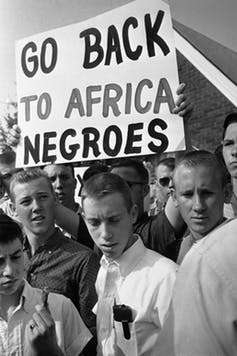
NIGGERS * SPICS *COONS * DARKIES * BLACK * UGLY * MULATTOS *FEEBLE MINDED * UNFIT * IMBECILES * IMMORAL * CRIMINAL * CATTLE * SLAVES NEGROES * AFRO THIS OR THAT *MONKIES * SAVAGES * COLORED *JUNGLE BUNNIES * DIRT *JIGABOOS * ANIMALS *WET BACKS * SPOOKS *SAMBOO * ASIATIC BLACK MIXED * BIRACIAL* MULTIRACIAL * BURNT And so forth… Code words used to establish slavery.

This photograph is the property of its respective owner.

The differentness of races, moreover, is no evidence of superiority or of inferiority. This merely indicates that each race has certain gifts which the others do not possess. — Carter G. Woodson

“Race is not a biological reality but a social concept—a powerful illusion.”
California Newsreel, “Race: The Power of an Illusion”

The Grand Illusion of Race and the Legacy of Racism

Racism remains the most pervasive and destructive force in modern civilization—a persistent “elephant in the room” that continues to inform systems of oppression, injustice, and inequality. It is the progenitor of slavery, the father of colorism, and the cornerstone of a worldview rooted in false hierarchies of human worth. Racism, in its purest form, is the deeply ingrained belief that racial groups possess inherent differences in qualities or abilities, and that these differences justify unequal treatment or social dominance. This belief system, which asserts the superiority of one race over another, has served as the ideological foundation for centuries of colonization, brutality, and social division.

At the heart of racism lies the construct of race itself, which scholars have long demonstrated is not rooted in biology but in social fabrication. The so-called “races” of humanity are, in fact, an artificial system of classification, developed to rationalize systems of power and privilege. The landmark PBS documentary Race: The Power of an Illusion (2003) explains that human genetic variation is superficial at best—there are no genetic markers exclusive to any one race. Instead, traits such as skin color, facial structure, or hair texture are inherited independently and do not correlate with cognitive or moral capacity (California Newsreel, 2003).

The American institution of chattel slavery was perhaps the most significant catalyst in the global entrenchment of racial ideology. Slavery required the dehumanization of African people—turning them into property—and this was justified by pseudo-scientific claims of racial inferiority. These ideas birthed and fueled colorism, a derivative of racism that privileges lighter skin even within communities of color, reinforcing hierarchies based on proximity to whiteness.

To understand how this illusion persists, we must first expose it. “Race” as a category exists to serve political and economic agendas—not truth. As the anthropologist Audrey Smedley (2007) noted, race is “a folk ideology,” invented in the 17th century to justify the social order of European expansion and the transatlantic slave trade.

This deeply entrenched deception leads to cultural disorientation, especially for historically oppressed peoples. When individuals are disconnected from their origins, their histories, and their spiritual significance, they become vulnerable to narratives imposed upon them by others. The ancient Hebrew text affirms this reality:

“Ye were sold to the nations, not for your destruction: but because ye moved God to wrath, ye were delivered unto the enemies.”
Baruch 4:6, Apocrypha

This verse speaks to divine consequences but also affirms identity and value—the people were not destroyed, merely displaced.

Today, the ideology of race continues to fuel disparities in education, health, economics, and justice. Its endurance is not due to any empirical truth but because societies have bought into a myth, perpetuated by media, education, and institutions. If race is a lie, racism is a belief in that lie—an attitude born from ignorance and sustained by fear and silence.

Ultimately, liberation begins with truth. Once we dismantle the illusion of race, we create space for healing, equity, and restoration.


“Race” as Illusion, Racism as Truth: A Global History of Black Oppression


“We know that ‘race’ is not a biological reality but a social tool—an illusion crafted to categorize, divide, and suppress.”
Audrey Smedley & Brian Smedley, 2007


1. What Is Racism—and How It Functions

Racism is more than prejudice; it is a structured belief system that posits the existence of distinct human races with inherent differences in worth, ability, and moral standing. At its core is the assertion that one race—typically white—stands superior, legitimizing practices of violence, exclusion, and exclusionary power.

Colorism, an offspring of racism, assigns varied value even within communities of color—privileging lighter skin tones while denigrating darker ones. These systems evolved during American chattel slavery, where light-skinned enslaved people were granted relative privilege, while darker-skinned individuals were relegated to harsher conditions.


2. Slavery: The Global Catalyst of Race-Based Hatred

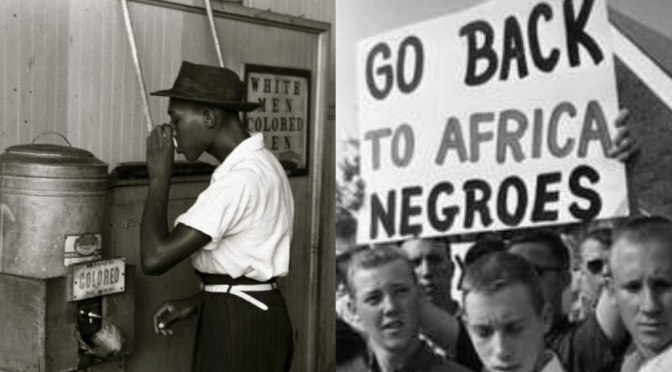
Slavery in the Americas began in earnest around 1619, when Africans were forcibly brought to the New World, stripped of identity, and dehumanized for economic gain. They endured brutal treatment—beatings, rape, forced labor, and psychological terror—for centuries. Even after the Emancipation Proclamation (1862), the legacy of bondage evolved into Jim Crow, mass lynchings, segregation, and economic subjugation.

In Natchez, Mississippi, a post‑Civil War refugee camp known as the Devil’s Punchbowl housed thousands of freed Black people under horrendous conditions—disease, starvation, and neglect led to thousands of deaths (estimates range from 2,000 to 20,000) TRT WorldWikipedia.


3. Human Zoos, Colonialism, and King Leopold’s Congo

From the 1800s through the mid-20th century, Western “human zoos” exhibited Black and Indigenous people in Europe and America as exotic curiosities—living in fabricated villages, mimicking rituals, and displayed alongside animals in grotesque spectacles DW News+2Deutsche Welle+2The Sun+2.

Most egregiously, under King Leopold II of Belgium, 267 Congolese men, women, and children were exhibited at the Tervuren World’s Fair in 1897, seven of whom died. His regime in the Congo Free State (1885–1908) involved forced labor, systematic brutality, and amputations, resulting in the deaths of an estimated 1–13 million people France 24+6Wikipedia+6bdnews24.com+6.

These events normalized the idea of Black people as sub-human, used to justify colonialism, apartheid, and segregation. Pseudo-scientific racial classification and craniometry were often used to reinforce racist hierarchies Deutsche Welle+3France 24+3DW News+3.


4. Colorism and Legacy: Today’s Bywords

Today, Black people are still referred to by degrading terms—n*****r, darkie, coon, mulatto, field slave, savage, and more. Such labels have origins in slavery and reinforce social hierarchy. Even within Black communities, colorism persists—lighter skin often equates to socioeconomic advantages, a phenomenon rooted in slave-era preferential treatment.


5. Modern Persecution: Police Violence and Systemic Inequality

Racism continues under the guise of legal and institutional power. The murder of George Floyd in 2020— asphyxiated by police officer Derek Chauvin—triggered worldwide outrage and calls for justice. Floyd’s death is part of a pattern: in 2021, Black Americans comprised 27% of those fatally shot by police, even though they are just 13% of the U.S. population.

Countless others—Breonna Taylor, Ahmaud Arbery, and more—have experienced brutality and had justice repeatedly denied (e.g., mistrial or acquittal of the officers) .


6. Identity Restoration: The Real Jews and Chosen Lineage

Some scholars and communities argue that Black people, particularly descendants of the enslaved Israelites, are the true heirs of the original Hebrew covenant—the chosen people. This belief includes theological affirmation of identity and the spiritual trauma inflicted by slavery.


7. The Horror of Infant Torture

Among the most horrific records of cruelty are accounts claiming that Black infants were fed to alligators, used as bait in Florida, a practice that symbolizes ultimate dehumanization. While specific documentation is limited, this narrative underscores centuries of systemic brutality and moral reprehension.


Conclusion: From Demonization to Dignity

Racism is not merely ideology—it is the engine of oppression, designed to devalue and destroy. It thrives on illusions of race, hierarchy, and otherness. Its consequences have spanned continents, centuries, and generations—from Congo to the Devil’s Punchbowl, from European human zoos to modern police brutality.

To disrupt it, we must deconstruct its illusions and restore identity: reclaim histories, reject bywords, and affirm the sacred humanity and sovereignty of Black people everywhere.


📚 References

Dilemma: Self-Hatred


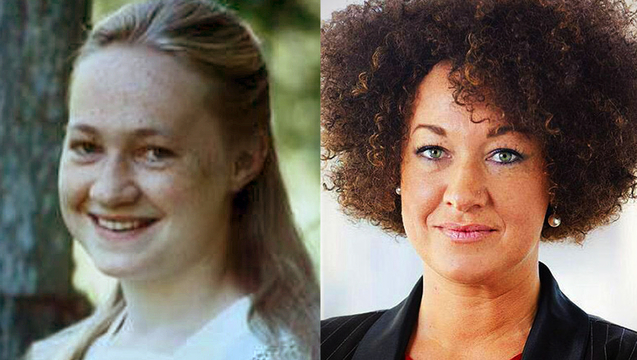
Rachel Dolezal, a former president of the Spokane, Washington, chapter of the NAACP, became a national figure of controversy when it was revealed in 2015 that she was a white woman who had been presenting herself as Black for years. Despite having been born to white parents of European descent, Dolezal had altered her appearance, including tanning her skin, curling her hair, and adopting African American vernacular and culture. Her case raises profound questions about racial identity, cultural appropriation, and societal double standards.

Ironically, while Black women are frequently criticized or pathologized for assimilating into Eurocentric beauty norms—whether through hair straightening, skin lightening, or other means—Dolezal, a white woman, was initially celebrated within a Black community organization for her performance of Black identity. Her work with the NAACP and advocacy on behalf of civil rights may have been well-intentioned, but the deception surrounding her racial identity challenges the principles of authenticity and transparency essential to public leadership.

Psychologically, her case touches on what scholars term “racial identity appropriation,” wherein individuals adopt the cultural markers and struggles of a group to which they do not belong, often as a means of securing identity, belonging, or moral authority. This phenomenon is distinct from transracial adoption or cultural exchange; it often stems from deeper issues related to identity confusion, desire for empathy or attention, or the allure of perceived moral high ground.

The public backlash against Dolezal revealed not only the societal discomfort with ambiguous racial boundaries but also exposed how white individuals are often extended forgiveness or curiosity when crossing cultural lines. In contrast, Black individuals, particularly women, are rarely afforded the same grace. Her actions highlight the privileges of whiteness, even in spaces ostensibly dedicated to racial justice.

 
Rachel Dolezal (left to right) These photographs are the property of their respective owners.
 

💔 Why Do Some Black People Hate Themselves or Each Other?

This phenomenon isn’t due to a moral failing, but rather the psychological residue of slavery, colonialism, and white supremacy. It is what scholars call internalized racism—when oppressed people begin to absorb the lies told about them by the dominant society.

1. Slavery and the Destruction of Identity

Slavery was not only about physical bondage—it was about erasing the identity of a people. Africans were stripped of their languages, names, families, religions, and cultural pride. They were forcibly renamed, reclassified, and psychologically reprogrammed to believe they were inferior.

“If you can convince the lowest white man he’s better than the best colored man, he won’t notice you’re picking his pocket.” — Lyndon B. Johnson

During slavery, enslaved Africans were:

  • Divided by complexion: lighter-skinned slaves (often the result of rape) were given house duties, while darker-skinned slaves labored in the fields. This bred resentment and laid the foundation for colorism—a hierarchy within the race based on skin tone.

  • Pitted against each other: as outlined in the infamous (and possibly apocryphal) Willie Lynch Letter, enslavers used fear, distrust, and division to keep enslaved people from uniting.

2. Post-Slavery: The Birth of Colorism and Eurocentric Standards

Even after emancipation, the proximity to whiteness became the measure of beauty, intelligence, and worth. Black features—like broad noses, kinky hair, or dark skin—were mocked, while lighter skin and long straight hair were celebrated.

This legacy persists today:

  • Colorism: Lighter-skinned Black people often receive more favorable treatment in media, hiring, dating, and society.

  • Hair Discrimination: Natural hairstyles like afros, locs, and braids are still viewed as “unprofessional” in many institutions.

  • Self-Rejection: Some Black people bleach their skin, avoid the sun, or use harmful chemicals to straighten their hair—not out of vanity, but as a survival mechanism in a world that devalues their natural state.

3. Internalized Racism and “Self-Hate”

Black people—like all people—are shaped by the media, education, and culture. When all of those systems portray whiteness as good and Blackness as bad, a subconscious belief can form: “There must be something wrong with me.”

This shows up in:

  • Jealousy or suspicion of each other’s success (“crabs in a barrel”).

  • Mocking natural Black features.

  • Dividing ourselves by skin tone, hair texture, dialect, or region.


🌱 What Does Being a Hater Really Mean?

A hater is someone who resents another person’s success, beauty, confidence, or uniqueness. In our community, this often stems from:

  • Low self-esteem.

  • Unhealed trauma.

  • Feeling powerless in a system built against us.

As Malcolm X said:

“Who taught you to hate the texture of your hair? Who taught you to hate the color of your skin…?”


💡 Why Is Light Skin and Long Hair Still Seen as More Desirable?

It’s rooted in colonialism and media conditioning:

  • For centuries, the lighter you were, the more human you were considered.

  • Beauty standards were crafted by European ideals—pale skin, straight hair, and thin features were exalted, while Black features were demonized.

  • Even today, movies, magazines, dating apps, and TV often showcase light-skinned Black people as the default representation of beauty.


✊🏾 So What’s the Solution?

1. Reclaim Our History and Identity

Learn the truth about African civilizations, the African diaspora, and the richness of Black culture. When you understand your roots, you stop seeing yourself as inferior.

2. Practice Self-Love and Cultural Pride

Celebrate your skin, your hair, your body, your ancestry. Uplift those around you. Affirm your children. Support Black businesses. Wear your culture proudly.

3. Challenge Internalized Racism

Call out colorism when you see it. Unlearn negative beliefs. Don’t measure yourself by Eurocentric standards. Demand representation in media, leadership, and institutions.

4. Mental Health Matters

Therapy, especially with culturally competent Black therapists, can help unpack trauma, self-esteem issues, and patterns of self-hate.

5. Faith and Community Healing

In texts like Baruch 4:6 and Deuteronomy 28, many believe that Black people’s suffering is tied to disobedience to divine commandments, but also that restoration is possible. Healing is not just psychological, but also spiritual. Return to the Most High God!


🔥 A Final Quote to Reflect:

“We’ve been conditioned to hate ourselves and love their wealth… That’s why Black sell crack and we act like we’re not smart.” — Kanye West, “All Falls Down”


📚 References 


  • Akbar, N. (1996). Breaking the Chains of Psychological Slavery. Mind Productions.

  • hooks, b. (1992). Black Looks: Race and Representation. South End Press.

  • Fanon, F. (1967). Black Skin, White Masks. Grove Press.

  • Russell-Cole, K., Wilson, M., & Hall, R. E. (2013). The Color Complex: The Politics of Skin Color in a New Millennium. Anchor Books.

  • American Psychological Association. (2019). Ethnic and Racial Disparities in Mental Health Care.

Brubaker, R. (2016). Trans: Gender and Race in an Age of Unsettled Identities. Princeton University Press.
This work explores how Rachel Dolezal’s case illustrates the complexities and controversies of identity in contemporary society, including comparisons between transgender and “transracial” identities.