Category Archives: white supremacy

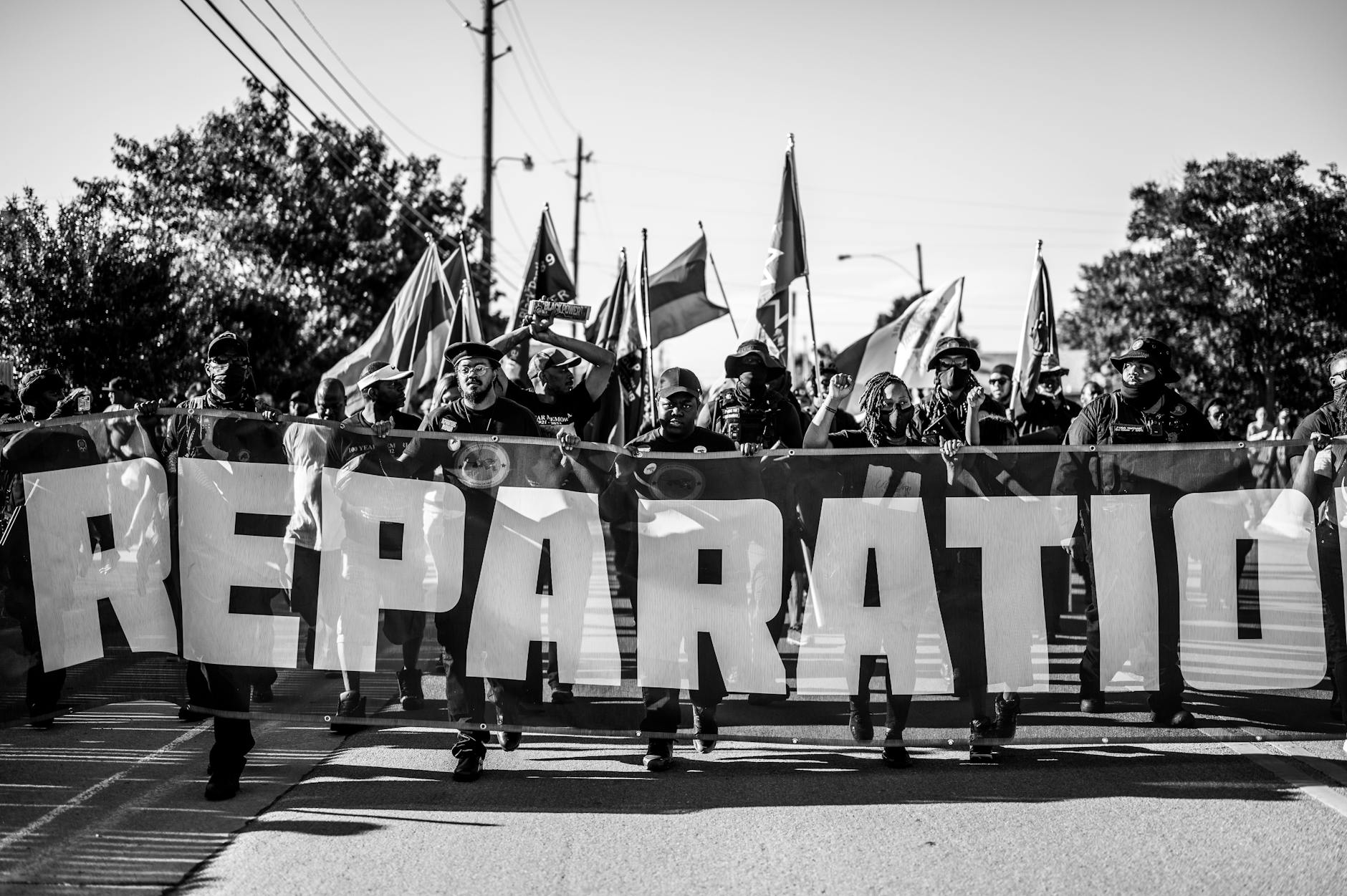
America’s Ten Unpaid Debts to Black Citizens.

A Historical and Moral Reckoning

Photo by Alfo Medeiros on Pexels.com

The history of the United States is marked by both the rhetoric of liberty and the reality of systemic exclusion. From slavery to present-day racial inequities, the nation has accumulated what Dr. Martin Luther King Jr. famously described as a “promissory note” to Black Americans—an unfulfilled promise of equality, justice, and opportunity (King, 1963). These unpaid debts are not merely metaphorical; they are tangible, measurable, and rooted in centuries of institutionalized oppression. This essay examines ten of the most significant debts owed to Black citizens, explaining their historical origins and ongoing impact.


1. Reparations for Slavery

From 1619 to 1865, millions of African people were enslaved, generating immense wealth for the United States without receiving wages, property, or restitution (Baptist, 2014). The labor of enslaved Africans built the economic foundation of the nation, particularly in agriculture and trade. The failure to provide “forty acres and a mule” after emancipation represents a broken promise (Foner, 1988). Today, the racial wealth gap is a direct legacy of this uncompensated labor.


2. Unpaid Wages of Sharecropping and Convict Leasing

After slavery, sharecropping and convict leasing perpetuated forced labor under exploitative contracts, often leaving Black workers in perpetual debt (Blackmon, 2008). This system enriched landowners, railroads, and industrialists while trapping Black families in generational poverty. Psychological trauma from this economic exploitation remains embedded in communities.


3. Land Theft and Dispossession

Throughout the late 19th and early 20th centuries, Black farmers lost millions of acres through discriminatory lending practices, violence, and fraudulent legal tactics (Mitchell, 2005). Entire Black towns—such as Rosewood, Florida, and Tulsa’s Greenwood District—were destroyed by white mobs, erasing economic gains and property inheritance.


4. Denial of GI Bill Benefits

Following World War II, the GI Bill offered veterans home loans, education, and business assistance. However, discriminatory administration by banks and colleges meant Black veterans were largely excluded (Katznelson, 2005). This hindered upward mobility and the ability to pass wealth to future generations.


5. Housing Discrimination and Redlining

From the 1930s through the 1970s, the federal government sanctioned redlining—refusing mortgages in Black neighborhoods—which restricted home ownership and property value appreciation (Rothstein, 2017). This structural exclusion solidified racial segregation and the wealth divide.


6. Unequal Education

For centuries, Black children were denied equal education, from the prohibition of literacy under slavery to segregated and underfunded schools after Brown v. Board of Education (1954). Even today, predominantly Black school districts receive significantly less funding, perpetuating educational inequities (Darling-Hammond, 2010).


7. Mass Incarceration

The disproportionate policing, arrest, and imprisonment of Black Americans—especially since the 1970s “War on Drugs”—represents another unpaid debt. Mass incarceration has stripped millions of voting rights, broken families, and drained economic potential (Alexander, 2010). Biblically, this parallels unjust imprisonment condemned in Isaiah 10:1–2 (KJV).


8. Healthcare Inequities

Black Americans have historically faced medical neglect, from the Tuskegee Syphilis Study to present disparities in maternal mortality and access to care (Washington, 2006). Structural racism in healthcare has cost countless lives, a debt measured in both mortality and moral failure.


9. Cultural Appropriation without Compensation

Black creativity has been a driving force in American music, fashion, sports, and art. Yet, cultural appropriation often strips Black innovators of credit and financial benefit, enriching corporations and others while leaving the originators marginalized (Love, 2019).


10. Political Disenfranchisement

From poll taxes and literacy tests to modern voter ID laws and gerrymandering, Black citizens have been systematically denied full political participation (Anderson, 2018). This exclusion undermines the democratic promise of equal representation and self-determination.


Conclusion

These ten unpaid debts—spanning economic, political, social, and cultural domains—reveal that the promise of America remains partially unfulfilled for Black citizens. Addressing them is not merely about restitution but about moral accountability and the biblical imperative to “do justly, and to love mercy” (Micah 6:8, KJV). Until these debts are acknowledged and addressed, the dream of a truly equal America will remain deferred.


References

Alexander, M. (2010). The new Jim Crow: Mass incarceration in the age of colorblindness. The New Press.
Anderson, C. (2018). One person, no vote: How voter suppression is destroying our democracy. Bloomsbury Publishing.
Baptist, E. E. (2014). The half has never been told: Slavery and the making of American capitalism. Basic Books.
Blackmon, D. A. (2008). Slavery by another name: The re-enslavement of Black Americans from the Civil War to World War II. Anchor Books.
Darling-Hammond, L. (2010). The flat world and education. Teachers College Press.
Foner, E. (1988). Reconstruction: America’s unfinished revolution, 1863–1877. Harper & Row.
Katznelson, I. (2005). When affirmative action was white: An untold history of racial inequality in twentieth-century America. W.W. Norton & Company.
Love, B. L. (2019). We want to do more than survive: Abolitionist teaching and the pursuit of educational freedom. Beacon Press.
Mitchell, T. (2005). From reconstruction to deconstruction: Undermining black landownership, political independence, and community through partition sales of tenancies in common. Northwestern University Law Review, 95(2), 505–580.
Rothstein, R. (2017). The color of law: A forgotten history of how our government segregated America. Liveright Publishing.
Washington, H. A. (2006). Medical apartheid: The dark history of medical experimentation on Black Americans from colonial times to the present. Doubleday.

Dilemma: Deuteronomy 28

The Black Experience: Prophecy or History Repeating?

Photo by Thato Moiketsi on Pexels.com


The twenty-eighth chapter of Deuteronomy in the King James Version (KJV) is one of the most striking passages in the Bible because of its detailed account of blessings for obedience and curses for disobedience. For centuries, many have read this chapter as a prophetic warning to ancient Israel. However, within the Black community—particularly among African Americans and the African diaspora—Deuteronomy 28 has been seen as more than distant history. Its descriptions of exile, suffering, and generational struggle resonate deeply with the legacy of slavery, systemic oppression, and the enduring trials faced by Black people today.


What Deuteronomy 28 Means (KJV Context)

Deuteronomy 28 outlines two distinct paths:

  • Verses 1–14 – Blessings for obedience to God’s commandments: prosperity, victory over enemies, fruitful land, and respect among nations.
  • Verses 15–68 – Curses for disobedience: poverty, disease, oppression, exile, enslavement, and a loss of identity.

For example:

“The LORD shall cause thee to be smitten before thine enemies… thou shalt be removed into all the kingdoms of the earth.” (Deut. 28:25, KJV)
“And the LORD shall bring thee into Egypt again with ships… and there ye shall be sold unto your enemies for bondmen and bondwomen, and no man shall buy you.” (Deut. 28:68, KJV)

In biblical times, “Egypt” symbolized bondage. The reference to ships in verse 68 has been interpreted by many in the African diaspora as a prophetic mirror to the transatlantic slave trade.


How It Affects Black People Today

For many descendants of the transatlantic slave trade, Deuteronomy 28 feels eerily personal:

  • Loss of Homeland & Identity – The scattering of Israelites into foreign nations parallels the forced removal of Africans from their native lands, stripping away language, culture, and heritage.
  • Generational Oppression – The curses describe cycles of poverty and violence that continue to plague Black communities worldwide.
  • Cultural Disconnection – Enslavement replaced ancestral traditions with foreign religions, names, and lifestyles, creating a fractured sense of self.

This sense of displacement—spiritual, cultural, and physical—has left an imprint that still affects Black people’s self-perception, unity, and empowerment.


Is History Repeating Itself?

While the transatlantic slave trade has ended, its legacy persists in new forms:

  • Mass Incarceration – A modern system echoing the chains of the past.
  • Police Brutality – Public killings and abuse as an extension of historical racial violence.
  • Economic Inequality – Wealth gaps between Black communities and white counterparts remain rooted in systemic barriers from slavery and Jim Crow.
  • Global Displacement – Migration crises and gentrification uproot Black families from established communities.

These parallels suggest that although the methods have changed, the core patterns of oppression remain. In this sense, history is not merely repeating—it is evolving in ways that still reflect the curses described in Deuteronomy 28.


Trials and Tribulations of the Black Experience

From enslavement to present-day systemic injustice, Black people have endured:

  • Enslavement & Forced Labor – Centuries of physical bondage and exploitation.
  • Lynchings & Racial Terrorism – The use of fear to maintain racial hierarchies.
  • Educational Barriers – Underfunded schools and restricted access to higher learning.
  • Cultural Appropriation – The theft and monetization of Black creativity without proper recognition or benefit.
  • Health Disparities – Higher rates of preventable diseases due to unequal access to care.

These struggles align with the “yoke of iron” (Deut. 28:48) that speaks not just to physical chains, but to social, economic, and psychological oppression.


Why Are We Going Through This?

From a biblical perspective, the trials faced by Black people can be seen through the lens of covenant relationship. In the Hebrew Scriptures, disobedience to God brought consequences upon Israel. Theologically, some interpret the suffering of the African diaspora as part of a divine chastisement that calls for repentance, unity, and a return to God’s commandments.

From a historical lens, the reason lies in systemic exploitation and white supremacy, which have sought to control, divide, and profit from Black labor and culture for centuries. Both spiritual and political explanations reveal that our suffering has roots deeper than mere coincidence.


Why Did This Separate Us?

Deuteronomy 28 speaks of being “scattered among all people” (v. 64). The scattering of African peoples through slavery physically separated families and tribes. Colonialism and forced assimilation further divided communities, creating:

  • Fragmented Identity – Different surnames, languages, and religions within the same bloodline.
  • Division by Colorism – A lingering byproduct of slavery’s “divide and rule” tactics.
  • Cultural Amnesia – Loss of collective memory about African kingdoms, traditions, and biblical heritage.

This separation weakens unity, making it harder for Black communities to mobilize for collective liberation.


Conclusion: Prophecy and Purpose

Whether one views Deuteronomy 28 as ancient prophecy directly describing the African diaspora or as an allegorical warning, the parallels are undeniable. The chapter reads like both a historical account and a prophetic mirror reflecting the Black experience—past and present.

Yet within the same chapter lies hope: the blessings that come with obedience, unity, and spiritual restoration. If the curses came to pass, so too can the promises of restoration, prosperity, and freedom. Our history may feel like it’s repeating, but prophecy also offers the possibility of breaking the cycle.

“And the LORD thy God will turn thy captivity, and have compassion upon thee, and will return and gather thee from all the nations…” (Deut. 30:3, KJV)

The call, then, is not only to recognize the pattern but to rise above it—spiritually, culturally, and collectively—so history’s repetition ends with us.

Dilemma: SUNDOWN TOWNS

Shadows After Sunset: The Enduring Legacy of “SUNDOWN TOWNS” in the United States

THEY STILL EXIST TODAY

In the collective American memory, racism is often geographically assigned to the Jim Crow South. Yet, beneath the surface of Northern progressivism and Midwestern hospitality lies a sinister historical truth: sundown towns—white-only communities where African Americans were prohibited from residing, working, or even being present after sunset. These towns, scattered across the U.S. from the late 19th century through the 20th century, enforced their exclusionary practices through violence, intimidation, and local ordinances. Their existence challenges the notion that racism was solely a Southern enterprise and forces a national reckoning with the institutionalization of racial segregation across the country.

The Origins and Practices of Sundown Towns

The term was popularized by sociologist James W. Loewen, whose research documented thousands of towns that historically excluded African Americans. His book Sundown Towns: A Hidden Dimension of American Racism explains that these communities used violence, restrictive covenants, and intimidation to maintain racial homogeneity well into the 20th century.

Many towns did not have written laws but relied on informal enforcement, including harassment by police or residents, discriminatory housing policies, and economic exclusion.


Examples of Towns Often Discussed in Research

Scholars and historical records frequently cite several communities that historically operated as sundown towns and are still sometimes discussed today in conversations about racial exclusion. These include:

  • Anna, Illinois – Historically notorious; the town’s name has often been interpreted as shorthand for “Ain’t No Negroes Allowed.”
  • Forsyth County, Georgia – Black residents were violently expelled in 1912 and the county remained almost entirely white for decades.
  • Harrison, Arkansas – Known historically for exclusionary practices and later controversies involving white supremacist groups.
  • Vidor, Texas – Historically associated with hostility toward Black residents and integration.
  • Dearborn, Michigan – Historically restrictive toward Black residents during the 20th century under Mayor Orville L. Hubbard, though the city is now more diverse.
  • Levittown, New York – One of several suburban developments created by William Levitt that used racially restrictive housing covenants.

Researchers stress that many places have changed significantly, while others still show patterns of exclusion through demographics and housing access.


Why Some Places Still Function Like Sundown Towns

Even without explicit racial rules, several structural factors allow these communities to maintain exclusionary patterns:

1. Housing Segregation

Historically, practices like redlining and racially restrictive covenants prevented Black families from purchasing homes in certain neighborhoods. Although outlawed by the Fair Housing Act of 1968, the legacy of those policies continues to shape demographics.

2. Economic Barriers

High housing costs, zoning restrictions, and limited affordable housing can function as modern gatekeeping mechanisms that maintain racial and class segregation.

3. Social Intimidation

In some communities, minorities report subtle or overt hostility—ranging from surveillance to harassment—which discourages long-term residency.

4. Political and Institutional Culture

Local policing, school zoning, and political leadership may reinforce social boundaries even without explicit racial language.

5. Demographic Momentum

If a town was historically all-white for generations, that demographic pattern often continues simply because new residents tend to resemble the existing population.


Are Sundown Towns Still Legal?

Explicit sundown policies are illegal today due to federal civil rights protections, including the Civil Rights Act of 1964 and the Fair Housing Act of 1968. However, historians argue that informal exclusion can still occur through social pressure, economic barriers, and residential patterns.


How Many Existed Historically?

Research suggests there were thousands of sundown towns across the United States during the late 19th and early 20th centuries, particularly in the Midwest, West, and parts of the South. According to Loewen’s work, entire counties sometimes functioned as sundown areas.


In short: Modern America rarely has official sundown laws, but the legacy of racial exclusion, housing policy, and social norms means that some communities still operate in ways that resemble the old system.

The rise of sundown towns occurred primarily between the 1890s and 1960s, during a period of intense racial backlash following Reconstruction and the emergence of Black mobility. White residents in many towns, especially in the Midwest and North, adopted racial exclusion as a method of preserving “racial purity” and economic control. These towns often placed signs at their borders warning African Americans to leave by sundown, and many used violence, threats, or discriminatory ordinances to enforce this racial terror.

According to Loewen, these towns existed in at least 30 states, with especially high concentrations in Illinois, Indiana, Ohio, Oregon, and California. The practice was not just tolerated but reinforced by realtors, police, local businesses, and sometimes even churches.

Case Study: Anna, Illinois – “Ain’t No Negroes Allowed”

Perhaps the most infamous example is the town of Anna, Illinois, which has been widely believed to be an acronym for “Ain’t No N*s Allowed.” Located in Southern Illinois, Anna became a sundown town following a series of racial expulsions in the early 1900s, including the violent lynching of William “Froggie” James in nearby Cairo, Illinois, in 1909. Afterward, Black residents were systematically forced out of surrounding towns, including Anna.

Though no formal “sundown” signs are currently visible, the town’s demographic patterns and cultural memory have maintained its legacy of exclusion. As recently as 2019, Anna’s population was reported as over 95% white, and Black visitors have reported ongoing hostility and suspicion, particularly after dark. The Southern Poverty Law Center has cited Anna as a contemporary example of how the legacy of racial exclusion continues in subtle yet persistent ways (Southern Poverty Law Center, 2018).

A striking account came from journalist Logan Jaffe, who spent months in Anna documenting the ongoing racial tension. In her reporting for ProPublica, she found that many residents denied the sundown label while simultaneously acknowledging the town’s racial homogeneity. One resident told her, “We’re not racist—we just don’t have any Black people here,” demonstrating the quiet normalization of segregation in everyday speech and consciousness (Jaffe, 2019).

Why Are These Practices Allowed?

The persistence of sundown towns—and the lack of legal accountability—can be attributed to several factors. First, many of the practices were unwritten policies, enforced through vigilante violence rather than legislation, making them difficult to litigate or challenge in court. Second, law enforcement and local governments often collaborated with or turned a blind eye to these actions, ensuring no one was held responsible. Third, the federal government did little to intervene before the Civil Rights Act of 1964, and even afterward, lacked enforcement power in many rural and suburban areas.

The psychology of white fear and racial entitlement also played a significant role. Whites in these towns often justified their actions through tropes of protecting women, property values, and “community harmony,” reinforcing the notion that Black presence was inherently threatening. These deeply embedded beliefs were supported by media portrayals, educational institutions, and local traditions that dehumanized Black people and erased Black contributions to American life.

The Legacy Today

Although formal sundown policies have mostly disappeared, their cultural residue remains potent. Many towns still maintain racially homogenous populations and unwelcoming reputations. In places like Vidor, Texas, Forsyth County, Georgia, and Elwood, Indiana, Black travelers are still warned to proceed with caution. These areas may not have signs anymore, but their histories are well known—passed down by both white residents and African Americans who experienced or heard of the dangers firsthand.

Moreover, the economic impact of these exclusionary practices lingers. By keeping Black families out of thriving towns, African Americans were denied access to housing, education, healthcare, and business opportunities. This has directly contributed to the racial wealth gap and the geographic concentration of poverty among Black Americans. It also means that generational trauma and spatial segregation are not accidents—they are the result of deliberate policies and practices.

Historical Map and Geographic Patterns

Research by historian James W. Loewen, author of Sundown Towns: A Hidden Dimension of American Racism, found that thousands of communities across the United States operated as sundown towns during the late nineteenth and twentieth centuries.

Contrary to popular belief, sundown towns were not only a Southern phenomenon. They were especially common in the Midwest, West, and border states, where Black populations were often driven out entirely.

States with particularly high concentrations historically included:

  • Illinois
  • Indiana
  • Ohio
  • Oregon
  • Missouri
  • California

Many of these towns became almost completely white because African Americans were forced out through intimidation, violence, or discriminatory laws.


Examples of Historically Documented Sundown Towns

Several communities are often discussed in academic and historical research:

  • Anna, Illinois – Historically infamous; the town name was often interpreted as shorthand for “Ain’t No Negroes Allowed.”
  • Harrison, Arkansas – Long associated with white supremacist activity and exclusionary practices.
  • Vidor, Texas – Historically hostile toward Black residents, particularly during school integration.
  • Forsyth County, Georgia – In 1912, Black residents were violently expelled, leaving the county overwhelmingly white for decades.
  • Dearborn, Michigan – Historically exclusionary during the tenure of Mayor Orville L. Hubbard, though the city has since become more diverse.

Some entire counties and suburbs developed reputations for exclusion through housing practices rather than explicit ordinances.


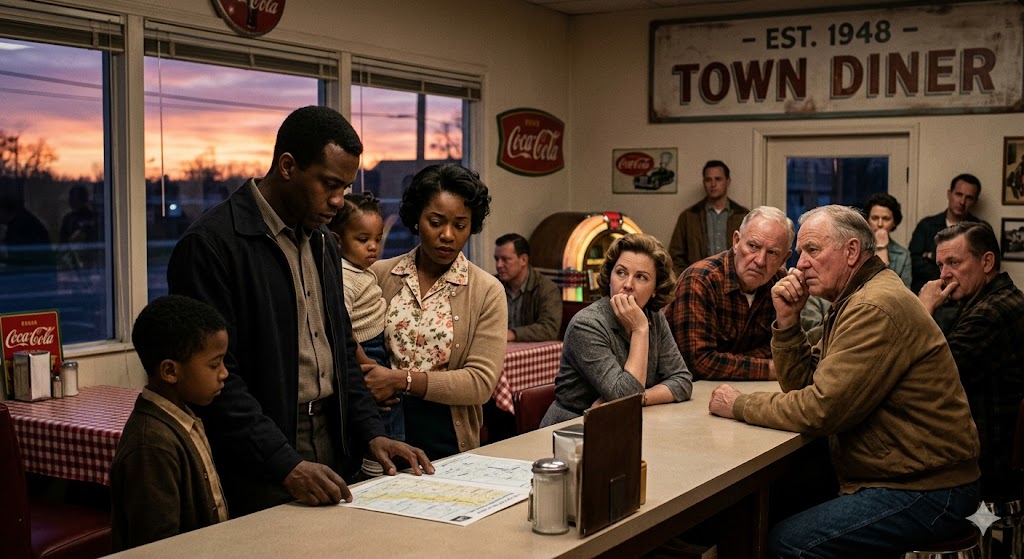
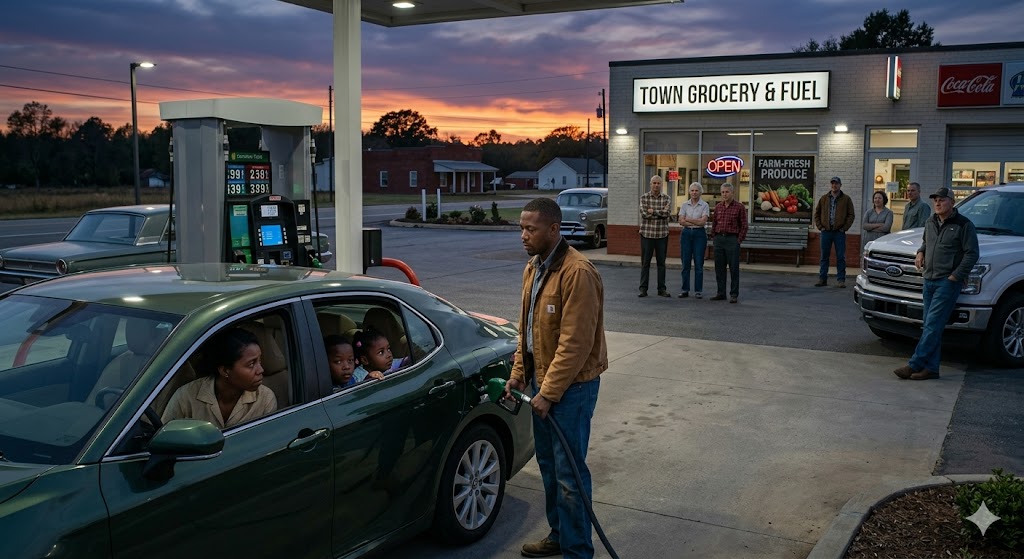
How Black Travelers Navigated These Areas

During the segregation era, Black travelers relied on a guidebook known as the The Negro Motorist Green Book, created by Victor Hugo Green in 1936.

The Green Book listed:

  • Hotels that accepted Black guests
  • Restaurants and gas stations that were safe
  • Cities where Black travelers could stay overnight

This guide helped families avoid towns where they might face harassment or violence.


Why Some Places Still Appear Similar Today

Although explicit sundown policies are illegal under laws such as the Civil Rights Act of 1964 and the Fair Housing Act of 1968, several factors allow patterns of exclusion to persist.

1. Housing Segregation

Historical redlining and racially restrictive covenants shaped where families could buy homes. Even after these policies were outlawed, their effects remain visible in many neighborhoods.

2. Economic Barriers

High housing costs, zoning restrictions, and limited affordable housing often function as modern barriers that indirectly limit demographic diversity.

3. Social Culture

In some communities, minorities report subtle forms of intimidation or unwelcoming social climates that discourage settlement.

4. Demographic Momentum

If a town remained overwhelmingly white for generations, new residents often come from similar social networks, reinforcing the same demographic patterns.


Sundown Towns in the Southeast

In the Southeast, several areas gained reputations for exclusion during the twentieth century. For example:

  • Forsyth County, Georgia, near Atlanta, was historically notorious for expelling Black residents in 1912.
  • Certain small towns in Alabama, Mississippi, and Tennessee also developed reputations for racial exclusion during the Jim Crow era.

Many of these communities have changed significantly since the late twentieth century, though the history remains an important part of understanding regional demographics.


The Broader Historical Impact

Historians estimate that thousands of towns across the United States were once sundown communities. These policies contributed significantly to the racial segregation of American suburbs and small towns, shaping patterns of wealth, education, and opportunity that persist today.

Understanding this history helps explain why some regions remain less diverse and why discussions about housing equity and community inclusion continue today.

Conclusion

The history of sundown towns reveals a disturbing truth: systemic racism in America has always been national in scope, deeply embedded in urban planning, real estate, law enforcement, and local governance. These towns are not relics of the past—they are active reminders of how geography was weaponized to maintain white supremacy. By naming towns like Anna, Vidor, Forsyth County, and Elwood and documenting their histories, we begin to dismantle the myth of Northern innocence and challenge the narrative of post-racial progress.

It is only through public acknowledgment, educational reform, and community reconciliation that the shadows of sundown towns can be dispelled. The question is not just “why were they allowed to do this?”—but “why are we still allowing the consequences to persist?”


References

Jaffe, L. (2019). In a town called Anna. ProPublica. Retrieved from https://www.propublica.org/article/in-a-town-called-anna

Loewen, J. W. (2005). Sundown towns: A hidden dimension of American racism. The New Press.

Southern Poverty Law Center. (2018). The unfinished business of the Civil Rights Movement: Sundown towns and racial exclusion. Retrieved from https://www.splcenter.org

Getting2theRoots.com. (2023). What are sundown towns? Retrieved from https://getting2theroots.com/sundown-towns

Sundown Towns: A Hidden Dimension of American Racism – James W. Loewen. New York, NY: The New Press, 2005.

Equal Justice Initiative. (2017). Lynching in America: Confronting the Legacy of Racial Terror. Montgomery, AL.

The Color of Law: A Forgotten History of How Our Government Segregated America – Richard Rothstein. New York, NY: Liveright Publishing, 2017.

The Warmth of Other Suns: The Epic Story of America’s Great Migration – Isabel Wilkerson. New York, NY: Random House, 2010.

The Negro Motorist Green Book – Victor Hugo Green. New York: Victor H. Green & Co., various editions (1936–1967).

Civil Rights Act of 1964. U.S. Congress.

Fair Housing Act of 1968. U.S. Congress.

National Museum of African American History and Culture. (n.d.). The Green Book and Travel in the Jim Crow Era.

Mapping Inequality Project. (University of Richmond, Virginia Tech, University of Maryland). Redlining Maps and Racial Segregation in the United States.

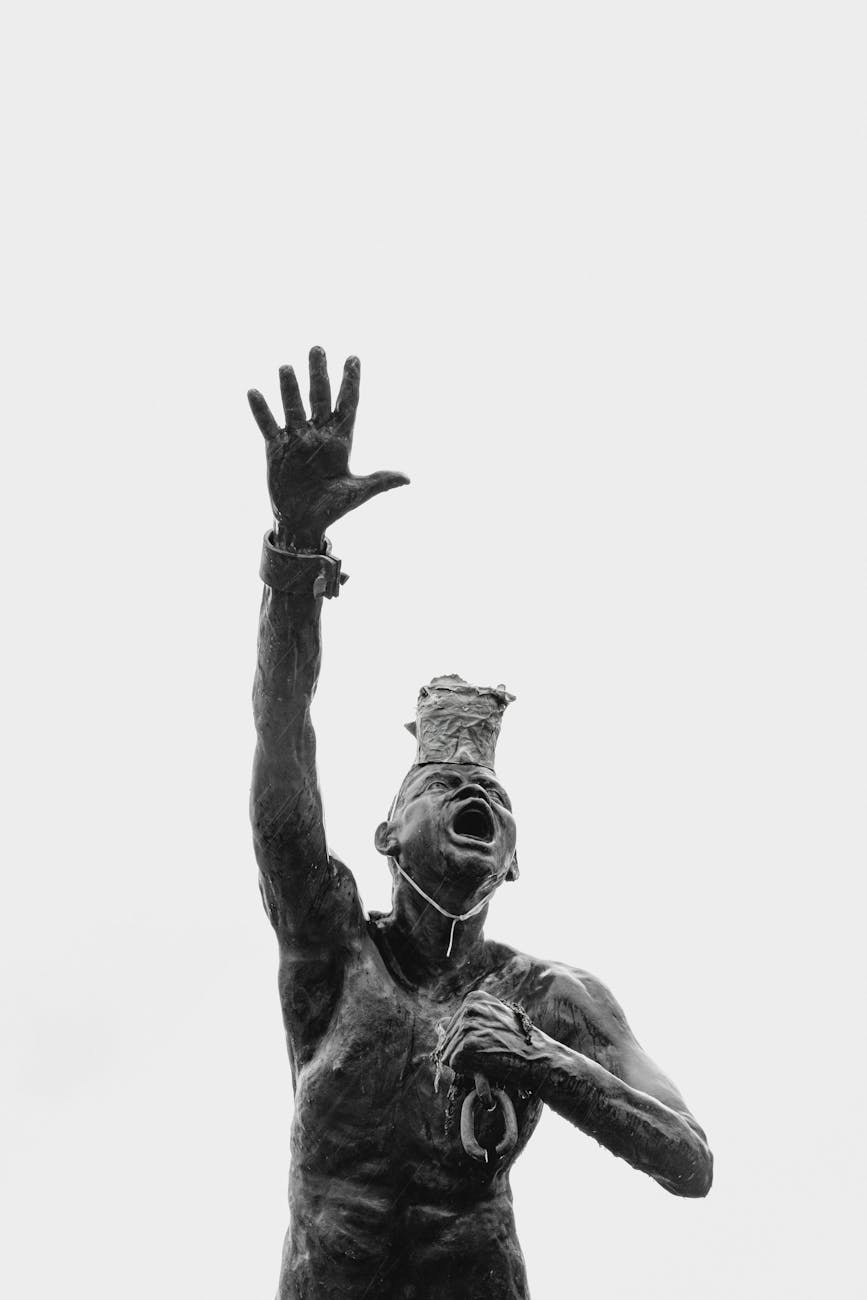
    The Devil’s Punchbowl: A Hidden Atrocity of Black Suffering in Post-Civil War America.


    Photo by Marcio Skull on Pexels.com

    Introduction

    In the aftermath of the American Civil War, freedom for Black Americans was not met with liberty, but with continued suffering, racial violence, and systemic neglect. One of the most haunting examples of this is the Devil’s Punchbowl, a natural pit located in Natchez, Mississippi, that became a makeshift concentration camp for thousands of freed Black people. Though omitted from many historical narratives, the Devil’s Punchbowl serves as a dark symbol of post-emancipation cruelty and the ongoing oppression of African Americans in the Reconstruction era.


    What and Where Is the Devil’s Punchbowl?

    The Devil’s Punchbowl is a deep, forested ravine located near the Mississippi River in Natchez. During the Civil War, it was a strategic military site. However, in 1865, after the Confederate surrender, it became the site of one of the largest internment camps for freed slaves, organized under the oversight of the Union Army.

    As tens of thousands of Black men, women, and children fled plantations and moved toward Union-occupied areas in search of safety and freedom, the Union Army confined over 20,000 freed African Americans into this secluded area (Taylor, 2019). High bluffs and ravines made escape nearly impossible, and the terrain lent the site its ominous name.


    The Origin and Conditions of the Camp

    Rather than being treated as citizens or refugees, the freedmen were corralled into this makeshift camp under military control. The rationale was partly based on fears that the sudden influx of Black people into Natchez would disrupt the local economy and social order. Under the Freedmen’s Bureau, the government established controlled settlements—but conditions were horrifying.

    According to local records and oral testimonies:

    • Inmates were not allowed to leave
    • Diseases like smallpox and dysentery spread rapidly
    • Food and clean water were scarce
    • Women were reportedly raped and abused
    • Thousands of people died from starvation, exposure, or disease
    • The Union Army forced men to perform hard labor in nearby orchards and fields, in a system reminiscent of slavery

    Estimates suggest over 10,000 freed slaves died in the Devil’s Punchbowl between 1865–1867. The bodies were often dumped in mass graves or left to decay in the ravine (Durham, 2020).


    Who Was Responsible?

    Ironically, the Union—heralded for “freeing the slaves”—was responsible for the establishment and maintenance of this camp. This points to the harsh truth that freedom from slavery did not mean freedom from white supremacy, even in the North.

    Major General Thomas J. Wood, a Union officer, supervised the camp in Natchez. The Freedmen’s Bureau, while well-intentioned in parts of the South, often collaborated with military forces to contain Black populations. Local white residents, many of whom feared a loss of economic control and racial hierarchy, supported these efforts either actively or silently.


    The Role of Racism and Dehumanization

    The atrocities at the Devil’s Punchbowl highlight how anti-Black racism was deeply embedded even in institutions that were ostensibly committed to emancipation. African Americans were often viewed not as humans deserving of dignity, but as problems to be managed, even by Union officers. Racism persisted through language, policy, and military enforcement. A system of “containment camps” was designed to prevent formerly enslaved people from fully integrating into American society.

    This wasn’t an isolated incident. Similar “contraband camps” existed across the South, but the Devil’s Punchbowl remains among the most horrific.


    Voices and Testimonies

    While few written first-hand slave narratives mention the Devil’s Punchbowl specifically, descendants and locals have preserved its memory. As one resident told historian Kelby Ouchley:

    “My grandmother said they wouldn’t even let them out to bury the dead. Just left them where they dropped.”

    The stories passed down suggest that the area remains haunted by the souls of those who suffered. Many locals claim the land is cursed and refuse to plant or harvest from the area where mass graves are believed to exist (Ouchley, 2011).


    A Cover-Up of History

    For decades, the Devil’s Punchbowl was excluded from textbooks, documentaries, and academic discourse. Even today, the site is unmarked, with no official memorial to honor those who died. This erasure reflects a broader pattern of silencing Black suffering in American history, especially when it complicates the “heroic” narrative of Union forces.


    What Was the Solution?

    Unfortunately, there was no immediate solution or justice for the victims. The camp was eventually abandoned by 1867, as death and disease made it unsustainable. The remaining survivors were either integrated into the broader labor economy or fled further north. The United States never officially investigated or held anyone accountable for the atrocities.

    The long-term solution has been in the hands of activists and historians who continue to expose the truth. Black historians, in particular, have called for recognition, memorialization, and reparations for sites like the Devil’s Punchbowl.


    Modern Implications and Historical Reckoning

    The Devil’s Punchbowl stands as a sobering reminder that slavery’s horrors did not end with emancipation, and that post-war America substituted slavery with other forms of oppression and genocide. Today, as conversations about reparations, racial justice, and historical truth deepen, sites like this must be acknowledged, taught, and honored.


    Conclusion

    The Devil’s Punchbowl is a testament to the cruel aftermath of slavery, where promises of freedom gave way to systemic containment and death. A true reckoning with American history demands that this site, and others like it, be brought into the light—not as isolated incidents, but as part of the long and brutal continuum of anti-Black violence in the United States.


    Quote and Book Reference

    “The Devil’s Punchbowl is not merely a natural formation—it is a scar in the earth, and a scar in our collective memory.”
    Kelby Ouchley, author of “Flora and Fauna of the Civil War: An Environmental Reference Guide”


    References

    • Durham, L. (2020). Devil’s Punchbowl and the Forgotten Holocaust of Black Americans. Journal of Southern History, 86(2), 341–356.
    • Ouchley, K. (2011). Flora and Fauna of the Civil War: An Environmental Reference Guide. LSU Press.
    • Taylor, Q. (2019). In Search of the Racial Past: Slavery, Reconstruction, and the Devil’s Punchbowl. Black Past.org.
    • United States Freedmen’s Bureau. (1865–1872). Records of the Bureau of Refugees, Freedmen, and Abandoned Lands.