Category Archives: the psychology of beauty

The Psychology of Beauty: How Color Shapes Perception and Confidence.

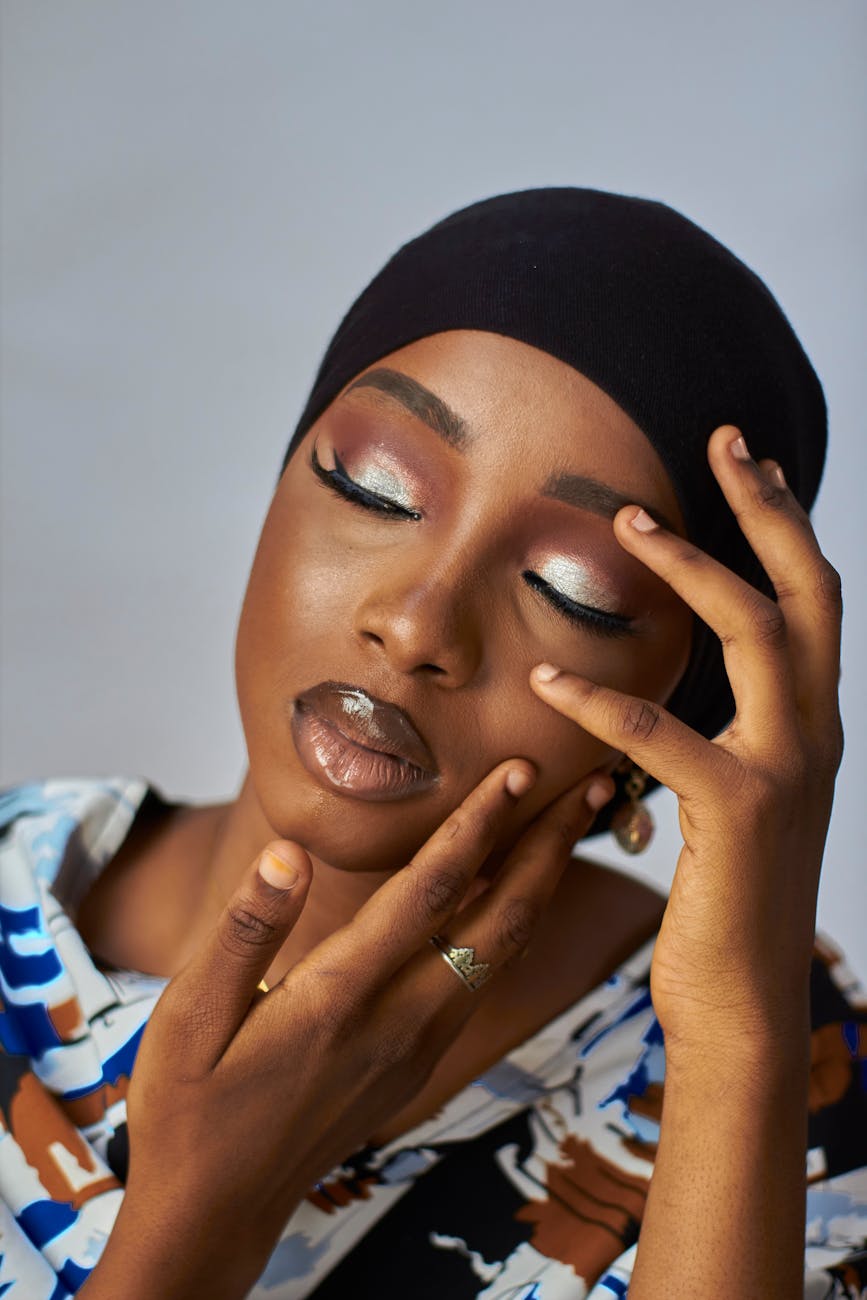
Photo by Express_photographyy Muhd sani abbas on Pexels.com

Beauty is often thought of as merely aesthetic, yet psychology reveals that color—especially skin tone—plays a profound role in shaping perception, identity, and self-confidence. Human beings subconsciously associate certain hues with traits, emotions, and social status, influencing both how individuals see themselves and how they are perceived by others. Understanding the interplay between color and psychology provides insight into cultural biases, self-esteem, and the lived experiences of those navigating societal beauty standards.

Color as a Psychological Signal

Color conveys meaning beyond its visual appeal. In psychology, it is established that lighter and darker shades can trigger different perceptions. For instance, lighter skin tones are often unconsciously associated with attractiveness, approachability, or social privilege in Eurocentric societies, whereas darker tones may face bias or negative stereotyping (Hunter, 2007). These perceptions are reinforced through media, literature, and cultural narratives, affecting both interpersonal interactions and self-image.

The Impact of Skin Tone on Self-Confidence

Color perception significantly affects self-esteem and confidence. Studies on colorism reveal that individuals with lighter skin often experience social advantages, while those with darker skin may face prejudice, impacting psychological well-being (Russell, Wilson, & Hall, 1992). Conversely, individuals who learn to embrace their natural skin tone and its cultural significance report higher self-esteem and a stronger sense of identity. This demonstrates the critical link between color acceptance and psychological empowerment.

Cultural and Historical Contexts

The meaning attached to skin tone is not innate but culturally constructed. Colonialism, slavery, and global media have historically elevated lighter skin as a standard of beauty, relegating darker tones to marginalization (Hunter, 2005). Across African and diasporic communities, these biases influence dating preferences, professional opportunities, and societal treatment. Recognizing this history is essential to addressing internalized perceptions and fostering authentic self-confidence.

Beauty, Color, and Social Perception

Color does more than shape self-perception—it also dictates social perception. People often unconsciously ascribe personality traits, competence, and attractiveness based on color cues. For example, in professional or social contexts, lighter skin may be associated with approachability or higher status, while darker skin may be unfairly linked to negative stereotypes (Russell et al., 1992). Awareness of these biases is the first step toward challenging them and redefining beauty standards on equitable terms.

Psychological Strategies for Embracing Color

Self-reflection, media literacy, and exposure to diverse representations are key strategies for building confidence in one’s natural hue. Affirmations, community support, and representation in media empower individuals to value their skin tone and resist societal pressures. Celebrating diversity in color not only enhances personal confidence but also shifts cultural narratives about beauty, making them more inclusive and representative.

Melanin and Power: Thriving with Confidence in a World of Color Bias

Melanin-rich skin is a source of natural beauty, resilience, and identity. Yet, across cultures and history, darker tones have often been devalued, creating psychological and social challenges for those who bear them. Understanding the intersection of melanin, perception, and confidence allows individuals to embrace their skin fully, redefine beauty standards, and thrive in environments shaped by bias.

The Science of Melanin and Its Beauty

Melanin, the pigment responsible for skin color, offers protection against UV radiation and contributes to youthful, resilient skin. Beyond its biological function, melanin-rich skin carries deep cultural and ancestral significance. It symbolizes survival, heritage, and the legacy of African and diasporic communities, reminding those who bear it of strength passed down through generations.

Psychological Effects of Color Bias

Colorism—the privileging of lighter skin tones over darker ones—has measurable effects on self-esteem and social confidence. Studies show that darker-skinned individuals may experience discrimination in education, employment, and social settings, impacting psychological well-being (Hunter, 2007). Internalizing societal bias can lead to diminished self-worth, while embracing one’s natural shade correlates with higher confidence and identity affirmation.

Empowerment Through Representation

Representation matters. Celebrities like Lupita Nyong’o, Viola Davis, Idris Elba, and Michaela Coel showcase the elegance, power, and beauty of melanin-rich skin on global platforms. Their visibility challenges stereotypes, promotes diversity, and provides role models for younger generations. When media reflects the richness of skin tones, it reinforces positive self-perception and inspires confidence.

Strategies for Thriving with Melanin-Rich Skin

  1. Self-Affirmation: Regularly celebrate your skin tone with affirmations and reflection. Recognize its uniqueness and beauty.
  2. Community Support: Surround yourself with mentors, friends, and communities that uplift all shades of melanin.
  3. Media Literacy: Critically assess media portrayals of beauty and seek diverse, inclusive representations.
  4. Cultural Reclamation: Learn and honor the history, heritage, and achievements of people with melanin-rich skin.
  5. Personal Presentation: Embrace hairstyles, fashion, and skincare routines that make you feel empowered and confident.

The Spiritual Dimension

Scripture celebrates the beauty of all skin tones. The Bible affirms that beauty and dignity are inherent, not contingent on societal approval (Song of Solomon 1:5 KJV: “I am black, but comely, O ye daughters of Jerusalem”). Recognizing the spiritual value of melanin-rich skin reinforces self-love and counters societal pressures that seek to devalue it.

Conclusion

The psychology of beauty underscores that color is more than an aesthetic feature—it is a social and psychological signal that shapes perception, confidence, and identity. By understanding how color influences both self-image and societal treatment, individuals and communities can challenge biases, embrace diversity, and cultivate authentic self-esteem. True empowerment lies in recognizing the inherent value of every shade and redefining beauty beyond narrow cultural constructs. Thriving with melanin-rich skin is both a personal and collective journey. By embracing color, challenging bias, and seeking representation, individuals cultivate self-confidence and redefine beauty standards. Every shade of melanin tells a story of resilience, legacy, and power—reminding the world that true beauty is not dictated by society, but by self-acceptance, pride, and celebration of heritage.


References

  • Hunter, M. (2005). Race, Gender, and the Politics of Skin Tone. Routledge.
  • Hunter, M. (2007). The Persistent Problem of Colorism: Skin Tone, Status, and Inequality. Sociology Compass, 1(1), 237–254.
  • Russell, K., Wilson, M., & Hall, R. E. (1992). The Color Complex: The Politics of Skin Color in a New Millennium. Anchor Books.
  • King James Bible

When Melanin Becomes a Measure: The Psychology of Skin Tone.

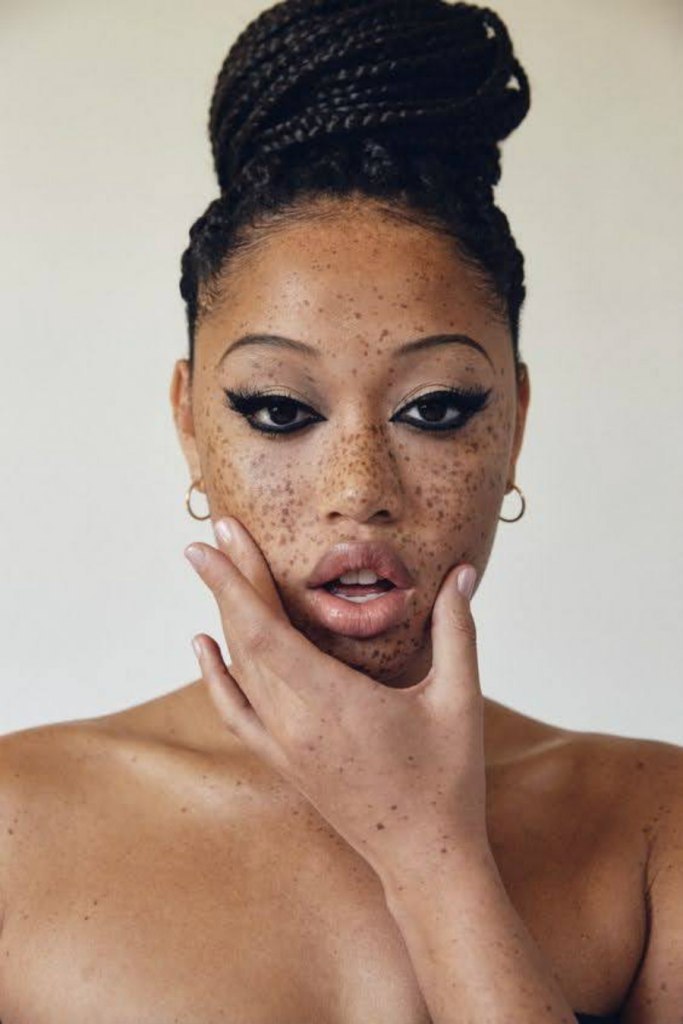
This photograph is the property of its respective owner. No copyright infringement intended.

Melanin is more than pigment; it is a living testament of ancestry, survival, and culture. In societies shaped by slavery, colonialism, and systemic white supremacy, skin tone has been weaponized as a marker of value, beauty, and social mobility. For Black people, colorism — the preferential treatment of lighter skin over darker skin — is a persistent psychological burden that affects identity, self-esteem, and opportunities. Understanding this phenomenon requires examining its historical roots, psychological mechanisms, and strategies for healing.

During slavery, skin tone was a tool of division. Lighter-skinned enslaved individuals were often assigned domestic work inside the master’s house, while darker-skinned Africans labored in the fields. This hierarchy, dictated by proximity to whiteness, created a lasting psychological imprint of internalized oppression (Hunter, 2007). Being lighter was subtly equated with safety, status, and relative privilege.

Colorism persisted after emancipation. Institutions such as Black fraternities, churches, and social clubs sometimes implemented color-based exclusions, exemplified by the “brown paper bag test.” This internalized hierarchy caused a psychological rift within the Black community, as self-worth became linked to skin tone rather than character or talent.

Research confirms the mental health consequences of colorism. Darker-skinned individuals often report lower self-esteem, depressive symptoms, and higher anxiety compared to lighter-skinned peers (Monk, 2014). Early exposure to color preference, as demonstrated in Clark and Clark’s (1947) famous doll studies, showed that Black children internalized societal biases favoring lighter skin, demonstrating that colorism affects identity from childhood.

Media and popular culture continue to reinforce Eurocentric beauty standards. Lighter-skinned actors, models, and influencers are often celebrated, while darker-skinned individuals are marginalized or stereotyped. The underrepresentation of dark skin in media contributes to a sense of invisibility and inadequacy.

The psychology of colorism also affects interpersonal relationships. Studies have shown that lighter-skinned Black women often receive more favorable treatment in dating, employment, and social networks compared to darker-skinned women, a pattern that mirrors historical social hierarchies (Hunter, 2007). Men too experience bias, though differently, often being hypersexualized or criminalized based on skin tone.

The global skin-lightening industry illustrates how deep this issue runs. Products promising “fairer” skin are marketed as pathways to success, attractiveness, and social acceptance. Many consumers engage in dangerous bleaching practices, risking long-term health issues to conform to beauty norms imposed by colonial histories (Charles, 2011).

Colorism can also foster divisions within families and communities. Lighter-skinned individuals may be unconsciously favored, creating tension and jealousy. Psychological theories suggest that this intra-group discrimination exacerbates feelings of inadequacy among darker-skinned individuals (Hunter, 2007).

On a spiritual level, colorism challenges the understanding of divine design. Psalm 139:14 (KJV) declares, “I will praise thee; for I am fearfully and wonderfully made.” Every shade of melanin reflects intentionality and purpose. Internalizing this truth is crucial to healing identity wounds caused by centuries of bias.

Social identity theory offers insight into these dynamics. People categorize themselves and others into groups, which can lead to in-group favoritism and out-group bias. Within the Black community, lighter skin can create a perceived “in-group” of privilege, leaving darker-skinned members feeling marginalized (Tajfel & Turner, 1979).

Psychologists have identified the phenomenon of “colorism stress,” where individuals experience chronic stress due to color-based discrimination. This stress can manifest as anxiety, depression, or identity confusion, impacting academic performance, professional success, and interpersonal relationships (Monk, 2014).

Addressing colorism requires interventions at multiple levels. Psychologically, therapy and counseling can help individuals unpack internalized bias and reclaim self-worth. Group support programs, mentorship, and discussion circles provide safe spaces to challenge color hierarchies and affirm dark skin as beautiful.

Culturally, representation matters. Media, literature, and fashion should celebrate all shades of Blackness. Highlighting dark-skinned leaders, role models, and celebrities combats stereotypes and reinforces positive identity formation.

Educational interventions are also vital. Teaching children about the history of colorism, its roots in slavery and colonialism, and the value of all skin tones can prevent internalized bias from forming in the first place (Hunter, 2007).

Faith-based communities can play a transformative role. Scriptures that affirm God’s intentional creation (Genesis 1:27, Psalm 139:14, KJV) offer a theological counter-narrative to societal bias. Spiritual teaching and community reinforcement of dignity and worth can buffer the psychological impact of colorism.

Interpersonal strategies are also important. Black men and women can practice solidarity and advocacy within their communities, intentionally uplifting those who are darker-skinned. Proverbs 31:8-9 (KJV) reminds believers to speak up for the oppressed and defend the vulnerable.

Self-affirmation practices have psychological benefits. Encouraging young Black people to celebrate their natural skin tone, hairstyles, and features can mitigate the harmful effects of internalized bias. Social media campaigns that normalize dark skin and challenge Eurocentric beauty norms are proving effective.

Mentorship is key for breaking cycles of self-rejection. Older Black adults who embrace their identity can model confidence for younger generations, teaching pride in melanin and heritage. Titus 2:2,6 (KJV) emphasizes the importance of teaching younger members of the community to be sober, sound-minded, and grounded.

Public policy can help combat structural colorism. Anti-discrimination laws, equitable hiring practices, and inclusive beauty standards in advertising reduce systemic bias, giving all shades of Black individuals equal opportunities in professional and social spheres.

Intersectionality must also be considered. Colorism interacts with gender, class, and geography to shape experiences uniquely. Dark-skinned women often face compounded biases, whereas lighter-skinned men may experience complex privileges and burdens simultaneously.

The psychology of skin tone ultimately intersects with identity, opportunity, and spiritual well-being. Healing requires intentional cultural, psychological, and spiritual work to dismantle centuries-old hierarchies and affirm the worth of all Black people, regardless of shade.

In conclusion, melanin should never be a measure of value. Understanding the psychology of skin tone — its historical roots, mental health impacts, and spiritual implications — is essential for reclaiming identity and dignity. By combining therapy, mentorship, representation, spiritual guidance, and advocacy, the Black community can move toward unity, pride, and healing.


References (APA)

Charles, C. A. D. (2011). Skin bleaching, self-hate, and black identity in Jamaica. Journal of Black Studies, 42(1), 43–61. https://doi.org/10.1177/0021934710386749

Clark, K., & Clark, M. (1947). Racial identification and preference in Negro children. Journal of Negro Education, 16(3), 169–175.

Hunter, M. (2007). The persistent problem of colorism: Skin tone, status, and inequality. Sociology Compass, 1(1), 237–254. https://doi.org/10.1111/j.1751-9020.2007.00006.x

Monk, E. P. (2014). The color of punishment: African Americans, skin tone, and the criminal justice system. Sociological Inquiry, 84(3), 401–430. https://doi.org/10.1111/soin.12053

Tajfel, H., & Turner, J. C. (1979). An integrative theory of intergroup conflict. In W. G. Austin & S. Worchel (Eds.), The social psychology of intergroup relations (pp. 33–47). Brooks/Cole.

The Holy Bible, King James Version. (1611). Thomas Nelson.

The Evolution of Black Beauty. #thescienceofblackbeauty

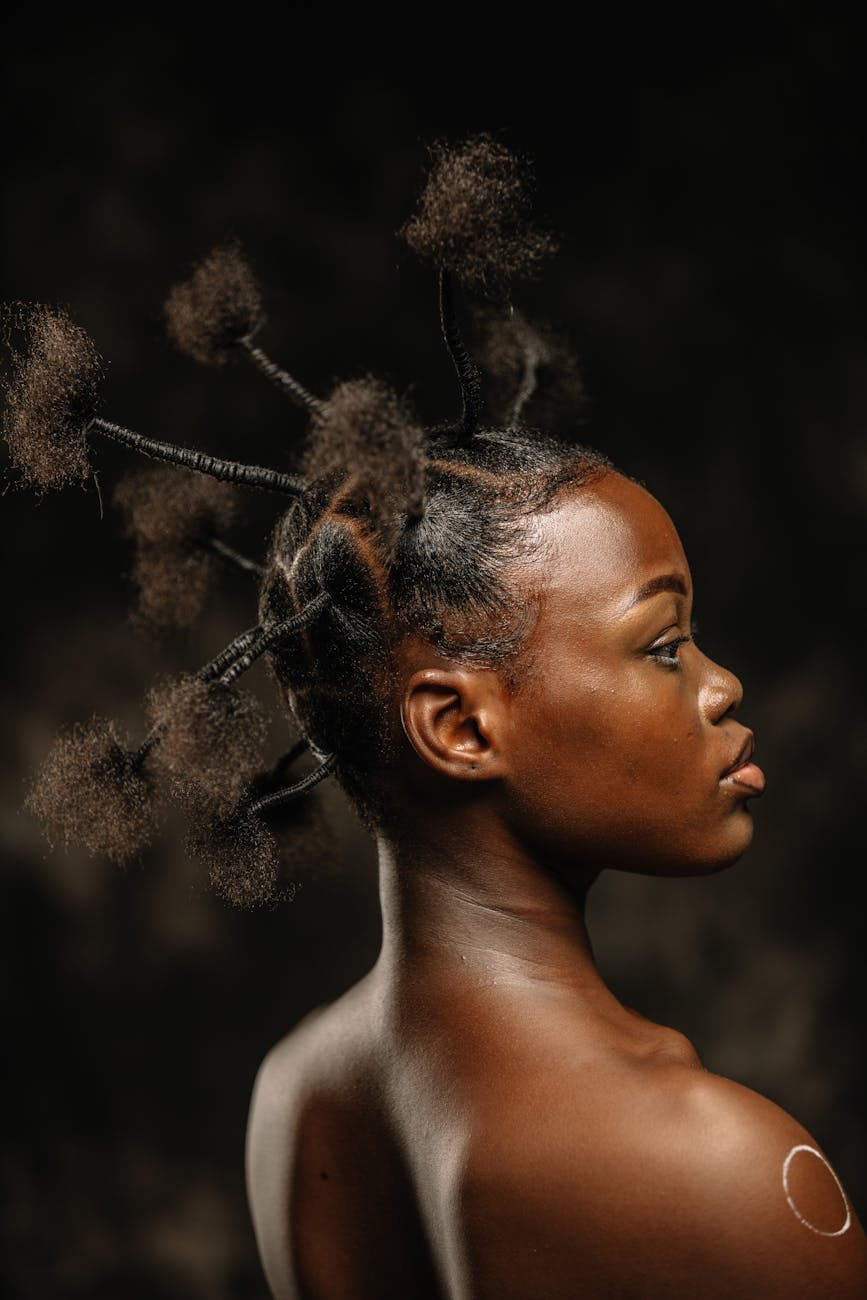
Photo by Ali Drabo on Pexels.com

The story of Black beauty is one of resilience, transformation, and self-definition. It is a history woven through genetics, culture, struggle, and celebration. The evolution of Black beauty reflects not only the physical adaptations of African-descended peoples but also the social forces that sought to erase them and the courageous reclamation that continues today. From the golden courts of African kingdoms to the global stage of fashion and film, Black beauty has endured as both a natural inheritance and a cultural statement of identity.

The origins of Black beauty are rooted in biology and the African environment. Dark skin rich in eumelanin evolved as a protective adaptation against intense ultraviolet radiation, safeguarding against skin cancer and preserving folate levels vital for reproduction (Jablonski & Chaplin, 2010). Afro-textured hair, with its coiled structure, served as insulation, cooling the scalp in hot climates. Broader noses and fuller lips facilitated air regulation and hydration. These features were not only functional but celebrated within ancient African societies, where adornment, scarification, and hairstyles carried spiritual and cultural meaning. Beauty was a reflection of harmony with nature and community.

In African kingdoms such as Nubia, Kush, and Mali, beauty was also tied to power and refinement. Women adorned themselves with jewelry, intricate hairstyles, and natural cosmetics made from minerals and plants. Mansa Musa’s Mali, for example, valued the elegance of dress and presentation as signs of wealth and spiritual dignity. Ancient Egypt revered dark skin as a symbol of fertility and divine blessing, with goddesses like Hathor often represented with rich pigmentation. Within these societies, beauty was never divorced from identity; it was both natural and sacred.

The transatlantic slave trade fractured this organic celebration. Enslaved Africans were torn from cultural practices of adornment and subjected to Eurocentric hierarchies that devalued their features. Skin tone, hair texture, and facial structure became grounds for stereotyping and degradation. Lighter-skinned individuals were often given preferential treatment under slavery, planting the seeds of colorism that persist today (Hunter, 2007). Black beauty, once celebrated, was weaponized as a marker of inferiority.

Despite these oppressive systems, enslaved Africans and their descendants found ways to preserve beauty as resistance. Hair braiding carried coded maps and messages of escape. Sunday church services became occasions for dignified dress, asserting humanity against the indignities of bondage. Beauty practices were acts of survival—quiet rebellions against erasure, affirmations that their bodies held value and dignity beyond the gaze of the oppressor.

The early 20th century introduced new challenges and opportunities. The rise of segregation-era media continued to glorify whiteness, relegating Black features to caricature. Yet, in the Harlem Renaissance of the 1920s, Black artists, writers, and performers redefined beauty through cultural pride. Figures like Josephine Baker challenged stereotypes with her iconic performances, while Black publications such as Ebony and Jet celebrated darker skin, natural hair, and African-inspired fashion. Beauty became intertwined with racial pride and cultural awakening.

The Civil Rights and Black Power movements of the 1960s and 1970s propelled this evolution further. The slogan “Black is Beautiful” declared an unapologetic embrace of African aesthetics. Natural hairstyles such as afros symbolized liberation and self-love, rejecting chemical straightening as a symptom of imposed Eurocentric standards (Byrd & Tharps, 2014). Black beauty shifted from mere aesthetics to political activism, a visible challenge to centuries of marginalization.

Even as these movements gained momentum, mainstream media continued to impose narrow ideals. Black women were often excluded from global standards of beauty unless they fit lighter-skinned, straighter-haired molds. Supermodels like Naomi Sims and later Naomi Campbell carved spaces within the fashion industry, but representation remained limited and conditional. The struggle for full recognition persisted.

The late 20th and early 21st centuries, however, have marked a new renaissance. Celebrities such as Erykah Badu, Lauryn Hill, and later Lupita Nyong’o redefined beauty on their own terms, celebrating natural features and melanin-rich skin. Social media platforms further amplified diverse representations, allowing Black creators to showcase beauty outside of mainstream filters. The natural hair movement gained traction globally, encouraging millions of women to embrace their textured hair as beautiful and worthy.

Corporate industries began to take notice. Rihanna’s Fenty Beauty disrupted cosmetics in 2017 by offering 40 foundation shades, directly addressing the exclusion of darker tones from the beauty market. This inclusivity sparked a revolution in the industry, forcing major brands to rethink representation. Black-owned beauty companies also flourished, ensuring that definitions of beauty were set by the community itself rather than imposed from outside.

The evolution of Black beauty is not merely external—it is psychological and spiritual. Centuries of denigration created scars of internalized racism and colorism, but communities have turned toward healing. Celebrating melanin, natural features, and cultural adornments has become a path to collective empowerment. Scripture reinforces this deeper understanding, reminding us that true beauty is not only in appearance but in spirit: “The king’s daughter is all glorious within” (Psalm 45:13, KJV). This truth has grounded generations of Black people who find strength in both inner character and outer identity.

Yet, challenges remain. Media continues to perpetuate colorism, often privileging lighter-skinned models and actresses. Eurocentric beauty standards still influence surgery trends, skin-lightening practices, and hair straightening industries, especially in regions of Africa and the Caribbean. The battle for holistic acceptance of Black beauty is ongoing, demanding vigilance and continued cultural affirmation (Tate, 2009).

Still, progress cannot be denied. From the braided crowns of ancestors to the afros of revolutionaries and the natural hair influencers of today, Black beauty has proven to be ever-evolving and self-renewing. It is a beauty that adapts without losing its roots, a beauty that radiates resilience even under pressure. Its evolution is not linear but cyclical—always returning to the truth that Black beauty is whole, worthy, and divine.

In conclusion, the evolution of Black beauty is a testament to survival and self-definition. From biological origins to ancient kingdoms, from the horrors of slavery to the triumphs of cultural renaissance, Black beauty has endured and blossomed. Today, it stands as both a scientific marvel and a cultural force, reminding the world that beauty is not dictated by dominance but by dignity. Black beauty, in its many forms, continues to evolve—not toward assimilation but toward liberation, glowing with the radiance of resilience.


References

  • Byrd, A., & Tharps, L. (2014). Hair story: Untangling the roots of Black hair in America. St. Martin’s Press.
  • Hunter, M. (2007). The persistent problem of colorism: Skin tone, status, and inequality. Sociology Compass, 1(1), 237–254.
  • Jablonski, N. G., & Chaplin, G. (2010). Human skin pigmentation as an adaptation to UV radiation. Proceedings of the National Academy of Sciences, 107(Suppl 2), 8962–8968.
  • Mercer, K. (1994). Welcome to the jungle: New positions in Black cultural studies. Routledge.
  • Tate, S. A. (2009). Black beauty: Aesthetics, stylization, politics. Ashgate.