Category Archives: The Ebony Dolls

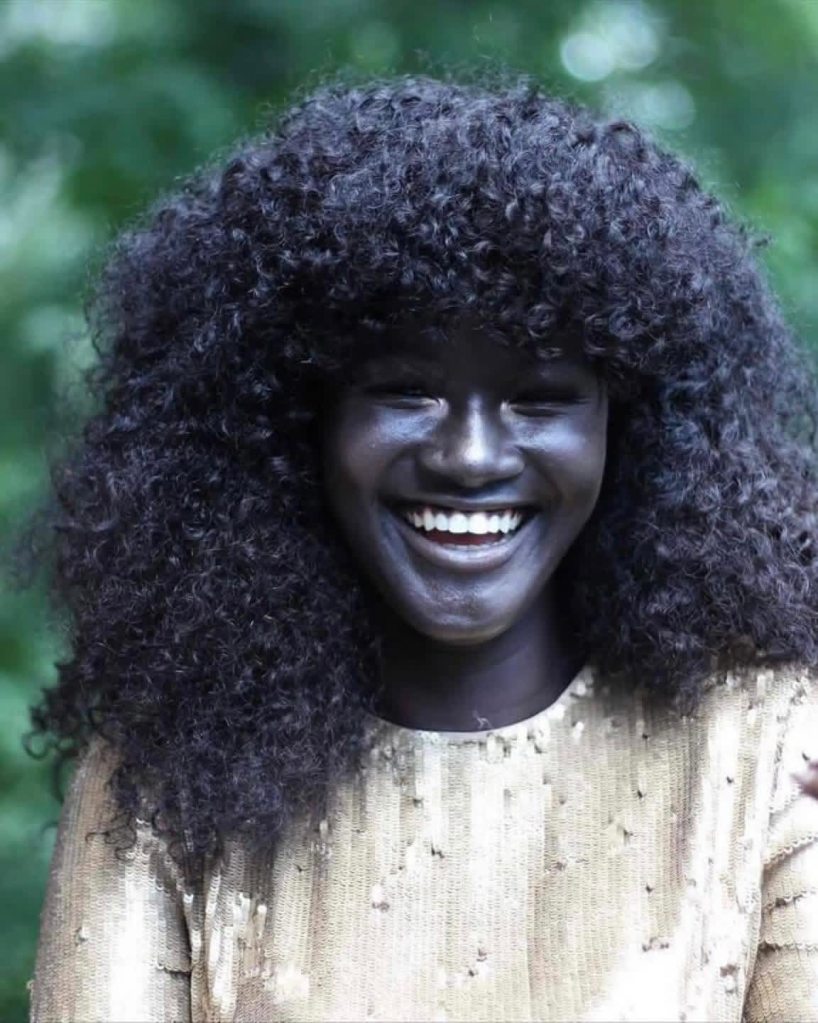
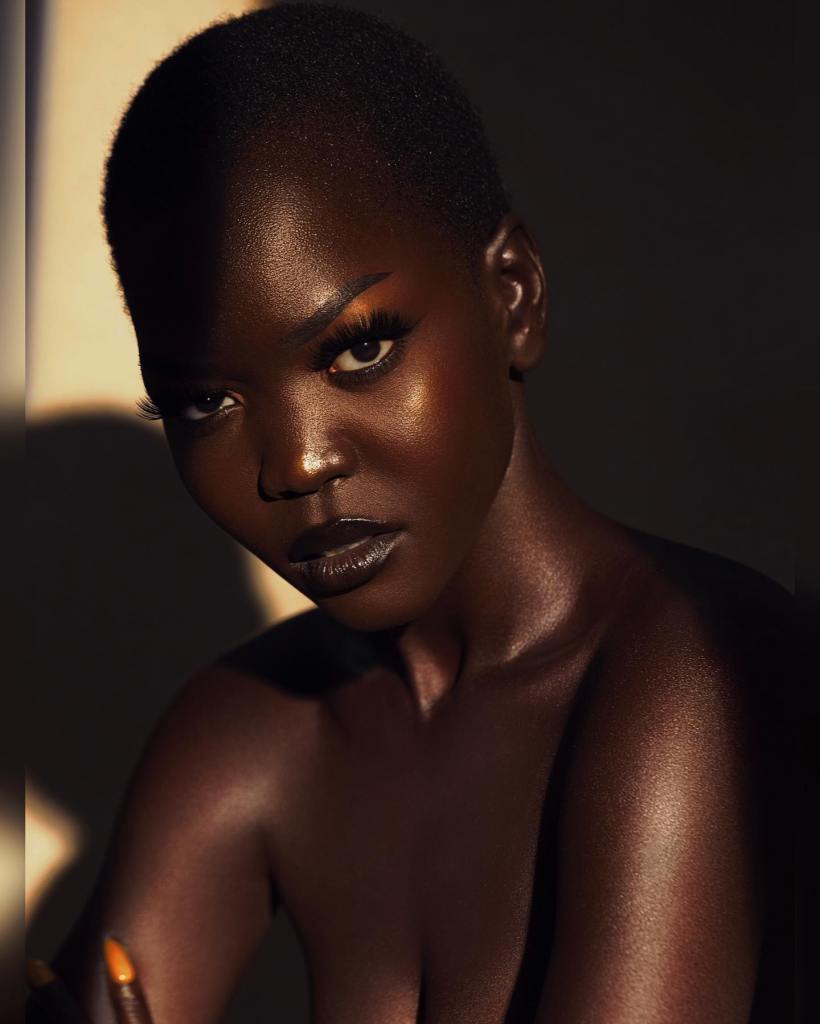
The Ebony Dolls: Nyakim Gatwech

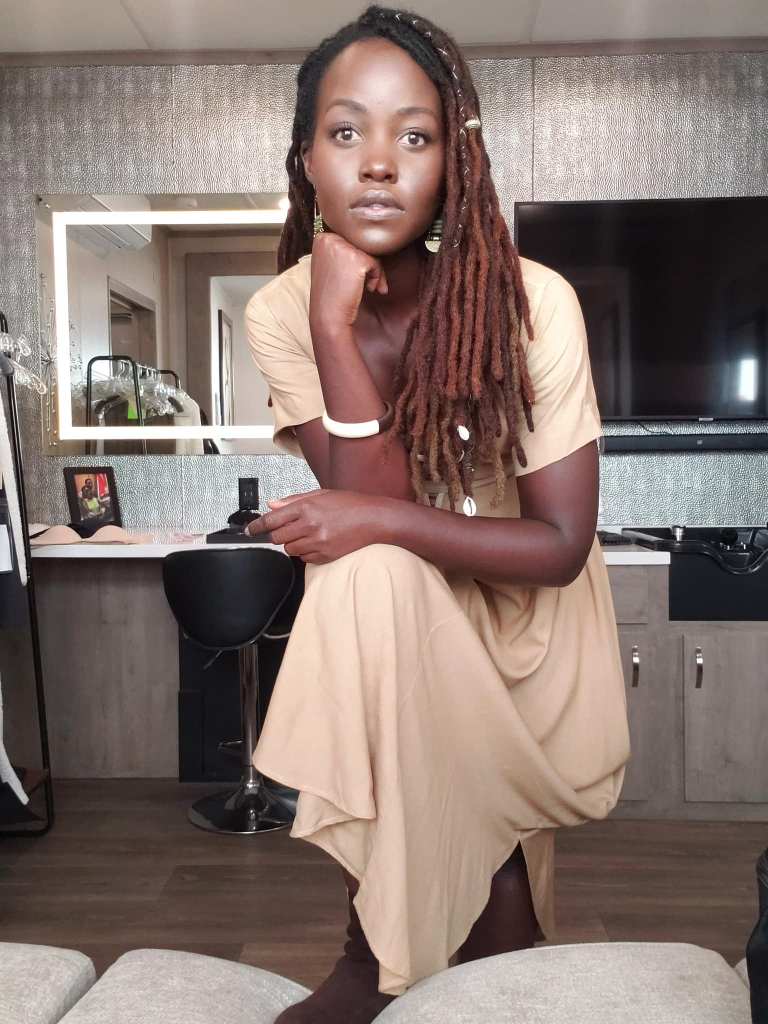
Known as the “Queen of the Dark,” celebrated for extreme melanated skin
This photograph is the property of its respective owner. No copyright infringement intended.

Gatwech’s skin tone isn’t just a physical attribute — it’s central to her identity and public ethos. She is affectionately known as the “Queen of the Dark,” a nickname bestowed upon her by her growing global fan base in admiration of her unapologetic self-love and radiant complexion. Despite encountering colorism and ignorant comments — including being asked if she would bleach her skin for money — she has consistently embraced and celebrated her dark beauty, turning potential humiliation into empowerment for others with similar skin tones.

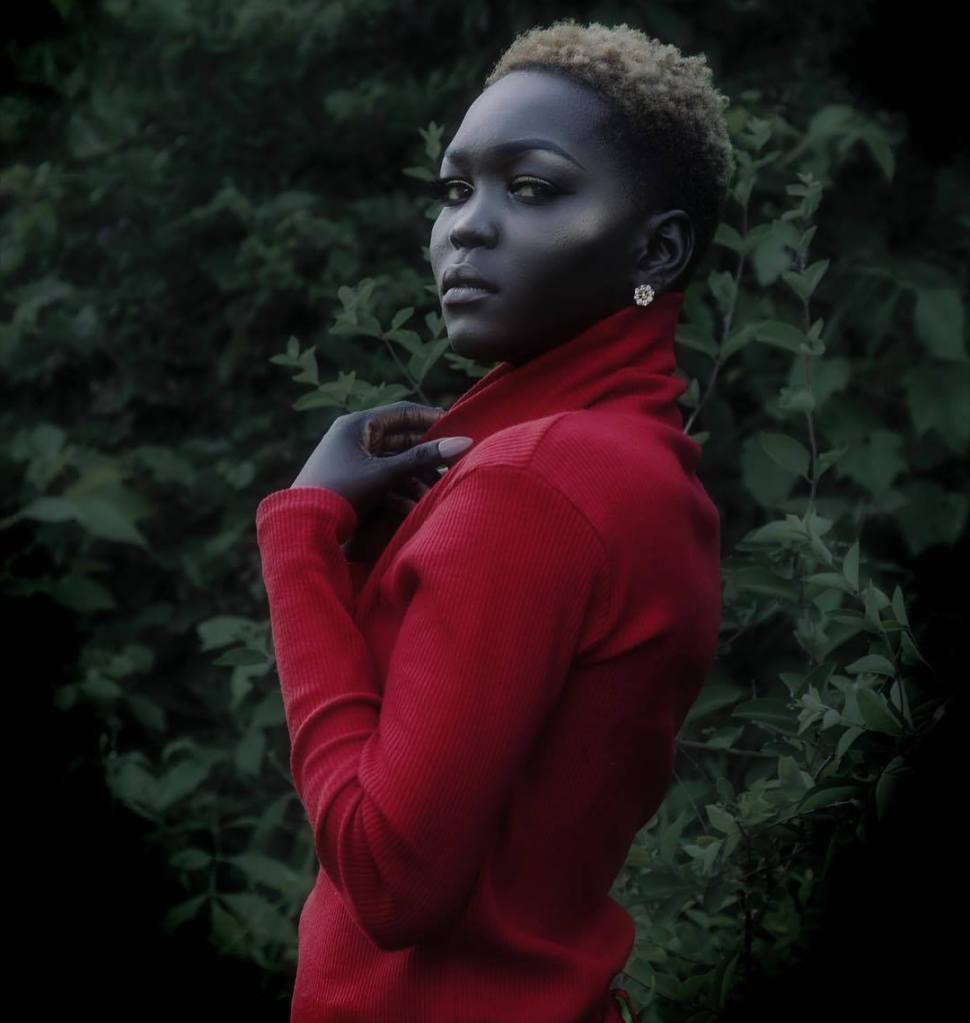
Nyakim Gatwech is an Ethiopian-born American fashion model of South Sudanese descent whose strikingly deep, radiant dark complexion has positioned her as one of the most visually and culturally significant faces in modern modeling. Widely known as the “Queen of the Dark,” Nyakim represents a powerful redefinition of beauty in an industry historically dominated by Eurocentric standards and color hierarchies. Her skin tone, rich in melanin and visually luminous, is not merely aesthetic but symbolic — a living challenge to global colorism and internalized anti-Black beauty norms. Nyakim’s beauty lies in the contrast she embodies: jet-black skin against high fashion, regal African features within Western luxury spaces, and unapologetic self-love in a world that often pressures Black women to diminish themselves.

Born on January 27, 1993, in Gambela, Ethiopia, to South Sudanese parents who fled civil war, Nyakim spent her early childhood in refugee camps across Ethiopia and Kenya. Her family later immigrated to the United States, settling in Minnesota when she was a teenager. It was in the U.S. that she first encountered intense colorism, particularly in school, where classmates mocked her skin tone, leading to early insecurity and emotional distress. Ironically, the very feature she was taught to feel ashamed of would later become the foundation of her global identity and success.

Nyakim’s entry into modeling occurred organically. While studying in Minnesota, she was invited to walk in a college fashion show, which sparked her interest in the fashion world. Without agency representation or industry connections, she began building her portfolio independently, collaborating with local photographers and using Instagram as her primary platform. Social media became her runway, gallery, and voice — a space where she could present herself without filters, whitening, or apology.

Her breakthrough came when she shared a now-viral story about an Uber driver who asked if she would bleach her skin for money. Her response — rejecting the offer and affirming her love for her natural complexion — resonated globally. The post turned her into a symbol of resistance against skin bleaching culture and a spokesperson for radical self-acceptance. From that moment, Nyakim’s following grew exponentially, and she began receiving international modeling opportunities.

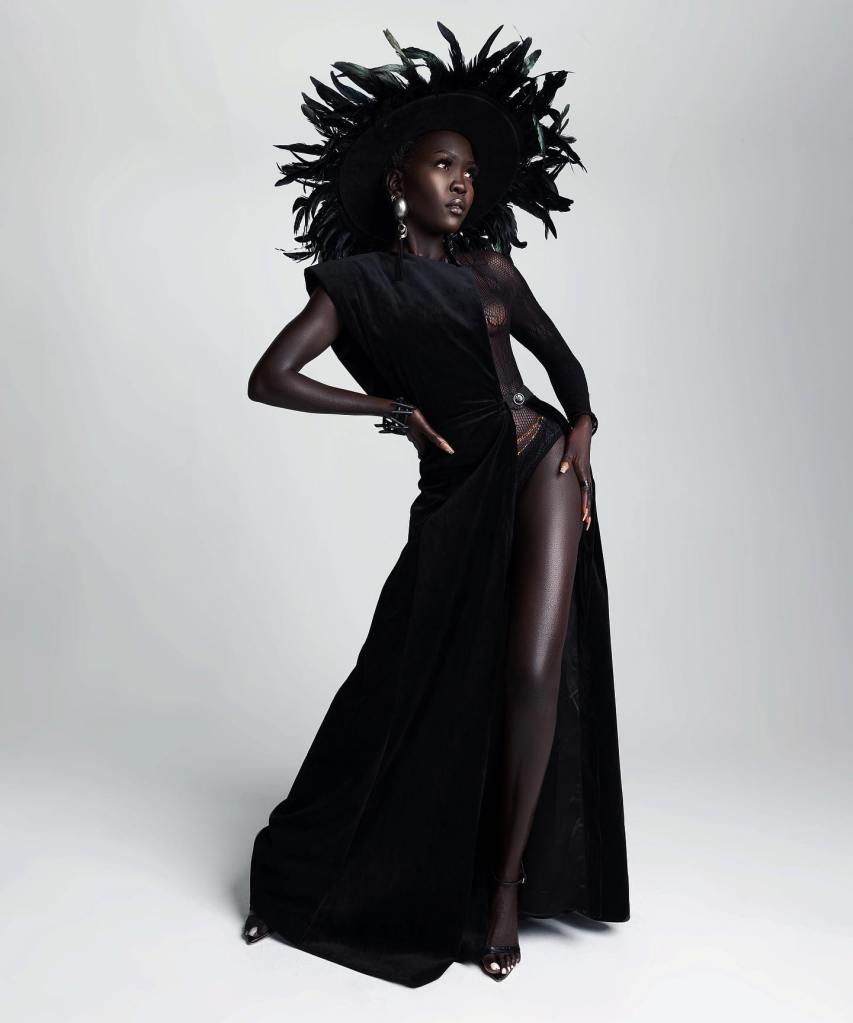
She later became the face of Annabelle Cosmetics’ EDGE campaign, which celebrated unconventional beauty and diversity. Her presence in fashion editorials, beauty campaigns, and cultural platforms marked a shift in representation — not just inclusion of Black women, but elevation of the darkest shades of Blackness as luxurious, desirable, and elite.
This photograph is the property of its respective owner. No copyright infringement intended.

Nyakim’s special significance lies not only in how she looks, but in what she represents. She is part of a new generation of Black models who do not seek proximity to whiteness, but instead reclaim African features, melanin, and cultural identity as high status. Her image disrupts centuries of colonial aesthetics where lightness was equated with beauty, purity, and value. In contrast, Nyakim’s work affirms that darkness itself is divine, regal, and worthy of admiration.

Her skin has become a visual metaphor — a mirror for millions of dark-skinned women and girls who were taught that their complexion was something to “fix.” Through her modeling and public statements, Nyakim reframes melanin as a blessing rather than a burden. She speaks openly about loving her reflection, embracing contrast, and rejecting any narrative that associates darkness with inferiority.

Regarding her personal life, Nyakim is known to be private. There is no publicly verified information confirming that she is married or has children. She has spoken primarily about her parents, siblings, and her journey as a refugee and immigrant, choosing to keep romantic relationships outside of the public spotlight. Her narrative focuses more on identity, culture, and empowerment than celebrity exposure.
This photograph is the property of its respective owner. No copyright infringement intended.

In terms of awards and recognition, Nyakim has not received mainstream fashion industry prizes like Vogue or CFDA awards, but she has been widely honored in cultural and empowerment spaces. She has been recognized by African and diaspora organizations, featured at international beauty and women’s empowerment events, and celebrated across global media as one of the most influential dark-skinned models in the world. While some social media outlets claim Guinness recognition for her skin tone, this remains unverified through official Guinness records.

Nyakim Gatwech is considered an Ebony Doll because she embodies the very essence of what the term signifies: a woman whose Blackness is not diluted, modified, or assimilated, but fully embraced, elevated, and aestheticized. She represents melanin as luxury, African features as elite, and dark skin as high fashion. Her beauty is not rooted in proximity to whiteness, but in proximity to ancestry, identity, and unapologetic self-love.

She stands as both muse and message — proof that the darkest skin can sit at the center of beauty culture, not its margins. Nyakim Gatwech is not simply a model; she is a visual revolution.


References

Cosmopolitan. (2017). Nyakim Gatwech on embracing her dark skin and redefining beauty.

Fashion Magazine. (2018). Nyakim Gatwech: The model changing beauty standards.

Gatwech, N. (2017). Instagram post on skin bleaching and self-love.

Oddity Central. (2017). The Queen of Dark: The model embracing her gorgeous dark skin.

Royal Tee Magazine. (2020). Empowering quotes about self-love from Nyakim Gatwech.

Teen Vogue. (2017). Model Nyakim Gatwech challenges beauty standards on Instagram.

Yahoo Lifestyle. (2017). Dark-skinned model gives Uber driver reality check.

Wikipedia. (2025). Nyakim Gatwech.

Pulse Nigeria. (2023). Nyakim Gatwech and the global celebration of dark skin.
The Ebony Dolls: Khoudia Diop

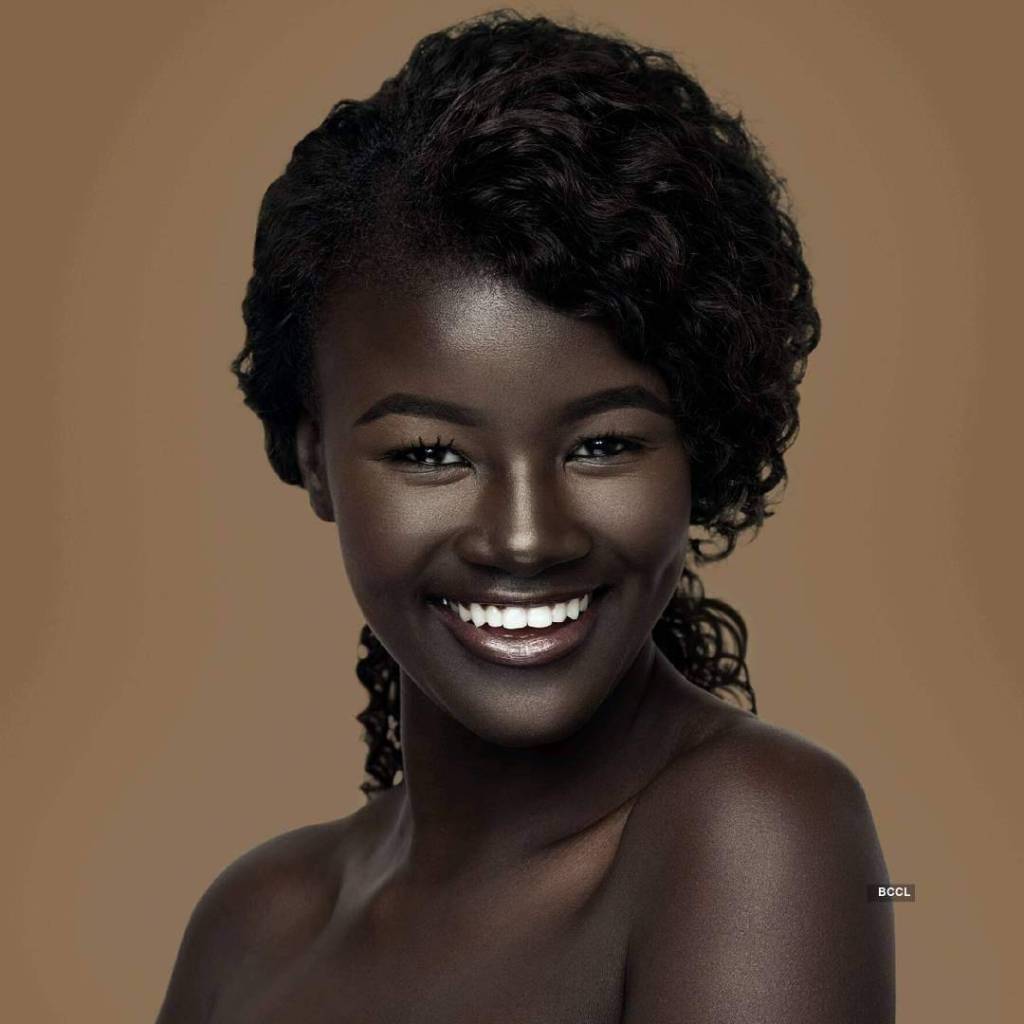
Khoudia Diop, globally known as the “Melanin Goddess,” is a Senegalese model, entrepreneur, and cultural icon celebrated for her extraordinarily deep ebony complexion and her fearless celebration of Black beauty. She has become a living symbol of power, pride, and unapologetic self-love, inspiring millions around the world to embrace dark skin in a society that has historically marginalized it.

Born and raised in Senegal, Khoudia grew up in a culture where colorism was deeply ingrained, and from a young age she faced teasing and ridicule for her dark complexion. Instead of internalizing shame, she gradually transformed those experiences into strength, choosing to view her skin as a source of identity and beauty rather than something to hide. Her journey reflects the emotional reality of many dark-skinned women across the African diaspora.

Khoudia’s entry into modeling did not come through traditional fashion pathways. She began by posting self-portraits on social media, where her striking appearance quickly went viral. Her images stood out in a digital space dominated by Eurocentric beauty standards, and soon she attracted attention from photographers, brands, and global media outlets who recognized her unique presence.

Her modeling career took off as she began working with international photographers and fashion campaigns that centered on diversity and representation. Unlike conventional models, Khoudia built her brand organically, without an agency at first, proving that authenticity and confidence could compete with industry gatekeeping. She became known not just for her looks, but for her message.

Khoudia is widely recognized for her velvety midnight complexion, high cheekbones, piercing eyes, and serene yet commanding aura. Her beauty is often described as celestial and ancestral, evoking African royalty and divine femininity. She does not conform to beauty standards—she redefines them.

Throughout her career, Khoudia has used her platform to speak openly about colorism, self-worth, and mental health, especially among young Black girls. She has stated that her mission is to normalize dark skin and to ensure that future generations grow up seeing themselves reflected positively in media and fashion.

Beyond modeling, Khoudia is also an entrepreneur. She founded a fashion and lifestyle brand focused on empowerment and inclusivity, using her business ventures to extend her message beyond imagery into tangible social impact. Her work blends beauty with activism, positioning her as a cultural leader rather than just a visual icon.

Khoudia is a wife and mother, and she has spoken about how motherhood deepened her understanding of self-love and responsibility. She often shares reflections on raising children in a world shaped by racial bias, emphasizing the importance of teaching pride, confidence, and identity from an early age.

Her milestones include global media features, international fashion campaigns, public speaking engagements, and recognition as one of the most influential dark-skinned models of the modern era. While she may not collect traditional fashion awards, her true recognition lies in her cultural impact and the millions of people who credit her for changing how they see themselves.

Khoudia Diop is an Ebony Doll because she represents the highest expression of melanated beauty—unfiltered, radiant, and spiritually powerful. She is not simply admired; she is symbolic. Her life stands as proof that Blackness does not need validation from external systems—it is already divine, complete, and worthy of reverence.

References

Khoudia Diop. Wikipedia. https://en.wikipedia.org/wiki/Khoudia_Diop

BBC News. “Meet Khoudia Diop, the ‘Melanin Goddess’.” https://www.bbc.com/news/world-africa-

Vogue Arabia. “Khoudia Diop on Colorism and Redefining Beauty.” https://en.vogue.me

CNN Style. “How Khoudia Diop Became the Face of Dark Skin Pride.” https://www.cnn.com/style

The Guardian. “Khoudia Diop: From Online Trolls to Global Model.” https://www.theguardian.com

Elle Magazine. “The Melanin Goddess Speaks: Khoudia Diop on Self-Love.” https://www.elle.com

Forbes Africa. “How Khoudia Diop Built a Global Brand.” https://www.forbesafrica.com

HuffPost. “Khoudia Diop and the Power of Dark Skin Representation.” https://www.huffpost.com

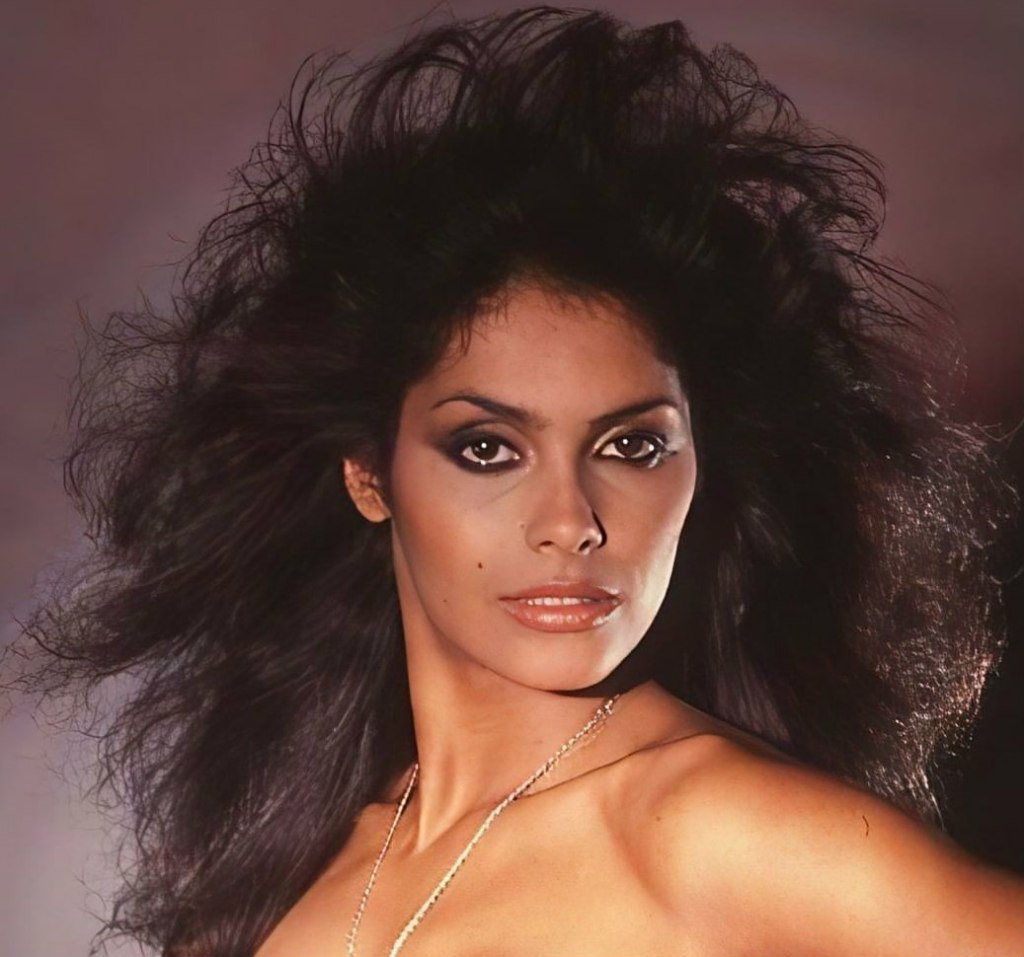
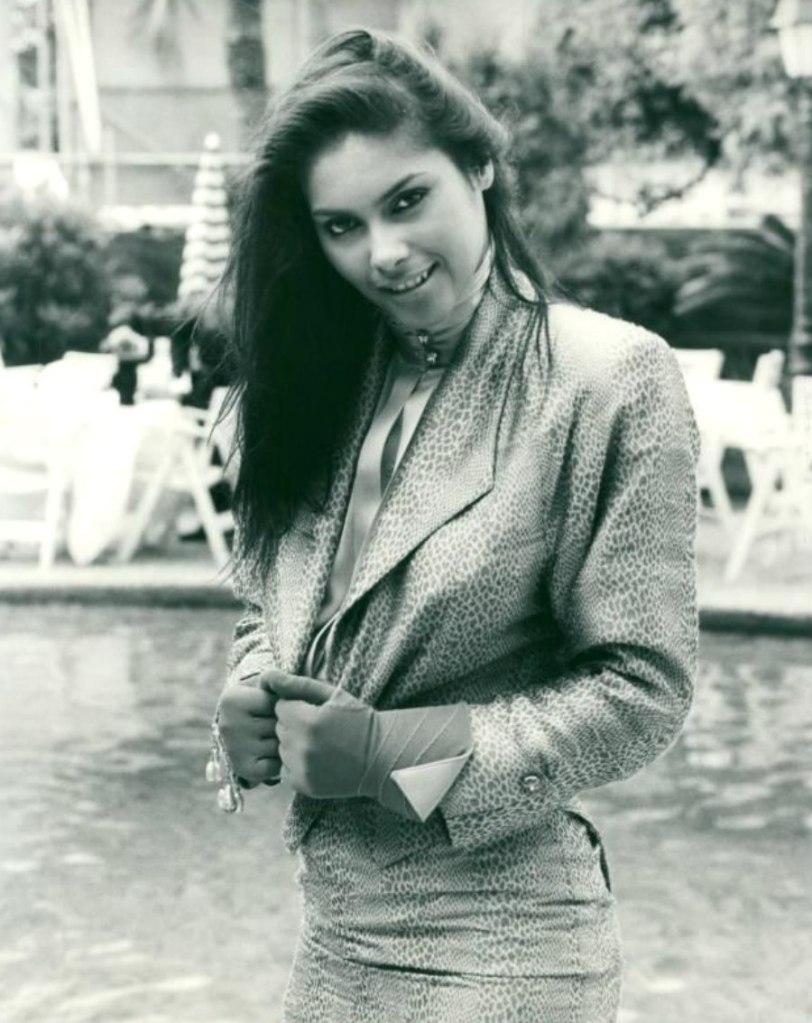
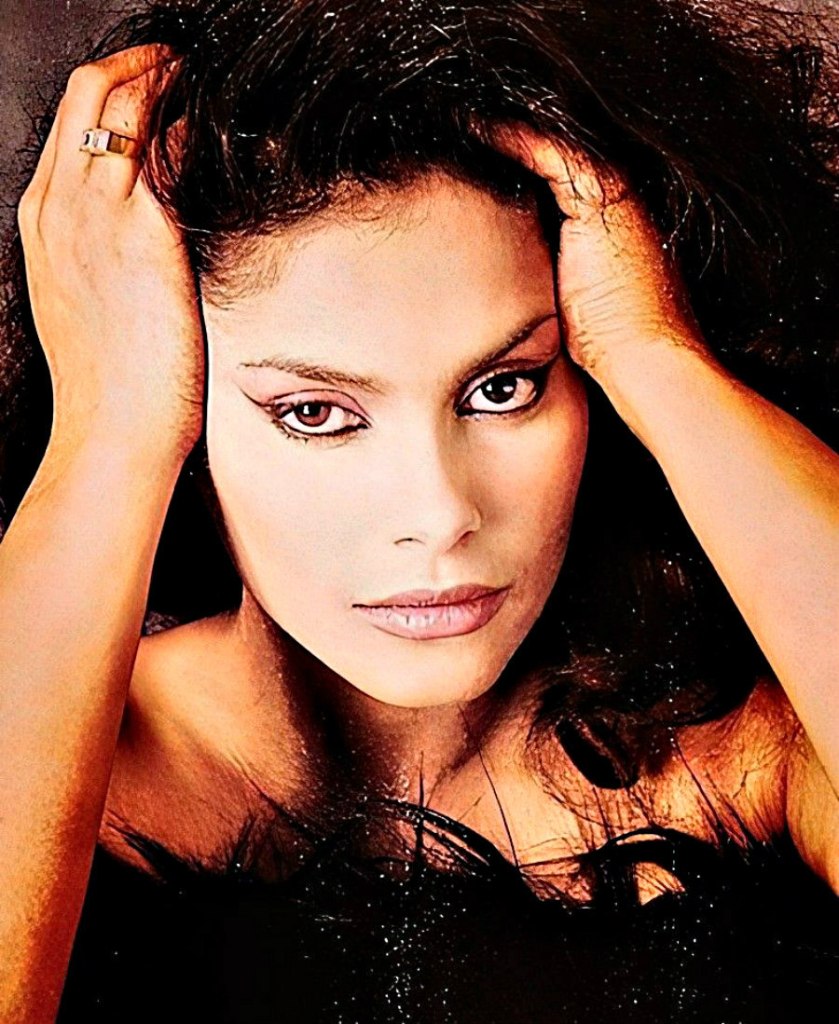
The Ebony Dolls: Vanity (Denise Matthews)

From Canadian beauty queen and pop icon to born-again Christian minister

This photograph is the property of its respective owners. No copyright infringement intended

She looked like a mirror of me. I saw her and thought, that’s me in female form.” — — Prince

Denise Matthews, known to the world as Vanity, embodied a rare and arresting form of beauty—one that felt almost mythic. With her almond-shaped eyes, glowing skin, racially ambiguous features, and effortless beauty, she represented the archetype of the 1980s “Ebony Doll”: a woman whose presence commanded attention before she ever spoke a word. Vanity was not merely admired; she was desired, elevated into fantasy, and projected onto screens and stages as an icon of glamour and Black feminine mystique.

Yet the most profound chapter of her life unfolded far from the spotlight. After years of fame, addiction, and near-death, Vanity experienced a spiritual awakening that led her to renounce celebrity culture entirely. She publicly surrendered her stage name, calling it a false identity, and dedicated the rest of her life to Jesus Christ and Christian ministry. In doing so, she became one of the rare figures in pop history whose legacy is not defined only by beauty and desire, but by repentance, faith, and radical transformation—an “Ebony Doll” who walked away from the world to choose God.

Denise Katherine Matthews (January 4, 1959 – February 15, 2016), professionally known as Vanity, was a Canadian model, singer, songwriter, actress, and later a Christian evangelist. She rose to global fame in the early 1980s as the frontwoman of the provocative pop-funk group Vanity 6, created and produced by Prince. Her life became a powerful narrative of beauty, fame, addiction, redemption, and spiritual rebirth.


Denise Matthews was born in Niagara Falls, Ontario, Canada. She was of mixed racial heritage, with a Black father and a mother of German and Jewish descent. From a young age, Denise gravitated toward modeling and performance. She entered beauty competitions and gained national recognition when she won Miss Niagara Hospitality (1977) and later competed in Miss Canada (1978). These early achievements established her as a rising figure in Canadian beauty culture and opened doors to professional modeling. She was one of the most beautiful celebrities.


This photograph is the property of its respective owners. No copyright infringement intended

Following her pageant success, Matthews relocated to New York City, where she signed with the prestigious Zoli Model Agency. Though she did not fit traditional high-fashion height standards, her magnetic presence, camera appeal, and sensual confidence made her highly marketable. She appeared in commercials, print advertisements, and international modeling campaigns, including work in Japan.

Her early image combined innocence and eroticism, foreshadowing the bold persona she would later embody as Vanity.


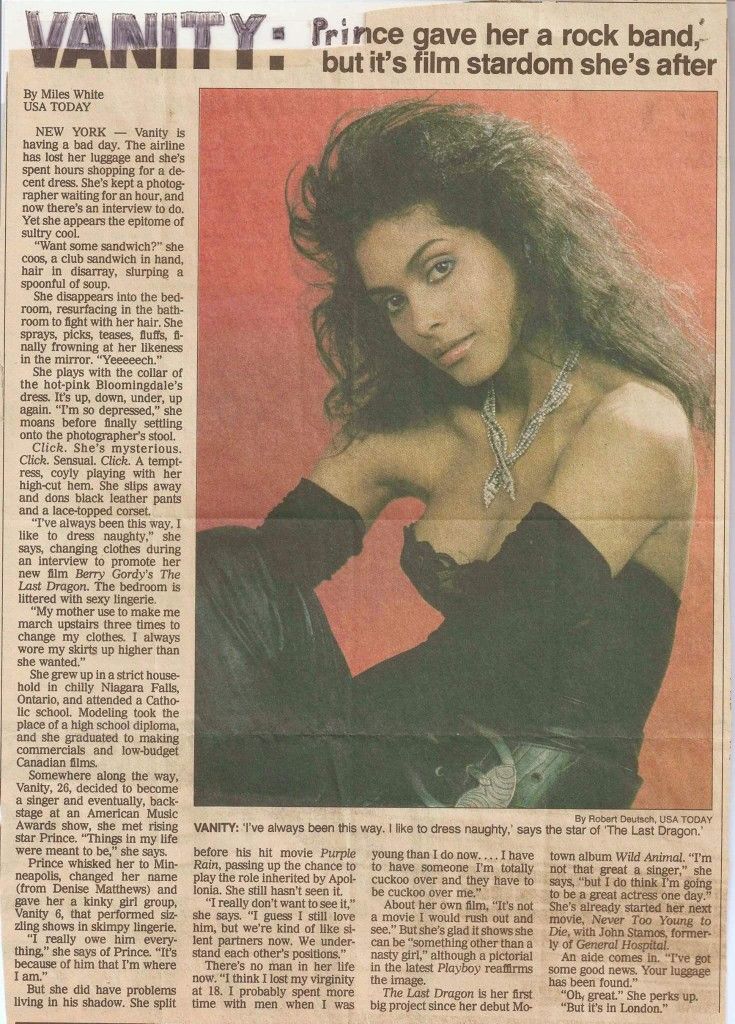
Denise’s career took a dramatic turn after meeting Prince at the 1980 American Music Awards. Prince saw in her a female reflection of his own artistic identity and envisioned her as the centerpiece of a new musical project.

Originally, Prince proposed highly explicit stage names, but Denise refused one of them and accepted “Vanity” instead. The name symbolized both beauty and self-obsession—qualities that became central to her public persona.

USA Today

Prince formed Vanity 6, a three-woman group that blended sexual imagery, synth-funk music, and provocative performance aesthetics. The group’s lingerie-styled outfits and explicit lyrics made them cultural lightning rods.

Their breakout hit “Nasty Girl” (1982) became a defining anthem of the decade, reaching #1 on the U.S. Billboard Dance Chart and turning Vanity into a global sex symbol.


After leaving Vanity 6, Denise signed with Motown Records and launched a solo career. She released two albums:

  • Wild Animal (1984)
  • Skin on Skin (1986)

Her single “Under the Influence” charted on Billboard’s R&B and Dance rankings.

In parallel, she pursued acting, appearing in major films including:

  • The Last Dragon (1985)
  • 52 Pick-Up (1986)
  • Never Too Young to Die (1986)
  • Action Jackson (1988)

Vanity became one of the most visible Black female celebrities of the era, blending beauty, sexuality, and pop culture power.

This photograph is the property of its respective owners. No copyright infringement intended

Vanity’s beauty and fame attracted high-profile relationships throughout the 1980s, including musicians and rock stars. However, behind the glamorous image were deep struggle with substance abuse.

In 1995, she married former NFL player Anthony Smith after a brief courtship. The marriage ended in divorce, and Smith later became infamous after being convicted of multiple murders and receiving life imprisonment. This period marked a traumatic chapter in her personal life.


By the early 1990s, Vanity’s cocaine addiction had devastated her health. In 1994, she suffered near-fatal kidney failure. During her hospitalization, she reported a spiritual encounter with Jesus Christ, which she described as a divine intervention that saved her life.

She immediately renounced the “Vanity” persona, abandoned secular entertainment, and became a born-again Christian evangelist.

This photograph is the property of its respective owners. No copyright infringement intended

Denise founded Pure Hearts Ministries in California and dedicated her life to preaching, counseling, and sharing her testimony about spiritual transformation, repentance, and redemption.

She later published her autobiography:
Blame It On Vanity: Hollywood, Hell and Heaven (2010), detailing her journey from fame to faith.


Years of substance abuse permanently damaged her kidneys. She underwent a kidney transplant in 1997 and later suffered from sclerosing encapsulating peritonitis, a rare and painful abdominal disease.

After multiple surgeries and long-term dialysis, Denise Matthews died on February 15, 2016, at age 57, in Fremont, California, from kidney failure.


Vanity remains a symbol of Black feminine beauty, erotic power, and cultural transformation. As an “Ebony Doll,” she embodied the intersection of beauty, visibility, and spirituality—first as a singer-actress and later as a woman who publicly rejected celebrity culture in favor of faith.

Her life stands as a rare testimony of radical personal change within the entertainment industry, illustrating the spiritual cost of fame and the possibility of redemption.


References

Matthews, D. (2010). Blame It On Vanity: Hollywood, Hell and Heaven. Destiny Image Publishers.

Vanity. (n.d.). In Wikipedia. https://en.wikipedia.org/wiki/Vanity_(singer)

Vanity 6. (n.d.). In Wikipedia. https://en.wikipedia.org/wiki/Vanity_6

Nasty Girl (Vanity 6 song). (n.d.). In Wikipedia. https://en.wikipedia.org/wiki/Nasty_Girl_(Vanity_6_song)

Time Magazine. (2016). Vanity, singer and actress, dies at 57. https://time.com/4225112/vanity-denise-mathews-dead/

The Washington Post. (2016). Denise Matthews, troubled pop singer known as Vanity, dies at 57.

Vogue. (2016). Vanity’s legacy: Prince, pop culture, and the erotic imagination.

AOL Entertainment. (2016). Denise “Vanity” Matthews dies at 57.

Billboard. (1984–1986). Chart history for “Under the Influence”.

The Ebony Dolls: Lupita Nyong’o

The Ebony Doll, who redefined Beauty, is a melanated masterpiece and one of the most beautiful women on the planet.

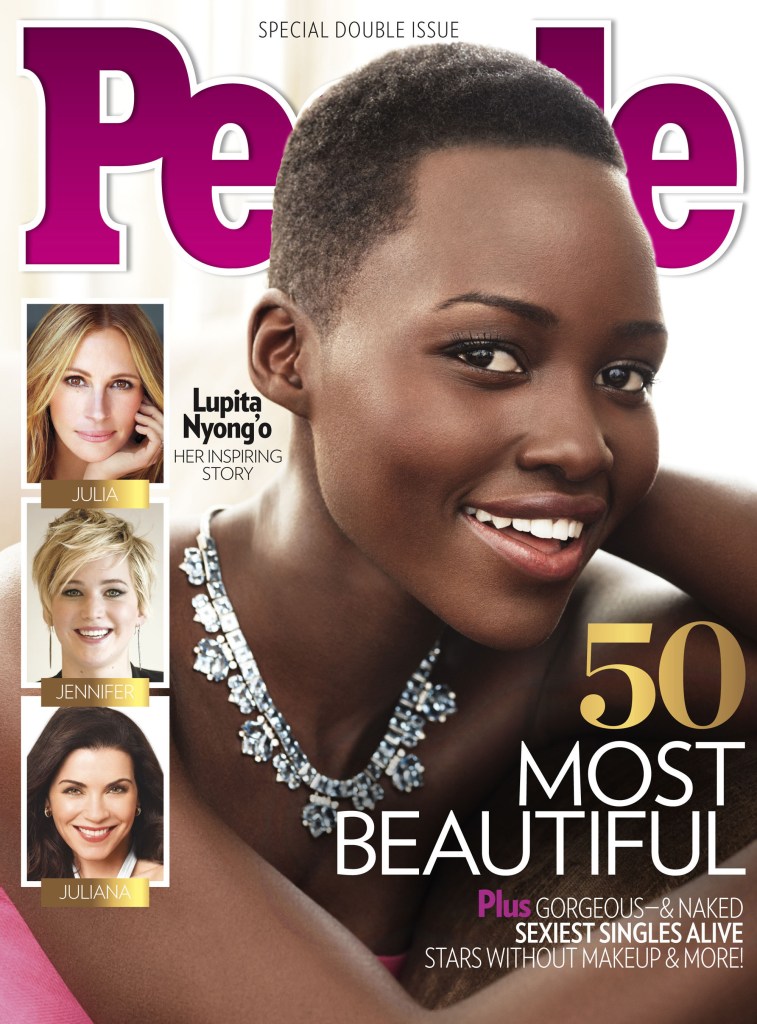
Creator: People | Credit: AP

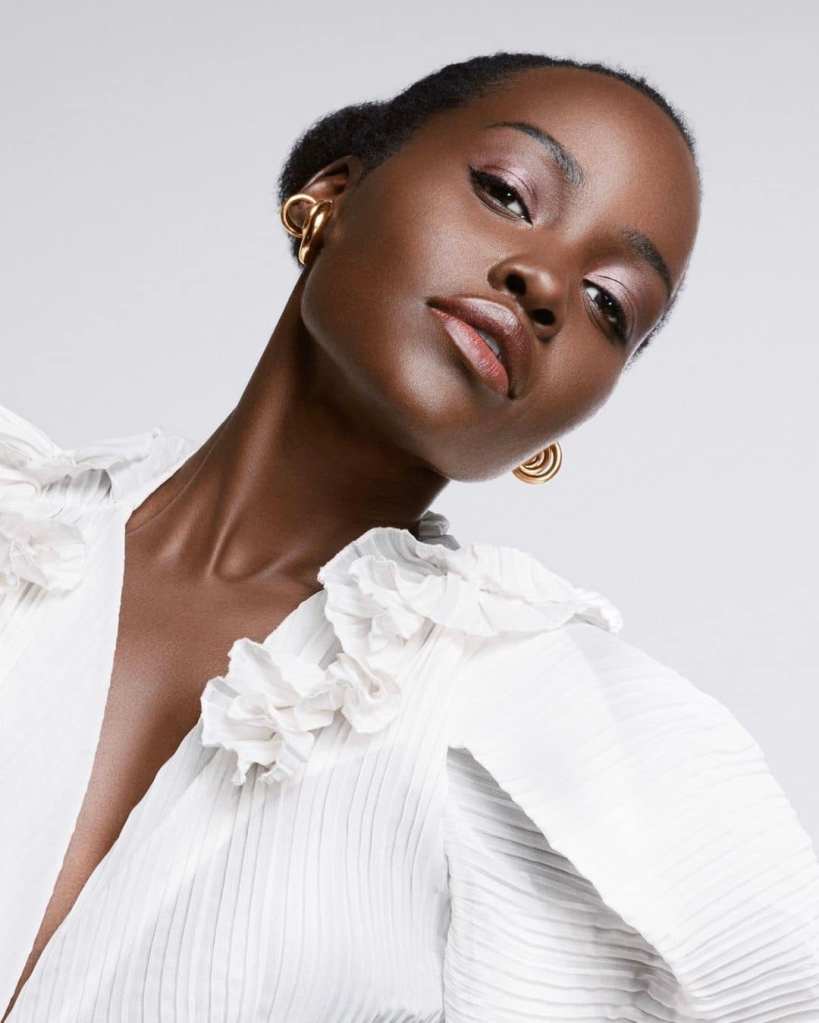
In a world where beauty standards have long been defined by Eurocentric ideals, the majestic beauty of Lupita Nyong’o emerged as a stunning and revolutionary figure who redefined global perceptions of beauty. With her rich, radiant chocolate skin, statuesque features, and undeniable elegance, Nyong’o stands as a powerful symbol of melanin excellence. Her presence in Hollywood and global fashion has not only elevated the aesthetic appreciation of darker-skinned women but has also created a cultural shift that challenges outdated and oppressive beauty norms. Ranked a near-perfect 10 by science (www.theperfecthumanface.com), Nyong’o is more than just beautiful—she is an embodiment of grace, intellect, and ancestral glory.

Born on March 1, 1983, in Mexico City to Kenyan parents and raised in Nairobi, Kenya, Lupita is a proud representative of the Luo ethnic group. She is the daughter of Peter Anyang’ Nyong’o, a renowned Kenyan politician and university professor. Her upbringing was immersed in culture, intellect, and activism, and this foundation would later shape her perspective as an artist. Lupita holds a Master of Fine Arts in Acting from the prestigious Yale School of Drama, where she honed her craft with a deep sense of discipline and passion.

Lancome Paris

Lupita’s career soared when she delivered a powerful performance as Patsey in the 2013 historical drama 12 Years a Slave, directed by Steve McQueen. Her role, marked by depth and raw emotion, earned her the Academy Award for Best Supporting Actress—making her the first Kenyan and the sixth Black woman in history to receive this honor. Following her Oscar win, Nyong’o became an international sensation, starring in critically acclaimed films such as Black Panther, Us, and Queen of Katwe. Her roles consistently highlight the strength, vulnerability, and complexity of Black characters, making her a champion of representation in Hollywood.

What sets Lupita apart is not merely her acting talent but her ability to embody the fullness of Black womanhood with poise and dignity. In 2014, she was named “The Most Beautiful Woman in the World” by People Magazine—a title that shattered the long-standing exclusivity of beauty in mainstream media. Her image adorned billboards and magazine covers, and her dark skin tone became a canvas of celebration rather than concealment. She proudly embraced her African heritage, stating, “My complexion is beautiful. I am enough as I am.” Her statement, though simple, resonated deeply with Black women and girls around the world who rarely saw themselves reflected in global beauty narratives.

Nyong’o has become a symbol of Black beauty, winning numerous awards, including the NAACP Image Award, the BET Award, and recognition from Essence, Time, and Elle magazines. She also made history as the first Black woman to serve as a global ambassador for Lancôme, a role that challenged the cosmetics industry to acknowledge and cater to diverse skin tones. Through her advocacy and image, Lupita has redefined what the universal standard of beauty looks like, asserting that beauty is not confined to one hue, texture, or origin.
This photograph is the property of its respective owner. No copyright infringement intended.

Black men across the globe have publicly celebrated Lupita’s beauty. Quotes from admirers online include, “Lupita Nyong’o is the kind of beauty that makes you pause, reflect, and thank God for melanin,” and “She doesn’t just walk into a room—she redefines it.” Her beauty is not only admired but revered, not merely for its aesthetic quality but for what it symbolizes: resilience, royalty, and cultural pride.

Lupita attributes her luminous skin and inner glow to natural African remedies such as shea butter, natural oils, and a minimalist skincare routine. However, her true beauty secret lies in her self-love and spiritual grounding. Her confidence, intellect, and humility illuminate her public persona and make her beauty multi-dimensional. In many interviews, she emphasizes emotional wellness and authenticity as central to her beauty and wellness philosophy.

Her beauty and presence go beyond physical attributes. She has become an important cultural icon, speaking out about colorism, self-image, and representation. Her book Sulwe, a children’s story about a young girl who learns to embrace her dark skin, has become a beloved text for families seeking to teach their children about self-love and racial pride. Through her creative work, public statements, and carefully chosen roles, Lupita has consistently elevated the narrative surrounding Black identity.
In conclusion, Lupita Nyong’o is not just a celebrated actress—she is a cultural force. As the Black Beauty of the Week, she represents a shift in global consciousness around race, beauty, and Black femininity. Her impact goes beyond red carpets and photo shoots; she is a living testament to the majesty of Blackness. With a nearly perfect beauty score of 9.98, she is proof that melanin is not only magical—it is divine. She inspires Black women to be seen, heard, and celebrated in their fullness. Lupita Nyong’o is, and always will be, a masterclass in elegance, excellence, and unapologetic Black beauty.


References

McQueen, S. (Director). (2013). 12 Years a Slave [Film]. Fox Searchlight Pictures.
People Magazine. (2014). World’s Most Beautiful Woman: Lupita Nyong’o.
Essence Magazine. (2020). Black Women in Hollywood Honoree: Lupita Nyong’o.
Time Magazine. (2014). 100 Most Influential People: Lupita Nyong’o.
Lancôme. (2014). Lupita Nyong’o Named Global Ambassador.
Nyong’o, L. (2014). Black Women in Hollywood Speech. Essence Network.

The Ebony Dolls: Eva Marcille

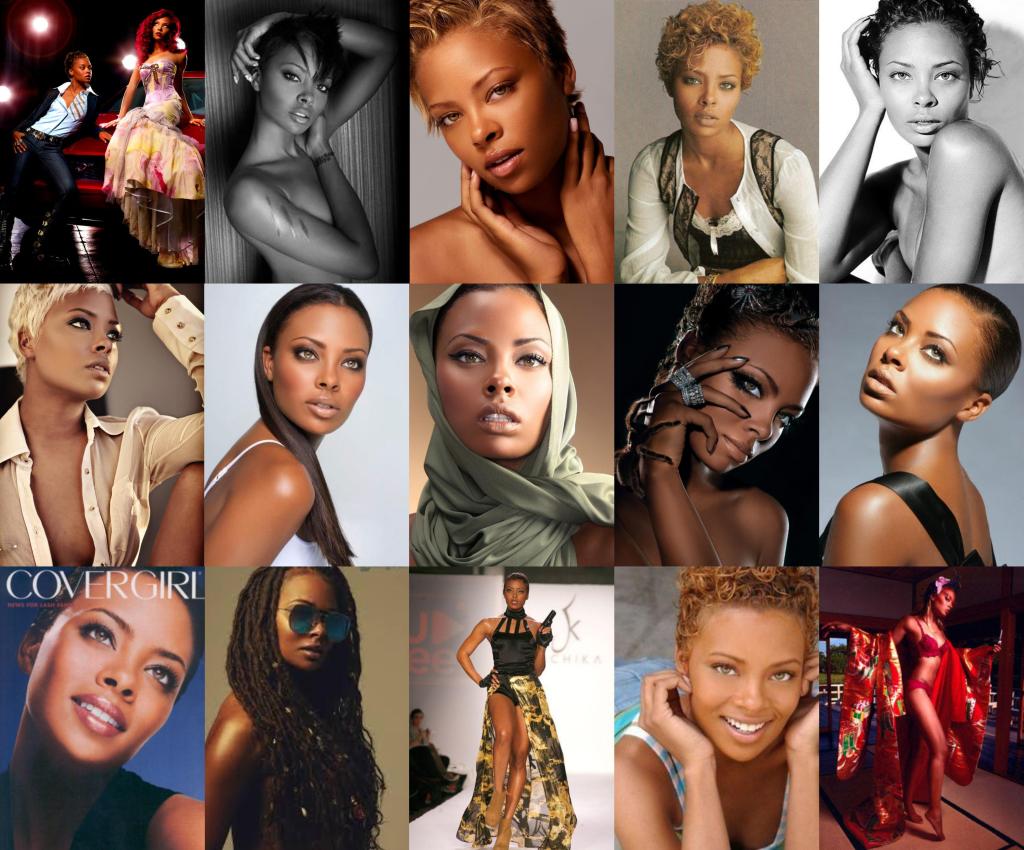
This photograph is the property of its respective owner. No copyright infringement intended.

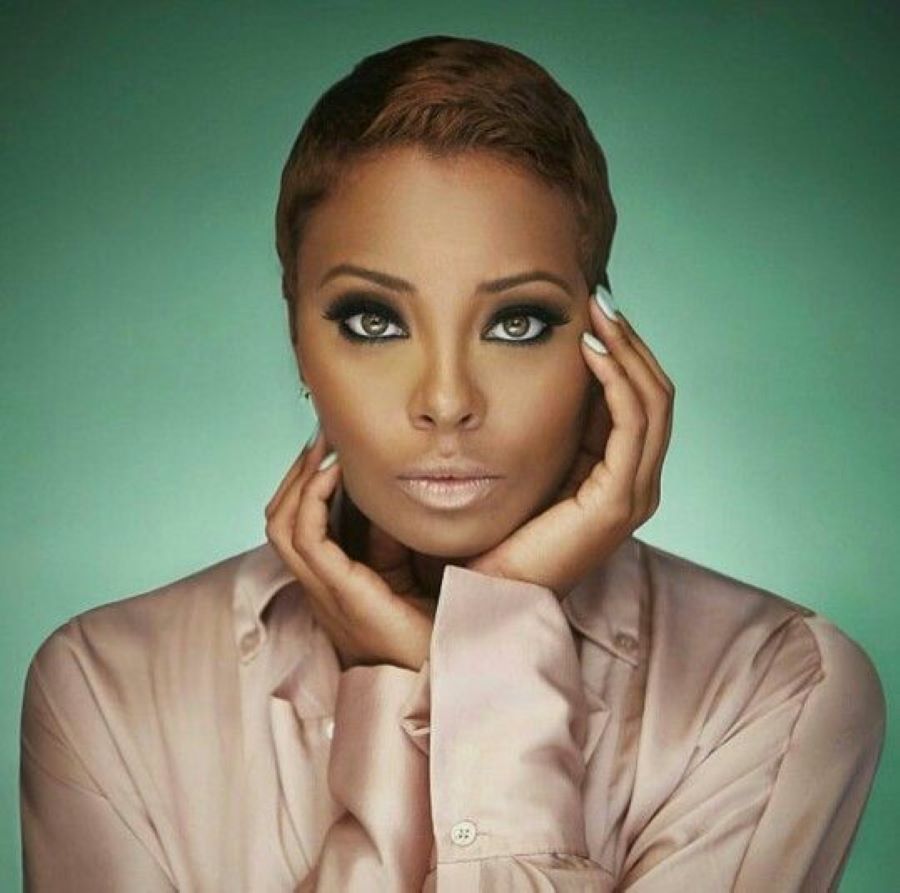
She entered the world like a masterpiece brushed in melanin—a canvas of luminous light ebony-toned skin, warmed with golden undertones that seemed to glow without permission. Her eyes, a mesmerizing hazel-green ocean rimmed with amber, framed by elongated lashes, and her face sculpted in elegant symmetry, carried a porcelain-like softness yet striking angularity that photographers would later call exotic, rare, unforgettable. She was not just beautiful, but possessed an aesthetic harmony where Africa, Europe, and possibility met in one gaze.

Eva Marcille Pigford was born on October 30, 1984, in Los Angeles, California, to Evan Pigford and Michelle Pigford (IMDB, 2024). She identifies as African American and Puerto Rican, with additional European ancestry, making her widely recognized as multiracial/biracial or “mixed, though she embraces her Black identity as dominant in representation and cultural affiliation (Marcille in BET, 2022). She grew up in South Central Los Angeles, later attending Clark Atlanta University, where she studied broadcast journalism before entering the modeling world (Essence, 2020).

Her journey into Hollywood began on one of the most-watched runways on television—America’s Next Top Model (ANTM). In 2004, Eva auditioned for the third cycle of ANTM, impressing judges with her high-fashion potential, bone structure, presence, and magnetic eyes. She won the competition at age 19, securing a CoverGirl cosmetics contract and becoming the first winner with significantly darker skin and exotic features to take the mainstream commercial modeling crown (Banks et al., 2004; Tyra Show Archives).

This photograph is the property of its respective owner. No copyright infringement intended.

Following ANTM, she quickly transitioned into major print and commercial modeling campaigns. She signed with Ford Models, one of the most prestigious agencies globally (Models.com, 2010). Her early post-show momentum included high-profile spreads in Elle, Essence, King Magazine, GQ, and Cosmopolitan, elevating her beyond reality TV into fashion-editorial legitimacy (IMDB, 2024; Elle Archives, 2005).

Marcille became a campaign face for major brands. Her CoverGirl contract was followed by modeling partnerships and appearances in ad work for Samsung, Apple Bottoms, DKNY, Avon, and Macy’s commercials (Advertising Archives via Commercial Database; IMDB, 2024). She also became the face of shea-butter beauty and urban fashion aesthetics through co-signs with Apple Bottoms and beauty editorials celebrating deeper melanin-VS-Eurocentric glam balance (Essence, 2020).

She accumulated numerous accolades during her modeling years. In 2006, she received the Young Hollywood Award for Female Superstar of Tomorrow, marking her crossover potential beyond modeling into scripted media (Young Hollywood Awards, 2006). Her career trajectory would later include multiple NAACP media appearances and beauty acknowledgments for diversifying beauty representation for young Black and multiracial women (NAACP Image Awards Nominations Database).

Eva soon pursued acting, initially through guest television roles before securing recurring characters. Early appearances included roles on Smallville (2005), Everybody Hates Chris (2007), and House of Payne (2008), which helped transition her from model to actress in the early 2000s Hollywood pipeline (IMDB, 2024).

This photograph is the property of its respective owner. No copyright infringement intended.

She later earned significant screen attention in film, appearing in Crossover (2006), followed by roles in I Think I Love My Wife (2007) alongside comedian Chris Rock, and other Black-ensemble screen projects that positioned her as a staple face of the modern ebony Hollywood class (IMDB, 2024).

Her most culturally impactful work in scripted television came decades later. In 2021, she joined the cast of Tyler Perry’s drama-soap powerhouse All the Queen’s Men, portraying Madam’s rival, Marilyn “Ms. Noelle” Deville, a glamorous yet cunning boss-woman role that aligned her beauty with narrative authority, seduction, and psychological complexity (Perry, 2021). This role cemented her presence in the urban neo-noir glam queen archetype (IMDB, 2024).

Her career also expands into hosting, reality television, and brand ambassadorship. In 2018, she joined The Real Housewives of Atlanta (RHOA), increasing her cultural relevance in Black pop-culture media. She leveraged that visibility into business, advocacy, and television commentary (Bravo, 2018).

Her personal life became part of her public narrative. Eva is a mother to three children:

  • Marley Rae McCall (born 2014) with singer Kevin McCall,
  • Michael Todd Sterling Jr. (born 2018),
  • and Maverick Leonard Sterling (born 2019) with her ex-husband, attorney Michael Sterling (Sterling & Marcille in People, 2023).

She married Michael Sterling in 2018 in a star-studded Atlanta ceremony, widely praised for elegance, intimacy, and cultural grandeur (People, 2023). In 2023, she filed for divorce, citing irreconcilable differences, but has publicly maintained a co-parenting-forward family focus (People, 2023).

So what makes her an Ebony Doll archetype? The phrase “Ebony Doll” symbolizes more than skin tone—it represents exotic facial symmetry, soft-spoken glam power, and editorial beauty rooted in Black aesthetics but universal in appeal (Hunter, 2005; Hall, 1997). Eva embodies this through her deep-melanin foundation, mixed-heritage features, commercial runway legitimacy, and Hollywood endurance. But deeper still, an ideal Ebony Doll must influence beauty psychology—she did. Eva helped normalize hazel-green eyes on dark melanin, short-hairstyle femininity in Black fashion media, and soft yet dominant screen presence (Hooks, 1992; Hunter, 2005).

This photograph is the property of its respective owner. No copyright infringement intended.

Her features align with cross-cultural beauty science. Studies on beauty perception highlight the high impact of eye color contrast against deep skin, facial symmetry, upper-cheekbone prominence, oval face sculpting, and universal aesthetic ambiguity (“ethnically mixed facial harmonics”) being perceived as exotically attractive (Rhodes, 2006; Little, Jones, & DeBruine, 2011). This matches Eva’s visual profile and explains her path to fashion-campaign success and sustained camera appeal.

Thus, she is an Ebony Doll ideal not simply because she is beautiful, but because she is representative, aspirational, adaptable, culturally resonant, fashion-validated, screen-anchored, and psychologically unforgettable.


References

Bravo. (2018). The Real Housewives of Atlanta cast archives.

Banks, T., et al. (2004). America’s Next Top Model, Cycle 3 production and judging transcripts. UPN Archives.

Bet. (2022). Interview commentary on multiracial identity, ethnicity, and cultural affiliation archives.

Essence. (2020). Eva Marcille career editorial and modeling retrospective.

Hall, S. (1997). Representation: Cultural representations and signifying practices. Sage.

Hooks, B. (1992). Black looks: Race and representation. South End Press.

Hunter, M. (2005). Race, gender, and the politics of skin tone. Routledge.

IMDB. (2024). Eva Marcille professional filmography and career database archives.

Jones, B. C., DeBruine, L. M., & Little, A. C. (2011). Facial contrast and attractiveness. Psychological Science, 22(1), 57–62.

Marcille, E., Sterling, M. (2023). Marriage and co-parenting public statements. People Magazine Archives.

Perry, T. (2021). All the Queen’s Men production and casting archives.

Rhodes, G. (2006). The evolutionary psychology of facial beauty. Annual Review of Psychology, 57, 199–226.

The Ebony Dolls: Lena Horne

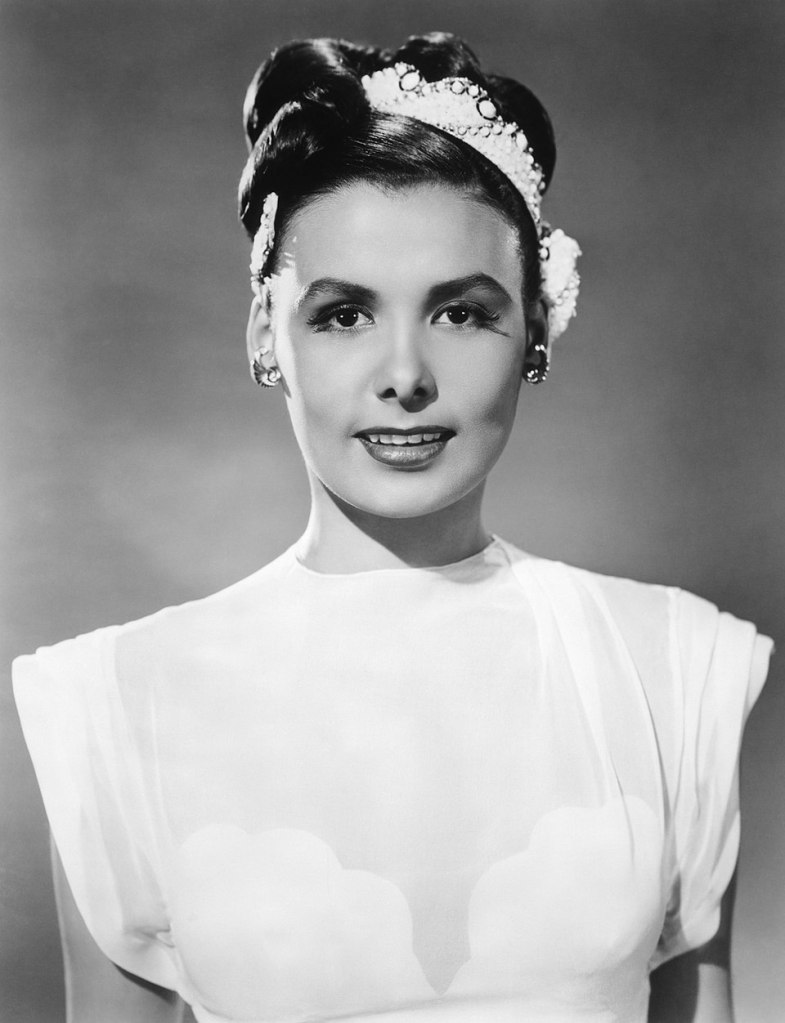
The remarkable, Ms Lena…

This photograph is the property of its respective owner. No copyright infringement intended.

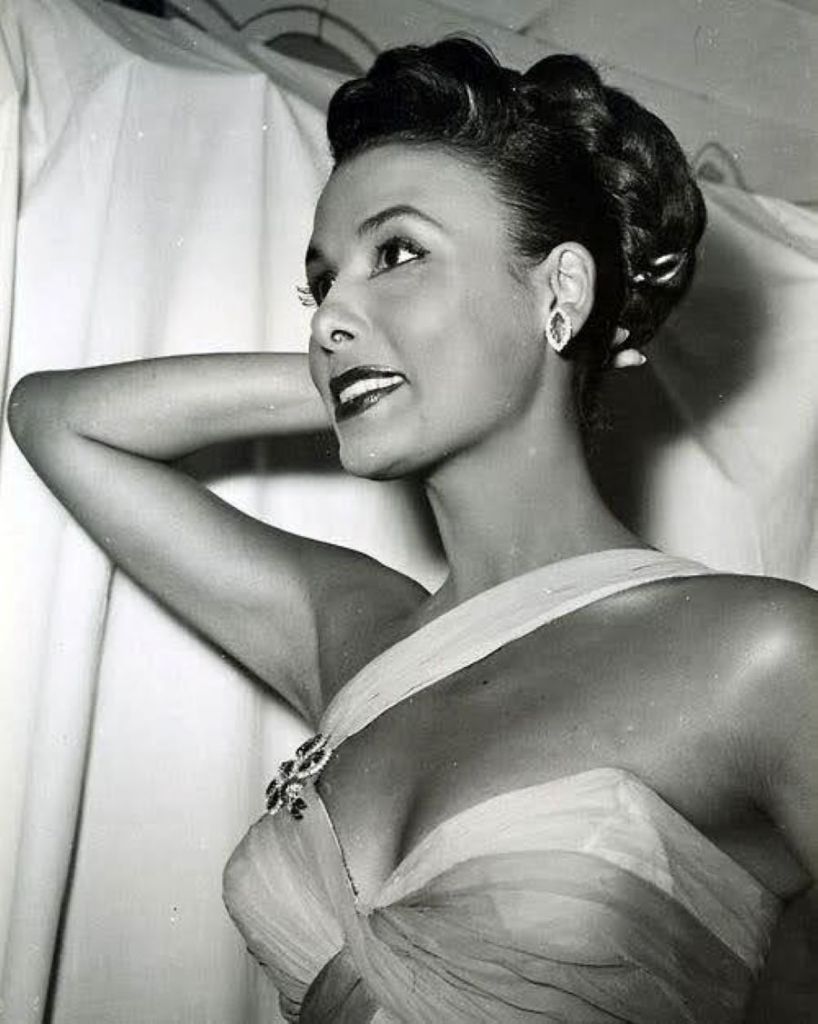
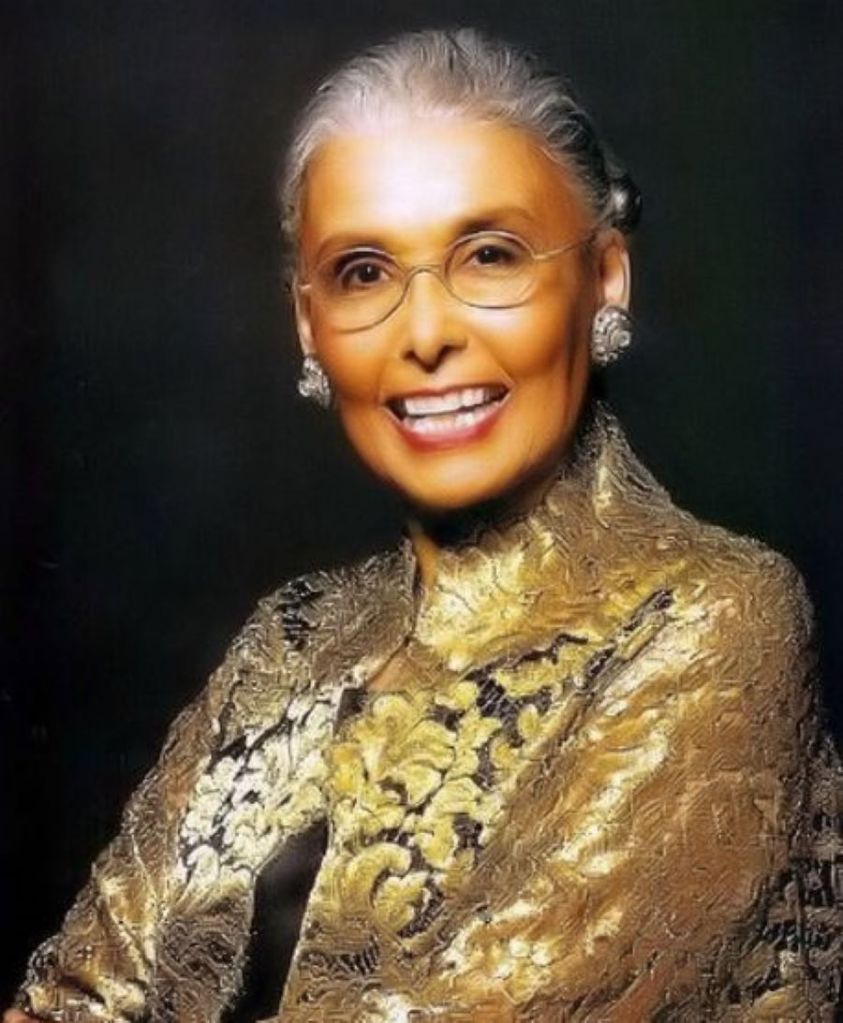
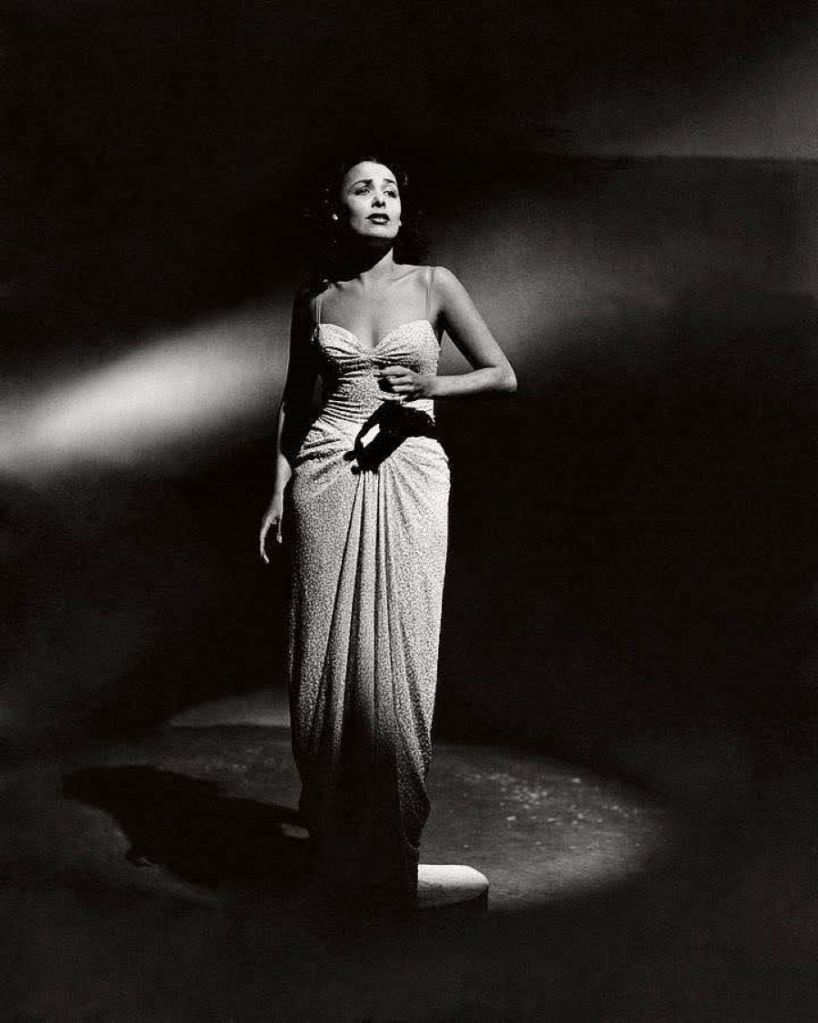
Lena Horne was a vision of elegance, beauty, and poise whose presence captivated audiences worldwide. Her light complexion, radiant smile, and graceful demeanor made her a striking figure in Hollywood during a time when Black women were often denied visibility. Many described her as stunningly beautiful, a woman whose allure went beyond physicality—her voice, intelligence, and stage presence added layers of magnetism that commanded respect and admiration. Even in the racially segregated entertainment industry, Lena’s appearance and talent allowed her to transcend barriers, though not without confronting the challenges of colorism and systemic discrimination (Horne, 1983).

Lena Mary Calhoun Horne was born on June 30, 1917, in Brooklyn, New York, into a family that carried both African American and European ancestry. Her heritage was complex: she was light-skinned, a trait that shaped both opportunities and challenges in her career and personal identity. Growing up, Lena was conscious of her appearance in a society that valued lighter skin, often granting her advantages in access to roles that darker-skinned Black women were denied. Yet, she remained critical of colorism, speaking openly about the ways society’s standards created division and unequal treatment within the Black community (Horne, 1983).

Lena’s career began at a young age. She joined the chorus line at the Cotton Club in Harlem as a teenager, performing alongside some of the era’s greatest Black entertainers. Her talent quickly set her apart, and she was discovered by Hollywood talent scouts, leading to a contract with MGM in the late 1930s. Despite her abilities, Lena often faced typecasting: she was one of the few Black actresses who could portray roles of sophistication and glamour, yet she was restricted from starring opposite white actors in romantic roles due to prevailing racial taboos (Haskins, 1995).

This photograph is the property of its respective owner. No copyright infringement intended.

Horne’s film career included appearances in landmark movies such as Cabin in the Sky (1943) and Stormy Weather (1943), the latter becoming a signature work that showcased both her acting and her legendary singing voice. She was celebrated not only for her performances but also for her groundbreaking contributions to integrating Black artists into mainstream entertainment. Despite her beauty and talent, Lena often had to fight for roles and recognition in an industry rife with discrimination and restrictive casting practices.

Her music career was equally remarkable. Lena Horne became one of the most iconic jazz and popular singers of her time, known for songs such as Stormy Weather and The Lady is a Tramp. She performed in nightclubs, theaters, and on television, captivating audiences with her sultry voice, elegance, and impeccable stage presence. Horne broke barriers in live performance, becoming one of the first Black women to headline at major venues previously reserved for white entertainers (Erenberg, 2008).

Horne was acutely aware of the role her skin tone played in her opportunities. While lighter skin occasionally afforded her access, she spoke out about the injustice of colorism within Hollywood and society at large. She recognized that talented darker-skinned Black performers were often overlooked, and she used her platform to advocate for equality, fair treatment, and representation. In interviews, she reflected on the complexity of her position—benefiting from colorism while resisting complicity in perpetuating its harm (Horne, 1983).

This photograph is the property of its respective owner. No copyright infringement intended.

Her activism extended beyond colorism. Lena Horne was deeply involved in civil rights work, participating in the March on Washington in 1963 and supporting organizations that fought for racial equality and social justice. She refused to perform in venues that practiced segregation, and she openly challenged discriminatory practices within the entertainment industry. Her courage and advocacy made her not just an icon of beauty and talent but also a model of principled resistance (Haskins, 1995).

Lena Horne received numerous accolades throughout her career. While she was not always recognized by Hollywood with major awards during her peak years, she earned several nominations and honors later in life, including a Special Academy Award in 1981, recognizing her contributions to the film industry and the struggle for racial equality. She was also the recipient of Grammy Awards and Lifetime Achievement honors, reflecting her enduring influence as a performer and cultural icon.

This photograph is the property of its respective owner. No copyright infringement intended.

Her experiences as a light-skinned Black woman navigating race, colorism, and sexism provided Lena with a unique perspective. She often discussed the privileges and burdens of her appearance, advocating for the recognition of beauty across the spectrum of skin tones. Lena’s grace, intelligence, and forthrightness helped reshape societal perceptions of Black women, challenging stereotypes while embodying sophistication, talent, and dignity (Erenberg, 2008).

Horne’s influence continues to resonate. She inspired generations of Black performers to embrace their identity, challenge inequity, and pursue excellence despite systemic barriers. Lena Horne’s legacy is a blend of artistry, activism, and advocacy—her beauty complemented by her unwavering commitment to justice, equality, and representation. She remains a quintessential figure in Black cultural history, a shining example of elegance, resilience, and purpose.


References

  • Erenberg, L. A. (2008). Swingin’ the Dream: Big Band Jazz and the Rebirth of American Culture. University of Chicago Press.
  • Haskins, J. (1995). Lena Horne: A Life of Music and Activism. Black Scholar Press.
  • Horne, L. (1983). Lena: My Story. New York: G.P. Putnam’s Sons.
  • IMDb. (n.d.). Lena Horne Filmography. Retrieved from https://www.imdb.com/name/nm0001351/

The Ebony Dolls: Halle Berry

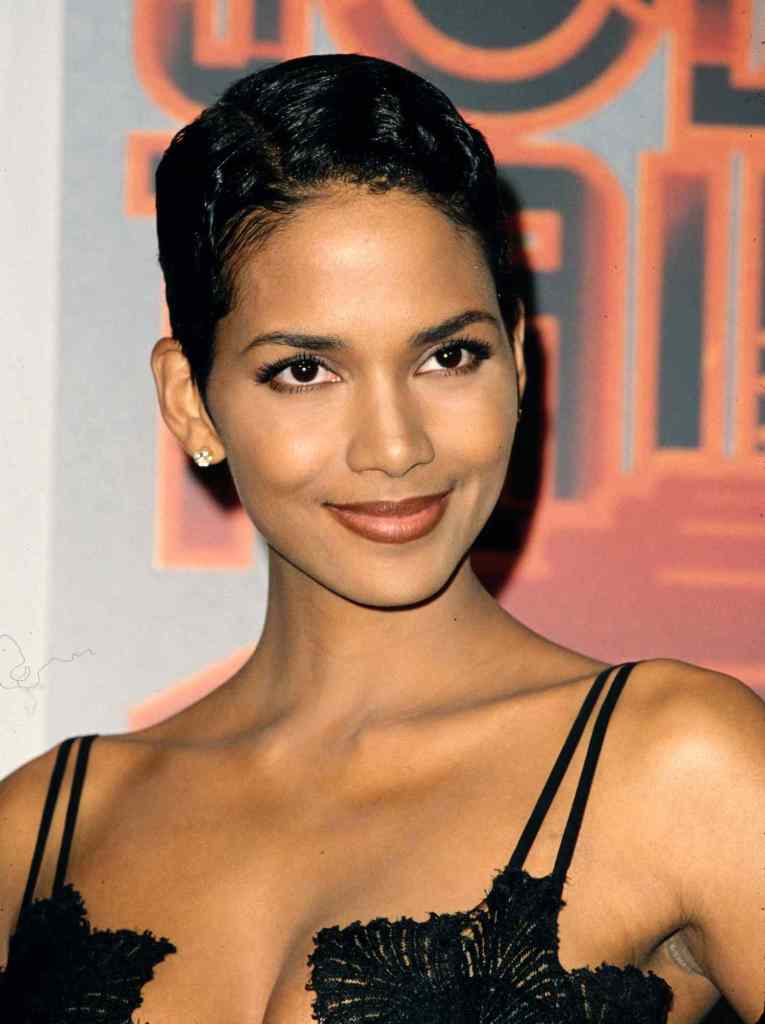
Many have said that Halle Berry is the most beautiful woman in the world, making her a living icon of beauty and timeless elegance.

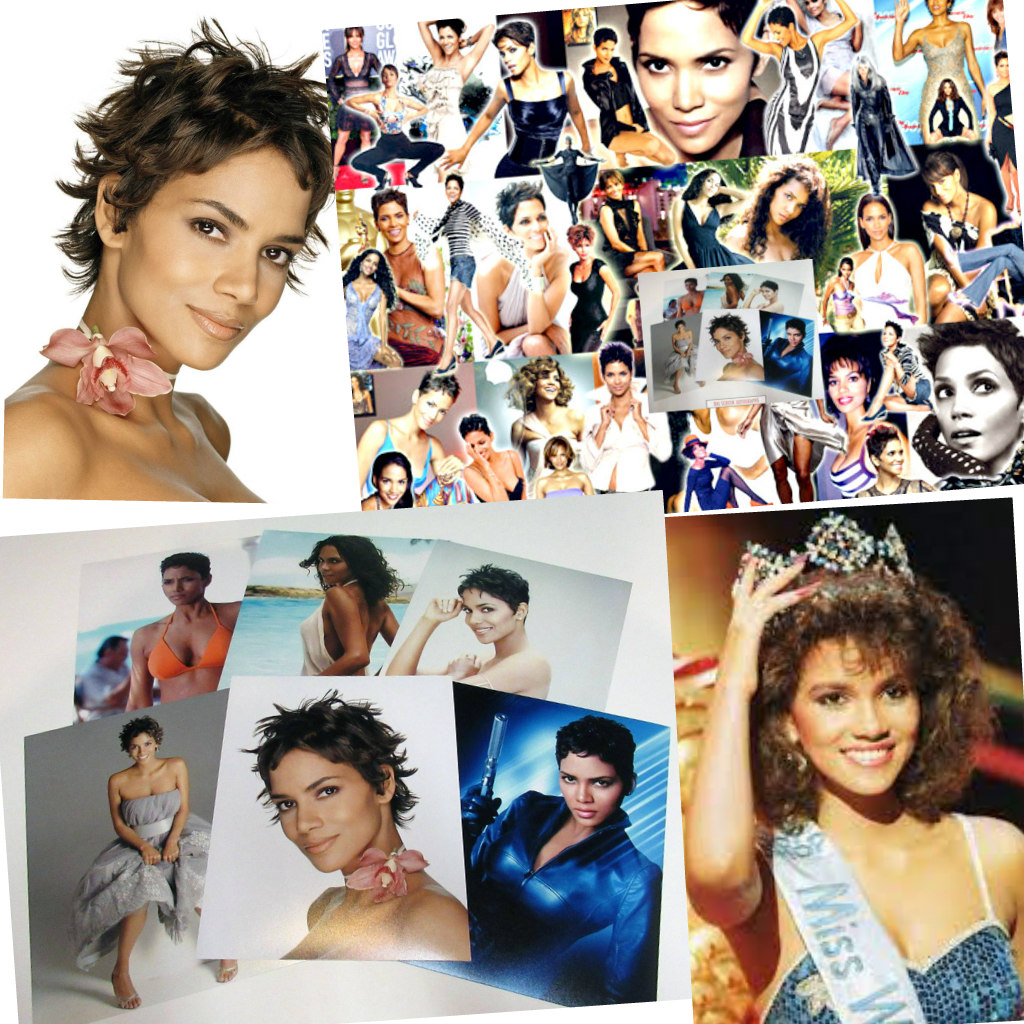
In the early 1990s, after the release of Strictly Business (1991), Halle Berry captivated Hollywood and the world with her magnetic screen presence and extraordinary beauty. The film served as her breakout role, introducing audiences to a new kind of Black leading lady—radiant, confident, and effortlessly alluring. Her appearance in Strictly Business marked a cultural turning point, as Berry’s blend of sophistication and sensuality transcended racial boundaries in an industry still grappling with representation. Television host Arsenio Hall famously declared her “the most beautiful woman in the world,” echoing the collective awe of audiences and critics alike who saw in Berry not just a starlet, but a genetic marvel – the complete package in terms of beauty whose elegance and charisma would redefine Hollywood’s standards of beauty for decades to come.

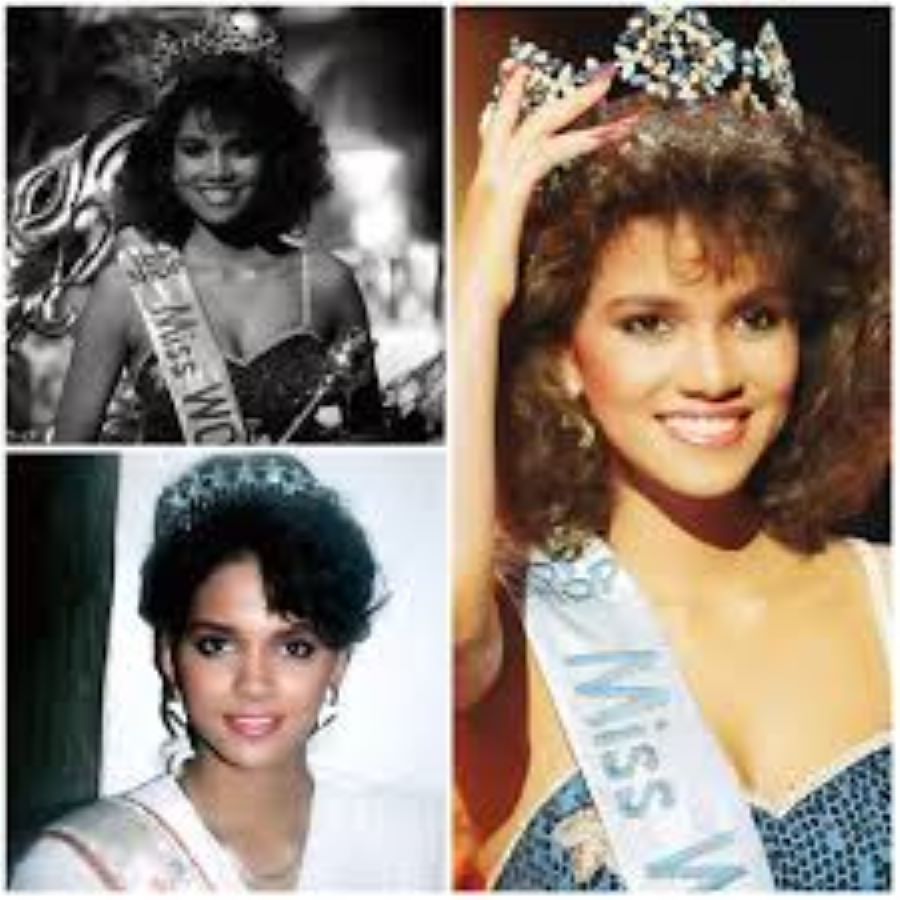
These photographs are the property of their respective owners. No copyright infringement intended.

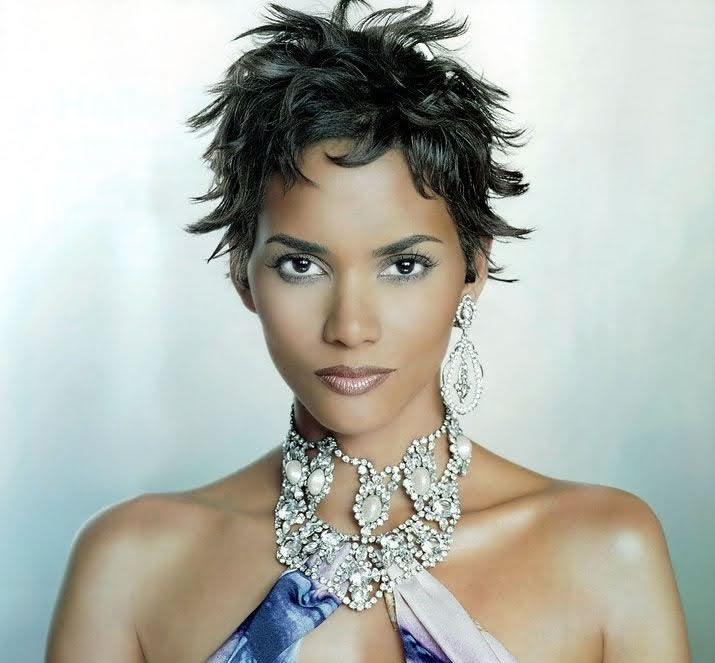
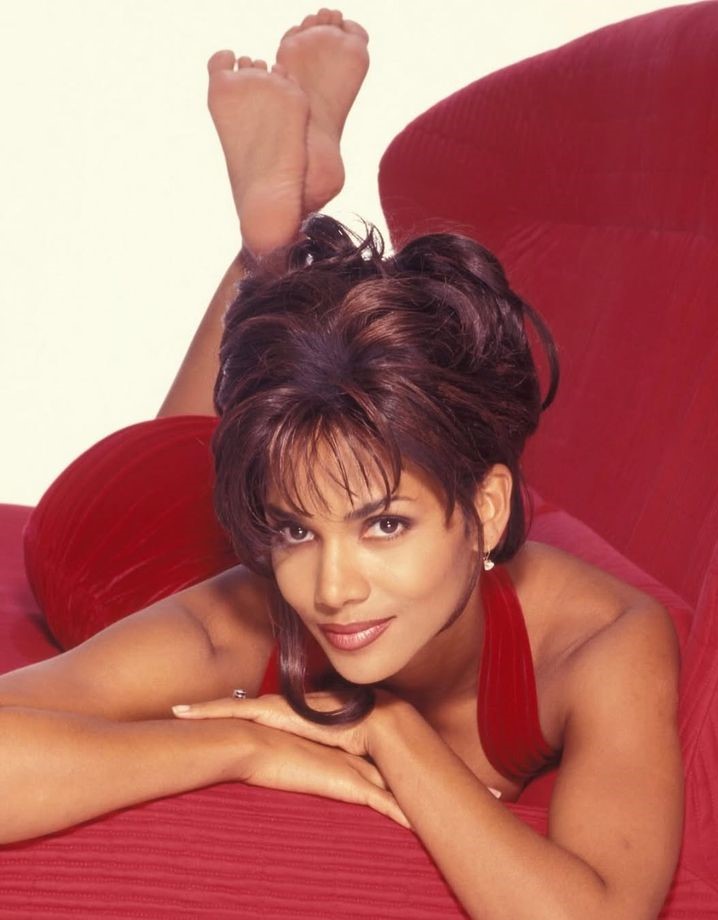
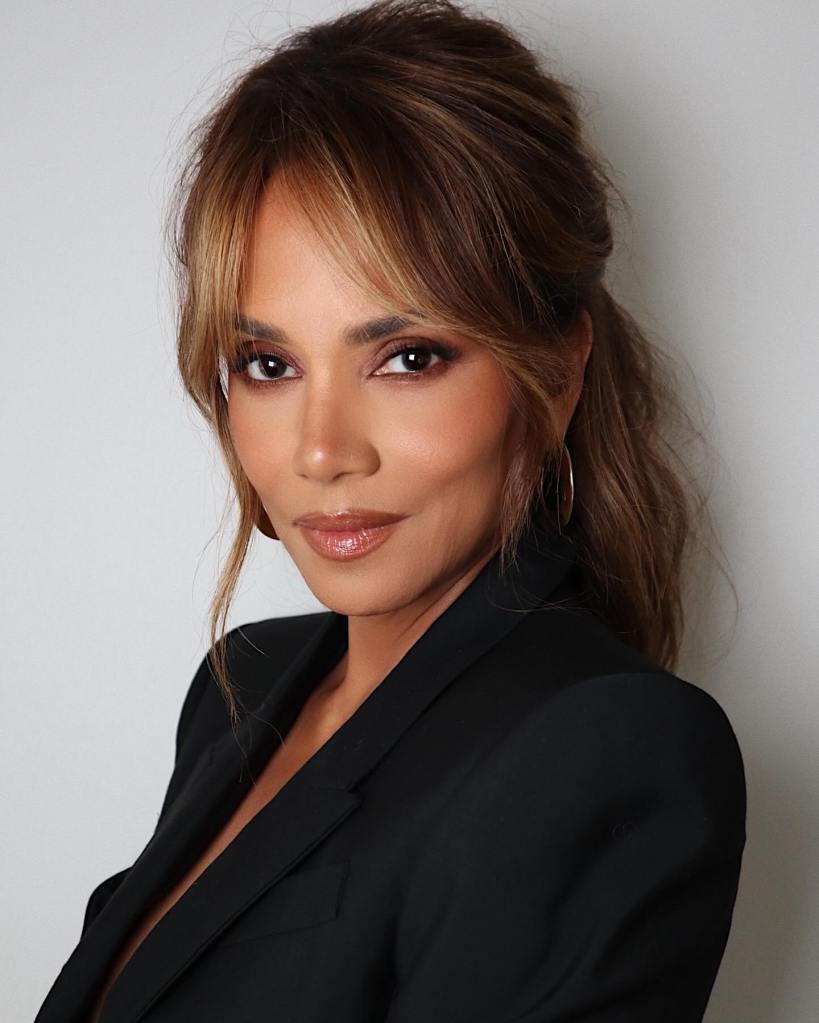
Halle Berry has long been celebrated as one of the most beautiful women in the world—a vision of timeless elegance, grace, and radiant femininity. Her symmetrical features, luminous skin, and captivating eyes embody a beauty that transcends race and age. With a sculpted jawline, flawless complexion, and confidence that radiates from within, she redefined the global perception of Black beauty. Whether walking a red carpet or appearing barefaced in interviews, Halle’s natural glow and poise reflect inner strength and divine self-assurance. Her presence commands attention—not merely for her looks, but for the spirit and perseverance behind them.

Born Maria Halle Berry on August 14, 1966, in Cleveland, Ohio, she was raised by her mother, Judith Ann, after her parents divorced when she was young. Her mother, a psychiatric nurse, taught her resilience, while her father, Jerome Berry, an African American hospital attendant, contributed to her rich biracial heritage. Halle’s early life was marked by challenges, including racial discrimination, but she turned adversity into motivation. Her drive and determination pushed her to excel academically and artistically.

Before her rise to stardom, Halle Berry began her career in modeling and beauty pageants. In 1985, she won the title of Miss Teen All-American and later became the first runner-up in the 1986 Miss USA pageant. That same year, she represented the United States in the Miss World competition, where she placed sixth. Her pageant success opened doors to modeling and acting opportunities, giving her visibility in an industry where diversity was still limited.

These photographs are the property of their respective owners. No copyright infringement intended.

Halle’s modeling career flourished throughout the 1980s, appearing in high-profile campaigns and fashion spreads that highlighted her natural beauty and grace. She was a muse for photographers who saw in her the perfect balance between strength and softness. But it wasn’t just her looks that set her apart—it was her professionalism, intelligence, and ability to carry herself with royal composure.

Her transition to acting began with small television roles, including Living Dolls in 1989. However, her breakthrough came in Spike Lee’s Jungle Fever (1991), where she portrayed a crack addict named Vivian. This role proved that she was more than just a beauty queen—she was an actress capable of depth, vulnerability, and emotional truth. Halle’s early film choices often centered around complex female characters navigating identity, love, and survival.

This photograph is the property of its respective owner. No copyright infringement intended.

As her career expanded, Berry starred in a wide range of films that showcased her versatility. She appeared in Boomerang (1992) alongside Eddie Murphy, The Flintstones (1994), Bulworth (1998), and the critically acclaimed Introducing Dorothy Dandridge (1999). Her portrayal of the legendary actress Dorothy Dandridge earned her an Emmy, a Golden Globe, and a Screen Actors Guild Award. This performance was especially meaningful, as Dandridge had been the first Black woman nominated for an Academy Award for Best Actress—a barrier Berry herself would later break.

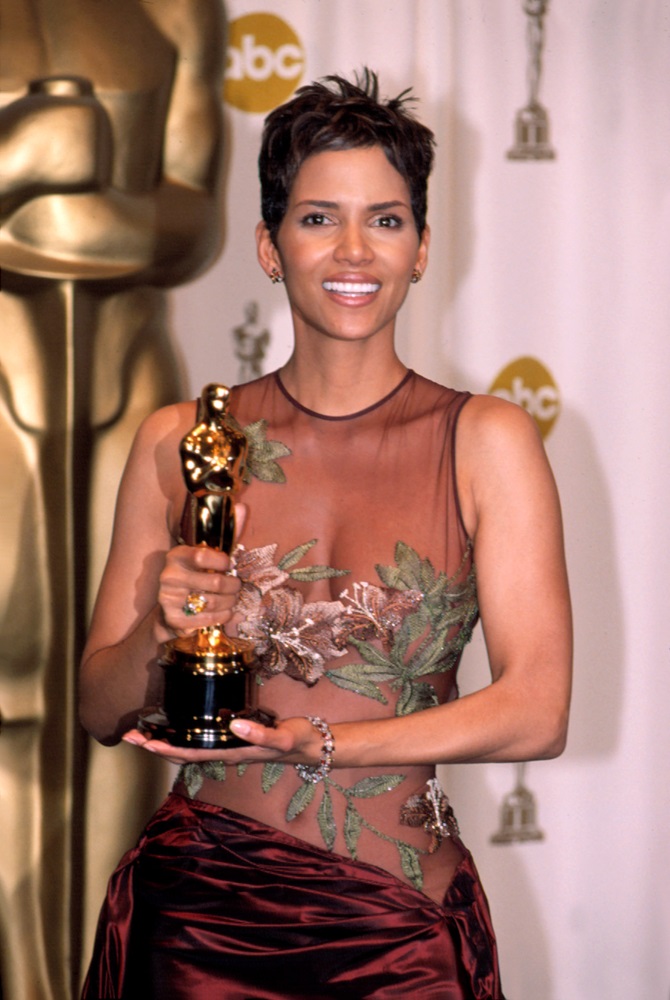
In 2002, Halle Berry made history when she became the first Black woman to win the Academy Award for Best Actress for her role in Monster’s Ball (2001). In her emotional acceptance speech, she dedicated the moment to “every nameless, faceless woman of color who now has a chance because this door tonight has been opened.” Her performance in the film, as a struggling widow seeking redemption, cemented her place among Hollywood’s elite and broke racial boundaries in the industry.

This photograph is the property of its respective owner. No copyright infringement intended.

Beyond her Oscar, Berry’s trophy case includes a Golden Globe, multiple NAACP Image Awards, and recognition from the BET Honors and Essence Black Women in Hollywood Awards. She also received a star on the Hollywood Walk of Fame in 2007, a testament to her enduring influence and body of work.

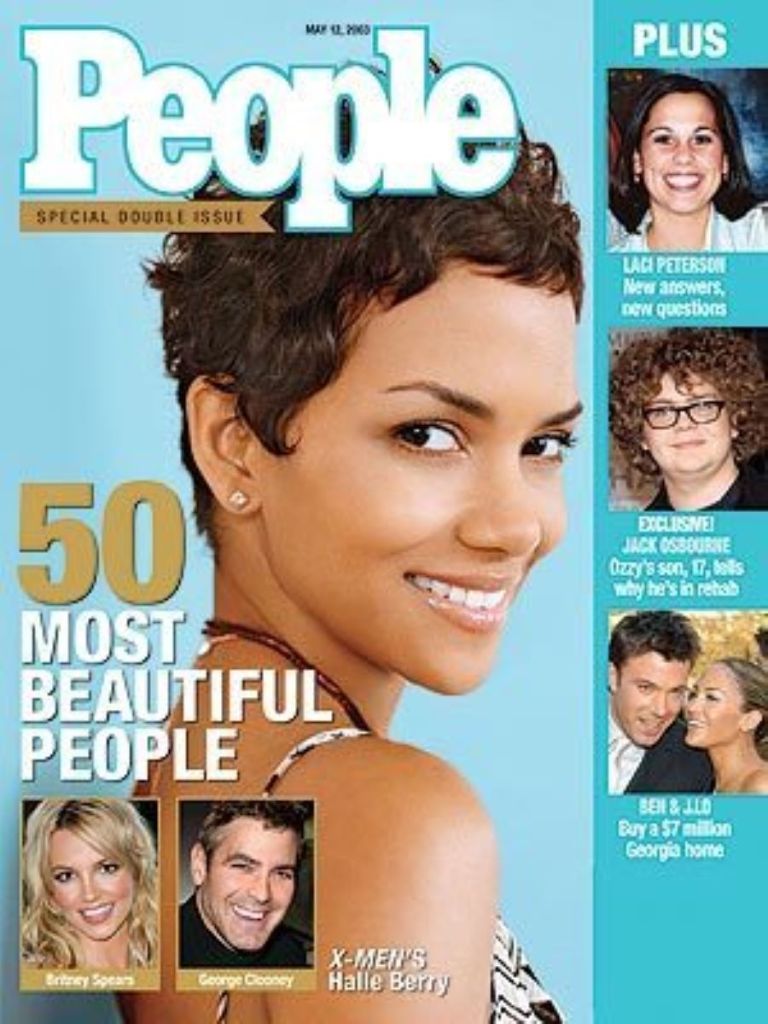
People Magazine

Halle’s beauty has often been celebrated alongside her talent. She was named People magazine’s “Most Beautiful Woman in the World” in 2003 and has graced the cover multiple times since. Her appeal lies not just in physical perfection but in authenticity and confidence. She embodies the kind of beauty that grows richer with time—a combination of fitness, spiritual balance, and self-love.

Her beauty regimen has always emphasized simplicity and consistency. Berry advocates for hydration, clean eating, regular exercise, and a focus on inner wellness. She follows a ketogenic diet, practices yoga, and prioritizes mental health. In interviews, she often states that “beauty begins with the soul,” emphasizing peace, faith, and gratitude as key components of lasting radiance.

Health has been a lifelong priority for Halle, especially after being diagnosed with type 1 diabetes at age 22. This diagnosis changed her relationship with food, fitness, and discipline. She became an advocate for holistic wellness, encouraging others to take control of their health through natural living and balance. Her fitness routine includes strength training, cardio, martial arts, and meditation.

This photograph is the property of its respective owner. No copyright infringement intended.

As Halle matured in her career, she took on new roles that reflected her growth as both a woman and an artist. Films like Gothika (2003), Catwoman (2004), Cloud Atlas (2012), and Bruised (2020)—which she also directed—demonstrated her fearlessness in exploring challenging roles. Her ability to reinvent herself in each decade of her career shows a rare kind of endurance and artistic evolution.

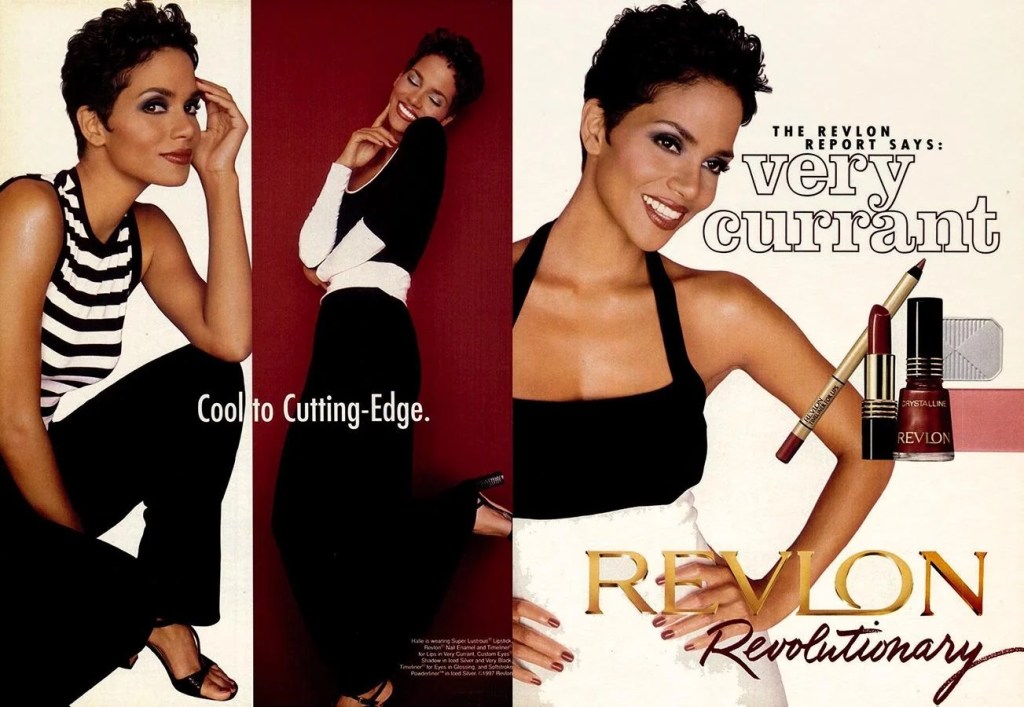
Revlon Cosmetics

Halle Berry’s enduring beauty and cinematic prestige have made her one of the most sought-after celebrity endorsers in Hollywood. Her long-term partnership with Revlon, beginning in 1996, established her as a global ambassador and symbol of timeless glamour. Berry also became a collaborative partner and campaign face for Finishing Touch Flawless, a beauty-tech brand emphasizing women’s self-care and confidence, and launched her own fragrance line with Coty in 2009, showcasing her elegance and entrepreneurial vision. Her flawless complexion, sculpted bone structure, and magnetic screen presence—paired with her historic Academy Award win as the first Black woman to receive Best Actress—solidified her appeal as the epitome of sophistication and modern femininity, aligning perfectly with brands seeking a face that transcends race and radiates universal beauty.

Her personal life has also been under public scrutiny, particularly her high-profile marriages and relationships. Berry was married to baseball player David Justice (1993–1997), musician Eric Benét (2001–2005), and actor Olivier Martinez (2013–2016). Despite the challenges, she has maintained dignity and optimism, focusing on her children and her work. Her transparency about heartbreak and healing has made her relatable to women worldwide. After these marriages, she entered a committed relationship in 2020 with Grammy-winning musician Van Hunt. Hunt proposed to Berry, though she has stated she doesn’t need marriage to validate their relationship. People.com

As a mother to two children, Nahla and Maceo, Halle has spoken openly about balancing motherhood and career. She has emphasized the importance of teaching her children about self-worth, resilience, and faith. Her nurturing yet disciplined nature mirrors the Proverbs 31 woman—strong, wise, and compassionate.

This photograph is the property of its respective owner. No copyright infringement intended.

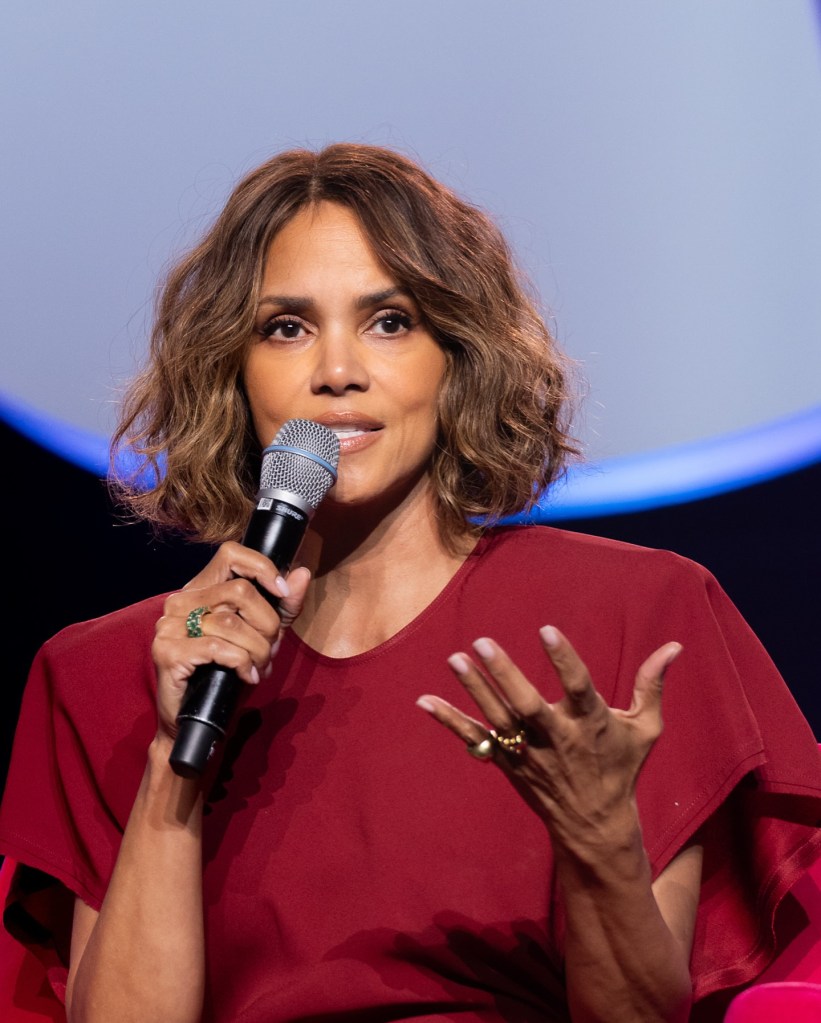
Berry’s activism extends beyond entertainment. She is a passionate advocate for women’s rights, domestic violence survivors, and health awareness. In recent years, she has become an outspoken voice for menopause education, challenging the stigma surrounding it. Halle uses her platform to empower women to embrace their changing bodies and find beauty in every stage of life.

In discussing menopause, Berry highlights the importance of embracing transformation with grace. She rejects the notion that aging diminishes worth or attractiveness. Instead, she champions the idea that true beauty deepens with experience, wisdom, and peace of mind. Her advocacy reflects her mission to redefine womanhood in Hollywood and beyond.

This photograph is the property of its respective owner. No copyright infringement intended.

Today, Halle Berry continues to inspire not only through her performances but through her authenticity. She has proven that beauty, talent, and intelligence can coexist powerfully. Her influence reaches far beyond film; she has become a symbol of endurance, elegance, and empowerment for generations of women. She has become the face and co-founder of Re•Spin Menopause, a wellness brand that seeks to redefine and destigmatize the conversation around menopause. Through her platform, Berry advocates for education, empowerment, and holistic health during midlife, encouraging women to embrace this transition with confidence and self-love. Her candid discussions about her own journey with perimenopause have inspired millions, highlighting the importance of open dialogue about women’s health. Berry’s mission with Re•Spin and her partnership with Pendulum Therapeutics mark a cultural shift toward celebrating aging as strength, not decline.

Her legacy as an “Ebony Doll” represents more than physical beauty—it is a celebration of Black excellence, resilience, and divine femininity. Halle Berry’s journey reminds the world that true allure is found not in perfection but in purpose, perseverance, and self-love. She remains a beacon of light, defying age, stereotypes, and limitations.

References

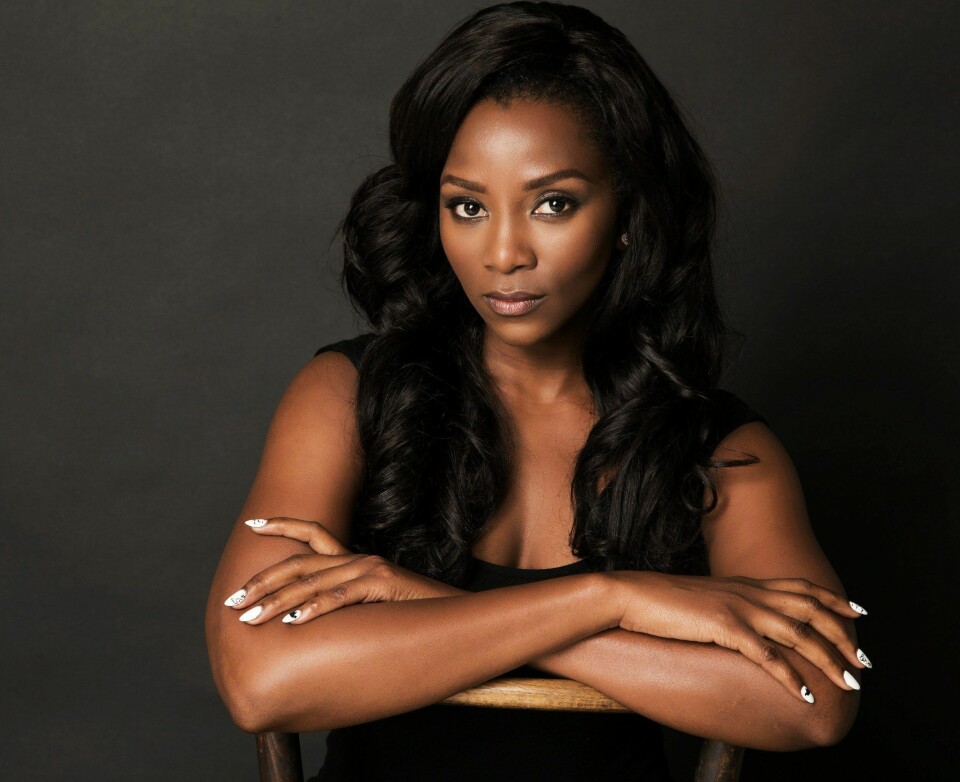
The Ebony Dolls: Genevieve Nnaji

This photograph is the property of its respective owner. No copyright infringement intended.

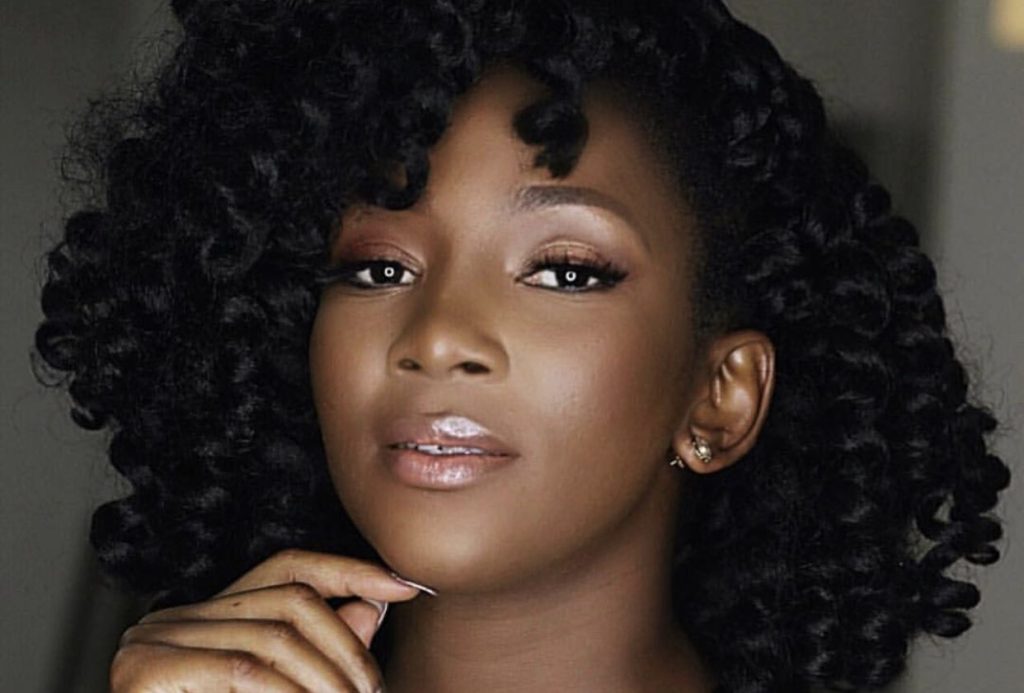
Few women embody the word elegance quite like Genevieve Nnaji — the Nigerian actress, producer, and cultural icon whose beauty and brilliance have transcended borders. With her luminous dark ebony skin, perfectly stunning face, expressive almond-shaped eyes, and graceful demeanor, she radiates a timeless charm reminiscent of a handcrafted porcelain doll — only richer, warmer, and divinely melanated. Her beauty is not only physical; it is regal, poised, and deeply rooted in confidence. Genevieve represents the pinnacle of African femininity: intelligent, self-assured, and graceful in both speech and movement. Often called the “Julia Roberts of Africa,” she stands as one of the most influential figures in Nollywood history, a living testament to what happens when talent meets purpose.


Early Life and Rise to Stardom

Genevieve Nnaji was born on May 3, 1979, in Mbaise, Imo State, Nigeria, and raised in Lagos. The fourth of eight children, she grew up in a close-knit family where hard work, education, and faith were emphasized. Her father worked as an engineer, and her mother was a nursery school teacher. From a young age, Genevieve displayed an extraordinary sense of charisma and performance. At just eight years old, she began acting in the popular Nigerian soap opera Ripples, marking the beginning of a journey that would reshape African cinema.

She later studied Creative Arts at the University of Lagos, where she continued auditioning for film roles while pursuing her education. In the late 1990s, her breakthrough came with the film Most Wanted (1998), followed by a series of blockbuster performances that established her as Nollywood royalty. Her ability to portray deep emotion and authentic African womanhood resonated with audiences across the continent and beyond.


This photograph is the property of its respective owner. No copyright infringement intended.

Career, Awards, and Global Recognition

Genevieve’s career is a masterclass in longevity and excellence. Over the years, she has starred in more than 100 Nollywood films, including Sharon Stone, Blood Sisters, Ijele, and Games Women Play. Her compelling performances earned her numerous accolades, such as the Africa Movie Academy Award (AMAA) for Best Actress in a Leading Role in 2005 — making her the first actress to win that prestigious honor.

In 2011, she was honored with the title of Member of the Order of the Federal Republic (MFR) by the Nigerian government for her contributions to the arts. Genevieve made history again when she directed and starred in Lionheart (2018), which became Nigeria’s first-ever Netflix original film and was Nigeria’s first submission to the Academy Awards in the “Best International Feature Film” category. Lionheart’s success cemented her global reputation as a pioneering filmmaker and storyteller.


Endorsements and Business Ventures

Genevieve’s influence extends beyond acting. Her stunning looks and magnetic presence have made her one of Africa’s most sought-after brand ambassadors. She has signed endorsement deals with major companies such as Lux, Range Rover Evoque, Etisalat (now 9mobile), and Amstel Malta, among others. Her elegance and professionalism have made her the face of premium African beauty, symbolizing grace and achievement.

In 2008, she launched her clothing line, St. Genevieve, blending fashion and philanthropy — proceeds from sales support various charitable causes. Through both her fashion and film ventures, she continues to empower women and promote positive representations of African beauty and excellence.


Family and Personal Life

Genevieve is known for maintaining a dignified level of privacy about her personal life. She is a proud mother to her daughter, Theodora, and has often spoken about the joys and challenges of motherhood. Despite her fame, she has remained grounded, preferring a quiet life away from unnecessary public drama. Her humility and mystery have only deepened her appeal, making her a beloved figure admired for both her beauty and integrity.


This photograph is the property of its respective owner. No copyright infringement intended.

Impact and Legacy

Genevieve Nnaji is widely considered one of the highest-paid actresses in Nollywood, commanding impressive fees per film due to her experience, influence, and star power. She has paved the way for many younger actresses and remains a mentor figure within the industry. Beyond wealth and awards, her impact lies in her ability to tell African stories with dignity, power, and authenticity. She redefined what it means to be a woman of substance and strength — not merely admired for her face, but for her mind and spirit.

Her legacy continues to inspire filmmakers, actresses, and audiences around the world. Genevieve’s artistry proves that true beauty transcends complexion and fame — it is the light of self-awareness, discipline, and divine purpose shining through every performance.


Conclusion

From the streets of Lagos to the global stage, Genevieve Nnaji has become the embodiment of African excellence. Her ebony glow, refined features, and commanding presence are matched only by her grace and intellect. She is not just a film star — she is a symbol of pride, power, and perfection for millions of Black women across the world. In her face and her art, we see the beauty of Africa: radiant, enduring, and forever unforgettable.


References (APA Style)

Africa Magic. (2020). Genevieve Nnaji: The icon of Nollywood. Africa Magic Entertainment. https://www.africamagic.dstv.com

BBC News. (2019, January 7). Genevieve Nnaji’s Lionheart: Nigeria’s first Oscar submission. BBC. https://www.bbc.com/news

Channels Television. (2011). Genevieve Nnaji honored with national award (MFR). Channels TV Nigeria. https://www.channelstv.com

IMDb. (n.d.). Genevieve Nnaji biography. IMDb. https://www.imdb.com/name/nm1452478/

Netflix. (2018). Lionheart [Film]. Netflix Originals.

Pulse Nigeria. (2023, June 12). Genevieve Nnaji: Biography, career, and impact on Nollywood. Pulse Nigeria. https://www.pulse.ng

The Guardian Nigeria. (2020, November 2). Genevieve Nnaji: Beauty, brains, and the power of quiet influence. The Guardian Nigeria. https://guardian.ng

Vanguard. (2021, August 10). Is Genevieve Nnaji still Nollywood’s highest-paid actress? Vanguard Nigeria. https://www.vanguardngr.com

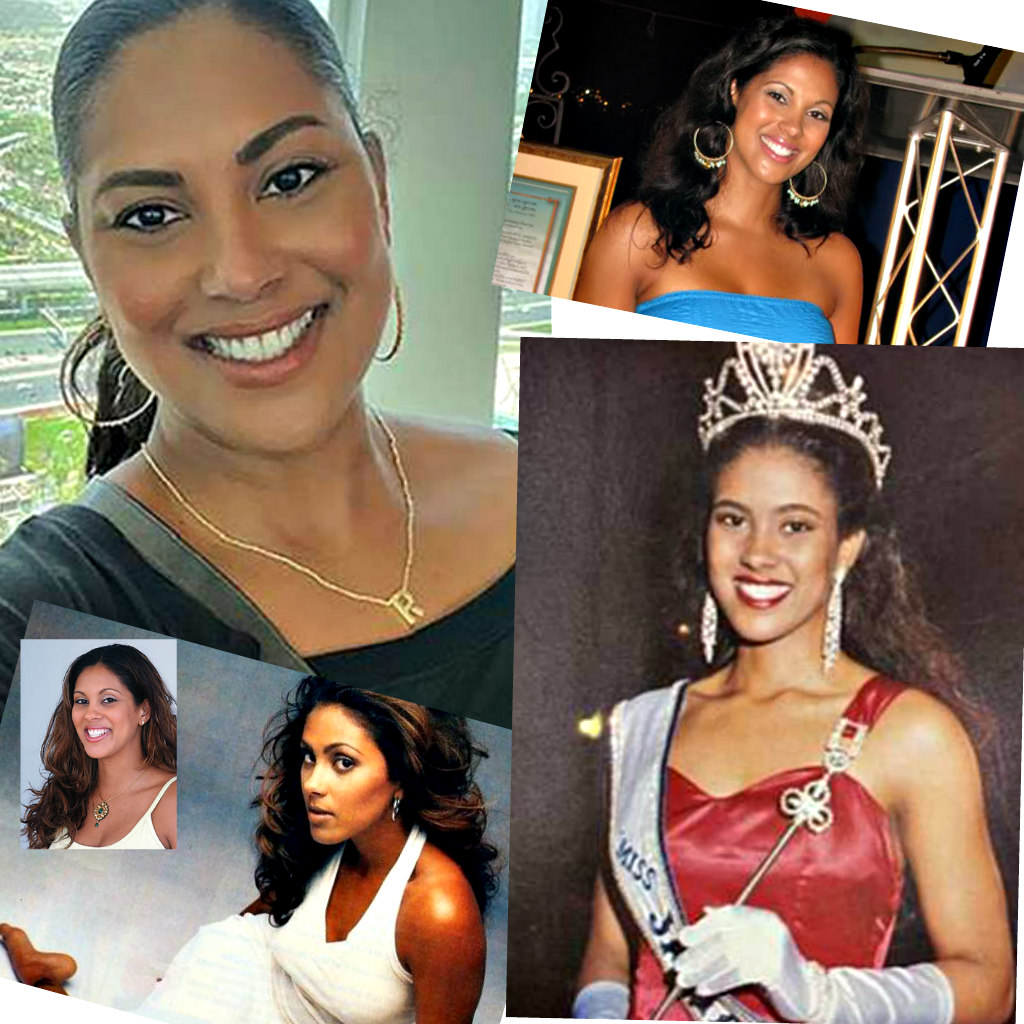
The Ebony Dolls: Rachel Stuart Baker

The Face of Island Stylee

These photographs are the property of their respective owners. No copyright infringement intended.

Born in the early 1970s, Rachel Stuart was born in Kingston, Jamaica. Rachel’s early life unfolded amidst vibrant island rhythms and a cross-cultural upbringing. She spent a portion of her childhood years in Canada before returning to Jamaica for her high school education, attending Stella Maris Preparatory School and Immaculate Conception High School. Jamaica Observer+1 Later, Mohawk College in Canada. As a young woman, she embraced both modelling and academic pursuits, eventually studying television broadcasting in Canada. Jamaica Observer

Rachel Stuart Baker stands as one of the most beloved television personalities of the 1990s, celebrated for her beauty, charisma, and cultural pride. Before she became the radiant face of BET, Rachel served in the Canadian Armed Forces—a little-known fact that highlights her strength, discipline, and patriotism. Her time in the military gave her a sense of order and confidence that later translated effortlessly onto television screens. It was this rare combination of elegance and resilience that made Rachel a standout figure in both media and life.

Her beauty and poise were recognized early on. In 1993, she claimed the title of Miss Jamaica Universe and represented her country at the 42nd Miss Universe pageant in Mexico. Jamaica Observer+1 Before that, she also won the Miss Caraïbes pageant, showcasing her regional prominence in Caribbean beauty competitions. Jamaica Observer+1

Transitioning from pageantry to media, Rachel brought her charm and credibility to the U.S. cable-television stage through BET (Black Entertainment Television). She became the host of Caribbean Rhythms, a pioneering program that spotlighted musicians and musical culture from across the Caribbean. Our Today+1 Her role on the show made her a cultural bridge—bringing Caribbean reggae, dance-hall, and soca artists into the American media consciousness.

Following her success on Caribbean Rhythms, Rachel also hosted BET’s Planet Groove, a show that leaned into music-video culture across R&B, soul, and urban genres. Our Today, these television roles leveraged both her polished on-screen presence and her deep connection to Caribbean heritage, making her a memorable personality in 1990s music television.

Rachel’s background as a Jamaican-Canadian model and actress further enriched her on-screen persona. She used her pageant experience, modelling background, and television training to navigate the entertainment industry with grace. Wikipedia+1 Her success underscored how beauty and brains can combine to create influence, especially as a woman of Caribbean descent on a major network.

Her impact on Caribbean music’s exposure to U.S. audiences cannot be understated. As one profile observed, via Caribbean Rhythms, she helped bring artists like Buju Banton and Beenie Man into greater visibility, contributing to the broader global recognition of Caribbean music. Our Today, this cultural-curation role positioned her as more than a host—she became an ambassador of Caribbean entertainment.

In the 1990s, Rachel became synonymous with Black Entertainment Television (BET), emerging as one of the network’s most iconic hosts. She first gained recognition as the host of Caribbean Rhythms, a vibrant program that spotlighted the beauty and beats of the Caribbean diaspora. With her smooth voice, radiant smile, and island flair, she brought reggae, soca, and dancehall into millions of American homes. Rachel wasn’t just a host—she was a cultural ambassador, connecting Caribbean talent to the world stage.

Her presence on Caribbean Rhythms made her the heartbeat of Caribbean representation in American television. Men across the United States and the Caribbean often called her their “#1 crush,” captivated by her exotic beauty, warm energy, and natural charm. She embodied the ideal of feminine confidence—never forced, never pretentious, but authentically radiant. Whether she was interviewing Shabba Ranks, Buju Banton, or Beenie Man, Rachel exuded joy and pride in showcasing the rhythms of her heritage.

As her popularity soared, Rachel expanded her reach within BET. She hosted Planet Groove, Live from LA, and appeared on BET Soundstage and Video Vibrations, each show adding to her dynamic portfolio. With every role, she left an indelible mark—her laughter, elegance, and Caribbean cadence became part of the network’s golden era. Fans tuned in not only for the music but for Rachel herself, whose magnetic personality brought warmth and authenticity to every broadcast.

Beyond her television career, Rachel’s background as a Jamaican-born, Canadian-raised woman gave her a unique cultural identity. Her journey from Kingston, Jamaica, to Canada, and then to American television reflected the vibrant intersection of cultures that shaped her worldview. She had already made history in 1993 as Miss Jamaica Universe, proudly representing her island on the global stage. Her military experience in Canada only deepened her resilience and discipline, traits that served her well in the competitive entertainment industry.

Rachel’s beauty was never merely external—it was a reflection of her confidence and spirit. With her caramel complexion, radiant smile, and captivating presence, she redefined what it meant to be a Caribbean woman in mainstream media. She embodied both sophistication and island fire, inspiring young women to embrace their cultural roots while pursuing global excellence.

Off-screen, Rachel found love and marriage with Paxton Baker, a respected and prominent executive at BET who served as President of BET Event Productions and other leadership roles within the network. Their union symbolized not only romance but also shared purpose, as both were instrumental in elevating Black entertainment and music television. Together, they have three children and have built a family rooted in faith, creativity, and service. The family has maintained a connection to Rachel’s Jamaican roots, as Rachel continues to visit Jamaica and participate in cultural engagements. Jamaica Observer+1 Rachel later chose to step away from the spotlight to focus on motherhood and community work, demonstrating that fulfillment goes beyond fame.

Even after leaving BET, her legacy endures. Fans from across the diaspora still recall her laughter, her energy, and her trailblazing presence that opened doors for future Caribbean hosts and artists. In interviews, Rachel has expressed gratitude for her years on BET, calling them some of the most exciting times of her life. Her voice and influence continue to echo across generations of Black entertainment and Caribbean pride.

Today, Rachel Stuart Baker remains a symbol of timeless beauty, poise, and authenticity. Her journey—from a disciplined Canadian soldier to a beloved Caribbean media star—is one of resilience, grace, and purpose. She proved that a woman could be beautiful, bold, and brilliant all at once, without compromising her values or cultural identity.

Rachel’s name evokes nostalgia for an era when BET was a cultural hub for music, pride, and Black excellence. She remains, to many, the unforgettable face of that time—the Caribbean queen who lit up screens and hearts alike, with a smile that still defines an entire generation of television magic.

In recent years, Rachel has shifted from high-profile television hosting to focus more on her family, charitable work, and cultural advocacy. According to interviews, she left BET to “grow my family” and has since been involved with theatre programs, food banks, orphanages, and school fundraising. Jamaica Observer Despite stepping back from daily television, her past work remains influential among Caribbean and urban media audiences.

Her legacy is one of beauty, substance, and cultural connectivity—a woman who moved from pageant queen to media host to family advocate, all while maintaining authenticity and pride in her heritage. Rachel Stuart Baker remains a symbol of how Caribbean-born talent has impacted mainstream U.S. entertainment, especially in amplifying the voices of Caribbean artists and culture.

References

  • “Rachel Stuart Baker: 30 years after Miss Jamaica Universe.” Jamaica Observer, March 12, 2023. Jamaica Observer
  • “Whatever happened to Rachel? … former Caribbean Rhythms host enjoying family life.” Our.Today, October 15, 2025. Our Today
  • “Rachel Stuart – Wikipedia.” Wikipedia
  • “Catchin’ Up With BET Alumnus Rachel Stuart-Baker of ‘Caribbean Rhythms’.” WHUR, date unspecified. whur.com
  • BET Archives: Caribbean Rhythms, Planet Groove, Live from LA, BET Soundstage (1993–2000).

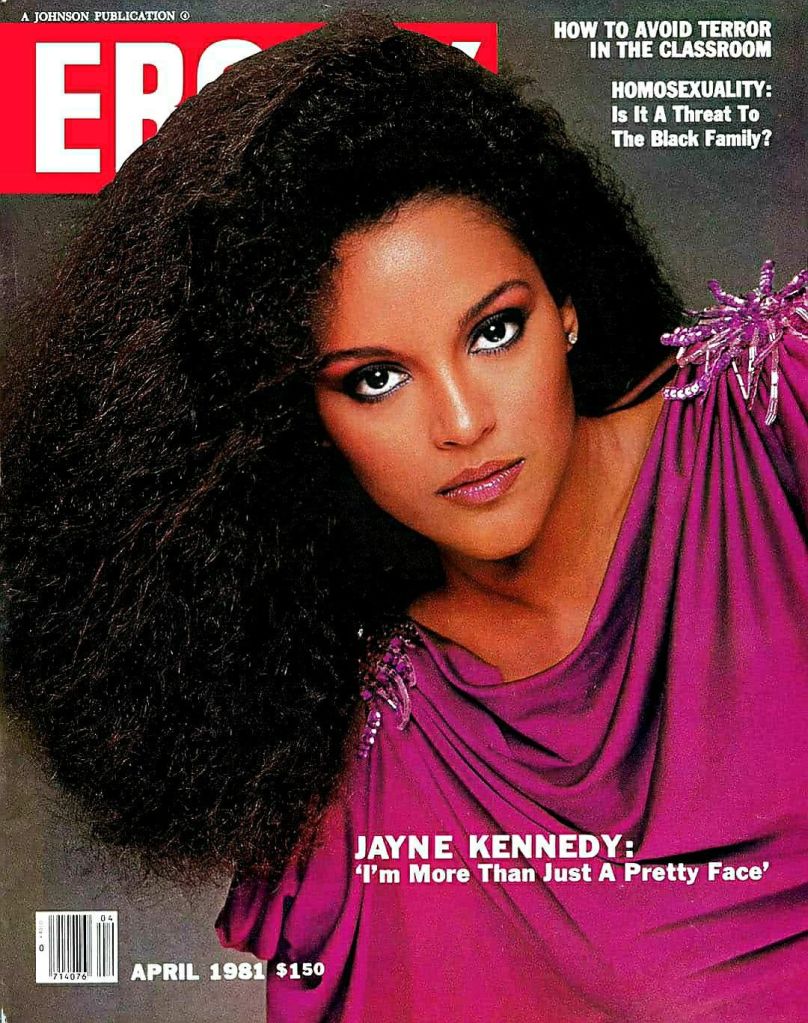
The Ebony Dolls: Jayne Kennedy Overton

A Vision in Bronze: The Iconic Beauty of Jayne

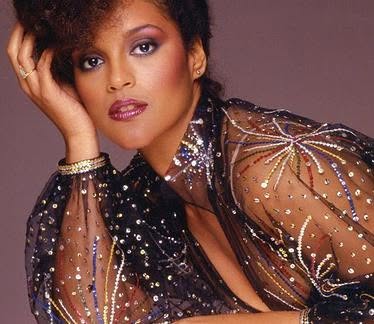
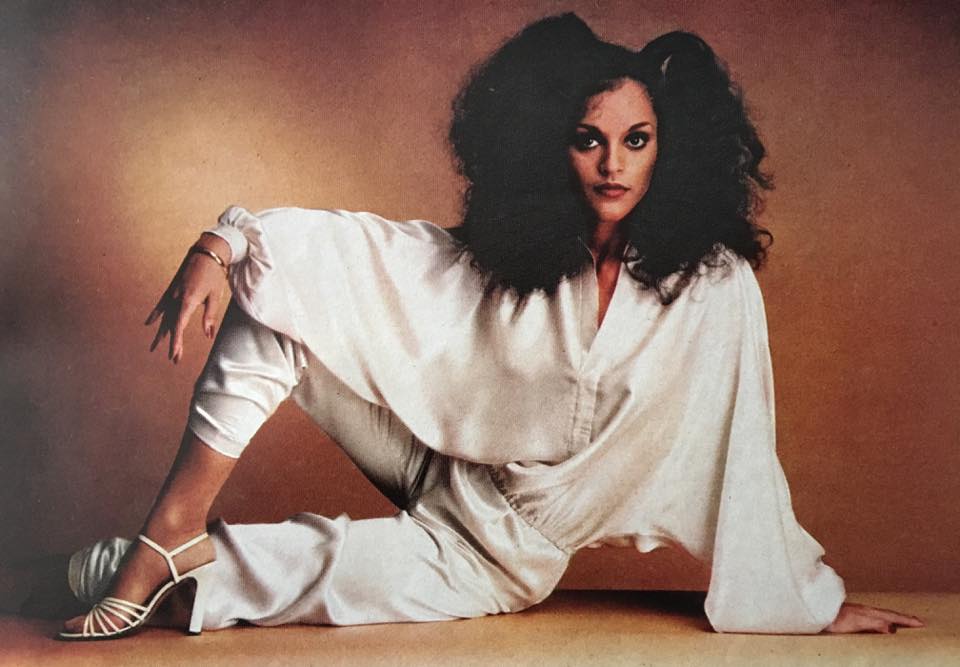
In an era when Hollywood rarely celebrated Black beauty, Jayne Kennedy emerged like a vision— radiant, regal, and revolutionary. With her luminous bronze complexion, captivating smile, and eyes that reflected both warmth and wisdom, she redefined what glamour could look like in America. Jayne wasn’t merely beautiful; she was a lovely vision in motion—graceful as a dancer, poised as royalty, and powerful as a pioneer. As one of the first Black women to host a national sports broadcast, model and secured endorsement deals. Appearing on magazine covers and starring in film and television, she shattered barriers with elegance and determination. Her beauty carried more than aesthetic appeal—it carried purpose, destiny, and representation.

This photograph is the property of its respective owner.

Kennedy’s career was a masterclass in versatility. From Miss Ohio USA to The NFL Today, and from her acting roles in Body and Soul and The Muthers to her fitness empire that inspired a generation, she embodied excellence with integrity. Yet beyond the spotlight, Jayne’s faith, family devotion, and philanthropic spirit reflected an inner beauty as dazzling as her outer glow. She became a symbol of beauty and empowerment for Black women who saw themselves finally reflected in grace, style, and strength. Decades later, her influence still reverberates—proof that true beauty never fades; it evolves, enlightens, and endures.

Photo by  LaMonte McLemore

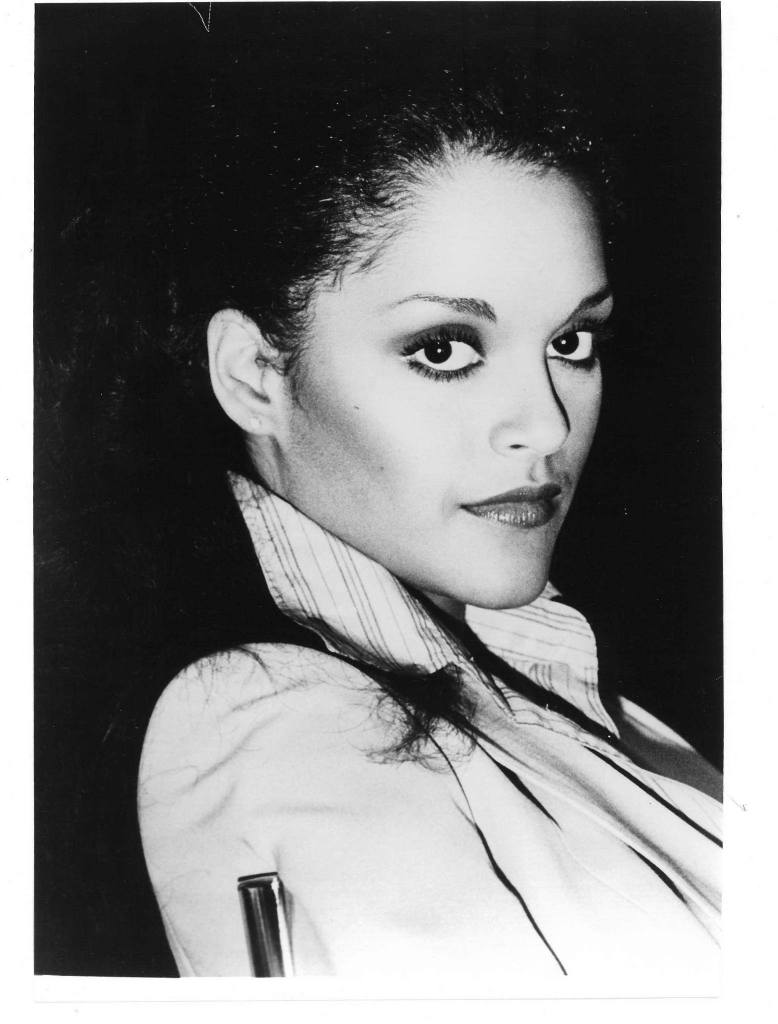
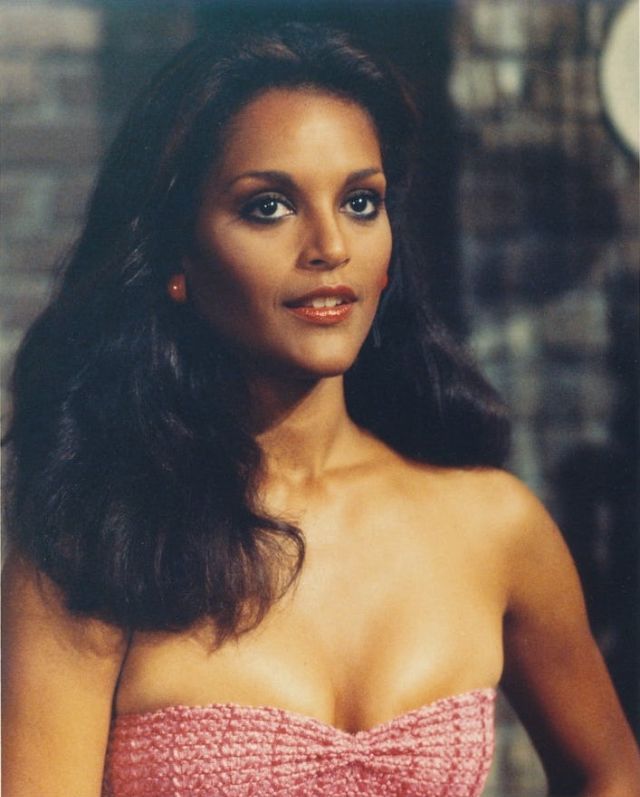
Jayne Kennedy Overton epitomized the ideal of Black beauty during the 1970s and 1980s. With her rich caramel skin, flawless facial symmetry, and long, silky hair, she became the poster child for the most beautiful Black woman of her era. Her striking appearance made her the envy of many women and the object of desire for countless men. Alongside Billy Dee Williams, she was among the most desired figures of her time, captivating audiences with her elegance and grace.

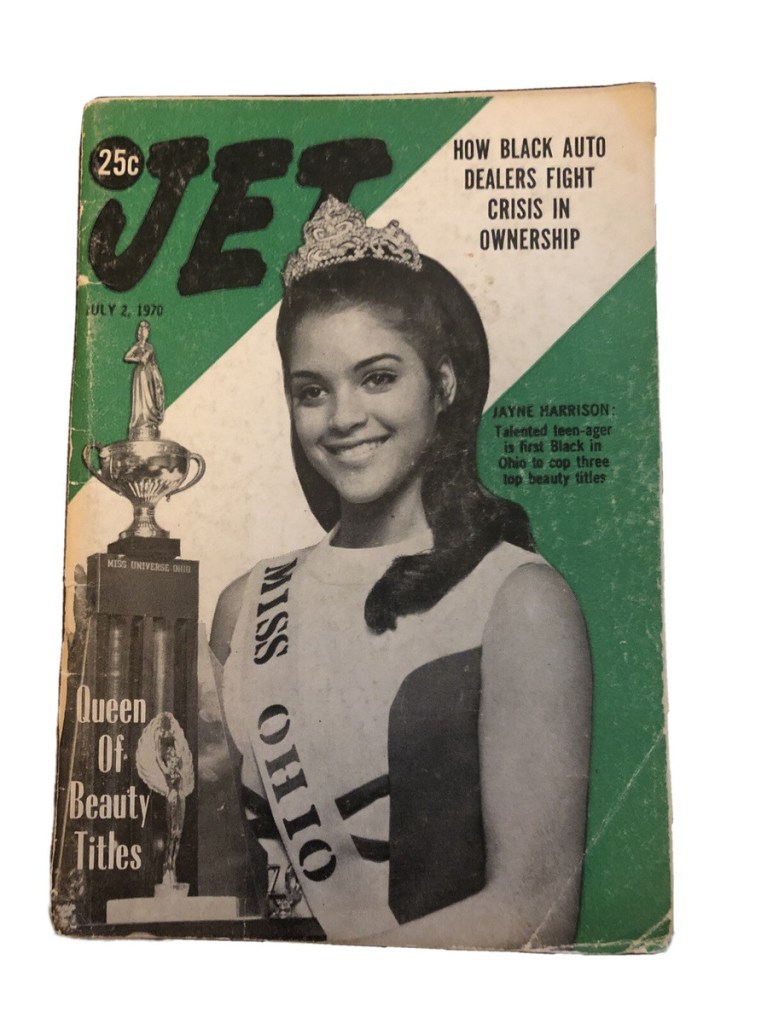
Born Jayne Harrison on October 27, 1951, in Washington, D.C., she was one of six children raised by Herbert and Virginia Harrison. Her parents instilled in her the values of ambition, humility, and resilience. In high school, she excelled academically and socially, serving as vice president of her sophomore class and president of her junior class. Her beauty and poise led her to be crowned Miss Ohio USA in 1970, making her the first African American woman to hold the title. She went on to compete in the Miss USA pageant, finishing in the top ten.

Her pageant success opened doors to a flourishing career in entertainment. She began as a dancer on “Rowan & Martin’s Laugh-In” and later joined “The Dean Martin Show” as a singer and dancer. Throughout the 1970s, she appeared in various television shows, including “The Six Million Dollar Man,” “Sanford and Son,” and “Starsky & Hutch.” Her film credits include “Group Marriage” (1973), “Let’s Do It Again” (1975), and “Body and Soul” (1981), for which she won the NAACP Image Award for Outstanding Actress in a Motion Picture.

In the late 1970s, Kennedy made history by becoming the first African American woman to host “The NFL Today” on CBS, breaking significant racial barriers in sports broadcasting. She later hosted “Greatest Sports Legends,” interviewing luminaries like Kareem Abdul-Jabbar and Johnny Unitas. Her presence in the sports world was groundbreaking, paving the way for future generations of Black women in media.

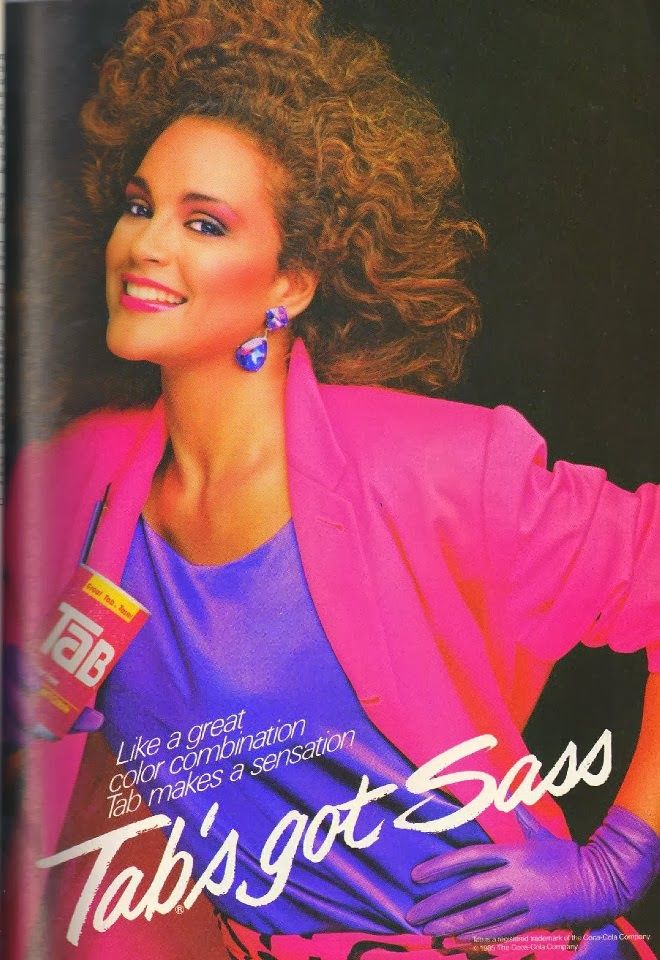
Beyond acting and broadcasting, Kennedy ventured into fitness with the release of her own exercise video, “Love Your Body,” in 1983. The video emphasized self-love and body positivity, encouraging viewers to appreciate their bodies and maintain physical health. She also became the face of Coca-Cola’s Tab soda and Jovan Musk perfume, further solidifying her status as a cultural icon.

Kennedy’s personal life was marked by both challenges and triumphs. She married actor Leon Isaac Kennedy in 1971, and the couple had a tumultuous relationship that ended in divorce in 1982. In 1985, she married actor Bill Overton in a small ceremony in Bermuda. Together, they have four children: daughters Savannah Re, Kopper Joi, and Zaire Ollyea, and Overton’s daughter from a previous relationship, Cheyenne. Despite facing health challenges, including a battle with endometriosis, Kennedy has remained a devoted mother and wife, balancing her family life with her professional endeavors.

Photo by  LaMonte McLemore

Throughout her career, Kennedy faced the complexities of being a Black woman in Hollywood, often encountering limited roles and opportunities. However, she used her platform to advocate for diversity and representation in media. She has been involved in various charitable causes, including co-hosting “The Lou Rawls Parade of Stars” in 1986, which raised $10 million for The United Negro College Fund, and serving as a keynote speaker at the Evanston Martin Luther King celebration in 1987.

This photograph is the property of its respective owner.

Kennedy’s beauty was not only physical but also radiated from her confidence, intelligence, and compassion. She once stated, “One of the most significant is to be acknowledged as a woman of elegance, femininity, and grace. None of which has anything to do with the way you look.” This perspective underscores her belief that true beauty encompasses more than just appearance.

Her legacy continues to inspire, and she remains a beloved figure in the entertainment industry. In recent years, she has been active in various projects and continues to engage with her audience through social media platforms. Her enduring influence serves as a testament to her talent, resilience, and the timeless allure that captivated a generation.

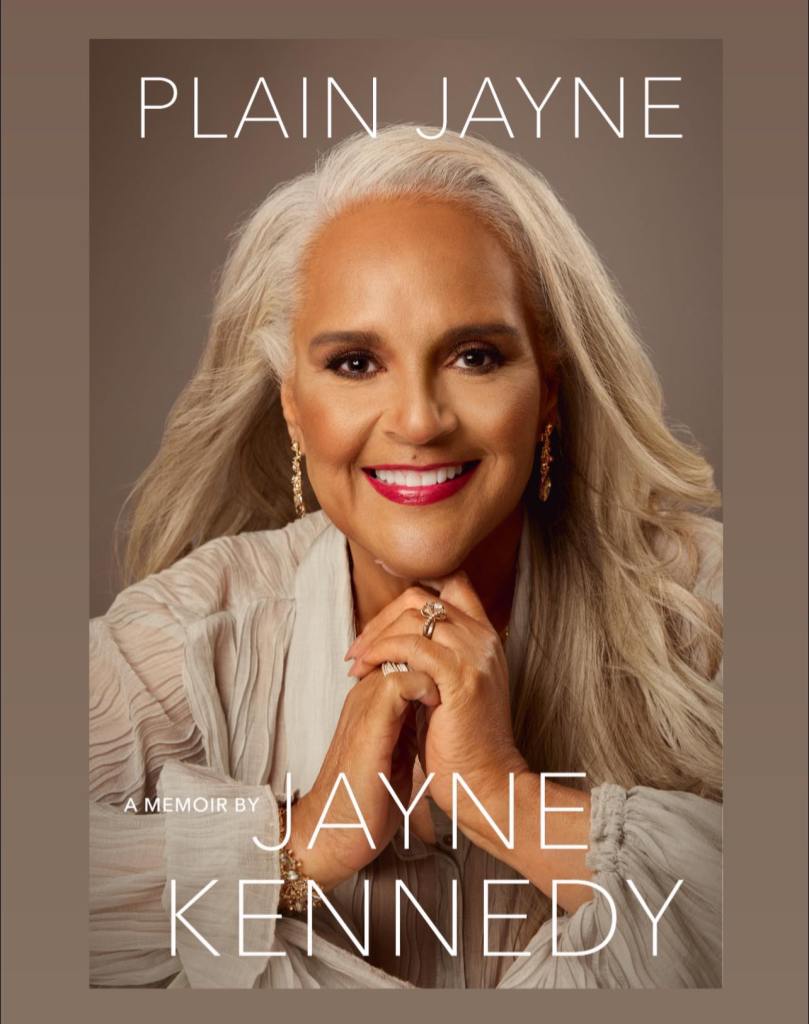
In recent years, Jayne Kennedy released her inspiring memoir, Plain Jayne, a reflective journey through her extraordinary life. The book chronicles her humble beginnings in Ohio, her rise through the world of beauty pageants—including her crowning as Miss Ohio USA—and her groundbreaking transition into entertainment and sports broadcasting. Through candid storytelling, Kennedy reveals the determination, faith, and resilience that shaped her into the trailblazing icon she is today.

To purchase her book, hit the link: https://amzn.to/4oWRMHL

Jayne Kennedy’s story is not merely one of fame—it is a symphony of faith, elegance, and endurance. From the quiet streets of Ohio to the dazzling lights of Hollywood, she moved with the poise of a queen and the heart of a servant, turning obstacles into stepping stones and criticism into conviction. Her beauty opened doors, but her character kept them open for others. Plain Jayne is more than a memoir—it is a mirror reflecting the strength, dignity, and divine grace of a woman who refused to be defined by limitations. Today, Jayne Kennedy’s light still shimmers across generations, reminding us that true beauty is eternal—it is the glow of purpose, courage, and the unyielding belief that you were born to shine.

References: