
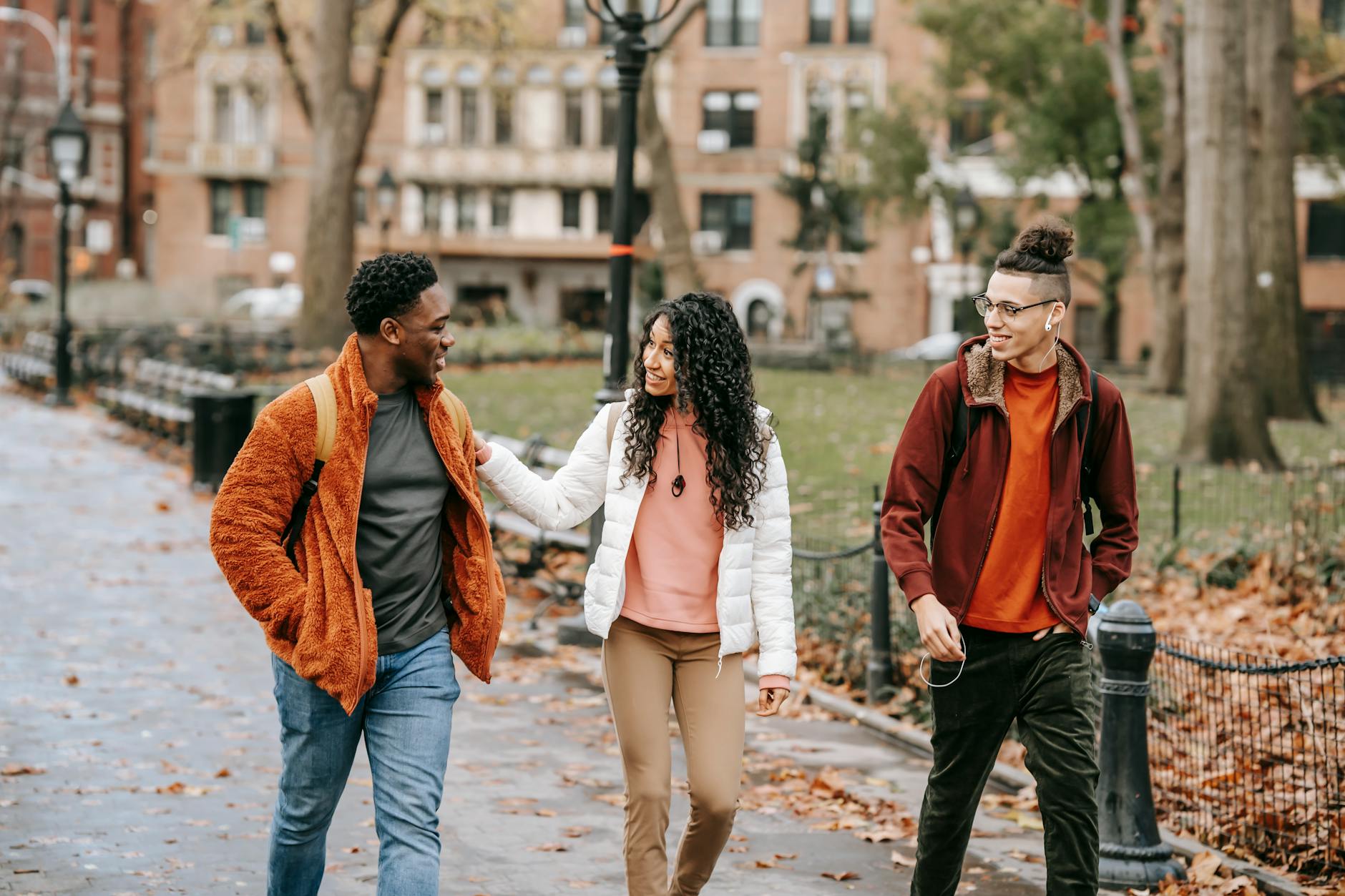
Colorism, the preferential treatment of lighter-skinned individuals over darker-skinned individuals within the same racial or ethnic group, is a pervasive social issue in Latin America and the Caribbean. Unlike racism, which typically operates between racial groups, colorism functions within communities, shaping beauty standards, social mobility, and economic opportunities. The colonial history of the region, combined with complex racial hierarchies, has deeply entrenched the preference for lighter skin.
In Brazil, colorism is heavily influenced by the legacy of Portuguese colonization and the transatlantic slave trade. Lighter-skinned Brazilians often enjoy greater social acceptance, higher economic opportunities, and more visibility in media and politics. Darker-skinned individuals, including Afro-Brazilians, frequently face systemic disadvantages in employment, education, and social interactions.
Colombia presents a similar pattern. The country’s stratified society historically valued European ancestry and lighter skin, relegating Afro-Colombians and Indigenous populations to lower socioeconomic positions. Studies reveal that lighter-skinned Colombians are more likely to secure professional jobs and attain higher wages, while darker-skinned individuals face barriers to upward mobility.
In the Dominican Republic, colorism intersects with national identity and postcolonial ideals of beauty. Lighter-skinned Dominicans are often celebrated in media, popular culture, and advertising, reinforcing the association between fair skin and social prestige. Conversely, darker-skinned Dominicans experience marginalization and negative stereotyping.
Puerto Rico’s complex racial and cultural landscape similarly reflects colorist biases. Fair-skinned Puerto Ricans, often of European descent, are frequently afforded higher social status, while Afro-Puerto Ricans may encounter limited opportunities and social discrimination. These disparities extend to politics, media, and employment sectors.
Cuba’s history of colonialism and slavery has contributed to persistent colorist attitudes. Afro-Cubans, particularly those with darker skin, are disproportionately represented in lower-paying jobs and are underrepresented in government and media. Skin color continues to influence social hierarchy, marriage prospects, and access to resources.
Haiti, despite its predominantly Black population, exhibits colorism rooted in French colonial legacy. Lighter-skinned Haitians historically held more economic power and social influence, a dynamic that persists in contemporary society. Colorism affects access to education, professional advancement, and social acceptance.
Mexico demonstrates the entrenchment of colorist ideals in beauty standards, media representation, and social mobility. Lighter-skinned Mexicans, often perceived as more European, are preferred in modeling, television, and advertising. Darker-skinned individuals face subtle and overt discrimination in professional, educational, and social contexts.
In Panama, lighter-skinned citizens are often associated with higher social and economic status. The Afro-Panamanian population, particularly those with darker skin, experiences limited access to professional opportunities, societal marginalization, and biased treatment in various institutions.
Costa Rica and Nicaragua also reflect similar dynamics. European features and lighter skin are socially valued, while Indigenous and Afro-descendant populations with darker skin are disproportionately underrepresented in media, education, and government.
Peru’s complex racial hierarchy demonstrates how colorism intersects with Indigenous and mestizo identities. Lighter-skinned individuals often achieve greater social mobility, while darker-skinned populations face marginalization, limited economic opportunities, and underrepresentation in leadership roles.
Venezuela has historically celebrated lighter skin in media and social elites. Fair-skinned Venezuelans dominate beauty pageants, television, and political representation, whereas Afro-Venezuelans and darker-skinned individuals remain socially and economically disadvantaged.
In Ecuador, lighter skin continues to confer social advantage. Indigenous and Afro-Ecuadorian populations are frequently subject to prejudice, unequal treatment, and limited access to quality education and professional careers.
In Trinidad and Tobago, colorism affects social stratification, particularly among Afro-Caribbean and Indo-Caribbean communities. Lighter-skinned individuals often receive more social recognition, while darker-skinned individuals face systemic barriers in employment, education, and media representation.
Jamaica exhibits similar patterns, with lighter-skinned Jamaicans often celebrated in popular culture and the entertainment industry. Darker-skinned individuals may encounter prejudice, reduced opportunities, and negative stereotyping in society.
In Belize, lighter skin is frequently associated with European ancestry and social privilege. Afro-Belizeans and Indigenous populations with darker skin experience economic and social marginalization, reflecting the colonial influence on racial hierarchy.
In Guyana, colorism affects both Afro-Guyanese and Indo-Guyanese populations. Lighter skin is socially desirable, influencing marriage patterns, professional opportunities, and media representation. Darker-skinned individuals often face systemic bias.
Barbados and other smaller Caribbean nations similarly reflect entrenched colorist attitudes. Lighter-skinned citizens are often privileged in professional advancement, social acceptance, and media visibility, while darker-skinned individuals face systemic discrimination.
Across Latin America and the Caribbean, the media plays a critical role in perpetuating colorism. Television, film, and advertising frequently feature lighter-skinned individuals as idealized beauty standards, reinforcing societal biases and influencing self-perception among darker-skinned populations.
Table: The Impact of Colorism Across Latin America & the Caribbean
| Country/Region | Communities Most Affected | Forms of Colorism & Social Impact |
|---|---|---|
| Brazil | Afro-Brazilians, Indigenous peoples | Lighter skin linked to higher income, visibility in media, and political representation; darker-skinned Brazilians experience systemic racism and underrepresentation. |
| Colombia | Afro-Colombians, Indigenous groups | Lighter-skinned Colombians receive better employment and education opportunities; darker skin associated with lower social class. |
| Dominican Republic | Afro-Dominicans, Haitian descendants | National identity tied to whiteness; darker-skinned Dominicans often face denial of citizenship and discrimination. |
| Puerto Rico | Afro-Puerto Ricans, mixed-race populations | Lighter skin associated with beauty and privilege; darker-skinned individuals face workplace and media bias. |
| Cuba | Afro-Cubans, mixed-race citizens | Lighter skin favored in tourism and professional sectors; Afro-Cubans underrepresented in media and politics. |
| Haiti | Darker-skinned Haitians (majority), mulatto elites | Historical “mulatto elite” dominance; darker-skinned citizens face limited economic opportunities. |
| Mexico | Indigenous and Afro-Mexican communities | Television and politics dominated by light-skinned Mexicans; darker-skinned citizens face classism and racial stereotyping. |
| Panama | Afro-Panamanians, Indigenous groups | Colorism intersects with class; lighter-skinned individuals hold most elite and visible positions. |
| Costa Rica | Afro-Costa Ricans, Indigenous peoples | Darker-skinned individuals experience employment discrimination and limited media presence. |
| Nicaragua | Afro-Nicaraguans, Indigenous populations | Skin color determines access to education, tourism jobs, and social status. |
| Peru | Indigenous Andeans, Afro-Peruvians | Lighter-skinned mestizos have better mobility; darker-skinned citizens face political and social exclusion. |
| Venezuela | Afro-Venezuelans, Indigenous groups | Media and beauty industries glorify light skin; darker-skinned Venezuelans face discrimination and poverty. |
| Ecuador | Indigenous, Afro-Ecuadorians | Lighter skin equated with modernity and wealth; darker skin seen as backward or poor. |
| Trinidad & Tobago | Afro-Trinidadians, Indo-Trinidadians | Fair skin often linked to higher desirability and media preference; darker tones marginalized socially. |
| Jamaica | Afro-Jamaicans | Skin-lightening products normalized; lighter skin considered more beautiful and commercially valuable. |
| Belize | Afro-Belizeans, Garifuna, Maya | Lighter skin associated with colonial-era privilege; darker-skinned citizens face social bias. |
| Guyana | Afro-Guyanese, Indo-Guyanese | Colorism influences dating, employment, and social class distinctions. |
| Barbados | Afro-Barbadians | Lighter skin preferred in entertainment and business leadership; darker skin linked to lower income. |
| Dominica & St. Lucia | Afro-Caribbean populations | Colorism manifests in beauty pageants and tourism; lighter skin favored for visibility and employment. |
| Bahamas | Afro-Bahamians | Light-skinned elite families hold social influence; darker-skinned individuals experience class-based prejudice. |
Observations
- Common Thread: In every country, lighter skin is associated with higher socioeconomic status, beauty, and modernity, while darker skin is often linked to poverty, backwardness, or undesirability — a colonial legacy that still shapes identity and opportunity.
- Media’s Role: Regional television, advertisements, and pageantry largely portray fair skin as ideal, reinforcing intergenerational color biases.
- Globalization Influence: Western beauty standards continue to affect local perceptions, fueling a growing skin-lightening industry across Latin America and the Caribbean.
- Resistance Movements: Recent years have seen Afro-Latino and Indigenous activists push for representation through art, education, and social media — reclaiming pride in darker complexions and African ancestry.
Efforts to address colorism in Latin America and the Caribbean require multifaceted approaches. Education, media representation reform, and public awareness campaigns are essential to challenge entrenched biases, promote inclusivity, and foster a society where individuals are valued regardless of skin tone.
References
Rohinianand.com. (n.d.). Colorism’s global manifestations. https://www.rohinianand.com/post/colorism-s-global-manifestations?utm_source=chatgpt.com
News.uga.edu. (n.d.). History of colorism sheds light on discrimination. University of Georgia. https://news.uga.edu/history-of-colorism-sheds-light-on-discrimination/?utm_source=chatgpt.com
PMC. (n.d.). Psychological effects of colorism and internalized bias. https://pmc.ncbi.nlm.nih.gov/articles/PMC11696280/?utm_source=chatgpt.com
PubMed. (2023). Health consequences of skin-lightening practices and biases in medical care. National Library of Medicine. https://pubmed.ncbi.nlm.nih.gov/40063294/?utm_source=chatgpt.com
Teen Vogue. (n.d.). Celebrating Black and brown beauty on social media. https://www.teenvogue.com/story/black-and-brown-beauty-celebration-instagram-accounts-impact?utm_source=chatgpt.com
Axios. (2020, September 8). Hollywood casting and colorism in global media. https://www.axios.com/2020/09/08/hollywood-casting-china-colorism-light-skinned?utm_source=chatgpt.com
 THE BROWN GIRL DILEMMA