Category Archives: The Brown Girl Experience

Mirror Wounds: Colorism and the Psychology of Self-Rejection

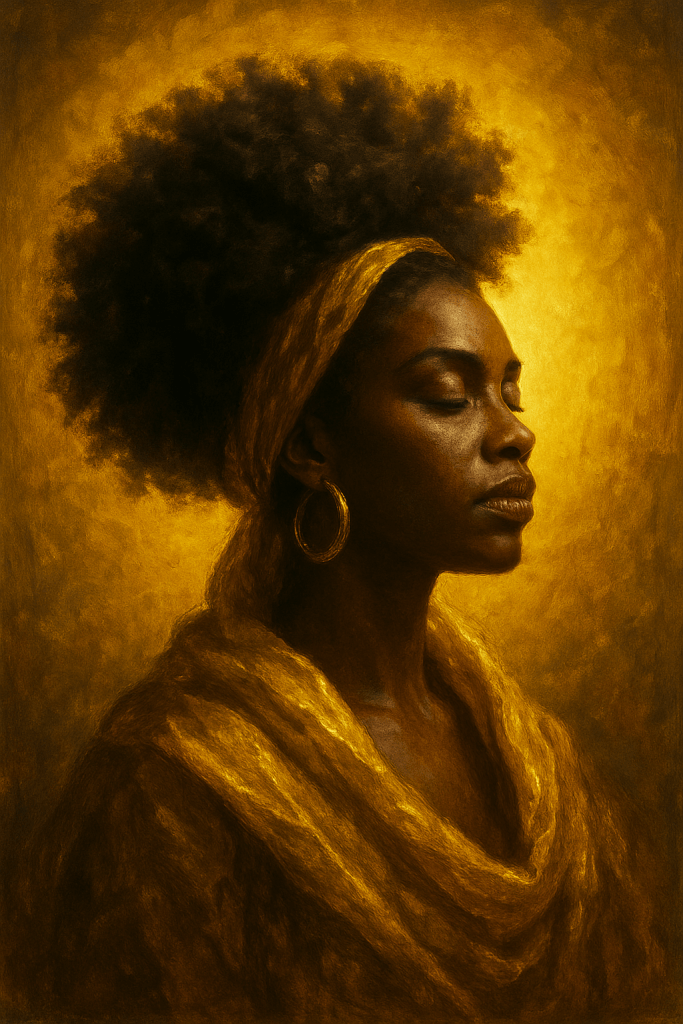
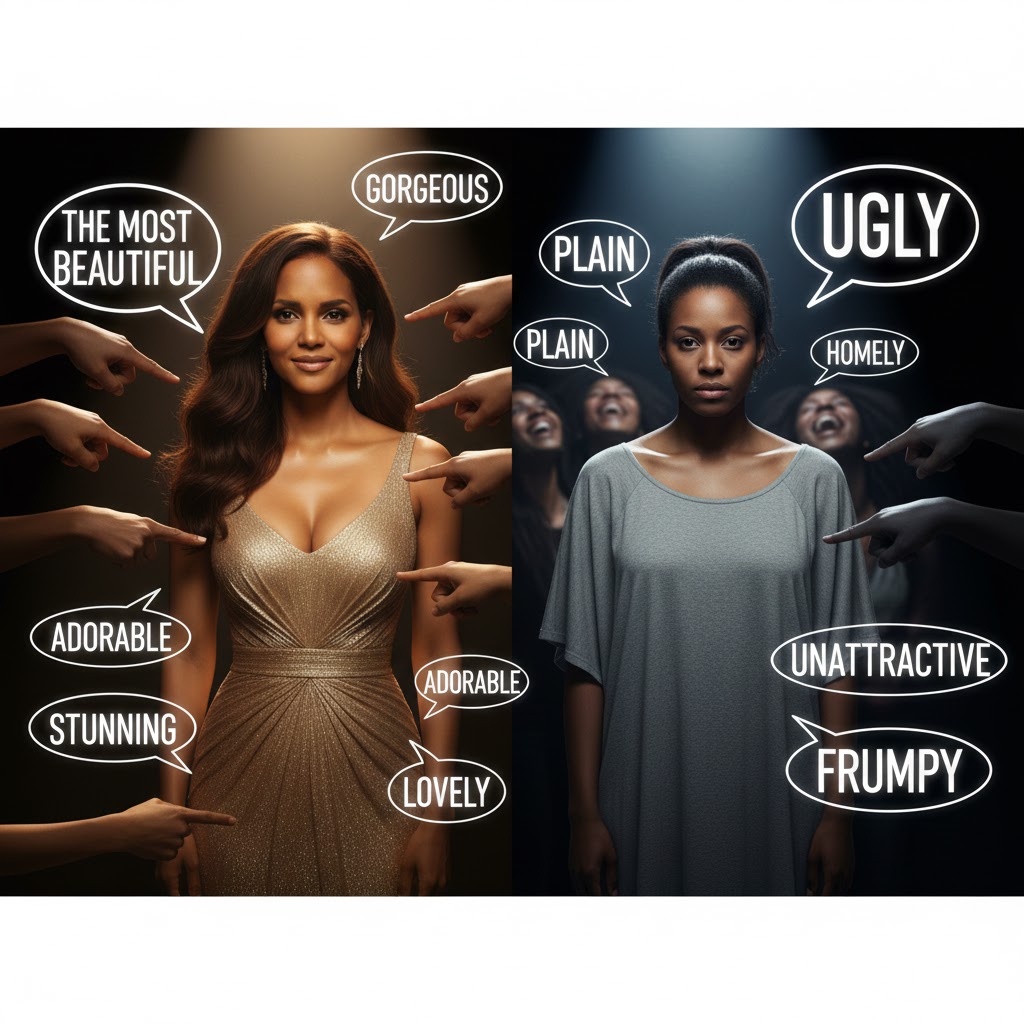
Colorism wounds most deeply because it turns the mirror inward. When beauty, worth, and intelligence are subconsciously linked to lighter skin, darker-skinned individuals are taught to reject their own reflection. This rejection is not innate—it is learned, reinforced, and normalized.

Psychological research shows that repeated exposure to biased imagery shapes implicit self-evaluation. Children absorb color hierarchies early, often before they can articulate them. Proverbs warns, “As he thinketh in his heart, so is he” (Proverbs 23:7, KJV), revealing how internal belief structures shape identity.

The media plays a central role in reinforcing colorist norms. Lighter-skinned figures are overrepresented as love interests, protagonists, and symbols of success. Darker-skinned characters are often masculinized, villainized, or erased altogether. This imbalance conditions desire and aspiration.

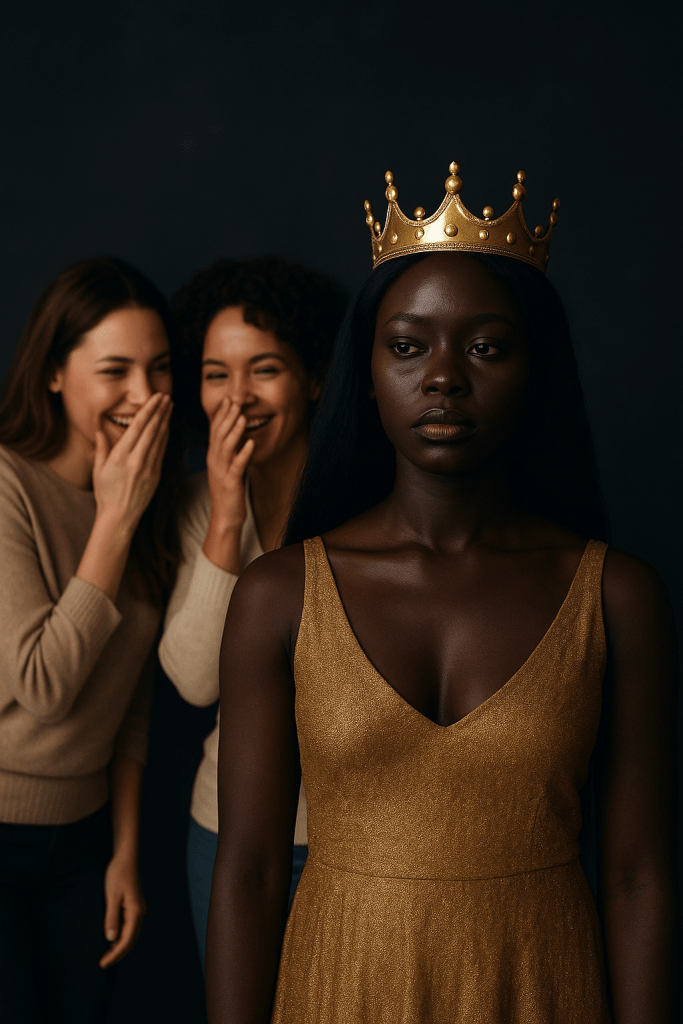
Colorism also affects attachment and intimacy. Studies indicate that darker-skinned women face higher rates of rejection in dating markets, while darker-skinned men are hypersexualized or criminalized (Russell et al., 1992). These patterns distort relational expectations and self-worth.

Biblically, this reflects a failure to see oneself as God sees. David declares, “I will praise thee; for I am fearfully and wonderfully made” (Psalm 139:14, KJV). Colorism undermines this praise, replacing divine affirmation with colonial aesthetics.

Healing from colorism requires more than confidence—it requires deprogramming. Therapeutic approaches that address racialized trauma align with Scripture’s call for renewal of the mind (Romans 12:2, KJV). Without this renewal, self-rejection persists even in success.

Colorism is not vanity—it is injury. And like all injuries, it demands treatment, truth, and restoration.

References

The Holy Bible, King James Version.
Russell, K., Wilson, M., & Hall, R. (1992). The color complex.
Fanon, F. (1952). Black skin, white masks.

Brown Girl, More Than a Stereotype

The Brown girl enters the world already burdened with narratives she did not author. Before she speaks, she is often interpreted. Before she is known, she is assumed. Stereotypes precede her humanity, attempting to compress her complexity into something legible and controllable. Yet the Brown girl is more than a stereotype—she is a living contradiction to every lie told about her.

Scripture affirms that every human being is created in the image of God, endowed with inherent dignity that no social construct can erase (Genesis 1:26–27, KJV). This foundational truth directly challenges the systems that seek to reduce Brown girls to caricatures rather than persons. Her worth is not negotiable, conditional, or dependent on proximity to whiteness, femininity norms, or cultural palatability.

Stereotypes function as tools of power. They simplify in order to dominate, flatten in order to control. Patricia Hill Collins (2000) explains that controlling images of Black women—such as the hypersexualized, the angry, or the disposable—serve to justify social inequality. The Brown girl is frequently cast into these roles long before she understands their implications.

God’s standard of seeing stands in opposition to this reduction. “Man looketh on the outward appearance, but the Lord looketh on the heart” (1 Samuel 16:7, KJV). This scripture exposes the moral failure of stereotype-driven perception. To stereotype is to refuse the discipline of truly seeing.

The Brown girl’s body often becomes the battleground where these narratives collide. Her skin tone, hair texture, facial features, and body shape are scrutinized, ranked, and politicized. Colorism further fragments Black womanhood, creating hierarchies that distort self-perception and communal bonds (Norwood, 2015). Yet scripture reminds her that she is fearfully and wonderfully made—not accidentally assembled, not socially inferior, but divinely intentional (Psalm 139:13–16, KJV).

Media representation plays a significant role in sustaining stereotypes. bell hooks (1992) argues that Black women are frequently rendered visible only through distorted lenses that serve dominant interests. The Brown girl is either overexposed in harmful ways or erased altogether. In both cases, her full humanity is denied.

Womanist theology insists that theology must speak from lived experience. Delores Williams (1993) emphasizes that Black women’s survival, faith, and resistance are theological texts in themselves. The Brown girl’s life is not an abstraction—it is evidence. Her endurance, faith, creativity, and moral clarity testify to a God who sustains her beyond stereotype.

Intersectionality further reveals how race and gender operate together to shape the Brown girl’s experience (Crenshaw, 1989). She is not oppressed in fragments; she lives at the convergence of multiple systems. Understanding this reality is essential to dismantling simplistic narratives that blame her for conditions she did not create.

James Cone (2011) reminds us that Black suffering must be interpreted through the lens of the cross. Yet the Brown girl’s story is not only one of suffering—it is also one of resurrection. She rises in classrooms, boardrooms, churches, and homes, often carrying the weight of expectation while quietly rewriting the narrative.

Spiritually, the Brown girl learns to anchor her identity in God rather than public opinion. Galatians 3:28 disrupts hierarchical thinking by declaring unity and equality in Christ. This does not erase differences, but it affirms equal worth. Her faith becomes a shield against internalized inferiority.

The Brown girl is also communal. Her identity is shaped through shared stories, collective memory, and ancestral wisdom. African and African diasporic traditions emphasize relational identity, resisting the hyper-individualism that isolates struggle (Mbiti, 1990). She is never just one—she carries many.

To declare that the Brown girl is more than a stereotype is not rhetorical flourish; it is moral truth. It is a refusal to participate in narratives that diminish her. It is an insistence that she be encountered as whole, sacred, and complex.

Ultimately, the Brown girl does not need permission to exist fully. She is already seen by God, already named, already valued. Every stereotype collapses under the weight of her lived truth. She is more than what was said about her—she is who God says she is.


References

Collins, P. H. (2000). Black feminist thought: Knowledge, consciousness, and the politics of empowerment (2nd ed.). Routledge.

Cone, J. H. (2011). The cross and the lynching tree. Orbis Books.

Crenshaw, K. (1989). Demarginalizing the intersection of race and sex. University of Chicago Legal Forum, 1989(1), 139–167.

hooks, b. (1992). Black looks: Race and representation. South End Press.

Mbiti, J. S. (1990). African religions and philosophy (2nd ed.). Heinemann.

Norwood, K. J. (2015). Color matters: Skin tone bias and the myth of a postracial America. Routledge.

Williams, D. S. (1993). Sisters in the wilderness: The challenge of womanist God-talk. Orbis Books.

The Holy Bible, King James Version. (1769/2017). Cambridge University Press.

Girl Talk Series: Ladies Elevate (Elevation Edition)

Welcome, ladies, to Ladies Elevate, a space dedicated to intentional growth, spiritual alignment, and holistic empowerment. Elevation is not merely about success, beauty, or status—it is about rising in every area of life while keeping God at the center. True elevation begins with seeking the Kingdom of the Most High before anything else.

Matthew 6:33 (KJV) reminds us: “But seek ye first the kingdom of God, and his righteousness; and all these things shall be added unto you.” This foundational principle guides our journey: when God is first, every aspect of life—career, relationships, finances, health, and personal purpose—falls into divine alignment.

Ladies Elevate encourages women to cultivate excellence while honoring God, to pursue their goals with faith and intentionality, and to embrace their God-given value and potential. It is a call to rise above distraction, fear, and worldly comparison, anchoring our elevation in prayer, wisdom, and obedience to God’s Word.

Here, you will explore practical strategies for spiritual growth, emotional maturity, intellectual development, physical wellness, financial stewardship, and relational empowerment—all rooted in the principle that God’s Kingdom is first. This is your space to grow, reflect, and align every area of your life with divine purpose.

As you journey through Ladies Elevate, remember: elevation is not a destination—it is a lifestyle. Seek Him first, and watch how He elevates your life beyond what you could imagine.

Elevation is more than a goal—it is a lifestyle. Girl Talk Series: Elevation Edition encourages women to rise in every area of life: spiritually, emotionally, intellectually, physically, and socially. True elevation begins with self-awareness and intentionality, understanding that growth is holistic and interwoven.

Spiritually, elevation is rooted in connection with God. A woman who elevates her spirit cultivates prayer, meditation, and study of scripture, allowing divine guidance to shape her decisions. Proverbs 3:5-6 (KJV) reminds us, “Trust in the LORD with all thine heart; and lean not unto thine own understanding. In all thy ways acknowledge him, and he shall direct thy paths.”

Emotionally, elevation means mastering your inner world. Awareness of emotions, healthy coping mechanisms, and self-reflection allow a woman to navigate life without being controlled by fear, anger, or insecurity. Journaling, counseling, and mentorship can provide tools for emotional growth.

Intellectual elevation is equally vital. A woman expands her mind by reading, engaging in critical thinking, and pursuing education or professional development. Elevation of the mind ensures informed decisions, sharper judgment, and the ability to inspire others through knowledge and creativity.

Financial elevation empowers independence. Understanding personal finance, budgeting, investing, and wealth-building creates security and freedom. Proverbs 21:20 (KJV) states, “There is treasure to be desired and oil in the dwelling of the wise; but a foolish man spendeth it up.” Wise stewardship of resources enhances long-term stability.

Physically, elevation means caring for the body as a temple. Nutrition, exercise, rest, and self-care practices honor both health and aesthetics. A strong, healthy body supports energy, confidence, and the ability to serve others.

Socially, elevation involves building intentional and empowering relationships. Surrounding oneself with supportive, like-minded women and men encourages growth, accountability, and mutual encouragement. Proverbs 27:17 (KJV) reminds us, “Iron sharpeneth iron; so a man sharpeneth the countenance of his friend.”

Culturally, a woman who elevates appreciates her heritage while engaging thoughtfully with the world. Knowledge of history, traditions, and social dynamics cultivates pride, confidence, and perspective, allowing her to influence others positively.

Mentorship and community service are pillars of elevation. Guiding others, volunteering, and teaching provide purpose beyond personal gain, fostering leadership and collective upliftment. Elevation is not self-serving—it ripples outward.

Confidence grows with experience and reflection. Elevation requires belief in one’s abilities, embracing strengths, and acknowledging accomplishments without arrogance. Confidence allows women to pursue opportunities boldly.

Resilience is cultivated through challenges. Life will present obstacles, but elevation is about perseverance, learning from failure, and maintaining faith and purpose despite difficulties. Proverbs 24:16 (KJV) encourages, “For a just man falleth seven times, and riseth up again.”

Creativity fuels elevation. Expressing ideas, art, and solutions in innovative ways enhances personal growth, problem-solving, and influence. A creative mind allows a woman to contribute uniquely to her community and profession.

Time management and organization are critical. Elevation requires discipline to prioritize goals, plan effectively, and avoid distractions that derail progress. Structured routines empower productivity and peace of mind.

Spiritual discipline intersects with emotional and mental health. Meditation, gratitude, and reflection deepen self-awareness, reduce stress, and create alignment between faith and daily action.

Authenticity is central to elevation. Living truthfully, embracing individuality, and expressing values openly fosters respect and influence. Pretending to be someone else impedes growth and connection.

Goal-setting transforms dreams into tangible results. Clear, measurable, and spiritually-aligned objectives create momentum and focus. Writing goals and reviewing progress encourages accountability.

Self-care is not indulgence—it is essential. Elevation thrives when the body, mind, and spirit are nurtured. Prioritizing rest, recreation, and mental wellness replenishes energy and sustains long-term growth.

Communication skills enhance personal and professional influence. Elevation includes the ability to articulate thoughts, listen actively, and negotiate effectively. Language shapes perception, and mastery empowers outcomes.

Faithful relationships require discernment. Elevation is not just about individual success—it involves cultivating partnerships, friendships, and alliances with integrity, mutual respect, and shared vision.

Gratitude grounds elevation. Appreciating blessings, mentors, and growth journeys keeps perspective and humility intact, ensuring ambition does not devolve into pride.

Legacy-minded thinking completes the elevation cycle. A woman who elevates leaves intentional impact—mentoring others, contributing to society, and fostering future leaders—ensuring her life resonates beyond personal achievement.

Girl Talk Series: Elevation Edition – Journal & Action Guide

Purpose:
This guide empowers women to intentionally elevate every area of life—spiritual, emotional, intellectual, financial, physical, and social—through reflection, action, and accountability.


1. Spiritual Elevation

  • Scripture: Proverbs 3:5-6 – “Trust in the LORD with all thine heart; and lean not unto thine own understanding. In all thy ways acknowledge him, and he shall direct thy paths.”
  • Reflection Prompt: How can I deepen my relationship with God this week?
  • Action Exercise: Schedule a daily 10–15 minute devotion or prayer session. Write down insights or guidance received.

2. Emotional Elevation

  • Reflection Prompt: Which emotions have I struggled with, and how can I manage them in a healthy way?
  • Action Exercise: Practice journaling your feelings each day. Identify triggers and coping strategies that honor your well-being.

3. Intellectual Elevation

  • Reflection Prompt: What knowledge or skills will help me grow this month?
  • Action Exercise: Choose one book, course, or project that challenges your mind and record key takeaways.

4. Financial Elevation

  • Scripture: Proverbs 21:20 – “There is treasure to be desired and oil in the dwelling of the wise; but a foolish man spendeth it up.”
  • Reflection Prompt: How can I improve my financial habits?
  • Action Exercise: Track expenses, set a budget, and write a plan for saving or investing this month.

5. Physical Elevation

  • Reflection Prompt: How am I honoring my body as a temple?
  • Action Exercise: Set a fitness or wellness goal (e.g., 3 workouts per week, 8 hours of sleep nightly) and log progress.

6. Social Elevation

  • Reflection Prompt: Which relationships lift me up, and which drain me?
  • Action Exercise: Make a list of supportive friends or mentors. Reach out to nurture these connections.

7. Cultural & Heritage Elevation

  • Reflection Prompt: How can I embrace and celebrate my cultural identity?
  • Action Exercise: Explore one cultural practice, history lesson, or tradition this week and reflect on how it enriches your identity.

8. Mentorship & Community Service

  • Reflection Prompt: Who can I mentor or serve this month?
  • Action Exercise: Volunteer, mentor, or support someone in your community and journal the experience.

9. Confidence Building

  • Reflection Prompt: In what areas do I need to step into my power?
  • Action Exercise: List three small risks you will take this week to build confidence and track your success.

10. Resilience

  • Reflection Prompt: How do I respond to challenges?
  • Action Exercise: Reflect on a recent challenge and write three lessons learned or actions that strengthened your resilience.

11. Creativity & Innovation

  • Reflection Prompt: How can I express my unique ideas this week?
  • Action Exercise: Dedicate time to a creative project or brainstorm solutions for a personal or professional challenge.

12. Time Management

  • Reflection Prompt: How can I structure my week more effectively?
  • Action Exercise: Plan your weekly schedule with intentional time blocks for work, rest, and growth activities.

13. Authenticity

  • Reflection Prompt: Where am I hiding my true self?
  • Action Exercise: Journal about situations where you can express your authentic voice and values more fully.

14. Goal-Setting

  • Reflection Prompt: What are my top three goals this month?
  • Action Exercise: Break each goal into weekly action steps and record progress.

15. Self-Care

  • Reflection Prompt: What self-care practices replenish me physically, emotionally, and spiritually?
  • Action Exercise: Schedule at least two self-care activities each week and reflect on the impact.

16. Communication Skills

  • Reflection Prompt: How can I improve how I express myself?
  • Action Exercise: Practice active listening in one conversation per day and reflect on what you learned.

17. Faithful Relationships

  • Reflection Prompt: Are my current relationships aligned with my values and goals?
  • Action Exercise: Identify one relationship to strengthen this week and take an intentional action (call, meet, or encourage).

18. Gratitude

  • Reflection Prompt: What am I grateful for today?
  • Action Exercise: Write down three things you are grateful for each morning or evening.

19. Legacy

  • Reflection Prompt: What impact do I want to leave in my family, community, and world?
  • Action Exercise: Identify one action this week that contributes to a meaningful legacy.

20. Reflection & Evaluation

  • Reflection Prompt: How did I elevate myself in all areas of life this week?
  • Action Exercise: Review your journal entries, celebrate victories, and plan improvements for the coming week.

Elevation is a lifelong pursuit, requiring intentionality, courage, and alignment with God’s purpose. Girl Talk Series: Elevation Edition inspires women to rise in every aspect of life, becoming empowered, influential, and purposeful individuals whose growth benefits not only themselves but the communities and generations they touch.

References

Bible, King James Version. (1611). Thomas Nelson.

Covey, S. R. (2004). The 7 habits of highly effective people: Powerful lessons in personal change. New York, NY: Free Press.

Goleman, D. (1995). Emotional intelligence: Why it can matter more than IQ. New York, NY: Bantam Books.

Maxwell, J. C. (2007). The 21 irrefutable laws of leadership: Follow them and people will follow you. Nashville, TN: Thomas Nelson.

Proctor, B. (2011). You were born rich. Atlanta, GA: Hyperion Books.

Covey, S. R. (2013). The 8th habit: From effectiveness to greatness. New York, NY: Free Press.

Collins, P. H. (2000). Black feminist thought: Knowledge, consciousness, and the politics of empowerment (2nd ed.). New York, NY: Routledge.

Brown, B. (2018). Dare to lead: Brave work. Tough conversations. Whole hearts. New York, NY: Random House.

Snyder, C. R., & Lopez, S. J. (2007). Positive psychology: The scientific and practical explorations of human strengths. Thousand Oaks, CA: Sage Publications.

Rooks, N. (2021). Hair politics: Beauty, culture, and Black identity. New York, NY: Beacon Press.

Brown Girl, Faith Woven in Her Bones

Faith for the Brown girl is not a concept learned only in books or churches; it is something she carries in her body. It lives in her posture, her endurance, her prayers whispered through clenched teeth, and her ability to stand when history expected her to break. Her faith is ancestral, embodied, and practiced long before it is ever named.

From the womb, the Brown girl is fearfully and wonderfully made, crafted with intention by a God who knew the weight she would bear (Psalm 139:13–16, KJV). Her body becomes both sanctuary and testimony. Scripture affirms that divine power dwells within earthen vessels, revealing that what appears fragile to the world often carries immeasurable spiritual treasure (2 Corinthians 4:7, KJV).

Faith woven into her bones is inherited. It is passed down through mothers and grandmothers who prayed over children they could not always protect, but trusted God to cover. During slavery, segregation, and ongoing structural oppression, Black women’s faith functioned as survival theology—an active trust in God’s presence amid suffering rather than denial of it (Williams, 1993).

The Brown girl learns early that strength and softness are not opposites. Proverbs 31:25 declares that she is clothed in strength and dignity, yet wisdom flows from her mouth with gentleness. This duality resists Western frameworks that masculinize strength and feminize fragility. In her, faith produces wholeness.

Her body remembers what history tries to forget. Trauma is not only psychological; it is stored somatically, shaping how one moves through the world (van der Kolk, 2014). Yet the same body that carries pain also carries praise. African and African American spiritual traditions affirm that memory, rhythm, and ritual transmit faith through generations (Thompson, 1983).

The declaration “I am black, but comely” (Song of Solomon 1:5, KJV) stands as a direct contradiction to racialized beauty hierarchies imposed through colonialism. For the Brown girl, faith includes reclaiming beauty as sacred rather than conditional. Her melanin, hair texture, and features are not obstacles to holiness; they are expressions of divine artistry.

Womanist theology insists that God-talk must take the lived experiences of Black women. Faith is not abstract doctrine detached from life, but a practice forged in the wilderness—much like Hagar, whose encounter with God affirmed her visibility and worth (Williams, 1993; Weems, 1995). The Brown girl recognizes herself in these biblical narratives.

Isaiah 61 promises beauty for ashes and garments of praise for the spirit of heaviness. This scripture resonates deeply for the Brown girl, whose joy often emerges not from ease but from transformation. Her faith does not erase suffering; it redeems it.

The endurance of the Brown girl reflects Hebrews 11:1—faith as substance and evidence. Faith becomes visible through perseverance, moral clarity, and refusal to internalize lies about inferiority. It shows up in how she loves, forgives, and continues believing even when outcomes are delayed.

Black feminist thought emphasizes that knowledge is produced through lived experience (Collins, 2000). The Brown girl’s faith is a form of knowing—one that resists erasure and challenges dominant narratives that marginalize her voice. Her spirituality is intellectual, emotional, and embodied.

James Cone reminds us that the cross cannot be separated from Black suffering in America (Cone, 2011). Yet the Brown girl’s faith affirms resurrection as well. She believes not only in survival, but in restoration, dignity, and future joy.

Her faith is communal. It thrives in testimony, song, prayer circles, and sacred conversations among women. This collective spirituality mirrors African cosmologies where the individual is inseparable from the community (Mbiti, 1990).

Ultimately, faith woven in her bones means the Brown girl does not have to prove her worth to be chosen. She is already called, already seen, already held. Her life itself becomes scripture—readable evidence of a God who sustains, heals, and restores.


References

Cannon, K. G. (1988). Black womanist ethics. Scholars Press.

Collins, P. H. (2000). Black feminist thought: Knowledge, consciousness, and the politics of empowerment (2nd ed.). Routledge.

Cone, J. H. (2011). The cross and the lynching tree. Orbis Books.

Mbiti, J. S. (1990). African religions and philosophy (2nd ed.). Heinemann.

Thompson, R. F. (1983). Flash of the spirit: African and Afro-American art and philosophy. Vintage Books.

van der Kolk, B. (2014). The body keeps the score. Viking.

Weems, R. J. (1995). Just a sister away: A womanist vision of women’s relationships in the Bible. LuraMedia.

Williams, D. S. (1993). Sisters in the wilderness: The challenge of womanist God-talk. Orbis Books.

The Holy Bible, King James Version. (1769/2017). Cambridge University Press.

The Brown Girl Dilemma: Navigating Identity, the Weight of Melanin, Colorism, and Worth. #thebrowngirldilemma

Photo by Bave Pictures on Pexels.com

The Brown Girl Dilemma is a silent struggle faced by many young women whose skin tone does not conform to society’s often Eurocentric beauty ideals. From childhood, brown-skinned girls are confronted with implicit messages that lighter skin is more desirable, more loved, and more successful. This constant messaging can create internal conflict, where identity and self-worth are measured not by character or ability, but by melanin content. The Bible reminds us that God values the heart above appearance: “Man looketh on the outward appearance, but the Lord looketh on the heart” (1 Samuel 16:7, KJV).

Colorism, or bias based on skin tone within the same racial or ethnic group, has significant psychological impacts. Research shows that darker-skinned women experience higher levels of anxiety, depression, and low self-esteem compared to their lighter-skinned counterparts (Hunter, 2007). This “shade-based bias” creates a hierarchy that marginalizes brown girls, affecting their confidence, social interactions, and even opportunities in education and career. Over time, internalizing these societal preferences can lead to self-doubt and identity confusion.

The weight of melanin is often felt more acutely when media, fashion, and popular culture idolize lighter skin tones. Children absorb these cultural standards early, forming implicit biases about what is beautiful or desirable. Psychological theory suggests that repeated exposure to such biased imagery can reinforce negative self-concepts (Bandura, 2001). For brown girls, this can manifest in attempts to change natural hair, skin tone, or other features in order to gain acceptance, highlighting the intersection of cultural, psychological, and emotional pressures.

Spiritual guidance offers a powerful antidote to these pressures. Scripture teaches, “I will praise thee; for I am fearfully and wonderfully made” (Psalm 139:14, KJV). Embracing this truth allows brown girls to affirm their value independent of societal approval. When identity is anchored in God’s perspective rather than in shifting cultural standards, young women can cultivate self-worth, resilience, and confidence, seeing themselves as complete and beloved in God’s eyes.

Psychologically, interventions such as mindfulness, journaling, and counseling can help brown girls challenge internalized colorist beliefs. Cognitive Behavioral Therapy (CBT) techniques, for example, teach individuals to identify and restructure negative thought patterns about appearance, worth, and social acceptance. Therapy and spiritual reflection together promote holistic healing, allowing young women to reconcile identity, heritage, and personal worth.

Relationships are also influenced by colorism. Brown girls may experience bias in romantic, social, or professional contexts, where lighter skin is unconsciously preferred. This can impact self-esteem and relational choices. James 1:19 (KJV) encourages us to be “swift to hear, slow to speak, slow to wrath,” emphasizing discernment and patience. Recognizing bias, setting healthy boundaries, and surrounding oneself with affirming relationships help counteract the negative relational effects of colorism.

In educational and workplace settings, colorism can influence perceptions of competence, leadership potential, and opportunity. Studies indicate that lighter-skinned individuals often receive preferential treatment in hiring and promotions (Maddox & Perry, 2017). However, persistence, skill, and faithfulness remain powerful tools for overcoming systemic bias. Proverbs 16:3 (KJV) teaches, “Commit thy works unto the Lord, and thy thoughts shall be established,” reminding brown girls that dedication and integrity are ultimately recognized and rewarded by God.

Action Guide: Overcoming the Brown Girl Dilemma

Affirm Your Worth Daily
Start each day by speaking or meditating on Scriptures that affirm your value. Verses like Psalm 139:14 (“I am fearfully and wonderfully made”) and 1 Samuel 16:7 (“The Lord looketh on the heart”) remind you that God measures your worth by your character, not your skin tone.

Surround Yourself with Affirming Community
Build friendships, mentorships, and support networks that celebrate brown-skinned beauty and achievement. Social support increases self-esteem and buffers against internalized colorism (Cohen & Wills, 1985). Choose relationships that encourage, uplift, and reflect God’s love.

Engage in Self-Reflection and Healing
Practice journaling, prayer, or mindfulness to process negative experiences related to colorism. Cognitive Behavioral Therapy (CBT) can help identify and reframe harmful thoughts about appearance and self-worth. Combining psychological and spiritual reflection fosters emotional resilience.

Celebrate Your Natural Beauty
Embrace your natural hair, skin tone, and cultural features. Wearing your authentic appearance reinforces self-love and counters societal pressures to conform. Recognize that your unique beauty is a reflection of God’s creative design.

Educate Yourself and Others
Learn about the history of colorism and its effects on communities of color. Open conversations about bias, representation, and identity can dismantle harmful narratives and empower younger brown girls to embrace their identity.

Focus on Purpose Over Approval
Invest in your talents, education, and spiritual gifts rather than seeking validation from others. Proverbs 31:30 reminds us, “Favour is deceitful, and beauty is vain: but a woman that feareth the Lord, she shall be praised.” True worth is measured by faithfulness and integrity, not societal admiration.

Set Healthy Boundaries
In social, romantic, or professional contexts, learn to recognize microaggressions or biased treatment and protect your mental and emotional health. James 1:19 advises being “swift to hear, slow to speak, slow to wrath,” guiding thoughtful and respectful boundary-setting.

Seek Professional and Spiritual Guidance
If colorism impacts your mental health, consult qualified counselors or therapists, preferably those familiar with racial identity issues. Pair this with prayer, meditation, and fellowship to address both emotional and spiritual needs for holistic healing.

Ultimately, the Brown Girl Dilemma requires both personal resilience and societal awareness. Healing involves embracing one’s natural beauty, cultivating self-worth through spiritual and psychological support, and challenging systemic and cultural biases wherever possible. By anchoring identity in God’s truth and fostering pride in one’s heritage, brown girls can navigate a color-conscious world with strength, dignity, and confidence, turning what was once a silent battle into a testimony of courage and self-acceptance.


References

  • Holy Bible, King James Version
  • Bandura, A. (2001). Social cognitive theory: An agentic perspective. Annual Review of Psychology, 52(1), 1–26.
  • Hunter, M. (2007). The persistent problem of colorism: Skin tone, status, and inequality. Sociology Compass, 1(1), 237–254.
  • Maddox, K. B., & Perry, J. L. (2017). Skin tone, race, and the psychology of colorism. American Psychologist, 72(9), 996–1006.
  • Williams, M. T., & Lewis, J. A. (2019). Microaggressions and discrimination: The experience of people of color. American Psychologist, 74(1), 77–89.
  • Cohen, S., & Wills, T. A. (1985). Stress, social support, and the buffering hypothesis. Psychological Bulletin, 98(2), 310–357.

Brown Girl Blues: “I’d Kill For Your Lips,” They Say….

Photo by Sheer Wave Therapy on Pexels.com

The phrase “I’d kill for your lips” sounds like flattery, but for many brown girls, it is a haunting compliment. It encapsulates a history of desire mixed with exploitation, admiration laced with appropriation. The words roll off tongues in admiration of features once mocked, once ridiculed, and once pathologized — yet now celebrated when worn by someone else.

For centuries, the lips of brown women have been sites of fascination and fear. During slavery and colonialism, full lips were used to justify racist caricatures that depicted Black women as hypersexual and animalistic (Collins, 2000). The grotesque imagery of figures like Sarah Baartman, the so-called “Hottentot Venus,” exemplified how European audiences eroticized and dehumanized African femininity (Qureshi, 2004).

To say “I’d kill for your lips” is to unknowingly echo the violence of history. It is an unconscious confession of envy born from centuries of theft — where physical traits of Blackness were plundered even as Black bodies were persecuted. The world both craved and condemned the features it now romanticizes.

In the modern era, the full lips that once symbolized “otherness” have become the pinnacle of Western beauty. From fashion runways to social media filters, the aesthetic of plump, pouty lips dominates global standards. Yet the models of this look are rarely brown-skinned women; they are often white influencers who undergo cosmetic enhancement to mimic what nature gave to women of African descent (Nash, 2019).

This phenomenon exemplifies the paradox of cultural and corporeal appropriation. Society rejects the people but embraces the features. It dismembers identity, taking the aesthetic while discarding the heritage, the struggle, and the soul that shaped it. This disembodied admiration is not love — it is consumption.

The statement “I’d kill for your lips” thus becomes more than an expression of envy; it is a metaphor for how society symbolically “kills” the original to resurrect the imitation. It celebrates the copy but crucifies the source.

Within this paradox lies the pain of countless brown girls who grew up being teased for their appearance. Many remember childhoods filled with mockery — lips called “too big,” noses “too wide,” skin “too dark.” These wounds ran deep, leaving psychological scars that linger into womanhood (Russell, Wilson, & Hall, 1992).

Then suddenly, the very traits that once provoked shame became fashionable. The same lips once mocked in schoolyards were now praised in magazines. But the praise was selective — applauding the imitation while ignoring the originators. This selective admiration creates a silent rage and a longing for justice.

To be a brown girl in such a world is to constantly negotiate between pride and pain. One learns to love one’s reflection while knowing that others only love it in pieces — as long as it is detached from the fullness of identity.

Beauty, then, becomes political. For the brown girl, every selfie, every smile, every expression is a reclamation of what was stolen. Her lips are not merely aesthetic; they are ancestral. They carry the stories of foremothers who survived silence, objectification, and distortion.

The lips of brown women have spoken liberation into existence. They have kissed away fear, sung through struggle, and prayed through suffering. They have articulated protest, prophecy, and poetry. Their fullness is not just biological; it is spiritual — a testament to abundance and resilience.

Historically, white femininity was constructed in opposition to Black femininity. While white women were seen as pure and delicate, Black women were hypersexualized and loud (hooks, 1981). The fetishization of features like full lips reveals how racial desire operates under domination — to desire the exotic without embracing the person.

Contemporary media perpetuates this dynamic through what scholars call commodified Blackness (Weheliye, 2002). Pop culture borrows the aesthetics of Black womanhood — from lips and curves to slang and attitude — yet distances itself from Black identity itself. The result is a hollow performance of beauty stripped of cultural soul.

“I’d kill for your lips” becomes a tragic refrain in this context. It is admiration laced with erasure. Beneath the compliment lies the question: Would you still want them if they came with my skin?

This question echoes across social media spaces where brown women watch their likeness replicated without credit. Lip fillers, bronzers, and contour trends mimic features that were once signs of “too much Blackness.” Now they are marks of luxury.

The irony is painful yet familiar. Beauty industries profit from what society once punished. They commercialize the natural features of women of color while offering those same women limited representation or voice.

But brown women are reclaiming the narrative. Artists, activists, and influencers are using digital platforms to celebrate authentic Black and brown beauty. Hashtags like #MelaninMagic and #BlackGirlJoy function as digital revolutions, redefining what beauty means beyond white gaze.

The psychological work of reclamation is just as vital as the cultural. Brown girls are learning to love what the world once taught them to hate. This self-love is not vanity but healing — an act of decolonization of the mirror.

Healing also involves confronting the contradictions. A brown girl can feel flattered and hurt simultaneously when someone says, “I’d kill for your lips.” She can recognize admiration but still grieve the history that makes that statement possible.

In many ways, the lips symbolize the border between visibility and invisibility. They are the threshold of voice — the space where silence turns into speech. For generations, brown women’s voices have been suppressed, their words deemed “too loud,” “too emotional,” or “too much.” The fullness of their lips reminds the world of what it has tried to silence.

When a brown woman speaks, her lips are political instruments. They challenge stereotypes, they narrate histories, and they bless futures. Every word spoken from those lips resists centuries of objectification.

To “kill for those lips,” then, would mean to destroy what gives them power — to rob them of their context and their story. Society does this symbolically every time it celebrates features but denies identity.

Yet the brown woman refuses erasure. Her lips remain full — of memory, of truth, of divine breath. She smiles not because she has been accepted, but because she has accepted herself.

Her smile is rebellion. It says, You cannot own what you did not create.

Her lips are holy ground. They are the place where trauma transforms into testimony, and beauty into revolution.

She does not need anyone to die for her lips; she simply needs the world to stop killing her joy, her identity, and her authenticity.

When she speaks now, her lips tell a different story — one of reclamation. She knows that her beauty was never a trend; it was always a birthright.

The world can keep its envy. She will keep her fullness — of lips, of life, and of spirit.


References

Collins, P. H. (2000). Black feminist thought: Knowledge, consciousness, and the politics of empowerment. Routledge.

hooks, b. (1981). Ain’t I a woman: Black women and feminism. South End Press.

Nash, J. C. (2019). Black feminism reimagined: After intersectionality. Duke University Press.

Qureshi, S. (2004). Displaying Sara Baartman, the ‘Hottentot Venus’. History of Science, 42(2), 233–257.

Russell, K., Wilson, M., & Hall, R. (1992). The color complex: The politics of skin color among African Americans. Anchor Books.

Weheliye, A. G. (2002). Feenin’: Posthuman voices in contemporary Black popular music. Social Text, 20(2), 21–47.

From Glow to Glory

The journey from glow to glory is the woman’s sacred ascent — a passage from surface to substance, from beauty admired to beauty anointed. The glow represents her outer light, the radiance of her youth, charisma, and presence. The glory represents her divine purpose, her sanctified power, and her spiritual inheritance. Between the two lies her becoming.

Every woman begins with a glow. It is the shimmer of innocence, confidence, and self-discovery. It may be physical, like the sheen of skin kissed by sun, or emotional, like the joy that cannot be faked. Yet this glow, while captivating, is only the first flicker of divine fire — a light meant to lead her into deeper illumination.

The world celebrates the glow but often neglects the glory. Society teaches women to maintain appearance rather than character, to chase attention rather than anointing. But the woman of God learns that beauty without purpose fades like dew at dawn. Glory, however, endures because it is anchored in eternity.

For the Black woman, this transition carries ancestral weight. Her glow has often been misread, her beauty either fetishized or feared. Yet within her melanin lies a mystery — a sacred reflection of divine craftsmanship. She is not the world’s aesthetic; she is heaven’s revelation. Her glow is her visibility, but her glory is her victory.

Glory cannot be purchased; it must be purified. Before a woman ascends to glory, she must pass through her wilderness — seasons of pain, pruning, and preparation. Like gold refined by fire, she emerges radiant not from cosmetics but from consecration. Her glow is natural light; her glory is supernatural fire.

The Scriptures remind us, “Arise, shine; for thy light is come, and the glory of the Lord is risen upon thee” (Isaiah 60:1, KJV). This verse is not a call to vanity but to vocation — to rise in divine identity and reflect the light of God within. Glory is not about self-promotion; it is about self-possession in Him.

In this transformation, the woman must confront false reflections. The mirrors of social media distort the truth, turning glow into performance. Sacred womanhood calls her to return to a higher mirror — the Word of God — where she sees not the filtered self, but the favored one. Glory begins where comparison ends.

From glow to glory also marks the passage from temporal love to eternal love. The glow attracts attention, but glory attracts alignment. When a woman’s heart is aligned with heaven, she draws not what flatters her, but what fulfills her. She no longer settles for affection; she walks in divine assignment.

In the realm of glory, femininity is no longer defensive; it is declarative. The sacred woman doesn’t dim her light to make others comfortable. She learns that humility is not hiding—it is harnessing her light for a higher purpose. Her aura becomes authority, her softness becomes strength.

The glow of youth fades, but the glory of wisdom multiplies. Time becomes her ally, not her enemy. Each wrinkle becomes a verse in her living scripture, each scar a psalm of survival. She wears experience as an invisible crown, for she has been through the fire and learned to shine without burning out.

In a world obsessed with “glow-ups,” sacred womanhood reminds her that the ultimate glow-up is spiritual. It is when her spirit shines brighter than her skin, when her peace becomes more visible than her polish. Glory is what happens when she glows from within.

From glow to glory is not just personal; it is generational. Every healed woman becomes a seed of restoration for her lineage. The prayers of grandmothers, the tears of mothers, and the hope of daughters intertwine in her becoming. She carries the DNA of deliverance.

The glow is the introduction; the glory is the revelation. The woman in glory no longer seeks validation — she walks in vocation. She no longer performs for approval — she embodies divine purpose. Her confidence no longer comes from applause but from abiding in the presence of the Most High.

For the daughters of Zion, glory means returning to the image of God that was stolen through oppression and redefined through colonization. Her beauty, her rhythm, her resilience — all are divine, not derivative. Glory restores what history tried to erase.

The world may not understand her transition. Those accustomed to her glow may fall away when she begins to walk in glory. Glory requires solitude, sanctification, and spiritual maturity. It is the space where God’s presence outweighs people’s praise.

Her journey mirrors Christ’s own transfiguration — where human form gives way to divine light (Matthew 17:2, KJV). In the same way, her becoming reveals a luminous holiness that no makeup can mimic and no camera can capture. She becomes living light.

When she reaches glory, she realizes that glow was only the invitation. Glory is the covenant — the intimate union between her spirit and her Creator. It is not about fame but faith, not about looks but legacy. Her life becomes her ministry.

In this sacred metamorphosis, she no longer measures beauty by symmetry but by spirit. She embodies the truth that favor is greater than fashion, and character is greater than contour. Her reflection becomes her testimony — a story of grace turned into glory.

And in the end, when she looks in the mirror, she sees not what the world calls beautiful, but what heaven calls beloved. For she has ascended — from glow to glory — from mere light to divine luminescence, from woman to worship.


References

  • The Holy Bible, King James Version. (n.d.).
  • hooks, b. (2000). All About Love: New Visions. William Morrow.
  • Walker, A. (1983). In Search of Our Mothers’ Gardens: Womanist Prose. Harcourt.
  • Lorde, A. (1984). Sister Outsider: Essays and Speeches. Crossing Press.
  • Cooper, B. C. (2018). Eloquent Rage: A Black Feminist Discovers Her Superpower. St. Martin’s Press.
  • Wilkerson, I. (2020). Caste: The Origins of Our Discontents. Random House.
  • Collins, P. H. (2000). Black Feminist Thought: Knowledge, Consciousness, and the Politics of Empowerment. Routledge.

The Light-Skinned Illusion

The conversation around beauty in the Black community is incomplete without examining the “light-skinned illusion”—the socially constructed belief that lighter skin inherently equals greater beauty, value, and opportunity. This illusion was not born organically; it was engineered by systems of racial domination, refined through centuries of media messaging, and internalized in ways that continue to shape identity, desirability, and self-worth. To understand its power is to confront both history and the psychological imprint of colonial beauty standards.

Light skin in the African diaspora carries a unique duality. On one hand, it is placed on a pedestal in many societal contexts. On the other, it often carries the burden of resentment, suspicion, and stereotype within the community. This paradox sits at the intersection of privilege and pain, advantage and alienation. The illusion promises elevation, yet it often delivers conflict and confusion.

The roots of the light-skinned illusion trace back to slavery, where proximity to whiteness became synonymous with proximity to power. Lighter-skinned enslaved people—often born of violence and exploitation—were sometimes afforded different labor roles, better clothing, or limited education. These differences were not gifts; they were control mechanisms designed to divide Black unity and reinforce white supremacy. Beauty became racial hierarchy in physical form.

Colonialism extended these ideologies globally. Across Africa, the Caribbean, and the Americas, skin bleaching industries flourished because European aesthetics were marketed as the pinnacle of desirability and modernity. Lighter skin was framed not only as beautiful, but as aspirational—a passport to social mobility. It became beauty not by nature, but by propaganda.

Modern media continued the cycle. For decades, lighter-skinned actresses, models, and entertainers were promoted as the preferred face of Black beauty. Hollywood offered glamour to the light-skinned woman while offering caricature or invisibility to her darker-skinned sister. Magazine covers, music videos, and advertising reinforced the notion: lighter was safer, marketable, and more palatable to mainstream audiences.

Yet the illusion has a cost. The light-skinned woman is often reduced to symbol rather than self. Society expects her to embody a fantasy of softness, delicate femininity, and non-threatening Blackness. When she asserts identity beyond these constraints, she is judged more harshly, as though she is breaking a contract she never signed. The pedestal becomes a cage.

Within the Black community, she may find her beauty questioned as unearned, her achievements dismissed as byproducts of complexion privilege. Genuine talent or character may be overshadowed by assumptions that she “has it easier.” The illusion creates resentment—not because of who she is, but because of what history made her skin represent. She often stands at the crossroad of envy, desire, and historical trauma.

Relationships add another layer. Some men idolize light skin not out of love, but out of internalized hierarchy. Others avoid dating light-skinned women out of fear of stereotype or backlash. In both extremes, she becomes object rather than individual. True intimacy requires seeing her beyond complexion—but the illusion blinds many.

Psychologically, the light-skinned woman may battle identity confusion—simultaneously envied and distrusted, desired yet doubted. She may feel pressure to prove her Blackness, perform humility, or apologize for advantages she did not ask for. Beauty becomes labor, not liberation. And while she benefits from the illusion, she also suffers from it.

Spiritually, this tension reflects humanity’s broken vision. Scripture warns against judging by appearance: “For man looketh on the outward appearance, but the Lord looketh on the heart” (1 Samuel 16:7, KJV). God does not elevate one shade of melanin over another. It is mankind that builds hierarchies where Heaven has none. The illusion is not divine design; it is human distortion.

In truth, the light-skinned woman’s beauty is real—but it is not a superior category. Her radiance is simply one expression of a wide and wondrous Black spectrum. When culture elevates her above others, it dishonors not only dark-skinned women, but the fullness of God’s creation. Beauty, in its truest form, is variety without hierarchy.

The light-skinned illusion harms dark-skinned women through exclusion, but it also harms light-skinned women through expectation. It demands that she embody perfection, gentleness, and gratitude for privileges she may not feel she possesses. It robs her of complexity, humanity, and sometimes community.

Breaking this illusion does not require diminishing light-skinned beauty—it requires dethroning it. The goal is not reverse hierarchy but liberation from hierarchy altogether. To recognize all beauty as valid without ranking it is to heal the wound left by oppression.

Healing begins with truth-telling. It means acknowledging colorism without hostility, privilege without guilt, and pain without blame. It asks the light-skinned woman to stand in sisterhood—not defensively, but consciously. And it asks the community to see her not as symbol, but as soul.

Culturally, we are witnessing a shift. Dark-skinned beauty is receiving overdue celebration. Afrocentric features are embraced. Natural hair crowns run proudly and unapologetically. This evolution does not erase the illusion yet, but it destabilizes it. New generations breathe freer.

Still, true liberation requires vigilance. Systems do not dissolve without intention. We must continually interrogate our language, attraction patterns, media consumption, and subconscious biases. Beauty must become communal dignity, not competitive economy.

The light-skinned woman, when rooted in self-awareness and humility, becomes part of the solution. She models grace by affirming others’ beauty without feeling diminished. She rejects pedestal identity and embraces purpose identity. Her beauty becomes a bridge, not a barrier.

Ultimately, the illusion crumbles when we embrace divine truth: that melanin is miracle in every shade. No hue of brown is accidental. Each tone reflects a facet of sacred design. When the community remembers this, beauty ceases to divide and begins to restore.

For the light-skinned woman, freedom comes not in denying privilege, nor in carrying shame, but in embracing identity that transcends complexion. She is not illusion; she is creation. And her power lies not in being preferred, but in choosing to stand with, not above, her sisters.


References

Hunter, M. (2002). “If you’re light you’re alright”: Light skin color as social capital for women of color. Gender & Society, 16(2), 175–193.

Russell, K., Wilson, M., & Hall, R. (2013). The color complex: The politics of skin color in a new millennium. Anchor Books.

Wilder, C. S. (2015). Ebony and ivy: Race, slavery, and the troubled history of America’s universities. Bloomsbury.

1 Samuel 16:7 (KJV).

The Beautiful Brown That Changed the Room.

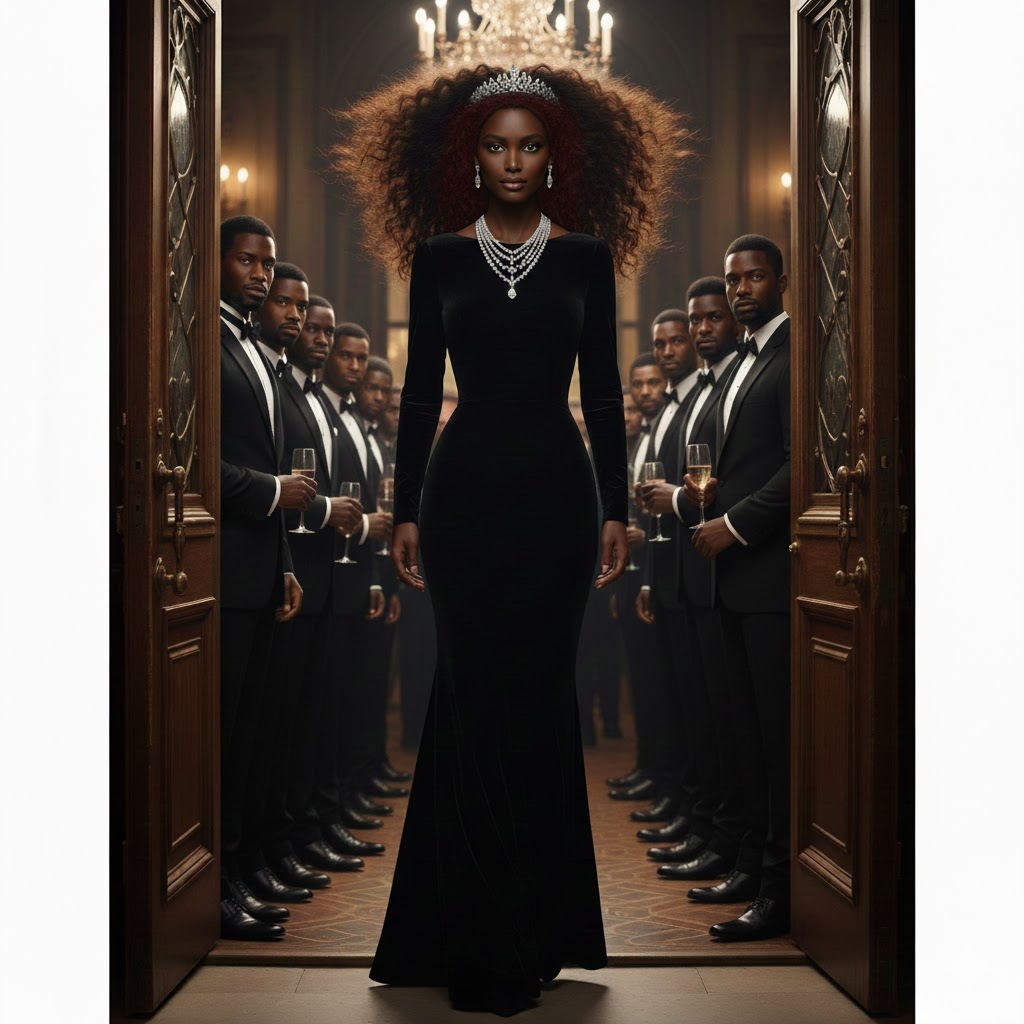
When she enters, the air seems to shift. There is a gravity to her presence, an energy that demands attention without demanding it. Her brown skin, rich and radiant, tells a story of ancestry, resilience, and divine design. She does not need adornment to shine; her essence alone commands the room.

Society has long tried to dictate standards of beauty that favor lighter skin, a legacy of colorism rooted in slavery, colonialism, and media representation. Yet, the beautiful brown woman challenges these narratives simply by existing unapologetically. Her presence is a rebellion, a reclamation of self-worth, and a demonstration of ancestral pride (Hunter, 2007).

Her beauty is holistic—her brownness is inseparable from her poise, intellect, and confidence. It is in her posture, the deliberate cadence of her speech, and the self-assuredness in her eyes. This combination disrupts preconceived notions and reshapes perceptions of what it means to be beautiful (Bradshaw, 2012).

In professional settings, social gatherings, or casual encounters, her brown skin communicates a quiet authority. People instinctively take notice, not because she demands it, but because she emanates authenticity and power. She is a walking testament to the majesty of her people.

Her presence is also culturally symbolic. Dark skin, often stigmatized in media and society, becomes a banner of resilience. She carries the legacy of queens, activists, artists, and pioneers who navigated systemic oppression with grace, leaving imprints that continue to inspire.

The room changes not only because of her external beauty but because of her mindset. She radiates intelligence, creativity, and spiritual depth. These qualities amplify the effect of her appearance, showing that beauty is not skin-deep but soul-deep (Strober, 2017).

Fashion, style, and personal expression become tools to complement her brownness rather than define it. She chooses garments that honor her body, colors that celebrate her tone, and accessories that accentuate her essence without overshadowing it. Every choice is intentional, reflecting self-awareness and artistry.

Her influence extends beyond aesthetics. She inspires other Black women to embrace their own shades of brown, fostering communities of affirmation and empowerment. Through mentorship, social media, and everyday interactions, she reshapes cultural definitions of attractiveness and success (Russell-Cole et al., 2013).

Even in spaces where colorism persists, she refuses to diminish herself. She walks boldly, speaks clearly, and exists fully. Her refusal to conform challenges societal norms and encourages others to do the same, cultivating a ripple effect of confidence and liberation.

The beautiful brown woman also embodies spiritual and emotional depth. Her faith, compassion, and resilience enhance her presence, allowing her to engage the world with a blend of humility and authority. Her brownness becomes not just a visual marker but a symbol of wisdom and inner strength.

Her laughter fills the room, warm and inviting, softening tension and inviting camaraderie. Her smile is a reminder that joy, confidence, and self-acceptance are revolutionary acts for women whose beauty has historically been undervalued.

Even the way she moves—her gestures, her posture, the rhythm of her speech—changes the atmosphere. People are drawn to her authenticity, her refusal to imitate, and her natural elegance. Presence, in her case, becomes a form of empowerment.

In social and professional circles alike, she commands respect through competence, insight, and composure. Her brownness is intertwined with her achievements, a visual testament to capability and excellence (Patton, 2006).

Her beauty is not static; it evolves with experience, reflection, and growth. Each challenge she overcomes and every skill she masters adds depth to her presence, demonstrating that the most impactful beauty is dynamic and multifaceted.

Her brownness is also political. In a world that often undervalues dark skin, she asserts her value daily, challenging ingrained hierarchies and shifting collective consciousness. Her existence questions assumptions and redefines societal standards of desirability and authority.

She carries herself with dignity in all situations, transforming spaces with grace and assurance. People notice not because she seeks approval, but because her essence radiates self-possession and excellence.

Her influence extends to younger generations, who see in her a reflection of possibility and potential. She becomes a visual and moral guidepost, illustrating that beauty, intellect, and strength are not mutually exclusive but complementary.

Her presence challenges stereotypes, proving that the dark-skinned woman is multifaceted—intelligent, creative, resilient, and aesthetically striking. She disrupts monolithic narratives and invites a richer, more inclusive understanding of beauty (Banks, 2000).

Even in fleeting interactions, her impact lingers. People remember her warmth, her confidence, and the way her brownness seemed to illuminate the space. She leaves an imprint that goes beyond sight, touching hearts and minds.

Ultimately, the beautiful brown woman changes the room because she is unapologetically herself. She embodies the intersection of heritage, talent, faith, and self-acceptance. Her presence is a celebration of what it means to thrive as a Black woman, and a reminder that true beauty—grounded in authenticity and pride—is transformative.


References

  • Banks, I. (2000). Hair matters: Beauty, power, and Black women’s consciousness. NYU Press.
  • Bradshaw, K. (2012). Skin deep: Exploring colorism in Black communities. Journal of Black Studies, 43(1), 21–39.
  • Hunter, M. (2007). The persistent problem of colorism: Skin tone, status, and inequality. Sociology Compass, 1(1), 237–254.
  • Patton, T. O. (2006). Hey girl, am I more than my hair? African American women and their struggles with beauty, body image, and hair. NWSA Journal, 18(2), 24–51.
  • Russell-Cole, K., Wilson, M., & Hall, R. E. (2013). The color complex: The politics of skin color among African Americans. HarperCollins.
  • Strober, R. (2017). Dark girls: Embracing beauty and identity. Psychology of Women Quarterly, 41(4), 487–500.

Reclaiming womanhood, one talk at a time and Sacred conversations for chosen women.

Womanhood is a divine calling, yet in today’s world, the essence of being a woman is often misunderstood, diluted, or attacked. Society bombards women with unrealistic standards, distorted narratives, and conflicting messages about their worth. Reclaiming womanhood requires intentional reflection and sacred dialogue that restores the true identity of a woman in God (Proverbs 31:30, KJV).

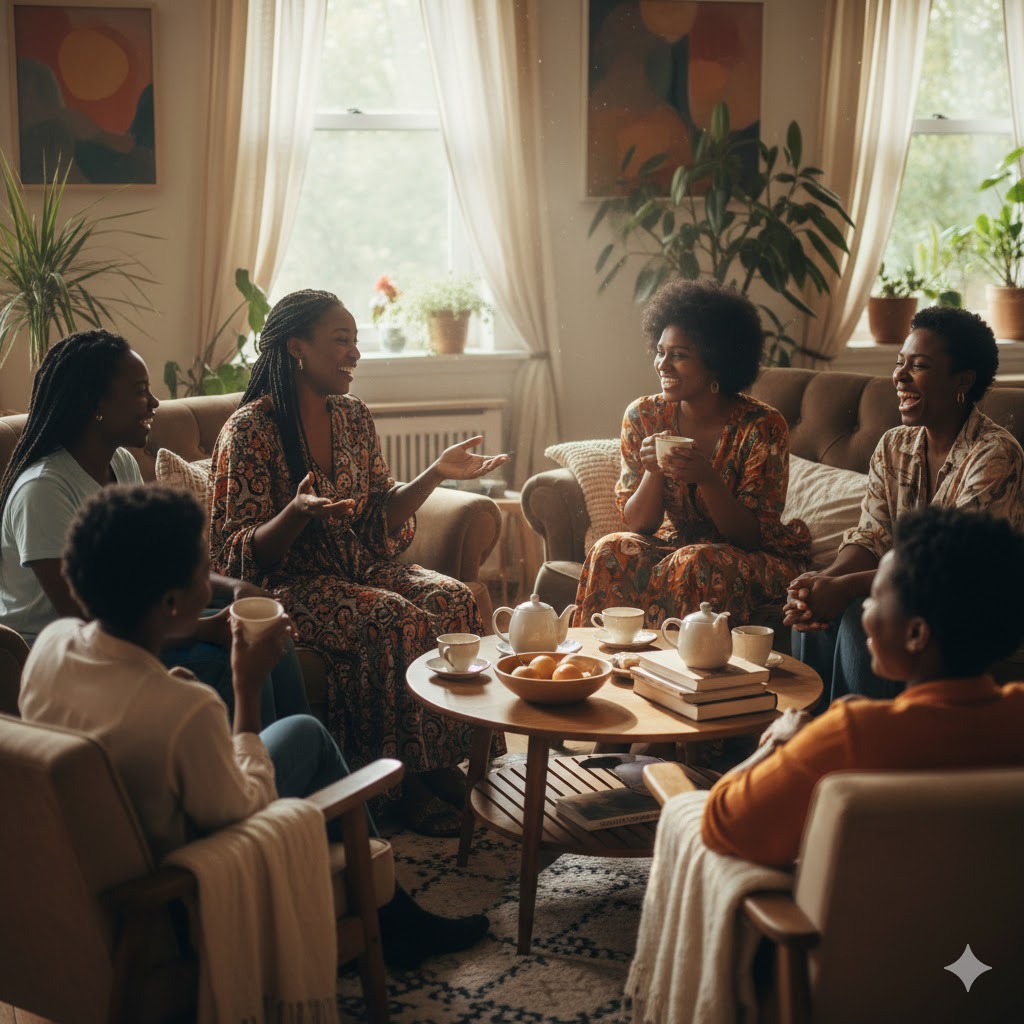
Each conversation among women carries the power to heal, uplift, and instruct. When women gather to speak honestly about their struggles, triumphs, and spiritual journeys, they create a sacred space where true understanding flourishes. This is why “one talk at a time” can transform communities and hearts alike (Ecclesiastes 4:9-10, KJV).

Chosen women are called to embrace their divine purpose. As Proverbs 31:30 (KJV) reminds us, “Favor is deceitful, and beauty is vain: but a woman that feareth the LORD, she shall be praised.” Spiritual alignment and reverence for God form the foundation of authentic womanhood.

Reclaiming womanhood begins with self-awareness. Women must confront internalized messages of inadequacy, inferiority, or shame. Sacred conversations provide a mirror, allowing women to reflect on their identity beyond societal pressures (Titus 2:3-5, KJV).

These dialogues encourage women to distinguish between cultural expectations and God-given purpose. The pressure to conform to materialism, appearance, or social trends often distracts women from spiritual and personal growth (Romans 12:2, KJV).

Mentorship is a vital element in reclaiming womanhood. Older, wiser women sharing their experiences help younger women navigate life’s challenges. Titus 2:3-5 (KJV) highlights this, instructing older women to guide younger women in love, wisdom, and virtue.

True sacred conversations involve vulnerability. When women openly discuss failures, heartbreak, and doubts, they normalize the struggles inherent to life. This transparency fosters empathy and strengthens communal bonds (James 5:16, KJV).

Reclaiming womanhood also involves breaking generational curses. Many women inherit narratives of fear, submission, or limitation. Through intentional dialogue and prayer, women can release these patterns and step into empowerment (Exodus 20:5-6, KJV).

Emotional intelligence is nurtured through these sacred exchanges. Women learn to navigate conflict, express feelings with grace, and cultivate resilience in both personal and professional spheres (Proverbs 16:32, KJV).

Faith is central to sacred conversations. Prayer, scripture, and spiritual reflection guide women toward discernment, purpose, and courage. A woman grounded in God’s word is equipped to resist the pressures of the world (Psalm 119:105, KJV).

Body image and self-worth are recurring topics in these talks. Society often ties a woman’s value to appearance, but sacred conversations emphasize character, spirit, and heart as markers of true beauty (1 Samuel 16:7, KJV).

Relationships are another critical area. From friendships to romantic partnerships, women gain insight into healthy boundaries, respect, and divine alignment. Understanding one’s worth ensures that women do not settle for toxic or unfulfilling connections (Proverbs 13:20, KJV).

Professional life and ambition are often sidelined in cultural narratives of womanhood. These discussions empower women to pursue vocations, leadership, and entrepreneurship while maintaining integrity and spiritual grounding (Colossians 3:23-24, KJV).

Self-care and holistic wellness are essential aspects of reclaiming womanhood. Women are encouraged to prioritize mental, physical, and spiritual health without guilt or apology (1 Corinthians 6:19-20, KJV).

Overcoming fear and anxiety is often a central focus. Sharing personal testimonies of victory over fear inspires courage in others, reinforcing that chosen women are called to be bold and resilient (Joshua 1:9, KJV).

Forgiveness and grace are recurring themes. Women are taught to forgive themselves and others, releasing bitterness and embracing freedom. This process is central to emotional and spiritual liberation (Ephesians 4:32, KJV).

Community and sisterhood flourish through these dialogues. When women unite under shared values and purpose, they create networks of support that extend beyond the conversation itself (Hebrews 10:24-25, KJV).

Reclaiming womanhood also means challenging societal stereotypes. Women are encouraged to define their identities, pursue leadership, and cultivate excellence while remaining humble and spiritually grounded (Philippians 2:3-4, KJV).

Sacred conversations honor the diversity of experiences among women. By listening and learning from one another, women develop empathy, wisdom, and a deeper understanding of God’s design for their lives (Proverbs 27:17, KJV).

Ultimately, reclaiming womanhood, one talk at a time, restores dignity, purpose, and divine alignment. Chosen women who engage in sacred dialogue embody strength, grace, and faith, becoming beacons of inspiration for future generations. These conversations are not merely words—they are catalysts for transformation, empowerment, and the fulfillment of God’s calling on womanhood (Psalm 46:5, KJV).


References

Holy Bible, King James Version. (1611). Thomas Nelson.

Guthrie, D. (1994). The NIV application commentary: Proverbs. Grand Rapids, MI: Zondervan.

Wright, C. J. H. (2002). Old Testament ethics for the people of God. Downers Grove, IL: InterVarsity Press.

Aune, D. E. (2013). Reconsidering the role of women in the Bible: Biblical theology for contemporary women. New York, NY: Continuum.