
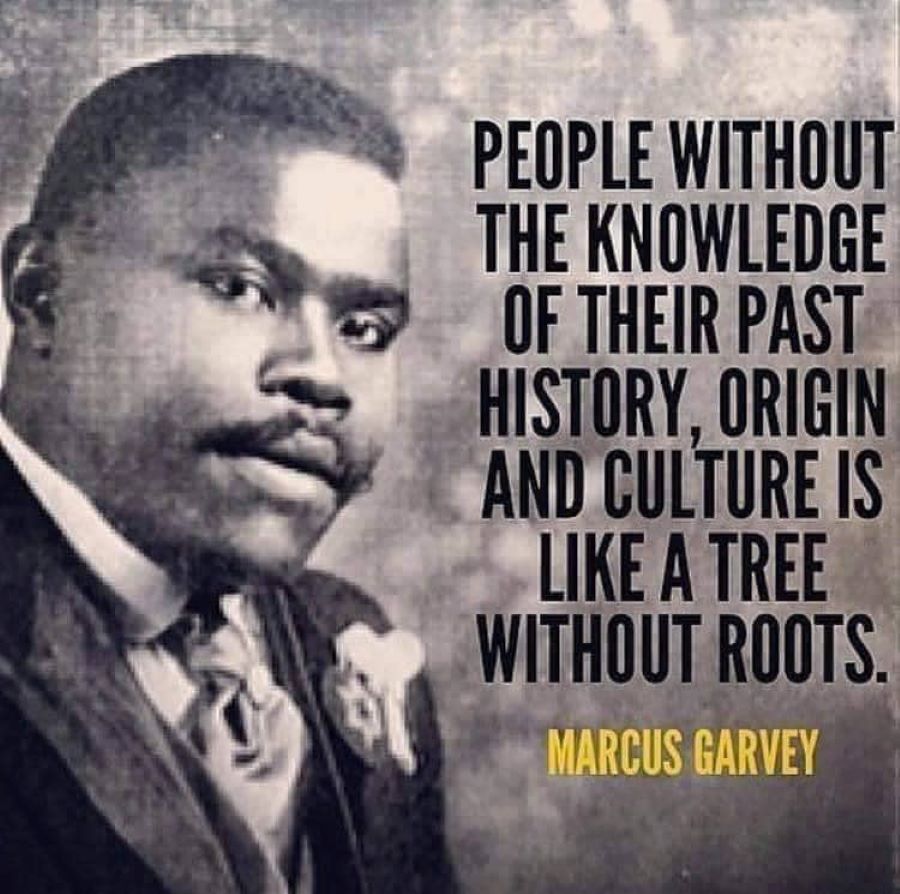
Hosea 4:6 (KJV) declares, “My people are destroyed for lack of knowledge: because thou hast rejected knowledge, I will also reject thee.” This scripture is a sobering reminder that ignorance is not just a personal issue—it can have generational, spiritual, and societal consequences. When people reject truth, they open the door to destruction, confusion, and bondage. Knowledge, in the biblical sense, is not merely intellectual information but deep understanding, discernment, and wisdom that lead to righteous living.
The danger of lacking knowledge begins with spiritual blindness. Without understanding who God is and what His Word says, people are vulnerable to false doctrines, manipulative leaders, and destructive choices. Proverbs 29:18 (KJV) warns, “Where there is no vision, the people perish: but he that keepeth the law, happy is he.” Vision here refers to divine revelation and guidance. When revelation is absent, chaos reigns.
Lack of knowledge also leads to cycles of oppression. History shows that when people are kept from education, they are easier to control. During slavery in America, it was illegal to teach enslaved Africans to read, precisely because knowledge would empower them to question their oppression and fight for freedom. This is why the Bible, literacy, and education were such powerful tools of liberation.
Psychologically, ignorance breeds fear and superstition. People without knowledge often rely on rumor, myth, or cultural tradition rather than truth. This can lead to destructive behaviors, prejudice, and generational curses. When individuals gain understanding—through study, therapy, and self-reflection—they can break free from unhealthy patterns and make wiser decisions.
Another danger of lacking knowledge is exploitation. Unscrupulous people take advantage of those who do not know their rights, their worth, or their purpose. Proverbs 22:3 (KJV) says, “A prudent man foreseeth the evil, and hideth himself: but the simple pass on, and are punished.” Without discernment, people fall into traps—whether financial scams, abusive relationships, or spiritual deception.
Lack of biblical knowledge specifically puts believers at risk of spiritual death. Jesus told the Sadducees, “Ye do err, not knowing the scriptures, nor the power of God” (Matthew 22:29, KJV). Without Scripture, people rely on human wisdom or popular culture for moral guidance, which often leads them away from God’s truth.
Overcoming ignorance requires an intentional pursuit of knowledge. Proverbs 4:7 (KJV) instructs, “Wisdom is the principal thing; therefore get wisdom: and with all thy getting get understanding.” This means believers must actively study, learn, and seek understanding—not only from books but from God through prayer, fasting, and fellowship.
Knowledge of the Bible is the foundation of true wisdom. Psalm 119:105 (KJV) says, “Thy word is a lamp unto my feet, and a light unto my path.” Scripture illuminates the right path and exposes lies. Regular Bible study, meditation on Scripture, and hearing sound teaching help believers grow in spiritual maturity and avoid deception.
Knowledge of self is also essential. Socrates famously said, “Know thyself,” and this wisdom aligns with Scripture’s call to self-examination. 2 Corinthians 13:5 (KJV) instructs, “Examine yourselves, whether ye be in the faith.” Understanding one’s identity in Christ brings confidence, purpose, and resilience against manipulation.
Psychology affirms that self-awareness is key to emotional intelligence and healthy decision-making. When people understand their strengths, weaknesses, and triggers, they are better equipped to respond rather than react, and to pursue growth rather than repeat mistakes.
Communal knowledge is just as important as individual knowledge. Black history, for instance, has often been suppressed or whitewashed, leaving generations disconnected from their heritage. Reclaiming historical knowledge restores dignity, pride, and collective power. Hosea’s warning applies here too: forgetting the past leads to cultural and spiritual destruction.
Another way to overcome lack of knowledge is mentorship and discipleship. In the Bible, knowledge was often passed down orally and through apprenticeship. Paul discipled Timothy (2 Timothy 2:2, KJV), teaching him sound doctrine so that he could teach others. Today, mentorship helps people grow spiritually, professionally, and personally.
The Holy Spirit also plays a critical role in imparting knowledge. John 14:26 (KJV) promises that the Comforter will “teach you all things, and bring all things to your remembrance.” This means that divine revelation is not limited to human intellect—God Himself is willing to teach those who are willing to learn.
A lack of knowledge about health and wellness can also lead to destruction. Many illnesses are preventable through education about nutrition, exercise, and mental health. The Bible encourages stewardship of the body: “Know ye not that your body is the temple of the Holy Ghost?” (1 Corinthians 6:19, KJV).
Financial ignorance is another area where people perish. Proverbs 21:20 (KJV) notes that “There is treasure to be desired and oil in the dwelling of the wise; but a foolish man spendeth it up.” Learning budgeting, saving, and investing protects families from generational poverty and exploitation.
Overcoming lack of knowledge also requires humility. Proverbs 12:1 (KJV) says, “Whoso loveth instruction loveth knowledge: but he that hateth reproof is brutish.” Some reject knowledge because it challenges their worldview or pride. A teachable spirit allows one to grow and avoid destruction.
Social media can be both a danger and a blessing in this regard. While misinformation spreads quickly online, digital platforms also provide access to education, theology, and history. The key is discernment—testing every message against Scripture and credible sources.
Ultimately, knowledge must lead to action. James 1:22 (KJV) warns, “But be ye doers of the word, and not hearers only, deceiving your own selves.” Knowing what is right without doing it is self-deception. True knowledge transforms character and behavior.
In conclusion, lack of knowledge is dangerous because it leads to destruction—spiritually, emotionally, financially, and culturally. The solution is a relentless pursuit of truth: knowledge of God through His Word, knowledge of self through reflection, and knowledge of the world through study and discernment. When we seek wisdom, God promises to give it liberally (James 1:5, KJV). Knowledge is not just power—it is protection, freedom, and the life path.
References
- DeGruy, J. (2005). Post Traumatic Slave Syndrome: America’s Legacy of Enduring Injury and Healing. Joy DeGruy Publications.
- Goleman, D. (1995). Emotional Intelligence: Why It Can Matter More Than IQ. Bantam Books.
- hooks, b. (1995). Killing Rage: Ending Racism. Henry Holt and Company.
- Tatum, B. D. (2017). Why Are All the Black Kids Sitting Together in the Cafeteria? Basic Books.
Key KJV Scriptures: Hosea 4:6; Proverbs 29:18; Proverbs 4:7; Psalm 119:105; 2 Corinthians 13:5; 1 Corinthians 6:19; Proverbs 21:20; James 1:22; Matthew 22:29; John 14:26.









 THE BROWN GIRL DILEMMA