
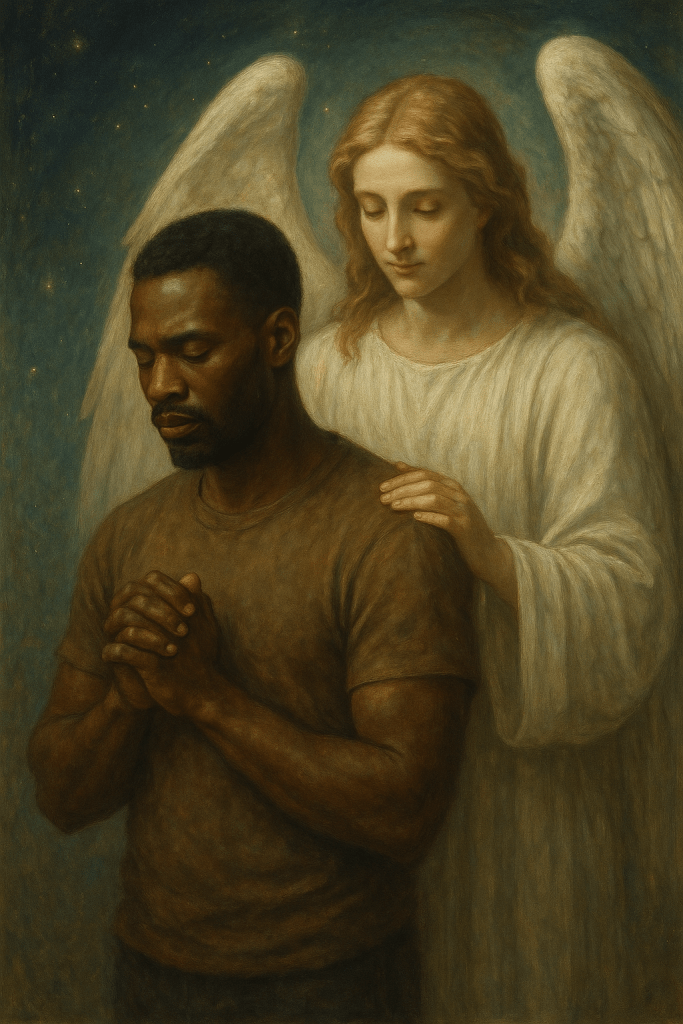
There exists within Scripture a clear distinction between the terrestrial and the celestial — the earthly realm and the heavenly realm. Understanding this difference allows believers to recognize both the temporary nature of physical life and the eternal significance of spiritual existence. These categories encompass not only creation, but identity, purpose, and destiny (1 Corinthians 15:40, KJV).
The term terrestrial refers to things belonging to the earth — what is physical, temporal, and natural. Humanity was formed from the dust of the ground, making our bodies terrestrial by design (Genesis 2:7, KJV). We walk in this world as citizens of a physical creation, subject to natural laws, aging, and death.
The celestial, by contrast, refers to things belonging to heaven — spiritual, eternal, and divine. God, angels, and the eternal dwelling place of the saints are all celestial realities. The heavens declare the glory of God, revealing His majesty beyond earthly perception (Psalm 19:1, KJV). Celestial things are not bound by the limits of time or decay.
The apostle Paul draws a powerful comparison between these two states of existence. “There are also celestial bodies, and bodies terrestrial,” he writes, emphasizing two distinct forms of being (1 Corinthians 15:40, KJV). The terrestrial body is sown in corruption, yet the celestial body is raised in glory. This contrast points to resurrection hope and the transformation awaiting believers.
The terrestrial life is marked by weakness and limitation. Sickness, fatigue, struggle, and mortality testify to the fragility of earthly existence (Psalm 90:10, KJV). The body ages and returns to dust, reminding mankind that life on earth is fleeting and not the final form intended by God (Genesis 3:19, KJV).
In contrast, the celestial realm is characterized by immortality, holiness, and divine power. Heavenly bodies do not decay nor experience corruption. Those who inherit eternal life will be clothed in celestial glory, transformed by the power of resurrection (Philippians 3:21, KJV). This transformation reveals God’s intention to elevate humanity from dust to divine likeness.
Christ Himself illustrates the bridge between terrestrial and celestial. Born in flesh, He walked the earth in human form, yet His resurrection revealed a celestial nature beyond the limitations of mortality (Luke 24:39, KJV). He became the “firstfruits” of those who shall rise, demonstrating humanity’s destiny (1 Corinthians 15:20, KJV).
The terrestrial world is temporary. Scripture declares that heaven and earth shall pass away, but God’s word remains eternal (Matthew 24:35, KJV). Earthly kingdoms crumble, wealth fades, beauty withers, and glory evaporates. Earthly life is but a vapor that appears for a little time and then vanishes away (James 4:14, KJV).
The celestial kingdom, however, is everlasting. The throne of God endures forever, and the righteous shall dwell with Him in eternal light and glory (Revelation 21:23, KJV). This realm is the believer’s true homeland, for we are “strangers and pilgrims on the earth” awaiting heavenly promise (Hebrews 11:13-16, KJV).
The terrestrial mind focuses on earthly concerns — food, clothing, position, reputation, achievement. Yet Christ commands believers to seek first the kingdom of God, demonstrating that spiritual pursuit must outrank material survival (Matthew 6:33, KJV). Fleshly desires war against the soul because they are bound to earth (1 Peter 2:11, KJV).
The celestial mindset dwells on things above — faith, righteousness, holiness, compassion, truth, and eternity (Colossians 3:2, KJV). Such a mindset is evidence of spiritual maturity, for the spiritually minded live according to the Spirit rather than the flesh (Romans 8:5-6, KJV).
Earthly bodies bear the image of the first Adam, made of dust. Heavenly bodies bear the image of the second Adam, Christ, who is from heaven (1 Corinthians 15:47-49, KJV). This comparison shows that our earthly identity is not the final expression of God’s purpose.
The terrestrial body is weak, susceptible to temptation and influenced by the senses. It requires discipline and submission to the Spirit so that it does not dominate or corrupt the soul (Galatians 5:16-17, KJV). Spiritual warfare takes place within the earthly vessel.
The celestial nature, however, is perfect, unable to sin, and fully aligned with God’s will. It represents the perfection believers will experience in the resurrection, when mortality puts on immortality (1 Corinthians 15:53, KJV). In this transformed state, humanity fulfills its divine calling.
Death marks the separation of terrestrial and celestial identity. The body returns to earth, but the spirit returns to God who gave it (Ecclesiastes 12:7, KJV). This separation reveals the impermanence of flesh and the priority of spiritual existence.
Heavenly reward awaits those who walk by faith rather than sight (2 Corinthians 5:7, KJV). The terrestrial experience tests loyalty, obedience, and faith, shaping the soul for eternal destiny. Every trial on earth prepares believers for celestial glory.
Those who live only for the terrestrial life inevitably perish with it. Scripture warns not to lay treasures on earth, where moth and rust destroy, but to store treasure in heaven (Matthew 6:19-20, KJV). To cling to earthly life is to lose eternal life.
The terrestrial world exists under corruption and bondage due to sin. Creation itself groans for redemption, waiting for the manifestation of the sons of God (Romans 8:18-23, KJV). Redemption promises not only resurrection of the body but renewal of the heavens and earth.
The celestial realm operates under perfect righteousness and divine order. Angels excel in strength, obeying His commandments, revealing the purity of heaven’s structure (Psalm 103:20, KJV). There is no pain, sorrow, or death in the celestial kingdom (Revelation 21:4, KJV).
Believers are called to live as celestial heirs even while in terrestrial bodies. This means walking in the Spirit, practicing holiness, and manifesting the character of Christ on earth (1 John 3:2-3, KJV). The earthly life is training ground for eternal destiny.
Ultimately, terrestrial existence is preparation; celestial existence is fulfillment. The journey of faith moves us from dust to glory, from temporal to eternal, from flesh to Spirit, from earth to heaven. The wise live with eternity in view, recognizing that what is seen is temporary, but what is unseen is eternal (2 Corinthians 4:18, KJV).
References (KJV)
Genesis 2:7; Genesis 3:19; Psalm 19:1; Psalm 90:10; Psalm 103:20; Ecclesiastes 12:7; Matthew 6:19–20; Matthew 6:33; Matthew 24:35; Luke 24:39; John 3:16; Romans 8:5–6; Romans 8:18–23; 1 Corinthians 15:20, 40, 47–53; 2 Corinthians 4:18; 2 Corinthians 5:7; Galatians 5:16–17; Colossians 3:2; Hebrews 11:13–16; James 4:14; 1 Peter 2:11; Philippians 3:21; Revelation 21:4, 23.
 THE BROWN GIRL DILEMMA