
The History, Psychology, and Biblical Prophecy of Names Forced Upon Black People
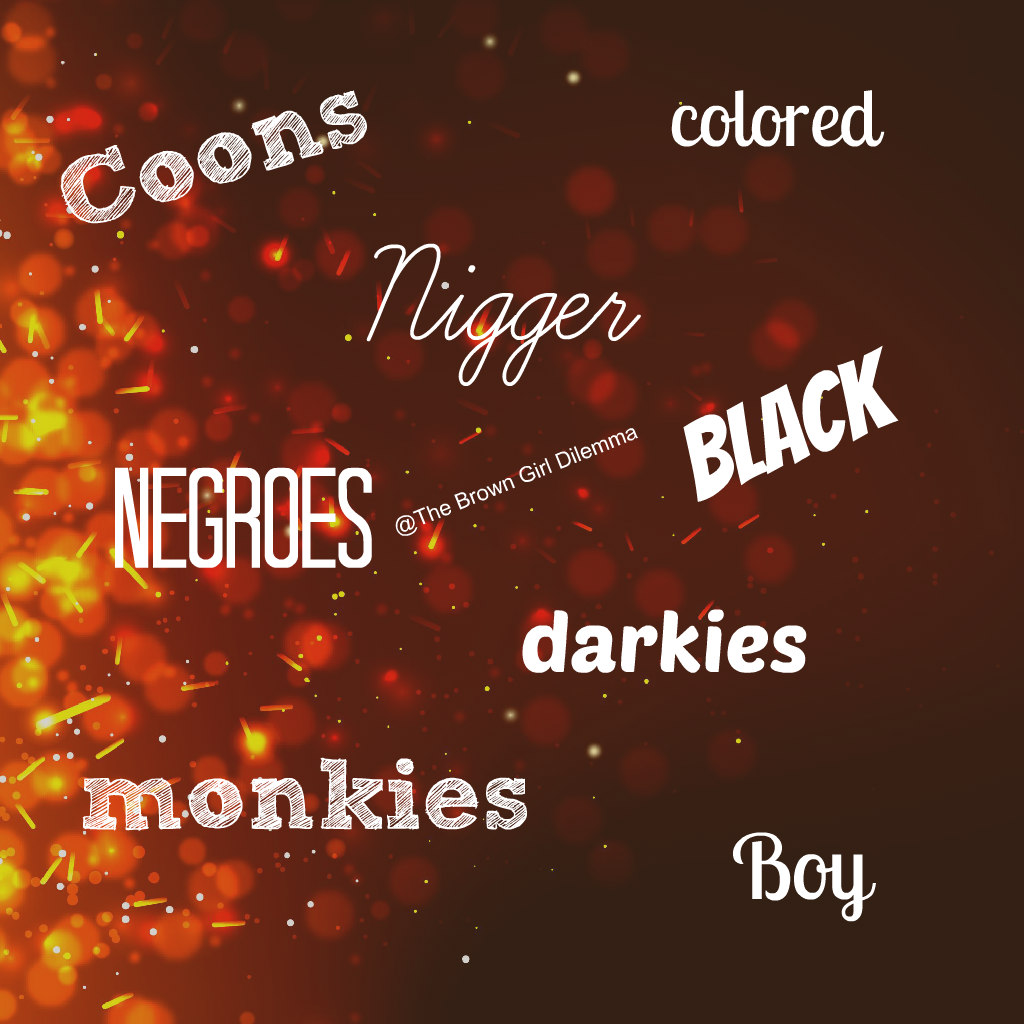
Words carry power. They shape identity, influence perception, and preserve history. Yet words can also wound, distort, and dehumanize. Throughout history, Black people across the diaspora have been branded with derogatory labels—negro, n****, coon, black, colored,* and many more—terms that did not emerge from neutrality but from systems of slavery, colonization, and racial subjugation. The Bible calls these humiliating labels “by-words”—a prophetic sign of oppression and displacement (Deuteronomy 28:37, KJV). To understand the psychology and history of by-words, one must look at the intersection of language, power, slavery, and identity.
What Are By-Words?
The term by-word is defined as a word or phrase used to mock, ridicule, or demean a people or individual. In Scripture, by-words are linked with curses upon nations or peoples who fall under oppression.
- Deuteronomy 28:37 (KJV): “And thou shalt become an astonishment, a proverb, and a byword, among all nations whither the Lord shall lead thee.”
- 1 Kings 9:7 (KJV): “Then will I cut off Israel out of the land which I have given them… and Israel shall be a proverb and a byword among all people.”
Biblically, being reduced to a by-word is more than an insult—it signifies loss of sovereignty, dignity, and divine identity.
he Meaning and History of the Word “Nigger”
Origin of the Word
The word nigger is one of the most notorious racial slurs in history. It traces back to the Latin word niger (meaning “black”), which passed into Spanish and Portuguese as negro. When Europeans began enslaving Africans during the transatlantic slave trade (1500s–1800s), the term negro became a racial descriptor.
Over time, particularly in English-speaking countries, negro was corrupted in spelling and pronunciation into n**r—a derogatory term. By the 1700s, it was entrenched in slave societies like the United States as the ultimate label of dehumanization.
Purpose of the Word
The purpose of calling Black people “n****r” was not just insult but domination. It functioned as a psychological weapon in several ways:
- Dehumanization:
- Reduced Black people to something less than human, justifying slavery and racism.
- Equated Africans with animals, objects, or commodities.
- Control and Social Order:
- Whites used the word to constantly remind enslaved people of their “place” in society.
- It reinforced racial hierarchy: white = superior, Black = inferior.
- Cultural Shaming:
- Denied African names and identities, replacing them with a word rooted in contempt.
- Made Blackness itself synonymous with worthlessness or evil.
In short, the word was never neutral. It was created and weaponized to wound, degrade, and keep Black people submissive.
Historical Use in America
- Slavery Era (1600s–1865): The word was common in plantation speech, laws, and slave advertisements. It was how enslavers referred to Africans as property.
- Jim Crow (1877–1950s): White people used it as a daily insult to enforce segregation and white supremacy. It became paired with violence—lynching, beatings, and systemic humiliation.
- Civil Rights Movement (1950s–1970s): The slur was hurled at marchers, students, and leaders fighting for justice. Signs like “Go home n****rs” were common.
- Modern Era (1980s–Present): The word remains a lightning rod. It is still used by racists as hate speech but also controversially re-appropriated within some Black communities (e.g., in hip-hop, as a term of brotherhood).
How Black People Feel About It
Reactions vary, but the word remains one of the deepest wounds in the Black collective memory:
- Pain and Trauma:
- Many associate it with slavery, Jim Crow, lynching, and racist violence. Hearing it can trigger anger, shame, or grief.
- Rage and Resistance:
- Black leaders like Malcolm X, James Baldwin, and Maya Angelou condemned the word as an instrument of oppression. Baldwin once said: “What you say about somebody else reveals you.”
- Division Over Re-appropriation:
- Some Black people reject the word entirely, seeing it as irredeemable.
- Others, especially in music and street culture, have attempted to strip it of its power by reclaiming it (e.g., turning it into “n***a” as a casual or friendly address).
- This re-use, however, is controversial—many feel that no amount of “reclaiming” erases its bloody history.
Biblical & Psychological Perspective
From a biblical standpoint, being called a by-word (Deuteronomy 28:37) is part of a curse—a stripping of honor and identity. Psychologically, constant exposure to the slur can lead to internalized racism: self-doubt, reduced self-worth, and generational trauma.
The word n**r is not just an insult—it is a historical weapon of white supremacy. Born from slavery, cemented during Jim Crow, and still alive today, it carries centuries of blood, pain, and oppression. While some attempt to neutralize it, for most Black people it remains a raw reminder of what their ancestors endured. It is a word heavy with history, one that symbolizes not only racism but also the resilience of a people who refuse to be defined by it.
Timeline: The Evolution of By-Words
1. African Names Before Slavery (Pre-1500s)
Before European colonization, Africans bore names tied to ancestry, geography, spirituality, and meaning: Kwame (born on Saturday, Akan), Makeda (Ethiopian queen), Oluwaseun (God has done this, Yoruba). Names carried memory, culture, and lineage.
2. The Transatlantic Slave Trade (1500s–1800s)
- Africans kidnapped into slavery were renamed with European surnames (Smith, Johnson, Williams, Brown).
- By-words such as Negro (from Portuguese/Spanish for “black”) became a racial classification.
- Slurs like n****,* sambo, and coon emerged on plantations to dehumanize enslaved Africans, comparing them to animals or buffoons.
This was the era of identity erasure: Africans became “property,” marked not by heritage but by by-words.
3. Reconstruction & Jim Crow (1865–1950s)
- After emancipation, Black people were still denied full humanity. Terms like Negro and Colored became official in laws, schools, and public signs.
- The Jim Crow system used language to reinforce racial hierarchy: calling Black men “boy” denied manhood, while calling women “mammies” denied femininity.
- Racist caricatures—coon songs, minstrel shows, Zip Coon, Uncle Tom—spread by-words into mass culture.
By-words became institutionalized, shaping how whites saw Black people and how Black people sometimes internalized those labels.
4. Civil Rights Era (1950s–1970s)
- The term Negro was challenged, as leaders like Malcolm X urged African Americans to reclaim Black as a badge of pride.
- The phrase Black is Beautiful emerged as resistance to centuries of being told “black” meant evil or shameful.
- The name shift to African-American in the late 1980s (championed by Jesse Jackson) reflected a demand for heritage, identity, and cultural recognition.
By-words in this era were confronted with counter-language: affirmations of dignity and identity.
5. Modern Times (1980s–Present)
- Slurs like n****,* coon, and monkey still circulate, especially online and in extremist circles.
- The N-word has been re-appropriated in some Black communities as a term of endearment or solidarity—though its use remains deeply divisive.
- The term Black has been embraced as an ethnic identity marker, while African-American underscores historical and diasporic roots.
- Psychological studies show that derogatory labeling still impacts self-esteem, racial perception, and systemic bias.
By-words have not disappeared; they have shifted, adapted, and remain central to ongoing struggles over language and identity.
Racism and the Weaponization of By-Words
Racism explains why by-words persisted. These terms justified inequality by painting Black people as inferior, dangerous, or less civilized. By-words reinforced stereotypes in:
- Law: segregation signs labeled “Colored” vs. “White.”
- Media: cartoons and films normalized caricatures (Amos ‘n’ Andy, minstrel shows).
- Society: casual insults reduced Black people to slurs even outside slavery.
By-words were not simply products of ignorance; they were deliberate strategies of domination.
The Psychology of By-Words
From a psychological perspective, by-words operate as verbal shackles.
- Identity Erasure: Replacing African names with slave surnames broke ancestral continuity.
- Internalized Racism: Constant exposure to insults produced self-doubt and sometimes self-hatred.
- Generational Trauma: By-words passed down through history embedded racial inferiority into the subconscious.
- Resistance & Reclamation: Language also became a battlefield—turning Black from insult to empowerment, or challenging derogatory names with affirmations.
As psychologist Na’im Akbar (1996) argues, the greatest chains of slavery are not physical but mental—reinforced through language.
Biblical Parallels
The use of by-words against Black people echoes Israel’s fate in exile. Losing names, mocked by nations, and scattered across the earth, they became living fulfillments of Deuteronomy 28. Just as Israel became “a byword among nations,” the descendants of Africa in the diaspora bear the marks of a name-stripping oppression.
Historical Roots of By-Words in Slavery
The transatlantic slave trade, spanning the 16th to 19th centuries, uprooted millions of Africans from their homelands. In the process, enslavers deliberately stripped them of their ethnic names, languages, and tribal lineages. African names like Kwame, Amina, Oluwaseun, Kofi, or Makeda were replaced with European surnames—Smith, Johnson, Williams, Washington—marking forced assimilation into a white supremacist order.
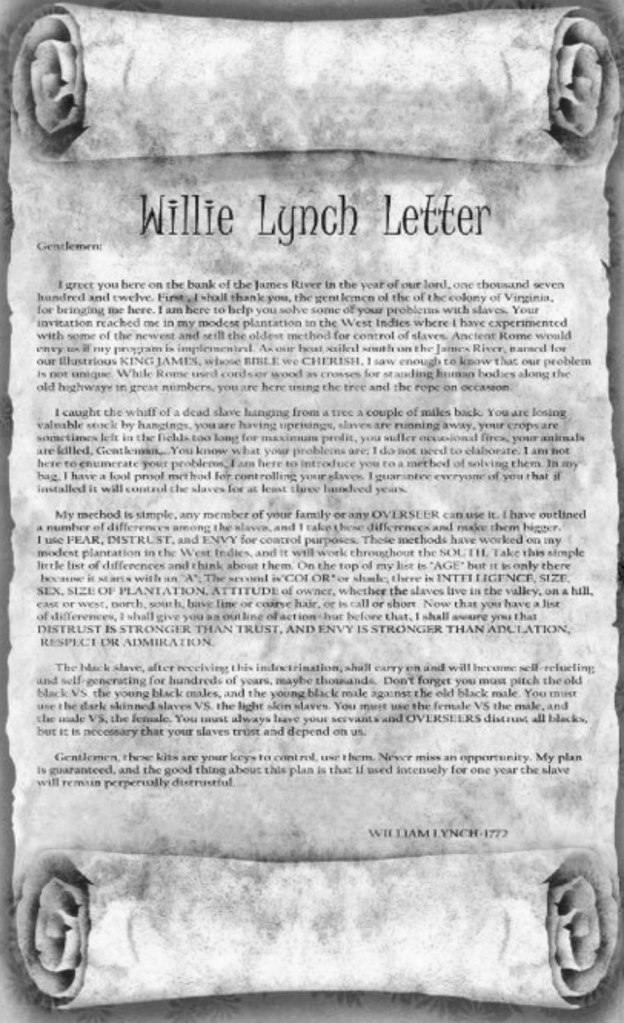
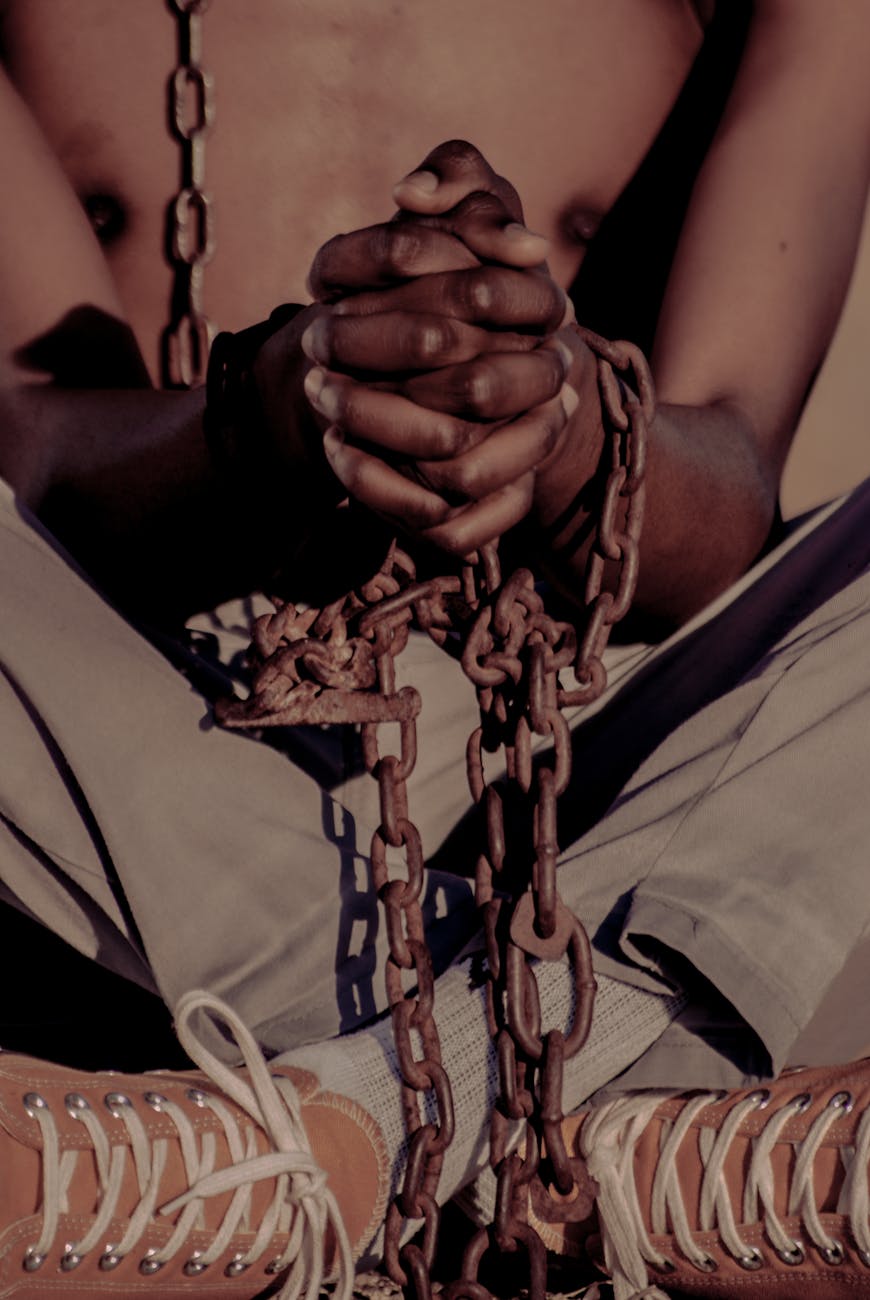
Enslaved Africans were not merely chained physically; they were renamed into invisibility. The imposition of white surnames erased genealogical connections, making it nearly impossible for descendants to trace their ancestral lineage back to their original African nations. This renaming process was a tool of control: to own someone’s name is to own their identity.
At the same time, enslaved Africans became subjects of derogatory by-words. Slave masters, traders, and colonial authorities popularized racial slurs that defined Blackness not by heritage but by supposed inferiority. Terms such as n****,* coon, boy, and Negro reduced a diverse people into a caricature of servitude and subjugation.
The Catalog of By-Words Used Against Black People
Over centuries, Black people have been labeled with words that belittled, animalized, and mocked them:
- Negro – Derived from the Spanish/Portuguese word for “black,” it became a racial classification imposed by European colonizers.
- N*** – A perversion of Negro, weaponized as one of the most dehumanizing insults in modern history.
- Coon – A derogatory word portraying Black people as lazy and buffoonish, rooted in racist minstrel shows of the 19th century.
- Boy – Used particularly in the Jim Crow South to deny Black men adult dignity and manhood.
- Colored – Institutionalized through organizations like the NAACP (“National Association for the Advancement of Colored People”), reflecting segregationist terminology.
- Black – Once synonymous with evil, dirt, or shame in European etymology, rebranded as an identity marker but originally imposed as a contrast to “white purity.”
Each of these terms is a linguistic scar, born of systems that sought to strip away humanity and replace it with inferiority.
Was Racism to Blame?
Yes. The proliferation of by-words was not incidental but systemic, tied directly to racism. By-words allowed dominant groups to control narratives, reinforcing hierarchies of superiority. Racism justified slavery, segregation, colonization, and social exclusion by codifying these by-words into cultural, legal, and political systems.
- Social Control: Language ensured that Black people were seen not as equals but as perpetual outsiders.
- Psychological Warfare: By-words internalized shame, often producing generational trauma and fractured self-esteem.
- Legal Segregation: In the U.S., terms like “colored” and “Negro” were legally inscribed in Jim Crow laws, embedding racism into governance.
The Psychology of By-Words
Psychologists argue that repeated exposure to derogatory labels can produce internalized racism and identity conflict. When a people are constantly described as inferior or less than, the message penetrates deep into the collective psyche.
- Internalized Oppression: Some Black people began to reject African heritage, aspiring toward whiteness as a form of survival.
- Group Identity Crisis: By-words created confusion over racial identity—was one “Negro,” “Colored,” “Black,” or “African-American”? This constant renaming fragmented collective identity.
- Reclamation and Resistance: Over time, Black communities also resisted by re-appropriating terms like “Black” and “N*****” as symbols of empowerment—though still contested.
Biblical Parallels: Israel as a By-Word
The plight of Black people in slavery and colonization parallels biblical Israel’s experience. Just as the Israelites were scattered and mocked with by-words, enslaved Africans endured a loss of name, land, and identity. Deuteronomy 28 not only describes economic curses and enslavement but the stripping away of cultural dignity.
Thus, many Black theologians and scholars interpret the condition of the African diaspora as prophetic: a people renamed, scorned, and marginalized, fulfilling the biblical imagery of becoming “a by-word among nations.”
Conclusion
By-words are more than insults; they are historical markers of oppression. They tell the story of a people kidnapped, enslaved, renamed, and linguistically reshaped to fit the mold of subjugation. From biblical prophecy to the auction blocks of slavery, from Jim Crow to today, the history of by-words reveals how language has been wielded as a weapon against Black identity.
Yet, history also shows resistance. Just as names were stripped, they were reclaimed. Just as by-words mocked, voices rose to redefine them. Understanding the psychology and history of by-words helps restore dignity, while the biblical lens reminds us that identity is ultimately God-given, not man-imposed.
By-words are more than words; they are historical monuments of oppression. They trace a journey from stolen African names to the plantation, from Jim Crow insults to modern re-appropriation. They demonstrate how racism weaponizes language, reshaping identity and memory.
Yet, within that history lies resilience. Every reclaiming of Black as beautiful, every embrace of African names, every refusal to be defined by slurs is a declaration of freedom. In the end, names carry divine weight: not what the oppressor calls us, but what God calls us.
📖 Key Scripture References:
- Deuteronomy 28:37
- 1 Kings 9:7
- Jeremiah 24:9
- Psalm 44:14
📚 References for Further Reading:
- Du Bois, W. E. B. (1903). The Souls of Black Folk.
- Akbar, N. (1996). Breaking the Chains of Psychological Slavery.
- Davis, A. (1981). Women, Race, and Class.
- Patterson, O. (1982). Slavery and Social Death.
Kennedy, R. (2002). Nigger: The Strange Career of a Troublesome Word.
Baldwin, J. (1963). The Fire Next Time.
 THE BROWN GIRL DILEMMA