Category Archives: self-esteem

Rebuilding Self-Worth

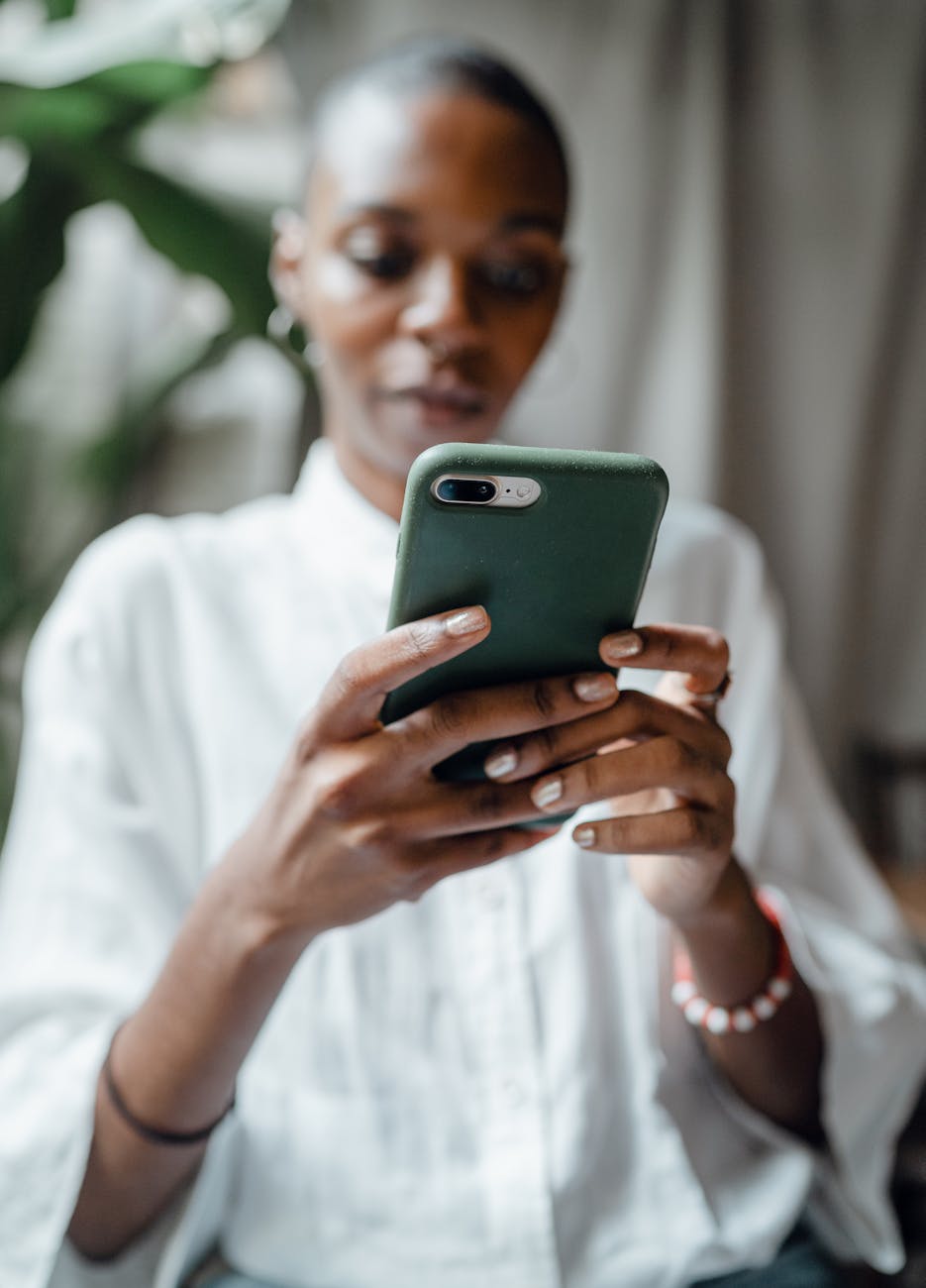
Photo by ShotPot on Pexels.com

Rebuilding self-worth is both a spiritual and psychological journey. When a person has experienced rejection, betrayal, or emotional abuse, their perception of themselves can become distorted. They may feel unworthy of love, success, or God’s blessings. Yet, Scripture reminds us that human value is not based on external validation but on God’s design. Psalm 139:14 declares, “I will praise thee; for I am fearfully and wonderfully made.” This verse is not a casual statement but a theological declaration that human worth is intrinsic, God-given, and unchangeable.

True self-worth begins with identity. Understanding that you are created in the image of God (Genesis 1:27) reframes how you see yourself. When the world tears you down, this truth acts as an anchor: you are not defined by failure, heartbreak, or rejection. Your worth comes from being a child of God. This identity is not earned through performance but received through grace (Ephesians 2:8–9).

One essential step in rebuilding self-worth is practicing self-care as an act of worship. The body is described as the temple of the Holy Spirit (1 Corinthians 6:19–20), meaning that caring for your physical, emotional, and mental health is a way of honoring God. Self-care is not indulgence; it is stewardship. Eating well, resting, exercising, and setting healthy boundaries help maintain the vessel God entrusted you with.

Romans 12:2 offers a prescription for mental and emotional renewal: “And be not conformed to this world: but be ye transformed by the renewing of your mind.” This verse links transformation with a mental shift. You must actively replace destructive thought patterns with thoughts aligned with God’s truth. This is where spiritual disciplines like prayer, meditation on Scripture, and fasting become tools for mental clarity.

A cognitive-behavioral approach (CBT) is useful for identifying and challenging distorted thoughts. CBT teaches you to examine automatic thoughts, test their validity, and replace them with healthier alternatives. For instance, when a person thinks, “I am unworthy of love,” they can counter with biblical truth: “I am loved with an everlasting love” (Jeremiah 31:3). This retrains the brain to align with spiritual reality.

Negative self-talk is often the residue of past trauma or toxic relationships. These internalized voices must be confronted. Second Corinthians 10:5 encourages believers to “cast down imaginations, and every high thing that exalteth itself against the knowledge of God.” This includes false narratives about your identity. Every thought that calls you worthless must be replaced with Scripture that affirms your value.

Affirmations are powerful tools for renewing the mind. Declaring “I am fearfully and wonderfully made” (Psalm 139:14) daily can shift your perspective over time. Speaking Scripture aloud reinforces truth at a neurological level, building new mental pathways that promote confidence and hope.

Forgiveness—both of others and of self—is a major step in restoring self-worth. Guilt and resentment can weigh heavily on the soul. When you forgive, you release the emotional poison that keeps you tied to the past. First John 1:9 assures believers that if we confess our sins, God is faithful to forgive and cleanse us. Accepting His forgiveness frees you from shame.

Journaling can help track growth and progress. Writing down prayers, thoughts, and victories allows you to see how far you have come. It also provides a space to pour out pain before God. Many women find healing in writing letters they never send, releasing old wounds and reclaiming their emotional voice.

Another vital step is surrounding yourself with life-giving community. Proverbs 27:17 teaches that “iron sharpeneth iron; so a man sharpeneth the countenance of his friend.” Choose friends who speak truth, encourage your growth, and hold you accountable. Healthy community reflects God’s love back to you and reminds you that you are not alone.

Practicing gratitude shifts the focus from what you lack to what God has already done. Keeping a gratitude journal can retrain the brain to notice blessings instead of disappointments. Philippians 4:6–7 connects thanksgiving with peace, promising that the peace of God will guard your heart and mind when you bring your requests before Him with gratitude.

Worship also plays a role in rebuilding self-worth. Praising God lifts the spirit and resets focus. Psalm 100:4 invites us to “enter into his gates with thanksgiving, and into his courts with praise.” Worship shifts your attention from your inadequacies to God’s greatness, restoring perspective and hope.

Healthy boundaries are another layer of self-worth. Boundaries protect your heart from unnecessary harm and reinforce the message that your well-being matters. Proverbs 4:23 instructs, “Keep thy heart with all diligence; for out of it are the issues of life.” Setting limits is not selfish; it is wise stewardship of your emotional health.

Rest is often underestimated in the healing process. Jesus Himself withdrew to solitary places to rest and pray (Mark 1:35). Taking time for stillness allows space for God to speak to your heart, reveal hidden wounds, and fill you with His peace.

Renewing self-worth also means redefining success according to God’s standards. The world may measure worth by appearance, wealth, or status, but God looks at the heart (1 Samuel 16:7). Focusing on character development—kindness, humility, and integrity—gives you a sense of worth rooted in eternal values.

The process of rebuilding self-worth is not always linear. There will be days of progress and days of struggle. Patience with yourself is crucial. Philippians 1:6 reminds believers that God, who began a good work in you, will complete it. Trust the process and know that setbacks are not the end of your story.

Engaging in acts of service can also strengthen self-worth. When you help others, you experience purpose beyond your pain. Galatians 5:13 reminds believers to serve one another in love, which reinforces that you have something valuable to offer the world.

Over time, as you consistently renew your mind, practice self-care, and align your identity with Scripture, your confidence will return. You will begin to walk with assurance, speak with boldness, and make decisions from a place of wholeness.

Ultimately, rebuilding self-worth glorifies God. When you embrace who He made you to be, you reflect His image to the world. Your healing becomes a testimony that draws others closer to Him, proving that His grace is sufficient and His power is made perfect in weakness (2 Corinthians 12:9).


References

  • Holy Bible, King James Version (KJV).
  • Beck, J. S. (2021). Cognitive Behavior Therapy: Basics and Beyond. Guilford Press.
  • Cloud, H., & Townsend, J. (2017). Boundaries: When to Say Yes, How to Say No to Take Control of Your Life. Zondervan.
  • Peterson, C., & Seligman, M. E. P. (2004). Character Strengths and Virtues: A Handbook and Classification. Oxford University Press.
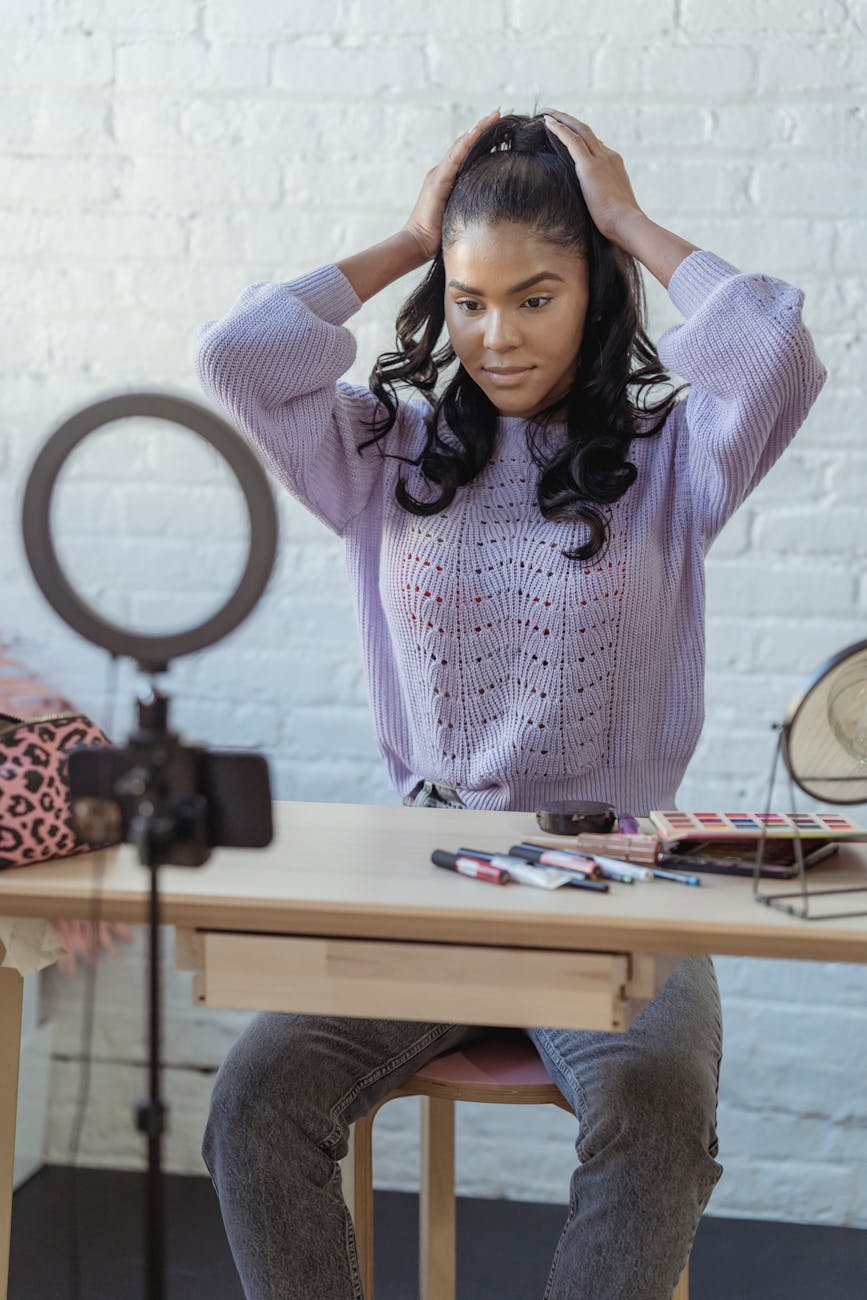

The Digital Mirror: Social Media, Beauty, and Self-Esteem.

Photo by George Milton on Pexels.com

In the modern era, social media has become a pervasive force shaping perceptions of beauty, self-worth, and identity. Platforms like Instagram, TikTok, and YouTube offer unprecedented opportunities for self-expression and connection, yet they also present unique challenges, particularly for Brown and Black women. The constant exposure to curated images, filtered content, and influencer culture creates what can be described as a “digital mirror,” reflecting societal ideals that are often unattainable or exclusionary. Understanding the impact of social media on beauty perception and self-esteem is essential for cultivating resilience and positive self-image.

Social Media and the Construction of Beauty

Social media operates as a cultural lens, magnifying dominant beauty standards while simultaneously offering a platform for diverse representation. Research shows that frequent exposure to idealized images online can lead to social comparison, self-criticism, and body dissatisfaction (Fardouly et al., 2015). For Brown women, these comparisons are compounded by colorism, where lighter skin tones are often favored and amplified in mainstream content. The digital mirror, therefore, can both empower and undermine, depending on the type of content consumed and the framing of beauty standards.

The Role of Influencers and Representation

Influencers who embrace diversity and authentic representation play a pivotal role in reshaping perceptions of beauty online. Figures like Issa Rae, Lupita Nyong’o, and Adut Akech challenge Eurocentric ideals and normalize melanin-rich beauty. Representation in social media feeds offers validation, encourages self-expression, and promotes self-esteem among viewers who see themselves reflected positively. Research indicates that media representation significantly affects self-perception, particularly in marginalized communities where societal standards have historically excluded them (Tiggemann & Slater, 2014).

Psychological Impacts of the Digital Mirror

While social media can affirm identity, it also exposes users to negative commentary, trolling, and colorist remarks. This can exacerbate anxiety, depressive symptoms, and feelings of inadequacy (Valkenburg et al., 2017). The digital mirror not only reflects societal beauty ideals but can also amplify internalized biases. For Brown women, this dual effect underscores the importance of critical engagement and media literacy: understanding the difference between curated content and reality is crucial for mental well-being.

Strategies for Healthy Engagement

Building resilience in the digital age requires intentional strategies. Curating social media feeds to prioritize diverse and affirming content, limiting screen time, and practicing mindfulness while online can mitigate negative impacts. Engaging with communities that celebrate melanin-rich beauty, such as hashtags like #BrownSkinPoppin or #MelaninMagic, fosters empowerment and self-affirmation. Additionally, creators and viewers alike benefit from remembering that digital portrayals are often filtered, edited, and idealized, and do not define one’s inherent beauty or worth.

Transforming Social Media into a Tool for Empowerment

Beyond personal self-esteem, social media can serve as a platform for advocacy, education, and cultural pride. Brown women can leverage their digital presence to challenge colorism, amplify underrepresented voices, and create content that affirms diverse beauty. By transforming social media from a potential source of insecurity into a tool for empowerment, users can assert agency over how their image and identity are represented.

Digital Self-Care Guide for Brown Girls: Maintaining Confidence on Social Media

  1. Curate Your Feed – Follow creators, influencers, and accounts that celebrate diversity, melanin-rich beauty, and positive representation. Unfollow or mute content that triggers comparison or insecurity.
  2. Limit Screen Time – Set intentional boundaries for social media usage to prevent fatigue and constant exposure to unrealistic standards.
  3. Practice Mindful Scrolling – Notice your emotional reactions while online. Pause or disengage if content negatively impacts your self-esteem.
  4. Engage with Affirming Communities – Participate in groups and hashtags like #MelaninMagic, #BrownSkinPoppin, or #NaturalBeauty, which promote self-love and cultural pride.
  5. Remember the Filter Effect – Understand that photos are often curated, edited, or staged. Real life is not always reflected online.
  6. Post Authentically – Share your experiences, natural beauty, and personal achievements. Authentic content fosters connection and counters unrealistic portrayals.
  7. Journal or Reflect – After browsing social media, write down affirmations or moments that celebrate your skin, hair, or cultural identity.
  8. Seek Support – Talk to friends, family, or mentors when online negativity affects your mood or self-perception.
  9. Use Social Media for Advocacy – Transform negative experiences into education or awareness campaigns, challenging colorism and stereotypes.
  10. Affirm Your Worth Daily – Regularly remind yourself that beauty is not dictated by likes, comments, or online trends.
  11. Balance Inspiration and Comparison – Follow accounts that inspire, but avoid measuring your worth against curated online highlights.
  12. Celebrate Every Shade – Embrace your unique tone and features as part of your identity. Share and celebrate them with pride.

Conclusion

The digital mirror of social media reflects both societal beauty standards and individual perceptions, shaping self-esteem in complex ways. For Brown and Black women, exposure to curated content can either reinforce colorist ideals or serve as a space for affirmation and representation. Through intentional engagement, media literacy, and community support, social media can become a tool for empowerment rather than harm. Understanding the dynamics of the digital mirror allows women to navigate online spaces with confidence, celebrate their unique beauty, and resist the pressures of unrealistic or exclusionary standards.


References

  • Fardouly, J., Diedrichs, P. C., Vartanian, L. R., & Halliwell, E. (2015). Social comparisons on social media: The impact of Facebook on young women’s body image concerns and mood. Body Image, 13, 38–45.
  • Tiggemann, M., & Slater, A. (2014). NetGirls: The Internet, Facebook, and body image concern in adolescent girls. International Journal of Eating Disorders, 47(6), 630–643.
  • Valkenburg, P. M., Meier, A., & Beyens, I. (2017). Social media use and adolescents’ self-esteem: A meta-analysis. Review of General Psychology, 21(4), 340–352.

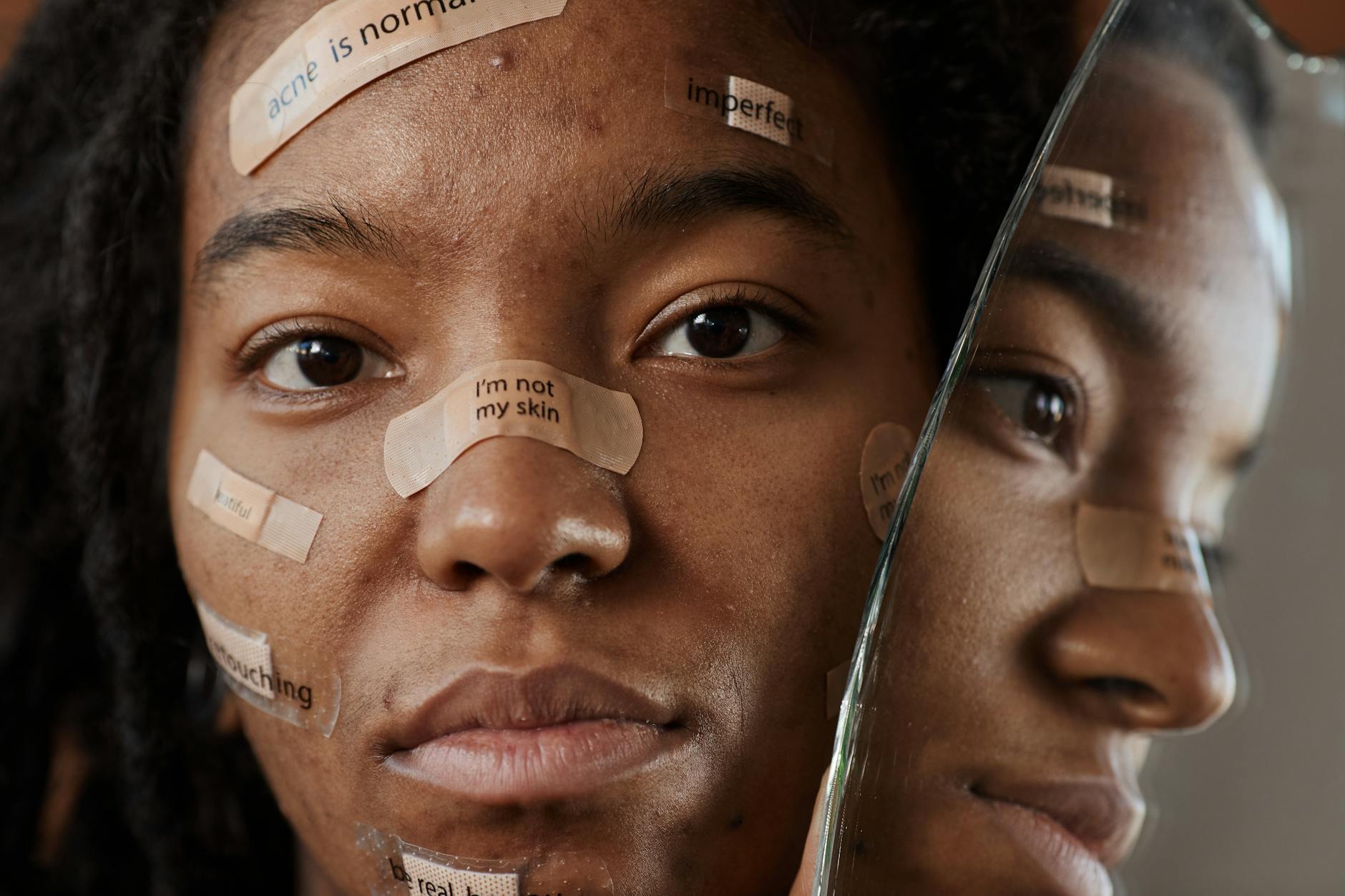
How Eurocentric Beauty Standards Affect Self-Esteem.

Photo by Tima Miroshnichenko on Pexels.com

Beauty standards are not universal; they are shaped by culture, media, and history. For centuries, Eurocentric beauty ideals—emphasizing fair skin, straight hair, and thin noses—have dominated global media and social perception. These standards have profound psychological, cultural, and spiritual effects, particularly on Black women and other marginalized groups whose features are devalued in comparison.


Historical Roots of Eurocentric Beauty

Eurocentric beauty standards trace back to colonialism and the transatlantic slave trade. European features were associated with power, wealth, and social mobility, while African and Indigenous features were devalued. This legacy established a hierarchy of appearance that persists today, subtly shaping societal preferences and self-perception (Hunter, 2007).


Psychological Impacts on Self-Esteem

Psychology shows that internalizing external standards of beauty can significantly harm self-esteem. Social comparison theory posits that individuals measure their worth against others, and repeated exposure to idealized Eurocentric images can foster feelings of inadequacy, shame, and body dissatisfaction (Festinger, 1954; Swami et al., 2008).


Colorism and Skin Tone Bias

Within communities of color, Eurocentric ideals fuel colorism—preferential treatment of lighter skin over darker tones. This bias affects opportunities in employment, social circles, and even romantic desirability, reinforcing internalized oppression and self-doubt among darker-skinned individuals (Burke, 2008).


Media Representation and Unrealistic Standards

Modern media often perpetuates narrow definitions of beauty: celebrities with European features, airbrushed models, and viral trends that valorize lighter skin. Exposure to these images repeatedly reinforces the belief that “beautiful = European,” which undermines confidence and identity in those who do not fit these norms.


Biblical and Spiritual Perspective

The Bible affirms the intrinsic value and beauty of all people. The Shulamite woman declares, “I am black, but comely” (Song of Solomon 1:5, KJV), highlighting that dark skin is both natural and beautiful. Psalm 139:14 reminds believers: “I am fearfully and wonderfully made”, emphasizing that worth is divinely assigned, not culturally dictated.


Social and Cultural Consequences

Eurocentric standards create pressure to alter natural appearance through skin lightening, hair straightening, and cosmetic surgery. These practices often come at a psychological cost: low self-worth, identity conflict, and a sense of alienation from one’s cultural heritage.


Resisting Eurocentric Standards

Reclaiming self-esteem requires rejecting external definitions of beauty. Affirming natural features, celebrating cultural aesthetics, and diversifying media representation can counteract harmful narratives. Social movements like “Black is Beautiful” and “Melanin Magic” serve as tools for empowerment and self-love.


Psychological Interventions

Therapists recommend strategies such as cognitive restructuring (challenging negative self-beliefs), mindfulness, and positive affirmation to mitigate internalized bias. Community support and mentorship also strengthen identity and self-esteem, particularly among youth (Swami & Tovée, 2004).


Role of Family and Community

Families and cultural communities play a critical role in shaping perceptions of beauty. Encouraging pride in natural features, ancestral heritage, and cultural aesthetics fosters resilience against harmful societal messages.


Conclusion

Eurocentric beauty standards continue to negatively affect self-esteem, especially among people of color. Yet self-worth and beauty are not defined by societal bias—they are affirmed by God, culture, and personal identity. Reclaiming pride in one’s natural features, celebrating cultural aesthetics, and fostering positive media representation are essential steps in healing the psychological and spiritual effects of these pervasive ideals.


References

  • Burke, M. A. (2008). Colorism as racism: Skin tone, status, and inequality. Sociology Compass, 1(1), 237–254.
  • Festinger, L. (1954). A theory of social comparison processes. Human Relations, 7, 117–140.
  • Hunter, M. (2007). The persistent problem of colorism: Skin tone, status, and inequality. Sociology Compass, 1(1), 237–254.
  • Swami, V., & Tovée, M. J. (2004). The influence of body weight and shape in determining female and male physical attractiveness. Body Image, 1(2), 129–137.
  • Swami, V., Mada, R., Tovée, M. J., & Furnham, A. (2008). An investigation of the impact of television viewing on self-esteem and body image in adolescent girls. European Eating Disorders Review, 16(5), 389–398.

Social Media and Black Women’s Self-Esteem.

Photo by Ketut Subiyanto on Pexels.com

In the twenty-first century, social media has become one of the most powerful cultural forces shaping identity, perception, and self-worth. For Black women, the relationship with social media is both empowering and challenging. While these platforms have created spaces for representation, celebration, and resistance against Eurocentric beauty standards, they also perpetuate unrealistic ideals and cycles of comparison that affect self-esteem. Understanding this dual impact requires exploring psychological, cultural, and sociological dimensions.

Historically, Black women have been marginalized in mainstream media, often stereotyped or underrepresented. Social media disrupted this dynamic by giving them the agency to create and share their own narratives. Hashtags like #BlackGirlMagic, #MelaninPoppin, and #NaturalHairMovement emerged as affirmations of beauty and worth, allowing Black women to reclaim space that had long excluded them. This visibility has significantly contributed to increased confidence and cultural pride, affirming identities that were once dismissed (Trudy, 2018).

At the same time, the benefits of representation are complicated by the pressure of comparison. Social media operates on visibility, likes, and shares, often rewarding curated versions of life and beauty. Black women are not immune to these pressures; in fact, they may face intensified scrutiny because of colorism, body type expectations, and hair politics. Studies have shown that exposure to idealized images on social media can increase body dissatisfaction and lower self-esteem, particularly when women compare themselves to influencers or celebrities who align with Eurocentric or narrow beauty ideals (Perloff, 2014).

Colorism is another dimension magnified by social media. While platforms highlight darker-skinned beauty more than before, algorithms, beauty filters, and brand partnerships often privilege lighter skin tones, perpetuating hierarchies within the Black community itself. For darker-skinned Black women, constant exposure to these dynamics can reinforce harmful messages about desirability and worth, creating psychological strain (Hunter, 2007).

Yet, social media has also become a site of resistance. Many Black women use these platforms to challenge stereotypes, build businesses, and create communities centered on authenticity and empowerment. Influencers such as Jackie Aina in the beauty industry, or authors and activists who amplify wellness, have carved out spaces where self-love and confidence are prioritized. This re-centering of Black women’s narratives demonstrates how digital platforms can both wound and heal, depending on how they are used and engaged.

The role of faith and spirituality also intersects with Black women’s online experiences. Scripture such as Psalm 139:14, “I will praise thee; for I am fearfully and wonderfully made” (KJV), is often invoked in digital affirmations to counteract the weight of comparison. This spiritual grounding provides a framework for resilience, reminding Black women that self-worth transcends algorithms and external validation.

From a psychological perspective, the concept of “social comparison theory” explains much of this tension. Festinger’s (1954) theory argues that individuals determine their worth based on comparison with others. For Black women navigating social media, upward comparisons—especially with Eurocentric standards—can harm self-esteem, while lateral comparisons with affirming and relatable peers can foster confidence and solidarity.

In conclusion, social media plays a paradoxical role in shaping the self-esteem of Black women. It has provided tools of empowerment, affirmations of beauty, and platforms for visibility that were previously denied. Yet, it also reproduces harmful cycles of comparison, colorism, and body surveillance that weigh heavily on psychological well-being. The challenge, then, is not only in how Black women use social media but also in how these platforms evolve to reflect diversity authentically. For many, balancing digital engagement with affirmations rooted in culture, community, and faith is key to cultivating self-esteem in a world where “likes” often determine perceived value.


References

  • Festinger, L. (1954). A theory of social comparison processes. Human Relations, 7(2), 117–140.
  • Hunter, M. (2007). The persistent problem of colorism: Skin tone, status, and inequality. Sociology Compass, 1(1), 237–254.
  • Perloff, R. M. (2014). Social media effects on young women’s body image concerns: Theoretical perspectives and an agenda for research. Sex Roles, 71(11-12), 363–377.
  • Trudy. (2018). #BlackGirlMagic: The digital politics of Black womanhood. Feminist Media Studies, 18(5), 895–910.