Category Archives: science

Neuroscience, African Ancestry, and the Contributions of Black Neuroscientist.

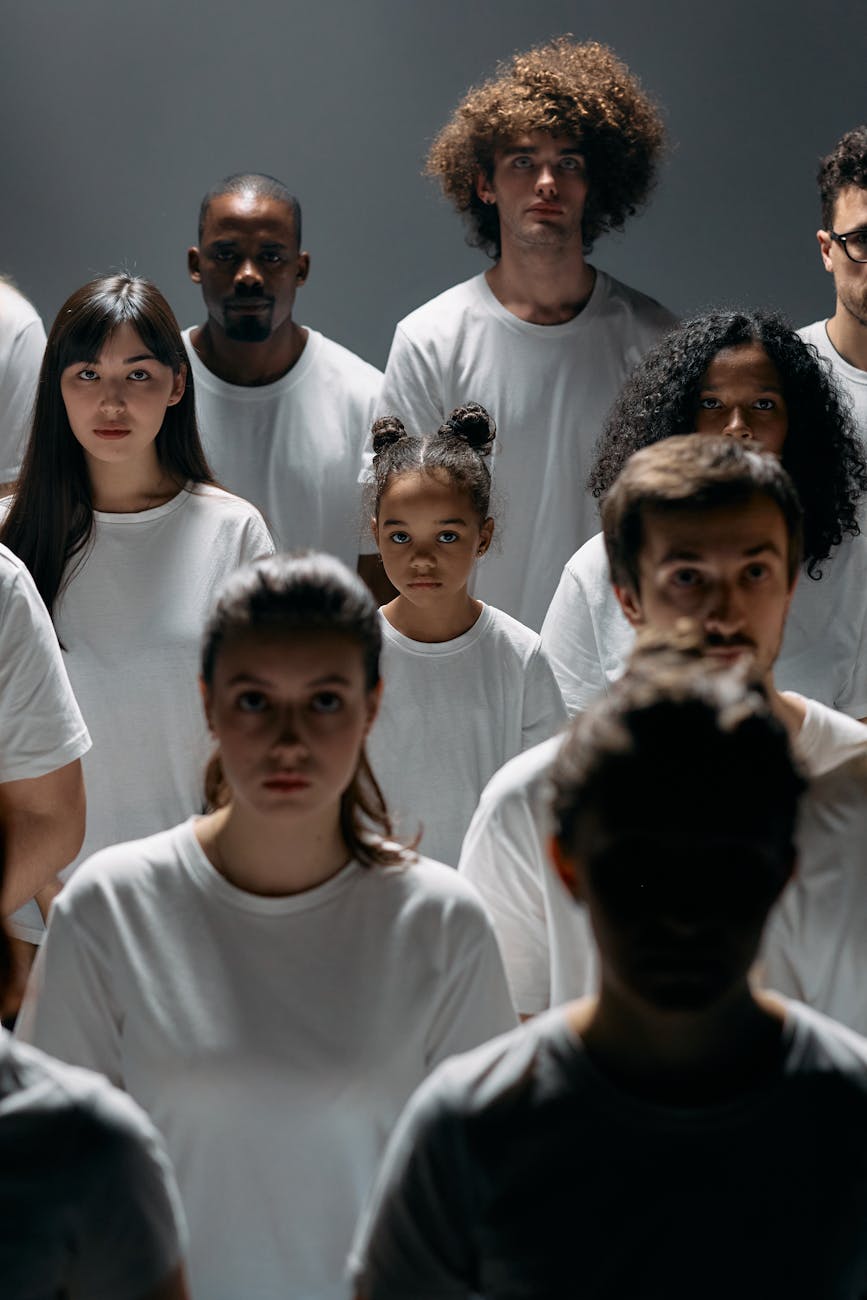
Photo by RDNE Stock project on Pexels.com

1. Introduction: Defining Neuroscience

Neuroscience is the interdisciplinary scientific study of the nervous system, with a primary focus on the brain’s structure, function, and its role in behavior, cognition, and mental health. This field integrates biology, psychology, physics, and computational sciences to address questions about perception, memory, consciousness, and disease. The scope of neuroscience ranges from molecular studies of neurons to neuroimaging, brain–computer interface technology, and neuromodulation therapies (StudyRaid, 2024).


2. Neuroscience and Black Communities

Historically, neuroscience research has often lacked representation from people of African ancestry, which has contributed to knowledge gaps in understanding the prevalence, onset, and progression of neurological and psychiatric disorders among Black populations (Wolfe, 2024). Initiatives such as the African Ancestry Neuroscience Research Initiative (AANRI), a collaboration between Morgan State University, the Lieber Institute for Brain Development, and Duke University, aim to bridge this gap. AANRI studies postmortem brain tissue from African American donors to better understand how genetics, epigenetics, and environmental stressors—such as systemic racism—affect brain health (AANRI, 2024). Findings suggest that while genetic variation explains much of the difference in brain profiles, environmental exposures significantly influence neural function and gene expression, underscoring the importance of culturally inclusive neuroscience research (HBCU News, 2024).


3. Prominent Black Neuroscientists and Their Contributions

Emery N. Brown, M.D., Ph.D.

One of the most prominent Black neuroscientists globally, Emery N. Brown is renowned for his expertise in computational neuroscience and anesthesiology. He has developed advanced statistical models for analyzing neuronal data and pioneered research into the neural mechanisms of anesthesia, redefining clinical approaches and safety protocols (MIT News, 2023). His work has not only advanced brain science but has also saved lives in surgical contexts worldwide.

Uraina S. Clark, Ph.D.

Clark’s research uses functional MRI to examine how life stressors—such as discrimination and chronic illness—affect brain structure and function, particularly in African American communities. Her work links social determinants of health to neural outcomes, highlighting the interplay between lived experience and brain physiology (Clark, 2022).

Sherilynn Black, Ph.D.

Black focuses on the neurobiology of emotion regulation. Using optogenetics, her work demonstrates how precise stimulation of cortical neurons can produce antidepressant-like effects and restore coordinated activity across emotion-related brain networks (Black, 2019).

Crystal C. Watkins Johansson, M.D., Ph.D.

A neuropsychiatrist at Johns Hopkins University, Johansson specializes in geriatric psychiatry and neuroimaging. Her work on cognitive health in aging African Americans has advanced the understanding of Alzheimer’s disease and led to patented treatments for diabetic gastrointestinal dysfunction (Johns Hopkins Medicine, 2021).


4. How Neuroscience Has Changed the World

Neuroscience has revolutionized medicine through technologies like deep brain stimulation, transcranial magnetic stimulation, and brain–computer interfaces (BCIs), enabling communication and motor control for paralyzed individuals (FT, 2025). In education, neuroscience informs teaching strategies by explaining how the brain learns and retains information. In ethics and law, neuroethics addresses concerns about “cognitive liberty” and the protection of brain data. The corporate sector uses neuroscience principles for improving productivity and leadership (SpringerOpen, 2024).


References

African Ancestry Neuroscience Research Initiative. (2024). First study from AANRI. https://aanri.org/first-study-from-aanri/

Black, S. (2019). Neural circuits of emotion and their modulation in depression. Duke University Neuroscience Center.

Clark, U. S. (2022). Neurocognitive consequences of discrimination and chronic disease in African Americans. Columbia University Medical Center.

Financial Times. (2025). Brain–computer interface technology advances. https://www.ft.com/content/f4cd1130-6adc-4dbd-b74b-9813ae008166

HBCU News. (2024). How a Baltimore neuroscience study is rewriting Black America’s relationship with medical research. https://hbcunews.com/2024/06/25/how-a-baltimore-neuroscience-study-is-rewriting-black-americas-relationship-with-medical-research/

Johns Hopkins Medicine. (2021). Crystal Watkins Johansson profile. https://www.hopkinsmedicine.org

MIT News. (2023). Emery N. Brown receives National Medal of Science. https://news.mit.edu

SpringerOpen. (2024). The impact of neuroscience on society. https://fbj.springeropen.com/articles/10.1186/s43093-024-00369-7

StudyRaid. (2024). The impact of neuroscience on society. https://app.studyraid.com/en/read/2345/46219/the-impact-of-neuroscience-on-society

Wolfe, J. (2024). Neuroscience has a race problem. Nautilus. https://nautil.us/neuroscience-has-a-race-problem-262340/

Born Beautiful: The Science, Perception, and Power of Beauty

Photo by Adrienne Andersen on Pexels.com

Beauty has fascinated philosophers, scientists, artists, and theologians for centuries. Across cultures, it is both a subjective experience and an objective set of measurable traits, shaped by biology, culture, and history. The word beauty takes different forms across languages: in German, Schönheit; in Italian, Bellezza; in French, Beauté; and in Hebrew, יֹפִי (Yofi). Although the term varies linguistically, the concept is universally recognized and often linked to status, desirability, and social capital.

From evolutionary theory to biblical scripture, beauty carries implications for survival, reproduction, and morality. For Black individuals, the perception and valuation of beauty are shaped not only by universal human psychology but also by historical systems of racism and Eurocentric standards that privilege whiteness (Hunter, 2011).


Defining Beauty: Science and Subjectivity

Biologically, beauty often aligns with symmetry, sexual dimorphism, skin clarity, and adherence to cultural averages (Rhodes, 2006; Little et al., 2011). Symmetry is thought to signal genetic health, while features near the population average (the “averageness hypothesis”) are often rated as more attractive because they may indicate genetic diversity (Perrett et al., 1999).

Culturally, beauty is not purely universal. Preferences vary by region, era, and ideology. While one society might favor lighter skin or smaller noses, another might value fuller figures or darker skin tones. The aphorism “beauty is in the eye of the beholder” captures the subjectivity, yet research shows consistent cross-cultural agreement on certain features — suggesting that beauty is both subjective and partly objective (Langlois et al., 2000).

Elizabeth Taylor and Lena Horne: A Comparative Analysis of Beauty Across Race and Culture

Beauty, while often described as subjective, is shaped by cultural, historical, and biological influences. Two of the most celebrated women of the 20th century—Elizabeth Taylor and Lena Horne—exemplify distinct yet overlapping paradigms of feminine beauty. While Taylor’s features have been canonized within Eurocentric beauty standards, Horne’s beauty embodied the elegance, poise, and resilience of African-American womanhood during a time when Black women were systematically excluded from mainstream beauty recognition.

Physical Aesthetics and Genetic Markers

Elizabeth Taylor (1932–2011) possessed what many beauty scientists and historians consider near-classical facial proportions, with high cheekbones, a defined jawline, symmetrical features, and an extremely rare genetic trait: violet eyes caused by a unique melanin distribution in the iris. Her bone structure conformed closely to the neoclassical canons of beauty documented in Renaissance art, and her face demonstrated a high degree of symmetry—an attribute frequently linked to perceived attractiveness in evolutionary psychology (Little, Jones, & DeBruine, 2011). Taylor’s skin tone, luminous under Hollywood lighting, also benefited from color contrast theory, making her eyes appear even more striking.

Lena Horne (1917–2010) exhibited a different but equally powerful beauty, shaped by African, Native American, and European ancestry. Her facial structure combined almond-shaped eyes, high cheekbones, and a soft yet defined jawline. Her golden-brown complexion and natural grace challenged the prevailing stereotypes of Black women in mid-20th-century America, where lighter skin often provided more access to mainstream platforms (Hunter, 2007). Yet Horne’s beauty was not just genetic—it was amplified by her regal posture, distinctive smile, and the way she carried herself with understated elegance, which aligned with what psychologists call “aesthetic charisma” (Etcoff, 1999).

Cultural and Media Representation

In Hollywood’s Golden Age, Elizabeth Taylor was groomed for stardom in a system that celebrated and exported white feminine ideals globally. She was cast in romantic leads, her image plastered across magazines, and her beauty positioned as both timeless and universal. Taylor’s roles often reinforced a “classic Western beauty archetype”, allowing her to become a symbol of luxury, glamour, and desirability.

By contrast, Lena Horne faced a segregated entertainment industry that limited the roles available to Black actresses. Even with her extraordinary beauty, she was often typecast as a nightclub singer or exotic beauty, with her speaking roles heavily censored in films shown in the American South. Still, Horne became a trailblazer—one of the first Black women to secure a Hollywood contract—and her beauty took on symbolic meaning, representing Black dignity, resilience, and sophistication during the Civil Rights era.

Psychological and Social Impact of Beauty

Research indicates that beauty can yield tangible advantages—higher earning potential, greater social mobility, and preferential treatment (Hamermesh & Biddle, 1994). Both Taylor and Horne benefited from this to some extent, but within very different racial contexts. Taylor’s beauty translated into major film contracts, media control over her public image, and the freedom to navigate high society without racial barriers. Horne’s beauty, while granting her visibility and influence, was constantly negotiated against the backdrop of racism, where beauty could not shield her from discrimination but could amplify her role as a cultural icon and activist.

Biblical and Philosophical Dimensions of Beauty

From a biblical perspective, beauty is acknowledged as a divine gift yet accompanied by the caution that it is fleeting and secondary to character (Proverbs 31:30, KJV). While Taylor’s beauty was often framed in terms of physical perfection, Horne’s public image intertwined beauty with moral substance, dignity, and perseverance—attributes more aligned with scriptural ideals of beauty that transcend physical form.

Elizabeth Taylor’s beauty represented the pinnacle of mid-century Eurocentric standards—symmetry, rarity, and glamour—while Lena Horne’s beauty redefined the visibility and elegance of Black womanhood in a racially exclusive industry. Both women captivated audiences, but their experiences underscore how race shapes the reception, representation, and social capital of beauty. Taylor’s beauty was universally marketed; Horne’s was both celebrated and politicized, making her an enduring figure in conversations about beauty, representation, and equality.


Beauty and Life Outcomes

Numerous studies have shown that physical attractiveness correlates with higher earnings, more favorable job evaluations, and perceived competence (Hamermesh & Biddle, 1994). Attractive individuals are more likely to be hired, earn higher salaries, and are perceived as more persuasive in leadership roles (Judge et al., 2009).

Marriage outcomes are also affected: physically attractive women are more likely to marry and to marry men with higher socioeconomic status, though beauty does not necessarily guarantee marital stability (Rosenfeld, 2014). For men, handsomeness may boost dating and early relationship opportunities but appears to have a smaller effect on marriage duration compared to women (Udry & Eckland, 1984).


Race and Beauty in a Global Context

In a world where Eurocentric beauty standards dominate global media, white women often receive disproportionate exposure and are perceived as the “default” beauty in Western societies (Craig, 2006). This media bias means that, historically, white actresses such as Angelina Jolie have enjoyed greater international visibility compared to Black actresses like Jayne Kennedy, despite Kennedy’s extraordinary beauty and talent.

Similarly, men like Brad Pitt benefit from globalized ideals of male beauty, while Black male icons like Billy Dee Williams are celebrated but often within more limited cultural frames. The imbalance reflects systemic bias in casting, advertising, and fashion industries.

For Black women, beauty is often filtered through both racialized and gendered stereotypes. The cultural fetishization of certain features (e.g., full lips, curvaceous bodies) has been appropriated and celebrated when exhibited by white women, while historically devalued when associated with Black women (Patton, 2006).


Psychological Factors and Perception

Psychologically, beauty influences first impressions, social status, and interpersonal trust. The “halo effect” describes how people assume that attractive individuals also possess other positive traits, such as intelligence or kindness (Dion et al., 1972). Beauty can boost self-esteem and social mobility, but it may also lead to objectification or jealousy, particularly for women.

For men, attractiveness can yield similar advantages in social and professional settings, though the emphasis in male beauty tends to favor indicators of strength, symmetry, and social dominance rather than youthfulness (Grammer et al., 2003). Comparisons between attractive men and women show that while both benefit from the halo effect, women’s beauty tends to be more heavily sexualized and tied to reproductive-age cues, whereas male beauty is linked more to status and resource acquisition (Puts, 2010).


Biblical Perspective on Beauty

The KJV Bible recognizes beauty but warns against its fleeting nature:

  • Proverbs 31:30 — “Favour is deceitful, and beauty is vain: but a woman that feareth the LORD, she shall be praised.”
  • 1 Peter 3:3-4 — Beauty should not be merely outward adornment but the inner character of a “meek and quiet spirit.”
  • Song of Solomon celebrates beauty poetically, showing that physical attraction has a rightful place in love and marriage.

The biblical approach balances the appreciation of beauty with the reminder that moral character outweighs physical appearance in eternal value.


Beauty Markers in Science and Culture

Beauty markers are features consistently associated with attractiveness across studies:

  • Facial symmetry
  • Clear, even-toned skin
  • Facial averageness
  • Youthful appearance
  • Proportionate facial features (e.g., adherence to the golden ratio)
  • Cultural grooming and adornment practices

In some cultures, markers include skin tone, hair texture, body shape, and even ritual scars or tattoos, showing the cultural plasticity of beauty ideals (Etcoff, 1999).


Beauty: Advantage or Double-Edged Sword?

While beauty can bring social advantages, it is also double-edged. Attractive individuals may face greater scrutiny, unwanted attention, or assumptions about vanity. For Black individuals, beauty may sometimes be exoticized or tokenized, reducing their identity to aesthetics rather than holistic humanity.

Ultimately, science suggests that beauty is neither fully in the beholder’s eye nor fully fixed by biology. It is a dynamic interplay of innate human preferences, cultural conditioning, and personal expression.


References

Craig, M. L. (2006). Race, beauty, and the tangled knot of a guilty pleasure. Feminist Theory, 7(2), 159–177. https://doi.org/10.1177/1464700106064412

Dion, K., Berscheid, E., & Walster, E. (1972). What is beautiful is good. Journal of Personality and Social Psychology, 24(3), 285–290. https://doi.org/10.1037/h0033731

Etcoff, N. (1999). Survival of the prettiest: The science of beauty. Anchor Books.

Grammer, K., Fink, B., Møller, A. P., & Thornhill, R. (2003). Darwinian aesthetics: Sexual selection and the biology of beauty. Biological Reviews, 78(3), 385–407. https://doi.org/10.1017/S1464793102006085

Hamermesh, D. S., & Biddle, J. E. (1994). Beauty and the labor market. American Economic Review, 84(5), 1174–1194.

Hunter, M. (2011). Buying racial capital: Skin-bleaching and cosmetic surgery in a globalized world. The Journal of Pan African Studies, 4(4), 142–164.

Judge, T. A., Hurst, C., & Simon, L. S. (2009). Does it pay to be smart, attractive, or confident? Psychological Science, 20(10), 1225–1233. https://doi.org/10.1111/j.1467-9280.2009.02423.x

Langlois, J. H., et al. (2000). Maxims or myths of beauty? A meta-analytic and theoretical review. Psychological Bulletin, 126(3), 390–423. https://doi.org/10.1037/0033-2909.126.3.390

Little, A. C., Jones, B. C., & DeBruine, L. M. (2011). Facial attractiveness: Evolutionary based research. Philosophical Transactions of the Royal Society B, 366(1571), 1638–1659. https://doi.org/10.1098/rstb.2010.0404

Patton, T. O. (2006). Hey girl, am I more than my hair?: African American women and their struggles with beauty, body image, and hair. NWSA Journal, 18(2), 24–51.

Perrett, D. I., et al. (1999). Symmetry and human facial attractiveness. Evolution and Human Behavior, 20(5), 295–307. https://doi.org/10.1016/S1090-5138(99)00014-8

Puts, D. A. (2010). Beauty and the beast: Mechanisms of sexual selection in humans. Evolution and Human Behavior, 31(3), 157–175. https://doi.org/10.1016/j.evolhumbehav.2010.02.005

Rhodes, G. (2006). The evolutionary psychology of facial beauty. Annual Review of Psychology, 57, 199–226. https://doi.org/10.1146/annurev.psych.57.102904.190208

Rosenfeld, M. J. (2014). Couple longevity in the era of same-sex marriage in the United States. Journal of Marriage and Family, 76(5), 905–918. https://doi.org/10.1111/jomf.12141

Udry, J. R., & Eckland, B. K. (1984). Benefits of being attractive: Differential payoffs for men and women. Psychological Reports, 54(1), 47–56. https://doi.org/10.2466/pr0.1984.54.1.47


Dilemma: Race

The Origins, Science, and Social Construction of Race.

Photo by cottonbro studio on Pexels.com

The concept of race is one of the most controversial and misunderstood ideas in human history—deeply embedded in science, politics, identity, and power. It continues to shape global societies and institutions, influencing policies, healthcare, education, and justice. But what is race? Why was it created, and by whom? Does it hold scientific validity, or is it a sociopolitical invention? Understanding race requires an interdisciplinary approach—tracing its roots through history, examining its use in science, exploring its role in white supremacy, and interrogating its lingering psychological and cultural consequences.

Race became especially “important” in science during the Age of Enlightenment, when European intellectuals sought to classify all forms of life—including human beings—into distinct, hierarchical categories. During this era, European colonial powers were expanding globally and enslaving entire populations, particularly Africans. Scientists and philosophers developed race-based taxonomies to justify imperial domination, slavery, and the notion of white superiority. The classification of human populations into “races” allowed colonial empires to legitimize power structures and establish social hierarchies based on physical appearance, especially skin color.

The term “race” as applied to human beings emerged in the 17th and 18th centuries. While the word existed earlier to describe lineage or group, its scientific application began with French physician and traveler François Bernier, who published an essay in 1684 attempting to divide humans into groups based on physical differences. This laid the foundation for future European racial classification. During the same period, Carl Linnaeus, a Swedish naturalist, introduced a system that categorized human beings into four racial groups (Europeans, Africans, Asians, and Native Americans), each associated with distinct behavioral and moral traits—often reflecting racist biases that elevated white Europeans above all others.

The German anatomist Johann Friedrich Blumenbach further developed this racial typology in 1795. He proposed five racial groups: Caucasian, Mongolian, Ethiopian, American, and Malayan. Although Blumenbach emphasized that all humans belonged to a single species and noted environmental influences on variation, his classification was later misused by proponents of racial hierarchy and white supremacy. German thinkers like Christoph Meiners and Georges Cuvier further distorted these ideas, asserting that Africans were fundamentally inferior to whites in intellect, morality, and civilization.

As race theory evolved, it became a crucial tool in the construction and maintenance of white supremacy. European and American thinkers in the 18th and 19th centuries increasingly portrayed whiteness as the apex of civilization. Pseudoscientific theories such as polygenism—claiming that races were created separately—were used to justify slavery, colonial rule, and apartheid. In this racial hierarchy, whites occupied the highest status, followed by Asians and other non-white groups, with Black people placed at the bottom. These classifications were embedded into law, religion, education, and science, legitimizing centuries of exploitation and systemic violence against African-descended peoples.

Race was not only used to classify—it was weaponized. In the transatlantic slave trade, Africans were reduced to property through racial dehumanization. In the United States, pseudo-medical diagnoses like “drapetomania” claimed that the desire to escape enslavement was a mental illness in Black people. Jim Crow laws, scientific racism, and eugenics movements further reinforced the myth of racial inferiority and shaped institutions that still impact people of African descent today.

However, contemporary science has exposed race as a social fiction rather than a biological fact. Modern genetics—including the Human Genome Project—has shown that all humans share 99.9% of their DNA. The slight genetic variations that exist do not align with historical racial categories. In fact, genetic variation within so-called “racial” groups is often greater than between them. Scientific consensus today recognizes that race is a social construct with no basis in biology. It is more accurate to speak of clinal variation—gradual changes in traits across geography—rather than discrete races.

Psychological research further affirms that racial categories are learned and reinforced through socialization, not biology. Implicit bias, stereotyping, and systemic racism arise from cultural programming and historical institutions. Studies have shown that individuals are often unconsciously biased in favor of lighter-skinned individuals, especially in employment, education, and criminal justice. These biases are measurable and persistent, affecting life outcomes across entire populations.

Historically, racial theorists assigned behavioral traits to racial groups, perpetuating harmful stereotypes. These classifications—such as “Africans are lazy,” “Asians are submissive,” or “Europeans are rational”—are not only inaccurate but damaging. They reflect a legacy of colonial ideology rather than empirical science. The following table summarizes how early racial typologies framed various groups:

Historical “Race” ClassificationAssociated Stereotypes (Outdated and Racist)
Caucasian (white)Intelligent, civilized, dominant
Mongolian (yellow)Calm, methodical, passive
Malayan (brown)Sensual, primitive, less rational
Ethiopian (black)Lazy, inferior, subhuman
American (red)Noble savage, childlike, emotional

These categories were rooted in 18th and 19th-century pseudoscience and have been thoroughly discredited. Yet their influence persists in contemporary stereotypes, beauty standards, immigration policy, and policing.

It’s important to distinguish between race and nationhood. Nations are political and cultural entities defined by shared history, language, institutions, and governance. Race, on the other hand, is a sociopolitical invention based on perceived physical difference. For example, “African American” is a racial category, while “Nigerian” is a national identity that encompasses many ethnic groups. Biblically and anthropologically, all humans descend from a common ancestry—whether traced through Adam and Eve or through mitochondrial DNA studies confirming a common maternal ancestor in East Africa.

The Bible does not promote racial categories as understood today. The “Table of Nations” in Genesis 10 outlines the division of humanity by lineage and geography, not color or race. In Acts 17:26, it declares: “God has made from one blood all nations of men for to dwell on all the face of the earth.” Racism and racial hierarchy are human inventions, not divine mandates.

Scientifically, there is only one human race: Homo sapiens. All existing racial divisions are culturally constructed rather than biologically fixed. No race ranks higher than another in intellect, capacity, or moral value. The persistence of racial categories is rooted in history, not in nature.

Philosophically, the study of race intersects with ethics, epistemology, and political theory. Social constructionism argues that race exists only because societies have chosen to organize themselves around superficial differences. Critical Race Theory (CRT) analyzes how racial inequality is embedded in legal and institutional frameworks. The philosophy of biology challenges the legitimacy of race as a scientific category and asks why, despite overwhelming evidence, race continues to influence public policy and identity formation.

In conclusion, race was created as a tool of division and domination, not as an objective reflection of human variation. It has been used to justify enslavement, colonization, and systemic injustice—particularly against Black people. Although modern science debunks its biological validity, the social reality of race remains potent and deeply entrenched. Understanding the origins, misuses, and philosophical implications of race is essential for dismantling racism and promoting justice in a world that still struggles with the legacy of these artificial boundaries.


Selected References

  • American Association of Physical Anthropologists. (2019). Statement on Race and Racism.
  • Gould, S. J. (1996). The Mismeasure of Man. W. W. Norton.
  • Smedley, A., & Smedley, B. D. (2005). Race as biology is fiction, racism as a social problem is real. American Psychologist, 60(1), 16–26.
  • Lewontin, R. C. (1972). The apportionment of human diversity. Evolutionary Biology, 6, 381–398.
  • Templeton, A. R. (2013). Biological races in humans. Studies in History and Philosophy of Science Part C: Biological and Biomedical Sciences, 44(3), 262–271.
  • Painter, N. I. (2010). The History of White People. W. W. Norton & Company.
  • Fields, K., & Fields, B. J. (2014). Racecraft: The Soul of Inequality in American Life. Verso Books.
  • National Human Genome Research Institute. (2020). Is Race a Valid Biological Concept? Retrieved from genome.gov