
Category Archives: Relationships

Girl Talk Series: IF HE CHOOSES ANOTHER WOMAN, LET HIM GO – You deserve better. Rejection is Redirection.

Photo by Gustavo Fring on Pexels.com

When a man chooses to walk away, it may feel like the end of your worth or the closing of your future, but sister, know this—your value is not determined by who stays or who leaves. You are fearfully and wonderfully made (Psalm 139:14, KJV), created with a beauty and strength that cannot be diminished by rejection. Sometimes, God removes people from our lives not as a punishment, but as protection, making room for someone who will see your true worth and cherish you fully. The pain you feel now is real, but it will not last forever, and in time, you will discover that love has not left you—it is being prepared for you in a better form.

Rejection is one of the deepest wounds to the heart, because it touches our longing for belonging and love. Psychology explains that rejection activates the same areas of the brain that physical pain does (Baumeister & Leary, 1995). But while rejection may hurt, it does not define you. God’s Word reminds us: “The stone which the builders refused is become the head stone of the corner” (Psalm 118:22, KJV). What others overlook, God elevates. The man who walked away did not decrease your worth—he simply revealed that he was not meant to carry the treasure of who you are.

The first step to healing is to allow yourself to grieve. It is natural to cry, to feel disappointed, and to wonder “why not me?” Suppressing your emotions only delays healing. Even Jesus wept (John 11:35, KJV), showing us that expressing pain is not weakness but humanity. Psychologists note that healthy emotional release is necessary to move forward, preventing long-term bitterness or low self-worth. Grieve, but do not stay in grief. God promises that “weeping may endure for a night, but joy cometh in the morning” (Psalm 30:5, KJV).

The second step is to affirm your identity apart from the relationship. Too often, women tie their worth to the love or validation of a man. But your identity is rooted in Christ, not in human approval. Isaiah 43:4 (KJV) declares, “Since thou wast precious in my sight, thou hast been honourable, and I have loved thee.” When you see yourself as God sees you—precious, loved, chosen—the rejection of man no longer feels like the end, but rather a redirection toward someone aligned with your destiny.

The third step is forgiveness. Forgiving does not mean forgetting or excusing wrong behavior, but releasing the bitterness that ties you to the past. Psychology describes forgiveness as an emotional coping strategy that reduces stress and increases resilience (Worthington & Scherer, 2004). The Bible says, “And be ye kind one to another, tenderhearted, forgiving one another, even as God for Christ’s sake hath forgiven you” (Ephesians 4:32, KJV). By forgiving him, you free yourself. Forgiveness is not for him—it is for your healing.

The fourth step is self-compassion. Instead of blaming yourself, practice speaking life into your soul. Dr. Kristin Neff (2003) teaches that self-compassion involves treating yourself with the same kindness you would give a friend. The Bible echoes this principle: “Death and life are in the power of the tongue” (Proverbs 18:21, KJV). Speak words of life over yourself: “I am worthy. I am loved. I am becoming stronger every day.” The more you affirm God’s truth about you, the quicker you rebuild your confidence.

The fifth step is renewal. Romans 12:2 (KJV) says, “Be ye transformed by the renewing of your mind.” Healing requires shifting your perspective from loss to opportunity. Instead of dwelling on why he left, begin asking: What lesson did this teach me? How can I grow wiser, stronger, and more discerning in love? Psychology calls this “post-traumatic growth”—emerging from pain with new wisdom and resilience. Every heartbreak is not the end of your story, but a stepping stone to a better chapter.

Finally, remember that love is not lost. The right man will see your value without hesitation, love you without condition, and commit to you without fear. Until then, let your heart rest in God’s promise: “For I know the thoughts that I think toward you, saith the Lord, thoughts of peace, and not of evil, to give you an expected end” (Jeremiah 29:11, KJV). Trust that rejection is not rejection from love itself—it is redirection to the love you deserve.


References

Baumeister, R. F., & Leary, M. R. (1995). The need to belong: Desire for interpersonal attachments as a fundamental human motivation. Psychological Bulletin, 117(3), 497–529. https://doi.org/10.1037/0033-2909.117.3.497

Neff, K. D. (2003). Self-compassion: An alternative conceptualization of a healthy attitude toward oneself. Self and Identity, 2(2), 85–101. https://doi.org/10.1080/15298860309032

Worthington, E. L., & Scherer, M. (2004). Forgiveness is an emotion-focused coping strategy that can reduce health risks and promote health resilience: Theory, review, and hypotheses. Psychology & Health, 19(3), 385–405. https://doi.org/10.1080/0887044042000196674

King James Version Bible
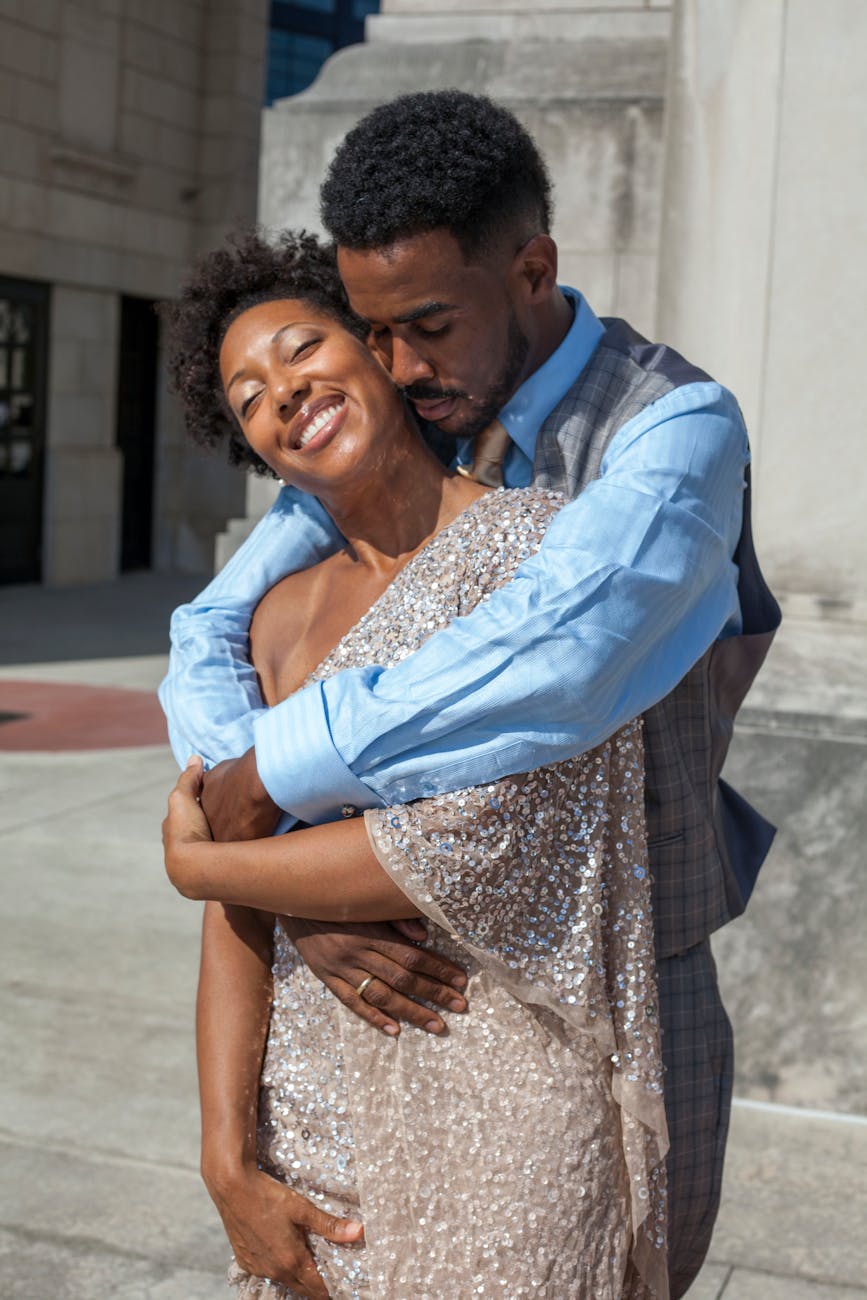
Girl Talk Series: How to know if a Man wants to marry you.

Photo by Tammy Mosley on Pexels.com

Marriage is a sacred covenant designed by God, yet discernment is needed to know whether a man’s intentions are genuine. Many women ask how to recognize if a man truly desires to build a life-long union, or if his actions reveal otherwise. The answer requires examining not just words but consistent patterns of behavior, viewed through both biblical wisdom and psychological insight.


Signs He Wants to Marry You

  1. Provider Mentality
    A man who desires marriage will show signs of being a provider. He invests his resources—time, money, and energy—into building stability for a future family. Scripture teaches that a husband should provide: “But if any provide not for his own, and specially for those of his own house, he hath denied the faith, and is worse than an infidel” (1 Timothy 5:8, KJV). Psychology also affirms that men committed to long-term bonds often demonstrate investment behaviors, such as planning financially and making sacrifices (Stanley, Rhoades, & Markman, 2006).
  2. Generous with Time and Attention
    True commitment is measured by consistency. A man who wants marriage will not only spend money but will also give his time generously, even when inconvenient. Ephesians 5:25 (KJV) instructs: “Husbands, love your wives, even as Christ also loved the church, and gave himself for it.” Sacrificial love is reflected in showing up, listening attentively, and prioritizing the relationship.
  3. Future-Oriented Conversations
    A man serious about marriage will talk openly about the future: where to live, career plans, family values, and children. Psychologists note that future talk is a reliable predictor of long-term intentions because it reveals commitment scripts (Surra & Hughes, 1997). For example, a man saying, “When we buy a house…” or “When we raise our children…” signals long-range thinking, not temporary companionship.
  4. Involvement in Family and Community
    When a man wants marriage, he seeks integration with a woman’s family and community. He introduces her to his loved ones and desires mutual approval. In biblical times, marriage was not only between two individuals but between families (Genesis 24 shows Abraham ensuring Isaac’s marriage aligned with family covenant). A man who hides his partner or resists community involvement likely does not intend to marry.

What Are Not the Signs?

  1. Empty Words Without Action
    A man may say he wants marriage but fails to show evidence. Psychology calls this inconsistency between verbal commitment and behavioral investment. James 2:17 (KJV) reminds us that faith without works is dead; likewise, promises without action reveal empty intent.
  2. Generosity with Money but Not Time
    Some men may spend lavishly but withhold their presence. This signals performance rather than commitment. A true future husband balances resources and emotional presence.
  3. Avoidance of Long-Term Planning
    If a man changes the subject when marriage or family comes up, or insists on “just seeing where things go,” it suggests he does not see marriage as a priority.
  4. Secretive or Isolating Behavior
    A man who never introduces you to family, avoids accountability, or keeps you separate from his daily life is not preparing for marriage. The Bible says: “He that walketh uprightly walketh surely: but he that perverteth his ways shall be known” (Proverbs 10:9, KJV). Secrecy is not the foundation of covenant.

Example of True vs. False Signs

  • True Sign: A man works two jobs, saves for a home, and includes his fiancée in budgeting decisions. His actions show long-term stability.
  • False Sign: A man buys expensive gifts but avoids talking about shared finances, children, or spiritual life. His gestures flatter, but they do not root the relationship in reality.

Checklist: Signs a Man Wants to Marry You

True Signs (He’s Serious About Marriage)

  • 📖 Provider mentality – Invests in stability, works hard, manages money responsibly (1 Timothy 5:8).
  • Gives consistent time & attention – Shows up, listens, sacrifices convenience (Ephesians 5:25).
  • 🏡 Future-oriented talk – Discusses marriage, home, children, long-term plans.
  • 👨‍👩‍👧 Family & community involvement – Introduces you to loved ones, seeks approval and integration (Genesis 24).
  • 🤝 Consistency between words & actions – Promises backed by proof (James 2:17).
  • 📅 Planning mindset – Works toward shared goals and stability.

False Signs (He’s Not Serious)

  • Empty promises – Says he wants marriage but avoids action.
  • Generous with money, stingy with time – Buys gifts but withholds presence.
  • Avoids long-term planning – Refuses to discuss future or children.
  • Secretive lifestyle – Doesn’t introduce you to family, keeps you hidden (Proverbs 10:9).
  • Inconsistent behavior – Hot and cold interest depending on convenience.

Quick Biblical Reminder

  • A true husband provides (1 Timothy 5:8), sacrifices (Ephesians 5:25), and builds with wisdom (Proverbs 24:3).
  • A false husband flatters with gifts but lacks the fruit of commitment (Matthew 7:16 – “Ye shall know them by their fruits”).

Conclusion

Knowing if a man wants to marry you requires looking beyond flattering words and occasional gifts. True signs include provider instincts, consistency of time and attention, future-oriented conversations, and openness with family and community. False signs include avoidance of responsibility, secrecy, or generosity without substance. Scripture and psychology both affirm that love is not mere emotion but investment, sacrifice, and action. As Proverbs 24:3 (KJV) teaches: “Through wisdom is an house builded; and by understanding it is established.” A man who truly seeks marriage will show wisdom, responsibility, and commitment to building a lasting covenant.


References

  • Stanley, S. M., Rhoades, G. K., & Markman, H. J. (2006). Sliding vs. deciding: Inertia and the premarital cohabitation effect. Family Relations, 55(4), 499–509.
  • Surra, C. A., & Hughes, D. K. (1997). Commitment processes in accounts of the development of premarital relationships. Journal of Marriage and the Family, 59(1), 5–21.
  • The Holy Bible, King James Version.

How Good Relationships Trigger Growth and Self-Worth.

Biblical Wisdom and Psychological Insight

Photo by Innocent Khumbuza on Pexels.com

Relationships are more than social connections; they are environments that shape growth, identity, and self-worth. The Bible emphasizes the power of relationships in shaping character: “Iron sharpeneth iron; so a man sharpeneth the countenance of his friend” (Proverbs 27:17, KJV). Just as iron sharpens iron, healthy relationships refine individuals, fostering personal development and spiritual strength. Psychology echoes this truth by showing that supportive relationships enhance self-esteem, resilience, and motivation.

One way good relationships foster growth is through encouragement and accountability. The Apostle Paul writes, “Wherefore comfort yourselves together, and edify one another” (1 Thessalonians 5:11, KJV). In positive relationships, encouragement builds confidence, while accountability promotes responsibility. Psychologically, consistent affirmation within relationships strengthens self-concept and reduces negative self-talk, helping individuals pursue goals with boldness.

Good relationships also enhance emotional regulation and mental health. Ecclesiastes 4:9–10 (KJV) declares, “Two are better than one… For if they fall, the one will lift up his fellow.” Supportive bonds offer comfort during times of stress and help individuals process emotions constructively. Research in psychology shows that strong social support networks lower anxiety, depression, and loneliness, thereby building resilience and emotional balance. The act of being cared for affirms one’s value, reinforcing the truth that self-worth is not only intrinsic but also nurtured through loving connections.

Additionally, healthy relationships cultivate purpose and identity. In God’s design, community and companionship are central to human flourishing: “It is not good that the man should be alone” (Genesis 2:18, KJV). Being in relationships where one’s gifts, talents, and presence are valued provides affirmation of identity. Psychology supports this by demonstrating that relational belonging boosts motivation and strengthens intrinsic self-worth, confirming that individuals thrive when they feel accepted and needed.

Quick List: 7 Ways Good Relationships Build Growth and Self-Worth

  1. Encouragement and Accountability
  • 1 Thessalonians 5:11 (KJV): “Edify one another.”
  • Positive relationships affirm goals and keep us accountable, boosting confidence.
  1. Emotional Support
  • Ecclesiastes 4:9–10 (KJV): “If they fall, the one will lift up his fellow.”
  • Supportive bonds reduce stress, anxiety, and depression.
  1. Affirmed Identity
  • Genesis 2:18 (KJV): “It is not good that the man should be alone.”
  • Being valued in relationships strengthens self-concept and belonging.
  1. Wisdom and Spiritual Growth
  • Proverbs 13:20 (KJV): “He that walketh with wise men shall be wise.”
  • Good companions sharpen moral clarity and spiritual maturity.
  1. Resilience in Adversity
  • Proverbs 17:17 (KJV): “A friend loveth at all times.”
  • Relationships provide stability and strength in hard seasons.
  1. Healthy Self-Worth
  • Proverbs 27:17 (KJV): “Iron sharpeneth iron.”
  • Constructive bonds remind us of our value and refine character.
  1. Shared Purpose
  • Amos 3:3 (KJV): “Can two walk together, except they be agreed?”
  • Mutual vision and shared values bring direction and motivation.

Moreover, good relationships help individuals grow spiritually and morally. Proverbs 13:20 (KJV) advises, “He that walketh with wise men shall be wise.” Walking with wise, loving, and godly companions leads to spiritual maturity, moral clarity, and wisdom. Psychologically, the modeling of positive behavior in relationships fosters self-improvement through observational learning, reinforcing the principle that people rise to the level of the relationships they keep.

In conclusion, good relationships are catalysts for growth and self-worth. The Bible illustrates that companionship refines character, provides support, and nurtures spiritual development. Psychology confirms that healthy bonds reduce stress, build confidence, and strengthen identity. To cultivate growth, individuals must seek relationships that sharpen, uplift, and nurture the best within them. As Proverbs 17:17 (KJV) declares, “A friend loveth at all times, and a brother is born for adversity.” Good relationships are, indeed, divine instruments that shape us into stronger, wiser, and more confident individuals.


📚 References

  • The Holy Bible, King James Version.
  • Baumeister, R. F., & Leary, M. R. (1995). The need to belong: Desire for interpersonal attachments as a fundamental human motivation. Psychological Bulletin, 117(3), 497–529.
  • Reis, H. T., & Gable, S. L. (2003). Toward a positive psychology of relationships. American Psychologist, 58(1), 79–89.

Bridging the Divide: Rebuilding Appreciation Between Black Men and Black Women

Photo by Zexy Zw.com on Pexels.com

The relationship between Black men and Black women is historically complex, shaped by centuries of systemic oppression, cultural evolution, and personal experiences. At its best, it is a partnership rooted in shared struggle, resilience, and cultural pride. At its worst, it is marred by misunderstanding, mistrust, and internalized stereotypes. Addressing this dynamic requires honesty about desires, challenges, and the spiritual foundation of mutual respect.


Do Black Men Feel Appreciated by Black Women—and Vice Versa?

Appreciation is often mutual but not always equally expressed. Many Black men report feeling valued for their strength, protection, and leadership, yet some also express frustration at being misunderstood or overly criticized. Likewise, Black women often feel celebrated for their resilience and beauty, but also burdened by societal expectations to be endlessly strong. According to psychologist Dr. Joy DeGruy (2005), the lingering effects of slavery and Jim Crow created fractured gender dynamics within the Black community, making full appreciation more difficult to maintain.


What Black Men Want from Black Women

Studies suggest that Black men often value loyalty, respect, emotional support, physical attraction, and shared cultural understanding (Pew Research Center, 2019). Many emphasize the need for a partner who believes in their vision and offers encouragement during life’s challenges. Spiritually, Proverbs 31 paints the image of a virtuous woman whose strength, wisdom, and kindness are deeply respected.


What Black Women Want from Black Men

Black women frequently prioritize protection, emotional intimacy, faithfulness, ambition, and the ability to lead with humility. They also value vulnerability—a man willing to communicate and share his inner struggles rather than hiding them. The Song of Solomon illustrates a loving relationship where both partners delight in and honor one another without power struggles or mistrust.


Traits Black Men Look for in a Mate

  1. Kindness and compassion
  2. Physical beauty and attraction
  3. Intelligence and ambition
  4. Faith and shared values
  5. Supportive spirit and respect for his role

These traits are not universal to all Black men but are frequently expressed in surveys and relationship studies.


Problems Between Black Men and Black Women

Historical oppression fostered systemic issues—mass incarceration, economic inequality, and disrupted family structures—that created tension in gender relations. Some Black men may feel disrespected or unappreciated, while some Black women feel unsupported or abandoned. Cultural portrayals often fuel conflict, with music, film, and social media promoting narratives of distrust, promiscuity, and materialism rather than unity and cooperation.


Why Do Some Black People Marry Outside Their Race?

Interracial marriage can stem from genuine attraction, shared interests, or proximity in diverse environments. However, research also points to the influence of colorism and Eurocentric beauty ideals, which may cause some to idealize white partners over Black ones (Hunter, 2007). This preference is not universal, but it reflects the lingering impact of colonialism and media representation.


Do Black Men Prefer White Women?

While a small portion of Black men express a preference for white women, most Black men in the U.S. marry Black women (Pew Research Center, 2017). Media narratives often exaggerate interracial dating trends, which can feed mistrust within the community.


Negative Stereotypes Black People Have Against Each Other

  • Against Black Women: “Angry Black Woman,” “Gold Digger,” “Overly Independent,” “Too Masculine.”
  • Against Black Men: “Absent Father,” “Player/Womanizer,” “Lazy,” “Unemotional,” “Dusty,” “Too Wimpy,” “Lack of Masculinity.”

These stereotypes, rooted in racist propaganda, damage relationships by reinforcing distrust and limiting the ability to see one another as complex, individual human beings.


How Can We Appreciate Each Other More?

  • Active Listening – Hearing each other without defensiveness.
  • Affirmation – Expressing gratitude for contributions and sacrifices.
  • Cultural Pride – Celebrating shared heritage rather than competing.
  • Partnership in Purpose – Building families, businesses, and ministries together.
  • Forgiveness – Releasing past hurts to embrace a better future.

What Does the Bible Say About How We Should Treat Each Other?

Scripture is clear about mutual respect and love:

  • Ephesians 5:25“Husbands, love your wives, even as Christ also loved the church, and gave himself for it.”
  • Proverbs 31:30“Favour is deceitful, and beauty is vain: but a woman that feareth the LORD, she shall be praised.”
  • 1 Peter 3:7“Husbands, dwell with them according to knowledge, giving honour unto the wife.”
  • Matthew 7:12“Therefore all things whatsoever ye would that men should do to you, do ye even so to them.”
  • Ecclesiastes 4:9–10“Two are better than one… For if they fall, the one will lift up his fellow.”

The Bible commands love, honor, and humility between men and women. If these principles guided every relationship, many of today’s relational wounds in the Black community could be healed.


References

DeGruy, J. (2005). Post Traumatic Slave Syndrome: America’s legacy of enduring injury and healing. Uptone Press.
Hunter, M. (2007). The persistent problem of colorism: Skin tone, status, and inequality. Sociology Compass, 1(1), 237–254.
Pew Research Center. (2017). Intermarriage in the U.S. 50 years after Loving v. Virginia. Retrieved from https://www.pewresearch.org
Pew Research Center. (2019). Race in America: Public attitudes toward race relations. Retrieved from https://www.pewresearch.org

Emotional Intelligence: Building Healthy Relationships.

Photo by Boluwatife TheSalt on Pexels.com

Healthy relationships are not built on attraction alone, but on the ability to navigate emotions with wisdom and compassion. Emotional Intelligence (EI)—the capacity to recognize, understand, and manage one’s own emotions while also empathizing with others—is a vital skill for cultivating strong, respectful, and God-honoring connections.


Defining Emotional Intelligence

Psychologist Daniel Goleman (1995) identified four pillars of emotional intelligence: self-awareness, self-management, social awareness, and relationship management. Together, these skills help individuals understand their feelings, regulate their responses, and connect with others in ways that foster trust and harmony.


The Role of Self-Awareness

Self-awareness means recognizing one’s emotions, triggers, and patterns. A person who knows their weaknesses is less likely to project them onto others. Scripture reflects this principle: “Examine yourselves, whether ye be in the faith; prove your own selves” (2 Corinthians 13:5, KJV).


Managing Emotions Wisely

Self-control is central to both psychology and faith. Emotional intelligence requires restraint, patience, and the ability to respond thoughtfully instead of reacting impulsively. Proverbs 16:32 reminds us: “He that is slow to anger is better than the mighty; and he that ruleth his spirit than he that taketh a city.”


Empathy as the Foundation of Connection

Empathy—the ability to understand another’s perspective—is at the heart of EI. Relationships thrive when both partners feel seen and heard. Jesus modeled perfect empathy when He wept with Mary and Martha at Lazarus’ death (John 11:35). True love involves entering another’s pain, joy, and experience.


Communication and Relationship Management

Emotionally intelligent people practice active listening, clarity, and kindness in their communication. Instead of escalating conflicts, they seek resolution. James 1:19 teaches: “Let every man be swift to hear, slow to speak, slow to wrath.” Healthy communication transforms disagreements into opportunities for growth.


Psychology of Emotional Intelligence in Love

Research shows that couples with high emotional intelligence report greater satisfaction, intimacy, and conflict resolution (Brackett et al., 2006). Without EI, relationships often collapse under misunderstandings, defensiveness, or resentment.


Questions to Build Emotional Intelligence in Relationships

  • Do I listen to understand or only to reply?
  • Do I take responsibility for my emotions?
  • Am I willing to apologize sincerely when I am wrong?
  • Do I consider how my words affect others?

Boundaries and Emotional Maturity

Emotionally intelligent individuals know how to set and respect boundaries. Boundaries protect love from resentment by ensuring that giving is voluntary, not forced. Galatians 6:5 affirms personal responsibility: “For every man shall bear his own burden.”


Healing Emotional Wounds

Past trauma can impair emotional intelligence if left unhealed. Psychology emphasizes the importance of therapy, reflection, and forgiveness in rebuilding emotional balance. Spiritually, God provides healing: “He healeth the broken in heart, and bindeth up their wounds” (Psalm 147:3).


EI in Friendships, Family, and Marriage

Emotional intelligence applies across all relationships:

  • Friendships flourish when honesty and empathy guide them.
  • Family ties are strengthened by forgiveness and patience.
  • Marriage thrives when both partners share emotions openly and respectfully.

📝 10 Steps to Strengthen Emotional Intelligence in Relationships

1. Practice Daily Self-Reflection

  • Ask: What emotions did I feel today, and why?
  • Journaling or praying over your emotions helps develop self-awareness.
    📖 “Let us search and try our ways, and turn again to the LORD” (Lamentations 3:40, KJV).

2. Pause Before Responding

  • When triggered, take a breath before speaking.
  • Count to ten, pray silently, or step away to prevent impulsive reactions.
    📖 “He that is slow to anger is better than the mighty” (Proverbs 16:32).

3. Listen to Understand, Not Just to Reply

  • Give full attention when someone speaks—don’t rehearse your response.
  • Paraphrase what they said: “So you’re saying that you felt…”
    📖 “Let every man be swift to hear, slow to speak, slow to wrath” (James 1:19).

4. Identify Emotional Triggers

  • Notice patterns: What situations make you defensive, anxious, or angry?
  • Triggers reveal areas where healing or growth is needed.

5. Regulate Your Emotional Energy

  • Use techniques like deep breathing, meditation, or prayer.
  • Replace destructive thoughts with affirmations and scripture.
    📖 “Casting all your care upon him; for he careth for you” (1 Peter 5:7).

6. Cultivate Empathy

  • Imagine life from another’s perspective.
  • Ask yourself: “If I were in their shoes, how would I feel?”
    📖 “Rejoice with them that do rejoice, and weep with them that weep” (Romans 12:15).

7. Set and Respect Healthy Boundaries

  • Communicate clearly about your needs without guilt.
  • Honor the boundaries of others as well.
    📖 “Let your communication be, Yea, yea; Nay, nay” (Matthew 5:37).

8. Practice Forgiveness

  • Holding grudges poisons emotional health.
  • Forgiveness does not mean excusing wrong but releasing bitterness.
    📖 “And be ye kind one to another, tenderhearted, forgiving one another” (Ephesians 4:32).

9. Seek Feedback and Be Teachable

  • Ask trusted friends or partners: “How do I come across emotionally?”
  • Accept correction without defensiveness.

10. Rely on God for Emotional Wisdom

  • Pray for the Holy Spirit to guide your words and actions.
  • Remember, true emotional intelligence flows from the fruit of the Spirit.
    📖 “But the fruit of the Spirit is love, joy, peace, longsuffering, gentleness, goodness, faith, meekness, temperance” (Galatians 5:22–23).

Quick Reflection Questions:

  • Do my words build up or tear down?
  • Am I quick to forgive or slow to let go of offense?
  • When emotions rise, do I run to God first?

Avoiding Emotional Manipulation

While EI encourages empathy, it does not mean tolerating abuse. Protecting your mental space requires discernment to recognize manipulation or toxicity (Proverbs 22:24–25). Emotional intelligence is not about pleasing others but honoring truth and love.


God as the Source of True Emotional Wisdom

Human wisdom alone is limited. Lasting emotional health requires God’s guidance. The Holy Spirit equips believers with the fruits of love, joy, peace, patience, and self-control (Galatians 5:22–23), which align with the principles of EI.


Tips for Growing Emotional Intelligence Daily

  • Practice self-reflection through journaling and prayer.
  • Ask clarifying questions instead of assuming.
  • Respond instead of reacting in conflict.
  • Memorize Scriptures that encourage patience and understanding.
  • Surround yourself with emotionally healthy people.

Benefits of Emotional Intelligence in Relationships

  • Greater trust and intimacy
  • Reduced conflict and resentment
  • Increased resilience during challenges
  • A stronger foundation for lifelong companionship

Conclusion

Emotional intelligence is not optional—it is essential for building healthy, Christ-centered relationships. By cultivating self-awareness, empathy, and wise communication, individuals can create bonds that reflect God’s love. Relationships grounded in EI not only survive but flourish, offering peace, joy, and mutual growth.


References

  • Brackett, M. A., Warner, R. M., & Bosco, J. S. (2006). Emotional intelligence and relationship quality among couples. Personal Relationships, 12(2), 197–212.
  • Goleman, D. (1995). Emotional intelligence: Why it can matter more than IQ. Bantam Books.

Red Flags in Relationships: Recognizing Emotional Manipulation, Healing After Betrayal, and Building Healthy Boundaries.

Photo by Vera Arsic on Pexels.com

Relationships are designed to provide love, support, and partnership. Yet not all relationships are healthy, and many people ignore warning signs until significant damage is done. Recognizing emotional manipulation, recovering from betrayal, and learning to set boundaries are essential skills for building lasting, God-centered relationships. This article outlines red flags, provides psychological and biblical insights, and offers practical tips for discernment and healing.


1. Understanding Emotional Manipulation

Emotional manipulation occurs when one partner uses guilt, gaslighting, or control to gain power. Psychology defines this as a form of coercive control that erodes self-esteem and autonomy (Simon, 2010). The Bible warns against deceitful hearts: “The heart is deceitful above all things, and desperately wicked” (Jeremiah 17:9, KJV).


2. Common Red Flags of Emotional Manipulation

  • Excessive jealousy or possessiveness
  • Guilt-tripping when you set boundaries
  • Minimizing your feelings (“You’re overreacting”)
  • Gaslighting—making you doubt your memory or perception
  • Isolating you from family and friends
  • Using the silent treatment as punishment
  • Constantly shifting blame

3. Questions for Reflection on Red Flags

  • Do I feel smaller or weaker when I’m with this person?
  • Am I constantly apologizing though I did nothing wrong?
  • Does this person respect my “no”?
  • Am I free to express my faith, opinions, and goals without ridicule?

🚩 50 Red Flags in Relationships

Emotional Manipulation

  1. Constant guilt-tripping
  2. Gaslighting (making you doubt your reality)
  3. Silent treatment as punishment
  4. Excessive jealousy
  5. Love-bombing (over-the-top affection, then withdrawal)
  6. Controlling who you see or where you go
  7. Minimizing your feelings (“You’re too sensitive”)
  8. Shifting blame onto you
  9. Withholding affection to get their way
  10. Making everything about them

Lack of Respect

  1. Dismissing your opinions or ideas
  2. Interrupting or talking over you
  3. Mocking your beliefs or faith
  4. Publicly embarrassing you
  5. Ignoring your boundaries
  6. Refusing to apologize
  7. Using past mistakes against you
  8. Acting superior or condescending
  9. Treating you like property, not a partner
  10. Disregarding your need for personal time

Betrayal & Trust Issues

  1. Hiding their phone or social media activity
  2. Flirting with others in your presence
  3. Secretive about finances
  4. History of cheating (unrepented)
  5. Lying about small things often
  6. Double standards (“I can, but you can’t”)
  7. Emotional intimacy with others while neglecting you
  8. Refusal to commit
  9. Keeping important life details from you
  10. Prioritizing others over you consistently

Control & Power Imbalances

  1. Making you ask permission for basic decisions
  2. Dictating how you should dress or speak
  3. Criticizing your career or education choices
  4. Using money to control you
  5. Monitoring your whereabouts excessively
  6. Expecting you to sacrifice but never doing so themselves
  7. Using scripture or religion to manipulate you
  8. Refusing to let you grow independently
  9. Gaslighting about spiritual callings or convictions
  10. Expecting blind obedience instead of mutual respect

Emotional Neglect & Abuse

  1. Never celebrating your successes
  2. Dismissing your emotional pain
  3. Explosive anger or unpredictable moods
  4. Making jokes at your expense
  5. Refusing to communicate openly
  6. Never taking responsibility for mistakes
  7. Making you feel unworthy or undeserving of love
  8. Always taking but never giving
  9. Creating fear of abandonment as control
  10. Discouraging your relationship with God

Reflection Questions

  • Do I feel safe expressing myself in this relationship?
  • Do I feel closer to God because of this relationship, or further away?
  • Am I losing my identity in order to please this person?
  • Do I consistently feel valued and respected?

📖 Biblical Insight:
“Can two walk together, except they be agreed?” (Amos 3:3, KJV)
“Love worketh no ill to his neighbour: therefore love is the fulfilling of the law.” (Romans 13:10, KJV)


4. The Psychology of Manipulation

Manipulators thrive on control and often target empathetic individuals. According to attachment theory, those with insecure attachments may be more vulnerable to toxic dynamics (Mikulincer & Shaver, 2007). Recognizing manipulation is the first step toward reclaiming emotional health.


5. The Biblical Warning Against Toxicity

Proverbs 14:7 teaches: “Go from the presence of a foolish man, when thou perceivest not in him the lips of knowledge.” God calls His people to walk in truth and not to remain entangled in webs of deceit.


6. Betrayal and Its Psychological Impact

Betrayal, such as infidelity, leaves deep wounds. Psychologically, betrayal trauma can result in anxiety, depression, and distrust of future partners. Spiritually, betrayal contradicts God’s covenant model of faithfulness in marriage (Hebrews 13:4).


7. Healing After Cheating: First Steps

  • Allow yourself to grieve without shame.
  • Seek counseling or trusted support.
  • Avoid rushing decisions about reconciliation or separation.
  • Pray for clarity and healing.

Psalm 34:18 reminds us: “The Lord is nigh unto them that are of a broken heart.”


8. Questions for Healing

  • Am I blaming myself for someone else’s choice to betray me?
  • Do I still believe I am worthy of love?
  • What boundaries must I set to protect my heart going forward?

9. Psychology of Recovery

Studies show that intentional self-care, therapy, and building social support networks are crucial in emotional recovery (Freyd, 1996). Self-compassion, not self-condemnation, is key.


10. Forgiveness and Discernment

Forgiveness is commanded (Matthew 6:14–15), but forgiveness does not mean foolish trust. Discernment and wisdom are required to determine if a relationship can be rebuilt.


11. Building Healthy Boundaries

Boundaries are not walls but protective guidelines that preserve emotional, spiritual, and physical well-being. Saying “no” is a biblical principle of stewardship over one’s life and body (1 Corinthians 6:19–20).


12. Examples of Healthy Boundaries in Love

  • Respecting personal space and time
  • Clear expectations around communication
  • Financial transparency
  • Spiritual agreement and freedom to worship God
  • Honesty in emotional sharing

13. Questions to Evaluate Boundaries

  • Does this person respect when I say no?
  • Do I feel guilty when prioritizing self-care?
  • Am I able to worship and serve God freely in this relationship?

14. God as the Guide in Relationships

Psalm 37:23 declares: “The steps of a good man are ordered by the Lord.” Relationships flourish when God is at the center. Seeking His wisdom through prayer and Scripture ensures that compromise never leads to self-destruction.


15. Conclusion: Love Rooted in Worth and Wisdom

Recognizing red flags, healing after betrayal, and setting boundaries are all acts of honoring one’s God-given worth. Psychology equips us with tools to understand emotional dynamics, while Scripture provides the ultimate guide. In choosing God as our compass, we learn that true love is not manipulation, betrayal, or abuse—but mutual respect, faith, and covenantal devotion.


References

  • Freyd, J. J. (1996). Betrayal trauma: The logic of forgetting childhood abuse. Harvard University Press.
  • Mikulincer, M., & Shaver, P. R. (2007). Attachment in adulthood: Structure, dynamics, and change. Guilford Press.
  • Simon, G. K. (2010). In sheep’s clothing: Understanding and dealing with manipulative people. Parkhurst Brothers.

Beyond the Surface: Beauty, Desire, and the Male Mind.

Photo by Samad Ismayilov on Pexels.com

In human relationships, the question of what draws a man to a woman has long been the subject of debate. While beauty may initially capture attention, many women have experienced the frustration of being chosen primarily for physical appearance rather than character, intellect, or shared values. Understanding why this happens requires exploring psychological research, cultural conditioning, and biblical wisdom.


Psychologically, physical attractiveness triggers a primal response linked to reproductive instincts. Evolutionary psychology suggests that men often equate beauty with youth, health, and fertility (Buss, 2019). This does not mean all men are shallow; rather, their initial attraction is often guided by visual cues. In modern society, media saturation has amplified this bias, with beauty being elevated as a key marker of desirability. This explains why many women feel reduced to their appearance, especially in the dating phase, before deeper qualities are recognized.


Beauty is subjective, but across cultures, men tend to respond to traits such as facial symmetry, clear skin, and certain body proportions (Grammer & Thornhill, 1994). However, beauty is not purely physical—it can also encompass feminine charm, grace, and the way a woman carries herself. Still, the initial spark for many men is visual. This emphasis is reinforced by societal conditioning, where advertisements, films, and social media repeatedly pair male desire with physical perfection.


Do Men Lust After a Woman’s Beauty?

Yes, lust is often a factor. Lust is a desire focused primarily on physical gratification, whereas love is sacrificial and enduring. Biblically, lust is warned against because it distorts God’s purpose for relationships. Jesus taught, “Whosoever looketh on a woman to lust after her hath committed adultery with her already in his heart” (Matthew 5:28, KJV). Lust objectifies, reducing a woman to her body, whereas biblical love values her as a whole person.


Social psychology indicates that physical attractiveness can overshadow personality in first impressions, a phenomenon known as the “halo effect” (Dion et al., 1972). Men may assume that beauty correlates with other positive traits, even without evidence. Additionally, peer influence and societal status play roles—being with a beautiful woman can be perceived as a social achievement. Unfortunately, this sometimes leads men to overlook women with exceptional character, kindness, and intellect.


Statistics on Beauty vs. Intelligence Preferences

Research from the University of California (Li et al., 2002) found that when men were given hypothetical dating profiles, physical attractiveness was ranked higher than intelligence in short-term mate selection. However, for long-term relationships, intelligence and kindness began to rank higher. A 2018 YouGov poll found that 64% of men initially notice appearance first, while 27% notice personality first—suggesting beauty dominates first impressions, but is not the sole determinant for lasting bonds.

10 Celebrities Men Admire:

Highest ranking of all time: Halle Berry and Angelina Jolie among men of different nationalities.

  1. Margot Robbie
    • Widely recognized for her classic beauty and radiant presence, Margot consistently ranks high in Golden Ratio-based beauty lists NFL Jerseys Free Shipping Store.
  2. Zendaya
    • Celebrated for her flawless features and charisma, she scores prominently in symmetry rankings and visual appeal polls The SunBeauty Mirror.
  3. Ana de Armas
    • Known for her sultry allure and expressive eyes, she ranks high in beauty app scores and is a consistent fan favorite iRocketBeauty Mirror.
  4. Gal Gadot
  5. Scarlett Johansson
    • A long-standing sex symbol, she’s continues to score highly for timeless appeal and sensuality iFashion StylesReddit.
  6. Taylor Swift
  7. Lupita Nyong’o
    • Admired for her radiant beauty and elegance, often celebrated in rankings that include both aesthetic and inspirational qualities NFL Jerseys Free Shipping Store.
  8. Jisoo (BLACKPINK)
    • A global icon of 21st-century elegance, she ranks extremely high for symmetry and beauty in Asian and global beauty app rankings Beauty Mirror.
  9. Bella Hadid
    • Frequently cited as one of the top beauties of 2025 due to her striking features and modeling accomplishments Brain Quiz Time.
  10. Deepika Padukone
    • Globally celebrated for her grace and timeless beauty, especially in Indian and international media Brain Quiz TimeWikipedia.

Context & Insights

  • Scientific Perspective: Many of these celebrities feature in beauty studies using the Greek Golden Ratio, which quantifies facial symmetry and proportions as markers of perceived beauty New York PostThe Sun.
  • Fan & Survey Data: Surveys—such as those on Reddit—highlight how men and others rate attractiveness, with Gal Gadot, Ana de Armas, Scarlett Johansson, and others at the top Reddit.
  • Cultural Influence: Pop culture, media exposure, and personal branding elevate these women not just for beauty, but for confidence, authenticity, and achievements—factors that resonate deeply across audiences.

Beauty is inherently subjective, yet these celebrities stand out by consistently captivating the perceptions of both males and the general public with a mix of symmetry, charisma, cultural impact, and grace. If you’re curious about their ranking dynamics or want comparisons across beauty studies, polls, or cultural contexts, just let me know!


The Bible warns against choosing a wife based solely on outward beauty: “Favour is deceitful, and beauty is vain: but a woman that feareth the LORD, she shall be praised” (Proverbs 31:30, KJV). Samson’s downfall began when he chose women based on appearance without discerning their hearts (Judges 14:3). 1 Samuel 16:7 reminds us, “The LORD seeth not as man seeth; for man looketh on the outward appearance, but the LORD looketh on the heart.”


Biblically and practically, a man should value godly character, kindness, emotional maturity, and shared vision for life. Proverbs 31 describes the ideal woman as industrious, wise, and compassionate, with her fear of the Lord as her crowning virtue. A man should look beyond beauty to find a partner who will be a source of encouragement, wisdom, and spiritual strength—a woman who can walk alongside him in both trials and triumphs.


Conclusion

Beauty may open the door, but it is character that keeps the relationship strong. While men may be biologically inclined to notice beauty first, spiritual discernment calls them to see deeper. Choosing a partner is one of life’s most profound decisions, and a man who values a woman’s faith, heart, and wisdom will build a foundation that physical attraction alone can never sustain.


References

Buss, D. M. (2019). Evolutionary psychology: The new science of the mind. Routledge.

Dion, K., Berscheid, E., & Walster, E. (1972). What is beautiful is good. Journal of Personality and Social Psychology, 24(3), 285–290.

Grammer, K., & Thornhill, R. (1994). Human (Homo sapiens) facial attractiveness and sexual selection. Ethology, 100(3), 283–294.

Li, N. P., Bailey, J. M., Kenrick, D. T., & Linsenmeier, J. A. (2002). The necessities and luxuries of mate preferences. Journal of Personality and Social Psychology, 82(6), 947–955.

Beauty Mirror. (2025). Top 10 most beautiful celebrities according to Beauty Mirror app – women. Retrieved from https://blog.beauty-mirror.com/posts/top-10-most-beautiful-celebrities-according-to-beauty-mirror-app-women

Brain Quiz Time. (2025). World’s top 10 most beautiful women in 2025. Retrieved from https://brainquiztime.com/worlds-top-10-most-beautiful-women-in-2025-quiz

National Football League Jerseys Free Shipping Store. (2025). Top 10 most beautiful women in the world 2025 ranked according to science. Retrieved from https://nfljerseysfreeshippingstore.com/article/top-10-most-beautiful-women-in-the-world-2025-ranked-according-to-science

New York Post. (2025, January 23). Scientific formula reveals 10 most beautiful supermodels in the world. Retrieved from https://nypost.com/2025/01/23/lifestyle/scientific-formula-reveals-10-most-beautiful-supermodels-in-the-world

Reddit. (2025). Which female celebrities do men find most attractive? Retrieved from https://www.reddit.com/r/SampleSize/comments/rr8u5e

The Sun. (2025). World’s most beautiful women revealed according to Golden Ratio – and there’s a shock winner. Retrieved from https://www.thesun.co.uk/fabulous/31021386/worlds-most-beautiful-women-golden-ratio

Girl Talk Series: Cheaters (Men)

Photo by Ron Lach on Pexels.com

Why Do Men Cheat? How Women Can Overcome Infidelity

Cheating is a wound that cuts deeply, but women must understand this truth: it is not your fault if a man chooses to be unfaithful. Too often, society and even family members blame women, suggesting they should have cooked more, dressed differently, or “kept him satisfied.” These are lies. A man’s decision to betray is rooted in his own brokenness, immaturity, and lack of integrity—not in a woman’s worth. Sisters, you must know your value. Establish boundaries and never tolerate deceit disguised as love. A man’s history of dishonesty often predicts future behavior; if he has cheated before without repentance, he may do it again. You cannot “change” a man—only God can change his heart (Jeremiah 17:9, KJV). What you can do is set standards, refuse to be disrespected, and walk in dignity.

🙏 Spiritual Guidance: What Women Should Do if They Suspect Cheating

  • Pray to the Most High for revelation
    • Ask the Lord to expose what is hidden. “For there is nothing covered, that shall not be revealed; neither hid, that shall not be known” (Luke 12:2, KJV). Trust that the Most High sees a man’s heart and intentions better than you ever could.
  • Seek wisdom and discernment
    • Pray for clarity so that you are not led by emotions or fear, but by truth. “If any of you lack wisdom, let him ask of God, that giveth to all men liberally” (James 1:5, KJV).
  • Do not ignore your spirit
    • If the Holy Spirit gives you unrest or warning about a man, pay attention. God often speaks through conviction and inner unease.
  • Set boundaries and test fruit
    • The Bible says, “Ye shall know them by their fruits” (Matthew 7:16, KJV). Watch his actions more than his words. Consistency in honesty, respect, and faithfulness proves a man’s character.
  • Do not carry misplaced blame
    • If he chooses betrayal, remember: his actions are his sin, not your shortcoming. Pray for strength to release shame and walk in worth.

✨ The truth is, the Most High knows every man’s motives before they are ever revealed to you. Prayer is your strongest weapon, because while a cheater may deceive people, he cannot deceive God.

Men cheat for various reasons, ranging from narcissism, immaturity, thrill-seeking, to deep-seated sexual addictions. Psychologically, cheating often reflects narcissistic entitlement—a belief that one is above accountability and deserves to indulge without consequence (Campbell & Foster, 2002). Some men struggle with compulsive sexual behavior, commonly known as hypersexual disorder, which leads to constant seeking of validation through sex rather than through healthy intimacy (Kafka, 2010). Yet, these struggles are never an excuse. Infidelity represents a violation of covenant trust.

Checklist: Signs of a Cheating Man

  • 📱 Secrecy with phone/computer
    • Constantly guards his phone, changes passwords, deletes messages, or keeps devices face-down.
  • 🕒 Unexplained schedule changes
    • Works late often, takes sudden “business trips,” or becomes vague about where he has been.
  • 🙄 Emotional distance
    • Withdraws affection, avoids deep conversations, or seems disconnected from the relationship.
  • 💵 Strange financial activity
    • Hidden expenses, unexplained charges, or secretive spending habits.
  • 💬 Defensiveness or gaslighting
    • Gets angry or evasive when asked simple questions, or accuses you of being “too insecure” or “crazy.”
  • 👕 Changes in appearance
    • Suddenly starts dressing better, grooming differently, or wearing new colognes without explanation.
  • 🔥 Shift in intimacy
    • Either reduced sexual interest—or sometimes, sudden overcompensation.
  • 👀 Excessive social media activity
    • Flirts online, hides friend lists, receives frequent late-night notifications, or starts blocking visibility of posts.
  • 🗣️ Stories don’t add up
    • Gives inconsistent explanations for his whereabouts or frequently changes details.
  • 👤 Gut feeling
    • Your intuition tells you something is off. Women often sense emotional dishonesty before it’s confirmed.

⚠️ Important Note: A woman should not blame herself if these signs appear. These behaviors point to a man’s choices, not her inadequacy. As the Bible says, “Be sure your sin will find you out” (Numbers 32:23, KJV).

A prime example is the very public scandal of Jay-Z cheating on Beyoncé, a betrayal that shocked the world. Beyoncé later spoke about her healing journey through music, channeling her pain into the powerful Lemonade album. Her openness demonstrated both the devastation of betrayal and the resilience of a woman who chose self-worth, therapy, and boundaries over shame. Beyoncé reminded women that healing is possible, whether through reconciliation with repentance or walking away with dignity.

The signs of cheating can be subtle but clear to the discerning eye. Emotional withdrawal, sudden secrecy around phones, changes in routine, defensiveness when questioned, or shifts in sexual behavior are often red flags. A man who gaslights—turning the suspicion back on the woman—is also signaling deception. The psychology of cheaters reveals a common thread: they focus on themselves, their needs, their ego, while disregarding the emotional devastation they cause. Narcissism thrives on secrecy and manipulation (Miller et al., 2010).

The Bible speaks plainly against adultery. “Thou shalt not commit adultery” (Exodus 20:14, KJV). Proverbs warns, “But whoso committeth adultery with a woman lacketh understanding: he that doeth it destroyeth his own soul” (Proverbs 6:32, KJV). Christ elevated the standard, teaching that even lustful thoughts are infidelity of the heart (Matthew 5:28, KJV). The Word of God makes it clear—cheating is not just betrayal of the spouse, but rebellion against God Himself.

For women, the impact of cheating is profound. Infidelity can trigger depression, anxiety, post-traumatic stress, and loss of self-esteem (Gordon & Baucom, 2009). Women often question their worth, comparing themselves to the “other woman,” but this is misplaced blame. The cheater chose deceit—not because his partner was “not enough,” but because he lacked discipline, honor, and faithfulness. Understanding this truth is key to reclaiming one’s self-image after betrayal.

So how can women overcome a man’s cheating? First, acknowledge the pain without minimizing it. Healing requires honesty. Second, seek counseling or spiritual guidance to process trauma. Third, decide whether reconciliation is possible—but only if the man demonstrates true repentance, accountability, and change. If not, walking away may be the most empowered choice. Forgiveness, whether within the marriage or outside of it, is essential for a woman’s peace, but forgiveness does not mean tolerance of repeated abuse.

Solutions require both spiritual and practical steps. Spiritually, women must remember they are fearfully and wonderfully made (Psalm 139:14, KJV). They are not defined by betrayal. Practically, women must set clear boundaries—financial independence, emotional healing, and surrounding themselves with supportive communities are vital.

At its core, cheating is not a reflection of a woman’s insufficiency, but a man’s weakness. Women cannot control a man’s choices, but they can control their response. By choosing healing, faith, and self-worth, women can overcome betrayal and rise stronger. Infidelity, though painful, can become the catalyst for transformation and empowerment.

Ultimately, the solution lies in aligning relationships with biblical principles and psychological wisdom. A man must be accountable to God and his partner, and a woman must know her worth, refusing to carry shame that does not belong to her. Cheating destroys trust, but truth, healing, and boundaries rebuild dignity.


References

  • Campbell, W. K., & Foster, C. A. (2002). Narcissism and commitment in romantic relationships: An investment model analysis. Personality and Social Psychology Bulletin, 28(4), 484–495.
  • Gordon, K. C., & Baucom, D. H. (2009). Understanding betrayals in marriage: A synthesized model of forgiveness. Family Process, 48(3), 425–449.
  • Kafka, M. P. (2010). Hypersexual disorder: A proposed diagnosis for DSM-V. Archives of Sexual Behavior, 39(2), 377–400.
  • Miller, J. D., Campbell, W. K., & Pilkonis, P. A. (2010). Narcissistic personality disorder: Relations with distress and functional impairment. Comprehensive Psychiatry, 48(2), 170–177.
  • The Holy Bible, King James Version (KJV).

Girl Talk Series: What to look for in a Man.

This photograph is the property of its respective owner. No infringement intended.

A heart that seeks the Lord each day,
In prayer and truth, he walks His way.
A husband strong, yet gentle, kind,
With faith and love forever aligned.

Ladies, let me speak to you plainly: it is indeed the man who will find you, as the Bible says, “Whoso findeth a wife findeth a good thing, and obtaineth favour of the Lord” (Proverbs 18:22, KJV). We are not meant to chase men; if a man truly desires you as his wife, he will pursue you. Many men have shared that they know whether a woman is “wife material” the first time they speak with her. It is not simply beauty that keeps a man—it is Godly character, integrity, and the attributes of a true wife.

I do not prefer the term “boyfriend,” which feels high schoolish. In mature, faith-based relationships, we often progress from acquaintance or friendship toward marriage, intentional and purposeful. The question then becomes: what do we look for in a man? What traits indicate he is a suitable, Godly partner for life?


Essential Traits to Look for in a Godly Man

  1. Godliness / Spiritual Leadership
    • A man who fears the Lord and prioritizes his relationship with God is essential. He should lead spiritually, praying, studying the Word, and making decisions aligned with biblical principles (Ephesians 5:25–26).
    • Psychology: Research shows that shared spiritual values in couples correlate with higher marital satisfaction and emotional compatibility (Mahoney et al., 2001).
  2. Provider and Responsible
    • He demonstrates responsibility, ambition, and the ability to provide—not necessarily wealth, but stability and diligence. This includes financial stewardship, career commitment, and protecting the household.
    • Psychology: Men who are perceived as reliable and capable tend to inspire trust and security in partners, fostering relational attachment (Buss, 1989).
  3. Emotional Maturity
    • A mature man manages emotions effectively, communicates well, and does not resort to anger or manipulation. He practices empathy, listens, and respects boundaries.
    • Psychology: Emotional intelligence (EQ) in men predicts relationship satisfaction, conflict resolution, and long-term attachment stability (Brackett et al., 2006).
  4. Integrity and Honesty
    • Truthfulness in speech and action is non-negotiable. A man who demonstrates integrity builds trust and models moral character.
    • Psychology: Integrity is correlated with relational trust, reducing uncertainty and enhancing commitment (Rotter, 1980).
  5. Respect for Women
    • He honors women, treats them as equals, and values their input. Respect is demonstrated in both private and public settings.
    • Psychology: Perceived respect from a partner increases satisfaction, self-esteem, and relational stability (Impett et al., 2008).
  6. Supportive and Encouraging
    • A Godly man uplifts his partner, supports her personal goals, and celebrates her accomplishments. He does not belittle or compete unnecessarily.
    • Psychology: Supportive behavior in partners enhances well-being and fosters secure attachment (Feeney & Collins, 2015).
  7. Self-Control and Discipline
    • He exhibits self-discipline in habits, finances, and sexuality, demonstrating respect for boundaries and long-term goals.
    • Psychology: Self-regulation predicts relational satisfaction and reduces impulsive behaviors that can harm trust (Vohs & Baumeister, 2011).
  8. Humility and Servant-Heartedness
    • A man who is humble, willing to serve, and puts others before himself mirrors Christ’s example. Pride and arrogance are red flags.
    • Scripture: “Let nothing be done through strife or vainglory; but in lowliness of mind let each esteem other better than themselves” (Philippians 2:3, KJV).
  9. Sense of Humor and Joy
    • While serious traits are important, a man who can bring joy, laugh at life, and lighten burdens is invaluable. Joy sustains relationships through challenges.
  10. Commitment and Faithfulness
    • A man who is loyal, keeps promises, and is intentional about the relationship shows readiness for marriage. Infidelity is a leading cause of relational distress; faithfulness is non-negotiable.
    • Psychology: Commitment is a core predictor of marital satisfaction and longevity (Stanley et al., 2006).

Godly Fear and Reverence

  • A man who fears the Lord honors God above all else, submitting his life to His guidance (Proverbs 9:10; Psalm 111:10).
  • Trait in practice: He prays, reads the Word, and aligns his decisions with God’s will. Other traits listed below:

1. Spiritual & Moral Foundation

  • A man who fears God, has integrity, and strives to live by biblical and ethical principles (Proverbs 31:10; Ephesians 5:25).

2. Emotional Intelligence

  • Someone who listens well, communicates clearly, and doesn’t shut down in hard times. Emotional maturity is key to long-lasting love.

3. Leadership & Stability

  • Not just financially, but also in vision, decision-making, and the ability to guide a family with wisdom and patience.

4. Respect & Partnership

  • A man who honors your voice, values your input, and treats you as a partner, not a possession.

5. Consistency & Reliability

  • Words and actions align. You never have to guess where you stand with him.

6. Protective & Supportive Nature

  • He makes you feel safe—emotionally, spiritually, and physically—while also pushing you to grow and achieve your best.

7. Shared Purpose & Values

  • A man whose mission in life aligns with yours, so you’re rowing in the same direction rather than fighting against the tide.

👉 A good way to frame it is: “Does this man bring me closer to peace, closer to God, and closer to becoming the best version of myself?”

Conclusion

Women, your worth is in God, not in the approval of men. Seek a man who mirrors Christlike character, demonstrates integrity, and values partnership. Do not settle for charm or physical appearance alone; the foundation of a lasting, God-honoring relationship is built on spiritual alignment, emotional maturity, and shared values. When these traits are present, love is strengthened, and marriage thrives.

Dilemma: Friends or Foes

Faithful Companionship: Biblical, Psychological, and Practical Insights on True Friendship

Photo by Sadiq Hashim on Pexels.com

A friend is more than a casual acquaintance or a social media connection; a true friend is a confidant, ally, and companion whose loyalty endures through seasons of joy and trial. In its purest form, friendship is a relationship marked by mutual trust, selflessness, and emotional intimacy. While many relationships are transactional, a true friend remains steadfast without ulterior motives. Proverbs 17:17 (KJV) declares, “A friend loveth at all times, and a brother is born for adversity.” This enduring love distinguishes genuine friendship from mere association.

Biblical Foundations of Friendship

The King James Version and the Apocrypha offer profound wisdom regarding friendship:

  • Proverbs 18:24 (KJV): “A man that hath friends must shew himself friendly: and there is a friend that sticketh closer than a brother.”
  • Sirach (Ecclesiasticus) 6:14-17 (Apocrypha): “A faithful friend is a strong defence: and he that hath found such an one hath found a treasure… A faithful friend is the medicine of life; and they that fear the Lord shall find him.”
  • John 15:13 (KJV): “Greater love hath no man than this, that a man lay down his life for his friends.”
  • James 4:4 (KJV): “Know ye not that the friendship of the world is enmity with God?”

Scripture emphasizes that friendship is not merely about enjoyment but about covenantal loyalty rooted in righteousness. The warning against being “friends with the world” means avoiding alliances that compromise faith, values, and obedience to God. Worldly friendships often lead to moral compromise, whereas godly friendships build spiritual strength.

Enemies vs. Friends

An enemy actively or passively works against your well-being, whether through deceit, sabotage, or ill will. A friend, by contrast, seeks your good and stands with you in both adversity and triumph. Jesus Himself reminded His followers to “love your enemies” (Matthew 5:44 KJV), but love does not mean inviting harmful people into the place of intimate friendship.

Ten Traits of a True Friend

  1. Loyalty – Stands with you in success and struggle (Proverbs 17:17).
  2. Honesty – Speaks truth even when it’s uncomfortable (Proverbs 27:6).
  3. Reliability – Keeps promises and commitments.
  4. Mutual Respect – Values boundaries and differences.
  5. Selflessness – Acts in your best interest without seeking personal gain.
  6. Supportive Spirit – Encourages growth and faithfulness to God.
  7. Forgiveness – Extends grace when wronged.
  8. Confidentiality – Guards your secrets (Sirach 27:16).
  9. Shared Values – Aligns morally and spiritually.
  10. Consistency – Remains present through changing seasons.

Psychological Insights on Friendship

Psychology underscores the importance of friendship for emotional well-being, resilience, and personal growth. Research shows that true friendships reduce stress, improve self-esteem, and promote longer life spans (Holt-Lunstad et al., 2010). Psychologists note that authentic friendships involve reciprocal empathy—the ability to understand and share in each other’s emotional states—which fosters security and trust (Aron et al., 2005).

However, psychology also warns about toxic friendships, where manipulation, exploitation, or chronic negativity undermine well-being. This mirrors the biblical caution to discern between godly companionship and destructive associations (1 Corinthians 15:33).

Knowing Friend or Foe

To discern whether someone is a friend or foe, examine their fruit (Matthew 7:16). Friends nurture, uplift, and challenge you toward righteousness. Foes drain, discourage, and draw you away from your purpose. This discernment requires prayer, observation, and wisdom.

When Friendship Turns Poison: Recognizing and Removing Toxic Ties

While friendship is intended to be a source of support, encouragement, and mutual growth, not every relationship labeled as “friendship” is beneficial. A toxic friendship is one in which the dynamics consistently harm your mental, emotional, or spiritual well-being. These relationships can drain energy, distort self-worth, and hinder purpose.

Biblical Perspective on Toxic Friendships

Scripture warns about the company we keep. Proverbs 13:20 (KJV) declares: “He that walketh with wise men shall be wise: but a companion of fools shall be destroyed.” This means that the spiritual and moral quality of our companions influences our own path. Toxic friendships are often rooted in envy, deceit, or ungodliness, traits condemned in passages such as 1 Corinthians 15:33 (KJV): “Be not deceived: evil communications corrupt good manners.”

The Apocrypha echoes this caution. Sirach (Ecclesiasticus) 37:1-2 warns: “Every friend saith, I am his friend also: but there is a friend, which is only a friend in name. Is it not a grief unto death, when a companion and friend is turned to an enemy?” The Bible recognizes that some friendships are counterfeit—appearing loyal outwardly while harboring harmful intentions inwardly.

Psychological Understanding of Toxic Friendships

From a psychological standpoint, toxic friendships often exhibit patterns associated with emotional abuse, narcissism, or codependency (Coyne & Thompson, 2011). Common traits include:

  • Chronic negativity – They belittle your achievements or invalidate your feelings.
  • Excessive competition – They feel threatened by your success instead of celebrating it.
  • Manipulation – They guilt-trip, gaslight, or emotionally blackmail you.
  • One-sidedness – The relationship revolves around their needs and crises, with little reciprocity.
  • Boundary violations – They ignore or disrespect your emotional or personal limits.

Research in interpersonal psychology shows that such relationships can increase stress, depression, and even physical illness due to the prolonged activation of the body’s stress response (Umberson & Montez, 2010).

Steps to Handle Toxic Friendships

  1. Discern the Fruit – Matthew 7:16 (KJV) teaches: “Ye shall know them by their fruits.” Evaluate if the relationship produces peace, joy, and mutual support—or strife and confusion.
  2. Set Boundaries – Communicate limits clearly. A healthy friend will respect them; a toxic one will resist.
  3. Limit Access – Proverbs 22:24-25 warns against associating with those who foster anger or harm. Reducing contact can protect your emotional health.
  4. Seek Godly Counsel – Proverbs 11:14 emphasizes the value of wise advice in making difficult relational decisions.
  5. Release Without Bitterness – Ephesians 4:31-32 urges believers to put away malice and forgive, even when separation is necessary.

Enemies vs. Friends

A true friend supports your God-given purpose; an enemy seeks to undermine it. Toxic friends may blur this line because their harmful behavior is masked by occasional kindness. However, biblical discernment calls us to recognize the consistent pattern over isolated acts.

Conclusion
True friendship is a sacred covenant, not a casual convenience. The KJV Bible and the Apocrypha remind us that a faithful friend is “the medicine of life” (Sirach 6:16), yet also warn that some only remain until their benefit is exhausted (Sirach 6:8–9). Psychology echoes this truth, noting that healthy friendships are built on trust, reciprocity, and mutual respect, while toxic alliances erode self-worth and spiritual focus. Scripture teaches that “friendship of the world is enmity with God” (James 4:4), meaning our closest ties must align with righteousness, not worldly compromise. To discern friend from foe, we must measure actions, not just words; observe consistency, not just charm; and guard our hearts against those whose influence corrupts rather than uplifts (1 Corinthians 15:33). Enemies may oppose openly, but false friends betray silently — and such betrayal is more dangerous than declared hostility. In the end, choosing friends wisely is both a spiritual and psychological safeguard, for the people we allow into our inner circle shape the trajectory of our destiny.

References

  • Aron, A., et al. (2005). The self-expansion model of motivation and cognition in close relationships. In M. Mikulincer & G. S. Goodman (Eds.), Dynamics of romantic love. Guilford Press.
  • Holt-Lunstad, J., Smith, T. B., & Layton, J. B. (2010). Social relationships and mortality risk: A meta-analytic review. PLoS Medicine, 7(7), e1000316.
  • The Holy Bible, King James Version.
  • The Apocrypha (Ecclesiasticus/Sirach).