Category Archives: racism

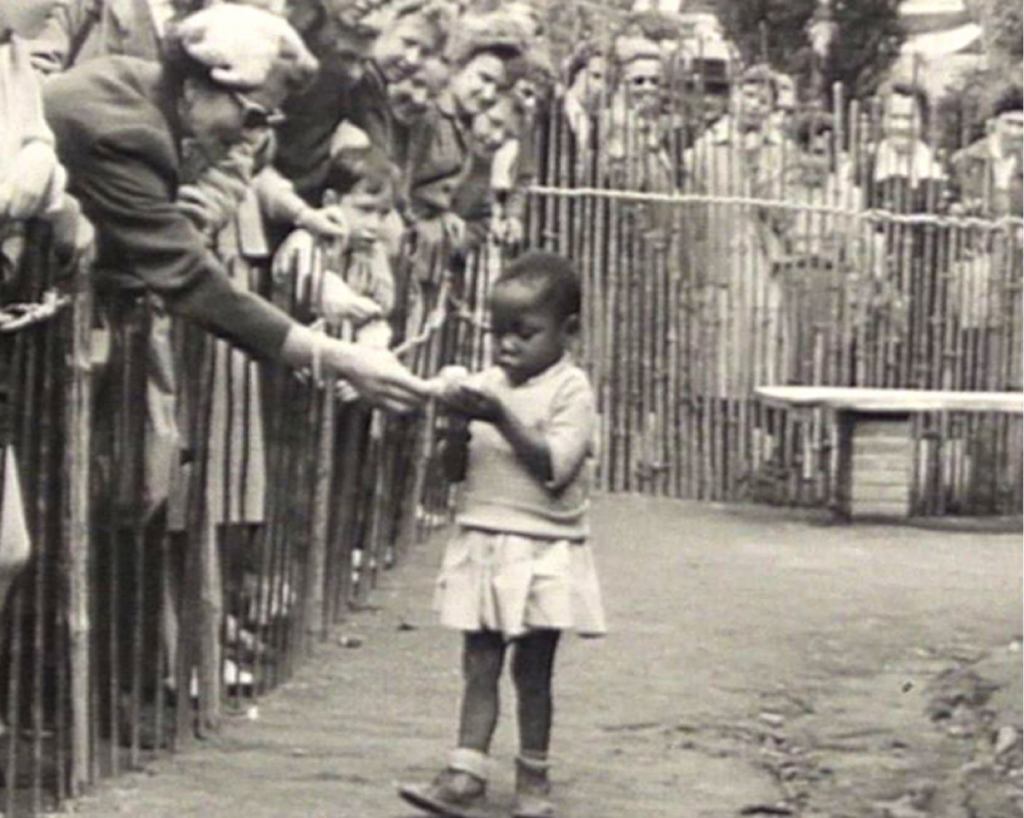
Black/African History: The Human Zoos

This photograph is the property of its respective owners.


Human Zoos: Colonial Spectacle and the Dehumanization of Black Bodies

In the late 19th and early 20th centuries, Europe and the United States hosted infamous exhibitions known as “human zoos”—or ethnological expositions—in cities such as Paris, London, Antwerp, Hamburg, Milan, Barcelona, and New York. These public displays featured Black Africans, Indigenous peoples, and other non‑European groups in staged “native villages” or zoo-like settings for mass spectatorship. Visiting audiences, numbering in the tens or even hundreds of thousands per event, were encouraged to gawk at foreigners presented as “primitive” or “savage” (Blanchard et al., 2011; Westin, 2020).

Purpose and Origins

Human zoos were born from colonial ambition and scientific racism. European imperial powers used these displays to validate their civilizing missions and assert racial hierarchies, equating whiteness with civilization and darkness with primitiveness (Qureshi, 2011). At the 1895 African Exhibition in London’s Crystal Palace, for example, Somalis were brought from Somaliland to perform daily rituals, war dances, and village routines in artificial huts—reinforcing notions of racial inferiority to European culture (Wikipedia, 2025) Wikipedia+1Foreign Affairs Forum+1Wikipedia.

Scientific Racism and Eugenics

Figures such as Carl Hagenbeck, Madison Grant, William Temple Hornaday, and Henry Fairfield Osborn played central roles in the popularization of human zoos. They argued, using social Darwinist reasoning, that certain races were biologically superior—thus justifying colonial domination through pseudo‑scientific authority (Brepols, 2025; Osborn & Grant writings) The New Yorker+5brepolsonline.net+5The Hill+5.

Ota Benga and the Bronx Zoo Exhibit

One of the most infamous cases was that of Ota Benga, a Congolese man exhibited in 1904 at the St. Louis World’s Fair and again in 1906 in the Bronx Zoo’s “Monkey House,” where he was caged alongside apes. This spectacle drew nearly 250,000 visitors in just a few days. Prominent figures such as Madison Grant and Hornaday defended the exhibition as scientific and educational, while African American ministers condemned it as profoundly degrading (New Yorker, 2022; Guardian, 2015; CNN, 2015) Wikipedia+12The New Yorker+12The Bronx Daily | Bronx.com+12.

Public outcry by Black clergy led to Benga’s temporary release, and decades later (2020), the Bronx Zoo formally apologized for its “unconscionable racial intolerance” (NBC, 2020) Wikipedia+13NBC New York+13The Hill+13.

Wider European Exhibits

Across Europe, nations hosted dozens of human zoos. In Brussels (1897), a Congolese “village” with more than 250 individuals was displayed; at least seven reportedly died during the exhibit (Foreign Affairs Forum, 2025) CNN+5Nofi Media+5Foreign Affairs Forum+5. Spain hosted Algerians, Filipinos, and Fang people in exhibitions that lasted into the 1940s (Wikipedia, 2025) WikipediaNofi Media.

Why European Societies Exhibited Black People

The motives were several:

  1. Imperialist Propaganda: To glorify colonial rule and justify exploitation of “inferior” peoples.
  2. Scientific Legitimization: Ethnologists used live exhibits to “prove” racial hierarchies and evolutionary differences (Blanchard et al., 2011) The Washington Post+9Foreign Affairs Forum+9understandingslavery.com+9Wikipedia+10Wikipedia+10The Bronx Daily | Bronx.com+10.
  3. Mass Entertainment: These exhibitions attracted millions, reinforcing racist stereotypes through spectacle (Foreigh Affairs Forum, 2025) Foreign Affairs Forum.

Legacy and Psychological Impact

These dehumanizing exhibitions inflicted trauma on those displayed and reinforced widespread racism. Between 1870 and 1940, over 1.4 billion people attended such exhibitions, conditioning generations to perceive Black bodies as exotic curiosities rather than equal humans (Foreign Affairs Forum, 2025) Foreign Affairs Forum.

Moreover, these spectacles shaped advertising, postcards, academic narratives, and politics—embedding a distorted racial gaze that persisted long after the exhibitions ended (Humanzoos.net) Human Zoos+3Nofi Media+3Wikipedia+3.

Conclusion

Human zoos were not innocent curiosities but instruments of oppression. They brought colonial logic into popular culture, weaponizing display as a means of asserting hierarchies and denying humanity. By analyzing these exhibitions through historical, scientific, and ethical lenses, we confront the roots of modern racism and articulate why Europeans treated Black people with such systemic cruelty. Understanding this history is essential to dismantling lingering racial bias and reaffirming the dignity of every human being.


References

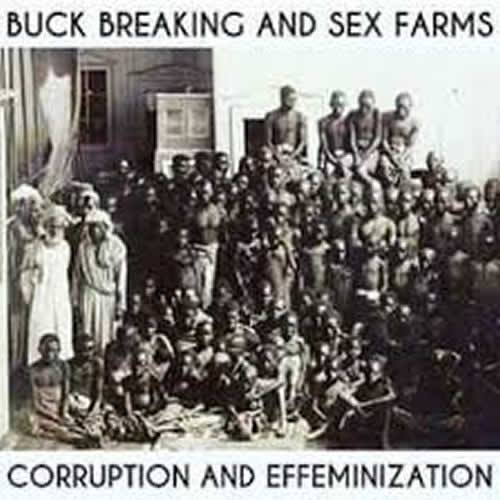
Black History: Buck Breaking/Breaking the Buck and Sex Farms.

This photograph is the property of its respective owner.


Buck-Breaking: A Historical Analysis of Sexual Violence, Power, and Psychological Warfare During American Slavery

“Buck-breaking” was a term associated with one of the most heinous and dehumanizing practices employed during the transatlantic slavery era, particularly in the Caribbean and parts of the American South. This form of sexual violence was a deliberate tool of psychological and social control, weaponized by white slaveholders to emasculate enslaved Black men, traumatize enslaved families, and dismantle any sense of resistance within the Black community.

Definition and Origins

The term buck-breaking refers to the forced sexual violation of enslaved Black men—referred to derogatorily as “bucks” by slaveholders—typically by white male enslavers. Though not widely discussed in mainstream historical texts, references to such acts are found in historical accounts, oral traditions, and emerging scholarship on slavery and sexual violence. The practice is believed to have been most rampant in the Caribbean, particularly in Jamaica and Barbados, but was also used in the American South to suppress rebellion and instill fear (Fanon, 2008; Patterson, 1982).

Purpose of Buck-Breaking

The purpose of buck-breaking was multifaceted. First, it served as a method of breaking the spirit of enslaved Black men who displayed signs of resistance or insubordination. By publicly humiliating them through sexual violence, slave owners sought to destroy their masculinity and assert total dominance. Secondly, it psychologically devastated enslaved women and children who were forced to witness the violation of their husbands, fathers, and sons. The psychological terror inflicted served as a preventive mechanism against organized rebellion (Hine, 1994).

Moreover, by using sexual violence as a spectacle, white enslavers aimed to invert traditional gender roles and strip Black men of agency, pride, and familial authority. This public act of dehumanization sent a clear message: resistance would be met with degradation, not just punishment.

Psychological Impact and Legacy

The psychological impact of such acts cannot be overstated. Enslaved families who witnessed these violations were left traumatized, with long-term implications for self-worth, masculinity, and kinship bonds. As psychiatrist Frantz Fanon (2008) noted in Black Skin, White Masks, the colonial project was not merely about physical domination but also psychological fragmentation—an internalized sense of inferiority reinforced through brutality and humiliation.

In the post-slavery era, the trauma of buck-breaking has been theorized to contribute to various sociocultural dynamics within the African American community, including distrust, the suppression of vulnerability in men, and familial disintegration.

Modern Symbolism and Myths

One controversial claim connects the modern trend of “sagging pants” to buck-breaking, arguing that it originated as a marker of sexual violation during slavery. While this claim is popular in some Afrocentric and activist circles, it is not widely supported by mainstream historical scholarship. Most academic sources trace sagging to 20th-century prison culture, where belts were often confiscated (Alexander, 2010).

Nevertheless, such narratives—true or symbolic—reflect ongoing struggles to interpret and reclaim historical trauma in a modern context.

The Caste System and Sexual Politics of Slavery

Buck-breaking fits within a broader racial caste system that valorized whiteness and weaponized Blackness. Enslaved Black men were commodified based on perceived physical strength and virility, which made their bodies both a source of economic productivity and sexual threat in the eyes of the white supremacist regime. This further justified acts of violence to control, neuter, and dehumanize them. Scholar Saidiya Hartman (1997) has written extensively on how the Black body, particularly during slavery, was the site of spectacular violence and commodified suffering.

The practice was employed as a strategic tool to:

  • Emasculate enslaved men and negate any sense of masculine authority or defiance, thus neutralizing potential rebellion.
  • Instill terror among enslaved communities by forcing families and peers to witness the sexual shame of defiance (Urban Dictionary; Face2Face Africa) Wyatt O’Brian Evans.
  • Reinforce power dynamics, making clear that black bodies were commodities to be abused and controlled.

According to emerging scholarship, “sex farms” were plantations or compound-like areas maintained for the systematic sexual exploitation of enslaved men. Slaveholders allegedly transported enslaved males from plantation to plantation for group sexual assaults, creating a traveling circuit—a grotesque and institutionalized practice (RasTafari TV) rastafari.tv.

The trauma of buck-breaking became a weapon of psychological subjugation. Witnessing a father or brother publicly violated aimed to:

  • Undermine self-worth and family cohesion.
  • Criminalize resistance internally: enslaved men who survived this abuse often left trauma not addressed and seldom spoken of (Jennings & White, via Project MUSE; TalkAfricana) Reddit+13Project MUSE+13TalkAfricana+13.

Scholars argue the degradation of masculinity under slavery contributed to long-term disruptions in identity, familial protective roles, and community cohesion (Jennings et al.; Fanon’s frameworks) Project MUSETalkAfricana.

Slaveholders also operated breeding farms where enslaved women—and sometimes men—were forcibly impregnated to increase the enslaved labor force. While breeding farms chiefly targeted women, male exploitation was part of the broader system of sexual commodification (Wikipedia; Sublette) rastafari.tv+5Wikipedia+5Wikipedia+5.

Due to stigma and silencing, rape of male slaves was rarely documented in legal records. Most evidence appears in slave narratives and case studies—making direct quantification difficult, yet multiple historians affirm these abuses occurred (Project MUSE; TalkAfricana) Wikipedia+15Project MUSE+15TalkAfricana+15.

Deuteronomy 28:68 (KJV)

“And the Lord shall bring thee into Egypt again with ships, by the way whereof I spake unto thee, Thou shalt see it no more again: and there ye shall be sold unto your enemies for bondmen and bondwomen, and no man shall buy you.”

This verse is part of the curses listed in Deuteronomy 28 for Israel’s disobedience, and many in the African American and Hebrew communities interpret it as a prophetic reference to the transatlantic slave trade, including the horrific abuses such as buck-breaking. It reflects divine foresight into the suffering of a people taken into captivity by ships, sold into slavery, and dehumanized.


Lamentations 5:11–13 (KJV)

“They ravished the women in Zion, and the maids in the cities of Judah. Princes are hanged up by their hand: the faces of elders were not honoured. They took the young men to grind, and the children fell under the wood.”

This passage mourns the violent humiliation and abuse of both men and women in the time of Judah’s destruction. The word “ravished” refers to rape and sexual abuse, and “took the young men to grind” is understood by many biblical scholars to imply forced labor and sexual humiliation.


Isaiah 3:9 (KJV)

“The shew of their countenance doth witness against them; and they declare their sin as Sodom, they hide it not. Woe unto their soul! for they have rewarded evil unto themselves.”

While originally a rebuke to the people of Judah, this verse indicts all who, like the men of Sodom, openly commit abominable acts—such as sexual assault or humiliation—and refuse to repent. It reflects God’s judgment against those who violate others.

Conclusion and Theological Reflections

The atrocity of buck-breaking is not merely a historical footnote—it is a wound in the collective memory of the African diaspora. Understanding it is crucial to unpacking the complex intersection of race, sexuality, power, and trauma. For believers, it is also a call to lament, to pursue justice, and to reclaim dignity lost through centuries of dehumanization. Scripture reminds us that every person is made in the image of God (Genesis 1:27), and that the destruction of one’s dignity—especially through acts of sexual violence—is an affront to the Creator Himself. Deliverance from such trauma involves truth-telling, communal healing, and a return to a biblical vision of wholeness, where no one’s humanity is reduced to their body, race, or utility.

References:

Alexander, M. (2010). The New Jim Crow: Mass Incarceration in the Age of Colorblindness. The New Press.

Fanon, F. (2008). Black Skin, White Masks (R. Philcox, Trans.). Grove Press.

Hartman, S. (1997). Scenes of Subjection: Terror, Slavery, and Self-Making in Nineteenth-Century America. Oxford University Press.

Hine, D. C. (1994). Hine Sight: Black Women and the Re-construction of American History. Indiana University Press.

Patterson, O. (1982). Slavery and Social Death: A Comparative Study. Harvard University Press.

Face2Face Africa. (2019). 5 horrifying ways enslaved African men were sexually exploited and abused by their white masters 3CHICSPOLITICO+1Wyatt O’Brian Evans+1.


Jennings, T. A., et al. (2024). Sexual abuse of Black men under American slavery. Project MUSE Journal. Project MUSE


TalkAfricana. (2023, May 30). Buck Breaking: How slave masters used rape to emasculate enslaved African men. TalkAfricana


RasTafari TV. (2024). Sex farms during slavery & the effeminization of Black Men. Wikipedia+13rastafari.tv+13Project MUSE+13

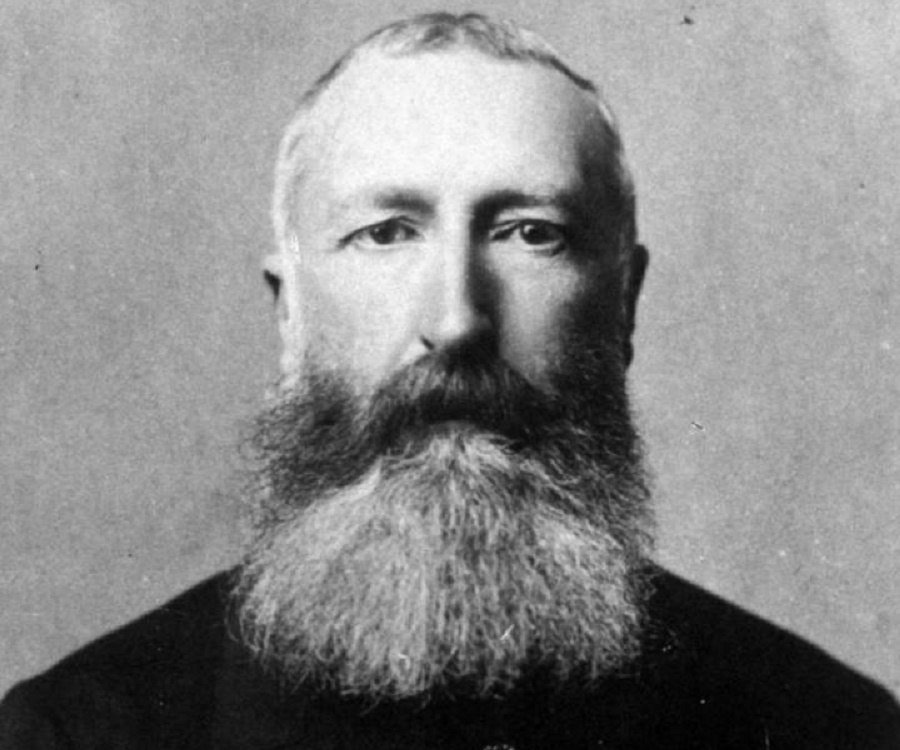
Black History: Leopold II of Belgium

Leopold II of Belgium AKA The Devil Leopold


He skinned my people
Castrated my brothers
Raped my sisters
And brutally murdered my people
All in the name of the Devil
He is the Devil incarnate


King Leopold II of Belgium: Lineage, Tyranny, and the Congo Atrocities

King Leopold II (born Leopold Louis Philip Marie Victor; 1835–1909) reigned as King of the Belgians from 1865 until his death, succeeding Leopold I (Britannica, 2025). He belonged to the House of Saxe-Coburg and Gotha and was a first cousin to Queen Victoria of Britain. In 1853, he married Marie-Henriette of Austria, and together they had several children, though none of his sons survived to adulthood (Wikipedia, 2025). His rule over Belgium was constitutional, but he became infamous for personally owning and exploiting the vast territory known as the Congo Free State (Wikipedia, 2025; Britannica, 2025).

The Congo Free State: Private Empire and Devastation

In 1885, at the Berlin Conference, European powers granted Leopold jurisdiction over the Congo Basin, under the guise of humanitarian mission and civilization. However, he administered the territory as his private enterprise, exploiting its natural wealth—particularly ivory and rubber—through coercive labor, forced quotas, and extreme violence enforced by the Force Publique, his mercenary army (Wikipedia, 2025; Britannica, 2025).

The consequences were catastrophic. Adam Hochschild described Leopold’s project as a “genocidal plundering” that caused the deaths of approximately 10 million Congolese people, through brutal violence, starvation, and disease (Wikipedia, 2025; New Yorker, 2015). Population-loss estimates range from 5 million to 13 million, with the most widely accepted figure around 10 million (Wikipedia, 2025).

Leopold’s Ideology and Racial Violence

Leopold’s colonial ideology was deeply grounded in scientific racism and Eurocentric paternalism. He justified his rule in the Congo as a civilizing mission, though in reality it facilitated systematic terror, mutilation, rape, and forced labor (Casement Report, 1904). A 1904 investigation by Roger Casement, commissioned by the British government, exposed widespread atrocities committed under Leopold’s authority—including cutting off hands for missed rubber quotas, castration, and mass violence (Casement Report, 1904; Wikipedia, 2025).

Why Did Leopold Target Black People So Harshly?

Leopold’s racial hostility was institutional rather than personal. Africans were treated as subhuman labor to be exploited for personal wealth. Violence was a tool to suppress resistance, ensure compliance, and perpetuate a racial hierarchy that dehumanized native populations (Hochschild, 1999). The global popularity of eugenics and social-Darwinian thought in Europe and America validated these acts, enabling them under the cloak of colonial legitimacy.

Legacy and Comparison to Other Tyrants

Historians often place Leopold alongside Hitler and Stalin in terms of absolute cruelty, yet his actions remain less recognized internationally. Leopold’s reign precipitated one of history’s most extensive humanitarian disasters—yet his atrocities were shrouded under euphemistic justifications until international activists, missionaries, and journalists exposed the truth (Hochschild, 1999; New Yorker, 2015).

Conclusion

King Leopold II’s personal ambition created a private colonial state defined by terror. Between 1885 and 1908, his rule in the Congo wrought famine, mutilation, and mass death on an unimaginable scale. This genocide—the greatest in African colonial history—reflects how unchecked power, racial supremacism, and capitalist greed can combine to produce catastrophic violence.


📚 References

  • Adam Hochschild. (1999). King Leopold’s Ghost: A Story of Greed, Terror, and Heroism in Colonial Africa.
  • Britannica. (2025). King Leopold II. Encyclopedia Britannica.
  • Casement, R. (1904). Report on the Congo Atrocities. British Parliamentary Papers.
  • Wikipedia. (2025). King Leopold II of Belgium; Atrocities in the Congo Free State.
  • New Yorker. (2015). The Elephant in the Courtroom.