Category Archives: personality

Psychology Series: Personality and Social Psychology

Personality and social psychology examine how individual traits and social contexts interact to shape human behavior, emotions, and relationships. At the center of this field lies the question of how people perceive themselves and others, regulate emotions, and navigate power within social structures. Human behavior is never purely individual; it is always embedded in relational and cultural systems.

Personality psychology focuses on enduring patterns of thought, feeling, and behavior. Traits such as extraversion, agreeableness, neuroticism, openness, and conscientiousness influence how individuals respond emotionally to their environments. These traits shape not only internal experience but also social outcomes, including communication styles, conflict resolution, and leadership behavior.

Social psychology, in contrast, emphasizes situational forces and group dynamics. It investigates how social norms, roles, and expectations influence behavior, often in ways that contradict personal values. The interaction between personality and social context reveals that individuals are both agents and products of their environments.

Emotional responsiveness refers to the ability to perceive, interpret, and respond to emotional cues in oneself and others. Responsive emotions are not impulsive reactions but regulated, reflective responses grounded in awareness and empathy. This capacity is strongly associated with emotional intelligence and psychological maturity.

Psychological research suggests that emotional regulation is a key predictor of interpersonal effectiveness. Individuals who can modulate emotional intensity tend to communicate more clearly, de-escalate conflict, and maintain relational stability. Emotional control is therefore not repression but strategic self-governance.

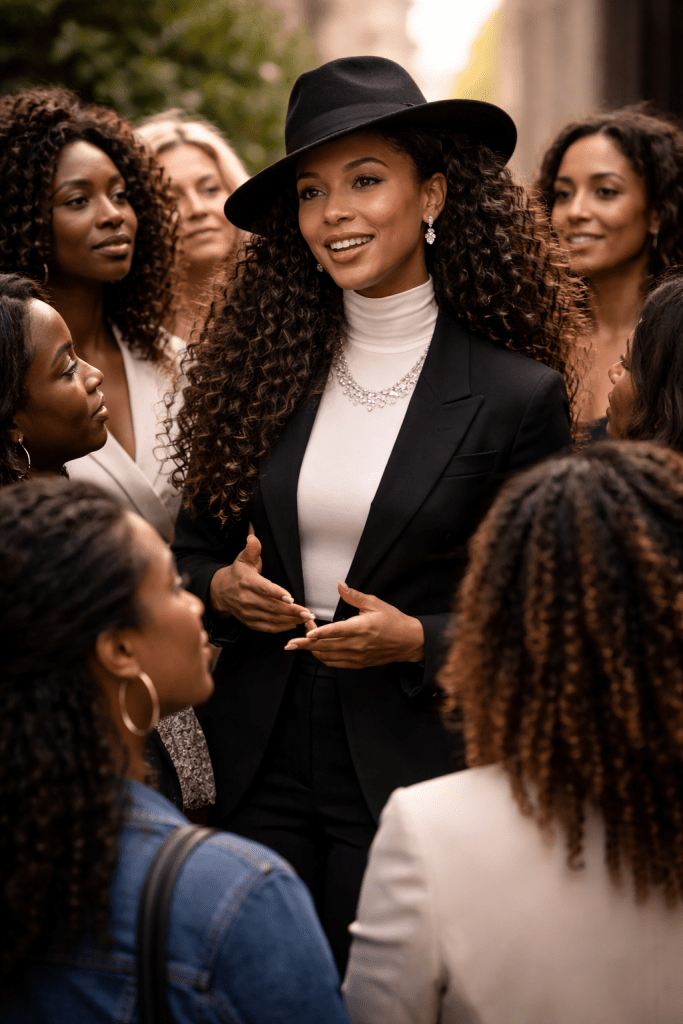
The idea of “speaking softer, not louder” reflects a principle of psychological power. In many social interactions, especially conflicts, the individual who raises their voice is often signaling loss of control rather than authority. Calm communication, by contrast, projects confidence, self-assurance, and emotional mastery.

Power dynamics in communication reveal that emotional restraint often confers greater influence. Leaders who speak calmly and deliberately are perceived as more competent and trustworthy than those who rely on volume or aggression. Authority is psychologically associated with composure rather than dominance.

Social dominance theory explains how power hierarchies are maintained through behavioral and emotional cues. Individuals higher in social status are granted more emotional freedom, while marginalized individuals are often punished for emotional expression. This creates asymmetrical standards for whose emotions are considered legitimate.

From a personality perspective, individuals high in agreeableness and emotional stability tend to engage in softer communication styles. These traits facilitate cooperation and social bonding but may also expose individuals to exploitation in unequal power relationships.

Conversely, individuals high in narcissism or dominance-oriented traits often use louder or more forceful communication as a means of asserting control. Such behaviors are linked to fragile self-esteem and external validation rather than genuine confidence.

Responsive emotional behavior requires cognitive empathy, or the ability to understand others’ perspectives without being overwhelmed by emotional contagion. This allows individuals to respond thoughtfully rather than reactively, preserving agency in emotionally charged situations.

In social psychology, this aligns with the concept of self-monitoring, which refers to the capacity to regulate behavior according to social context. High self-monitors adjust their emotional expression strategically, enhancing social effectiveness and interpersonal influence.

Emotional restraint is also a form of symbolic power. Pierre Bourdieu’s theory of symbolic capital suggests that subtle forms of behavior, such as speech patterns and emotional tone, function as markers of social class and authority. Speaking softly often signals cultural competence and elite social positioning.

Gender norms further complicate emotional power dynamics. Women are socially encouraged to be emotionally expressive, while men are rewarded for emotional control. This double standard positions emotional restraint as masculine authority and emotional openness as feminine vulnerability.

In professional settings, emotional discipline is often interpreted as leadership potential. Employees who regulate emotions effectively are more likely to be promoted and trusted with responsibility. Emotional intelligence thus operates as a form of psychological capital.

However, emotional suppression can become psychologically harmful when individuals are forced to silence legitimate emotional experiences. Chronic emotional inhibition is associated with stress, anxiety, and depressive symptoms, particularly in environments where power is unevenly distributed.

Responsive emotion should therefore be distinguished from emotional repression. Healthy emotional responsiveness involves acknowledgment without escalation, expression without domination, and regulation without denial. It is a balanced psychological posture rather than emotional withdrawal.

From a social power perspective, silence and softness can function as resistance strategies. Marginalized individuals often use calmness, restraint, and strategic emotional control to survive hostile environments. These behaviors reflect adaptive intelligence rather than passivity.

In conflict situations, psychological studies show that lower emotional intensity leads to higher persuasion outcomes. Individuals are more likely to change their attitudes when confronted with calm reasoning rather than emotional pressure.

Ultimately, personality and social psychology reveal that power is not only structural but emotional. The ability to regulate affect, communicate calmly, and remain psychologically grounded constitutes a subtle yet profound form of social influence.

Responsive emotions and soft communication represent psychological sovereignty. They reflect inner control, self-awareness, and emotional literacy in a world structured by power, hierarchy, and social performance. Speaking softer, not louder, becomes a form of embodied authority rooted in emotional intelligence.


References

Bourdieu, P. (1984). Distinction: A social critique of the judgement of taste. Harvard University Press.

Goleman, D. (1995). Emotional intelligence: Why it can matter more than IQ. Bantam Books.

Gross, J. J. (1998). The emerging field of emotion regulation: An integrative review. Review of General Psychology, 2(3), 271–299. https://doi.org/10.1037/1089-2680.2.3.271

Heatherton, T. F., & Baumeister, R. F. (1991). Binge eating as escape from self-awareness. Psychological Bulletin, 110(1), 86–108.

John, O. P., & Srivastava, S. (1999). The Big Five trait taxonomy. In L. A. Pervin & O. P. John (Eds.), Handbook of personality: Theory and research (pp. 102–138). Guilford Press.

Keltner, D., Gruenfeld, D. H., & Anderson, C. (2003). Power, approach, and inhibition. Psychological Review, 110(2), 265–284. https://doi.org/10.1037/0033-295X.110.2.265

Salovey, P., & Mayer, J. D. (1990). Emotional intelligence. Imagination, Cognition and Personality, 9(3), 185–211.

Snyder, M. (1974). Self-monitoring of expressive behavior. Journal of Personality and Social Psychology, 30(4), 526–537. https://doi.org/10.1037/h0037039

Tajfel, H., & Turner, J. C. (1979). An integrative theory of intergroup conflict. In W. G. Austin & S. Worchel (Eds.), The social psychology of intergroup relations (pp. 33–47). Brooks/Cole.

Van Kleef, G. A., De Dreu, C. K. W., & Manstead, A. S. R. (2004). The interpersonal effects of emotions in negotiations. Journal of Personality and Social Psychology, 87(4), 510–528. https://doi.org/10.1037/0022-3514.87.4.510
When the World Rewards the Face, Not the Character.

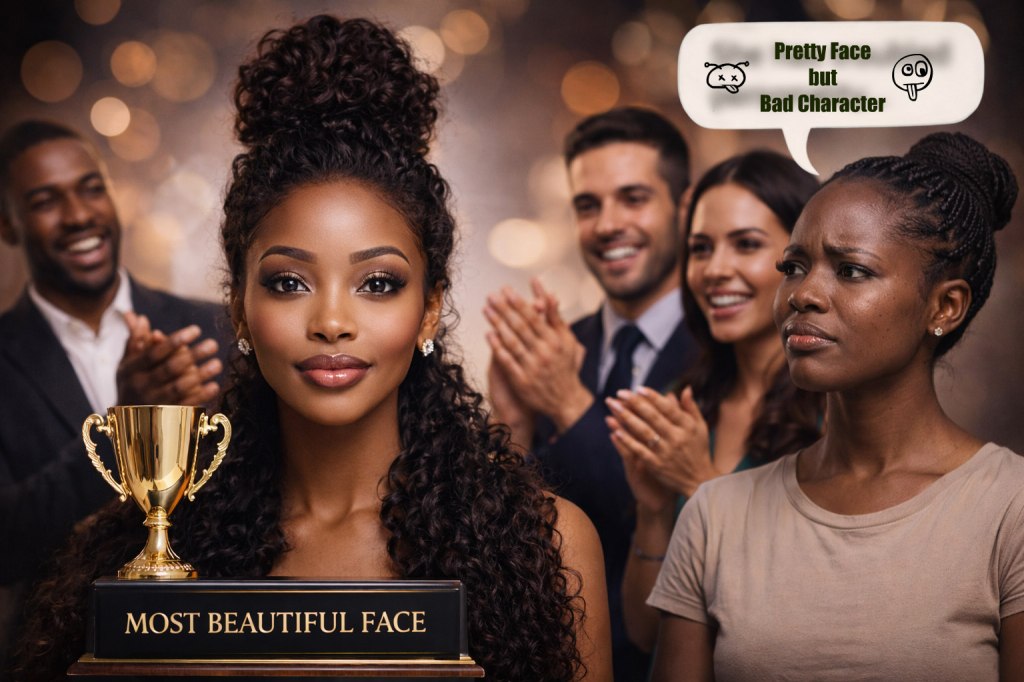
Modern society repeatedly demonstrates a troubling inversion of values: appearance is rewarded more consistently than integrity, charisma more than conscience, and beauty more than moral substance. This imbalance is not accidental but structural, reinforced through psychology, media, economics, and social conditioning. When the world rewards the face instead of the character, it reshapes how people define success, worth, and even goodness itself.

From early childhood, individuals learn that attractiveness carries social advantages. Attractive children are often perceived as smarter, kinder, and more capable by teachers and peers, receiving more encouragement and leniency. These early rewards create cumulative advantages that follow individuals into adulthood, long before character has a chance to speak for itself.

Psychological research identifies this phenomenon as the “halo effect,” where one positive trait—such as physical attractiveness—spills over into unrelated judgments about morality, intelligence, and trustworthiness. As a result, beauty becomes mistaken for virtue, and ethical credibility is quietly assigned based on appearance rather than conduct.

In professional spaces, this bias manifests in hiring, promotion, and compensation. Attractive individuals are more likely to be hired, earn higher wages, and receive favorable performance evaluations. Success is then framed as merit-based, obscuring the role appearance played in tilting opportunity. Character becomes secondary to presentation.

Justice systems are not immune. Studies consistently show that attractive defendants receive lighter sentences, are perceived as less dangerous, and are more likely to be believed. Conversely, those deemed unattractive or threatening—often racialized—face harsher punishment. Justice, while symbolically blind, is socially sighted.

Social media has amplified this imbalance by transforming visibility into currency. Algorithms reward faces that conform to dominant beauty norms, granting them influence, credibility, and economic opportunity. Moral authority increasingly follows aesthetic appeal, allowing those who look “right” to speak louder than those who act right.

This distortion is especially harmful to marginalized communities. Within Black communities, colorism compounds appearance bias, granting lighter skin and Eurocentric features greater social grace and moral assumption. Darker-skinned individuals are more likely to be scrutinized, distrusted, or required to prove their worth through exceptional behavior.

Character, by contrast, develops quietly. Integrity, empathy, discipline, and accountability do not photograph well. They do not go viral. In a culture driven by optics, character work often goes unnoticed, undervalued, and unrewarded, despite being essential to communal health.

The moral danger lies not only in rewarding beauty but in punishing those without it. When people learn that goodness does not protect them from exclusion or harm, cynicism grows. Ethical behavior begins to feel impractical in a world that prizes surface over substance.

This value inversion shapes desire as well. Romantic and social choices are influenced by perceived status attached to appearance. People with “beautiful” partners gain social validation, while those who choose character over aesthetics may be subtly devalued. Love itself becomes performative.

The long-term cost is cultural hollowness. Societies that reward faces over character cultivate leaders skilled in performance rather than principle. Charm replaces accountability, and image management substitutes for moral responsibility.

Undoing this distortion requires conscious resistance. Institutions must interrogate bias, media must expand representations of worth, and individuals must question their reflexive judgments. Character must be relearned as a visible form of beauty, even if it does not immediately gratify the eye.

Ultimately, a just society cannot survive on appearance alone. Faces age, trends fade, and filters fail. Character endures. When the world learns again to reward integrity over image, beauty will return to its rightful place—as adornment, not authority.

References

Eagly, A. H., Ashmore, R. D., Makhijani, M. G., & Longo, L. C. (1991). What is beautiful is good, but… A meta-analytic review of research on the physical attractiveness stereotype. Psychological Bulletin, 110(1), 109–128.

Hamermesh, D. S. (2011). Beauty pays: Why attractive people are more successful. Princeton University Press.

Hunter, M. (2007). The persistent problem of colorism: Skin tone, status, and inequality. Sociology Compass, 1(1), 237–254.

Langlois, J. H., Kalakanis, L., Rubenstein, A. J., Larson, A., Hallam, M., & Smoot, M. (2000). Maxims or myths of beauty? A meta-analytic and theoretical review. Psychological Bulletin, 126(3), 390–423.

Stewart, J. E. (1980). Defendant’s attractiveness as a factor in the outcome of criminal trials. Journal of Applied Social Psychology, 10(4), 348–361.

Zebrowitz, L. A. (2017). First impressions from faces. Oxford University Press.

Zuboff, S. (2019). The age of surveillance capitalism. PublicAffairs.

The Male Files: Beauty over Personality

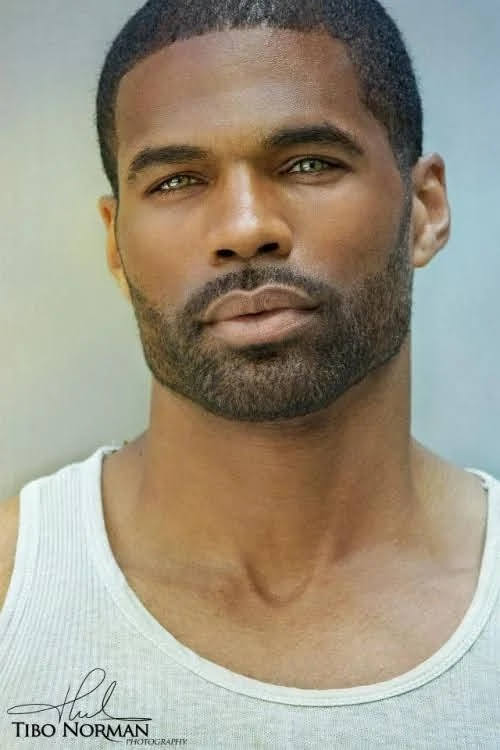
Photo Credit: Tibo Norman (used with permission)

In today’s society, the valuation of men often hinges upon appearance, charisma, and physical appeal rather than depth of character. Media culture has conditioned both men and women to prioritize beauty over inner worth, even within male identity. The modern male is judged not by his moral integrity or wisdom, but by how closely he aligns with aesthetic ideals. This distortion of values reflects a growing superficiality that has not only infiltrated female beauty standards but has now taken men captive as well.

The obsession with male beauty is a recent cultural shift. Historically, masculinity was associated with strength, courage, and provision. Yet, in a postmodern, image-driven world, appearance has become currency. Men are increasingly commodified through fashion, fitness, and facial symmetry. Social media platforms reinforce these ideals, elevating certain looks as the standard of male desirability while silencing deeper traits such as compassion, patience, and faithfulness.

Beauty, for men, now functions as a social passport. A handsome face can open doors to admiration, privilege, and romantic interest. Conversely, men deemed “average” or “unattractive” often face discrimination, invisibility, or rejection. This reality echoes the experiences women have long endured—objectification based on physical traits rather than personality or virtue. The double standard has simply shifted its direction.

Hollywood and celebrity culture have fueled this phenomenon. Actors such as Travis Cure, Idris Elba, Shemar Moore, and Regé-Jean Page embody the archetype of the “perfect man”—tall, chiseled, and effortlessly confident. Their images dominate advertising and media narratives, subtly teaching that physical appeal equates to success and desirability. Meanwhile, the intellectual, kind, or spiritually grounded man is often portrayed as dull or irrelevant.

Social media further amplifies these ideals. Platforms like Instagram and TikTok reward visual perfection with validation—likes, followers, and admiration. Men now curate themselves like brands, promoting fitness routines, skin regimens, and fashion aesthetics. The self becomes a digital performance, crafted for approval rather than authenticity. As the Apostle Paul warned, “For men shall be lovers of their own selves, covetous, boasters, proud…” (2 Timothy 3:2, KJV).

This obsession with beauty reshapes identity and relationships. Many men internalize the belief that their worth is defined by how women perceive them, rather than who they are in God’s eyes. Such validation-based living breeds insecurity and competition rather than self-acceptance. It creates a fragile masculinity built on appearance instead of moral character.

The rise of “pretty boys” and “model men” reflects a cultural reversal of gendered vanity. Once, men criticized women for their beauty obsessions, yet now, they too stand before the mirror, enslaved by self-image. Grooming culture, cosmetic enhancement, and social comparison have merged into a new masculine aestheticism—one that values looks over legacy.

Spirituality offers a sobering contrast. Scripture teaches that true beauty is inward. “Man looketh on the outward appearance, but the Lord looketh on the heart” (1 Samuel 16:7, KJV). This verse underscores a divine principle: external attractiveness fades, but inner righteousness endures. The modern male must rediscover this truth to reclaim authentic manhood.

Men who rely on beauty alone often suffer silently. They may attract temporary admiration but rarely earn lasting respect. Relationships formed on appearance lack spiritual depth and emotional stability. The moment physical perfection fades or public attention shifts, these men feel abandoned and purposeless. This emotional void reveals the emptiness of external validation.

Historically, great men were defined by their deeds, not their looks. Figures such as Frederick Douglass, Martin Luther King Jr., and Nelson Mandela were revered for conviction and courage. Their moral beauty inspired transformation, proving that integrity leaves a greater legacy than physical appearance ever could. Today’s generation must return to that model of greatness.

Beauty without character is like gold-plated brass—it shines, but it lacks substance. In relationships, women may initially be drawn to a man’s physical appeal, but they ultimately seek strength, leadership, and spiritual maturity. Superficial attraction fades when trials test the soul. Personality and principle become the glue that sustains love beyond the surface.

Modern capitalism profits from male insecurity. Industries exploit appearance anxiety, selling fitness supplements, grooming products, and designer wardrobes under the illusion that beauty equals success. This consumer trap replaces spiritual confidence with material vanity, urging men to buy rather than build self-worth.

True manhood must return to its divine roots. The biblical man leads with wisdom, compassion, and self-control. He understands that appearance is fleeting, but legacy is eternal. As Proverbs 31:30 reminds us, “Favour is deceitful, and beauty is vain: but a woman that feareth the Lord, she shall be praised.” The same principle applies to men—those who fear God embody lasting beauty.

Personality—rooted in humility, courage, and faith—defines a man’s true worth. It is the light that remains when youthful glow fades. The world may idolize handsomeness, but heaven honors holiness. When men walk in purpose, their presence becomes radiant beyond physical measure.

The pressure of beauty over personality has also created mental health struggles among men. Depression, body dysmorphia, and social anxiety are rising as men chase unattainable perfection. This crisis reveals how far society has drifted from valuing authentic humanity. Healing begins when men detach their worth from worldly admiration.

Men must learn to see themselves through divine eyes, not digital ones. Social media filters and comparisons distort truth. God designed every man with intention, from his features to his purpose. Accepting this divine craftsmanship restores peace and dignity in an age obsessed with appearances.

Reclaiming personality over beauty means redefining success. The strong man is not the most handsome but the most honorable. He uplifts others, speaks truth, and walks in integrity. His smile may fade, but his character leaves a mark that time cannot erase.

The church and community play vital roles in reshaping male identity. Mentorship, discipleship, and open dialogue can counter the idol of beauty. By emphasizing moral leadership, empathy, and service, men can rediscover their God-given image and reject superficial validation.

Ultimately, the true beauty of a man lies in his spirit. His courage to love, his strength to forgive, and his devotion to God define his essence. In a culture that prizes image over integrity, the righteous man stands as a reflection of divine masculinity—beautiful not in body, but in soul.

References

  • Holy Bible, King James Version. (1611/2017). Thomas Nelson.
  • Paul, S. (2020). The Mask of Masculinity: How Image Replaced Integrity. Oxford University Press.
  • hooks, b. (2004). The Will to Change: Men, Masculinity, and Love. Atria Books.
  • Gill, R. (2009). Mediated Masculinities: Image, Body, and Culture. Routledge.
  • Dines, G., & Humez, J. (2018). Gender, Race, and Class in Media. SAGE Publications.
  • Twenge, J. M., & Campbell, W. K. (2018). The Narcissism Epidemic: Living in the Age of Entitlement. Atria Books.
  • Anderson, E. (2014). Inclusive Masculinity: The Changing Nature of Masculinities. Routledge.
  • Schwalbe, M. (2016). Manhood Acts: Gender and the Practices of Domination. Routledge.
  • Pease, B. (2019). Reinventing Masculinity: The Power of Character over Appearance. Beacon Press.

12 Habits That Make You More Attractive

Blending KJV Scripture and Psychology

Photo by Al Ameen Saddiq on Pexels.com

Attractiveness is more than physical beauty—it is the product of character, habits, and the way we present ourselves to others. Both psychology and the Bible reveal that true charm is cultivated inwardly and expressed outwardly. Below are twelve habits that increase attractiveness in meaningful ways.


1. Confidence Without Arrogance
Confidence is magnetic because it signals security and trustworthiness. Psychological studies show that people are drawn to those who display healthy self-assurance (Swann et al., 2007). Yet arrogance repels. The Bible balances this by teaching, “For the LORD shall be thy confidence” (Proverbs 3:26, KJV). True attractiveness is rooted in confidence in God, not in pride.

2. Good Hygiene and Grooming
Attraction is heavily influenced by cleanliness. Psychologists note that proper grooming signals health and responsibility, key factors in partner selection. God Himself emphasized preparation through cleanliness: “Sanctify them today and tomorrow, and let them wash their clothes” (Exodus 19:10, KJV). A clean and well-kept appearance honors God and attracts others.

3. Kindness and Compassion
Kindness makes one unforgettable. Research demonstrates that altruistic people are rated as more attractive and more desirable long-term partners. Scripture commands, “Be ye kind one to another, tenderhearted” (Ephesians 4:32, KJV). A compassionate spirit shines brighter than external beauty, drawing people through genuine care.

4. Active Listening
In a world where many talk but few listen, giving undivided attention is profoundly attractive. Psychology shows that active listening builds intimacy and emotional closeness. The Bible advises, “Let every man be swift to hear, slow to speak” (James 1:19, KJV). Listening communicates respect and makes others feel valued, deepening relationships.

5. Positive Attitude
Negativity drains, but positivity uplifts. Studies reveal that optimism not only improves one’s own mental health but also makes others more likely to want companionship with you. The Apostle Paul reminds us, “Rejoice in the Lord alway: and again I say, Rejoice” (Philippians 4:4, KJV). A joyful spirit radiates attractiveness.

6. Good Posture and Body Language
Nonverbal communication speaks volumes. Psychology shows that confident posture, open gestures, and a relaxed demeanor make one appear approachable and appealing (Mehrabian, 1972). David declared, “I will praise thee; for I am fearfully and wonderfully made” (Psalm 139:14, KJV). Carrying oneself with dignity reflects inner assurance and God-given worth.

7. Ambition and Purpose
People are drawn to those who have goals and direction. Purpose signals maturity, responsibility, and resilience. Psychological studies confirm that ambition is an attractive trait in both men and women. Scripture affirms, “Write the vision, and make it plain” (Habakkuk 2:2, KJV). A life driven by godly purpose inspires others.

8. Sense of Humor
Laughter is a universal connector. Humor reveals intelligence, creativity, and emotional resilience. Studies show people prefer partners who make them laugh, as it eases tension and builds closeness. The Bible states, “A merry heart doeth good like a medicine” (Proverbs 17:22, KJV). A joyful spirit makes one irresistible.

9. Generosity
Giving increases attractiveness because it shows selflessness and abundance of spirit. Psychology observes that generosity signals both kindness and capability, enhancing desirability. Christ Himself declared, “Give, and it shall be given unto you” (Luke 6:38, KJV). Generosity reflects God’s love and makes relationships thrive.

10. Emotional Stability
Few traits are more attractive than peace under pressure. Emotional stability fosters trust and security, while instability repels. Psychology confirms that people seek partners who remain calm in adversity. Paul wrote, “For God hath not given us the spirit of fear; but of power, and of love, and of a sound mind” (2 Timothy 1:7, KJV). Stability brings beauty to relationships.

11. Self-Discipline
Those who exercise control over their desires and actions earn respect and admiration. Psychology links self-discipline to long-term success and relational reliability. The Apostle Paul modeled this: “But I keep under my body, and bring it into subjection” (1 Corinthians 9:27, KJV). Discipline makes one trustworthy and more attractive as a partner.

12. Spiritual Depth
Ultimately, true attractiveness flows from inner spirituality. Psychology acknowledges that shared faith and moral grounding strengthen bonds. Scripture declares, “Favour is deceitful, and beauty is vain: but a woman that feareth the LORD, she shall be praised” (Proverbs 31:30, KJV). Spiritual character sustains relationships long after physical beauty fades.

12 Habits That Make You More Attractive

Blending KJV Scripture and Psychology

  1. Confidence Without Arrogance
    • Psychology: Confidence signals competence and security (Swann et al., 2007).
    • Proverbs 3:26 (KJV): “For the LORD shall be thy confidence.”
  2. Good Hygiene and Grooming
    • Psychology: Cleanliness increases perceived attractiveness.
    • Exodus 19:10 (KJV): God commanded Israel to “wash their clothes” before meeting Him—purity matters.
  3. Kindness and Compassion
    • Psychology: Altruism makes people more desirable as partners.
    • Ephesians 4:32 (KJV): “Be ye kind one to another, tenderhearted.”
  4. Active Listening
    • Psychology: Attentive listening strengthens emotional bonds.
    • James 1:19 (KJV): “Let every man be swift to hear, slow to speak.”
  5. Positive Attitude
    • Psychology: Optimism draws others in and reduces stress.
    • Philippians 4:4 (KJV): “Rejoice in the Lord alway.”
  6. Good Posture and Body Language
    • Psychology: Open, confident posture increases attractiveness (Mehrabian, 1972).
    • Psalm 139:14 (KJV): “I will praise thee; for I am fearfully and wonderfully made.”
  7. Ambition and Purpose
    • Psychology: Drive and goals signal stability and direction.
    • Habakkuk 2:2 (KJV): “Write the vision, and make it plain.”
  8. Sense of Humor
    • Psychology: Humor signals intelligence and relatability.
    • Proverbs 17:22 (KJV): “A merry heart doeth good like a medicine.”
  9. Generosity
    • Psychology: Giving increases social bonds and attraction.
    • Luke 6:38 (KJV): “Give, and it shall be given unto you.”
  10. Emotional Stability
  • Psychology: Calmness makes relationships safe and secure.
  • 2 Timothy 1:7 (KJV): “For God hath not given us the spirit of fear; but of power, and of love, and of a sound mind.”
  1. Self-Discipline
  • Psychology: People admire those with self-control and resilience.
  • 1 Corinthians 9:27 (KJV): Paul speaks of keeping his body under discipline.
  1. Spiritual Depth
  • Psychology: Faith and moral grounding increase trust and long-term attractiveness.
  • Proverbs 31:30 (KJV): “A woman that feareth the LORD, she shall be praised.”

Conclusion
Attractiveness is not a mystery reserved for the outwardly beautiful—it is a set of habits cultivated daily. Psychology shows us that qualities like kindness, confidence, and stability foster lasting appeal. The Bible reminds us that inner beauty, rooted in godliness, outshines temporary charm. When we practice these twelve habits, we not only become more attractive to others but also align ourselves with the character God desires.

References

  • The Holy Bible, King James Version.
  • Swann, W. B., Jr., Chang-Schneider, C., & McClarty, K. L. (2007). Do people’s self-views matter? Self-concept and self-esteem in interpersonal relationships. Psychological Science, 18(3), 200–206.
  • Mehrabian, A. (1972). Nonverbal communication. Aldine-Atherton.
  • Rhodes, G. (2006). The evolutionary psychology of facial beauty. Annual Review of Psychology, 57, 199–226.
  • Byrne, D. (1971). The Attraction Paradigm. Academic Press.
  • Aron, A., Aron, E. N., & Smollan, D. (1997). Inclusion of Other in the Self Scale and the structure of interpersonal closeness. Journal of Personality and Social Psychology, 63(4), 596–612.
  • Bowlby, J. (1988). A Secure Base: Parent-child attachment and healthy human development. Basic Books.
  • Cialdini, R. B. (2009). Influence: Science and practice (5th ed.). Pearson.
  • Peterson, C., & Seligman, M. E. P. (2004). Character strengths and virtues: A handbook and classification. Oxford University Press.

What makes a Woman truly beautiful?

Photo by cottonbro studio on Pexels.com

Beauty is one of the most debated concepts in human history, yet its truest form transcends mere physical appearance. While society often emphasizes youth, skin tone, or body shape, biblical scripture and psychology reveal that true beauty lies in a woman’s inner essence, her spiritual alignment, and her impact on others.


Beauty Rooted in Character

The Bible consistently reminds us that outward attractiveness is fleeting, but inner character endures. Proverbs 31:30 (KJV) declares: “Favour is deceitful, and beauty is vain: but a woman that feareth the Lord, she shall be praised.” Here, beauty is redefined as reverence for God, moral integrity, and righteous living. A woman’s character — her honesty, patience, and humility — shines brighter than any adornment. Psychologically, researchers confirm that individuals are perceived as more attractive when they display warmth and kindness (Kniffin & Wilson, 2004).


Confidence and Self-Worth

True beauty cannot exist without confidence. A woman who understands her worth is not easily swayed by Eurocentric beauty ideals, media filters, or societal comparisons. Confidence radiates through posture, voice, and presence, shaping how others perceive her. According to Cash and Smolak (2011), self-esteem and body image significantly influence perceptions of beauty. When a woman accepts and loves her natural skin tone, hair texture, and unique features, she communicates a power that no external validation can diminish.


Compassion as a Radiant Force

Compassion is another dimension of beauty that goes beyond aesthetics. A woman’s ability to nurture, empathize, and uplift others embodies inner radiance. 1 Peter 3:3–4 (KJV) emphasizes this, stating: “Whose adorning let it not be that outward adorning of plaiting the hair, and of wearing of gold… but let it be the hidden man of the heart, in that which is not corruptible, even the ornament of a meek and quiet spirit, which is in the sight of God of great price.” Meekness and compassion beautify a woman’s spirit, making her presence restorative.


Wisdom and Purpose as Elegance

Wisdom transforms beauty into legacy. A woman of understanding and purpose carries a timeless elegance that surpasses physical allure. Ecclesiastes 3:11 reminds us that God “hath made every thing beautiful in his time.” When women walk in purpose — whether in leadership, motherhood, scholarship, or service — their beauty expands beyond themselves and impacts generations. Psychologically, meaning and purpose increase not only personal well-being but also how others perceive attractiveness (King et al., 2006).


The Harmony of Body, Mind, and Spirit

Lastly, true beauty emerges from balance. A woman who honors her body as the temple of God (1 Corinthians 6:19), renews her mind through positive thought (Romans 12:2), and nurtures her spirit through prayer reflects a glow that cannot be replicated by cosmetics. This harmony creates wholeness, and wholeness itself is beauty.


Conclusion

A truly beautiful woman is not defined solely by her physical features but by her depth of spirit, confidence, compassion, wisdom, and divine alignment. While outward beauty may draw attention, it is her inner radiance that captures hearts and endures through time. In essence, beauty is not just what she looks like, but what she lives like.


📖 References

  • Cash, T. F., & Smolak, L. (2011). Body Image: A Handbook of Science, Practice, and Prevention. Guilford Press.
  • Kniffin, K. M., & Wilson, D. S. (2004). The effect of nonphysical traits on the perception of physical attractiveness. Evolution and Human Behavior, 25(2), 88–101.
  • King, L. A., Hicks, J. A., Krull, J. L., & Gaiso, A. K. (2006). Positive affect and the experience of meaning in life. Journal of Personality and Social Psychology, 90(1), 179–196.
  • The Holy Bible, King James Version.