
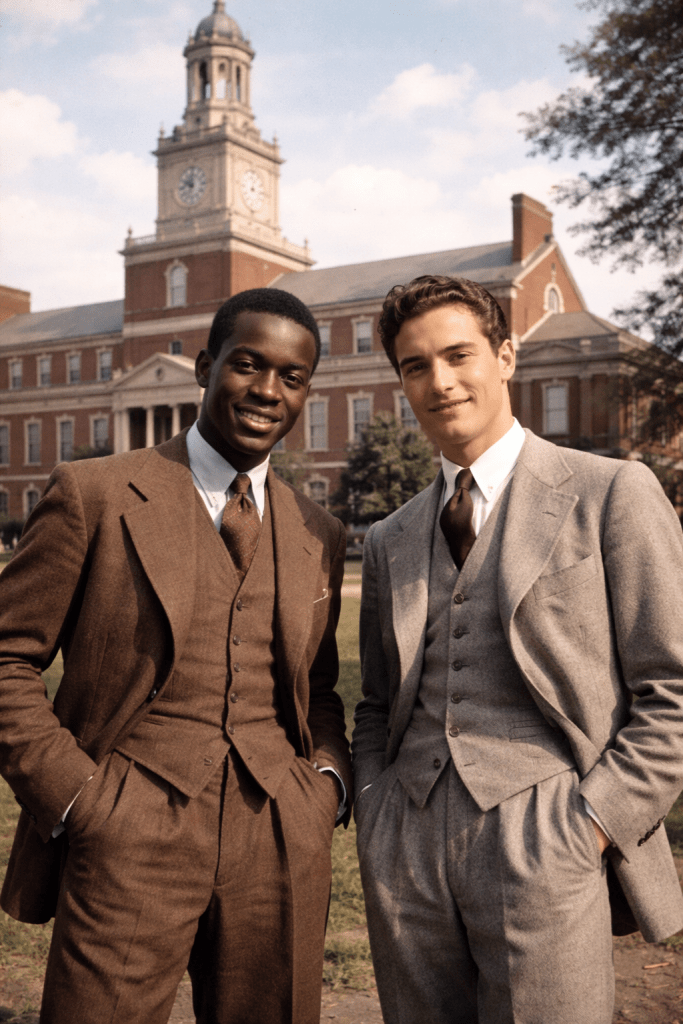
Founded in 1867 in Washington, D.C., Howard University emerged in the immediate aftermath of the American Civil War as one of the most important institutions dedicated to educating formerly enslaved African Americans. Established with the support of the Freedmen’s Bureau and named after Union General Oliver Otis Howard, the university was created to provide intellectual opportunity for newly emancipated Black citizens who had long been denied access to formal education under slavery.
The early mission of Howard University was expansive and ambitious. It was not simply a school but a symbol of racial uplift and reconstruction. The institution admitted students regardless of race or gender—an unusually progressive policy for the nineteenth century. In its earliest years, Howard enrolled formerly enslaved individuals, free Black people, and a small number of white students who believed in the cause of Reconstruction and education for all.
Within this diverse student body, a visible presence emerged that reflected one of the most complicated legacies of American slavery: mixed-race students. Many students at Howard in the late nineteenth century were individuals historically described by society as “mulatto,” meaning people of mixed African and European ancestry. Their existence was tied directly to the violent social realities of slavery, during which enslaved Black women were frequently subjected to sexual exploitation by slaveholders and other white men.
The legacy of these unions produced generations of mixed-race individuals whose appearance sometimes reflected European ancestry in ways that complicated America’s rigid racial categories. At Howard University, this reality was visible among students whose skin tones, hair textures, and facial features ranged across the full spectrum of the African diaspora. Some students appeared unmistakably African, while others possessed features that could allow them to move within white society unnoticed.
During the late nineteenth and early twentieth centuries, racial classification in the United States was governed by the ideology that later became known as the “one-drop rule.” Under this social doctrine, any individual with even a trace of African ancestry was legally considered Black. This legal and cultural definition meant that individuals who looked white could still be classified as Black if their ancestry was known.
The phrase “legally Black” thus emerged as a defining element of American racial identity. It referred to individuals who, under law or social recognition, were categorized as Black regardless of their physical appearance. This concept was reinforced through segregation laws, marriage restrictions, and social customs designed to maintain a rigid racial hierarchy that privileged whiteness.
For some light-skinned African Americans during the late nineteenth and early twentieth centuries, the ability to visually pass as white created a complicated social dilemma. Passing—meaning living as a white person despite Black ancestry—offered access to opportunities otherwise denied under segregation. Employment, housing, safety, and social mobility were often significantly easier to obtain for those perceived as white.
Howard University became a unique intellectual space where these realities were openly discussed among students and faculty. While the institution celebrated Black identity and advancement, it also housed students who could, if they chose, disappear into white society. This tension between racial pride and social survival reflected the broader contradictions of American racial life.
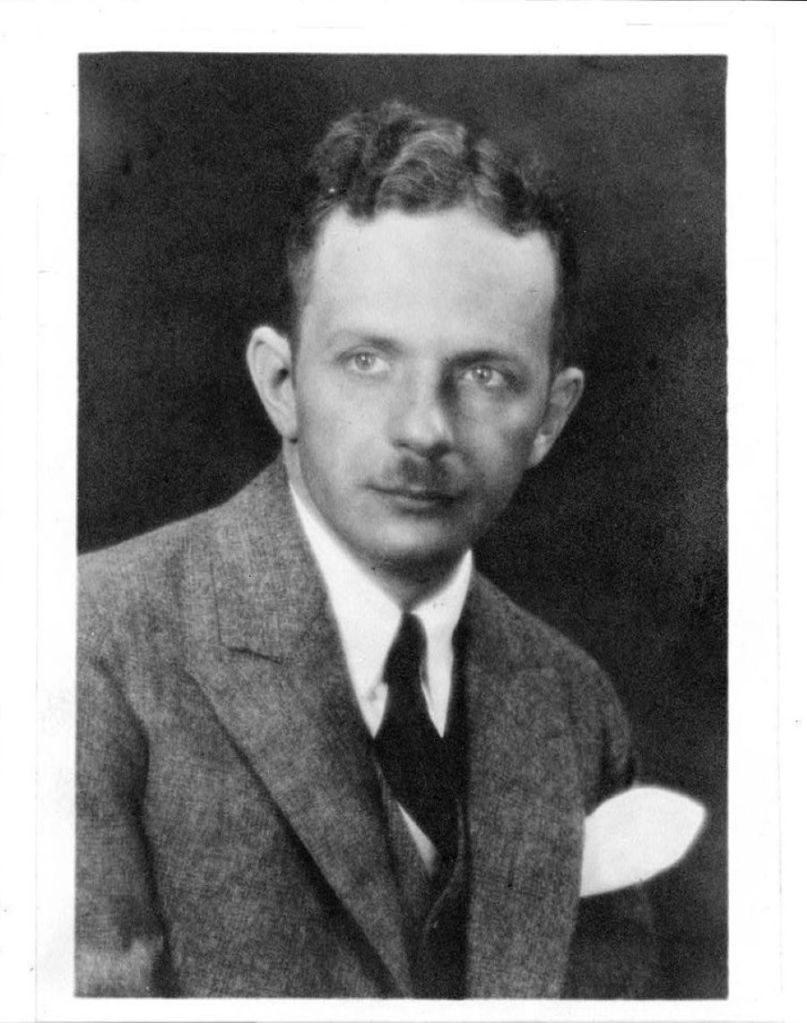
One story frequently discussed in early twentieth-century accounts involves a Howard student reportedly named Johnson, who attended the university during the early 1900s. Johnson’s appearance was so light that he could easily move within white spaces without suspicion. His classmates were aware of this ability, and his presence highlighted the paradox of racial identity during the Jim Crow era.
Johnson’s situation was not unique. Many students at Howard and other historically Black colleges possessed complex family histories shaped by generations of interracial ancestry. Some came from communities where mixed heritage was common, particularly in regions where slavery had produced significant populations of people of blended African and European descent.
In the early twentieth century, the ability to look white carried tangible advantages. Doors in employment, education, and housing frequently opened more readily to individuals whose appearance aligned with white norms. In a segregated society, whiteness functioned as a form of social capital, determining access to resources and protection from discrimination.
However, the decision to pass for white often came with profound psychological and emotional consequences. Individuals who crossed the color line frequently had to sever ties with family members and communities who were legally and socially classified as Black. The act of passing, therefore, required a form of identity erasure to maintain the illusion of whiteness.
Within Howard University, debates about identity, race, and loyalty sometimes surfaced among students. For many, the institution represented a sanctuary where Black intellect, culture, and leadership could flourish. To leave that community and enter white society as an impostor could be viewed as a betrayal of collective struggle.
At the same time, the pressures of racism were immense. The early twentieth century was a period marked by strict segregation laws, racial violence, and limited economic opportunity for African Americans. For some individuals who could visually blend into white society, passing appeared to offer a path toward security and upward mobility.
The broader history of mixed-race people in America cannot be separated from the institution of slavery. Throughout the eighteenth and nineteenth centuries, large populations of people of mixed African and European ancestry emerged across the South and in urban centers. Their existence challenged rigid racial categories while simultaneously reinforcing the hierarchy that privileged whiteness.
Institutions like Howard University became intellectual centers where these histories were examined and debated. Scholars and students explored the complex genealogies that connected African Americans to multiple continents, multiple cultures, and multiple historical experiences.
In this environment, Howard cultivated a new generation of Black thinkers who would later challenge racial inequality across the United States. The university produced influential scholars, lawyers, doctors, and activists who shaped the twentieth-century struggle for civil rights and social justice.
The presence of mixed-race students within Howard also contributed to broader discussions about colorism—the preferential treatment often given to lighter-skinned individuals within both white and Black communities. These conversations forced students to confront how slavery had embedded racial hierarchy not only in law but also in social perception.
Looking white during the Jim Crow era, therefore, carried both privilege and peril. While lighter skin sometimes opened doors, it could also create suspicion, isolation, and internal conflict about belonging. Identity became a negotiation between appearance, ancestry, and community loyalty.
Ultimately, the story of passing and mixed heritage at Howard University reflects the larger contradictions of American racial history. The institution stood as a beacon of Black advancement while simultaneously revealing how fluid and socially constructed racial categories could be.
Today, Howard University remains one of the most prestigious historically Black universities in the United States. Its early history—shaped by Reconstruction, slavery’s legacy, and complex racial identities—offers a powerful lens through which to understand the enduring impact of race, color, and identity in American society.
References
Andrews, W. L. (2019). The Oxford handbook of African American citizenship, 1865–present. Oxford University Press.
Foner, E. (1988). Reconstruction: America’s unfinished revolution, 1863–1877. Harper & Row.
Graham, H. D. (1990). The civil rights era: Origins and development of national policy, 1960–1972. Oxford University Press.
Hobbs, A. (2014). A chosen exile: A history of racial passing in American life. Harvard University Press.
Logan, R. W. (1980). Howard University: The first hundred years, 1867–1967. New York University Press.
Nash, G. B. (1999). Forbidden love: The hidden history of mixed-race America. Henry Holt.
Painter, N. I. (2010). The history of white people. W. W. Norton.
Williams, H. A. (2005). Self-taught: African American education in slavery and freedom. University of North Carolina Press.
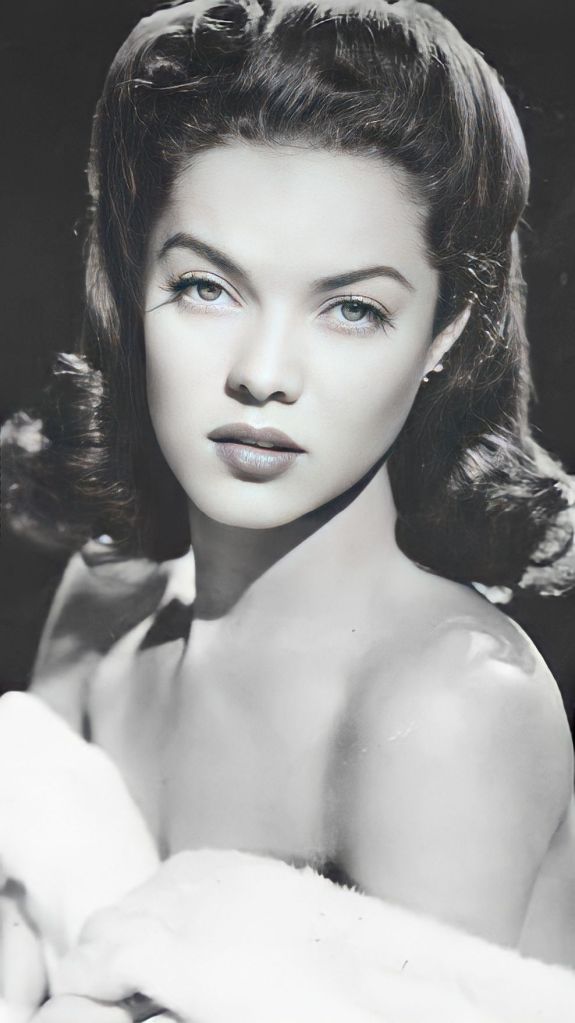
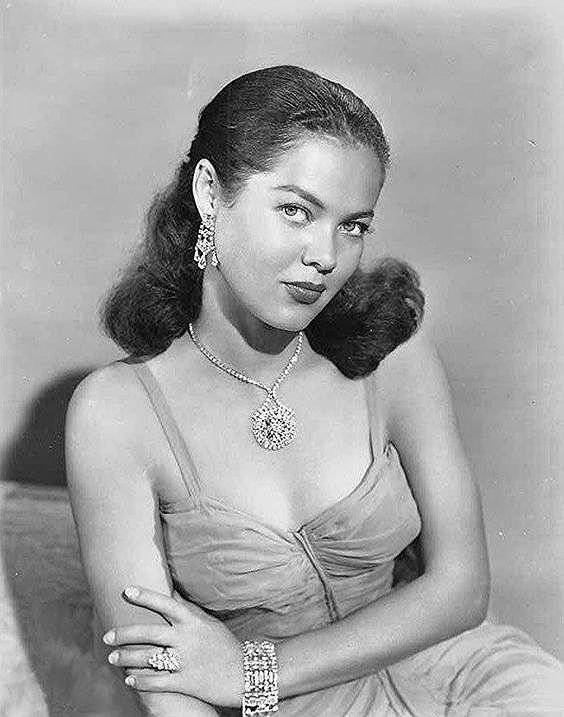
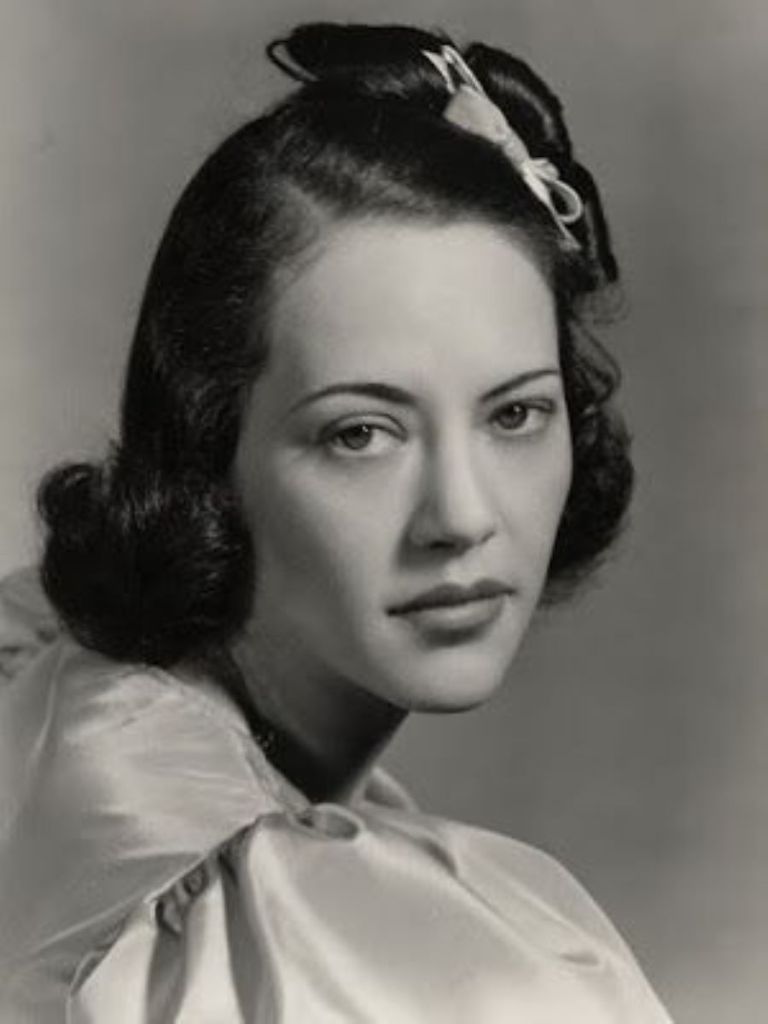
 THE BROWN GIRL DILEMMA