
Category Archives: Our voices

Brown and Bold: Owning Your Look, Your Voice, Your Power.

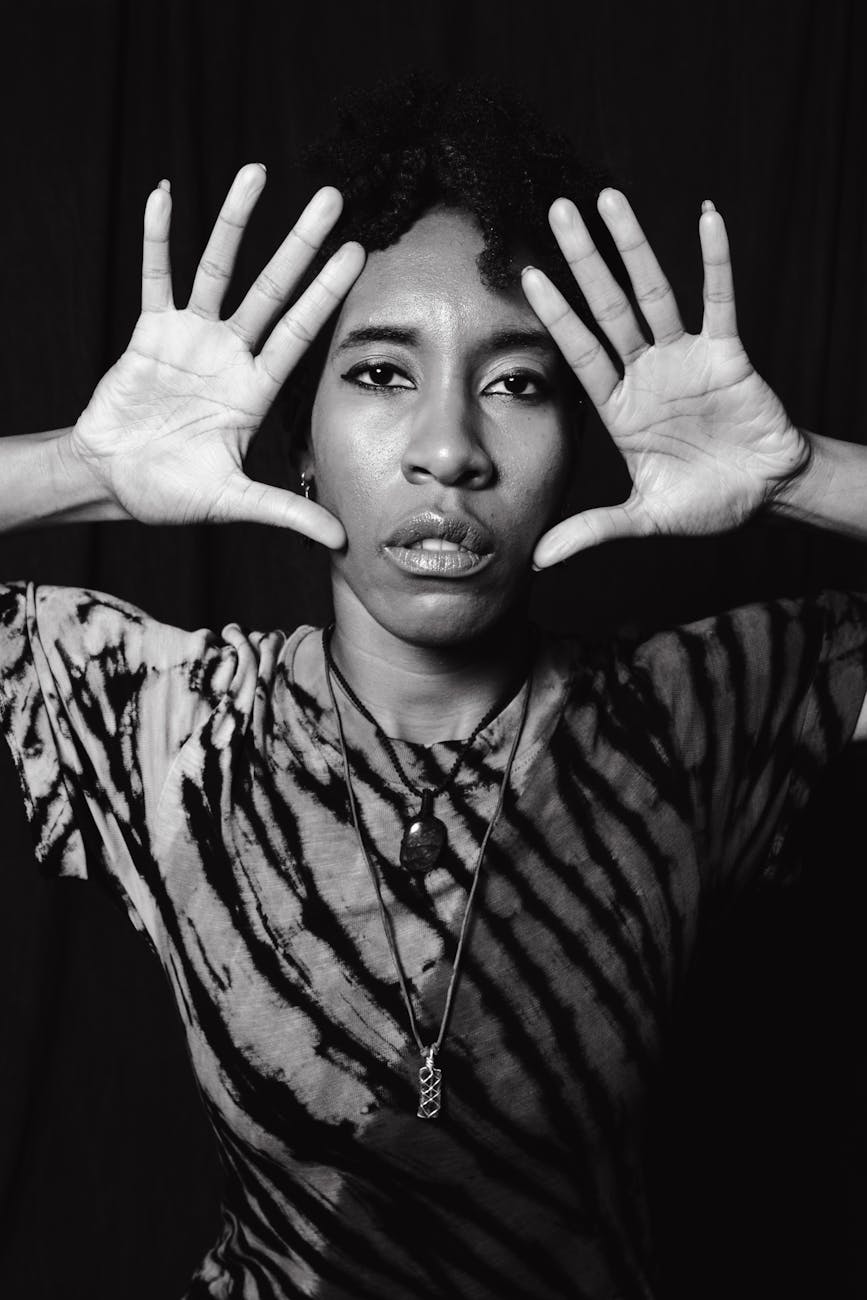
Photo by RDNE Stock project on Pexels.com

Being brown is more than a skin tone—it is a statement, a legacy, and a form of power. In a world where Eurocentric beauty standards dominate media and culture, claiming one’s brown skin, voice, and presence is an act of courage and self-determination. To be brown and bold is to assert identity unapologetically, embracing heritage, individuality, and influence in every facet of life.

Owning Your Look

Your appearance is a canvas that tells your story. Brown skin, in its many shades, reflects ancestry, resilience, and beauty. From deep cocoa to light caramel, each tone carries its own narrative, influenced by genetics, culture, and history. Embracing your natural look—including skin tone, hair texture, and style—is an act of self-love and defiance against societal pressures that seek to standardize beauty. Celebrities like Lupita Nyong’o, Tracee Ellis Ross, and Adut Akech exemplify how embracing natural beauty can shift perceptions globally. By owning your look, you claim authority over how the world sees you and how you see yourself.

Owning Your Voice

Boldness is not only visual—it is verbal. Speaking your truth, sharing your ideas, and asserting your perspective are vital components of personal power. Historically, Black and brown voices have been silenced or undervalued. Yet, modern movements, social media platforms, and cultural spaces offer opportunities to reclaim narrative authority. Writers, activists, and leaders like Chimamanda Ngozi Adichie, Ava DuVernay, and Issa Rae demonstrate that a confident voice—articulated with clarity and conviction—can inspire change, representation, and empowerment. Owning your voice means refusing to shrink, to apologize, or to be invisible.

Owning Your Power

Power is cultivated when look and voice align with self-awareness and purpose. It is the confidence to navigate spaces that were historically unwelcoming, to excel in careers, relationships, and creative pursuits. Brown individuals often carry the weight of societal bias, yet choosing boldness transforms that weight into strength. Power is expressed through education, entrepreneurship, artistry, advocacy, and leadership. It is the recognition that your identity is an asset, not a limitation.

Brown and Bold Manifesto: Owning Your Look, Your Voice, Your Power

1. Own Your Look
Affirmation: “My skin, my hair, my style are my crown. I honor my heritage and radiate confidence.”

Action Steps:

  • Stand before a mirror daily and affirm the beauty of your skin tone.
  • Experiment with hairstyles, fashion, or makeup that makes you feel authentic.
  • Document your style journey in photos or journaling to celebrate growth.

2. Own Your Voice
Affirmation: “My words matter. I speak with clarity, courage, and conviction.”

Action Steps:

  • Practice speaking your ideas aloud, even in small, private spaces.
  • Share your thoughts through writing, social media, or creative outlets.
  • Join communities or groups that uplift and amplify brown voices.

3. Own Your Power
Affirmation: “I am a force of resilience, creativity, and influence. My power is undeniable.”

Action Steps:

  • Set personal goals in career, education, or artistry and take daily steps toward them.
  • Celebrate achievements—big or small—without minimizing your accomplishments.
  • Engage in mentorship or community projects that allow you to uplift others.

4. Cultivate Confidence
Affirmation: “I embrace every shade of me. Confidence flows from acceptance and pride.”

Action Steps:

  • Identify moments of self-doubt and counter them with empowering affirmations.
  • Limit exposure to media or environments that diminish your self-worth.
  • Surround yourself with people who celebrate your identity.

5. Celebrate Heritage and Legacy
Affirmation: “I honor the stories of those who came before me. Their resilience is my foundation.”

Action Steps:

  • Learn about your ancestry and cultural heritage.
  • Share stories of empowerment from your community or family.
  • Use rituals, art, or reflection to honor the legacy of brown excellence.

6. Daily Boldness Practice
Affirmation: “Each day, I choose to be unapologetically me.”

Action Steps:

  • Take one small bold action every day: a statement outfit, a confident opinion, or a new endeavor.
  • Journal reflections on how these actions make you feel empowered.
  • Recognize that boldness is a muscle—strength grows with daily practice.

Psychology of Boldness and Confidence

Psychological research shows that self-affirmation, representation, and cultural pride enhance confidence and resilience (Hunter, 2007). When brown individuals see themselves reflected in positions of influence and media, it validates their worth and encourages bold self-expression. Boldness is thus both an internal practice and a social statement—building confidence while challenging external bias.

Cultural and Spiritual Dimensions

Culturally, brownness is a celebration of lineage, ancestry, and shared history. Spiritually, it is affirmed as beautiful and worthy (Song of Solomon 1:5 KJV). Embracing skin, voice, and power is not vanity—it is reclamation. It is honoring the legacy of those who endured oppression, yet persevered, leaving a foundation upon which boldness can thrive today.

Conclusion

To be brown and bold is to live authentically, unapologetically, and courageously. It is to honor your look, amplify your voice, and wield your power. Every choice—to speak, to create, to lead—is a testament to resilience and self-determination. Brownness is not merely a shade; it is a force, a legacy, and a declaration: we see ourselves, we value ourselves, and we shape the world boldly. The Brown and Bold Manifesto is a daily roadmap to self-empowerment. By intentionally embracing your look, voice, and power, you cultivate confidence, resilience, and pride. Boldness is not about perfection—it’s about authenticity, self-love, and the courage to inhabit your full identity unapologetically.


References

  • Hunter, M. (2007). The Persistent Problem of Colorism: Skin Tone, Status, and Inequality. Sociology Compass, 1(1), 237–254.
  • The Holy Bible, King James Version. (1611). Song of Solomon 1:5.

Your Voice, Your Power

The power of the human voice is immense. Words carry weight, shape perception, and influence both our own lives and the lives of those around us. Proverbs 18:21 (KJV) says, “Death and life are in the power of the tongue: and they that love it shall eat the fruit thereof.” This verse reminds us that speech can either build or destroy, and understanding the spiritual and social significance of our words is essential.

The Spiritual Significance of Speech

God created humans with the ability to communicate, giving us voice as a tool for worship, guidance, and encouragement. Speaking life and truth aligns us with God’s will, while careless or harmful words can lead to destruction (James 3:5-6).

Words Shape Reality

Our words influence thought patterns, relationships, and communities. Positive speech fosters hope, unity, and growth, while negative speech can perpetuate fear, division, and stagnation. Choosing words wisely demonstrates spiritual maturity and faith in action.

The Tongue as a Reflection of the Heart

Jesus taught that the mouth speaks from the abundance of the heart (Matthew 12:34-35). Therefore, cultivating a pure, righteous heart ensures that our words uplift rather than harm, reflecting the inner transformation God desires.

The Power to Inspire

A voice used wisely can inspire courage, faith, and resilience. Prophets in the Bible, such as Isaiah and Jeremiah, used their words to guide nations and individuals, demonstrating that speech has both temporal and eternal impact.

Teaching and Mentorship

Black communities and faith-based networks rely on spoken and written word to educate and empower. Proverbs 22:6 reminds us, “Train up a child in the way he should go: and when he is old, he will not depart from it.” Using our voice to mentor and guide nurtures the next generation.

Words as Tools of Healing

Encouragement and affirmation can heal emotional wounds and restore hope. Scripture emphasizes comforting others through speech: “Comfort ye, comfort ye my people, saith your God” (Isaiah 40:1). Our voice is a divine instrument to bring light in dark places.

Warning Against Destructive Speech

Uncontrolled words can lead to personal and communal harm. James 1:19 warns, “Let every man be swift to hear, slow to speak, slow to wrath,” reminding believers to exercise restraint and discernment in speech.

Speech in Leadership

Leaders wield the power of influence through their words. Moses, David, and Paul demonstrate that effective leadership is intertwined with wise, godly communication that motivates, instructs, and protects their communities.

The Role of Confession and Declaration

Speaking faith-filled declarations over our lives aligns us with God’s promises. Romans 4:17 highlights God’s ability to call things that are not as though they were. Our words can release divine favor and manifest God’s will.

Words Shape Self-Perception

Negative self-talk diminishes confidence, while affirmations rooted in scripture reinforce identity and purpose. Declaring God’s truth over oneself strengthens faith, resilience, and vision.

Community Impact

Our speech affects families, friendships, and society. Words that spread encouragement, truth, and justice amplify positive change and reflect God’s heart for humanity (Ephesians 4:29).

The Digital Age and Voice

Social media has expanded the reach of our words. Posts, comments, and messages carry influence far beyond immediate circles, making responsible, faith-driven communication critical in modern contexts.

Guarding Your Speech

Proverbs 21:23 teaches, “Whoso keepeth his mouth and his tongue keepeth his soul from troubles.” Monitoring our speech protects our relationships, reputation, and spiritual health.

Prayers and Declarations

Speaking prayers aloud strengthens faith and invites divine intervention. Psalm 19:14 says, “Let the words of my mouth, and the meditation of my heart, be acceptable in thy sight, O Lord, my strength, and my redeemer.” Prayerful speech aligns our voice with God’s purpose.

Empowering Others Through Words

Using speech to uplift others creates a ripple effect of empowerment. Encouraging words cultivate confidence, unity, and hope, shaping communities that reflect God’s love.

Overcoming Fear of Speaking

Fear often silences potential. By trusting God, believers can overcome anxiety about their voice. Exodus 4:12 reminds us, “Now therefore go, and I will be with thy mouth, and teach thee what thou shalt say.” God equips us to speak boldly.

Teaching Through Storytelling

Parables and testimonies demonstrate the educational power of speech. Sharing experiences and lessons communicates wisdom and cultural knowledge, fostering connection and understanding.

The Responsibility of Influence

With the ability to influence comes responsibility. Words can uplift or oppress, unite or divide. Using speech wisely honors God, supports community, and reflects spiritual integrity.

Conclusion

Your voice is a divine gift. Through careful, faith-driven speech, you can inspire, heal, and empower. Let your words reflect the heart of God, speaking life into yourself, your community, and the world. Proverbs 18:21 reminds us to wield our tongue with intention, understanding that death and life are truly in its power.


References

  • Proverbs 18:21 – “Death and life are in the power of the tongue: and they that love it shall eat the fruit thereof.”
  • James 3:5-6 – The tongue’s potential for great influence.
  • Matthew 12:34-35 – “Out of the abundance of the heart the mouth speaketh.”
  • Proverbs 22:6 – “Train up a child in the way he should go…”
  • Isaiah 40:1 – “Comfort ye, comfort ye my people…”
  • James 1:19 – “Swift to hear, slow to speak, slow to wrath.”
  • Romans 4:17 – God calls things that are not as though they were.
  • Ephesians 4:29 – “Let no corrupt communication proceed out of your mouth…”
  • Proverbs 21:23 – “Whoso keepeth his mouth and his tongue keepeth his soul from troubles.”
  • Psalm 19:14 – “Let the words of my mouth, and the meditation of my heart, be acceptable in thy sight, O Lord, my strength, and my redeemer.”
  • Exodus 4:12 – “I will be with thy mouth, and teach thee what thou shalt say.”