Category Archives: modesty

What is Modesty?

Modesty has always been a subject of moral, cultural, and spiritual reflection. Rooted in humility and self-respect, it represents a balance between outward appearance and inner virtue. In biblical terms, modesty is not merely about clothing but the posture of the heart, reflecting reverence for God and respect for oneself. Scripture reminds believers in 1 Timothy 2:9 (KJV) that women should “adorn themselves in modest apparel, with shamefacedness and sobriety,” suggesting that true modesty is both behavioral and spiritual.

In the modern era, modesty often collides with the ideals of self-expression and sexual liberation. Fashion industries and media outlets frequently glorify revealing attire as empowerment, while the ancient principle of modesty warns against the dangers of vanity and objectification. The line between confidence and immodesty becomes blurred when beauty is defined by exposure rather than elegance or character.

True modesty is never about suppression or shame; rather, it is an act of wisdom. It acknowledges that the body is sacred—a temple of the Holy Spirit (1 Corinthians 6:19–20)—and therefore worthy of honor. A modest person dresses not to hide their beauty but to express dignity, refinement, and discernment. Modesty communicates self-control and spiritual maturity.

In contrast, immodesty seeks validation through visibility. When one’s attire is designed primarily to attract sensual attention, it reflects a misplaced sense of worth. The problem lies not in fashion itself but in intention. Proverbs 31:25 describes the virtuous woman as one “clothed with strength and honour,” emphasizing internal grace over external display.

Cultural interpretations of modesty vary widely. In some societies, modest dress involves full coverage, while in others, it emphasizes simplicity and tastefulness. Yet across traditions, the essence remains consistent: modesty protects personal sanctity and commands respect. It teaches that the human form, though beautiful, should not be exploited for approval or profit.

Attitudinal modesty is just as vital as physical modesty. A person may be fully clothed yet still exude arrogance or pride. The modest spirit, however, is humble, gentle, and respectful. It does not boast of appearance, wealth, or influence. As 1 Peter 3:4 (KJV) teaches, the focus should be on “the hidden man of the heart,” a meek and quiet spirit that is precious in God’s sight.

Social media culture has complicated this message. Platforms often reward exhibitionism and self-promotion, conditioning young people to equate attention with value. Modesty, in contrast, requires self-restraint in both image and attitude—an ability to carry oneself with quiet confidence rather than overt display.

Modesty does not deny beauty; it redefines it. Beauty, when paired with modesty, becomes timeless, commanding admiration without provocation. Women like Audrey Hepburn and Cicely Tyson demonstrated how elegance can be powerful without being provocative, showing that modesty enhances allure by leaving something to the imagination.

Men, too, are called to modesty. Though often overlooked, male modesty involves both conduct and dress. Tight, flashy, or ostentatious clothing can reflect the same vanity condemned in women. A godly man dresses with respectability, decency, and restraint, recognizing that his appearance communicates his values.

The Bible consistently warns against pride in apparel. Isaiah 3:16–18 condemns the “haughty daughters of Zion” who flaunt ornaments and seductive gestures. The critique is not about fashion itself but the pride that fuels it. Likewise, Jesus condemned hypocrisy in outward appearances, urging followers to focus on inner purity.

Modern Christianity often struggles to define modesty amid evolving fashion trends. Some believers view it legalistically, turning clothing into a rigid moral code. Others dismiss modesty entirely as outdated. Yet, biblical modesty transcends rules—it’s about the reflection of the heart. The key question is: Who am I dressing for—God or the world?

Immodesty in attitude manifests through arrogance, flirtation, or entitlement. A modest person does not crave to be the center of attention but contributes to peace and order. Philippians 2:3 instructs believers to “do nothing through strife or vainglory,” highlighting the spiritual posture that undergirds modesty.

In professional and social settings, modesty earns respect and trust. Those who carry themselves with dignity and discretion often advance further because they inspire confidence rather than distraction. Modesty communicates self-awareness, while immodesty often betrays insecurity masked as confidence.

Fashion designers are increasingly rediscovering the power of modest aesthetics. The rise of “modest fashion” lines, even among major brands, shows that covering the body can still be stylish, sophisticated, and empowering. Designers like Anniesa Hasibuan and Dolce & Gabbana’s modest collections prove that modesty has modern relevance.

The psychology behind modesty reveals deep emotional intelligence. Those who value modesty tend to have strong boundaries and self-respect. They seek admiration for integrity, not sensuality. Immodesty, conversely, can arise from unhealed insecurity or a desire for affirmation, reflecting the heart’s hunger for validation.

Parents and spiritual leaders play a vital role in teaching modesty. Rather than shaming, they should model confidence, class, and self-respect. When young girls and boys see modesty as empowerment—not restriction—they learn that value comes from character, not exposure.

In marriage, modesty preserves intimacy. What is sacred should not be public. The mystery of love and attraction thrives when privacy is honored. The Song of Solomon celebrates beauty within covenant, reminding couples that intimacy was designed for sacred spaces, not public display.

Even beyond faith, modesty cultivates social harmony. It reduces competition, envy, and objectification, promoting authenticity in relationships. A modest heart elevates conversations, interactions, and environments, shifting focus from the superficial to the soulful.

Ultimately, modesty is a form of worship. It is saying to God, “I honor what You created by treating it with reverence.” It reflects holiness in both spirit and conduct, embodying grace, restraint, and strength. In a world obsessed with exposure, modesty is radical purity—a light that draws attention not to the body, but to the soul.

In conclusion, modesty in dress and attitude is not about denial but discernment. It is the art of balance between self-expression and self-control, between beauty and humility. When modesty governs both wardrobe and behavior, the result is elegance that glorifies God and dignifies the individual.

References

  • The Holy Bible, King James Version. (1611). 1 Timothy 2:9; 1 Corinthians 6:19–20; Proverbs 31:25; 1 Peter 3:4; Isaiah 3:16–18; Philippians 2:3.
  • Lewis, C. S. (1942). The Screwtape Letters. HarperOne.
  • Clark, R. (2018). Fashion and Faith: The Meaning of Modesty in Modern Culture. Christian Press.
  • Muhammad, A. (2020). Modesty and Power: Redefining Feminine Strength in Faith Communities. Journal of Religious Studies, 12(3), 145–162.
  • Taylor, J. (2019). Modesty in the Modern Age: A Sociocultural Analysis of Dress and Decorum. Oxford University Press.
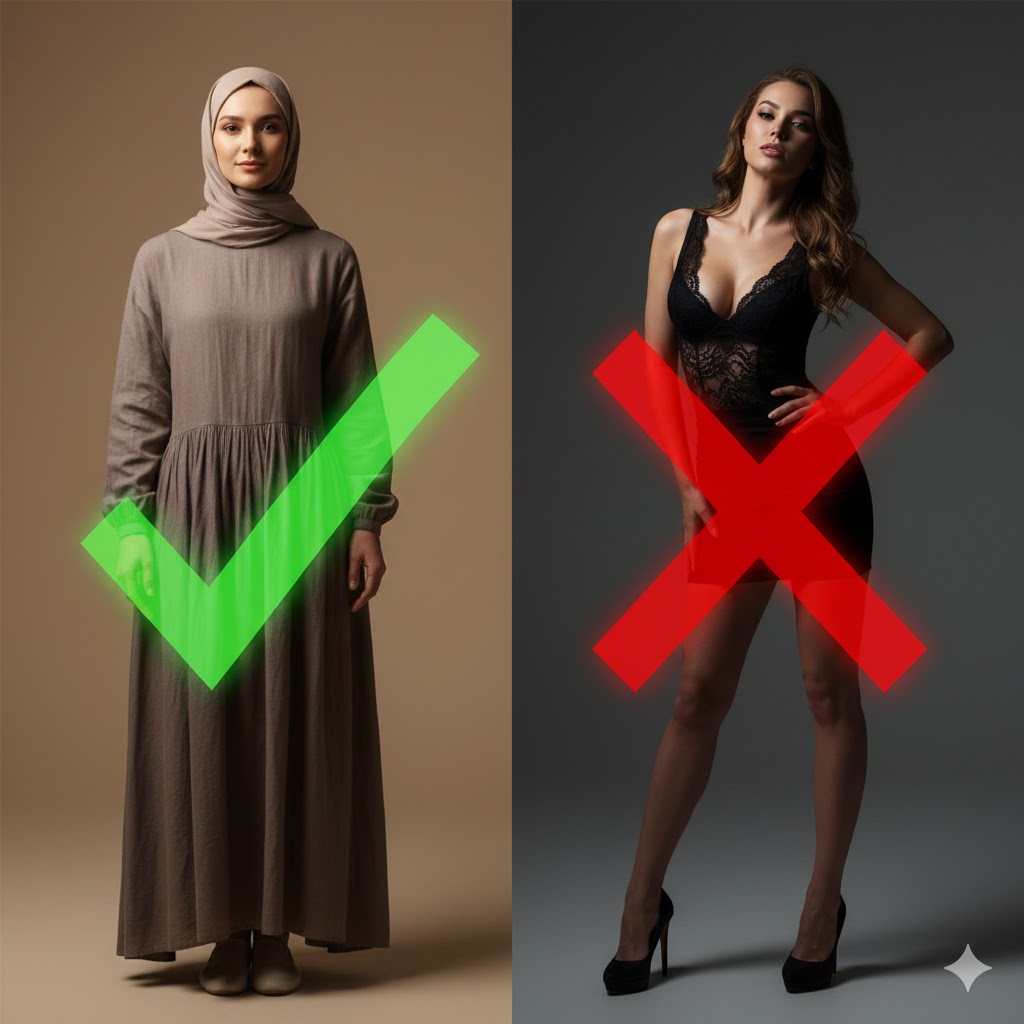
👗✨ Girl Talk Series: Dressing Sexy ✨👗

When the world says “show more,” God says “walk in honor.”

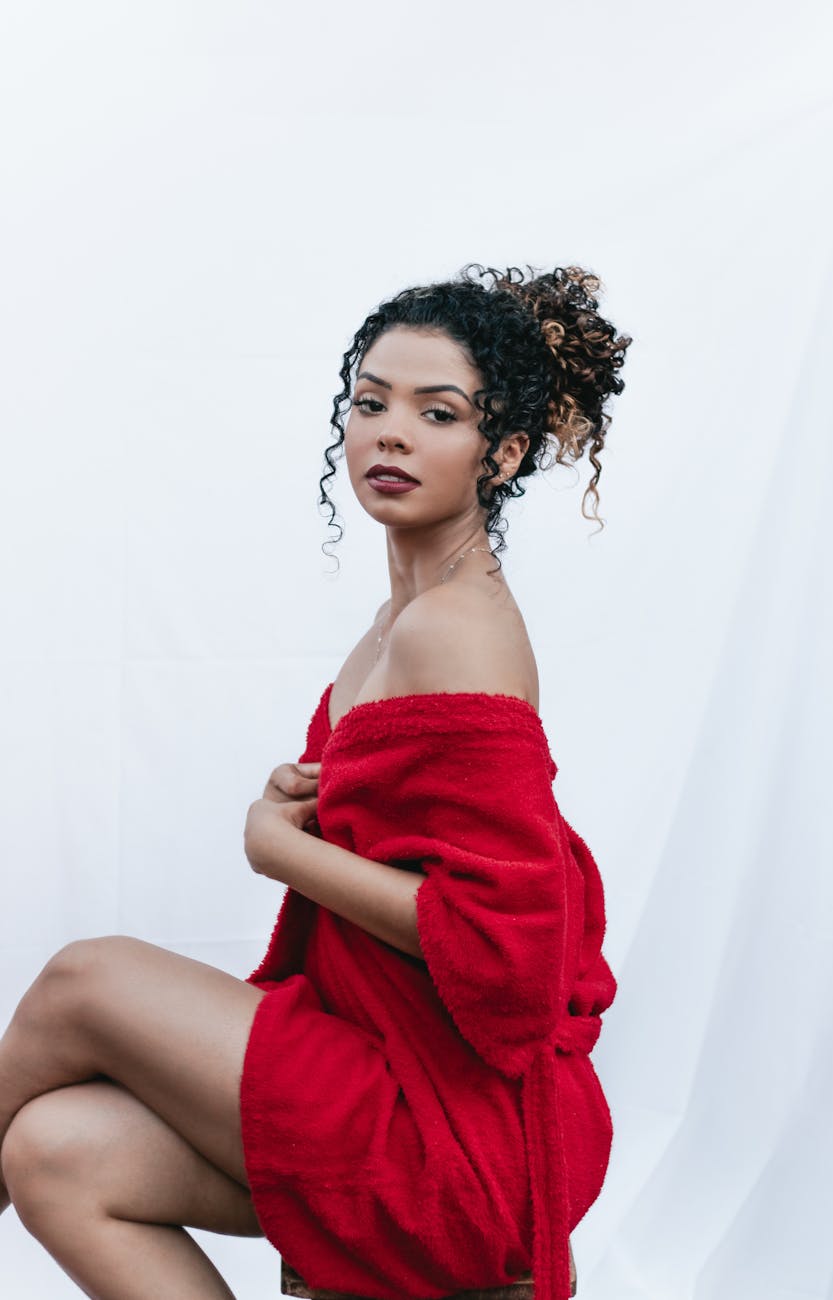
Photo by Gustavo Almeida on Pexels.com

🌸 Ladies, Let’s Talk… Before We Step Out the Door 🌸

Beloved sisters, before we talk about modesty, we must talk about identity and intention. Because how you dress is not just fabric — it is a message, a posture, and a spiritual signal.

In a world that constantly tells women to “be sexy,” “show skin,” and “use what you’ve got,” many daughters have forgotten that your body is not bait — it is a temple.

You cannot dress like a temptation and then cry when you attract men who only want to taste you, not treasure you.
You cannot present yourself like a snack and expect to be treated like a covenant wife.
You cannot market sensuality and expect spiritual leadership to come pursue you.

Godly men do not chase seductive presentation — lustful men do.
And lust never leads to love — only regret, soul ties, and heartbreak.

“For they that are after the flesh do mind the things of the flesh…”
Romans 8:5 (KJV)

When you dress for lust, you attract men led by lust.
When you dress for respect, you attract men who honor and protect.
When you dress like a wife, you repel men who only want temporary access.

Some women cry,
“Why do I only get approached by players, users, and men who want one thing?”
Sis, sometimes the answer is painful but powerful:
Because your presentation invited their intentions.

And we say this not to shame you, but to protect you.

You are not to be exposed — you are to be esteemed.
You are not to be displayed — you are to be cherished and covered.
You were never called to compete with the world — you were called to stand apart from it.

“In like manner also, that women adorn themselves in modest apparel…”
1 Timothy 2:9 (KJV)

The enemy uses seduction to turn queens into spectacles.
God uses modesty to reveal your worth, wisdom, and dignity.

You are far too powerful, far too chosen, and far too divine to dress like you are for everyone.
You belong to the King — dress like royalty, not like a marketplace display.

Your beauty is sacred.
Your body is holy.
And your presentation tells the world how you expect to be treated.

This is your gentle warning and loving reminder:

If you don’t want lustful men, don’t dress for lustful eyes.
Dress for your future, not for fleeting attention.
Dress like a woman who knows her worth — because Heaven already does.

In a culture obsessed with seduction, shock value, and showing as much skin as possible, many women are being taught that “sexy” is power. But daughters of Zion, your power is not in exposure — it’s in excellence, dignity, and modesty.

Modern culture tells women to dress for attention, validation, and likes. But attention is not affection, and lust is not love. Dressing to provoke lust attracts men led by flesh, not by spirit. It invites temporary interest, not covenant honor.

Godly femininity does not cheapen itself.
A queen does not need to advertise to be seen.

“As a jewel of gold in a swine’s snout, so is a fair woman which is without discretion.”
Proverbs 11:22 (KJV)

Beauty without modesty becomes wasted elegance.
Attraction without standards leads to heartbreak.

Ladies, this is not about shame — it’s about wisdom, value, and protection. Satan knows the power of a woman’s body, so he tries to turn it into bait instead of blessing. He wants you celebrated for curves, not character. But God calls you back to holiness, not hype.

“In like manner also, that women adorn themselves in modest apparel, with shamefacedness and sobriety…”
1 Timothy 2:9 (KJV)

When you dress for lust, you invite lustful men.
When you dress with dignity, you attract men with vision, honor, and restraint.

We don’t need to be half-dressed to feel beautiful.
We don’t need skin-tight clothes to feel valuable.
We don’t need to compete with the world — we set the standard.

“Favour is deceitful, and beauty is vain: but a woman that feareth the LORD, she shall be praised.”
Proverbs 31:30 (KJV)

Beauty fades.
Body trends change.
But righteousness never goes out of style.

Modesty isn’t about hiding — it’s about being reserved for what is sacred.

You dress like you know you belong to the King. A virtuous woman doesn’t display herself to every eye — she is covered because she is treasured.

Holiness is alluring.
Femininity is powerful.
And dignity is divine.

So fix your crown, cover your temple, and walk in the kind of beauty that heaven applauds — the kind that attracts good men, godly respect, and God’s favor.

Because when you value yourself, you don’t need the world to validate you.

📖 KJV Scriptures on Modesty & Godly Appearance

1️⃣ 1 Timothy 2:9–10
“That women adorn themselves in modest apparel, with shamefacedness and sobriety… but (which becometh women professing godliness) with good works.”

2️⃣ Proverbs 31:25
“Strength and honour are her clothing; and she shall rejoice in time to come.”

3️⃣ Proverbs 11:22
“As a jewel of gold in a swine’s snout, so is a fair woman which is without discretion.”

4️⃣ 1 Peter 3:3–4
“Whose adorning let it not be that outward adorning… but let it be the hidden man of the heart… a meek and quiet spirit, which is in the sight of God of great price.”

5️⃣ Romans 12:1–2
“Present your bodies a living sacrifice, holy… And be not conformed to this world…”

6️⃣ 1 Corinthians 6:19–20
“What? know ye not that your body is the temple of the Holy Ghost… therefore glorify God in your body…”

7️⃣ Titus 2:3–5
“…young women… be discreet, chaste… that the word of God be not blasphemed.”

8️⃣ 1 Thessalonians 4:3–4
“For this is the will of God… that every one of you should know how to possess his vessel in sanctification and honour.”

9️⃣ Matthew 5:28
“But I say unto you, That whosoever looketh on a woman to lust after her hath committed adultery with her already in his heart.”

(This reminds us that we do not want to become a stumbling block.)

🔟 Philippians 2:15
“That ye may be blameless… in the midst of a crooked and perverse nation, among whom ye shine as lights in the world.”


💡 Key Takeaways

  • Modesty is not about hiding — it is about honor, holiness, and identity.
  • God values the heart posture over the outfit, but dress reflects spiritual wisdom.
  • Your appearance signals whether you seek attention or anointing, lust or leadership, the crowd or the covenant.
  • You do not dress to be desired by the world — you dress to be distinct in the Kingdom.

Girl Talk Series: The Types of Clothing a Godly Woman Should Never Wear.

A Call to Modesty

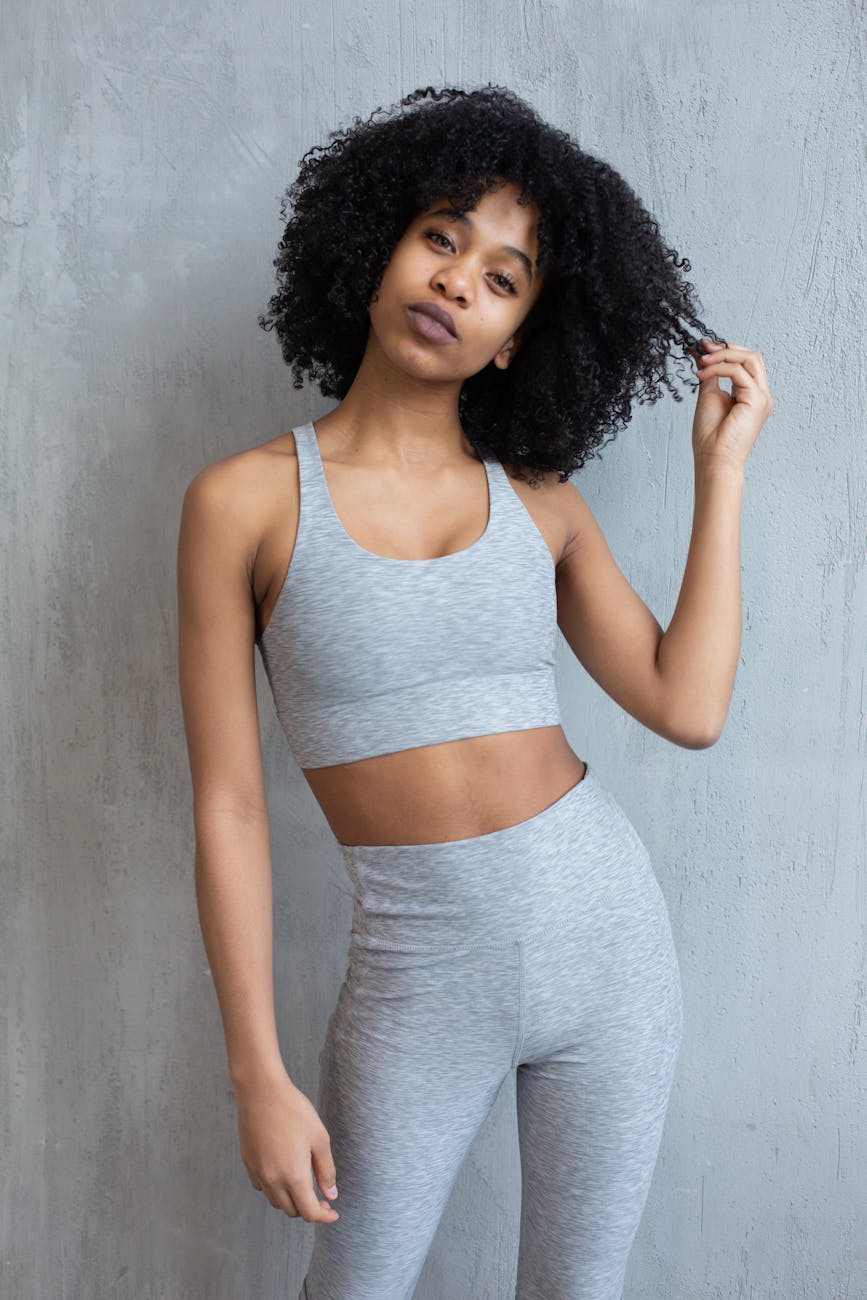
Photo by Monstera Production on Pexels.com

Ladies, I write to you with love and sincerity: are you offering your body as a living sacrifice to the Lord, or are we causing men to stumble into lust because of what we wear? (Romans 12:1, KJV). As you stand in front of your closet each morning, ask yourself: Would this garment be pleasing to the Most High? Would it glorify Him, or would it stir temptation in another’s heart? Does it honor the temple of the Holy Spirit (1 Corinthians 6:19-20) or make it harder for others to see Christ in me? When we dress, we preach a sermon without speaking a word—does your appearance proclaim holiness, or does it mirror the fashion of the world (1 John 2:15-16)?

The Call to Modesty

Photo by RDNE Stock project on Pexels.com


True modesty is not about shame but about reverence—choosing to dress in a way that reflects humility, dignity, and respect for the body God has given you. Paul exhorts women to “adorn themselves in modest apparel, with shamefacedness and sobriety” (1 Timothy 2:9-10, KJV). Modesty is an act of worship. When we cover ourselves appropriately, we declare, my worth is not in my curves or my skin, but in Christ who redeemed me.

What Not to Wear

  • Leggings worn as pants without a long tunic or dress covering hips/thighs
  • Short shorts or micro-miniskirts that expose thighs or buttocks
  • Deep plunging necklines or tops that expose cleavage
  • See-through tops or failing to wear proper undergarments
  • No bra / visible nipples through clothing
  • Revealing swimsuits or bikinis (especially thongs or high-cut suits)
  • Skin-tight jeans or dresses that outline every curve
  • Backless or strapless tops worn in public settings
  • Crop tops showing midriff
  • Extremely high slits in skirts or dresses

Instead, choose clothing that covers your body respectfully, is not form-fitting to the point of outlining every curve, and reflects purity and dignity.

The Psychology of Seduction
Psychologists have long studied how visual stimuli affect the male brain. Men are generally more visually stimulated than women, and revealing clothing can activate the brain’s reward centers linked to sexual arousal (Geary, 2021). When we wear plunging necklines, overly tight jeans, or leggings that leave little to the imagination, we unknowingly participate in what researchers call “sexual signaling”—subconscious cues that draw sexual attention. While we cannot control someone else’s sin, we are called not to place stumbling blocks before others (Romans 14:13).

Fashion vs. Holiness
Culture pushes women toward extremes—bikinis, crop tops, micro-shorts, and skin-tight dresses—under the banner of empowerment. But Scripture warns, “Be not conformed to this world: but be ye transformed by the renewing of your mind” (Romans 12:2, KJV). Following trends blindly can desensitize us to holiness. God’s daughters are set apart, called to shine as lights (Matthew 5:14-16), not blend into a culture obsessed with sexual display.

The Influence of Social Media
Platforms like Instagram and TikTok have normalized provocative clothing and sensual posing, feeding comparison and vanity. Studies show that constant exposure to sexualized images increases body-objectification and can fuel discontent (APA, 2018). As godly women, we must resist the urge to display ourselves for likes and views, remembering that “favor is deceitful, and beauty is vain: but a woman that feareth the Lord, she shall be praised” (Proverbs 31:30, KJV).

The Heart Behind the Wardrobe
Modesty begins in the heart. A woman can wear a long skirt and still seek ungodly attention if her heart desires lustful validation. Likewise, a woman who loves Christ will aim to dress in a way that draws attention to her character and good works (1 Peter 3:3-4). Ask yourself: Am I seeking to attract godly admiration or worldly attention? The Holy Spirit convicts us to choose clothing that exalts Christ over the flesh.

Protecting the Brothers
Some argue, “Men should just control themselves,” and while this is true, we are also called to help—not hinder—them. Jesus warns, “Whosoever shall offend one of these little ones which believe in me, it were better for him that a millstone were hanged about his neck” (Matthew 18:6, KJV). Dressing modestly is an act of love, helping our brothers fight temptation and pursue purity.

Honoring the Temple
Our bodies are temples of the Holy Spirit. When we wear clothing that is see-through, skin-tight, or designed to reveal every curve, we profane what is holy (1 Corinthians 3:16-17). Modesty is not about hiding beauty but stewarding it—displaying beauty with discretion, as Proverbs 11:22 says, “As a jewel of gold in a swine’s snout, so is a fair woman which is without discretion.”

The Beauty of Modesty
Modesty is liberating, not restricting. It frees us from the pressure of competing with the world’s standards and anchors us in God’s definition of beauty—quiet strength, dignity, and virtue. When we clothe ourselves with modesty, we become living testimonies, reflecting Christ’s light in a dark world (Philippians 2:15).


Clothing That Does Not Honor God

Avoid wearing leggings as pants without a longer tunic or dress to cover the hips and thighs. Refrain from short shorts or micro-skirts that expose the thighs and buttocks. Say no to deep plunging necklines or tops that display cleavage. Do not wear see-through blouses or go without proper undergarments where your shape and nipples are visible. Steer clear of revealing swimsuits, bikinis, and thong-style swimwear. Leave behind the skin-tight jeans or body-hugging dresses that show every curve. Avoid backless or strapless tops that draw unnecessary attention, crop tops that expose the midriff, and skirts or dresses with extremely high slits.

Instead, choose clothing that drapes gracefully, covers respectfully, and points the glory back to God rather than to your flesh.

Key References

  • Bible (KJV): 1 Timothy 2:9-10, 1 Corinthians 6:19-20, Proverbs 31:30, 1 Peter 3:3-4, Romans 12:1-2, Matthew 5:14-16
  • Psychological Studies:
    • Geary, D. C. (2021). Male, Female: The Evolution of Human Sex Differences (4th ed.). American Psychological Association.
    • American Psychological Association (2018). Report of the APA Task Force on the Sexualization of Girls.
  • Cultural Analysis: APA research on sexualized media and objectification shows strong links between revealing dress, increased sexual attention, and reduced perception of women’s competence.

The Evolution of Fashion: From Haute Couture to Modern Trends

Photo by Pixabay on Pexels.com

Fashion, as both a cultural expression and a global industry, reflects society’s evolving ideologies, class structures, and creative impulses. From ancient royal garments to modern streetwear, fashion is more than fabric—it is a language of status, art, rebellion, and self-identity. This paper traces the history of fashion with a focus on iconic elements like the little black dress, high heels, and haute couture. It also contrasts the styles and societal contexts of fashion from the 1960s to the 2000s and examines the work of pivotal designers such as Coco Chanel, Oscar de la Renta, Elie Saab, and Valentino.


The Origins and Evolution of Fashion

The history of fashion can be traced back to ancient civilizations such as Egypt, Mesopotamia, and Rome, where clothing signified rank, wealth, and occupation (Tortora & Eubank, 2010). In medieval Europe, sumptuary laws dictated what individuals could wear based on class, and during the Renaissance, elaborate fabrics and tailoring became status symbols.

The Industrial Revolution of the 18th and 19th centuries marked a turning point with mass production, making fashionable clothing accessible beyond the aristocracy. By the 20th century, fashion became a symbol of both modernity and rebellion, with icons like Coco Chanel and Christian Dior reshaping feminine silhouettes.


The Little Black Dress and Coco Chanel’s Revolution

Coco Chanel revolutionized women’s fashion by liberating them from corsets and promoting simplicity and elegance. In 1926, Vogue published a drawing of Chanel’s “little black dress,” describing it as “a uniform for all women of taste” (Madsen, 1990). The dress was radical in its minimalism, contrasting the ornate gowns of the era. Chanel’s vision made black, once reserved for mourning, a symbol of chic elegance.

Chanel’s biography reveals a woman who defied societal expectations. Born Gabrielle Bonheur Chanel in 1883 in Saumur, France, she began as a milliner and eventually built a fashion empire. Her designs, such as the tweed suit and the use of jersey fabric, reflected her commitment to functional luxury (Madsen, 1990).


The History and Symbolism of High Heels

Photo by Ray Piedra on Pexels.com

High heels, often perceived as modern, date back to Persian cavalry in the 10th century who used heels for stability in stirrups. By the 17th century, European nobility wore heels to signify power; King Louis XIV famously wore red heels as a symbol of his status (Semmelhack, 2015).

In modern fashion, high heels are often associated with femininity, sexuality, and class, though their health implications and gender expectations have sparked ongoing debate. Despite controversy, they remain a staple in haute couture and mainstream fashion alike.


Haute Couture: History and Modern Significance

Haute couture, meaning “high sewing” in French, began in 19th-century Paris with Charles Frederick Worth, widely regarded as the first fashion designer to present seasonal collections. Haute couture is defined by custom-fitted clothing, hand-stitched construction, and luxurious materials, regulated by the Chambre Syndicale de la Haute Couture (Steele, 2005).

Designers such as Christian Dior, Valentino, Givenchy, and Elie Saab have carried the legacy of haute couture into the modern era. Saab, in particular, is renowned for ethereal, intricately embroidered gowns worn by royalty and Hollywood elite.


Fashion Trends by Decade (1960s–2000s)

Each decade brought distinct styles influenced by politics, culture, and technological shifts:

  • 1960s – Mod fashion, mini skirts, bold prints (Mary Quant, André Courrèges)
  • 1970s – Bohemian, disco, bell bottoms (Halston, Diane von Fürstenberg)
  • 1980s – Power suits, shoulder pads, neon (Gianni Versace, Jean-Paul Gaultier)
  • 1990s – Minimalism, grunge, slip dresses (Calvin Klein, Tom Ford)
  • 2000s – Logomania, denim on denim, hip-hop fashion (Baby Phat, Ed Hardy)

Fashion Today vs. the Last 100 Years

  • 1920s–1950s: silhouettes moved from restrictive corsets to simplified lines, culminating in Dior’s romantic post-war shapes.
  • 1960s–1980s: youth culture, social revolutions, and corporate power defined bold and expressive style.
  • 1990s–2000s: minimalism, casualwear ascendancy, brand logos, celebrity-endorsed fashion.
  • 2020s: sustainability, nostalgia revivals, tech integration, diversity and inclusivity becoming central themes.

The fashion of each era responded to social dynamics—from feminism and counterculture to globalism and digital innovation.


Modern Trends and the Role of the Media

Today, fashion is heavily influenced by social media, fast fashion giants, and digital influencers. While this democratizes style, it also accelerates trend cycles and raises concerns about sustainability and mental health due to comparison culture. “Old money” elites often shop luxury heritage brands like Loro Piana, Hermès, and Brunello Cucinelli, in contrast to the masses who gravitate toward trend-driven retail brands.


Top Fashion Designers of the Past (Historical Legends)

These designers shaped fashion history and left legacies that continue to influence the industry:

1. Coco Chanel (1883–1971) – France

  • Created the little black dress, Chanel No. 5, and Chanel suits.
  • Liberated women from corsets; introduced casual elegance.
  • House of Chanel remains one of the most powerful fashion houses.

2. Christian Dior (1905–1957) – France

  • Introduced the “New Look” in 1947: cinched waists, full skirts, femininity post-WWII.
  • Re-established Paris as the capital of fashion.

3. Yves Saint Laurent (1936–2008) – France

  • First to put women in tuxedos (Le Smoking).
  • Merged haute couture with street style.
  • Iconic for color blocking and global influence.

4. Gianni Versace (1946–1997) – Italy

  • Known for bold colors, gold hardware, Greek motifs, and celebrity culture.
  • Popularized supermodels and high-glamour fashion.

5. Valentino Garavani (b. 1932) – Italy

  • Master of red carpet romance, known for “Valentino red”.
  • Specialized in haute couture elegance.

6. Karl Lagerfeld (1933–2019) – Germany

  • Artistic director of Chanel, Fendi, and his own brand.
  • Known for revamping fashion houses while keeping heritage.

7. Oscar de la Renta (1932–2014) – Dominican Republic/USA

  • Known for luxurious gowns and dressing First Ladies.
  • Feminine, refined eveningwear for the elite.

8. Alexander McQueen (1969–2010) – UK

  • Avant-garde, dark romanticism, technical genius.
  • Known for theatrical runway shows and sculptural garments.

👑 Leading Fashion Designers Right Now (2020s–Present)

These designers are dominating the current fashion scene across haute couture, ready-to-wear, and innovation:

1. Maria Grazia Chiuri – Dior (France)

  • First female creative director at Dior.
  • Focuses on feminism, craftsmanship, and modern romanticism.

2. Pierpaolo Piccioli – Valentino (Italy)

  • Reinvented Valentino with ethereal couture and bold color use.
  • Praised for inclusive casting and poetic design.

3. Demna (Gvasalia) – Balenciaga (France/Georgia)

  • Known for normcore, dystopian aesthetics, and political commentary.
  • Challenges the fashion establishment while keeping Balenciaga edgy.

4. Daniel Roseberry – Schiaparelli (USA/France)

  • Revived the surrealist legacy of Elsa Schiaparelli.
  • Worn by Beyoncé, Cardi B, and Lady Gaga (notably at Biden’s inauguration).

5. Elie Saab – Lebanon

  • Master of red carpet glamour.
  • Known for embellished gowns with Middle Eastern opulence.

6. Jonathan Anderson – Loewe & JW Anderson (UK/Spain)

  • Artistic and gender-fluid designs.
  • Cultivates luxury art-fashion hybrids.

7. Pharrell Williams – Louis Vuitton Men’s (USA)

  • Music mogul turned designer.
  • Infuses hip-hop culture into high fashion since 2023.

8. Telfar Clemens – Telfar (USA)

  • Famous for the “Bushwick Birkin” bag.
  • Champion of unisex, inclusive, accessible luxury.

9. Simone Rocha – UK/Ireland

  • Known for feminine silhouettes with a gothic twist.
  • Modern fairy-tale fashion.

10. Iris van Herpen – Netherlands

  • Leads fashion-tech innovation.
  • Uses 3D printing, robotics, and biomimicry in haute couture.

✨ Honorable Mentions (Current and Rising)

  • Matthew M. Williams – Givenchy
  • Glenn Martens – Diesel & Y/Project
  • Nicolas Ghesquière – Louis Vuitton (Women’s)
  • Sarah Burton (recently stepped down) – Alexander McQueen
  • Bach Mai – Emerging couture talent
  • Marine Serre – Sustainability and futurism
  • Grace Wales Bonner – British-Jamaican designer blending tailoring with Black culture

The First Hat Milliner and the Role of Accessories

The profession of millinery—hat making—rose to prominence in the 17th century. Rose Bertin, milliner to Marie Antoinette, was one of the first to gain international fame. Hats were once a symbol of decorum and status; today, they serve both function and fashion, especially in haute couture.


The Ups and Downs of Fashion

Fashion offers creative expression, economic power, and cultural identity. However, its pitfalls include consumerism, exploitation of labor, and unrealistic beauty standards. Moreover, the pressure to remain “on trend” can foster insecurity and materialism.


Conclusion

Fashion is both an art form and a mirror of society. From Chanel’s timeless black dress to the media-driven culture of fast fashion, clothing tells the story of human desire, innovation, and identity. The industry continues to evolve, balancing heritage and futurism, luxury and accessibility. As the world confronts environmental and social challenges, the future of fashion will depend on conscious creativity and a renewed understanding of its historical significance. Fashion is a reflection of society’s evolving values—from rigid hierarchy and exclusion to democratized expression, sustainability, and individual identity. Figures like Worth and Chanel reshaped not only what people wear, but how they see themselves. In every era, fashion has offered both opportunity for self-expression and critique of excess, reminding us that clothes carry cultural stories as much as they carry the body.


References

  • Madsen, A. (1990). Chanel: A Woman of Her Own. Henry Holt.
  • Semmelhack, E. (2015). Shoes: The Meaning of Style. Bata Shoe Museum.
  • Steele, V. (2005). Fashion, Italian Style. Yale University Press.
  • Tortora, P. G., & Eubank, K. (2010). Survey of Historic Costume. Fairchild Books.
  • Arnold, R. (2009). Fashion: A Very Short Introduction. Oxford University Press.
  • Steele, V. (2003). The Berg Companion to Fashion. Bloomsbury.
  • Chanel’s life and influence; LBD history thisbluebird.comiconikmagazine.comWikipediaapnews.com
  • History of haute couture and Charles Frederick Worth The National News+1
  • High heel origins and social symbolism teenvogue.com+2Wikipedia+2
  • Modern trends in fashion revival and sustainability theguardian.combyrdie.commarieclaire.com

Dilemma: Modesty

Photo by Speak Media Uganda on Pexels.com

Modest dressing refers to clothing choices that express dignity, humility, and self-respect, avoiding overly revealing or provocative attire. It is a conscious effort to present oneself in a way that does not draw sexual attention or objectify the body, but instead honors one’s character, values, and spiritual identity.

From a biblical and moral standpoint, modesty is not merely about how much skin is covered—it is about intention, discretion, and the desire to reflect inner virtue. Modesty embodies a heart posture of reverence, especially before God.

“In like manner also, that women adorn themselves in modest apparel, with shamefacedness and sobriety; not with broided hair, or gold, or pearls, or costly array; but (which becometh women professing godliness) with good works.”
1 Timothy 2:9–10, KJV

Cultural Application & a Modern Example

In the age of hypersexualized media, modesty can feel countercultural. Yet, some women in the public eye maintain elegance and dignity through modest fashion.

One example is Meghan Markle, Duchess of Sussex (especially during her early royal years). She is often praised for wearing sophisticated, understated outfits—dresses with high necklines, long sleeves, and below-the-knee lengths—demonstrating that class and beauty are not mutually exclusive. Another consistent example is Lupita Nyong’o, whose red carpet appearances often exude grace, simplicity, and cultural pride while honoring her body and heritage.

Other notable figures include:

  • Kate Middleton (Princess of Wales)
  • Yuna (Malaysian singer) – who wears a hijab and stylish, full-coverage outfits
  • Tabitha Brown – actress and influencer known for combining spirituality, kindness, and a modest appearance

These women illustrate that fashion can be beautiful and bold without being revealing.

The Power of Modesty: Respect from Men

When a woman dresses modestly, she often commands a different kind of attention—not one based on lust or fantasy, but on admiration, respect, and curiosity about her mind, values, and personality.

Modest clothing sends a message: “I am not for consumption—I am for covenant.”
It distinguishes a woman not by how much she reveals, but by what she reserves for the sacred.

“Let thine eyes look right on, and let thine eyelids look straight before thee. Ponder the path of thy feet, and let all thy ways be established.”
Proverbs 4:25–26, KJV

A God-fearing man—one with integrity and vision—will be drawn to a woman’s discretion, not her display. He values character, not curves alone. When a woman covers her body, it invites honorable conversation, deeper connection, and reinforces self-worth.

The Apocrypha echoes this ideal:

“A modest wife adds charm to charm, and no balance can weigh the value of a chaste soul.”
Ecclesiasticus (Sirach) 26:15, RSVCE / Similar in KJV Apocrypha

In an era where minimal clothing is often mistaken for confidence and empowerment, I find myself drawn to a different standard—one rooted in elegance, restraint, and self-respect. As Ayesha Curry once remarked, “Everyone’s into barely wearing clothes these days, huh? Not my style. I like to keep the good stuff covered up for the one who matters.” Her words echo a truth rarely celebrated in modern culture: modesty is not repression—it is discernment.

The classy woman still exists, even in the age of social media where visibility is often equated with value, and the exposure of skin is seen as a currency for attention. While such displays may attract fleeting admiration or superficial engagement, one must ask: how many of these individuals embody the qualities that build lasting relationships, emotional depth, or covenant-level commitment?

Rather than allowing Hollywood or popular culture to define femininity, I look to women like Audrey Hepburn, whose timeless style and modest sophistication continue to inspire across generations. I first encountered Hepburn in the late 1990s, unaware of her legacy, but her grace, poise, and understated beauty captivated me. She exemplifies a kind of feminine dignity that transcends trends—a quiet power rooted not in exposure, but in character.


In today’s culture, women are often encouraged to equate their value with physical beauty, sensuality, and the strategic display of their bodies. Society subtly—and at times overtly—suggests that a woman’s influence lies in the sway of her hips, the exposure of her curves, and the ability to captivate a man’s attention with a single provocative glance. Even more troubling, this narrative is sometimes perpetuated by other women—even mothers—who advise young women to dress seductively as a means of gaining male validation.

Yet, there is something deeply admirable, even revolutionary, about a woman who chooses to present herself with humility, modesty, and reverence in a world obsessed with external appearance. To maintain dignity amid the noise of a culture that tells you to perform as if you have no Creator, no compass, and no soul—that is the mark of a rare and radiant spirit. Such a woman is a light in darkness, a witness to something greater than herself. Though she may be few in number, she exists—I am living proof.

To the woman who finds no shame in exposing her body through tight, revealing garments that draw attention to her chest, thighs, or even her intimate anatomy—please take a moment to reflect. Ask yourself honestly: What spirit is motivating these choices? Our actions, attire, and attitudes not only reflect our inner condition, but they influence others—especially the younger, more impressionable women and girls who look up to us, even if silently. Every young sister should be viewed as a daughter whose soul is worth protecting.

There is no virtue in flaunting what is common to all women. Breasts, thighs, and curves are not unique—what distinguishes you is not the physical, but the quality of your character. A man can find physical appeal anywhere, but what he cannot easily find is a woman who embodies both strength and virtue—a woman whose life reflects the attributes of the Most High. As the Scripture says:

“Favour is deceitful, and beauty is vain: but a woman that feareth the Lord, she shall be praised.”
Proverbs 31:30, KJV

Character will sustain a relationship where physical attraction alone cannot. If you observe closely, many women who project overt sensuality often lack stability in their relationships and homes. By contrast, a woman clothed in wisdom and modesty not only honors herself but fosters spiritual order and generational influence.

Clothing that leaves nothing to the imagination—tight jeans, leggings, short dresses—does not empower. Rather, it reduces a woman to mere visual consumption. This kind of gratuitous exposure is the fashion equivalent of oversharing, and while it may attract attention, it rarely commands respect. We must recognize this: you know what you are doing, and so does the Most High, who sees the heart and will judge accordingly.

“In like manner also, that women adorn themselves in modest apparel, with shamefacedness and sobriety…”
1 Timothy 2:9, KJV

Fashion, while often defended as self-expression, can be an outward manifestation of inner brokenness or rebellion. When our clothing choices are designed to provoke lust or manipulate attention, they reveal not freedom, but a spiritual disorder—a departure from our original, sacred design.

Let us then return to modesty, not as repression, but as a form of worship, a testimony of self-respect, and a reflection of the image of the Most High within us. May our beauty be inward, incorruptible, and timeless.

 
To be treated like a lady you must dress like a lady. Mothers teach your daughters to be respectful ladies to cover their bodies which is pleasing in the eyes of the Most High. This photograph is the property of its respective owners.


A Hidden Wisdom: Virtue Above Vanity

Let me unveil a timeless yet often unspoken truth: the superficial admiration of men—whether in social media comments or passing glances—does not equate to genuine respect. A multitude of likes from lustful men, mesmerized by curves, painted faces, and exposed thighs, does not signify honor. In reality, such attention frequently degrades rather than uplifts; in their carnal minds, the woman becomes not a cherished vessel of virtue, but an object for consumption—a “whore,” a “thot,” or a fleeting fantasy in the thoughts of whoremongers.

“Give not thy mind over to harlots, that thou lose not thine inheritance.”
Ecclesiasticus (Sirach) 9:6, KJV Apocrypha

Many women today desire to feel beautiful and admired—it is natural. But the pursuit of respect, dignity, and lasting love must surpass the fleeting thrill of sexual validation. Beauty, in its most noble and sacred form, is found in modesty. A righteous man, one who fears the Most High, will never truly love a woman whose value is solely rooted in physical display. For a man who honors God seeks not the body alone, but the mind, the soul, and the spirit of a woman.

“Favour is deceitful, and beauty is vain: but a woman that feareth the Lord, she shall be praised.”
Proverbs 31:30, KJV

Let this be known: true power is not found in the revealing of one’s body, but in the concealing of one’s worth for one deserving. A woman does not need to parade her flesh to prove her femininity. She need not sleep with a man to earn affection, nor should she raise her voice to be heard, nor lower a man to feel elevated. She does not need to argue to demonstrate intelligence, nor seduce to gain appreciation. Her worth is affirmed in silence, in virtue, and in her pursuit of righteousness.

“There is a shame which bringeth sin; and there is a shame which is glory and grace.”
Ecclesiasticus (Sirach) 4:21, KJV Apocrypha

The woman of virtue is not moved by temporary admiration but is rooted in sacred discipline. She treasures chastity, guards her body, and seeks wisdom as her adornment.

“As the sun when it ariseth in the high heaven; so is the beauty of a good wife in the ordering of her house.”
Ecclesiasticus (Sirach) 26:16, KJV Apocrypha

Dear sister, understand this: a man of God—a true king—does not chase sensual images. He is drawn to the woman who knows her worth and walks in the commandments of the Most High. He seeks a helpmeet, not a harlot; a Proverbs 31 woman, not an Instagram model.

“A silent and loving woman is a gift of the Lord; and there is nothing so much worth as a mind well instructed.”
Ecclesiasticus (Sirach) 26:14, KJV Apocrypha

You do not need to unbutton your blouse to open a man’s heart. You do not need to spread your legs to be cherished. But you must open your Bible and saturate yourself in the Word of Life—for in that discipline, your king will find you.

True queens are not self-proclaimed—they are heaven-ordained.


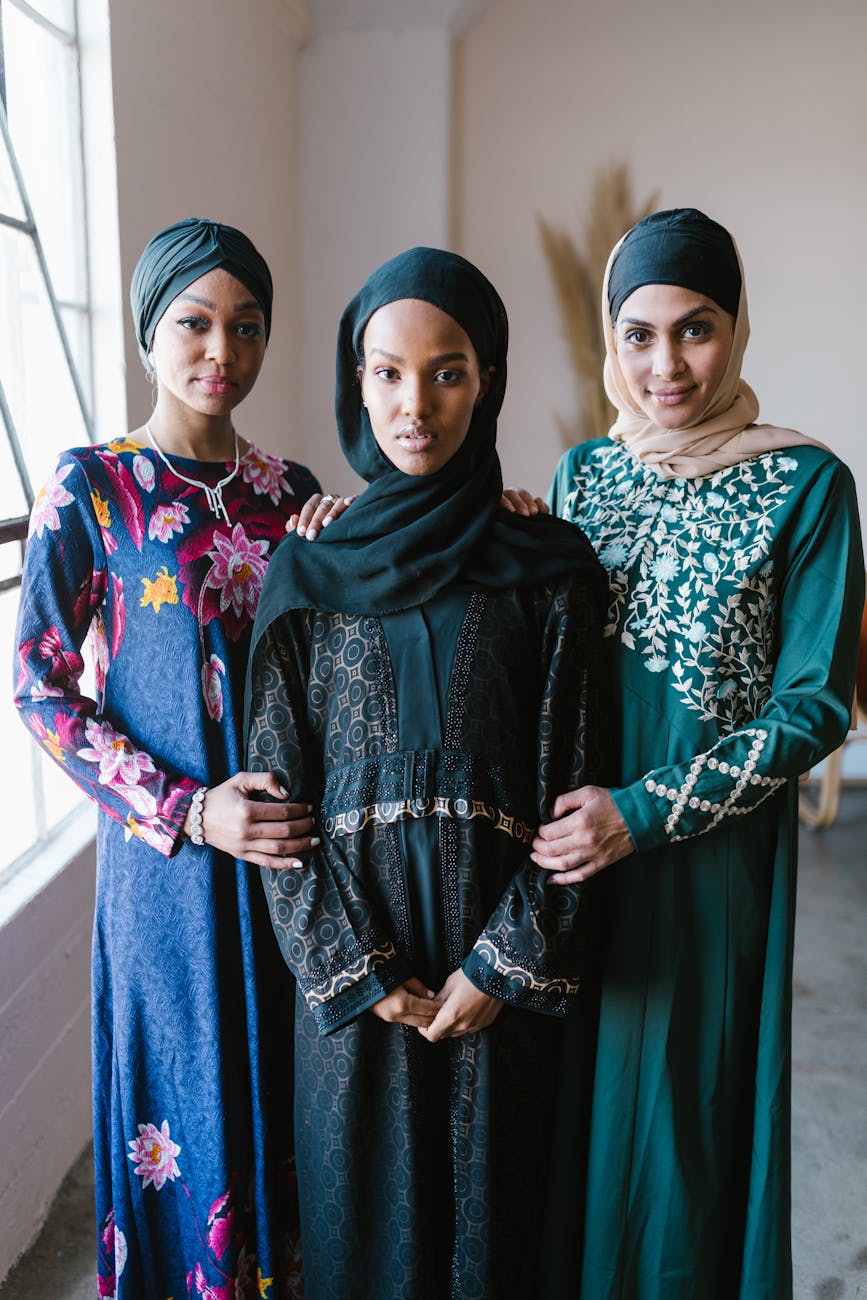
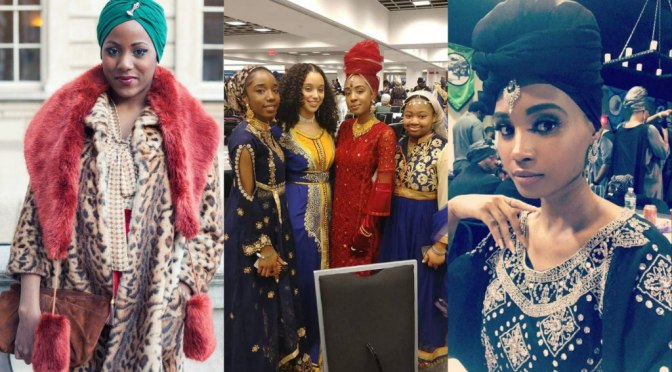
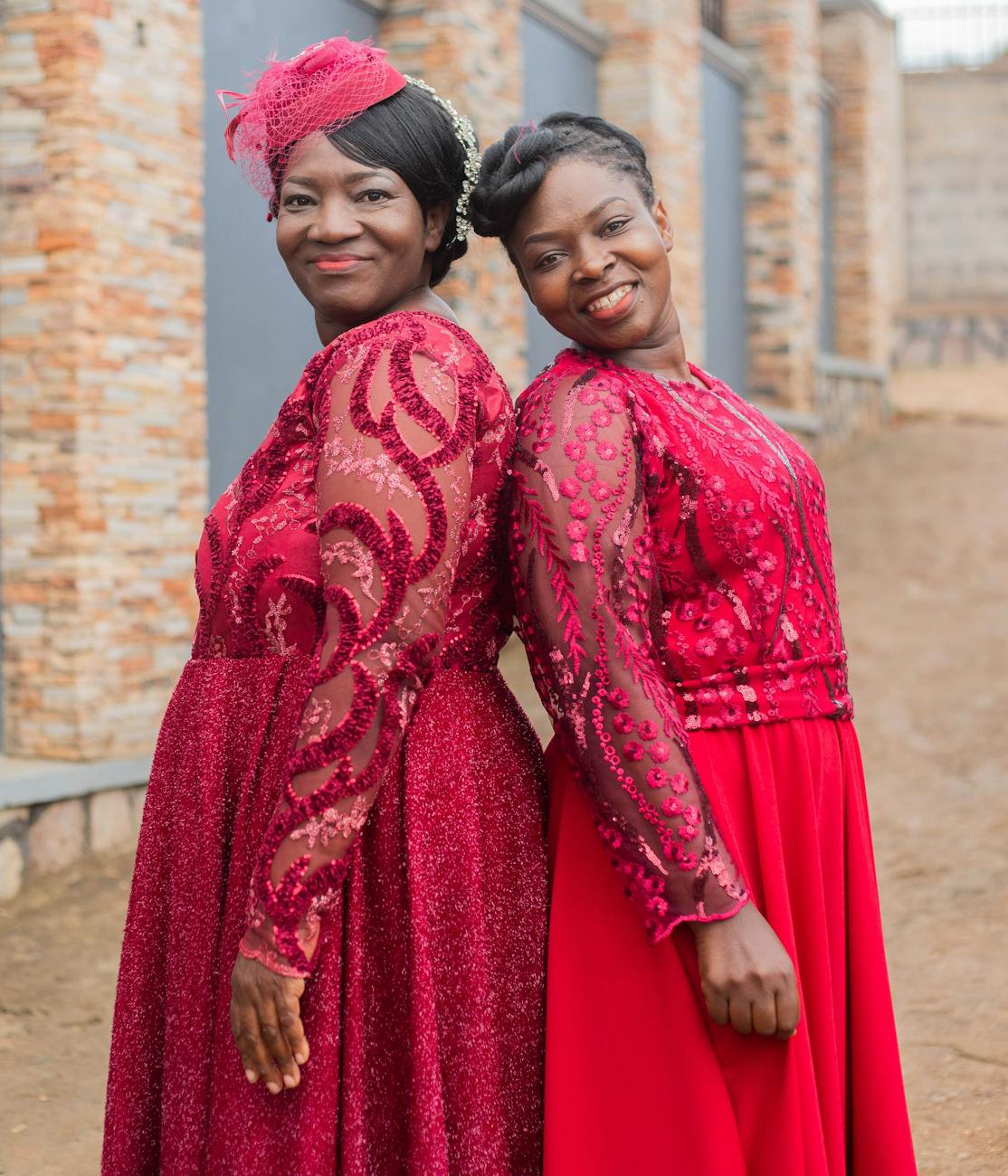
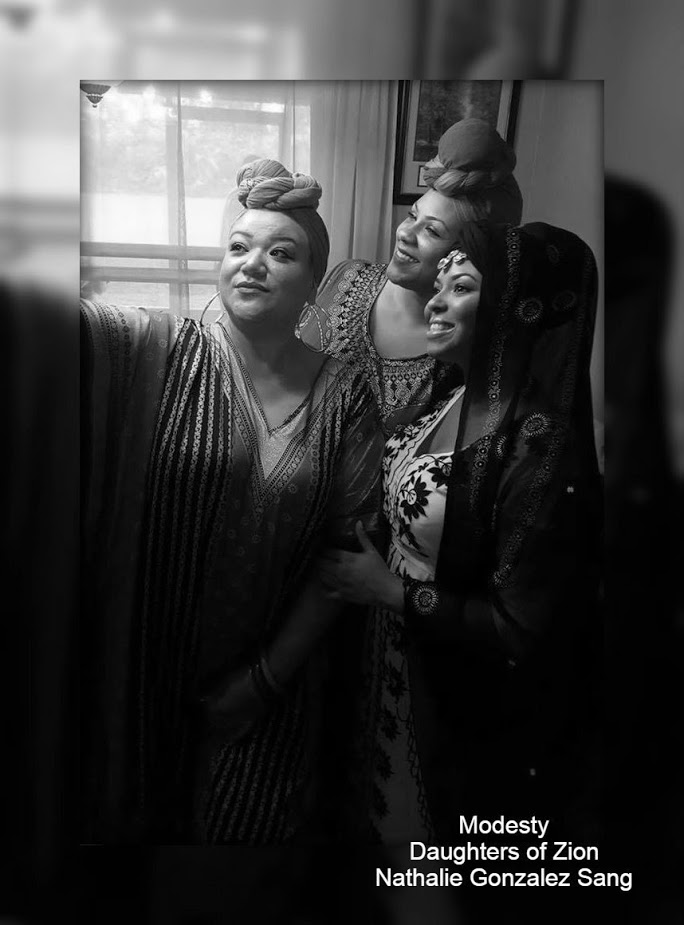
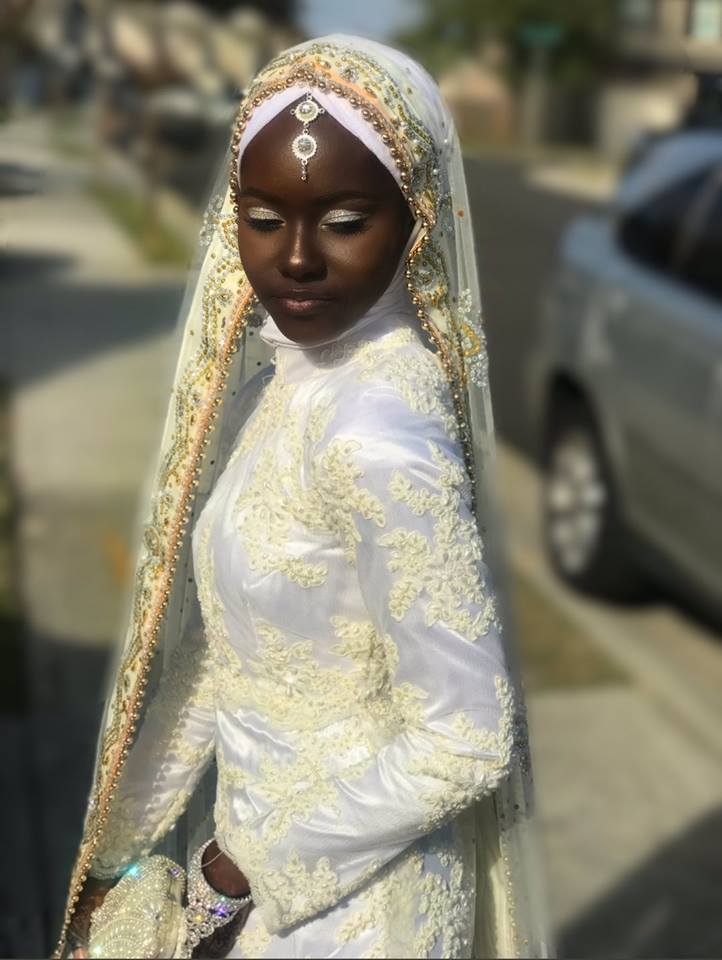
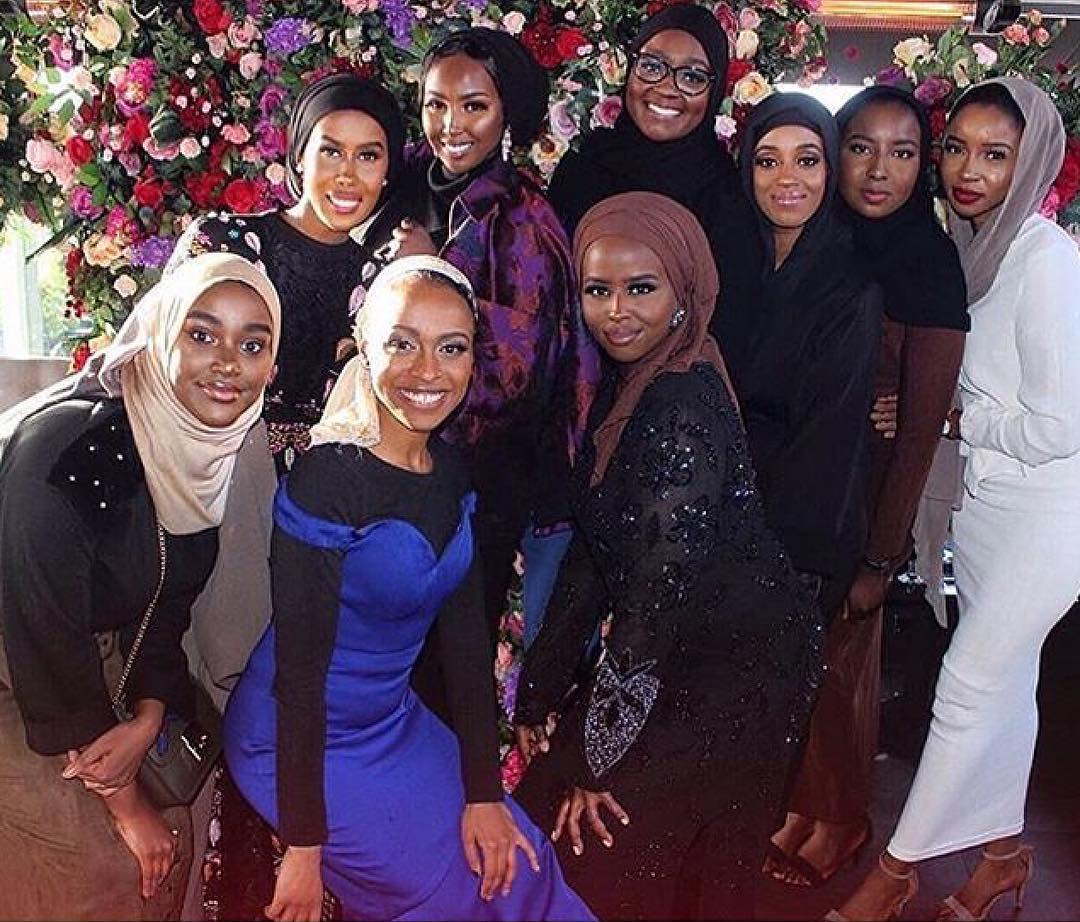
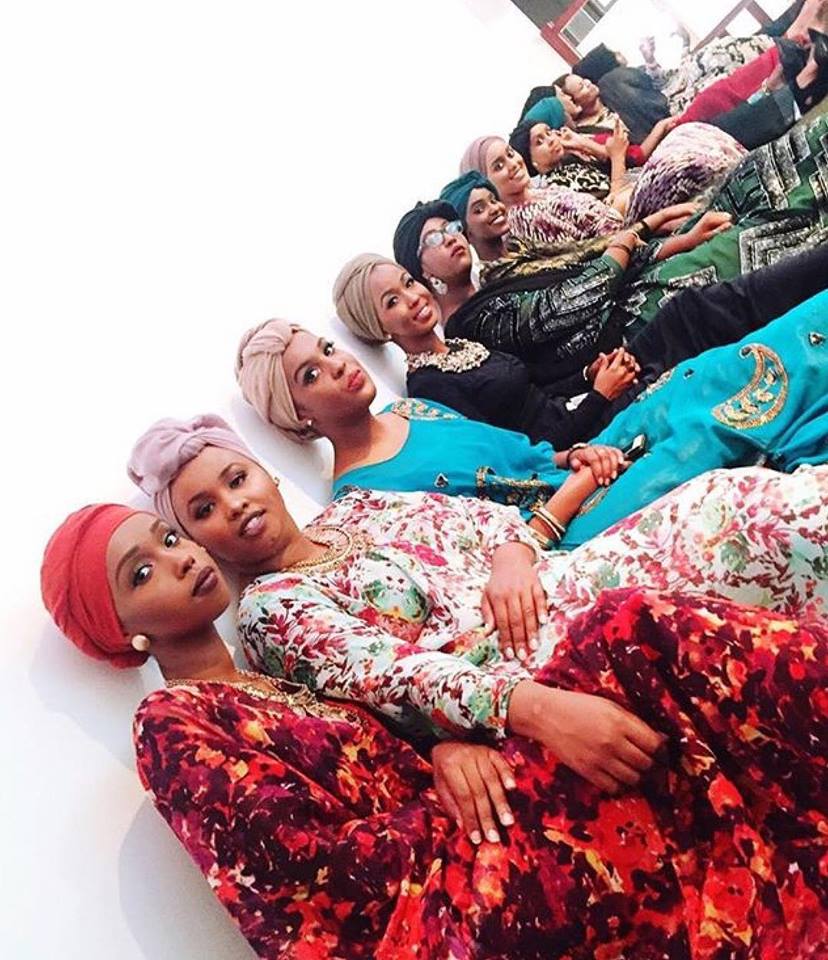
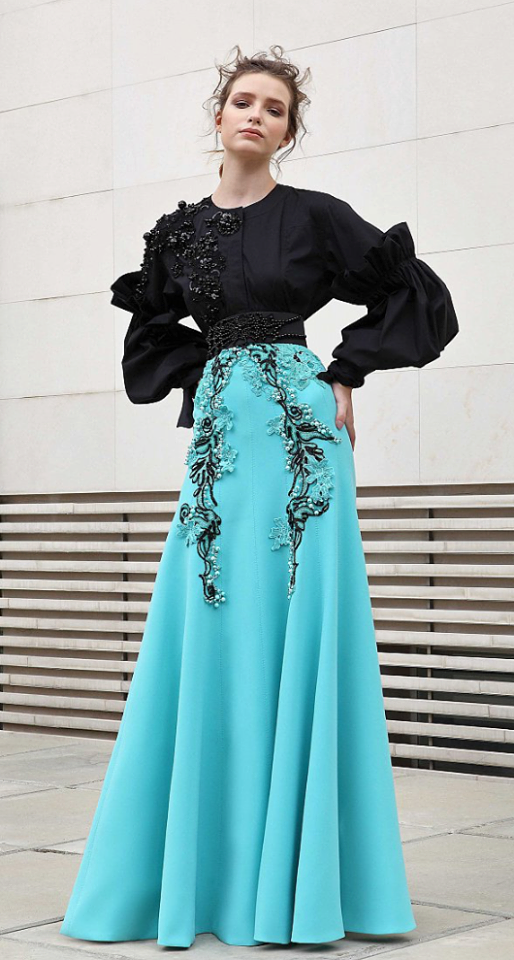
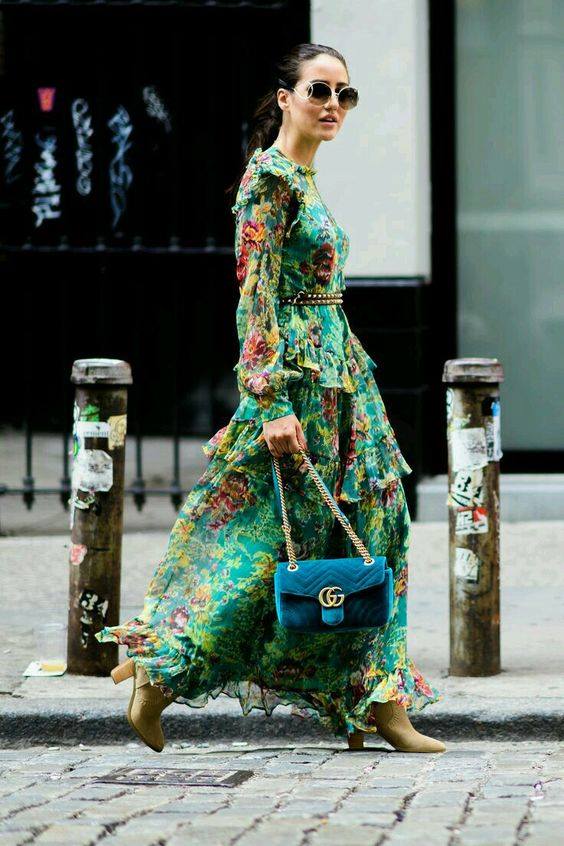
Examples of “Modest Dressing”


All photographs are the property of their respective owners.


Conclusion

Modesty is not oppression; it is protection, preservation, and proclamation of one’s inner worth. In a world obsessed with exposure, the woman who veils her body unveils her value. She is a beacon of wisdom in a culture of vanity.