Category Archives: mental-illness

How to Deal with Toxic People

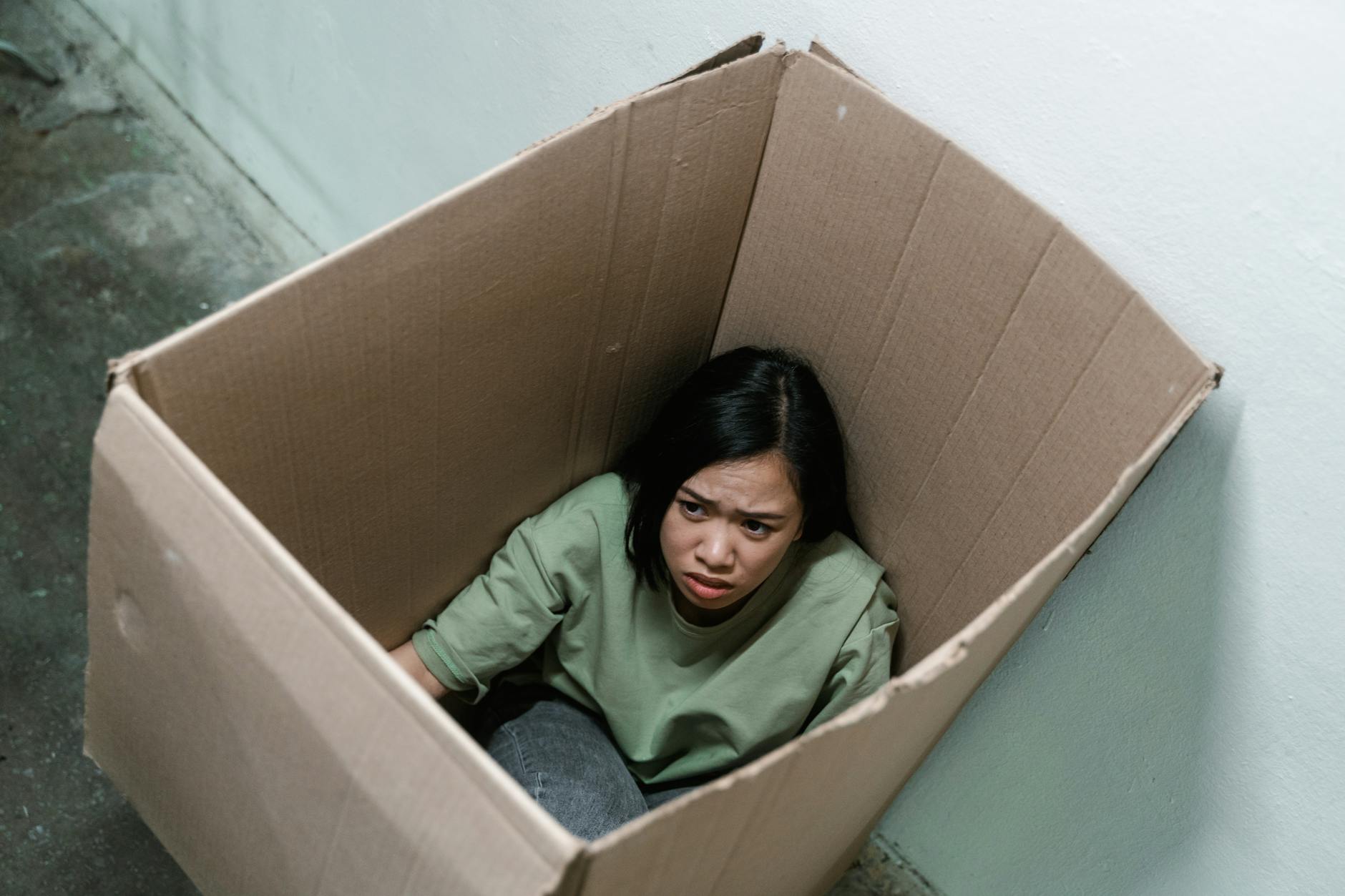
Photo by Danya Gutan on Pexels.com

Life presents us with many kinds of people, some who uplift us and others who drain us. Toxic people are individuals whose behavior consistently harms our emotional, spiritual, and even physical well-being. The Bible warns us in 1 Corinthians 15:33 (KJV): “Be not deceived: evil communications corrupt good manners.” To live a peaceful and God-centered life, we must recognize toxic people, set healthy boundaries, and learn strategies to deal with them wisely.


Types of Toxic People

1. The Manipulator.
This person uses charm, guilt, or deceit to control others. They twist words and situations for personal gain. (Proverbs 26:24–25 KJV: “He that hateth dissembleth with his lips, and layeth up deceit within him.”)

2. The Narcissist.
Self-absorbed and lacking empathy, the narcissist views relationships as a stage to glorify themselves, often leaving others emotionally drained.

3. The Criticizer.
Constantly pointing out flaws, this person undermines confidence. Proverbs 12:18 (KJV) reminds us: “There is that speaketh like the piercings of a sword: but the tongue of the wise is health.”

4. The Gossip.
They spread rumors and thrive on others’ misfortunes, sowing division and mistrust. Proverbs 16:28 (KJV) warns: “A froward man soweth strife: and a whisperer separateth chief friends.”

5. The Controller.
Controllers want everything their way. They disregard others’ autonomy, often disguising dominance as “care.”

6. The Victim.
They never take responsibility, always blaming others for their problems. Their self-pity drains compassion.

7. The Energy Vampire.
This person thrives on drama and negativity, constantly pulling others into their chaos.

8. The Jealous Competitor.
Unable to celebrate others’ successes, they seek to undermine or outshine those around them.

9. The Passive-Aggressive.
They resist openly but subtly sabotage progress, leaving confusion and resentment in their wake.

10. The Abuser.
Whether emotionally, verbally, or physically, abusers cause deep harm. The Bible condemns oppression and cruelty (Psalm 11:5 KJV).


How to Deal with Toxic People

11. Recognize the signs.
Awareness is the first step. As Matthew 7:16 (KJV) says, “Ye shall know them by their fruits.” Watch behavior more than words.

12. Set firm boundaries.
Toxic people push limits. Proverbs 25:17 (KJV) teaches moderation in interaction: “Withdraw thy foot from thy neighbour’s house; lest he be weary of thee, and so hate thee.” Boundaries protect your peace.

13. Limit exposure.
You cannot always cut toxic people out, but you can reduce their influence. This includes limiting time spent with them or refusing to engage in unhealthy conversations.

14. Refuse to internalize their words.
Criticism and manipulation only harm if you accept them as truth. Remember Psalm 139:14 (KJV): “I will praise thee; for I am fearfully and wonderfully made.”

15. Practice assertive communication.
Be clear and direct. Toxic people thrive on confusion. Saying “no” firmly and respectfully can disarm manipulation.

16. Do not engage in their drama.
Proverbs 26:4 (KJV) says, “Answer not a fool according to his folly, lest thou also be like unto him.” Avoid unnecessary arguments.

17. Surround yourself with positive influences.
Healthy relationships counterbalance the damage of toxic ones. Ecclesiastes 4:9–10 (KJV) reminds us of the power of supportive companionship.

18. Pray for strength and guidance.
Dealing with toxic people can exhaust the spirit. Philippians 4:13 (KJV): “I can do all things through Christ which strengtheneth me.” Prayer equips us with discernment and patience.

19. Know when to walk away.
Romans 16:17 (KJV) instructs: “Mark them which cause divisions and offences contrary to the doctrine which ye have learned; and avoid them.” Sometimes separation is the healthiest choice.

20. Trust God with justice.
You are not responsible for fixing toxic people. Vengeance belongs to the Lord (Romans 12:19 KJV). Release them into God’s hands and protect your peace.


Conclusion

Toxic people come in many forms — manipulators, narcissists, gossipers, controllers, and more. Their behaviors, though damaging, do not have to control our lives. By recognizing their patterns, setting boundaries, and grounding ourselves in God’s Word, we can stand firm in peace and wisdom. Isaiah 26:3 (KJV) promises: “Thou wilt keep him in perfect peace, whose mind is stayed on thee: because he trusteth in thee.” Peace is possible, even in the presence of toxicity, when we lean on God for guidance.


Quick Guide: Toxic People & How to Handle Them

1. The Manipulator

  • Trait: Twists words, guilt-trips, and deceives.
  • Counter: Be wise and discerning.
  • Verse: “He that walketh uprightly walketh surely: but he that perverteth his ways shall be known.” (Proverbs 10:9 KJV)

2. The Narcissist

  • Trait: Self-absorbed, lacks empathy.
  • Counter: Don’t feed their ego — stay humble and firm.
  • Verse: “For men shall be lovers of their own selves, covetous, boasters, proud…” (2 Timothy 3:2 KJV)

3. The Criticizer

  • Trait: Tears others down constantly.
  • Counter: Guard your heart, don’t internalize their words.
  • Verse: “There is that speaketh like the piercings of a sword: but the tongue of the wise is health.” (Proverbs 12:18 KJV)

4. The Gossip

  • Trait: Spreads rumors, divides people.
  • Counter: Don’t entertain their words, redirect the conversation.
  • Verse: “A whisperer separateth chief friends.” (Proverbs 16:28 KJV)

5. The Controller

  • Trait: Overbearing, forces their way.
  • Counter: Set firm boundaries.
  • Verse: “Stand fast therefore in the liberty wherewith Christ hath made us free.” (Galatians 5:1 KJV)

6. The Victim

  • Trait: Never takes responsibility, always blames others.
  • Counter: Don’t be their rescuer; encourage accountability.
  • Verse: “For every man shall bear his own burden.” (Galatians 6:5 KJV)

7. The Energy Vampire

  • Trait: Drains others with negativity.
  • Counter: Limit exposure, protect your peace.
  • Verse: “Keep thy heart with all diligence; for out of it are the issues of life.” (Proverbs 4:23 KJV)

8. The Jealous Competitor

  • Trait: Resents others’ success.
  • Counter: Don’t compare; remain content in God.
  • Verse: “A sound heart is the life of the flesh: but envy the rottenness of the bones.” (Proverbs 14:30 KJV)

9. The Passive-Aggressive

  • Trait: Indirect hostility, subtle sabotage.
  • Counter: Confront calmly with truth.
  • Verse: “Wherefore putting away lying, speak every man truth with his neighbour.” (Ephesians 4:25 KJV)

10. The Abuser

  • Trait: Causes harm through words or actions.
  • Counter: Seek safety, don’t tolerate abuse.
  • Verse: “The Lord trieth the righteous: but the wicked and him that loveth violence his soul hateth.” (Psalm 11:5 KJV)

Closing Verse for Strength
“Thou wilt keep him in perfect peace, whose mind is stayed on thee: because he trusteth in thee.” (Isaiah 26:3 KJV)

References

  • Cloud, H., & Townsend, J. (2002). Boundaries: When to say yes, how to say no to take control of your life. Zondervan.
  • Lancer, D. (2015). Dealing with narcissists: 8 steps to raise self-esteem and set boundaries with difficult people. Hazelden.
  • Holy Bible, King James Version.

Actual Signs of Mental Illness.

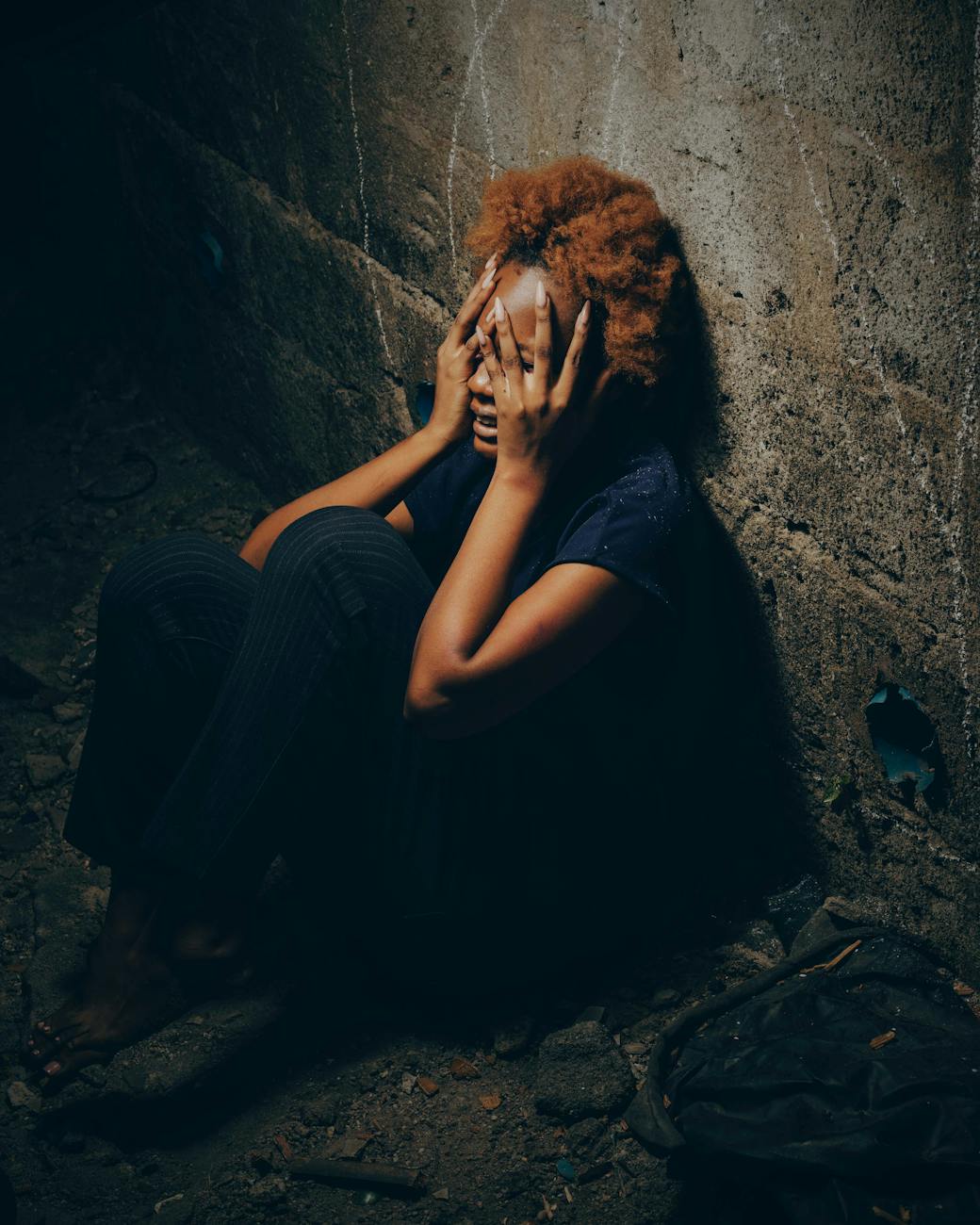
Photo by MART PRODUCTION on Pexels.com

Mental illness has long been a topic that society either ignores or stigmatizes. The truth is that many behaviors we consider “quirks” or “bad habits” can be symptoms of underlying psychological distress. Scripture teaches that we are body, soul, and spirit (1 Thessalonians 5:23, KJV), and when our mind is disturbed, it affects all three. This essay examines signs of mental illness through both a psychological and biblical lens, helping readers discern when a behavior might be pointing to a deeper issue.

One common sign that may seem minor but carries meaning is chronic nail-biting (onychophagia). Psychologists classify it as a body-focused repetitive behavior, often linked to anxiety or obsessive-compulsive tendencies (Phillips et al., 2014). The person may bite their nails to release tension or self-soothe. The Bible says, “Be careful for nothing; but in every thing by prayer and supplication with thanksgiving let your requests be made known unto God” (Philippians 4:6, KJV). Persistent anxiety that manifests in nail-biting can signal a need for inner peace and reliance on God’s promises.

Another overlooked sign is compulsive lying. While everyone has told a lie at some point, chronic lying can be connected to personality disorders, trauma responses, or a maladaptive coping strategy (American Psychiatric Association [APA], 2022). Psychology notes that pathological lying can be a defense mechanism to avoid shame or rejection. Scripture warns strongly against lying: “Lie not one to another, seeing that ye have put off the old man with his deeds” (Colossians 3:9, KJV). Repeated dishonesty may reveal a deeper struggle with fear, identity, or guilt that needs addressing spiritually and psychologically.

Skin-picking or compulsive picking at sores (dermatillomania) is another behavior often ignored. Psychologists view it as part of the obsessive-compulsive spectrum, often triggered by stress, perfectionism, or unresolved inner turmoil (Phillips et al., 2014). The Bible encourages believers to care for their body as the temple of the Holy Spirit (1 Corinthians 6:19-20, KJV). Persistent self-harm behaviors can be a cry for help and may require professional counseling or deliverance from inner torment.

Even shyness can sometimes reflect an underlying mental or emotional struggle. While being quiet or introverted is not sinful, extreme social anxiety may point to low self-worth or unresolved fear (Beck, 2021). The Bible says, “For God hath not given us the spirit of fear; but of power, and of love, and of a sound mind” (2 Timothy 1:7, KJV). Extreme withdrawal that keeps a person from fellowship, work, or daily living might indicate depression, trauma, or another mental health concern.

Obsessive thoughts—whether about germs, death, or sin—are another warning sign. Psychology calls this obsessive-compulsive disorder (OCD), where intrusive thoughts lead to compulsions (APA, 2022). Spiritually, this can feel like torment. The apostle Paul encourages us to renew our minds and think on things that are true, just, and pure (Philippians 4:8, KJV). When thoughts become an unending loop of fear or guilt, professional help and prayer may be necessary.

Extreme mood swings can also signal a mental health issue such as bipolar disorder, borderline personality disorder, or major depressive disorder (Kroenke et al., 2001). The Bible reminds us that “a merry heart doeth good like a medicine: but a broken spirit drieth the bones” (Proverbs 17:22, KJV). If someone swings between joy and deep despair rapidly, it is a sign to seek emotional and spiritual stability.

Another indicator is constant irritability and anger outbursts. Psychology associates uncontrolled anger with impulse control disorders, PTSD, or unresolved trauma (Beck, 2021). Scripture cautions, “Be ye angry, and sin not: let not the sun go down upon your wrath” (Ephesians 4:26, KJV). Chronic rage can destroy relationships and one’s witness as a believer, revealing an emotional wound that requires healing.

Sleep disturbances—insomnia, nightmares, or sleeping too much—can be early warnings of anxiety, depression, or post-traumatic stress disorder (National Institute of Mental Health [NIMH], 2023). The Bible promises rest: “He giveth his beloved sleep” (Psalm 127:2, KJV). When sleep is consistently disrupted, it often reflects inner unrest, which must be addressed to restore balance.

Loss of interest in daily life is another red flag. Psychologists call this anhedonia, a key symptom of depression (Kroenke et al., 2001). Spiritually, it may feel like hopelessness. The Psalmist cried, “Why art thou cast down, O my soul? and why art thou disquieted within me? hope thou in God” (Psalm 42:11, KJV). If life feels meaningless or empty, it is a signal to seek help.

Substance abuse—whether drugs, alcohol, or prescription misuse—can mask mental health struggles. Psychology shows that addiction often begins as self-medication for pain or trauma (Miller & Rollnick, 2013). The Bible warns against drunkenness (Ephesians 5:18, KJV) and calls believers to sobriety. Addressing the root cause of addiction is key to long-term freedom.

Even compulsive spending or hoarding can be linked to mental health disorders such as mania or obsessive-compulsive personality disorder (APA, 2022). Scripture warns against covetousness (Luke 12:15, KJV) and urges believers to be good stewards. If financial habits are destructive, psychological and biblical counsel can bring correction and healing.

Chronic guilt or shame is also a psychological weight that can spiral into depression or self-harm. The Bible declares that there is no condemnation to those in Christ (Romans 8:1, KJV). Persistent feelings of worthlessness should be addressed both spiritually—through the assurance of forgiveness—and clinically, if they impair daily life.

Finally, withdrawing from fellowship or refusing to be around others is a serious sign. Psychology associates isolation with major depression, PTSD, or social anxiety (NIMH, 2023). The Bible commands, “Not forsaking the assembling of ourselves together” (Hebrews 10:25, KJV). While solitude can be healthy, isolation can become a trap that worsens mental illness.


Practical Steps for Healing

  1. Prayer and Scripture Meditation – Begin with prayer, asking God for peace and clarity (Philippians 4:6-7, KJV). Read verses about comfort, hope, and a sound mind daily to renew your thoughts.
  2. Professional Counseling – Seek a licensed Christian therapist or counselor who integrates biblical principles with evidence-based techniques like cognitive-behavioral therapy (Beck, 2021).
  3. Medical Evaluation – For severe symptoms, visit a doctor or psychiatrist. Some mental illnesses have biological factors that benefit from medical treatment (APA, 2022).
  4. Supportive Community – Join a church small group, Bible study, or mental health support group. Community provides accountability and encouragement (Hebrews 10:25, KJV).
  5. Healthy Lifestyle Choices – Prioritize sleep, exercise, and a balanced diet. Research shows physical health strongly affects mental health (WHO, 2022).
  6. Journaling and Reflection – Write out thoughts and prayers daily. This helps process emotions and identify patterns that need healing.
  7. Deliverance and Spiritual Warfare – For believers, some struggles may be spiritual oppression. Pray for deliverance, seek pastoral support, and rebuke fear and torment in Jesus’ name (James 4:7, KJV).

References

American Psychiatric Association. (2022). Diagnostic and statistical manual of mental disorders (5th ed., text rev.; DSM–5–TR). American Psychiatric Publishing.

Beck, J. S. (2021). Cognitive behavior therapy: Basics and beyond (3rd ed.). Guilford Press.

Kroenke, K., Spitzer, R. L., & Williams, J. B. W. (2001). The PHQ‐9: Validity of a brief depression severity measure. Journal of General Internal Medicine, 16(9), 606–613. https://doi.org/10.1046/j.1525-1497.2001.016009606.x

Miller, W. R., & Rollnick, S. (2013). Motivational interviewing: Helping people change (3rd ed.). Guilford Press.

National Institute of Mental Health. (2023). Mental health information. https://www.nimh.nih.gov/health

Phillips, K. A., Stein, D. J., Feusner, J. D., & Wilhelm, S. (2014). Obsessive-compulsive and related disorders: Clinical and research advances. Dialogues in Clinical Neuroscience, 16(2), 103–119. https://doi.org/10.31887/DCNS.2014.16.2/kphillips

World Health Organization. (2022). Mental health and substance use: Facts and figures. https://www.who.int/health-topics/mental-health

King James Bible. (1769/2023). Authorized King James Version. Cambridge University Press. (Original work published 1611)

Strong but Silent: The Mental Health Crisis in the Black Community.

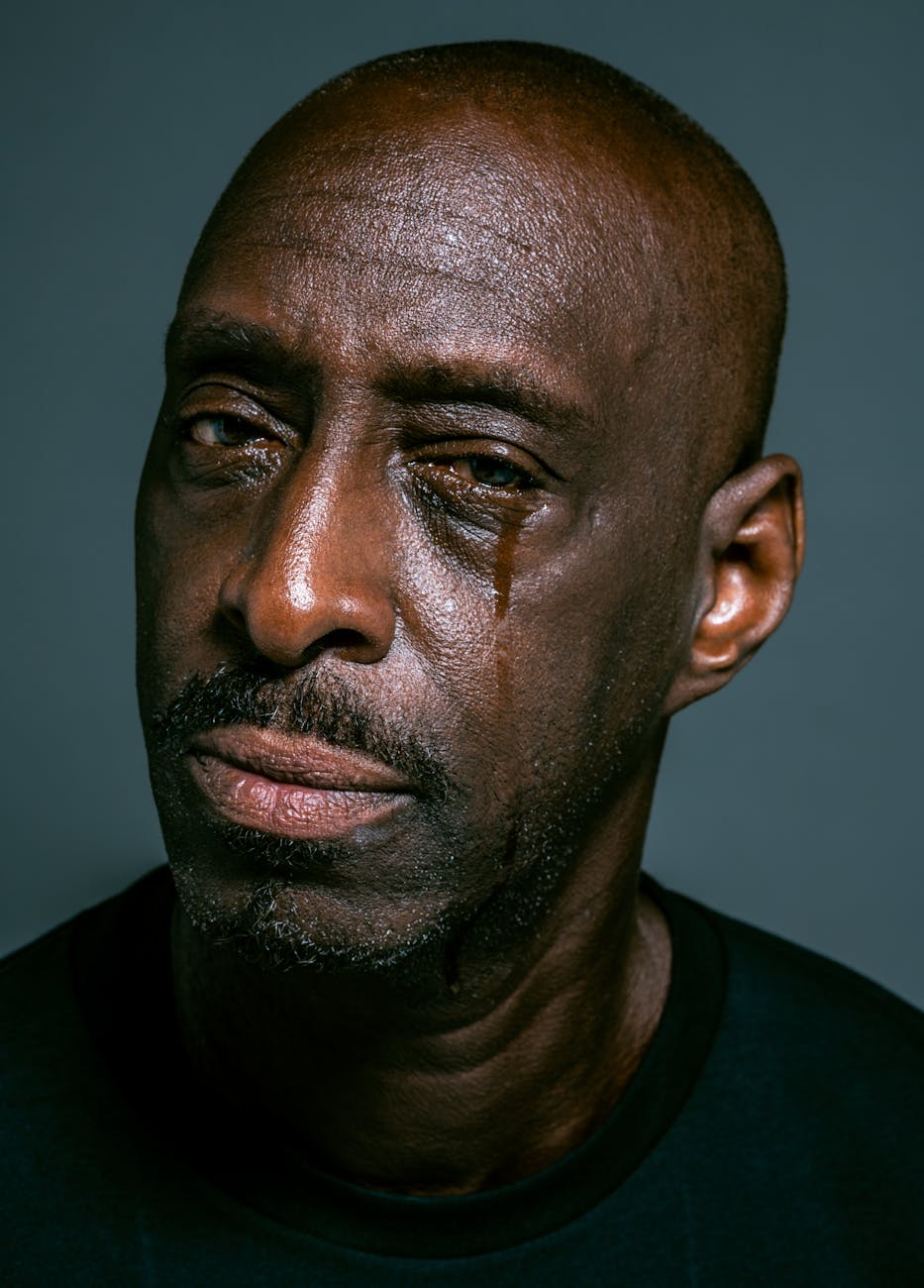
Photo by Kelvin Diri on Pexels.com

Understanding the Mental Health Crisis in the Black Community

The Black community faces a pressing mental health crisis—characterized by elevated rates of psychological distress, limited access to care, and deep-rooted stigma. Black Americans are 20% more likely to experience serious mental health problems compared to the general population, and 30% more likely to report serious psychological distressForge HealthWikipedia. Yet, only 1 in 3 Black adults who need mental health care actually receive it, compared with 1 in 2 White adultsForge HealthNAACPColumbia Psychiatry. Such disparities underline a systemic gap in both awareness and treatment.


Root Causes: Trauma, Racism, and Stigma

Deep psychological wounds stemming from historic trauma, including centuries of slavery and institutional racism, continue to influence mental well-being today. The concept of Post-Traumatic Slave Syndrome (PTSS), proposed by Joy DeGruy Leary, argues that unresolved trauma from slavery—and ongoing discrimination—has been transmitted across generations, manifesting as low self-esteem, internalized anger, and self-limiting beliefsWikipedia.

Compounding this is systemic racism, which produces chronic stress through daily microaggressions, economic marginalization, police violence, and unequal treatment in healthcare—leading to elevated anxiety, PTSD, and depressive disordersVerywell MindTIMEmcleanhospital.orgThe Washington Post. Additionally, stigma in the Black community—rooted in historically denying mental illness in enslaved people (e.g., the pseudoscientific “drapetomania”)—continues to perpetuate silence, shame, and avoidance of mental health carewww.counseling.orgMental Health Americahygieiabh.org.


Psychological and Societal Impacts: A Data-Driven View

  • Suicide Trends: In 2021, suicide ranked as the third leading cause of death among Black youths aged 10–24, with rates rising nearly 37% over two decadesNAACPWikipedia. Alarmingly, Black teenage girls are 60% more likely to attempt suicide compared to their white peersAmerican Addiction Centers.
  • Disproportionate Emergency Care: Black adults visit emergency departments (EDs) for mental health concerns at twice the national average, yet are less likely to be admitted or transferred for psychiatric careNAACP.
  • Professional Representation: Only 2–4% of mental health professionals in the U.S. are Black (e.g., 2% of psychiatrists and 4% of psychologists), creating barriers in cultural understanding and trust between providers and patientsNAACPcrescentwellnessfoundation.orgwww.counseling.org.

Why Mental Health Matters—and Its Hereditability

Mental health isn’t just personal—it’s foundational to individual and community well-being. When unaddressed, mental disorders can erode relationships, limit productivity, and perpetuate cycles of sufferingPsychiatryOnline.

Research also suggests that severe trauma can affect gene expression—intergenerational trauma—through biological mechanisms like epigenetics, influencing the offspring’s vulnerability to depression, anxiety, and PTSDHealthPsychology Today.


Common Mental Illnesses and Treatments in the Black Community

1. Major Depressive Disorder & Anxiety

These are among the most prevalent conditions. Evidence-based treatments include:

  • Psychotherapy (especially culturally responsive models)
  • Medication (e.g., SSRIs)
  • Community-based wellness initiatives (e.g., group therapy, healing studios)PsychiatryOnline

2. PTSD & Trauma-Related Disorders

Often triggered by violence, racism, or historical trauma. Treatment strategies include:

3. Misdiagnosis and Disparities

Black individuals are often misdiagnosed with schizophrenia when presenting anxiety or mood symptoms. Improved diagnostic training and culturally sensitive assessment are crucialReddithygieiabh.org.


Healing Measures and Community Strategies

Institutions and grassroots efforts are creating vital pathways to wellness:

  • NAACP resolutions (2024) call for culturally tailored mental health care, expanded service access, employer accommodations, and promotion of community-level mental hygieneNAACP.
  • Wellness First approach emphasizes centering healing within community contexts—e.g., Albany’s Root3d studio offering yoga and journaling programs designed for people of colorPsychiatryOnline.
  • Professionals like Dr. Joy Harden Bradford have launched platforms such as Therapy for Black Girls, which taps into culturally competent psychotherapy and community discourseWikipedia.
  • Association of Black Psychologists (ABPsi), founded in 1968, champions African-centered psychology and develops culturally aligned frameworks for therapyWikipedia.

Real Stories of Trauma and Resilience

  • Regina King’s son, Ian Alexander Jr., died by suicide in 2022 at age 26 after a private battle with depression. Despite professional help, the struggles were hidden from many. Regina shares that she sometimes reads his journals in a meditation to stay connected with his memoryPeople.com.
  • Tiffany Simelane, Miss Swaziland 2008, took her own life in 2009 amid intense personal and public pressures—highlighting the psychological toll of pageant expectations and isolationWikipedia.

Key Precautions & Recommendations

  1. Normalize mental health conversations in churches, schools, and homes.
  2. Screen early, especially among youth—younger Black Americans face rising suicide riskNAACPWikipedia.
  3. Ask providers about cultural competence before starting therapyColumbia Psychiatry.
  4. Utilize culturally affirming care—online platforms, teletherapy, community healing spaces.
  5. Educate families & faith leaders to foster supportive environments rather than stigma.

Helplines & Web Resources

  • 988 Suicide & Crisis Lifeline – Call or text, 24/7.
  • 988lifeline.org – Online chat supportPeople.comMental Health America.
  • Therapy for Black Girls – Directory and podcast by Dr. Joy Harden BradfordWikipedia.
  • NAACP mental health resource hub – Guidance and policy advocacyNAACP.
  • Association of Black Psychologists (ABPsi) – Culturally grounded practitioner networkWikipedia.

Conclusion

The mental health crisis in the Black community is not a matter of individual weakness—but a collective calling. Anchored in historical trauma, systemic inequity, and stigma, it demands solutions that are culturally attuned, community-centered, and policy-driven. Healing is possible when care is compassionate, accessible, and culturally affirmed. Let’s keep this conversation open, and take action—together.


Dilemma: Post-Traumatic Slave Syndrome

The Lingering Psychology of Oppression.

It is easier to build strong children than to repair broken men.” — Frederick Douglass


Photo by Thirdman on Pexels.com

The African American experience cannot be fully understood without confronting the lingering psychological effects of centuries of slavery, systemic racism, and cultural dislocation. Dr. Joy DeGruy’s concept of Post-Traumatic Slave Syndrome (PTSS) provides a framework for understanding how the horrors of slavery and continued oppression have left lasting scars on the minds, behaviors, and cultural patterns of Black people in America. This psychological condition is not just about personal trauma but a collective, intergenerational inheritance of pain, mistrust, and internalized oppression. Similar to Stockholm Syndrome—where hostages develop psychological alliances with their captors—PTSS involves a learned accommodation to oppression, although its roots are broader, deeper, and sustained over centuries.


Historical Context: How It Happened

The transatlantic slave trade forcibly removed millions of Africans from their homelands, stripping them of names, languages, spiritual systems, and cultural continuity. Enslaved Africans in America endured the brutality of chattel slavery from the early 1600s until the ratification of the Thirteenth Amendment in 1865. This was not merely an economic system—it was an engineered psychological assault designed to break the human spirit. Families were deliberately separated to prevent strong kinship bonds, literacy was forbidden to keep the enslaved in ignorance, and the whip was used to instill fear and compliance. The “seasoning process” of new arrivals—where African cultural identity was systematically dismantled—parallels the mechanisms of psychological control found in Stockholm Syndrome: to survive, the enslaved sometimes had to identify with, appease, or adopt the worldview of the oppressor. However, PTSS is distinct in that it persists across generations, passed down not through a single hostage event, but through centuries of normalized racial subjugation.


Dr. Joy DeGruy’s Theory of Post-Traumatic Slave Syndrome

In her seminal work, Post Traumatic Slave Syndrome: America’s Legacy of Enduring Injury and Healing (2005), Dr. DeGruy defines PTSS as a multigenerational trauma experienced by African Americans resulting from slavery and continued oppression. She identifies three key patterns:

  1. Vacant Esteem – A lack of self-worth stemming from centuries of being devalued.
  2. Marked Propensity for Anger and Violence – Often internalized within the community rather than directed at the source of oppression.
  3. Suspicion and Mistrust – A survival mechanism rooted in historical betrayal by social, political, and economic systems.

Dr. DeGruy explains that these patterns were survival strategies in a hostile world but have become maladaptive in modern contexts. She draws parallels to other historical traumas—such as Holocaust survivors—where trauma is passed down epigenetically and behaviorally. Unlike other groups, however, African Americans have had no generational “breathing room” free from systemic oppression, making recovery far more complex.


The Biblical and Psychological Dimensions of Deliverance

The Bible acknowledges the reality of generational consequences: “The fathers have eaten sour grapes, and the children’s teeth are set on edge” (Jeremiah 31:29, KJV). Yet Scripture also offers a path to renewal. Romans 12:2 (KJV) urges believers to “be transformed by the renewing of your mind,” highlighting the need for cognitive and spiritual reformation. Psychology supports this notion through trauma-informed therapy, cognitive-behavioral interventions, and community-based healing. Deliverance from PTSS requires both internal and systemic work:

  • Acknowledgment of the Wound – Breaking the silence around intergenerational trauma.
  • Cultural Restoration – Reclaiming African heritage, history, and languages to counter cultural erasure.
  • Spiritual Healing – Integrating faith-based support with psychological counseling.
  • Collective Advocacy – Dismantling systemic structures that perpetuate racial inequality.

How Long We Have Carried It and Its Modern Impact

African Americans have carried the weight of PTSS for over 400 years—from the arrival of the first enslaved Africans in 1619 to the present day. Even after emancipation, Jim Crow laws, redlining, mass incarceration, and economic exclusion extended the trauma. Today, PTSS manifests in multiple ways: mistrust of institutions, internalized colorism, higher rates of chronic illness from stress, and fractured family structures. Social scientists have found that trauma alters the brain’s stress response systems, and epigenetic changes—such as altered cortisol regulation—can be passed to descendants (Yehuda et al., 2016). This is why the mindset of survival often overrides the mindset of thriving in many Black communities.


From Knowledge to Transformation

Understanding PTSS is not an excuse for dysfunction—it is a blueprint for healing. By naming the injury, we remove the shame and begin the process of repair. Schools can integrate African American history that highlights resilience rather than just victimhood. Churches can teach liberation theology that speaks to justice and restoration. Families can break cycles of silence by discussing the historical roots of their struggles. As Galatians 5:1 (KJV) proclaims, “Stand fast therefore in the liberty wherewith Christ hath made us free, and be not entangled again with the yoke of bondage.” Deliverance begins when we consciously reject inherited lies about our worth and replace them with truth, unity, and self-determination.

Historical–Psychological Timeline of Post-Traumatic Slave Syndrome

1619–1865: Enslavement and Psychological Conditioning

  • Historical Events: Arrival of the first enslaved Africans in Virginia (1619); the expansion of chattel slavery across the American South.
  • Psychological Impact: Trauma from violent capture, forced transport, and dehumanization. Suppression of emotional expression to avoid punishment. Introduction of survival behaviors such as masking true feelings, mistrust of outsiders, and dependence on the oppressor for basic survival needs.
  • Biblical Parallel: “They that carried us away captive required of us a song” (Psalm 137:3, KJV)—illustrating forced performance under oppression.
  • PTSS Formation: Initial “wiring” of hypervigilance, self-censorship, and generational fear into the collective Black psyche.

1865–1965: Reconstruction, Jim Crow, and Segregation

  • Historical Events: Emancipation (1865), Reconstruction era (1865–1877), rise of Black Codes and Jim Crow laws, racial terror lynchings, economic exclusion (sharecropping, redlining).
  • Psychological Impact: Continued necessity of compliance and emotional control to survive racial violence. Internalization of white superiority narratives. Development of intra-racial colorism, a holdover from slave hierarchies.
  • PTSS Persistence: Adaptive behaviors like code-switching, mistrust of legal systems, and survival-focused parenting styles passed down.
  • Key Quote: W.E.B. Du Bois described “double consciousness” as a “sense of always looking at one’s self through the eyes of others” (1903).

1965–1980s: Civil Rights and Racial Backlash

  • Historical Events: Civil Rights Act (1964), Voting Rights Act (1965), assassinations of major leaders, rise of mass incarceration beginning in the late 1970s.
  • Psychological Impact: Hope for equality met with state resistance. PTSD-like symptoms from racial violence and assassinations of leaders. Disillusionment and political mistrust set in.
  • PTSS Continuation: Generations still inherit stories of brutality, producing guardedness and skepticism about systemic change.
  • Biblical Parallel: “Hope deferred maketh the heart sick” (Proverbs 13:12, KJV)—reflecting the emotional toll of unfulfilled promises of justice.

1990s–2000s: The War on Drugs, Hip-Hop, and Cultural Reflection

  • Historical Events: Intensification of mass incarceration, racial profiling, and discriminatory policing. Rise of hip-hop as cultural expression of resistance and pain.
  • Psychological Impact: Music and art become outlets for suppressed grief and rage. Communities adapt to mass fatherlessness and systemic poverty.
  • PTSS Transmission: Trauma normalized; survival mentality reinforced. Pop culture perpetuates both empowerment and internalized stereotypes.
  • Key Observation: Dr. Joy DeGruy releases Post Traumatic Slave Syndrome (2005), naming and framing the issue as a collective psychological injury.

2010s–Present: Racial Awakening and Continued Trauma

  • Historical Events: Black Lives Matter movement, viral videos of police killings, public discussions of systemic racism, George Floyd protests (2020).
  • Psychological Impact: Collective re-traumatization through constant exposure to racial violence in media. Heightened anxiety, rage, and grief in Black communities.
  • PTSS Modern Form: Generational trauma persists alongside renewed consciousness and activism. New emphasis on mental health in Black spaces.
  • Biblical Parallel: “Deliver the poor and needy: rid them out of the hand of the wicked” (Psalm 82:4, KJV)—mirroring the current demand for justice and liberation.

Key Insight for Healing

PTSS has evolved but never disappeared. The psychology of survival—mistrust, hypervigilance, suppressed emotion—has been passed from generation to generation for over 400 years. Understanding this historical arc gives us the tools to break the cycle through cultural restoration, psychological intervention, and spiritual renewal.

References

  • DeGruy, J. (2005). Post Traumatic Slave Syndrome: America’s Legacy of Enduring Injury and Healing. Uptone Press.
  • Douglass, F. (1845). Narrative of the Life of Frederick Douglass, an American Slave. Anti-Slavery Office.
  • Du Bois, W. E. B. (1903). The Souls of Black Folk. Chicago: A. C. McClurg & Co.
  • Equal Justice Initiative. (2017). Lynching in America: Confronting the Legacy of Racial Terror (3rd ed.). Montgomery, AL: EJI.
  • Franklin, J. H., & Moss, A. A. (2000). From Slavery to Freedom: A History of African Americans (8th ed.). New York: McGraw-Hill.
  • Lerner, G. (1992). Black Women in White America: A Documentary History. Vintage Books.
  • Monk, E. P., Jr. (2014). Skin tone stratification among Black Americans, 2001–2003. Social Forces, 92(4), 1313–1337. https://doi.org/10.1093/sf/sou007
  • Stevenson, H. C. (1994). Validation of the Scale of Racial Socialization for African American Adolescents: Steps toward multidimensionality. Journal of Black Psychology, 20(4), 445–468. https://doi.org/10.1177/00957984940204003
  • Yehuda, R., Daskalakis, N. P., Desarnaud, F., Makotkine, I., Lehrner, A. L., Koch, E., … & Meaney, M. J. (2016). Holocaust exposure induced intergenerational effects on FKBP5 methylation. Biological Psychiatry, 80(5), 372–380. https://doi.org/10.1016/j.biopsych.2015.08.005
  • The Holy Bible, King James Version.

Dilemma: Mental Illness

The Silent Suffering and Mental Illness in the Black Community, Historical Roots, Case Studies, and Paths to Healing

Photo by Ketut Subiyanto on Pexels.com

Mental illness remains one of the most underdiagnosed and undertreated health crises in the Black community. Systemic racism, historical trauma from slavery, socioeconomic inequities, and cultural stigma have compounded the challenges of diagnosis and treatment. This paper examines the prevalence and types of mental illness affecting Black populations, case studies illustrating their manifestations, neuroscience research, biblical perspectives from the King James Version (KJV), and potential pathways to prevention and healing. The analysis further explores Post-Traumatic Slave Syndrome (PTSS), Stockholm Syndrome, and intergenerational trauma as they relate to mental health outcomes.


The mental health crisis within the Black community is often hidden behind layers of cultural stigma, systemic neglect, and historical trauma. According to the National Alliance on Mental Illness (NAMI), approximately 19% of Black adults live with a mental health condition, yet only one-third receive treatment[^1]. The mortality rate for those with untreated severe mental illness is significantly higher than the general population[^2]. This disparity is not merely the result of modern health care inequalities but is rooted in centuries of enslavement, oppression, and racialized violence that have reshaped generational mental health patterns.


Defining Mental Illness

The American Psychiatric Association (APA) defines mental illness as “health conditions involving changes in emotion, thinking, or behavior (or a combination thereof)” which cause distress and impair functioning[^3]. Common types include:

  • Bipolar Disorder
  • Autism Spectrum Disorder (ASD)
  • Borderline Personality Disorder (BPD)
  • Post-Traumatic Stress Disorder (PTSD)
  • Dissociative Identity Disorder (Multiple Personality Disorder)
  • Major Depressive Disorder
  • Schizophrenia
  • Obsessive-Compulsive Disorder (OCD)
  • Psychopathy and Sociopathy
  • Anxiety Disorders

Historical Roots: Why Black People Developed Certain Mental Illnesses

Slavery in America imposed continuous psychological harm: separation of families, sexual violence, physical brutality, and the stripping of cultural identity. This environment produced Post-Traumatic Slave Syndrome (PTSS), a concept by Dr. Joy DeGruy[^4], describing multigenerational trauma and adaptive survival behaviors that persist today. Furthermore, Stockholm Syndrome—a psychological phenomenon where victims develop empathy toward their oppressors—was observed in some enslaved populations who internalized slaveholder values to survive[^5].


Case Studies of Mental Illness in the Black Community

1. Bipolar Disorder

Case Study: An African American man in Detroit experienced alternating manic episodes of hyper-productivity and depressive episodes of immobilization. During an untreated manic state, he committed an armed robbery under delusional beliefs of “helping” his neighborhood. This resulted in imprisonment instead of psychiatric treatment[^6].

2. Autism Spectrum Disorder (ASD)

Case Study: A Black adolescent in Georgia went undiagnosed for years due to teachers misinterpreting his social withdrawal as defiance. His delayed diagnosis deprived him of early intervention that could have improved his academic and social functioning[^7].

3. Borderline Personality Disorder (BPD)

Case Study: A young Black woman with BPD in Chicago engaged in impulsive self-harm and unstable relationships. Her behavior escalated into violence during emotional dysregulation, leading to an assault charge. She later improved through dialectical behavior therapy (DBT)[^8].

4. Post-Traumatic Stress Disorder (PTSD)

Case Study: A Gulf War veteran from the Black community returned with severe PTSD and hypervigilance. The trauma of combat was compounded by racial discrimination in the military, making reintegration into civilian life difficult[^9].

5. Schizophrenia

Case Study: A Black man in Los Angeles suffered from paranoid schizophrenia. Misdiagnosed initially as bipolar disorder, he murdered a stranger he believed was “following orders” from a gang. Correct diagnosis and antipsychotic medication reduced symptoms[^10].

6. Dissociative Identity Disorder (DID)

Case Study: A Black woman who had endured severe childhood abuse developed multiple personalities to compartmentalize traumatic memories. One alter was aggressive and committed a theft offense during dissociation[^11].

7. Psychopathy and Sociopathy

Case Study: A sociopathic male gang leader in New York exhibited callousness and manipulative charm, orchestrating violent crimes without remorse. His behavior aligned with antisocial personality disorder criteria[^12].


Neuroscience and Mental Illness in Black Communities

Neuroscience research reveals that chronic trauma alters brain structure and function. The amygdala, hippocampus, and prefrontal cortex—regions governing fear response, memory, and decision-making—can shrink or become hyperactive in trauma survivors[^13]. Studies on intergenerational trauma show epigenetic changes in stress-response genes among descendants of enslaved Africans[^14].


Solutions: Psychology, Therapy, Medicine, and Faith

Psychological Interventions

Evidence-based approaches include Cognitive Behavioral Therapy (CBT), DBT, Eye Movement Desensitization and Reprocessing (EMDR) for PTSD, and Applied Behavior Analysis (ABA) for autism[^15].

Top Online Therapy Platforms:

  • BetterHelp
  • Talkspace
  • 7 Cups
  • Therapy for Black Girls
  • Open Path Collective

Medical Treatments

Medication such as SSRIs, mood stabilizers, and antipsychotics can reduce symptoms when combined with therapy.

Biblical Solutions (KJV Perspective)

  • Renewing the Mind: “Be not conformed to this world: but be ye transformed by the renewing of your mind” (Romans 12:2).
  • Peace in Anxiety: “Casting all your care upon him; for he careth for you” (1 Peter 5:7).
  • Healing the Brokenhearted: “He healeth the broken in heart, and bindeth up their wounds” (Psalm 147:3).

Faith-based counseling integrates spiritual disciplines, prayer, and scriptural meditation to complement medical and psychological care.


Conclusion

Mental illness in the Black community is a complex interplay of biology, history, culture, and systemic oppression. Addressing it requires not only medical and psychological interventions but also a historical reckoning with the trauma of slavery and racism. Neuroscience underscores the plasticity of the brain, meaning healing is possible, while the Bible offers enduring hope for transformation.

References

American Psychiatric Association. (2022). Diagnostic and statistical manual of mental disorders (5th ed., text rev.). American Psychiatric Publishing.

Boyd-Franklin, N. (2003). Black families in therapy: Understanding the African American experience (2nd ed.). Guilford Press.

Comas-Díaz, L., Hall, G. N., & Neville, H. A. (2019). Racial trauma: Theory, research, and healing: Introduction to the special issue. American Psychologist, 74(1), 1–5.

Cutchin, M. P., & McCray, E. (2021). Post-traumatic stress disorder in African Americans: Historical roots and contemporary implications. Journal of Black Psychology, 47(5), 415–432.

Franklin, A. J., Boyd-Franklin, N., & Kelly, S. (2006). Racism and invisibility: Race-related stress, emotional abuse and psychological trauma for people of color. Journal of Emotional Abuse, 6(2–3), 9–30.

Grier, W. H., & Cobbs, P. M. (1992). Black rage. Basic Books.

Herman, J. L. (2015). Trauma and recovery: The aftermath of violence—from domestic abuse to political terror (Rev. ed.). Basic Books.

National Alliance on Mental Illness. (2023). Mental health facts in African American communities. NAMI.

Neal-Barnett, A., Statom, D., & Stadulis, R. (2010). A pilot study of a culturally relevant intervention for African American women with anxiety disorders. Journal of Anxiety Disorders, 24(2), 246–252.

Pieterse, A. L., Todd, N. R., Neville, H. A., & Carter, R. T. (2012). Perceived racism and mental health among Black American adults: A meta-analytic review. Journal of Counseling Psychology, 59(1), 1–9.

Resmaa, M. (2017). My grandmother’s hands: Racialized trauma and the pathway to mending our hearts and bodies. Central Recovery Press.

Sue, D. W., Capodilupo, C. M., Torino, G. C., Bucceri, J. M., Holder, A., Nadal, K. L., & Esquilin, M. (2007). Racial microaggressions in everyday life: Implications for clinical practice. American Psychologist, 62(4), 271–286.

Tutu, D., & Tutu, M. (2014). The Book of Forgiving: The Fourfold Path for Healing Ourselves and Our World. HarperOne.

Van der Kolk, B. A. (2014). The body keeps the score: Brain, mind, and body in the healing of trauma. Viking.

Watkins, D. C., Allen, J. O., Goodwill, J. R., & Noel, B. (2017). Strengths and weaknesses of the mental health diagnostic system for African American men. International Journal of Men’s Health, 16(1), 1–14.

Williams, D. R., & Mohammed, S. A. (2009). Discrimination and racial disparities in health: Evidence and needed research. Journal of Behavioral Medicine, 32(1), 20–47.