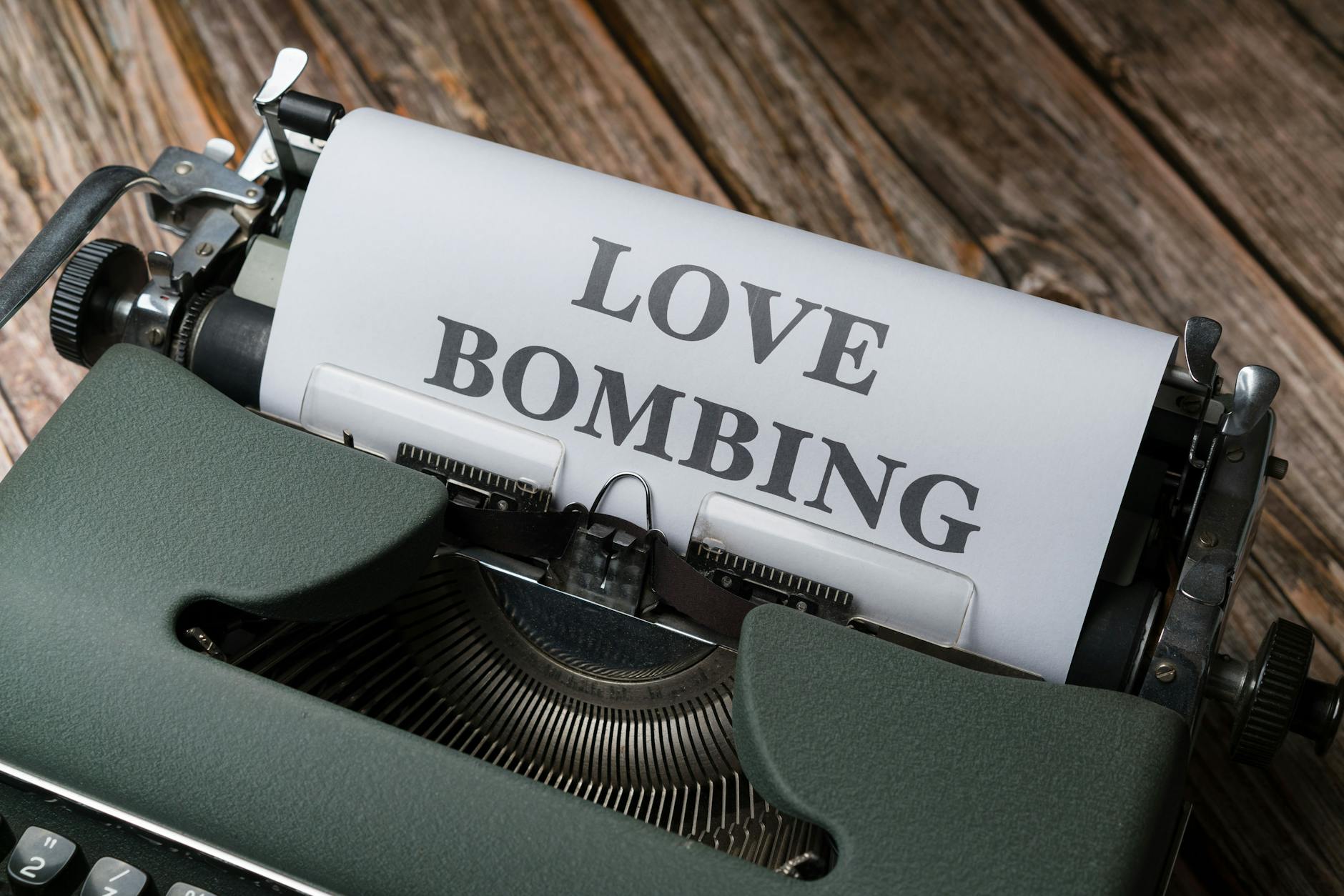
Category Archives: love bombing

Recognizing False Concepts of Love

Photo by Kamila Rodrigues on Pexels.com

Love ❤️ is one of the most powerful forces in human experience, yet it is also one of the most misunderstood. Society often distorts the true meaning of love, presenting counterfeits 💔 that leave individuals emotionally wounded and spiritually depleted. Recognizing false concepts of love is essential for maintaining healthy relationships 💞, spiritual growth 🙏, and psychological well-being 🧠. The Bible reminds us that “God is love” (1 John 4:8, KJV), establishing that real love reflects God’s character. Anything contrary to His nature is not love but deception.

💔 What is not love must first be identified to understand love correctly. Infatuation, control, abuse, and selfishness masquerade as love but fail the test of patience, kindness, and selflessness found in 1 Corinthians 13:4-7 (KJV). When a person manipulates, isolates, or demands rather than gives, this is not love but bondage. Psychology agrees 🧠 that love cannot thrive where coercion or fear 😨 is present, as love promotes safety, trust 🤝, and mutual respect (Hendrick & Hendrick, 2006).

🎭 Trickery of love often comes in the form of words without actions. Many people say “I love you” ❤️, but their behavior contradicts their statement. Love is not simply a feeling or a phrase—it is verified by actions 💪. Jesus taught, “If ye love me, keep my commandments” (John 14:15, KJV). Likewise, true love in human relationships is demonstrated through consistency, loyalty 🛡️, and care. Empty words or “love bombing” 💣 followed by neglect or abuse are signs of manipulation rather than affection.

🔥 Lust vs. Love is a confusion many face. Lust seeks to consume, while love seeks to serve 🌱. Lust is self-centered, focusing on gratification, whereas love is other-centered, seeking the highest good for the beloved. In psychology, this distinction is clear: lust is primarily a biological drive, whereas love involves emotional bonding 🫂, commitment 💍, and long-term investment (Fisher, 2016). The Bible warns against lust, teaching that it leads to sin and spiritual death ☠️ (James 1:14-15, KJV).

💔 Toxic concepts of love are prevalent in music 🎶, movies 🎬, and social media 📱. They glorify possessiveness, jealousy 😠, and unhealthy dependency as if they were signs of passion. In reality, these behaviors often lead to emotional abuse and cycles of dysfunction. Psychology categorizes these as “anxious” or “disorganized” attachment styles, which stem from unresolved trauma 💭 and lead to unstable bonds (Mikulincer & Shaver, 2019). Love is not supposed to drain a person but to nurture them 🌸.

⚠️ False ideas about love open individuals up to dangerous relationships with narcissists 😈, manipulators 🎭, and fakers 🤥. When a person believes love means enduring any treatment, they may tolerate disrespect, dishonesty, and emotional neglect. Scripture warns believers to “be not unequally yoked together with unbelievers” (2 Corinthians 6:14, KJV), which extends to aligning with people who do not embody godly love.

💪 Love is an action word. Biblical love is not passive but actively seeks to build 🏗️, protect 🛡️, and heal 🩹. The parable of the Good Samaritan (Luke 10:33-34, KJV) shows love as compassion in action—caring for the wounded, sacrificing time ⏳ and resources 💰, and demonstrating mercy. In psychological terms, love manifests through pro-social behaviors such as empathy 🫶, sacrifice, and support (Batson, 2011).

Almost always, there is a sign from true love that sets it apart from counterfeit affection. True love produces peace ☮️, not chaos. It encourages personal growth 🌱, not diminishment. It respects boundaries 🚦 and celebrates individuality. When love is genuine, it aligns with the fruits of the Spirit—love ❤️, joy 😊, peace 🕊️, longsuffering, gentleness 🤗, goodness, faith 🙌, meekness, and temperance (Galatians 5:22-23, KJV).

🔗 Soul ties significantly affect relationships, particularly those formed through sexual intimacy. The Bible teaches that “the two shall be one flesh” (Genesis 2:24, KJV), meaning that sexual union bonds individuals physically 🫀, emotionally 💭, and spiritually 🙏. When these bonds are created outside of marriage 💔, they can tether individuals to toxic partners and hinder future relationships. Psychology confirms that repeated breakups after sexual involvement can lead to emotional fragmentation 🧩 and trust issues (Lehmiller, 2018).

🚩 Toxic people in relationships drain emotional energy ⚡ and leave psychological scars. They may gaslight, manipulate, or belittle their partners, leaving them feeling confused 😵 and unworthy. Recognizing red flags early is critical. Proverbs 4:23 (KJV) advises, “Keep thy heart with all diligence; for out of it are the issues of life.” Protecting one’s emotional and spiritual health requires setting boundaries ✋ and, when necessary, walking away 🚶‍♀️ from harmful relationships.

👨‍👧 Lack of father involvement in a child’s life deeply affects their ability to give and receive love later on. Children who grow up without a nurturing father often struggle with attachment and trust issues 💔. Biblically, fathers are instructed to “bring them up in the nurture and admonition of the Lord” (Ephesians 6:4, KJV). Psychology supports this, showing that paternal absence is linked to higher rates of depression 😢, delinquency, and insecure attachment in adulthood (Allen & Daly, 2007).

💬 Lack of affirmations during childhood can distort one’s understanding of love. When children are not affirmed, they may grow up seeking validation through unhealthy relationships 💔. The Bible shows God affirming Jesus publicly: “This is my beloved Son, in whom I am well pleased” (Matthew 3:17, KJV). This affirmation was identity-shaping 🌱, just as verbal affirmation is critical in human development (Chapman, 2015).

🕊️ Love must be grounded in truth. Lies, deceit 🕸️, and half-truths erode trust and compromise the foundation of a relationship. True love “rejoiceth not in iniquity, but rejoiceth in the truth” (1 Corinthians 13:6, KJV). A love that hides, manipulates, or deceives is not love but selfishness seeking to protect its own interest.

🤍 Forgiveness is also a mark of true love, but forgiveness does not mean allowing repeated harm. The Bible calls us to forgive (Matthew 6:14-15, KJV) but also to walk in wisdom 🦉. Psychology notes that boundaries are essential for relational health—love without boundaries often leads to codependency 🔗 and burnout (Cloud & Townsend, 2016).

🌱 Healthy love encourages growth and maturity. It challenges destructive behaviors, offers accountability 📖, and helps each person become their best self. Hebrews 10:24 (KJV) exhorts believers to “provoke unto love and to good works,” indicating that real love inspires positive action.

🛠️ The world frequently tells people that love should be effortless, but love requires work 🧱 and commitment 🫂. Even in marriage 💍, the effort to communicate, forgive, and stay faithful must be intentional. Research shows that relationship satisfaction is highest when both partners actively invest ❤️ in maintaining the bond (Gottman & Silver, 2015).

🧭 Recognizing false concepts of love requires discernment. Discernment comes from aligning one’s mind with Scripture 📖 and renewing the mind (Romans 12:2, KJV). The believer must weigh every relationship and every claim of love against God’s standard of holiness and selflessness.

🪞 Psychologically, self-awareness is key to breaking cycles of toxic love. Therapy 🛋️, counseling, and introspection can help individuals identify harmful patterns and heal from past wounds 🩹. Spiritually, prayer 🙏 and seeking God’s wisdom offer clarity about who belongs in one’s life.

🎯 In conclusion, love is more than a feeling or fleeting passion. It is rooted in God’s character, expressed through consistent actions 🤲, and evidenced by its fruits 🍇. Recognizing false love protects one from heartache 💔, deception 🎭, and spiritual harm. By combining biblical truth 📖 with psychological insight 🧠, individuals can learn to give and receive love in ways that heal rather than harm.

💖 True love builds, heals, and restores. False love wounds, manipulates, and destroys. The task for every believer is to discern the difference 🔎, guard their heart 🛡️, and pursue love ❤️ that reflects God’s design—holy, patient, kind, and enduring.


References

  • Allen, S., & Daly, K. (2007). The effects of father involvement: A summary of the research evidence. Father Involvement Research Alliance.
  • Batson, C. D. (2011). Altruism in humans. Oxford University Press.
  • Chapman, G. (2015). The 5 love languages: The secret to love that lasts. Northfield Publishing.
  • Fisher, H. (2016). Anatomy of love: A natural history of mating, marriage, and why we stray. W. W. Norton & Company.
  • Gottman, J., & Silver, N. (2015). The seven principles for making marriage work. Harmony Books.
  • Hendrick, C., & Hendrick, S. (2006). Measuring respect in close relationships. Journal of Social and Personal Relationships, 23(6), 881–899.
  • Lehmiller, J. (2018). The psychology of human sexuality. Wiley-Blackwell.
  • Mikulincer, M., & Shaver, P. R. (2019). Attachment in adulthood: Structure, dynamics, and change. Guilford Press.
  • The Holy Bible, King James Version.

🕵🏽‍♀️ When Love Turns Dangerous: Recognizing and Responding to Obsessive Attachment 🕵🏽‍♀️

Photo by Alex Green on Pexels.com

🕵🏽‍♀️ 🕵🏽‍♀️

Obsession, in psychological terms, is an intense and often intrusive fixation on a person, idea, or object that dominates thought and behavior, frequently at the expense of healthy boundaries (American Psychiatric Association, 2013). Unlike healthy attraction or affection, obsession is characterized by an inability to disengage mentally or emotionally, leading to controlling or possessive tendencies. In relationships, this fixation may initially appear as devotion but can quickly escalate into behaviors that are emotionally draining, manipulative, or even threatening. The Bible offers insight into the dangers of obsessive attachment, cautioning in Proverbs 4:23 (KJV), “Keep thy heart with all diligence; for out of it are the issues of life.” This verse emphasizes guarding emotional and spiritual well-being from harmful entanglements.

A person can become obsessed with you for various reasons—often rooted in insecurity, unmet emotional needs, or unresolved trauma. Attachment theory suggests that individuals with anxious or fearful attachment styles may latch onto a romantic partner in an attempt to avoid abandonment (Hazan & Shaver, 1987). Obsession can also stem from idealization, where the individual projects unrealistic expectations onto their partner. In such cases, the relationship is less about mutual love and more about the obsessive person’s internal emotional void. The KJV Bible warns in 1 Corinthians 13:5 that love “seeketh not her own,” implying that genuine affection is selfless, not self-serving or controlling.

Four key signs may indicate that someone is obsessively attached to you. First, they demand constant contact, becoming distressed or angry when you do not respond immediately. Second, they display excessive jealousy or suspicion without cause. Third, they attempt to control aspects of your life, such as friendships, time, or appearance. Fourth, they exhibit mood swings tied to your availability or perceived interest. Men who are obsessed may express it through overt control, monitoring, or aggressive confrontation, while women may exhibit constant emotional checking-in, manipulation through guilt, or social sabotage. Both patterns signal a lack of respect for personal autonomy.

The difference between obsession and stalking lies in behavior escalation and legality. Obsession can remain private and internal, with intrusive thoughts and emotional dependency, whereas stalking involves repeated, unwanted behaviors that cause fear or distress and may violate the law (Sheridan & Grant, 2007). Stalking is often the severe manifestation of obsession, where the person’s fixation overrides respect for legal and personal boundaries. This distinction is critical for identifying when a situation shifts from emotionally unhealthy to potentially dangerous.

Protecting yourself from an obsessed individual begins with recognizing the signs early and establishing firm boundaries. Limit personal information, maintain independent social circles, and communicate your discomfort directly. If necessary, involve trusted friends, family, or authorities. The Bible counsels in Proverbs 22:3 (KJV), “A prudent man foreseeth the evil, and hideth himself: but the simple pass on, and are punished.” This highlights the need for discernment and proactive steps to protect one’s safety and peace. From a psychological standpoint, distancing yourself from obsessive individuals prevents reinforcement of their behaviors and gives space for both parties to recalibrate emotionally.

Ultimately, spotting the signs of obsessive attachment empowers you to choose healthier relationships and avoid destructive entanglements. A “better mate” is one who demonstrates mutual respect, emotional stability, and a love grounded in biblical principles—marked by patience, kindness, and self-control (Galatians 5:22–23). Understanding the psychology of obsession, coupled with biblical wisdom, equips you to navigate relationships with discernment, ensuring that affection is reciprocal, healthy, and God-centered.


References

American Psychiatric Association. (2013). Diagnostic and statistical manual of mental disorders (5th ed.). American Psychiatric Publishing.

Hazan, C., & Shaver, P. (1987). Romantic love conceptualized as an attachment process. Journal of Personality and Social Psychology, 52(3), 511–524. https://doi.org/10.1037/0022-3514.52.3.511

Sheridan, L., & Grant, T. (2007). Is cyberstalking different? Psychology, Crime & Law, 13(6), 627–640. https://doi.org/10.1080/10683160701340528

The 10 Signs a Man Is Stringing You Along

When Love Is an Illusion: Recognizing and Responding to a Man Who Strings You Along

Photo by Erik Mclean on Pexels.com

Relationships flourish when mutual commitment, clarity, and respect are present (Gottman & Silver, 2015). However, some men deliberately keep women emotionally invested without offering genuine commitment—a tactic often referred to as stringing along. This behavior is both psychologically damaging and spiritually dangerous, as it breeds confusion, emotional instability, and wasted years.


10 Signs a Man Is Stringing You Along

  1. He Avoids Defining the Relationship – Months or years pass, yet he resists labels like “girlfriend” or “fiancée.”
  2. Inconsistent Communication – Some days he is attentive, other days emotionally absent without explanation.
  3. Keeps You at Arm’s Length from His Inner Life – You haven’t met his family or close friends despite significant time together.
  4. He Talks About the Future… Vaguely – He dangles promises (“someday we’ll…”) without taking concrete steps.
  5. He Prioritizes Convenience Over Commitment – He contacts you mainly when it benefits him.
  6. Lack of Effort in Building Emotional Intimacy – Conversations remain shallow or avoid important life topics.
  7. Keeps Options Open – Engages in flirtatious behavior or remains active on dating apps.
  8. Emotional Hot-and-Cold Patterns – You never feel secure because his affection fluctuates.
  9. No Progress Over Time – The relationship feels stagnant despite your effort.
  10. He Makes You Feel You’re “Asking for Too Much” – Genuine needs are framed as unreasonable demands.

Why Do Some Men String Women Along?

From a psychological standpoint, men may string women along for several reasons:

  • Fear of Commitment – Avoidance due to past trauma or desire for freedom (Levine & Heller, 2010).
  • Ego Boost – Enjoying female attention without the responsibility of a relationship.
  • Emotional Immaturity – Inability to handle the demands of partnership.
  • Backup Plan Mentality – Keeping a woman “on the hook” while exploring other options.
  • Selfishness – Prioritizing personal gratification over another person’s emotional well-being.

Biblically, this aligns with the description of double-minded men—unstable and unreliable (James 1:8, KJV).


What Kind of Man Strings You Along—and Why?

  • The Commitment-Phobic – Wants intimacy but not responsibility.
  • The Opportunist – Uses a woman’s resources, time, or body without intention to marry.
  • The Serial Dater – Thrives on novelty and avoids settling down.
  • The Insecure Man – Keeps you for validation but fears true vulnerability.

Proverbs warns against aligning with a man who “flattereth with his tongue” (Proverbs 26:28, KJV), because deceitful intentions corrupt trust.


How to Detect the Warning Signs Early

  • Observe consistency between words and actions (Matthew 7:16).
  • Pay attention to how he prioritizes you in public and private life.
  • Assess whether his plans include you beyond convenience.
  • Watch for defensiveness when discussing commitment.

What to Do if You’re Being Strung Along

  1. Clarify Your Boundaries – Define what you need and communicate it directly.
  2. Set a Time Limit – Avoid letting months or years pass without progress.
  3. Don’t Confuse Chemistry with Commitment – Emotional and physical attraction are not proof of intention.
  4. Seek Wise Counsel – Proverbs 15:22 reminds us that “without counsel purposes are disappointed.”
  5. Be Willing to Walk Away – Protect your dignity and emotional health.

5 Ways a Man Shows He Truly Wants You

  1. He Pursues You Consistently – Effort is steady, not situational.
  2. He Makes His Intentions Clear – There’s no guessing about his commitment.
  3. He Integrates You into His Life – Family, friends, and future plans.
  4. He Invests in Your Growth – Supports your goals and well-being.
  5. He Works to Resolve Conflicts – Disagreements don’t make him disappear.

How Long Should You Give a Man Before Leaving?

While timelines vary, healthy relationships typically progress toward clarity within 6–12 months (Knox & Schacht, 2016). If after a year there is no forward movement toward exclusivity or marriage, Proverbs 4:23—“Keep thy heart with all diligence”—reminds you not to squander emotional resources.


What Does the Bible Say About Men Who String Women Along?

Scripture condemns deceit, manipulation, and using others for selfish gain:

  • James 1:8 – “A double minded man is unstable in all his ways.”
  • Proverbs 26:28 – “A lying tongue hateth those that are afflicted by it.”
  • 1 Corinthians 14:33 – “For God is not the author of confusion, but of peace.”
  • Ephesians 5:25 – Men are commanded to love their wives sacrificially, not exploit them.
  • Matthew 7:16 – “Ye shall know them by their fruits.”

A man who deliberately strings a woman along is acting outside God’s design for love, which calls for honesty, covenant, and care.


References
Gottman, J., & Silver, N. (2015). The seven principles for making marriage work. Harmony Books.
Knox, D., & Schacht, C. (2016). Choices in relationships: An introduction to marriage and the family. Cengage Learning.
Levine, A., & Heller, R. (2010). Attached: The new science of adult attachment and how it can help you find—and keep—love. TarcherPerigee.

Dilemma: Narcissism

Recognizing, Surviving, and Healing from Toxic Relationships

Photo by Markus Winkler on Pexels.com

What Is Narcissism?

Narcissism is a personality trait characterized by an inflated sense of self-importance, a deep need for admiration, and a lack of empathy for others. In more extreme cases, it may be classified as Narcissistic Personality Disorder (NPD)—a diagnosable mental health condition described in the DSM-5 (Diagnostic and Statistical Manual of Mental Disorders).

There are different types of narcissism, including:

  • Grandiose Narcissism: Arrogant, dominant, and attention-seeking. These individuals often believe they are superior.
  • Vulnerable (Covert) Narcissism: Appears shy or sensitive but is still deeply self-absorbed and manipulative in subtle ways.
  • Malignant Narcissism: Includes features of antisocial behavior, manipulation, aggression, and sometimes sadism.

Living with a Narcissistic Relative: The Deep Hurt

Having a narcissistic parent, sibling, or other close relative can cause long-term emotional trauma. You may have experienced:

  • Constant invalidation of your feelings
  • Being blamed for things that weren’t your fault
  • Walking on eggshells to avoid triggering their rage or withdrawal
  • Confusion and self-doubt from years of manipulation and gaslighting
  • A lack of emotional support, especially during times of need

Narcissistic relatives often see others—especially family—not as individuals but as extensions of themselves, meant to serve their emotional needs, status, or control.


Key Tactics Narcissists Use

Gaslighting

Gaslighting is a psychological manipulation tactic where the narcissist denies reality to make you question your memory, perception, or sanity.

Example: “That never happened, you’re just too sensitive.”

Deflection & Blame-Shifting

When confronted, narcissists rarely take accountability. They’ll blame others, bring up unrelated issues, or play the victim.

Shame & Guilt

Narcissists use shame to keep control. You might feel guilty for setting boundaries or expressing your needs.

Flying Monkeys

“Flying monkeys” are people (often family or friends) manipulated by the narcissist to do their bidding. They may pressure you to reconcile, doubt your truth, or deliver the narcissist’s messages.

Love-Bombing and Devaluation

At first, narcissists may idealize you—praise, charm, and love-bomb. But when you no longer serve their ego, you are devalued—criticized, ignored, or discarded.


Warning Signs of Narcissism

  • Excessive need for admiration
  • Sense of entitlement
  • Lack of empathy
  • Superiority complex
  • Envious of others, or belief others envy them
  • Manipulative or controlling behavior
  • Gaslighting or distorting facts
  • Poor boundaries and disregard for your autonomy
  • Plays victim while being the aggressor

Initial signs in new relationships may include:

  • Intense flattery early on (“You’re the only one who gets me.”)
  • Quick attempts to become emotionally or physically close
  • Disregard for your boundaries under the guise of love or urgency
  • Subtle digs masked as “jokes”

Do Narcissistic Relationships Last?

Typically, no—at least not in a healthy way. Narcissistic relationships often follow a cycle of idealization, devaluation, and discard. Even if they “last,” they are usually draining, unstable, and emotionally abusive.

A narcissist struggles with true emotional intimacy, accountability, or compromise—essentials of any lasting relationship.


Breaking Free from a Narcissist

  1. Acknowledge the truth – Stop minimizing or excusing their behavior. Abuse doesn’t need to be physical to be real.
  2. Set and enforce boundaries – Be firm, even if they retaliate or play victim.
  3. Limit or cut contact – Especially if the relationship is consistently abusive. “No contact” may be necessary for healing.
  4. Don’t engage in power struggles – Narcissists thrive on conflict. Starve the cycle.
  5. Seek therapy or support – Validation and guidance are vital to unlearning the shame they instilled.
  6. Educate yourself – Knowledge is power. Understanding narcissism helps you detach emotionally.
  7. Find your voice again – Reconnect with your needs, dreams, and identity outside the narcissist’s control.

Biblical Perspective: A Warning Against Narcissism

The Bible addresses pride and self-exaltation multiple times.

Romans 12:3 (KJV):
“For I say, through the grace given unto me, to every man that is among you, not to think of himself more highly than he ought to think; but to think soberly, according as God hath dealt to every man the measure of faith.”

This verse directly speaks to the narcissistic mindset—exalting oneself over others. Scripture emphasizes humility, empathy, and servant leadership—values narcissists often reject.

Also, in 2 Timothy 3:2-5 (KJV):

“For men shall be lovers of their own selves, covetous, boasters, proud… Having a form of godliness, but denying the power thereof: from such turn away.”

This passage warns of people with traits closely resembling narcissists and instructs us to distance ourselves from them.


The Path to Healing

Healing from narcissistic abuse is not instant—it is a process of grieving, rebuilding, and rediscovering your worth. You may need to rewire your beliefs around love, trust, and identity. But know this:

  • You are not crazy.
  • You are not too sensitive.
  • You were manipulated, not loved.
  • You deserve peace.

Further Resources & References

  • American Psychiatric Association. (2013). Diagnostic and Statistical Manual of Mental Disorders (DSM-5)
  • Dr. Ramani Durvasula – Clinical psychologist and expert on narcissistic abuse
  • Brown, N. (2008). Children of the Self-Absorbed: A Grown-Up’s Guide to Getting Over Narcissistic Parents
  • Herman, J. L. (1997). Trauma and Recovery
  • KJV Bible: Romans 12:3, 2 Timothy 3:2-5

Would you like this article formatted as a handout, self-help guide, or for a support group resource? I can adapt it however you need.

You said:

references

ChatGPT said:

Here are the full references used or cited in the article on narcissism, including clinical sources, books, scripture, and expert commentary:


📘 Psychological and Clinical Sources

  1. American Psychiatric Association. (2013). Diagnostic and Statistical Manual of Mental Disorders (5th ed.; DSM-5). Washington, DC: American Psychiatric Publishing.
    • Source for the clinical definition of Narcissistic Personality Disorder (NPD).
  2. Dion, K. K., Berscheid, E., & Walster, E. (1972). What is beautiful is good.Journal of Personality and Social Psychology, 24(3), 285–290.
    • Cited for the “halo effect,” which contributes to the perception of attractive or charming narcissists.
  3. Herman, J. L. (1997). Trauma and Recovery: The Aftermath of Violence—From Domestic Abuse to Political Terror. Basic Books.
    • A foundational text on the trauma survivors face, including those in abusive relationships.
  4. Brown, N. (2008). Children of the Self-Absorbed: A Grown-Up’s Guide to Getting Over Narcissistic Parents (2nd ed.). New Harbinger Publications.
    • A practical guide for adult children of narcissists to heal and set boundaries.
  5. Durvasula, R. (2019). Don’t You Know Who I Am?: How to Stay Sane in an Era of Narcissism, Entitlement, and Incivility. Post Hill Press.
    • Dr. Ramani Durvasula is a prominent clinical psychologist and narcissism expert.

📖 Biblical Scripture (King James Version)

  1. Romans 12:3 (KJV):
    “For I say, through the grace given unto me, to every man that is among you, not to think of himself more highly than he ought to think…”
  2. 2 Timothy 3:2-5 (KJV):
    “For men shall be lovers of their own selves, covetous, boasters, proud… Having a form of godliness, but denying the power thereof: from such turn away.”
    • Both verses are frequently cited in Christian counseling on pride, self-exaltation, and toxic relationships.

🧠 Additional Educational/Popular Resources

  1. Malkin, C. (2015). Rethinking Narcissism: The Secret to Recognizing and Coping with Narcissists. HarperWave.
    • Explores the narcissism spectrum and how to recognize harmful patterns early.
  2. Karyl McBride, Ph.D. (2008). Will I Ever Be Good Enough? Healing the Daughters of Narcissistic Mothers. Atria Books.
    • A well-known resource for understanding narcissistic family dynamics and mother-daughter trauma.
  3. Websites & Articles: