Category Archives: Light Skin

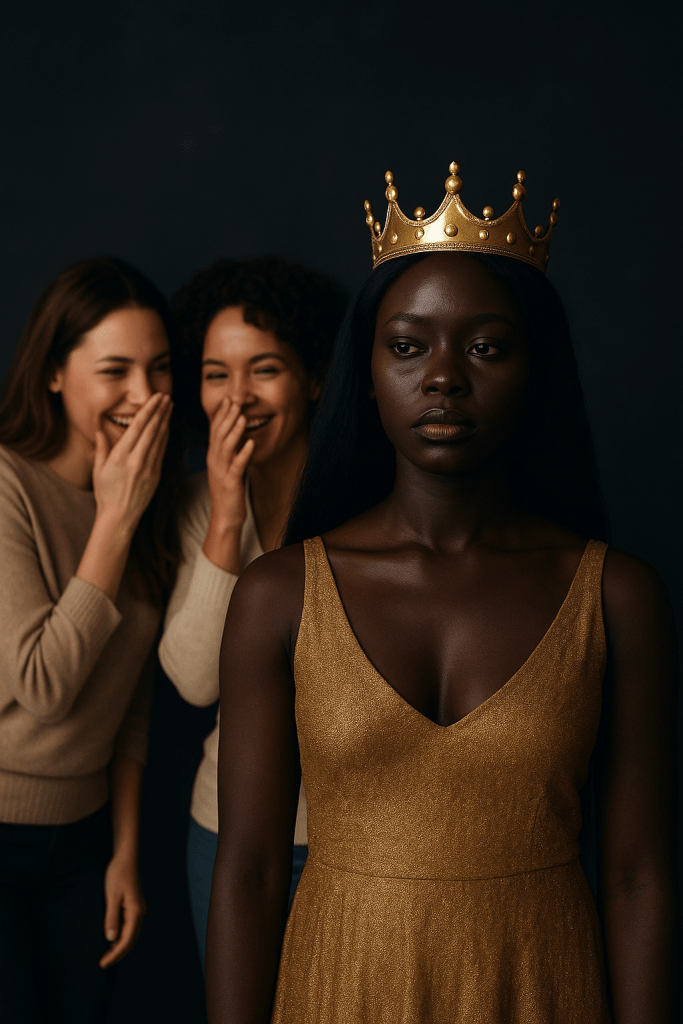
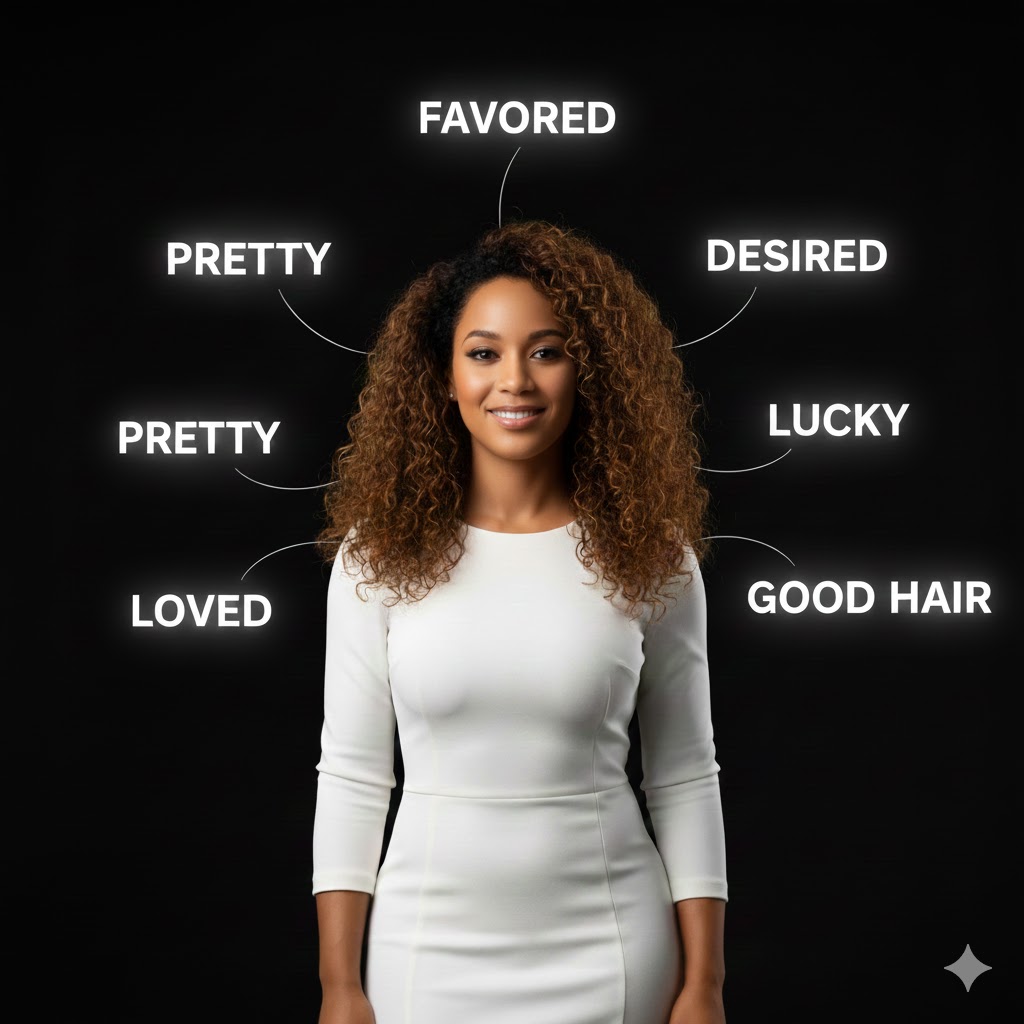
Does Having Light Skin = Pretty?

Beauty has long been tied to social hierarchies and cultural perceptions, with lighter skin often privileged in many societies. Yet equating light skin with attractiveness is misleading and overly simplistic. True beauty is a combination of facial features, symmetry, proportion, expression, and character. While society may focus on skin color, psychology and aesthetics show that light skin does not guarantee beauty, nor does dark skin preclude it.

The Cultural Obsession with Light Skin

Throughout history, light skin has been associated with wealth, status, and desirability. From colonialism to modern media, lighter skin has been positioned as aspirational. Colorism perpetuates the false belief that fairness equals beauty, ignoring the complexity of human aesthetics (Hunter, 2007).

The Science of Facial Harmony

Research in facial aesthetics shows that facial harmony—balanced proportions between the eyes, nose, lips, and jaw—is a primary determinant of attractiveness. Features aligned with the golden ratio (approximately 1.618) are perceived as more aesthetically pleasing, regardless of skin tone (Rhodes, 2006).

Symmetry and Perceived Beauty

Facial symmetry is another critical factor. Symmetrical faces are often rated as healthier, more attractive, and genetically fit. Both light-skinned and dark-skinned individuals can possess perfect symmetry, demonstrating that attractiveness is independent of melanin content.

The Eye of the Beholder

Beauty is subjective and culturally mediated. The famous adage, “beauty is in the eye of the beholder,” reflects the role of personal preference, social context, and cultural standards in shaping who is considered attractive (Jones & Hill, 1993). A face admired in one culture may be overlooked in another.

Dark Skin Can Be Beautiful

Many dark-skinned individuals possess features that are considered conventionally beautiful—high cheekbones, symmetrical eyes, balanced lips, and radiant skin. Natural beauty cannot be measured solely by complexion, and dark skin often carries a richness and depth that enhances aesthetic appeal.

Light Skin Does Not Guarantee Beauty

Light-skinned individuals may not have the facial harmony or symmetry that contributes to attractiveness. There are light-skinned people with disproportionate or less balanced facial features, showing that skin tone alone is not an indicator of beauty.

Facial Features Over Skin Tone

Studies demonstrate that eye shape, nose width, lip fullness, and jawline prominence are central to perceptions of beauty. Skin tone plays a role in contrast and highlight but is secondary to feature harmony (Rhodes, 2006).

Expression and Emotional Appeal

Beyond structure, facial expression contributes to perceived attractiveness. A warm smile, expressive eyes, and confident posture enhance beauty in all skin tones, proving that emotional appeal matters more than melanin content.

Cultural Perceptions and Media Bias

Media often reinforces the myth that light skin equals beauty. Advertising, film, and social media tend to feature light-skinned models, skewing public perception and perpetuating colorist ideals. This bias fails to acknowledge the diversity of beautiful faces across all skin tones.

The Role of Confidence

Confidence and self-assurance influence attractiveness. Someone who carries themselves with dignity and self-love is perceived as beautiful regardless of complexion. Inner beauty radiates outward, affecting how others perceive physical appearance (1 Peter 3:3-4).

The Psychology of Preference

Human attraction is influenced by evolutionary psychology—signals of health, fertility, and genetic fitness. Symmetry, proportionality, and skin health signal vitality and influence perception more than skin lightness.

Historical Context

Historically, societies with darker-skinned populations have had their own beauty ideals that did not privilege lightness. African, Indigenous, and Asian cultures have celebrated diverse features, demonstrating that beauty is culturally and biologically multifaceted.

Misconceptions About Fairness

The belief that fair skin guarantees beauty erases diversity and harms self-esteem in darker-skinned populations. People often internalize these messages, creating a false hierarchy of attractiveness.

Beauty Across Skin Tones

Research confirms that both light-skinned and dark-skinned individuals can be beautiful. Symmetry, proportion, facial harmony, and personal presence are universal indicators of attractiveness, not melanin content.

Faith and True Beauty

Scripture reminds us that outward appearance is secondary to the heart. God sees the heart, and His value system is not tied to skin tone (1 Samuel 16:7). True beauty includes character, kindness, and alignment with God’s design.

Examples in Society

Numerous public figures illustrate that beauty transcends skin tone. Dark-skinned models, actors, and leaders are celebrated globally for their aesthetic appeal, disproving the myth that lightness equals prettiness.

The Eye of the Beholder Revisited

Beauty is subjective and socially mediated. While one person may value lighter skin, another may be captivated by facial features, expression, or charisma. Recognizing subjectivity challenges rigid beauty hierarchies.

Challenging Colorist Ideals

Rejecting the notion that light skin is inherently superior empowers individuals to appreciate diverse beauty. Colorism is socially constructed, but feature harmony, symmetry, and confidence are universally admired.

Conclusion

Light skin does not automatically equal beauty. True attractiveness is determined by facial harmony, symmetry, expression, and character. Dark-skinned individuals can be stunningly beautiful, while light-skinned individuals may lack these aesthetic qualities. Beauty is subjective, culturally influenced, and deeply rooted in both physical features and the spirit. Recognizing this truth helps dismantle harmful stereotypes and celebrates God’s diverse creation (Psalm 139:14).


References

  • Hunter, M. L. (2007). The persistent problem of colorism: Skin tone, status, and inequality. Sociology Compass, 1(1), 237–254. https://doi.org/10.1111/j.1751-9020.2007.00006.x
  • Rhodes, G. (2006). The evolutionary psychology of facial beauty. Annual Review of Psychology, 57(1), 199–226. https://doi.org/10.1146/annurev.psych.57.102904.190208
  • Jones, D., & Hill, K. (1993). Criteria of facial attractiveness in five populations. Human Nature, 4(3), 271–296.
  • Psalm 139:14 (KJV) – “I am fearfully and wonderfully made.”
  • 1 Samuel 16:7 (KJV) – “Man looketh on the outward appearance, but the LORD looketh on the heart.”
  • 1 Peter 3:3-4 (KJV) – Emphasis on inner beauty over outward adornment.
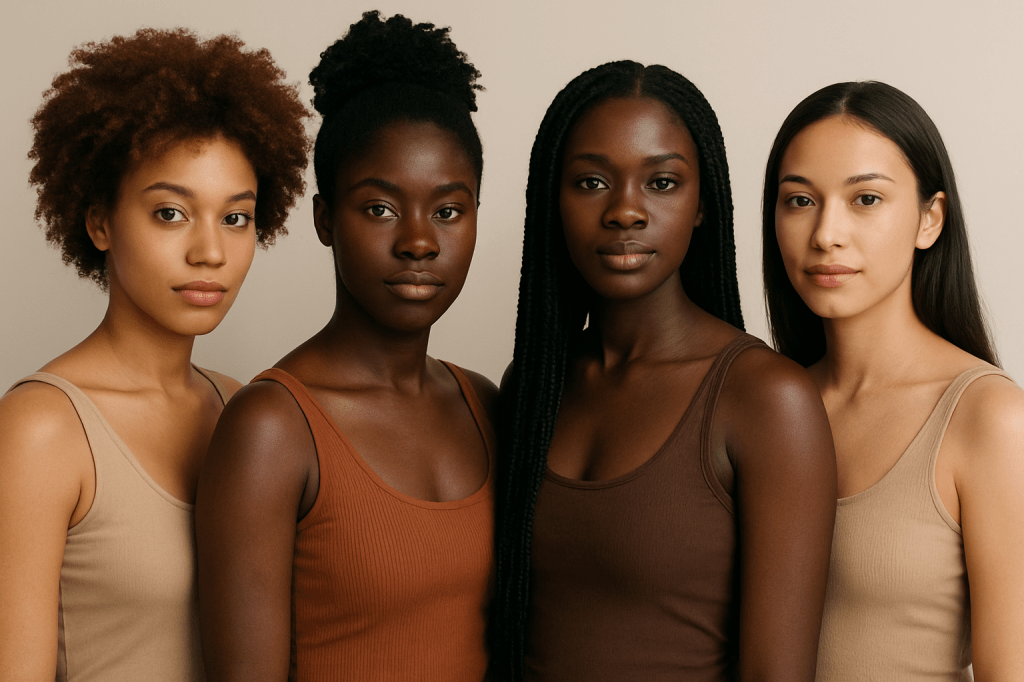
Skin-Tone Capital: How Shade Determines Social Currency

In many societies, skin tone functions as a form of social currency, where lighter complexions are often rewarded with preferential treatment, and darker shades face systemic bias. This phenomenon, widely recognized as colorism, shapes opportunities, self-perception, and interpersonal dynamics. Psalm 139:14 reminds us, “I will praise thee; for I am fearfully and wonderfully made: marvellous are thy works; and that my soul knoweth right well.” Worth is determined by God, not by melanin levels.

Historical legacies perpetuate shade-based hierarchies. Across continents and centuries, lighter skin has been associated with proximity to power, education, and social mobility. Yet, Galatians 3:28 teaches, “There is neither Jew nor Greek, there is neither bond nor free, there is neither male nor female: for ye are all one in Christ Jesus.” Divine equality transcends superficial measures.

Internalized bias affects self-perception. Many darker-skinned individuals grapple with self-doubt and societal rejection. Proverbs 4:7 emphasizes, “Wisdom is the principal thing; therefore get wisdom: and with all thy getting get understanding.” Understanding one’s intrinsic value combats these internalized hierarchies.

Skin-tone capital influences economic opportunity. Studies show that lighter-skinned individuals often access higher-paying roles or public-facing positions. Romans 12:2 exhorts, “And be not conformed to this world: but be ye transformed by the renewing of your mind…” Renewing perspective helps resist societal conditioning.

Media reinforces the bias. Advertising, film, and social media often highlight Eurocentric beauty standards, associating lighter skin with desirability. Proverbs 31:30 teaches, “Favor is deceitful, and beauty is vain: but a woman that feareth the Lord, she shall be praised.” Spiritual and moral qualities surpass superficial valuation.

Shade impacts relationships and community dynamics. Lighter skin can result in privilege within social groups, while darker individuals experience marginalization. Ecclesiastes 4:9-10 states, “Two are better than one; because they have a good reward for their labour. For if they fall, the one will lift up his fellow…” Intentional community support fosters resilience.

Colorism intersects with gender. Darker-skinned women often face compounded bias, navigating societal expectations and systemic discrimination. Proverbs 31:25 affirms, “Strength and honour are her clothing; and she shall rejoice in time to come.” Inner strength and dignity surpass external judgment.

Education and mentorship disrupt shade hierarchies. Knowledge empowers individuals to challenge stereotypes and assert their value. James 1:5 teaches, “If any of you lack wisdom, let him ask of God, that giveth to all men liberally, and upbraideth not; and it shall be given him.” Divine guidance equips for discernment and advocacy.

Faith offers enduring validation. Hebrews 11:6 states, “But without faith it is impossible to please him: for he that cometh to God must believe that he is, and that he is a rewarder of them that diligently seek him.” Spiritual identity resists societal hierarchy based on shade.

Colorism affects mental health. Shame, anxiety, and internalized inferiority often accompany bias. Psalm 34:18 declares, “The LORD is nigh unto them that are of a broken heart; and saveth such as be of a contrite spirit.” Healing begins through divine awareness of personal worth.

Social mobility often aligns with skin-tone bias. Lighter skin frequently correlates with broader acceptance in elite circles. Romans 5:3-4 reminds, “…tribulation worketh patience; And patience, experience; and experience, hope.” Endurance and faith foster resilience beyond superficial advantage.

Faith-centered communities resist external hierarchies. Colossians 3:2 commands, “Set your affection on things above, not on things on the earth.” Anchoring identity in God neutralizes the social power of skin tone.

Media literacy empowers critique. Proverbs 15:14 teaches, “The heart of him that hath understanding seeketh knowledge: but the mouth of fools feedeth on foolishness.” Awareness allows informed engagement with content that perpetuates color bias.

Economic empowerment counters color-based marginalization. Proverbs 31:16 affirms, “She considereth a field, and buyeth it: with the fruit of her hands she planteth a vineyard.” Self-sufficiency and entrepreneurship reduce dependence on shade-based favor.

Interpersonal advocacy disrupts bias. Matthew 5:16 states, “Let your light so shine before men, that they may see your good works, and glorify your Father which is in heaven.” Demonstrating excellence shifts focus from complexion to competence and character.

Self-love challenges societal valuation. 1 Corinthians 6:19-20 reminds, “…your body is the temple of the Holy Ghost…glorify God in your body, and in your spirit, which are God’s.” Embracing skin as God-given rejects hierarchical thinking.

Community dialogue transforms perception. Proverbs 27:17 teaches, “Iron sharpeneth iron; so a man sharpeneth the countenance of his friend.” Honest conversations about bias cultivate awareness and collective empowerment.

Prayer sustains identity. Philippians 4:6 instructs, “Be careful for nothing; but in every thing by prayer and supplication with thanksgiving let your requests be made known unto God.” Spiritual affirmation anchors worth beyond social evaluation.

Legacy requires intentional action. Proverbs 22:6 declares, “Train up a child in the way he should go: and when he is old, he will not depart from it.” Teaching children to value character and faith over shade ensures generational transformation.

Ultimately, skin tone capital may influence perception, but divine truth determines value. Psalm 92:12-14 affirms, “The righteous shall flourish like the palm tree…they shall still bring forth fruit in old age; they shall be fat and flourishing.” Worth and legacy emerge from God-centered living, not the hue of one’s skin.

The Light-Skinned Illusion

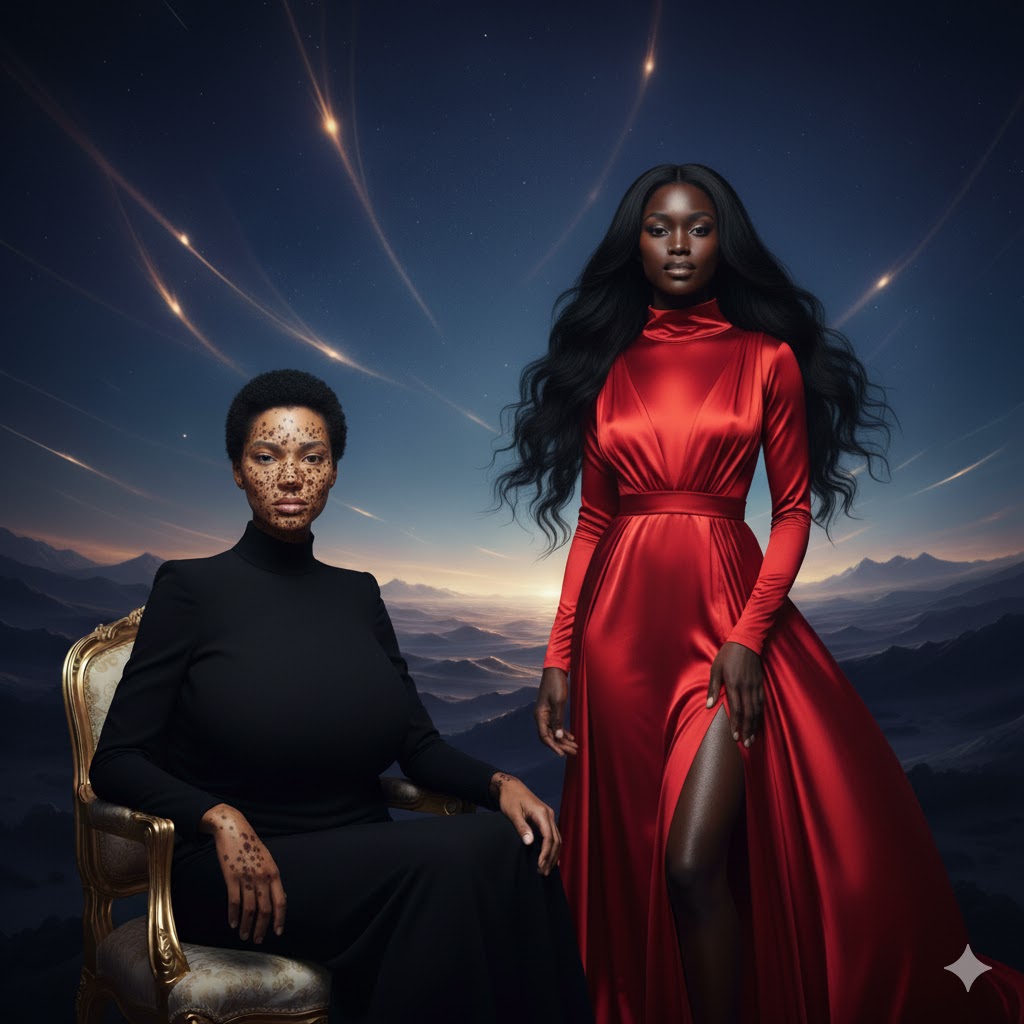
The conversation around beauty in the Black community is incomplete without examining the “light-skinned illusion”—the socially constructed belief that lighter skin inherently equals greater beauty, value, and opportunity. This illusion was not born organically; it was engineered by systems of racial domination, refined through centuries of media messaging, and internalized in ways that continue to shape identity, desirability, and self-worth. To understand its power is to confront both history and the psychological imprint of colonial beauty standards.

Light skin in the African diaspora carries a unique duality. On one hand, it is placed on a pedestal in many societal contexts. On the other, it often carries the burden of resentment, suspicion, and stereotype within the community. This paradox sits at the intersection of privilege and pain, advantage and alienation. The illusion promises elevation, yet it often delivers conflict and confusion.

The roots of the light-skinned illusion trace back to slavery, where proximity to whiteness became synonymous with proximity to power. Lighter-skinned enslaved people—often born of violence and exploitation—were sometimes afforded different labor roles, better clothing, or limited education. These differences were not gifts; they were control mechanisms designed to divide Black unity and reinforce white supremacy. Beauty became racial hierarchy in physical form.

Colonialism extended these ideologies globally. Across Africa, the Caribbean, and the Americas, skin bleaching industries flourished because European aesthetics were marketed as the pinnacle of desirability and modernity. Lighter skin was framed not only as beautiful, but as aspirational—a passport to social mobility. It became beauty not by nature, but by propaganda.

Modern media continued the cycle. For decades, lighter-skinned actresses, models, and entertainers were promoted as the preferred face of Black beauty. Hollywood offered glamour to the light-skinned woman while offering caricature or invisibility to her darker-skinned sister. Magazine covers, music videos, and advertising reinforced the notion: lighter was safer, marketable, and more palatable to mainstream audiences.

Yet the illusion has a cost. The light-skinned woman is often reduced to symbol rather than self. Society expects her to embody a fantasy of softness, delicate femininity, and non-threatening Blackness. When she asserts identity beyond these constraints, she is judged more harshly, as though she is breaking a contract she never signed. The pedestal becomes a cage.

Within the Black community, she may find her beauty questioned as unearned, her achievements dismissed as byproducts of complexion privilege. Genuine talent or character may be overshadowed by assumptions that she “has it easier.” The illusion creates resentment—not because of who she is, but because of what history made her skin represent. She often stands at the crossroad of envy, desire, and historical trauma.

Relationships add another layer. Some men idolize light skin not out of love, but out of internalized hierarchy. Others avoid dating light-skinned women out of fear of stereotype or backlash. In both extremes, she becomes object rather than individual. True intimacy requires seeing her beyond complexion—but the illusion blinds many.

Psychologically, the light-skinned woman may battle identity confusion—simultaneously envied and distrusted, desired yet doubted. She may feel pressure to prove her Blackness, perform humility, or apologize for advantages she did not ask for. Beauty becomes labor, not liberation. And while she benefits from the illusion, she also suffers from it.

Spiritually, this tension reflects humanity’s broken vision. Scripture warns against judging by appearance: “For man looketh on the outward appearance, but the Lord looketh on the heart” (1 Samuel 16:7, KJV). God does not elevate one shade of melanin over another. It is mankind that builds hierarchies where Heaven has none. The illusion is not divine design; it is human distortion.

In truth, the light-skinned woman’s beauty is real—but it is not a superior category. Her radiance is simply one expression of a wide and wondrous Black spectrum. When culture elevates her above others, it dishonors not only dark-skinned women, but the fullness of God’s creation. Beauty, in its truest form, is variety without hierarchy.

The light-skinned illusion harms dark-skinned women through exclusion, but it also harms light-skinned women through expectation. It demands that she embody perfection, gentleness, and gratitude for privileges she may not feel she possesses. It robs her of complexity, humanity, and sometimes community.

Breaking this illusion does not require diminishing light-skinned beauty—it requires dethroning it. The goal is not reverse hierarchy but liberation from hierarchy altogether. To recognize all beauty as valid without ranking it is to heal the wound left by oppression.

Healing begins with truth-telling. It means acknowledging colorism without hostility, privilege without guilt, and pain without blame. It asks the light-skinned woman to stand in sisterhood—not defensively, but consciously. And it asks the community to see her not as symbol, but as soul.

Culturally, we are witnessing a shift. Dark-skinned beauty is receiving overdue celebration. Afrocentric features are embraced. Natural hair crowns run proudly and unapologetically. This evolution does not erase the illusion yet, but it destabilizes it. New generations breathe freer.

Still, true liberation requires vigilance. Systems do not dissolve without intention. We must continually interrogate our language, attraction patterns, media consumption, and subconscious biases. Beauty must become communal dignity, not competitive economy.

The light-skinned woman, when rooted in self-awareness and humility, becomes part of the solution. She models grace by affirming others’ beauty without feeling diminished. She rejects pedestal identity and embraces purpose identity. Her beauty becomes a bridge, not a barrier.

Ultimately, the illusion crumbles when we embrace divine truth: that melanin is miracle in every shade. No hue of brown is accidental. Each tone reflects a facet of sacred design. When the community remembers this, beauty ceases to divide and begins to restore.

For the light-skinned woman, freedom comes not in denying privilege, nor in carrying shame, but in embracing identity that transcends complexion. She is not illusion; she is creation. And her power lies not in being preferred, but in choosing to stand with, not above, her sisters.


References

Hunter, M. (2002). “If you’re light you’re alright”: Light skin color as social capital for women of color. Gender & Society, 16(2), 175–193.

Russell, K., Wilson, M., & Hall, R. (2013). The color complex: The politics of skin color in a new millennium. Anchor Books.

Wilder, C. S. (2015). Ebony and ivy: Race, slavery, and the troubled history of America’s universities. Bloomsbury.

1 Samuel 16:7 (KJV).

Dilemma: Light-Skin Privilege

Light skin privilege refers to the systemic advantages afforded to lighter-skinned individuals within communities of color, particularly among Black people, due to proximity to whiteness. Unlike individual bias, light skin privilege is structural, psychological, and generational. It operates quietly, often denied by those who benefit from it, yet its effects are measurable across beauty standards, economic outcomes, social treatment, and intimate relationships.

This privilege did not emerge naturally within Black communities. It was manufactured during European colonization and chattel slavery, where whiteness was constructed as superior and Blackness as inferior. Lighter skin, often produced through rape and coercion, was weaponized as a marker of status, creating a hierarchy that mirrored white supremacy itself.

During slavery, lighter-skinned enslaved people were more frequently assigned to domestic labor, received marginally better treatment, and were sometimes granted access to education. These differences were intentional strategies designed to fracture unity and cultivate internal division. Privilege was used as control, not compassion.

After emancipation, these hierarchies were absorbed into Black social life. Light skin became associated with refinement, femininity, intelligence, and safety. Dark skin, by contrast, was framed as aggressive, excessive, or undesirable. These associations were reinforced through religion, pseudoscience, and Eurocentric aesthetics.

Beauty culture remains one of the most visible sites of light skin privilege. Lighter-skinned women are consistently perceived as prettier, softer, and more desirable, regardless of facial symmetry or physical features. Research confirms that skin tone alone significantly affects perceived attractiveness (Hunter, 2007).

This bias extends into romantic relationships and marriage markets. Lighter-skinned women receive more marriage proposals and are more frequently viewed as suitable long-term partners, while darker-skinned women are often fetishized, overlooked, or relegated to temporary desire (Russell et al., 1992).

Light skin privilege also shapes assumptions about personality. Lighter-skinned individuals are more likely to be described as kind, trustworthy, and pleasant. This reflects the psychological “halo effect,” where physical appearance influences moral judgment (Eagly et al., 1991).

These perceptions produce material benefits. Lighter-skinned people are more likely to receive gifts, favors, leniency, and informal mentorship. Their mistakes are forgiven more readily, while darker-skinned individuals are punished more harshly for similar behavior.

In the job market, light skin privilege is well-documented. Lighter-skinned Black employees earn higher wages, receive more promotions, and are perceived as more professional and competent than darker-skinned peers with identical credentials (Monk, 2014).

Light-skinned men benefit from a different expression of privilege. They are more often seen as intelligent, articulate, and leadership-oriented. Dark-skinned men, by contrast, are stereotyped as threatening, criminal, or volatile, regardless of behavior.

Dark skin penalty refers to the systematic disadvantages imposed on darker-skinned individuals across social, economic, and relational domains. It is the inverse of light skin privilege and functions as punishment for visible distance from whiteness. This penalty affects employment, education, marriage, policing, and mental health, often beginning in childhood and compounding across a lifetime.

Colorism functions as an internal caste system that ranks people within the same racial group. Like caste, it is inherited, normalized, enforced socially, and resistant to challenge. By replicating colonial hierarchy internally, colorism ensures oppression continues even without direct white enforcement.

These stereotypes have deadly consequences. Dark-skinned men experience harsher policing, longer prison sentences, and greater surveillance. Skin tone has been shown to influence sentencing outcomes even within the same racial category (Monk, 2019).

Within families, light skin privilege is often introduced early. Lighter-skinned children may be praised more, protected more, and spoken of as “the pretty one” or “the smart one,” while darker-skinned siblings are disciplined more harshly or emotionally neglected.

Relatives may invest more resources and expectations into lighter-skinned children, assuming greater future success. Darker-skinned children internalize these messages, shaping self-esteem, ambition, and emotional health well into adulthood (Cross, 1991).

Church spaces are not exempt. Lighter skin is often overrepresented in leadership, visibility, and marriageability narratives. Yet Scripture explicitly condemns partiality based on appearance (James 2:1–9, KJV).

Biblically, light skin privilege violates God’s law. “The Lord is no respecter of persons” (Acts 10:34, KJV). Favoritism rooted in skin tone is sin, regardless of cultural normalization.

Psychologically, light skin privilege fractures Black unity. It redirects rage inward, turning community members against one another rather than confronting the system that created the hierarchy. Fanon identified this as internalized colonialism (Fanon, 1952).

Healing requires naming privilege without defensiveness. Acknowledging benefit does not equal guilt, but denial perpetuates harm. Scripture calls for truth as the first step toward freedom (John 8:32, KJV).

Families, institutions, and communities must intentionally dismantle these hierarchies. Silence sustains injustice. Preference is not neutral when it aligns consistently with oppression.

The dilemma of light skin privilege is not about reversing hierarchy but abolishing it. Liberation requires rejecting shade-based worth entirely and restoring divine valuation rooted in humanity, righteousness, and character.

Until light skin privilege is confronted spiritually, psychologically, and structurally, inequality will persist within communities already burdened by racism. God’s justice demands better.

References

The Holy Bible, King James Version. (1611). Various passages.

Russell, K., Wilson, M., & Hall, R. (1992). The color complex: The politics of skin color among African Americans. Anchor Books.

Hunter, M. (2007). “The persistent problem of colorism: Skin tone, status, and inequality.” Sociology Compass, 1(1), 237–254.

Monk, E. P. (2014). “Skin tone stratification among Black Americans.” Social Forces, 92(4), 1317–1337.

Monk, E. P. (2019). “The color of punishment: African Americans, skin tone, and the criminal justice system.” Ethnic and Racial Studies, 42(10), 1593–1612.

Cross, W. E. (1991). Shades of Black: Diversity in African-American identity. Temple University Press.

Eagly, A. H., et al. (1991). “What is beautiful is good, but…” Psychological Bulletin, 110(1), 109–128.

Fanon, F. (1952). Black skin, white masks. Grove Press.

Wilkerson, I. (2020). Caste: The origins of our discontents. Random House.