Category Archives: KJV bible

The Male Files: The Spirit of David, Courage, Repentance, and Calling.

Photo by Habib Musliu on Pexels.com

The life of David stands as one of the most profound illustrations of God’s divine orchestration in the midst of human imperfection. From his humble beginnings as a shepherd in Bethlehem to his anointing as King of Israel, David’s story exemplifies courage in battle, steadfast faith, and a heart attuned to God’s calling. His journey is marked by both triumph and failure, demonstrating that divine purpose often intersects with human weakness.

David first enters biblical history in a moment of courage and faith, confronting the Philistine giant Goliath with only a sling and five smooth stones (1 Samuel 17:40, KJV). His courage was rooted not in human strength but in trust in Jehovah. This act was not merely military victory; it was symbolic of spiritual audacity. David’s reliance on God set the foundation for his lifelong recognition as a man after God’s own heart (1 Samuel 13:14, KJV).

Even as a young man, David exhibited the qualities of discernment and strategic patience. When King Saul became jealous and sought his life, David refrained from killing Saul despite opportunities, acknowledging the sovereignty of God over human affairs (1 Samuel 24:6, KJV). This restraint reveals a maturity that transcends physical bravery: a deep recognition of divine timing and justice. Courage for David was inseparable from obedience.

However, David’s story is not one of unbroken righteousness. His sin with Bathsheba, the subsequent orchestration of Uriah’s death, and the resulting confrontation by the prophet Nathan (2 Samuel 11:14-17, KJV) expose the vulnerability of even the most anointed individuals to temptation. David’s actions underscore the human propensity to succumb to desire, ambition, and fear, illustrating that spiritual calling does not eliminate moral responsibility.

Despite his grievous sins, David’s response to conviction exemplifies the centrality of repentance in God’s economy. When confronted by Nathan, David acknowledged his transgression, saying, “I have sinned against the LORD” (2 Samuel 12:13, KJV). His immediate recognition of wrongdoing and humble contrition models the transformative power of confession and the willingness to realign with God’s standards.

Repentance in David’s life is not merely emotional remorse but an active turning toward God. Psalm 51, attributed to David after the Bathsheba incident, is a vivid prayer of contrition, emphasizing the need for inner cleansing, restoration of spirit, and renewal of steadfastness in God (Psalm 51:10-12, KJV). Here, David’s heart becomes the canvas of divine grace, illustrating that repentance restores not only relationship with God but also spiritual vitality.

David’s courage was not limited to military or political arenas; it was also evident in his spiritual leadership. As king, he sought to unite the tribes of Israel, establish Jerusalem as the capital, and bring the Ark of the Covenant into the city (2 Samuel 6:12-15, KJV). These acts required boldness, vision, and the ability to inspire a nation, demonstrating that divine calling often involves risk, leadership, and unwavering faith.

The Spirit of David is marked by deep worship. His psalms, many composed during times of distress or victory, reveal a heart oriented toward God in all circumstances. Psalm 23, for instance, portrays the shepherdly care of the Lord and the security found in His guidance (Psalm 23:1-4, KJV). Even amidst personal failure and political turbulence, David’s devotion remained central to his identity and authority.

David’s life also reflects the tension between human emotion and divine mandate. He experienced grief, anger, jealousy, and fear, yet he continually sought God’s guidance through prayer and prophetic counsel. The episode of Saul’s pursuit demonstrates that even in despair, turning to God rather than acting solely on impulse exemplifies spiritual maturity (1 Samuel 26:23, KJV). Courage for David was inseparable from reliance on the Lord.

The complexity of David’s character is further seen in his family dynamics. His sons, such as Absalom and Adonijah, challenged his authority, leading to rebellion and heartbreak (2 Samuel 15:1-6; 1 Kings 1:5-10, KJV). These trials highlight the interplay of personal sin, divine purpose, and the consequences that ripple through relationships. David’s responses—grief, discernment, and prayer—reveal a blend of kingly wisdom and human vulnerability.

David’s sin with Bathsheba and Uriah also underscores the consequences of unchecked desire. God’s judgment was immediate: the death of the child born from the sin (2 Samuel 12:15, KJV). Yet, in this suffering, David’s faith deepened. He demonstrates that divine discipline, though painful, serves to redirect the heart toward repentance, righteousness, and continued service.

Even in his flaws, David’s reliance on God made him an archetype of resilience. He acknowledged his shortcomings without despair, turning adversity into worship and service. Psalm 34, a reflection on deliverance from fear and persecution, illustrates his philosophy: that fidelity to God transforms suffering into testimony (Psalm 34:1-7, KJV). David’s life exemplifies resilience through both obedience and spiritual reflection.

David’s courage was not merely martial or political; it was moral. He frequently made decisions based on justice rather than expedience. His sparing of Saul’s life, protection of Jonathan’s family, and concern for the widows and orphans under his reign reflect a heart aligned with God’s ethical standards (1 Samuel 26:9-11; 2 Samuel 21:1-3, KJV). The Spirit of David demonstrates that true courage integrates faith with righteousness.

The prophetic interaction with Nathan highlights the integration of divine accountability into leadership. David’s readiness to accept correction models a key principle: humility before God and submission to spiritual authority are essential for sustaining divine favor and moral clarity (2 Samuel 12:1-13, KJV). His acceptance of consequences demonstrates that repentance and obedience restore integrity and calling.

David’s anointing and subsequent kingship also demonstrate that divine calling often precedes perfection. God declared, “I have found David the son of Jesse, a man after mine own heart” (1 Samuel 13:14, KJV), not because David was flawless, but because of his willingness to trust, obey, and seek God’s presence. His life teaches that calling is rooted in devotion and responsiveness rather than sinless performance.

The integration of courage, repentance, and calling manifests in David’s later life. Despite family betrayal, political rebellion, and personal loss, he continued to lead Israel with a combination of wisdom, worship, and strategy (2 Samuel 18:5-15, KJV). His ability to navigate adversity with reliance on God exemplifies the holistic nature of spiritual leadership.

David’s psalms provide an enduring blueprint for confronting sin while embracing divine calling. In Psalm 32, he articulates the blessedness of confession and the relief of forgiveness (Psalm 32:1-5, KJV). The writings underscore that courage is not the absence of sin but the resolve to seek God’s mercy and guidance continually.

The life of David teaches that repentance is an ongoing process, interwoven with personal reflection, prayer, and ethical action. Sin does not negate calling, but unrepented sin impedes the fulfillment of divine purpose. David’s transparency in his struggles affirms that spiritual integrity involves honesty before God and accountability in life.

Ultimately, the Spirit of David is a testament to God’s grace, human frailty, and the redemptive power of repentance. His journey illustrates that courage in battle, moral fortitude, and responsiveness to divine calling can coexist with human imperfection. David becomes a model for believers seeking to navigate life faithfully, balancing accountability, repentance, and the pursuit of God’s purpose.

David’s legacy endures because it encompasses the full spectrum of human experience: triumph, failure, repentance, and divine favor. His life affirms that God’s calling transcends sin and that courage and obedience, when grounded in faith, empower individuals to fulfill divine destiny. In studying David, believers find both a mirror of their struggles and a guide for spiritual excellence, rooted in courage, repentance, and steadfast devotion to God.


References

The Holy Bible, King James Version.

Cone, J. H. (1970). A Black theology of liberation. Orbis Books.

Du Bois, W. E. B. (1903). The souls of Black folk. A. C. McClurg & Co.

Russell, R., & McKnight, S. (2012). King David: The life and legacy of Israel’s greatest king. Baker Academic.

Childs, B. S. (2001). Introduction to the Old Testament as scripture. Fortress Press.

Egypt: The Place of Bondage — Is it Babylon?

In the Bible, Egypt (Hebrew: Mitzrayim) is often used symbolically as the place of bondage, suffering, and enslavement for the children of Israel. Literally, it refers to the land where Israel was enslaved under Pharaoh until God delivered them through Moses (Exodus 12–14). However, later biblical writers often used “Egypt” metaphorically to represent any place of oppression and captivity.

For example, Deuteronomy 28:68 (KJV) says:

“And the Lord shall bring thee into Egypt again with ships, by the way whereof I spake unto thee, thou shalt see it no more again: and there ye shall be sold unto your enemies for bondmen and bondwomen, and no man shall buy you.”

This prophecy has been interpreted by many, especially within Black Hebraic and Israelite circles, as pointing not just to literal Egypt, but to a second bondage — one involving ships, mass enslavement, and dispersal. The transatlantic slave trade is often connected to this verse because millions of Africans were taken in slave ships and sold across the Americas.


Babylon: Symbol of Captivity

Babylon, on the other hand, represents a different type of bondage in Scripture. The historical Babylon was where Judah was exiled after the Babylonian conquest (2 Kings 25). Spiritually, Babylon is often used in the Bible as a symbol of worldly power, idolatry, and moral corruption. In Revelation, “Mystery Babylon” is described as a global power that seduces nations and persecutes the saints (Revelation 17–18).

Thus, Babylon often symbolizes spiritual captivity — being under the influence of a corrupt, ungodly world system — while Egypt often symbolizes physical captivity and hard labor.


Egypt and Babylon in Prophecy

Isaiah 52:4 (KJV) says:

“Thus saith the Lord God, My people went down aforetime into Egypt to sojourn there; and the Assyrian oppressed them without cause.”

This shows that God saw Egypt and later oppressors as part of the same narrative: foreign domination of His people.

Revelation 11:8 (KJV) offers a fascinating connection:

“And their dead bodies shall lie in the street of the great city, which spiritually is called Sodom and Egypt, where also our Lord was crucified.”

Here, Egypt is used spiritually to describe a future place of bondage. Some interpreters suggest that the modern systems of oppression, mass incarceration, debt slavery, and economic exploitation are a type of spiritual Egypt — a continuation of that same cycle of bondage.


Egypt vs. Babylon: A Biblical Comparison

AspectEgypt (Mitzrayim)Babylon
Meaning“Mitzrayim” in Hebrew means “narrow place, straits” — a place of confinement.“Babel/Babylon” means “confusion by mixing” — a place of spiritual corruption.
Historical RolePhysical place of slavery where Israel was held in bondage under Pharaoh (Exodus 1–14).Ancient empire that conquered Judah and exiled its people (2 Kings 25).
SymbolismRepresents physical captivity, forced labor, oppression, and hardship.Represents spiritual captivity, idolatry, worldliness, and moral decay.
Key ScriptureExodus 20:2 – “I am the LORD thy God, which have brought thee out of the land of Egypt, out of the house of bondage.”Revelation 17–18 – “Mystery, Babylon the Great, the Mother of Harlots and Abominations of the Earth.”
Prophetic MeaningIn Deuteronomy 28:68, Egypt can symbolize a future return to bondage, often linked to slavery via ships (transatlantic slave trade).In Revelation, Babylon is seen as a future or present global system of economic and spiritual oppression.
Form of BondagePhysical — slavery, chains, forced labor, economic exploitation (sharecropping, prison labor).Spiritual — false religion, cultural indoctrination, economic control, moral confusion.
Modern ParallelsDebt slavery, mass incarceration, racial oppression, systemic poverty.Consumerism, secularism, media manipulation, moral compromise.
End-Times RoleRepresents the final “house of bondage” from which God’s people must be delivered (Deut. 30:3).Represents the world empire God will judge before the Kingdom is restored (Rev. 18:2–4).
Call to ActionExodus 3:10 – “Come now therefore, and I will send thee unto Pharaoh, that thou mayest bring forth my people…” (Deliverance from oppression).Revelation 18:4 – “Come out of her, my people, that ye be not partakers of her sins…” (Separation from spiritual corruption).

This chart makes it clear that Egypt = physical bondage and Babylon = spiritual/worldly bondage — and that both still exist in different forms today.

Hebraic-Israelite Perspective

Many teachers in the Israelite movement equate Egypt in Deuteronomy 28 with America (or the West in general), viewing it as the modern “house of bondage.” Similarly, they sometimes equate America with “Mystery Babylon” in Revelation, because it is seen as a dominant empire that exports culture, idolatry, and economic exploitation worldwide.

From this view, Egypt = the condition of physical bondage, while Babylon = the system of spiritual, economic, and cultural captivity. Together, they describe both the external and internal struggles of the children of Israel in the modern era.


Summary

  • Egypt (Mitzrayim) = The house of bondage (Exodus 20:2), symbolizing physical slavery and hard labor.
  • Babylon = Spiritual captivity, idolatry, and global oppression, as seen in Revelation’s “Mystery Babylon.”
  • Today’s world can be seen as both Egypt (economic bondage through debt, wage slavery, mass incarceration) and Babylon (spiritual and cultural enslavement through media, moral decay, and false worship).

In short, Egypt in prophecy represents the condition of oppression, and Babylon represents the system of oppression. They overlap in meaning — both point to captivity, but one is physical and one is spiritual.

References

Biblical References

  • Exodus 1–14 – Narrative of Israel’s bondage in Egypt and deliverance through Moses.
  • Exodus 20:2 (KJV) – “I am the LORD thy God, which have brought thee out of the land of Egypt, out of the house of bondage.”
  • Deuteronomy 28:68 (KJV) – Prophecy of returning to Egypt “again with ships.”
  • Isaiah 52:4 (KJV) – Mentions Israel’s oppression in Egypt and by Assyria.
  • 2 Kings 25 – Historical account of Judah’s exile to Babylon.
  • Jeremiah 50:8 (KJV) – “Remove out of the midst of Babylon, and go forth out of the land of the Chaldeans.”
  • Revelation 11:8 (KJV) – Describes the “great city… spiritually called Sodom and Egypt.”
  • Revelation 17–18 (KJV) – Prophecy concerning Mystery Babylon and her final destruction.
  • Revelation 18:4 (KJV) – “Come out of her, my people, that ye be not partakers of her sins…”

Scholarly & Theological Sources

  • Assmann, J. (1997). Moses the Egyptian: The memory of Egypt in Western monotheism. Harvard University Press.
  • Collins, J. J. (2016). The Bible after Babel: Historical criticism in a postmodern age. Eerdmans.
  • Hayes, J. H., & Holladay, C. R. (2007). Biblical exegesis: A beginner’s handbook (3rd ed.). Westminster John Knox Press.
  • Keener, C. S. (2014). Revelation (NIV Application Commentary). Zondervan.
  • Wright, N. T. (2012). How God became King: The forgotten story of the Gospels. HarperOne.
  • Walton, J. H. (2006). Ancient Near Eastern thought and the Old Testament. Baker Academic.

Plagues of a Sinful Heart

The concept of the sinful heart is central to biblical theology, describing the internal condition from which destructive behaviors, systems of oppression, and moral decay emerge. Scripture consistently teaches that sin is not merely an external action but an inward plague that shapes thoughts, desires, and intentions. The heart, in biblical language, represents the core of human will and consciousness, making it the primary battleground between righteousness and corruption.

The Bible declares that “the heart is deceitful above all things, and desperately wicked: who can know it?” (Jeremiah 17:9, KJV). This verse frames sin as a condition rather than a momentary failure. A sinful heart distorts perception, justifies wrongdoing, and resists accountability. Like a disease left untreated, it spreads silently until its effects become visible in individual lives and entire societies.

One plague of a sinful heart is pride. Pride elevates the self above God and others, fostering arrogance, entitlement, and domination. Scripture warns, “Pride goeth before destruction, and a haughty spirit before a fall” (Proverbs 16:18, KJV). Pride blinds individuals to their own faults and fuels systems that exploit the vulnerable while excusing injustice as superiority or destiny.

Another manifestation is greed, an insatiable desire for accumulation without regard for moral consequence. The Bible states plainly, “For the love of money is the root of all evil” (1 Timothy 6:10, KJV). Greed transforms human beings into commodities and reduces life to profit margins, giving rise to exploitation, economic oppression, and spiritual emptiness.

Hatred is another plague rooted in the sinful heart. Jesus taught that hatred is morally equivalent to murder in the heart (Matthew 5:21–22, KJV). When hatred is normalized, it dehumanizes others and justifies violence, discrimination, and exclusion. Entire nations have been shaped by this inward corruption, producing laws and cultures that reward cruelty.

Deceit also flows naturally from a sinful heart. Scripture declares, “Out of the heart proceed evil thoughts…false witness, blasphemies” (Matthew 15:19, KJV). Deceit corrodes trust and destabilizes relationships, institutions, and truth itself. When lies become habitual, truth is perceived as a threat rather than a virtue.

The plague of lust represents disordered desire, where pleasure is pursued without restraint or responsibility. Lust reduces people to objects and distorts the sacredness of intimacy. Jesus’ warning that lustful thoughts constitute adultery of the heart (Matthew 5:28, KJV) reveals how deeply sin operates beneath outward behavior.

A sinful heart also produces injustice. When compassion is absent, power is abused. The prophets repeatedly condemned Israel not for ritual failure alone but for hardened hearts that oppressed the poor and ignored the afflicted. “They have hearts like stone,” Ezekiel wrote, describing a people unmoved by suffering (Ezekiel 36:26, KJV).

Racism and tribalism are societal plagues born from sinful hearts that exalt one group over another. Though Scripture affirms that God “hath made of one blood all nations of men” (Acts 17:26, KJV), sinful hearts reject this truth in favor of hierarchy and domination. Such beliefs reflect rebellion against divine order rather than cultural difference.

Fear is another inward plague that fuels sin. Fear of loss, fear of others, and fear of truth lead people to cling to control rather than trust God. Scripture teaches that “the fear of man bringeth a snare” (Proverbs 29:25, KJV). When fear governs the heart, obedience to God becomes secondary to self-preservation.

Hardness of heart is a recurring biblical warning. Pharaoh’s refusal to repent during the Egyptian plagues illustrates how repeated resistance to truth strengthens inner corruption (Exodus 7–11, KJV). A hardened heart becomes incapable of repentance, even in the face of suffering.

The sinful heart also manifests as spiritual blindness. Paul writes that the minds of unbelievers are darkened because of the blindness of their heart (Ephesians 4:18, KJV). This blindness prevents discernment, allowing evil to be rationalized and righteousness to be dismissed as foolishness.

Hypocrisy thrives in sinful hearts that prioritize appearance over transformation. Jesus rebuked religious leaders who honored God outwardly while their hearts remained far from Him (Matthew 15:8, KJV). Such hypocrisy damages faith communities and drives people away from truth.

Unchecked anger is another plague that takes root internally. While righteous anger exists, sinful anger seeks vengeance rather than justice. Scripture warns that “the wrath of man worketh not the righteousness of God” (James 1:20, KJV). Anger lodged in the heart becomes bitterness over time.

The sinful heart resists correction. Proverbs teaches that a fool despises instruction, while wisdom begins with humility (Proverbs 1:7, KJV). Resistance to correction ensures that destructive patterns continue unchecked, reinforcing cycles of harm.

Biblically, the ultimate consequence of a sinful heart is separation from God. Isaiah declares that sin creates a divide between humanity and the Creator (Isaiah 59:2, KJV). This separation is both spiritual and psychological, resulting in alienation, guilt, and restlessness.

Despite its severity, Scripture does not present the sinful heart as beyond repair. God promises, “A new heart also will I give you, and a new spirit will I put within you” (Ezekiel 36:26, KJV). This transformation is not cosmetic but regenerative, replacing corruption with obedience.

Christ’s ministry directly addressed the condition of the heart. Through repentance, faith, and submission to God’s will, individuals are invited into inward renewal. Jesus emphasized that purity begins internally, not through ritual but through surrender (Luke 11:39–40, KJV).

The healing of the sinful heart requires accountability, truth, and divine intervention. Psychological insight confirms that unexamined beliefs and unresolved trauma shape behavior, aligning with biblical teaching that inward change precedes outward reform (Beck, 1976).

Ultimately, the plagues of a sinful heart reveal humanity’s need for redemption rather than self-sufficiency. Scripture concludes that God alone can search and restore the heart (Psalm 51:10, KJV). Where sin once ruled internally, righteousness can reign—if the heart is willingly yielded.


References

The Holy Bible, King James Version. (1611). Various passages.

Beck, A. T. (1976). Cognitive therapy and the emotional disorders. International Universities Press.

Augustine of Hippo. (397). Confessions. Translated editions.

Fanon, F. (1952). Black skin, white masks. Grove Press.

Wilkerson, I. (2020). Caste: The origins of our discontents. Random House.

Lewis, C. S. (1952). Mere Christianity. HarperOne.

Du Bois, W. E. B. (1903). The souls of Black folk. A. C. McClurg & Co.

The Bible Series: Joseph’s Journey – Integrity in the Face of Temptation.

Joseph, son of Jacob, is one of the most remarkable figures in the Old Testament, celebrated for his steadfast integrity, unwavering faith, and divine insight. His life illustrates the intersection of human vulnerability and God’s providence, revealing how integrity can sustain one through trials, temptation, and betrayal. Joseph’s journey begins in Canaan, as the favored son of Jacob, where his early dreams of prominence foreshadowed a destiny shaped by divine orchestration (Genesis 37:3-11, KJV).

The beauty of Joseph, as described in Scripture, was not merely physical. Genesis 39:6 (KJV) notes that “the LORD blessed the Egyptian’s house for Joseph’s sake; and the blessing of the LORD was upon all that he had in the house, and in the field.” His countenance, demeanor, and charisma reflected a harmony of spiritual favor and personal presence. This external attractiveness was intertwined with moral and spiritual virtues, making him admired by those around him while simultaneously inciting envy.

Joseph’s beauty and favored status with his father generated jealousy among his brothers. Their resentment led to betrayal: Joseph was sold into slavery, stripped of familial protection, and sent to Egypt (Genesis 37:28, KJV). From the outset, Joseph’s life demonstrates a paradox familiar to many of God’s faithful: blessings can attract both opportunity and opposition. His response to betrayal set the tone for the integrity that would define his journey.

In Egypt, Joseph’s initial trials were compounded by Potiphar’s household. Despite being a slave in a foreign land, he quickly distinguished himself through diligence, wisdom, and reliability (Genesis 39:4, KJV). His integrity was evident in his work ethic and his ability to maintain trust, establishing his reputation for righteousness. Joseph’s commitment to ethical conduct, even in servitude, exemplifies the principle that integrity is not situational but rooted in character.

The pivotal test of Joseph’s moral fortitude came through temptation. Potiphar’s wife attempted to seduce him repeatedly, but Joseph steadfastly resisted, declaring, “How then can I do this great wickedness, and sin against God?” (Genesis 39:9, KJV). This declaration highlights the inseparable link between faith and moral action. Joseph’s refusal was not merely a personal decision; it was an affirmation of his loyalty to God above human desire.

Joseph’s rejection of sin had immediate consequences. Falsely accused, he was imprisoned despite his innocence (Genesis 39:20, KJV). Yet even in confinement, Joseph’s integrity and divine favor were evident. He quickly gained the trust of the prison keeper and earned responsibility over all inmates, demonstrating that virtuous character transcends circumstance (Genesis 39:22-23, KJV).

The narrative of Joseph illustrates a recurrent biblical theme: integrity often carries cost but yields long-term reward. While betrayal and false accusation caused temporary suffering, these challenges positioned Joseph for greater divine purpose. The testing of his character cultivated patience, wisdom, and humility—qualities necessary for leadership in the broader trajectory of God’s plan (Genesis 41:39-41, KJV).

Joseph’s gift of interpreting dreams was another arena in which integrity intersected with divine favor. When he accurately interpreted the dreams of Pharaoh’s cupbearer and baker, his insight reflected spiritual discernment and reliance on God rather than self-interest (Genesis 40:8, KJV). His interpretations were not for personal gain but a faithful service to God, a hallmark of his unwavering moral compass.

The story emphasizes the theme of providence. Although Joseph’s brothers acted out of malice, God’s hand was evident in every event, preparing Joseph for leadership over Egypt and the preservation of Israel during famine (Genesis 50:20, KJV). Joseph’s integrity, patience, and moral clarity enabled him to serve effectively, demonstrating that ethical steadfastness aligns with divine destiny.

In the broader context of temptation, Joseph’s life is instructive for understanding the relationship between desire, discipline, and divine alignment. Resisting immediate gratification or ethical compromise often requires foresight, trust, and moral courage. Joseph’s ability to maintain integrity in the face of repeated provocations exemplifies a spiritual principle that transcends historical and cultural context.

Joseph’s life also illustrates the interplay between humility and influence. Despite his elevated position, he consistently attributed success to God rather than personal skill or cunning (Genesis 41:16, KJV). Integrity in leadership, as Joseph demonstrates, involves recognizing one’s dependence on divine guidance while exercising authority responsibly.

His relationship with his brothers later reveals the transformative power of integrity. Rather than seeking revenge, Joseph extended forgiveness and provision during famine (Genesis 45:4-11, KJV). His ability to maintain righteousness while exercising authority shows how moral character enhances leadership, fostering reconciliation and social restoration.

Joseph’s stewardship in Egypt demonstrates the practical application of integrity. He managed resources wisely, planned for future scarcity, and implemented equitable policies to sustain a nation (Genesis 41:46-57, KJV). Integrity, in Joseph’s example, is not passive virtue but active diligence and wise governance.

Temptation recurs in Joseph’s story beyond sexual advances, extending to political and social pressures. He navigated complex relationships with Pharaoh, Egyptian officials, and foreign emissaries, maintaining ethical discernment while fulfilling divine purpose. Joseph’s life illustrates that integrity requires consistency across all spheres of life, not just in moments of overt moral challenge.

Theological reflections on Joseph highlight that integrity is integrally linked to trust in God. His unwavering faith and ethical conduct in the midst of hardship align with Psalm 112:1-3 (KJV), which praises the man who fears the Lord, highlighting the blessings of righteousness, security, and influence. Joseph embodies the principle that personal integrity attracts divine favor and societal trust.

Joseph’s narrative also underscores the redemptive potential of suffering. His trials, though painful, shaped character, fortified patience, and deepened reliance on God (Romans 5:3-5, KJV). Integrity in adversity does not prevent trials but transforms them into instruments of spiritual and practical preparation.

Joseph’s capacity for foresight, mercy, and resourcefulness reflects the holistic nature of integrity. He combined ethical steadfastness with practical wisdom, demonstrating that moral character is both internal and relational—affecting not only oneself but entire communities.

The beauty of Joseph is reflected in the congruence of his physical presence, moral character, and spiritual alignment. He was handsome in appearance, attractive in demeanor, and noble in spirit (Genesis 39:6, KJV). This holistic beauty symbolizes the harmony between divine favor, human virtue, and natural gifts—a reflection of God’s grace in shaping character and presence simultaneously.

Ultimately, Joseph’s journey teaches that integrity is not situational; it is a lifelong practice rooted in God-centered values. It involves courage to resist temptation, patience through trials, wisdom in leadership, and humility before God. His life affirms that divine purpose is inseparable from ethical consistency, and that steadfastness in virtue enables both personal fulfillment and communal restoration.

Joseph’s story serves as a model for believers navigating moral challenges today. His journey reminds us that temptation is inevitable, suffering may be unjust, and yet, with faith and integrity, one can fulfill God’s calling. The alignment of character, courage, and divine guidance creates a life that not only endures trials but also shapes history for generations.

The Life of Joseph:

  • Joseph born to Rachel; favored son; given a coat of many colors
  • Include a small icon of a colorful coat

Dreams of Prominence (Genesis 37:5-11) – Green

  • Joseph shares dreams of leadership; brothers’ jealousy begins
  • Icon: Sun, moon, and stars representing dreams

Betrayal by Brothers (Genesis 37:18-28) – Red

  • Brothers sell Joseph into slavery; deception
  • Icon: Hands exchanging silver coins

Potiphar’s House / First Temptation (Genesis 39:1-12) – Red

  • Joseph excels as a slave; resisted Potiphar’s wife
  • Icon: House with a warning symbol

Imprisonment (Genesis 39:19-23) – Red

  • Falsely accused and imprisoned, retains integrity
  • Icon: Prison bars

Cupbearer and Baker Dreams (Genesis 40:1-23) – Green

  • Joseph interprets dreams in prison; God’s gift revealed
  • Icon: Scroll or dream bubble

Pharaoh’s Dreams & Promotion (Genesis 41:1-41) – Green

  • Interprets Pharaoh’s dreams; appointed ruler of Egypt
  • Icon: Egyptian crown

Famine Management (Genesis 41:46-57) – Blue

  • Implements food storage plan; demonstrates wisdom and integrity
  • Icon: Grain or storehouse

Reunion with Brothers (Genesis 42:1-38; 45:1-15) – Blue

  • Forgives brothers; provides for family; maintains righteousness
  • Icon: Handshake or olive branch

Jacob’s Family Settles in Egypt (Genesis 46:1-34) – Blue

  • Entire family preserved; God’s plan fulfilled
  • Icon: Tent or family group

Joseph’s Death and Legacy (Genesis 50:22-26) – Green

  • Maintains faith until death; prophetic blessing for Israel
  • Icon: Tomb or folded hands

Through his life, Joseph illustrates the timeless principle that God’s providence operates in concert with human integrity. By faithfully maintaining righteousness, resisting temptation, and trusting divine timing, one embodies the essence of spiritual calling, reflecting both the beauty of virtue and the power of God’s design.


References

The Holy Bible, King James Version.

Childs, B. S. (2001). Introduction to the Old Testament as Scripture. Fortress Press.

Hamilton, V. P. (1990). The Book of Genesis, Chapters 18–50. Eerdmans.

Sailhamer, J. H. (1992). Genesis: The Expositor’s Bible Commentary. Zondervan.

Motyer, J. A. (2008). The Message of Genesis 1–11. InterVarsity Press.

Kitchen, K. A. (2003). On the Reliability of the Old Testament. Eerdmans.

The Bible Series: The Temple of the Holy Spirit

The Temple of the Holy Spirit

(1 Corinthians 6:19–20 KJV)

“What? know ye not that your body is the temple of the Holy Ghost which is in you, which ye have of God, and ye are not your own?”

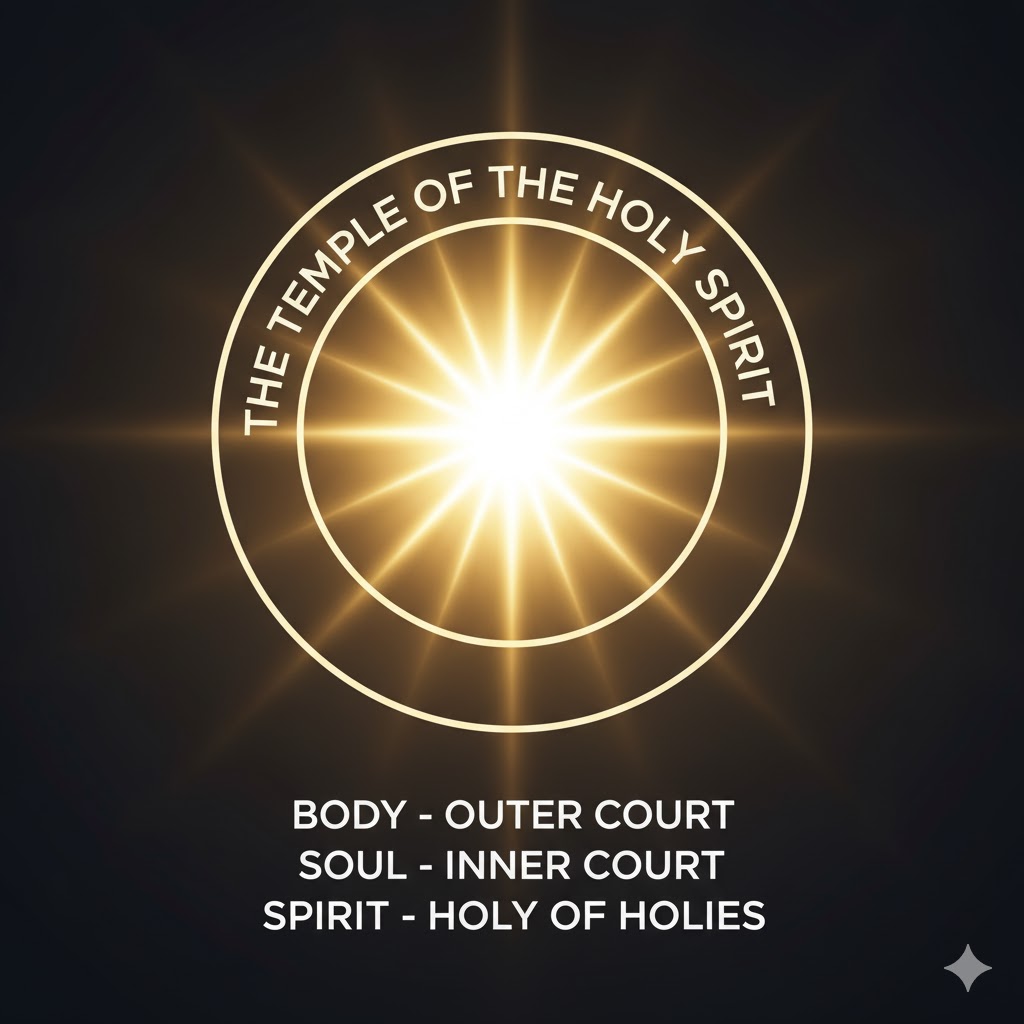
The human being is a sacred temple composed of three divine courtsthe body (outer court), the soul (inner court), and the spirit (Holy of Holies). Each has spiritual “gates” that must be guarded, purified, and dedicated to God.


🕊 Holy Spirit Gates (The Holy of Holies)

The dwelling place of the presence of God; where communion, revelation, and transformation occur.

  1. Truth Gate – The Spirit of truth guides believers into all understanding.
    • John 16:13: “When he, the Spirit of truth, is come, he will guide you into all truth.”
    • This gate opens discernment and alignment with God’s Word, rejecting deception.
  2. Revelation Gate – Unlocks divine mysteries and heavenly insight.
    • Ephesians 1:17: “That the God of our Lord Jesus Christ… may give unto you the spirit of wisdom and revelation in the knowledge of him.”
    • When open, this gate allows divine secrets to be revealed to the heart.
  3. Intuition Gate – The inner knowing that transcends logic.
    • 1 John 2:27: “Ye need not that any man teach you… the same anointing teacheth you of all things.”
    • The Spirit communicates through an inner sense or divine impression.
  4. Prayer Gate – Connects heaven and earth through constant communion.
    • 1 Thessalonians 5:17: “Pray without ceasing.”
    • This gate fuels spiritual life, keeping the fire of the altar burning within.
  5. Reverence Gate – Produces humility and awe before God’s holiness.
    • Psalm 111:10: “The fear of the LORD is the beginning of wisdom.”
    • Reverence guards against pride, keeping the temple pure and submissive.
  6. Faith Gate – The doorway to the supernatural.
    • Hebrews 11:6: “Without faith it is impossible to please him.”
    • Faith activates miracles and allows the believer to walk in divine authority.
  7. Hope Gate – Sustains endurance through trials.
    • Romans 15:13: “Now the God of hope fill you with all joy and peace in believing.”
    • Hope keeps the spirit alive and focused on God’s promises.
  8. Worship Gate – The highest expression of divine intimacy.
    • John 4:24: “God is a Spirit: and they that worship him must worship him in spirit and in truth.”
    • Worship sanctifies the atmosphere of the spirit, aligning the believer with heaven.
  9. Fear of God Gate – Protects from sin and awakens holiness.
    • Proverbs 14:27: “The fear of the LORD is a fountain of life, to depart from the snares of death.”
    • This gate anchors reverence, obedience, and purity in the believer’s spirit.

💠 Soul Gates (The Inner Court)

The seat of the mind, will, and emotions—where choices are made and spiritual warfare often occurs.

  1. Conscience Gate – The moral compass of the soul.
    • Romans 9:1: “My conscience also bearing me witness in the Holy Ghost.”
    • When pure, it warns against sin; when seared, it allows moral confusion.
  2. Reason Gate – The faculty of understanding and interpretation.
    • Proverbs 3:5–6: “Trust in the LORD… and lean not unto thine own understanding.”
    • This gate must be submitted to divine wisdom rather than worldly logic.
  3. Imagination Gate – The creative and visionary center of the soul.
    • Genesis 6:5: “Every imagination of the thoughts of his heart was only evil continually.”
    • When sanctified, imagination allows believers to visualize God’s glory and promises.
  4. Mind Gate – Governs thoughts, memory, and meditation.
    • Romans 12:2: “Be ye transformed by the renewing of your mind.”
    • A renewed mind brings the soul into harmony with the will of God.
  5. Will Gate – The power of choice and surrender.
    • Deuteronomy 30:19: “Choose life, that both thou and thy seed may live.”
    • This gate determines whether one obeys God or yields to the flesh.
  6. Emotions Gate – The realm of feelings and affections.
    • Proverbs 4:23: “Keep thy heart with all diligence; for out of it are the issues of life.”
    • Emotions must be ruled by the Spirit, not by circumstance.
  7. Choices Gate – Where decisions shape destiny.
    • Joshua 24:15: “Choose you this day whom ye will serve.”
    • Every choice opens or closes access to spiritual blessings.
  8. Will (as Dominion Gate) – Represents alignment of human will with divine purpose.
    • Luke 22:42: “Not my will, but thine, be done.”
    • This final gate in the soul ensures complete surrender to God’s plan.

🕯 Body Gates (The Outer Court)

The physical realm that interacts with the world—where obedience, discipline, and holiness must govern.

  1. Flesh Gate – Represents the fallen nature that seeks its own desires.
    • Galatians 5:17: “The flesh lusteth against the Spirit.”
    • The believer must crucify the flesh daily to keep the temple pure.
  2. Touch Gate – The sense of contact and intimacy.
    • 2 Corinthians 6:17: “Touch not the unclean thing; and I will receive you.”
    • This gate calls for purity and discernment in physical and spiritual connections.
  3. Taste Gate – Governs appetite, both physical and spiritual.
    • Psalm 34:8: “O taste and see that the LORD is good.”
    • Discipline in what one consumes symbolizes satisfaction in God, not excess.
  4. Smell Gate – Symbolic of spiritual discernment and worship.
    • Ephesians 5:2: “A sweet smelling savour.”
    • The anointing oil and incense of worship in the Old Testament mirror this gate’s holiness.
  5. Sight Gate – Controls vision and perception.
    • Job 31:1: “I made a covenant with mine eyes.”
    • What one watches or observes either sanctifies or corrupts the heart.
  6. Hearing Gate – Governs what influences faith and belief.
    • Romans 10:17: “Faith cometh by hearing, and hearing by the word of God.”
    • The ears determine what teachings, music, or words shape the soul.

When the Holy Spirit Gates are active, the believer walks in revelation and divine connection.
When the Soul Gates are renewed, the believer’s emotions, mind, and will align with truth.
When the Body Gates are disciplined, the believer’s actions reflect holiness.

Together, these gates form the Temple of the Holy Spirit—a living, breathing sanctuary through which God manifests His glory.

1 Thessalonians 5:23 (KJV): “And the very God of peace sanctify you wholly; and I pray God your whole spirit and soul and body be preserved blameless unto the coming of our Lord Jesus Christ.”

The human being is a divine masterpiece crafted in the image of God, designed to be a dwelling place for His presence. According to 1 Corinthians 6:19 (KJV), “What? know ye not that your body is the temple of the Holy Ghost which is in you, which ye have of God, and ye are not your own?” This scripture establishes a sacred truth: the human body, soul, and spirit are not merely biological or emotional structures, but holy vessels that mirror the very order of God’s tabernacle.

In the Old Testament, the temple of God had three parts: the outer court, the inner court, and the Holy of Holies. Each part symbolically represents a dimension of our being—the body, the soul, and the spirit. The outer court corresponds to the body, the inner court to the soul, and the Holy of Holies to the spirit. This divine structure reveals that true worship begins within, from the spirit, moving outward to influence the soul and body.

The body is the outer court, the physical representation of the inner life. It interacts with the world through five gates—touch, taste, smell, sight, and hearing. These gates determine what enters and exits, affecting the purity of the temple. 1 Corinthians 9:27 (KJV) says, “But I keep under my body, and bring it into subjection,” reminding believers that the flesh must be disciplined so it does not corrupt what is sacred.

The gate of sight determines vision—what one allows the eyes to behold. Job made a covenant with his eyes (Job 31:1), understanding that the eyes can either glorify God or lead one into temptation. Similarly, the gate of hearing must be guarded, for “faith cometh by hearing” (Romans 10:17), and what we listen to shapes belief and action.

The gate of taste influences appetite and desire. Proverbs 23:2 warns against overindulgence, teaching self-control in what one consumes. The touch gate represents intimacy and connection, reminding believers to “touch not the unclean thing” (2 Corinthians 6:17). Finally, the gate of smell connects to discernment—sensing what is holy versus profane, for in Exodus 30, God gave Moses instructions for the holy anointing oil, a sweet fragrance representing divine worship.

Beyond the body lies the soul, the inner court of human existence. The soul is where thoughts, emotions, and decisions are born. It is the seat of the mind, will, and emotions—the realm where spiritual battles occur. In Luke 21:19, Christ declares, “In your patience possess ye your souls.” This means the believer must govern the soul with divine wisdom and endurance.

The mind gate processes reasoning, imagination, and memory. Romans 12:2 instructs, “Be ye transformed by the renewing of your mind,” because the mind must be renewed daily through Scripture and prayer. The imagination gate, when sanctified, allows believers to envision God’s promises; but when corrupted, it becomes a tool of deception (Genesis 6:5).

The will gate represents choice—the power to obey or disobey. Deuteronomy 30:19 declares, “I have set before you life and death… therefore choose life.” The will determines which voice—God’s or the flesh’s—governs the temple. The emotion gate is deeply tied to worship, for God desires hearts that love Him sincerely. Proverbs 4:23 (KJV) says, “Keep thy heart with all diligence; for out of it are the issues of life.”

The conscience acts as a moral compass, bearing witness with the Spirit to what is right or wrong (Romans 9:1). When the conscience is purified by the blood of Christ, the soul becomes a place of peace and discernment. But if defiled, it leads to confusion and spiritual blindness (Titus 1:15).

The reason gate is where understanding is formed. Proverbs 3:5-6 (KJV) teaches, “Trust in the LORD with all thine heart; and lean not unto thine own understanding.” Reason must be submitted to revelation; for human wisdom alone cannot grasp divine truth.

The deepest part of the human temple is the spirit, the Holy of Holies. Here, communion with God occurs through the indwelling of the Holy Spirit. The spirit has its own gates—faith, reverence, prayer, revelation, intuition, worship, and the fear of God—each essential for divine connection.

The faith gate activates the believer’s trust in God. Hebrews 11:6 declares, “Without faith it is impossible to please Him.” The prayer gate keeps communication open between heaven and earth (1 Thessalonians 5:17). Prayer maintains the fire of the altar within the Holy of Holies, where God’s glory abides.

The revelation gate opens divine mysteries to those who seek truth. Ephesians 1:17 speaks of “the spirit of wisdom and revelation in the knowledge of Him.” The intuition gate allows one to perceive spiritual truths without human logic; it is the inner knowing that comes from the Spirit of God (1 John 2:27).

The reverence gate reflects holy respect and submission before the Lord. Psalm 111:10 declares, “The fear of the LORD is the beginning of wisdom.” Reverence keeps the spirit humble and the heart tender toward God.

The worship gate is the ultimate purpose of the temple—to glorify the Creator. John 4:24 reminds, “God is a Spirit: and they that worship him must worship him in spirit and in truth.” Worship purifies the temple and aligns every gate with heaven’s harmony.

Finally, the fear of God gate establishes holiness. Proverbs 14:27 declares, “The fear of the LORD is a fountain of life.” When this gate is open, sin cannot dominate, and the believer becomes a living sanctuary of divine power.

Thus, the temple of the Holy Spirit is a complete structure—body, soul, and spirit working together in divine order. When every gate is consecrated, the believer lives in alignment with heaven, walking as a vessel of light in a dark world.

The restoration of this temple begins with repentance and ends with transformation. Romans 8:11 declares that the Spirit that raised Jesus from the dead will quicken our mortal bodies. This quickening power renews the entire being, sanctifying each court and gate for God’s use.

Ultimately, the believer’s goal is not mere moral purity, but divine habitation. When the body, soul, and spirit operate in harmony under the authority of the Holy Spirit, heaven finds expression on earth. As Paul writes in 1 Thessalonians 5:23, “And the very God of peace sanctify you wholly; and I pray God your whole spirit and soul and body be preserved blameless unto the coming of our Lord Jesus Christ.”

References
1 Corinthians 6:19–20; Romans 12:1–2; Proverbs 4:23; 1 Thessalonians 5:23; John 4:24; Hebrews 11:6; Deuteronomy 30:19; Psalm 111:10; Ephesians 1:17; Romans 8:11 (KJV).

Terrestrial and Celestial: A Biblical Examination.

There exists within Scripture a clear distinction between the terrestrial and the celestial — the earthly realm and the heavenly realm. Understanding this difference allows believers to recognize both the temporary nature of physical life and the eternal significance of spiritual existence. These categories encompass not only creation, but identity, purpose, and destiny (1 Corinthians 15:40, KJV).

The term terrestrial refers to things belonging to the earth — what is physical, temporal, and natural. Humanity was formed from the dust of the ground, making our bodies terrestrial by design (Genesis 2:7, KJV). We walk in this world as citizens of a physical creation, subject to natural laws, aging, and death.

The celestial, by contrast, refers to things belonging to heaven — spiritual, eternal, and divine. God, angels, and the eternal dwelling place of the saints are all celestial realities. The heavens declare the glory of God, revealing His majesty beyond earthly perception (Psalm 19:1, KJV). Celestial things are not bound by the limits of time or decay.

The apostle Paul draws a powerful comparison between these two states of existence. “There are also celestial bodies, and bodies terrestrial,” he writes, emphasizing two distinct forms of being (1 Corinthians 15:40, KJV). The terrestrial body is sown in corruption, yet the celestial body is raised in glory. This contrast points to resurrection hope and the transformation awaiting believers.

The terrestrial life is marked by weakness and limitation. Sickness, fatigue, struggle, and mortality testify to the fragility of earthly existence (Psalm 90:10, KJV). The body ages and returns to dust, reminding mankind that life on earth is fleeting and not the final form intended by God (Genesis 3:19, KJV).

In contrast, the celestial realm is characterized by immortality, holiness, and divine power. Heavenly bodies do not decay nor experience corruption. Those who inherit eternal life will be clothed in celestial glory, transformed by the power of resurrection (Philippians 3:21, KJV). This transformation reveals God’s intention to elevate humanity from dust to divine likeness.

Christ Himself illustrates the bridge between terrestrial and celestial. Born in flesh, He walked the earth in human form, yet His resurrection revealed a celestial nature beyond the limitations of mortality (Luke 24:39, KJV). He became the “firstfruits” of those who shall rise, demonstrating humanity’s destiny (1 Corinthians 15:20, KJV).

The terrestrial world is temporary. Scripture declares that heaven and earth shall pass away, but God’s word remains eternal (Matthew 24:35, KJV). Earthly kingdoms crumble, wealth fades, beauty withers, and glory evaporates. Earthly life is but a vapor that appears for a little time and then vanishes away (James 4:14, KJV).

The celestial kingdom, however, is everlasting. The throne of God endures forever, and the righteous shall dwell with Him in eternal light and glory (Revelation 21:23, KJV). This realm is the believer’s true homeland, for we are “strangers and pilgrims on the earth” awaiting heavenly promise (Hebrews 11:13-16, KJV).

The terrestrial mind focuses on earthly concerns — food, clothing, position, reputation, achievement. Yet Christ commands believers to seek first the kingdom of God, demonstrating that spiritual pursuit must outrank material survival (Matthew 6:33, KJV). Fleshly desires war against the soul because they are bound to earth (1 Peter 2:11, KJV).

The celestial mindset dwells on things above — faith, righteousness, holiness, compassion, truth, and eternity (Colossians 3:2, KJV). Such a mindset is evidence of spiritual maturity, for the spiritually minded live according to the Spirit rather than the flesh (Romans 8:5-6, KJV).

Earthly bodies bear the image of the first Adam, made of dust. Heavenly bodies bear the image of the second Adam, Christ, who is from heaven (1 Corinthians 15:47-49, KJV). This comparison shows that our earthly identity is not the final expression of God’s purpose.

The terrestrial body is weak, susceptible to temptation and influenced by the senses. It requires discipline and submission to the Spirit so that it does not dominate or corrupt the soul (Galatians 5:16-17, KJV). Spiritual warfare takes place within the earthly vessel.

The celestial nature, however, is perfect, unable to sin, and fully aligned with God’s will. It represents the perfection believers will experience in the resurrection, when mortality puts on immortality (1 Corinthians 15:53, KJV). In this transformed state, humanity fulfills its divine calling.

Death marks the separation of terrestrial and celestial identity. The body returns to earth, but the spirit returns to God who gave it (Ecclesiastes 12:7, KJV). This separation reveals the impermanence of flesh and the priority of spiritual existence.

Heavenly reward awaits those who walk by faith rather than sight (2 Corinthians 5:7, KJV). The terrestrial experience tests loyalty, obedience, and faith, shaping the soul for eternal destiny. Every trial on earth prepares believers for celestial glory.

Those who live only for the terrestrial life inevitably perish with it. Scripture warns not to lay treasures on earth, where moth and rust destroy, but to store treasure in heaven (Matthew 6:19-20, KJV). To cling to earthly life is to lose eternal life.

The terrestrial world exists under corruption and bondage due to sin. Creation itself groans for redemption, waiting for the manifestation of the sons of God (Romans 8:18-23, KJV). Redemption promises not only resurrection of the body but renewal of the heavens and earth.

The celestial realm operates under perfect righteousness and divine order. Angels excel in strength, obeying His commandments, revealing the purity of heaven’s structure (Psalm 103:20, KJV). There is no pain, sorrow, or death in the celestial kingdom (Revelation 21:4, KJV).

Believers are called to live as celestial heirs even while in terrestrial bodies. This means walking in the Spirit, practicing holiness, and manifesting the character of Christ on earth (1 John 3:2-3, KJV). The earthly life is training ground for eternal destiny.

Ultimately, terrestrial existence is preparation; celestial existence is fulfillment. The journey of faith moves us from dust to glory, from temporal to eternal, from flesh to Spirit, from earth to heaven. The wise live with eternity in view, recognizing that what is seen is temporary, but what is unseen is eternal (2 Corinthians 4:18, KJV).


References (KJV)
Genesis 2:7; Genesis 3:19; Psalm 19:1; Psalm 90:10; Psalm 103:20; Ecclesiastes 12:7; Matthew 6:19–20; Matthew 6:33; Matthew 24:35; Luke 24:39; John 3:16; Romans 8:5–6; Romans 8:18–23; 1 Corinthians 15:20, 40, 47–53; 2 Corinthians 4:18; 2 Corinthians 5:7; Galatians 5:16–17; Colossians 3:2; Hebrews 11:13–16; James 4:14; 1 Peter 2:11; Philippians 3:21; Revelation 21:4, 23.

Prayer: The Secret Weapon of Faith

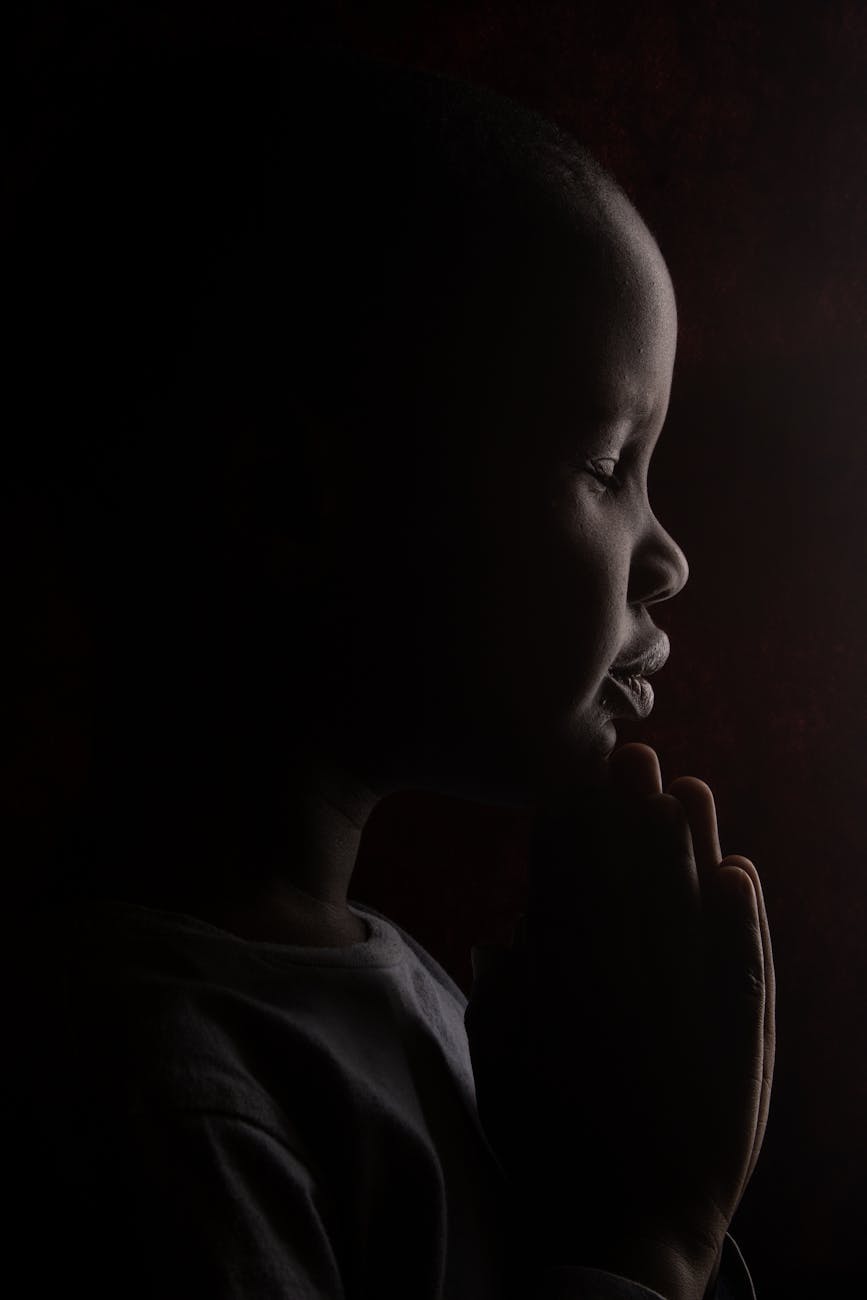
Photo by Hendrick Molomo on Pexels.com

Prayer is the act of communicating with God, expressing praise, thanksgiving, confession, and supplication. Biblically, prayer is both a privilege and a spiritual weapon: “Pray without ceasing” (1 Thessalonians 5:17, KJV). It is a direct channel to the Most High, allowing believers to align their hearts with His will, seek guidance, and intercede for others. Psychologically, prayer can reduce stress, enhance emotional regulation, and foster resilience by providing a sense of control and connection to a higher purpose (Pargament, 2007).

How God Receives Prayer

The Most High receives prayer based on the heart and righteousness of the believer. James 5:16 states, “The effectual fervent prayer of a righteous man availeth much” (KJV). God listens attentively when our hearts are aligned with His commands and when we approach Him with humility and faith. Even in imperfection, sincere prayer is heard, but unrepented sin can hinder effectiveness (Psalm 66:18, KJV).

How to Pray

Prayer can take many forms: adoration, confession, thanksgiving, and supplication (ACTS model). Jesus provided a template: “After this manner therefore pray ye: Our Father which art in heaven, Hallowed be thy name. Thy kingdom come. Thy will be done in earth, as it is in heaven” (Matthew 6:9-10, KJV). Effective prayer is consistent, heartfelt, and specific. Psychologically, structured prayer fosters focus and intentionality, strengthening mental clarity and spiritual discipline.

When to Pray and the Role of Fasting

Prayer is not limited by time; it can be done morning, evening, and throughout the day (Psalm 5:3, KJV). Fasting intensifies prayer by humbling the body and heightening spiritual sensitivity. Daniel exemplified this: “And when he had spoken unto me, I set my face unto the Lord God, to seek by prayer and supplications, with fasting” (Daniel 9:3, KJV). Prayer and fasting together unlock spiritual breakthroughs, discipline the flesh, and magnify faith.

Prayers That Hit the Walls

Some prayers encounter resistance when the believer is not in right standing. Sin, unforgiveness, or idolatry can act as barriers: “If I regard iniquity in my heart, the Lord will not hear me” (Psalm 66:18, KJV). Persistent, repentant, and righteous prayer, however, can penetrate spiritual walls and bring deliverance. Examples include Elijah praying for rain (1 Kings 18:41-45) and Hezekiah interceding for Jerusalem (Isaiah 38:1-5).

Praying Over Your Home and Spiritual Warfare

Prayer affects not only individuals but also spaces and demonic influences. Praying over one’s home involves dedicating it to God, reading Scripture aloud, and commanding evil spirits to depart (Joshua 24:15, KJV). Demonic forces are disrupted by prayer, as it invokes God’s authority: “Submit yourselves therefore to God. Resist the devil, and he will flee from you” (James 4:7, KJV). Consistent intercession fortifies households, communities, and personal lives.

Biblical Examples of Prayer

  • Hannah prayed fervently for a child and received Samuel (1 Samuel 1:10-20).
  • Daniel prayed three times daily despite decree forbidding it (Daniel 6:10-22).
  • Jesus prayed in Gethsemane for guidance and submission to the Father (Luke 22:41-44).
    These examples highlight prayer’s power, persistence, and alignment with God’s will.

Practical Prayer Guide: Unlocking the Secret Weapon of Faith

1. Daily Prayer Routine

  • Morning Prayer: Begin the day thanking God and dedicating your actions to Him (Psalm 5:3, KJV).
  • Evening Prayer: Reflect on the day, confess sins, and ask for guidance (Psalm 66:18, KJV).
  • Throughout the Day: Short prayers of gratitude, protection, and intercession.

Tip: Use the ACTS method—Adoration, Confession, Thanksgiving, Supplication—to structure prayers.


2. How to Pray Effectively

  • Align Your Heart: Approach God with humility and sincerity (James 5:16, KJV).
  • Be Specific: Pray for clear needs and outcomes, not just general desires.
  • Persistence: Don’t give up after one prayer; consistent prayer demonstrates faith (Luke 18:1-8).
  • Meditate on Scripture: Integrate verses into your prayers to strengthen faith and focus.

3. Prayer and Fasting

  • Purpose: Fasting humbles the body and heightens spiritual sensitivity (Daniel 9:3, KJV).
  • Timing: Fast during critical decisions, spiritual battles, or when seeking breakthroughs.
  • Integration: Combine fasting with focused prayer for specific outcomes or intercession.

4. Praying Over Your Home

  • Walk through each room while reading Scriptures aloud (Joshua 24:15, KJV).
  • Declare God’s protection, peace, and blessing over the home.
  • Command any demonic influence to leave in Jesus’ name (James 4:7, KJV).
  • Maintain a routine of prayer, praise, and Scripture reading to keep the space spiritually strong.

5. Spiritual Warfare Through Prayer

  • Recognize that prayer disrupts demonic forces: “Resist the devil, and he will flee from you” (James 4:7, KJV).
  • Use authority in Christ to bind evil spirits and release blessing.
  • Pray for protection, discernment, and deliverance over yourself, family, and community.

6. Prayers That Hit the Walls

  • Sin, unforgiveness, or hidden motives can hinder prayer (Psalm 66:18, KJV).
  • Confess and repent regularly to maintain alignment with God’s will.
  • Intercede with righteousness, faith, and persistence to break through spiritual barriers.

7. Biblical Examples

  • Hannah: Persisted in prayer for a child; God answered (1 Samuel 1:10-20).
  • Daniel: Prayed three times daily despite persecution (Daniel 6:10-22).
  • Elijah: Prayed for rain; his persistence caused a spiritual breakthrough (1 Kings 18:41-45).
  • Jesus: Prayed for God’s will to be done in Gethsemane (Luke 22:41-44).

8. Psychology of Prayer

  • Prayer reduces stress, promotes emotional regulation, and fosters resilience.
  • Structured prayer improves mental clarity and decision-making (Pargament, 2007).
  • Spiritual connection enhances purpose, optimism, and coping strategies.

9. Tips for Righteous and Effective Prayer

  • Confess sins and forgive others before praying (Matthew 6:14-15, KJV).
  • Keep a prayer journal to track requests and God’s answers.
  • Pray in faith, believing God hears and answers according to His will (Mark 11:24, KJV).
  • Use corporate prayer with community or church to strengthen spiritual authority.

Conclusion

Prayer is a secret weapon of faith, blending spiritual authority, discipline, and psychological fortitude. Approached with righteousness, consistency, and humility, it brings guidance, protection, and breakthroughs. Through fasting, intercession, and praying over spaces and individuals, believers engage in spiritual warfare, resist demonic forces, and strengthen their connection to the Most High. Prayer is both a divine privilege and a practical tool for navigating life’s challenges with faith and purpose.


References

Biblical References (KJV)

  • 1 Thessalonians 5:17
  • James 5:16
  • Psalm 66:18
  • Matthew 6:9-10
  • Psalm 5:3
  • Daniel 9:3
  • 1 Kings 18:41-45
  • Isaiah 38:1-5
  • Joshua 24:15
  • James 4:7
  • 1 Samuel 1:10-20
  • Daniel 6:10-22
  • Luke 22:41-44

Secondary Sources
Pargament, K. I. (2007). Spiritually Integrated Psychotherapy: Understanding and Addressing the Sacred. Guilford Press.