In an era dominated by social media, influencers have emerged as powerful agents shaping beauty standards, representation, and cultural narratives. For Black women, who have historically faced underrepresentation and colorist biases in mainstream media, influencers play a critical role in redefining beauty by celebrating diversity, melanin-rich skin tones, natural hair textures, and authentic self-expression. These digital leaders challenge Eurocentric ideals and cultivate a sense of pride, confidence, and empowerment among their audiences.
Historically, beauty standards in Western media have marginalized Black women, often equating light skin, straight hair, and European features with desirability and success. Dark-skinned women with natural hair textures were frequently excluded from modeling, advertising, and entertainment opportunities (Hunter, 2007). The rise of social media has provided platforms for influencers to bypass traditional gatekeepers and present authentic representations of Black beauty to a global audience.
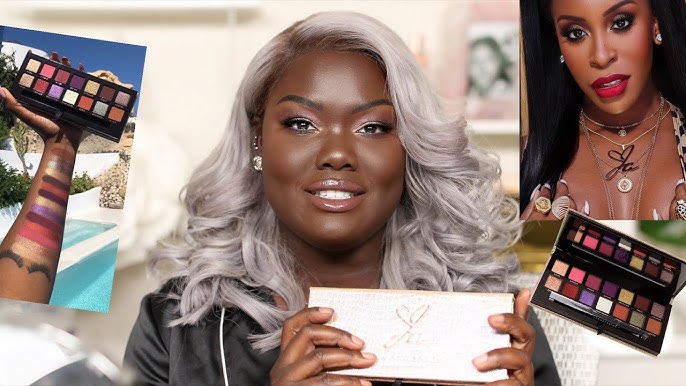
Influencers such as Jackie Aina, Nyma Tang, and Patrice Williams have leveraged platforms like Instagram, YouTube, and TikTok to advocate for inclusive beauty. Jackie Aina, for instance, highlights the lack of foundation shades for dark-skinned women and collaborates with brands to ensure products serve diverse skin tones. Nyma Tang’s #TheDarkestShadeChallenge brought attention to the exclusion of deep shades in cosmetic lines, fostering industry-wide change and highlighting the power of social media activism.
These influencers do more than promote products; they challenge entrenched narratives. They share personal stories, address colorism, and provide tutorials that celebrate natural hair, protective styling, and makeup techniques tailored to darker skin. Their platforms serve as educational spaces where followers learn self-care, self-expression, and confidence-building strategies grounded in authenticity rather than conformity.
Top Influencers Redefining Black Beauty
1. Jackie Aina
- Platform: YouTube, Instagram
- Contribution: Advocates for inclusive makeup shades; collaborates with brands to expand dark-skinned options.
- Impact: Increased industry awareness; millions of followers inspired to embrace their melanin.
2. Nyma Tang
- Platform: YouTube, Instagram
- Contribution: #TheDarkestShadeChallenge highlighting exclusion of deep foundation shades.
- Impact: Prompted brands to expand shade ranges; educated audiences on colorism in beauty.
3. Patrice Williams
- Platform: Instagram, Twitter
- Contribution: Celebrates natural hair textures and dark-skinned beauty; creates content affirming self-confidence.
- Impact: Reinforces pride in authentic Black beauty; provides tutorials and inspiration.
4. Nabela Noor
- Platform: TikTok, Instagram
- Contribution: Promotes self-love and inclusivity in makeup and fashion.
- Impact: Encourages body positivity and cultural pride for women of all skin tones.
5. Nyomi Smart
- Platform: Instagram, YouTube
- Contribution: Beauty influencer focusing on skincare and makeup for deeper skin tones.
- Impact: Challenges beauty stereotypes; advocates for representation in media and brands.
Key Themes Highlighted by Influencers
- Celebration of melanin-rich skin and natural hair.
- Awareness of colorism and media biases.
- Advocacy for inclusive beauty products.
- Promotion of self-love, confidence, and authenticity.
- Education about historical and cultural context of Black beauty.
Visual Design Notes
- Color Palette: Rich browns, golds, and warm tones to reflect melanin-rich skin.
- Icons: Hair, lipstick, makeup brushes, and Instagram/YouTube logos.
- Layout: 5 influencer profiles with photos or icons, brief description, and impact summary.
- Header Quote: “Fearfully and wonderfully made” – Psalm 139:14 (KJV).
The psychology behind influencer impact is significant. Seeing relatable role models who reflect one’s own skin tone and features can enhance self-esteem, reduce internalized colorism, and foster positive body image (Tiggemann & Slater, 2014). For Black women, representation matters; influencers who embrace their natural features provide validation that has long been denied by mainstream media.
In addition to individual influencers, movements like #MelaninMagic and #BlackGirlMagic celebrate dark-skinned beauty collectively, encouraging followers to embrace their melanin and reject societal pressures to conform to Eurocentric standards. These campaigns also emphasize community support, cultural pride, and resilience, reinforcing positive identity formation.
Social media influencers also engage with brands to promote inclusivity in product development. Their advocacy ensures that makeup, skincare, and haircare products cater to diverse skin tones and hair textures, fostering systemic change in industries that have historically marginalized Black consumers. This intersection of activism and entrepreneurship demonstrates that redefining beauty is both cultural and commercial.
Biblically, embracing one’s natural beauty aligns with principles of self-respect and honoring the body God has given. “I will praise thee; for I am fearfully and wonderfully made: marvellous are thy works; and that my soul knoweth right well” (Psalm 139:14, KJV). Recognizing and celebrating one’s God-given features counters societal pressure to conform to externally imposed beauty standards.
Furthermore, influencers encourage critical thinking about media consumption. By highlighting Photoshop, filters, and unrealistic standards, they teach followers to question idealized images and focus on holistic self-worth rather than superficial perfection. This advocacy combines digital literacy, cultural pride, and personal empowerment, demonstrating the multifaceted role of Black beauty influencers in contemporary society.
In conclusion, influencers who redefine Black beauty are transforming how society perceives melanin-rich skin, natural hair, and diverse facial features. Through representation, activism, and education, they challenge Eurocentric norms, promote self-confidence, and create inclusive spaces for Black women to celebrate their authentic selves. By leveraging social media platforms, these influencers empower audiences to embrace their uniqueness, reject harmful stereotypes, and redefine beauty on their own terms.
References
- Hunter, M. (2007). The persistent problem of colorism: Skin tone, status, and inequality. Sociology Compass, 1(1), 237–254.
- Tiggemann, M., & Slater, A. (2014). NetGirls: The Internet, Facebook, and body image concern in adolescent girls. International Journal of Eating Disorders, 47(6), 630–643.
- The Holy Bible, King James Version.
- Thompson, C. (2019). Black Hair: Art, Style, and Culture. Bloomsbury Academic.

 THE BROWN GIRL DILEMMA