Category Archives: hollywood

Color-Coated Casting in the Entertainment and Fashion Industries.

Color-coated casting—commonly understood as colorism within media industries—remains one of the most insidious and underexamined forms of discrimination affecting Black entertainers. It operates not through outright exclusion alone, but through selective inclusion, where lighter skin is consistently privileged over darker skin within the same racial group. This hierarchy shapes who is seen, who is celebrated, and ultimately, who is remembered.

The origins of colorism in entertainment can be traced to the historical aftermath of slavery and colonialism, where proximity to whiteness was associated with privilege, safety, and access. During early American theater and film, Black representation was either absent or distorted through caricature. As Black actors slowly entered the industry, lighter-skinned individuals were often chosen because they aligned more closely with Eurocentric ideals of beauty and acceptability.

By the Golden Age of Hollywood, these biases had become institutionalized. Studios, largely controlled by white executives, curated an image of Blackness that was palatable to white audiences. This meant casting individuals who visually softened racial difference—lighter skin, looser curls, and more “ambiguous” features—while excluding darker-skinned actors from leading roles.

Color-coated casting has had a profound impact on the fashion industry, where models of darker skin tones have historically been underrepresented or relegated to niche categories such as “ethnic” or “urban.” Runways, magazine covers, and high-profile campaigns have favored lighter-skinned or biracial models, who are perceived as more commercially viable or “relatable” to global audiences. This preference not only limits opportunities for darker-skinned models but also reinforces narrow beauty standards that equate desirability with proximity to whiteness. Even when darker-skinned models are featured, they are often styled, photographed, or digitally lightened to align with these Eurocentric aesthetics, sending the implicit message that darker tones are less acceptable. Iconic Black models such as Naomi Campbell and Alek Wek have challenged these norms, yet the industry continues to grapple with systemic bias, showing that talent alone is not enough to overcome deeply entrenched colorism. This practice affects not only careers but also the perception of beauty in society at large, shaping cultural ideals and influencing consumer preferences.

The practice persists today under the guise of “marketability.” Industry decision-makers often argue that lighter-skinned actors have broader appeal, particularly in international markets. This economic justification masks a deeper issue: the continued prioritization of whiteness as the universal standard.

The experiences of Lupita Nyong’o powerfully illustrate this reality. Before her rise to global acclaim, she has spoken openly about being told she was “too dark” for television. Even after winning an Academy Award, she encountered a narrow range of roles, many of which were rooted in historical trauma rather than contemporary complexity.

Similarly, Halle Berry, despite becoming the first Black woman to win the Academy Award for Best Actress, has acknowledged the persistent lack of substantial roles for Black women. Her success did not dismantle the system; rather, it exposed how rare such breakthroughs are.

Actresses like Viola Davis have also addressed colorism directly, noting that darker-skinned women must often work twice as hard for half the recognition. Davis has spoken about how her appearance influenced the types of roles she was offered, often being cast in characters defined by struggle rather than desirability.

In contrast, lighter-skinned or racially ambiguous actresses such as Zendaya and Zoë Saldana have frequently been positioned as the “face” of diversity. While their success is valid, it also reflects the industry’s preference for representations of Blackness that align more closely with Eurocentric aesthetics.

Colorism extends beyond film into the fashion industry, where beauty standards are even more rigid. Darker-skinned models have historically been underrepresented on runways, in advertising campaigns, and on magazine covers. When they are included, they are often styled in ways that exoticize rather than normalize their beauty.

There have also been documented cases where the skin tones of Black celebrities, including Beyoncé, were digitally altered in post-production to appear lighter. This practice reinforces harmful messages about which shades of Blackness are considered acceptable or aspirational.

For Black men, colorism manifests differently but remains equally impactful. Darker-skinned male actors are often typecast into roles that emphasize physicality, aggression, or hardship, while lighter-skinned men are more likely to be portrayed as romantic leads or emotionally complex characters.

Actors such as Idris Elba have broken through some of these barriers, yet even his career reflects a pattern where recognition often comes with roles that emphasize strength and intensity rather than vulnerability or softness.

In sports, the effects of colorism are visible in media representation and endorsement deals. Lighter-skinned athletes are frequently marketed as more relatable or marketable, while darker-skinned athletes are reduced to their physical abilities. This dynamic perpetuates stereotypes that extend far beyond the playing field.

The responsibility for color-coated casting lies in multiple layers of power. Studio executives, casting directors, fashion editors, and brand managers all contribute to maintaining these standards. However, these decisions are also influenced by broader societal biases that have been conditioned over centuries.

Media ownership plays a critical role. When decision-making power is concentrated among individuals who benefit from existing hierarchies, there is little incentive to challenge them. This lack of diversity behind the scenes directly impacts the diversity seen on screen and on runways.

Audience conditioning is another factor. Generations of viewers have been exposed to narrow representations of beauty, leading to internalized preferences that reinforce industry practices. This creates a feedback loop where demand and supply continuously validate one another.

Importantly, colorism is not solely imposed from outside the Black community. It can also be perpetuated internally, as historical conditioning has influenced perceptions of beauty and worth within the community itself. This internalization complicates efforts to dismantle the system.

Despite these challenges, resistance has emerged. Movements advocating for darker-skinned representation have gained momentum, and more creators are intentionally casting actors who reflect the full spectrum of Black identity.

Actresses, models, and public figures are increasingly using their platforms to challenge beauty norms and demand equitable treatment. Their voices have sparked critical conversations about inclusion, authenticity, and representation.

However, progress remains uneven. While there are more opportunities than in previous decades, systemic change has been slow, and colorism continues to shape casting decisions in subtle yet significant ways.

Ultimately, color-coated casting is not just about who gets hired—it is about whose stories are told, whose beauty is validated, and whose humanity is fully recognized. Until the industry confronts its biases at both structural and cultural levels, true equity will remain out of reach.

References (APA Style)

Berry, H. (2002). Academy Award acceptance speech and subsequent interviews on representation.

Davis, V. (2016). Emmy acceptance speech and interviews on race and colorism in Hollywood.

Hunter, M. (2007). The persistent problem of colorism: Skin tone, status, and inequality. Sociology Compass, 1(1), 237–254.

Nyong’o, L. (2014). Speech at Essence Black Women in Hollywood Luncheon.

Norwood, K. J. (2015). Color matters: Skin tone bias and the myth of a postracial America. Routledge.

Thompson, M. S., & Keith, V. M. (2001). The blacker the berry: Gender, skin tone, self-esteem, and self-efficacy. Gender & Society, 15(3), 336–357.

Wilder, J. (2015). Color stories: Black women and colorism in the 21st century. Temple University Press.

Growing Up Famous While Black in Hollywood: The Untold Story of Child Stars.

The history of Black child stars in American television reveals a complicated story of talent, visibility, exploitation, and racial inequality. Throughout the twentieth century, Black children appeared in sitcoms and films that were largely created and controlled by white executives, producers, and writers. While these young performers often became beloved cultural icons, their experiences behind the scenes frequently reflected the racial hierarchies that shaped the entertainment industry. Fame brought opportunity, but it also exposed many Black child actors to unequal pay, stereotyping, and limited long-term career support.

Hollywood’s early power structure was overwhelmingly white, especially during the 1970s and 1980s, when many Black child actors rose to prominence. Network executives, casting directors, and producers determined which stories were told and how Black characters were portrayed. Although television increasingly included Black characters, the creative control over those characters often remained outside the Black community. As a result, Black child stars sometimes found themselves performing roles that reflected white expectations about Black identity rather than authentic cultural representation.

One of the most recognizable Black child stars of television was Gary Coleman, who became famous for portraying Arnold Jackson on the sitcom Diff’rent Strokes. Coleman’s character was a witty and charming orphan adopted by a wealthy white businessman. His catchphrase, “What’chu talkin’ ’bout, Willis?” became one of the most famous lines in television history, turning Coleman into a national sensation and making him one of the most recognizable child actors of the era.

At the height of his fame, Coleman was reportedly earning approximately $100,000 per episode, making him one of the highest-paid child actors on television at the time. Despite this financial success, his story later became a cautionary tale about the vulnerability of child performers. Much of the money he earned as a child was mismanaged by adults responsible for his finances. As an adult, Coleman sued his adoptive parents and business advisor for misappropriating his trust fund.

Coleman’s struggles illustrate a broader pattern within Hollywood in which child stars generated enormous wealth for studios while having little control over their earnings. Although laws such as the Coogan Act were designed to protect child actors’ finances, many performers still experienced financial exploitation. For Black child stars, this vulnerability sometimes intersected with racial inequities in an already unequal industry.

Another major Black child star who captured audiences during the 1980s was Emmanuel Lewis, who played the title character on the sitcom Webster. Like Coleman’s role, Lewis portrayed an orphaned Black child adopted by a wealthy white family. The show centered on Webster’s charm and innocence, and Lewis quickly became a household name across the United States.

The premise of shows like Webster and Diff’rent Strokes reflected a recurring trope in Hollywood storytelling: the lovable Black child raised within a white household. While these narratives introduced audiences to talented Black performers, they often framed Black childhood through a lens that centered white benevolence. The stories rarely explored the broader social realities of Black communities or systemic racism.

In many cases, the appeal of these shows depended on the image of the “cute” Black child whose humor and innocence softened racial tensions for white audiences. The characters were often written to be charming, comedic, and non-threatening. While this made them popular with viewers, it also reinforced a narrow representation of Black identity.

Earlier generations of Black child actors experienced similar patterns of limited financial reward and stereotypical roles. One example is Matthew Beard, widely known as “Stymie” from the classic comedy series Our Gang (later called The Little Rascals). Beard was one of the most recognizable child actors of the 1930s, yet like many performers of that era, he reportedly received little long-term financial compensation for his work.

Beard’s experience illustrates how Hollywood historically profited from the talents of Black children while failing to provide long-term economic security. Although audiences loved these characters, the industry rarely invested in the future careers or financial stability of the young actors who portrayed them.

Another figure connected to the conversation about young Black actors in Hollywood is Lamont Bentley, who began acting at a young age and later became known for roles in Black-centered television and film. Like many performers who started as children, Bentley navigated an industry where opportunities for Black actors were limited and highly competitive.

Hollywood’s reliance on stereotypes also shaped how certain Black characters were written for sitcoms. A notable example involves Jimmie Walker, whose character J.J. Evans became the breakout figure on the sitcom Good Times. Walker’s catchphrase “Dyn-o-mite!” became immensely popular with audiences and turned him into one of the show’s most recognizable stars.

However, not everyone celebrated the character’s comedic style. Some cast members and critics argued that J.J.’s exaggerated mannerisms and clownish behavior reinforced negative stereotypes about Black men. Actors within the show reportedly disagreed with producers over the increasing emphasis on comedy at the expense of portraying a serious Black family narrative.

These debates highlight a long-standing tension in Black television representation. Comedy could open doors for Black actors and make shows commercially successful, yet it could also risk perpetuating caricatures that undermined the dignity of Black characters.

Many discussions about Black sitcoms inevitably include the work of influential television producer Norman Lear. Lear was responsible for several groundbreaking television programs that addressed social issues such as racism, poverty, and inequality. His shows helped bring Black family life into mainstream television during a time when representation was limited.

Lear’s supporters argue that his productions challenged audiences to confront uncomfortable social realities. Programs such as Good Times depicted working-class Black families and addressed issues like unemployment and systemic poverty.

At the same time, critics have debated whether some of Lear’s programs relied too heavily on exaggerated comedic elements. While his shows created opportunities for Black actors, they were still shaped by creative decisions made primarily within white-dominated production environments.

Another important figure in the discussion of Black child actors is Kim Fields, who portrayed Dorothy “Tootie” Ramsey on the sitcom The Facts of Life. Fields joined the show as a young actress and quickly became one of its most recognizable characters.

Within the show’s predominantly white ensemble cast, Fields represented one of the few Black characters at an elite girls’ boarding school. Her character brought diversity to the series and resonated with many viewers who rarely saw Black girls represented on mainstream television.

Fields appeared alongside actress Lisa Whelchel, who played Blair Warner, the wealthy and privileged student at the center of many storylines. The contrast between Blair’s affluent background and Tootie’s more grounded personality reflected broader class dynamics often explored in the show.

Although Fields was a beloved member of the cast, many television scholars have noted that storylines frequently centered on white characters. This reflected the broader structure of television writing rooms at the time, which were overwhelmingly white.

Despite these limitations, Fields successfully transitioned into adulthood within the entertainment industry, later starring in the sitcom Living Single. Her longevity in Hollywood is notable because many child actors struggle to maintain successful careers after their early fame fades.

Black child actors often faced a double burden in Hollywood. Like all child performers, they were subject to the pressures of fame, demanding work schedules, and public scrutiny. At the same time, they navigated racial stereotypes and limited roles shaped by systemic inequalities within the industry.

Outside the studio, fame did not shield these actors from the broader realities of American racism. Many experienced discrimination in everyday life despite their celebrity status. Their visibility on television did not always translate into social equality in their personal lives.

Financial instability was another common issue for child stars. Many actors who earned large salaries as children found themselves struggling financially as adults due to poor financial management or exploitation by guardians and managers.

The transition from child star to adult performer proved especially difficult in Hollywood. Once audiences associated an actor with a specific childhood role, casting directors often struggled to imagine them in more mature parts.

For Black actors, these challenges were often intensified by the industry’s limited representation of complex Black characters. Adult roles were scarce, and many performers were confined to stereotypes or minor supporting parts.

Nevertheless, Black child stars played a crucial role in shaping American popular culture. Their performances brought visibility to Black families and children on national television during decades when representation remained limited.

Case Study: Typecasting and the Career of Jaleel White After Steve Urkel on Family Matters

The career of Jaleel White provides a compelling case study on the phenomenon of typecasting in Hollywood, particularly as it affects Black actors who become strongly associated with a single character. White rose to international fame as the nerdy, high-pitched, suspender-wearing Steve Urkel on the sitcom Family Matters, which aired from 1989 to 1998. Although the role brought White immense popularity and cultural recognition, it also shaped public perception of the actor in ways that later complicated his career trajectory.

Jaleel White began acting at a very young age, appearing in commercials and minor television roles during the 1980s. His early career included guest appearances on several television programs, demonstrating his versatility even before landing the role that would define his career. Ironically, Steve Urkel was originally written as a one-time guest character on Family Matters. However, audience reactions were so enthusiastic that the character quickly became central to the show’s storyline.

Steve Urkel soon became one of the most recognizable television characters of the 1990s. With oversized glasses, colorful suspenders, high-water pants, and an awkward personality, Urkel embodied the archetype of the socially awkward genius. His catchphrase “Did I do that?” became a defining line of the era and entered American pop culture. Merchandise, lunchboxes, dolls, and T-shirts featuring the character flooded the market, illustrating the enormous commercial success of the role.

The character’s popularity, however, transformed the direction of Family Matters. Initially conceived as a family-centered sitcom about the Winslow household, the show gradually shifted toward storylines revolving around Urkel’s comedic misadventures and inventions. White himself reportedly played multiple variations of the character, including the suave alter ego Stefan Urquelle, which demonstrated his acting range within the confines of the show.

Typecasting occurs when an actor becomes so strongly associated with a particular role that casting directors and audiences struggle to see them in other types of characters. This phenomenon is common among child actors, whose formative years are closely tied to a specific public persona. For Jaleel White, Steve Urkel became both a blessing and a professional limitation.

After Family Matters ended in 1998, White faced the challenge of redefining his career outside the shadow of Urkel. Casting directors often struggled to envision him in serious or dramatically different roles because audiences had internalized the image of the comedic, awkward teenager. This is one of the central consequences of typecasting: the actor’s identity becomes fused with the fictional character in the public imagination.

In interviews, White has acknowledged the complexities of playing such an iconic role. While he remains proud of the cultural impact of Steve Urkel, he has also spoken about the difficulty of transitioning into adult roles. The entertainment industry frequently pigeonholes actors who become synonymous with a particular character, especially in long-running sitcoms.

Typecasting has historically affected many actors in television history. For example, actors who portray extremely distinctive characters—whether comedic or dramatic—often struggle to escape the expectations attached to those roles. In White’s case, the visual and vocal quirks of Urkel made the character particularly memorable, which strengthened the association between actor and role.

Another factor contributing to White’s typecasting was the character’s exaggerated personality. Urkel’s nasal voice, clumsy physical comedy, and eccentric inventions created a highly stylized performance. While this made the character beloved by audiences, it also made it more difficult for viewers to separate White’s real personality from the fictional character.

White attempted to diversify his career following the end of Family Matters. He appeared in various television programs, including guest roles and voice acting. One of his notable voice roles was portraying Sonic in the animated series Adventures of Sonic the Hedgehog, which demonstrated his versatility beyond live-action sitcom performance.

Despite these efforts, public recognition of White remains strongly tied to Steve Urkel. This phenomenon illustrates the enduring power of television characters in shaping an actor’s identity. Even decades after the show ended, audiences often refer to White primarily through the lens of his famous character.

Typecasting also intersects with broader structural patterns within Hollywood. Black actors historically have had fewer opportunities in mainstream television and film compared to their white counterparts. When a Black actor becomes strongly associated with a single role, the limited number of available roles can make it even more difficult to break free from that identity.

In the case of Jaleel White, however, the actor has embraced the legacy of Urkel while also attempting to redefine his career. He has appeared in various television projects, including reality competitions and guest appearances that highlight his personality beyond the fictional character.

White’s experience illustrates a broader tension within entertainment culture. Iconic roles bring fame, financial success, and cultural influence, but they can also create barriers for actors seeking artistic evolution. The stronger the cultural impact of the character, the more difficult it becomes for audiences to accept the actor in a different identity.

Scholars studying media representation often cite the phenomenon of typecasting as a structural limitation within the entertainment industry. Actors who portray culturally distinctive characters—particularly those tied to race, comedy, or physical traits—may find their careers defined by those portrayals long after the original performance ends.

Nevertheless, Steve Urkel remains one of the most influential television characters of the 1990s. The character reshaped the narrative of Family Matters and became a central symbol of nerd culture, comedic awkwardness, and television nostalgia. While typecasting influenced White’s career trajectory, it also cemented his place in television history.

Ultimately, the case of Jaleel White demonstrates the double-edged nature of iconic television roles. The success of Steve Urkel provided global recognition and cultural legacy, yet it also illustrates how Hollywood can confine actors within the boundaries of their most famous characters. For many performers, the challenge is not achieving fame, but escaping it.

For many Black viewers, these characters were deeply meaningful because they provided rare moments of identification on mainstream television. Seeing Black children on screen helped affirm cultural identity and possibility.

At the same time, the experiences of these actors reveal how deeply race shaped opportunities in Hollywood. Their careers highlight both the progress and the persistent inequalities that characterized the entertainment industry.

In recent decades, the industry has begun to change. Greater representation among writers, producers, and directors has created new opportunities for Black performers to tell their own stories.

Modern audiences are increasingly aware of the historical treatment of child actors, and there is growing advocacy for stronger protections and more equitable contracts.

The stories of performers such as Gary Coleman, Emmanuel Lewis, Kim Fields, and others remind us that behind every beloved television character was a young person navigating fame, expectation, and structural inequality.

Their experiences reveal both the joy that Black child stars brought to audiences and the systemic challenges they faced within a white-dominated entertainment industry.

Understanding this history allows scholars and audiences alike to examine how race, power, and media representation intersect in the making of American television.


References

Bogle, D. (2016). Bright Boulevards, Bold Dreams: The Story of Black Hollywood. Running Press.

Coleman, G. (1998). Gary Coleman: The Unauthorized Biography. St. Martin’s Press.

Gray, H. (2004). Watching Race: Television and the Struggle for Blackness. University of Minnesota Press.

Hunt, D., Ramón, A., & Tran, M. (2021). Hollywood Diversity Report. UCLA College of Social Sciences.

Watkins, S. C. (2005). Hip Hop Matters: Politics, Pop Culture, and the Struggle for the Soul of a Movement. Beacon Press.

Bogle, D. (2001). Toms, Coons, Mulattoes, Mammies, and Bucks: An Interpretive History of Blacks in American Films. Continuum.

IMDb historical production archives for Diff’rent Strokes, Webster, Good Times, and The Facts of Life.

White, J. (2012). Interviews discussing his career and the legacy of Steve Urkel.

IMDb. (n.d.). Family Matters production and cast archives.

Turner Classic Movies Media Archive on sitcom television history.

The “It Girl” Series: Viola Davis

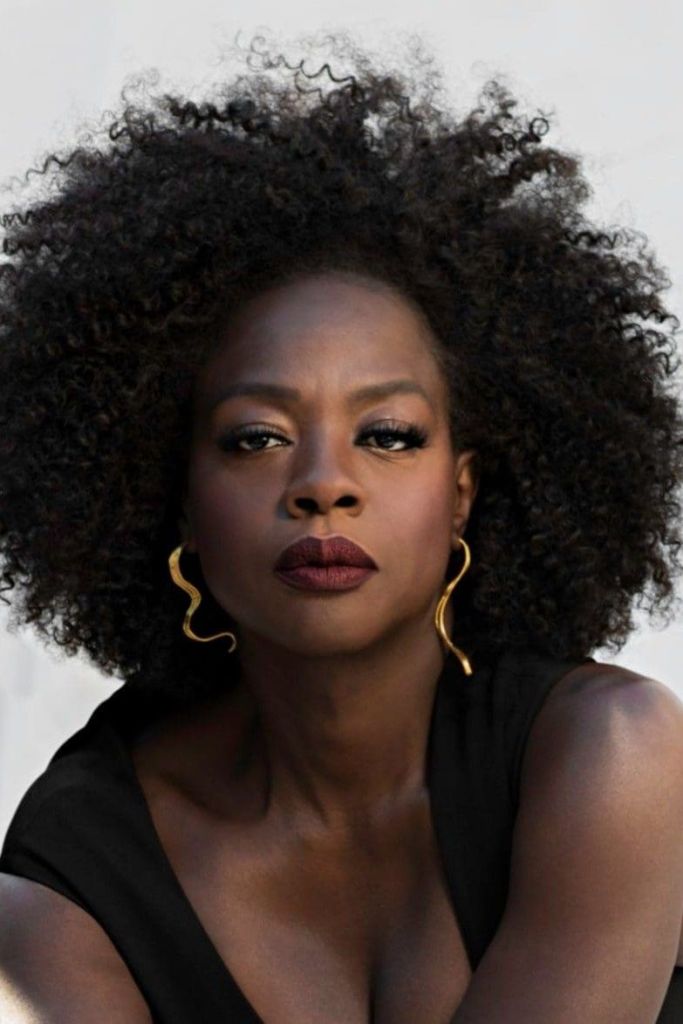
In Hollywood and beyond, few women shine as brightly and powerfully as Viola Davis. This extraordinary actress not only captivates audiences with their unparalleled talent, but they also embody the richness and beauty of Black womanhood—her deep, radiant “chocolate” skintone celebrated as a symbol of elegance, strength, and resilience. From commanding the stage to dominating the silver screen, she has carved a path defined by hard work, brilliance, and groundbreaking accomplishments. Viola Davis, often hailed as the “Black Meryl Streep,” has achieved the rare EGOT status in Hollywood.

This photograph is the property of its respective owners. No copyright infringement intended.

From poverty in Rhode Island to Hollywood’s highest honors, Viola Davis is a transformative talent whose piercing presence, emotional depth, and unparalleled achievements have made her one of the most acclaimed actors of her generation.

Viola Davis was born on August 11, 1965, in Saint Matthews, South Carolina, and raised in Central Falls, Rhode Island, where her family lived in poverty. Growing up, she often felt unseen by society but nurtured a powerful imaginative spirit and a dream of acting as both escape and purpose. Her early life shaped her relentless work ethic, emotional honesty, and drive to portray complex, truthful stories about Black women and human experience.

Davis’s formal training began with a scholarship to the prestigious Juilliard School, where she honed her craft and prepared for a career that would break barriers in theater, film, and television. Her Broadway debut in August Wilson’s Seven Guitars earned critical praise and her first Tony nomination, setting the stage for a career defined by depth, gravitas, and transformative performances.

Viola Davis’s screen career spans gripping dramas, powerful historical adaptations, and commercial successes. Early attention came from roles in films such as Doubt (2008), earning her first Academy Award nomination, and The Help (2011), for which she received another Oscar nomination. Her range expanded into thrillers (Prisoners), biopics (Get On Up), and blockbusters (Suicide Squad), all while continuing to bring unparalleled intensity and truth to her characters.

This photograph is the property of its respective owner.

Her iconic television role as Annalise Keating in How to Get Away with Murder (2014–2020) marked a historic milestone: she became the first Black actress to win the Primetime Emmy Award for Outstanding Lead Actress in a Drama Series. That performance, fierce and emotionally layered, influenced a generation of actresses and redefined representation on primetime TV.

In film, Davis reached new heights with Fences (2016), directed by and starring Denzel Washington, earning her the Academy Award for Best Supporting Actress—a performance widely regarded as one of the most courageous and textured portrayals of a struggling Black woman in cinema. In Ma Rainey’s Black Bottom (2020), she delivered another powerful performance as the blues legend Bessie Smith, further cementing her range and emotional depth.

Viola Davis’s list of honors is historic and unparalleled. She has won the four major American entertainment awards—Emmy, Grammy, Oscar, and Tony—earning her EGOT status, one of the rarest distinctions in the industry. In 2023, her Grammy win for the audiobook narration of her memoir Finding Me completed the quartet, making her only the 18th person in history and the third Black woman ever to achieve EGOT. In addition, she has received multiple Screen Actors Guild Awards, Golden Globe, BAFTA, and Critics’ Choice Awards, as well as the Cecil B. DeMille Award (Golden Globe lifetime achievement) in 2025.

Davis is frequently described as one of the most powerful actors of her generation—often likened to a “Black Meryl Streep” for her emotional precision, versatility, and ability to disappear into roles while still projecting fierce authenticity. Her performances are marked by piercing, expressive eyes and a remarkable capacity to reveal inner turmoil, strength, and vulnerability through minimal gesture, a quality that elevates every character she embodies. Critics, peers, and audiences alike note her uncanny ability to deliver performances that are both profoundly human and culturally transformative.

This photograph is the property of its respective owner.

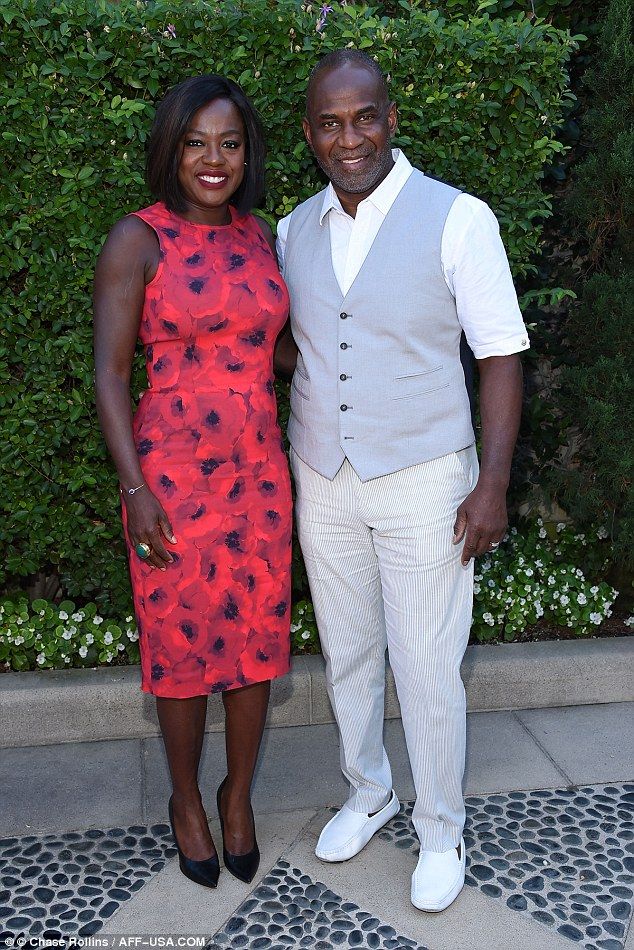
In her personal life, Viola Davis married producer Julius Tennon in 2003, and together they co‑founded JuVee Productions, a company dedicated to elevating underrepresented voices and stories in film, television, and theater. She balances her professional success with family life and philanthropy, using her platform to advocate for equity, representation, and opportunities for diverse artists.

Beyond awards and accolades, Davis’s influence extends into cultural discourse about race, representation, beauty standards, and women’s stories in entertainment. Her ascendancy—from humble beginnings to EGOT winner and global icon—serves as a testament to perseverance, intelligence, and artistic integrity.

References:

  1. Viola Davis | Biography, Movies, Plays, The Help, EGOT, & Facts. (2026). Britannica. https://www.britannica.com/biography/Viola-Davis
  2. EGOT (Viola Davis). (2026). Wikipedia. https://en.wikipedia.org/wiki/EGOT
  3. Viola Davis. (2026). Wikipedia. https://en.wikipedia.org/wiki/Viola_Davis
  4. Viola Davis | National Women’s History Museum. (2026). https://www.womenshistory.org/about-us/our-people/viola-davis
  5. Viola Davis Completes EGOT After Winning a Grammy For Her Audiobook. (2023). Vanity Fair. https://www.vanityfair.com/style/2023/02/viola-davis-egot-grammy-award-win-audiobook-finding-me
  6. Viola Davis achieves EGOT status at the 2023 Grammys. (2023). The Independent. https://www.the-independent.com/arts-entertainment/films/news/viola-davis-egot-grammys-b2276280.html

Masculine Perfection Series: Omari Hardwick, Ben Stephens, and Tyler Lepley.

From the golden glow of the screen to the charisma that lights up a room, certain men embody the essence of masculine perfection — a divine balance of strength, grace, and style. Their skin radiates with health and depth, their eyes hold both power and gentleness, and their physiques are sculpted as though by divine intention. Yet beyond their beauty lies a deeper brilliance — talent, discipline, and a quiet confidence that speaks louder than words. Omari Hardwick, Ben Stephens, and Tyler Lepley represent this rare trifecta of artistry, aesthetic, and authenticity. Each man stands as a reflection of Black excellence — embodying the fusion of regal presence and raw emotion that continues to redefine what it means to be both beautiful and masculine in Hollywood.


Omari Hardwick

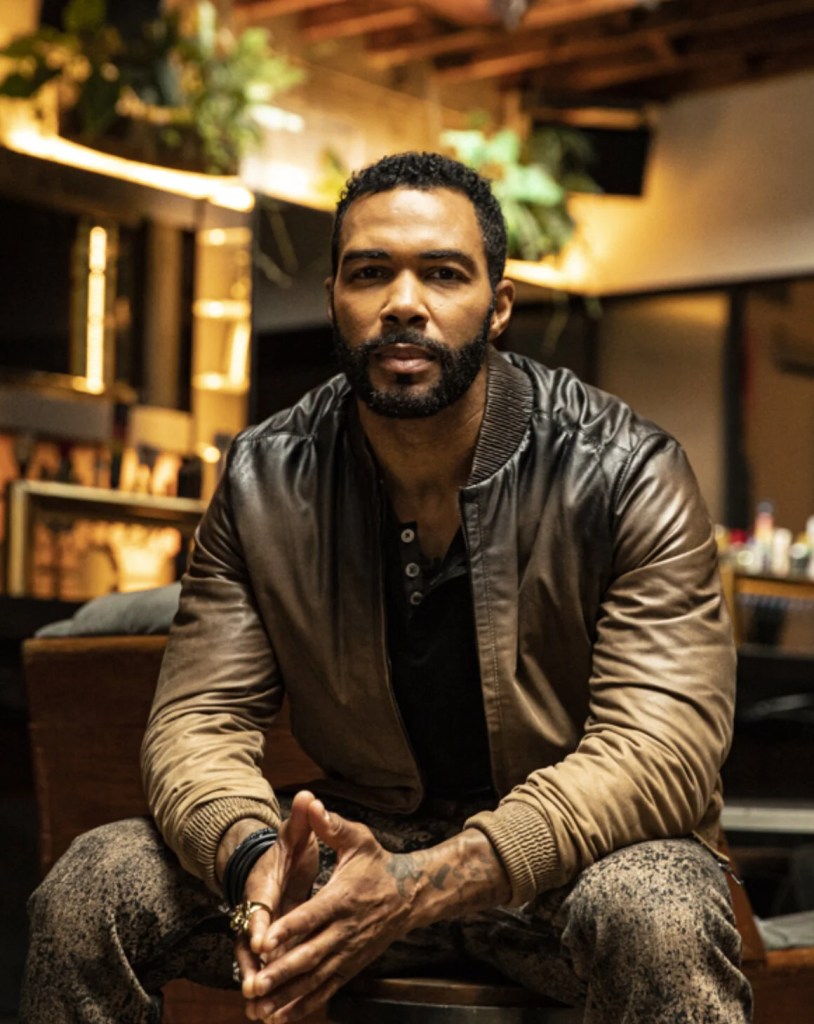
This photograph is the property of its respective owner. No copyright infringement intended.

Omari Hardwick, born on January 9, 1974, in Savannah, Georgia, is an actor, poet, and producer best known for his captivating performances in both film and television. A graduate of the University of Georgia, Hardwick initially pursued a career in football before his passion for storytelling led him to the arts. His perseverance through rejection and struggle eventually paid off with breakout roles in For Colored Girls (2010) and Sparkle (2012), before achieving international fame as James “Ghost” St. Patrick in the Starz hit series Power (2014–2020).

Hardwick’s artistry extends beyond acting — he is also a spoken word poet and founder of the production company Bravelife Films. His performances are marked by emotional depth, intellectual sharpness, and magnetic screen presence. Known for his flawless light cafe au lait skin, chiseled physique, and piercing eyes, Hardwick embodies refined masculinity with poetic grace. In his personal life, he is devoted to his wife, Jennifer Pfautch, and their two children, often crediting family as his grounding force. His recognition includes multiple NAACP Image Award nominations, affirming his place among Hollywood’s most respected leading men.


Benjamin Stephens

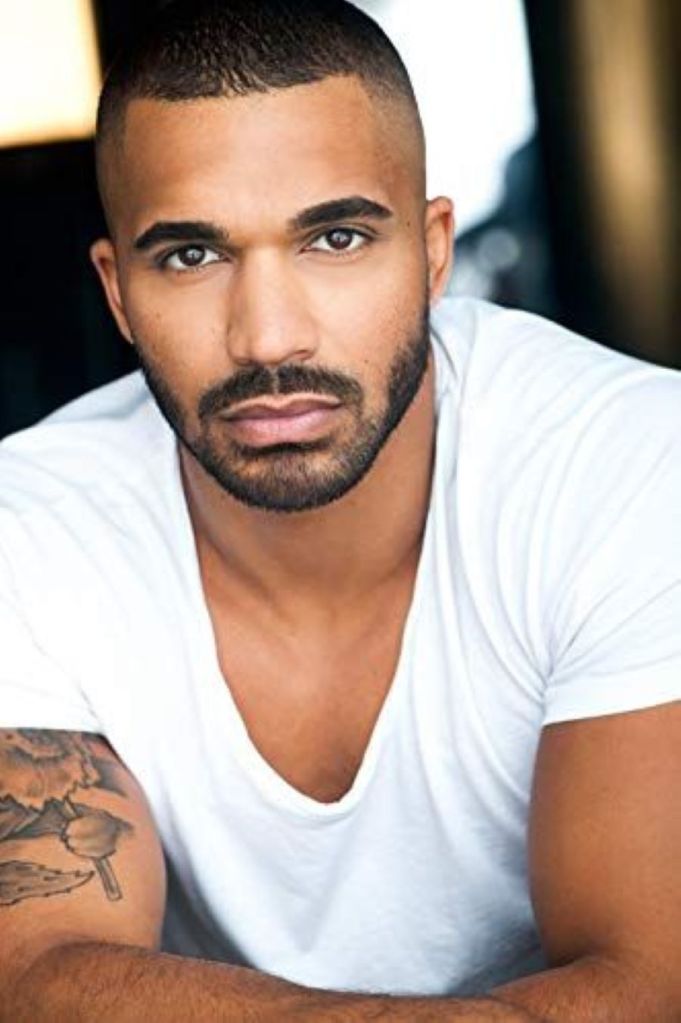
This photograph is the property of its respective owner. No copyright infringement intended.

Benjamin “Ben” Stephens, an emerging star known for his suave demeanor and captivating looks, represents the next generation of Black male excellence in entertainment. Born and raised in the United States, Stephens built his reputation through modeling and acting, where his striking facial structures, piercing eyes, smooth skin tone, and athletic frame quickly drew attention. His journey began in the fashion industry, working with luxury brands and major campaigns before transitioning into television and film roles.

One of his most notable performances is in the hit television series Family Business, where he showcases remarkable emotional depth, range, and charisma. Stephens’ portrayal earned him growing praise for his natural on-screen presence and his ability to connect with audiences through both vulnerability and confidence. His work in Family Business demonstrated his gift for bringing authenticity and dimension to every role — a talent that has set him apart in a competitive industry.

Beyond the spotlight, Ben Stephens values family, faith, and personal growth. He often speaks about the importance of discipline, humility, and gratitude in shaping both his personal and professional life. His combination of classic good looks — luminous brown skin, expressive eyes, and a physique that mirrors his dedication to health and balance — complements his strong sense of purpose. Though still early in his Hollywood career, his growing recognition in both fashion and acting circles signals a bright future. Stephens continues to redefine what it means to be a leading man: intelligent, grounded, and beautifully human.


Tyler Lepley

This photograph is the property of its respective owner. No copyright infringement intended.

Tyler Lepley, born on March 24, 1987, in Philadelphia, Pennsylvania, has become one of Hollywood’s most magnetic stars. With his sculpted physique, radiant brown skin, and soulful gaze, Lepley exudes a raw, masculine allure that has captivated audiences worldwide. After earning a degree in criminal justice from Kutztown University, Lepley’s career took an unexpected turn when he was discovered by a producer at a Los Angeles boxing gym. His natural charm and talent quickly opened doors to acting opportunities, leading to his first major role in The Have and the Have Nots (2013–2021) on the Oprah Winfrey Network.

Lepley’s performances are marked by authenticity, vulnerability, and quiet intensity. He later starred in P-Valley (2020–present) and Harlem (2021–present), solidifying his status as a leading man in both drama and romance. Behind the camera, he is a devoted father and man of faith, often speaking about self-growth, humility, and divine timing. Tyler’s work has earned him critical recognition, including nominations for the BET and NAACP Image Awards. His combination of talent, charisma, and good looks — defined by sculpted features, magnetic eyes, and a voice full of calm strength — makes him one of the most captivating figures in modern entertainment.


Conclusion

Omari Hardwick, Ben Stephens, and Tyler Lepley each represent a distinct facet of masculine perfection — the poet, the model, and the warrior. Their beauty is not superficial; it is a reflection of resilience, discipline, and a deep sense of purpose. With glistening skin like polished bronze, eyes that tell stories, and physiques that embody strength and artistry, they redefine Black male elegance for a new generation. Their legacies remind the world that masculinity can be both powerful and tender, and that true perfection lies not just in appearance, but in the spirit within.


References

BET. (2020). Tyler Lepley talks faith, fatherhood, and career growth. Black Entertainment Television. https://www.bet.com

IMDb. (n.d.-a). Omari Hardwick biography. IMDb. https://www.imdb.com/name/nm1617013/

IMDb. (n.d.-b). Tyler Lepley biography. IMDb. https://www.imdb.com/name/nm4700283/

Starz. (2014–2020). Power [TV series]. Starz Network.

OWN. (2013–2021). The Haves and the Have Nots [TV series]. Oprah Winfrey Network.

TV One. (2023). The Family Business [TV series]. Urban Movie Channel & BET+ Productions.

Variety Staff. (2021). Omari Hardwick on his creative journey and poetic roots. Variety Magazine. https://variety.com

Essence. (2022). Tyler Lepley on confidence, humility, and the beauty of Black love. Essence Magazine. https://www.essence.com

The Source. (2023). Ben Stephens: The next face of Black Hollywood. The Source Magazine. https://thesource.com

Casting choices in Hollywood & African Cinema.

Hollywood: The Politics of Light Skin

Hollywood has historically privileged lighter-skinned actors and actresses in lead roles, reinforcing colorism and Eurocentric beauty ideals (Russell, Wilson, & Hall, 2016). Darker-skinned performers have often been relegated to secondary roles, villainous characters, or stereotypical archetypes. For example:

  • Lupita Nyong’o vs. Halle Berry: Despite critical acclaim, darker-skinned actresses like Lupita Nyong’o face fewer commercial opportunities than light-skinned actresses such as Halle Berry, highlighting a systemic bias favoring lighter complexions.
  • Historical Casting Practices: Classic films like Gone with the Wind and The Birth of a Nation used colorism and whitewashing to construct narratives of Black inferiority or tokenized beauty, while light-skinned Black actors were positioned as “acceptable” for mainstream audiences.

From a biblical lens, this aligns with James 2:1 (KJV), warning against favoritism based on outward appearance: casting decisions reflect societal bias in determining perceived value, perpetuating inequality even in creative spaces.


African Cinema: Between Liberation and Color Hierarchies

African cinema, while more culturally authentic, is not immune to colorism. Films across Nigeria (Nollywood), Ghana, and South Africa often unconsciously reflect colonial beauty hierarchies:

  • Nollywood: Lighter-skinned actors frequently dominate romantic leads and high-status roles, while darker-skinned actors are cast in “everyday” or comedic roles (Nzewi, 2018).
  • Historical Influence: This phenomenon stems from colonial-era European ideals imposed on African societies, which valued lighter skin as a marker of proximity to power and sophistication (Harris, 2015).

Scripturally, the Apocrypha’s Wisdom of Solomon 14:12 warns against human vanity and superficial valuation, suggesting that privileging light skin over dark skin constitutes moral as well as social corruption.


Intersection with Digital Platforms

Casting bias is increasingly codified in AI-driven content recommendation, image recognition, and automated casting tools. For example:

  • Algorithms trained on biased datasets often recommend lighter-skinned actors for lead roles or editorial prominence in digital marketing.
  • Social media platforms amplify these choices, rewarding lighter-skinned beauty standards with visibility and engagement.

The Digital Plantation metaphor extends here: the same hierarchical systems that controlled enslaved populations now influence cultural representation through digital and algorithmic means, perpetuating historical inequities.


Theological and Social Implications

  1. Spiritual Perspective: Romans 2:11 (KJV) states, “For there is no respect of persons with God.” Casting favoritism based on skin tone contradicts the divine principle that all humans are created in God’s image (Genesis 1:27).
  2. Cultural Responsibility: Filmmakers and casting directors carry the ethical obligation to counteract colorist tendencies, ensuring representation reflects diversity in beauty, talent, and human dignity.
  3. Societal Impact: Colorist casting reinforces internalized oppression among audiences, shaping self-esteem, identity formation, and career opportunities for darker-skinned individuals.

Examples and Case Studies

  • Hollywood: Zendaya, a light-skinned actress, often receives more commercial opportunities than darker-skinned peers in the same age group, illustrating the persistent preference for lighter complexions in casting.
  • African Cinema: In Nollywood, actresses like Omotola Jalade Ekeinde (light-skinned) often secure lead roles in international-facing films, while darker-skinned actresses remain underrepresented.

These examples show that even in Black-centered industries, colorism remains a barrier to equitable representation.


References

  • Nzewi, O. (2018). Colorism in Nollywood: Representation, identity, and audience perception. Journal of African Media Studies, 10(3), 345–362.
  • Russell, K., Wilson, M., & Hall, R. (2016). The color complex: The politics of skin color in a new millennium. Anchor Books.
  • Harris, A. P. (2015). Skin tone stratification and social inequality: Historical and contemporary perspectives. Oxford University Press.

Satanic Occupations: The Battle Between Corruption and Redemption.

Photo by Yan Krukau on Pexels.com

The term “satanic occupations” refers to fields of work that can be corrupted and used as instruments of evil when motivated by greed, deception, pride, or exploitation. These occupations are not inherently evil but can be twisted to advance the works of darkness. The enemy seeks to “steal, and to kill, and to destroy” (John 10:10, KJV), which includes corrupting systems, careers, and institutions. Psychology supports this idea by showing that human behavior is shaped by incentives, power structures, and cultural influences that can promote either justice or harm.

The entertainment industry—including acting, singing, and social media—has tremendous influence over culture. This field becomes “satanic” when it glorifies lust, pride, and rebellion against God, leading people to idolatry and sin. Many artists use their platforms to promote violence, sexual immorality, and self-worship. “Love not the world, neither the things that are in the world” (1 John 2:15-16, KJV). Psychologically, constant exposure to such content normalizes destructive behaviors and can lead to desensitization. However, entertainment can inspire hope, tell stories of redemption, and spread truth when used to glorify God.

Science and technology can be powerful tools for human progress but are often idolized as replacements for God. When people elevate human knowledge above divine wisdom, they fall into intellectual pride. Romans 1:22 warns, “Professing themselves to be wise, they became fools” (KJV). Technology can be used to create weapons of mass destruction, exploit personal data, or distract entire generations. Psychologically, this creates a false sense of control. Yet science and technology can glorify God when used for healing, stewardship of creation, and improving quality of life.

Banking and finance often become corrupted by greed and exploitation. The love of money is called “the root of all evil” (1 Timothy 6:10, KJV). Materialism leads to anxiety, selfishness, and social inequality. However, money is morally neutral and can be a force for good when used to support missions, feed the hungry, build hospitals, and educate the next generation. Wise stewardship honors God: “Honour the Lord with thy substance” (Proverbs 3:9, KJV).

Politics shapes laws and morality at the national level. It becomes satanic when leaders use deception, oppression, and ambition to control people. “Woe unto them that decree unrighteous decrees” (Isaiah 10:1, KJV). Psychology shows that power can corrupt, leading to moral disengagement. Still, politics can uphold justice, protect the vulnerable, and advance righteousness. Biblical examples such as Joseph, Daniel, and Esther show that God uses leaders to bring deliverance and restoration.

The legal profession—including judges and lawyers—can uphold truth or perpetuate lies and corruption. Bribes, false witnesses, and unjust rulings pervert justice: “Ye shall do no unrighteousness in judgment… but in righteousness shalt thou judge thy neighbour” (Leviticus 19:15, KJV). When guided by integrity, legal professionals defend the innocent and free the oppressed, reflecting God’s character as a just judge.

Education is another area that can be either liberating or destructive. It becomes satanic when schools teach godless ideologies, promote moral relativism, or erase the truth about creation and history. “My people are destroyed for lack of knowledge” (Hosea 4:6, KJV) shows how ignorance can enslave a generation. However, education can also empower minds, teach virtue, and pass on wisdom. Christian educators and scholars can positively influence culture by teaching the truth and forming disciples of Christ.

Medicine and healthcare can also become corrupted when profit outweighs compassion, or when procedures violate the sanctity of life. Abortion, unethical experiments, and exploitation of the sick reveal how this noble field can be twisted. Yet Christ Himself was a healer, and medicine is one of the most direct ways to reflect His compassion, relieving suffering and saving lives. “Bear ye one another’s burdens, and so fulfil the law of Christ” (Galatians 6:2, KJV).

The military and law enforcement are sometimes seen as instruments of oppression or violence. Indeed, when armies are used for unjust wars or police abuse power, they serve Satan’s destructive agenda. But when used rightly, they protect the innocent and restrain evil. Romans 13:4 calls governing authorities “the minister of God, a revenger to execute wrath upon him that doeth evil.” Psychology shows that disciplined military culture can instill courage, duty, and teamwork that serve society.

Fashion and beauty industries can promote vanity, lust, and unrealistic standards that enslave people’s identities to appearance. Proverbs 31:30 warns, “Favour is deceitful, and beauty is vain: but a woman that feareth the Lord, she shall be praised.” But fashion can also be used to express creativity, dignity, and modesty, reflecting God’s artistry and order.

Business and entrepreneurship can be exploited for greed, exploitation, and unethical labor practices. Psychologically, unchecked ambition can lead to narcissism and moral compromise. Yet business done with integrity creates jobs, strengthens families, and funds kingdom work. Proverbs 11:1 teaches that “A false balance is an abomination to the LORD: but a just weight is his delight.” Ethical entrepreneurship can model stewardship and justice.

Sports, like other occupations, are neither inherently good nor evil but can become a battleground for the heart. When used to glorify self, they foster pride and idolatry. However, when used to glorify God, they can inspire nations and serve as an example of discipline and perseverance. “Be not overcome by evil, but overcome evil with good” (Romans 12:21, KJV).

Satanic Occupations: The Battle Between Corruption and Redemption

Occupation / SphereHow It Can Be Evil (Satanic Influence)How It Can Be Good (Godly Use)Scriptures (KJV)Psychological Insight
Entertainment (Acting, Singing, Social Media)Glorifies lust, rebellion, self-worship, violence, and idolatry; normalizes sin.Inspires hope, tells redemptive stories, spreads truth, uplifts and educates.1 John 2:15-16 – “Love not the world…”
Philippians 4:8 – “Think on these things.”
Constant exposure shapes values; can desensitize to sin or motivate positive change.
Science & TechnologyIntellectual pride, replacing God, unethical experiments, distraction from spiritual life.Advances medicine, improves quality of life, glorifies God’s wisdom in creation.Romans 1:22 – “Professing themselves to be wise…”
Psalm 19:1 – “The heavens declare the glory of God.”
Knowledge without morality can lead to arrogance; aligned with ethics, it becomes life-giving.
Banking & FinanceGreed, hoarding wealth, economic oppression, exploitation of the poor.Funds missions, education, healthcare, and community development.1 Timothy 6:10 – “The love of money is the root of all evil.”
Proverbs 3:9 – “Honour the Lord with thy substance.”
Materialism raises anxiety; generosity increases joy and social trust.
Politics & GovernmentCorruption, unrighteous laws, abuse of power, oppression of citizens.Protects the vulnerable, promotes justice and national restoration.Isaiah 10:1 – “Woe unto them that decree unrighteous decrees.”
Romans 13:1 – “The powers that be are ordained of God.”
Power can corrupt; servant leadership builds societal trust.
Legal Profession (Judges & Lawyers)Bribery, lies, defending injustice, perverting judgment.Defends the innocent, frees the oppressed, upholds righteousness.Leviticus 19:15 – “In righteousness shalt thou judge…”
Proverbs 17:15 – “He that justifieth the wicked… is abomination.”
Law shapes morality; relativism leads to justifying wrongdoing.
EducationPromotes godless ideologies, moral relativism, and historical revisionism.Empowers minds, teaches wisdom, preserves truth, disciples future generations.Hosea 4:6 – “My people are destroyed for lack of knowledge.”
Proverbs 4:7 – “Wisdom is the principal thing.”
Education shapes worldview; miseducation can enslave, while truth liberates.
Medicine & HealthcareProfit over compassion, abortion, unethical practices, exploitation of the sick.Healing, compassion, saving lives, reflecting Christ’s ministry.Galatians 6:2 – “Bear ye one another’s burdens…”
Matthew 9:35 – Jesus “healing every sickness.”
Altruistic care improves mental health for patients and caregivers alike.
Military & Law EnforcementUnjust wars, abuse of authority, oppression of civilians.Protects the innocent, restrains evil, maintains order.Romans 13:4 – “He is the minister of God, a revenger to execute wrath…”
Psalm 82:3 – “Defend the poor and fatherless.”
Discipline fosters courage and duty; unchecked aggression breeds trauma and abuse.
Fashion & Beauty IndustryPromotes vanity, lust, unrealistic standards, and identity obsession.Encourages creativity, dignity, modesty, and self-respect.Proverbs 31:30 – “Beauty is vain: but a woman that feareth the LORD…”
1 Timothy 2:9 – “Adorn themselves in modest apparel.”
Media-driven beauty ideals harm self-esteem; modesty and authenticity promote well-being.
Business & EntrepreneurshipExploitation, greed, unethical labor, dishonest profit-seeking.Creates jobs, supports families, funds community growth, models stewardship.Proverbs 11:1 – “A false balance is abomination…”
Colossians 3:23 – “Do it heartily, as to the Lord.”
Ethical business improves society; unchecked ambition leads to narcissism and exploitation.

Ultimately, none of these occupations is inherently evil. The danger lies in the motives of the heart. “Whether therefore ye eat, or drink, or whatsoever ye do, do all to the glory of God” (1 Corinthians 10:31, KJV). Psychology affirms that meaningful work aligns with moral and spiritual purpose, not merely power or profit. These spheres are spiritual battlegrounds where believers are called to bring light, integrity, and truth. “Be not overcome of evil, but overcome evil with good” (Romans 12:21, KJV).


References

  • Holy Bible, King James Version.
  • American Psychological Association. (2023). The psychology of power and corruption. APA.
  • Twenge, J. M., & Campbell, W. K. (2018). The narcissism epidemic: Living in the age of entitlement. Atria Books.
  • Keller, T. (2013). Every Good Endeavor: Connecting Your Work to God’s Work. Dutton.
  • Barna Group. (2022). Faith and culture: How entertainment and media shape worldview. Barna Research.
  • Wright, N. T. (2010). After You Believe: Why Christian Character Matters. HarperOne.

Spike Lee: The Cinematic Trailblazer

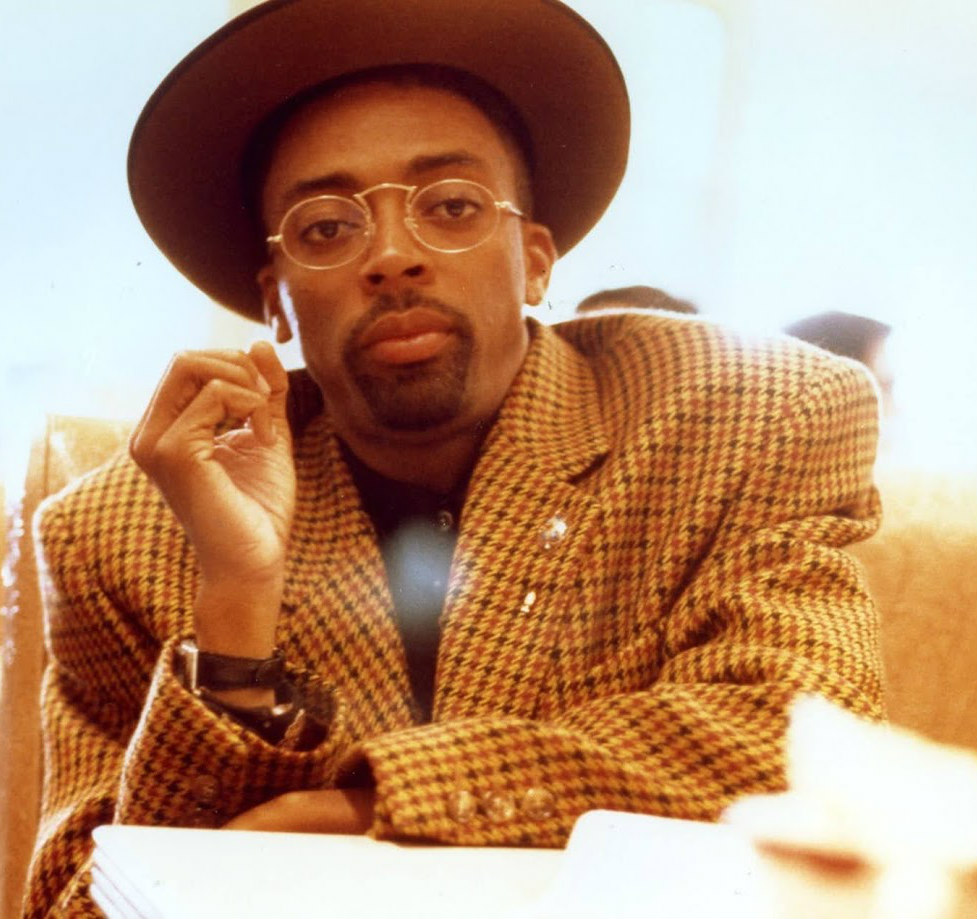
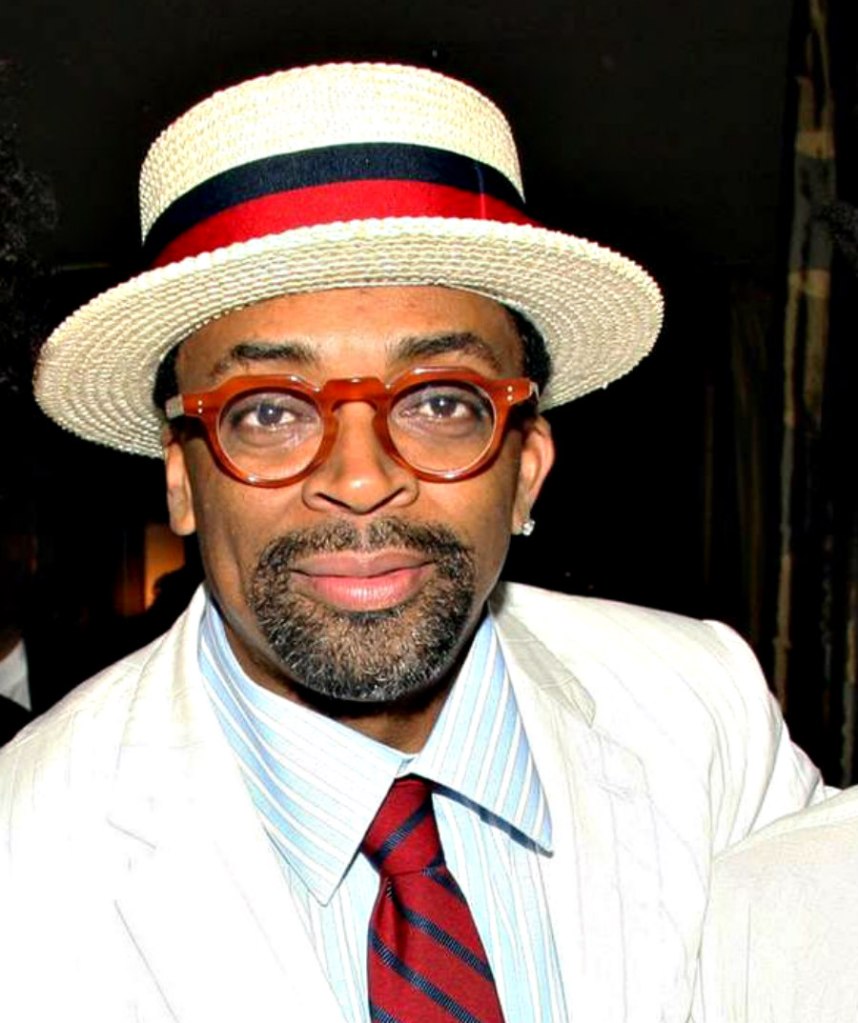
This photograph is the property of its respective owners. No infringement intended.

“It’s easier to be President of the United States as a Black person than to be head of a studio.” — Spike Lee, Governors Awards speech (2015).

Spike Lee is more than a filmmaker—he is the cinematic conscience of Black America. For nearly five decades, he has not only told stories but demanded that America listen to the voices it tried to silence. In the Black community of film, Lee stands as the best of the best because he refuses to separate artistry from accountability. His lens does not flatter injustice, nor does it dilute Black experience for mainstream comfort. Instead, it exposes truth with bold color, sharp dialogue, and uncompromising honesty. Where Hollywood often built walls, Lee carved doorways for others to walk through, ensuring that Denzel Washington, Samuel L. Jackson, and countless others could shine. His work reminds us that the measure of greatness is not only found in awards, but in how deeply one reshapes culture. Spike Lee is not just a director—he is a griot with a camera, a keeper of memory, and a visionary who has transformed film into a battleground for justice and a sanctuary for Black creativity.

Shelton Jackson “Spike” Lee, born on March 20, 1957, in Atlanta, Georgia, is widely recognized as one of the most influential filmmakers of the modern era. His career has been defined by an unwavering commitment to telling stories about race, justice, culture, and community. Lee studied at Morehouse College before earning his Master of Fine Arts in Film Production at New York University’s Tisch School of the Arts, where his student thesis film Joe’s Bed–Stuy Barbershop: We Cut Heads (1983) won a Student Academy Award. Soon after, he established his own production company, 40 Acres and a Mule Filmworks, a hub for creating authentic and unapologetically Black narratives. Married to producer and author Tonya Lewis Lee since 1993, Spike Lee is also a father of two children, Satchel and Jackson, who continue his family legacy of creativity and activism.

Spike Lee’s first feature-length film, She’s Gotta Have It (1986), was a breakthrough in independent cinema. Produced on a micro-budget of $175,000 and filmed in just 12 days, it grossed over $7 million at the box office. The story centered on Nola Darling, a sexually independent Brooklyn artist navigating relationships on her own terms. At a time when mainstream films rarely depicted such complex portrayals of Black women, Lee broke new ground in both narrative and representation. The film’s success not only launched his career but also cemented him as an innovative voice in American cinema.

Nearly five decades into his career, Spike Lee has directed films that dissect the nuances of race and American identity. His 1988 film School Daze drew directly from his experiences at Morehouse College and explored colorism, classism, and cultural hierarchies within the Black community. The following year, he directed Do the Right Thing (1989), inspired by the racially charged Howard Beach incident of 1986 and his observations of racial tension in New York City. Set during a sweltering Brooklyn summer, the film captures how ordinary frustrations can explode into violence under systemic injustice. These works positioned Lee as a truth-teller whose films function both as social critique and as artistic expressions of Black life.

Despite his success, Lee has faced persistent barriers in Hollywood, particularly in securing funding for his films. He has consistently spoken out about the racism and exclusion that plague the industry. In his 2015 Governors Awards speech, he remarked that it was “easier for a Black person to be President of the United States than to head a studio.” His decision to boycott the 2016 Oscars in solidarity with the #OscarsSoWhite movement reflected his long-standing critique of Hollywood’s failure to embrace diversity. For Lee, filmmaking has never been simply about entertainment—it has been a vehicle to confront injustice.

Lee’s inspirations are diverse, ranging from his upbringing in Brooklyn to his academic years at historically Black colleges, and the broader African American struggle for equality. His most enduring creative partnership has been with Denzel Washington, whom he cast in several landmark films including Mo’ Better Blues (1990), Malcolm X (1992), He Got Game (1998), and Inside Man (2006). Washington has praised Lee for opening doors for Black actors and redefining what representation in film could look like. Other frequent collaborators include Samuel L. Jackson, Delroy Lindo, Giancarlo Esposito, John Turturro, cinematographer Ernest Dickerson, and composer Terence Blanchard.

Actors who have worked with Lee consistently describe him as a visionary director who challenges them to give their best performances. Denzel Washington, introducing Lee at the 2015 Governors Awards, emphasized that Lee’s commitment to truth-telling has not only elevated his actors but has reshaped the landscape of American cinema. Many in Hollywood acknowledge that Lee’s films helped pave the way for a generation of Black filmmakers who now have greater opportunities to tell their own stories.

Over the course of his career, Spike Lee has been honored with numerous awards and accolades. He won the Academy Award for Best Adapted Screenplay for BlacKkKlansman (2019) and received an Honorary Oscar in 2015. He has also earned the Cannes Grand Prix, BAFTA Awards, two Primetime Emmy Awards for his documentary When the Levees Broke (2006), Peabody Awards, and the U.S. National Medal of Arts (2023). These honors are testaments to his artistry and his role as a cultural historian, documenting America’s triumphs and its deepest wounds through film.

Today, Spike Lee remains a force in Hollywood and beyond. His films continue to spark dialogue about racism, identity, and justice while celebrating Black resilience and creativity. His influence extends not only through his work but also through the countless artists he has mentored and inspired. For Lee, filmmaking has always been about more than the screen—it has been about shifting consciousness.

Feature Filmography (Director/Filmmaker)

1980s

  • She’s Gotta Have It (1986)
  • School Daze (1988)
  • Do the Right Thing (1989)

1990s

  • Mo’ Better Blues (1990)
  • Jungle Fever (1991)
  • Malcolm X (1992)
  • Crooklyn (1994)
  • Clockers (1995)
  • Get on the Bus (1996)
  • He Got Game (1998)
  • Summer of Sam (1999)

2000s

  • Bamboozled (2000)
  • 25th Hour (2002)
  • She Hate Me (2004)
  • Inside Man (2006)
  • Miracle at St. Anna (2008)

2010s

  • Red Hook Summer (2012)
  • Oldboy (2013)
  • Da Sweet Blood of Jesus (2014)
  • Chi-Raq (2015)
  • BlacKkKlansman (2018)

2020s

  • Da 5 Bloods (2020)

(In addition to feature films, Lee has directed numerous documentaries, including 4 Little Girls (1997), When the Levees Broke (2006), and If God Is Willing and da Creek Don’t Rise (2010).)


Selected Awards and Honors

  • Academy Awards (Oscars)
    • Winner: Best Adapted Screenplay – BlacKkKlansman (2019)
    • Honorary Oscar (2015)
    • Nominations: Best Director (BlacKkKlansman), Best Original Screenplay (Do the Right Thing)
  • Cannes Film Festival
    • Grand Prix: BlacKkKlansman (2018)
  • BAFTA Awards
    • Best Adapted Screenplay – BlacKkKlansman (2019)
  • Primetime Emmy Awards
    • Two wins for When the Levees Broke (2007)
  • Peabody Awards
    • Multiple awards including for When the Levees Broke
  • National Medal of Arts
    • Awarded by the U.S. Government (2023)

References

  • Cannes Film Festival. (2018). Grand Prix winners. Retrieved from [festival-cannes.com]
  • Lee, S. (2015). Governors Awards acceptance speech. Academy of Motion Picture Arts and Sciences.
  • NYU Tisch School of the Arts. (2020). Alumni achievements: Spike Lee. Retrieved from [tisch.nyu.edu]
  • Oscars.org. (2019). Spike Lee wins Best Adapted Screenplay for BlacKkKlansman. Retrieved from [oscars.org]
  • Smith, J. (2019). The films of Spike Lee: A cultural critique. Journal of Film Studies, 45(2), 122–138.
  • Washington, D. (2015). Tribute to Spike Lee at the Governors Awards. Academy of Motion Picture Arts and Sciences.
  • Young, S. (2023). Spike Lee awarded National Medal of Arts. The New York Times.

Media Mirrors: How Hollywood Shapes the World’s View of Blackness

Photo by Paul Deetman on Pexels.com

Hollywood doesn’t just entertain—it educates, influences, and often distorts global understanding of what it means to be Black. Through both its celebrated icons and its systemic blind spots, the film industry plays a profound role in shaping identity, aspiration, and prejudice. Drawing on reflections from Halle Berry, Denzel Washington, Viola Davis, and Blair Underwood, this article examines how media representation reverberates across borders—and what that means for Black communities everywhere.


1. The Power of Representation: Breaking Ground and Limiting Legacies

Halle Berry, the first—and still only—woman of color to win the Academy Award for Best Actress (for Monster’s Ball, 2002), reflects on her victory with tempered hope. She hoped it would open doors—but nearly two decades later, remains the lone woman of color honored in that category. Despite incremental changes, Berry describes Hollywood’s progress as slow and calls for more honest storytelling that reflects the real diversity of culture and experience.Vanity FairGlamour

Denzel Washington recently shared a deeply emotional response upon watching Black Panther, saying “he ‘cried a little bit’… felt like the baton had been passed” to a younger generation of Black actors. His joy reflects both pride and readiness for broader representation.People.com

These testimonies affirm how rare and symbolic truly groundbreaking achievements remain—and how they resonate internationally.

Icons, Audiences, and Global Resonance

Actors like Halle Berry, Denzel Washington, Viola Davis, Blair Underwood, and others, have become globally recognized symbols of Black excellence. Their talent and accolades draw admiration worldwide, yet their individual experiences reveal systemic limitations.

In the upcoming documentary Number One on the Call Sheet, actors—including Washington, Berry, Murphy, Union, Davis, Jordan, Kaluuya, and Erivo—reflect on how being a leading name in Hollywood remains a powerful statement of representation and a symbol of Black presence at the highest level of storytelling.People.com

These icons show that global admiration exists—but it’s also conditional, often tied to rare breakthroughs rather than sustained structural inclusion.


Spike Lee: A Filmmaker as Cultural Provocateur

As a towering figure in Black cinema, Spike Lee offers a vivid case study of Hollywood’s influence—and its contradictions.

  • Origins & Self-Made Drive
    Lee’s breakthrough came with She’s Gotta Have It, funded through handwritten letters and collecting cans—“Kickstarter before there was Kickstarter.”The Guardian This underlines both the ingenuity and the necessity of self-reliance for Black creators.
  • Demanding Authentic Storytelling
    When Lee directed Malcolm X, he insisted on a Black director, stating: “White Americans will never know what it feels like to be an African-American in this country.”Los Angeles Times
    This insistence enabled unmatched authenticity—allowing access to Malcolm’s inner circle, Mecca, and narrative frameworks that a white director likely couldn’t achieve.
  • Challenging Stereotypes through Satire
    In Bamboozled, Spike Lee dissected and satirized media’s racist stereotypes—portraying Black actors in minstrel roles to expose Hollywood’s complicity. Though a box-office failure, it later gained cult status and was added to the U.S. National Film Registry for its cultural significance.Wikipedia The world now recognizes its sharp critique of Black portrayal, years ahead of its time.
  • Global Perception: The Provocateur as Brand
    Lee’s reputation as an outspoken figure—”rabble-rouser,” publicity-loving, provocative—is part of his brand identity. He once remarked: “Spike Lee is a brand.”Vulture Over time, his voice has resonated globally, especially as his films (e.g., BlacKkKlansman) awakened international audiences to persistent racial injustices.TIME
  • Standing Up for Structural Change
    Lee has long criticized the lack of diversity among industry gatekeepers, arguing that genuine representation means having Black people with green-light power in studios and networks—not just actors on-screen.The Washington Times

On platforms like Reddit, fans express how Spike Lee’s films shaped their conscience:

“Do the Right Thing was brilliant in how it held a mirror up to the viewer’s biases… Spike Lee’s genius is in eliciting the tension and discomfort that Americans… still will not confront in themselves.”Reddit

Others celebrate how he carved a space when none existed:

“He carved out a place for himself, and employed many amazing actors.”Reddit

These reflections highlight how representation resonates not just on screens, but in global cultural awareness.

Hollywood’s “media mirrors” reflect both achievement and limitation. While Berry, Washington, Davis, Underwood, and Lee have become global icons—people the world admires—their journeys reveal how rare visibility can be.

Spike Lee’s legacy shows how embracing fullness—demanding authenticity, satirizing stereotypes, and insisting Black stories be told by Black voices—pushes the world’s mirror closer to our truth. Yet the work continues: true representation means expanding beyond iconic individuals to empowerment across the creative landscape.

When Hollywood mirrors the full breadth of Black humanity—complex, joyful, painful, triumphant—global perceptions can evolve. That is the profound power of representation, and the responsibility we must continue to claim.


2. Confronting Stereotypes and the Burden of Tokenism

Hollywood’s history is riddled with tropes: the “mammy,” the criminal, the sidekick—persistent caricatures that reinforce limited, dehumanizing views of Black identity. Viola Davis, reflecting on her role in The Help, expressed deep discomfort with the enduring “mammy” trope and challenged filmmakers to humanize Black characters beyond stereotypes.Wikipedia

Blair Underwood, who became one of the first regular Black faces on L.A. Law in the late 1980s, described the scarcity of Black representation: “You know Denzel… It was very rare to see any of us on the big screen… usually… pimps or thugs… Hollywood wanted to promote and project.”inklCinemablend His presence signified a shift, but his words underscore the uphill battle against tokenism and cliché.


3. Behind-the-Scenes Power—The Real Battleground

Representation isn’t just about who’s on screen—it’s about who’s telling the story. A 2022 NAACP report revealed that studio leadership remains almost exclusively white—over 90% of CEOs, senior executives, and unit heads.Psych Central Similarly, McKinsey data shows Black creators — writers, producers, directors — remain vastly underrepresented. Only about 6% of films and TV shows have Black directors, and fewer than 5% of showrunners are Black.McKinsey & Company+1

These facts underscore why stereotypical scripts persist, and why progress often stalls: creative power remains concentrated outside Black hands.


4. Authenticity Matters—Shifting Narratives, Shifting Minds

Research shows inclusive content doesn’t just entertain—it reshapes perception. A recent machine-learning study of over 300,000 images in popular culture found that non-inclusive media reinforces stereotypes, while diverse visibility helps reduce biases.arXiv

Moreover, voices from within the community reflect the profound impact of authentic storytelling. As one commenter quoting Viola Davis said:

“The audience is a huge part of our work, and they need to see themselves.”
Another actor added:
“We put asses in seats.”Reddit

These candid remarks highlight the transformative power of representation—and the financial as well as cultural stakes.


5. Global Perceptions and the Empathy Gap

Hollywood’s global reach means its portrayals become many people’s primary lens into Black lives. When narratives are skewed or limited, entire cultures risk being misunderstood. A Vanity Fair piece calls on audiences—especially white viewers—to support genuine Black stories, pointing out how false universality reinforces bias: Black-led stories are often underfunded and under-marketed, even though they perform well with investment.Vanity Fair

Viola Davis and others have amplified that need: authentic, diverse stories bridge that empathy gap and reshape how the world sees—and values—Black humanity.


Conclusion: The Reflections, the Responsibility, the Future.Global Perceptions and Admiration… But Through What Lens?

Internationally, the global audience often respects and admires Black talent, but such visibility is frequently restricted to a few celebrated faces—Washington, Berry, Davis, and so on. Behind the public facade, systemic barriers remain:

  • A 2022 NAACP report emphasized how rare Black creatives are in executive and production roles.Vanity FairVogue
  • Vogue notes that Black suffering dominates narratives—reinforcing empathy, yes, but also reinforcing a one-dimensional view.Vogue
  • Research continues to show that equitable representation isn’t just ethical—it shifts perceptions, builds empathy, and challenges stereotypes.Vanity F

Hollywood holds up a mirror—and the reflection it offers shapes how Blackness is perceived across the world. Icons like Berry, Washington, Davis, and Underwood have broken barriers and challenged assumptions. Their experiences illustrate both progress and the limits of representation when control remains marginalized.

True transformation demands power behind the camera—so that stories aren’t merely performed, but lived, with depth, nuance, and dignity. As research and international success demonstrate, inclusive storytelling isn’t just morally right—it’s universally compelling.

In a world where media frames empathy and identity, the mirror Hollywood holds up must reflect the full spectrum of Black lives. Only then can global perceptions evolve beyond stereotypes—toward understanding, respect, and uplift.

Masculine Perfection Series: Billy Dee Williams

The Most Handsome, Suave, Cool, and Charismatic Black Actor to ever grace the Silver Screen.

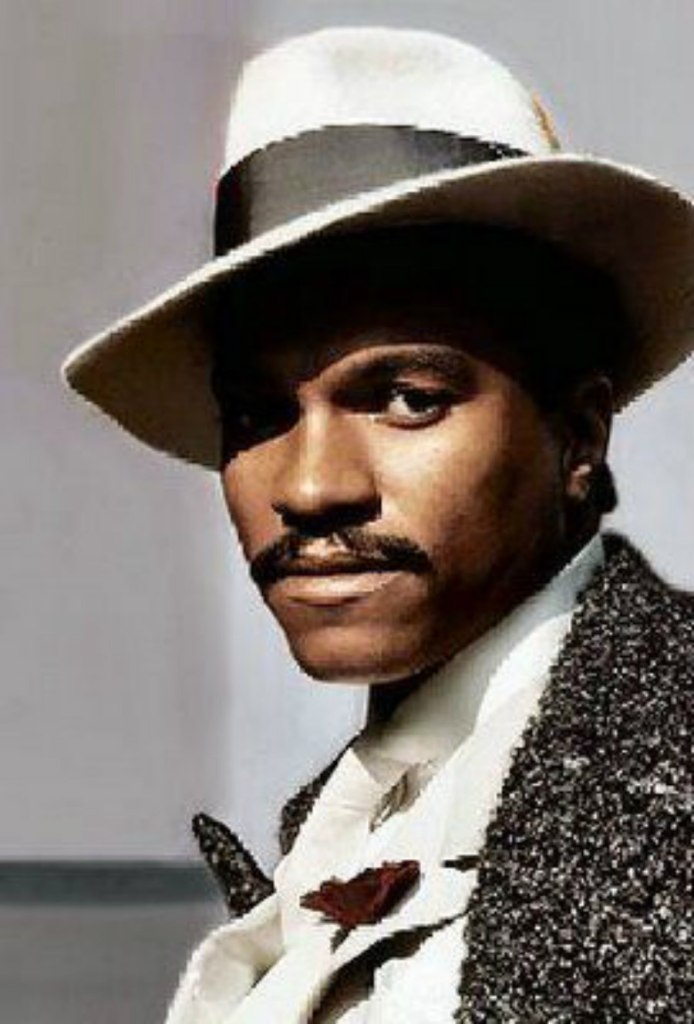
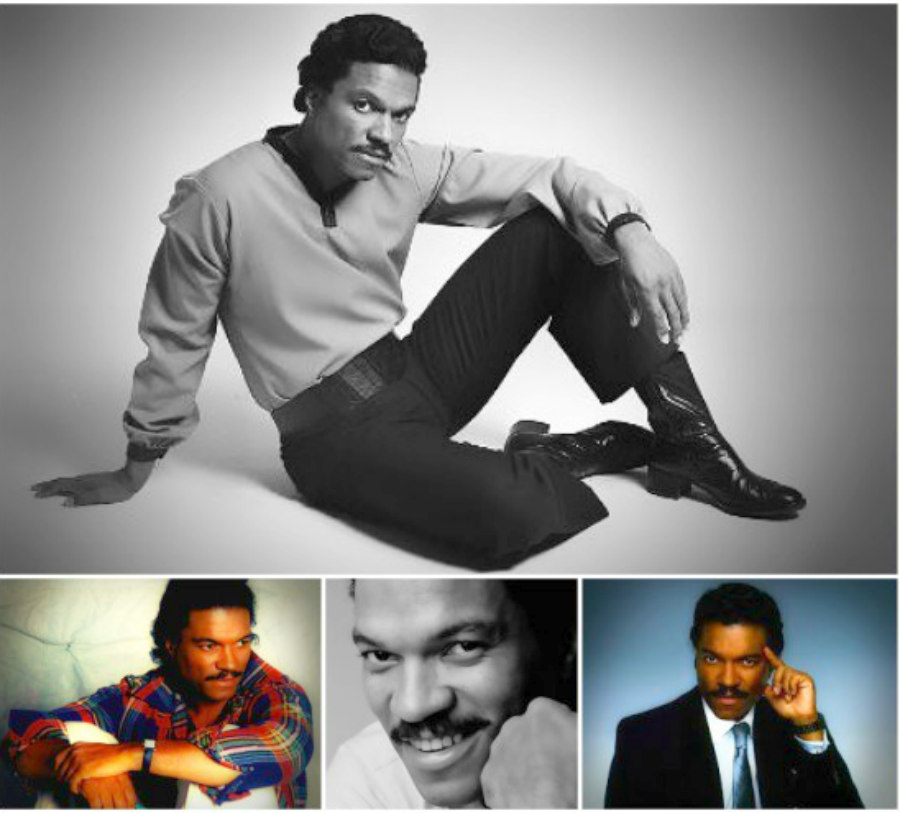
This photograph is the property of its respective owner.

“Suave was redefined the moment he walked into a room. That voice, that smile, that presence—Billy Dee wasn’t just a heartthrob, he was a whole genre of cool.”


Introduction: The Gentleman of Desire

Before the era of social media heartthrobs, abs-driven selfies, and designer drip, there was Billy Dee Williams—an actor whose very presence on screen sent pulses racing and redefined Black masculinity for generations. With his caramel-hued velvety skin, deep-set almond eyes, and that now-legendary “come hither” smile, Billy Dee was more than handsome—he was hypnotic. His voice? A smooth, seductive baritone dipped in brown liquor and jazz smoke, as unforgettable as his on-screen swagger.

With his caramel-toned skin, bedroom eyes, and a voice as smooth as jazz, Billy Dee Williams was more than just a handsome face—he was an icon of sophistication. Possessing a magnetic screen presence, his roles blended elegance and edge, charm and command. Whether donning a finely tailored suit or delivering lines with velvety poise, Williams captivated audiences with a rare combination of classic Hollywood glamour and unapologetic Black excellence. From romantic dramas to intergalactic adventures, he brought style, strength, and seduction to every frame he graced. A trailblazer for generations of Black leading men, Billy Dee made being suave look effortless—and unforgettable.

He was the epitome of elegance—a handsome devil, as fans and critics often called him, whose sensual restraint made desire simmer rather than explode. His style, grace, and natural charm gave the leading men of the 1970s and ’80s a run for their money—and would still outshine many of today’s stars.

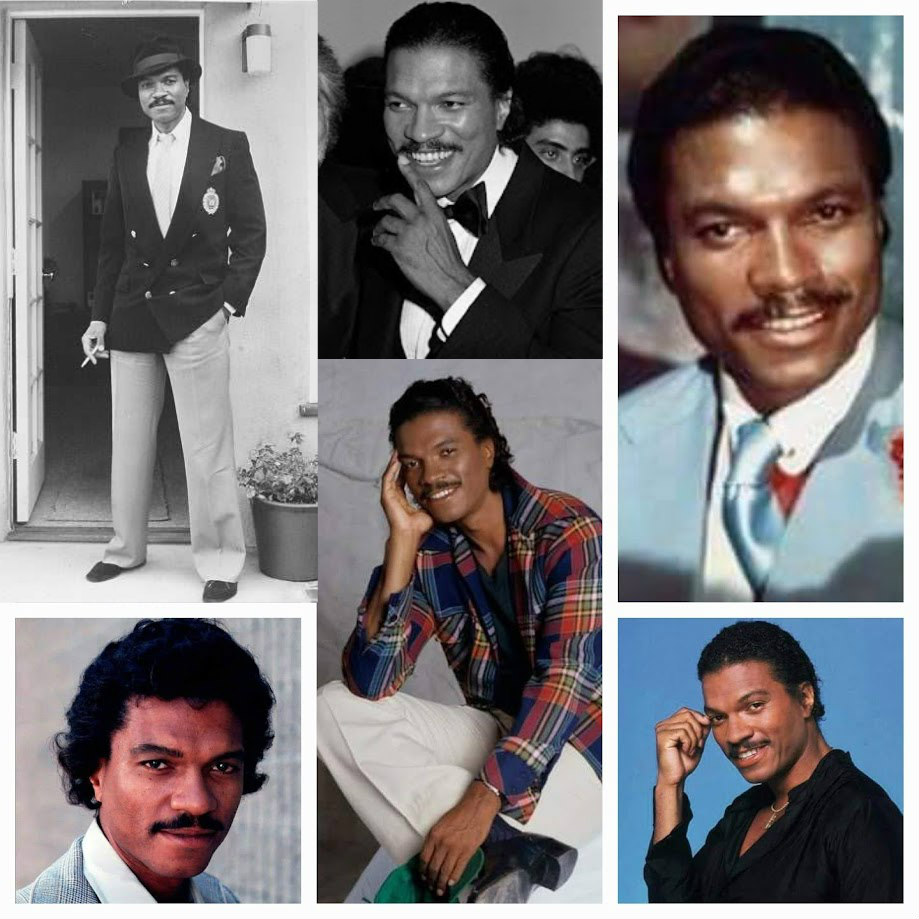
These photographs are the property of their respective owners.

Quotes from Admirers

  • “There was Denzel, there was Sidney… but there was only one Billy Dee.” – Quincy Jones
  • “His voice alone could seduce a nation.” – Angela Bassett
  • “He made us believe in love on screen. Real, grown, complicated love.” – Diana Ross

Early Life and Beginnings

William December “Billy Dee” Williams Jr. was born (has a twin sister) on April 6, 1937, in Harlem, New York, to Loretta Anne, an elevator operator at the Schubert Theatre, and William Sr., a caretaker and aspiring musician. With roots in African-American, West Indian, and Native American ancestry, Billy Dee’s rich cultural heritage imbued him with both classic beauty and a regal air.

He graduated from LaGuardia High School of Music & Art and studied at the prestigious National Academy of Fine Arts and Design, originally pursuing a career in visual arts before making a pivot to the stage and screen.


Rise to Stardom and Breakout Roles

Billy Dee’s breakthrough came with the 1971 television movie “Brian’s Song,” in which he portrayed NFL star Gale Sayers alongside James Caan. The role earned him a Primetime Emmy nomination and established him as a serious actor with emotional depth and romantic appeal.

But it was in “Lady Sings the Blues” (1972), opposite Diana Ross, that Billy Dee became a certified sex symbol. Playing the smooth-talking Louis McKay, he delivered the now-iconic line to Ross, “Do you want my arm to fall off?”—a moment that oozed suave seduction. That line—and the way he said it—became cinematic shorthand for Black male romantic allure.


The Aesthetic of Desire: His Iconic Look

Billy Dee’s beauty wasn’t just physical—it was dimensional.

These photographs are the property of their respective owners.
  • Skin: A warm, glowing brown, reminiscent of sunlit caramel, always perfectly lit by the camera.
  • Smile: Disarming, confident, and suggestive—a “come hither” look that made audiences lean in.
  • Voice: Silky, deep, and debonair. That “d’o-demere” voice (as one fan affectionately mispronounced “debonair”) added to his mystique.
  • Style: Whether in a tuxedo, a cape (as Lando Calrissian), or a simple three-piece suit, his fashion sense exuded classic Hollywood elegance with unapologetic Black pride.

Women swooned, men imitated, and Hollywood finally had a Black male romantic lead who didn’t have to be aggressive, comedic, or stereotyped to hold the screen.


Celebrated Roles and Legacy


Billy Dee Williams has appeared in over 90 film and television projects across his career, including iconic roles in “Lady Sings the Blues” (1972) and as Lando Calrissian in the Star Wars franchise.

Some of Billy Dee’s most iconic roles include:

  • Louis McKay in Lady Sings the Blues (1972)
  • Brian’s Song (1971) – A tender, groundbreaking portrayal of interracial friendship
  • Gale Sayers in the TV movie Brian’s Song
  • Lando Calrissian in Star Wars: The Empire Strikes Back (1980) and Return of the Jedi (1983)
  • Berry Gordy’s Mahogany (1975) – Again paired with Diana Ross
  • Nighthawks (1981) with Sylvester Stallone

He is particularly remembered for Lando Calrissian, the cape-wearing, galaxy-hopping smooth-talker who brought charm and charisma to the Star Wars universe—a role he reprised in The Rise of Skywalker (2019), proving his ageless appeal.

His favorite performance? Billy Dee has often said that Brian’s Song and Lady Sings the Blues held deep personal meaning—stories about love, loss, and dignity.


Awards and Recognition

  • NAACP Image Award (multiple wins)
  • Hollywood Walk of Fame Star (1985)
  • Primetime Emmy Nomination for Brian’s Song
  • Honored by Ebony, Jet, and Essence throughout the 1970s and ’80s as one of the “Most Beautiful Black Men in America.”

Ebony Magazine once called him “The Face of Black Sophistication.” Diana Ross described him as “so smooth, he made the screen melt.”


Racism, Respect, and Representation

Billy Dee was a leading Black man in an era that rarely allowed for them. He once shared, “There weren’t many roles where a Black man could be dignified, romantic, and powerful without being stereotyped. I fought for that image.”

He challenged Hollywood’s limited narrative—presenting the Black man as a lover, a hero, and a gentleman.


Love Life, Family, and Legacy

Billy Dee has been married three times, most famously to Teruko Nakagami, a Japanese-American actress and model. They have one daughter, Hanako, and he has a son, Corey Dee Williams, from a previous relationship.

While not publicly known for romantic scandals, he’s long been admired for his respectful relationships, discretion, and dignified image.

Who did he have a crush on? Rumors swirled about his admiration for Lena Horne, whom he called “the epitome of grace and allure.”


Commercials and Endorsements

In the 1980s, Billy Dee became the face of Colt 45 Malt Liquor, delivering the famously smooth tagline:
“It works every time.”

While the ad campaign was commercially successful, it also drew criticism for its alignment with alcohol marketing. Nevertheless, it further cemented his image as the “coolest man alive.”

He also endorsed products for Mennen, Schick razors, and fashion brands who wanted to capture his stylish persona.


Where Is He Now?

Now in his late 80s, Billy Dee Williams remains active in voice acting, public appearances, and conventions. He reprised his Lando role in Star Wars: The Rise of Skywalker (2019) and voiced characters in animated series.

In 2019, he caused a stir by referring to himself as using “he/him and she/her pronouns” to describe his emotional duality—sparking conversations about identity, masculinity, and expression. He later clarified he was referring to his balance of energies, not gender fluidity, but praised the younger generation’s openness.


Conclusion: A Living Monument of Black Elegance

Billy Dee Williams wasn’t just beautiful—he was cinematic alchemy. The type of man who made time pause, who made women blush and men reassess their approach. He showed us that Black men could be more than what the world limited them to. He was a lover, a thinker, a prince of style and sensuality.

As Ebony once put it:
“Billy Dee didn’t just change the screen—he changed the way Black men were seen.”

References

Bassett, A. (2016). Interview with Angela Bassett on Black icons in Hollywood. Essence Magazine.
https://www.essence.com

Ebony Magazine. (1972, October). Hollywood’s smoothest Black leading man: Billy Dee Williams lights up the screen. Ebony, 27(12), 72–76.

IMDb. (n.d.). Billy Dee Williams – Biography. IMDb. Retrieved August 4, 2025, from https://www.imdb.com/name/nm0001850/

Jet Magazine. (1980, April 7). Billy Dee Williams: The man, the myth, the mustache. Jet, 59(15), 20–23.

Jones, Q. (1994). Q: The Autobiography of Quincy Jones. New York: Doubleday.

Ross, D. (1993). Secrets of a diva: Diana Ross on life, love, and legends. Interview by Ebony, reprinted in Classic Soul Interviews. Johnson Publishing.

Smith, J. (2020). The elegance of Black masculinity: Billy Dee Williams and the politics of suave. Journal of Black Cinema and Culture, 12(1), 35–48.

Star Wars Archives. (n.d.). Lando Calrissian: Character Profile and Actor History. Lucasfilm. https://www.starwars.com/databank/lando-calrissian

Vanity Fair. (2019, November 27). Billy Dee Williams discusses gender fluidity, love, and his return to Star Wars. Retrieved from https://www.vanityfair.com

Williams, B. D. (2016). Lights, Camera, Legacy: A Conversation with Billy Dee Williams. NPR Interviews. Retrieved from https://www.npr.org

From Vanity to Victory: The Redemption Story of Denise Katrina Matthews

Photo courtesy of Steve Landis, the photographer used with his permission.

“When you’re empty on the inside, it doesn’t matter how beautiful you are on the outside.” – Denise Matthews (Vanity)


Introduction: Beauty, Fame, and the Battle Within

Denise Katrina Matthews—widely known by her stage name Vanity—was a striking beauty, a singer, actress, and model who captivated the world in the 1980s. With an exotic allure and a voice that blended sensuality and soul, Vanity became a pop culture icon during the height of Prince’s musical empire. Yet, beneath the surface of stardom and seduction, Denise battled addiction, identity confusion, and spiritual emptiness. Her journey from sex symbol to servant of Christ is one of profound transformation and testimony.

All photographs are the property of their respective owners. No infringement intended.

Early Life and Mixed Heritage

Denise Matthews was born on January 4, 1959, in Niagara Falls, Ontario, Canada. Of African-American, German-Jewish, and Polynesian descent, her mixed-race heritage contributed to her “exotic” beauty that would later become her ticket to the entertainment industry—and, paradoxically, her curse. Standing at about 5’6”, she was admired for her radiant skin, bone structure, and seductive onstage presence. Her early experiences, however, were not glamorous; Denise came from a turbulent household marked by abuse and instability. These early wounds left deep scars that influenced many of her later choices.


Rise to Fame: Vanity 6 and Prince

In the early 1980s, Denise moved to the United States to pursue a career in modeling and acting. She participated in beauty pageants and was even crowned Miss Niagara Hospitality. Her path shifted dramatically when she met Prince, the enigmatic musical genius. He renamed her “Vanity,” claiming she was the female version of himself—a reflection of his own vanity.

Together, they created the girl group Vanity 6, which became famous for their hit “Nasty Girl” in 1982. Clad in lingerie, the group embodied Prince’s provocative style, and Vanity became the face of erotic empowerment in pop culture. Though their chemistry was palpable, Vanity and Prince’s relationship was tumultuous, complicated by control issues and emotional turmoil. Vanity once said:

“Prince and I lived together. We were in love. But I had to walk away to find myself.”

Their relationship ended before the release of Purple Rain, a role Prince had initially written for her but gave to Apollonia Kotero after Vanity’s departure. Many fans speculated rivalry between Vanity and Apollonia, but Vanity later denied ill will, stating that she had outgrown that world.


Hollywood Fame and Drug Addiction

Vanity transitioned to acting, starring in films such as The Last Dragon (1985), Action Jackson (1988), and 52 Pick-Up (1986). Her sultry image became her brand, and she was often featured on “Most Beautiful Women” lists in magazines. She dated Rick James, a fellow icon of funk and excess, whose wild lifestyle mirrored her own. Their relationship was destructive, filled with drugs, sex, and volatility. Rick James later admitted that their bond was fueled by cocaine and chaos.

Fame, however, could not fill the void Denise felt. By the late 1980s, her drug use escalated, and her health began to decline. She overdosed in 1994, suffering near-fatal kidney failure. Doctors gave her three days to live.


A Radical Transformation: From Vanity to Denise Matthews

Facing death, Denise cried out to God. That moment of desperation became her spiritual awakening. She renounced her stage name and identity as Vanity and gave her life to Jesus Christ. Her conversion was not superficial; she walked away from Hollywood, cut ties with former friends and lovers, and devoted herself fully to evangelism. She once declared:

“Vanity is dead. Denise lives for Christ now.”

Denise became a preacher, Christian speaker, and evangelist, traveling across the U.S. and Canada to share her testimony of deliverance from drugs, sexual sin, and vanity. She described her fame as a form of idolatry and warned others about the traps of fame and seduction.


Her Book: Blame It On Vanity

In 2010, Denise published her memoir “Blame It On Vanity”, a raw, honest, and spiritual account of her life. The book detailed her early trauma, rise to stardom, abuse, overdose, and spiritual rebirth. She was vulnerable about her failures, yet triumphant in describing how God saved her. She emphasized the emptiness of fame, saying:

“Fame is like a drug—it makes you feel high, important, untouchable. But it’s all a lie.”


Personal Life: Marriage and Ministry

In 1995, Denise married former NFL player Anthony Smith, though the marriage ended in divorce. She had no children but often referred to the youth and young women she mentored as her spiritual children. She battled with kidney issues for the rest of her life and was on dialysis.

Despite her physical decline, Denise remained bold in her faith, never compromising her beliefs. She lived modestly and refused to return to the entertainment industry, despite offers.


Death and Tributes

Denise Matthews passed away on February 15, 2016, at age 57, from kidney failure caused by years of drug abuse. Just two months later, Prince also died. Upon hearing of her death, Prince paid tribute to her during a concert in Australia, dedicating “Little Red Corvette” to her and reportedly mourning deeply. He stated:

“She loved the Lord, and now she’s home.”

Other celebrities also expressed admiration and sadness. Apollonia Kotero wrote on social media:

“You were my sister. Your light will never dim.”


Conclusion: Beauty Redeemed by Grace

Denise Matthews’ life is a modern parable—a stunning woman who had it all in the world’s eyes but found true life in surrendering to Christ. Her journey from Vanity to virtuous womanhood serves as a powerful reminder that external beauty, fame, and riches are fleeting. The only glory that lasts is the one rooted in the eternal.


References

Matthews, D. (2010). Blame It On Vanity. CreateSpace Independent Publishing.

James, R. (2007). Memoirs of a Super Freak. Amber Books.

Holy Bible. (1611). King James Version.

George, N. (2004). The Life and Times of Prince. Da Capo Press.

Kotero, A. (2016). [Social Media Tribute]. Twitter.