

Transformation from sin to godliness is one of the most universal dilemmas of the human soul. Scripture frames this not as self-improvement, but as spiritual rebirth, renewing the inner man before altering outward behavior. “Except a man be born again, he cannot see the kingdom of God” (John 3:3, KJV).
Many struggle because they want transformation without surrender. Humanity seeks to edit habits while God calls for a full spiritual transition. “Lean not unto thine own understanding” (Prov. 3:5, KJV) dismantles the belief that change originates in human reasoning alone.
Sin is more than wrongdoing—it is nature. The dilemma is not simply escaping sinful behavior but escaping a sinful heart. “For the imagination of man’s heart is evil from his youth” (Gen. 8:21, KJV).
Conviction, not shame, initiates transition. When sin meets the light of truth, it exposes rather than merely condemns. “All things that are reproved are made manifest by the light” (Eph. 5:13, KJV).
Acknowledgment precedes deliverance. People cannot repent from what they refuse to name. “He that covereth his sins shall not prosper” (Prov. 28:13, KJV) emphasizes confession as a theological prerequisite for moral conversion.
Repentance is often romanticized, yet it is warfare. Transformation is resisted because sin is familiar even when it is destructive. Paul echoes this struggle: “For the good that I would I do not: but the evil which I would not, that I do” (Rom. 7:19, KJV).
The dilemma intensifies when sin masquerades as identity, pleasure, or coping. Many hold onto sin because it once served as emotional anesthesia. Yet scripture asserts that obedience to God replaces bondage with liberty: “Ye shall know the truth, and the truth shall make you free” (John 8:32, KJV).
Transformation requires the dismantling of self-delusion. Spiritual becoming demands that illusions of self-righteousness die first. “There is a way which seemeth right unto a man, but the end thereof are the ways of death” (Prov. 14:12, KJV).
True godliness cannot be inherited culturally, mimicked publicly, or worn cosmetically. It is internal legislation. God promised a new covenant of inward law: “I will put my law in their inward parts, and write it in their hearts” (Jer. 31:33, KJV).
Many face the dilemma of wanting God but not wanting to lose autonomy. Submission feels like erasure until one realizes it is the pathway to sanctification. “Submit yourselves therefore to God. Resist the devil, and he will flee from you” (James 4:7, KJV) merges surrender and resistance in the same breath.
Godliness demands separation from former attachments. Sin nurtures alliances; holiness cuts them. “Come out from among them, and be ye separate” (2 Cor. 6:17, KJV) signals that transformation sometimes means exile from environments that once normalized sin.
Renewal is gradual in expression but instantaneous in source. People assume transformation is self-generated progress, yet the Bible reveals it as divine activation. “A new heart also will I give you, and a new spirit will I put within you” (Ezek. 36:26, KJV).
This new heart rejects sin by new appetite, not old restraint. Holiness emerges when desire changes before discipline does. “Delight thyself also in the Lord; and he shall give thee the desires of thine heart” (Psa. 37:4, KJV).
Sin is addictive because it promises control, escape, or relief. Godliness challenges addiction not by negation but by superior spiritual fulfillment. “The Lord is my shepherd; I shall not want” (Psa. 23:1, KJV) reframes scarcity, longing, and dependence.
Transformation makes the inner life visible before the outer life becomes accountable. Behavior eventually bows to new spiritual authority. “Be not conformed to this world: but be ye transformed by the renewing of your mind” (Rom. 12:2, KJV).
The mind must be rewired because sin is first a belief system before it is a lifestyle. The battleground begins in thought patterns. “Casting down imaginations… and bringing into captivity every thought to the obedience of Christ” (2 Cor. 10:5, KJV).
Obedience becomes evidence of inner transformation, not the cause. Works reveal salvation, not produce it. “Faith without works is dead” (James 2:20, KJV).
Transformation carries suffering because growth wounds pride, pleasure, and human comfort. But scripture teaches suffering is part of purification, not proof of abandonment. “We must through much tribulation enter into the kingdom of God” (Acts 14:22, KJV).
Godliness does not coexist with arrogance. Meekness is the posture of spiritual transformation. “God resisteth the proud, but giveth grace unto the humble” (James 4:6, KJV).
Deliverance does not mean desire never returns. It means desire no longer owns the believer. The struggle may whisper, but it cannot command. “Sin shall not have dominion over you” (Rom. 6:14, KJV).
The dilemma of transformation is that humanity wants arrival without process, strength without vulnerability, and holiness without crucifixion of the flesh. Yet scripture confirms spiritual death to sin is prerequisite. “They that are Christ’s have crucified the flesh with the affections and lusts” (Gal. 5:24, KJV).
Godliness is not mere abstinence from evil but alignment with divine nature. It is embodiment of God’s character through righteousness, truth, mercy, and obedience. “Herein is my Father glorified, that ye bear much fruit” (John 15:8, KJV).
The transition from sin to God reflects God’s patience with His people, His correction as love, and His rewriting of human nature through spirit infusion, not external law performance alone. “Whom the Lord loveth he correcteth” (Prov. 3:12, KJV).
The final dilemma is not whether change is possible, but whether submission will be chosen over self-management. Scripture assures the believer that transformation is not accidental but divine destiny once surrendered. “Being confident of this very thing, that he which hath begun a good work in you will perform it” (Phil. 1:6, KJV).
References
The Holy Bible, King James Version. (1611). Cambridge University Press.
American Bible Society. (1816). KJV Standard Text.

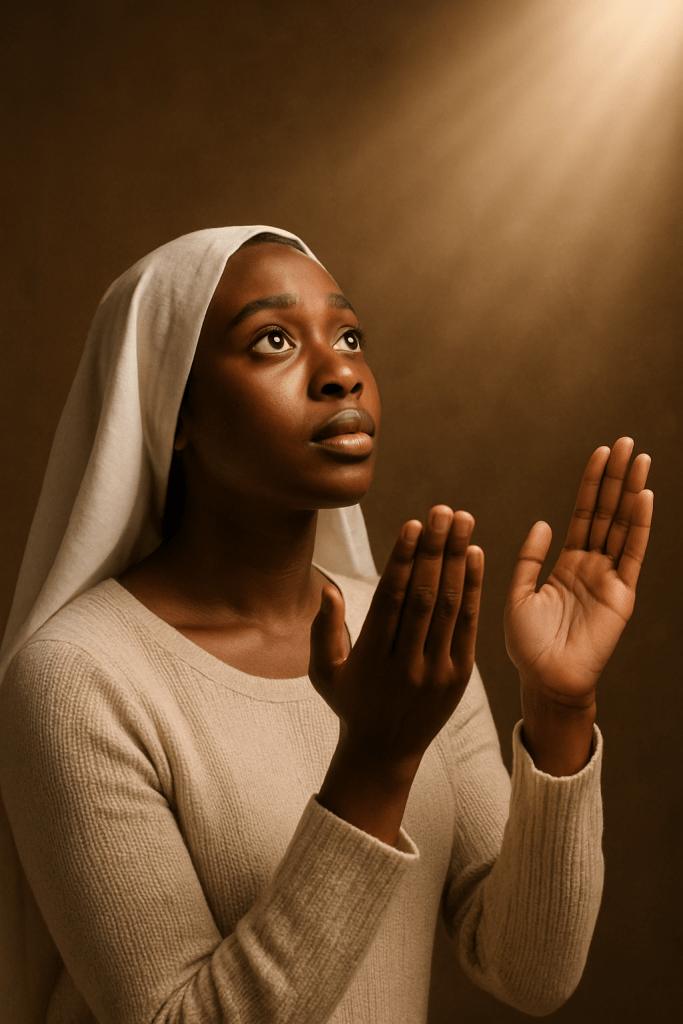

 THE BROWN GIRL DILEMMA