Category Archives: fashion

How Luxury Brands Brainwash You to Buy.

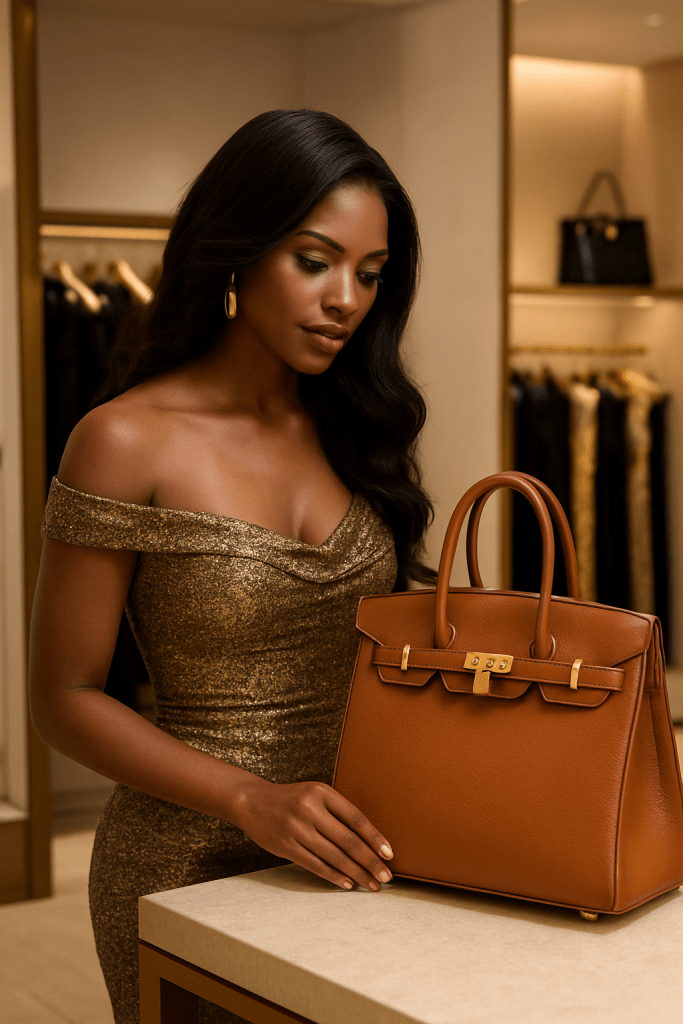
In today’s consumer-driven culture, luxury brands like Hermès, Louis Vuitton, and Gucci have mastered the art of psychological manipulation. The Hermès Birkin bag, in particular, has become an emblem of exclusivity and desire, symbolizing far more than craftsmanship—it represents power, wealth, and social validation. Yet behind the allure of luxury lies a calculated strategy designed to condition consumers to equate material possessions with self-worth. This psychological phenomenon is deeply intertwined with human pride, vanity, and the biblical warnings against idolizing worldly riches (1 John 2:16, KJV).

Luxury marketing exploits the psychology of scarcity and exclusivity. The Birkin bag, for instance, is intentionally made difficult to purchase, creating a sense of privilege among those who can obtain one. This taps into FOMO—the fear of missing out—a powerful psychological motivator. Social psychologist Robert Cialdini (2007) identified scarcity as a principle that increases desire: people want what they cannot easily have. This concept aligns with Ecclesiastes 5:10 (KJV), which warns, “He that loveth silver shall not be satisfied with silver; nor he that loveth abundance with increase.”

Consumers are subtly indoctrinated into believing luxury equals success. Advertising imagery and celebrity endorsements cultivate emotional connections, creating the illusion that luxury ownership can fill psychological voids such as insecurity, loneliness, or inadequacy. These desires often stem from early conditioning where self-esteem is tied to external validation. In biblical terms, this is the “lust of the eyes” and “the pride of life” (1 John 2:16, KJV)—the craving for possessions to affirm one’s identity.

Hermès and similar brands design their stores and marketing to evoke emotional responses. The minimalist interiors, warm lighting, and personal service experience create a sense of belonging to an elite community. This sensory manipulation mirrors the tactics of cult-like systems where psychological conditioning leads individuals to conform. Through repeated exposure, the consumer’s brain links luxury items with feelings of superiority and fulfillment, a form of cognitive conditioning identified by Pavlovian psychology.

Social status also plays a major role in the brainwashing process. Thorstein Veblen (1899) coined the term conspicuous consumption to describe buying luxury goods to publicly display wealth and prestige. This behavior is not about utility but identity construction. Similarly, Proverbs 16:18 (KJV) warns, “Pride goeth before destruction, and an haughty spirit before a fall.” Luxury brands weaponize this pride, turning human weakness into profit.

Hermès intentionally limits supply to maintain a psychological illusion of rarity. This artificial scarcity drives irrational consumer behavior, causing people to spend tens of thousands of dollars or even get on waiting lists. Studies in behavioral economics show that scarcity triggers the brain’s reward system, increasing dopamine production (Tversky & Kahneman, 1974). The same neural circuits involved in addiction are activated, turning shopping into a cycle of desire and temporary satisfaction.

Social media has intensified this luxury obsession. Platforms like Instagram and TikTok amplify the visibility of elite lifestyles, perpetuating envy and imitation. Influencers flaunting Birkin bags or Cartier bracelets create subconscious cues that link luxury with happiness and importance. Psychologists refer to this as social proof, another of Cialdini’s (2007) persuasion principles, where people assume that if others value something, it must be worthwhile. The Bible, however, cautions against comparing oneself to others (Galatians 6:4-5, KJV).

This brainwashing extends into the realm of emotional manipulation. Luxury brands associate their products with love, beauty, and success—concepts deeply rooted in human desire. When consumers buy a Birkin, they are not merely purchasing leather; they are buying into a story, an identity. Jesus warned in Matthew 6:19-21 (KJV), “Lay not up for yourselves treasures upon earth… For where your treasure is, there will your heart be also.” The heart becomes enslaved to possessions, and possessions become idols.

In psychological terms, this form of material worship reflects symbolic self-completion theory (Wicklund & Gollwitzer, 1982), where individuals use possessions to complete their sense of identity. A Birkin bag, then, is not just a status symbol—it’s a psychological prosthetic for insecurity. The luxury industry exploits this need for self-completion by linking products to personal worth.

Moreover, the high price of luxury goods triggers what psychologists call the price-quality heuristic—the assumption that expensive items are superior. This cognitive bias leads consumers to believe that exclusivity equals excellence. Yet often, the true value lies in perception, not production. Isaiah 55:2 (KJV) questions this deception: “Wherefore do ye spend money for that which is not bread? and your labour for that which satisfieth not?”

Luxury branding also manipulates gender psychology. Women are often targeted with emotional narratives connecting femininity and desirability to luxury items. A Hermès Birkin becomes a symbol of womanhood achieved—a mark of status and validation in a patriarchal society. This form of marketing feeds on psychological vulnerability, reinforcing the notion that value lies in appearance rather than substance.

Men, too, are not exempt from the luxury illusion. Male consumers are targeted through brands like Rolex, Bentley, or tailored suits that promise dominance and prestige. These messages mirror the worldly concept of masculinity defined by possessions, contrasting sharply with biblical manhood grounded in humility and service (Philippians 2:3-4, KJV). Luxury’s gospel is one of self-exaltation, not self-denial.

The luxury industry also thrives on delayed gratification. The “Birkin waiting list” creates a ritualistic experience, making ownership feel like a reward for perseverance. This psychological manipulation strengthens emotional attachment to the product. The Bible, however, teaches contentment rather than covetousness: “Be content with such things as ye have” (Hebrews 13:5, KJV).

Even the resale market plays into the illusion of investment. By framing luxury goods as “assets,” consumers justify excessive spending as financial wisdom. Yet in truth, the emotional satisfaction fades quickly, leading to an endless cycle of consumption—a psychological treadmill known as the hedonic adaptation effect (Brickman & Campbell, 1971).

Luxury branding transforms materialism into identity worship. People are conditioned to see their possessions as extensions of themselves. This aligns with what Paul warned against in Romans 12:2 (KJV): “Be not conformed to this world: but be ye transformed by the renewing of your mind.” Renewing the mind means breaking free from the world’s hypnotic materialism.

The Hermès phenomenon reveals how luxury can enslave the soul under the guise of freedom. What begins as admiration becomes obsession, and what once seemed aspirational becomes idolatrous. Jesus cautioned that “No man can serve two masters… Ye cannot serve God and mammon” (Matthew 6:24, KJV). The worship of wealth is spiritual bondage disguised as sophistication.

At its core, luxury brainwashing is a modern form of sorcery—manipulating perception, emotion, and desire through illusion. Revelation 18:11-13 (KJV) foretells merchants mourning over Babylon’s fall, lamenting the loss of luxury and excess. It is a prophetic mirror to today’s luxury-driven culture, built on pride, envy, and exploitation.

Breaking free from luxury’s psychological spell requires mindfulness and spiritual awareness. Recognizing how brands manipulate emotions through scarcity, beauty, and status allows one to reclaim autonomy. The renewing of the mind (Romans 12:2) is not just spiritual but psychological liberation from material conditioning.

In conclusion, luxury brands like Hermès have perfected the art of psychological and spiritual seduction. They exploit human insecurities, pride, and the innate longing for significance. Yet the Bible teaches that true worth comes not from possessions but from purpose and faith. As Proverbs 11:28 (KJV) reminds, “He that trusteth in his riches shall fall: but the righteous shall flourish as a branch.” Luxury may promise elevation, but only wisdom and humility bring peace to the soul.


References

  • Brickman, P., & Campbell, D. T. (1971). Hedonic relativism and planning the good society. In M. H. Appley (Ed.), Adaptation-level theory (pp. 287–305). Academic Press.
  • Cialdini, R. B. (2007). Influence: The Psychology of Persuasion. Harper Business.
  • Tversky, A., & Kahneman, D. (1974). Judgment under uncertainty: Heuristics and biases. Science, 185(4157), 1124–1131.
  • Veblen, T. (1899). The Theory of the Leisure Class. Macmillan.
  • Wicklund, R. A., & Gollwitzer, P. M. (1982). Symbolic self-completion. Lawrence Erlbaum.
  • Holy Bible, King James Version (KJV).
Girl Talk Series: The Types of Clothing a Godly Woman Should Never Wear.

A Call to Modesty

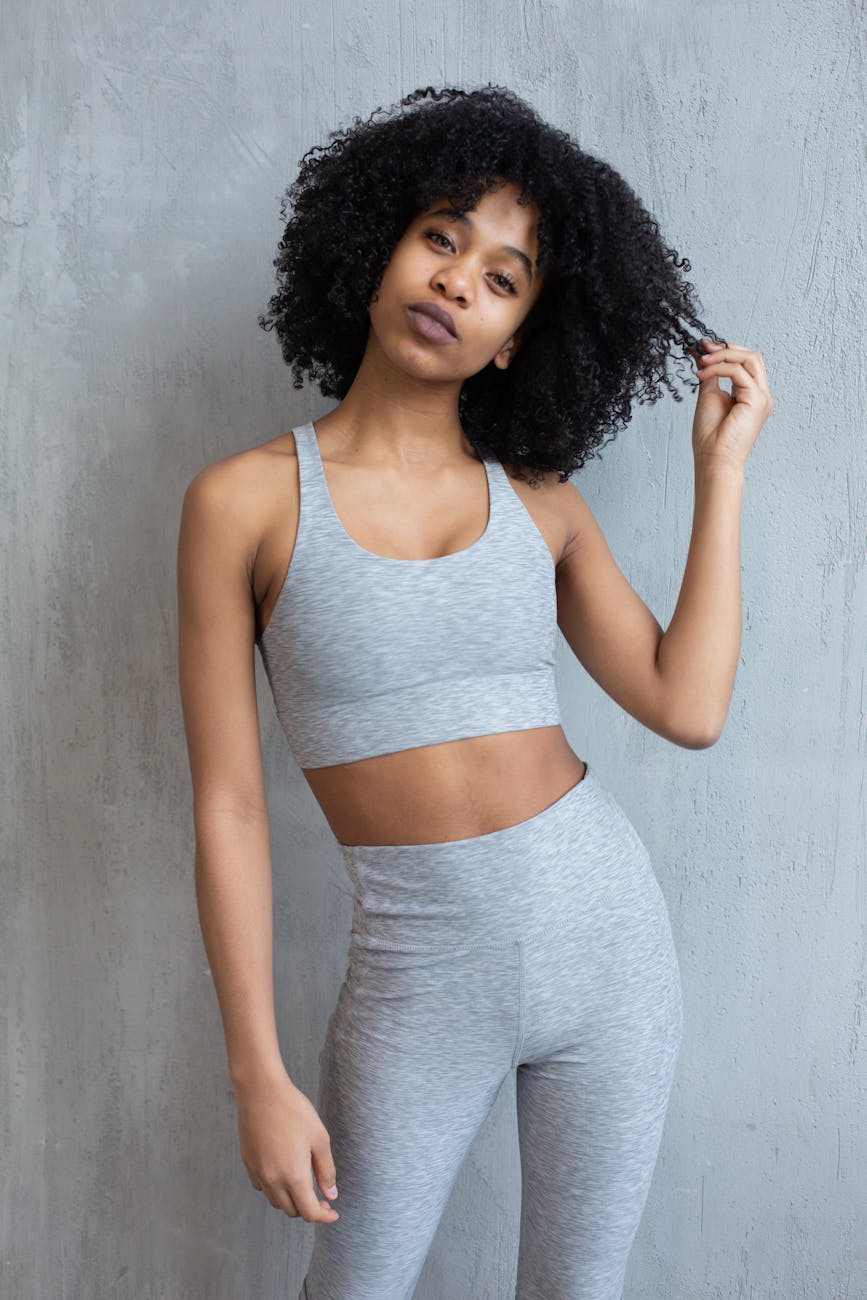
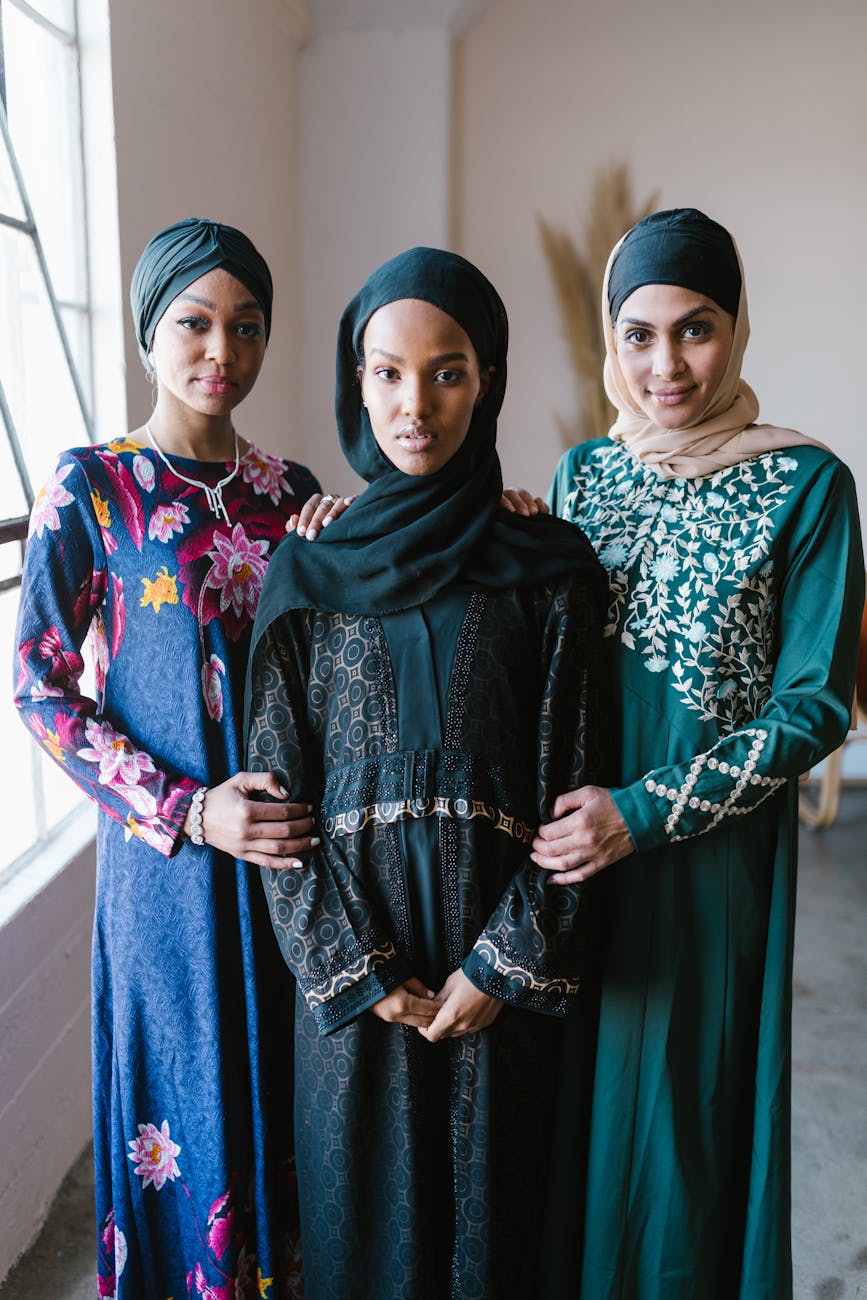
Photo by Monstera Production on Pexels.com

Ladies, I write to you with love and sincerity: are you offering your body as a living sacrifice to the Lord, or are we causing men to stumble into lust because of what we wear? (Romans 12:1, KJV). As you stand in front of your closet each morning, ask yourself: Would this garment be pleasing to the Most High? Would it glorify Him, or would it stir temptation in another’s heart? Does it honor the temple of the Holy Spirit (1 Corinthians 6:19-20) or make it harder for others to see Christ in me? When we dress, we preach a sermon without speaking a word—does your appearance proclaim holiness, or does it mirror the fashion of the world (1 John 2:15-16)?

The Call to Modesty

Photo by RDNE Stock project on Pexels.com


True modesty is not about shame but about reverence—choosing to dress in a way that reflects humility, dignity, and respect for the body God has given you. Paul exhorts women to “adorn themselves in modest apparel, with shamefacedness and sobriety” (1 Timothy 2:9-10, KJV). Modesty is an act of worship. When we cover ourselves appropriately, we declare, my worth is not in my curves or my skin, but in Christ who redeemed me.

What Not to Wear

  • Leggings worn as pants without a long tunic or dress covering hips/thighs
  • Short shorts or micro-miniskirts that expose thighs or buttocks
  • Deep plunging necklines or tops that expose cleavage
  • See-through tops or failing to wear proper undergarments
  • No bra / visible nipples through clothing
  • Revealing swimsuits or bikinis (especially thongs or high-cut suits)
  • Skin-tight jeans or dresses that outline every curve
  • Backless or strapless tops worn in public settings
  • Crop tops showing midriff
  • Extremely high slits in skirts or dresses

Instead, choose clothing that covers your body respectfully, is not form-fitting to the point of outlining every curve, and reflects purity and dignity.

The Psychology of Seduction
Psychologists have long studied how visual stimuli affect the male brain. Men are generally more visually stimulated than women, and revealing clothing can activate the brain’s reward centers linked to sexual arousal (Geary, 2021). When we wear plunging necklines, overly tight jeans, or leggings that leave little to the imagination, we unknowingly participate in what researchers call “sexual signaling”—subconscious cues that draw sexual attention. While we cannot control someone else’s sin, we are called not to place stumbling blocks before others (Romans 14:13).

Fashion vs. Holiness
Culture pushes women toward extremes—bikinis, crop tops, micro-shorts, and skin-tight dresses—under the banner of empowerment. But Scripture warns, “Be not conformed to this world: but be ye transformed by the renewing of your mind” (Romans 12:2, KJV). Following trends blindly can desensitize us to holiness. God’s daughters are set apart, called to shine as lights (Matthew 5:14-16), not blend into a culture obsessed with sexual display.

The Influence of Social Media
Platforms like Instagram and TikTok have normalized provocative clothing and sensual posing, feeding comparison and vanity. Studies show that constant exposure to sexualized images increases body-objectification and can fuel discontent (APA, 2018). As godly women, we must resist the urge to display ourselves for likes and views, remembering that “favor is deceitful, and beauty is vain: but a woman that feareth the Lord, she shall be praised” (Proverbs 31:30, KJV).

The Heart Behind the Wardrobe
Modesty begins in the heart. A woman can wear a long skirt and still seek ungodly attention if her heart desires lustful validation. Likewise, a woman who loves Christ will aim to dress in a way that draws attention to her character and good works (1 Peter 3:3-4). Ask yourself: Am I seeking to attract godly admiration or worldly attention? The Holy Spirit convicts us to choose clothing that exalts Christ over the flesh.

Protecting the Brothers
Some argue, “Men should just control themselves,” and while this is true, we are also called to help—not hinder—them. Jesus warns, “Whosoever shall offend one of these little ones which believe in me, it were better for him that a millstone were hanged about his neck” (Matthew 18:6, KJV). Dressing modestly is an act of love, helping our brothers fight temptation and pursue purity.

Honoring the Temple
Our bodies are temples of the Holy Spirit. When we wear clothing that is see-through, skin-tight, or designed to reveal every curve, we profane what is holy (1 Corinthians 3:16-17). Modesty is not about hiding beauty but stewarding it—displaying beauty with discretion, as Proverbs 11:22 says, “As a jewel of gold in a swine’s snout, so is a fair woman which is without discretion.”

The Beauty of Modesty
Modesty is liberating, not restricting. It frees us from the pressure of competing with the world’s standards and anchors us in God’s definition of beauty—quiet strength, dignity, and virtue. When we clothe ourselves with modesty, we become living testimonies, reflecting Christ’s light in a dark world (Philippians 2:15).


Clothing That Does Not Honor God

Avoid wearing leggings as pants without a longer tunic or dress to cover the hips and thighs. Refrain from short shorts or micro-skirts that expose the thighs and buttocks. Say no to deep plunging necklines or tops that display cleavage. Do not wear see-through blouses or go without proper undergarments where your shape and nipples are visible. Steer clear of revealing swimsuits, bikinis, and thong-style swimwear. Leave behind the skin-tight jeans or body-hugging dresses that show every curve. Avoid backless or strapless tops that draw unnecessary attention, crop tops that expose the midriff, and skirts or dresses with extremely high slits.

Instead, choose clothing that drapes gracefully, covers respectfully, and points the glory back to God rather than to your flesh.

Key References

  • Bible (KJV): 1 Timothy 2:9-10, 1 Corinthians 6:19-20, Proverbs 31:30, 1 Peter 3:3-4, Romans 12:1-2, Matthew 5:14-16
  • Psychological Studies:
    • Geary, D. C. (2021). Male, Female: The Evolution of Human Sex Differences (4th ed.). American Psychological Association.
    • American Psychological Association (2018). Report of the APA Task Force on the Sexualization of Girls.
  • Cultural Analysis: APA research on sexualized media and objectification shows strong links between revealing dress, increased sexual attention, and reduced perception of women’s competence.

From Detroit to the Runway: The Impact of Fashion Designer Tracy Reese on High Fashion and Sustainability.

A Timeline of Style, Influence, and Sustainability

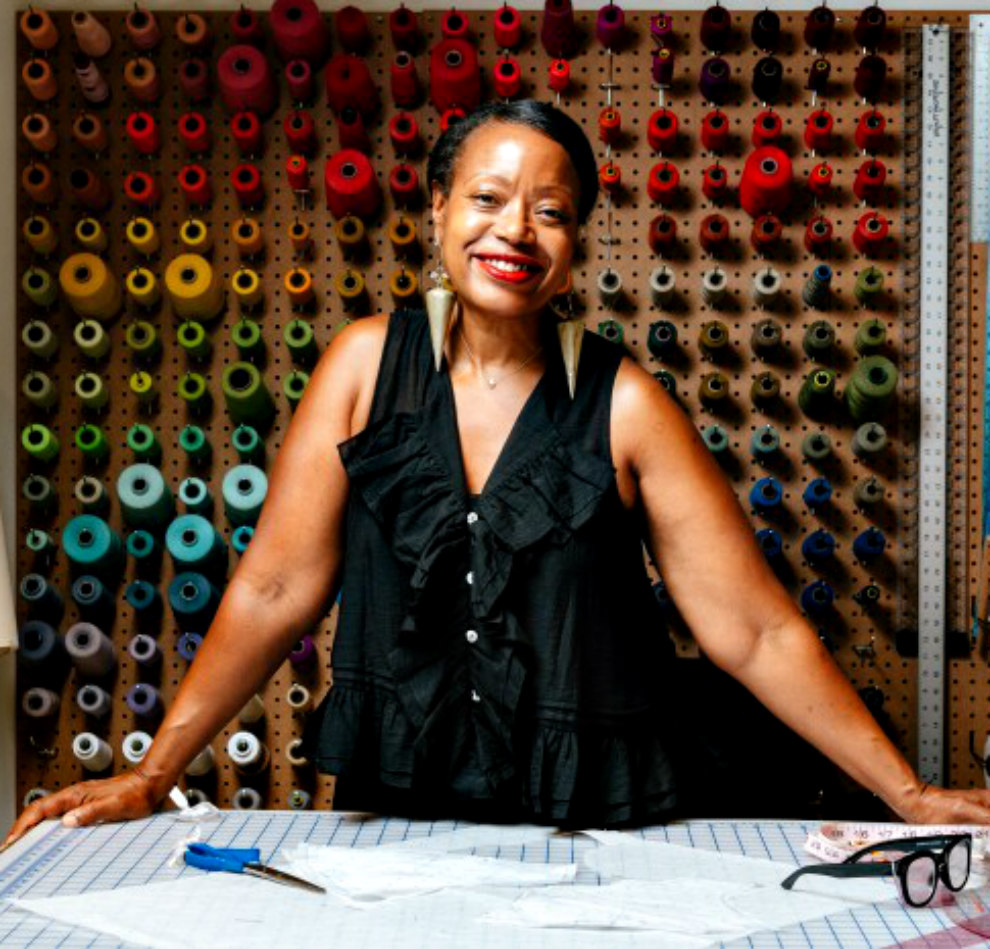
Fashion is more than fabric—it is storytelling, identity, and social commentary. At the intersection of high fashion and accessible design stands Tracy Reese, an American designer celebrated for her vibrant prints, feminine silhouettes, and commitment to sustainability. Reese, born in Detroit, Michigan in 1964, has spent over three decades in the fashion industry, reshaping perceptions of American style while opening doors for Black designers in a historically exclusionary field.

Reese’s journey into fashion began with encouragement from her mother, who recognized her creativity early. She studied at the Parsons School of Design in New York City, where she refined her craft and caught the attention of influential mentors. After working under Martine Sitbon at Chloé in Paris, Reese launched her eponymous label in 1998. Her designs, celebrated for their bold use of color, intricate detailing, and flattering cuts, reflect her philosophy: fashion should empower women, making them feel strong, joyful, and unapologetically themselves (Reese, 2019).

Over the years, Reese’s work has graced major runways including New York Fashion Week and international showcases. She has been worn by iconic figures such as Michelle Obama, Sarah Jessica Parker, Taylor Swift, and Oprah Winfrey, each of whom embodied the effortless elegance of her designs. In a 2013 interview, Michelle Obama remarked that Reese’s clothing “captures both grace and confidence in one look” (as cited in The New York Times, 2013). Reese has also drawn inspiration from designers like Claire McCardell and admires contemporaries including Karl Lagerfeld for innovation and Donna Karan for women-centered design.

Beyond her artistic achievements, Reese has garnered several awards, including recognition from the Council of Fashion Designers of America (CFDA), where she once served on the board. She has also been a champion of sustainable fashion, launching her Detroit-based brand Hope for Flowers in 2018, which emphasizes eco-friendly fabrics, ethical labor, and community engagement. Reese defines her vision of high fashion not as unattainable luxury, but as an elevation of beauty and culture—fashion as a force for change.

Personally, Reese keeps much of her private life away from the spotlight, though she has shared her deep ties to Detroit and family influences. While her marital status and children remain largely private, what is public is her enduring commitment to mentoring young designers and expanding representation for Black creatives in fashion. After over 30 years in the industry, Reese is still active and influential, using her platform to merge artistry with activism. Her designs can be purchased through retailers like Nordstrom, Anthropologie, and directly from her Hope for Flowers website, ensuring accessibility to a wide audience (Hope for Flowers, 2024).

A Shared Legacy: Reese, Abloh, and Rousteing

While Tracy Reese carved her path through feminine design, sustainability, and accessibility, her contributions align with the broader achievements of Black designers like Virgil Abloh and Olivier Rousteing, who redefined the very language of high fashion.

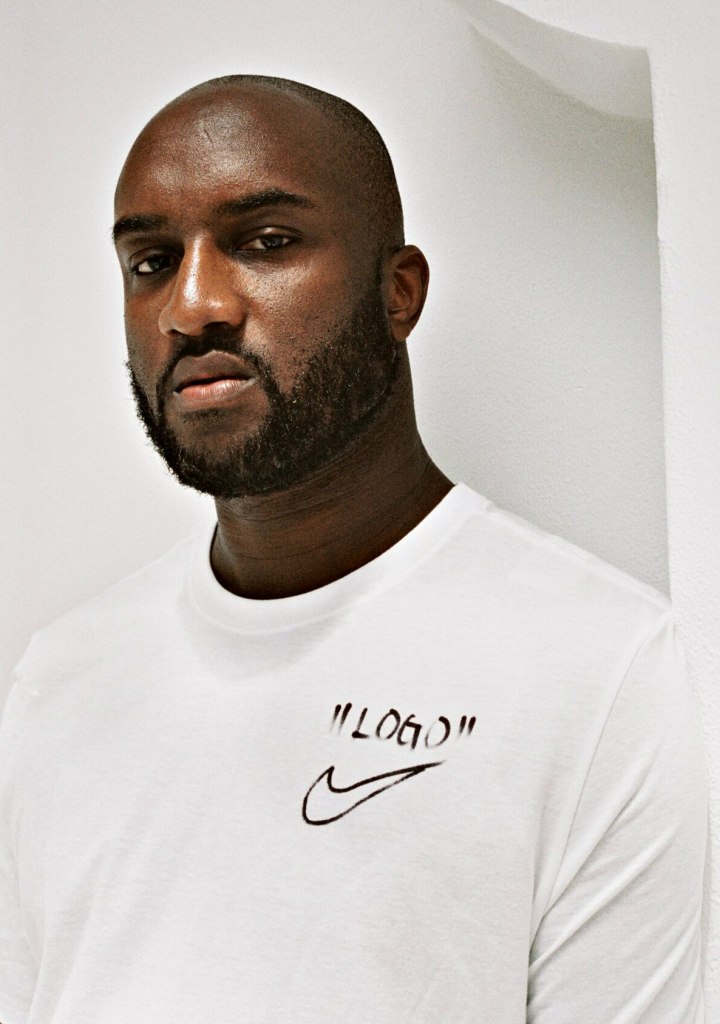
  • Virgil Abloh, the founder of Off-White and the first Black artistic director at Louis Vuitton, fused streetwear with luxury, challenging elitist barriers and validating the cultural power of hip-hop, graffiti, and sneaker culture in high fashion (Cruz, 2022). His work symbolized fashion as both rebellion and aspiration.
  • Olivier Rousteing, creative director of Balmain, brought a bold vision of diversity and modern opulence, using casting choices and design aesthetics to center Black models and mixed-race heritage on the global stage. His unapologetic approach made Balmain a house of power, spectacle, and representation.
  • Tracy Reese, by contrast, cultivated a design language rooted in color, joy, and womanhood, aligning high fashion with accessibility and sustainability while still elevating American fashion. Her approach is quieter but equally radical—redefining who fashion is for.

Together, these designers represent three distinct but complementary visions: Abloh’s cultural disruption, Rousteing’s glamorous diversity, and Reese’s sustainable empowerment. Collectively, they demonstrate how Black creativity has not only participated in but also redefined the global fashion industry, proving that fashion is both political and profoundly human.

In sum, Tracy Reese is more than a designer—she is a cultural architect. She has redefined what American fashion can look like by integrating heritage, sustainability, and inclusivity into her garments. Fashion, in its purest form, is both high art and lived experience, and Reese’s legacy proves that it can also be a pathway to empowerment.


References

  • Hope for Flowers. (2024). About Tracy Reese. Retrieved from https://hopeforflowersbytracyreese.com
  • The New York Times. (2013). Michelle Obama’s Style and the Designers Who Dress Her. The New York Times.
  • CFDA. (2022). Tracy Reese. Council of Fashion Designers of America.
  • Reese, T. (2019). Interview with Vogue. Fashion and Sustainability. Vogue Magazine.
  • Cruz, A. (2022). Virgil Abloh: Streetwear, Luxury, and the Future of Fashion. Harper’s Bazaar.
  • Balmain. (2021). Olivier Rousteing’s Vision for Modern Fashion. Balmain Official.

The Black Trailblazers of Modern Fashion: Virgil Abloh and Olivier Rousteing – Redefining Luxury and Representation

Virgil Abloh:

Redefining Fashion Boundaries


Born on September 30, 1980, in Rockford, Illinois, Virgil Abloh was the son of Ghanaian immigrants. He pursued a Bachelor of Science in Civil Engineering from the University of Wisconsin–Madison and later earned a Master of Architecture from the Illinois Institute of Technology. His academic background laid a foundation for his methodical approach to design.ABC News+3snobhop.substack.com+3Encyclopedia Britannica+3ABC News+1

Career Beginnings and Off-White
Abloh’s entry into the fashion world began with his collaboration with Kanye West, where he served as the art director for West’s creative agency, Donda. In 2012, he founded his own fashion label, Off-White, which quickly gained recognition for its distinctive blend of streetwear and high fashion. The brand’s use of quotation marks and zip ties became iconic symbols of Abloh’s design philosophy.DIE WELT+1

Louis Vuitton and Cultural Impact
In 2018, Abloh made history by becoming the first Black artistic director of Louis Vuitton’s men’s wear division. His debut collection, showcased in Paris, was a testament to his ability to merge luxury with street culture, appealing to a younger, diverse audience. Abloh’s tenure at Louis Vuitton was marked by his commitment to inclusivity and his efforts to bridge the gap between high fashion and urban style.

Personal Life and Legacy
Abloh was married to Shannon Abloh, and they had two children, Lowe and Grey. He passed away on November 28, 2021, after a private battle with cardiac angiosarcoma, a rare form of cancer. His death was a significant loss to the fashion community, but his legacy continues through the Virgil Abloh™️ Archive and various initiatives supporting young Black creatives.VogueEncyclopedia Britannica+5Vogue+5TIME+5Virgil Abloh Archive™


Olivier Rousteing:

Embracing Heritage in High Fashion

Early Life and Discovery of Heritage
Olivier Rousteing was born on September 13, 1985, in Bordeaux, France. Adopted at a young age, Rousteing grew up unaware of his African roots. It wasn’t until later in life that he discovered he was of Somali and Ethiopian descent, a revelation that profoundly influenced his work and identity as a designer.WikipediaABC7 New YorkTravel Noire

Rise to Prominence at Balmain
At the age of 25, Rousteing was appointed as the creative director of Balmain, one of Paris’s most storied fashion houses. His appointment was groundbreaking, as he was one of the youngest and first Black designers to lead such a prestigious brand. Rousteing revitalized Balmain with his bold designs, characterized by sharp tailoring, opulent embellishments, and a modern sensibility that resonated with a global audience.

Celebrating African Heritage
Rousteing’s journey of self-discovery led him to embrace his African heritage, which he began to weave into his collections. He has been vocal about the importance of representation in fashion and has used his platform to highlight the beauty of African culture. His work often features elements inspired by his heritage, challenging traditional notions of beauty and identity in the fashion industry.ABC7 New York

Personal Reflections and Impact
Rousteing’s openness about his background and experiences has inspired many in the fashion community. He continues to push boundaries, advocating for diversity and inclusion while maintaining the luxurious aesthetic that Balmain is known for. Through his leadership, Rousteing has not only transformed a historic fashion house but also paved the way for future generations of designers from diverse backgrounds.


Comparative Analysis

AspectVirgil AblohOlivier Rousteing
BackgroundAfrican American, raised in IllinoisAdopted French, discovered African roots later in life
EducationCivil Engineering and ArchitectureFashion Design
Major AchievementsFounder of Off-White, Artistic Director at Louis VuittonCreative Director at Balmain
Design PhilosophyIntersection of street culture and luxuryModern luxury with African cultural influences
LegacyPioneered inclusivity in fashion, supported Black creativesAdvocated for representation, embraced African heritage

Conclusion

Both Virgil Abloh and Olivier Rousteing have made indelible marks on the fashion industry. Abloh’s innovative approach to blending streetwear with high fashion redefined luxury, while Rousteing’s celebration of African heritage brought a new dimension to Parisian couture. Their journeys underscore the importance of diversity, representation, and the power of embracing one’s identity in shaping the future of the fashion industry.

Here’s a comprehensive table of top Black fashion designers, including their brand, signature style, celebrity clients, and impact:

DesignerBrand / LabelSignature StyleCelebrity ClientsImpact / Legacy
Virgil Abloh (1980–2021)Off-White, Louis Vuitton Men’s WearLuxury streetwear, bold graphics, contemporary menswearKanye West, Rihanna, BeyoncéBroke barriers for Black designers in luxury fashion; merged streetwear with high fashion
Dapper Dan (b. 1944)Dapper Dan’s BoutiqueCustom luxury streetwear, logo-heavy designsJay-Z, LL Cool J, Salt-N-PepaPioneered urban fashion; influenced hip-hop culture and luxury collaborations
Tracy ReeseTracy ReeseFeminine, colorful prints, elegant womenswearMichelle Obama, Oprah Winfrey, BeyoncéCelebrated for empowering women with vibrant, accessible luxury fashion
Olivier RousteingBalmainGlamorous, structured, intricate detailingKim Kardashian, Rihanna, BeyoncéRedefined Balmain as a celebrity-driven, high-glam brand
Patrick Kelly (1954–1990)Patrick KellyPlayful, vibrant, cultural referencesGrace Jones, MadonnaIntroduced Black identity and humor into Paris fashion; inspired future designers
LaQuan SmithLaQuan SmithBold, sexy, body-conscious designsRihanna, Beyoncé, Cardi BEmpowers confidence through fashion; modern icon in red-carpet style
Kerby Jean-RaymondPyer MossStorytelling, socially conscious fashion, luxury streetwearSolange, John LegendCombines activism with fashion; highlights social justice and Black culture
Aurora JamesBrother VelliesSustainable luxury footwear & accessoriesSolange, BeyoncéCelebrates African heritage; emphasizes sustainable craftsmanship
Telfar ClemensTelfarGenderless, inclusive fashion, iconic “Shopping Bag”Michelle Obama, SolangeAccessibility and inclusivity in fashion; democratized luxury
Anifa MvuembaHanifaVibrant, modern silhouettes, 3D digital runway innovationLupita Nyong’o, Kelly RowlandInnovator in digital fashion; promotes African beauty and modern luxury
Christopher John RogersChristopher John RogersBold colors, dramatic silhouettesTracee Ellis Ross, Amanda GormanRecognized by CFDA; celebrates Black creativity and empowerment
Fe NoelFe NoelCaribbean-inspired, tropical prints, vibrant womenswearAlicia Keys, Gabrielle UnionBrings cultural storytelling to global fashion; celebrates Black and Caribbean identit

Top Black Fashion Designers

  1. Virgil Abloh (1980–2021)
    • Founder of Off-White and former Artistic Director for Louis Vuitton Men’s Wear.
    • Known for blending streetwear with luxury fashion and redefining contemporary menswear.
    • Legacy: Opened doors for Black designers in the luxury space.
  2. Dapper Dan (Daniel Day, b. 1944)
    • Harlem-based designer who popularized luxury streetwear in the 1980s.
    • Worked with Gucci, Louis Vuitton, and Dior to create iconic custom pieces.
    • Legacy: Pioneered urban fashion, influencing hip-hop culture and luxury collaborations.
  3. Tracy Reese
    • Known for elegant, colorful womenswear with bold prints and femininity.
    • Celebrities like Michelle Obama, Oprah, and Beyoncé have worn her designs.
  4. Olivier Rousteing
    • French designer of African descent; creative director of Balmain.
    • Known for glamorous, intricate designs and celebrity dressing.
  5. Patrick Kelly (1954–1990)
    • American designer who found success in Paris.
    • Famous for playful, vibrant designs that celebrated Black culture and identity.
  6. LaQuan Smith
    • American designer known for bold, sexy, body-conscious pieces.
    • Worn by Rihanna, Beyoncé, and Cardi B.
    • Legacy: Emphasizes confidence and empowerment through fashion.
  7. Kerby Jean-Raymond
    • Founder of Pyer Moss, which blends fashion with social activism.
    • Uses runway shows to tell stories about Black culture and social justice.
  8. Aurora James
    • Founder of Brother Vellies, luxury footwear and accessories brand.
    • Focuses on sustainable craftsmanship and celebrating African heritage.
  9. Telfar Clemens
    • Founder of Telfar, known for “The Shopping Bag” (nicknamed the “Bushwick Birkin”).
    • Celebrates inclusivity, genderless fashion, and accessibility.
  10. Anifa Mvuemba
    • Founder of Hanifa, known for innovative 3D digital runway shows.
    • Focused on modern, vibrant designs that highlight Black beauty and culture.

Emerging & Influential Black Designers

  • Christopher John Rogers – Known for bold, colorful silhouettes; CFDA award winner.
  • Fe Noel – Caribbean-inspired, vibrant womenswear.
  • Kerby Jean-Raymond (Pyer Moss) – Combines storytelling, activism, and luxury fashion.
  • Romeo Hunte – Contemporary American womenswear; emphasizes elegance and sophistication.

References:

💄 Shades of Success: The Fashion Fair Legacy 💄

These advertisements are the property of their respective owners.

💄💄💄💄

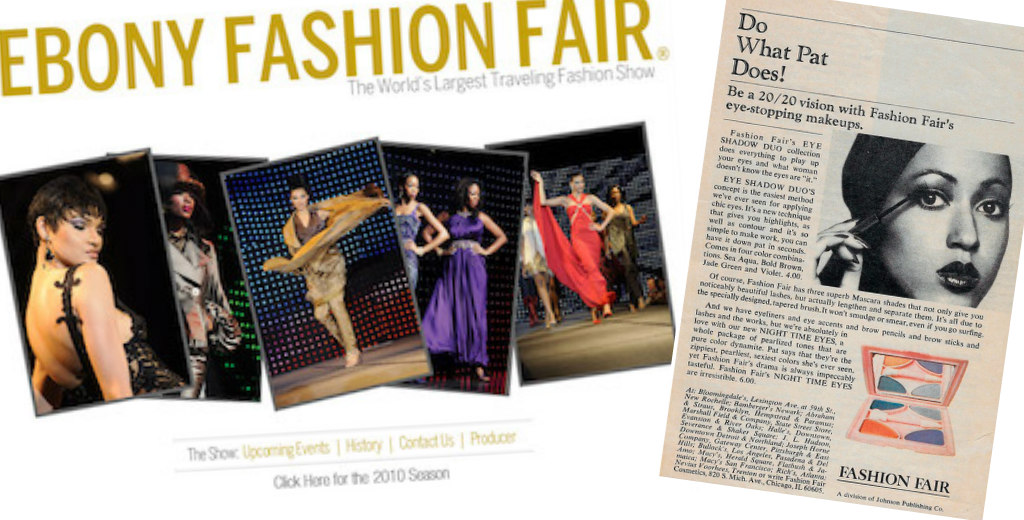
Fashion Fair Cosmetics was founded in 1973 by Eunice Johnson, the trailblazing wife of John H. Johnson, founder of Ebony and Jet magazines. Born Eunice Walker in Selma, Alabama, in 1916, she married John in 1941 and became an influential force in both publishing and fashion. The couple had one daughter, Linda Johnson Rice, who would later lead Johnson Publishing Company. Eunice Johnson’s vision for Fashion Fair emerged from her experience organizing the Ebony Fashion Fair, a traveling fashion show she began in 1958 to raise money for Black charities. While touring, she discovered a lack of makeup shades for darker skin tones—prompting her to create a cosmetics line specifically designed for women of color (Taylor, 2016).

The Fashion Fair brand quickly became an international success. Ebony and Jet magazines, both owned by Johnson Publishing, were instrumental in promoting the cosmetics line, featuring glamorous spreads of Black models such as Pat Cleveland, Barbara Summers, and Jennifer Lawson. These models embodied elegance and sophistication, challenging Eurocentric beauty norms. The line expanded beyond foundation and lipsticks to include skincare products, eventually becoming the largest Black-owned cosmetics company in the world. At its peak in the late 1970s and 1980s, Fashion Fair reportedly generated annual revenues exceeding $20 million from its cosmetics division alone (Byrd & Tharps, 2014). While its core was cosmetics, the company did not primarily sell clothing; instead, the Ebony Fashion Fair fashion shows featured high-end designer garments from global couture houses as part of its fundraising and branding strategy.

✨ Ebony Fashion Fair vs. Fashion Fair Cosmetics ✨

Ebony Fashion FairFashion Fair Cosmetics
Founded: 1958 by Eunice Johnson as a traveling fashion show.Founded: 1973 by Eunice Johnson as a cosmetics line for women of color.
Purpose: Raise funds for African American charities while showcasing high fashion to Black audiences.Purpose: Provide makeup shades that catered specifically to darker skin tones, which were ignored by mainstream beauty brands.
Products: No physical products for sale; featured garments from top designers like Yves Saint Laurent, Givenchy, and Oscar de la Renta.Products: Cosmetics (foundation, lipsticks, eyeshadow, skincare), with shades suited for a diverse range of Black complexions.
Promotion: Advertised in Ebony and Jet magazines, plus national press; toured across the U.S., Canada, and Caribbean.Promotion: Featured in Ebony and Jet magazines, department store counters, and special events tied to the fashion shows.
Key Figures: Models like Pat Cleveland, Barbara Summers, and Jennifer Lawson graced the runway.Key Figures: Many of the same Ebony Fashion Fair models were used in cosmetics ads, linking beauty and fashion images.
Impact: Elevated Black representation in haute couture, inspiring cultural pride.Promotion: Advertised in Ebony and Jet magazines, plus national press; toured across the U.S., Canada, and the Caribbean.

The era of Fashion Fair’s dominance spanned the 1970s through the 1990s, a time when Black representation in beauty and fashion industries was still severely limited. The brand’s products filled a void in the marketplace, offering shades that had never been available in mainstream beauty lines. Fashion Fair not only thrived financially but also reshaped the beauty landscape by validating and celebrating darker skin tones. Even as competition grew in the 2000s, the company’s legacy as a cultural pioneer remained strong, influencing today’s inclusive beauty brands. Eunice Johnson’s work stands as a testament to how one woman’s vision—rooted in cultural pride and social responsibility—could transform both an industry and the self-image of generations of Black women.


References

Byrd, A. D., & Tharps, L. L. (2014). Hair story: Untangling the roots of Black hair in America (2nd ed.). St. Martin’s Press.

Taylor, U. Y. (2016). The promise of patriarchy: Women and the Nation of Islam. University of North Carolina Press.

The Evolution of Fashion: From Haute Couture to Modern Trends

Photo by Pixabay on Pexels.com

Fashion, as both a cultural expression and a global industry, reflects society’s evolving ideologies, class structures, and creative impulses. From ancient royal garments to modern streetwear, fashion is more than fabric—it is a language of status, art, rebellion, and self-identity. This paper traces the history of fashion with a focus on iconic elements like the little black dress, high heels, and haute couture. It also contrasts the styles and societal contexts of fashion from the 1960s to the 2000s and examines the work of pivotal designers such as Coco Chanel, Oscar de la Renta, Elie Saab, and Valentino.


The Origins and Evolution of Fashion

The history of fashion can be traced back to ancient civilizations such as Egypt, Mesopotamia, and Rome, where clothing signified rank, wealth, and occupation (Tortora & Eubank, 2010). In medieval Europe, sumptuary laws dictated what individuals could wear based on class, and during the Renaissance, elaborate fabrics and tailoring became status symbols.

The Industrial Revolution of the 18th and 19th centuries marked a turning point with mass production, making fashionable clothing accessible beyond the aristocracy. By the 20th century, fashion became a symbol of both modernity and rebellion, with icons like Coco Chanel and Christian Dior reshaping feminine silhouettes.


The Little Black Dress and Coco Chanel’s Revolution

Coco Chanel revolutionized women’s fashion by liberating them from corsets and promoting simplicity and elegance. In 1926, Vogue published a drawing of Chanel’s “little black dress,” describing it as “a uniform for all women of taste” (Madsen, 1990). The dress was radical in its minimalism, contrasting the ornate gowns of the era. Chanel’s vision made black, once reserved for mourning, a symbol of chic elegance.

Chanel’s biography reveals a woman who defied societal expectations. Born Gabrielle Bonheur Chanel in 1883 in Saumur, France, she began as a milliner and eventually built a fashion empire. Her designs, such as the tweed suit and the use of jersey fabric, reflected her commitment to functional luxury (Madsen, 1990).


The History and Symbolism of High Heels

Photo by Ray Piedra on Pexels.com

High heels, often perceived as modern, date back to Persian cavalry in the 10th century who used heels for stability in stirrups. By the 17th century, European nobility wore heels to signify power; King Louis XIV famously wore red heels as a symbol of his status (Semmelhack, 2015).

In modern fashion, high heels are often associated with femininity, sexuality, and class, though their health implications and gender expectations have sparked ongoing debate. Despite controversy, they remain a staple in haute couture and mainstream fashion alike.


Haute Couture: History and Modern Significance

Haute couture, meaning “high sewing” in French, began in 19th-century Paris with Charles Frederick Worth, widely regarded as the first fashion designer to present seasonal collections. Haute couture is defined by custom-fitted clothing, hand-stitched construction, and luxurious materials, regulated by the Chambre Syndicale de la Haute Couture (Steele, 2005).

Designers such as Christian Dior, Valentino, Givenchy, and Elie Saab have carried the legacy of haute couture into the modern era. Saab, in particular, is renowned for ethereal, intricately embroidered gowns worn by royalty and Hollywood elite.


Fashion Trends by Decade (1960s–2000s)

Each decade brought distinct styles influenced by politics, culture, and technological shifts:

  • 1960s – Mod fashion, mini skirts, bold prints (Mary Quant, André Courrèges)
  • 1970s – Bohemian, disco, bell bottoms (Halston, Diane von Fürstenberg)
  • 1980s – Power suits, shoulder pads, neon (Gianni Versace, Jean-Paul Gaultier)
  • 1990s – Minimalism, grunge, slip dresses (Calvin Klein, Tom Ford)
  • 2000s – Logomania, denim on denim, hip-hop fashion (Baby Phat, Ed Hardy)

Fashion Today vs. the Last 100 Years

  • 1920s–1950s: silhouettes moved from restrictive corsets to simplified lines, culminating in Dior’s romantic post-war shapes.
  • 1960s–1980s: youth culture, social revolutions, and corporate power defined bold and expressive style.
  • 1990s–2000s: minimalism, casualwear ascendancy, brand logos, celebrity-endorsed fashion.
  • 2020s: sustainability, nostalgia revivals, tech integration, diversity and inclusivity becoming central themes.

The fashion of each era responded to social dynamics—from feminism and counterculture to globalism and digital innovation.


Modern Trends and the Role of the Media

Today, fashion is heavily influenced by social media, fast fashion giants, and digital influencers. While this democratizes style, it also accelerates trend cycles and raises concerns about sustainability and mental health due to comparison culture. “Old money” elites often shop luxury heritage brands like Loro Piana, Hermès, and Brunello Cucinelli, in contrast to the masses who gravitate toward trend-driven retail brands.


Top Fashion Designers of the Past (Historical Legends)

These designers shaped fashion history and left legacies that continue to influence the industry:

1. Coco Chanel (1883–1971) – France

  • Created the little black dress, Chanel No. 5, and Chanel suits.
  • Liberated women from corsets; introduced casual elegance.
  • House of Chanel remains one of the most powerful fashion houses.

2. Christian Dior (1905–1957) – France

  • Introduced the “New Look” in 1947: cinched waists, full skirts, femininity post-WWII.
  • Re-established Paris as the capital of fashion.

3. Yves Saint Laurent (1936–2008) – France

  • First to put women in tuxedos (Le Smoking).
  • Merged haute couture with street style.
  • Iconic for color blocking and global influence.

4. Gianni Versace (1946–1997) – Italy

  • Known for bold colors, gold hardware, Greek motifs, and celebrity culture.
  • Popularized supermodels and high-glamour fashion.

5. Valentino Garavani (b. 1932) – Italy

  • Master of red carpet romance, known for “Valentino red”.
  • Specialized in haute couture elegance.

6. Karl Lagerfeld (1933–2019) – Germany

  • Artistic director of Chanel, Fendi, and his own brand.
  • Known for revamping fashion houses while keeping heritage.

7. Oscar de la Renta (1932–2014) – Dominican Republic/USA

  • Known for luxurious gowns and dressing First Ladies.
  • Feminine, refined eveningwear for the elite.

8. Alexander McQueen (1969–2010) – UK

  • Avant-garde, dark romanticism, technical genius.
  • Known for theatrical runway shows and sculptural garments.

👑 Leading Fashion Designers Right Now (2020s–Present)

These designers are dominating the current fashion scene across haute couture, ready-to-wear, and innovation:

1. Maria Grazia Chiuri – Dior (France)

  • First female creative director at Dior.
  • Focuses on feminism, craftsmanship, and modern romanticism.

2. Pierpaolo Piccioli – Valentino (Italy)

  • Reinvented Valentino with ethereal couture and bold color use.
  • Praised for inclusive casting and poetic design.

3. Demna (Gvasalia) – Balenciaga (France/Georgia)

  • Known for normcore, dystopian aesthetics, and political commentary.
  • Challenges the fashion establishment while keeping Balenciaga edgy.

4. Daniel Roseberry – Schiaparelli (USA/France)

  • Revived the surrealist legacy of Elsa Schiaparelli.
  • Worn by Beyoncé, Cardi B, and Lady Gaga (notably at Biden’s inauguration).

5. Elie Saab – Lebanon

  • Master of red carpet glamour.
  • Known for embellished gowns with Middle Eastern opulence.

6. Jonathan Anderson – Loewe & JW Anderson (UK/Spain)

  • Artistic and gender-fluid designs.
  • Cultivates luxury art-fashion hybrids.

7. Pharrell Williams – Louis Vuitton Men’s (USA)

  • Music mogul turned designer.
  • Infuses hip-hop culture into high fashion since 2023.

8. Telfar Clemens – Telfar (USA)

  • Famous for the “Bushwick Birkin” bag.
  • Champion of unisex, inclusive, accessible luxury.

9. Simone Rocha – UK/Ireland

  • Known for feminine silhouettes with a gothic twist.
  • Modern fairy-tale fashion.

10. Iris van Herpen – Netherlands

  • Leads fashion-tech innovation.
  • Uses 3D printing, robotics, and biomimicry in haute couture.

✨ Honorable Mentions (Current and Rising)

  • Matthew M. Williams – Givenchy
  • Glenn Martens – Diesel & Y/Project
  • Nicolas Ghesquière – Louis Vuitton (Women’s)
  • Sarah Burton (recently stepped down) – Alexander McQueen
  • Bach Mai – Emerging couture talent
  • Marine Serre – Sustainability and futurism
  • Grace Wales Bonner – British-Jamaican designer blending tailoring with Black culture

The First Hat Milliner and the Role of Accessories

The profession of millinery—hat making—rose to prominence in the 17th century. Rose Bertin, milliner to Marie Antoinette, was one of the first to gain international fame. Hats were once a symbol of decorum and status; today, they serve both function and fashion, especially in haute couture.


The Ups and Downs of Fashion

Fashion offers creative expression, economic power, and cultural identity. However, its pitfalls include consumerism, exploitation of labor, and unrealistic beauty standards. Moreover, the pressure to remain “on trend” can foster insecurity and materialism.


Conclusion

Fashion is both an art form and a mirror of society. From Chanel’s timeless black dress to the media-driven culture of fast fashion, clothing tells the story of human desire, innovation, and identity. The industry continues to evolve, balancing heritage and futurism, luxury and accessibility. As the world confronts environmental and social challenges, the future of fashion will depend on conscious creativity and a renewed understanding of its historical significance. Fashion is a reflection of society’s evolving values—from rigid hierarchy and exclusion to democratized expression, sustainability, and individual identity. Figures like Worth and Chanel reshaped not only what people wear, but how they see themselves. In every era, fashion has offered both opportunity for self-expression and critique of excess, reminding us that clothes carry cultural stories as much as they carry the body.


References

  • Madsen, A. (1990). Chanel: A Woman of Her Own. Henry Holt.
  • Semmelhack, E. (2015). Shoes: The Meaning of Style. Bata Shoe Museum.
  • Steele, V. (2005). Fashion, Italian Style. Yale University Press.
  • Tortora, P. G., & Eubank, K. (2010). Survey of Historic Costume. Fairchild Books.
  • Arnold, R. (2009). Fashion: A Very Short Introduction. Oxford University Press.
  • Steele, V. (2003). The Berg Companion to Fashion. Bloomsbury.
  • Chanel’s life and influence; LBD history thisbluebird.comiconikmagazine.comWikipediaapnews.com
  • History of haute couture and Charles Frederick Worth The National News+1
  • High heel origins and social symbolism teenvogue.com+2Wikipedia+2
  • Modern trends in fashion revival and sustainability theguardian.combyrdie.commarieclaire.com