
Category Archives: Faithful

The Marriage Series: Being Faithful

Marriage is a sacred covenant ordained by God, uniting a man and a woman in spiritual, emotional, and physical harmony. Faithfulness is the cornerstone of this covenant. “Marriage is honourable in all, and the bed undefiled: but whoremongers and adulterers God will judge” (Hebrews 13:4, KJV). To honor God, spouses must cultivate loyalty, trust, and commitment, guarding their hearts and actions against betrayal.

1. Understand God’s Design for Marriage

Marriage reflects God’s covenant with His people. “Wherefore they are no more twain, but one flesh. What therefore God hath joined together, let not man put asunder” (Matthew 19:6, KJV). Faithfulness respects the divine design, keeping the union intact.

2. Emotional Loyalty

Faithfulness begins in the heart. Coveting or longing for others undermines marital trust. “Thou shalt not commit adultery” (Exodus 20:14, KJV) is as much about inner thoughts as physical acts. Emotional fidelity nurtures intimacy.

3. Physical Fidelity

Sexual faithfulness honors God and strengthens marital bonds. “Let marriage be held in honour among all, and let the bed be undefiled” (Hebrews 13:4, KJV). Temptation may arise, but discipline and accountability protect the covenant.

4. Guard Your Eyes

What one sees affects desire and loyalty. “I made a covenant with mine eyes; why then should I think upon a maid?” (Job 31:1, KJV). Avoid pornography, lustful imagery, and scenarios that can corrupt faithfulness.

5. Speak Honestly

Truthfulness fosters trust. “Wherefore putting away lying, speak every man truth with his neighbour” (Ephesians 4:25, KJV). Open communication about feelings, boundaries, and struggles prevents misunderstandings that could threaten loyalty.

6. Prioritize Your Spouse

Faithfulness requires prioritizing the marital relationship over external temptations or distractions. “Husbands, love your wives, even as Christ also loved the church, and gave himself for it” (Ephesians 5:25, KJV). Emotional and spiritual investment strengthens bonds.

7. Avoid Idleness and Temptation

Idle time can lead to compromise. “Watch and pray, that ye enter not into temptation” (Matthew 26:41, KJV). Staying engaged in shared activities and personal spiritual disciplines safeguards loyalty.

8. Accountability in Marriage

Confiding in spiritual mentors or prayer partners can protect faithfulness. “Iron sharpeneth iron; so a man sharpeneth the countenance of his friend” (Proverbs 27:17, KJV). External guidance reinforces commitment and perspective.

9. Forgive and Seek Forgiveness

Past mistakes, if unaddressed, can erode trust. “And be ye kind one to another, tenderhearted, forgiving one another, even as God for Christ’s sake hath forgiven you” (Ephesians 4:32, KJV). Healing strengthens faithfulness.

10. Resist Comparison

Do not envy other relationships or external attention. “Envy thou not the oppressor, and choose none of his ways” (Proverbs 3:31, KJV). Contentment in one’s spouse protects loyalty.

11. Invest in Intimacy

Faithfulness thrives in emotional, physical, and spiritual intimacy. “Let him kiss me with the kisses of his mouth: for thy love is better than wine” (Song of Solomon 1:2, KJV). Nurturing closeness reduces temptation for outside connection.

12. Honor Boundaries

Set clear boundaries with friends, coworkers, and acquaintances. “Abstain from all appearance of evil” (1 Thessalonians 5:22, KJV). Physical and social limits reinforce trust.

13. Be Spiritually Aligned

Shared devotion to God strengthens marital unity. “Two are better than one; because they have a good reward for their labour” (Ecclesiastes 4:9, KJV). Faithfulness grows in spiritually-centered partnerships.

14. Guard Against Pride

Pride can justify selfish behavior that harms trust. “Pride goeth before destruction, and an haughty spirit before a fall” (Proverbs 16:18, KJV). Humility encourages loyalty and accountability.

15. Celebrate Your Spouse

Acknowledging achievements and showing appreciation nurtures commitment. “Rejoice with them that do rejoice, and weep with them that weep” (Romans 12:15, KJV). Recognition fosters emotional closeness.

16. Protect Your Words

Words can build or destroy trust. “Death and life are in the power of the tongue: and they that love it shall eat the fruit thereof” (Proverbs 18:21, KJV). Avoid gossip, flirting, or inappropriate communication that compromises faithfulness.

17. Cultivate Patience

All relationships face challenges. “With all longsuffering and meekness, with patience, forbearing one another in love” (Ephesians 4:2, KJV). Faithfulness endures difficulties with grace.

18. Avoid Tempting Situations

Don’t place yourself in circumstances that compromise loyalty. “Flee fornication. Every sin that a man doeth is without the body; but he that committeth fornication sinneth against his own body” (1 Corinthians 6:18, KJV). Prudence protects covenant integrity.

19. Trust God’s Timing

Faithfulness requires patience and reliance on God’s plan. “Trust in the Lord with all thine heart; and lean not unto thine own understanding” (Proverbs 3:5, KJV). Godly patience sustains marital loyalty.

20. Lead and Follow in Love

Marriage is a partnership of mutual respect and submission. “Submitting yourselves one to another in the fear of God” (Ephesians 5:21, KJV). Faithfulness honors God, supports the covenant, and models enduring love.

The Marriage Series: Togetherness

Marriage is a divine institution established by God to reflect His covenant of love and faithfulness. It is more than a social contract; it is a spiritual union designed to cultivate intimacy, trust, and lifelong companionship. Togetherness in marriage is built upon a foundation of mutual commitment, respect, and shared purpose.

God’s design for marriage is clear in Genesis 2:24 (KJV): “Therefore shall a man leave his father and his mother, and shall cleave unto his wife: and they shall be one flesh.” Cleaving signifies total devotion, unity of purpose, and the willingness to prioritize one another above all else. True togetherness requires emotional, spiritual, and physical alignment.

Faithfulness is the cornerstone of a strong marital bond. Proverbs 5:18-19 (KJV) encourages delight in one’s spouse: “Let thy fountain be blessed: and rejoice with the wife of thy youth. Let her be as the loving hind and pleasant roe; let her breasts satisfy thee at all times; and be thou ravished always with her love.” Fidelity nurtures trust and allows intimacy to flourish.

Sexual purity before marriage is a critical element in building a lasting foundation. Hebrews 13:4 (KJV) reminds, “Marriage is honourable in all, and the bed undefiled: but whoremongers and adulterers God will judge.” Waiting to engage in sexual intimacy until marriage strengthens emotional bonds and aligns the couple with God’s design, ensuring a sacred and unifying experience.

The vow “let no man put asunder” echoes Jesus’ teaching in Matthew 19:6 (KJV): “Wherefore they are no more twain, but one flesh. What therefore God hath joined together, let not man put asunder.” Togetherness requires the couple to resist external pressures, conflict, and temptation that seek to divide the union.

Guarding one’s spouse is both an act of love and spiritual responsibility. 1 Corinthians 7:3-4 (KJV) instructs, “Let the husband render unto the wife due benevolence: and likewise also the wife unto the husband. The wife hath not power of her own body, but the husband: and likewise also the husband hath not power of his own body, but the wife.” Protecting the physical, emotional, and spiritual well-being of one another fosters safety and trust.

Mutual respect forms the heart of togetherness. Ephesians 5:33 (KJV) exhorts, “Nevertheless let every one of you in particular so love his wife even as himself; and the wife see that she reverence her husband.” When both partners honor one another’s dignity, the marriage becomes a reflection of Christ’s love for the Church.

Communication is a vital tool in maintaining unity. James 1:19 (KJV) teaches, “Wherefore, my beloved brethren, let every man be swift to hear, slow to speak, slow to wrath.” Open, honest, and patient communication strengthens emotional intimacy and prevents misunderstandings from eroding the bond.

Shared spiritual growth anchors the marriage in God’s truth. Couples who pray together, study the Word, and worship together cultivate alignment of purpose and vision. Amos 3:3 (KJV) asks, “Can two walk together, except they be agreed?” Agreement in spiritual priorities ensures resilience in times of trial.

Patience is essential for togetherness, especially during seasons of conflict or growth. Colossians 3:13 (KJV) instructs, “Forbearing one another, and forgiving one another, if any man have a quarrel against any: even as Christ forgave you, so also do ye.” Marriage requires grace, understanding, and willingness to forgive to maintain unity.

Financial stewardship is another aspect of marital togetherness. Couples who plan, budget, and work toward shared goals strengthen trust and reduce tension. Proverbs 21:20 (KJV) notes, “There is treasure to be desired and oil in the dwelling of the wise; but a foolish man spendeth it up.” Joint responsibility in finances reflects cooperation and foresight.

Physical affection and emotional presence deepen marital connection. Song of Solomon 2:16 (KJV) expresses romantic devotion: “My beloved is mine, and I am his: he feedeth among the lilies.” Regular expressions of love, encouragement, and intimacy reinforce the bond of togetherness.

Equality in decision-making and mutual support fosters a sense of partnership. Ecclesiastes 4:9-10 (KJV) highlights, “Two are better than one; because they have a good reward for their labour. For if they fall, the one will lift up his fellow.” Marriage thrives when both partners share responsibilities and celebrate successes together.

Conflict resolution grounded in humility preserves togetherness. Matthew 18:15-17 (KJV) provides guidance on reconciliation and addressing grievances directly. Couples who approach disagreements with a desire for resolution rather than victory maintain trust and unity.

Celebration of milestones strengthens the sense of partnership. Whether through anniversaries, achievements, or personal growth, acknowledging each other’s contributions fosters gratitude and shared joy. Philippians 1:3 (KJV) states, “I thank my God upon every remembrance of you.” Gratitude nurtures emotional intimacy.

Commitment to one another in sickness and in health reflects steadfast togetherness. 1 Corinthians 13:7 (KJV) affirms, “Love endureth all things, believeth all things, hopeth all things, endureth all things.” Enduring challenges together reinforces the depth and resilience of marital love.

Shared vision and goal-setting align life paths. Couples who discuss dreams, family planning, and personal aspirations ensure that the marriage is dynamic, forward-looking, and collaborative. Amos 3:3 (KJV) reinforces walking together in agreement, highlighting the importance of alignment in purpose.

Encouragement and affirmation of one another’s strengths enhance self-esteem and relational satisfaction. Proverbs 31:28 (KJV) celebrates a faithful wife: “Her children arise up, and call her blessed; her husband also, and he praiseth her.” Mutual encouragement fosters togetherness and nurtures individual growth.

Spiritual protection of the marriage ensures that togetherness is preserved against external threats. Ephesians 6:10-11 (KJV) calls believers to “Put on the whole armour of God, that ye may be able to stand against the wiles of the devil.” A spiritually fortified marriage withstands temptations, trials, and societal pressures.

Togetherness requires ongoing effort, intentionality, and prioritization. Ecclesiastes 9:9 (KJV) reminds, “Live joyfully with the wife whom thou lovest all the days of the life of thy vanity…” Actively investing in the relationship daily ensures longevity, satisfaction, and a reflective witness of God’s love.

Finally, marriage is a testimony to God’s covenantal love. Malachi 2:14 (KJV) declares, “Yet ye say, Wherefore? Because the LORD hath been witness between thee and the wife of thy youth…” Togetherness is a reflection of divine faithfulness, showing the world the power of love, commitment, and unity as ordained by God.


References

Genesis 2:24, KJV.
Matthew 19:6, KJV.
Proverbs 5:18-19, KJV.
Hebrews 13:4, KJV.
1 Corinthians 7:3-4, KJV.
Ephesians 5:33, KJV.
James 1:19, KJV.
Amos 3:3, KJV.
Colossians 3:13, KJV.
Proverbs 21:20, KJV.
Song of Solomon 2:16, KJV.
Ecclesiastes 4:9-10, KJV.
1 Corinthians 13:7, KJV.
Proverbs 31:28, KJV.
Ephesians 6:10-11, KJV.
Ecclesiastes 9:9, KJV.
Malachi 2:14, KJV.
Guerrero, L. K., & Floyd, K. (2006). Nonverbal communication in close relationships. Mahwah, NJ: Lawrence Erlbaum.
Chapman, G. (2015). The 5 Love Languages: The Secret to Love That Lasts. Chicago: Northfield Publishing.

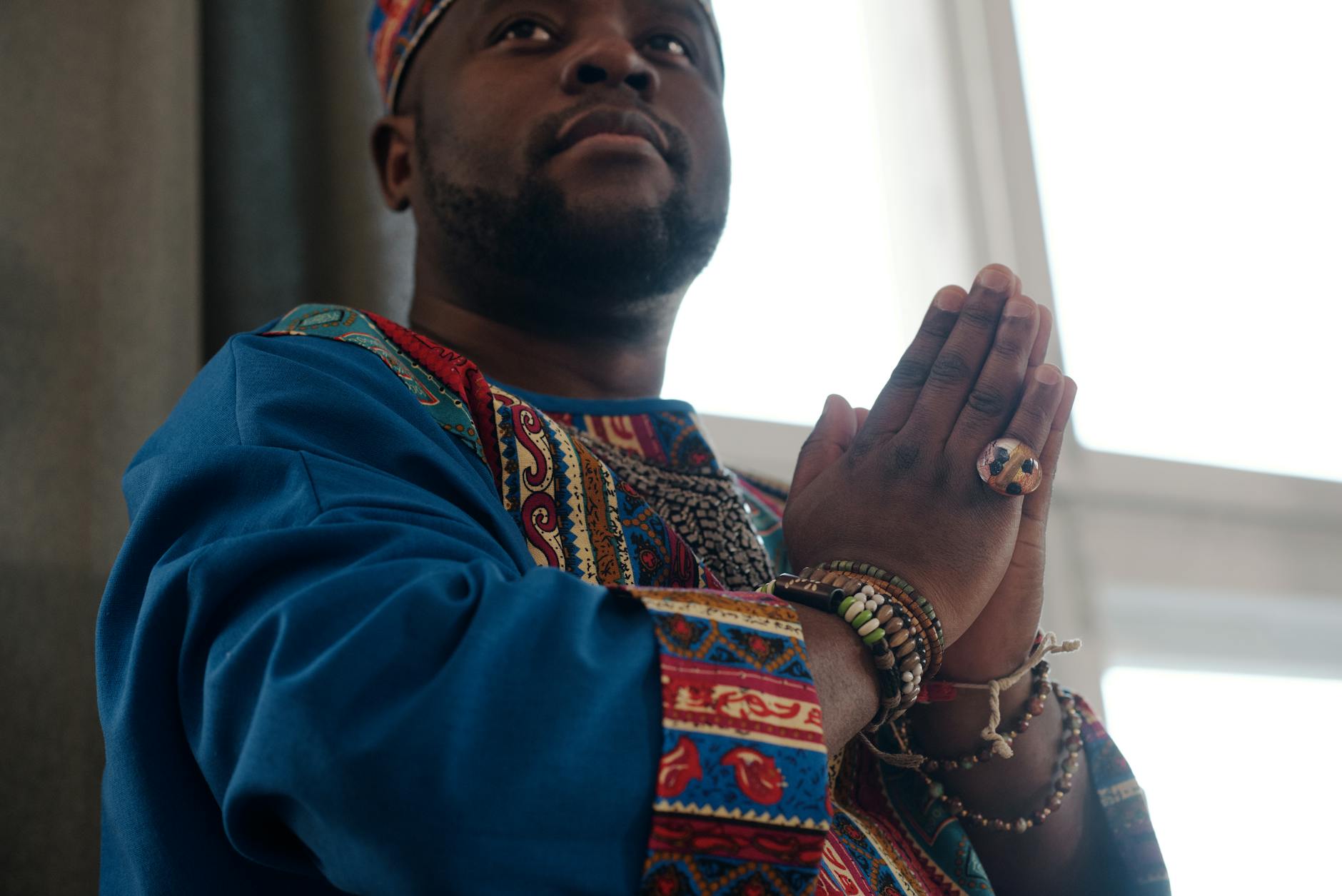
The Bible Series: Footsteps of Faith

Theme Scripture: 2 Corinthians 5:7 – “For we walk by faith, not by sight.”

Photo by Askar Abayev on Pexels.com

Introduction

Faith is not passive—it is active movement in the direction God calls us, even when the path is uncertain. Every step taken in obedience to His Word, guided by prayer and trust, becomes a testimony of His faithfulness.


1. Faith is the Foundation of Every Step

Walking with God begins with trusting Him fully, believing His promises, and surrendering personal understanding.

  • Hebrews 11:1 – “Now faith is the substance of things hoped for, the evidence of things not seen.”
  • Faith requires stepping forward, even when the destination is not visible.

2. Trust Over Circumstance

Life often presents obstacles that challenge our trust. Footsteps of faith are not dictated by fear but by confidence in God’s plan.

  • Proverbs 3:5-6 – Trust in the LORD with all thine heart; lean not unto thine own understanding…

3. Guided by the Word

The Bible serves as our map and compass, providing direction for every step.

  • Psalm 119:105 – “Thy word is a lamp unto my feet, and a light unto my path.”

4. Courage in the Unknown

Faith involves moving forward where you cannot see, knowing God sees the full journey.

  • Joshua 1:9 – “Be strong and of a good courage; be not afraid, neither be thou dismayed…”

5. Daily Commitment

Faithful footsteps are built daily through prayer, worship, obedience, and meditation on God’s promises.

  • Lamentations 3:22-23 – “His mercies are new every morning; great is thy faithfulness.”

6. The Power of Small Steps

Even incremental acts of faith matter. Every step aligned with God produces spiritual growth and strengthens character.

  • Zechariah 4:10 – “For who hath despised the day of small things?”

7. Overcoming Fear and Doubt

Fear may tempt us to stop walking, but faith presses forward with trust in God’s provision.

  • Isaiah 41:10 – “Fear thou not; for I am with thee…”

8. Community Encouragement

Walking in faith is often strengthened through fellowship, mentorship, and shared testimony.

  • Hebrews 10:24-25 – “And let us consider one another to provoke unto love and to good works…”

9. Faith in Action

Faith is proven by action. Walking by faith means making choices, helping others, and living in obedience even when it costs us.

  • James 2:17 – “Faith, if it hath not works, is dead, being alone.”

10. Eternal Perspective

Footsteps of faith look beyond temporary trials to the eternal reward God promises.

  • 2 Corinthians 4:18 – “While we look not at the things which are seen, but at the things which are not seen…”

Conclusion

To walk in the footsteps of faith is to trust, obey, and move forward with courage, knowing that God goes before you. Each step is a declaration that His promises are true, His love is steadfast, and His plan is perfect.

Girl Talk Series: Why Some Men Leave the Women Who Built Them Up.

Photo by Thomas Mosito on Pexels.com

A Painful Reality

Few betrayals cut as deeply as the experience of helping a man rise—emotionally, financially, or spiritually—only for him to walk away when stability is achieved. For many women, this feels not only like the loss of a relationship but also a negation of their sacrifices. This phenomenon has been widely observed, from everyday relationships to celebrity breakups. It is both a psychological and spiritual matter, rooted in human nature’s complexities and moral failings. The KJV Bible reminds us in Jeremiah 17:9, “The heart is deceitful above all things, and desperately wicked: who can know it?”

The Psychology Behind It

Psychologically, men who leave the women who supported them often operate from entitlement, avoidance of accountability, or narcissism. Narcissistic Personality Disorder (American Psychiatric Association, 2013) is marked by a lack of empathy, an inflated sense of self-importance, and exploitation of others without guilt. In some cases, the man may see the woman as a stepping stone rather than a lifelong partner. Once he attains his desired position in life, he may pursue someone who fits a different image of his “ideal” self, driven by status or ego. Relationship research also shows that people sometimes “trade up” based on perceived social, physical, or financial gain (Klohnen & Luo, 2003).

What the Bible Says

Scripture warns against exploiting kindness for selfish gain. Proverbs 17:13 states, “Whoso rewardeth evil for good, evil shall not depart from his house.” The Bible also advises discernment, teaching in Matthew 7:6, “Give not that which is holy unto the dogs, neither cast ye your pearls before swine.” A man of godly character will value loyalty and reciprocity, whereas an unfaithful or self-serving man will take blessings without gratitude. In biblical terms, a man who leaves a faithful, supportive woman without cause is acting in unrighteousness.

Ten Things a Woman Should Never Do for a Man

To guard against exploitation, a woman should be mindful of her boundaries. Ten things she should avoid doing include:

  1. Sacrificing her faith for his comfort.
  2. Funding his lifestyle without accountability.
  3. Abandoning her career or education for him prematurely.
  4. Ignoring red flags in his behavior.
  5. Co-signing loans or legal agreements irresponsibly.
  6. Overextending emotional labor without reciprocity.
  7. Moving in without commitment or covenant.
  8. Isolating from friends and family for him.
  9. Compromising moral standards to please him.
  10. Placing his dreams above her God-given purpose.

Why People Move On: A Celebrity Example

Celebrity relationships often magnify this pattern. One example is singer Jennifer Hudson’s breakup with David Otunga. While details are private, public narratives suggested that dynamics shifted once fame, status, and financial stability were at play. In less publicized cases, men may leave because they associate their earlier struggles with the woman who helped them, and subconsciously desire a “fresh start” with someone new. This is less about the woman’s worth and more about the man’s inability to reconcile his past with his present self-image.

What a Woman Should Do After It Happens

When this happens, the first step is to resist taking it personally. His departure speaks more about his character than your value. The Bible offers comfort in Psalm 34:18: “The Lord is nigh unto them that are of a broken heart; and saveth such as be of a contrite spirit.” Psychologically, healing involves self-care, seeking support from trusted friends or counselors, and reframing the experience as a lesson rather than a life sentence. Reinvest energy into personal growth, passions, and faith rather than chasing closure from someone unwilling to provide it.

Conclusion: Moving Forward in Wisdom

Ultimately, a man who leaves the woman who helped him rise is revealing his lack of maturity, gratitude, or spiritual grounding. This behavior often stems from unresolved insecurities, narcissistic tendencies, or selfish ambition. The KJV Bible encourages discernment, wisdom, and guarding one’s heart (Proverbs 4:23). Women who understand the psychology behind such actions can avoid misplaced guilt and instead recognize their own resilience. The goal is not to harden one’s heart, but to grow wiser, setting boundaries that protect both dignity and emotional well-being.


References

American Psychiatric Association. (2013). Diagnostic and statistical manual of mental disorders (5th ed.). Arlington, VA: American Psychiatric Publishing.

Klohnen, E. C., & Luo, S. (2003). Interpersonal attraction and personality: What is attractive—self-similarity, ideal similarity, complementarity or attachment security? Journal of Personality and Social Psychology, 85(4), 709–722.

The Holy Bible, King James Version.

The Virtuous Woman and the Faithful Man: Biblical and Psychological Foundations of Lasting Commitment.

Photo by August de Richelieu on Pexels.com


“A faithful man shall abound with blessings: but he that maketh haste to be rich shall not be innocent.”Proverbs 28:20, KJV


The quest for faithfulness in romantic relationships has been a timeless pursuit across cultures, religions, and psychological studies. While both men and women desire loyalty, there is a particular question that resonates deeply: What kind of woman attracts and sustains the affection of a faithful man? A faithful man is one whose loyalty is not circumstantial but grounded in moral conviction, spiritual discipline, and personal integrity. The “cream of the crop” woman—who inspires and maintains this devotion—embodies a rare combination of biblical virtue and psychological intelligence. To understand this dynamic, one must analyze both the attributes of such a woman and the inner workings of a truly faithful man.

The Biblical Portrait of a Desirable Woman

The KJV Bible presents the quintessential model of feminine excellence in Proverbs 31:10: “Who can find a virtuous woman? for her price is far above rubies.” This virtuous woman is industrious, wise, nurturing, and God-fearing. Her attractiveness is not primarily physical—though physical beauty can be a factor—but is deeply rooted in her character. She honors God, respects her husband, and uses her wisdom to build her household rather than tear it down (Proverbs 14:1). From a psychological perspective, such women tend to display high emotional intelligence (Goleman, 1995), empathy, and resilience, which strengthen relational bonds and foster trust.

Attributes of the “Cream of the Crop” Woman

A woman who attracts and keeps a faithful man is not merely appealing in appearance, but she embodies qualities that align with both biblical and psychological ideals. She is self-respecting, confident without arrogance, nurturing yet strong in conviction, and committed to personal growth. Such women set healthy boundaries, communicate effectively, and practice self-control—qualities shown in psychological studies to correlate with relationship satisfaction (Gottman & Silver, 1999). Her character invites respect, and her presence inspires a man to become the best version of himself.

Defining a Faithful Man

A faithful man is one who remains loyal to his commitments in word, thought, and deed. In the biblical sense, his fidelity flows from his devotion to God. Psalm 101:2-3 declares, “I will walk within my house with a perfect heart. I will set no wicked thing before mine eyes.” A man must first be faithful to God before he can be faithfully devoted to his wife. Without a vertical alignment of his spiritual priorities, his horizontal relationships are vulnerable to compromise. This is consistent with psychological findings that personal values and moral convictions are strong predictors of long-term faithfulness (Mark et al., 2011).

Why Many Men Fail to Remain Faithful

Despite the ideal, many men fall short of fidelity. Biblically, this failure often stems from sin and a lack of spiritual discipline (James 1:14-15). Psychologically, men may cheat due to unmet emotional needs, lack of impulse control, low relationship satisfaction, or a thrill-seeking personality (Allen et al., 2005). Cultural factors, including media normalization of infidelity, further erode moral boundaries. Without intentional resistance to temptation, even men with seemingly strong commitments can falter.

Mastering the Flesh: Sexual Self-Control

Scripture repeatedly calls men to master their sexual appetites. 1 Thessalonians 4:3-4 teaches, “For this is the will of God, even your sanctification, that ye should abstain from fornication: That every one of you should know how to possess his vessel in sanctification and honour.” A faithful man learns to discipline his body and mind, guarding his eyes, thoughts, and actions. Psychologically, sexual self-control is linked to delayed gratification and impulse regulation—skills that can be developed through mindfulness, accountability, and spiritual devotion (Baumeister & Tierney, 2011).

The Intersection of Faithfulness and Relationship Stability

When a man’s faithfulness is reinforced by his commitment to God, and a woman’s character is shaped by virtue and emotional intelligence, the foundation for a lasting relationship is established. This mutual alignment creates an environment of trust, security, and mutual respect. Such relationships resist external temptations because both partners prioritize covenant over convenience.

Conclusion

The faithful man is a rarity, but not an impossibility. The woman who attracts such a man does so not by manipulation or mere outward allure, but by embodying godly virtue and psychological wisdom. A faithful man’s devotion to his wife begins with his devotion to God, while a woman’s ability to inspire such loyalty rests in her capacity for wisdom, self-respect, and godliness. In a culture plagued by broken promises, the union of a virtuous woman and a faithful man stands as a beacon of what love can—and should—be.


References

Allen, E. S., Atkins, D. C., Baucom, D. H., Snyder, D. K., Gordon, K. C., & Glass, S. P. (2005). Intrapersonal, interpersonal, and contextual factors in engaging in and responding to extramarital involvement. Clinical Psychology: Science and Practice, 12(2), 101–130.

Baumeister, R. F., & Tierney, J. (2011). Willpower: Rediscovering the greatest human strength. New York: Penguin Press.

Goleman, D. (1995). Emotional intelligence. New York: Bantam Books.

Gottman, J. M., & Silver, N. (1999). The seven principles for making marriage work. New York: Crown.

Mark, K. P., Janssen, E., & Milhausen, R. R. (2011). Infidelity in heterosexual couples: Demographic, interpersonal, and personality-related predictors of extradyadic sex. Archives of Sexual Behavior, 40(5), 971–982.

The Holy Bible, King James Version.