
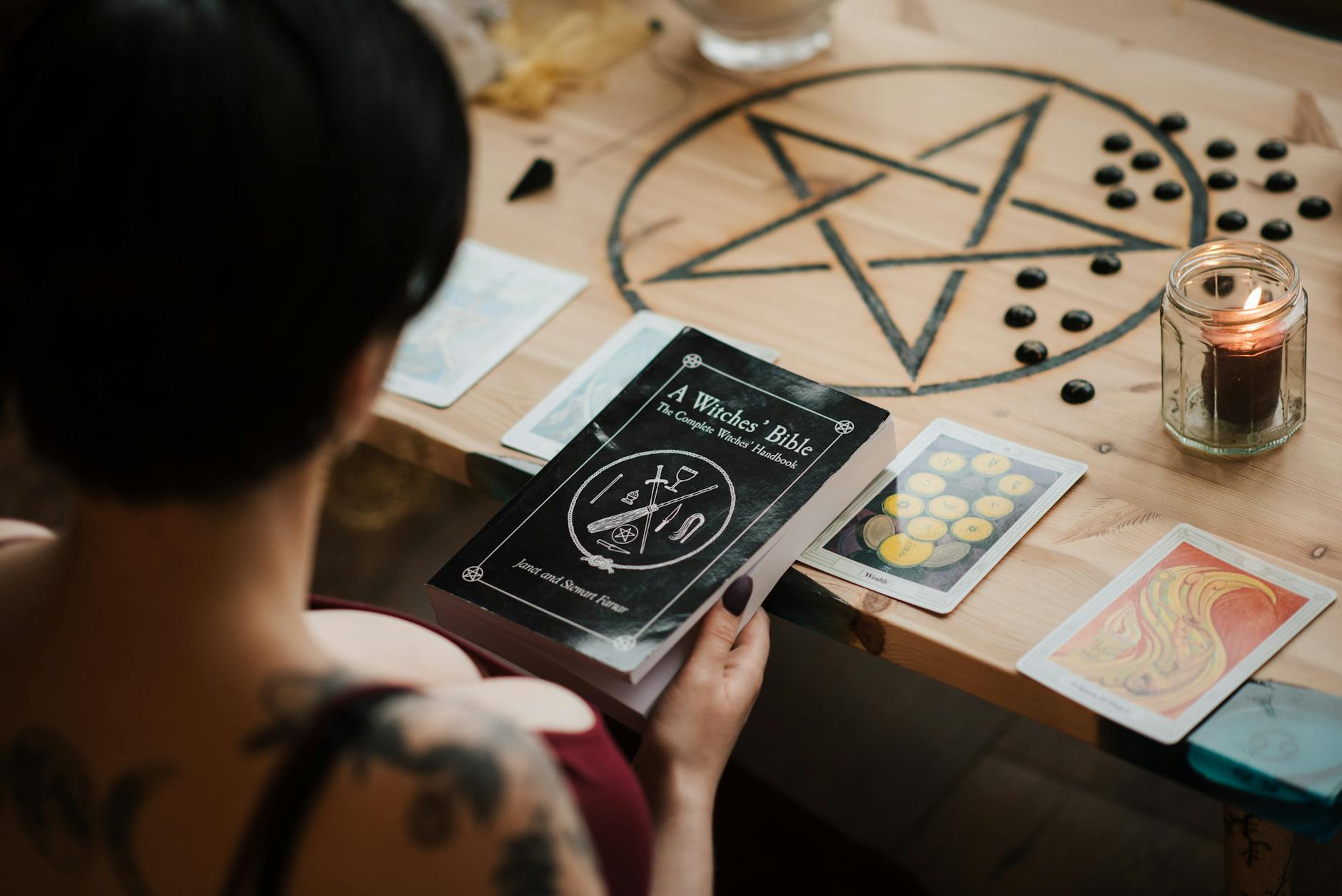
Esoteric rituals have long been shrouded in mystery, often cloaked in the language of “spiritual enlightenment” and “hidden knowledge.” Yet beneath this mystical façade lies a darker truth—one rooted in rebellion against the Most High. Throughout Scripture, God consistently warns His people against seeking knowledge and power from sources outside of His divine will (Deuteronomy 18:10–12, KJV). These secret practices, often disguised as paths to wisdom or spiritual elevation, lead instead to deception and destruction.
The word esoteric refers to knowledge intended for a select few, supposedly capable of understanding deeper truths. This notion reflects the very temptation presented to Eve in the Garden of Eden. The serpent promised secret wisdom apart from God, declaring, “Ye shall be as gods, knowing good and evil” (Genesis 3:5, KJV). Humanity has since been seduced by that same desire—to attain hidden power without submission to divine authority.
Modern esoteric rituals often involve symbols, chants, sigils, or invocations that claim to manipulate spiritual energies. Though practitioners describe these forces as “cosmic” or “universal,” the Bible reveals that such powers originate not from heaven but from the kingdom of darkness. The apostle Paul teaches that believers wrestle “not against flesh and blood, but against principalities, against powers, against the rulers of the darkness of this world” (Ephesians 6:12, KJV). To engage with these unseen energies is to open the door to demonic influence.
Many people mistakenly assume that occult or esoteric practices are harmless forms of self-discovery or artistic expression. Yet Paul warned that pagan sacrifices and rituals were offerings “to devils, and not to God” (1 Corinthians 10:20, KJV). Whether through astrology, numerology, divination, or modern “energy healing,” these acts represent attempts to access spiritual authority outside of the Creator’s ordained structure.
One of the greatest dangers of esoteric rituals is the deception of light. The enemy rarely appears as darkness; instead, he disguises himself “as an angel of light” (2 Corinthians 11:14, KJV). Satan’s strategy is to present evil as enlightenment, convincing seekers that they are gaining divine insight when they are, in truth, drifting further from God’s presence. This illusion is powerful, for it appeals to pride, curiosity, and the desire for control.
Some esoteric rituals even involve symbolic or literal blood sacrifices. Whether ancient or modern, the misuse of blood in any spiritual practice is forbidden by God, who declared, “For the life of the flesh is in the blood” (Leviticus 17:11, KJV). Such practices echo the detestable offerings made to false gods in the Old Testament, which provoked God’s wrath. Even rituals masked as “art” or “tradition” can carry the same demonic undertones if they mimic idolatrous customs.
Practices like astral projection, chanting, or invoking “spirit guides” may seem meditative or harmless but can lead to spiritual bondage. Biblical meditation focuses on the Word of God—“Thou shalt meditate therein day and night” (Joshua 1:8, KJV)—not on empty mantras or mystical journeys. When one’s mind becomes open to the spirit realm without divine covering, it becomes vulnerable to demonic intrusion.
The infiltration of esoteric philosophy into modern culture is subtle yet pervasive. Terms like “manifestation,” “vibrational energy,” and “universal consciousness” echo ancient pagan mysticism. These concepts promise empowerment but deny the sovereignty of the Almighty. Scripture states that “the wisdom of this world is foolishness with God” (1 Corinthians 3:19, KJV), reminding believers that true enlightenment comes only through His Spirit, not through mystical manipulation.
Symbols of the occult—such as pentagrams, all-seeing eyes, and serpentine imagery—are now glorified in music, fashion, and media. These symbols desensitize the public to demonic realities, normalizing rebellion under the guise of art. The prophet Isaiah warned, “Woe unto them that call evil good, and good evil” (Isaiah 5:20, KJV). What society celebrates as creativity often conceals spiritual corruption.
Astrological charts, moon rituals, and numerological predictions also constitute modern forms of divination. Such acts attempt to interpret or influence destiny without consulting God. Yet the Lord alone determines times and seasons (Acts 1:7, KJV). Every attempt to seize control of the future through mystical means mirrors Lucifer’s rebellion—the desire to exalt one’s will above God’s.
The heart of all esoteric practice is self-worship. Lucifer’s fall was driven by his ambition to be like the Most High (Isaiah 14:12–14, KJV). Similarly, modern esoteric movements promote the idea of becoming one’s own god, awakening “divine potential,” or mastering personal reality. This ideology directly opposes the humility and surrender that define biblical faith.
True illumination is not found through secret rites or hidden wisdom but through Christ, “the mystery which hath been hid from ages… which is Christ in you, the hope of glory” (Colossians 1:26–27, KJV). The believer’s access to divine truth does not require rituals, symbols, or incantations; it flows freely through the Holy Spirit and the Word of God.
While esoteric rituals may produce sensations, visions, or feelings of empowerment, these experiences are deceptive imitations. Just as Pharaoh’s magicians mimicked Moses’ miracles (Exodus 7:11–12, KJV), the devil can produce counterfeit spiritual manifestations. What feels like revelation may, in reality, be seduction.
Those who engage in occult or esoteric practices often suffer spiritual consequences—nightmares, anxiety, confusion, and depression. These are signs of spiritual bondage, not enlightenment. Deliverance comes only through repentance, prayer, and faith in Jesus Christ. The Lord promised that in His name, believers “shall cast out devils” (Mark 16:17, KJV).
Scripture commands believers to “abstain from all appearance of evil” (1 Thessalonians 5:22, KJV). Even indirect participation—through entertainment, fashion, or curiosity—can give the enemy a foothold. Spiritual warfare requires vigilance and discernment, for the enemy’s influence often hides beneath appealing aesthetics.
Paul urges believers to “put on the whole armour of God” (Ephesians 6:11, KJV). This includes the helmet of salvation, the sword of the Spirit, and the shield of faith—spiritual defenses against demonic deception. Esoteric ideologies may seem intellectual or empowering, but they are crafted to draw humanity away from divine truth.
True freedom cannot be found in rituals or symbols but only in Christ, who declared, “Ye shall know the truth, and the truth shall make you free” (John 8:32, KJV). Freedom in Christ liberates the soul from the need for hidden knowledge, revealing that all power and wisdom belong to God alone.
Those who have participated in esoteric rituals can find forgiveness and restoration through repentance. The blood of Jesus is sufficient to cleanse every sin and break every spiritual chain. “Submit yourselves therefore to God. Resist the devil, and he will flee from you” (James 4:7, KJV).
The Word of God warns that in the last days, many will turn to “seducing spirits, and doctrines of devils” (1 Timothy 4:1, KJV). The growing fascination with esoteric practices is a sign of this prophecy unfolding. Believers must therefore stand firm in truth, discerning light from darkness through the lens of Scripture.
Ultimately, esoteric rituals are not gateways to enlightenment but pathways to spiritual destruction. What the world calls “illumination” is, in reality, a counterfeit light that leads to darkness. The believer’s calling is to expose these works and walk in the true light of Christ, as the Scripture commands: “Have no fellowship with the unfruitful works of darkness, but rather reprove them” (Ephesians 5:11, KJV).
References
The Holy Bible, King James Version (KJV)
Deuteronomy 18:10–12
Genesis 3:5
Ephesians 6:12
1 Corinthians 10:20
2 Corinthians 11:14
Leviticus 17:11
Joshua 1:8
1 Corinthians 3:19
Isaiah 5:20; 14:12–14
Acts 1:7
Colossians 1:26–27
Exodus 7:11–12
Mark 16:17
1 Thessalonians 5:22
Ephesians 6:11
John 8:32
James 4:7
1 Timothy 4:1
Ephesians 5:11
 THE BROWN GIRL DILEMMA