Lightism and shadeism are two interrelated forms of intra-racial discrimination that privilege lighter skin tones over darker complexions within communities of color, particularly in the African diaspora. While racism is externally imposed by systemic white supremacy, lightism and shadeism are internalized hierarchies that reflect colonial legacies and Eurocentric beauty standards. These ideologies affect not only personal identity and self-worth but also professional advancement, media representation, and spiritual narratives. This essay explores the definitions and consequences of lightism and shadeism, their specific impact on the Black community, Hollywood, and the workforce, as well as the lived experiences of two Black actresses. It further examines the “Brown Girl Dilemma” and draws upon biblical insights, particularly from the King James Version of the Bible, to explain the historical mistreatment of Black people.
Defining Lightism and Shadeism
Lightism refers to the preferential treatment of individuals with lighter skin tones, especially within the same racial or ethnic group. It is a manifestation of colonial ideology, deeply rooted in the systemic privileging of whiteness (Hunter, 2007). Shadeism, a term often used interchangeably with colorism, specifically denotes discrimination based on the darkness or lightness of one’s skin within a racial group. While both terms are often synonymous, “lightism” implies an aspirational tilt toward whiteness, whereas “shadeism” emphasizes the gradient of privilege or marginalization based on skin tone.
These ideologies are not mere aesthetic preferences; they are tools of social stratification that reinforce European standards of beauty, intelligence, and civility, ultimately dividing Black communities internally (Russell, Wilson, & Hall, 1992).
The Impact on the Black Community, Hollywood, and the Workforce
In the Black community, shadeism contributes to a deeply entrenched psychological struggle—light-skinned individuals may experience privilege and acceptance, while dark-skinned individuals often face rejection, hypersexualization, and dehumanization. These dynamics sow seeds of division, low self-esteem, and generational trauma (Wilder, 2010).
In Hollywood, lightism and shadeism are visibly apparent. Lighter-skinned Black actors and actresses have historically received more prominent roles, romantic leads, and endorsement deals. Dark-skinned actors, especially women, are often relegated to stereotypical roles or excluded entirely. The casting of biracial or lighter-complexioned actresses to portray historically dark-skinned figures—such as Nina Simone—demonstrates how this bias distorts cultural memory and representation.
In the workforce, these biases translate to employment discrimination. Research has shown that lighter-skinned African Americans are more likely to be hired, earn higher salaries, and attain leadership positions than their darker-skinned counterparts—even when qualifications are equal (Goldsmith, Hamilton, & Darity, 2007). This disparity stems from the perception that lighter skin aligns more closely with white norms, which are often unconsciously upheld in hiring practices and workplace culture.
Actresses and the Reality of Shadeism
Two actresses who personify the lived reality of shadeism are Viola Davis and Zendaya.
Viola Davis, a dark-skinned, classically trained actress, has spoken openly about how her complexion limited her roles in Hollywood. Despite her immense talent, she was frequently cast in roles that emphasized suffering or servitude. In an interview with The New York Times, Davis remarked: “If I wanted to play the role of a romantic lead or a beautiful woman, I would need to be 10 to 15 shades lighter” (Dargis, 2016). Her Emmy-winning performance in How to Get Away with Murder was groundbreaking not only for its complexity but because it gave a dark-skinned woman a leading role traditionally denied to her.
Zendaya, who identifies as biracial, has acknowledged her privilege as a lighter-skinned Black woman. She once stated, “As a light-skinned Black woman, it’s important that I use my privilege and platform to show you how much beauty there is in the African-American community” (Essence, 2018). While her success is undeniable, Zendaya’s visibility also raises critical questions about how often Hollywood defaults to lighter-skinned actors to represent the full spectrum of Black identity.
The Brown Girl Dilemma
The Brown Girl Dilemma is the psychological and emotional conflict faced by darker-skinned Black women navigating societal and intra-racial rejection. This dilemma often includes feelings of invisibility, self-doubt, and the need to overcompensate for perceived deficits in beauty or femininity. It reflects not only internalized racism but also systemic barriers that silence and marginalize darker-skinned women in media, education, and relationships (Jones, 2000).
Spiritual Dimensions: The Biblical Explanation
From a Hebraic-Israelite perspective, many Black scholars and faith-based researchers argue that the mistreatment of Black people is not only social but spiritual. According to the King James Bible, the curses outlined in Deuteronomy 28—including captivity, degradation, and economic disenfranchisement—are often interpreted as prophetic indicators of the identity and suffering of the true children of Israel.
“The stranger that is within thee shall get up above thee very high; and thou shalt come down very low” (Deuteronomy 28:43, KJV). “Thy sons and thy daughters shall be given unto another people, and thine eyes shall look, and fail with longing for them all the day long” (Deuteronomy 28:32, KJV).
This theological lens asserts that Black people are experiencing divine chastisement for their ancestors’ disobedience and idolatry. However, this same scripture also promises restoration and healing if obedience to divine law is restored.
Quotes and Testimonies
Malcolm X once said, “Who taught you to hate the color of your skin? Who taught you to hate the texture of your hair?”—an indictment of internalized racism and lightism.
Lupita Nyong’o, an Oscar-winning actress, stated: “I grew up thinking light skin was more beautiful… until I saw a dark-skinned model who looked like me. Representation matters.” (Black Women in Hollywood, 2014)
How Can the Black Community Overcome Lightism and Shadeism?
Reeducation: Promote historical and cultural education that affirms African aesthetics and dismantles Eurocentric beauty ideals.
Representation: Amplify diverse Black voices in media, literature, and film to normalize and celebrate all shades of Blackness.
Theological Reconnection: Re-examine spiritual identity through a biblical lens that acknowledges both past transgressions and future redemption.
Collective Healing: Foster intergenerational dialogue and healing spaces to address trauma related to colorism.
Policy and Practice: Implement anti-colorism awareness in hiring practices, school curriculums, and workplace diversity training.
Conclusion
Lightism and shadeism remain pervasive and insidious forms of discrimination within the Black community, reinforced by colonialism, capitalism, and cultural amnesia. The experiences of actresses like Viola Davis and Zendaya highlight how these hierarchies operate even among the most visible. By confronting the “Brown Girl Dilemma,” revisiting the biblical roots of oppression, and reclaiming identity through faith, education, and solidarity, Black people can transcend these barriers. True liberation begins when all shades of Blackness are affirmed, valued, and celebrated—spiritually, socially, and systemically.
References
Dargis, M. (2016). Viola Davis on How Hollywood Shuts Out Women of Color. The New York Times.
Essence. (2018). Zendaya on Using Her Light-Skin Privilege to Speak Up for Her Community.
Goldsmith, A. H., Hamilton, D., & Darity Jr., W. (2007). From dark to light: Skin color and wages among African-Americans. Journal of Human Resources, 42(4), 701–738.
Hunter, M. (2007). The Persistent Problem of Colorism: Skin Tone, Status, and Inequality. Sociology Compass, 1(1), 237–254.
Jones, T. (2000). Shades of Brown: The Law of Skin Color. Duke Law Journal.
Russell, K., Wilson, M., & Hall, R. (1992). The Color Complex: The Politics of Skin Color Among African Americans. Anchor.
Wilder, J. (2010). Revisiting “Color Names and Color Notions”: A Contemporary Examination of the Language and Attitudes of Skin Color among Young Black Women. Journal of Black Studies, 41(1), 184–206.
The Holy Bible, King James Version (KJV), Deuteronomy 28.
This photograph is the property of its respective owner.
Throughout history and across continents, skin tone has functioned as more than a biological trait—it has been weaponized as a social currency. Pigmentocracy, a term used to describe a social system in which status and privilege are distributed according to skin color, persists as a subtle yet powerful force that governs the lives of people of color across the globe. Rooted in colonial conquest and racial ideology, pigmentocracy maintains a stratified racial order in which lighter-skinned individuals occupy higher social positions, while those with darker skin tones are systematically marginalized. This essay explores the origins, manifestations, and consequences of pigmentocracy—especially within Black communities—and examines its relationship to colorism, media representation, social mobility, and global racial hierarchies.
“Pigmentocracy is the silent architect of racial division—a hierarchy built not just on color, but on the invisible weight of colonial trauma.” —Dr. Margaret Hunter, Sociologist
Origins and Definition of Pigmentocracy
Pigmentocracy derives from the Latin pigmentum (color) and the Greek kratos (rule or power), meaning “rule by skin color.” Though the term was popularized in the 20th century by scholars like Venezuelan sociologist Fernando Henríquez and further developed by researchers such as Dr. Edward Telles, the ideology behind pigmentocracy dates back centuries. During colonial rule in the Americas, Europe established caste systems that ranked people according to racial mixing and skin tone, with lighter, European features correlating with higher status. The Spanish casta system, for example, created over a dozen racial categories, elevating whiteness and subjugating those with darker skin.
This system became entrenched not only in law but also in psychology and economics. Slavery, apartheid, Jim Crow, and segregation all functioned on the premise that whiteness was supreme and blackness inferior. Within this structure, pigmentocracy served to divide enslaved and colonized peoples by elevating those with lighter complexions—often the result of rape or mixed heritage—as overseers, house servants, or social intermediaries. The legacy of this system continues to influence the sociopolitical landscapes of nations today.
Pigmentocracy and Colorism
Pigmentocracy is intimately linked to colorism, which refers to discrimination based on skin tone within the same racial or ethnic group. While racism targets individuals across racial categories, colorism reinforces hierarchies within those groups, granting unearned privilege to individuals who possess lighter skin or Eurocentric features. These phenomena reinforce one another: pigmentocracy creates the structure, while colorism sustains it through interpersonal and cultural bias.
In Black communities, colorism often surfaces in beauty standards, educational access, and romantic desirability. Lighter-skinned individuals may be perceived as more attractive, employable, or intelligent, while darker-skinned people face heightened criminalization, poverty, and exclusion. The consequences are both material and psychological—impacting self-worth, identity formation, and economic opportunity.
Stages of Pigmentocratic Impact
The effects of pigmentocracy unfold in four critical stages:
Colonial Codification: European colonists used skin tone to divide and rule, embedding color-based hierarchies into legal systems.
Institutional Reproduction: Post-slavery societies reinforced skin tone hierarchies through employment, education, and housing discrimination.
Cultural Internalization: Within communities of color, lighter skin becomes a subconscious standard of beauty and success.
Modern Globalization: Skin-lightening industries, Western media dominance, and globalized beauty norms continue to uphold the supremacy of light skin across continents.
Global and Cultural Examples
In the United States, sociologist Ellis Monk (2015) found that darker-skinned African Americans face greater economic disadvantage, harsher criminal sentencing, and more health disparities than their lighter-skinned peers. In Brazil, often hailed for its racial “mixing,” skin tone still dictates access to jobs, education, and social networks. India’s deeply entrenched caste system and obsession with fair skin has fueled a billion-dollar skin-lightening industry, while in the Philippines, colonial legacies have left a preference for Eurocentric beauty that permeates advertising and cinema.
Celebrities and the Visibility of Pigmentocracy
In the world of entertainment and media, pigmentocracy is glaringly apparent:
Zendaya, a light-skinned Black actress, has acknowledged the privilege her complexion affords her in casting opportunities, often referred to as “acceptable Blackness” in Hollywood.
Beyoncé, with her lighter skin and blonde hair, has become a global icon, but some critics argue her image conforms to Eurocentric standards that marginalize darker-skinned artists.
Lupita Nyong’o, a dark-skinned actress and activist, has spoken openly about being teased for her skin tone and how she did not see herself represented in media growing up.
In Latin American telenovelas, white or light-skinned actors are consistently cast in leading roles, while darker-skinned Afro-Latinos are relegated to comedic or servant parts.
These examples reflect a system that not only limits opportunities for those with darker skin but actively shapes societal ideals and expectations.
Social Mobility and Racial Hierarchy
Pigmentocracy directly influences social mobility. Lighter-skinned individuals often experience:
Greater access to higher education and employment opportunities
Increased wealth accumulation and professional advancement
Better treatment by law enforcement and healthcare providers
Meanwhile, darker-skinned individuals are frequently relegated to the lowest rungs of the social order. Research has consistently shown that employers favor lighter-skinned candidates, even when qualifications are identical (Hunter, 2007).
Globally, white Europeans occupy the top of the racial hierarchy, with groups perceived as closer to whiteness—such as light-skinned Asians or Latinos—ranking above Black, Indigenous, or dark-skinned populations. This racial ordering maintains white supremacy under the guise of color-neutral meritocracy.
The Psychological Toll and the Call for Change
The psychological toll of pigmentocracy includes internalized racism, self-hatred, and generational trauma. Many Black and Brown children grow up without seeing themselves as beautiful, worthy, or powerful. This invisibility fosters feelings of inferiority and perpetuates cycles of poverty and marginalization.
The solution lies in education, representation, and cultural reprogramming. Schools must teach the true history of colonialism and racism, including the nuances of colorism. Media must expand representation to include diverse shades and features. Communities must affirm the value of dark skin, reframe standards of beauty, and dismantle internalized bias.
Dr. Yaba Blay, a leading scholar on skin tone and identity, insists:
“Until we address the internalized white supremacy that is colorism, we will continue to see ourselves through the gaze of our oppressors.”
Conclusion
Pigmentocracy is not a relic of the past; it is a living, evolving system of inequality that continues to shape the destinies of millions. Its roots in colonialism, its entanglement with colorism, and its reach across cultures and continents make it one of the most insidious social hierarchies in modern history. Addressing this issue requires not only systemic reforms but a radical reimagining of identity, beauty, and worth. Until every shade is seen as equally human and divine, the architecture of pigmentocracy will remain intact—and its silent rule will continue to divide, diminish, and oppress.
References
Blay, Y. (2021). One Drop: Shifting the Lens on Race. Beacon Press.
Monk, E. P., Jr. (2015). The cost of color: Skin color, discrimination, and health among African-Americans. American Journal of Sociology, 121(2), 396–444. https://doi.org/10.1086/682162
Russell, K., Wilson, M., & Hall, R. E. (1992). The color complex: The politics of skin color among African Americans. Anchor Books.
Telles, E. E. (2014). Pigmentocracies: Ethnicity, race, and color in Latin America. University of North Carolina Press.
Psychonegrosis (from: psyche = mind, negro = Black identity, -osis = condition) is a coined term describing a psychological and spiritual condition affecting some individuals of African descent. It is characterized by deep-seated identity distortion, internalized oppression, and a disoriented sense of cultural loyalty. This condition is a byproduct of prolonged racial trauma, beginning with slavery and colonialism, and sustained by systemic racism and Eurocentric social conditioning.
Psychonegrosis is a cultural-psychological disorder marked by disruptions in identity, values, and behavior among people of African descent who have internalized ideologies imposed by dominant foreign cultures. It manifests in:
Distorted self-perception
Idealization of non-Black cultures, especially Anglo-European norms (xenophilia)
Rejection or devaluation of one’s own heritage
Conflicted loyalties between their identity and the imposed dominant culture
Behavioral and emotional dissonance, including escapism, self-hate, and contradictory thinking
This disorder varies in severity and expression, often presenting as:
Adoption of non-African religious systems without cultural grounding
Self-deprecation or anti-Black rhetoric
Hyper-identification with Eurocentric aesthetics, ideologies, and moral frameworks
Sexual and social preferences rooted in racial self-denial
Dependence on or excessive regard for validation from non-Black institutions or communities
Historical Origins
The roots of psychonegrosis trace back to chattel slavery, colonial indoctrination, and the forced erasure of African identity.
📖 Willie Lynch Letter (alleged, 1712) — While debated for its authenticity, it outlines a system of psychological conditioning that encouraged division and dependency among enslaved Africans to ensure long-term control.
📖 Frantz Fanon, Black Skin, White Masks (1952): Fanon described the internal conflict experienced by colonized people who unconsciously adopt the worldview of their oppressors, leading to a fractured identity.
📖 W.E.B. Du Bois’ concept of “Double Consciousness” (1903): Describes the struggle of African Americans who see themselves through both their own cultural lens and the eyes of a racist society, creating internal conflict and social paralysis.
Enslaved Africans were not only forced to work, but also subjected to psychological warfare: taught to hate their features, languages, religions, and each other. This multi-generational trauma was not healed but passed down—unconsciously replicated through institutions, media, and educational systems designed to uphold white superiority and devalue Black identity.
Modern Manifestations
Today, psychonegrosis continues to show up in subtle and overt ways:
Deprecating one’s own racial group while celebrating others
Spiritual disconnection, especially when abandoning ancestral traditions for alienating religious ideologies
Sexual preferences shaped by racialized self-hate or colonized beauty standards
Cognitive dissonance—praising Black excellence while participating in systems or ideas that dismantle it
Dependency on white-led institutions for validation, success, or rescue
Liberal tokenism that seeks inclusion over liberation, appeasement over transformation
Cultural Implications and Healing
The effects of psychonegrosis are not limited to individuals—they ripple through communities. When left unaddressed, this condition perpetuates cycles of invisibility, inferiority, and inaction.
🔹 Steps Toward Healing Include:
Reclamation of identity – Studying and embracing African history, traditions, and spirituality
Critical consciousness – Recognizing and rejecting Eurocentric programming
Therapy and cultural counseling – Especially trauma-informed care for historical wounds
Collective upliftment – Building institutions, families, and communities centered in Black values
Spiritual restoration – Reconnecting with ancestral roots, divine purpose, and communal healing
📖 Hosea 4:6 (KJV):“My people are destroyed for lack of knowledge.”
Conclusion
Psychonegrosis is not a clinical diagnosis, but rather a cultural critique and symbolic framework for understanding the deep psychological scars left by colonization and racism. Recognizing it is the first step to liberating the mind. It calls on people of African descent to redefine beauty, reclaim their history, and reconnect with their divine identity.
📖 Romans 12:2 (KJV):“Be not conformed to this world: but be ye transformed by the renewing of your mind.”
Further Reading & References
Du Bois, W.E.B. (1903). The Souls of Black Folk
Fanon, Frantz (1952). Black Skin, White Masks
Akbar, Na’im (1984). Chains and Images of Psychological Slavery
Woodson, Carter G. (1933). The Mis-Education of the Negro
Ani, Marimba (1994). Yurugu: An African-Centered Critique of European Cultural Thought and Behavior
Myers, Linda James (1993). Understanding an Afrocentric Worldview
The journey of the brown girl is a complex tapestry woven with strands of resilience, faith, pain, and perseverance. Her voice, often muted by systemic oppression, resonates with both the echoes of ancestral struggle and the melody of survival. Despite her indispensable role in the shaping of societies, the brown girl remains caught between visibility and invisibility, celebrated yet silenced, desired yet devalued.
This photograph is the property of its owner. No copyright infringement intended.
The Black woman stands at a unique intersection of race, gender, and historical complexity. She is a daughter of Africa, molded by centuries of cultural richness, yet shaped by the traumas of colonization, slavery, and systemic oppression. To define the Black woman is not merely to categorize her by phenotype or ethnicity but to acknowledge the multifaceted strength, resilience, and spiritual depth she embodies. Her existence is both a testimony of survival and a manifestation of divine creation.
She walks with shadows on her skin, Her crown denied, her truth made thin. Yet in her soul, a flame still burns, Toward God Most High, her spirit turns.
The Essence of the Black Woman
The Black woman is not a passive bystander in the human story. She is a survivor and a leader among women. She is not simply the product of oppression but the embodiment of legacy, faith, and hope. While the world has too often rendered her invisible, she has never ceased to shine. Her scars are not signs of weakness but marks of endurance. Her voice is not one of anger but of righteous truth. Her presence is not an afterthought—it is essential. To be a Black woman is to carry the weight of many worlds and still walk upright. It is to be defined not by trauma, but by triumph. It is to rise, again and again, from the ashes of injustice with wisdom in her mind, fire in her bones, and purpose in her soul.
The Origins and Legacy of the Black Woman
The roots of the Black woman run deep in the soil of the African continent, often referred to as the cradle of civilization. Long before the Middle Passage or the ravages of imperialism, she was revered as queen, healer, warrior, and nurturer. Ancient civilizations such as Kemet (Egypt) and Kush (Nubia) bear witness to her influence and power. Historical figures such as Makeda, the Queen of Sheba, and Yaa Asantewaa, the Ashanti warrior queen, represent the authority and intellect Black women wielded long before colonial narratives sought to reduce their value. In the diaspora, figures such as Harriet Tubman, Sojourner Truth, and Ida B. Wells continued this legacy of resistance, intellect, and spiritual resilience.
This sacred lineage was disrupted but not erased by slavery and systemic racism. She is CHOSEN. Even in bondage, the Black woman bore nations, preserved culture, and nurtured resistance. Her story is not merely one of suffering, but of transformation and transcendence.
The “Brown Girl Dilemma” speaks to the intersectional struggles of Black women who carry the weight of history, family, and society upon their shoulders while striving to reclaim their identity as daughters of the Most High God. The Bible reminds us that sin separates humanity from the Creator: “But your iniquities have separated between you and your God, and your sins have hid his face from you” (Isaiah 59:2, KJV). As descendants of a chosen people, many in the African diaspora bear the consequences of forgetting God’s commandments (Deuteronomy 28). Restoration begins with repentance, obedience, and returning to the covenant, for it is only through God that wholeness can be achieved.
The impact of slavery continues to shape the psyche of Black people. Enslavement fractured families, introduced color hierarchies, and instilled a legacy of trauma. Colorism emerged as a tool of division, where lighter-skinned Blacks were often given preferential treatment, a strategy designed to destroy unity. Today, this manifests in distrust, competition, and a failure to unite as one nation. Scholars such as Du Bois (1903/1994) wrote of the “double consciousness” of Black existence, a struggle between identity and imposed inferiority. The legacy of slavery has not disappeared—it has merely transformed into systemic racism, prison pipelines, and discriminatory policies.
The order of the family is equally troubled. In biblical teaching, the husband is called to love his wife as Christ loved the church (Ephesians 5:25, KJV). Yet many Black women experience broken relationships marked by absentee fathers, irresponsible partners, and men driven by lust rather than godly responsibility. Economic strain, social pressures, and the allure of interracial dating often leave Black women questioning their value. While there are faithful, loving men within the community, they can feel like rare jewels—“needles in a haystack.” Too many women are burdened with carrying the weight of provision, discipline, and emotional labor alone.
Beyond family matters, the “isms” weigh heavily. Racism remains pervasive, sexism undermines Black women in workplaces and institutions, colorism pits them against one another, and lookism—judging worth based on appearance—diminishes them further. Each of these forces multiplies the challenge of survival and success. Crenshaw’s (1989) concept of intersectionality reveals how Black women experience multiple, overlapping oppressions, often making their struggles invisible in mainstream feminist or racial justice discourse.
Economically, Black women continue to face disparities. According to the U.S. Department of Labor (2024), Black women earn approximately 63 cents for every dollar earned by white men, with long-term implications for generational wealth. Joblessness and underemployment remain pressing issues, with Black unemployment rates historically double those of whites (Bureau of Labor Statistics, 2023). This economic imbalance is not only unjust but also psychologically damaging, reinforcing feelings of inadequacy and systemic exclusion.
Health disparities further compound these challenges. Black women have the highest rates of hypertension, diabetes, heart disease, and certain cancers compared to other demographics (CDC, 2024). Additionally, sexually transmitted diseases, including HIV, disproportionately affect Black communities. Poor diet access, limited healthcare, and stress-related illnesses tie into broader socioeconomic inequalities. Scripture reminds us, however, that our bodies are temples of God (1 Corinthians 6:19–20, KJV), urging the community toward better stewardship of health.
The universal standard of beauty has been a dagger against the esteem of Black women. Rooted in Eurocentric ideals, it positions whiteness as the pinnacle of desirability. In 2011, a Psychology Today article notoriously argued that Black women were “less attractive” than other races, sparking outrage and revealing deep-seated prejudices. Lighter-skinned women often find more social acceptance, yet the hierarchy continues to marginalize darker-skinned women. Many Black male celebrities have also publicly disparaged Black women, praising non-Black women instead, furthering the internalization of these hierarchies. This demonstrates how colonized definitions of beauty perpetuate cycles of self-hatred and exclusion.
Kevin Samuels (Image Consultant / YouTube Personality)
Samuels frequently made disparaging remarks toward Black women. In one widely circulated clip, he referred to single women over 35 as “leftovers.” He also claimed:
“When you’re talking about Black women, they are on the opposite end of the spectrum in all ranks.” GQ
Tariq Nasheed (Media Commentary / FBA Proponent)
Nasheed popularized the term “bed wench” as a derogatory label for Black women who date interracially—a term rooted in slavery-era contempt, and used to shame successful Black women who allegedly challenge Black patriarchy. Wikipedia
Tommy Sotomayor (Internet Commentator / Men’s Rights Activist)
Sotomayor has blamed the struggles of young Black men on single Black mothers, suggesting that Black women’s family structures are at the root of broader societal issues. Wikipedia
Chester Himes (Author, mid-20th century)
In his work In Black and White, Himes portrayed Black women with disturbing stereotypes and violence. For example: “It is presumed only right and justifiable for a black man to beat his own black women when they need it.” The New Yorker
Anecdotal Examples from Social Discourse (Reddit)
One user shared a heartbreaking example of a musician’s demeaning comments: “…yelling how ugly black darkskinned women are, the only beautiful women on this planet are biracials and Ethiopians… black girls look like men…” Reddit
Another user captures the broader sentiment of colorism and rejection: “I seen that rap battle … one of the darkskin men boasted about having a lightskin daughter … called the other man’s darkskin 6-year-old daughter black and ugly and a whore.” Reddit
Summary of Key Negative Narratives
Source (Public Figure / Setting)
Essence of Negative Commentary
Kevin Samuels
Demeaning Black women—calling them “leftovers” and ranking them low on desirability.
Tariq Nasheed
Labels Black women who date outside the race with demeaning historical slurs.
Tommy Sotomayor
Blames Black women (single mothers) for societal and familial issues standing in the way of Black men.
Chester Himes (Literary)
Portrays Black women through violent, oppressive stereotypes in his fiction.
Reddit Anecdotes
Reflect real lived experiences: colorism-driven insults, preference for lighter skin, degrading comparisons.
Stereotypes compound these struggles. Black women are often mislabeled as “angry,” “hypersexual,” or “unfeminine,” fallacies that obscure their complexity. Patricia Hill Collins (2000) refers to these as “controlling images,” cultural myths that justify oppression. The truth, however, is that Black women embody resilience, creativity, and leadership. Yet the psychological toll of disproving these stereotypes daily is exhausting, creating stress known as “weathering” (Geronimus, 1992), which accelerates health decline.
Violence against Black women remains an alarming crisis. According to the Institute for Women’s Policy Research (2023), over 40% of Black women will experience intimate partner violence in their lifetime. Police brutality disproportionately harms Black women as well, from Sandra Bland to Breonna Taylor, their lives cut short by systemic violence. Beyond physical harm, psychological warfare—through negative media portrayals, exclusion, and microaggressions—erodes mental well-being. The psalmist cries: “How long shall they utter and speak hard things? and all the workers of iniquity boast themselves?” (Psalm 94:4, KJV).
The solution lies in unity and spiritual renewal. Frances Cress Welsing once wrote, “If we do not understand white supremacy—what it is and how it works—everything else that we think we understand will only confuse us” (1991, p. 2). Michelle Obama reminds us: “The measure of any society is how it treats its women and girls.” And Toni Morrison emphasized, “The function of freedom is to free someone else.” These voices remind us that the liberation of Black women is inseparable from the liberation of the community as a whole.
🌹 The Brown Girl Dilemma vs. The Brown Boy Dilemma 💪
Theme
Brown Girl Dilemma
Brown Boy Dilemma
Spiritual Identity
Men are emasculated, denied authority, criminalized and treated as threats.
Same disconnection; loss of spiritual leadership; struggles with manhood outside biblical order.
Slavery’s Legacy
Disconnected from God through sin and oppression, struggles with worth and obedience to His commandments.
Single mothers bear heavy loads, absentee fathers; imbalance in relationships.
Family Structure
Single mothers bear heavy loads, absentee fathers, imbalance in relationships.
Fatherlessness creates cycles; incarceration removes men from homes; lack of role models.
Racism & Systemic Oppression
Sexism + racism (double bind); overlooked in justice movements.
Criminalized early; school-to-prison pipeline; hyper-policed and surveilled.
Colorism
Lighter-skinned women often favored in beauty standards; darker-skinned women devalued.
Light-skinned men sometimes perceived as more “acceptable”; dark-skinned men stereotyped as dangerous.
Beauty Standards / Masculinity
Eurocentric beauty ideals label Black women “ugly” or “less attractive.”
Stereotypes of hypermasculinity, aggression, and oversexualization.
Economic Struggles
Wage gap: Black women earn ~63¢ per white man’s $1; underrepresentation in leadership roles.
Collective solidarity (ending division between men and women).
The Modern-Day Challenges of the Black Woman
Despite her historical strength, the Black woman today continues to face multilayered adversities stemming from structural and interpersonal forces. These challenges are best understood through the framework of intersectionality—a concept coined by legal scholar Kimberlé Crenshaw—which highlights how race, gender, and other identities intersect to create compounded discrimination.
Racism continues to manifest in disproportionate rates of police brutality, workplace discrimination, and underrepresentation in positions of power. Simultaneously, sexism subjects Black women to patriarchal structures that marginalize their voices and capabilities. Complicating this further is colorism, a preference for lighter skin within and beyond the Black community, often privileging those with Eurocentric features and contributing to a dangerous belief in the superiority of light-skinned individuals.
Misogynoir, the unique discrimination against Black women that blends racism and sexism, further entrenches stereotypes such as the “angry Black woman,” the hypersexualized “jezebel,” or the self-sacrificing “mammy.” These tropes are not just offensive—they are psychologically and socially damaging, limiting the perceptions others have of Black women and the ones they have of themselves.
Moreover, Black women face systemic economic inequalities. Despite being among the most educated demographics in the U.S., Black women continue to earn less than both white men and white women. They also lead in numerous health disparities, including heart disease, maternal mortality, and untreated mental health conditions—often exacerbated by inadequate access to quality care and generational trauma.
✅ Proposed Solutions for Black Women
Domain
Strategy
Psychological
Healing from colorism, building self-worth, therapy to counter trauma
Community
Support sisterhood, mentorship, natural beauty affirmation
Spiritual
Biblical grounding—acknowledge that all are made in God’s image (Psalm 139:14)
Healthcare
Advocate for culturally competent care, regular screenings, trusted providers
Education
Empower conversations about sexuality, STIs, and negotiation in relationships
To rise above, healing is cultural, psychological, and spiritual: affirming identity, rejecting imposed standards, seeking justice, and fostering empowered, faith-rooted sisterhood.
Overcoming Adversity: Pathways to Liberation
To overcome these deeply rooted challenges, Black women must embark on both personal and collective journeys of empowerment. First and foremost, it is critical for the Black woman to reclaim her worth and identity, understanding that her value is not defined by societal standards, media representation, or Eurocentric beauty ideals. Psalm 139:14 declares that she is “fearfully and wonderfully made”—a divine truth that must be internalized.
Knowledge of one’s history is equally vital. By studying the contributions of foremothers and reconnecting with African ancestry, the Black woman gains a powerful sense of self and purpose. Historical literacy combats invisibility and fosters pride.
Community and sisterhood play an essential role in healing. Instead of perpetuating the internalized divisions—whether through colorism, competition, or jealousy—Black women must uplift one another. Unity is not a luxury; it is a necessity for collective survival and flourishing.
Therapy, spiritual practices, and culturally informed healing can address generational trauma and the psychological damage wrought by centuries of oppression. By confronting pain through both professional counseling and ancestral traditions, the Black woman can begin to mend what has been broken.
Economic empowerment and education remain foundational tools for liberation. Black women have historically led movements, founded schools, and built businesses. Entrepreneurship and financial literacy offer pathways to independence and influence.
Faith and spiritual guidance also remain integral. The Black woman has often leaned on her spiritual roots—whether through Christ for hope and endurance. Returning to God and seeking wise counsel strengthens her inner resolve and aligns her with divine purpose.
Unity within the Black community must transcend negativity, envy, and division. The Bible commands: “Behold, how good and how pleasant it is for brethren to dwell together in unity!” (Psalm 133:1, KJV). By rejecting divisive ideologies and embracing love, Black men and women can rebuild trust and solidarity. Restoring families, promoting education, supporting businesses, and encouraging health are acts of resistance against oppression.
Psychologically, healing requires therapy, collective affirmation, and dismantling internalized racism. From a biblical perspective, repentance, forgiveness, and love remain central. “Above all things have fervent charity among yourselves: for charity shall cover the multitude of sins” (1 Peter 4:8, KJV). The brown girl must be reminded that her worth is not defined by a hostile world but by the image of God she carries.
Overcoming the “Brown Girl Dilemma” begins with truth-telling: about history, about pain, and about hope. Black women must be encouraged to pursue spiritual renewal, to demand justice, and to embrace their beauty unapologetically. Communities must uplift one another instead of tearing each other down.
The dilemma remains real, but the path of deliverance is clear. Rooted in God’s commandments, strengthened through unity, and fortified with love, the brown girl will no longer be a dilemma but a divine solution—a vessel of resilience, creativity, and healing for generations to come.
📚 References
Bureau of Labor Statistics. (2023). Employment status of the civilian population by race, sex, and age.
Centers for Disease Control and Prevention. (2024). Health disparities by race and ethnicity.
Collins, P. H. (2000). Black feminist thought: Knowledge, consciousness, and the politics of empowerment. Routledge.
Crenshaw, K. (1989). Demarginalizing the intersection of race and sex. University of Chicago Legal Forum, 1989(1), 139–167.
Du Bois, W. E. B. (1994). The souls of Black folk. Dover. (Original work published 1903).
Geronimus, A. T. (1992). The weathering hypothesis and the health of African-American women and infants. Ethnicity & Disease, 2(3), 207–221.
Welsing, F. C. (1991). The Isis papers: The keys to the colors. Third World Press.
U.S. Department of Labor. (2024). Gender and racial wage gaps.
Crenshaw, K. (1989). Demarginalizing the Intersection of Race and Sex: A Black Feminist Critique of Antidiscrimination Doctrine. University of Chicago Legal Forum. Reprinted in “Mapping the Margins” (1991) Encyclopedia Britannica.
Institute for Women’s Policy Research. (2025, July 7). Black women stand to lose over $1 million to the wage gapIWPR+1National Women’s Law Center+1.
Centers for Disease Control and Prevention. (2024, April). Working Together to Reduce Black Maternal MortalityPRB+7CDC+7people.com+7.
Hoyert, D. L. (2023). Health E‑Stat 100: Maternal Mortality Rates in the United States, 2023CDC.
News reports on maternal mortality (2025). AP News; AxiosAxios.
Britannica Editors. (2025). Intersectionality entry, Encyclopaedia Britannica Encyclopedia Britannica.
Would you like this version formatted as a PDF or adapted into a workshop outline or sermon script
The Complexion Divide: A Critical Examination of Colorism, Beauty, and Identity.
Colorism, a term coined by Pulitzer Prize–winning author Alice Walker in 1982, refers to the “prejudicial or preferential treatment of same-race people based solely on their color” (Walker, 1983). Unlike racism, which is structured around differences between racial groups, colorism operates within racial and ethnic communities, privileging lighter skin tones while marginalizing those with darker complexions. It is a form of internalized oppression born from the intersection of white supremacy and colonial ideology.
This photograph is the property of its respective owner.
While racism categorizes people by race, colorism creates a hierarchy within that categorization, wherein lighter skin becomes a form of social capital. The effects are deeply psychological, affecting self-worth, community relationships, beauty standards, and life opportunities. It is most deeply felt in communities historically subjected to colonial rule, enslavement, and media misrepresentation—including the Black diaspora.
Colorism privileges individuals with lighter skin, Eurocentric features, and straighter hair textures, often at the expense of darker-skinned individuals, particularly women. It is a global phenomenon—seen in the popularity of skin-lightening creams in Africa and Asia, the media underrepresentation of dark-skinned women, and internalized inferiority within Black and brown communities.
The Beauty Hierarchy and Eurocentric Standards
The universal standard of beauty, reinforced by colonialism, mass media, and white supremacy, promotes a Eurocentric ideal—fair skin, narrow noses, thin lips, and a slim yet curvaceous figure. These characteristics are often seen as aspirational, while Afrocentric features—broad noses, full lips, tightly coiled hair—are marginalized. Scientific racism and eugenics in the 19th and 20th centuries played critical roles in establishing this false standard of human aesthetics (Painter, 2010).
This beauty hierarchy persists today in the form of Hollywood casting, magazine covers, beauty pageants, and advertising, where lighter-skinned Black women (e.g., Beyoncé, Zendaya, Halle Berry, and Yara Shahidi) are more prominently featured than their darker-skinned peers, such as Lupita Nyong’o or Viola Davis—though the latter have also achieved visibility through activism and counter-cultural movements.
Psychological and Biblical Implications
Psychologically, colorism fosters internalized oppression, body dysmorphia, low self-esteem, and even disordered eating. Women and girls not deemed “beautiful” by Eurocentric standards often feel invisible or undesirable. Society trains them, through media propaganda, to seek validation through external approval—what psychologists call externalized locus of control.
Biblically, this phenomenon contradicts the teachings of Scripture, which affirms that “man looks at the outward appearance, but the Lord looks at the heart” (1 Samuel 16:7, NKJV). The Bible consistently emphasizes inner character over physical beauty (Proverbs 31:30). Moreover, the elevation of one group over another due to appearance or social class mirrors the sin of partiality, which Scripture condemns (James 2:1-9).
Beauty and the Racial Caste: From Nazi Aryanism to American Colorism
The Nazi Aryan ideal, rooted in pseudoscientific racial theories, promoted the concept of the Nordic master race. This racial doctrine, advanced by figures like Alfred Rosenberg, claimed that Aryans (Northern Europeans) were biologically and morally superior. Such ideologies influenced not only Germany but also global race and beauty perceptions, legitimizing discrimination against people of color and reinforcing whiteness as the pinnacle of humanity.
These ideologies helped shape a global racial beauty hierarchy, where the following order often dominates:
White (European, Aryan)
East Asian (with fair skin)
South Asian (light-skinned)
Latinx (light mestizo)
Middle Eastern (light Arab)
Black (light-skinned)
Black (dark-skinned)
This hierarchy is evident in fashion industries, marriage markets, and social media algorithms that favor Eurocentric features and lighter complexions.
The Science of Dark Skin and Its Strength
Biologically, melanin—the pigment that gives skin its dark color—offers natural protection against UV radiation and decreases the risk of skin cancer (Jablonski & Chaplin, 2000). Far from being a disadvantage, dark skin is an adaptive advantage in equatorial climates. Despite this, it has been wrongly associated with inferiority, laziness, or criminality—myths perpetuated by colonial narratives and media biases.
In the Black community, colorism fosters division, resentment, and competition. It informs dating preferences, hiring decisions, and self-worth. Lighter-skinned individuals may receive more opportunities, while darker-skinned individuals report higher instances of discrimination—even within their own racial group (Keith & Herring, 1991).
This reality is a byproduct of slavery, where enslaved Africans were divided and assigned labor based on color. Today, this manifests in preferences for lighter-skinned partners, the rejection of natural hair, and increased rates of skin bleaching.
Solutions: Psychological and Spiritual Healing
To overcome colorism and its caste-based roots, several interventions are necessary:
Psychological: Encourage media literacy, affirm diverse representations of beauty, promote healing spaces for racial identity development, and reject comparison culture.
Spiritual: Reconnect with Scripture, which affirms that all are “fearfully and wonderfully made” (Psalm 139:14). Reject the idolatry of beauty and uphold justice and equality.
The Church, educators, and media gatekeepers must challenge false narratives and elevate voices and images that reflect the full spectrum of human dignity.
Colorism and the racial caste system are global cancers rooted in historical oppression and perpetuated through beauty myths and social structures. They distort how people see themselves and others, particularly within communities of color. To rise above the “isms”, we must engage in intentional truth-telling, healing, and cultural reformation that affirms all people—regardless of hue—as made in the image of God.
Historical Origins of Colorism and the Colonial Legacy
Colorism has deep roots in the transatlantic slave trade and European colonization. During American slavery, enslaved Africans were divided by complexion: lighter-skinned individuals—often the result of forced sexual relations between slave owners and enslaved women—were frequently assigned domestic duties in the “Big House,” while darker-skinned individuals labored in the fields under harsher conditions. This division reinforced the idea that proximity to whiteness equated to privilege and desirability.
These divisions sowed seeds of internal conflict, jealousy, and disunity within the Black community—a legacy that remains today. Light skin became associated with intelligence, civility, and beauty, while dark skin was linked to ignorance, brutishness, and unattractiveness. These narratives were not just social—they were weaponized tools of control under the umbrella of white supremacy.
Colorism vs. Racism: A Distinct Yet Interrelated Dynamic
While racism is discrimination based on perceived racial identity—often institutional and systemic—colorism is intra-racial and operates at a more intimate, psychological level. It reflects an acceptance of racial hierarchies within one’s own group, often unknowingly perpetuated by those subjected to racial subjugation themselves.
he concept of a racial caste system reflects a deeply entrenched global hierarchy that privileges certain racial and phenotypic features—especially those associated with whiteness—while marginalizing others. This system, particularly within the realms of beauty and social value, historically elevates the white woman as the apex of aesthetic ideals. Her image—fair skin, narrow features, and light hair—has become the global prototype of beauty, reinforced relentlessly through media, colonial legacies, and socio-political structures.
Defining the Caste System and Its Color-Based Foundations
The caste system, originally associated with South Asia, particularly India, is a rigid social stratification structure that historically defined individuals by their birth status, often linked to ritual purity and occupation. During the collapse of the Mughal Empire and under British colonial rule, caste identities were hardened and institutionalized. The British Raj, from 1860–1920, codified caste divisions through their administration, privileging upper-caste elites with education and jobs while relegating the lower castes to subjugated roles. This stratification aligned with skin tone hierarchies, where lighter skin tones were associated with higher caste status and moral superiority (Deshpande, 2010).
This Indian model of caste-based discrimination found parallels across the globe. During American slavery, enslaved Africans were divided by shade: light-skinned Blacks, often children of slave masters, were assigned more favorable tasks (such as domestic work), while dark-skinned Africans were confined to harsh field labor. This intra-racial division sowed seeds of colorism that persist today (Hunter, 2007).
Colorism privileges individuals with lighter skin, Eurocentric features, and straighter hair textures, often at the expense of darker-skinned individuals, particularly women. It is a global phenomenon—seen in the popularity of skin-lightening creams in Africa and Asia, the media underrepresentation of dark-skinned women, and internalized inferiority within Black and brown communities.
The Beauty Hierarchy and Eurocentric Standards
The universal standard of beauty, reinforced by colonialism, mass media, and white supremacy, promotes a Eurocentric ideal—fair skin, narrow noses, thin lips, and a slim yet curvaceous figure. These characteristics are often seen as aspirational, while Afrocentric features—broad noses, full lips, tightly coiled hair—are marginalized. Scientific racism and eugenics in the 19th and 20th centuries played critical roles in establishing this false standard of human aesthetics (Painter, 2010).
This beauty hierarchy persists today in the form of Hollywood casting, magazine covers, beauty pageants, and advertising, where lighter-skinned Black women (e.g., Beyoncé, Zendaya, Halle Bailey, Yara Shahidi) are more prominently featured than their darker-skinned peers, such as Lupita Nyong’o or Viola Davis—though the latter have also achieved visibility through activism and counter-cultural movements.
Beauty and the Racial Caste: From Nazi Aryanism to American Colorism
The Nazi Aryan ideal, rooted in pseudoscientific racial theories, promoted the concept of the Nordic master race. This racial doctrine, advanced by figures like Alfred Rosenberg, claimed that Aryans (Northern Europeans) were biologically and morally superior. Such ideologies influenced not only Germany but also global race and beauty perceptions, legitimizing discrimination against people of color and reinforcing whiteness as the pinnacle of humanity.
These ideologies helped shape a global racial beauty hierarchy, where the following order often dominates:
White (European, Aryan)
East Asian (with fair skin)
South Asian (light-skinned)
Latinx (light mestizo)
Middle Eastern (light Arab)
Black (light-skinned)
Black (dark-skinned)
This hierarchy is evident in fashion industries, marriage markets, and social media algorithms that favor Eurocentric features and lighter complexions.
The Science of Dark Skin and Its Strength
Biologically, melanin—the pigment that gives skin its dark color—offers natural protection against UV radiation and decreases the risk of skin cancer (Jablonski & Chaplin, 2000). Far from being a disadvantage, dark skin is an adaptive advantage in equatorial climates. Despite this, it has been wrongly associated with inferiority, laziness, or criminality—myths perpetuated by colonial narratives and media biases.
Impact on the Black Community
In the Black community, colorism fosters division, resentment, and competition. It informs dating preferences, hiring decisions, and self-worth. Lighter-skinned individuals may receive more opportunities, while darker-skinned individuals report higher instances of discrimination—even within their own racial group (Keith & Herring, 1991).
This reality is a byproduct of slavery, where enslaved Africans were divided and assigned labor based on color. Today, this manifests in preferences for lighter-skinned partners, the rejection of natural hair, and increased rates of skin bleaching.
Solutions: Psychological and Spiritual Healing
To overcome colorism and its caste-based roots, several interventions are necessary:
Psychological: Encourage media literacy, affirm diverse representations of beauty, promote healing spaces for racial identity development, and reject comparison culture.
Spiritual: Reconnect with Scripture, which affirms that all are “fearfully and wonderfully made” (Psalm 139:14). Reject the idolatry of beauty and uphold justice and equality.
The Church, educators, and media gatekeepers must challenge false narratives and elevate voices and images that reflect the full spectrum of human dignity.
Colorism and the racial caste system are global cancers rooted in historical oppression and perpetuated through beauty myths and social structures. They distort how people see themselves and others, particularly within communities of color. To rise above the “isms”, we must engage in intentional truth-telling, healing, and cultural reformation that affirms all people—regardless of hue—as made in the image of God.
Why Is Light Skin Viewed as More Attractive? The Colonial Beauty Ideal
The elevation of light skin is a product of a Eurocentric beauty paradigm established through colonial education, media, and social norms. Historically, European features—fair skin, straight hair, slender noses, and light eyes—have been projected as the universal standard of beauty. This construct is reinforced in fashion, television, film, and social media, creating a globalized aesthetic ideal.
Black women and girls across the world are pressured to conform to this standard—often resulting in skin lightening, hair straightening, cosmetic surgery, and disordered eating. These are not merely beauty preferences; they are survival strategies in a world where desirability often equates to social and economic access.
The Psychological and Spiritual Toll of Colorism
The psychological damage caused by colorism includes:
Low self-esteem and body image issues
Internalized self-hatred
Disrupted identity formation in youth
Color-based bullying, often beginning in childhood
Discrimination in dating, employment, and education
From a biblical perspective, colorism contradicts the foundational truth that all people are made in the image of God (Genesis 1:27). The Bible affirms diversity in creation, and nowhere does it prescribe skin tone as a standard of righteousness, beauty, or worth. Proverbs 31:30 reminds us:
“Charm is deceitful and beauty is vain, but a woman who fears the Lord is to be praised.”
Media and the “Invisible” Woman: The Silencing of Darker Beauty
The media has long perpetuated the myth that beauty is white, slim, and symmetrical. Women who do not meet this standard—especially dark-skinned Black women—often face erasure. Who sees “the woman that nobody sees”? The one ignored in public, overlooked in dating, absent from billboards? This invisibility is one of the most painful consequences of colorism.
Black Beauty and Global Icons
Despite centuries of marginalization, many Black figures have shattered conventional beauty standards and redefined what it means to be beautiful:
Lupita Nyong’o – Oscar-winning actress and vocal advocate against colorism
Viola Davis – Emmy and Oscar winner, known for her powerful presence and authenticity
Gabrielle Union – Actress and author who has challenged Hollywood’s narrow beauty ideals
Naomi Campbell – One of the first Black supermodels to dominate high fashion
Kelly Rowland – Often overshadowed in her early career, she has embraced and celebrated her dark complexion
Jodie Turner-Smith, Michaela Coel, Danai Gurira, and Teyonah Parris – All represent a bold, proud, and deeply Black beauty that confronts Eurocentric norms
These women are not only physically stunning—they reflect strength, intelligence, and spiritual depth.
The Science Behind Dark Skin: A Gift Misunderstood
Scientifically, melanin—the pigment responsible for darker skin—provides protection against ultraviolet radiation. It reduces the risk of sunburn, skin cancer, and slows the aging process. Far from being a deficiency, dark skin is a biological adaptation of excellence, rooted in the geography and climate of ancestral homelands.
✨ Mark Twain on Dark Skin and Zulu Beauty
In Following the Equator (1897), Mark Twain offers a striking meditation on the appearance of South African Zulu tribesmen:
Twain continues with a vivid contrast of white and dark complexions:
“Nearly all black and brown skins are beautiful, but a beautiful white skin is rare.… The advantage is with the Zulu… he starts with a beautiful complexion, and it will last him through.”Full Text Archive+7TheOriginalBlackWoman+7Learning India+7
These passages reveal Twain’s admiration for deeply melanin-rich skin tones and his critique of pale complexions, which, he argues, require constant artificial maintenance.
📖 Contextual Significance
Twain’s reflections emerge from his global travels, where he observed beauty in cultures often marginalized by Western standards. He contrasted the effortless radiance of dark-skinned individuals with the fragile, impermanent beauty of many white complexions, noting how the latter often appear unhealthy or artificial in contrast to naturally rich melanin hues. Mark Twain Classic LiteratureFull Text ArchiveTheOriginalBlackWoman
🧪 Insights and Implications
Theme
Explanation
Beauty & Hierarchy
Twain challenges Eurocentric beauty ideals by elevating darker skin as naturally durable and aesthetically superior.
Cultural Critique
He implicitly critiques a global beauty infrastructure reliant on cosmetics, bleaching, and artificial enhancements.
Psychological Affirmation
His language affirms the inherent dignity, grace, and resilience of dark-skinned individuals—a rare stance in his era.
Recognize each human as fearfully and wonderfully made (Psalm 139:14)
Dismantle idols of beauty and embrace godly character as the true mark of worth
Celebrate diversity as God’s creative intention, not as a flaw to be corrected
Psychological and Community Solutions:
Media representation: Promote diverse portrayals of Blackness in media and advertising
Education: Teach children the beauty of melanin, natural hair, and African features early
Therapy and support groups: Address color-based trauma in safe, healing environments
Parenting practices: Encourage affirmation in families, especially for dark-skinned children
Conclusion: From Shame to Sovereignty
Colorism is a byproduct of colonial violence and white supremacy that has taken root in the hearts and minds of oppressed peoples. But it is not unbreakable. Through truth, education, and faith, the lies about Blackness—especially dark-skinned Black womanhood—can be uprooted.
The question remains: Is light skin better than dark skin? No. It is a false dichotomy—a deception. Beauty is not found in hue, but in the harmony of soul, spirit, and strength. When we rise above the shade-based lies that divide us, we rediscover the inherent power of being beautifully, unapologetically Black.
REFERENCES:
Deshpande, A. (2010). The Grammar of Caste: Economic Discrimination in Contemporary India. Oxford University Press.
Hunter, M. (2007). The Persistent Problem of Colorism: Skin Tone, Status, and Inequality. Sociology Compass, 1(1), 237–254.
Jablonski, N. G., & Chaplin, G. (2000). The evolution of human skin coloration. Journal of Human Evolution, 39(1), 57–106.
Keith, V. M., & Herring, C. (1991). Skin Tone and Stratification in the Black Community. American Journal of Sociology, 97(3), 760–778.
Walker, A. (1982). In Search of Our Mothers’ Gardens: Womanist Prose.
Hunter, M. (2005). Race, Gender, and the Politics of Skin Tone. Routledge.
Russell, K., Wilson, M., & Hall, R. (1992). The Color Complex: The Politics of Skin Color Among African Americans. Anchor Books.
Thompson, C. (2009). Black Women, Beauty, and Hair as a Matter of Being. Women’s Studies.
The Holy Bible, KJV. Genesis 1:27; Psalm 139:14; Proverbs 31:30.
Twain, M. (1894). Following the Equator: A Journey Around the World.
Colorism — the prejudicial or preferential treatment of individuals based on the lightness or darkness of their skin — is a deeply rooted issue within the Black community and American society at large. Unlike racism, which operates between races, colorism functions within them, favoring lighter-skinned individuals while marginalizing those with darker complexions. This systemic bias has been perpetuated through media, beauty standards, and cultural practices dating back to slavery and colonialism. The lingering impact affects identity, self-worth, relationships, and social mobility.
A Historical Foundation: Slavery and Post-Emancipation Color Hierarchies
The origins of colorism within the Black community can be traced to slavery in the Americas. Enslaved Africans were categorized based on skin tone. Lighter-skinned Black people—often the offspring of white slave owners and Black women—were sometimes given preferential treatment. Many were allowed to work indoors as house slaves, while darker-skinned individuals were relegated to harsher labor in the fields (Hunter, 2007).
After emancipation, colorism continued to shape social stratification. The “paper bag test” and “blue vein societies” were social clubs that only accepted Black individuals with lighter complexions, illustrating internalized standards of proximity to whiteness (Russell, Wilson, & Hall, 1992).
“Good Hair”: Textures, Tensions, and Eurocentric Norms
“Good hair” is a term that emerged in the Black community to describe hair that is straight, wavy, or loosely curled—textured more like European hair. It implied that natural Black hair, especially tightly coiled or “kinky” textures, was inferior or unkempt (Byrd & Tharps, 2001).
This notion has led to generations of Black women chemically straightening their hair or wearing weaves and wigs to conform to mainstream beauty ideals. While these choices can be empowering when made freely, they have historically been rooted in survival, assimilation, or professional advancement.
Beauty Stereotypes and the Black Male Gaze
Black men have not been immune to the influence of Eurocentric beauty standards. Due to internalized racism and media influence, many have historically preferred women who align with mainstream ideals—lighter skin, softer features, and straighter hair.
This preference is evident in music videos, movies, and celebrity culture, where the women often cast as “ideal” are those who fit this mold. Sociologist Patricia Hill Collins (2000) calls this the “controlling image” that reinforces narrow definitions of beauty.
Icons of Acceptability: Halle Berry, Jayne Kennedy, and the Politics of Representation
Halle Berry and Jayne Kennedy are often celebrated as trailblazing Black beauties in mainstream entertainment. However, their widespread acceptance is tied to their lighter skin tones, Eurocentric features, and “good hair.” Their success raises questions: Were they embraced for their talent, or because their looks were less threatening to white beauty norms?
Their rise parallels a pattern in which Black women who more closely resemble white women are more likely to be praised, while darker-skinned actresses with Afrocentric features struggle for visibility or are typecast (Craig, 2002).
Modern Manifestations: Social Media, Dating Apps, and Internalized Bias
Colorism remains prevalent in the digital age. Studies show that lighter-skinned individuals are more likely to be perceived as attractive on dating apps (Monk, 2014). In rap lyrics, phrases like “redbone” or “yellow bone” celebrate light skin, reinforcing outdated hierarchies.
Young Black girls often internalize these messages, leading to lower self-esteem and body image issues. The documentary “Dark Girls” (2011) highlights the pain and psychological trauma many Black women experience due to colorism.
Breaking the Cycle: What Is the Answer?
Addressing colorism requires both personal and systemic efforts:
Education & Awareness: Teaching the history of colorism and its effects through schools, media, and community organizations can help change perceptions.
Representation: Amplifying the beauty of darker-skinned Black individuals with natural hair and diverse features in media, fashion, and advertising helps normalize all expressions of Black beauty.
Challenging Preferences: Black men and women must reflect on how their dating and beauty preferences may be shaped by internalized racism.
Legislation & Policy: Laws like the CROWN Act, which bans discrimination against natural hairstyles, are a step toward dismantling systemic bias in schools and workplaces.
Cultural Healing: Embracing African ancestry, traditions, and aesthetics can help foster a more inclusive understanding of beauty and identity.
Conclusion
Colorism is not just about skin tone—it’s about power, privilege, and proximity to whiteness. Its influence pervades the way Black people view themselves and each other. From the plantation fields to Instagram feeds, the legacy of colorism continues to shape the Black experience. But through conscious effort, self-love, and collective activism, the community can redefine beauty on its own terms.
References
Byrd, A., & Tharps, L. (2001). Hair Story: Untangling the Roots of Black Hair in America. St. Martin’s Press.
Collins, P. H. (2000). Black Feminist Thought: Knowledge, Consciousness, and the Politics of Empowerment. Routledge.
Craig, M. L. (2002). Ain’t I a Beauty Queen? Black Women, Beauty, and the Politics of Race. Oxford University Press.
Hunter, M. (2007). “The Persistent Problem of Colorism: Skin Tone, Status, and Inequality.” Sociology Compass, 1(1), 237-254.
Monk, E. P. Jr. (2014). “Skin Tone Stratification among Black Americans, 2001–2003.” Social Forces, 92(4), 1313–1337.
Russell, K., Wilson, M., & Hall, R. (1992). The Color Complex: The Politics of Skin Color Among African Americans. Anchor Books.
Dark Girls (2011). Directed by D. Thomas and B. Duke. OWN Network.
This photograph is the property of its respective owner. No copyright infringement intended.
“My teenage years were plagued by the idea that light skin was better skin. There were adverts on TV … I felt that I was not considered beautiful because of my complexion. My self-worth was deeply compromised in those years.” –– Lupita Nyong’o
Throughout history, beauty has not merely been an aesthetic pursuit but a reflection of power, status, and identity. The modern obsession with light skin, despite its dangers and toxic implications, is one of the most telling examples of how deeply colonialism has shaped global perceptions of worth. Even in the face of severe health risks from mercury-based skin-whitening creams, millions continue to use them, driven by an invisible yet powerful ideology: that lighter is better.
To understand this fixation, one must first look to history. The global conquest of Europe during the colonial era redefined the hierarchy of human value. Through political domination, missionary education, and cultural imperialism, whiteness was not only privileged but sanctified. From Africa to Asia, and the Caribbean to Latin America, colonized people internalized the myth that white skin was the mark of civility, intelligence, and beauty (Hunter, 2007).
During the Renaissance period, this idealization of whiteness was reinforced through art, literature, and religion. White women were portrayed in paintings as divine, ethereal, and pure. Pale skin became a symbol of wealth and class, as only those who did not labor under the sun could afford to be fair. This visual narrative of “fairness equals virtue” became embedded in the social consciousness of the Western world (Glenn, 2008).
As colonialism expanded, these Eurocentric ideals traveled globally, becoming the beauty gospel imposed upon darker nations. Fair skin became not just a preference but a social passport. In many societies, lighter complexions opened doors to better marriage prospects, employment opportunities, and higher social standing. This stratification birthed what sociologists call colorism—a system of discrimination based on skin tone within one’s own race (Russell, Wilson & Hall, 2013).
In Asia, the legacy of colonialism and caste further reinforced this mindset. Skin-lightening creams became billion-dollar industries in countries like India, South Korea, and the Philippines. Advertisements depicted fair-skinned women as more successful, desirable, and confident, cementing the false equation between fairness and happiness. The slogan “Fair is Lovely,” once used by a leading Indian brand, became both a marketing triumph and a cultural tragedy.
Africa, too, bears the scars of this color complex. The introduction of European beauty standards during colonial occupation devalued the natural features of Black people. From hair texture to skin tone, everything dark was labeled “undesirable.” As a result, some individuals began using harmful bleaching agents to emulate European features, unaware that they were absorbing toxins and erasing the beauty of their own heritage (Charles, 2009).
In the Americas, the legacy of slavery compounded these issues. Enslaved Africans with lighter skin were often given preferential treatment, allowed to work in the master’s house rather than in the fields. This created divisions within the Black community that persist today, where lighter skin is often perceived as more acceptable or beautiful, echoing the “house slave versus field slave” dichotomy (Keith & Herring, 1991).
The psychological damage of colorism runs deep. It fosters self-hatred, envy, and a lifelong pursuit of unattainable beauty standards. The constant bombardment of light-skinned models in magazines, movies, and advertisements perpetuates the illusion that dark skin is something to overcome rather than embrace. The media, acting as the modern missionary, continues to preach the gospel of whiteness through filters, Photoshop, and casting decisions.
Yet, this obsession is not born of vanity alone—it is a byproduct of systemic conditioning. Generations have been raised to equate whiteness with success and darkness with deficiency. This internalized racism manifests as economic behavior: billions spent annually on skin-lightening products, surgeries, and treatments, often marketed as “brightening” or “toning” to disguise their true purpose (Glenn, 2008).
Spiritually, this phenomenon mirrors the biblical warning against conforming to worldly standards. Romans 12:2 (KJV) reminds believers: “And be not conformed to this world: but be ye transformed by the renewing of your mind.” The obsession with lightness is a form of conformity—a submission to a false idol of beauty that profits from insecurity.
Psychologically, the pursuit of lighter skin reflects an inferiority complex rooted in generational trauma. When an entire race has been told for centuries that they are less than human, the desire to approximate the oppressor’s image becomes a coping mechanism, albeit a destructive one. This cycle of psychological bondage mirrors the words of Proverbs 23:7 (KJV): “For as he thinketh in his heart, so is he.”
Health-wise, the implications are severe. Mercury, hydroquinone, and corticosteroids—common in bleaching products—cause skin thinning, kidney failure, neurological damage, and in extreme cases, death. What begins as a quest for beauty often ends in tragedy, revealing the literal toxicity of self-rejection.
However, a global awakening is underway. Movements such as “Dark Is Beautiful” in India and “Melanin Poppin’” in the United States are reclaiming the beauty of darker tones. Black and brown creators are challenging the dominance of Eurocentric beauty on social media, promoting self-love, and redefining what it means to be beautiful.
The conversation around skin color is not merely cosmetic—it is cultural, political, and spiritual. To embrace one’s melanin is to resist centuries of indoctrination and to honor the divine craftsmanship of creation. Genesis 1:27 (KJV) declares, “So God created man in his own image.” If all shades come from God, then no shade is superior.
Media responsibility also plays a crucial role in dismantling this narrative. Representation matters. When darker-skinned women are seen as heroines, scholars, and leaders, they challenge the subconscious biases formed through decades of white-centered beauty imagery. Change in perception begins with visibility.
Economically, promoting natural beauty empowers local industries and rejects exploitative global beauty chains that profit from colonial residue. Supporting melanin-positive brands is an act of resistance—a declaration that beauty no longer bows to a Eurocentric ideal.
In conclusion, the obsession with fair skin is neither new nor benign. It is the residue of colonization, perpetuated through art, religion, and commerce. The solution lies in education, representation, and spiritual renewal. To reclaim beauty in all its shades is to reclaim one’s identity, worth, and freedom from psychological slavery.
When people learn to see themselves as God created them—fearfully and wonderfully made—the market for inferiority collapses. The true revolution begins not with lighter skin, but with enlightened minds.
References (APA 7th Edition)
Charles, C. A. D. (2009). Skin bleaching, self-hate, and black identity in Jamaica. Journal of Black Studies, 40(2), 153–170. https://doi.org/10.1177/0021934708315587
Glenn, E. N. (2008). Yearning for lightness: Transnational circuits in the marketing and consumption of skin lighteners. Gender & Society, 22(3), 281–302. https://doi.org/10.1177/0891243208316089
Keith, V. M., & Herring, C. (1991). Skin tone and stratification in the Black community. American Journal of Sociology, 97(3), 760–778. https://doi.org/10.1086/229819
Russell, K., Wilson, M., & Hall, R. (2013). The Color Complex (Revised): The Politics of Skin Color Among African Americans. Anchor Books.
In the landscape of American performance arts and racial activism, few figures have emerged with the visceral intensity and unapologetic candor of Rashida Strober. A Florida native and self-proclaimed “Dark-Skin Activist,” Strober has galvanized national and international attention for her groundbreaking work that brings the realities of colorism and Black female marginalization into sharp, theatrical relief. Her life story, an intricate blend of tragedy, survival, and triumph, reflects the collective struggle of dark-skinned Black women across the African diaspora—especially those who have borne the brunt of beauty hierarchies predicated upon Eurocentric standards.
Rashida Strober, “The Dark-Skin Activist,” stands unapologetically in her truth—bold, brilliant, and unbreakable—redefining beauty and power for melanated women around the world.
From the depths of childhood abuse and social alienation to the heights of creative excellence and advocacy, Strober’s work transcends the stage and touches the pulse of systemic injustice. She is not merely a performer but a prophetess of truth, using her voice, pen, and body as sacred instruments to declare: dark skin is not a defect; it is divine.
A Life Marked by Pain and Power
Born in St. Petersburg, Florida, Rashida Strober was the only girl among five brothers. Her early life was plagued with ridicule, economic instability, and trauma. At school, she endured brutal mockery from classmates and peers, frequently labeled with slurs such as “black and ugly,” “monkey mouth,” and “African booty scratcher.” These insults reflected a pervasive social pathology: colorism—a hierarchical system of discrimination that privileges light skin over dark within and beyond Black communities (Hunter, 2007).
At the tender age of 14, Strober found herself homeless, a victim of sexual exploitation and neglect. Yet even in these dark corridors of despair, her dream of becoming an actress refused to die. With relentless determination, she earned her GED, secured stable employment, saved for housing, and enrolled in college. Eventually, she obtained a Master’s degree in Political Science from the University of South Florida.
Her story is an empirical counter-narrative to the myth of Black inferiority, one that aligns with the scriptural exhortation from the Apocrypha:
“For gold is tried in the fire, and acceptable men in the furnace of adversity.” (Ecclesiasticus [Sirach] 2:5, KJV Apocrypha)
Theater as Activism: From Pain to Platform
Rashida’s foray into theater was not merely artistic; it was revolutionary. In 2006, she wrote, produced, and starred in The Ice Cream Lady’s Dream, a deeply autobiographical one-woman show chronicling her harrowing yet triumphant journey. That same year, she launched A Dark Skin Woman’s Revenge, a play that ignited a global conversation about the emotional, romantic, and professional struggles of dark-skinned women. Through this theatrical masterpiece, Strober enacted multiple characters, each representing distinct facets of pain and power in the lives of melanated women.
Her ability to inhabit various psychological states, particularly in her role as Georgana Nelson—a mentally ill dark-skinned woman subjected to systemic and familial abuse—earned her the 2012 Playwrights Red Carpet Award for Actress of the Year. Her performance resonates with the biblical lamentation:
“Woe is me now! for the Lord hath added grief to my sorrow; I fainted in my sighing, and I find no rest.” (Baruch 3:1, KJV Apocrypha)
Strober is also the founder of ICLD Productions and creator of Dark Skin TV, the first internet show exclusively focused on issues affecting dark-skinned women. Her authorship includes five books, notably Darkism, in which she deconstructs the covert and overt mechanisms of skin-tone discrimination in contemporary society.
Interview with Rashida Strober from my book – The Brown Girl Dilemma,
Q: What are a few of your experiences as a dark-skinned woman? Rashida: I remember being called the blackest and ugliest girl in school by a boy I referred to as “Seedy.” That incident left a psychological mark. Even now, I sometimes fear being around Black men because I wonder if they see me as ugly, too.
Q: Who had the greatest impact on your life? Rashida: My seventh-grade teacher, Mattie Everette. She saw something in me when others didn’t.
Q: What do you think is the solution to the light-skinned/dark-skinned divide? Rashida: Pure honesty. We must own the fact that dark-skinned beauty discrimination exists. Only then can we address it.
Q: What is something people don’t know about you? Rashida: I was homeless. I was raped. I’ve known pain intimately, but I’ve also known deliverance.
Colorism and the Mirror of Self-Perception
As a light-skinned Black woman, I have come to recognize the complex interplay between privilege and empathy within my lived experience. While residing in Germany, I was frequently complimented on my appearance—initially attributing this affirmation solely to conventional beauty. However, with time and reflection, I realized that these perceptions were also shaped by the societal preference for lighter skin, revealing an unspoken privilege I had long overlooked.
This observation is critical, for it highlights the intersectional burden of shade-based bias. Lighter skin has, historically, functioned as both social currency and silent enabler in systems of intra-racial bias (Russell, Wilson, & Hall, 1992).
This admission is not an indictment but a confession that aims to dismantle the binary of blame. As the writer aptly states: “We are all of the colors… if one of a different shade is honored, it should be applied to all.”
This resonates with the biblical wisdom from the Apocrypha:
“Look not upon me, because I am black, because the sun hath looked upon me: my mother’s children were angry with me; they made me the keeper of the vineyards; but mine own vineyard have I not kept.” (Song of Solomon 1:6, KJV)
Conclusion: The Revolution Must Be Humanized
The Rashida Strober story is not an isolated narrative—it is emblematic of a broader societal ailment that refuses to reconcile beauty with Blackness unless whiteness is somehow attached. Her journey confronts the world with an unsettling truth: the battle against white supremacy begins with confronting the enemy within—the colonial gaze that still inhabits our mirrors, our schools, our relationships, and our institutions.
Through her voice, Strober urges us not to pity her, but to stand with her. To see the light in the dark. To dismantle the walls of pigmentocracy. And to teach a new generation of Black girls that their value does not come from Eurocentric molds, but from their Creator and their culture.
As Ecclesiasticus affirms:
“Give not thy soul unto a woman to set her foot upon thy substance. Seek not out things that are too hard for thee… but in the multitude of the wise is the welfare of the world.” (Ecclesiasticus 7:24; 3:21; 6:24, KJV Apocrypha)
References
Ecclesiasticus (Sirach), KJV Apocrypha
Rachida Strober, Darkism
The Brown Girl Dilemma, 2017
Song of Solomon, KJV
Hunter, M. (2007). The Persistent Problem of Colorism: Skin Tone, Status, and Inequality. Sociology Compass, 1(1), 237–254.
Russell, K., Wilson, M., & Hall, R. (1992). The Color Complex: The Politics of Skin Color Among African Americans. Harcourt Brace.
As indicated by the didactic systems of this world, the Negroes were brought to the Americas by slave ships in 1619 were beaten, raped, murdered and forced to work as slaves on plantations for 400 + years with poor living conditions, no rights or pay. They cried. They prayed. They obeyed. The cries of the slaves were heard by our God so he raised up – President Abraham Lincoln – who signed the Emancipation Proclamation in 1863 which freed the slaves. This action pissed off the white nationalists that felt compelled to ensure that we were still enslaved to the system. They passed the Jim Crow laws for segregation. Then later that was demolished by the civil rights movement in the sixties. We became “Black and Proud” Then in 2008, a black senator from Chicago “Barack Obama” became the first black president of the United States. Did anything really change?
This photograph is the property of its respective owner.
WHO DO THEY SAY WE ARE?
And thou shalt become an astonishment, a proverb, and a byword, among all nations whither the Lord shall lead thee. Deuteronomy 28:37 KJV
NIGGERS * SPICS *COONS * DARKIES * BLACK * UGLY * MULATTOS *FEEBLE MINDED * UNFIT * IMBECILES * IMMORAL * CRIMINAL * CATTLE * SLAVES NEGROES * AFRO THIS OR THAT *MONKIES * SAVAGES * COLORED *JUNGLE BUNNIES * DIRT *JIGABOOS * ANIMALS *WET BACKS * SPOOKS *SAMBOO * ASIATIC BLACK MIXED * BIRACIAL* MULTIRACIAL * BURNT And so forth… Code words used to establish slavery.
1619-1834 Slaves
1834-1892 Coons/Colored
1892-1934 Niggers/Niggas
1934-1970 Boy/Africans
1970-1983 Afro Americans
1983-2002 Black Americans
2002-2016 African Americans
We exist under the myriad complexities of slavery even today
Key nations involved in transatlantic slavery included 🇵🇹 Portugal, 🇪🇸 Spain, 🇬🇧 Great Britain, 🇫🇷 France, 🇳🇱 Netherlands, 🇩🇰 Denmark, 🇺🇸 the United States, and 🇧🇷 Brazil. These nations forcibly transported over 12.5 million Africans to the Americas between the 16th and 19th centuries; approximately 1.8 million perished during the Middle Passage due to disease, starvation, or abuse (Transatlantic Slave Trade database; Colonialism background)Wikipedia.
🚢 2. The Middle Passage & Auction Blocks
Enslaved Africans were chained in unsanitary, overcrowded ships; an estimated 15–20% died en route. Survivors endured auctions in which families were torn apart, inspected like livestock, and sold to plantation owners (Guardian report on slave ship excavation) .
📜 3. The “Why” Behind Slavery
Slavery emerged from the economic imperative of colonial powers seeking cheap labor for labor-intensive industries like sugar, cotton, tobacco, and mining. Race-based justification was fabricated through “scientific racism” and mythologies of White supremacist hierarchy. Slavery offered enormous profits, shaping the economic foundations of Western empires (UN, ILO, and colonial histories) .
📚 4. Multigenerational Impact on Black Communities
Slavery’s lasting effects include systemic inequality across wealth, health, education, and incarceration:
Wealth: Black households in the U.S. have approximately 10–12× less median wealth than White households, a disparity rooted in generations of discriminatory policies and denied opportunities (NumberAnalytics; Pew)Wikipedia+9Number Analytics+9Monthly Review+9.
Health: Counties with formerly high slave populations now have lower life expectancy for Black residents, even when controlling for current health access and behaviors (Reece, 2022)cola.utexas.edu.
Incarceration and Justice: Black individuals are heavily overrepresented in prison, and disproportionately subject to police violence (National Council of Churches; Pew data)nationalcouncilofchurches.us.
🧬 5. Colorism, the Willie Lynch Myth & Internal Division
Enslavers often favored lighter‑skinned individuals as house staff, while darker‑skinned people were relegated to labor in the fields.
The widely-circulated Willie Lynch Letter—which outlines racial division tactics—is considered a forgery, but it reflects how colorism was used to divide enslaved populations. Modern studies confirm that lighter-skinned Black individuals are often afforded social and economic privilege (Hochschild & Weaver, 2007)Number Analytics+14SpringerOpen+14National Alliance to End Homelessness+14.
😱 6. Physical and Psychological Terror
Public torture methods—such as chaining Black men behind horses, sexual violence, and humiliation—were tools of terror. Infants born of rape were frequently killed or sold; mythic accounts claim some were fed to alligators in captivity in the Deep South (historical anecdotal reports).
📜 7. Slavery and Scripture
Slavery within biblical prophecy is referenced in Deuteronomy 28 and Baruch 4:6 (Apocrypha)—warnings that disobedience can result in exile and bondage. These texts have been interpreted to parallel the exile and forced dispersal of Africans during the transatlantic slave trade .
🕊️ 8. Emancipation & Its Limits
In 1863, President Abraham Lincoln’s Emancipation Proclamation declared freedom for enslaved people in Confederate-held territories. While symbolic, it did not end slavery in Union border states nor guarantee civil rights—these required the 13th, 14th, and 15th Amendments and persistent activism .
🔄 9. Evolution into Modern Slavery
Although chattel slavery was abolished globally, modern slavery persists in the form of human trafficking, debt bondage, forced labor, and sexual exploitation. Today there are an estimated 27.6 million forced laborers globally, with forced labor generating $236 billion in illicit profits annually (ILO, modern slavery reports)AP News+1BBC+1.
🚔 10. Racism in Policing & Public Violence
Systemic racial bias continues in policing. The murder of George Floyd in 2020—and similar cases involving Breonna Taylor, Ahmaud Arbery, and others—reflect a long lineage of state-sanctioned violence. In 2021, Black Americans accounted for 27% of police killings despite being 13% of the population (police violence datasets) .
🧠 11. Psychological & Social Ramifications
Historians and sociologists posit that enduring trauma from slavery has negatively impacted self-perception, psychological health, and community identity among Black people. As stated in Post-Traumatic Slave Syndrome by Dr. Joy DeGruy, the intergenerational effects must be addressed holisticallynationalcouncilofchurches.us.
🖋️ Quote to Frame the Discussion:
“Race is not a biological reality but a social creation—a powerful illusion that has justified the enslavement and marginalization of generations.” — Audrey Smedley & Brian Smedley, 2007
Income gap, health disparities, policing and incarceration
Modern Manifestations
Human trafficking, forced labor, systemic racism
🧪 Why It Matters for Today
Understanding slavery and its modern permutations is essential to recognizing and dismantling systemic racism. Its legacy remains deeply embedded in global institutions, justice systems, economic outcomes, and cultural perceptions. Only through unmasking the roots of these structures—including race as illusion—can meaningful progress toward equity be possible.
🌍 Global Scope of Slavery & Racism
🇵🇹 Portugal, 🇬🇧 Britain, 🇫🇷 France, 🇪🇸 Spain, 🇳🇱 Netherlands, 🇩🇰 Denmark, 🇺🇸 United States, 🇧🇷 Brazil — these nations transported approximately 12.5 million Africans across the Atlantic from the 16th to the 19th century, with around 1.8 million perishing en routeLet Africa Speak+2Wikipedia+2Wikipedia+2.
At auctions, enslaved families were separated, stripped of identity, inspected as livestock, and sold to the highest bidder, cementing their status as property.
💡 Defining Race and Racism
“Race is a social tool—an illusion crafted to categorize, divide, and suppress.”
The biological concept of race has no scientific basis—traits like melanin vary independently of behavior or intelligence. Racism is the ideology stemming from this illusion, elevating one “race” while oppressing others. It thrives because people unaware of their heritage often believe and perpetuate its false narratives.
⚖️ Biblical Context: Deuteronomy 28
Scripture warns that disobedience to the Most High can lead to national punishment and exile—“Ye were sold to the nations… delivered unto the enemies” (Baruch 4:6). In Christian thought, some interpret this as linking Israelite exile to the African diaspora.
🧬 Colorism & Internal Hierarchies
Lighter-skinned Black individuals were often given “privileged” roles—house servants vs. field workers.
The purported Willie Lynch Letter describes how slaveowners sought to exploit color and age divisions—though historians widely agree it is a forgeryJim Crow Museum+7Wikipedia+7Academia+7.
Enslaved women who were raped often bore mixed-race children—many killed or sold off early to conceal lineage.
Reports persist—though scarce—of atrocities including feeding infants to alligators, a testament to dehumanization.
🐎 Violence & Torture By Enslavers
Black men were publicly tortured—pulled behind horses, castrated, or subjected to rape and humiliation—to maintain white dominance .
🧬 Early Slavery Origins & Geographies
Chattel slavery dates as far back as ancient Mesopotamia but became global with Muslim North African and Ottoman enslavement of Europeans and Africans.
Transatlantic slavery began in the 1400s, with Portugal leading, followed by Spain, Britain, France, and the Netherlands .
🇺🇸 The Emancipation Proclamation
On January 1, 1863, President Lincoln declared all enslaved people in Confederate territories “forever free.” However, the proclamation didn’t end slavery in Union states or guarantee full civil rights—those came later with the 13th, 14th, and 15th Amendments.
⚠️ Fallacies About Slavery & Social Media’s Role
Fallacies: Claims that slavery was not brutal or that Black people benefited economically are misleading.
Social media often spreads revisionist narratives, minimizing atrocities or asserting false equivalencies.
🧪 Modern Echoes: Police Violence
The racist roots of slavery persist today in police brutality. The murder of George Floyd in 2020, where an officer kneeled on his neck for nearly nine minutes, captured global attention. Black Americans accounted for about 27% of fatal police shootings in 2021Let Africa Speak+1Academia+1—highlighting systemic racism.
📝 What Is Slavery?
Slavery: chattel bondage where humans are owned as property. It began in organized societies seeking labor (e.g., Mesopotamia, Africa) and evolved into a global race-based exploitation system in the Atlantic world.

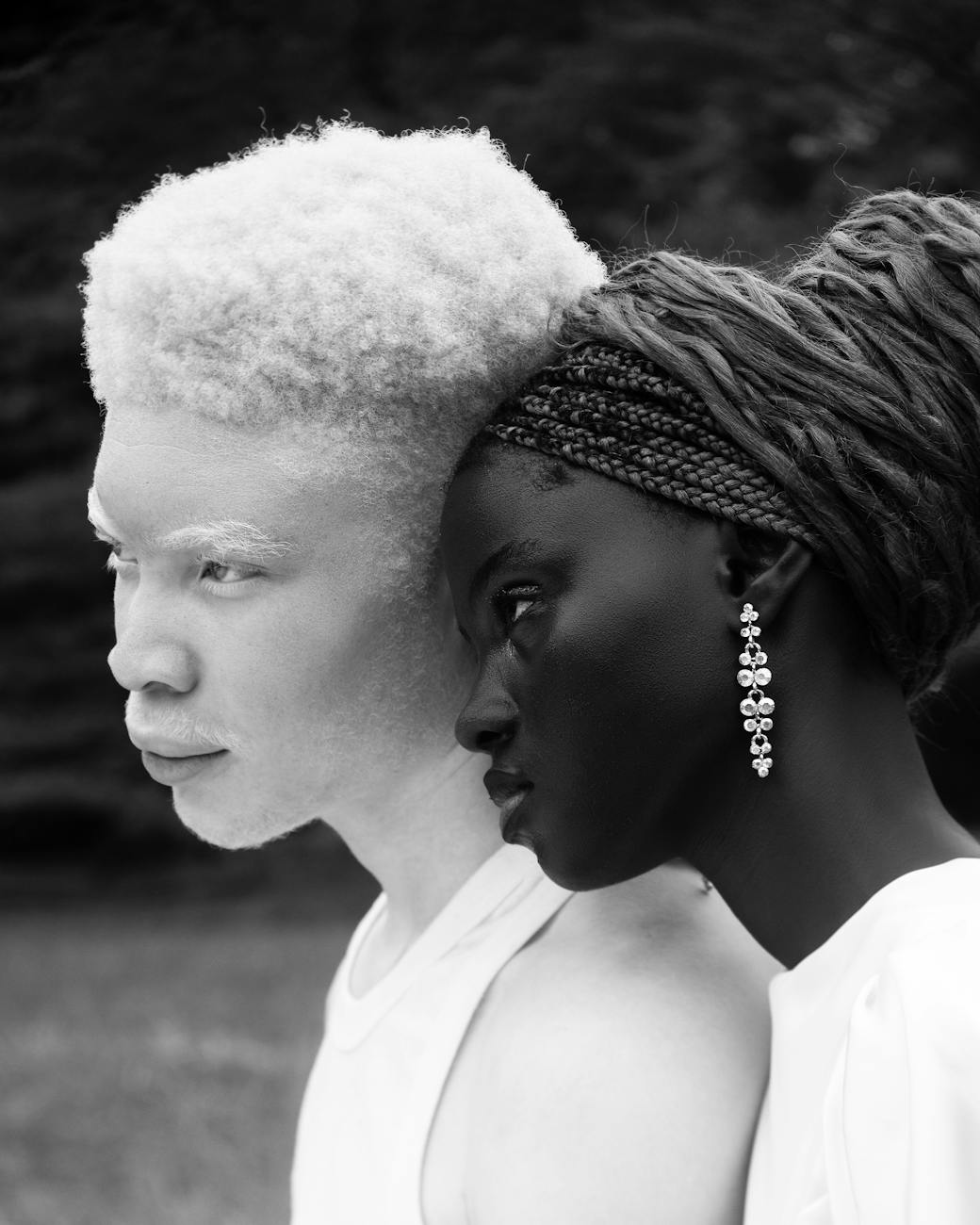
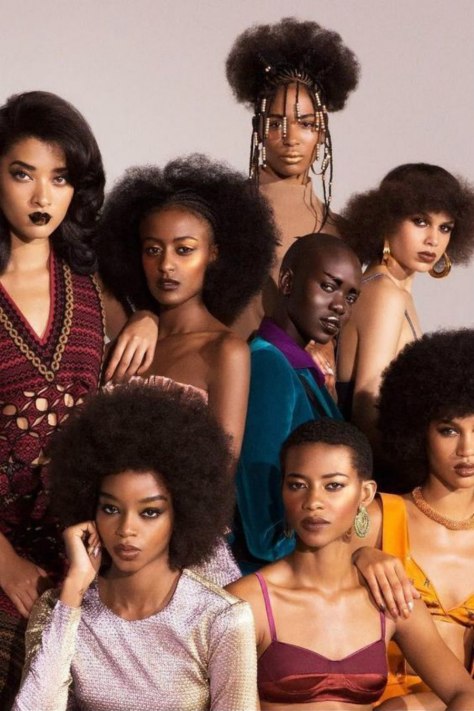
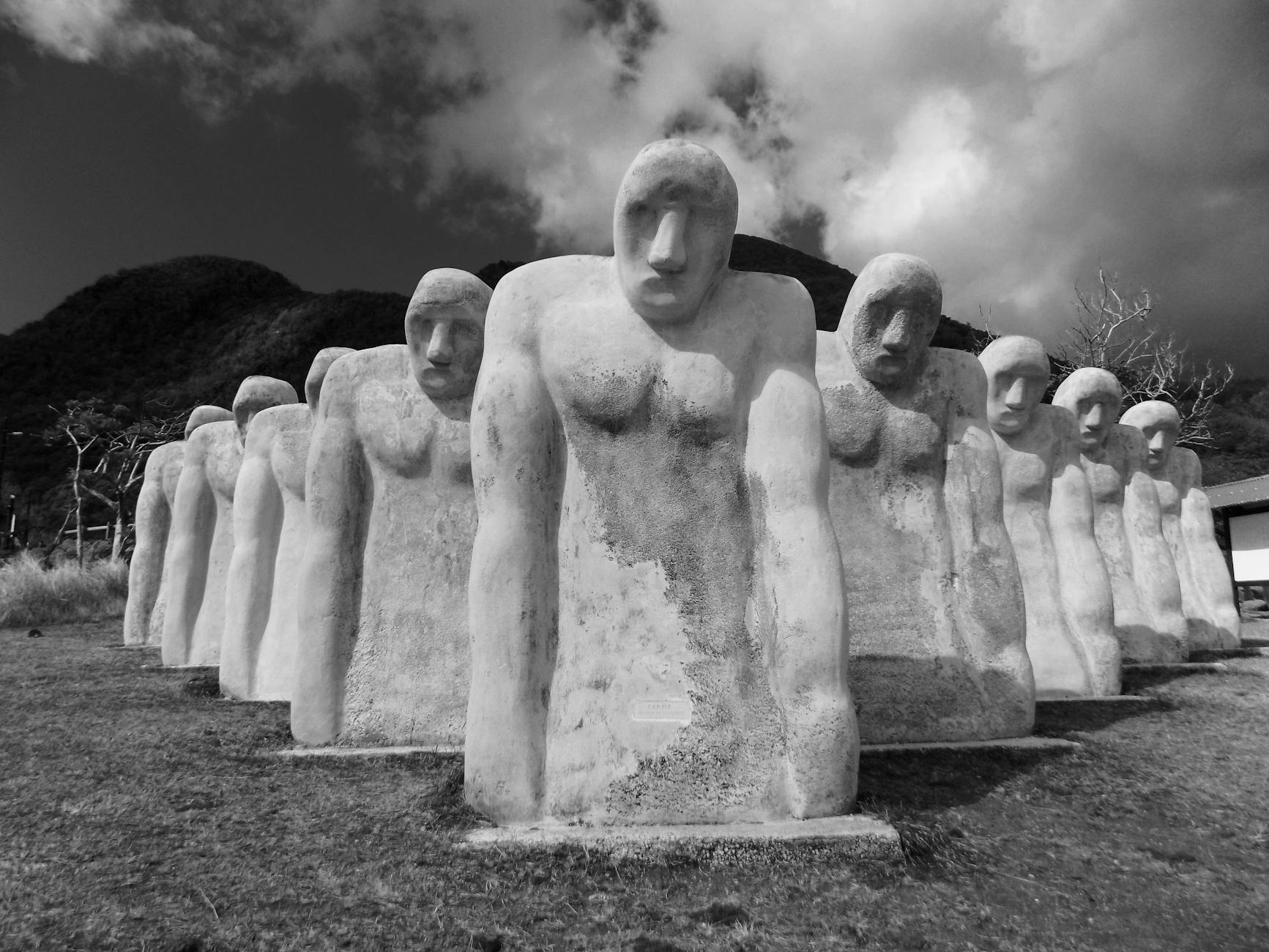

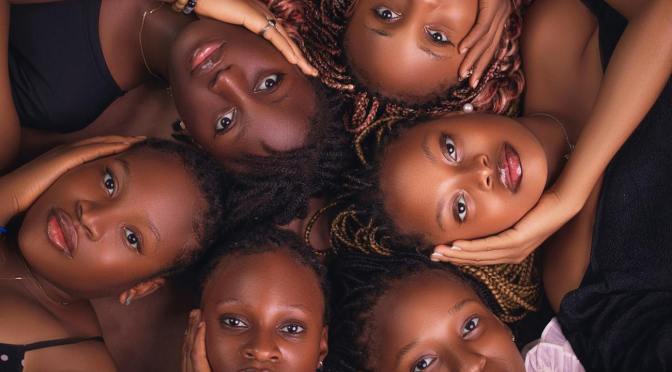

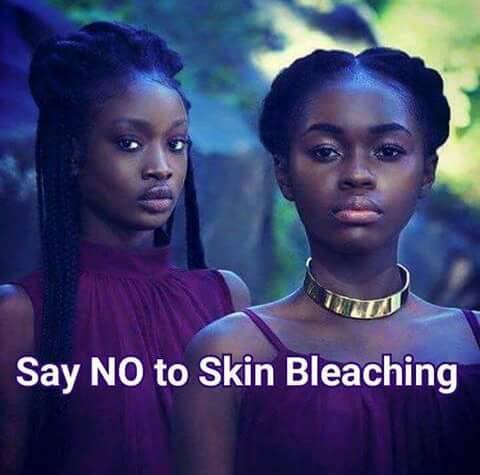
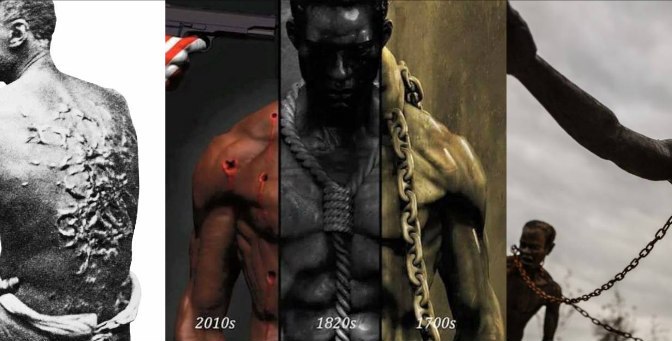
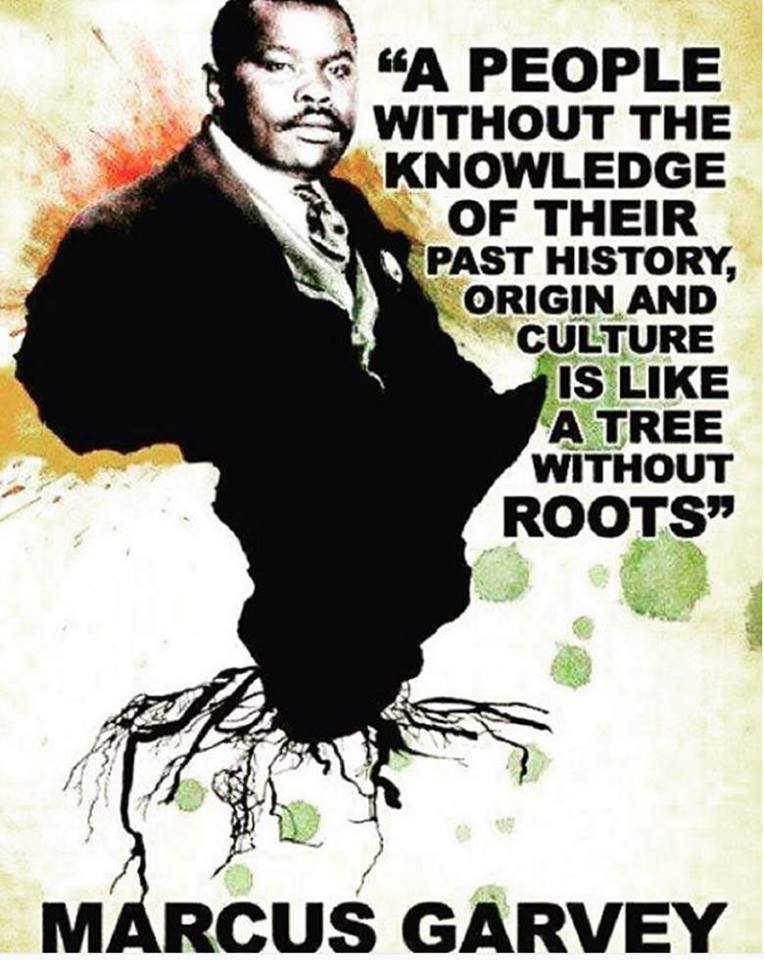
 THE BROWN GIRL DILEMMA