Category Archives: books

The Brown Girl Dilemma Anthology

Essays on Identity, Faith, and Resilience
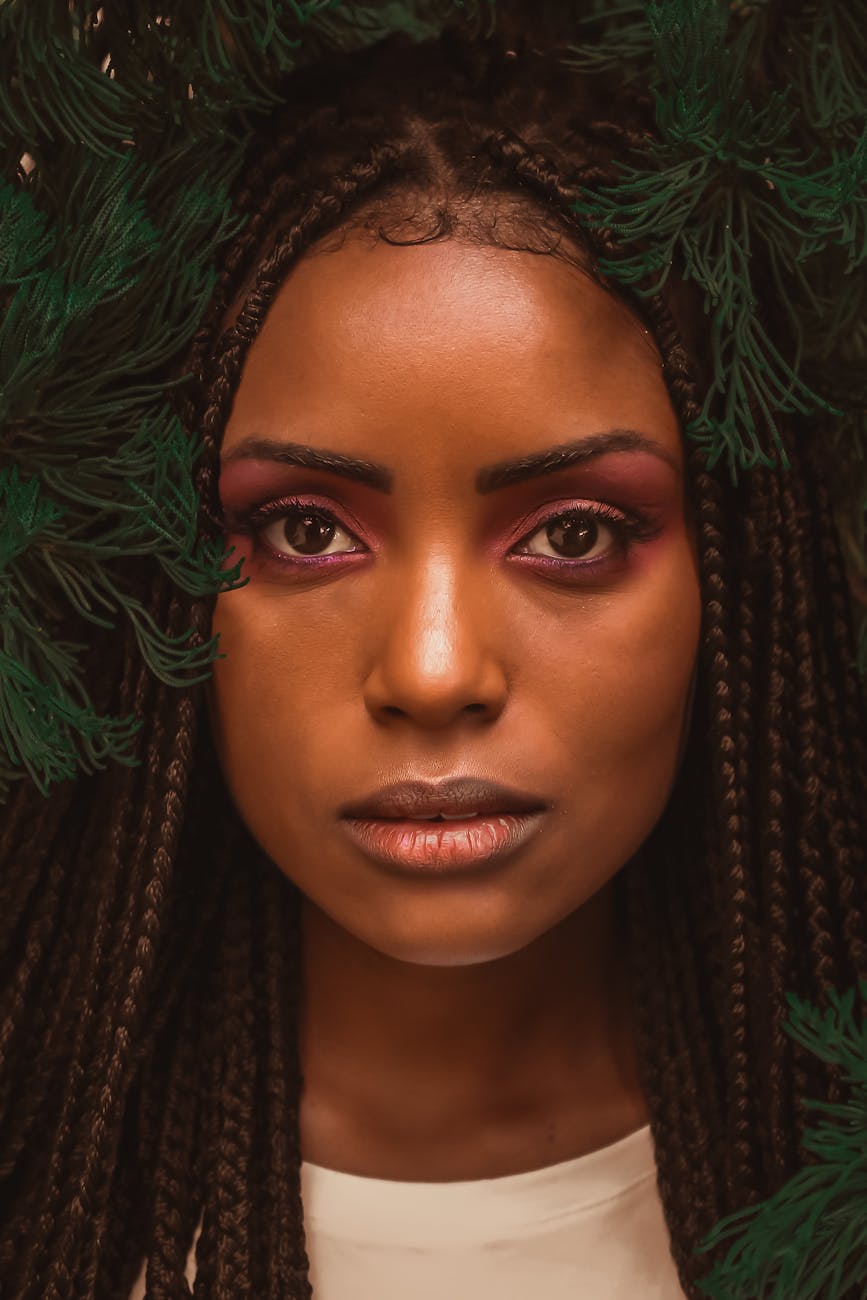
Photo by Matheus Henrin on Pexels.com

Introduction: Naming the Dilemma

The story of the brown girl has too often been told by others—distorted by colonial narratives, diminished by Eurocentric beauty standards, and overshadowed by the structures of white supremacy. To be a brown girl is to exist at the crossroads of invisibility and hyper-visibility, of longing and defiance, of burden and brilliance. Yet, it is also to carry within one’s skin, history, and faith an unshakable strength.

This anthology, The Brown Girl Dilemma, weaves together eight reflections that explore the psychological, theological, and cultural experiences of brown girls. Each essay unpacks a layer of her reality: her struggles, her triumphs, her beauty, her biases, her faith, and her crown. Together, they paint a portrait of resilience and hope, testifying that the brown girl’s story is not merely one of survival but of victory.


Beyond the Mirror: Unpacking the Brown Girl Dilemma
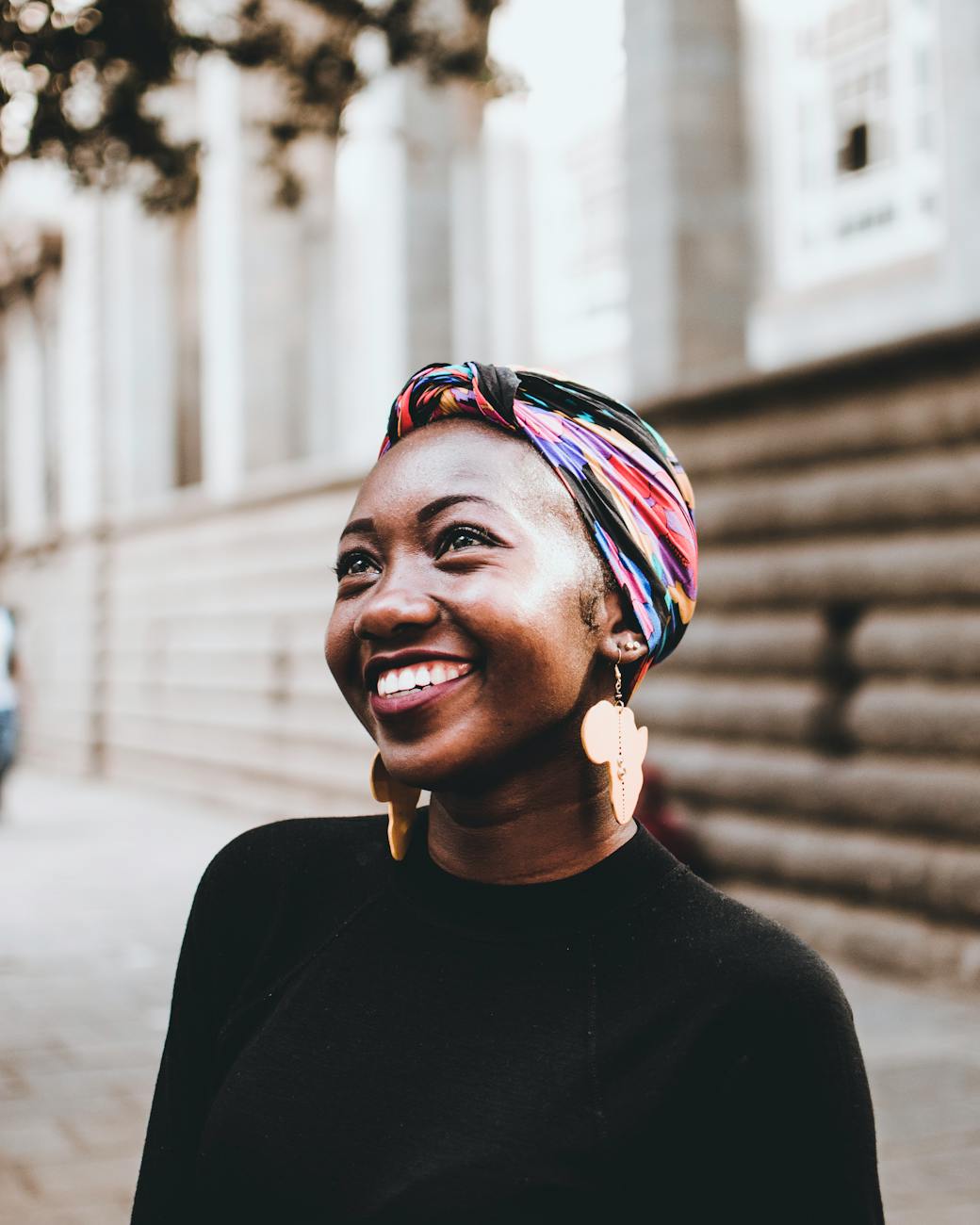
Photo by Mwabonje Ringa on Pexels.com

The mirror often reflects not only one’s face but also the stories society has told about it. For brown girls, the mirror has been a site of battle. From childhood, they have been fed images that elevate whiteness as the pinnacle of beauty while positioning melanin as a flaw (Hunter, 2007). Yet beyond the mirror lies the truth: the brown girl is not a mistake but a masterpiece, fearfully and wonderfully made (Psalm 139:14, KJV). Her dilemma, therefore, is not inherent in her skin but imposed by cultural lies. The work of unpacking begins when she refuses to internalize the distortion, reclaiming the mirror as a site of affirmation rather than shame.


Beauty, Bias, and the Brown Girl Battle

Photo by Megwara Favour on Pexels.com

Beauty is not neutral. It is shaped by bias, wielded as a weapon, and coded into systems that privilege certain shades over others. Colorism—bias within communities of color that favors lighter skin tones—continues to affect employment, marriage prospects, and social mobility (Monk, 2014). The brown girl’s battle is not against her reflection but against these structures of exclusion. Yet resilience emerges when she embraces her natural beauty as sacred. Like the Shulamite woman of Song of Solomon, she can boldly declare: “I am black, but comely” (Song of Solomon 1:5, KJV). Her beauty becomes both resistance and revolution.


Sacred Shades: A Theological Look at the Brown Girl Dilemma
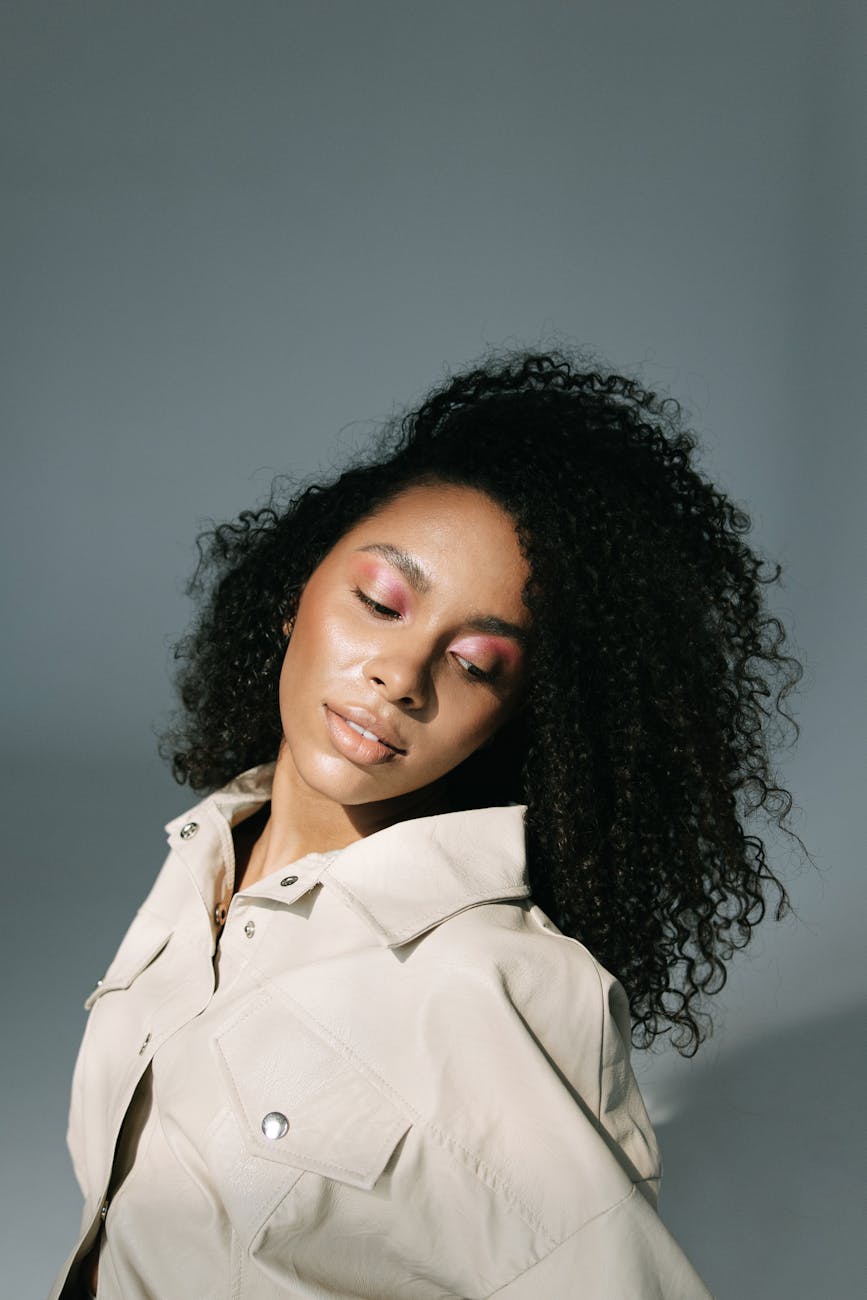
Photo by Ivan Samkov on Pexels.com

Scripture affirms the diversity of creation: “And God saw everything that he had made, and, behold, it was very good” (Genesis 1:31, KJV). Her melanin is no accident—it is sacred. Yet theology has been misused, with distorted readings of texts like the “curse of Ham” weaponized to justify slavery and racism (Goldenberg, 2003). A theological re-examination reveals that the brown girl is not cursed but chosen, not marginalized but mighty. Her shades are not blemishes but blessings, woven intentionally into the divine tapestry.


Brown Skin, Heavy Crown: The Weight of Representation
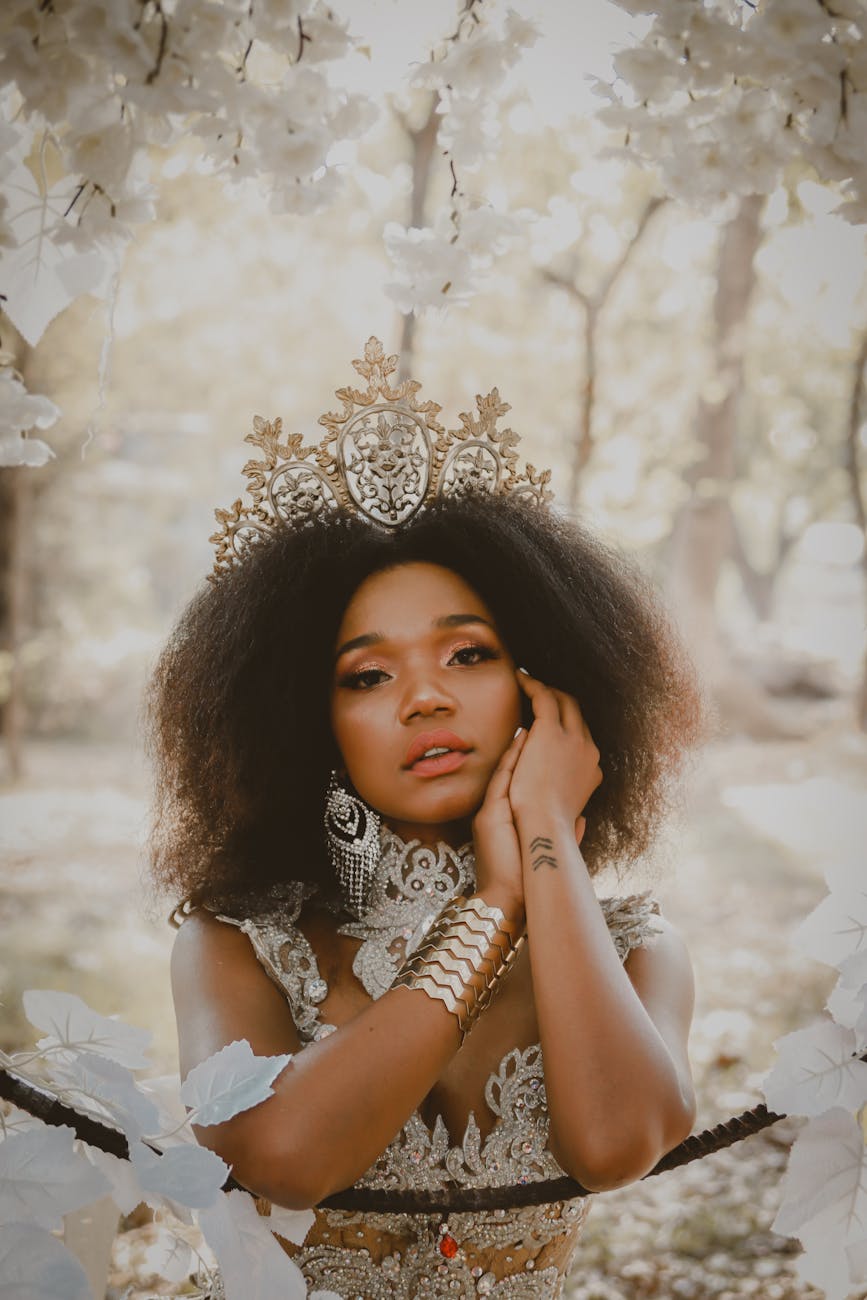
Photo by John Ray Ebora on Pexels.com

Representation is both privilege and burden. The brown girl often carries the pressure of being “the first,” “the only,” or “the token” in schools, workplaces, and media. Research on “tokenism” highlights the psychological toll of being isolated in professional settings (Kanter, 1977). Her crown is heavy because she is asked to stand not just for herself but for her entire community. Yet within this weight lies an opportunity: her very presence disrupts narratives of exclusion. Like Queen Esther, she steps into spaces of power “for such a time as this” (Esther 4:14, KJV), bearing her crown with dignity even when it feels crushing.


Invisible Yet Hyper-Visible: The Brown Girl Paradox
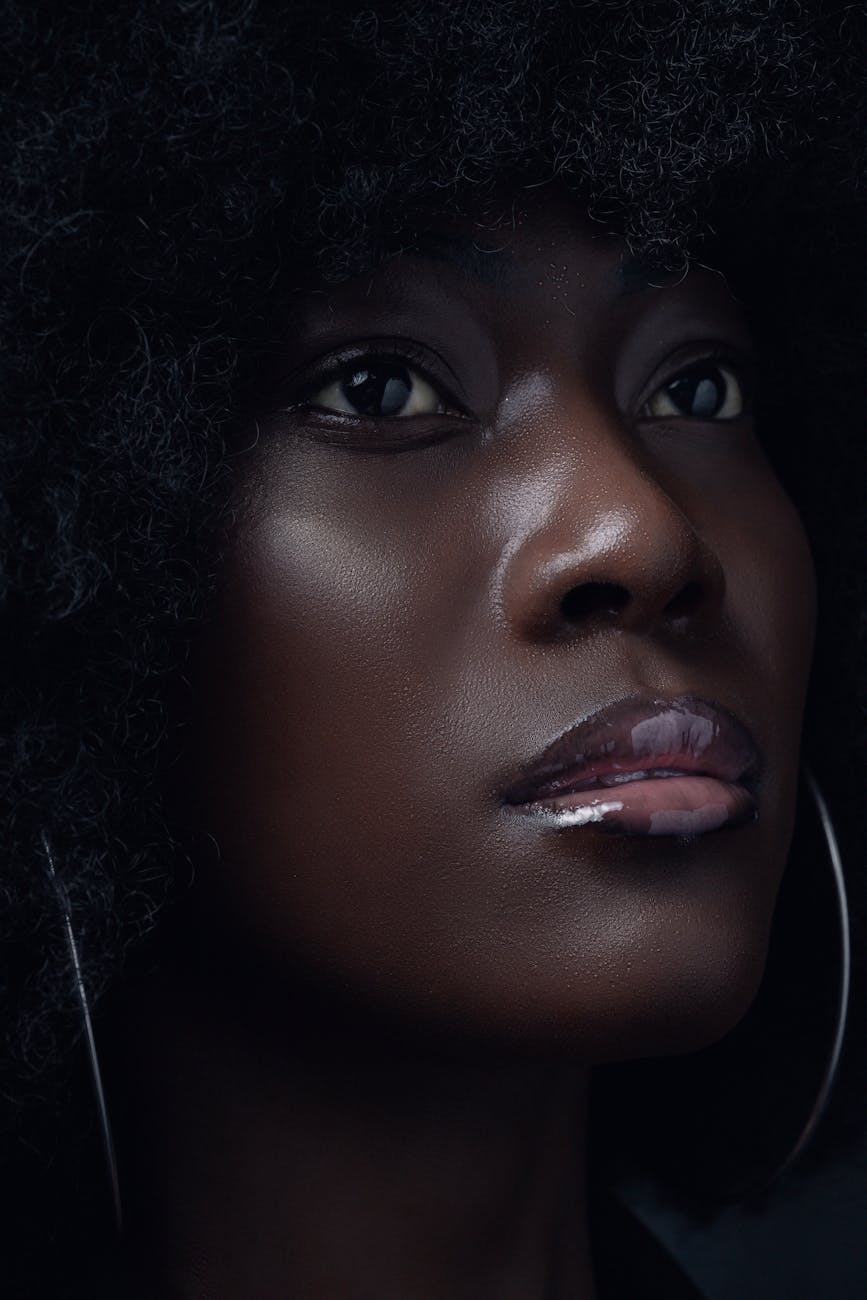
Photo by Jonatan Galvis on Pexels.com

The brown girl’s life is marked by paradox. In many contexts, she is invisible—overlooked in promotions, underrepresented in media, and silenced in public discourse (Collins, 2000). Yet in others, she is hyper-visible—her body fetishized, her features policed, her presence scrutinized. This double-bind echoes W.E.B. Du Bois’ (1903/1994) notion of “double consciousness.” Psychology confirms the strain of such contradictions (Harris-Perry, 2011), but it also testifies to the adaptability born from them. The brown girl learns to navigate invisibility and visibility with wisdom, asserting her presence in spaces that once denied her.


The Skin They Can’t Ignore: Brown Girls in a World of Whiteness
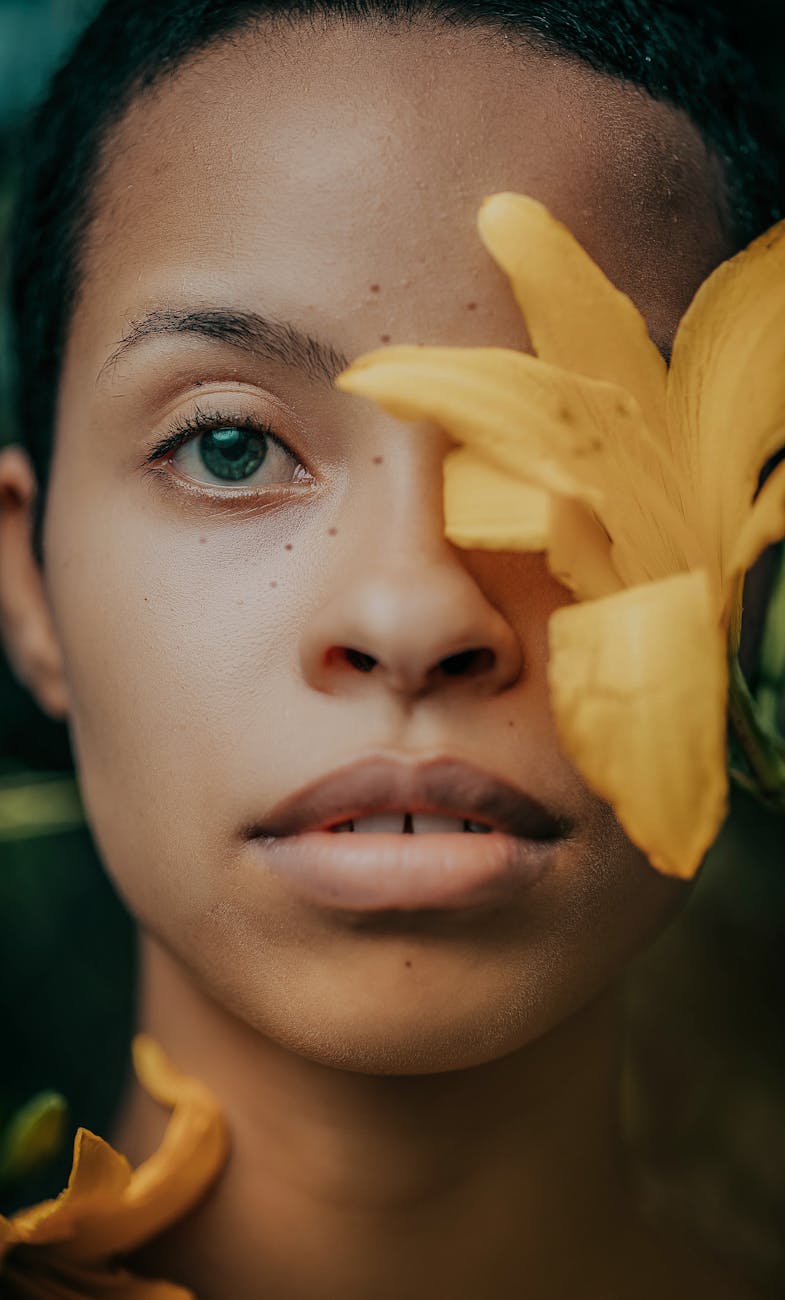
Photo by Bave Pictures on Pexels.com

Despite centuries of erasure, the brown girl’s skin refuses to disappear. From the runways of fashion to the classrooms of academia, from pulpits to parliaments, brown girls are reshaping global narratives (Craig, 2021). Their melanin is a marker of survival, a testimony to ancestors who endured and resisted. The world of whiteness may attempt to silence them, but their skin speaks—a language of resilience, beauty, and truth.


From Colorism to Confidence: Redefining the Brown Girl Dilemma

Photo by Andrea Piacquadio on Pexels.com

The journey from colorism to confidence is neither linear nor easy, but it is necessary. Healing begins when the brown girl rejects society’s scales of worth and embraces her own. Confidence does not erase the pain of exclusion, but it transforms it into power. With each affirmation, each step of self-love, she dismantles the very dilemma that once sought to define her. Psychology shows that affirming racial identity correlates with higher self-esteem and resilience (Sellers et al., 1998). The narrative shifts: she is no longer trapped in the binary of lighter versus darker but liberated in the fullness of her identity.


Shades of Struggle, Shades of Strength: The Brown Girl Experience

Photo by Lucas Pezeta on Pexels.com

The brown girl experience is a tapestry woven with both pain and power. Struggles with racism, sexism, and colorism are undeniable, but so is the strength cultivated through them. History remembers the voices of brown women who transformed struggle into legacy—Sojourner Truth, Audre Lorde, Maya Angelou, and countless unnamed others. Their resilience becomes inheritance, passed down to new generations of brown girls who rise stronger than those before them. Their lives declare that struggle and strength are not opposites but companions.


Conclusion: Rewriting the Dilemma
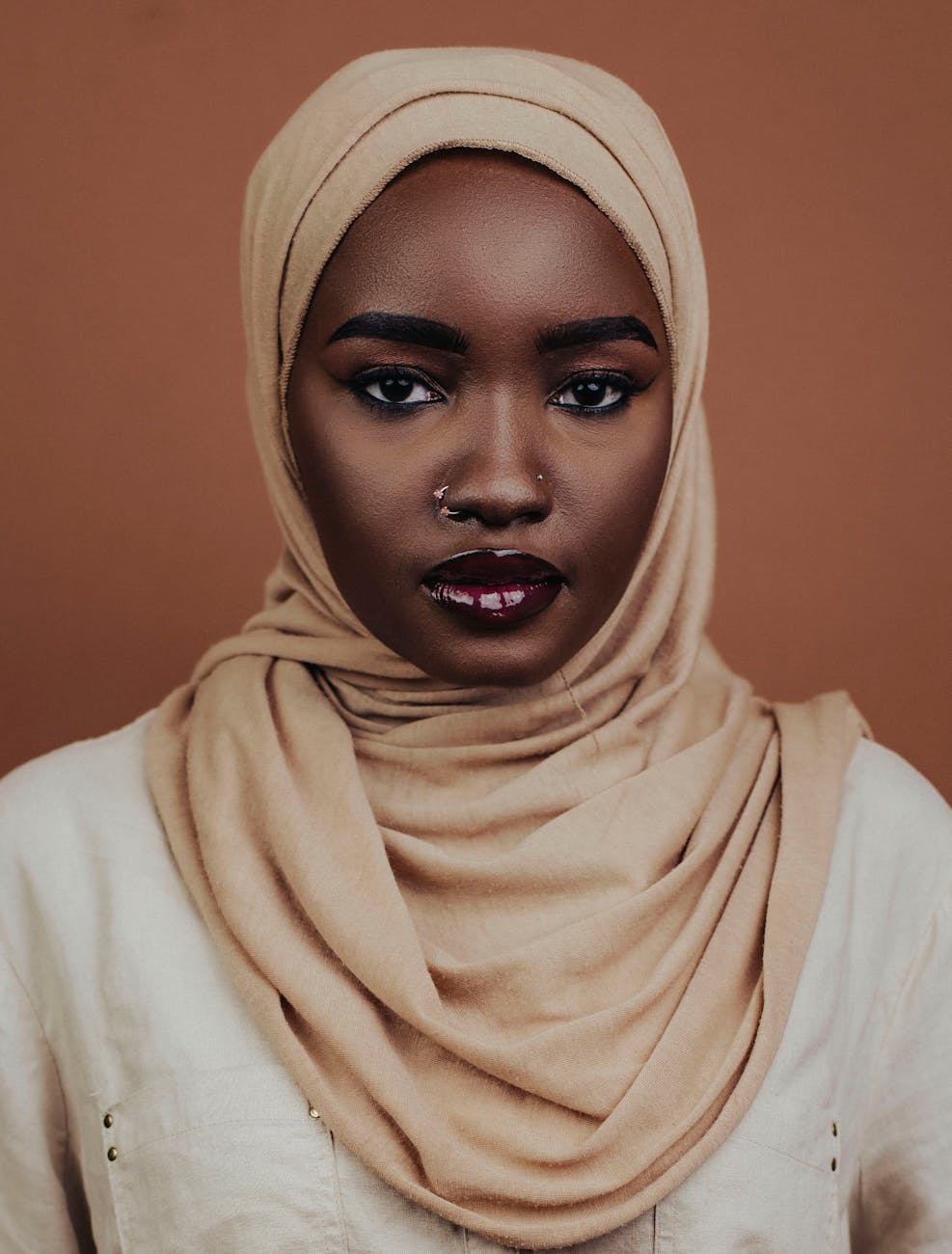
Photo by Darksight Image on Pexels.com

The brown girl dilemma is not an unsolvable riddle—it is a story in the process of being rewritten. Each essay in this anthology testifies to a different dimension of her truth: beauty, bias, theology, representation, paradox, visibility, confidence, and resilience. Together, they reveal that the dilemma was never truly hers but society’s.

The final word belongs to the brown girl herself. She is more than the reflection in the mirror, more than the burden of bias, more than the paradox of presence. She is sacred, crowned, resilient, and radiant. She is a daughter of the Most High, created in His image, carrying both the weight of her history and the brilliance of her destiny. And in her story, we find not only the struggle of brown girls but the strength of all humanity.


References

Collins, P. H. (2000). Black feminist thought: Knowledge, consciousness, and the politics of empowerment. Routledge.

Craig, M. L. (2021). Ain’t I a beauty queen?: Black women, beauty, and the politics of race. Oxford University Press.

Du Bois, W. E. B. (1994). The souls of Black folk. Dover Publications. (Original work published 1903)

Goldenberg, D. M. (2003). The curse of Ham: Race and slavery in early Judaism, Christianity, and Islam. Princeton University Press.

Harris-Perry, M. V. (2011). Sister citizen: Shame, stereotypes, and Black women in America. Yale University Press.

Hunter, M. (2007). The persistent problem of colorism: Skin tone, status, and inequality. Sociology Compass, 1(1), 237–254. https://doi.org/10.1111/j.1751-9020.2007.00006.x

Kanter, R. M. (1977). Men and women of the corporation. Basic Books.

Monk, E. P. (2014). Skin tone stratification among Black Americans, 2001–2003. Social Forces, 92(4), 1313–1337. https://doi.org/10.1093/sf/sou007

Sellers, R. M., Caldwell, C. H., Schmeelk-Cone, K. H., & Zimmerman, M. A. (1998). Racial identity, racial discrimination, perceived stress, and psychological well-being among African American young adults. Journal of Health and Social Behavior, 39(3), 302–314. https://doi.org/10.2307/2676348

The Holy Bible, King James Version.
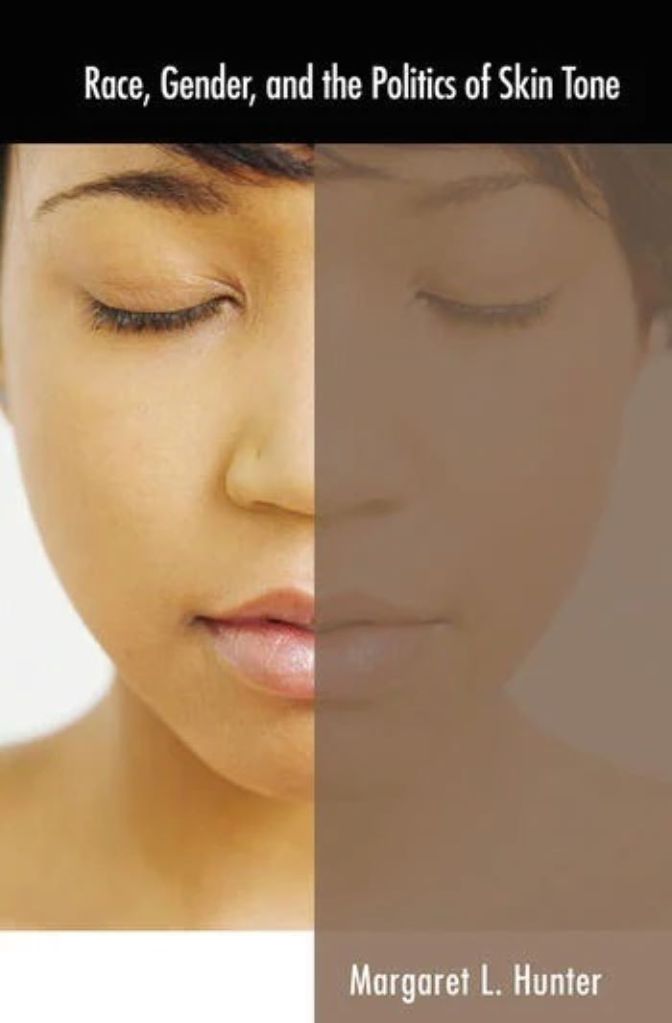
📖Book Review: Race, Gender, and the Politics of Skin Tone by Margaret L. Hunter.

⭐⭐⭐⭐⭐ 5/5 Stars

Race, Gender, and the Politics of Skin Tone

Published in 2005, this book examines how skin tone operates as a system of privilege and discrimination within African American and Mexican American communities. Drawing from in-depth interviews, historical records, and social analysis, Hunter demonstrates how lighter-skinned women often experience greater access to education, employment, and marriage opportunities, while darker-skinned women endure bias, invisibility, and stigmatization. The book situates colorism as both a legacy of colonialism and a persistent barrier to equality in modern society.

Key Points
Hunter highlights several key insights:

  • Historical Foundations: She situates colorism within slavery and colonization, exposing how whiteness and lightness were tied to power.
  • Socioeconomic Disparities: Lighter-skinned women are statistically more likely to access higher-paying jobs, higher levels of education, and “marry up.”
  • Beauty and Body Politics: The text addresses cosmetic pressures, including skin-lightening and surgery to alter facial features, showing how systemic bias reshapes physical identity.
  • Community Paradoxes: Dark-skinned women are often seen as “authentic,” while lighter-skinned women are more widely valued in mainstream society—a painful double standard.

Awards and Reception
Although not listed among mainstream literary award winners, Race, Gender, and the Politics of Skin Tone is regarded as a groundbreaking scholarly text and is widely adopted in college courses on race, gender, sociology, and African American studies. Scholars have praised it for being the first major sociological study to center on colorism across both African American and Mexican American contexts. Its academic influence is measured not in trophies but in citations, class adoptions, and the shaping of future research.

Groundbreaking and Life-Changing Appeal
The book is groundbreaking because it shifts the conversation from race alone to skin tone as an independent and powerful axis of inequality. For readers, it is often life-changing: it validates the lived experiences of women who have faced color-based bias, offering language and evidence where silence once reigned. By connecting personal testimony to systemic inequality, Hunter’s work affirms that the struggles surrounding beauty, identity, and skin tone are not individual failings but social constructions that must be dismantled.

Comparison with Other Works on Colorism
Hunter’s work stands alongside other landmark texts in the study of colorism. For example, Russell, Wilson, and Hall’s The Color Complex (1992, revised 2013) offered one of the earliest explorations of colorism in Black communities, focusing on the psychological effects of shade hierarchies. While The Color Complex is accessible and widely read, Hunter builds on this foundation with a more rigorous sociological methodology and a comparative lens that includes Mexican American experiences. Similarly, Melissa V. Harris-Perry’s Sister Citizen (2011) examines stereotypes and identity struggles of Black women in politics and culture; however, Hunter’s work is narrower in scope, diving deeply into skin tone stratification. Together, these books complement each other—The Color Complex exposing cultural wounds, Race, Gender, and the Politics of Skin Tone providing sociological depth, and Sister Citizen situating those struggles in broader systems of power.

Cultural and Media References
Though exact counts of media and blog citations are difficult to track, Hunter’s book is heavily referenced in academic articles, blogs on colorism, and grassroots discussions about skin tone politics. It frequently appears in bibliographies of colorism studies and has influenced cultural commentary from scholarly circles to online forums. Its resonance lies not only in academia but also in popular conversations about beauty, identity, and racial equity.

Author Bio
Margaret L. Hunter, a distinguished sociologist and professor, is widely recognized for her pioneering scholarship on race, gender, and inequality. Her academic career and cultural analyses have cemented her reputation as one of the leading voices on the study of colorism. As a faculty member at Loyola Marymount University and later at Mills College, Hunter has built her career on amplifying the voices of marginalized communities, specifically African American and Mexican American women.

Conclusion
Hunter’s Race, Gender, and the Politics of Skin Tone stands as one of the most significant works on colorism to date. Compared to The Color Complex and Sister Citizen, it represents the sociological anchor of colorism studies: data-driven, intersectional, and cross-cultural. It offers both a mirror—revealing the painful realities of shade bias—and a compass, pointing toward new ways of affirming beauty and worth beyond oppressive hierarchies. For scholars, activists, and readers seeking understanding, it remains a 5-star, essential text that is as relevant today as when it was first published.


References

Craig, M. L. (2002). Ain’t I a Beauty Queen?: Black Women, Beauty, and the Politics of Race. Oxford University Press.

Glenn, E. N. (2008). Yearning for lightness: Transnational circuits in the marketing and consumption of skin lighteners. Gender & Society, 22(3), 281–302.

Hunter, M. (2005). Race, Gender, and the Politics of Skin Tone. Routledge.

Keith, V. M., & Herring, C. (1991). Skin tone and stratification in the Black community. American Journal of Sociology, 97(3), 760–778.

Russell, K., Wilson, M., & Hall, R. (2013). The Color Complex: The Politics of Skin Color in a New Millennium. Anchor Books.

Harris-Perry, M. V. (2011). Sister Citizen: Shame, Stereotypes, and Black Women in America. Yale University Press.

Black Women and Representation in Literature. #BlackWomenAuthors

Photo by Thought Catalog on Pexels.com

Representation matters. The stories we tell and the voices we amplify shape culture, identity, and self-worth. For centuries, literature often marginalized or misrepresented Black women, reducing them to stereotypes or erasing their experiences entirely. Yet, Black women writers and literary characters have fought to reclaim narrative space, offering authentic portrayals that celebrate resilience, intellect, and cultural identity. Their contributions illuminate the power of literature and the profound importance of representation.

During slavery and the post-emancipation era, Black women were frequently depicted through harmful stereotypes, such as the “mammy,” the “jezebel,” or the “tragic mulatto,” which reinforced social hierarchies and dehumanized Black women. Despite systemic erasure, their stories persisted through oral histories, spirituals, and later written works, preserving cultural memory and lived experience. Early literary trailblazers such as Phillis Wheatley, the first published African American poet, and Harriet E. Wilson, the first African American woman to publish a novel, broke barriers in the 18th and 19th centuries. Their works challenged prevailing racial and gender norms, providing insight into the intellect, faith, and resilience of Black women under oppression.

The Harlem Renaissance further elevated Black women’s voices in literature. Zora Neale Hurston, through works like Their Eyes Were Watching God and Mules and Men, celebrated the journey of self-discovery and the richness of Black Southern culture. Nella Larsen, author of Passing and Quicksand, explored the complexities of racial identity, colorism, and societal expectations. These writers foregrounded Black women’s experiences, challenging the silence and stereotypes imposed by mainstream literature.

Contemporary Black women writers continue this tradition with extraordinary impact. Toni Morrison, through novels like The Bluest Eye, Beloved, and Song of Solomon, explored the legacy of slavery, trauma, and cultural memory, portraying Black womanhood with depth and nuance. Alice Walker, in The Color Purple, celebrates female solidarity, spirituality, and self-realization amidst oppression. Audre Lorde and bell hooks interrogated the intersections of race, gender, and class, with works such as Sister Outsider and Ain’t I a Woman? providing insight into feminism, activism, and liberation.

Authors like Chimamanda Ngozi Adichie, with Purple Hibiscus, Americanah, and Half of a Yellow Sun, explore immigration, identity, and cultural displacement, while Roxane Gay, in Bad Feminist and Hunger, addresses trauma, body image, and social critique. Jesmyn Ward’s Salvage the Bones and Sing, Unburied, Sing depict resilience and family in the American South, and Nikki Giovanni’s poetry emphasizes love, community, and empowerment. Science fiction and Afrofuturism have also been reshaped by Black women writers like Octavia E. Butler (Kindred, Parable of the Sower) and Nnedi Okorafor (Binti, Who Fears Death), who explore race, gender, and identity within imaginative worlds. Claudia Rankine’s Citizen: An American Lyric examines contemporary racism and microaggressions, bridging literature and social consciousness. Misty Copeland, while primarily a ballet trailblazer, also contributes to cultural narratives around representation and excellence in artistic literature.

🌟 Trailblazers in Literature: Black Women Who Shaped the Narrative

Phillis Wheatley (1753–1784)Poems on Various Subjects, Religious and Moral
Themes: Faith, intellect, early African American identity, resilience.

Harriet E. Wilson (1825–1900)Our Nig
Themes: Slavery, race, gender, survival in Northern society.

Zora Neale Hurston (1891–1960)Their Eyes Were Watching God, Mules and Men
Themes: Self-discovery, folklore, Southern Black culture, female empowerment.

Nella Larsen (1891–1964)Passing, Quicksand
Themes: Racial identity, colorism, gender, societal expectations.

Toni Morrison (1931–2019)The Bluest Eye, Beloved, Song of Solomon
Themes: Slavery, trauma, Black womanhood, cultural memory.

Alice Walker (b. 1944)The Color Purple
Themes: Oppression, female solidarity, self-realization, spirituality.

Audre Lorde (1934–1992)Sister Outsider, Zami: A New Spelling of My Name
Themes: Intersectionality, feminism, sexuality, activism.

bell hooks (1952–2021)Ain’t I a Woman?, Feminist Theory: From Margin to Center
Themes: Gender, race, love, liberation, cultural critique.

Chimamanda Ngozi Adichie (b. 1977)Purple Hibiscus, Americanah, Half of a Yellow Sun
Themes: Immigration, identity, feminism, cultural displacement.

Roxane Gay (b. 1974)Bad Feminist, Hunger
Themes: Body image, trauma, race, feminism, social critique.

Jesmyn Ward (b. 1977)Salvage the Bones, Sing, Unburied, Sing
Themes: Family, poverty, grief, Southern Black life, resilience.

Nikki Giovanni (b. 1943)Black Feeling, Black Talk, Black Judgment, Love Poems
Themes: Civil rights, love, community, empowerment.

Octavia E. Butler (1947–2006)Kindred, Parable of the Sower
Themes: Science fiction, social justice, race, human morality.

Claudia Rankine (b. 1963)Citizen: An American Lyric
Themes: Racism, microaggressions, identity, social consciousness.

Nnedi Okorafor (b. 1974)Binti, Who Fears Death
Themes: Afrofuturism, African culture, female empowerment, identity.

Literary representation has profound effects on identity and self-perception. Seeing multidimensional Black women as authors and characters empowers readers to value their intellect, creativity, and beauty. Psychological research demonstrates that positive representation strengthens self-efficacy, reduces internalized bias, and fosters a sense of belonging. Literature also provides a platform for exploring the intersection of faith, resilience, and cultural pride. Biblical principles affirm dignity and divine purpose, as Psalm 139:14 reminds us: “I am fearfully and wonderfully made” (KJV), emphasizing that worth is inherent and divinely assigned rather than dictated by societal bias.

Despite the remarkable achievements of Black women writers, challenges persist. Underrepresentation in mainstream publishing, limited critical recognition, and pressures to conform to marketable stereotypes continue to restrict opportunities. Advocacy for inclusive publishing, mentorship, and the celebration of authentic Black women’s voices remains crucial. Organizations such as the National Black Writers Conference and collectives like We Need Diverse Books provide mentorship, visibility, and resources, fostering a community that values authenticity and excellence.

Black women’s representation in literature is essential for cultural understanding, personal empowerment, and social justice. From Phillis Wheatley to Roxane Gay, Zora Neale Hurston to Chimamanda Ngozi Adichie, Black women writers have resisted erasure, reclaimed narratives, and inspired generations through their artistry and insight. Their stories affirm identity, challenge oppression, and celebrate the intellectual, spiritual, and cultural richness of Black womanhood.


References

  • West, C. (1995). Mammy, Jezebel, Sapphire, and Other Stereotypes: Black Women in Literature. Journal of African American Studies, 1(1), 45–60.
  • Tajfel, H., & Turner, J. C. (1986). The social identity theory of intergroup behavior. In S. Worchel & W. G. Austin (Eds.), Psychology of intergroup relations (pp. 7–24). Nelson-Hall.
  • Morrison, T. (1970). The Bluest Eye. Holt, Rinehart & Winston.
  • Hurston, Z. N. (1937). Their Eyes Were Watching God. J. B. Lippincott.
  • Walker, A. (1982). The Color Purple. Harcourt.
  • Adichie, C. N. (2013). Americanah. Knopf.