Category Archives: bollywood

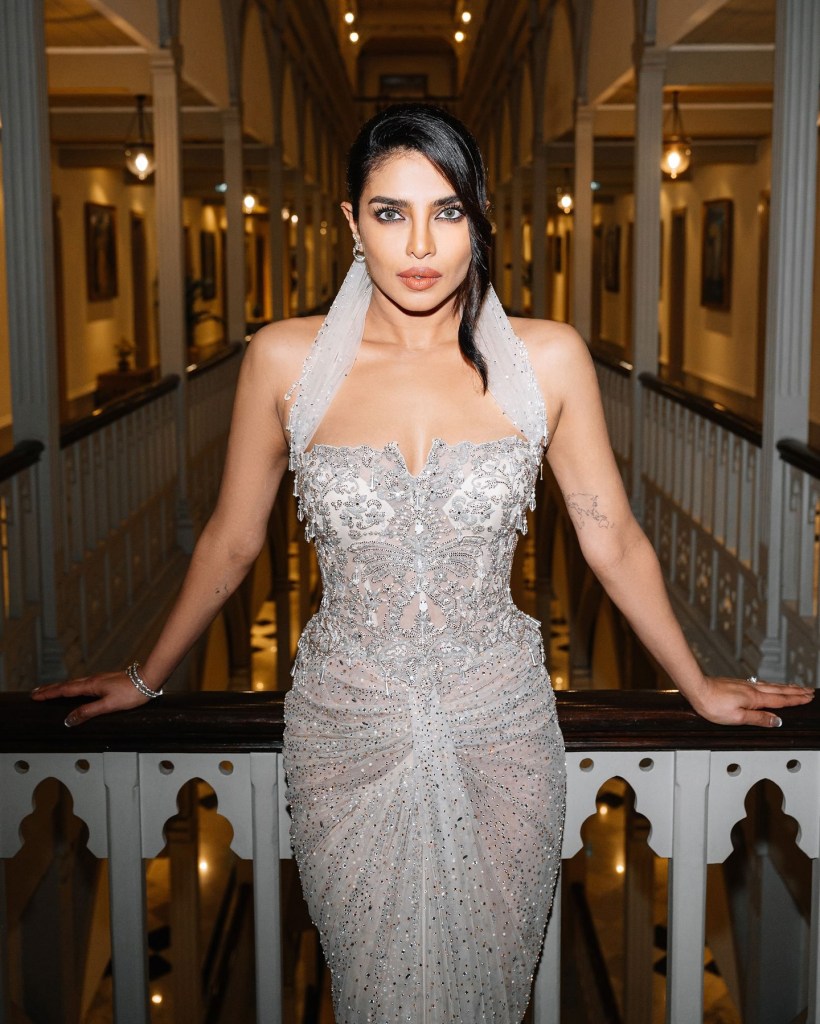
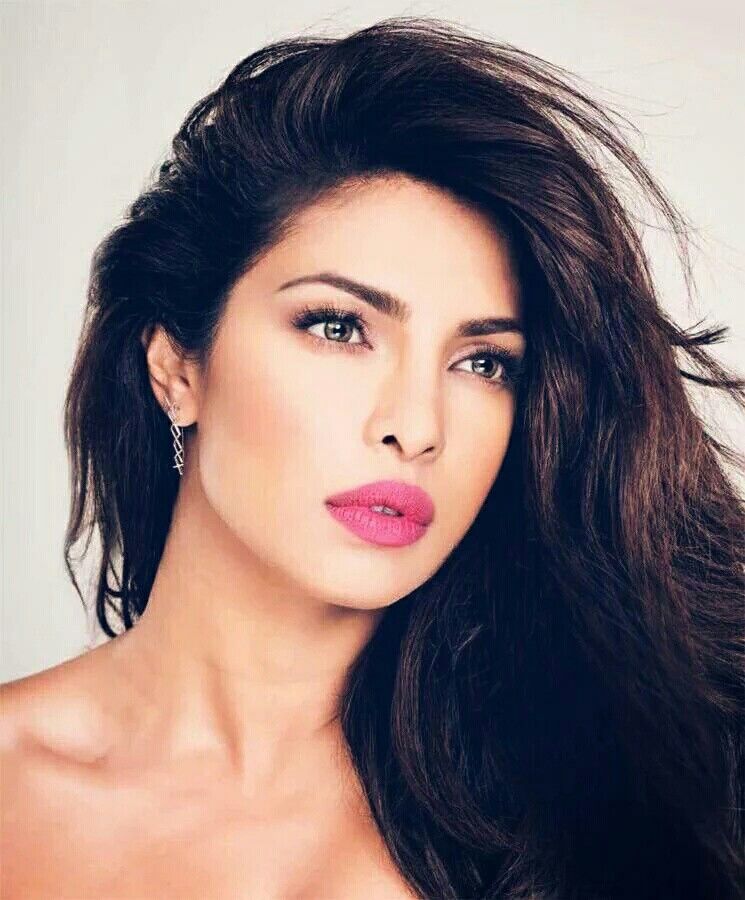
The Indian Dolls: Priyanka Chopra Jonas

This photograph is the property of its respective owner. No copyright infringement intended.

Priyanka Chopra Jonas is one of the most celebrated figures to emerge from India’s entertainment industry and transition successfully into Hollywood. Known for her mesmerizing beauty, intelligence, and fierce determination, she has transcended cultural and cinematic boundaries, becoming a symbol of global Indian excellence. With her captivating eyes, flawless features, and commanding presence, Chopra embodies the allure of what many describe as the “exotic Indian beauty” — timeless, radiant, and powerful.

Born on July 18, 1982, in Jamshedpur, Bihar (now Jharkhand), India, Priyanka Chopra grew up in an army household, which meant constant relocation and exposure to diverse cultures across India. This nomadic upbringing shaped her adaptability and confidence. Educated in both India and the United States, she was a bright student who initially aspired to study engineering or psychiatry. Her life took a dramatic turn when she entered the world of beauty pageants, ultimately capturing the Miss World crown in 2000 — a victory that catapulted her into the spotlight overnight.
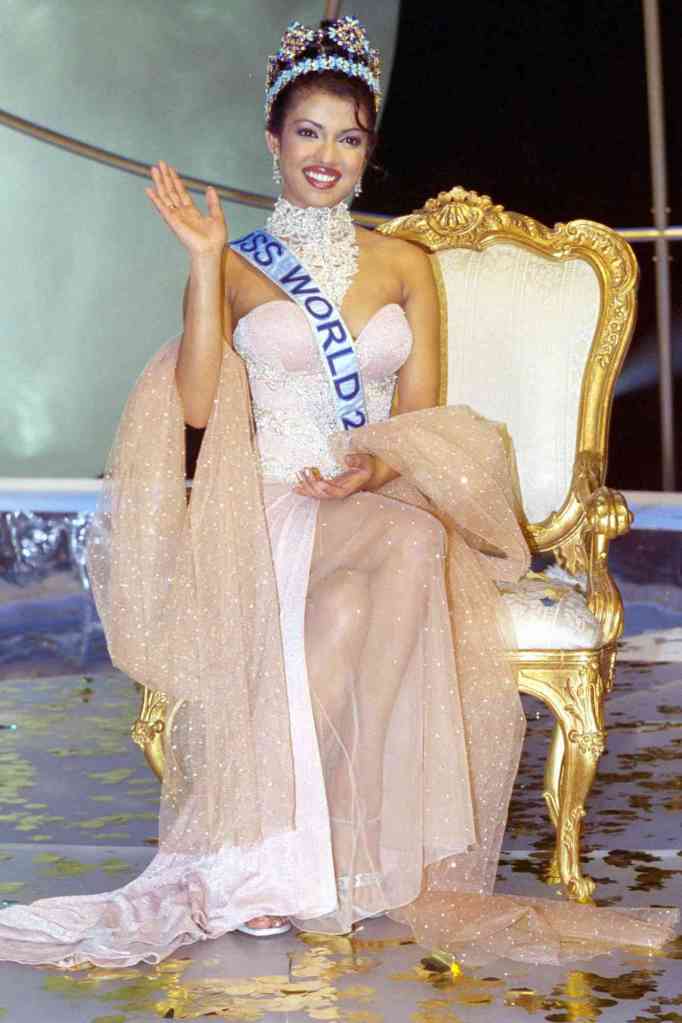
This photograph is the property of its respective owner. No copyright infringement intended.

Her Miss World win marked the beginning of an illustrious career. Priyanka’s beauty was often described as “regal yet approachable,” her almond-shaped brown eyes often noted as her most striking feature. In India, she was hailed as a national treasure — the perfect blend of modernity and tradition. The Bollywood industry quickly embraced her, recognizing not only her looks but also her immense potential as a performer.

Priyanka’s entry into Bollywood began with the 2003 film The Hero: Love Story of a Spy, followed by her breakout performance in Andaaz (2003), for which she won the Filmfare Award for Best Female Debut. Her versatility became evident as she took on diverse roles, from romantic comedies to action thrillers. Audiences admired her charisma and screen presence, describing her as both glamorous and grounded — a rare combination in the Indian film industry.

The year 2008 marked a turning point in her career with Fashion, directed by Madhur Bhandarkar. Playing the role of Meghna Mathur, a small-town girl navigating the ruthless world of high fashion, Priyanka delivered one of the most powerful performances of her career. The film not only won critical acclaim but also earned her the National Film Award for Best Actress, solidifying her position as one of Bollywood’s finest talents.
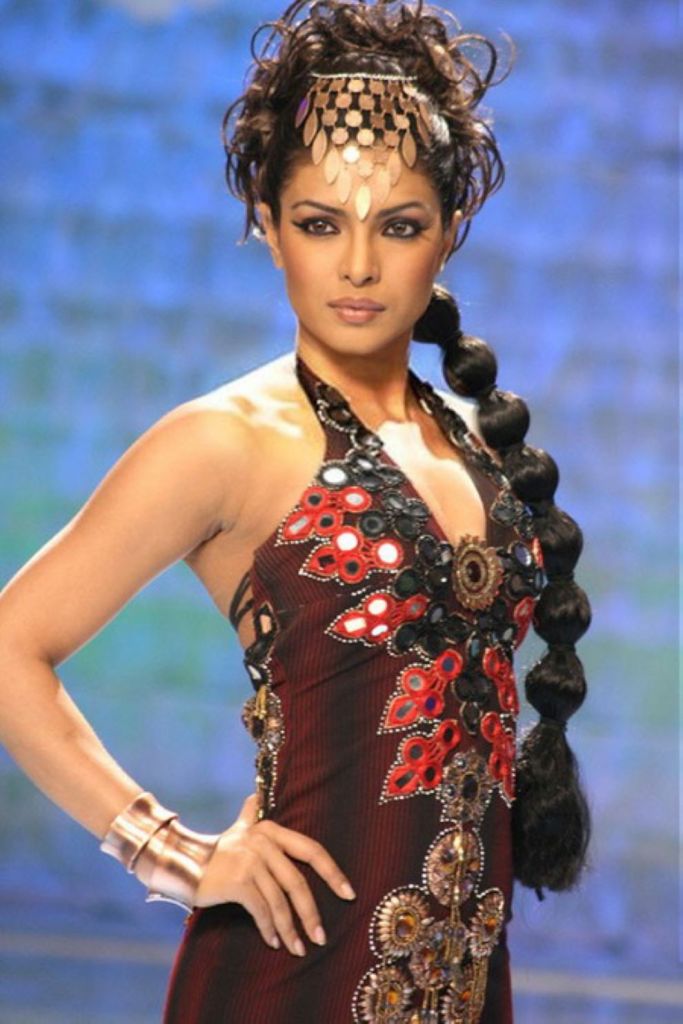
Fashion 2008. This photograph is the property of its respective owner. No copyright infringement intended.

Her portrayal in Fashion was hailed as bold and transformative. Critics praised her for breaking stereotypes about female-led films in India. It was a defining moment that proved she was not just another beauty queen but a serious actress capable of carrying a film on her shoulders. Fashion also symbolized her personal philosophy — to reinvent herself continuously and rise stronger from every fall.

Following Fashion, Chopra delivered memorable performances in films such as Kaminey (2009), 7 Khoon Maaf (2011), Barfi! (2012), and Mary Kom (2014). Her ability to embody a wide range of characters earned her several awards, including five Filmfare Awards and numerous international honors. In Barfi!, she portrayed an autistic woman with depth and sensitivity, earning global recognition for her emotional range and commitment to complex roles.

Priyanka’s ambition extended beyond Bollywood. In 2015, she made history as the first South Asian woman to headline an American television series, starring as Alex Parrish in ABC’s Quantico. The role showcased her strength, intelligence, and allure to a global audience, earning her the People’s Choice Award — another first for an Indian actress. Her transition to Hollywood was seen as groundbreaking, symbolizing a cultural bridge between East and West.
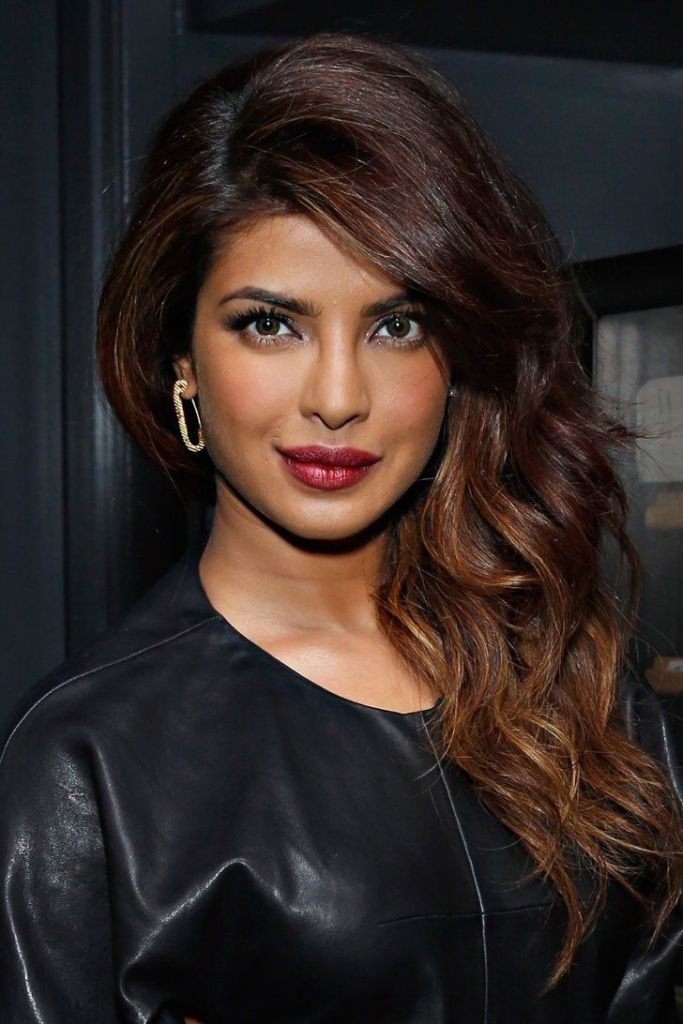
This photograph is the property of its respective owner. No copyright infringement intended.

In Hollywood, she continued to expand her repertoire with roles in films like Baywatch (2017), Isn’t It Romantic (2019), and The Matrix Resurrections (2021). Priyanka’s success in both industries demonstrated her adaptability and tenacity. Hollywood insiders often described her as a “global powerhouse” — an artist who commands attention not merely for her looks, but for her intelligence and presence.

Priyanka’s beauty remains one of her most discussed attributes. Her skin tone, eyes, and classic features have inspired discussions on representation and inclusivity in Western media. She has often used her platform to challenge stereotypes about Indian women and advocate for diversity in entertainment. Her elegance and confidence have made her a red-carpet favorite at the Met Gala, the Oscars, and Cannes.

Her love story with American singer Nick Jonas captivated the world. The couple first met in 2017 at the Vanity Fair Oscars afterparty, where Jonas reportedly fell in love at first sight. After a year of dating, they married in December 2018 in a lavish ceremony at the Umaid Bhawan Palace in Jodhpur, blending Hindu and Christian traditions. Their union was celebrated globally as a symbol of cultural harmony and modern love.
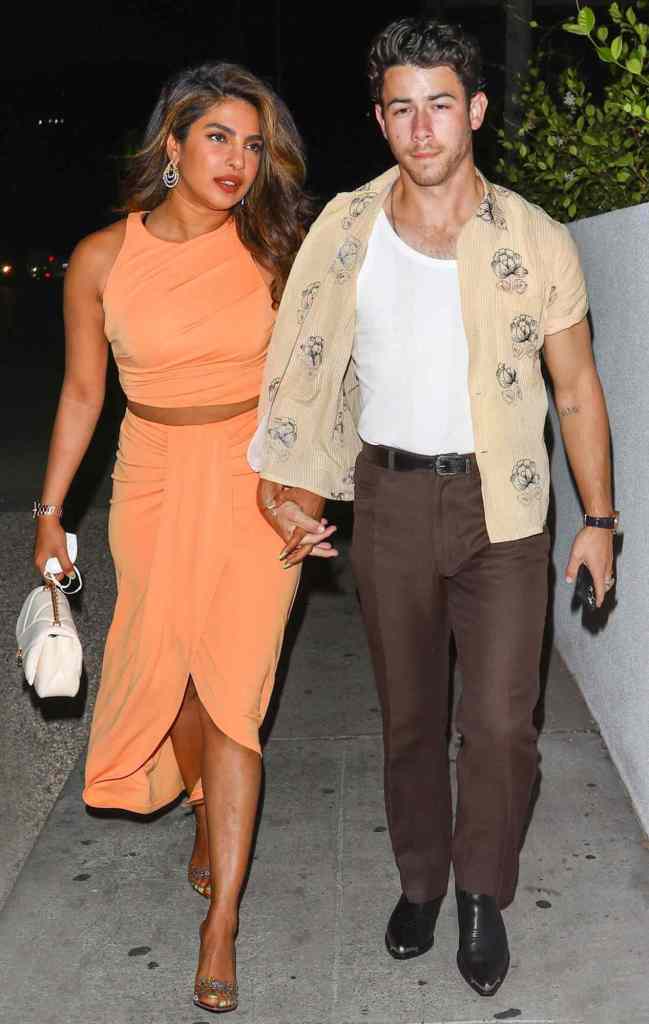
This photograph is the property of its respective owner. No copyright infringement intended.

The Chopra-Jonas marriage also sparked widespread admiration for how the couple balances their cultural differences with mutual respect. Nick Jonas often praises Priyanka’s intelligence, work ethic, and sense of humor, while she affectionately calls him her “cheerleader.” Together, they represent a merging of East and West, tradition and modernity.

Priyanka’s influence extends beyond film. She has been a UNICEF Goodwill Ambassador since 2010, advocating for children’s rights, gender equality, and education. Her humanitarian work reflects the same passion and discipline she brings to her acting career. In 2016, Time magazine named her one of the 100 most influential people in the world, and Forbes consistently listed her among the highest-paid actresses globally.

Her entrepreneurial ventures include her haircare brand Anomaly, which emphasizes clean beauty and inclusivity. She is also a published author; her memoir Unfinished (2021) offers an intimate look into her journey, struggles, and triumphs. The book became a bestseller, further cementing her status as a multifaceted global figure.

In both Bollywood and Hollywood, people describe Priyanka as disciplined, ambitious, and fearless. Industry peers admire her for breaking barriers and representing India on a world stage with dignity. In Bollywood, she is remembered as one of the last true “movie stars,” while in Hollywood, she is respected as a cultural trailblazer.

Priyanka’s career has redefined what it means to be an Indian actress in a globalized world. Her ability to navigate different cultures, languages, and cinematic traditions makes her one of the most versatile and influential artists of her generation. She stands as a beacon for women of color striving to succeed in industries historically dominated by Western ideals of beauty and stardom.

Beyond fame, Priyanka remains grounded in her roots. She frequently expresses pride in her Indian heritage and continues to celebrate her culture through fashion, film, and philanthropy. Her journey from Miss World to international superstar illustrates the power of resilience, reinvention, and purpose.

Today, Priyanka Chopra Jonas represents far more than glamour — she symbolizes empowerment, diversity, and global unity. Her beauty may have opened doors, but it is her determination, intelligence, and heart that keep them open. Through her art, activism, and authenticity, she continues to inspire millions around the world. Priyanka Chopra is often described metaphorically as an “Indian doll” because of her striking beauty, polished poise, and global elegance—qualities that blend classical Indian femininity with modern cosmopolitan power. The term, when used respectfully, reflects admiration for her refined features, expressive eyes, symmetrical face, and statuesque presence that photographs and films with remarkable grace.

References

  • Bhandarkar, M. (Director). (2008). Fashion [Film]. UTV Motion Pictures.
  • Chopra Jonas, P. (2021). Unfinished: A Memoir. Ballantine Books.
  • Filmfare Awards Archives. (2024). Priyanka Chopra Jonas Awards and Nominations. Filmfare.
  • TIME Magazine. (2016). 100 Most Influential People: Priyanka Chopra.
  • UNICEF. (2022). Priyanka Chopra Jonas: Goodwill Ambassador Profile.
  • Variety. (2023). Priyanka Chopra: The Global Powerhouse Bridging Bollywood and Hollywood.
  • Vogue India. (2020). Priyanka Chopra on Love, Beauty, and Global Identity.
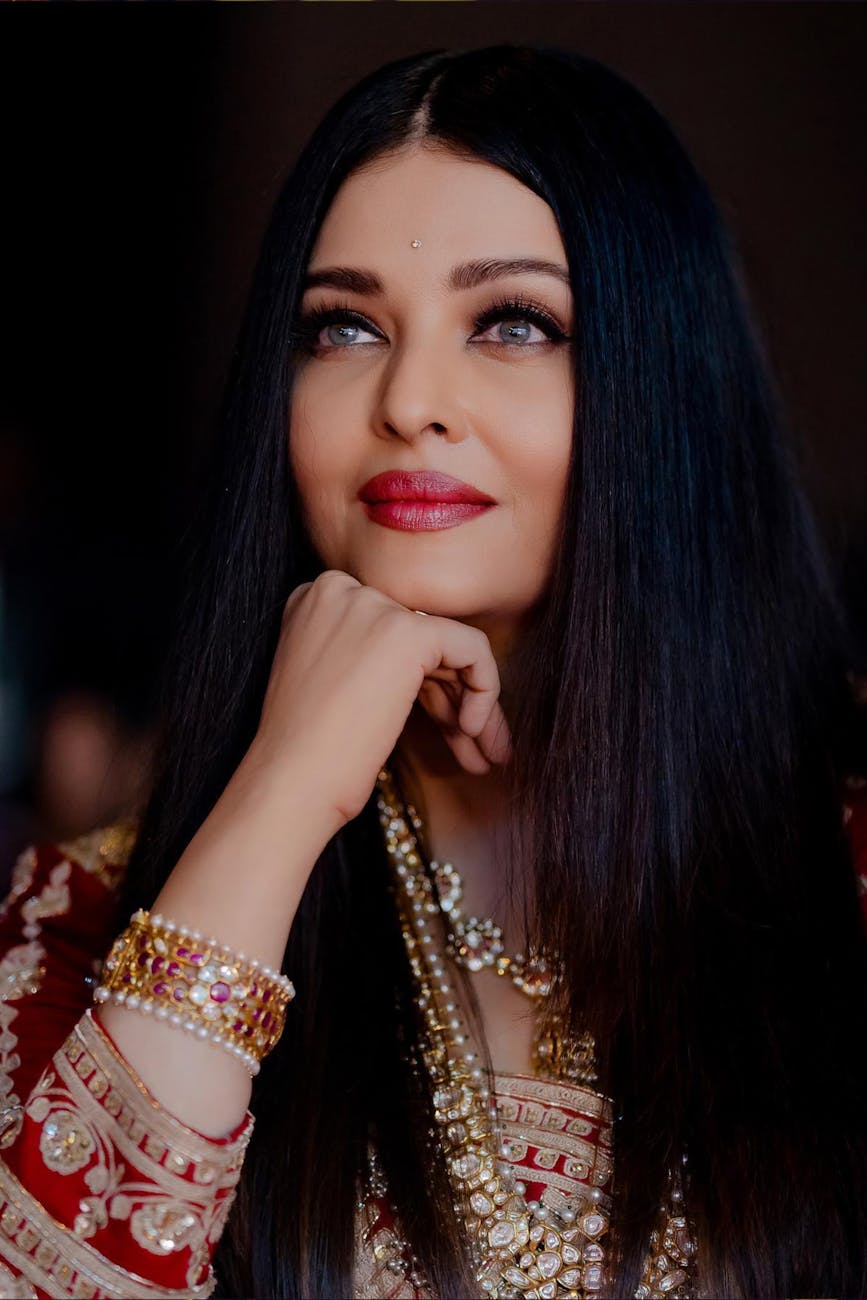
The Caste System in India: Social Hierarchy, Skin Color, and Cultural Impact. #Bollywood

Photo by Praveen kumar on Pexels.com

The caste system in India is a rigid social hierarchy that has existed for over 2,000 years. Traditionally, it divides people into four primary varnas—Brahmins (priests), Kshatriyas (warriors), Vaishyas (merchants), and Shudras (laborers)—with a fifth group, Dalits, often marginalized as “untouchables.” Although modern India legally abolished caste discrimination in 1950, social and cultural practices still maintain significant influence, affecting employment, education, marriage, and social interactions (Bayly, 1999).

Impact on Relationships and Marriage

Caste strongly influences marriage in India. Most families prefer arranged marriages within the same caste to preserve social status and family honor. Matchmaking considers lineage, family background, education, and skin color. Darker-skinned women often face bias, as lighter skin is culturally associated with beauty, wealth, and status (Sen, 2017). This colorism affects marital prospects, sometimes limiting opportunities for women from lower castes or darker skin tones.

Bollywood and Skin Color Prejudice

India’s film industry, Bollywood, reflects and reinforces color-based prejudices. Lighter-skinned actors and actresses are often cast in lead roles, while darker-skinned performers are more likely to play supporting roles or stereotyped characters. According to film historians, the ideal Bollywood star often embodies fair skin, light eyes, and a “Westernized” appearance (Gokulsing & Dissanayake, 2013). Actresses like Deepika Padukone and Priyanka Chopra rose to stardom in part due to their lighter skin tones, which align with societal beauty ideals.

Origins and Cultural Prejudice

The caste system is deeply rooted in ancient Hindu texts like the Manusmriti, which codified social roles based on birth. Its enforcement over centuries reinforced discrimination against lower castes and darker-skinned populations. The prejudice is twofold: caste-based discrimination and colorism, which favors fairer skin and marginalizes darker-skinned individuals. This has profound effects on self-esteem, professional opportunity, and social mobility.

Consequences of Dark Skin in India

Dark-skinned individuals often experience social exclusion, lower marriage prospects, and workplace bias. Studies indicate that skin-lightening products are a multi-billion-dollar industry in India, reflecting widespread desire to conform to fair-skinned beauty standards (Sen, 2017). This obsession with light skin perpetuates cycles of discrimination, influencing education, career opportunities, and media representation.

Priyanka Chopra: Beauty, Career, and Commentary

Priyanka Chopra, Miss World 2000, emerged from this complex cultural context. Born in 1982 in Jamshedpur, India, Chopra became a global icon through her beauty, talent, and versatility. She has often spoken about the pressure of beauty standards and colorism in India, advocating for diversity and challenging traditional prejudices. Her light skin, height, and striking features contributed to her rise in Bollywood and Hollywood, illustrating how societal bias toward fair skin affects professional opportunities.

Bollywood and Skin Color Hierarchy

In Bollywood, skin color has long influenced casting, popularity, and career opportunities. Fair or “light” skin is often idealized, while darker skin is associated—wrongly—with lower social status, less beauty, and supporting roles. This hierarchy is rooted in historical caste and colonial influences, where lighter skin was equated with higher social standing, wealth, and attractiveness.

Bollywood Skin Color Hierarchy

TierSkin ToneTypical RolesExamplesBrand Endorsements & Visibility
Tier 1: Top LeadsFair / LightRomantic lead, hero/heroine, glamorous rolesDeepika Padukone, Priyanka Chopra, Aishwarya Rai Bachchan,Hrithik Roshan, Ranveer SinghHigh-profile endorsements (luxury brands, beauty products), magazine covers, global recognition
Tier 2: Semi-Fair / MediumMedium tanSupporting lead, secondary romance, “girl-next-door” rolesAlia Bhatt, Varun DhawanModerate endorsements, some brand visibility, prominent film roles
Tier 3: Dusky / DarkMedium-dark / DuskySupporting roles, “rustic” characters, comedic or villainous partsVidya Balan (early roles), Rani Mukerji (early roles)Limited endorsements, rarely cast as glamorous leads, faces typecasting
Tier 4: Very Dark / Deeply MelanatedDeep brown / very darkMinor roles, stereotypical portrayalsVery few lead examples historicallyMinimal endorsements, often invisible in top films, underrepresented in media

Key Observations

  1. Gender Bias: Women face stricter color-based scrutiny than men, though lighter-skinned men are also preferred for lead romantic roles.
  2. Endorsement Bias: Brands favor lighter-skinned actors to promote beauty products, luxury items, and aspirational lifestyles.
  3. Career Mobility: Darker-skinned actors often must prove exceptional talent or charisma to break into lead roles, highlighting systemic colorism.
  4. Cultural Reinforcement: Bollywood films reinforce societal beauty standards, connecting fairness with desirability, wealth, and power.
  5. Emerging Change: Social media and global exposure are slowly allowing talent to be recognized regardless of skin tone, and stars like Priyanka Chopra are using their platform to challenge colorism.

Historical Context

  • During British colonial rule, lighter skin became associated with proximity to power and privilege.
  • Indian society internalized these ideals, linking beauty and desirability with fairness.
  • Early Bollywood films reflected these societal biases, favoring actors and actresses with lighter complexions for lead roles.

Actor and Actress Examples

  • Fair-skinned leading actresses: Deepika Padukone, Kareena Kapoor, Alia Bhatt, Aishwarya Rai Bachchan. These actresses often get top billing, major brand endorsements, and high-paying roles.
  • Darker-skinned actresses: Despite talent, they are frequently typecast into supporting roles or roles emphasizing “rustic” or “villainous” characters. Examples include Vidya Balan (who has spoken about facing discrimination) and Rani Mukerji early in her career.
  • Male actors: Light skin is also favored, though the bias is more pronounced for women. Actors like Shah Rukh Khan, Hrithik Roshan, and Ranveer Singh are often celebrated for their fairer appearance alongside their acting skills.

Media and Branding

  • Fairness cream advertisements and endorsements perpetuate the bias, promoting light skin as desirable and powerful.
  • Bollywood films frequently pair fair-skinned leads, reinforcing the perception that light skin equals romance, wealth, and success.
  • Actors with darker skin often have to overcome additional barriers, even when talented, due to entrenched societal and industry biases.

Psychological Impact

  • This hierarchy creates colorism, leading to internalized self-esteem issues, obsession with skin-lightening products, and societal pressure for actors and the general population.
  • Frances Cress Welsing’s theories on melanin power and the psychological envy of darker skin can be applied cross-culturally to understand why lighter skin has been commodified and preferred in media industries like Bollywood.

Shifts and Modern Changes

  • Some recent films and campaigns are challenging colorism, promoting diverse skin tones, and redefining beauty standards.
  • Actors like Priyanka Chopra have used their platform to discuss colorism and advocate for broader acceptance of melanated beauty.
  • Social media allows fans to challenge biases and celebrate talent and charisma over complexion.

Conclusion

The caste system in India, combined with entrenched colorism, continues to shape social structures, marriage practices, and media representation. Darker-skinned individuals face prejudice that limits opportunities and reinforces societal hierarchies. Bollywood, while globally influential, often perpetuates these biases by privileging light-skinned actors. Figures like Priyanka Chopra challenge these norms but also reflect how beauty standards tied to skin color and caste still influence success and perception in India. Awareness, legal reforms, and cultural shifts are necessary to dismantle these deeply rooted prejudices.


References

Bayly, S. (1999). Caste, Society and Politics in India from the Eighteenth Century to the Modern Age. Cambridge University Press.

Gokulsing, K. M., & Dissanayake, W. (2013). Routledge Handbook of Indian Cinemas. Routledge.

Sen, C. (2017). Skin Deep: The Persistent Problem of Colorism in India. Journal of South Asian Studies, 40(3), 567-585.

Priyanka Chopra. (n.d.). Biography. Biography.com. https://www.biography.com/actor/priyanka-chopra

The Indian Dolls: Priyanka Chopra Jonas, Deepika Padukone, and Aishwarya Rai Bachchan.

South Asian women have long occupied a complicated space in global beauty culture—simultaneously admired, stereotyped, and under-represented. The idea of the “Indian doll” does not symbolize artificial imitation, but rather a woman whose aesthetics appear richly crafted, emotionally expressive, culturally rooted, and globally captivating. Priyanka Chopra Jonas embodies radiant, healthy skin and facial sculpting that reads as cinematic perfection. Deepika Padukone brings a commanding, statuesque elegance—runway poise blended with emotional vulnerability and strength. Aishwarya Rai Bachchan’s green-blue colored eyes make her instantly recognizable in the Indian community. Together, these women represent cultural range, ancestral depth, family stability, global success, and physical beauty that still feels human and warm, a spectrum that modern South Asian girls can both aspire to and see themselves in.

They are a powerful representation of Indian “doll” imagery because:

  • Their beauty is distinct, not uniform
  • They reflect mixed influences from colonization, migration, and heritage without losing their Indianness
  • They succeeded in global media without abandoning marriage, motherhood, or cultural identity
  • They entered Hollywood and international cinema as fully formed stars, not novelties
  • They shifted the lens from “exotic stereotype” to “global admiration.”


Priyanka Chopra Jonas — The Exotic Global Doll with Glowing Skin

Early Life & Family

  • Born July 18, 1982, in Jamshedpur, Jharkhand, India
  • Parents: Dr. Ashok Chopra and Dr. Madhu Chopra, both physicians in the Indian Army
  • Frequent relocation during childhood due to military assignments gave her exposure to multilingual and multicultural environments
  • Attended school in India and the United States
  • At age 13, she lived in the U.S. for studies before returning to India to complete her education

Ethnicity / Race

  • She is Indian (South Asian), primarily of Punjabi descent
  • Identifies culturally as Desi and maintains a strong affiliation with Indian identity despite a global career trajectory

Marriage & Children

  • Married American singer/actor Nick Jonas in December 2018
  • Child: Malti Marie Chopra Jonas (born January 2022 via surrogate)
  • Priyanka and Nick have displayed a public narrative of cross-cultural admiration, blended tradition, and committed partnership, including a Hindu and Christian wedding celebration

Career Beginnings & Hollywood Entry

  • Crowned Miss World 2000, which launched her national visibility
  • Bollywood film debut: The Hero: Love Story of a Spy (2003)
  • Rose rapidly through Hindi cinema with a commercial and dramatic range
  • U.S. breakthrough: TV series Quantico (2015–2018), making her the first South Asian woman to lead an American network drama
  • Hollywood films include Baywatch (2017) and The Matrix Resurrections (2021)

Awards & Honors

  • National Film Award for Best Actress (India, 2008)
  • 5 Filmfare Awards
  • Padma Shri (Government of India, 2016)
  • Serves as UNICEF Goodwill Ambassador
  • Featured in Time 100 Most Influential People

Beauty Representation

Priyanka represents the modern Indian doll archetype—her golden-bronze complexion, healthy, glowing skin, and beauty rooted in self-care rituals offer representation for Indian girls who seldom saw their natural skin tone elevated in global media before her.


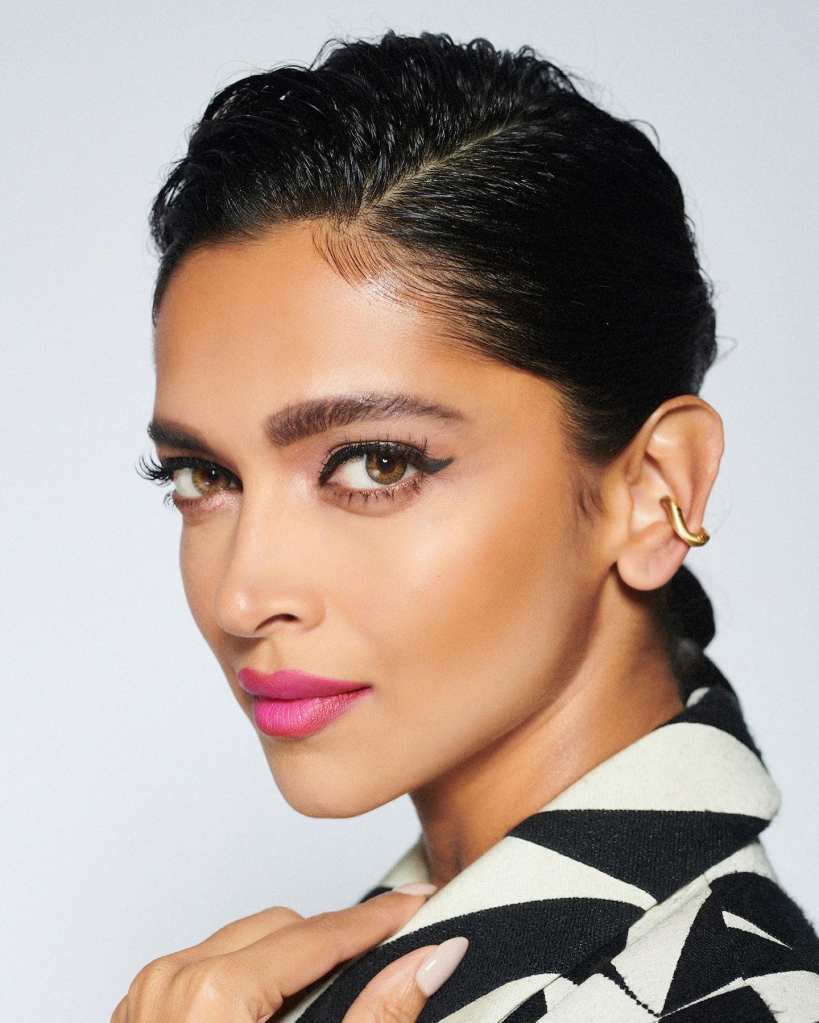
Deepika Padukone — The piercing-eyed Statuesque beauty, the Runway-Doll

Early Life & Family

  • Born January 5, 1986 in Copenhagen, Denmark
  • Raised in Bangalore, India
  • Father: Prakash Padukone, one of India’s greatest badminton champions
  • Mother: Ujjala Padukone, travel agent
  • Younger sister: Anisha Padukone, professional golfer
  • Originally trained in sports before transitioning into modeling

Ethnicity / Race

  • Indian (South Asian), of Konkani ancestry
  • Her upbringing merges Nordic birth geography with a deeply Indian childhood cultural imprint

Marriage & Children

  • Married Bollywood actor Ranveer Singh in November 2018
  • Child: Dua Padukone Singh, born 2024

Career Beginnings & Hollywood Entry

  • Started career in professional modeling and fashion campaigns
  • Bollywood debut: Om Shanti Om (2007), which transformed her into a national sensation
  • Hollywood debut: xXx: Return of Xander Cage (2017)
  • Regular presence at the Cannes Film Festival
  • Built a parallel career as a mental health advocate, founding the Live Love Laugh Foundation

Major Awards & Honors

  • 3 Filmfare Best Actress Awards
  • Cannes 2022 Jury Member
  • Time 100 Impact Award
  • Multiple global honors for fashion and influence

Beauty Representation

Her towering height, flawless beauty, sculpted bone structure, and bronzed, warm skin give her the presence of a living couture doll. She reflects beauty that is bold, visible, and undeniable, inspiring Indian girls to see power in presence, not just prettiness.


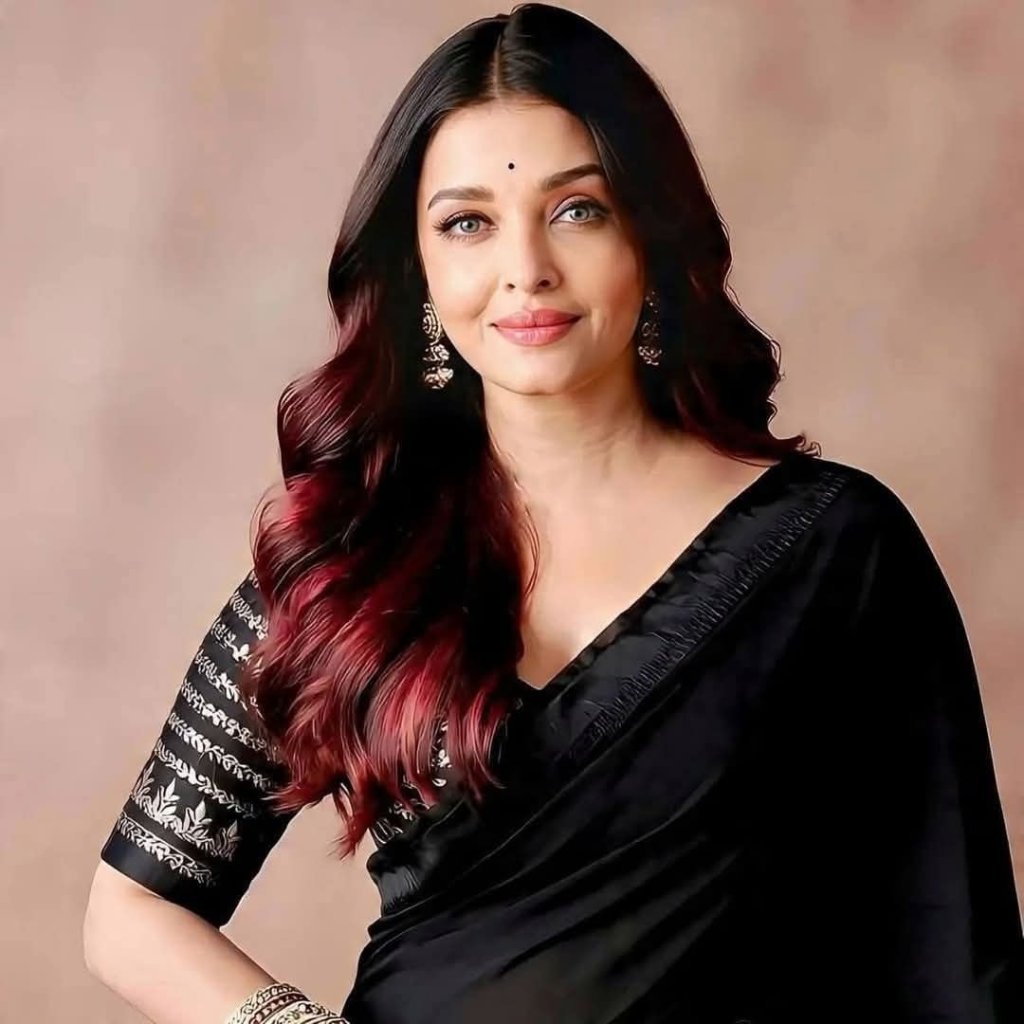
Aishwarya Rai Bachchan — The Iconic Bollywood Doll

  • Born November 1, 1973 in Mangalore, Karnataka, India
  • Raised in Mumbai
  • Father: Krishnaraj Rai, marine biologist
  • Mother: Brindya Rai, writer/author
  • Fluent in Tulu, Hindi, English, Tamil, and Bengali
  • Academically gifted; originally studied architecture before pivoting to modeling and film

Ethnicity / Race

  • Indian (South Asian), from a Tulu-speaking community
  • Represents intelligence and cultural rootedness underneath global beauty admiration

Marriage & Children

  • Married Bollywood actor Abhishek Bachchan in April 2007
  • Daughter: Aaradhya Bachchan (born 2011)

Career Beginnings & Hollywood Entry

  • Won Miss World 1994
  • Bollywood debut: Aur Pyaar Ho Gaya (1997)
  • International film visibility early, making her India’s first major crossover global film star
  • Major English-language roles:
    • Bride & Prejudice (2004)
    • The Last Legion (2007)
    • The Pink Panther 2 (2009)
  • Longstanding Cannes red carpet presence since 2002

Major Awards & Honors

  • 2 Filmfare Awards
  • Padma Shri
  • Ordre des Arts et des Lettres (France, 2012)
  • Numerous global beauty and cinema honors

Beauty Representation

Her eyes are her signature—not common in India. She became the blueprint for success in Bollywood – unforgettable and delicate-fierce.


Why They Represent the “Indian Doll” Legacy Well

They are not a monolith. They represent a trinity of Hispanic-style inspiration in South Asian form:

WomanDoll EssenceRepresentation Value
Priyankaglowing skin, sculpted face, golden toneModern global Desi woman + cross-cultural beauty
Deepikastatuesque runway statue brought to lifeTall South Asian beauty + mental health voice
Aishwaryagreen-blue eyesIndia’s first global beauty

Their representation matters because:

  • They reflect the true multiracial and multi-textural harmony of South Asian populations
  • They preserve long-term marriage and motherhood narratives, resisting Hollywood instability tropes
  • They carried their languages, traditions, and ancestry onto global screens
  • They embody beauty that is ornamental, aspirational, emotional, political, cultural, and personal

They are a good representation of the idea of Indian dolls because they show the world that South Asian beauty is not factory-made—it is lineage-made, climate-born, grace-carried, and culturally embodied.


References

Chopra Jonas, P. (2019). Unfinished: A Memoir. Ballantine Books.

Live Love Laugh Foundation. (2021). Mental health advocacy research and campaigns.

Cannes Film Festival Archives. (2003, 2022). Jury member and red carpet documentation.

Nayar, P. K. (2014). The Indian Cinematic Imagination. Routledge.

Dudrah, R. (2006). Bollywood and Globalization: The Global Power of Popular Hindi Cinema. Manchester University Press.

ChatGPT can make mistakes. Check important info.