“Black hair is beautiful, but society has often told us otherwise. It is a statement of identity, resistance, and pride.” — Dr. Ayana Byrd, author of Hair Story
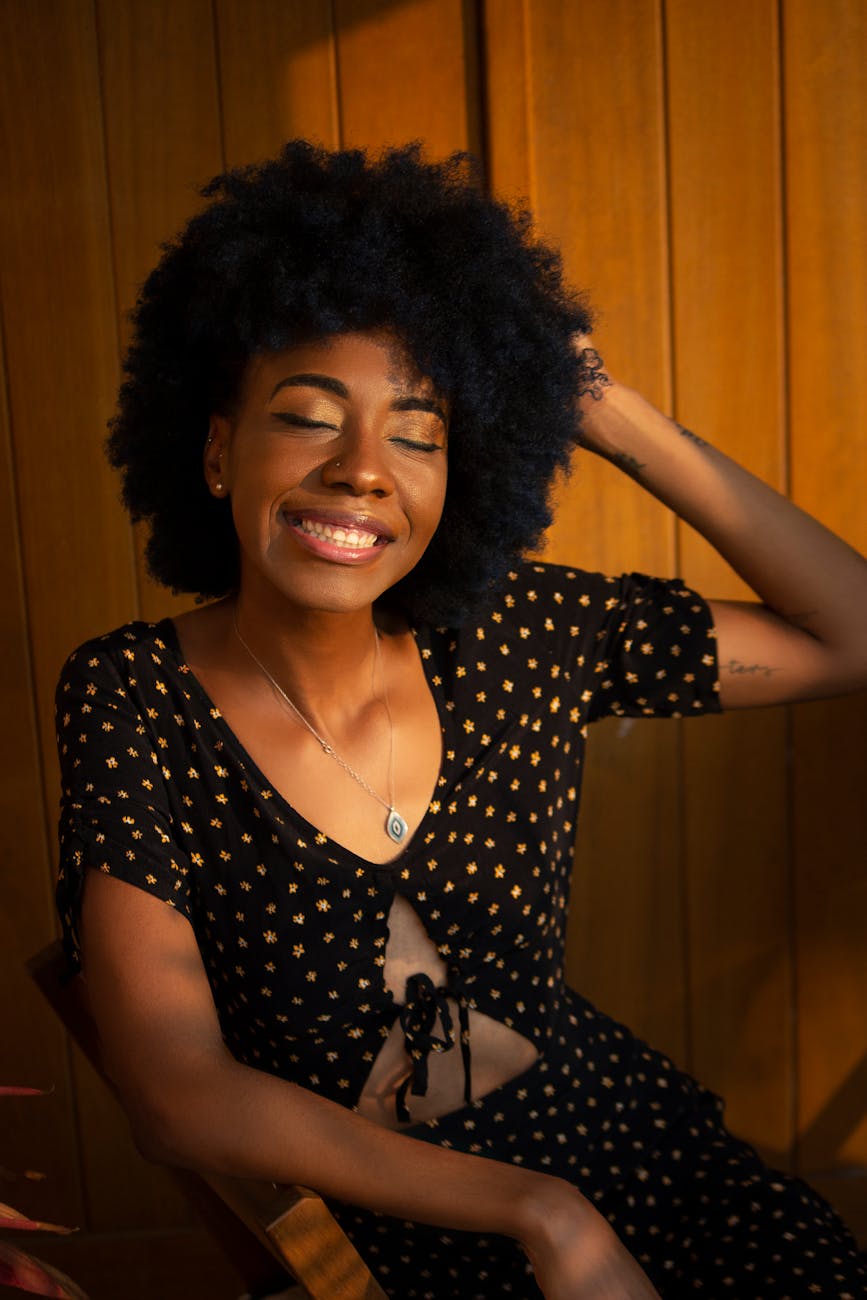
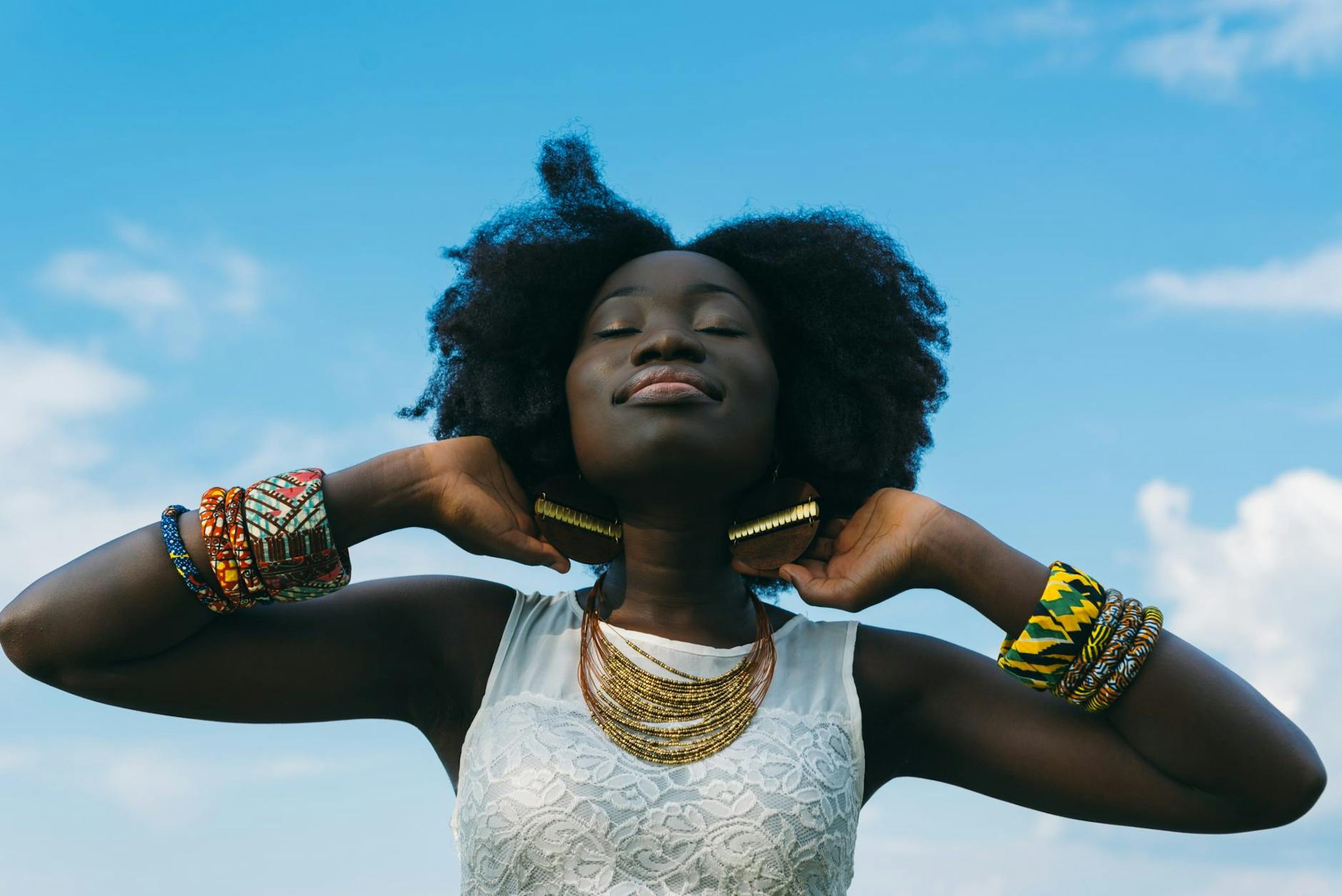
“My hair is my crown, and I wear it with pride. Every curl tells a story.” — Lupita Nyong’o
Black hair has long been a symbol of identity, heritage, and culture. The textures range from tightly coiled kinks to soft waves, each reflecting the rich diversity of African ancestry. However, the politics surrounding Black hair are deeply tied to historical and social power structures. Eurocentric standards of beauty have positioned straight hair as the “universal standard,” often marginalizing naturally textured hair. This has created a spectrum of discrimination, from overt workplace bias to subtler societal messaging about what constitutes “good” versus “bad” hair. Understanding the textures, cultural history, and politics of Black hair is essential to fostering pride, resilience, and self-acceptance within the Black community.
The Textures and Cultural Significance
Black hair textures vary widely, commonly classified into four types (1–4), with subcategories (A–C) based on curl tightness and pattern. Type 1 is straight hair, which is rare among people of African descent. Type 2 is wavy, Type 3 is curly, and Type 4 is coily/kinky, characterized by tightly packed curls. Each texture carries cultural significance: in African societies, hairstyles represented social status, tribal affiliation, and spiritual beliefs. The Bible also references hair as a sign of strength and identity; for example, Samson’s hair was a symbol of his God-given strength (Judges 16:17, KJV). These textures have been politicized in modern society, where natural hair has often been stigmatized in favor of straightened, chemically relaxed styles.
The Impact of Media and Societal Standards
Media representations reinforce the notion that straight hair is the universal standard of beauty, creating a pervasive hierarchy of hair textures. “Good hair,” often described as straight or loosely curled, is historically linked to proximity to whiteness, while kinky or coily hair has been labeled “bad” or unprofessional (Byrd & Tharps, 2001). These messages have psychological and emotional impacts, influencing self-esteem, identity formation, and social mobility. Mothers, aware of societal bias, often teach children to view their natural hair as needing taming or improvement, inadvertently perpetuating internalized bias. Celebrities and public figures like Lupita Nyong’o challenge this narrative, celebrating natural hair as a crown of heritage and a statement of self-worth.
Care, Products, and Community Perspectives
Caring for Black hair requires attention to moisture, protective styling, and gentle handling to prevent breakage. Recommended products include shea butter, coconut oil, jojoba oil, and sulfate-free shampoos and conditioners. Popular protective styles include braids, twists, locs, and cornrows. Black men have expressed diverse opinions on Black hair, ranging from appreciation of natural textures to preferences shaped by societal norms. These perspectives highlight the ongoing negotiation of identity, beauty, and social perception within the community. Scholars emphasize that reclaiming pride in natural hair fosters empowerment and combats internalized oppression (Banks, 2016).
Conclusion
Black hair is more than aesthetic; it is a political and cultural statement that reflects history, identity, and resilience. From kinky coils to loose curls, hair embodies a legacy of survival, pride, and spiritual significance. By understanding hair textures, rejecting media-imposed hierarchies, and embracing culturally affirming care practices, the Black community can reclaim the crown of natural beauty. As Lupita Nyong’o asserts, each curl tells a story, and through this recognition, Black hair can be celebrated rather than stigmatized. Embracing the politics and pride of Black hair is a step toward self-love, cultural affirmation, and generational healing.
References
Banks, I. (2016). Hair Matters: Beauty, Power, and Black Women’s Consciousness. NYU Press.
Byrd, A., & Tharps, L. (2001). Hair Story: Untangling the Roots of Black Hair in America. St. Martin’s Press.
Lupita Nyong’o. (2014). Personal Interview: Celebrating Natural Hair. Essence Magazine.
Roberts, D. (2010). Shaping Beauty, Shaping Race: African American Women and Hair Politics. Duke University Press.
The genealogy of the Black diaspora is a tapestry woven from millennia of movement, resilience, and divine purpose. For centuries, African people have been misrepresented, with their histories erased or distorted, obscuring their identity as part of the biblical lineage of the “chosen people.” The Hebrew Scriptures, in conjunction with modern genetic research, provide compelling evidence that many Black communities are descendants of the ancient Israelites. This paper traces the genealogy of the Black diaspora, exploring bloodlines, the E1B1A haplogroup, the diaspora’s origins, and the biblical connections to Jerusalem, while contextualizing the historical impact of slavery and migration.
Biblical Genealogy of the Black Chosen People
The Bible records that the descendants of Ham, specifically through Cush (Genesis 10:6–8, KJV), were settled in Africa. These descendants include the ancient kingdoms of Kush, Egypt, and parts of Sub-Saharan Africa, establishing a biblical precedent for African peoples as integral to the lineage of Israel. Deuteronomy 28 details blessings and curses, many of which scholars argue correspond with the historical experiences of the African diaspora. The scriptures provide a genealogical framework that links Africans to the broader story of the Israelites, emphasizing their role in God’s covenantal plan.
The Black Diaspora and Historical Context
The Black diaspora refers to the global dispersion of African peoples through migration, trade, conquest, and slavery. Starting with the transatlantic slave trade, millions of Africans were forcibly removed from their homelands, scattering the descendants of biblical Cush and Ham across the Americas, Europe, and the Caribbean. This diaspora disrupted the natural genealogical continuity, creating a legacy of bondage but also resilience. Historical records, oral traditions, and archaeology show that African civilizations prior to slavery had complex social, political, and religious structures, underscoring the depth of lineage that preceded forced displacement.
Genetics and the E1B1A Haplogroup
Modern genetic studies provide an additional layer of evidence for tracing African genealogies. The E1B1A Y-chromosome haplogroup is prevalent among West and Central African populations and is strongly associated with descendants of the African diaspora. This haplogroup traces paternal lineage and corroborates historical accounts of migrations from Northeast Africa toward the Nile Valley and across the continent. By linking genetics to biblical and historical records, researchers can identify patterns of descent consistent with the movements of Cushite and Hamitic peoples, reinforcing the continuity of Black Israelite lineage.
Tracing the Lineage Back to Jerusalem
Several biblical passages suggest that African peoples had connections to the Holy Land long before slavery. Psalm 87:4 (KJV) notes, “I will make mention of Rahab and Babylon to them that know me,” which scholars interpret as recognizing the inclusion of Cush and other African nations in God’s covenantal history. Historical interactions, including trade, migration, and the establishment of Jewish communities in Africa, provide evidence that Africans had religious and genealogical ties to Jerusalem and the Israelite tradition long before forced dispersal. The Ethiopian eunuch in Acts 8:27–39 further illustrates the integration of Africans into the biblical story of faith and covenant.
Legacy, Continuity, and Resilience
Despite centuries of enslavement, colonization, and cultural erasure, the genealogical and spiritual identity of African peoples as descendants of the biblical Israelites endures. The diaspora’s bloodlines, preserved through genetics and oral tradition, testify to resilience and divine continuity. Recognizing these connections empowers African descendants to reclaim identity, history, and purpose. The Bible consistently underscores the importance of remembering and honoring one’s lineage: “Remember the days of old, consider the years of many generations: ask thy father, and he will shew thee; thy elders, and they will tell thee” (Deuteronomy 32:7, KJV).
Conclusion
The biblical genealogy of the Black diaspora reveals a profound and often overlooked truth: African peoples are deeply intertwined with the history of Israel. From the descendants of Cush and Ham to the modern African diaspora, bloodlines and genetics such as E1B1A corroborate biblical and historical narratives. By tracing these lineages, scholars and communities alike can reclaim their rightful place in history, affirm spiritual identity, and honor the enduring legacy of the chosen people. Understanding the genealogy of the Black diaspora is both an act of scholarship and a restoration of truth.
References
De Gruy, J. (2005). Post Traumatic Slave Syndrome: America’s Legacy of Enduring Injury and Healing. Uptone Press.
Diop, C. A. (1974). The African Origin of Civilization: Myth or Reality. Chicago Review Press.
Franklin, J. H., & Moss, A. A. (2000). From Slavery to Freedom: A History of African Americans (8th ed.). McGraw-Hill.
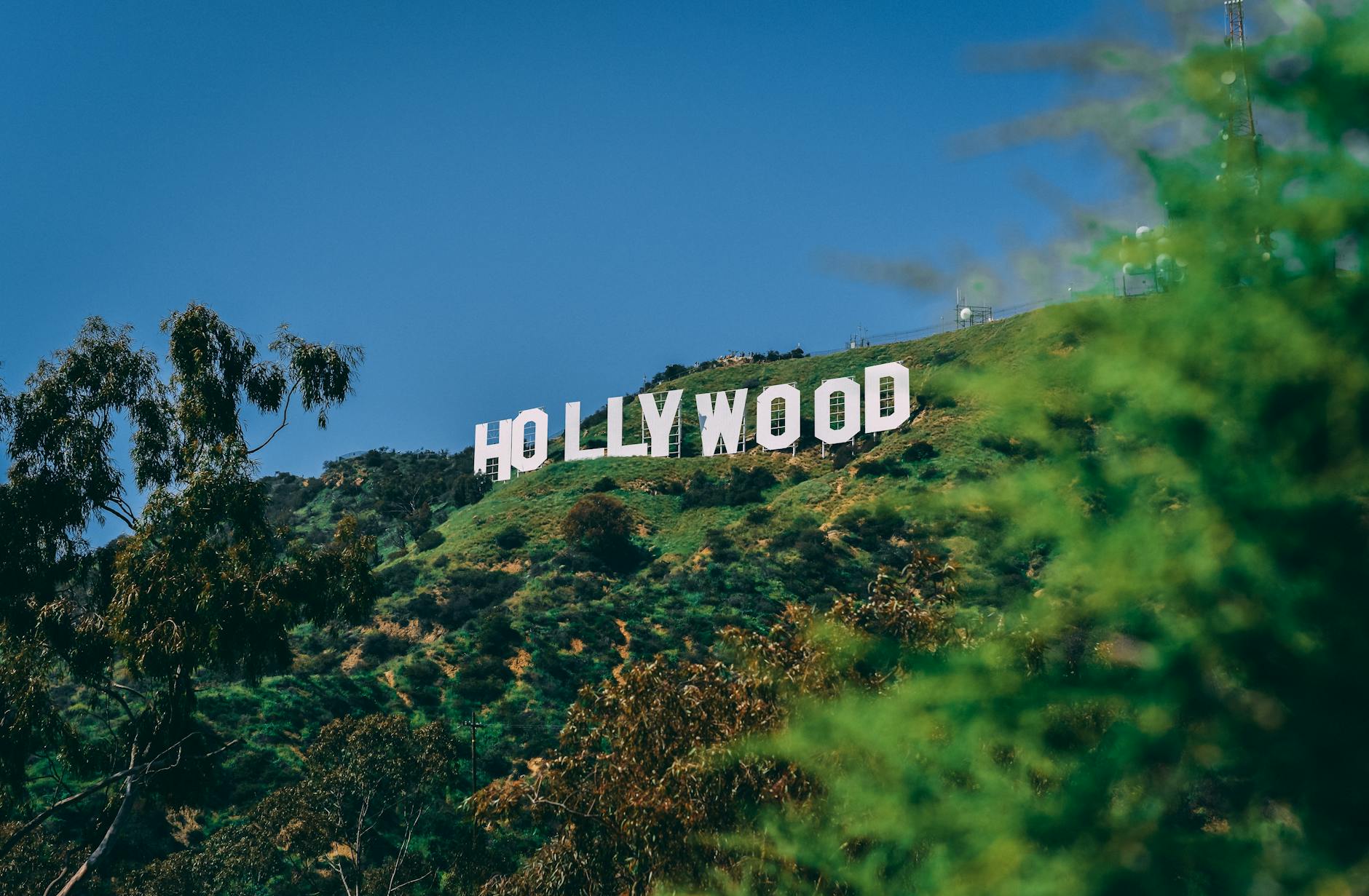
Hollywood doesn’t just entertain—it educates, influences, and often distorts global understanding of what it means to be Black. Through both its celebrated icons and its systemic blind spots, the film industry plays a profound role in shaping identity, aspiration, and prejudice. Drawing on reflections from Halle Berry, Denzel Washington, Viola Davis, and Blair Underwood, this article examines how media representation reverberates across borders—and what that means for Black communities everywhere.
1. The Power of Representation: Breaking Ground and Limiting Legacies
Halle Berry, the first—and still only—woman of color to win the Academy Award for Best Actress (for Monster’s Ball, 2002), reflects on her victory with tempered hope. She hoped it would open doors—but nearly two decades later, remains the lone woman of color honored in that category. Despite incremental changes, Berry describes Hollywood’s progress as slow and calls for more honest storytelling that reflects the real diversity of culture and experience.Vanity FairGlamour
Denzel Washington recently shared a deeply emotional response upon watching Black Panther, saying “he ‘cried a little bit’… felt like the baton had been passed” to a younger generation of Black actors. His joy reflects both pride and readiness for broader representation.People.com
These testimonies affirm how rare and symbolic truly groundbreaking achievements remain—and how they resonate internationally.
Icons, Audiences, and Global Resonance
Actors like Halle Berry, Denzel Washington, Viola Davis, Blair Underwood, and others, have become globally recognized symbols of Black excellence. Their talent and accolades draw admiration worldwide, yet their individual experiences reveal systemic limitations.
In the upcoming documentary Number One on the Call Sheet, actors—including Washington, Berry, Murphy, Union, Davis, Jordan, Kaluuya, and Erivo—reflect on how being a leading name in Hollywood remains a powerful statement of representation and a symbol of Black presence at the highest level of storytelling.People.com
These icons show that global admiration exists—but it’s also conditional, often tied to rare breakthroughs rather than sustained structural inclusion.
Spike Lee: A Filmmaker as Cultural Provocateur
As a towering figure in Black cinema, Spike Lee offers a vivid case study of Hollywood’s influence—and its contradictions.
Origins & Self-Made Drive Lee’s breakthrough came with She’s Gotta Have It, funded through handwritten letters and collecting cans—“Kickstarter before there was Kickstarter.”The Guardian This underlines both the ingenuity and the necessity of self-reliance for Black creators.
Demanding Authentic Storytelling When Lee directed Malcolm X, he insisted on a Black director, stating: “White Americans will never know what it feels like to be an African-American in this country.”Los Angeles Times This insistence enabled unmatched authenticity—allowing access to Malcolm’s inner circle, Mecca, and narrative frameworks that a white director likely couldn’t achieve.
Challenging Stereotypes through Satire In Bamboozled, Spike Lee dissected and satirized media’s racist stereotypes—portraying Black actors in minstrel roles to expose Hollywood’s complicity. Though a box-office failure, it later gained cult status and was added to the U.S. National Film Registry for its cultural significance.Wikipedia The world now recognizes its sharp critique of Black portrayal, years ahead of its time.
Global Perception: The Provocateur as Brand Lee’s reputation as an outspoken figure—”rabble-rouser,” publicity-loving, provocative—is part of his brand identity. He once remarked: “Spike Lee is a brand.”Vulture Over time, his voice has resonated globally, especially as his films (e.g., BlacKkKlansman) awakened international audiences to persistent racial injustices.TIME
Standing Up for Structural Change Lee has long criticized the lack of diversity among industry gatekeepers, arguing that genuine representation means having Black people with green-light power in studios and networks—not just actors on-screen.The Washington Times
On platforms like Reddit, fans express how Spike Lee’s films shaped their conscience:
“Do the Right Thing was brilliant in how it held a mirror up to the viewer’s biases… Spike Lee’s genius is in eliciting the tension and discomfort that Americans… still will not confront in themselves.”Reddit
Others celebrate how he carved a space when none existed:
“He carved out a place for himself, and employed many amazing actors.”Reddit
These reflections highlight how representation resonates not just on screens, but in global cultural awareness.
Hollywood’s “media mirrors” reflect both achievement and limitation. While Berry, Washington, Davis, Underwood, and Lee have become global icons—people the world admires—their journeys reveal how rare visibility can be.
Spike Lee’s legacy shows how embracing fullness—demanding authenticity, satirizing stereotypes, and insisting Black stories be told by Black voices—pushes the world’s mirror closer to our truth. Yet the work continues: true representation means expanding beyond iconic individuals to empowerment across the creative landscape.
When Hollywood mirrors the full breadth of Black humanity—complex, joyful, painful, triumphant—global perceptions can evolve. That is the profound power of representation, and the responsibility we must continue to claim.
2. Confronting Stereotypes and the Burden of Tokenism
Hollywood’s history is riddled with tropes: the “mammy,” the criminal, the sidekick—persistent caricatures that reinforce limited, dehumanizing views of Black identity. Viola Davis, reflecting on her role in The Help, expressed deep discomfort with the enduring “mammy” trope and challenged filmmakers to humanize Black characters beyond stereotypes.Wikipedia
Blair Underwood, who became one of the first regular Black faces on L.A. Law in the late 1980s, described the scarcity of Black representation: “You know Denzel… It was very rare to see any of us on the big screen… usually… pimps or thugs… Hollywood wanted to promote and project.”inklCinemablend His presence signified a shift, but his words underscore the uphill battle against tokenism and cliché.
3. Behind-the-Scenes Power—The Real Battleground
Representation isn’t just about who’s on screen—it’s about who’s telling the story. A 2022 NAACP report revealed that studio leadership remains almost exclusively white—over 90% of CEOs, senior executives, and unit heads.Psych Central Similarly, McKinsey data shows Black creators — writers, producers, directors — remain vastly underrepresented. Only about 6% of films and TV shows have Black directors, and fewer than 5% of showrunners are Black.McKinsey & Company+1
These facts underscore why stereotypical scripts persist, and why progress often stalls: creative power remains concentrated outside Black hands.
Research shows inclusive content doesn’t just entertain—it reshapes perception. A recent machine-learning study of over 300,000 images in popular culture found that non-inclusive media reinforces stereotypes, while diverse visibility helps reduce biases.arXiv
Moreover, voices from within the community reflect the profound impact of authentic storytelling. As one commenter quoting Viola Davis said:
“The audience is a huge part of our work, and they need to see themselves.” Another actor added: “We put asses in seats.”Reddit
These candid remarks highlight the transformative power of representation—and the financial as well as cultural stakes.
5. Global Perceptions and the Empathy Gap
Hollywood’s global reach means its portrayals become many people’s primary lens into Black lives. When narratives are skewed or limited, entire cultures risk being misunderstood. A Vanity Fair piece calls on audiences—especially white viewers—to support genuine Black stories, pointing out how false universality reinforces bias: Black-led stories are often underfunded and under-marketed, even though they perform well with investment.Vanity Fair
Viola Davis and others have amplified that need: authentic, diverse stories bridge that empathy gap and reshape how the world sees—and values—Black humanity.
Conclusion: The Reflections, the Responsibility, the Future.Global Perceptions and Admiration… But Through What Lens?
Internationally, the global audience often respects and admires Black talent, but such visibility is frequently restricted to a few celebrated faces—Washington, Berry, Davis, and so on. Behind the public facade, systemic barriers remain:
A 2022 NAACP report emphasized how rare Black creatives are in executive and production roles.Vanity FairVogue
Vogue notes that Black suffering dominates narratives—reinforcing empathy, yes, but also reinforcing a one-dimensional view.Vogue
Research continues to show that equitable representation isn’t just ethical—it shifts perceptions, builds empathy, and challenges stereotypes.Vanity F
Hollywood holds up a mirror—and the reflection it offers shapes how Blackness is perceived across the world. Icons like Berry, Washington, Davis, and Underwood have broken barriers and challenged assumptions. Their experiences illustrate both progress and the limits of representation when control remains marginalized.
True transformation demands power behind the camera—so that stories aren’t merely performed, but lived, with depth, nuance, and dignity. As research and international success demonstrate, inclusive storytelling isn’t just morally right—it’s universally compelling.
In a world where media frames empathy and identity, the mirror Hollywood holds up must reflect the full spectrum of Black lives. Only then can global perceptions evolve beyond stereotypes—toward understanding, respect, and uplift.
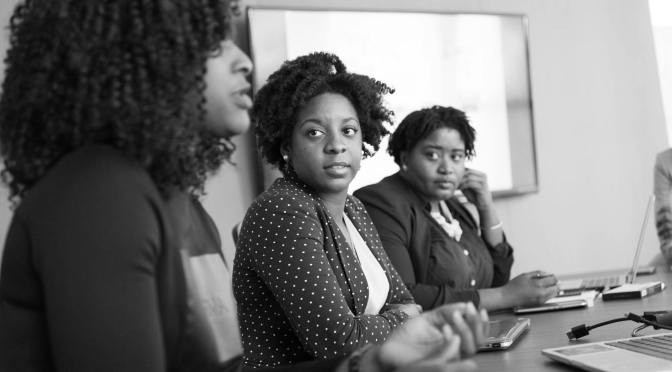
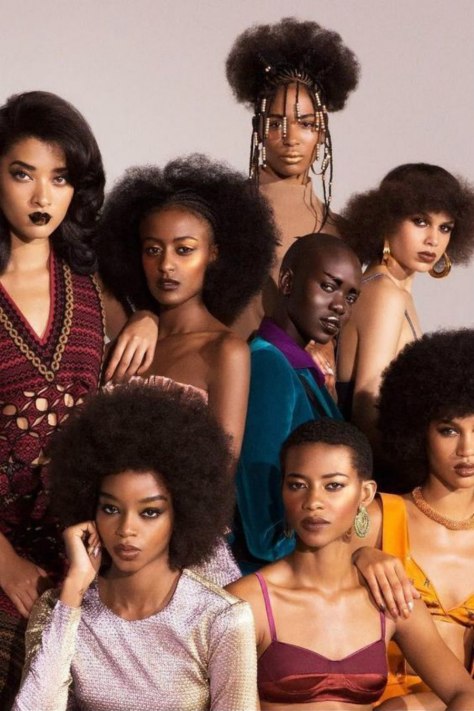
The journey of the brown girl is a complex tapestry woven with strands of resilience, faith, pain, and perseverance. Her voice, often muted by systemic oppression, resonates with both the echoes of ancestral struggle and the melody of survival. Despite her indispensable role in the shaping of societies, the brown girl remains caught between visibility and invisibility, celebrated yet silenced, desired yet devalued.
This photograph is the property of its owner. No copyright infringement intended.
The Black woman stands at a unique intersection of race, gender, and historical complexity. She is a daughter of Africa, molded by centuries of cultural richness, yet shaped by the traumas of colonization, slavery, and systemic oppression. To define the Black woman is not merely to categorize her by phenotype or ethnicity but to acknowledge the multifaceted strength, resilience, and spiritual depth she embodies. Her existence is both a testimony of survival and a manifestation of divine creation.
She walks with shadows on her skin, Her crown denied, her truth made thin. Yet in her soul, a flame still burns, Toward God Most High, her spirit turns.
The Essence of the Black Woman
The Black woman is not a passive bystander in the human story. She is a survivor and a leader among women. She is not simply the product of oppression but the embodiment of legacy, faith, and hope. While the world has too often rendered her invisible, she has never ceased to shine. Her scars are not signs of weakness but marks of endurance. Her voice is not one of anger but of righteous truth. Her presence is not an afterthought—it is essential. To be a Black woman is to carry the weight of many worlds and still walk upright. It is to be defined not by trauma, but by triumph. It is to rise, again and again, from the ashes of injustice with wisdom in her mind, fire in her bones, and purpose in her soul.
The Origins and Legacy of the Black Woman
The roots of the Black woman run deep in the soil of the African continent, often referred to as the cradle of civilization. Long before the Middle Passage or the ravages of imperialism, she was revered as queen, healer, warrior, and nurturer. Ancient civilizations such as Kemet (Egypt) and Kush (Nubia) bear witness to her influence and power. Historical figures such as Makeda, the Queen of Sheba, and Yaa Asantewaa, the Ashanti warrior queen, represent the authority and intellect Black women wielded long before colonial narratives sought to reduce their value. In the diaspora, figures such as Harriet Tubman, Sojourner Truth, and Ida B. Wells continued this legacy of resistance, intellect, and spiritual resilience.
This sacred lineage was disrupted but not erased by slavery and systemic racism. She is CHOSEN. Even in bondage, the Black woman bore nations, preserved culture, and nurtured resistance. Her story is not merely one of suffering, but of transformation and transcendence.
The “Brown Girl Dilemma” speaks to the intersectional struggles of Black women who carry the weight of history, family, and society upon their shoulders while striving to reclaim their identity as daughters of the Most High God. The Bible reminds us that sin separates humanity from the Creator: “But your iniquities have separated between you and your God, and your sins have hid his face from you” (Isaiah 59:2, KJV). As descendants of a chosen people, many in the African diaspora bear the consequences of forgetting God’s commandments (Deuteronomy 28). Restoration begins with repentance, obedience, and returning to the covenant, for it is only through God that wholeness can be achieved.
The impact of slavery continues to shape the psyche of Black people. Enslavement fractured families, introduced color hierarchies, and instilled a legacy of trauma. Colorism emerged as a tool of division, where lighter-skinned Blacks were often given preferential treatment, a strategy designed to destroy unity. Today, this manifests in distrust, competition, and a failure to unite as one nation. Scholars such as Du Bois (1903/1994) wrote of the “double consciousness” of Black existence, a struggle between identity and imposed inferiority. The legacy of slavery has not disappeared—it has merely transformed into systemic racism, prison pipelines, and discriminatory policies.
The order of the family is equally troubled. In biblical teaching, the husband is called to love his wife as Christ loved the church (Ephesians 5:25, KJV). Yet many Black women experience broken relationships marked by absentee fathers, irresponsible partners, and men driven by lust rather than godly responsibility. Economic strain, social pressures, and the allure of interracial dating often leave Black women questioning their value. While there are faithful, loving men within the community, they can feel like rare jewels—“needles in a haystack.” Too many women are burdened with carrying the weight of provision, discipline, and emotional labor alone.
Beyond family matters, the “isms” weigh heavily. Racism remains pervasive, sexism undermines Black women in workplaces and institutions, colorism pits them against one another, and lookism—judging worth based on appearance—diminishes them further. Each of these forces multiplies the challenge of survival and success. Crenshaw’s (1989) concept of intersectionality reveals how Black women experience multiple, overlapping oppressions, often making their struggles invisible in mainstream feminist or racial justice discourse.
Economically, Black women continue to face disparities. According to the U.S. Department of Labor (2024), Black women earn approximately 63 cents for every dollar earned by white men, with long-term implications for generational wealth. Joblessness and underemployment remain pressing issues, with Black unemployment rates historically double those of whites (Bureau of Labor Statistics, 2023). This economic imbalance is not only unjust but also psychologically damaging, reinforcing feelings of inadequacy and systemic exclusion.
Health disparities further compound these challenges. Black women have the highest rates of hypertension, diabetes, heart disease, and certain cancers compared to other demographics (CDC, 2024). Additionally, sexually transmitted diseases, including HIV, disproportionately affect Black communities. Poor diet access, limited healthcare, and stress-related illnesses tie into broader socioeconomic inequalities. Scripture reminds us, however, that our bodies are temples of God (1 Corinthians 6:19–20, KJV), urging the community toward better stewardship of health.
The universal standard of beauty has been a dagger against the esteem of Black women. Rooted in Eurocentric ideals, it positions whiteness as the pinnacle of desirability. In 2011, a Psychology Today article notoriously argued that Black women were “less attractive” than other races, sparking outrage and revealing deep-seated prejudices. Lighter-skinned women often find more social acceptance, yet the hierarchy continues to marginalize darker-skinned women. Many Black male celebrities have also publicly disparaged Black women, praising non-Black women instead, furthering the internalization of these hierarchies. This demonstrates how colonized definitions of beauty perpetuate cycles of self-hatred and exclusion.
Kevin Samuels (Image Consultant / YouTube Personality)
Samuels frequently made disparaging remarks toward Black women. In one widely circulated clip, he referred to single women over 35 as “leftovers.” He also claimed:
“When you’re talking about Black women, they are on the opposite end of the spectrum in all ranks.” GQ
Tariq Nasheed (Media Commentary / FBA Proponent)
Nasheed popularized the term “bed wench” as a derogatory label for Black women who date interracially—a term rooted in slavery-era contempt, and used to shame successful Black women who allegedly challenge Black patriarchy. Wikipedia
Tommy Sotomayor (Internet Commentator / Men’s Rights Activist)
Sotomayor has blamed the struggles of young Black men on single Black mothers, suggesting that Black women’s family structures are at the root of broader societal issues. Wikipedia
Chester Himes (Author, mid-20th century)
In his work In Black and White, Himes portrayed Black women with disturbing stereotypes and violence. For example: “It is presumed only right and justifiable for a black man to beat his own black women when they need it.” The New Yorker
Anecdotal Examples from Social Discourse (Reddit)
One user shared a heartbreaking example of a musician’s demeaning comments: “…yelling how ugly black darkskinned women are, the only beautiful women on this planet are biracials and Ethiopians… black girls look like men…” Reddit
Another user captures the broader sentiment of colorism and rejection: “I seen that rap battle … one of the darkskin men boasted about having a lightskin daughter … called the other man’s darkskin 6-year-old daughter black and ugly and a whore.” Reddit
Summary of Key Negative Narratives
Source (Public Figure / Setting)
Essence of Negative Commentary
Kevin Samuels
Demeaning Black women—calling them “leftovers” and ranking them low on desirability.
Tariq Nasheed
Labels Black women who date outside the race with demeaning historical slurs.
Tommy Sotomayor
Blames Black women (single mothers) for societal and familial issues standing in the way of Black men.
Chester Himes (Literary)
Portrays Black women through violent, oppressive stereotypes in his fiction.
Reddit Anecdotes
Reflect real lived experiences: colorism-driven insults, preference for lighter skin, degrading comparisons.
Stereotypes compound these struggles. Black women are often mislabeled as “angry,” “hypersexual,” or “unfeminine,” fallacies that obscure their complexity. Patricia Hill Collins (2000) refers to these as “controlling images,” cultural myths that justify oppression. The truth, however, is that Black women embody resilience, creativity, and leadership. Yet the psychological toll of disproving these stereotypes daily is exhausting, creating stress known as “weathering” (Geronimus, 1992), which accelerates health decline.
Violence against Black women remains an alarming crisis. According to the Institute for Women’s Policy Research (2023), over 40% of Black women will experience intimate partner violence in their lifetime. Police brutality disproportionately harms Black women as well, from Sandra Bland to Breonna Taylor, their lives cut short by systemic violence. Beyond physical harm, psychological warfare—through negative media portrayals, exclusion, and microaggressions—erodes mental well-being. The psalmist cries: “How long shall they utter and speak hard things? and all the workers of iniquity boast themselves?” (Psalm 94:4, KJV).
The solution lies in unity and spiritual renewal. Frances Cress Welsing once wrote, “If we do not understand white supremacy—what it is and how it works—everything else that we think we understand will only confuse us” (1991, p. 2). Michelle Obama reminds us: “The measure of any society is how it treats its women and girls.” And Toni Morrison emphasized, “The function of freedom is to free someone else.” These voices remind us that the liberation of Black women is inseparable from the liberation of the community as a whole.
🌹 The Brown Girl Dilemma vs. The Brown Boy Dilemma 💪
Theme
Brown Girl Dilemma
Brown Boy Dilemma
Spiritual Identity
Men are emasculated, denied authority, criminalized and treated as threats.
Same disconnection; loss of spiritual leadership; struggles with manhood outside biblical order.
Slavery’s Legacy
Disconnected from God through sin and oppression, struggles with worth and obedience to His commandments.
Single mothers bear heavy loads, absentee fathers; imbalance in relationships.
Family Structure
Single mothers bear heavy loads, absentee fathers, imbalance in relationships.
Fatherlessness creates cycles; incarceration removes men from homes; lack of role models.
Racism & Systemic Oppression
Sexism + racism (double bind); overlooked in justice movements.
Criminalized early; school-to-prison pipeline; hyper-policed and surveilled.
Colorism
Lighter-skinned women often favored in beauty standards; darker-skinned women devalued.
Light-skinned men sometimes perceived as more “acceptable”; dark-skinned men stereotyped as dangerous.
Beauty Standards / Masculinity
Eurocentric beauty ideals label Black women “ugly” or “less attractive.”
Stereotypes of hypermasculinity, aggression, and oversexualization.
Economic Struggles
Wage gap: Black women earn ~63¢ per white man’s $1; underrepresentation in leadership roles.
Collective solidarity (ending division between men and women).
The Modern-Day Challenges of the Black Woman
Despite her historical strength, the Black woman today continues to face multilayered adversities stemming from structural and interpersonal forces. These challenges are best understood through the framework of intersectionality—a concept coined by legal scholar Kimberlé Crenshaw—which highlights how race, gender, and other identities intersect to create compounded discrimination.
Racism continues to manifest in disproportionate rates of police brutality, workplace discrimination, and underrepresentation in positions of power. Simultaneously, sexism subjects Black women to patriarchal structures that marginalize their voices and capabilities. Complicating this further is colorism, a preference for lighter skin within and beyond the Black community, often privileging those with Eurocentric features and contributing to a dangerous belief in the superiority of light-skinned individuals.
Misogynoir, the unique discrimination against Black women that blends racism and sexism, further entrenches stereotypes such as the “angry Black woman,” the hypersexualized “jezebel,” or the self-sacrificing “mammy.” These tropes are not just offensive—they are psychologically and socially damaging, limiting the perceptions others have of Black women and the ones they have of themselves.
Moreover, Black women face systemic economic inequalities. Despite being among the most educated demographics in the U.S., Black women continue to earn less than both white men and white women. They also lead in numerous health disparities, including heart disease, maternal mortality, and untreated mental health conditions—often exacerbated by inadequate access to quality care and generational trauma.
✅ Proposed Solutions for Black Women
Domain
Strategy
Psychological
Healing from colorism, building self-worth, therapy to counter trauma
Community
Support sisterhood, mentorship, natural beauty affirmation
Spiritual
Biblical grounding—acknowledge that all are made in God’s image (Psalm 139:14)
Healthcare
Advocate for culturally competent care, regular screenings, trusted providers
Education
Empower conversations about sexuality, STIs, and negotiation in relationships
To rise above, healing is cultural, psychological, and spiritual: affirming identity, rejecting imposed standards, seeking justice, and fostering empowered, faith-rooted sisterhood.
Overcoming Adversity: Pathways to Liberation
To overcome these deeply rooted challenges, Black women must embark on both personal and collective journeys of empowerment. First and foremost, it is critical for the Black woman to reclaim her worth and identity, understanding that her value is not defined by societal standards, media representation, or Eurocentric beauty ideals. Psalm 139:14 declares that she is “fearfully and wonderfully made”—a divine truth that must be internalized.
Knowledge of one’s history is equally vital. By studying the contributions of foremothers and reconnecting with African ancestry, the Black woman gains a powerful sense of self and purpose. Historical literacy combats invisibility and fosters pride.
Community and sisterhood play an essential role in healing. Instead of perpetuating the internalized divisions—whether through colorism, competition, or jealousy—Black women must uplift one another. Unity is not a luxury; it is a necessity for collective survival and flourishing.
Therapy, spiritual practices, and culturally informed healing can address generational trauma and the psychological damage wrought by centuries of oppression. By confronting pain through both professional counseling and ancestral traditions, the Black woman can begin to mend what has been broken.
Economic empowerment and education remain foundational tools for liberation. Black women have historically led movements, founded schools, and built businesses. Entrepreneurship and financial literacy offer pathways to independence and influence.
Faith and spiritual guidance also remain integral. The Black woman has often leaned on her spiritual roots—whether through Christ for hope and endurance. Returning to God and seeking wise counsel strengthens her inner resolve and aligns her with divine purpose.
Unity within the Black community must transcend negativity, envy, and division. The Bible commands: “Behold, how good and how pleasant it is for brethren to dwell together in unity!” (Psalm 133:1, KJV). By rejecting divisive ideologies and embracing love, Black men and women can rebuild trust and solidarity. Restoring families, promoting education, supporting businesses, and encouraging health are acts of resistance against oppression.
Psychologically, healing requires therapy, collective affirmation, and dismantling internalized racism. From a biblical perspective, repentance, forgiveness, and love remain central. “Above all things have fervent charity among yourselves: for charity shall cover the multitude of sins” (1 Peter 4:8, KJV). The brown girl must be reminded that her worth is not defined by a hostile world but by the image of God she carries.
Overcoming the “Brown Girl Dilemma” begins with truth-telling: about history, about pain, and about hope. Black women must be encouraged to pursue spiritual renewal, to demand justice, and to embrace their beauty unapologetically. Communities must uplift one another instead of tearing each other down.
The dilemma remains real, but the path of deliverance is clear. Rooted in God’s commandments, strengthened through unity, and fortified with love, the brown girl will no longer be a dilemma but a divine solution—a vessel of resilience, creativity, and healing for generations to come.
📚 References
Bureau of Labor Statistics. (2023). Employment status of the civilian population by race, sex, and age.
Centers for Disease Control and Prevention. (2024). Health disparities by race and ethnicity.
Collins, P. H. (2000). Black feminist thought: Knowledge, consciousness, and the politics of empowerment. Routledge.
Crenshaw, K. (1989). Demarginalizing the intersection of race and sex. University of Chicago Legal Forum, 1989(1), 139–167.
Du Bois, W. E. B. (1994). The souls of Black folk. Dover. (Original work published 1903).
Geronimus, A. T. (1992). The weathering hypothesis and the health of African-American women and infants. Ethnicity & Disease, 2(3), 207–221.
Welsing, F. C. (1991). The Isis papers: The keys to the colors. Third World Press.
U.S. Department of Labor. (2024). Gender and racial wage gaps.
Crenshaw, K. (1989). Demarginalizing the Intersection of Race and Sex: A Black Feminist Critique of Antidiscrimination Doctrine. University of Chicago Legal Forum. Reprinted in “Mapping the Margins” (1991) Encyclopedia Britannica.
Institute for Women’s Policy Research. (2025, July 7). Black women stand to lose over $1 million to the wage gapIWPR+1National Women’s Law Center+1.
Centers for Disease Control and Prevention. (2024, April). Working Together to Reduce Black Maternal MortalityPRB+7CDC+7people.com+7.
Hoyert, D. L. (2023). Health E‑Stat 100: Maternal Mortality Rates in the United States, 2023CDC.
News reports on maternal mortality (2025). AP News; AxiosAxios.
Britannica Editors. (2025). Intersectionality entry, Encyclopaedia Britannica Encyclopedia Britannica.
Would you like this version formatted as a PDF or adapted into a workshop outline or sermon script
Where faith, history, and truth illuminate the Black experience.

 THE BROWN GIRL DILEMMA