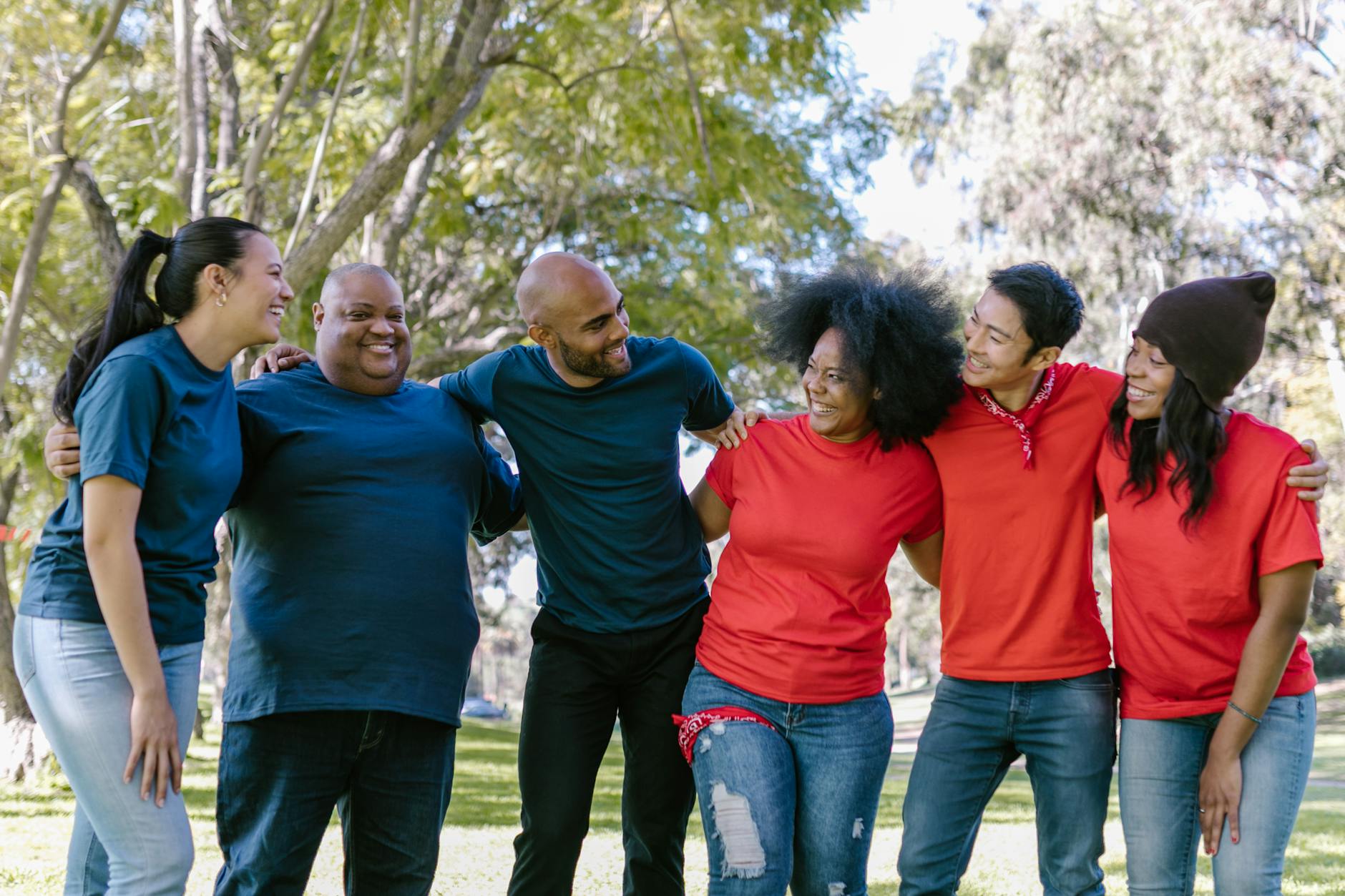
The lives of Black women have historically been shaped not only by individual strength but by the networks of community that surround them. From family structures and church congregations to mentorship programs and cultural organizations, community acts as both a protective force and a springboard for generational success. These collective bonds foster resilience, impart wisdom, and cultivate the spiritual and psychological resources necessary to navigate systemic oppression while achieving extraordinary accomplishments.
Historically, the Black church has been a central pillar in shaping Black women’s identities. From the era of slavery through the civil rights movement, church communities offered spiritual guidance, social support, and leadership training. Women such as Septima Clark, who established citizenship schools to educate and empower Black communities, exemplify how communal efforts translate into generational progress. Scripture underscores the importance of collective strength: “Two are better than one; because they have a good reward for their labour. For if they fall, the one will lift up his fellow” (Ecclesiastes 4:9–10, KJV). In this way, spiritual and social support within a community nurtures resilience and ensures continuity of success across generations.
Mentorship and familial networks play a similarly transformative role. Psychological research indicates that individuals with strong social support systems demonstrate higher self-esteem, better stress management, and increased goal attainment (Cohen & Wills, 1985). Black women raised in supportive communities often benefit from role models, shared knowledge, and encouragement that transcend generational barriers. For example, the influence of matriarchal figures such as Coretta Scott King and Mary McLeod Bethune demonstrates how guidance from pioneering women cultivates leadership skills and societal influence among younger generations. These women’s legacies ripple through time, illustrating how community shapes identity, ambition, and achievement.
Communities also foster resilience in the face of systemic oppression. The psychological concept of “collective efficacy” refers to a group’s shared belief in its capability to organize and achieve desired outcomes, even in challenging circumstances. For Black women, this manifests in cultural organizations, sororities, advocacy groups, and grassroots movements that reinforce self-worth, nurture talent, and protect mental health. Modern examples include Black Girl Magic collectives and mentorship programs for young Black women in STEM and the arts, which provide opportunities and encouragement that individual effort alone might not secure.
Generational triumphs are evident in families and lineages that demonstrate upward mobility, educational attainment, and community leadership despite historical adversity. For instance, the legacy of the Du Bois family and other multigenerational scholars highlights the role of education and communal support in achieving long-term societal impact. Similarly, artistic dynasties such as the Staples and Collins families demonstrate cultural preservation and excellence passed down through shared mentorship and encouragement. Each triumph story exemplifies how communal structures empower Black women to break cycles of oppression while instilling values, work ethic, and vision in future generations.
🌟 Generational Triumph Spotlight: Black Women and Their Legacies
Septima Poinsette Clark (1898–1987)
Legacy: Established citizenship schools during the Civil Rights Movement, educating generations of Black Americans to vote and advocate for justice.
Impact: Her work empowered communities, fostering leadership and civic engagement that transcended her lifetime.
Mary McLeod Bethune (1875–1955)
Legacy: Founder of Bethune-Cookman University and leader in education for Black youth.
Impact: Mentored countless students, emphasizing education, self-worth, and community responsibility across generations.
Coretta Scott King (1927–2006)
Legacy: Civil rights activist and advocate for education, peace, and equality.
Impact: Inspired younger leaders, including her children, and strengthened community-based movements for social justice.
Ella Baker (1903–1986)
Legacy: Influential organizer in the NAACP, SCLC, and SNCC.
Impact: Advocated grassroots leadership, empowering local communities and fostering intergenerational activism.
Oprah Winfrey (b. 1954)
Legacy: Media mogul, philanthropist, and mentor to emerging Black leaders.
Impact: Through her platform and charitable work, she provides inspiration, mentorship, and resources for young Black women across generations.
Angela Davis (b. 1944)
Legacy: Scholar, activist, and author focused on social justice, prison reform, and Black liberation.
Impact: Her activism and writings have shaped movements and inspired young women to pursue education and justice-oriented careers.
The Du Bois Family
Legacy: William Edward Burghardt Du Bois and descendants emphasized scholarship, leadership, and civil rights.
Impact: Generational academic and civic contributions reflect the role of familial mentorship and community values in shaping societal leaders.
Misty Copeland (b. 1982)
Legacy: First African American principal dancer at American Ballet Theatre and advocate for arts education.
Impact: Inspires young dancers and artists, promoting access, representation, and mentorship across generations.
The Collins and Staples Families
Legacy: Families with multi-generational achievements in music, education, and cultural preservation.
Impact: Demonstrates how cultural knowledge, artistic talent, and community pride are nurtured and passed down through generations.
Amanda Gorman (b. 1998)
Legacy: Poet and activist whose work emphasizes justice, resilience, and youth leadership.
Impact: Inspires a new generation to value literacy, expression, and civic engagement.
Scripture further reinforces the power of community in nurturing resilience and leadership. Proverbs 31 celebrates a woman whose strength, wisdom, and influence benefit both her household and the broader community: “She openeth her mouth with wisdom; and in her tongue is the law of kindness” (Proverbs 31:26, KJV). Black women who thrive within strong communal networks often mirror this biblical ideal, balancing self-mastery with nurturing, teaching, and leading others.
Ultimately, the interplay between community, resilience, and generational triumph illustrates a cycle of empowerment. When Black women are supported spiritually, socially, and emotionally, they are better equipped to overcome adversity, achieve personal and collective goals, and pass down legacies of excellence. Their stories—ranging from pioneers in education, activism, and arts to contemporary leaders in politics, business, and science—demonstrate that triumph is rarely solitary; it is deeply rooted in the collective strength of community.
References
Cohen, S., & Wills, T. A. (1985). Stress, social support, and the buffering hypothesis. Psychological Bulletin, 98(2), 310–357.
Kendi, I. X. (2016). Stamped from the Beginning: The Definitive History of Racist Ideas in America. Nation Books.
Bible (KJV). Ecclesiastes 4:9–10; Proverbs 31:26.
Morris, A. D. (1999). Women’s Work: The Civil Rights Movement and the Politics of Gender. University of North Carolina Press.
Beauty, often seen as a source of admiration and power, has a dark side when filtered through systems of racial hierarchy. For Black women in particular, beauty is not just about personal appearance but about social acceptance, economic opportunity, and psychological well-being. Within this context, colorism—preferential treatment based on skin tone—and Eurocentrism—the elevation of European features as the standard of attractiveness—create a rigid beauty hierarchy that disadvantages those with darker complexions. This dynamic reflects centuries of colonialism and slavery, where proximity to whiteness became a marker of value (Hunter, 2007).
Colorism emerged as a direct byproduct of slavery and colonial rule. During enslavement, lighter-skinned Black people, often the mixed-race children of enslaved women and white masters, were sometimes given preferential treatment, lighter work, or even opportunities for education. This fostered a social divide that persists today, manifesting in stereotypes that depict lighter skin as more refined or desirable while darker skin is associated with inferiority (Glenn, 2008). This artificial hierarchy continues to influence perceptions of beauty, love, and even employment opportunities in contemporary society.
Eurocentrism deepens the wound by setting white or European features—straight hair, thin noses, light eyes, and pale skin—as the “universal” ideal. Media, advertising, and Hollywood have historically reinforced these ideals, casting white women as leading symbols of femininity and beauty while relegating Black women to marginal or exotic roles. The outcome is a systematic erasure of African aesthetics and a psychological pressure for Black women to conform through skin-lightening, hair-straightening, or even surgical alteration (Russell, Wilson, & Hall, 2013).
The consequences of this hierarchy are profound. Studies show that darker-skinned Black women are more likely to face hiring discrimination, receive harsher prison sentences, and are less likely to be married than lighter-skinned Black women (Maddox & Gray, 2002). These outcomes demonstrate that beauty bias is not superficial but deeply intertwined with structural racism and sexism. In this sense, beauty becomes political—a mechanism through which inequality is reproduced.
Psychologically, colorism and Eurocentrism damage self-esteem, body image, and mental health. Internalized racism leads many Black women to devalue their natural features, creating a cycle of insecurity and shame. The “hierarchy of pretty” conditions individuals to associate lighter skin with worthiness and darker skin with deficiency, echoing the “doll tests” of the 1940s, in which Black children often chose white dolls as “pretty” and “good” while rejecting dolls that looked like themselves (Clark & Clark, 1947). This internalized bias demonstrates how deeply beauty hierarchies infiltrate self-perception.
Resistance, however, is emerging through movements like #BlackGirlMagic, the natural hair movement, and broader global calls for inclusivity in fashion and media. By celebrating diverse representations of Blackness—dark skin, natural hair, African facial features—these movements seek to dismantle Eurocentric beauty norms. Social media has amplified these efforts, giving Black women a platform to assert their own narratives and aesthetics, counteracting centuries of erasure.
Biblically, worth is not found in skin tone or physical beauty but in the character and spirit of an individual. Scripture reminds us that “man looketh on the outward appearance, but the Lord looketh on the heart” (1 Samuel 16:7, KJV). This teaching directly challenges the superficial hierarchies of society, encouraging a return to valuing substance over appearance. When understood in this light, overcoming colorism requires both spiritual reorientation and social change—rejecting man-made hierarchies for divine truth.
Ultimately, the dark side of “pretty” exposes how beauty standards are neither innocent nor universal but constructed tools of power. Colorism and Eurocentrism have entrenched damaging hierarchies that oppress Black women, especially those with darker skin. The way forward lies in cultural resistance, psychological healing, and a biblical reclaiming of worth beyond appearances. True beauty, when stripped of colonial and racial distortions, is diverse, multifaceted, and rooted in the dignity of every human being created in the image of God.
📚 References
Clark, K. B., & Clark, M. P. (1947). Racial identification and preference in Negro children. Readings in Social Psychology.
Glenn, E. N. (2008). Yearning for lightness: Transnational circuits in the marketing and consumption of skin lighteners. Gender & Society, 22(3), 281–302.
Hunter, M. (2007). The persistent problem of colorism: Skin tone, status, and inequality. Sociology Compass, 1(1), 237–254.
Maddox, K. B., & Gray, S. A. (2002). Cognitive representations of Black Americans: Reexploring the role of skin tone. Personality and Social Psychology Bulletin, 28(2), 250–259.
Russell, K., Wilson, M., & Hall, R. (2013). The color complex: The politics of skin color among African Americans. Anchor Books.
The journey of the Black woman is a complex tapestry woven with strands of resilience, faith, pain, and perseverance. Her voice, often muted by systemic oppression, resonates with both the echoes of ancestral struggle and the melody of survival. Despite her indispensable role in the shaping of societies, the Black woman remains caught between visibility and invisibility, celebrated yet silenced, desired yet devalued. This essay examines the layered dilemmas Black women face, focusing on silencing and gaslighting, mental health taboos, and generational trauma, while drawing upon psychology and the King James Bible (KJV) for insight and pathways toward healing.
Black women occupy a paradoxical position in society: they are both invisible and indispensable. Their labor has historically undergirded economies, families, and communities, yet their voices, bodies, and contributions are often dismissed or appropriated. This dilemma—rooted in slavery and perpetuated through systemic inequities—has created a cycle of resilience and exhaustion. Black women are expected to give endlessly while being denied the recognition and care they deserve. As scholar bell hooks (1981) argued, the exploitation of Black women’s labor is foundational to both racism and patriarchy, rendering them crucial yet overlooked participants in social progress.
The Price of Being Heard: Silencing and Gaslighting of Black Women’s Voices
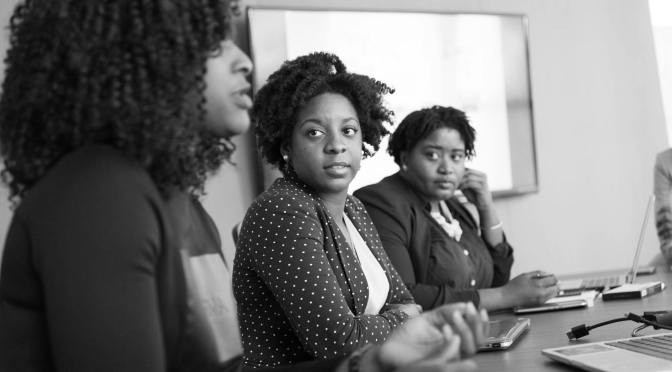
One of the most profound challenges Black women face is the silencing of their voices. Whether in corporate boardrooms, political arenas, or healthcare settings, Black women are often dismissed, interrupted, or told their concerns are exaggerated. The tragic case of Serena Williams—who was ignored by medical staff during childbirth complications—illustrates how even wealthy, high-profile Black women experience silencing. Psychologically, this dismissal results in gaslighting: being made to question one’s reality or truth. Biblically, silencing echoes the injustice condemned in Proverbs 31:8 (KJV): “Open thy mouth for the dumb in the cause of all such as are appointed to destruction.” Scripture affirms that truth-telling is both a moral responsibility and a sacred act, underscoring the need to honor Black women’s testimonies.
Psychology of Silencing
From a psychological standpoint, constant silencing creates cognitive dissonance and internalized self-doubt. Research shows that being unheard increases anxiety and depressive symptoms, while persistent microaggressions erode self-esteem (Sue, 2010). For Black women, the compounded effect of race and gender means their silence is not merely personal but systemic. Overcoming this requires validating their voices, establishing platforms where they are centered, and teaching communities to listen with humility rather than defensiveness.
Solutions for Amplification
To counteract silencing, Black women must be given space in leadership, policy, and media representation. Mentorship programs, advocacy networks, and deliberate inclusion in decision-making structures can elevate voices long ignored. Churches and communities must also challenge patriarchal norms that discourage women from speaking openly. The Apostle Paul’s reminder in Galatians 3:28 (KJV)—“There is neither Jew nor Greek, there is neither bond nor free, there is neither male nor female: for ye are all one in Christ Jesus”—calls for dismantling hierarchies that devalue women’s contributions.
Black Women and Mental Health: Breaking the Taboo of Therapy and Healing
Mental health remains a taboo subject within many Black communities. Generational teachings to “pray it away” or “stay strong” have discouraged women from seeking professional help. The stigma is compounded by historical medical racism, such as the exploitation of Black bodies in the Tuskegee experiments. Psychologically, suppression of emotional struggles manifests as anxiety, depression, and even somatic illnesses like hypertension. Woods-Giscombé (2010) notes that the “Superwoman Schema” forces Black women to conceal vulnerability, worsening mental health outcomes.
Biblical and Psychological Perspective on Healing
The Bible affirms the importance of rest, restoration, and vulnerability. Matthew 11:28 (KJV) declares: “Come unto me, all ye that labour and are heavy laden, and I will give you rest.” This scripture reminds Black women that God does not demand unending strength but invites them into divine rest. Psychologically, therapy provides tools to unpack trauma, process grief, and build resilience. When paired with faith, therapy becomes not a contradiction to spirituality but a complement to healing.
Breaking the Stigma: Examples and Solutions
Examples of progress include the growing movement of Black female therapists, such as Dr. Joy Harden Bradford, founder of Therapy for Black Girls, which normalizes counseling within the community. Support groups, church-based wellness ministries, and culturally competent therapists are helping women dismantle stigma. Overcoming silence around mental health requires both education and representation—seeing women who look like them embrace therapy validates its importance.
Daughters of the Diaspora: Carrying Generational Trauma and Triumph
Black women also bear the dual inheritance of generational trauma and triumph. The legacies of slavery, colonization, and Jim Crow laws passed down unresolved pain—manifesting in patterns of fear, hypervigilance, and mistrust (DeGruy, 2005). At the same time, the triumph of survival, creativity, and spiritual faith continues to shape diasporic identity. For instance, the resilience of mothers and grandmothers who held families together amid oppression reflects triumph woven into trauma. This paradox forms the heart of diasporic womanhood: carrying both burden and brilliance.
Psychology of Intergenerational Trauma
Intergenerational trauma is supported by epigenetic research showing that stress can alter genetic expressions, passing heightened vulnerability to descendants (Yehuda & Lehrner, 2018). For Black women, inherited trauma manifests in hyper-responsibility, guardedness, and sometimes mistrust in relationships. Yet resilience is also passed down, enabling survival and cultural creativity. Psychologists argue that acknowledging both trauma and triumph is critical for holistic healing.
Biblical Understanding of Generational Struggles
The Bible acknowledges generational consequences: “Visiting the iniquity of the fathers upon the children unto the third and fourth generation” (Exodus 20:5, KJV). Yet it also emphasizes redemption: “But the mercy of the Lord is from everlasting to everlasting upon them that fear him” (Psalm 103:17, KJV). For Black women, this means generational pain is real but not final. Faith and intentional healing practices can break cycles of suffering.
Practical Solutions for Diasporic Healing
Healing generational trauma requires storytelling, therapy, and cultural reclamation. Practices such as oral history projects, mother-daughter healing circles, and reconnecting with African heritage provide pathways to empowerment. Community spaces that celebrate Black culture, music, and spirituality affirm the triumph that accompanies trauma. For example, the Gullah traditions in South Carolina preserve ancestral memory, providing cultural pride and connection.
Invisible Yet Indispensable: The Labor of Black Women
Throughout history, Black women have been the backbone of families, churches, and economies. From enslaved women sustaining households to domestic workers of the 20th century, their labor has often been invisible yet essential. Even today, Black women disproportionately fill caregiving roles—nurses, teachers, social workers—while also leading grassroots activism. Their indispensability, however, is rarely matched with recognition or protection. Ecclesiastes 3:13 (KJV) reminds us: “Every man should eat and drink, and enjoy the good of all his labour, it is the gift of God.” This affirms the dignity of labor that must be extended to Black women.
The Psychology of Overwork and Recognition
Psychologically, the invisibility of labor leads to burnout, resentment, and internalized feelings of worthlessness. When contributions are undervalued, women experience the psychological toll of invisibility—feeling unseen despite being overextended. Overcoming this requires systemic recognition of Black women’s work, pay equity, and shared household responsibilities. Within communities, honoring Black women means affirming their contributions without exploiting their endurance.
Toward Healing and Liberation
In overcoming these dilemmas, Black women must reclaim vulnerability, embrace therapy, and center their voices. Society must amplify rather than silence, honor rather than exploit, and protect rather than disregard. As Paul writes in 2 Corinthians 12:9 (KJV): “My grace is sufficient for thee: for my strength is made perfect in weakness.” This verse reframes weakness not as failure but as the gateway to divine empowerment. Solutions lie in a holistic embrace of faith, psychology, and cultural resilience—recognizing that Black women’s survival is not enough; their flourishing is essential for the healing of communities.
References
bell hooks. (1981). Ain’t I a woman? Black women and feminism. South End Press.
DeGruy, J. (2005). Post Traumatic Slave Syndrome: America’s legacy of enduring injury and healing. Uptone Press.
Sue, D. W. (2010). Microaggressions in everyday life: Race, gender, and sexual orientation. Wiley.
Woods-Giscombé, C. L. (2010). Superwoman schema: African American women’s views on stress, strength, and health. Qualitative Health Research, 20(5), 668–683.
Yehuda, R., & Lehrner, A. (2018). Intergenerational transmission of trauma effects: Putative role of epigenetic mechanisms. World Psychiatry, 17(3), 243–257.
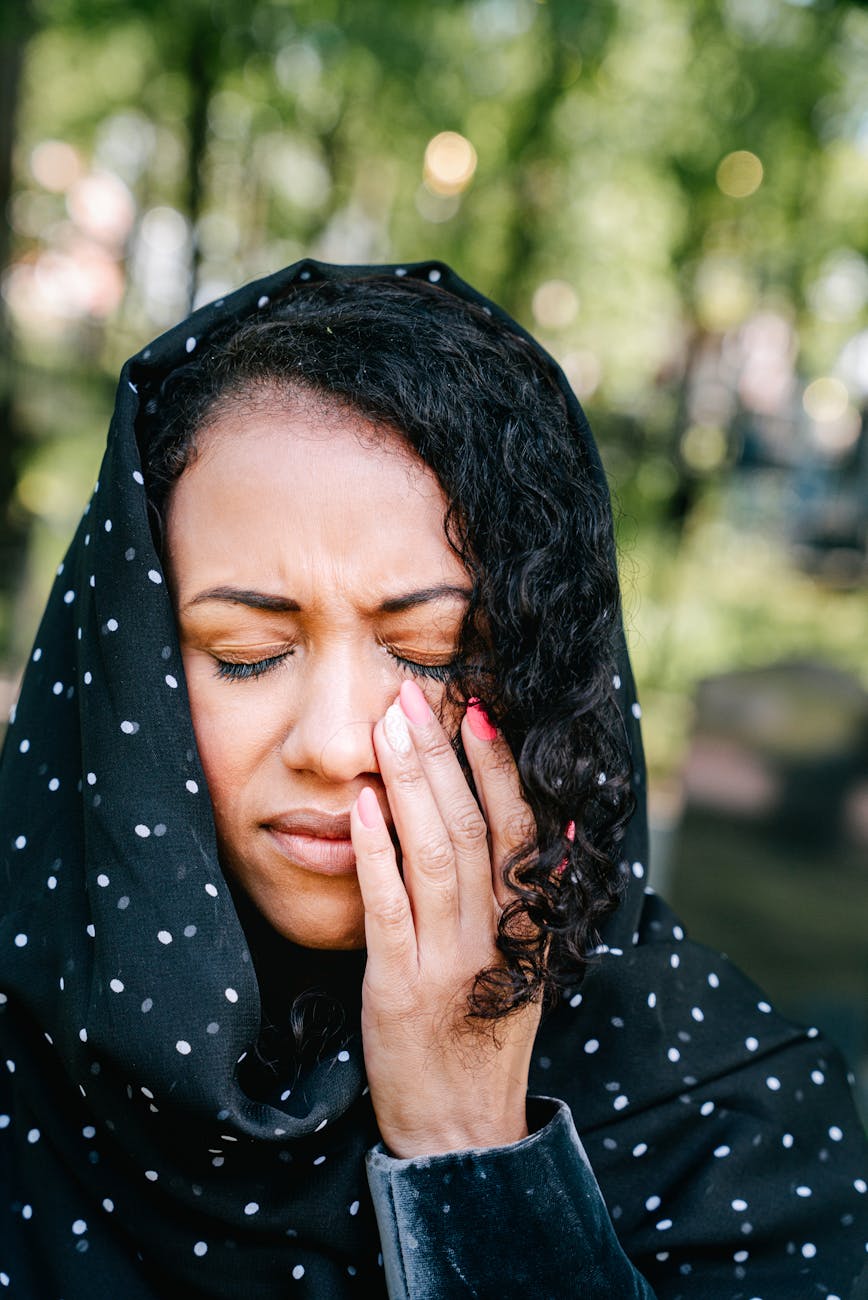
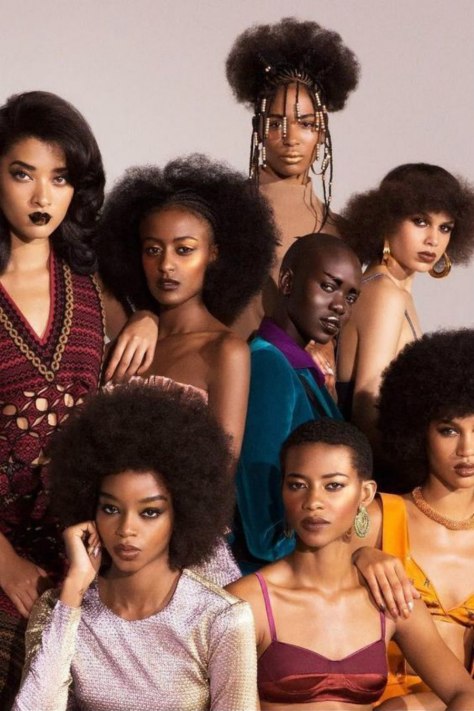
The journey of the brown girl is a complex tapestry woven with strands of resilience, faith, pain, and perseverance. Her voice, often muted by systemic oppression, resonates with both the echoes of ancestral struggle and the melody of survival. Despite her indispensable role in the shaping of societies, the brown girl remains caught between visibility and invisibility, celebrated yet silenced, desired yet devalued.
This photograph is the property of its owner. No copyright infringement intended.
The Black woman stands at a unique intersection of race, gender, and historical complexity. She is a daughter of Africa, molded by centuries of cultural richness, yet shaped by the traumas of colonization, slavery, and systemic oppression. To define the Black woman is not merely to categorize her by phenotype or ethnicity but to acknowledge the multifaceted strength, resilience, and spiritual depth she embodies. Her existence is both a testimony of survival and a manifestation of divine creation.
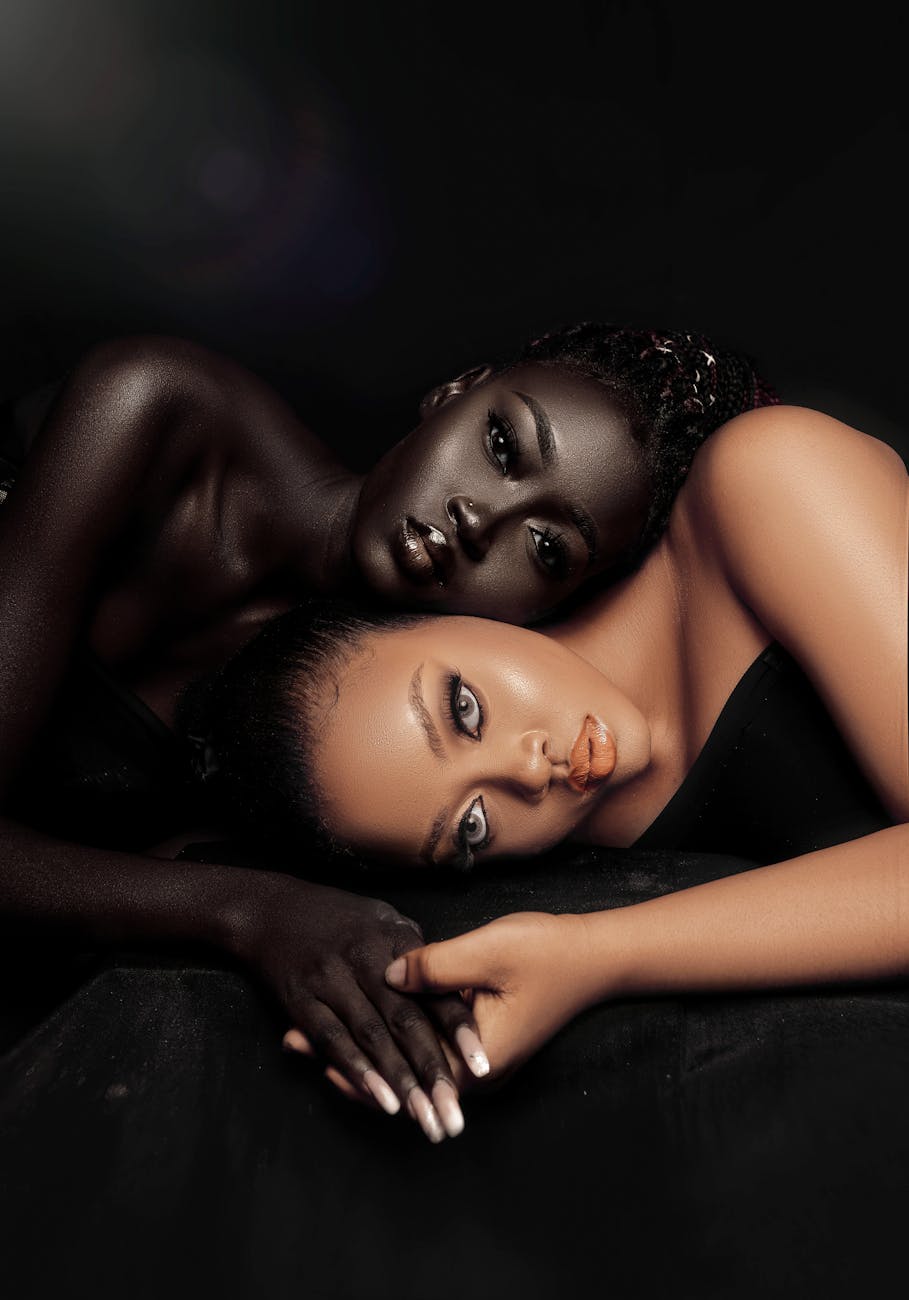
She walks with shadows on her skin, Her crown denied, her truth made thin. Yet in her soul, a flame still burns, Toward God Most High, her spirit turns.
The Essence of the Black Woman
The Black woman is not a passive bystander in the human story. She is a survivor and a leader among women. She is not simply the product of oppression but the embodiment of legacy, faith, and hope. While the world has too often rendered her invisible, she has never ceased to shine. Her scars are not signs of weakness but marks of endurance. Her voice is not one of anger but of righteous truth. Her presence is not an afterthought—it is essential. To be a Black woman is to carry the weight of many worlds and still walk upright. It is to be defined not by trauma, but by triumph. It is to rise, again and again, from the ashes of injustice with wisdom in her mind, fire in her bones, and purpose in her soul.
The Origins and Legacy of the Black Woman
The roots of the Black woman run deep in the soil of the African continent, often referred to as the cradle of civilization. Long before the Middle Passage or the ravages of imperialism, she was revered as queen, healer, warrior, and nurturer. Ancient civilizations such as Kemet (Egypt) and Kush (Nubia) bear witness to her influence and power. Historical figures such as Makeda, the Queen of Sheba, and Yaa Asantewaa, the Ashanti warrior queen, represent the authority and intellect Black women wielded long before colonial narratives sought to reduce their value. In the diaspora, figures such as Harriet Tubman, Sojourner Truth, and Ida B. Wells continued this legacy of resistance, intellect, and spiritual resilience.
This sacred lineage was disrupted but not erased by slavery and systemic racism. She is CHOSEN. Even in bondage, the Black woman bore nations, preserved culture, and nurtured resistance. Her story is not merely one of suffering, but of transformation and transcendence.
The “Brown Girl Dilemma” speaks to the intersectional struggles of Black women who carry the weight of history, family, and society upon their shoulders while striving to reclaim their identity as daughters of the Most High God. The Bible reminds us that sin separates humanity from the Creator: “But your iniquities have separated between you and your God, and your sins have hid his face from you” (Isaiah 59:2, KJV). As descendants of a chosen people, many in the African diaspora bear the consequences of forgetting God’s commandments (Deuteronomy 28). Restoration begins with repentance, obedience, and returning to the covenant, for it is only through God that wholeness can be achieved.
The impact of slavery continues to shape the psyche of Black people. Enslavement fractured families, introduced color hierarchies, and instilled a legacy of trauma. Colorism emerged as a tool of division, where lighter-skinned Blacks were often given preferential treatment, a strategy designed to destroy unity. Today, this manifests in distrust, competition, and a failure to unite as one nation. Scholars such as Du Bois (1903/1994) wrote of the “double consciousness” of Black existence, a struggle between identity and imposed inferiority. The legacy of slavery has not disappeared—it has merely transformed into systemic racism, prison pipelines, and discriminatory policies.
The order of the family is equally troubled. In biblical teaching, the husband is called to love his wife as Christ loved the church (Ephesians 5:25, KJV). Yet many Black women experience broken relationships marked by absentee fathers, irresponsible partners, and men driven by lust rather than godly responsibility. Economic strain, social pressures, and the allure of interracial dating often leave Black women questioning their value. While there are faithful, loving men within the community, they can feel like rare jewels—“needles in a haystack.” Too many women are burdened with carrying the weight of provision, discipline, and emotional labor alone.
Beyond family matters, the “isms” weigh heavily. Racism remains pervasive, sexism undermines Black women in workplaces and institutions, colorism pits them against one another, and lookism—judging worth based on appearance—diminishes them further. Each of these forces multiplies the challenge of survival and success. Crenshaw’s (1989) concept of intersectionality reveals how Black women experience multiple, overlapping oppressions, often making their struggles invisible in mainstream feminist or racial justice discourse.
Economically, Black women continue to face disparities. According to the U.S. Department of Labor (2024), Black women earn approximately 63 cents for every dollar earned by white men, with long-term implications for generational wealth. Joblessness and underemployment remain pressing issues, with Black unemployment rates historically double those of whites (Bureau of Labor Statistics, 2023). This economic imbalance is not only unjust but also psychologically damaging, reinforcing feelings of inadequacy and systemic exclusion.
Health disparities further compound these challenges. Black women have the highest rates of hypertension, diabetes, heart disease, and certain cancers compared to other demographics (CDC, 2024). Additionally, sexually transmitted diseases, including HIV, disproportionately affect Black communities. Poor diet access, limited healthcare, and stress-related illnesses tie into broader socioeconomic inequalities. Scripture reminds us, however, that our bodies are temples of God (1 Corinthians 6:19–20, KJV), urging the community toward better stewardship of health.
The universal standard of beauty has been a dagger against the esteem of Black women. Rooted in Eurocentric ideals, it positions whiteness as the pinnacle of desirability. In 2011, a Psychology Today article notoriously argued that Black women were “less attractive” than other races, sparking outrage and revealing deep-seated prejudices. Lighter-skinned women often find more social acceptance, yet the hierarchy continues to marginalize darker-skinned women. Many Black male celebrities have also publicly disparaged Black women, praising non-Black women instead, furthering the internalization of these hierarchies. This demonstrates how colonized definitions of beauty perpetuate cycles of self-hatred and exclusion.
Kevin Samuels (Image Consultant / YouTube Personality)
Samuels frequently made disparaging remarks toward Black women. In one widely circulated clip, he referred to single women over 35 as “leftovers.” He also claimed:
“When you’re talking about Black women, they are on the opposite end of the spectrum in all ranks.” GQ
Tariq Nasheed (Media Commentary / FBA Proponent)
Nasheed popularized the term “bed wench” as a derogatory label for Black women who date interracially—a term rooted in slavery-era contempt, and used to shame successful Black women who allegedly challenge Black patriarchy. Wikipedia
Tommy Sotomayor (Internet Commentator / Men’s Rights Activist)
Sotomayor has blamed the struggles of young Black men on single Black mothers, suggesting that Black women’s family structures are at the root of broader societal issues. Wikipedia
Chester Himes (Author, mid-20th century)
In his work In Black and White, Himes portrayed Black women with disturbing stereotypes and violence. For example: “It is presumed only right and justifiable for a black man to beat his own black women when they need it.” The New Yorker
Anecdotal Examples from Social Discourse (Reddit)
One user shared a heartbreaking example of a musician’s demeaning comments: “…yelling how ugly black darkskinned women are, the only beautiful women on this planet are biracials and Ethiopians… black girls look like men…” Reddit
Another user captures the broader sentiment of colorism and rejection: “I seen that rap battle … one of the darkskin men boasted about having a lightskin daughter … called the other man’s darkskin 6-year-old daughter black and ugly and a whore.” Reddit
Summary of Key Negative Narratives
Source (Public Figure / Setting)
Essence of Negative Commentary
Kevin Samuels
Demeaning Black women—calling them “leftovers” and ranking them low on desirability.
Tariq Nasheed
Labels Black women who date outside the race with demeaning historical slurs.
Tommy Sotomayor
Blames Black women (single mothers) for societal and familial issues standing in the way of Black men.
Chester Himes (Literary)
Portrays Black women through violent, oppressive stereotypes in his fiction.
Reddit Anecdotes
Reflect real lived experiences: colorism-driven insults, preference for lighter skin, degrading comparisons.
Stereotypes compound these struggles. Black women are often mislabeled as “angry,” “hypersexual,” or “unfeminine,” fallacies that obscure their complexity. Patricia Hill Collins (2000) refers to these as “controlling images,” cultural myths that justify oppression. The truth, however, is that Black women embody resilience, creativity, and leadership. Yet the psychological toll of disproving these stereotypes daily is exhausting, creating stress known as “weathering” (Geronimus, 1992), which accelerates health decline.
Violence against Black women remains an alarming crisis. According to the Institute for Women’s Policy Research (2023), over 40% of Black women will experience intimate partner violence in their lifetime. Police brutality disproportionately harms Black women as well, from Sandra Bland to Breonna Taylor, their lives cut short by systemic violence. Beyond physical harm, psychological warfare—through negative media portrayals, exclusion, and microaggressions—erodes mental well-being. The psalmist cries: “How long shall they utter and speak hard things? and all the workers of iniquity boast themselves?” (Psalm 94:4, KJV).
The solution lies in unity and spiritual renewal. Frances Cress Welsing once wrote, “If we do not understand white supremacy—what it is and how it works—everything else that we think we understand will only confuse us” (1991, p. 2). Michelle Obama reminds us: “The measure of any society is how it treats its women and girls.” And Toni Morrison emphasized, “The function of freedom is to free someone else.” These voices remind us that the liberation of Black women is inseparable from the liberation of the community as a whole.
🌹 The Brown Girl Dilemma vs. The Brown Boy Dilemma 💪
Theme
Brown Girl Dilemma
Brown Boy Dilemma
Spiritual Identity
Men are emasculated, denied authority, criminalized and treated as threats.
Same disconnection; loss of spiritual leadership; struggles with manhood outside biblical order.
Slavery’s Legacy
Disconnected from God through sin and oppression, struggles with worth and obedience to His commandments.
Single mothers bear heavy loads, absentee fathers; imbalance in relationships.
Family Structure
Single mothers bear heavy loads, absentee fathers, imbalance in relationships.
Fatherlessness creates cycles; incarceration removes men from homes; lack of role models.
Racism & Systemic Oppression
Sexism + racism (double bind); overlooked in justice movements.
Criminalized early; school-to-prison pipeline; hyper-policed and surveilled.
Colorism
Lighter-skinned women often favored in beauty standards; darker-skinned women devalued.
Light-skinned men sometimes perceived as more “acceptable”; dark-skinned men stereotyped as dangerous.
Beauty Standards / Masculinity
Eurocentric beauty ideals label Black women “ugly” or “less attractive.”
Stereotypes of hypermasculinity, aggression, and oversexualization.
Economic Struggles
Wage gap: Black women earn ~63¢ per white man’s $1; underrepresentation in leadership roles.
Collective solidarity (ending division between men and women).
The Modern-Day Challenges of the Black Woman
Despite her historical strength, the Black woman today continues to face multilayered adversities stemming from structural and interpersonal forces. These challenges are best understood through the framework of intersectionality—a concept coined by legal scholar Kimberlé Crenshaw—which highlights how race, gender, and other identities intersect to create compounded discrimination.
Racism continues to manifest in disproportionate rates of police brutality, workplace discrimination, and underrepresentation in positions of power. Simultaneously, sexism subjects Black women to patriarchal structures that marginalize their voices and capabilities. Complicating this further is colorism, a preference for lighter skin within and beyond the Black community, often privileging those with Eurocentric features and contributing to a dangerous belief in the superiority of light-skinned individuals.
Misogynoir, the unique discrimination against Black women that blends racism and sexism, further entrenches stereotypes such as the “angry Black woman,” the hypersexualized “jezebel,” or the self-sacrificing “mammy.” These tropes are not just offensive—they are psychologically and socially damaging, limiting the perceptions others have of Black women and the ones they have of themselves.
Moreover, Black women face systemic economic inequalities. Despite being among the most educated demographics in the U.S., Black women continue to earn less than both white men and white women. They also lead in numerous health disparities, including heart disease, maternal mortality, and untreated mental health conditions—often exacerbated by inadequate access to quality care and generational trauma.
✅ Proposed Solutions for Black Women
Domain
Strategy
Psychological
Healing from colorism, building self-worth, therapy to counter trauma
Community
Support sisterhood, mentorship, natural beauty affirmation
Spiritual
Biblical grounding—acknowledge that all are made in God’s image (Psalm 139:14)
Healthcare
Advocate for culturally competent care, regular screenings, trusted providers
Education
Empower conversations about sexuality, STIs, and negotiation in relationships
To rise above, healing is cultural, psychological, and spiritual: affirming identity, rejecting imposed standards, seeking justice, and fostering empowered, faith-rooted sisterhood.
Overcoming Adversity: Pathways to Liberation
To overcome these deeply rooted challenges, Black women must embark on both personal and collective journeys of empowerment. First and foremost, it is critical for the Black woman to reclaim her worth and identity, understanding that her value is not defined by societal standards, media representation, or Eurocentric beauty ideals. Psalm 139:14 declares that she is “fearfully and wonderfully made”—a divine truth that must be internalized.
Knowledge of one’s history is equally vital. By studying the contributions of foremothers and reconnecting with African ancestry, the Black woman gains a powerful sense of self and purpose. Historical literacy combats invisibility and fosters pride.
Community and sisterhood play an essential role in healing. Instead of perpetuating the internalized divisions—whether through colorism, competition, or jealousy—Black women must uplift one another. Unity is not a luxury; it is a necessity for collective survival and flourishing.
Therapy, spiritual practices, and culturally informed healing can address generational trauma and the psychological damage wrought by centuries of oppression. By confronting pain through both professional counseling and ancestral traditions, the Black woman can begin to mend what has been broken.
Economic empowerment and education remain foundational tools for liberation. Black women have historically led movements, founded schools, and built businesses. Entrepreneurship and financial literacy offer pathways to independence and influence.
Faith and spiritual guidance also remain integral. The Black woman has often leaned on her spiritual roots—whether through Christ for hope and endurance. Returning to God and seeking wise counsel strengthens her inner resolve and aligns her with divine purpose.
Unity within the Black community must transcend negativity, envy, and division. The Bible commands: “Behold, how good and how pleasant it is for brethren to dwell together in unity!” (Psalm 133:1, KJV). By rejecting divisive ideologies and embracing love, Black men and women can rebuild trust and solidarity. Restoring families, promoting education, supporting businesses, and encouraging health are acts of resistance against oppression.
Psychologically, healing requires therapy, collective affirmation, and dismantling internalized racism. From a biblical perspective, repentance, forgiveness, and love remain central. “Above all things have fervent charity among yourselves: for charity shall cover the multitude of sins” (1 Peter 4:8, KJV). The brown girl must be reminded that her worth is not defined by a hostile world but by the image of God she carries.
Overcoming the “Brown Girl Dilemma” begins with truth-telling: about history, about pain, and about hope. Black women must be encouraged to pursue spiritual renewal, to demand justice, and to embrace their beauty unapologetically. Communities must uplift one another instead of tearing each other down.
The dilemma remains real, but the path of deliverance is clear. Rooted in God’s commandments, strengthened through unity, and fortified with love, the brown girl will no longer be a dilemma but a divine solution—a vessel of resilience, creativity, and healing for generations to come.
📚 References
Bureau of Labor Statistics. (2023). Employment status of the civilian population by race, sex, and age.
Centers for Disease Control and Prevention. (2024). Health disparities by race and ethnicity.
Collins, P. H. (2000). Black feminist thought: Knowledge, consciousness, and the politics of empowerment. Routledge.
Crenshaw, K. (1989). Demarginalizing the intersection of race and sex. University of Chicago Legal Forum, 1989(1), 139–167.
Du Bois, W. E. B. (1994). The souls of Black folk. Dover. (Original work published 1903).
Geronimus, A. T. (1992). The weathering hypothesis and the health of African-American women and infants. Ethnicity & Disease, 2(3), 207–221.
Welsing, F. C. (1991). The Isis papers: The keys to the colors. Third World Press.
U.S. Department of Labor. (2024). Gender and racial wage gaps.
Crenshaw, K. (1989). Demarginalizing the Intersection of Race and Sex: A Black Feminist Critique of Antidiscrimination Doctrine. University of Chicago Legal Forum. Reprinted in “Mapping the Margins” (1991) Encyclopedia Britannica.
Institute for Women’s Policy Research. (2025, July 7). Black women stand to lose over $1 million to the wage gapIWPR+1National Women’s Law Center+1.
Centers for Disease Control and Prevention. (2024, April). Working Together to Reduce Black Maternal MortalityPRB+7CDC+7people.com+7.
Hoyert, D. L. (2023). Health E‑Stat 100: Maternal Mortality Rates in the United States, 2023CDC.
News reports on maternal mortality (2025). AP News; AxiosAxios.
Britannica Editors. (2025). Intersectionality entry, Encyclopaedia Britannica Encyclopedia Britannica.
Would you like this version formatted as a PDF or adapted into a workshop outline or sermon script
Where faith, history, and truth illuminate the Black experience.

 THE BROWN GIRL DILEMMA