
Category Archives: Black Royalty Series

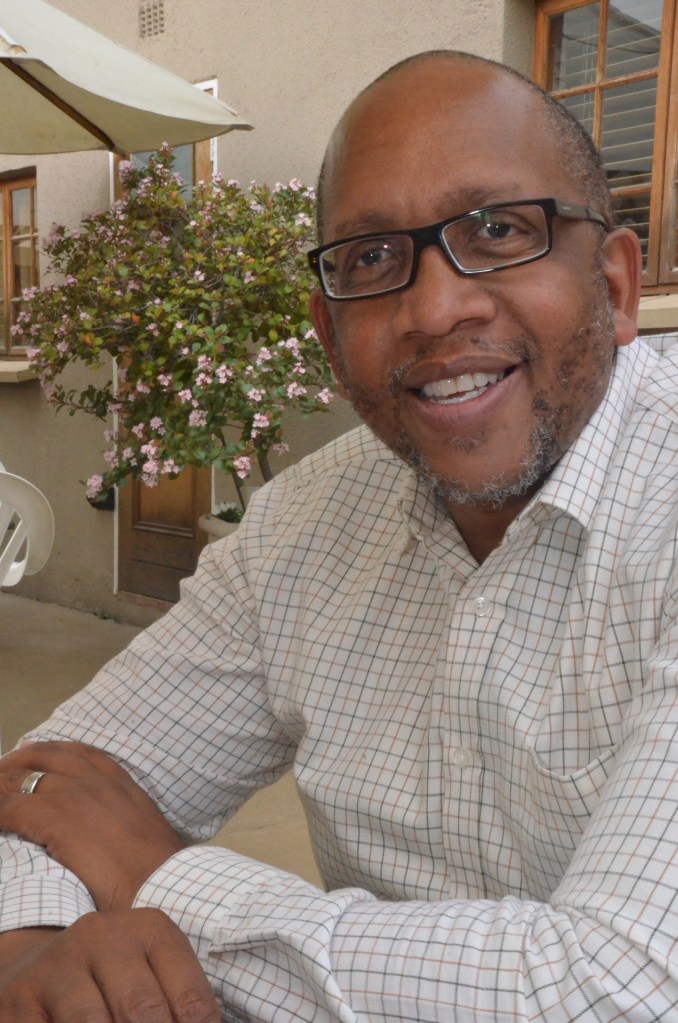
Black Royalty Series: Prince Seeiso

Prince Seeiso is a prominent African royal, humanitarian, and social impact leader from the Kingdom of Lesotho. He is best known internationally for his work in child welfare, education, and sustainable development, and for being a co-founder of one of Africa’s most influential philanthropic organizations focused on vulnerable children.

Prince Seeiso was born in 1980 into the royal family of Lesotho. He is the younger brother of King Letsie III, the current monarch of Lesotho, making him a senior prince within one of Africa’s few remaining traditional kingdoms. Lesotho itself is a small, landlocked nation completely surrounded by South Africa, known for its strong cultural identity and constitutional monarchy.

He received his early education in Lesotho before studying abroad in the United Kingdom. Like many modern African royals, Prince Seeiso was educated within both African and Western systems, giving him a global outlook while remaining deeply rooted in Basotho culture and tradition.

Prince Seeiso is best known as the co-founder of Sentebale, a major charitable organization he established in 2006 with Prince Harry, Duke of Sussex. The organization was created in memory of their mothers—Princess Diana and Queen Mamohato Bereng Seeiso—and focuses on supporting children affected by HIV/AIDS, poverty, and inequality in southern Africa.

Sentebale has become one of the most respected child-focused charities in Africa, operating primarily in Lesotho and Botswana. The organization provides healthcare, psychological support, leadership training, and educational programs for orphaned and marginalized youth.

In African royal tradition, Prince Seeiso holds the title of Principal Chief of Matsieng, one of the most important chieftaincies in Lesotho. This role gives him both cultural authority and political influence, as chiefs play a significant role in governance, land stewardship, and community leadership.

Unlike many ceremonial royals, Prince Seeiso is actively involved in grassroots development. He frequently visits rural villages, schools, and healthcare centers, advocating for youth empowerment, mental health awareness, and social justice within African communities.

He is particularly passionate about African leadership and self-determination. Prince Seeiso often speaks about the need for African solutions to African problems, emphasizing dignity, cultural pride, and sustainable systems over dependency on foreign aid.

Internationally, he represents a new generation of African royalty—one that blends traditional authority with modern activism. Rather than living solely in luxury or symbolic status, he uses his royal position as a platform for policy influence, philanthropy, and social reform.

Prince Seeiso is also a strong advocate for mental health, especially among African men and young people. He has publicly discussed the psychological toll of poverty, trauma, and historical inequality, calling for culturally grounded healing practices.

His work places him among a growing class of global Black leaders who challenge stereotypes about African royalty being disconnected from real social struggles. Instead, he embodies a model of servant leadership rooted in community uplift.

Culturally, Prince Seeiso represents continuity between pre-colonial African governance systems and modern constitutional leadership. Chiefs in Lesotho are not symbolic—they are mediators between people and state, tradition and law.

He is married and has children, though he keeps much of his family life private in accordance with Basotho royal customs, which prioritize dignity and collective identity over celebrity exposure.

Prince Seeiso’s global recognition increased through his association with Prince Harry, but within Africa, he is respected independently as a national figure and humanitarian leader in his own right.

His life reflects a broader truth often ignored in Western narratives: Africa still has living royal bloodlines, traditional governance systems, and indigenous leadership structures that predate European monarchies by centuries.

Prince Seeiso stands today as a modern example of a Black African prince making real impact in the world—not through conquest or inherited wealth alone, but through service, advocacy, and the restoration of human dignity.

In a global system still shaped by colonial hierarchies, Prince Seeiso represents the reclamation of African nobility as moral leadership, not just historical symbolism.

references

References

Royal Household of Lesotho. (n.d.). His Royal Highness Prince Seeiso. Government of Lesotho. Retrieved from https://www.gov.ls/royal-family

Sentebale. (2023). About Us: Our Founders. Sentebale. Retrieved from https://www.sentebale.org/about-us

BBC News. (2016). Prince Harry and Prince Seeiso: A Royal Partnership for Africa. BBC. Retrieved from https://www.bbc.com/news/uk-37711383

Mokoena, T. (2018). African Royals in the 21st Century: Leadership and Philanthropy. Johannesburg: South African Historical Press.

Peters, J. (2020). Modern African Monarchies: Tradition and Transformation. Cambridge University Press.

Harris, M. (2019). The Rise of Royal Humanitarianism in Southern Africa. African Affairs, 118(473), 112–131.

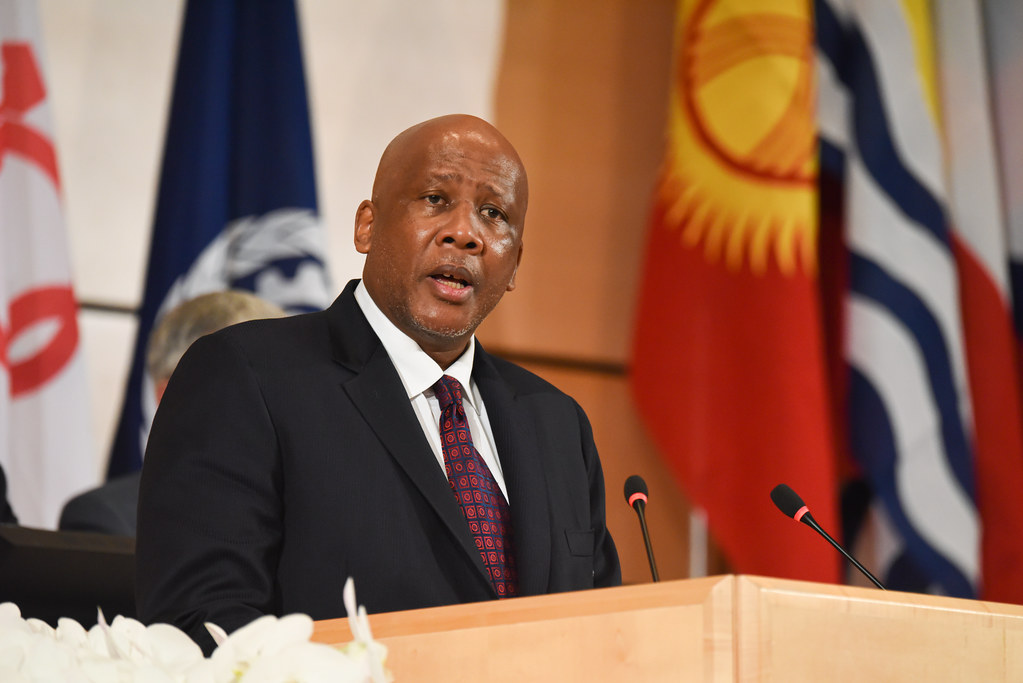
Black Royalty Series: King Letsie III of Lesotho – Monarch, Diplomat, and National Figure

This photograph is the property of its respective owner. No copyright infringement intended.

King Letsie III is the current monarch of the Kingdom of Lesotho, a small, landlocked nation completely surrounded by South Africa. Born on July 17, 1963, as David Mohato Bereng Seeiso, he became a central figure in Lesotho’s constitutional monarchy, balancing ceremonial duties with political influence and international diplomacy.

Lesotho, historically known as Basutoland under colonial rule, gained independence from Britain in 1966. The nation is largely mountainous, with a population that maintains strong cultural traditions centered around the Basotho ethnic group. The monarchy in Lesotho plays a symbolic and unifying role, representing national identity while functioning within the framework of a constitutional democracy.

King Letsie III is the eldest son of King Moshoeshoe II and Queen ‘Mamohato Bereng Seeiso. His father, Moshoeshoe II, was a founding figure of Lesotho’s monarchy and a symbol of continuity during periods of political instability. King Letsie received his education in Lesotho, South Africa, and the United Kingdom, including legal and political studies that prepared him for both ceremonial and practical leadership roles.

He first ascended the throne on November 12, 1990, after King Moshoeshoe II was exiled amid political conflict. Letsie’s early reign coincided with a period of tension between the monarchy and elected governments, reflecting Lesotho’s struggle to balance traditional authority with democratic institutions. His father was later reinstated in 1995, after which Letsie abdicated, only to resume kingship following his father’s death in 1996.

As King, Letsie III serves primarily as a ceremonial head of state but also wields influence through moral authority and as a symbol of unity for the Basotho people. He participates in state functions, diplomatic engagements, and national ceremonies, promoting cultural heritage and national cohesion.

King Letsie III has been involved in various initiatives aimed at development and social welfare in Lesotho. He is particularly committed to public health, education, and HIV/AIDS awareness, aligning with organizations such as Sentebale, co-founded by his brother, Prince Seeiso, and Prince Harry, to support children affected by HIV/AIDS in southern Africa.

His monarchy emphasizes the integration of traditional leadership into modern governance. Lesotho’s chiefs and royal family members play a mediating role between communities and the state, supporting conflict resolution, land management, and cultural preservation. King Letsie is central to these efforts, leveraging his authority to stabilize governance and foster national dialogue.

The king is married to Queen ‘Masenate Mohato Seeiso, and together they have children, including Prince Lerotholi, who is in line for the throne. His family life remains largely private but is respected as a model of royal duty and cultural stewardship within Lesotho.

Internationally, King Letsie has cultivated diplomatic relationships with neighboring South Africa and other global partners. He participates in Commonwealth events, African Union engagements, and international forums where Lesotho’s development challenges and opportunities are highlighted.

This photograph is the property of its respective owner. No copyright infringement intended.

King Letsie III has received several honors and awards recognizing his service and leadership. These include appointments within the Orders of Lesotho, Commonwealth honors, and recognition for his contributions to HIV/AIDS advocacy and humanitarian initiatives across southern Africa.

Under his reign, Lesotho has maintained relative political stability compared to earlier decades marked by coups, civil unrest, and tensions between military and civilian governments. The king’s presence as a symbolic authority has often contributed to negotiation and conflict mediation, reinforcing social cohesion.

He actively promotes Lesotho’s culture and heritage, from traditional Basotho dress to local customs, music, and festivals. By elevating cultural identity, King Letsie strengthens national pride and counters cultural erasure in the region dominated by South Africa.

King Letsie III also serves as a patron for environmental initiatives and sustainable development in Lesotho, emphasizing protection of the highland ecosystem, water resources, and agriculture. His advocacy supports both ecological preservation and local livelihoods in rural communities.

His leadership is characterized by a blend of ceremonial duty, cultural representation, and modern engagement, highlighting the evolving role of African monarchs in the 21st century. King Letsie III represents continuity, diplomacy, and moral authority for Lesotho while fostering the international visibility of his nation.


References

Royal Household of Lesotho. (n.d.). His Majesty King Letsie III. Government of Lesotho. Retrieved from https://www.gov.ls/royal-family

BBC News. (2016). King Letsie III: Lesotho’s Constitutional Monarch. BBC. Retrieved from https://www.bbc.com/news/world-africa-37391177

Sentebale. (2023). Prince Seeiso and the Royal Family of Lesotho. Sentebale. Retrieved from https://www.sentebale.org

Peters, J. (2020). Modern African Monarchies: Tradition and Transformation. Cambridge University Press.

Mokoena, T. (2018). African Royals in the 21st Century: Leadership and Philanthropy. Johannesburg: South African Historical Press.

Harris, M. (2019). Royal Leadership in Southern Africa: Authority, Culture, and Social Impact. African Affairs, 118(473), 112–131.